Author: admin

  • Africa- Policy Reform and Revitalization: The Key to Expanding South Africa’s Natural Gas Infrastructure (By NJ Ayuk)

    Africa- Policy Reform and Revitalization: The Key to Expanding South Africa’s Natural Gas Infrastructure (By NJ Ayuk)

    South Africa is in many ways one of the most modern countries in Africa, particularly with respect to electricity access. Yet while its numbers compare favorably with most other African nations (as of 2021, 89.3% of the population had reliable access to electricity, making it the fifth-highest ranking in the continent according to the World Bank), it still shares some of the same core problems as the others: an unreliable energy supply facing a rapidly growing population, an expanding economy, and increasing urbanization.

    With climate change looming large over any debate about energy, the pressure is on from more economically developed nations for Africa to bypass older energy technologies and jump straight to renewables. As wonderful as that may sound in theory, the key to supplying a growing nation is stability, and the key to stability is diversity.

    For South Africa, whose current power generation structure is dominated by coal, that means including natural gas — which Africa has in almost as much abundance as sun and wind — to help steady the supply of energy while renewable technology continues to mature.

    Diversifying the energy supply is not as simple as opening the door and putting out the welcome mat, however. For energy suppliers to thrive in a new market, they need to see stability as well — stability of policy and infrastructure. Companies don’t like doing business where the rules are Byzantine, and their physical needs are difficult or impossible to supply.

    To support the expansion of its natural gas infrastructure and ensure a more prosperous future, there are several policy initiatives that South Africa should embrace.

    Physical Needs

    The most obvious place to start is expanding the existing gas networks to support wider distribution.

    Current supply is highly localized in just three areas around Gauteng, Mpumalanga, and KwaZulu-Natal. Adequate storage facilities are sorely lacking outside of these zones and need to be built before pipeline networks can be installed to distribute the gas.

    Plans are currently underway to develop such facilities in Coega, Richards Bay, Saldanha Bay, and just across the border in Maputo, Mozambique. This is a good start, but more will be needed to facilitate prompt additional power generation when a renewables-based grid needs assistance. Terminals and regasification plants for liquefied natural gas (LNG) would also enhance the country’s import capacity.
    Public-private partnerships with corporations such as ExxonMobil and Royal Vopak, along with international collaborations among governments, could help accelerate these developments.

    South Africa also needs to do more to access and utilize its own native supply of natural gas in areas like Mossel Bay, the Orange River Basin, and the shale formations of the Karoo Basin. Seismic surveys and exploratory drilling are needed to more accurately characterize the resources available and optimize the location of gas processing and transport infrastructure. Energy independence is an important factor in long-term stability, as evidenced in Europe when Russian gas imports were abruptly cut off.

    The country could also benefit from converting old, mothballed coal-fired power plants to use natural gas instead. This could save time and money by requiring fewer new builds, and also recover jobs that were lost when these facilities were decommissioned. Although some coal plants can be converted to diesel, LNG is a more environmentally friendly option that more efficiently supports combined-cycle and open-cycle gas turbine plants.

    Policy Needs

    As is so often the case, much of what stands in the way of progress comes down to policy and paperwork. It’s all well and good to say we need more exploration, but unclear permitting and consulting processes, lengthy appeals timelines that exceed regulatory allowances, and limited permit validity periods for reconnaissance activities are highly discouraging to potential investors and developers, who need assurance that they aren’t throwing their time and money into a bottomless pit.

    Instead, development partners need clear, stable, and supportive regulations to ensure legal certainty for projects. Policy implementation and permitting must be transparent and provide a clear framework for discussion and decision-making when considering risks, mitigations, and economic development goals.

    A policy brief published by Eye for Business and commissioned by The EnerGeo Alliance in May 2024 offered a number of suggested policy reforms aimed at streamlining energy development in South Africa. The EnerGeo Alliance is a global trade alliance for the energy geoscience industry, representing geoscience companies, innovators, and energy developers. Steps recommended by the brief include well-thought-out reforms that could quickly spur much-needed investment in the country:

    • Implementing clear and stable policies that support the development and integration of natural gas within the energy sector.
    • Addressing policy gaps regarding new gas sources and creating incentives for investment in gas infrastructure.
    • Streamlining geoscience survey permitting and consultation processes to provide critical data for identifying and developing domestic natural gas resources.
    • Providing certainty for project proponents who have received relevant exploration rights and environmental authorizations.
    • Considering standardized and coordinated assessment of environmental impacts and consultations to provide greater confidence for all stakeholders and reduce redundant assessments and consultations.
    • Initiating regular licensing rounds for offshore exploration activities to provide opportunities for investment and enhance competition.
    • Extending the validity of reconnaissance rights to offer project proponents more flexibility in seismic data acquisition, even when weather and environmental sensitivities cause slowdowns.
    • Prioritizing the construction of LNG terminals and other necessary infrastructure to support natural gas import, storage, and transportation.
    • Establishing a clear timeline detailing how natural gas can add value in the immediate future, well before renewables become available.
    • Establishing stringent safety standards and regular maintenance schedules for gas infrastructure to mitigate risks and ensure long-term operational integrity.

    To expand on that last item, while it is important for economic development to provide a supportive environment for investors, any wise society must also take steps to protect itself from being taken advantage of due to lax or nonexistent regulation that can result in compromises to oil and gas infrastructure. A stable supply of energy can only occur when safety and security regulations are respected and consistently enforced.

    With national energy demand expected to triple by 2040, South Africa must plan wisely to expand and stabilize its energy supply, both imported and domestic, while respecting well-founded concerns about future climate change. Natural gas is the most reliable, efficient, abundant, and lowest-carbon fuel available to bridge the gap to a fully renewable future. If we are to utilize it responsibly, we must first provide a sound, sensible, and transparent policy foundation to smooth the road for all who wish to see South Africa prosper in the decades to come.

    Distributed by APO Group on behalf of African Energy Chamber.

    SOURCE
    African Energy Chamber

  • Republic of Congo Hydrocarbons Minister to Discuss Gas Monetization at Angola Oil & Gas (AOG) 2024

    Republic of Congo Hydrocarbons Minister to Discuss Gas Monetization at Angola Oil & Gas (AOG) 2024

    LUANDA, Angola, July 4, 2024/ — Bruno Jean-Richard Itoua, Minister of Hydrocarbons of the Republic of Congo (ROC), has joined the Angola Oil & Gas (AOG) conference as a speaker. During the conference – scheduled for October 2-3 in Luanda – Minister Itoua will provide insight into emerging opportunities in oil exploration, gas monetization and LNG development, as well as potential areas for collaboration between the two countries.

    Both ROC and Angola have set bold production targets, aiming to increase oil output to 500,000 barrels per day (bpd) and 1.1 million bpd, respectively. Both countries’ favorable investment climates have sparked the interest of a strong slate of E&P firms, with AOG 2024 set to not only support national oil and gas objectives, but also offer a platform for engagement in emerging cross-border projects.

    AOG is the largest oil and gas event in Angola. Taking place with the full support of the Ministry of Mineral Resources, Oil and Gas; national oil company Sonangol; the National Oil, Gas and Biofuels Agency; the African Energy Chamber; and the Petroleum Derivatives Regulatory Institute, the event is a platform to sign deals and advance Angola’s oil and gas industry. To sponsor or participate as a delegate, please contact sales@energycapitalpower.com.

    To support oil production, ROC is promoting investment in frontier exploration alongside incremental production from existing assets. The Central African country – with 1.8 billion barrels of proven oil reserves – has several upstream campaigns underway that aim to unlock new discoveries.

    Independent energy company Perenco, for example, completed 3D seismic surveys at the Tchibouela II, Tchendo II, Marine XXVIII and Emeraude permits in November 2023. Energy major TotalEnergies has announced plans to invest $600 million to drive exploration and production activities in the country, specifically through the development of the Moho Nord field.
    The field currently accounts for nearly half of total Congolese oil production, producing an estimated 140,000 bpd. The investment will support drilling operations in line with national targets to bolster output.

    Meanwhile, ROC is committed to monetizing its gas resources through both associated and non-associated projects. The country reached a milestone in March 2024 with the delivery of its first LNG cargo to Italy from the Congo LNG development.

    As the country’s inaugural LNG facility, the project employed a fast-tracked approach whereby LNG was produced just 12 months after FID. By 2025, the Congo LNG project is expected to produce 2.4 million tons per annum, with ROC joining the likes of Angola as a major African LNG exporter.

    Further supporting its gas monetization drive, ROC is making progress with the development of the Bango Kayo project. Set to reach peak oil production of 50,000 bpd, project developer Wing Wah is deploying an integrated approach to expand the project through multiple phases.

    The project will begin monetizing previously-flared gas to support the country’s industrial sector, serving as a model for other African oil producers including Angola, which is striving to maximize production from mature assets.

    Minister Itoua’s participation at AOG 2024 not only speaks to the caliber of the event as the premier oil and gas conference in Angola, but creates new opportunities for bilateral collaboration in the fields of LNG production and oilfield development.

    Angola and ROC – both offering promising opportunities in offshore exploration and tie-ins to existing onshore infrastructure – represent highly attractive hydrocarbons markets, with the AOG 2024 conference set to connect global investors with prospective opportunities.

    Minister Itoua will be joined by Maixent Raoul Ominga, Managing Director of the Congo’s national oil company Société Nationale des Pétroles du Congo at AOG 2024. For more information, visit www.AngolaOilAndGas.com.

    Distributed by APO Group on behalf of Energy Capital & Power.

    SOURCE
    Energy Capital & Power

  • The IMF is failing countries like Kenya: why, and what can be done about it

    The IMF is failing countries like Kenya: why, and what can be done about it

    Author: Danny Bradlow

    Professor/Senior Research Fellow, Centre for Advancement of Scholarship, University of Pretoria

    First Published,July,2,2024 

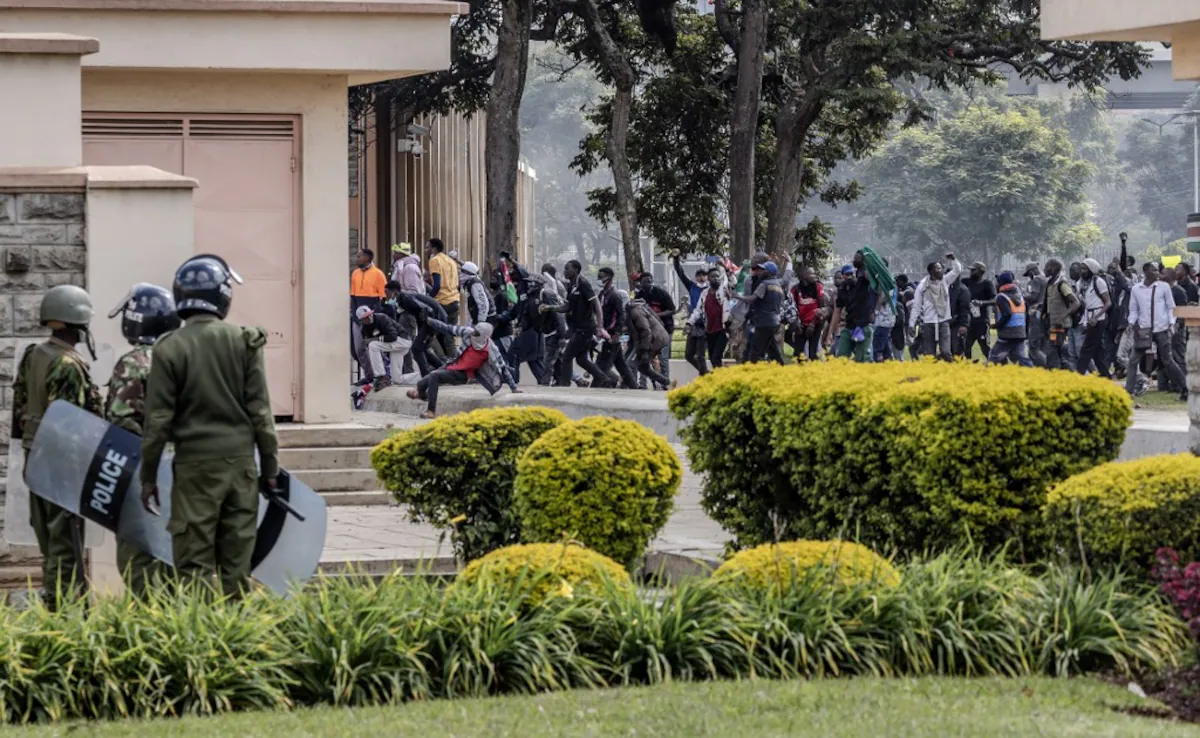
    The recent Kenyan protests are a warning that the International Monetary Fund (IMF) is failing. The public does not think it is helping its member countries manage their economic and financial problems, which are being exacerbated by a rapidly changing global political economy.

    To be sure, the IMF is not the only cause of Kenya’s problems with raising the funds to meet its substantial debt obligations and deal with its budget deficit. Other causes include the failure of the governing class to deal with corruption, to spend public finances responsibly and to manage an economy that produces jobs and improves the living standards of Kenya’s young population.

    The country has also been hammered by drought, floods and locust infestations in recent years. In addition, its creditors are demanding that it continue servicing its large external debts despite its domestic challenges and a difficult international financial and economic environment.

    The IMF has provided financial support to Kenya. But the financing is subject to tough conditions which suggest that debt obligations matter more than the needs of long-suffering citizens. This is despite the IMF claiming that its mandate now includes helping states deal with issues like climate, digitalisation, gender, governance and inequality.

    Unfortunately, Kenya is not an isolated case. Twenty-one African countries are receiving IMF support.

    In Africa, debt service, on average, exceeds the combined amounts governments are spending on health, education, climate and social services.

    The tough conditions attached to IMF financing have led the citizens of Kenya and other African countries to conclude that a too powerful IMF is the cause of their problems. However, my research into the law, politics and history of the international financial institutions suggests the opposite: the real problem is the IMF’s decline in authority and efficacy.

    Some history will help explain this and indicate a partial solution.

    The history

    When the treaty establishing the IMF was negotiated 80 years ago, it was expected to have resources equal to roughly 3% of global GDP. This was to help deal with the monetary and balance of payments problems of 44 countries. Today, the IMF is expected to help its 191 member countries deal with fiscal, monetary, financial and foreign exchange problems and with “new” issues like climate, gender and inequality.

    To fulfil these responsibilities, its member states have provided the IMF with resources equal to only about 1% of global GDP.

    The decline in its resources relative to the size of the global economy and of its membership has at least two pernicious effects.

    The first is that it is providing its member states with less financial support than they require if they are to meet the needs of their citizens and comply with their legal commitments to creditors and citizens. The result is that the IMF remains a purveyor of austerity policies. It requires a country to make deeper spending cuts than would be needed if the IMF had adequate resources.

    The second effect of declining resources is that it weakens the IMF’s bargaining position in managing sovereign debt crises. This is important because the IMF plays a critical role in such crises. It helps determine when a country needs debt relief or forgiveness, how big the gap between the country’s financial obligations and available resources is, how much the IMF will contribute to filling this gap and how much its other creditors must contribute.

    When Mexico announced that it could not meet its debt obligations in 1982, the IMF stated that it would provide about a third of the money that Mexico needed to meet its obligations, provided its commercial creditors contributed the remaining funds. It was able to push the creditors to reach agreement with Mexico within months. It had sufficient resources to repeat the exercise in other developing countries in Latin America and eastern Europe.

    The conditions that the IMF imposed on Mexico and the other debtor countries in return for this financial support created serious problems for these countries. Still, the IMF was an effective actor in the 1980s debt crisis.

    Today, the IMF is unable to play such a decisive role. For example, it has provided Zambia with less than 10% of its financing needs. It has been four years since Zambia defaulted on its debt and, even with IMF support, it has not yet concluded restructuring agreements with all its creditors.

    What is to be done?

    The solution to this problem requires the rich countries to provide sufficient finances for the IMF to carry out its mandate. They must also surrender some control and make the organisation more democratic and accountable.

    In the short term, the IMF can take two actions.

    First, it must set out detailed policies and procedures that explain to its own staff, to its member states and to the inhabitants of these states what it can and will do. These policies should clarify the criteria that the IMF will use to determine when and how to incorporate climate, gender, inequality and other social issues into IMF operations.

    They should also describe with whom it will consult, how external actors can engage with the IMF and the process it will follow in designing and implementing its operations. In fact, there are international norms and standards that the IMF can use to develop policies and procedures that are principled and transparent.

    Second, the IMF must acknowledge that the issues raised by its expanded mandate are complex and that the risk of mistakes is high.

    Consequently, the IMF needs a mechanism that can help it identify its mistakes, address their adverse impacts in a timely manner and avoid repeating them.

    In short, the IMF must create an independent accountability mechanism such as an external ombudsman who can receive complaints.

    Currently, the IMF is the only multilateral financial institution without such a mechanism. It therefore lacks the means for identifying unanticipated problems in its operations when they can still be corrected and for learning about the impact of its operations on the communities and people it is supposed to be helping.

    SOURCE

    THE CONVERSATION

    PHOTO: CREDIT NDTV


  • Africa and the Energy Transition: The Nuances, Challenges and Prospects(By Mohammed A.Abu)

    Africa and the Energy Transition: The Nuances, Challenges and Prospects(By Mohammed A.Abu)

    Introduction

    The issue of global warming exacerbated by climate change impact drives the global call for transitioning from fossil fuels energy sources to renewables.

    The Agreement of the 28th UN Climate Change Conference (COPs 28) held last year in the Dubai Emirate of the United Arab Emirates(UAE) recommended “transitioning away from fossil fuels” that is, gradual rather that immediate phase out as was expected by some parties.

    Whereas some countries mostly from the global North relatively are transition ready, others with particular reference to oil and gas resources rich African countries and others in the Global South aren’t yet.

    For transition ready countries an immediate phase out of fossil fuels wouldn’t have been an issue but on the flip side of it, for the less transition ready countries, they surely would have had serious issues with any such decision.

    Thus, the gradual phase out recommendation guided by the fact that countries had different development need situations was a mature way of handling the issue.

    The Context: Fossils Versus Renewables Debate

    Fossil Fuels

    Fossil fuels are said to include coal, petroleum, natural gas, oil shales, bitumen, tar sands, and heavy oils are said to contain carbon and were formed as a result of geologic processes acting on the remains of organic matter produced by photosynthesis, a process that began in the Archean Eon (4.0 billion to 2.5 billion years ago)

    Burning of the various types of fossil fuels experts say emit carbon dioxide (CO2) and other harmful air pollutants. Among the various forms of fossil fuels coal, oil, and natural gas are said to be the major offenders.

    According to industry experts, amongst the three, coal is generally considered to be the most harmful to the environment.

    Reasons:

    Greenhouse Gas Emission: Coal combustion is said to release the highest levels of carbon dioxide (CO2) per unit of energy produced compared to oil and natural gas. CO2 is a major greenhouse gas that contributes to global warming and climate change experts argue.

    Air Pollution: Burning coal also releases various air pollutants such as sulfur dioxide, nitrogen oxides, and particulate matter.More CO2 in our atmosphere causes less sunlight to escape back into space, causing the planet to warm.

    The Liquefied Natural Gas(LNG) Exception

    Even though LNG is classified under fossil fuels, but experts say, releases 45-50% less CO2 than coal, 30% less CO2 than fuel oil, dramatically reduces nitrogen oxide emissions, does not emit soot, dust or fumes, and produces insignificant amounts of sulfur dioxide, mercury, and other particulates compared to other fuels.

    Renewables

    The various renewable forms of energy said to be environmentally friendly, include, solar, wind, geothermal, hydropower, ocean energy and bioenergy. Solar energy is the most abundant of all energy resources and can even be harnessed in cloudy weather.

    Disadvantages

    Experts on the other hand also contend, even though renewable energy production is relatively environmental friendly than its fossil energy counterpart, but there is no doubt that, there are also a number obstacle to its production with the major ones being the following:

    1.Renewable energy sources are natural forces that are strongly dependent on the weather conditions and are therefore not available round the clock. Thus under bad weather conditions renewable technologies such as solar cells will be of less use. For example, if it rains PV panels can’t generate electricity so one has to fall back on traditional power sources.

    2.Low efficiency of renewable energy technologies is another issue. Each type experts contend, requires a specific technology so that we can convert it into electricity.

    3.The efficiency of energy conversion devices they contend, is very important when prioritizing energy sources. Unfortunately, they contend, the efficiency of renewable technologies is not high compared with traditional energy conversion devices.

    Solar panel efficiency that are available in the market experts contend,is between 15-20 percent. On the other hand, traditional technologies that use coal or natural gas can reach efficiency level of up to 40 and 60 percent respectively.

    4.Harnessing of renewable energy requires a lot of space for solar and wind farms that could compete with land for other important purposes as compared to traditional power stations that don’t need a lot of space.

    The forgoing obstacles and challenges associated with renewable energy production notwithstanding, the general consensus still favours transitioning from the environmentally harmful fossil fuels derived energy to renewables.

    Renewable energy alternative is still very crucial if global warming and climate change impact is to be confronted head on in other to save the planet and humanity.is the general position worldwide.

    A Dicey Situation for Africa

    The South Africa based Africa Energy Chamber, the voice of the continent’s energy industry responded strongly to environmental organizations that were clamoring for Africa to abruptly halt fossil fuels production and further exploration.

    The Contentious Issues

    The chamber noted that even though no one is denying the importance and benefits of energy from  renewables, but Africa, at this material moment, cannot also afford to leave her rich oil and gas resources buried in the ground for the sake of fast tracking transition from fossil fuels energy sources to renewables.

    The Chamber cited Africa’s abysmally low energy generation capacity(4 percent of global total) making the continent the most energy poor in the world. At present, 600 million people, or 43% of the total population, lack access to electricity, most of them in sub-Saharan Africa. (IEA, Africa Energy Outlook 2022 Report).

    The chamber therefore argued that, the continent still needed to exploit her rich oil and gas reserves in order to generate domestic wealth and capital and with particular reference to Liquefied Natural Gas(LNG).

    Another dimension of the transition injustice argument is that some of the transition ready advanced world countries are major beneficiaries of exploitation of Africa’s oil and gas resources through colonization thereby, amassing financial wealth from Africa which they used for the industrial development of their countries back home.

    Stampeding Africa now into the adoption of an immediate transition from fossil fuels exploitation to renewable energy amidst her sordid energy poverty situation, would be tantamount to grievous transition injustice.

    Decades long unfulfilled financial pledges made by the Global North towards funding climate change impact mitigation and adaptation measures in the Global South with particular reference to Africa, which was given prominence during COPs 28, further makes a more compelling case for the African Energy Chamber’s position.

    Prospects for Renewable Energy in Africa

    With about 60 percent share of global total arable land, abundant sunshine, biomass, among others, bolstered by her ground water rich aquifers, Africa no doubt has abundant resources for renewable energy production.

    What would be most crucial is,putting in place  national renewable energy production  policy frameworks, underpinned by,Master and Strategic Actions Plans, easy accessibility to capital at affordable cost, for investments in renewable energy projects in both the African public and private sectors.

    Leveraging research driven technological solutions to the obstacles and challenges confronting renewable energy production, Africa could be an important player in the global renewable energy production industry moving on.

    Africa’s Renewable Energy Production Snapshot

    Within the past decade courtesy former US President Obama’s 2013 USD7bn “Power Africa” promise, a number of major solar and wind energy projects have since been executed in Ghana, Cameroon, Burkina Faso, Kenya and South Africa (The Africa Report, July 2023)

    On the back of that comes the joint African Development Bank’s(AfDB) and World Bank Africa Renewable Energy Fund facility announced recently, and, “The Energy for Growth in Africa Initiative” unveiled during the 2024 G7 Leaders Meeting in Italy.

    The initiative has the commitment of Canada, Japan, US, UK, EU, France, Germany, Italy, Republic of Congo, Ivory Coast and a number of African countries.

    “We will work to accelerate investments in clean energy sources to ensure an inclusive transition which supports energy security recognizing that a substantial portion of people in Africa still lack reliable access to electricity and clean cooking” said the parties in a joint statement.

    The Africa Energy Chamber the voice of the continent’s energy industry also recently announced hosting a reception on July 11,in London intended to woe global investors to Africa with lucrative energy projects.

    The Renewable Energy Storage Conundrum

    Even though general  consensus favours renewable energy aside the number of obstacles to renewable energy production stated earlier, another major issue is, the lapse of produced renewable energy storage through batteries which experts say leads to the loss of substantial amount of energy. This raises sustainability concerns.

    Pumped Storage Hydropower Technology to the Rescue

    According to Regenbiomass,Inc.,one of the leading energy research and production companies in the US,the Pumped Storage Hydropower Technology is the alternative solution to storage through battery problem.

    How it Works

    Dr. Phil Cruver, CEO of Regenbiomass, Inc., notes, “pumped storage hydroelectricity is an effective means of storing renewable energy. When the wind blows and the sun shines, water is pumped from a lower elevation reservoir into a higher elevation reservoir and when there is no sun or wind, the water is released for driving a turbine producing electric power”.

    “Energy is stored in the form of gravitation potential from the weight of the water pumped to an above ground reservoir and when there is no sun or wind, the water is released back into the aquifer reversing the operation of the motor pump to generate electricity as a turbine generator.

    “With utility load balancing of renewable solar and wind energy development projected to skyrocket in the coming years, aquifer pumped storage presents a clean, sustainable, and scalable solution for the energy storage conundrum faced by the renewable energy industry.” intimated Dr.Cruver.

    It’s Benefits Over Battery Storage Technology

    According to Dr. Phil Cruver, the technology has many benefits over battery storage which is typically limited to about 2-4 hours for backup power with limited lifetime due to number of charging cycles which are exceeded in about 3 years. Moreover, lithium batteries are subject to material and mineral shortages and disposal problems

    A couple of US government incentives he says, has spurred research interest in the technology across the country.

    The company takes cognizance of the important role ground water aquifers rich areas in US and other parts of the world including Africa, could  play in ensuring sustainability in renewable energy production and storage. .  .

    Regenbiomass in its research endeavours has successfully  piloted  intercropping of Paulownia and Avocado trees in marginalised lands in desert areas in the US.It  is a changer that promises to have both agriculture as well as, carbon sequestration benefits for addressing climate change impact.

    Pumped Storage Hydropower Technology in other Parts of the World

    Across the world, interest in pumped storage hydropower is also booming. In 2022, Switzerland completed an installation with the same energy storage capacity as 400,000 car batteries. SpainBulgaria, and Finland have all launched similar projects in the last few months alone.

    “Pumped storage hydropower is a mature technology”, says Professor Sebastian Sterl of the Free University of Brussels in Belgium, where he specializes in hydropower. “We know how much it costs and produces. There’s also very little loss of energy.”

    The Pumped Storage Hydropower Technology is a must for  Africa.Fortunately  Northern and Sahel Africa regions according to Regenbiomass,have  some of the world’s largest aquifers that could be leveraged for storage of renewable energy as an alternative to batteries.

     

  • Africa- Leveraging Artificial Intelligence (AI) for Good Health: The New Frontier in Social Innovation to accelerate progress toward Sustainable Development Goal 3 (SDG 3)

    Africa- Leveraging Artificial Intelligence (AI) for Good Health: The New Frontier in Social Innovation to accelerate progress toward Sustainable Development Goal 3 (SDG 3)

    JOHANNESBURG, South Africa, July 2, 2024/ — In the evolving landscape of global health, digital innovation emerges as a beacon of hope, pushing the boundaries of what is possible in healthcare access, quality, and affordability.
    A recent white paper by the World Economic Forum, produced in collaboration with the Schwab Foundation for Social Entrepreneurship, EY, and Microsoft, sheds light on an exciting paradigm shift: the integration of Artificial Intelligence (AI) in social innovation, especially within healthcare.
    AI uptake has the potential to improve immunisation programmes, supply chains, referrals, diagnoses, drug safety, and overall health system efficiency.

    The report finds three primary impact areas where AI is making significant contributions:

    • Healthcare, with 25% of innovators using AI to advance access to health;
    • Environmental sustainability, with 20% of social innovators applying AI to tackle climate solutions; and
    • Economic empowerment, notably prevalent in lower-income countries where 80% of all initiatives aimed at enhancing livelihoods are based.

    Healthcare is by far the most prevalent impact domain that social innovators are addressing with AI. Corresponding to this, 1 in 4 Social innovators are deploying AI to advance Sustainable Development Goal 3, Good Health and Well-being. This is apparent across all geographies as innovators seek to adopt AI to address multiple challenges within the area of healthcare.

    Referenced in this report is BroadReach Group, a social impact organisation, that is using AI and machine learning to equip health care workers, leaders and institutions to better manage their scarce resources and drive better health outcomes for all. Vantage Health Technologies, a part of BroadReach Group is harnessing its work across continents in the following ways:

    • Using AI in Africa to support large HIV and TB programs by identifying gaps in resources and supporting decision making and targeted actions to address those gaps. This has allowed many districts particularly in South Africa, with the largest HIV population in the world to come close to achieving the UN goals of 95-95-95. The 95-95-95 HIV testing, treatment, and viral suppression targets aim to close gaps in HIV treatment coverage and outcomes in all sub-populations, age groups and geographic settings.
    • Vantage has provided program oversight to Tuberculosis (TB) programs in Africa by providing a single system to manage all key areas.  TB outcomes are difficult to manage without daily insight into performance data. Vantage integrated already existing feeds from the national health data system to drive active decision making and launch interventions to address performance, data quality and reporting compliance.
    • A leading non-governmental organisation in Nigeria that provides prevention, treatment and care services across HIV/AIDS, TB and Malaria uses AI and predictive analytics in Vantage to prevent missed appointments and bring patients back to care. The outputs are used to prioritise outreach to high-risk patients and monitor the effectiveness of interventions to proactively highlight areas needing attention.
    • In the US, Vantage is addressing Social Determinants of Health, by automating social care coordination for cancer patients. The early results have shown improved patient outcomes, improved equity and financial sustainability, while simultaneously reducing the administrative burden on the workforce.

    Dr. Ernest Darkoh, co-founder of BroadReach Group, says, “the fundamental issue in healthcare, whether you are in Sub-Saharan Africa, Western Europe, or the USA, is that demand outstrips supply in terms of health services, doctors, nurses, and medications.

    The healthcare sector is trying to deliver on an antiquated model of ‘sick care’ without real-time intelligence on disease patterns, who is being affected the most, or the adequacy of healthcare resources. We need to change this paradigm to be more effective by leveraging data and digital solutions to ensure we are always spending the next hour and the next dollar in the in the most impactful way possible.”

    Global Collaboration to Achieve Health Equity

    The report also shows that Africa is emerging, with leaders like South Africa, Nigeria and Kenya. Egypt and Kenya have developed national AI strategies. In other countries like Cameroon, individual social innovators are using AI to address healthcare challenges, such as developing low-cost diagnostic tools for malaria. The continent is also seeing AI applications in economic empowerment and various ML capabilities.

    Paul Bhuhi, Managing Director of Vantage shares, ‘’AI is becoming more accepted, with healthcare leaders seeing the promise of AI to drive real improvement in health access, quality, and affordability. Yet, the education gap between innovators and the policy makers inhibits AI adoption, In our experience Rwanda and Kenya are leading that push but more needs to be done.”

    An important lesson that BroadReach Group is applying is that learning healthcare lessons in one country can have a profound global impact through collaboration. By sharing best practices, innovations, and research findings, countries can collectively address common health challenges more effectively.

    Collaborative efforts enable the adaptation of successful strategies to different contexts, promoting universal health improvements and accelerating progress towards global health goals like SDG 3. This exchange of knowledge fosters a more interconnected and resilient global healthcare community, where advancements in one region benefit all.

    Dr. John Sargent, co-founder of BroadReach Group, says “an example of impact through collaboration is using our experience and learnings in Africa addressing health inequity and applying them to promote health equity in cancer care in the US. Our teams work across geographies and this collaboration has shown that we can more effectively and rapidly improve patient care because of this experience.

    Although every geography and market has its differences, many of the same core principles, critical lessons learned, and approaches apply, allowing us to rapidly adapt and implement solutions that have a real impact for populations in need while ensuring that the health system is using its resources in the most impactful way.”

    Embracing the Ethical Adoption of AI

    The next generation of ethical generative artificial intelligence (GenAI) provides new hope for more equitable healthcare, but advances in technology must never come at the cost of patient rights. AI systems should start with guardrails and ethics within their foundational design.

    Chris LeGrand, CEO of BroadReach Group emphasises, “regulatory frameworks for ethical use of AI in healthcare are still early stage but are progressing. The new Digital Trade Protocol recently adopted by African heads of state under the Africa Continental Trade Area (AfCTA) is an example of international bodies defining the desired digital landscape with rules based on common principles, including protecting personal data while promoting trusted, safe, ethical use of emerging technologies. Regulation is slowly evolving to create trust and confidence in the protection of health data.”

    Distributed by APO Group on behalf of BroadReach Group.
  • Boko Haram and western education: the surprising views of some Nigerians who left the insurgency group

    Boko Haram and western education: the surprising views of some Nigerians who left the insurgency group

    Co-Authors,Associate Professor Hannah Hoechner & Professor Yagana Bukar

    Universities of East Anglia and  Maiduguri respectively

    First Published,1 July,2024

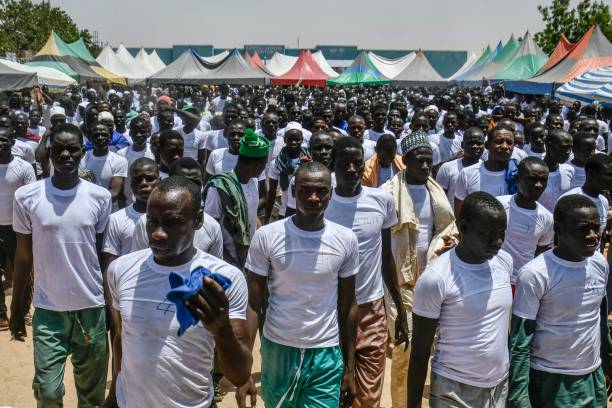
    The world has come to associate the insurgency in north-east Nigeria with the slogan “western education is forbidden”. This is how “Boko Haram” – the name given to the insurgents – is commonly translated from the Hausa language into English.

    But “Boko Haram” is not what the insurgents call themselves or would like to be called. Different factions operate under different names. None of them use “Boko Haram”.

    One faction calls itself Jama’at Ahl al-Sunna li-Da’wa wa-l-Jihad or “People Committed to the Propagation of the Prophet’s Teachings and Jihad”. Another faction uses the name Wilayat Garb Ifriqiya or Islamic State West Africa Province.

    The preachings of the late insurgency leader Mohammed Yusuf (1970-2009) against western education earned his movement the nickname Boko Haram, which gained traction from 2009 onwards.

    High-profile attacks on western schools, including the abduction of 276 schoolgirls from Chibok in April 2014, fed perceptions of the insurgency as opposing western education.

    Western education was introduced in north-east Nigeria under British colonial rule, displacing the Islamic education system that produced the elite in pre-colonial times. Today, most formal sector jobs and government positions in Nigeria require western education.

    Because of the destruction, bloodshed and mass displacement that the insurgency has caused in Nigeria, we wanted to know more about the role education plays as a grievance and as a way to build peace.

    Our research aimed to explore what motivated ordinary members of the insurgency group, popularly called Boko Haram, to fight. Was opposition to western education a reason? We also wanted to know how being part of the insurgency had influenced their views on this education system.

    By speaking to the rank and file, we sought to go beyond the rhetoric of the insurgency leadership.

    Most of the respondents said that hatred of western education was not what motivated them to join the insurgency. They had other reasons. And their experiences as insurgents reinforced the value of a western education.

    We argue that these results show how important it is to make western education accessible to all who want it.

    Views on western education

    We conducted 13 in-depth interviews and five group conversations with former insurgents in Bama and Maiduguri, Borno State, in 2021 and 2024. This was part of a larger research project on education and violent conflict in north-east Nigeria.

    Our conversations focused on former members’ reasons for joining, their experiences of education inside the insurgency, and their perspectives on education after leaving. The majority of respondents were Kanuri men in their twenties and thirties with mostly Qur’anic education.

    Some acknowledged that Yusuf’s preaching had resonated with them at the time of their recruitment. But they didn’t join out of hatred of western education.

    Instead, they discussed other reasons for joining:

    • material incentives
    • perceptions of the insurgents as doing “God’s work” (aikin Allah)
    • the pull of family members and peers
    • fear of retaliation.

    Most of our respondents did not object to western education. To the contrary, they considered it desirable. Many had enrolled themselves or their children in western schools.

    Not everyone agreed to everything happening within western schools. Some respondents expressed reservations against co-education and some curriculum contents, especially in biology and geography, such as evolution, the rain cycle, and earth’s rotation around the sun.

    Overall, the views were positive. The respondents considered western education important to find employment, to handle everyday life situations and to achieve societal progress, for example regarding healthcare.

    To understand why former members view western education in such a positive light, it is helpful to take a closer look at their experiences inside the insurgency.

    Ideology vs tactical needs

    Despite what leaders of Boko Haram said about ideology, our research respondents found that they valued western knowledge for the tactical advantages it offered.

    It was the western-educated who operated the laptops, repaired the phones and the cars, shot and shared the video footage, dispensed the medicines and treated the wounded.

    The members we spoke to said they saw what a difference western education made. Those with only limited Qur’anic education or no education at all occupied lower ranks within the insurgency. They were more likely to be sent into combat, at great risk of being wounded or killed.

    Respondents concluded that the insurgency leaders’ proclaimed views on western education could not be trusted.

    What they could trust was what they saw with their own eyes. For instance, some western-educated defectors got recruited to work for the NGOs responding to the humanitarian crisis in north-east Nigeria.

    Some of their western-educated peers who had not joined the insurgency had found decently paid employment with the police or army, or as teachers.

    Most argued that being well educated could protect people against indoctrination and manipulation. This included having western education. One respondent said:

    They came and misled us [in the area of] Islamic [studies]; maybe next time they will use western education to mislead us. If I have knowledge, no one can do that.

    They were not blind to the shortcomings of the western education system as it currently operates in north-east Nigeria, though. They were aware of how difficult it can be to get education and work without financial backing or the right connections.

    As one respondent put it:

    You cannot seek for knowledge without a penny in your hands.

    What next?

    On the basis of our findings, we recommend that policy makers:

    • ensure western education is genuinely free and accessible – including exams, uniforms and books
    • make sure that skills can be translated into meaningful job opportunities
    • facilitate exchange between people of different educational backgrounds.

    SOURCE

    THE CONVERSATION

  • Local Content in Oil & Gas: A Catalyst for Shared Growth in Namibia

    Local Content in Oil & Gas: A Catalyst for Shared Growth in Namibia

    JOHANNESBURG, South Africa, July 2, 2024/ — In the oil and gas industry, local content refers to the development of local industries, workforce and resources to support the operations of international oil companies (IOC) within a country. For Namibia, fostering ‘Namibian Content’ can significantly enhance economic growth, social development and technological advancement.

    Leveraging Local Content to Drive Economic Growth

    Local content policies can be a catalyst for economic growth by ensuring that a significant portion of the industry’s value chain is retained within the country. By promoting the use of local goods, services and labor, these policies can create a myriad of job opportunities for Namibians. This not only fosters employment but also stimulates the development of ancillary industries, such as manufacturing, logistics and services, which support the oil and gas sector.

    Local content also contributes to the diversification of Namibia’s economy. By developing industries related to the oil and gas sector, the country can reduce its reliance on oil revenues and build a more resilient economy.

    Additionally, local content promotes the development of skills and the transfer of knowledge to the local workforce. By involving Namibians in various aspects of the oil and gas industry, from exploration to production, they gain valuable expertise and experience.

    Such policies also promote increased local participation and ownership in the oil and gas industry, while driving various social development through mandated investments in community infrastructure, education, healthcare and other social programs, thereby improving the quality of life for Namibians. Meanwhile, local content policies can also spur technological advancement and innovation.
    When local firms are part of the industry’s supply chain, they are often required to meet international standards, which drives them to improve their technologies and processes. This can lead to a broader technological base in Namibia, benefiting other sectors of the economy as well.

    Successfully Implementing Local Content

    Successfully implementing local content policies requires various proactive measures. These include capacity building and investing in developing a skilled local workforce and capable local companies; streamlining regulatory processes to enhance compliance and boost investor confidence; and addressing bureaucratic challenges to ensure smoother operations for both international and local companies.

    Additionally, providing financial incentives and investment opportunities that empower local firms; adapting to market dynamics to encourage local companies to embrace the global nature of the oil and gas industry; and ensuring high quality and standards across the market.
    Continuous improvement and training programs can also help local products and services achieve the high standards required, boosting their reputation and competitiveness on the global stage. By concentrating on these key areas, local content policies can be successfully implemented, leading to sustainable growth, innovation and a thriving local industry.

    Lessons Learnt from Global Partners

    Lessons learnt from resource-rich nations across the world can strengthen Namibia’s local content implementation. Norway, for example, provides a prime example of how local content can lead to substantial skills development. The country’s local content regulations required IOCs to partner with Norwegian firms and train local employees.

    As a result, Norway developed a highly skilled workforce and a robust oil services industry, which now competes globally. The country has consistently maintained a high employment rate within the oil and gas sector, with approximately 250,000 jobs supported by the industry.

    In Angola, local content regulations have contributed to social development through initiatives like the Angolanization policy, which prioritizes hiring and training local citizens. The oil companies operating in Angola are required to invest in community projects, leading to improved healthcare facilities, schools and infrastructure in oil- producing regions.

    For example, investments in the health sector have led to the construction of over 100 health centers in the country. In Brazil, the implementation of local content requirements led to the growth of the domestic shipbuilding industry, creating over 30,000 jobs and reducing the country’s dependency on foreign vessels.
    Similarly, in Ghana, local content policies in the oil sector have resulted in increased employment, with over 7,000 direct jobs created since the inception of the policies, and the establishment of new businesses to service the industry.

    Additionally, Nigeria’s local content law has significantly increased local participation in the oil and gas industry. The Nigerian Content Development and Monitoring Board (NCDMB) has overseen the growth of indigenous oil companies and service providers, ensuring that a significant portion of the industry’s value is retained within Nigeria. The NCDMB’s efforts have resulted in an increase in local participation from 5% to over 30% in the past decade.

    Meanwhile, Malaysia’s approach to local content has facilitated economic diversification. The country’s Petronas-led initiatives ensured that local companies were integrated into the oil and gas supply chain, leading to the growth of Malaysia’s engineering and construction sectors. Today, these sectors contribute significantly to the national economy, with the oil and gas industry supporting over 200,000 jobs.

    Qatar has also implemented local content policies to ensure that its citizens benefit from the country’s substantial oil and gas wealth. The country’s Qatarization policy aims to increase the number of Qatari nationals employed in the energy sector to 50%.

    The United Arab Emirates (UAE) has also seen success with its local content initiatives. The In-Country Value (ICV) program, launched by Abu Dhabi National Oil Company, aims to support local businesses and create jobs for UAE nationals. The ICV program has driven over $20 billion back into the UAE economy and created thousands of jobs for Emiratis.

    As such, the benefits of local content in Namibia’s oil and gas sector are manifold. By focusing on economic growth, skills development, economic diversification, increased local participation, social development and technological advancement, Namibia can ensure that its oil and gas resources are a blessing for its population of three million.

    Distributed by APO Group on behalf of African Energy Chamber.

    SOURCE
    African Energy Chamber

  • UAE Society of Engineers Calls for Nominations in 3rd Excellence and Creative Engineering Award

    UAE Society of Engineers Calls for Nominations in 3rd Excellence and Creative Engineering Award

    Dubai, UAE, 1 July 2024: The UAE Society of Engineers has announced the opening of nominations for participants in the third session of the Excellence and Creative Engineering Award 2024. The aim is to motivate engineers within the country to excel, create, and innovate by providing advanced engineering solutions.

    This initiative aims to foster a spirit of competition and leadership while promoting excellence in various fields of engineering, contributing to the prominence and prosperity of engineering work in the United Arab Emirates.

    In the previous session held in 2023, the award received 378 applications, from which 29 winners were honored across different categories. These categories include legal entities represented by engineering offices, institutions, companies, and departments, as well as individual awards targeting creative individuals.

    This reflects the commitment of the organizing team to achieve the award’s overarching goals in line with the association’s strategies and aspirations.

    Eng. Abdulla Yousef Al Ali, President of the UAE Society of Engineers, emphasized the Excellence and Creative Engineering Award’s leading position within engineering circles in the country. He highlighted its crucial role in showcasing the best innovative and successful engineering practices and models, aimed at benefiting and applying them to develop and grow engineering projects across various fields.

    Al Ali stated, “Today, we announce the opening of registration and participation for the third year of the Excellence and Creative Engineering Award. Applications will be accepted until mid-November via the award’s website www.ecea.ae . Our goal is to inspire engineers to innovate and provide sustainable solutions and practices.

    This initiative aims to encourage institutions, companies, and individuals to adopt an active, competitive, and inspiring environment to explore new horizons and achieve leadership, excellence, and unprecedented accomplishments in engineering fields, thereby contributing to a better and sustainable future for all.”

    Eng. Abdulla Yousef Al Ali, President of the UAE Society of Engineers, added, “The UAE places great emphasis on enhancing the professional and cognitive levels of engineers. This is achieved through continuous support for scientific research centers, universities, and specialized associations, as well as through initiatives like the Excellence and Creative Engineering Award. These efforts provide developmental opportunities for qualified youth in the engineering sector.”

     Award categories

    The award comprises two main categories: Legal Personality and Individual, encompassing a total of 13 subcategories. Under Legal Personality, awards include the Pioneering Engineering Project, Best Engineering Consultancy Company, Best Engineering Services Company, Best Construction Company, Best Industrial Company, Best Startup Engineering Company, and Best Scientific Research in the Engineering Field.

    The Pioneering Engineering Project category is further divided into three subcategories: Best Mega Project, Best Medium Project, and Best Small Project.

    In the Individuals category, awards include Leading Personnel, Outstanding Engineer, Outstanding Student, and Rising Engineer.

    The award targets government and private entities in the field, including consultants, engineering service providers, industrial companies, emerging engineering firms, contractors, students, faculty members in educational institutions, research centers, project owners, and project management companies.

    Participating firms are evaluated by a specialized committee of Emirati engineering experts according to international standards of excellence and innovation in the engineering sector. The process ensures complete transparency and high accuracy from nomination and evaluation through to announcing the results.

    The Engineering Excellence and Creativity Award was launched in March 2022, under the directives of the late Sheikh Hamdan bin Rashid Al Maktoum, may God rest his soul, marking the first of its kind in the UAE.

    It aims to foster a culture of creativity and elevate the pace of innovative competition in engineering designs and projects, aligned with the country’s strategies and national projects striving for leadership, quality, and excellence across various sectors.

    Since its establishment in 1979, the UAE Society of Engineers, organizer of the Award, has seen over 70,000 engineers join its membership.

    Over this period, it has achieved significant milestones in accrediting engineering certifications, regulating professional practices and standards, and enhancing skills and qualifications for all UAE engineers through its Accreditations Committee.

    Distributed by Strategic Exhibitions & Conferences on behalf of UAE Society of Engineers 

    SOURCE: UAE SOCIETY OF ENGINEERS


  • Inspiring Young Minds: Canon and Greenwood House School Introduce Canon Academy Juniors Programme to Spark Interest in Photography

    Inspiring Young Minds: Canon and Greenwood House School Introduce Canon Academy Juniors Programme to Spark Interest in Photography

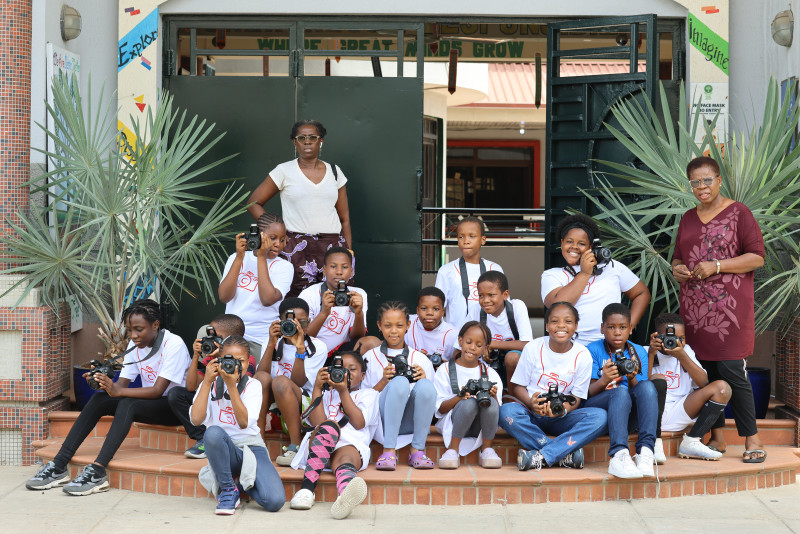
    DUBAI, United Arab Emirates, July 1, 2024/ — The Canon Academy Juniors programme (www.Canon-CNA.com) believes in teaching our youth to empower them and give them confidence by fostering a new hobby and developing their creative skills; The programme, offers two classes tailored to different age groups (8-12 and 13-16) which provide kids and teens with hands-on photography skills.

    Canon Central and North Africa (CCNA) is thrilled to announce a partnership with Greenwood House School in Lagos, Nigeria, through it’s Canon Academy Juniors Programme. This collaborative initiative aims to inspire and empower young learners by igniting their passion for photography through engaging and interactive sessions led by certified Canon trainers.

    Rashad Ghani, B2C Business Unit Director at Canon Central and North Africa shared his excitement regarding the collaboration, remarking, “Our partnership with Greenwood House School through the Canon Academy Juniors Programmes is a testament to our commitment to nurturing creativity and talent. These workshops provide a wonderful opportunity for youngsters to discover a new hobby, develop their creative skills, and forge a lifelong love for photography.

    “This collaboration aligns seamlessly with both organisations’ missions to provide quality education to individuals and develop creative skills. We are confident that these workshops will equip participants with the necessary skills and knowledge to unlock their creative potential to further explore the photography field.”

    What makes this collaboration truly unique is the direct hosting of two photography workshops on the premises of Greenwood House School. This approach facilitates seamless integration of the programme into the school environment, promoting a collaborative learning experience.

    Rashad adds further, “Education plays a vital role in fulfilling Canon’s values of creating a strong, knowledgeable, and inspired community where there is a shared passion for photography, videography, and printing. Our approach to education on the African continent aligns with Canon’s corporate philosophy, Kyosei, which is a Japanese concept meaning, living and working together for the common good.

    “Through our educational programmes we bring to life our commitment to sustainability, how we work together, and our desire to create an environment for everyone to thrive and grow.”

    The workshops were specifically tailored for two distinct age groups: 8-12 years old and 13-16 years old, ensuring that the content is age-appropriate and fitting for all participants. Each cycle of the programme consisted of four sessions which spanned from May 4th to May 25th and from June 1st to June 22nd.

    The young participants engaged in practical training sessions and learnt important skills such as how the camera works, and basic camera modes, while gaining confidence to take photos. They also learnt about framing, landscape, portraits, visual storytelling, and much more.

    It was an excellent opportunity for the participants to explore a new creative hobby and gain valuable skills that could help them in the future.

    The culmination of the workshops will be celebrated through a captivating photo exhibition at the school, where the best works of the participating students will be showcased, highlighting their creativity and achievements.

    Mr. R. Cilliers, Principal, Greenwood House School: “We are ecstatic to join hands with Canon in introducing the Canon Academy Juniors Programme at the school. This partnership promises an exhilarating journey for our learners, offering them an enriching experience in the world of photography.

    We are eager to witness the transformative impact that this experience will have on their confidence, creativity, and passion for photography.”

    Greenwood House School, situated in Parkview Estate, Ikoyi, Lagos, is recognized for its commitment to excellence in primary education. Catering to children aged 3 months to 10 years old, it offers classes from Creche to Primary, embracing diversity of cultural and religious backgrounds. Its dedication to quality education has garnered respect within Nigeria’s educational landscape.

    Click here to learn more about Canon Academy Juniors: https://apo-opa.co/3L66Bpz

    Distributed by APO Group on behalf of Canon Central and North Africa (CCNA).

    Media enquiries, please contact
    Canon Central and North Africa
    Mai Youssef
    e. Mai.youssef@canon-me.com

  • Strait of Malacca becomes oil market’s largest transport artery

    Strait of Malacca becomes oil market’s largest transport artery

    The transit of oil and petroleum products through the Strait of Malacca, which is located between the Malay Peninsula and the Indonesian island of Sumatra and connects the Indian and Pacific oceans, rose by 800,000 barrels per day (bpd) in 2023, reaching 23.7 million bpd.

    According to the U.S. Energy Information Administration (EIA), the Strait of Malacca has surpassed the Strait of Hormuz in terms of transit volume of raw materials, as the amount of oil and petroleum products transported via the Strait of Hormuz last year totalled 20.9 million bpd

    The other 40% comes from four groups of suppliers: Russian producers who transport oil and petroleum products to the east (exports from ports in the European part of the Russian Federation) and to the west (supplies from Sakhalin); the United States, which increased its total exports of oil and petroleum products by almost 20% (from 8.6 million bpd to 10.2 million bpd) in 2021–2023; African countries, which have been reducing their transit volumes through the Strait of Malacca in recent years due to lower production in Angola and Nigeria; and Malaysia and Indonesia, regional oil producers (with a total output of 1.2 million bpd in 2023), which use the Strait of Malacca not only for exports, but also for domestic shipping.

    The transit of oil and petroleum products through the Strait of Hormuz dropped by 200,000 bpd (to 20.9 million bpd) in 2023. In addition to the OPEC+ deal, under which Saudi Arabia reduced its oil and gas condensate production by 800,000 bpd (to 11.4 million bpd) in 2023, this was caused by the use of transportation infrastructure bypassing the Strait of Hormuz.

    For instance, the UAE has an oil pipeline with a capacity of 1.5 million bpd, through which oil is transported to the port of Fujairah, a major regional hub for oil and petroleum products located on the coast of the Gulf of Oman. Meanwhile, Saudi Arabia uses the East-West oil pipeline designed to transport oil to the coast of the Red Sea.

    There wasn’t enough time for the Red Sea conflict to seriously affect transit volumes last year: the volume of oil and petroleum transportation through the Bab el-Mandeb Strait adjacent to the Red Sea has gone from 5.4 million bpd in 2021 to 7.5 million bpd in 2022 to 8.6 million bpd in 2023.

    As a result, the year 2023 saw the Red Sea become the third-largest transport artery in the oil market, ahead of the Cape of Good Hope (6.0 million bpd), the Danish Straits (4.9 million bpd), the Panama Canal (2.1 million bpd) and Turkey’s Dardanelles (3.4 million bpd).

    However, this list is going to change in 2024 due to the aforementioned conflict in the Red Sea. For instance, according to the IMF and Oxford University, the number of tankers with oil, petroleum products and liquefied natural gas (LNG) using the transit route across the Red Sea has fallen by nearly 60%, from 835 in April 2023 to a mere 342 in April 2024.

    SOURCE

    THE GLOBAL ENERGY ASSOCIATION 

    PHOTO: GEA/ICS-SHIPPING