Author: admin

  • 67th Meeting of the GEF Council: momentum for people and the planet

    67th Meeting of the GEF Council: momentum for people and the planet

    The 67th meeting of the GEF Council, the 36th meeting of the Least Developed Countries Fund/Special Climate Change Fund (LDCF/SCCF) Council, and the 2nd meeting of the Global Biodiversity Framework Fund (GBFF) Council collectively adopted work programs totaling USD 736.42 million.

    The work programs will seek to bring global environmental benefits through activities addressing biodiversity loss, chemicals and waste pollution, land degradation, climate change, and international waters.

    Among other projects and programs, funding was approved for a Great Green Wall program established between the LDCF and GEF Trust Funds, a Coral Bond blended finance project that builds on the lessons from the 2022 Rhino bBond project, and a Sustainable Cities Integrated Program.

    Among other decisions, the Council appointed Carlos Manuel Rodríguez to a second four year term as the GEF’s CEO and Chairperson. The Council meetings took place at the Mayflower Hotel in Washington, DC, from 17-20 June 2024. The 68th GEF Council meeting will be held fully on-line in December 2024

    SOURCE

    EARTH NEGOTIATIONS BULLETIN

  • SPP, DCC Unveil Initiative To Rate, Rank Nigerian States’ Climate Governance Performance

    SPP, DCC Unveil Initiative To Rate, Rank Nigerian States’ Climate Governance Performance

    The Society for Planet and Prosperity (SPP), in close collaboration with the Department of Climate Change (DCC) of the Federal Ministry of Environment in Abuja, has announced plans to officially launch the rating and ranking of the climate governance performance of Nigeria’s 36 states in July 2024.

    The statement was made on Thursday, June 13, 2024, at the inaugural coordination meeting of climate change desk officers from Nigerian states, which was convened by the DCC.

    SPP President, Prof Chukwumerije Okereke, while presenting the state of play of the rating and ranking project, said the project builds on the mapping of the climate change impact, policy, and action of the states, which was executed by the team last year in collaboration with the DCC and the Nigeria Governors Forum (NGF).

    He said the current project would provide a single rating and ranking report of the performance of the 36 states of Nigeria.

    Professor Okereke said the rating and ranking were done based on five governance criteria, namely, (i) climate change governance administrative structure, (ii) presence or absence of climate policy and action plan, (iii) extent of climate change project implementation; (iv) extent of incorporation of climate finance in state budgets; and (v) online visibility of state’ climate activities.

    Professor Okereke said the ranking and rating exercise is based on the responses provided by States Commissioners, Permanent Secretaries, and Climate Desk Officers across the 36 states, as well as extensive independent verification done by the research team and the Department of Climate Change staff.

    Professor Okereke said he was confident that this rating and ranking exercise would raise awareness of climate in the states and create an atmosphere of positive competition and a race to the top among the states, consistent with what he has seen in other countries where such projects have been done.

    Professor Okereke stated that the states with the highest-ranking scores would be recognised during the report’s launch, which is expected to be held in the last week of July.

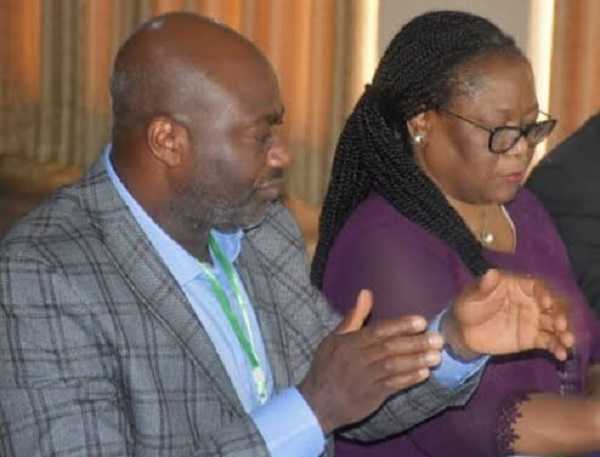
    During his keynote address, Mahmud Adam Kambari, Permanent Secretary of the Ministry of Environment, expressed his delight at the official launch of the Subnational Coordination Meeting on Climate Change, stating that climate change is a major emergency and one of the most pressing issues of our time.

    He underlined the fact that the purpose of the coordination conference is to strengthen the synergy between national and subnational actors in order to achieve better climate governance in the country in line with the Presidential Transformative Agenda of the President.

    The Permanent Secretary described subnational climate change officers as key personnel in the fight against climate change, given their role in translating global climate goals into concrete actions and policies that resonate at the local level.

    Dr. Iniobong Abiola-Awe, Director of the DCC, while presenting the Terms of Reference (TOR) of the subnational coordination meeting, highlighted the key objectives of the meeting to include improving collaboration and knowledge sharing among Subnational Climate Change Desk Officers, promoting effective climate change action at the subnational level, and targeted training and capacity building of the desk officers.

    Dr. Abiola-Awe urged climate change desk officers to be responsive and on time at all meetings, as they are expected to attend and offer updates on climate change initiatives, successes, problems, and lessons learnt in their respective regions during the monthly sessions.

    In closing, Prof Okereke congratulated the DCC Team on the successful coordination meeting of Climate Change Desk Officers from Nigeria’s 36 states, which he said will have a massive impact in helping to align state climate action with national climate priorities and objectives.

    By Wole Adegbule, Society for Planet and Prosperity

    SOURCE

    CCCD ,NIGERIA  BLOG POST

  • A Model for African Producers: Wing Wah’s $2B Integrated Energy Project to Bolster Resource Monetization in the Republic of the Congo

    A Model for African Producers: Wing Wah’s $2B Integrated Energy Project to Bolster Resource Monetization in the Republic of the Congo

    JOHANNESBURG, South Africa, June 21, 2024/ — The Republic of the Congo has a goal of increasing hydrocarbon production to 500,000 barrels per day (bpd) and projects such as Wing Wah Oil Company’s Bango Kayo development will serve as catalysts for meeting this objective.
    The project is a strong example for how integration and scalability can be utilized to not only monetize resources but maximize production beyond the lifecycle of initially-tied in blocks.

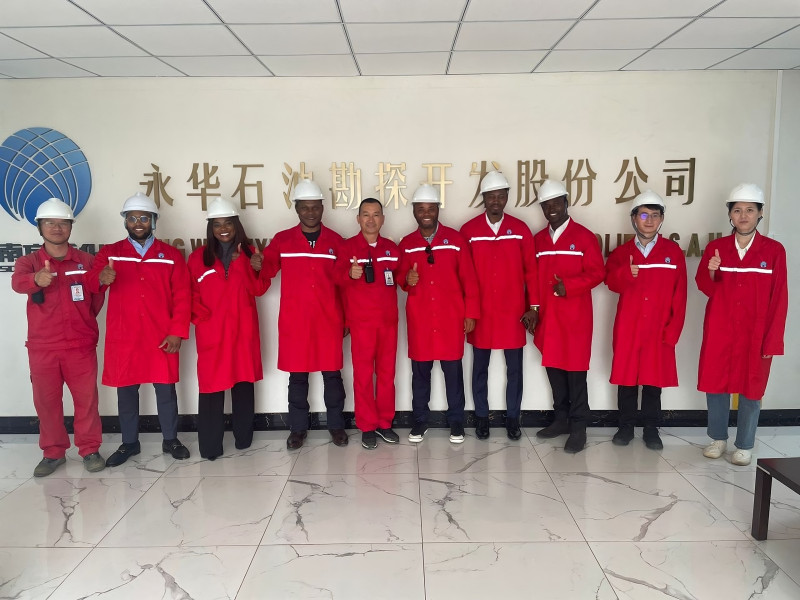
    The African Energy Chamber (AEC) – the voice of the African energy sector – conducted a tour of Wing Wah’s project near Pointe Noire during a working visit to the country this week. A strong advocate for the development of oil and gas in Africa, the AEC believes that hydrocarbons are the solution for making energy poverty history by 2030.

    Project’s such as Wing Wah’s in the Republic of the Congo are not only a testament to the role international partnerships play in developing African oil and gas resources but to the potential for large-scale, integrated developments across the continent. The Ministry of Hydrocarbons – led by Minister Bruno Jean-Richard Itoua – and the country’s NOC Société Nationale des Pétroles du Congo – led by Managing Director Maixent Raoul Ominga – have provided the much-needed support that companies such as Wing Wah need to develop innovative projects, and the AEC commends them for the progress made thus far.

    Bango Kayo: An Innovative Oil & Gas Venture

    The Bango Kayo conventional oilfield is a producing block operated by Wing Wah, which features 237 wells that have been drilled to date. Currently, the field is producing 45,000 bpd and is nearing its peak production of 50,000 bpd. In addition to oil production, Wing Wah is implementing a phased expansion and development approach to monetize previously-flared gas resources.

    Over three phases, the project will progressively increase gas treatment and valorization capacity, producing LPG, butane and propane, primarily for the domestic market. Excess LPG will be exported regionally.

    The project incorporates the development of three trains. The first has a capacity of one million cubic meters per day (mcm/d), while the second and third trains will have a capacity of two mcm/d each. The second and third trains are anticipated to come online by March 2025 and December 2025, respectively, and will bring the total capacity of the project to five mcm/b. In April 2024,

    Wing Wah signed an amended production sharing contract with the government for the Bango Kayo block, signaling the start of the expansion of the project.

    Integration: A Tool for Maximizing Efficiency and Scalability

    Wing Wah’s project in the Republic of the Congo is underpinned by a focus on integration and scalability. The structure of the facilities has been planned in a way that prioritizes efficiency, reduces emissions and promotes scalability.

    Specifically, the facility enables Wing Wah to tap into stranded gas that would have otherwise been flared, thereby providing opportunities for monetization and the utilization of gas across the oil production cycle. Unlike traditional LNG infrastructure which faces challenges as blocks mature and feedstock declines, the scalable design of Wing Wah’s project creates the opportunity to maximize production – both at existing blocks and new concessions.

    Additionally, each unit at the facility has its own power generation solution which are scalable in increments of 2 MW. Currently, 20 MW is installed, with generators utilizing gas from associated blocks. As production increases, so can power generation, thereby ensuring scalability and durability.

    Meanwhile, the water management system is also integrated into the project in a way that promotes environmentally-friendly operations. Water treatment is conducted on-site and distributed back into the ocean once treated.

    As such, the facility provides a quintessence of oil and gas integration. The development approach features fast construction, fast commissioning and quick, efficient operations. Wing Wah are using state-of-the-art equipment and have an organized layout of the overall infrastructure and storage.

    This is expected to boost efficiency at the project site while ensuring the project plays an instrumental role in processing oil and gas for the long-term.

    Prioritizing Local Community Development

    In addition to project efficiency, the Bango Kayo development has been constructed in a way that takes into account the needs of local communities. All of the processing facilities have on-site accommodation, with senior management on-call to ensure a constant review of work. Currently, 3,300 people are employed at the project, with 90% of the workforce Congolese.

    Meanwhile, excess power generated at the project site can be distributed to local communities, providing a clean and reliable source of power. Water management also takes into account regional demand, with surrounding communities benefiting from a clean source. This structure not only brings tangible benefits to local communities but reducing emissions across the project’s operational cycle.

    “Wing Wah’s integrated project in the Republic of the Congo is a model that can and must be replicated in other oil and gas producing nations in Africa. The project’s focus on scalability ensures production is not limited to specific blocks, but rather, infrastructure can be easily tied into new concessions as exploration ramps up across the country.

    Through gas-fired power generation, innovative water management and a long-term approach to production, the project is poised to unlock a wealth of benefits for the country,” states NJ Ayuk, Executive Chairman of the AEC.
    Distributed by APO Group on behalf of African Energy Chamber.

    SOURCE
    African Energy Chamber

  • Africa Offers Attractive Investment Opportunities for Japanese Firms, Say African Development Bank Leaders

    Africa Offers Attractive Investment Opportunities for Japanese Firms, Say African Development Bank Leaders

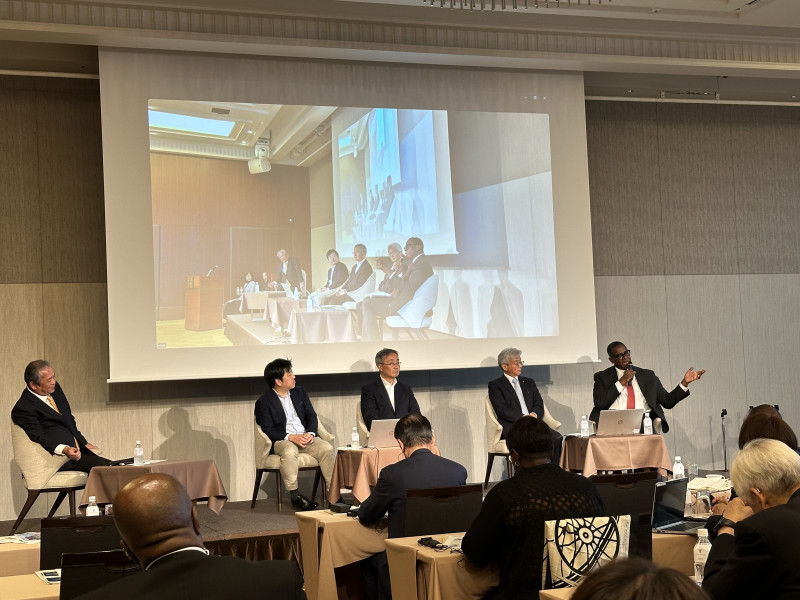
    TOKYO, Japan, June 22, 2024/ — Africa presents a compelling investment destination for Japanese firms, with high growth potential and the African Development Bank’s strong support to manage risks, African Development Bank Group (www.AfDB.org) leaders stressed at the Japan-Africa Business Forum in Tokyo.

    “Africa has huge private sector opportunities. The continent offers some of the highest returns globally,” said Prof. Kevin Chika Urama, Bank Group Chief Economist and Vice President, in a presentation highlighting Africa’s abundant renewable energy potential, and the need for strategic investments in green minerals and value addition.

    “Smart investments in Africa are good business — doing well by doing good,” he stressed.

    Dr. Kevin Kariuki, Vice President for Power, Energy, Climate and Green Growth, highlighted Japan’s competitive advantage in geothermal technology. “90% of all the turbines in Kenya are from Japan, starting with Mitsubishi,” he noted. Kariuki also positioned Africa as a solution to Europe’s energy challenges, with planned interconnections to export power and hydrogen.

    The forum was organised by the African Development Bank and Keizai Doyukai, the Japanese Association of Corporate Executives, with support from Japan’s Ministry of Finance.

    Bank leaders underscored the institution’s commitment to making investing in Africa more attractive. “We have facilities within the Bank to try and de-risk these projects,” said Kariuki, citing the Sustainable Energy Fund for Africa’s (SEFA) support for the Kom Ombo and Kairouan solar projects amid escalating costs.

    Kazuko Nagura from Japan’s Ministry of Economy, Trade and Industry (METI) announced plans to hold the third Japan-Africa Public-Private Economic Forum later this year. The event will offer Japanese companies an opportunity to travel to Africa to undertake business development and networking.

    Nagura also made reference to the ministry’s  efforts to support Japanese business ventures in Africa such as the AfDX (https://apo-opa.co/4eCjcP4) program and Expo 2025 Osaka, Kansai (https://apo-opa.co/4be8M58) planned for next year.

    During a panel discussion on investing in African startups, Vice President for Private Sector, Infrastructure and Industrialisation Solomon Quaynor stressed the potential of the Fourth Industrial Revolution (4IR) to drive productivity improvements and deliver services to the base of the pyramid.

    “The idea is to use technology to increase profitability through efficiency, so you’re delivering value for which all segments of society are actually paying,” he explained.

    Quaynor highlighted the Bank’s initiatives to develop Africa’s human capital and startup ecosystem, including partnerships with tech giants: “We have a program with Intel to train 9 million Africans in artificial intelligence and a coding for employment program to upskill up to 50 million youth.”

    He said the Youth Entrepreneurship Investment Banks (YEIBs) (https://apo-opa.co/4cuUaPV) will further support tech-enabled companies and enhance the collaboration with &Capital, a new Africa-focused impact fund endorsed by Keizai Doyukai.

    Misako Takahashi, Deputy Director-General of the Middle Eastern and African Affairs Bureau at Japan’s Ministry of Foreign Affairs, highlighted TICAD as a platform for co-creating innovative solutions for growth and to discuss Japan and Africa’s shared future.

    Yacine Fal, the Special Representative of the African Development Bank’s President to the Africa Investment Forum (www.AfricaInvestmentForum.com), showcased the platform’s role as a premier conduit for investment into Africa’s agriculture, energy, transport, healthcare  and ICT sectors, among others.

    She noted the successful participation of Japanese investors and business leaders including those from Keizai Doyukai at the 2023 Market Days held last November in Marrakech.

    Earlier in the day, Keizai Doyukai, and the African Development Bank reaffirmed their commitment to work together to strengthen business ties between Japan and African countries.

    The two jointly organized the business forum to increase interest in African business and promote a better understanding of the Japanese private sector ahead of TICAD9.

    Distributed by APO Group on behalf of African Development Bank Group (AfDB).

    More images: https://apo-opa.co/3VyblJv

    Media Contact:
    Olufemi Terry
    African Development Bank Group
    media@afdb.org

  • Tanzania’s Foreign Ministry Launches the Construction of the Twin Towers in Kenya: Set to Redefine Nairobi’s Skyline

    Tanzania’s Foreign Ministry Launches the Construction of the Twin Towers in Kenya: Set to Redefine Nairobi’s Skyline

    The government of Tanzania has launched the construction of the Twin Towers in Kenya’s capital city,  Nairobi. This adds to Tanzania’s list of  real estate investment properties worldwide, as noted by the country’s foreign affairs minister, January Makamba. The monumental  real estate venture is expected between the National Social Security Fund (NSSF) in Kenya and Tanzania’s Ministry of Foreign Affairs.

    The project, once completed, is set to redefine  Nairobi’s skyline while consolidating Tanzania’s diplomatic presence in Kenya. Currently, Tanzania has no on-site embassy, hence the launch of the ambitious project.

    Furthermore, Tanzania’s government hopes that the project will be a viable solution in reducing the costs it accrues as rentals for embassy offices and residential buildings across the globe. The twin towers, rising 22 floors each, will host offices projected to earn the Tanzania government its needed forex.

    The Significance of the Construction of the Twin Towers in Tanzania

    The construction of the Twin Towers is expected to be one of the most significant projects undertaken by Tanzania’s government. Once completed, the project is expected to facilitate Tanzania’s economic growth by facilitating cost savings. Tanzania’s foreign ministry spends nearly $12 million annually in rentals for embassy offices and residential buildings. Once completed, the Twin Towers will cut down significant costs, and the funds can be rechanneled to other sectors of Tanzania’s economy.

    The country plans to replicate the construction of  real estate investments in other cities, including Kigali, Kinshasa,  New York, London, and Lusaka.

    Furthermore, once completed, the Twin Towers is expected to generate $13.7 million annually in revenue, a big boost to Tanzania’s economic landscape. “In the new strategy, which the government approved recently, we seek to use professional and world-class  real estate entities to develop these assets to earn income for the government and uplift the quality of our embassies and embassy staff housing,” Makamba said.

    The State of Affairs Regarding Tanzania’s Projects in Kenya

    Tanzania’s foreign ministry has noted that it has set aside close to $48 million, translating to Tsh 29 billion for investments in Kenya. These remarks were made during the ministry’s budget announcement recently.

    These plans underscore Tanzania’s commitment to fostering infrastructural and economic development beyond constructing the Twin Towers. Most of these projects are expected to be undertaken in partnership with private sectors within the two nations.

    However, Tanzania has set its eyes far beyond constructing one tower and noted plans to build others in other states. The foreign ministry has noted that it has set aside $5 million to construct offices and ambassadorial residences in Lusaka, Zambia.

    The planned construction of embassies and commercial buildings for Tanzania will also include the government’s properties in Uganda’s capital,  Kampala and Abuja, Nigeria, among others.

    Other Significant Projects that Tanzania is Involved in

    Besides constructing the Twin Towers in Kenya, Tanzania also participates in other significant projects, such as the Standard Gauge Railway. Tanzania, while lagging in SGR connecting Uganda, has accelerated national connectivity.

    Using funding from China and Turkey, Tanzania is constructing a 1,600-kilometre SGR line connecting  Dar es Salaam and Mwanza. The country has made enormous strides in the project compared to other countries involved as its end of the SGR is electrified. It recently launched the operationalization of an electric train, the first of its kind in Eastern Africa.

    SOURCE

    CONSTRUCTION REVIEW

  • ‘Nigeria spends $600m annually on palm oil importation’

    ‘Nigeria spends $600m annually on palm oil importation’

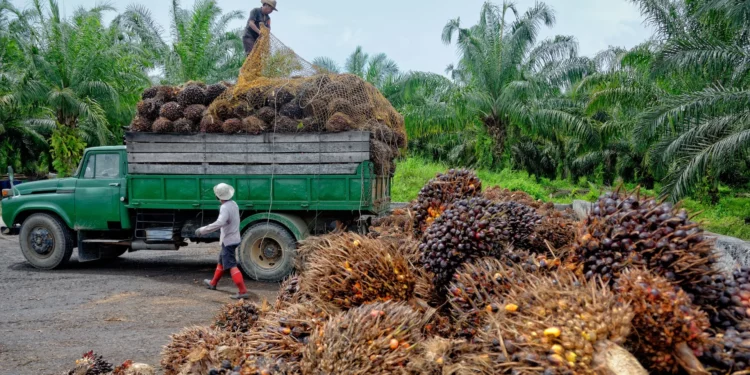
    The National Palm Produce Association of Nigeria (NPPAN) has revealed that Nigeria spends $600 million annually on  palm oil oil importation.

    This was stated by Mr Alphonsus Inyang, the National President of the association, in an interview with the News Agency of Nigeria (NAN) on Tuesday in Abuja.

    Inyang criticised these expenses as detrimental to national development, suggesting that the funds could be better utilised within the economy if the  palm oil oil sub-sector received adequate attention from successive governments

    He highlighted Nigeria’s historical self-sufficiency in palm oil production, contrasting it with the current situation where a substantial portion of the country’s palm oil is imported.

    “In the 60s, Nigeria was the leading global producer and exporter of  palm oil oil, controlling over 60 per cent of the world’s supply,” Inyang said.

    “Now, more than 50 per cent of our consumption is met through imports.” Currently, Nigeria ranks fifth among  palm oil-producing countries, trailing Indonesia, Malaysia, Thailand, and Colombia.

    Inyang warned that Nigeria might lose this position to smaller countries investing heavily in the sector.

    According to the U.S. Department of Agriculture, Nigeria produces 1.4 million metric tons of  palm oil oil annually, accounting for 1.5 per cent of the world’s total output.

    This production level is significantly lower than the leading producers: Indonesia at 50 million metric tons, Malaysia at 19 million metric tons, Thailand at 3.28 million metric tons, and Colombia at 1.9 million metric tons.

    SOURCE

    WEEKLY AGRICULTURE DIGITS,NIGERIA


  • Entrepreneur Mahmoud Bartawi on cooking up a startup success

    Entrepreneur Mahmoud Bartawi on cooking up a startup success

    Mahmoud Bartawi founded Under500, a brand that was ultimately acquired by dark kitchen outfit Kitopi after raising $700m from investors

    Emirati serial entrepreneur Mahmoud Bartawi knows a thing or two about starting and exiting a business.

    In 2016, Bartawi founded Under500, a brand that pioneered selling healthy meals consisting of less than 500 calories. Fast forward to 2021 and Under500 was acquired by dark kitchen outfit Kitopi after raising $700m through investors, including SoftBank’s Vision Fund 2. In a recent interview with Gulf Business, Bartawi gives some tips to budding entrepreneurs in the GCC.

    Mahmoud Bartawi, can you give us the backstory to how Under500 started?

    Ten years ago, I was going to the gym, trying to be healthy, and looking for healthy food options, but there weren’t many around me. I approached a couple of healthy food brands, asking if they would franchise their location to me. Essentially, I would pay a downpayment, and they would then provide me with the know-how to replicate their existing brand.

    I first approached Subway, but they rejected me. Then I tried another local healthy food brand, but they said I didn’t have the necessary experience. At that time, I was a corporate banker with about five years of experience at major banks like Emirates NBD and FAB.

    Facing the challenge of finding healthy food options and the rejections from these brands motivated me to start my own healthy food brand. That was the beginning of my startup journey with Under500. I found a great co-founder, and we grew the brand beyond Dubai and the UAE to include Saudi Arabia, Iraq, the US, the UK, and Kuwait.

    Initially, we planned to franchise locations. We did franchise a few units in Iraq and Dubai, and we were on the verge of franchising in Saudi Arabia. However, we were interrupted by the emergence of cloud kitchens, which introduced the innovative concept of dark kitchens. We saw dark kitchens as the next step in franchising — Franchising 2.0 as I put it.

    They allowed us to enter new markets more easily by providing locations and the ability to sell our brand without committing to a physical branch upfront. That marked the evolution of our startup.

    How did you go about getting your first customer?

    I believe that for any business, whether it’s technology or food, you need proof of concept before investing significant resources. For us, it started with a food tasting at home. I invited my friends over and hired an Italian chef and nutritionist to prepare the food. I would then have my friends try it and see if anyone was interested in buying it.

    My advice for anyone starting a business is to create something and give it out to your neighbours for free, along with a note saying, “This is my contact information if you want to buy this or get more.” If out of ten neighbours, three come back wanting to pay for it, then you know you have a viable product.

    Once you have initial interest, that’s where sales and marketing come in. The next step is scaling, reducing costs and figuring out how to produce your product on a larger scale. Creating a feedback loop is crucial.

    The food and beverage sector has a lot of opportunities, but it is a crowded space. How did you find gaps in the market and still achieve scale?

    The food business is indeed saturated. To navigate this, you need to look at current trends and understand what’s working. If I were to start a food business today, I would approach an aggregator like Deliveroo or Uber Eats, who have insights into various brands and their demand. They can tell you whether there’s more demand for chicken, meat, fish, or vegan options, for example.

    Based on this information, you can identify trends and opportunities. Differentiation is key. You need signature dishes that set your brand apart. If your offering is something that anyone can make at home, it won’t stand out. So, create a few unique dishes that people will associate with your brand.

    It’s also important to continuously iterate and improve. You should always strive to enhance your offerings. This could mean starting with a broad menu and refining it down to the most successful items. For instance, you might have 30 items initially, but through feedback and sales data, you might reduce it to the top-performing 10.

    If you already have a brand on platforms like Deliveroo or Zomato, analyse what sells well and build a separate brand around those successful products.

    If you don’t have a brand yet, approach these platforms to learn about current trends and popular items.

    Sales and marketing are also crucial for any business. You need someone who understands the market and how to enter it successfully. Many businesses fail because they focus on operations first, rather than prioritising sales and marketing.

    Do you think businesses and entrepreneurs in the UAE have the patience and resilience to test things out over time, as you’ve done?

    I think patience and resilience are definitely there. However, what I see lacking is the time commitment. Many people here have full-time jobs and try to outsource the entire startup process. They don’t realise that a startup requires significant personal investment, including weekends and evenings. Doing a startup alongside a full-time job is like having two jobs, not just delegating tasks to someone else.

    Often, I see people hiring a chef and giving them money to create a brand, treating it more like a hobby. Competing with someone fully dedicated to their startup will be very challenging if you’re not equally invested. Running a home business for fun is one approach, but if you’re serious, you need to set aside time for learning and research.

    Understand your competitors, identify the best location, decide whether to focus on delivery or dine-in, and know your target customers. If you’re thinking of a unique concept, like a square pizza, gauge interest first. If there’s demand, then you can develop the product.

    Market research is essential. Use tools like Excel and Google to document and analyse your findings. For example, search for healthy food options or car workshops in your area. Identify patterns, such as location and pricing. No one will hand you this information, so you need to actively seek it out.

    SOURCE

    CULF BUSINESS
  • Mercy Ships Welcomes Presidential Visit on board, in Toamasina Harbor

    Mercy Ships Welcomes Presidential Visit on board, in Toamasina Harbor

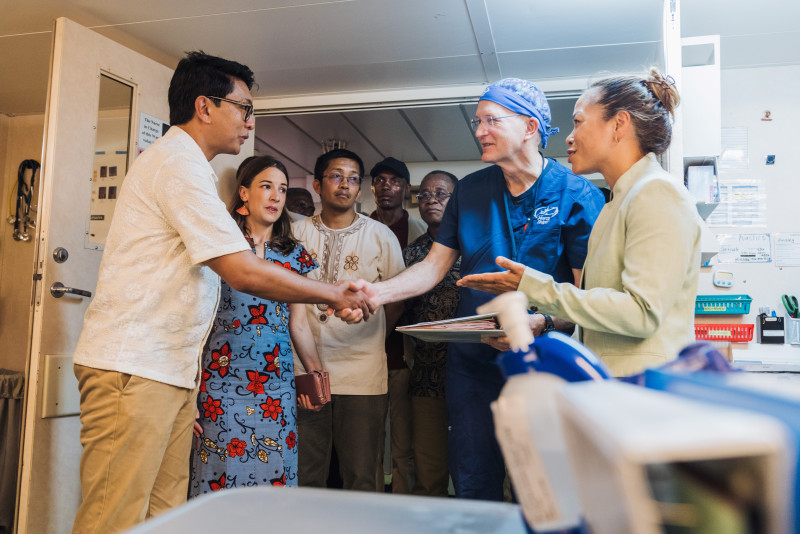
    TOAMASINA, Madagascar, June 20, 2024/ — Malagasy president His Excellency Andry Nirina Rajoelina visited patients and volunteers on board Mercy Ships’ hospital vessel (www.MercyShips.org) to see for himself the lives being transformed.

    On Saturday June 15, the president along with Minister of Health Professor Randriamanantany Zely Arivelo, accompanied by a delegation with His Excellency, visited the Africa Mercy ® hospital ship in Toamasina. This marked the first time the Malagasy president has visited the ship during its current mission.

    Nathan Jansen, Managing Director of the Africa Mercy, said: “We were honored to welcome His Excellency aboard the Africa Mercy. We were encouraged both by his desire to bring health to all of the people of Madagascar, and for his expression of partnership with Mercy Ships. We consider it a privilege to serve as partners with the Ministry of Health to bring direct medical services and education training and advocacy to the health system.”

    During the hospital tour, His Excellency had the opportunity to speak with several patients in the ward. He said: “We hope Mercy Ships can serve in Madagascar as long as possible”, to which everyone including the President’s delegation, the crew, and the patients in the ward, broke out in loud applause.

    The president also explored various departments of the hospital, including the operating room and the CT-scanner. His Excellency remarked: “It is already impressive to have a hospital ship like this, utilizing advanced technologies.”

    While walking through the ship’s corridors, the President took time to chat with some crew members. He showed particular interest in the onboard community, which currently consists of 336 individuals.  On the bridge, he received a briefing from the captain and enjoyed a stunning view of Toamasina’s coastline.

    At the end of his visit, His Excellency affirmed that Mercy Ships supports the Malagasy government’s effort in healthcare.

    The President stated: “Healthcare must be closer to the people. This is why we have built multiple hospitals. From 1990 to 2019, Madagascar had only 18 referral hospitals. Since the beginning of my mandate in 2019, we have constructed 30 additional hospitals nationwide.

    “We now need partners to help those in difficulty. There are operations that Malagasy specialists cannot yet perform, especially for the most vulnerable. The actions and operations that Mercy Ships is undertaking in Madagascar are commendable, and we should continue in this direction to help our neighbors, particularly those in difficulty and suffering from illnesses.”

    Distributed by APO Group on behalf of Mercy Ships.
  • Afreximbank and Africa CDC pledge US$2 billion facility in support of Africa Health and Pharmaceutical Products Manufacturing

    Afreximbank and Africa CDC pledge US$2 billion facility in support of Africa Health and Pharmaceutical Products Manufacturing

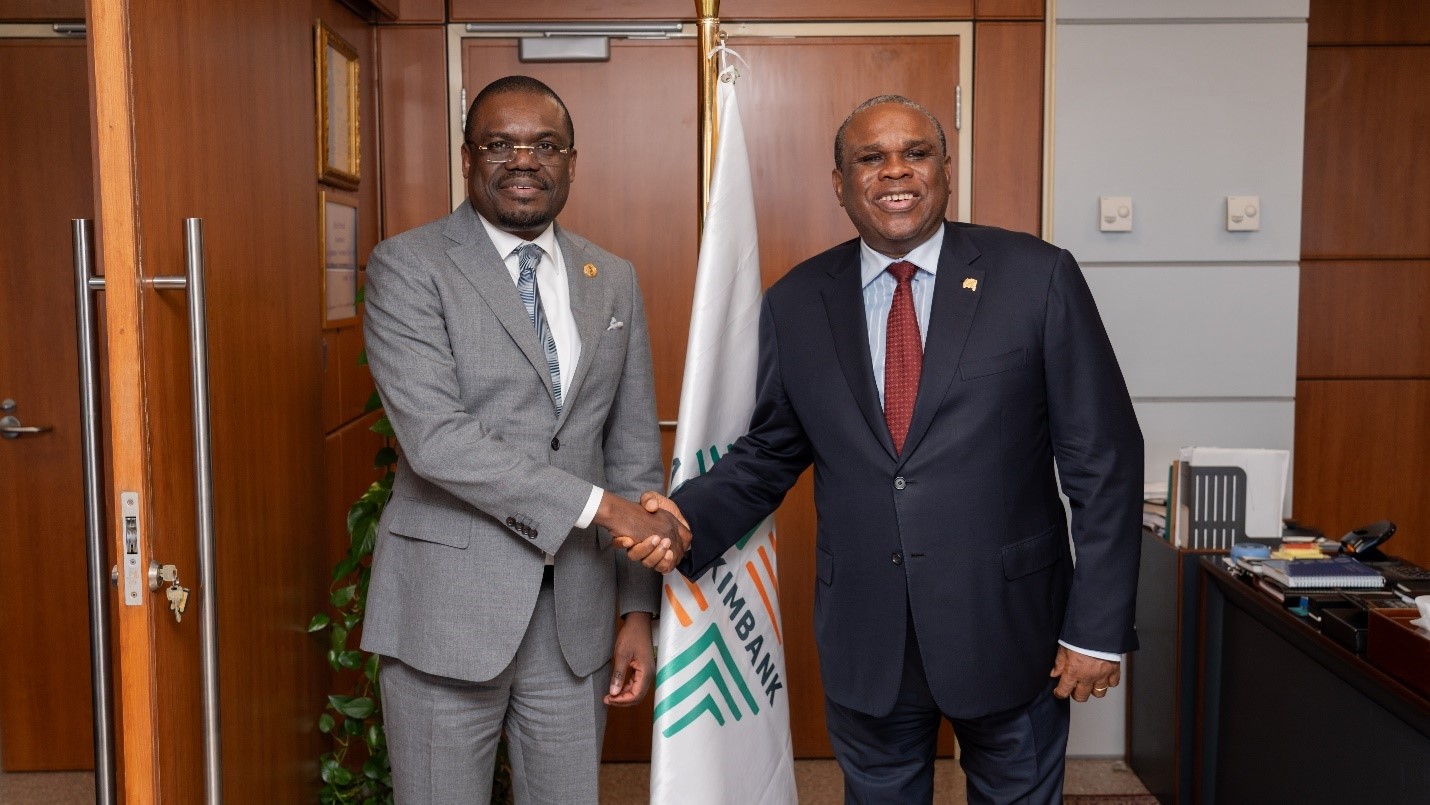
    PARIS, London, June 20, 2024/ — African Export-Import Bank (“Afreximbank” or “the Bank”) (www.Afreximbank.com) and the Africa Centers for Diseases Control and Prevention (Africa CDC) have renewed their partnership with a new cooperation agreement announced today on the sidelines of the Global Forum for Vaccine Sovereignty and Innovation in Paris, France.

    Through this collaboration, Afreximbank has committed a US$ 2 billion facility to the “Africa Health Security Investment Plan” to support the health product manufacturing ambition of the continent. This initiative will focus on the African Pooled Procurement Mechanism (APPM) and the Platform for Harmonized African Health Products Manufacturing (PHAHM).

    This initiative is pivotal in addressing Africa’s health investment challenges, promoting economic development, and strengthening health security across the continent. It also intends to complement GAVI’s innovative financing mechanism, the African Vaccine Manufacturing Accelerator (AVMA) (https://apo-opa.co/45uIR81) which is set to provide up to USD 2 billion financing to African manufacturers of health and pharmaceutical products over the next ten years.

    African pharmaceutical companies face severe impacts of the global health, security and economic challenges, yet they are the drivers of investments and technology advancements that the health sector needs. Low investor confidence, lack of appropriate infrastructure, trade related barriers, and regulatory challenges are some of the constraints to investment in Africa’s health sector. While funds might be available, many potential investments do not materialize due to financial and non-financial obstacles. Coordinated efforts at the continental level are essential to reverse this trend and align with the New Public Health Order (https://apo-opa.co/45wjnqW).

    Closing the investment gap will be crucial to achieving the African Union’s ambition of manufacturing 60% of vaccines needed locally by the year 2040 as well as implementing all other countermeasures necessary to ensure self-reliance especially during crises such as pandemics and outbreaks.

    While commenting on the signing, Prof. Benedict Oramah, President and Chairman of the Board of Directors of Afreximbank said: “We are pleased to be part of yet another momentous event that will change the course of health security in Africa. This facility will help strengthen the manufacturing of health and pharmaceutical products in Africa through our comprehensive and existing interventions such as Project Preparation funding, Project and Trade Finance as well as Guarantees. Furthermore, we intend to put our full weight behind this facility with equity investments through our subsidiary FEDA – the Fund for Export Development into Africa.”

    “Today is a big day for African vaccine manufacturing as well as health products manufacturing in general, as we welcome these major investment announcements that will change the face of health products manufacturing in Africa for years to come. Protecting our future, means investing in our ability to achieve self-reliance on all health countermeasures; vital to accomplish our mission of safeguarding Africa’s health” said H.E. Dr. Jean Kaseya, Director General, Africa CDC.

    The “Africa Health Security Investment Plan” will allow Afreximbank to support and finance key health projects identified by the Africa CDC. The joint effort combines institutional and financial resources, financial tools such as equity and debt financing, guarantees, venture capital, capacity building, and risk-sharing to boost and attract more health investments in Africa.

    The ‘Africa Health Security Investment Plan’ is built on three key pillars:

    1. Technical Assistance and Advisory Services: A single-entry point for health project preparation and implementation, with capacity-building support from the Africa CDC.
    2. Investment Project Pipeline: A clear, forward-looking list of health investment projects in Africa, accessible through Afreximbank Project Portal.
    3. Regulatory and Normative Support: implementing programs to remove bottlenecks and create a conducive environment for trade and investment, guided by the Technical Steering Committee of Africa CDC- AfCFTA.

    The Africa Health Security Investment aims to tackle Africa’s health investment challenges, promote economic growth, and enhance health security across the continent.

    Distributed by APO Group on behalf of Afreximbank.

    Media Contacts:
    For Africa CDC

    Margaret Edwin
    Director of Communication & Public Information Division
    Africa CDC
    Tel: +251 986 632 878
    Email: EdwinM@africacdc.org

  • Energy for Growth in Africa Initiative Unveiled

    Energy for Growth in Africa Initiative Unveiled

    By.Mohammed A.Abu

    The decades long delay in fulfilment of pledges made by the Global South towards  climate change impact funding  in the Global North hasn’t helped the course of the global transition from fossil fuels derived energy to renewable energy as global warming and climate change impact bites deeper.

    Indeed, lack of external affordable funding for renewable energy projects in both the public and private sectors of countries in the Global South with particular reference to Africa, the world’s most energy poor continent, has since given rise to the legitimate issue of energy transition justice.

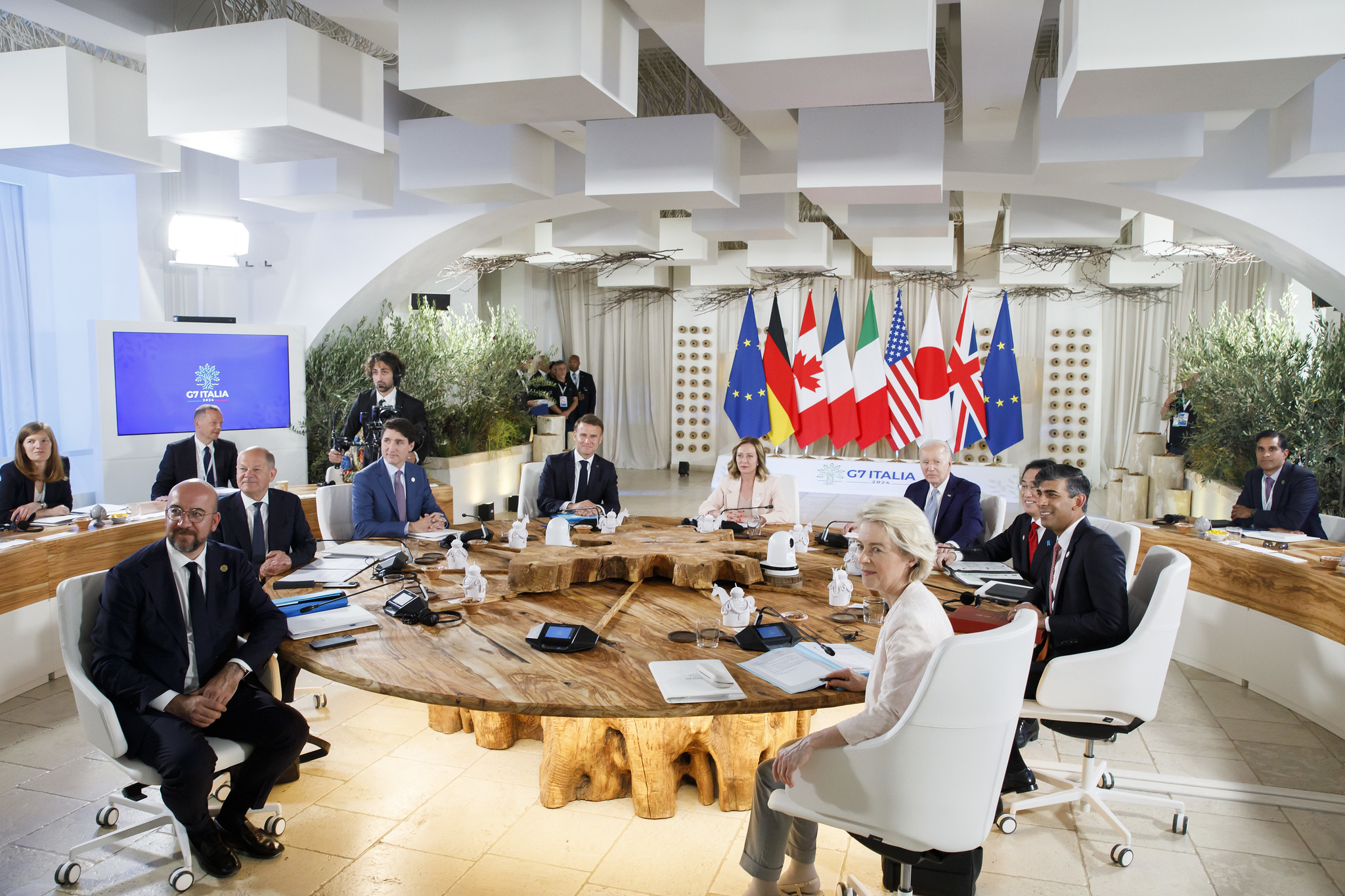
    The energy for growth in Africa Initiative that was unveiled on the sidelines of the recently held G7 Leaders Summit could  be a game changer if implemented to the full.

    For the details regarding  the initiative, read on

    “We the representatives of Canada, the Republic of Congo, Côte d’Ivoire, Ethiopia, France, Germany, Italy, Japan, Kenya, Mozambique, Nigeria, South Africa, the United Kingdom, the United States of America, and the European Union, recognize that universal access to affordable clean energy is a key factor for sustainable, resilient and inclusive economic growth and social development, as proclaimed by the 2030 Agenda for Sustainable Development and the African Union’s Agenda 2063.

    “It also contributes to meeting the climate goals of the Paris Agreement and to keeping a temperature limit of 1.5C within reach. Africa’s significant but largely untapped clean energy potential needs massive investments.

    “We will work to accelerate investments in clean energy sources to ensure an inclusive transition which supports energy security, recognizing that a substantial proportion of people in Africa still lack reliable access to electricity and clean cooking.

    “To meet these objectives and the global efforts decided upon at the 5th session of the Conference of the Parties serving as the Meeting of the Parties to the Paris Agreement (CMA5), we look forward to the launch of the G7’s ‘Energy for Growth in Africa’ initiative and to contributing to its success.

    “The initiative will help develop bankable clean energy projects, attract private capital through the catalytic use of public finance and technical assistance, encourage the flow of concessional finance, and overcome barriers to investments in clean energy across Africa.

    “The initiative will engage with governments, the private sector, financial institutions, multilateral development banks, and community groups. It will partner with the United Nations Development Program and the International Energy Agency.

    “It will also coordinate with existing programmes, to ensure complementarity and avoid duplications, and will operate in close coordination with the G7 Partnership for Global Infrastructure and Investment”,the joint statement concluded.

    SOURCE

    SDG KNOWLEDGE HUB