Author: admin

  • President Ramkalawan announces the appointment of women professionals in key positions

    President Ramkalawan announces the appointment of women professionals in key positions

    To coincide with the International Women’s Day, the President of the Republic, Mr Wavel Ramkalawan has recently appointed four women professionals in prominent positions in the administration of the country.

    These are:

    The re-appointment of the Governor of the Central Bank of Seychelles, Ms Caroline Abel, the new Principal Secretary for Finance, Ms Astride Tamatave, the new Commissioner General of the Seychelles Revenue Commission (SRC) Mrs Varsha Singh, and also the appointment of the Chief Executive Officer of the National Bureau of Statistics, Mrs Li Fa Cheung Kai Suet.

    Governor of the Centrel Bank, Ms Caroline Abel – Ms. Caroline Abel was first appointed Governor of the Central Bank of Seychelles (CBS) on 14th March 2012, becoming the first woman in Seychelles to hold the position. She was re-appointed to serve a second six-year term in March 2018.

    Principal Secretary for Finance, Ms Astride Tamatave – Ms Tamatave is a certified Chartered Accountant with ACCA Professional Qualification (equivalent to MSC). She also holds a Master’s Degree in Leadership & Strategy in the Social Domain from the Institute of Public Administration.

    She has 16 years of working experience in the private sector and the public service in the domain of accounting and finance. She previously held the position of Comptroller General.

    Commissioner General of the Seychelles Revenue Commission (SRC) Mrs Varsha Singh – Mrs Singh, a South African national, has over 28 years experience in tax, customs, transfer pricing, trade facilitation, international relations, and building organisational excellence and driving sustainable development.

    She holds a Masters Degree in International Customs Law and Administration from the University of Canberra, Australia, as well as a Masters in Business Administration from the Management School of Southern Africa, South Africa.

    Chief Executive Officer of the National Bureau of Statistics, Mrs Li Fa Cheung Kai Suet – Mrs Li Fa Cheung Kai Suet served for 10 years as the Director/Chief Executive Officer of the National Statistics Agency (Statistics Mauritius), prior to which she has previously served in various key positions such as Deputy Director and Senior Economist at the International Monetary Fund (IMF).

    In conveying his sincere congratulations to the women professionals President Ramkalawan said “This is a sign of the confidence that our administration has in the ability of women to participate in the development of Seychelles.

    I wish them all the very best in their responsibilities ahead. I have no doubt that they will deliver to the best of their abilities and make Seychelles proud as they contribute in the economic development of the country.

    SOURCE

    State House News Alert

    Office of the President of the Republic of Seychelles 


  • To tackle poverty, Africa needs welfarist policies and people-centred development, says African Development Bank President Adesina

    To tackle poverty, Africa needs welfarist policies and people-centred development, says African Development Bank President Adesina

    ABIDJAN, Ivory Coast, March 8, 2024/ — President of the African Development Bank Group (www.AfDB.org) Dr. Akinwumi Adesina has appealed to leaders in Nigeria and across Africa to make poverty history as he outlined a compelling case for welfarist policies and people-centred development.

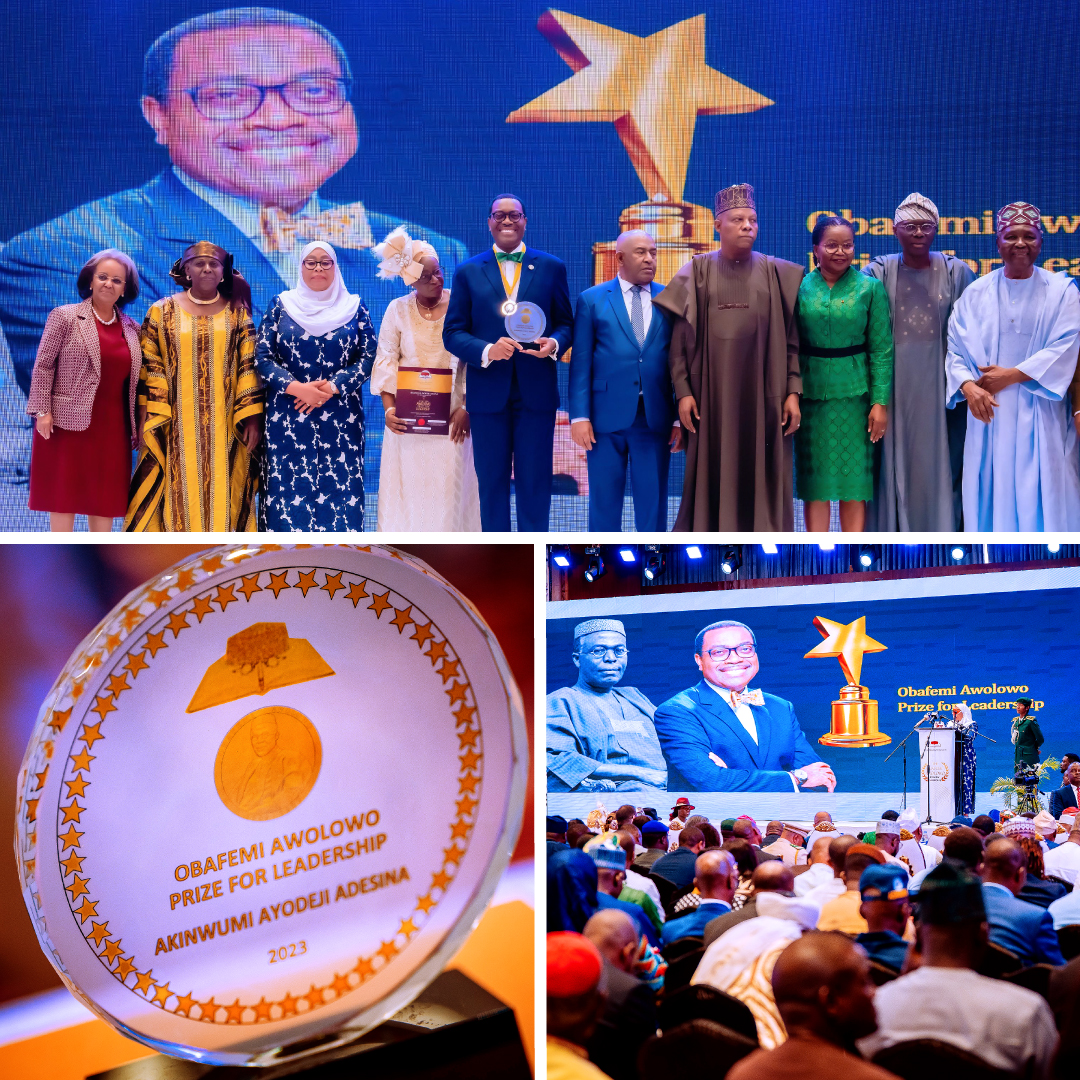
    “Given the high levels of poverty in Africa, and Nigeria, what is needed are welfarist policies that exponentially expand opportunities for all, reduce inequalities, improve the quality of life of people,” Adesina said as he received the prestigious Awolowo prize for leadership at a colourful ceremony in Lagos on Wednesday.

    Africa’s present and former presidents were among hundreds of guests who attended the award ceremony where Adesina delivered the Awolowo Foundation’s annual lecture on ‘Making a New Nigeria: Welfarist Policies and People-Centred Development.’

    Among visiting Presidents were Azali Assoumani of the Union of the Comoros; Samia Suluhu Hassan of the United Republic of Tanzania and Sahle-Work Zewde of the Federal Democratic Republic of Ethiopia. The Prime Minister of Togo Victoire Tomegah Dogbe represented her country’s President Faure Gnassingbe.

    Leaders from across Nigeria included Vice President Kashim Shettima who represented President Bola Tinubu, former Presidents Goodluck Ebele Jonathan, Olusegun Obasanjo and Yakubu Gowon and Ghana’s former president John Dramani Mahama. Also attending were 19 State Governors and royal fathers including the Emir of Bichi Alhaji Nasiru Ado Bayero, the Obi of Onitsha Igwe Nnaemeka Alfred Achebe, the Ooni of Ife Oba Adeyeye Enitan Ogunwusi, the Olu of Warri Ogiame Atuwatse III and the Igwe of Orlu Dr. Patrick Acholonu.

    The event was moderated by Dr. Victor Oladokun, Senior Advisor for Communication and Stakeholder Relations to the President of the African Development Bank.

    In his lecture, Adesina identified five critical areas that Nigerian and African leaders need to focus on to transform their economies and people’s lives: The transformation of the rural economy and food security, health security for all, education for all, affordable housing for all and government accountability and fiscal decentralisation for a true federalism.

    Transforming rural economies, ensure food security for all

    Adesina said a better Africa must start with transforming rural economies, “that is because some 70% of the population lives there. Rural poverty is extremely high. At the heart of transforming rural economies is agriculture, the main source of livelihoods.”

    “When rural economies falter, nations falter,” Adesina warned, “this leads to the spread of anarchy and terrorists who take advantage of the economic misery to entrench themselves.”

    He highlighted how the African Development Bank Group is supporting a farm revolution at scale across the continent. “We have invested over $8.5 billion in agriculture in the past seven years which has impacted 250 million people.”

    “The African Development Bank and development partners are providing $1.4 billion for the development of 25 Special Agro-Industrial Processing Zones in eleven countries,” he said.

    In Nigeria alone, the Bank is developing these zones in eight of the country’s 36 states with $518 million. Another $1 billion will go into the second phase of the program which will cover 23 more states.

    Health care for all

    “Nigeria needs health care for all,” said Adesina, “smart governments provide universal basic health coverage for their citizens.”

    He spoke about how sicknesses and diseases cost Africa $2.6 trillion in lost productivity.

    Adesina also recounted how the Covid-19 pandemic caught Africa unprepared, unprotected and left at the bottom of the ladder when it came to the distribution of vaccines.

    He explained the various initiatives the Bank Group introduced to address Africa’s health needs including a $10 billion facility to support countries to cope with the pandemic; a $3 billion program to revamp Africa’s pharmaceutical industries and the recent launch of the African Pharmaceutical Technology Foundation to support access to proprietary technologies from global pharmaceutical companies.

    Calling on Nigeria to secure the health of all its population, Adesina said, “This will require ensuring that no citizen travels more than a few kilometers to find a health care center. The widespread use of mobile health centers, e-health facilities, the digitalization of health systems, especially in all primary health care centers, health insurance policies for all, including innovative micro-health insurance pay-as-you-go systems, will capture the bulk of the population that is in the informal sector.”

    Education for all

    Adesina wants Nigeria to provide education for all. According to the United Nations Children’s Education Fund (UNICEF), Nigeria accounts for 15% of the total population of out-of-school children which includes over 10.2 million at the primary school level and 8.1 million at the Junior Secondary School.

    “This is not a gold medal Nigeria should be proud of wearing,” he said and expressed concern about “the poor funding of universities, lack of basic infrastructure, poor incentives for lecturers and incessant strikes due to wage disputes, have almost crippled the university system.”

    Adesina gave an example of the Bank Group’s investment of $614 million in Nigeria’s IDICE program to support the development of digital and creative enterprises. The program is expected to create 6.3 million jobs and add an estimated $6.4 billion to the economy of Nigeria.

    Housing for all
    Adesina told guests that welfarist policies are urgently needed to ensure all Nigerians have access to basic and affordable housing. He noted that according to data by the UN Habitat, 49 percent of Nigeria’s population which is equivalent to 102 million people, live in slums.

    He said what people need is decent housing and not upgrading of slums. “There is nothing like a 5-star slum. A slum is a slum.”
    Government accountability and fiscal decentralisation for a true federalism

    The Bank Group president said, “Citizen’s accountability forums are needed for the people to have a say in how their nation’s resources are being used and how their governments are performing.”

    To enhance transparency and accountability of governments to the people, the African Development Bank is developing a public service delivery index, which will rate governments on the quality-of-service delivery for citizens.

    “If people pay taxes, governments must deliver services,” said Adesina.

    According to the African Development Bank’s recently published Africa’s Macroeconomic Performance and Outlook, Nigeria is currently experiencing slow growth. The end of the country’s fuel subsidy regime and measures to unify the exchange rate have contributed to rapidly rising living and import costs, which have weighed on domestic demand and production, as well as investment, leading to an economic slowdown.

    “To get out of the economic quagmire, there is a compelling need for the restructuring of Nigeria. Restructuring should not be driven by political expediency, but economic and financial viability,” said Bank Group president.

    He said for Nigeria to succeed with much needed welfarist and people-centered policies, it is necessary to change the governance system to decentralize greater autonomy to the states.

    Saying it was time to pave way for a new Nigeria, Adesina said, “Instead of a Federal Government of Nigeria, we could think of the United States of Nigeria.”

    The award which promotes the legacy and democratic ideals of the late Nigerian nationalist and federalist leader Chief Obafemi Awolowo, also “recognises and celebrates excellence in leadership.”

    African leaders recognised the African Development Bank for its transformative impact on the continent under Adesina’s leadership.

    Tanzanian President Samia Suluhu Hassan, who chaired the 2023 Obafemi Awolowo Prize for Leadership Award ceremony, described Adesina as a dynamic and visionary leader.

    “He has a rare ability to turn vision into concrete transformational solutions that impact the lives of millions of people across Africa. Tanzania is one of many African states that have greatly benefited from his dynamic and astute leadership,” she said.

    “Through his leadership and support, we have been able to raise $3.8 billion to support the construction of the regional standard gauge railway that will connect Tanzania to the Democratic Republic of Congo and the Republic of Burundi.”

    President Azali Assoumani of the Comoros said, “Dr. Adesina has an incredible ability to bring leaders together to engage and commit to initiatives that are transforming Africa every day. A great visionary, innovative, and pragmatic, Dr. Adesina has masterfully led transformative initiatives at the African Development Bank.”

    In a message read by Vice President Kashim Shettima, Nigeria’s President Asiwaju Bola Ahmed Tinubu said Adesina’s ability to navigate the complexities of his role at the African Development Bank demonstrates his competence and resilience in the face of challenges.

    “Today, we gather to honour a man who has carved his path in one of the most challenging offices to lead—Dr. Akinwumi Adesina,” he added.

    Ethiopia’s Sahle-Work Zewde highlighted how the African Development Bank has become a huge brand in her country and a long-standing, trusted partner of her country’s development.

    “Since Dr. Adesina took the presidency of the bank, the African Development Bank has provided us with access to heat-tolerant wheat varieties. Ethiopia, despite the many challenges, has become a lead producer of wheat, leading to self-sufficiency in only four years,” she said.

    “We need this hope and concrete action to showcase that Africa can become self-sufficient in food,” the Ethiopian president added.

    Speaking on behalf of President Gnassingbe of Togo, the country’s Prime Minister Victoire Tomegah Dogbé pointed to the African Development Bank’s support to help farmers increase their yield. “With the support of the Bank, Togo has become an exporter of organic soybeans to Europe,” the Prime Minister said and praised Adesina for providing sound leadership that has transformed the Bank into a globally respected institution.

    Adesina is the fourth recipient of the Award. Past winners include lawyer Afe Babalola, writer and Nobel Laureate Wole Soyinka, and former South African President Thabo Mbeki.

    The Chairman of the Obafemi Awolowo Prize for Leadership Selection Committee, Chief Emeka Anyaoku said the Bank Group president was the unanimous choice of the Foundation’s Selection Committee among many other eminent nominees.

    Many global figures sent congratulatory messages to Adesina for the award, including the President of the World Bank Group Ajay Banga, the Managing Director of the International Monetary Fund Kristalina Georgieva, former British Prime Minister Tony Blair; Chief Executive Officer of Agence Française de Développement Rémy Rioux; Chief Executive Officer of the Global Center on Adaptation Prof. Dr. Patrick Verkooijen, President Emeritus of the World Food Prize Foundation Ambassador Kenneth Quinn and the former UN Secretary-General Ban Ki-moon.

    The Chairman of the Obafemi Awolowo Prize for Leadership Foundation, and former President of Nigeria Yakubu Gowon said Adesina’s “widely acclaimed achievements as Nigeria’s Minister of Agriculture and two terms as President of the African Development Bank attest to his desirability as the recipient of the 2023 Obafemi Awolowo Prize for Leadership”.

    The Executive Director of the Obafemi Awolowo Foundation, Ambassador Dr. Tokunbo Awolowo-Dosumu, said Adesina, “possesses the attributes for the award to the highest degree”.

    Distributed by APO Group on behalf of African Development Bank Group (AfDB).

    D
  • South Africa needs to use its Abundant Domestic Natural Gas to Fix its Energy Crisis today (By NJ Ayuk)

    South Africa needs to use its Abundant Domestic Natural Gas to Fix its Energy Crisis today (By NJ Ayuk)

    JOHANNESBURG, South Africa, March 8, 2024/ — By NJ Ayuk, Executive Chairman, African Energy Chamber (www.EnergyChamber.org)

    South Africans don’t want to breathe clean air in the dark. Energy woes are synonymous with South Africa right now.

    As the country’s fleet of mostly coal-powered plants struggles to keep up with electricity demand, South Africans are enduring daily power outages that last six to 10 hours a day.

    With businesses and institutions struggling to function, and tension mounting among South Africa’s people, the need for solutions is beyond urgent.

    I say “solutions” because providing the reliable power that South Africa needs now, and ensuring that the growing country will have what it needs well into the future, will require multiple strategies.

    As I’ve written, because of the country’s current reliance on coal to fire its power plants — and coal mines to fuel the economy — increased coal usage must be one of those solutions for the time being.

    South Africa also will need to continue building its renewable energy sector, and it has committed to do so in alignment with global goals to achieve net-zero greenhouse gas (GHG) emissions.

    But perhaps one of the most impactful solutions will be natural gas, which not only can power reliable electricity generation but also is a clean energy source – one that can be monetized and one that supports economic diversification as a feedstock for chemical and fertilizer factories.

    It only makes sense for South Africa to harness its massive – and largely untapped – reserves of natural gas. As described in the new African Energy Chamber (AEC) report, “The State of South African Energy,” cumulative output for South Africa’s large-scale Brulpadda and Luiperd natural gas discoveries, when developed, are estimated to be 50,000 barrels per day (bpd) of liquids and 125,000 barrels of oil equivalent per day (boepd). South Africa must do what it takes to reach that point as quickly as possible.

    During the 2023 African Energy Week in Cape Town, Gwede Mantashe, South African Minister of Mineral Resources and Energy Stated, “In recognition of the continued role of the fossil fuels in supporting energy security and the fact that 82% of energy sources in the world are from these fossil fuels, Africa must intensify its efforts aimed at developing its oil and gas sector in order to benefit from the expected increase of natural gas market in global supply”.

    I agree, that’s why South Africa should be encouraging ongoing oil and gas exploration through an enabling regulatory environment. Natural Gas financing and development again will be a key topic during African Energy 2024 scheduled for November 4th to 7th where I expect deals to be signed.

    And we cannot forget the importance of natural gas projects in neighboring African countries, including Gigajoule’s $550-million Matola Liquefied Natural Gas (LNG) Project in Mozambique, which will supply South Africa with gas; the 865-kilometer Rompco Gas Pipeline from Mozambique to South Africa; and Renergen’s Virginia liquefied natural gas project in South Africa. These projects need to be fast-tracked.

    Natural gas, if directed toward domestic markets and gas-fired electricity plants, can help South Africa find its way out of its current power crisis. Natural gas can also help ensure energy security and economic growth while the country transitions from fossil fuels to renewables for power generation. South Africa must move decisively to accelerate its gas agenda and start realizing these benefits.

    Renewables Alone Will Not Save the Day

    I’ve heard repeated arguments that South Africa’s energy crisis is proof that now is the time for the country to move, at lightning speed, to renewable energy sources like wind and solar power.

    As I’ve said more than once, South African can and should embrace solar and wind, but it also must consider the intermittency issues that come with them. They can’t be counted on to provide electricity around the clock.

    South Africa does not need more power fluctuations. It needs baseload power sources that can generate dependable power capable of consistently meeting demand. And the only way to get that is from coal and natural gas.

    We also have to be realistic about the financial requirements for a complete transition to natural gas. Yes, South Africa’s Just Energy Transition Investment Plan (JET IP) is an excellent program, but as of yet, the money generated is a drop in the bucket. South Africa has acknowledged that it will need about $99 billion to pay for a full transition to renewable energy. Currently, it has received commitments for about $8.5 billion.

    So, as South Africa pursues renewable energy, the logical approach would be to embrace natural gas as well. It can serve as a reliable energy source for the country’s current and future needs, and as it’s monetized, it can help generate revenue for South Africa’s energy transition.

    I was pleased to hear South African President Cyril Ramaphosa express that logic. He has made it clear that, while the country does plan to replace coal with lower-carbon alternatives, those alternatives will include both renewables and natural gas.

    South Africa has an Integrated Resource Plan in place that calls for gas technology generating 6,000 megawatts (MW) from combined-cycle gas turbines, including 3,000 MW from LNG-to-power, 726 MW from gas-to-power, and 1,500 MW from non-specified gas.

    This is doable, and it aligns with the AEC report’s forecast for South African power generation during the next decade and beyond. While coal currently accounts for about 80% of power generation, coal usage likely will decrease to 65% by the end of the decade, our report says. Gas and renewables, meanwhile, will see growth around the same time: Natural gas will account for 5% of power generation in 2031, while onshore wind and solar photovoltaic (PV)-generated power will make up 17% and 7%, respectively. In the long term, natural gas, onshore wind, and solar PV are expected to increase to 15%, 30%, and 20%, respectively, making up 65% of total power generation.

    It’s Time for a Regulatory Rehaul

    South Africa’s commitment to pursuing these avenues is praiseworthy, but when it comes to harnessing natural gas, more work is needed.

    I’m talking about government policies.

    South Africa needs a regulatory environment that encourages ongoing investment and exploration by oil and gas companies. Consider the Orange Basin, where Namibia is seeing record-breaking discoveries that will ensure its energy security. But only 20% of the Orange Basin is in Namibia, while 80% of it is in South Africa. Now is the time to capitalize on the opportunity it offers.

    Unfortunately, South Africa seems to be stuck: E&P is being hindered by unnecessary government red tape. We need to change that right away. Oil and gas companies already face tremendous pressure not to produce in Africa; this is no time to pile on the challenges.

    The African Energy Chamber strongly urges South Africa to ease regulatory burdens on oil and gas companies. And we call upon South Africa to fast-track permit approvals for more drilling, seismic surveys, pipeline developments, and LNG terminal construction.

    South Africa also needs to eliminate red tape that could slow the Brulpadda and Luiperd projects.

    These steps will be critical for South Africa to start putting natural gas to work for its people, its businesses, and its communities.

    Natural Gas Is a Reasonable Solution

    Not surprisingly, if you consider the constant pressure Africa has faced in recent years to leave our fossil fuels in the ground, the prospect of pursuing gas-to-power projects in South Africa is being met with sharp resistance. “Dirty gas” is not the answer, environmentalists and Western voices insist.

    I strongly disagree. We must be pragmatic: South Africa must harness every solution at its disposal, natural gas in particular, to address the country’s energy needs.

    Fortunately, President Ramaphosa has been pushing back against the anti-gas narrative as well.

    “Countries on the African continent need to be able to explore and extract oil and gas in an environmentally responsible and sustainable manner,” Ramaphosa said earlier this year

    during an address at the Investing in African Mining Indaba. “These resources are important for energy security, for social and economic development, and for reducing energy poverty on the continent. And we do not see this trajectory as being mutually exclusive to our focus on moving towards ensuring that we reduce our carbon footprint… In our onward march towards a low-carbon future it is critical that our efforts are both realistic and sustainable.”

    Well said!

    I would add that many of the environmental groups trying to keep people in the dark in South Africa – and across our continent – don’t have the same struggles with energy security. In fact, in a move that balances environmental stewardship with energy security, the United States just approved an $8 billion drilling program in Alaska. If it’s acceptable for wealthy countries to perform this balancing act, there’s no reason why Africa’s most industrialized nation cannot do the same.

    Having clean air doesn’t mean we have to be in the dark.

    To read the State of South African Energy 2023, visit https://apo-opa.co/3T7wR6K.

    Distributed by APO Group on behalf of African Energy Chamber.

    SOURCE
    African Energy Chamber

  • Record-breaking Attendance: more than 14000 visitors

    Dubai, UAE, 08 March 2024: The 20th edition of the Dubai International Wood and Woodworking Machinery Exhibition (Dubai WoodShow), renowned as the leading platform for wood and woodworking machinery in the MENA region, organized by the Strategic Exhibitions and Conferences, concluded after three days at the Dubai World Trade Centre.

    The event witnessed a significant turnout of visitors, investors, government officials, and timber sector enthusiasts from around the globe.

    The exhibition achieved remarkable success, attracting 14581 visitors from various countries worldwide, reaffirming its importance and leadership position in the region’s wood industry. Exhibitors expressed their satisfaction with their participation in the event, with many confirming their intent to participate in the inaugural Saudi WoodShow, scheduled for May 12 to 14 in Riyadh, Kingdom of Saudi Arabia. Several exhibitors also expressed their desire for larger booth spaces, highlighting the positive turnout of visitors during the three-day event, which facilitated on-site deal closures.

    Furthermore, the presence of representatives from government agencies, international institutions, and experts in the wood sector enriched the exhibition experience, fostering knowledge exchange, opinion sharing, and potential partnerships and investments in new opportunities within the global wood industry.

    A prominent feature of the exhibition was the array of international pavilions, boasting participation from 10 countries including the United States of America, Italy, Germany, China, India, Russia, Portugal, France, Austria, and Turkey. The event hosted 682 local and international exhibitors, with notable participants such as including Homag, SIMCO, Germantech, Al Sawary, BIESSE, IMAC, Salvador Machines, and Cefla.

    This collaboration not only enhances avenues for joint action and international cooperation but also opens new horizons for all attendees.

    Highlights of Day 3

    One of the highlights of the day was the presentation titled “New Trends in Furniture Panels – KARRISEN® Product” by Amber Liu from BNBM Group. Attendees gained valuable insights into the evolving landscape of furniture panels, with a focus on the innovative KARRISEN® product line.

    Liu’s presentation provided a comprehensive overview of the latest trends, materials, and design innovations shaping the future of furniture panels, offering attendees valuable insights into the changing needs and preferences of consumers in the furniture industry.

    Another notable presentation was delivered by Li Jintao from Linyi Xhwood, titled “New Era, New Decoration and New Materials.” Jintao’s presentation explored the intersection of design, decoration, and materials in the woodworking industry, highlighting emerging trends and innovative approaches to interior design and decoration.

    Attendees gained valuable insights into the latest materials and techniques driving innovation in the field, inspiring new ideas and strategies for incorporating these trends into their own projects.

    Additionally, YU CHAOCHI from Abington County Ruike delivered a compelling presentation on “Banding Machine and Edge Banding.” Chaochi’s presentation provided attendees with valuable insights into the latest advancements in banding machines and edge banding techniques, offering practical tips and strategies for optimizing efficiency and quality in woodworking operations.

    Attendees gained valuable knowledge and expertise that they can apply to enhance their own woodworking processes and workflows.

    Overall, Day 3 of the Dubai WoodShow was a resounding success, with attendees gaining valuable insights into the latest trends and innovations in the woodworking industry. The presentations delivered by industry experts provided attendees with valuable knowledge and inspiration, paving the way for future growth and innovation in the woodworking industry.

    Testimonials from exhibitors

    Sailesh Jotwani, Assistant General Manager, Global Lumber: Our experience at the 20th Dubai International Wood Show was nothing short of exceptional. It was an opportunity to showcase our innovative wood products and connect with industry peers from around the globe.

    The event organization was superb, reflecting meticulous planning and execution. We were impressed by the seamless flow of activities and the attention to detail in every aspect of the exhibition. As for participating in the inaugural Saudi WoodShow, it’s definitely something we’ll consider.

    Amir Hossein Sadiq, CEO, Volkato: We had a fantastic experience at the 20th Dubai International Wood Show. The atmosphere was vibrant, and we were thrilled to showcase our products alongside so many other innovative companies.

    As for participating in the inaugural Saudi WoodShow, we will certainly consider it. Given our positive experience in Dubai and our interest in expanding our presence in the region, Saudi Arabia presents an exciting opportunity. We look forward to exploring the possibilities further.

    Anuj Jina, Sales Manager, Plitwood: The event organization of the Dubai WoodShow was top-notch. From pre-event communications to on-site support, the organizers demonstrated professionalism and dedication. We appreciated the attention to detail in every aspect of the exhibition.

    Regarding participation in the next wood exhibition in Saudi Arabia, it’s certainly something we’re intrigued by. The prospect aligns with our growth strategy, and we’ll explore it further to assess its potential benefits for our business.

    Janis Kienberger, Managing Director, German Tech Machinery: Our time at the 20th Dubai International Wood Show was incredibly rewarding. We relished the chance to showcase our latest wood products amidst a vibrant atmosphere filled with industry enthusiasts.

    Regarding participation in the next wood exhibition in Saudi Arabia, it’s an opportunity that intrigues us. Given our positive experience in Dubai, we’ll certainly explore the possibility further.

    Manzoor Mohammed, Product Manager, Holzcraft: The event organization of Dubai WoodShow was outstanding, reflecting careful planning and execution. The organizers left no stone unturned in ensuring a smooth and successful experience for exhibitors and attendees alike. As for participating in the next wood exhibition in Saudi Arabia, it’s a prospect we’re keen to explore.

  • Dubai WoodShow 2024: Premier Platform Unveils Latest Industry Trends and Investment Opportunities

    Dubai, UAE, March 5, 2024: His Excellency Mohammad Ali Rashed Lootah, president and CEO of Dubai Chambers, inaugurated the 20th edition of Dubai International Wood and Wood Machinery Exhibition (Dubai WoodShow) which will continue for 3 days until March 7, with the participation of 682 local and international exhibitors from 52 countries, to exchange experiences and showcase industry trends and the most promising investment opportunities offered by the wood sector.

    Dawood Al Shezawi, President of Dubai WoodShow, said: “Dubai WoodShow is the leading platform for wood and wood machinery in the Middle East region, which has succeeded over twenty years in bringing together exhibitors, specialists, experts, and professionals in the sector to explore the latest technological developments and wooden products globally.

    The exhibition witnesses extensive international participation from all over the world, represented by 682 exhibitors alongside 10 international pavilions. This contributes to enhancing the UAE’s and Dubai’s status as a global hub for business growth and development, and a preferred destination for international events and exhibitions.”

    His Excellency Mohammad Ali Rashed Lootah, accompanied by several attendees, toured the exhibition, exploring the participating international pavilions where prominent wood products, and new technology in wood machinery were showcased.

    This proactive engagement contributes to achieving the targets of Dubai’s Economic Agenda (D33), which focuses on enhancing the business environment in Dubai and attracting foreign investments and international companies to the emirate.

    Dubai WoodShow will feature top-tier exhibitors, including Homag, SIMCO, Germantech, Al Sawary, BIESSE, IMAC, Salvador Machines, and Cefla. These industry giants will showcase state-of-the-art products such as CNC Machining Centers, Drilling- and Fitting Insertion machines, Panel Dividing Saws, Multi Rip Saws, and Edgebanders.

    The agenda of the first day included a variety of dialogue sessions, workshops, and presentations, including a session titled ” Sawmilling and the Timber Market in Scandinavia.” Participants included Niklas Gustafsson, Sales Manager for the MENA region at Norra Skog, Olle Berg, Executive Vice President Market, Sales & Business Development at Setra, and Ville Liimola, Chief Sales Officer at Polkky.

    The session on “Outlook of the GCC & Levant Timber Market” saw impactful insights from Fares Fares, President at Al Massa and Yahia Saidi, General Manager at Al Essami.

    The session “Sawmilling and the Timber Market in South Africa and New Zealand” addressed the latest developments and opportunities in those regions. Finally, Amir Rashad, the CEO and founder of Timber Exchange, discussed “How to Track Global Timber Market and Avoid Overpaying”.

    Additionally, winners of the Dubai WoodShow Awards were honored in six distinct categories: Innovative Wood Product Award, Innovative Woodworking Technology Award, CSR Commitment Award, Business Leader of the Year Award, Businesswomen of the Year Award, and Best Stand of the Year Award.

    It is worth mentioning that the first edition of the Saudi International Wood and Wood Machinery Exhibition (Saudi WoodShow) will be held in Riyadh, Saudi Arabia from May 12 to 14, 2024.

    The exhibition opens daily 10AM to 6PM at the Dubai World Trade Centre in Za’abeel Halls 4, 5, and 6.

    SOURCE 

    Strategic Exhibitions & Conferences,Dubai

  • Addressing the Cost of Africa’s greater bulk of raw Minerals Exports to her Economic Growth

    Addressing the Cost of Africa’s greater bulk of raw Minerals Exports to her Economic Growth

    ,,,,,,,,,,As  Maiden Virtual Africa-Caribbean Achievers Summit Takes Off

    Story: Mohammed A.Abu

    Mr. Kwesi Abeasi, Chairmin, Non-Executive Director, InvestCorp has called on African governments to take endeavor to take seriously factoring of value addition into international agreements in relation to resource seeking investments, within the context of their Foreign Direct Investment(FDI) drives.

    Lack of this most important singular act on the part of African governments Mr.Abeasi  intimated, has led to host countries being short-changed by foreign investors as host countries earn a pittance from the exploitation of their rich natural resources endowment potential.

    He said the lack of value addition in agreements with resource seeking investors, has created the situation whereby raw gold or ore is what is mainly exported from mineral resources rich African countries rather than processed and value added products from commercial refineries in the host countries.

    Mr. Abeasi, cited the popular Niger incident to buttress his point on how African countries are being short-changed to the extent that the country was offered a pittance of €0.80 per Kilogram while the same quantity actually was sold for €200 on the international market.

    Mr. Abeasi was delivering his Keynote Address, titled, “Economic Growth and Investment in Africa during the opening ceremony of a two-day (4th-5th March) maiden  virtual Africa and Caribbean Achievers Summit, which took off yesterday Monday and ends today, Tuesday,5th March,2024...

    The opening welcome address was  delivered by Mr. Benjamin Acheampong, the Group President, WMG,UK, whiles goodwill messages was delivered  by Dr. Joe Tackie, CEO, Global Entrepreneurship Solutions.

    The event seeks to parade some of Africa and the Caribbean’s most powerful entrepreneurs, start-ups, and business owners on the theme “Corporate Africa, the 6th Region, AfCFTA, and Beyond.

    The event seeks to discuss key strategies, processes, innovative ideas, skill sets, and funding opportunities they employ to make them successful at what they do. Discover from renowned business owners and entrepreneurs what your purpose, potential, business niche, and essential tactics are as an African or Caribbean

    Other Speakers

    Other key Speakers for the day were Mr. Paapa Bartels, Head Trade and Investments, Ghana High Commission, UK, who spoke on “The Role of Diasporans in Economic Development” Dr. June Soomer, on “Strengthening of Regional Integration and Cooperation in Africa and Caribbean”, Mr. Louis Yaw Afful, an international Trade Practitioner and Investment Consultant on “Domestication of AfCFTA Trade in Services Protocols whiles Mr. Charles Owusu, CEO, Ghana Petroleum Hub on his part, spoke on, “Creating Enabling Business Environment Through Good Governance & Leadership”.

    Panel Session

     A panel discussion, held under the theme, “Righting the Wrongs of Doing Business in Africa and the Caribbean” featured panelists namely, Dr. Errington J. Thompson, Chair & President, AACARI, Mr. John Rocha, Chief Director, AfCFTA, SA, Mrs Christine S. Ntim, CEO, Global Ecosystem Start-Up, Haiti, and Barrister Anthony Adiadi, Director, International Development & Strategy, Uwa Africa Group.

    Africa’s Gargantuan Annual Wealth Leakage to Already Rich Nations 

    According to Paul Akiwumi, Director for Africa and Least Developed Countries, UNCTAD, in a feature article, published on the Organization’s website on the 29th September,2020, Africa loses at least $40 billion each year from the under invoicing of commodity exports from the continent, according to the latest comprehensive data available.

    “The size of trade gaps varies by country, but is relatively consistent by commodity group, with gold exports representing 77% of the total, followed by diamonds (12%) and platinum (6%).

    “The proceeds from trade under invoicing and other illicit financial flows (IFFs) contribute to an average of $88.6 billion per year of capital flight from Africa, which is wealth sent and held abroad.

    “These outflows represent a considerable opportunity cost to development in Africa, draining the capital available to invest and create jobs, and reducing the potential tax revenues governments could use to spend on infrastructure and social programmes.

    “By some estimates, improving tax collection, along with curbing capital fight and IFFs, could raise tax revenue in Africa by an additional 3.9% of GDP, or $110 billion a year”.


  • Breaking News !!!!!!!!-Daniel Kontie Resigns from Adom Group to Focus on Growing ACECN

    Breaking News !!!!!!!!-Daniel Kontie Resigns from Adom Group to Focus on Growing ACECN

    Mohammed A. Abu

    Daniel Kontie, the General Manager, Sales and Marketing of Ghana’s Construction industry giant, the Adom Group, has resigned his position.

    This was disclosed by Engr. Samuel Worwui, the CEO of GM Bamboo Eco-City Ltd in Accra, Saturday.

    The resignation of Mr. Kontie who also doubles as the CEO/Chief Administrator of Africa’s biggest Construction Industry Professionals Network, the Africa Continental Engineering & Construction Network(ACECN), Egnr. Worwui said, is to, enable him dedicate more time to serve the wider construction industry in order to rapidly transition the Conventional Construction Industry into a Low-Carbon Pathways – Sustainable Built Environment Industry

    Sir Daniel’s  Vision was clearly captured in his address during last year’s maiden “African Continental Sustainable Built Environment Industry Summit” (ACEACFMS 2023) hosted by ACECN in Partnership with the GM Bamboo Eco-City Ltd and numerous other public and private sectors partners and sponsors.

    His Vision is to find Critical, Vital, Lasting and Innovative Solutions to the Chronic Problems/Challenges/Deficits in The Built Environment Industry.

    This was the driving force behind his establishment of the Robust ACECEN WhatsApp group Platform including other Businesses, Partnerships and Collaborations for the transitioning of the conventional construction industry into the Sustainable Built Environment Industry.

    The main agenda of the ACECN Platform is to transition the conventional built environment into a Low-Carbon pathway – net zero carbon – “Sustainable built Environment industry”.

    Flashback

    Sir Daniels never minced words during last year’s maiden “African Continental Sustainable Built Environment Industry Summit” (ACEACFMS 2023) hosted by ACECN in collaboration with the GM Bamboo Eco-City Ltd and numerous other public and private sectors partners and sponsors.

    Declaring the ACEACFMS 2023 as event to to be held annually as it  came to a close, Sir Daniels had also earlier in his welcome address, underscored the important need for placing The African Built Environment in a position to transition from the current brown construction techniques to Green building technologies.

    “Like it or not, the reality is that, new trends are transforming the way the industry operates, from the design phase to the actual construction process, particularly at this time that the whole planet faces eminent dangers of climate change by virtue of our old industrial actions and inactions that has brought us to this global climate emergency situation.

    “Africans have always argued that Africa’s contribution to the current climate change catastrophe is insignificant compared to the West, that is true, however, what we fail to appreciate is that the problem was significantly created by the West but the solution lies in the hands of Africa and this is another 21st century industrial revolution for Africa to take advantage of” Sir Daniels had also intimated.


  • African Energy Week (AEW) Launches African Energy Finance Summit in Partnership with Afreximbank and S&P Global Commodity Insights

    African Energy Week (AEW) Launches African Energy Finance Summit in Partnership with Afreximbank and S&P Global Commodity Insights

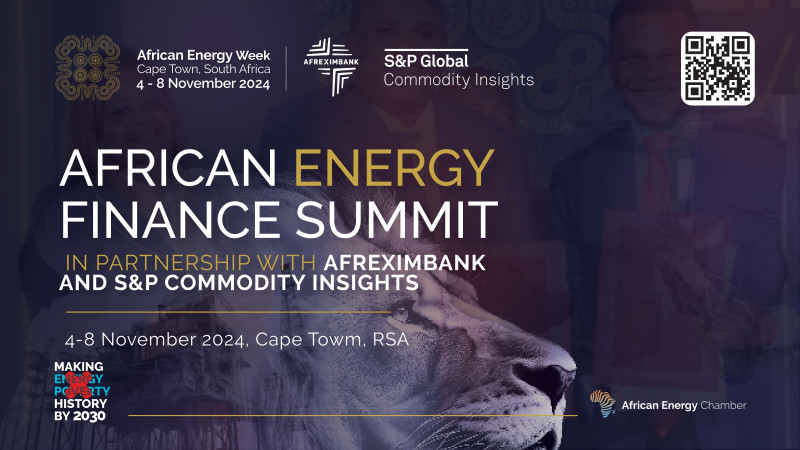
    JOHANNESBURG, South Africa, February 28, 2024/ — Africa’s largest energy event – the African Energy Week (AEW): Invest in African Energy conference – will feature the African Energy Finance Summit during this year’s edition in Cape Town.
    The summit, hosted in partnership with multilateral financial institution the African Export-Import Bank and S&P Global Commodity Insights, offers a platform for project developers and financiers to sign deals and is poised to unlock a new era of growth across Africa’s oil, gas, critical mineral and renewable energy sectors.

    Africa requires over $200 billion in annual financing until 2030 to meet the Sustainable Africa Scenario’s energy and climate objectives, highlighting a growing opportunity for project developers, financiers and technology providers. Between 2012 and 2021, the continent received an average $35 billion in annual finance from G20 nations and multilateral development banks, underscoring a significant investment gap.

    The African Energy Finance Summit aims to address this gap by galvanizing financial support for African energy growth alongside intra-African energy trade and a just energy transition.

    AEW: Invest in African Energy is the platform of choice for project operators, financiers, technology providers and government, and has emerged as the official place to sign deals in African energy. Visit www.AECWeek.com for more information about this exciting event.

    The development of oil and gas has taken the forefront of many national development agendas in Africa, as countries move to monetize resources to make energy poverty history by 2030. In addition to expansion efforts across established oil and gas markets such as Angola, Nigeria, Algeria and Egypt, new frontiers are being revealed as discoveries showcase high-impact deposits.

    In the last two years, Namibia made eight hydrocarbon discoveries in the Orange Basin, with reserves estimated to be as much as 11 billion barrels. Other discoveries such as the 20 trillion cubic feet (tcf) Yakaar-Teranga discovery in Senegal; the Orca find in Mauritania; the 650 billion cubic feet Eban-Akoma Complex find in Ghana; the Mukuyu-2 gas discovery in Zimbabwe and many more underscore the potential for million-dollar upstream investments in Africa.

    Meanwhile, Africa is poised to be at the forefront of the global energy transition due to its critical mineral wealth. The continent has 85% of the world’s manganese resources; 80% of the world’s platinum and chromium; 47% of the world’s cobalt; 21% of the world’s graphite, among many other resources.

    Investment in this industry will support both economic growth in Africa through revenue generation and infrastructure development as well as the world’s transition to a cleaner energy future. Projects such as Namibia’s Eisenberg Rare Earth Minerals project; the DRC’s Metalkol RTR mine; Zimbabwe’s Bikita Lithium Mine; and many more represent some of the largest in the world.

    Meanwhile, Africa’s hydropower potential is estimated at 340 GW; it’s wind potential is estimated at 180,000 TWh per year; while the continent owns approximately 40% of the globe’s potential for solar power generation.

    Yet, only 11% of Africa’s hydropower is currently being exploited while the continent accounts for 1.48% of the world’s total solar capacity, highlighting lucrative opportunities for clean energy project developers.
    Policies such as South Africa’s Renewable Energy Independent Power Producer program pave the way for increased private capital in renewable energy while efforts to develop large-scale green hydrogen projects in Namibia and Mauritania are poised to transform the continent.

    The African Energy Finance Summit will not only showcase these emerging opportunities but connect the relevant investors to the projects themselves. By uniting global banking institutions, financial ministers and authorities, and international development platforms, the summit will see numerous deals signs that will further accelerate project growth in Africa.

    At the same time, the summit promotes the need for integration across the finance and energy sectors, demonstrating the benefit and opportunity of industries working hand-in-hand to create attractive environments to do business.

    Across the continent, efforts are already well underway to attract energy investment through policy reform. Energy majors Total Energies and Shell are planning $6 billion and $5 billion in investment, respectively, in Nigeria over the coming years, owing largely to improved fiscal and monetary terms implemented through the Petroleum Industry Act (2021).

    In Angola, Total Energies announced a multi-year strategy including the $850 million Begonia oil development while ExxonMobil is looking at investing $15 billion in the country. These commitments are as a result of improved upstream terms that encourage exploration and development spending.

    Going forward, the finance sector will continue to be key to improving an enabling environment for energy investment. Through forex, tariff and regulatory support, the finance sector will make it easier to do business in Africa, enabling the continent to benefit from its wealth of natural and mineral resources.

    The African Energy Finance Summit will unite the finance and energy sectors to drive new opportunities across the continent.
    Distributed by APO Group on behalf of African Energy Chamber.

    SOURCE
    African Energy Chamber

  • Africa needs China for its digital development – but at what price?

    Africa needs China for its digital development – but at what price?

    Author: Stephanie

    PhD Candidate, University di Bologna

    First Published: February 27, 2024 4.08pm SAST

    Digital technologies have many potential benefits for people in African countries. They can support the delivery of healthcare services, promote access to education and lifelong learning, and enhance financial inclusion.

    But there are obstacles to realizing these benefits. The backbone infrastructure needed to connect communities is missing in places. Technology and finance are lacking too.

    In 2023, only 83% of the population of sub-Saharan Africa was covered by at least a 3G mobile network. In all other regions the coverage was more than 95%.

    In the same year, less than half of Africa’s population had an active mobile broadband subscription, lagging behind Arab states (75%) and the Asia-Pacific region (88%).

    Therefore, Africans made up a substantial share of the estimated 2.6 billion people globally who remained offline in 2023.

    key partner in Africa in unclogging this bottleneck is China. Several African countries depend on China as their main technology provider and sponsor of large digital infrastructural projects.

    This relationship is the subject of a study I published recently. The study showed that at least 38 countries worked closely with Chinese companies to advance their domestic fibre-optic network and data centre infrastructure or their technological know-how.

    China’s involvement was critical as African countries made great strides in digital development. Despite the persisting digital divide between Africa and other regions, 3G network coverage increased from 22% to 83% between 2010 and 2023. Active mobile broadband subscriptions increased from less than 2% in 2010 to 48% in 2023.

    For governments, however, there is a risk that foreign-driven digital development will keep existing dependence structures in place.

    Reasons for dependence on foreign technology and finance

    The global market for information and communication technology (ICT) infrastructure is controlled by a handful of producers. For instance, the main suppliers of fibre-optic cables, a network component that enables high-speed internet, are China-based Huawei and ZTE and the Swedish company Ericsson.

    Many African countries, with limited internal revenues, can’t afford these network components. Infrastructure investments depend on foreign finance, including concessional loans, commercial credits, or public-private partnerships. These may also influence a state’s choice of infrastructure provider.

    The African continent’s terrain adds to the technological and financial difficulties. Vast lands and challenging topographies make the roll-out of infrastructure very expensive. Private investors avoid sparsely populated areas because it doesn’t pay them to deliver a service there.

    Landlocked states depend on the infrastructure and goodwill of coastal countries to connect to international fibre-optic landing stations.

    A full-package solution

    It is sometimes assumed that African leaders choose Chinese providers because they offer the cheapest technology. Anecdotal evidence suggests otherwise. Chinese contractors are attractive partners because they can offer full-package solutions that include finance.

    Under the so-called “EPC+F” (Engineer, Procure, Construct + Fund/Finance) scheme, Chinese companies like Huawei and ZTE oversee the engineering, procurement and construction while Chinese banks provide state-backed finance. Angola, Uganda and Zambia are just some of the countries which seem to have benefited from this type of deal.

    All-round solutions like this appeal to African countries.

    What is in it for China?

    As part of its “go-global” strategy, the Chinese government encourages Chinese companies to invest and operate overseas. The government offers financial backing and expects companies to raise the global competitiveness of Chinese products and the national economy.

    In the long term, Beijing seeks to establish and promote Chinese digital standards and norms. Research partnerships and training opportunities expose a growing number of students to Chinese technology.

    The Chinese government’s expectation is that mobile applications and startups in Africa will increasingly reflect Beijing’s technological and ideological principles. That includes China’s interpretation of human rights, data privacy and freedom of speech.

    This aligns with the vision of China’s “Digital Silk Road”, which complements its Belt and Road Initiative, creating new trade routes.

    In the digital realm, the goal is technological primacy and greater autonomy from western suppliers. The government is striving for a more Sino-centric global digital order. Infrastructure investments and training partnerships in African countries offer a starting point.

    Long-term implications

    From a technological perspective, over-reliance on a single infrastructure supplier makes the client state more vulnerable. When a customer depends heavily on a particular supplier, it’s difficult and costly to switch to a different provider. African countries could become locked into the Chinese digital ecosystem.

    Researchers like Arthur Gwagwa from the Ethics Institute at Utrecht University (Netherlands) believe that China’s export of critical infrastructure components will enable military and industrial espionage. These claims assert that Chinese-made equipment is designed in a way that could facilitate cyber-attacks.

    Human Rights Watch, an international NGO that conducts research and advocacy on human rights, has raised concerns that Chinese infrastructure increases the risk of technology-enabled authoritarianism.

    In particular, Huawei has been accused of colluding with governments to spy on political opponents in Uganda and Zambia. Huawei has denied the allegations.

    The way forward

    Chinese involvement provides a rapid path to digital progress for African nations. It also exposes African states to the risk of long-term dependence. The remedy is to diversify infrastructure supply, training opportunities and partnerships.

    There is also a need to call for interoperability in international forums such as the International Telecommunications Union, a UN agency responsible for issues related to information and communication technologies.

    Interoperability allows a product or system to interact with other products and systems. It means clients can buy technological components from different providers and switch to other technological solutions. It favours market competition and higher quality solutions by preventing users from being locked in to one vendor.

    Finally, in the long term African countries should produce their own infrastructure and become less dependent.

    SOURCE

    The Conversation 


  • Global Black Impact Summit (GBIS) 2024 to Prepare Youth for Excellence, Leadership Roles

    Global Black Impact Summit (GBIS) 2024 to Prepare Youth for Excellence, Leadership Roles

    DUBAI, United Arab Emirates, February 23, 2024/ — Empowering youth with strong leadership skills is paramount to cultivating a generation of leaders who are capable of driving change and fostering inclusivity.
    In the midst of a rapidly shifting global economy – characterized by evolving consumer preferences and an embrace of digital innovations – there is a need to prioritize access to education, skill development and competency building in a way that accounts for a dynamic future.

    The upcoming Global Black Impact Summit (GBIS) – taking place on Tuesday, February 27 in Dubai – will host a dedicated panel discussion on the role of youth in shaping global dynamics and building a more resilient future. The panel – Nurturing Future Leaders: Empowering Black Youth for Excellence – features high-level speakers from across education and business sectors, who will share insights into the pivotal role of modern education in economic advancement and wealth creation for the next generation.

    GBIS – hosted by the Black Impact Foundation and organized by Energy Capital and Power – is an annual event that celebrates the achievements of the Black community, promotes excellence, and explores untapped potential across various fields. This year’s summit – taking place on February 27, 2024, in Dubai – is set to be a transformative experience, featuring influential speakers, engaging panel discussions and networking opportunities. To sponsor or participate as a delegate, please contact sales@energycapitalpower.com.

    Icons such as Nelson Mandela and Malcolm X have long-served as advocates for policies championing inclusivity, diversity and social equity, particularly among underserved populations. While their legacies continue to inspire resilience and empowerment within the global community, the imperative now lies in equipping today’s youth with the social education and mindset to effect transformative change. The GBIS panel will explore strategies and initiatives aimed at building confidence, resilience and leadership skills in young individuals.

    On the entrepreneurial front, business leaders including Pravini Baboeram, Co-Founder of 7th Gen Creatives, Lashai Ben Salmi, Co-Founder of Hallyu Con, and Tray Sean Ben Salmi, Founder of Influencer Publishing & Financial Education for Teens, will serve as speakers on the panel, instilling ambition among aspiring entrepreneurs and business owners. In this regard, GBIS 2024 will shed light on the role of mentorship and positive role models in unlocking the full potential of the next generation.

    Taking place under the theme, Black Excellence: Unleashing the Unexplored Potential for Global Unity, GBIS 2024 aims to foster connections among individuals and business leaders not only within the Black community, but worldwide. The summit serves as a unique, multisectoral platform that seeks to establish best practices for driving the next generation forward, while celebrating diversity, excellence and innovation in the process.

    Distributed by APO Group on behalf of Energy Capital & Power.

    SOURCE
    Energy Capital & Power