Author: admin

  • TTH-Pace4life Join Hands for Historic Pacemaker Insertion Surgery in Northern Ghana

    TTH-Pace4life Join Hands for Historic Pacemaker Insertion Surgery in Northern Ghana

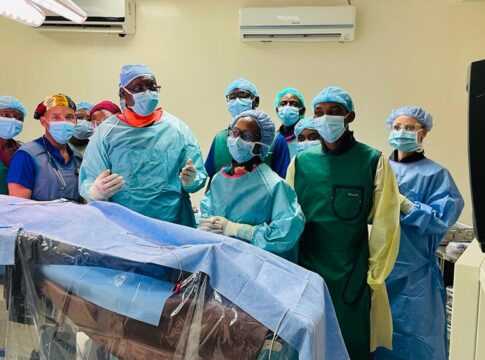
    A team of cardiologists from Columbus, Ohio. in the United States of America and their Ghanaian counterparts at the  Teaching  (TTH),in Ghana’s Northern region, have performed three successful  at the hospital.

    A pacemaker insertion is the implantation of a small electronic device that is usually placed in the chest – just below the collarbone – to help regulate slow electrical problems with the heart.

    The historic surgery is a partnership between the  and Pace4life

    The team comprised of Cardiologists, Anaesthestics, Radiology technicians and scrub .

    Leader of the team from Columbus Ohio, Dr. Kamel Addo told 3news.com that the procedure was to implant the pacemaker device and also provide a platform to share knowledge with the TTH team.

    “This is also to provide a training, teaching and transfer of knowledge to the hardworking staff of the hospital here in northern Ghana and that I think is very important,” Dr Addo sai

    “This is the first of its kind and I know once we are successful in this, we will look at its sustainability with the hospital to save more of the lives here.”

    Head of Cardiology at the Tamale Teaching Hospital, Dr. Abdul-Subulr Yakubu expressed gratitude to Pace4life and the team from the  for the sponsorship and surgeries.

    “Before this surgery, we lost four patients recently, because they could not afford the surgeries and so this intervention is life saving.

    “The poverty levels here is serious and so interventions like these are highly recommended. This is why the hospital and the Cardiology Unit and our patients will forever be grateful to Pace4Life and the team led by Dr Addo.”

    In all, three patients including a 94-year-old woman successfully went through the procedure.

    SOURCE

    3News.com


  • Africa Day for Food and Nutrition Security: Zambian Vice President underscores role of grey matter infrastructure development

    Africa Day for Food and Nutrition Security: Zambian Vice President underscores role of grey matter infrastructure development

    LUSAKA, Zambia, November 7, 2023/ — African Leaders for Nutrition (ALN), a platform for high-level political engagement to advance nutrition in Africa, has joined two crucial forums for advancing policy dialogue on agriculture and nutrition in Africa.

    ALN representatives attended the commemoration the 14th Africa Day for Food and Nutrition Security (ADFNS) and 19th Comprehensive Africa Agriculture Development Programme (CAADP) Partnership Platform (PP).

    These platforms are crucial forums for advancing policy dialogue on agriculture and nutrition in Africa. The African Union Commission and its economic development agency AUDA-NEPAD jointly convened the 19th CAADP event to emphasize the interconnectedness of agriculture, nutrition, and trade.

    Hosted by the government of Zambia from the 30th of October to the 2nd of November 2023 in Lusaka Zambia, the two events were held under the theme: “Accelerating the implementation of the African Continental Free Trade Area Agreement in the context of CAADP Commitments for Safer and Healthier Diets”. This builds on the African Union’s 2023 Year Theme – “Accelerating the implementation of the African Continental Free Trade Area (AfCFTA)”.

    In her keynote remarks during the opening, Zambian Vice-President Mutale Nalumango called for urgent action to address hunger and malnutrition in Africa to help advance the continent’s socio-economic transformation.

    “Human Capital investment starts with good nutrition,” Vice President Nalumango said.

    The AU’s Commissioner of Agriculture, Josepha SACKO, highlighted the prevalence of hunger on the continent, saying around 280 million people, or one out of five people, face hunger on the continent.

    She advocated for a non-conventional approach to address inefficiencies in the food system to provide access to nutritious and safe food for all. Noting that food businesses account for 75% of inter-Africa trade, she said adopting a single market under the African Continental Free Trade Area will boost trade, alleviate poverty, and improve nutritious food supplies.

    Further reiterating the nexus between trade and nutrition, Ambassador Minata Samate Cessouma, African Union Commissioner for Health, Humanitarian Affairs and Social Development, said: “The African Continental Free Trade Area agreement is a game-changer for the continent, offering the opportunity to promote economic growth, boost intra-African trade, and improve food security and nutrition.”

    Similar sentiments were shared by the African Union Special Envoy on Food Systems, Dr Ibrahim Mayaki. He advocated for farmers producing about 80% of the food in Africa to be at the centre of an ‘agriculture revolution’ to reduce the continent’s current food import bill of about 60 billion dollars annually.

    He stressed: “We need to re-think our approach to long-term planning. To plan for the long-term, we need to plan in the short-term; that is why the short-term goal of regional integration is crucial – many of our long-term goals depend highly on that”.

    African Leaders for Nutrition co-hosted one of the sub-themes on financing agri-food and nutrition on the 1st of November to explore the role of the private sector in financing and advancing agri-food and nutrition initiatives in Africa. This aligns with the African Development Bank’s drive to make private sector development one of its key priorities for reducing poverty and supporting sustainable growth on the continent through improved investment.

    In his opening remarks at the side event, African Leaders for Nutrition Coordinator George Ouma said, “We need a paradigm shift that opens space and opportunities for actors within the food and nutrition security ecosystem. We need the private sector to drive that change through innovations, investment, and strategic partnerships.”

    More than 300 participants from African Union member states, regional economic communities, continental bodies, United Nations agencies, development partners, academic and think tanks, civil society, and the private sector, attended the four-day session.

    Distributed by APO Group on behalf of African Development Bank Group (AfDB).

    Media contact:
    Natalie Nkembuh
    Communication and External Relations
    |media@afdb.org

    SOURCE
    African Development Bank Group (AfDB)

  • Climate Justice and Just Societal Transition to Green Economy gets Major Boost

    Climate Justice and Just Societal Transition to Green Economy gets Major Boost

    Prof. Chukwumerije Okereke has been elected Fellow of The World Academy of Sciences for the advancement of science in developing countries (UNESCO-TWAS) in recognition of his outstanding contribution to science and its promotion in the developing world.

    The Nigeria born Okereke is a Professor in Global Governance and Public Policy in the School for Policy Studies, Bristol University, UK, and Director for the Centre for Climate Change and Development, Alex Ekwueme Federal University Ndufu-Alike, Nigeria.

    He is a globally recognised leading scholar on global climate governance and international development with specialism on the justice dimensions of the international climate regime and just societal transitions to the green economy.

    Okereke has a strong track record of cutting-edge and high-impact research focused on understanding and addressing systemic barriers to economic and social inclusion in the context of climate policy and green economy transitions,

    He has made significant contributions to scholarship on several areas such as: (i) understanding how different conceptions of justice influence global climate governance and the implications for climate-resilient sustainable development in developing countries; (ii) advancing the theory of theory of climate governance through his various works that focus on the activities of non-nation state actors in climate governance; and (iii) advancing knowledge and practice of climate governance and green growth transitions in Africa where his work has had a far-reaching impact on public policy and practice across the continent.

    He also worked with a diverse array of stakeholders to mobilise research to shape climate governance in Africa including drafting a climate change law in Nigeria, modelling Nigeria’s long-term low-carbon development strategy, designing African Unions’ Adaptation Initiative, and drafting the first ever national green growth plan in Africa, for the Government of Rwanda.

    Professor Okereke’s academic merit and international research leadership status is affirmed through his leadership roles in multiple high-profile global Scientist Assessment Projects and networks including as Coordinating Lead Author, of the United Nations Intergovernmental Panel on Climate Change (IPCC) Working Group III Sixth Assessment Report.

    He is a visiting professor at London School of Economics and Senior Academic Visitor at the University of Oxford.

    He is also a leading member of the Global Earth Commission’s Safe and Just Transformation Working Group and Coordinator of African Forum Climate Change, Energy and Development (AFCEED) the leading African Network of scholars, policy makers and practitioners working on climate change and sustainability transitions in Africa.

    Commenting on the award, Okereke said: “I am delighted to have been elected Fellow of The World Academy of Sciences for the advancement of science in developing countries (UNESCO-TWAS).

    “It means a lot to me because I have always been driven by a desire to highlight the challenges faced by developing countries in addressing climate change while also pursuing economic growth as well as the opportunities to leverage climate action to build resilience and achieve economic growth.

    “Developing countries face multiple challenges related to colonial legacy and unjust international economic order which work to the advantage of advanced countries. I believe that approaching climate governance from the framework of justice enables us to tackle, not just the issue of climate pollution, but also the more fundamental question of global equity and fairness needed to ensure that everyone can lead a decent life regardless of where they are born.

    “I grew up in a very rural village in Old Eastern Nigeria. I played naked under the rain, swam and drank water from the brownish local river, went to school for the most time barefooted, studied under the big akparata tree in the local school, hunted rats and rabbits with my age-mates and sang with other children under the moonlight.

    “I experienced the joy of growing up in the natural environment and am passionate to see that economic development for all the good things it brings does not impose existential risk on our environment and the lives of people on the planet.

    “This recognition encourages me to continue to work as there is still quite a long way to go to achieve climate justice for the vulnerable countries of the world.”

    Okereke is among 47 Fellows elected by the Academy.

    SOURCE

    Centre for Climate Change & Development

  • Africa Investment Forum welcomes Rugby Africa President to discuss the business of sport

    Africa Investment Forum welcomes Rugby Africa President to discuss the business of sport

    MARRAKECH, Morocco, November 6, 2023/ — The newly elected President of Rugby Africa (www.RugbyAfrique.com), the continental governing body for rugby in Africa, Mr Herbert Mensah, will discuss the business of sport in a one-to-one fireside chat at the 2023 Africa Investment Forum (AIF) (www.AfricaInvestmentForum.com) on Thursday, November 9 in Marrakech, Morocco.

    Championed by the African Development Bank and seven other founding partners (Africa50, Africa Finance Corporation, Afreximbank, Development Bank of Southern Africa, European Investment Bank, Islamic Development Bank and Trade and Development Bank), the Africa Investment Forum is Africa’s investment marketplace to accelerate transactions to close Africa’s investment gaps.

    Founded in 2018, the Africa Investment Forum has mobilized nearly $143 billion in investment interest. The event brings together heads of state, business leaders, decision makers and investors to advance critical investment transactions to closure. Previous attendees include H.E Paul Kagame, President of the Republic of Rwanda, H.E Cyril Ramaphosa, President of the Republic of South Africa, and H.E Nana Akufo-Addo, President of the Republic of Ghana.

    The sports industry in Africa is experiencing rapid growth, with the potential to generate jobs, improve public health, foster social inclusion and drive economic growth. According to PricewaterhouseCoopers (PwC), the industry was valued at $7 billion in 2018 with an expected growth of $12 billion in 2027. Despite the potential, investment across Africa remains limited, with only 1% of startup financing directed towards the sport sector.

    Rugby Africa President, Herbert Mensah, continues to emphasize the business potential of rugby across Africa. Since his election, President Mensah has called for a change of mindset from African governments and international organizations to increase investment in rugby across Africa. In June, President Mensah delivered a keynote speech on treating rugby as a lucrative business venture at the Bloomberg New Economy Gateway Africa 2023 event in Marrakech, Morocco.

    Watch the video on the Bloomberg Website: https://apo-opa.info/466rOcr

    The annual three-day Africa Investment Forum Market Days event will commence on Wednesday November 8 to Friday November 10 under the theme “Unlocking Africa’s Value Chain” in Marrakech, Morocco.

    Read more information about the Africa Investment Forum: https://www.AfricaInvestmentForum.com/en

    Distributed by APO Group on behalf of Rugby Africa.

    Media contact:
    Nicole Vervelde
    Communications Advisor to the President of Rugby Africa
    rugby@apo-opa.com

  • Seismic Development Integral to Africa’s Energy Future, African Energy Chamber (AEC) Underscores during Houston Working Visit

    Seismic Development Integral to Africa’s Energy Future, African Energy Chamber (AEC) Underscores during Houston Working Visit

    JOHANNESBURG, South Africa, November 2, 2023/ — Accurate and up-to-date seismic data is the cornerstone of a thriving oil and gas industry. In Africa, geoscience companies take on a pivotal role, driving the success and efficiency of oil and gas projects by equipping countries and corporations with the precise tools needed to locate hydrocarbon deposits. Without the vital contributions of geoscience firms, Africa would be unable to fully unleash the vast potential of its oil and gas resources.

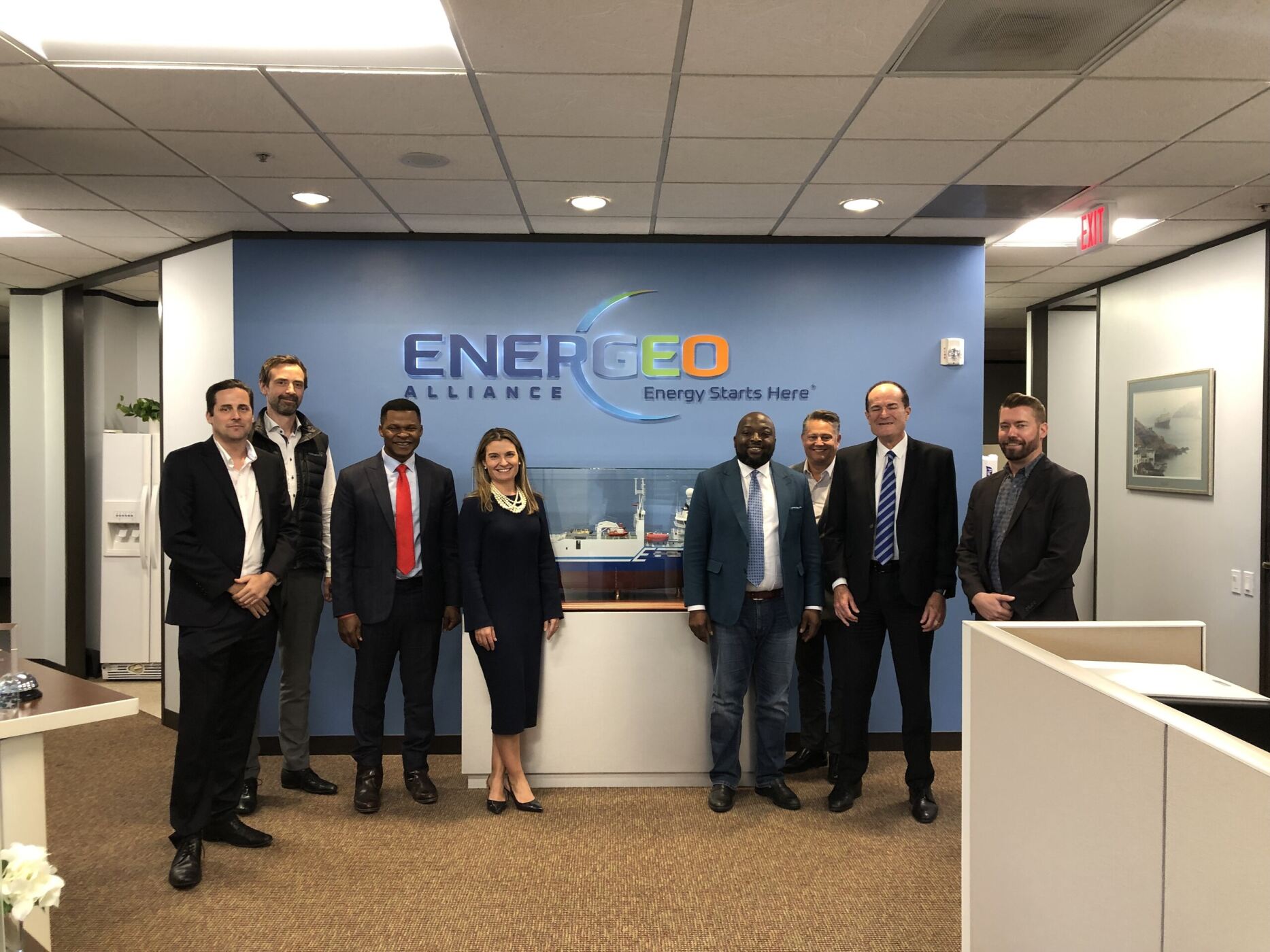
    The African Energy Chamber’s (AEC) working visit to Houston – currently underway – led by Executive Chairman NJ Ayuk, is promoting this very role, engaging with a suite of oil, gas and geoscience companies on the impact they have in Africa’s energy sector. Underpinning the visit is the belief that partnerships between geoscience companies and African governments are quintessential for the success of the burgeoning industry, and that opportunities for geoscience companies in Africa are just unfolding.

    During the visit, the AEC will meet with EnerGeo Alliance, a global trade association for the geoscience industry operating under the motto that, ‘Energy Starts Here.’ EnerGeo Alliance has long-been an important partner for Africa’s oil and gas sector, demonstrating time and time again a commitment to the continent’s hydrocarbon future. The meeting will unpack how geoscience companies, with the support of EnerGeo Alliance, can contribute to the success of Africa’s oil and gas sector. In addition, the meeting will focus on seismic development, and how African governments can support the activities of geoscience companies in untapped acreage.

    Holding up to 125 billion barrels of proven crude oil reserves and 620 trillion cubic feet (tcf) of natural gas, Africa is just beginning to understand the full scope of its oil and gas resources. Countries such as Nigeria, for example, with 200 tcf of proven gas resources, likely hold as much as 600 tcf. At the same time, countries such as Ivory Coast, the Democratic Republic of the Congo, Zimbabwe, Kenya and many more are yet to reveal their oil and gas reserves. Geoscience companies are the key for advancing exploration efforts, providing comprehensive understanding of Africa’s onshore and offshore hydrocarbon plays, and partnerships are what will underpin the very success of African oil and gas.

    Despite the central role geoscience companies have and continue to play in Africa, companies continue to face challenges, with environmental groups blocking both onshore and offshore operations. In South Africa, for example, energy companies continue to experience disruptions, with lobbyist organizations preventing the exploration of the Orange Basin – an area in which sizeable finds have been made on the Namibian side. At the same time, South Africa is in the midst of an energy crisis, and domestic oil and gas would prove a lifeline to the economy. As such, the geoscience community needs to be given the full support of Government, or untapped oil and gas resources will remain in the ground.

    The same can be said continent-wide, and the AEC working visit will underscore the need for stronger collaboration. Topics of discussion will include issues faced by the geoscience community such as strong partnerships; streamlined license approvals; and clear regulation. Additionally, with capacity building representing the very essence of energy and economic development, the meeting will highlight the imperative for training and skills development programs between government and National Oil Companies, as well as how scholarships, programs and mentorship can strengthen the geoscience industry.

    “The geoscience community will have a catalyzing role to play in Africa for many years to come. Africa’s oil and gas potential is only starting to be understood. Through seismic surveys, we can not only understand what lies beneath the continent’s ground and waters, but we can fast-track decision making to monetize resources. We see the seismic community continue to grow, with mergers such as between Norway’s TGS and Petroleum Geo-Services. This sends the right kind of message that the seismic community is committed to growth, and Africa should stand ready to welcome partners,” states Ayuk.

    During this year’s edition of the African Energy Week (AEW) conference in Cape Town, the role geoscience companies play in growing the African oil and gas market was a prominent point of discussion. Various panel discussions, technical presentations and forums drew attention to the need for further collaboration between geoscience players and African governments. The event also featured the inaugural African Farmout Forum, a platform created for striking deals through in-depth understanding of Africa’s upstream plays. However, there is still a lot more to be done, and both AEW and the AEC stand ready to support the growth and contribution of the global geoscience community.

    Distributed by APO Group on behalf of African Energy Chamber.

    SOURCE
    African Energy Chamber

  • Zanzibar to Scale Up MPA Conservation Management

    Zanzibar to Scale Up MPA Conservation Management

    Mohammed A. Abu

    Makame O. Makame, a Director of Marine Conservation Department of the Zanzibar Ministry of Blue Economy & Fisheries, has lauded the Self-Assessment Tool(SAT) a component of Marine Mammals Management Toolkit, for having made the country to understand their current capabilities and limitations in Marine Protected Area(MPA) management.

    Supported by the factsheets, the Self-Assessment Tool (SAT) enables MPA managers to assess the extent to which marine mammals are included in their respective management plans.

    To this end, Mr. Makame disclosed that, the Ministry has planned various activities that will help to improve upon their management framework on marine mammal conservation.

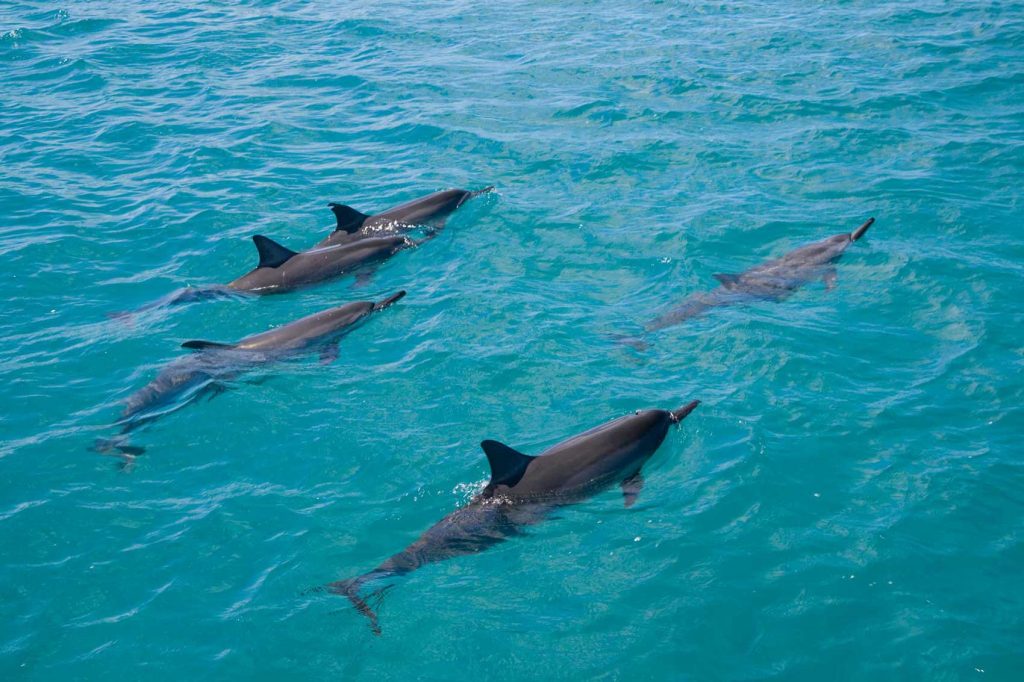
    The activities he said included, a future plan of launching, whale tourism, establishing a sanctuary for dolphins in the country’s marine Biodiversity Conservation Area(MBCA) among others.

    SAT, he said was an invaluable tool in MPA management that helped them to understand the existing situation, and is indeed an eye opener tool that helped them to understand better marine mammal conservation.

    “The tool is very important. We need it” he intimated

    Mr. Makame was speaking on Thursday during  and hour and half  long international webinar on Marine Mammals Management Toolkit, in West Africa intended to introduce the Marine Mammals Management Toolkit, an innovative tool for effectively managing marine mammals in and around MPAs.

    The Marine Mammal Twinning, part of the EU-funded Ocean Governance Project, hosted the webinar in collaboration with the Abidjan Convention and the Regional Partnership for the Conservation of the Coastal and Marine Zone (PRCM).

    The toolkit is being developed within the framework of the “Marine mammals, a way to enhance cooperation between Marine Protected Areas” twinning is part of the Ocean Governance project

    Held under the theme, “Towards effective management of marine mammals in West Africa: The Marine Mammals Management Toolkit.”, the webinar drew over seventy international participants

    Western African Aquatic Mammals

    The introduction of the Marine Mammals Management Toolkit comes on the back of the MOU on Western African Mammals which was concluded under the auspices of the Convention on Migratory Species (CMS) and came into effect on 3 October 2008.

    It will remain open for signature indefinitely. It aims to achieve and maintain a favourable conservation status for manatees and small cetaceans of Western Africa and Macaronesia and their habitats and to safeguard the associated values of these species for the people of the region.

    Various threats, including direct and accidental catch, coastal development, pollution and habitat degradation, have caused West African marine mammal populations to decline rapidly.

    These issues require action at a national, regional and global level. Efforts to protect marine mammals and raise awareness of their conservation needs include the convening of meetings, the undertaking of studies and field activities, the adoption of legal instruments, as well as the development of international agreements.


  • Africa Finance Corporation exits stake in Ghana’s Takoradi Port to Yilport Holding

    Africa Finance Corporation exits stake in Ghana’s Takoradi Port to Yilport Holding

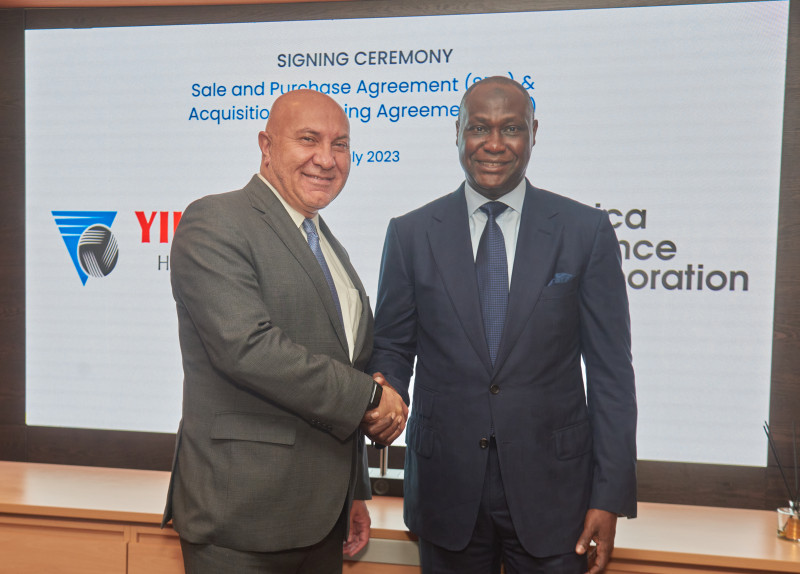
    LAGOS, Nigeria, November 2, 2023/ — Africa Finance Corporation (AFC) (www.AfricaFC.org), the continent’s leading infrastructure solutions provider, has exited its 35% equity investment in Atlantic Terminal Services Limited (ATSL), the concessionaire for the expansion of Ghana’s Takoradi Port, to the global ports and container terminals operator Yilport Holding. This is testament to the Corporation’s ability to attract international 3rd party capital and exit strategic infrastructure assets built by derisking through AFC’s unique project development and construction offering.

    In 2019, AFC committed to invest up to US$138 million in equity and debt for the Takoradi Port Expansion Project. The project, which is approaching the operational phase, reduces the cost of imports and exports to and from the western and central regions of Ghana and neighbouring landlocked countries by modernising a container and multipurpose terminal under a 25-year concession for its design, engineering, financing and construction. Through this transaction, AFC exits its shareholding, while Ibistek and Ghana Ports & Harbours Authority remain as shareholders in the project. AFC will continue to be lender to the project, fully committing to ensuring its success.

    A vital seaport in Ghana’s Western Region, Takoradi plays a crucial role in the nation’s economic growth and regional connectivity. It offers shorter and less-congested links to west and central Ghana, including the Takoradi region, which boasts of substantial agricultural activity including 50% of Ghana’s cocoa production, as well as manufacturing, industrial and business parks, and a growing natural resources sector. The port is also well suited to provide linkages to neighbouring landlocked countries. The project forms part of the country’s national development plan to revitalize and industrialize the western region and enhance Ghana’s overall efficiency and competitiveness by reducing the cost of imports and exports, building local capacity and generating direct employment opportunities.

    Samaila Zubairu, President & CEO of Africa Finance Corporation said, “This exit marks a significant milestone for AFC’s impact on the continent and we take pride in our pivotal role in driving the implementation and de-risking of the Takoradi Port Expansion. The project is reshaping West Africa’s economic landscape and partnering with a reputable investor like Yilport Holding aligns with our mandate to catalyse the inflow of global investment into Africa to transform supply chains, create local jobs and enable resource beneficiation.”

    Yilport Holding, a subsidiary of Amsterdam and Istanbul-based Yildirim Group, has been building world-class, multipurpose port facilities since 2004, with a target to become a top 10 global port operator by 2030. Investment in Takoradi represents an ideal entry point into Africa for Yilport, which plans to transform the port and its adjacent area into a logistics and trading hub, ensuring high volumes of traffic.

    “The acquisition of a stake in the Atlantic Terminal Services through AFC’s valued partnership marks a momentous occasion for Yilport Holding,” said Robert Yuksel Yildirim, Chairman and CEO of Yilport Holding. “This serves as a strategic gateway for us to establish our presence in the African market, and it aligns seamlessly with our commitment to fostering world-class logistics and trading hubs on an international scale.”

    AFC is focused on developing long term infrastructure solutions that improve the resilience and sustainability of cost-efficient supply chain logistics. In the past year, the Corporation has completed construction of two new ports, Terminal à Conteneurs De Nouakchott (TCN) and the San Pedro (TIPSP) Multipurpose Industrial Terminal in Côte d’Ivoire.

    Distributed by APO Group on behalf of Africa Finance Corporation (AFC).
  • Guyana Deserves to Develop its Oil and Gas, and so does Africa

    Guyana Deserves to Develop its Oil and Gas, and so does Africa

    JOHANNESBURG, South Africa, November 2, 2023/ — At a time when both African and Caribbean nations are making great strides towards developing recently discovered oil and gas reserves, countries whose development was driven by hydrocarbons are accelerating efforts to transition to a renewable energy future.
    This transition has seen wealthy nations establish a ‘green agenda,’ one which does not take into consideration Africa’s economic needs. The African Energy Chamber (www.EnergyChamber.org), therefore, strongly calls for an end to the demonization of oil and gas, encouraging African and Caribbean nations to collaborate towards a common and fair energy agenda.

    Africa and Guyana are just starting to uncover the true potential of their oil and gas resources. More than 30 discoveries were made in Guyana since 2015, with one block alone – operated by ExxonMobil – expected to hold as much as 11 billion barrels of oil. The same can be said for countries in Africa such as Namibia, with five major discoveries since 2022; Mozambique, with its major gas projects; Angola, Nigeria, Equatorial Guinea and many more.

    The green agenda fails to recognize the substantial potential resources such as natural gas – abundant in both Africa and the Caribbean – offer. Africa, for its part, holds over 600 trillion cubic feet (tcf) of natural gas reserves, and yet continues to be told to leave these resources in the ground.

    Unfortunately, climate panic and fear mongering are alive and well, and for some reason, Africa is public enemy number one. A continent that emits a negligible amount of carbon dioxide – at most, 3% of the world’s total emissions – is being disproportionately pegged as a threat to the planet by developed nations.

    In particular, the West is vilifying Africa’s energy industry because it is based on fossil fuels, even though the proportion of renewables is growing.  There’s no question that much of this anti-African oil and gas sentiment is based in fear of climate change, which is intertwined with the sheer terror that a fossil fuel boom in Africa, Guyana, Trinidad and Tobago, Suriname and other Caribbean nations could be devastating to the world at large.

    For countries such as Mozambique, with 100 tcf of proven reserves; Nigeria, with 200 tcf of proven reserves; Angola, with 10 tcf of proven, and many others, leaving gas in the ground is simply not an option. With significantly fewer emissions than resources such as coal, gas stands to play a catalyzing role in Africa.

    Through gas, the continent can bring economies to life, unlocking a prosperous future in the form of job creation, business opportunities, capacity building and monetization. Despite this potential, the green agenda advocates for an immediate transition, thereby ignoring the sustainable, logical and realistic solution gas provides. In this scenario, both Africa and Guyana are proposing an alternative agenda, one in which gas is developed to meet the current needs and future demand of nations. Through gas, countries will be strategically positioned to finance the transition to renewables.

    “Demonizing the oil and gas industry must stop. We see it constantly, in the media, in policy and investment decisions, and in calls for Africa to leave our fossil fuels in the ground. We see it with lawsuits to stop the financing of projects such as Mozambique Liquefied Natural Gas or lawsuits to prevent Shell from even carrying out a seismic survey,” stated NJ Ayuk, Executive Chairman of the AEC. “Actions like these, even as Western leaders have pushed OPEC to produce oil and are pushing European nations to increase their own production and escalate coal use, are not fair, and they’re not helpful.”

    Africa is on a mission to make energy poverty history by 2030 and this can only be achieved through oil and gas. Currently, over 600 million people are without access to electricity while over 900 million are without access to clean cooking solutions. The wealthy nations green agenda does not consider how much Africa needs natural gas to bring electricity to the growing number of Africans and Caribbeans living without it.

    They do not understand that we, as Africans, are focused on growing Africa’s energy mix to include fossil fuels and renewables, instead of insisting on an all or nothing approach to our energy transition. Africa’s energy and economic future hinges on an integrated, not separated, energy mix.

    As such, countries are calling for a new discussion to take place at COP28 in Dubai, one in which both Africa and the Caribbeans voices are not only heard but a part of. During the African Energy Week 2023 conference this October, African leaders emphasized the critical need to adopt an Africa-centric and just energy transition, one that heavily incorporates oil and gas. Global leaders, financial institutions and project developers should comply with this agenda, putting a continent’s needs before the world’s problems.

    “I also would respectfully ask financial institutions to resume financing for African oil and gas projects and stop attempting to block projects like the East African Crude Oil Pipeline or Mozambique’s LNG projects,” Ayuk concluded.

    Distributed by APO Group on behalf of African Energy Chamber.

    SOURCE
    African Energy Chamber

  • Empowering voices – Africa Tech Festival fields a strong and successful line-up of women speakers and women-focused features in 2023 to put the spotlight on female trailblazers who are leading the tech revolution on the continent

    Empowering voices – Africa Tech Festival fields a strong and successful line-up of women speakers and women-focused features in 2023 to put the spotlight on female trailblazers who are leading the tech revolution on the continent

    JOHANNESBURG, South Africa, November 1, 2023/ — Africa Tech Festival (https://apo-opa.info/3myppVu) in 2023, (Cape Town, 13 – 16 November), will field an impressive line-up of strong African women in technology, as a catalyst to shift the power dynamics in the industry, redressing their historic underrepresentation, funding restrictions, and other barriers to entry that have to date, prevented the technology sector from being fully inclusive.

    In a March 2023 study, conducted by the organisers of the festival, key highlights reflected that women are still facing stereotypical attitudes preventing them from moving up the ladder, lack equal pay for equivalent and often better abilities, and that absence of access to education and skills remain significant hurdles to overcome in encouraging more girls and young women to consider technology as a career.

    Yet, as OECD research reveals, more than a quarter of all businesses in Africa were either started or are run by women. Despite these high levels of entrepreneurial activity, African women draw the short straw when it comes to funding. Delving into this challenge, is a panel discussion at the festival entitled: Boosting Funding for Women Entrepreneurs in Africa (https://apo-opa.info/3tXJLeF), and led by keynote speaker and social media expert, Amélie Ebongué (https://apo-opa.info/3Qmk8LP), Global Brand Marketing Manager, and Author of Amazon Bestseller “Génération TikTok”.

    Ebongué will also champion several other important discussions at ATF this year, including a look at what is beyond streaming, leveraging performance marketing to grow start-ups, and what’s in store for Web 3.0.

    Several other women-focused sessions are on offer over the 3-days. At the AfricaTech Centre stage on Wednesday 15 November, there is an opportunity to engage with successful women tech leaders through a panel discussion: Empowering Voices: Women Leading the Tech Revolution in Africa (https://apo-opa.info/3tXJLeF). This panel will highlight the stories of pioneering women who have excelled in various tech fields, including artificial intelligence, cybersecurity, software development, and entrepreneurship. Speakers include the likes of Unathi Mtya (https://apo-opa.info/3tXJLeF), Group Chief Information and Digital Officer at African Bank.

    While businesses have initiated efforts to foster diversity, equity, and inclusivity, significant challenges still persist in achieving real change. Addressing these underlying issues is crucial for driving diversity in Africa’s tech sector.  To tackle this head on, the AfricaCom Centre Stage will host a Panel that looks at Closing the Gender Digital Divide in Africa: What Can Connectivity Providers Do (https://apo-opa.info/3tXJLeF)? This will be led by Tom Koutsky (https://apo-opa.info/3QiGjCU), Senior Connectivity Policy Advisor, Digital Inclusion Team Lead, USAID Innovation, Technology, and Research Hub.

    James Williams, Senior Director, Events | Connecting Africa | Informa Tech, remarks that: “We have made a conscious choice to attract powerful women in tech to showcase Africa’s female voices and their impacts on businesses, economies, and societies this year.  As echoed by many of our luminary speakers, without providing a platform to showcase their achievements, it will be difficult to attract more women to enter the industry.”

    Additional features during Africa Tech Festival will be dedicated to put the spotlight on African female tech leaders and rising stars. One of them takes the shape of an exclusive gala dinner, the InspiringFifty Africa Awards, run by EQL:HER (https://apo-opa.info/45Ua8zk), a global network and event series, which exists to re-balance gender in the technology sector to secure women an inclusive future across all businesses.

    This prestigious initiative focuses on recognising the top fifty women who are making significant strides in tech careers across the African continent. Whilst waiting for the 50 winners to be unveiled during a celebratory gala dinner on 13 November at the Mount Nelson hotel, the finalists have just been released and can be seen here (https://apo-opa.info/40lkA1F).

    Whilst InspiringFifty Africa will be a chance to rub shoulders with the continent’s who’s who of female tech leaders, EQL:HER will run additional female-focused initiatives, including a new dedicated networking space – the EQL:HER Lounge located in the Ballroom area of the CTICC from 14 to 16 November.

    Women and allies will get a chance to come together, connect and share their experiences whilst engaging in Q&As with main stage speakers, listen in to intimate fireside chats, and join power hour networking sessions to which all are encouraged to participate.  Some sessions that stand out include the likes of a Workshop called Womenomics – Unlocking the Financial Potential of Investing in Women (https://apo-opa.info/3tXJLeF), and a Fireside Chat: Cultivating a Sustainable Talent Stream for Women in Tech (https://apo-opa.info/3tXJLeF).

    Funke Opeke (https://apo-opa.info/3QFQ13s), CEO of MainOne, a judge and sponsor of this year’s InspiringFifty, says: “Africa Tech Festival is a leader in championing women playing a key role in tech on the continent. The focus has not been limited to the few that have risen to the top of their careers, but also supporting programmes such as InspiringFifty to ensure we leave the door open and actively support those who come behind us. True parity will be achieved when all leaders in tech mentor, support, and uplift the next generation of women in technology, given that talent knows no gender boundaries.”

    Diversity is not a buzzword
    Diversity is a fundamental necessity. In the context of technology, diversity brings new perspectives, new ways of thinking, and innovative solutions to the table. Women, who have been historically underrepresented in STEM and STEAM fields, offer a different lens through which to view and solve complex problems.

    Darshani Persadh (https://apo-opa.info/3MrnGeO) – Technical Co-Founder at DARJYO, and another visionary speaker at EQL:HER, underlines this point, saying: “Diversity isn’t a hindrance—it’s a catalyst for innovation and progress in the tech world.”

    Studies consistently show that diverse teams are more creative and better equipped to address the multifaceted challenges our digital age presents. When women are encouraged to enter STEM and STEAM, they contribute to the overall development of technology that benefits everyone.

    EQL:HER (www.EQLHER.com) is co-hosted over the three days with Inspiring African Women NPC, along with the Digital Council Africa, and WomHub.

    Do not miss these important and life-changing conversations.  Secure a seat at the table by registering for a free delegate pass – see below for details.

    For more information, please see website here: Africa Tech Festival 2023 – The Home of AfricaCom & AfricaTech (https://apo-opa.info/3myppVu)

    View all ticket options for Africa Tech Festival, including start-up passes, here (https://apo-opa.info/3Q04o2r).

    Distributed by APO Group on behalf of Africa Tech Festival.
    If you cannot read that message click here.

  • Agility Warehouses in Cote d’Ivoire are First in West Africa to Earn International Finance Corp (IFC) ‘Green Building’ Excellence in Design for Greater Efficiencies (EDGE) Advanced Status

    Agility Warehouses in Cote d’Ivoire are First in West Africa to Earn International Finance Corp (IFC) ‘Green Building’ Excellence in Design for Greater Efficiencies (EDGE) Advanced Status

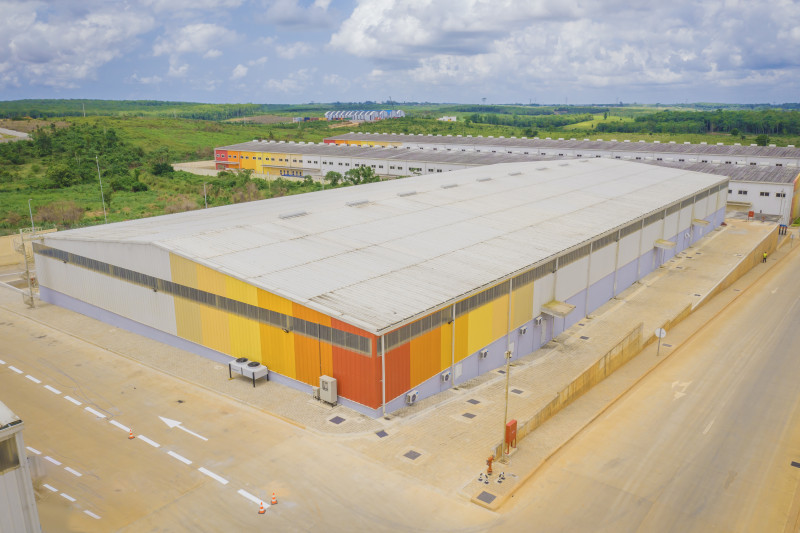
    ABIDJAN, Ivory Coast, November 1, 2023/ — Agility (www.Agility.com), a supply chain services, infrastructure and innovation company, announced that the warehouses at its Agility Logistics Park in Abidjan are the first in Cote d’Ivoire and West Africa to receive EDGE Advanced certification as green buildings.

    EDGE (Excellence in Design for Greater Efficiencies) is the global standard for energy-efficient buildings, a certification system overseen by the International Finance Corp. (IFC), an arm of the World Bank. Basic EDGE certification requires a minimum projected reduction of 20% energy use, water use and “embodied energy” in materials when benchmarked against a standard local building.

    Agility received EDGE (https://EDGEBuildings.com) Advanced certification for the current 27,000 SQM of warehousing at its Abidjan park. EDGE Advanced buildings are “zero-carbon ready” structures that are at least 40% more energy efficient than others in the market.

    The EDGE Advanced warehouses in Agility’s Abidjan park provide energy savings ranging from 57% to 74%; water savings ranging from 53% to 57%;  and construction materials containing 63% to 69% less embedded carbon. Energy efficiency was enhanced through reduced window-to-wall ratios, insulated roofing and exterior walls, and special lighting.

    Water use was lowered through use of bathroom and kitchenette plumbing systems that conserve water. Roofing, slab, exterior wall materials, and window glazing materials lowered the amount of embedded carbon.

    “Agility is determined to lead the way in Africa with the development of modern, energy-efficient warehouse parks to meet the growing demand across the Continent. Agility warehouses are used for storage, distribution, packing, processing and light manufacturing.

    We want to help multinationals meet international standards and be able to scale to meet the burgeoning African market demand. The provision of quality infrastructure improves efficiency, reduces costs and enables growth, generating jobs and prosperity,” said Geoffrey White, CEO of Agility Africa.

    Agility Logistics Parks (https://apo-opa.info/40A9zK9) are secure, connected, 24/7 complexes with Grade A and Grade B, international-standard warehouses designed with advanced engineering and sustainability features, and sites for data center campuses.

    Elsewhere in Africa, Agility Logistics Parks has a 160,000 SQM facility in Accra, Ghana; a 320,000 SQM park in Maputo, Mozambique; a 270,000 SQM park in Lagos, Nigeria; as well as the 270,000 SQM Yanmu East logistics park in Cairo, Egypt, part of a joint venture with Hassan Allam Utilities.

    The Abidjan facility is the second Agility warehouse to receive EDGE Advanced certification. In 2022, a warehouse at the Agility Logistics Park in Riyadh, Saudi Arabia was the first warehousing facility in the Middle East and North Africa to receive EDGE Advanced certification.

    Tenants at Agility Logistics Parks include international and local businesses in the retail, consumer goods, technology, automotive, energy and e-commerce sectors.

    White said: “Agility warehouse parks provide a simple foundation for supporting efficient, competitive businesses in Africa. The ready-built Agility warehouses permit local companies to grow and develop, and reduce time-to-market for new companies coming to Africa. The growing network of Agility warehouse parks are aligned with the significant opportunities being created by the AfCFTA to improve and expand trade both regionally and internationally.”

    Distributed by APO Group on behalf of Agility.