Category: AFRICA

  • African Development Bank expands urban support program to six new cities

    African Development Bank expands urban support program to six new cities

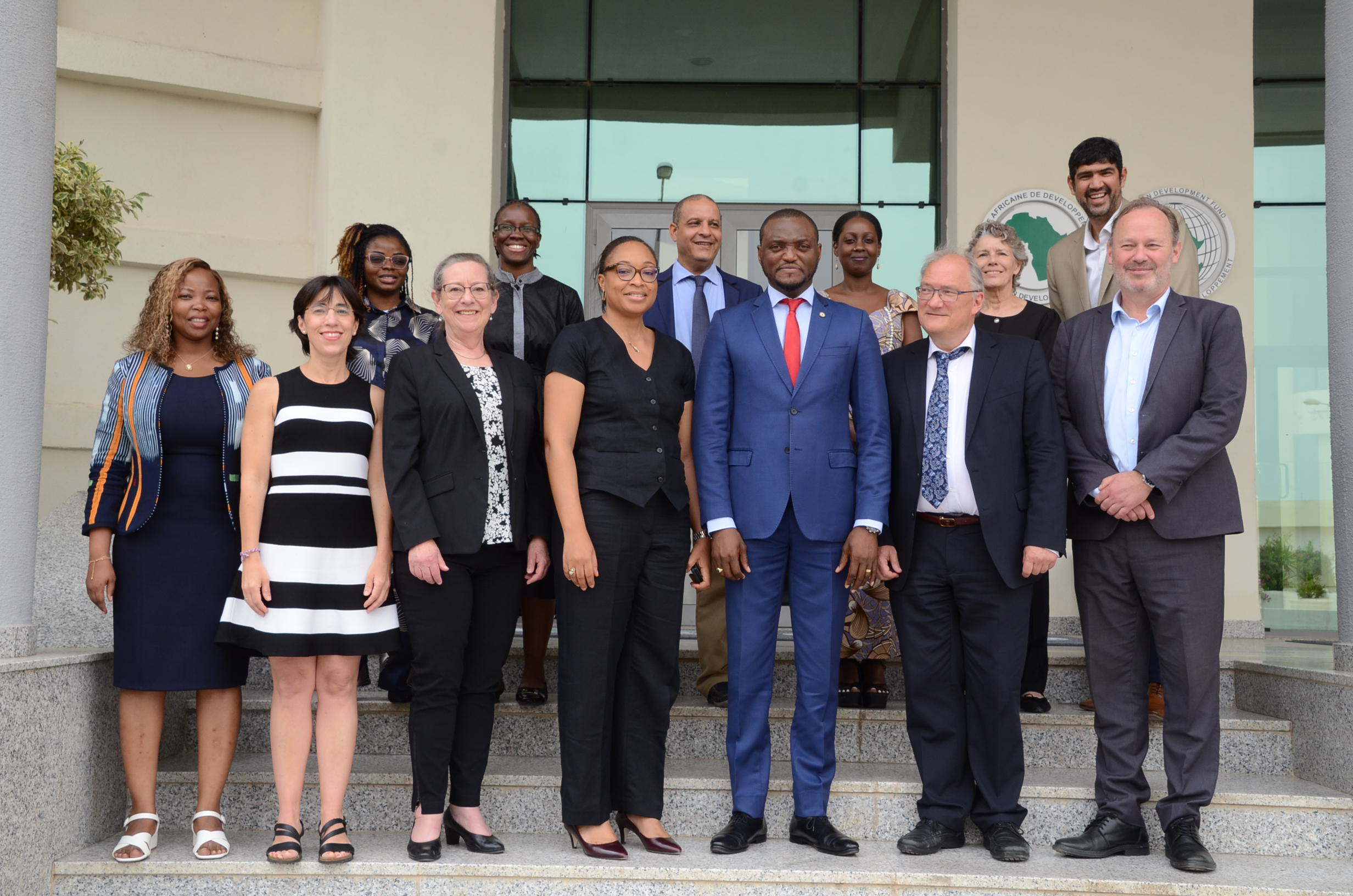
    TUNIS, Tunisia, June 26, 2024/ — The African Development Bank’s (www.AfDB.org) Urban and Municipal Development Fund (UMDF) (https://apo-opa.co/4exYmAh) has expanded its African Cities Program to cover six new cities across the continent. The expansion, approved by the Fund’s 13th Oversight Committee, will help bolster urban development and address critical challenges faced by rapidly growing African cities.

    The newly included cities are:

    • Kolwezi, the Democratic Republic of Congo: mining town grappling with rapid urban growth and environmental issues.
    • Grand Nokoué, Benin: an economic hub with over two million inhabitants.
    • Buffalo City, South Africa: a coastal city prioritizing climate resilience.
    • Joal, Senegal: A medium-sized city focusing on integrating environmental and social issues into economic development.
    • Juba, South Sudan: Prioritizing essential services for a growing, vulnerable population;
    • Nouakchott, Mauritania: Planning to combine projects on climate resilience, urban mobility, and sustainable energy.

    The Bank launched the UMDF in 2019 in response to growing demand from countries and cities for urban development support. It receives contributions from the Nordic Development Fund and the governments of Denmark, Spain, and Switzerland, as well as the Walloon Export and Foreign Investment Agency.

    The Fund provides financial and technical assistance to national and local governments for improving governance, planning, and to prepare investments in sustainable urban development for more climate resilient, resilient, liveable and productive cities, underpinning national socio-economic development and poverty reduction.

    UMDF will provide funding for each of the six cities over several months, including a detailed analysis of the strengths and vulnerabilities, especially regarding economic, social, climate, and gender issues. The goal is to identify transformative infrastructure projects that can attract public and private sector investments.

    The committee also reviewed the Fund’s progress and approved its 2024 work program, allocating over $4.7 million to identify and develop urban infrastructure projects and bring them to maturity.

    Mike Salawou, Director of the African Development Bank’s Infrastructure and Urban Development Department, committed to strengthening the Fund’s operational effectiveness and capacity to mobilize more funding and partnerships for greater impact.

    “The question of urban development is at the heart of the Bank’s new ten-year strategy for 2024-2033, of which the Urban and Municipal Development Fund is a strategic implementation mechanism,” he emphasized. The Bank ten-year strategy 2024-2025 (https://apo-opa.co/3L73NIF) includes data and research from publications (https://apo-opa.co/3XEbJbS) financed by the Fund and its partners.

    It is hoped that the Fund will act as a catalyst in boosting access of African municipalities to public and private finance, a priority defined by the President of the African Development Bank Group, Akinwumi Adesina, at the Africa Investment Forum (www.AfricaInvestmentForum.com) 2023 Market Days in Morocco.

    Distributed by APO Group on behalf of African Development Bank Group (AfDB).

    Media contact:
    Communication and External Relations Department
    media@afdb.org
  • Afreximbank signs two deals totaling US$80 million for Zimbabwe’s CBZ Bank

    Afreximbank signs two deals totaling US$80 million for Zimbabwe’s CBZ Bank

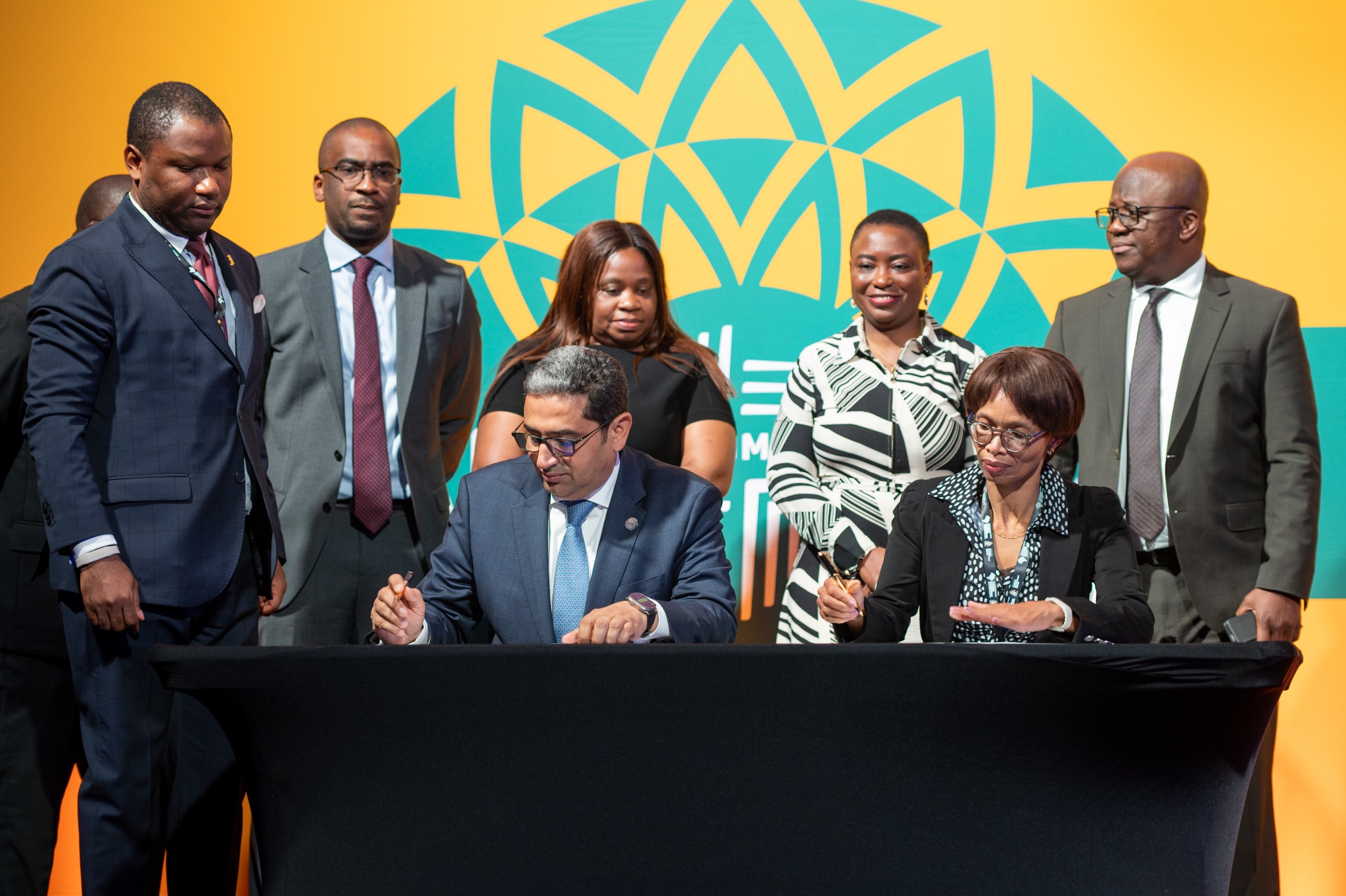
    NASSAU, The Bahamas, June 25, 2024/ — In two deals signed at the recently concluded Afreximbank Annual Meetings, African Export-Import Bank (Afreximbank) (www.Afreximbank.com) is providing a US$60 million line of credit and a US$20 million Afreximbank Trade Facilitation Programme (AFTRAF) facility to CBZ Bank Limited, Zimbabwe’s largest bank.

    The line of credit facility will strengthen financial intermediaries’ capacity to support SMEs through financing product and capacity building, indirectly support export-oriented Zimbabwean businesses and enable them to generate much-needed foreign exchange, thus easing the pressure on foreign currency in the country.

    The AFTRAF facility will enable CBZ Bank to issue letters of credit confirmed by Afreximbank at a time when such instruments are not readily available due to a shortage of confirming banks.

    Highlighting the impact of the deals for Zimbabwe, Haytham El Maayergi, Executive Vice President, Global Trade Bank, Afreximbank, said: “The US$60 million Line of Credit facility will be used by CBZ Bank to provide financing to local corporates and small and medium-sized enterprises (SMEs) – helping to bridge the financing gap facing them at a time when most international banks are limiting their exposure to Zimbabwean banks.

    “The US$20 million facility, which is under the Afreximbank Trade Facilitation Programme, provides a wide variety of products where the Afreximbank takes on the direct risk of CBZ, as the issuing bank.

    The programme will increase intra- and extra-African trade for Zimbabwe, through the importation of critical goods, such as fuel, pharmaceuticals and fertiliser, and support exports and imports of vital goods and services to Africa. It will also enable CBZ to increase its trade activities and to expand its correspondent banking relationships.”

    CBZ Group’s strategic plan is to deploy affordable mobile banking solutions and increase its product offerings, create opportunities for direct and indirect employment by financing the importation of raw materials for key industries, and drive financial inclusion in Zimbabwe.

    Sub-borrowers who are SMEs benefitting from the credit line will also be eligible for non-financial support as provided under the capacity-building pillar of the bank’s Export SME Development Programme.

    At the deal signing ceremony, Mrs. Smangele Mandidi, Acting Managing Director of CBZ Bank, said: “As a Bank, our core focus remains on sourcing much needed lines of credit to support the productive sectors of our economy and this will also go a long way in easing the liquidity challenges.

    We have received USD80 million funding from Afreximbank which will be extended to support export growth through trade finance as well as capital expenditure financing.”

    The facility is in accordance with Afreximbank’s mandate of supporting exports of value-added commodities and manufactures of a Member State. Through the facility, there is also strategic fit as the structured nature of the facility supports Afreximbank’s trade finance leadership — one the Bank’s strategic pillars.

    The facility is consistent with the Bank’s strategy of financing exports which in turn contributes to the foreign exchange earning capacity of a country and increases productivity.

    Hosted by the government of the Bahamas, AAM2024, which was combined with the third AfriCaribbean Trade and Investment Forum (ACTIF2024), was held from 12 June to 15 June.

    Distributed by APO Group on behalf of Afreximbank.

    Media Contact:
    Vincent Musumba
    Manager, Communications and Events (Media Relations)
    Email: press@afreximbank.com

  • Africa Finance Corporation (AFC) invests in Africa’s largest copper complex, driving mineral beneficiation on the continent

    Africa Finance Corporation (AFC) invests in Africa’s largest copper complex, driving mineral beneficiation on the continent

    KINSHASA, Democratic Republic of the Congo, June 26, 2024/ — Africa Finance Corporation (AFC) (www.AfricaFC.org), the continent’s leading infrastructure solutions provider, is pleased to announce the closing of a US$150 million senior loan with Kamoa Copper to support the expansion of the Kamoa-Kakula Copper Complex in the Democratic Republic of Congo.

    The loan by AFC, who acted both as lender and arranger, aligns with the Corporation’s commitment to support the local beneficiation of Africa’s abundant mineral resources to unlock the continent’s economic prosperity.

    Kamoa-Kakula is a world-class, high-grade, low carbon-intensive, underground copper deposit situated on the western edge of the prolific Central African Copperbelt. It started production in July 2021 and is currently undergoing its third phase of expansion which consists of a 33% increase in copper production capacity, to over 600,000 tonnes per annum (tpa), and the construction of Africa’s largest copper smelter with a capacity of 500,000 tpa of 99% pure copper anodes.

    The expansion also includes restarting 178 megawatts (MW) of renewable hydroelectric generation capacity by refurbishing turbine #5 at the Inga II dam. Phase 3 is expected to be completed by the end of 2024, making Kamoa-Kakula Africa’s largest copper producer, as well as the third largest globally.

    Kamoa-Kakula is operated as a joint venture between Ivanhoe Mines, Zijin Mining and the Government of the Democratic Republic of Congo. The operation has consistently demonstrated exceptional operational performance and delivered expansions on-budget and ahead of schedule.

    In addition, its sustainable approach makes it a standout example of responsible mining on the African continent. 91% of its full-time employees are Congolese and over $600 million has been paid in taxes and royalties to the DRC since the start of operations.

    In 2023, Kamoa-Kakula was directly responsible for 4% of the country’s gross domestic product (GDP) and it is also one of the world’s lowest greenhouse gas emitters per tonne of copper produced, according to independent consultants Skarn Associates of London, England, and WSP Group of Montreal, Canada.

    “This is a key milestone in our mission to develop infrastructure ecosystems that help integrate economies and drive economic transformation in Africa,” said Samaila Zubairu, President and CEO of AFC. “Copper is one of the critical minerals for the global energy transition and this mine expansion will not only solidify Africa’s position in the global copper market but contribute to the continent’s path to net zero while creating employment opportunities and generating significant revenue for the DRC.”

    AFC’s involvement in the Kamoa-Kakula project highlights the Corporation’s critical role in catalysing infrastructure development that drives industrialisation and enhances the continent’s global competitiveness.

    In late 2023, Kamoa-Kakula became the first industrial user of the Lobito Atlantic Railway Corridor, a rail line that stretches from the DRC Copperbelt to the Atlantic port of Lobito, in Angola.

    AFC acted as financial adviser to the Trafigura, Mota-Engil and Vecturis consortium, which was granted a 30-year concession for railway services and logistics. The use of the Lobito Atlantic Railway Corridor is expected to significantly reduce the logistics costs and carbon emissions intensity of exporting mineral products from the DRC’s Copperbelt.

    Distributed by APO Group on behalf of Africa Finance Corporation (AFC).

    Media Enquiries:
    Yewande Thorpe
    Communications
    Africa Finance Corporation
    Mobile : +234 1 279 9654
    Email : yewande.thorpe@africafc.org

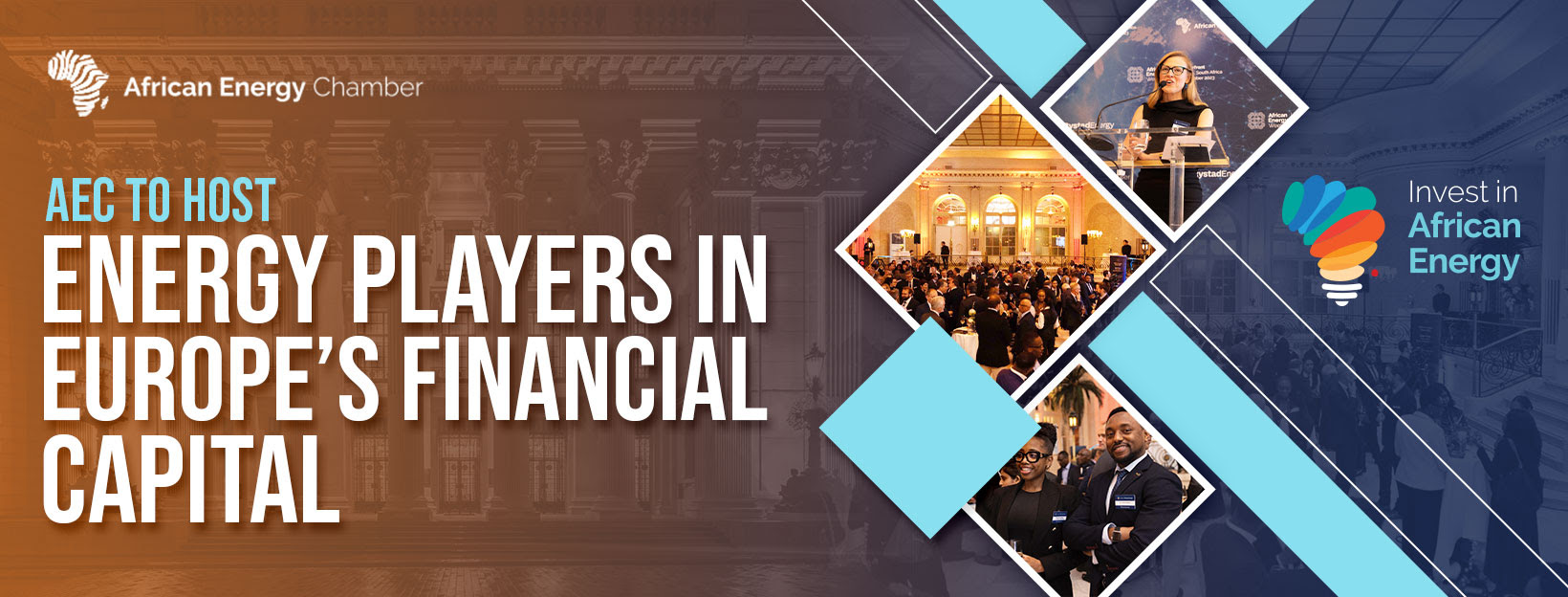
  • Bringing Finance to African Energy Projects: AEC to Host Energy Players in Europe’s Financial Capital

    Bringing Finance to African Energy Projects: AEC to Host Energy Players in Europe’s Financial Capital

    Global investment in upstream oil and gas is set to reach $570 billion in 2024, showing a 7% rise compared to 2023 expenditure. Of this, 33% is expected to be directed towards frontier fields, presenting a strategic opportunity for undeveloped oil and gas markets in Africa.

    With lack of investment representing one of the biggest challenges to project development across the continent, the African Energy Chamber (AEC) will host a networking reception on July 11 in London – Europe’s financial capital.

    Taking place at the Four Seasons Hotel London at Park Lane from 17:00 to 21:00, the reception bridges the gap between European financiers and African energy projects, promoting synergies, deals and future collaborations.

    Despite holding some of the largest untapped oil and gas resources worldwide, Africa is faced with an energy crisis, with 600 million people currently living without access to electricity and 900 million people without access to clean cooking solutions.

    The African Development Bank estimates that to address this crisis, the continent requires between $40 billion and $70 billion in annual investment.

    Presently, Africa receives on average $35 billion in global financing for fossil fuels and clean energy projects, with merely 5% of global energy investment directed towards the continent.This showcases a clear investment gap and a strategic opportunity for European funders and project developers.

    With over 125 billion barrels of proven crude oil, 620 trillion cubic feet of natural gas and abundant opportunities in solar, wind and geothermal, Africa continues to attract investment from some of the world’s biggest players.

    The continent’s greenfield upstream spending, for example, is projected to reach $37 billion by 2025 and $50 billion by 2050, with companies eager to unlock the full potential of undeveloped oil and gas. Specifically, a strong slate of London-based oil and gas firms are driving a wave of project developments across the continent.

    These include energy major bp, who is developing Senegal and Mauritania’s inaugural LNG project – the Greater Tortue Ahmeyim (GTA) facility – and Mozambique’s Coral Sul FLNG project. GTA is on track for first production in 2024 while bp delivered first gas from Coral Sul in 2022, marking the first LNG cargo for the country.

    Additionally, energy major Shell is making strides towards opening up the Orange Basin in Namibia. The company’s Graff-1 discovery in 2022 was play-opening and Shell has made an additional five discoveries since then. The company is investing 25% of its deepwater exploration budget in the country this year.

    Additionally, independent hydrocarbon producer Perenco inaugurated the $50 million Batanga LPG plant in 2023 and is developing the $1 billion Cap Lopez LNG terminal in Gabon.

    The company is also investing in shallow-water and marginal assets across the continent, acquiring Eni’s core assets in the Republic of the Congo in June 2023 for $300 million.

    Oil and gas company Tullow Oil anticipated commercial oil production in Kenya in 2028 while transitional energy company Chariot oil and gas recently signed a gas commercialization agreement with Vivo Energy in Morocco.

    These developments – all led by London-based companies – represent just some of the many underway across the continent.

    The AEC Reception builds on these deals to promote new investment in African energy. Taking place in London – both Europe’s financial capital and its biggest stock market – the reception is all about connecting companies to opportunities.

    The total value of companies listed on the London Stock Market reached $2.18 trillion in June 2024, highlighting a commercial and strategic opportunity for the reception and African energy projects.

    The AEC London Reception takes place ahead of the continent’s largest energy event, the African Energy Week (AEW): Invest in African Energy conference, scheduled for November 4-8 in Cape Town.

    Under a mandate to make energy poverty history by 2030, the event unites global investors and technology providers with African energy projects, with discussions tailored around unlocking high returns and generating mutually beneficial opportunities.

    Participants at the AEC’s London Reception have the chance to gain exclusive insight into AEW: Invest in African Energy 2024 while engaging with a suite of African stakeholders

    This year’s AEW: Invest in African Energy will host the African Energy Finance Summit – a platform that galvanizes financial support for African energy projects, while promoting deal-signing and partnerships.

    Hosted in partnership with multilateral financial institution the African Export-Import Bank and global market intelligence firm S&P Global Commodity Insights, the summit brings capital to Africa with the aim of making energy poverty history by 2030.

    Don’t miss the chance to be at the forefront of Africa’s energy transformation. Register for the AEC’s London Reception at https://energychamber.org/london-roadshow/ or contact register@aecweek.com.

    “We are proud to offer the State of African Energy Outlook for download.The report emphasizes the pivotal role of knowledge and foresight in navigating the complex and dynamic energy landscape and equips stakeholders with the insights they need to make informed decisions in the year ahead.

    As we venture into 2024 we are oon the brink of making substantial strides in overcoming energy poverty throughout Africa and moving towards a more sustainable energy future”-NJ Ayuk,Executive Chairman of the AEC.

    SOURCE

    AFRICA ENERGY CHAMBERS


  • Artificial Intelligence (AI) and the future of work – the opportunity for Africa

    Artificial Intelligence (AI) and the future of work – the opportunity for Africa

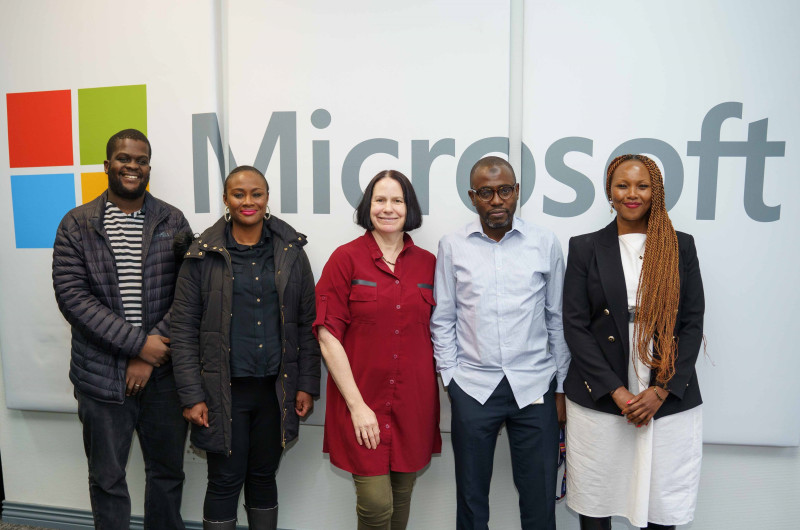
    JOHANNESBURG, South Africa, June 24, 2024/ — Africa has a unique opportunity to influence what the future of work looks like in these early days as large language learning models (LLMs) are evolving, and the environment for applications is still new.

    This is according to the AI and the Future of Work in Africa whitepaper produced by Microsoft (www.Microsoft.com) and a collective of industry experts from across the continent.

    Nearly one billion people in Africa are currently under the age of 35 with the continent projected to be home to almost half of the world’s youth population by the turn of the century, in effect making up half of the potential global workforce of the future.

    Currently, up to 12 million young Africans enter the labour market annually, but according to a report from the International Labour Organisation, more than 20% are neither in employment, education nor training.

    “We see a significant role for generative AI to not only transform work environments, but also foster opportunities for the youth to create jobs, innovate and help drive economic growth and stability across the continent,” says Ravi Bhat, Chief Technology and Solutions Officer at Microsoft Africa.

    According to the whitepaper, many expect generative AI to drastically change knowledge worker jobs, especially in terms of the type of work done, the skills required, and the outputs produced. McKinsey research (http://apo-opa.co/3VBE9Rl) shows that generative AI (GenAI) could enable labour productivity growth of up to 0.6% annually through 2040, depending on the rate of technology adoption and the redeployment of worker time into other activities.

    “Generative AI has significant potential to advance human capabilities,” says Jacki O’Neill, Director at Microsoft Research Africa. “As more people across Africa get access to GenAI tools through their internet-enabled devices and more affordable data, the barriers to access are being reduced and opportunities for skilling can increase.”

    “But it is not only information workers that stand to benefit from GenAI.”

    The promise of GenAI to transform industries such as agriculture, healthcare, and services must be balanced by equipping the youth with the skills needed for an AI-disrupted labour market to ensure that they are not left behind in this technological shift.

    It is therefore important to build skills across the spectrum, from how to deploy and use GenAI tools effectively at work, to how to build appropriate and innovative applications and technologies on top of these models, to the post-graduate skills of research and innovation in machine learning, natural language processing, human-computer interaction, cybersecurity, and systems to name a few.

    “Investing in this range of skills gives Africans the best opportunity to create dignified, appropriate jobs, to adapt AI sensitively to indigenous knowledge, to create new value chains, and better AI systems which might reflect for example human-centred and community values. Such systems would add value globally and could counter typical tech-centric models of automation and deskilling,” adds O’Neill.

    With culturally and linguistically sensitive design, GenAI can become more tailored to individual workers, learning from interactions and becoming a personalised tool that respects privacy and enhances each worker’s unique skills. It can serve as a guide to foster inclusivity and showcase the diverse skills and abilities of African workers.

    GenAI can also be appropriated as a community-focused tool that supports collaborative work and communal development.

    The technology can assist in decision-making, risk assessment, and data analysis, empowering entrepreneurs in their ventures. For the informal sector, tailored GenAI tools will elevate the capabilities of entrepreneurs, providing customised assistance for their unique needs.

    According to the whitepaper, ensuring a beneficial outcome with GenAI involves proactive governance, inclusive design, investment in education, and a commitment to regulatory and ethical standards. This is a collective responsibility, requiring engagement from policymakers, technologists, and citizens alike.

    “Technology alone cannot solve the challenges that our youthful continent faces. We need to create policies and practices to ensure that GenAI, and AI in general, is deployed responsibly with AI-related labour being valued and dignified. It requires the macro-economic, labour, and regulatory markets to adapt and be capable of supporting positive change,” adds Bhat.

    The AI revolution in Africa is no longer just a possibility; it is already underway, and Microsoft is committed to working alongside individuals, governments, partners and stakeholders across the continent to prepare for a future where AI is intricately woven into the fabric of work and society in Africa.

    To learn more, visit AI and the future of work in Africa (http://apo-opa.co/4cBTfxd) to download the whitepaper.

    Distributed by APO Group on behalf of Microsoft.
  • CityBlue Hotels and National Museums of Kenya Announce Strategic Partnership

    CityBlue Hotels and National Museums of Kenya Announce Strategic Partnership

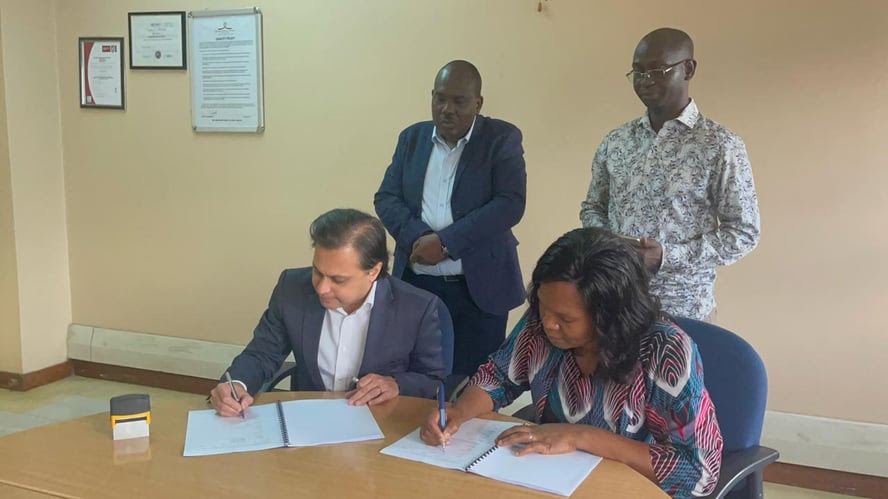
    The National Museums of Kenya (NMK) and CityBlue Hotels (CityBlue) are proud to announce a new partnership to co-promote tourism and culture in Kenya.

    This alliance marks an exciting opportunity for sponsorship, co-branding, co-marketing and other forms of collaboration.

    NMK was established by an Act of Parliament, the Museums and Heritage Act 2006, as a multi-disciplinary institution whose role is to collect, preserve, study, document and present Kenya’s past and present cultural and natural heritage.

    This is for the purposes of enhancing knowledge, appreciation, respect and sustainable utilization of these resources for the benefit of Kenya and the world, for now and posterity.

    CityBlue Hotels, Africa’s fastest-growing local hotel chain, operates in Kenya (Mombasa, Nairobi and Lamu with new properties opening soon), Uganda, Rwanda, South Sudan, Tanzania and Ghana. CityBlue also has a collaboration arrangement with more than twenty hotels in South Africa and Mozambique.

    Professor Mary Gikungu, Director General of the NMK, stated that, “This arrangement is a step for NMK to engage with the private sector with a group that is established, growing, dynamic and cares, like we do, for the welfare of mankind and the conservation of the biological diversity of the East African region and that of the entire planet. The story of NMK and our cultural heritage will be enhanced by this collaboration”.

    Accompanied by,renowned palaeontologist,Dr.Fredrick Kyalo Manthi,the Director of Antiquities,Sites and Monuments and a Senior Research Scientist at the National Museums of Kenya,who was elected into the United States National Academy of Sciences in 2024,becoming the second Kenyan to join the US National Academy of Sciences and Isaiah Nyaega,Legal Officer at NMK.

    Jameel Verjee,Founder & CEO of CityBlue Hotels,explained at the Africa Hotel Investment Forum 2024 that “NMK manages many Reginal Museums,Sites and Monuments of national and international importance priceless collections of Kenya’s living cultural heritage and natural heritage.As an institution that must respond to the growing needs of the society,NMK is striving to contribute in a unique way yo the task of national development and we cannot wait to be a partner of NMK on this journey.”


  • SPP, DCC Unveil Initiative To Rate, Rank Nigerian States’ Climate Governance Performance

    SPP, DCC Unveil Initiative To Rate, Rank Nigerian States’ Climate Governance Performance

    The Society for Planet and Prosperity (SPP), in close collaboration with the Department of Climate Change (DCC) of the Federal Ministry of Environment in Abuja, has announced plans to officially launch the rating and ranking of the climate governance performance of Nigeria’s 36 states in July 2024.

    The statement was made on Thursday, June 13, 2024, at the inaugural coordination meeting of climate change desk officers from Nigerian states, which was convened by the DCC.

    SPP President, Prof Chukwumerije Okereke, while presenting the state of play of the rating and ranking project, said the project builds on the mapping of the climate change impact, policy, and action of the states, which was executed by the team last year in collaboration with the DCC and the Nigeria Governors Forum (NGF).

    He said the current project would provide a single rating and ranking report of the performance of the 36 states of Nigeria.

    Professor Okereke said the rating and ranking were done based on five governance criteria, namely, (i) climate change governance administrative structure, (ii) presence or absence of climate policy and action plan, (iii) extent of climate change project implementation; (iv) extent of incorporation of climate finance in state budgets; and (v) online visibility of state’ climate activities.

    Professor Okereke said the ranking and rating exercise is based on the responses provided by States Commissioners, Permanent Secretaries, and Climate Desk Officers across the 36 states, as well as extensive independent verification done by the research team and the Department of Climate Change staff.

    Professor Okereke said he was confident that this rating and ranking exercise would raise awareness of climate in the states and create an atmosphere of positive competition and a race to the top among the states, consistent with what he has seen in other countries where such projects have been done.

    Professor Okereke stated that the states with the highest-ranking scores would be recognised during the report’s launch, which is expected to be held in the last week of July.

    During his keynote address, Mahmud Adam Kambari, Permanent Secretary of the Ministry of Environment, expressed his delight at the official launch of the Subnational Coordination Meeting on Climate Change, stating that climate change is a major emergency and one of the most pressing issues of our time.

    He underlined the fact that the purpose of the coordination conference is to strengthen the synergy between national and subnational actors in order to achieve better climate governance in the country in line with the Presidential Transformative Agenda of the President.

    The Permanent Secretary described subnational climate change officers as key personnel in the fight against climate change, given their role in translating global climate goals into concrete actions and policies that resonate at the local level.

    Dr. Iniobong Abiola-Awe, Director of the DCC, while presenting the Terms of Reference (TOR) of the subnational coordination meeting, highlighted the key objectives of the meeting to include improving collaboration and knowledge sharing among Subnational Climate Change Desk Officers, promoting effective climate change action at the subnational level, and targeted training and capacity building of the desk officers.

    Dr. Abiola-Awe urged climate change desk officers to be responsive and on time at all meetings, as they are expected to attend and offer updates on climate change initiatives, successes, problems, and lessons learnt in their respective regions during the monthly sessions.

    In closing, Prof Okereke congratulated the DCC Team on the successful coordination meeting of Climate Change Desk Officers from Nigeria’s 36 states, which he said will have a massive impact in helping to align state climate action with national climate priorities and objectives.

    By Wole Adegbule, Society for Planet and Prosperity

    SOURCE

    CCCD ,NIGERIA  BLOG POST

  • A Model for African Producers: Wing Wah’s $2B Integrated Energy Project to Bolster Resource Monetization in the Republic of the Congo

    A Model for African Producers: Wing Wah’s $2B Integrated Energy Project to Bolster Resource Monetization in the Republic of the Congo

    JOHANNESBURG, South Africa, June 21, 2024/ — The Republic of the Congo has a goal of increasing hydrocarbon production to 500,000 barrels per day (bpd) and projects such as Wing Wah Oil Company’s Bango Kayo development will serve as catalysts for meeting this objective.
    The project is a strong example for how integration and scalability can be utilized to not only monetize resources but maximize production beyond the lifecycle of initially-tied in blocks.

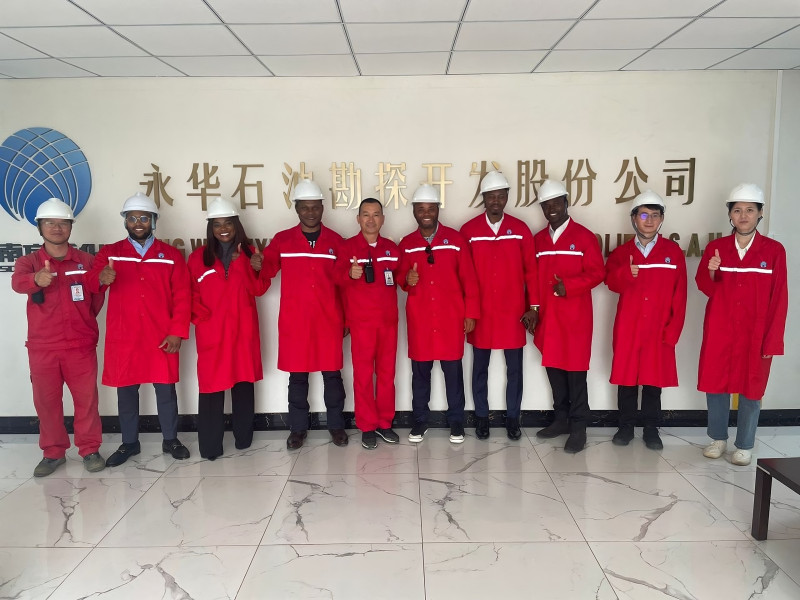
    The African Energy Chamber (AEC) – the voice of the African energy sector – conducted a tour of Wing Wah’s project near Pointe Noire during a working visit to the country this week. A strong advocate for the development of oil and gas in Africa, the AEC believes that hydrocarbons are the solution for making energy poverty history by 2030.

    Project’s such as Wing Wah’s in the Republic of the Congo are not only a testament to the role international partnerships play in developing African oil and gas resources but to the potential for large-scale, integrated developments across the continent. The Ministry of Hydrocarbons – led by Minister Bruno Jean-Richard Itoua – and the country’s NOC Société Nationale des Pétroles du Congo – led by Managing Director Maixent Raoul Ominga – have provided the much-needed support that companies such as Wing Wah need to develop innovative projects, and the AEC commends them for the progress made thus far.

    Bango Kayo: An Innovative Oil & Gas Venture

    The Bango Kayo conventional oilfield is a producing block operated by Wing Wah, which features 237 wells that have been drilled to date. Currently, the field is producing 45,000 bpd and is nearing its peak production of 50,000 bpd. In addition to oil production, Wing Wah is implementing a phased expansion and development approach to monetize previously-flared gas resources.

    Over three phases, the project will progressively increase gas treatment and valorization capacity, producing LPG, butane and propane, primarily for the domestic market. Excess LPG will be exported regionally.

    The project incorporates the development of three trains. The first has a capacity of one million cubic meters per day (mcm/d), while the second and third trains will have a capacity of two mcm/d each. The second and third trains are anticipated to come online by March 2025 and December 2025, respectively, and will bring the total capacity of the project to five mcm/b. In April 2024,

    Wing Wah signed an amended production sharing contract with the government for the Bango Kayo block, signaling the start of the expansion of the project.

    Integration: A Tool for Maximizing Efficiency and Scalability

    Wing Wah’s project in the Republic of the Congo is underpinned by a focus on integration and scalability. The structure of the facilities has been planned in a way that prioritizes efficiency, reduces emissions and promotes scalability.

    Specifically, the facility enables Wing Wah to tap into stranded gas that would have otherwise been flared, thereby providing opportunities for monetization and the utilization of gas across the oil production cycle. Unlike traditional LNG infrastructure which faces challenges as blocks mature and feedstock declines, the scalable design of Wing Wah’s project creates the opportunity to maximize production – both at existing blocks and new concessions.

    Additionally, each unit at the facility has its own power generation solution which are scalable in increments of 2 MW. Currently, 20 MW is installed, with generators utilizing gas from associated blocks. As production increases, so can power generation, thereby ensuring scalability and durability.

    Meanwhile, the water management system is also integrated into the project in a way that promotes environmentally-friendly operations. Water treatment is conducted on-site and distributed back into the ocean once treated.

    As such, the facility provides a quintessence of oil and gas integration. The development approach features fast construction, fast commissioning and quick, efficient operations. Wing Wah are using state-of-the-art equipment and have an organized layout of the overall infrastructure and storage.

    This is expected to boost efficiency at the project site while ensuring the project plays an instrumental role in processing oil and gas for the long-term.

    Prioritizing Local Community Development

    In addition to project efficiency, the Bango Kayo development has been constructed in a way that takes into account the needs of local communities. All of the processing facilities have on-site accommodation, with senior management on-call to ensure a constant review of work. Currently, 3,300 people are employed at the project, with 90% of the workforce Congolese.

    Meanwhile, excess power generated at the project site can be distributed to local communities, providing a clean and reliable source of power. Water management also takes into account regional demand, with surrounding communities benefiting from a clean source. This structure not only brings tangible benefits to local communities but reducing emissions across the project’s operational cycle.

    “Wing Wah’s integrated project in the Republic of the Congo is a model that can and must be replicated in other oil and gas producing nations in Africa. The project’s focus on scalability ensures production is not limited to specific blocks, but rather, infrastructure can be easily tied into new concessions as exploration ramps up across the country.

    Through gas-fired power generation, innovative water management and a long-term approach to production, the project is poised to unlock a wealth of benefits for the country,” states NJ Ayuk, Executive Chairman of the AEC.
    Distributed by APO Group on behalf of African Energy Chamber.

    SOURCE
    African Energy Chamber

  • Africa Offers Attractive Investment Opportunities for Japanese Firms, Say African Development Bank Leaders

    Africa Offers Attractive Investment Opportunities for Japanese Firms, Say African Development Bank Leaders

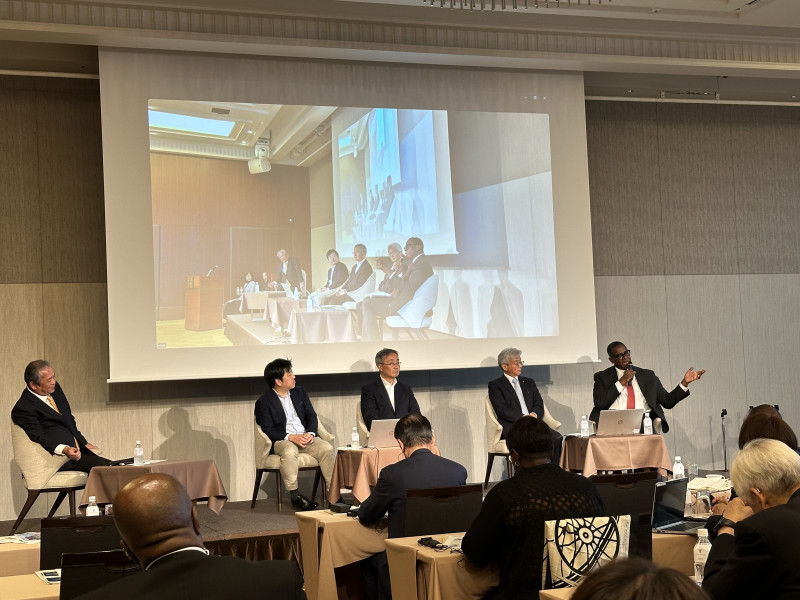
    TOKYO, Japan, June 22, 2024/ — Africa presents a compelling investment destination for Japanese firms, with high growth potential and the African Development Bank’s strong support to manage risks, African Development Bank Group (www.AfDB.org) leaders stressed at the Japan-Africa Business Forum in Tokyo.

    “Africa has huge private sector opportunities. The continent offers some of the highest returns globally,” said Prof. Kevin Chika Urama, Bank Group Chief Economist and Vice President, in a presentation highlighting Africa’s abundant renewable energy potential, and the need for strategic investments in green minerals and value addition.

    “Smart investments in Africa are good business — doing well by doing good,” he stressed.

    Dr. Kevin Kariuki, Vice President for Power, Energy, Climate and Green Growth, highlighted Japan’s competitive advantage in geothermal technology. “90% of all the turbines in Kenya are from Japan, starting with Mitsubishi,” he noted. Kariuki also positioned Africa as a solution to Europe’s energy challenges, with planned interconnections to export power and hydrogen.

    The forum was organised by the African Development Bank and Keizai Doyukai, the Japanese Association of Corporate Executives, with support from Japan’s Ministry of Finance.

    Bank leaders underscored the institution’s commitment to making investing in Africa more attractive. “We have facilities within the Bank to try and de-risk these projects,” said Kariuki, citing the Sustainable Energy Fund for Africa’s (SEFA) support for the Kom Ombo and Kairouan solar projects amid escalating costs.

    Kazuko Nagura from Japan’s Ministry of Economy, Trade and Industry (METI) announced plans to hold the third Japan-Africa Public-Private Economic Forum later this year. The event will offer Japanese companies an opportunity to travel to Africa to undertake business development and networking.

    Nagura also made reference to the ministry’s  efforts to support Japanese business ventures in Africa such as the AfDX (https://apo-opa.co/4eCjcP4) program and Expo 2025 Osaka, Kansai (https://apo-opa.co/4be8M58) planned for next year.

    During a panel discussion on investing in African startups, Vice President for Private Sector, Infrastructure and Industrialisation Solomon Quaynor stressed the potential of the Fourth Industrial Revolution (4IR) to drive productivity improvements and deliver services to the base of the pyramid.

    “The idea is to use technology to increase profitability through efficiency, so you’re delivering value for which all segments of society are actually paying,” he explained.

    Quaynor highlighted the Bank’s initiatives to develop Africa’s human capital and startup ecosystem, including partnerships with tech giants: “We have a program with Intel to train 9 million Africans in artificial intelligence and a coding for employment program to upskill up to 50 million youth.”

    He said the Youth Entrepreneurship Investment Banks (YEIBs) (https://apo-opa.co/4cuUaPV) will further support tech-enabled companies and enhance the collaboration with &Capital, a new Africa-focused impact fund endorsed by Keizai Doyukai.

    Misako Takahashi, Deputy Director-General of the Middle Eastern and African Affairs Bureau at Japan’s Ministry of Foreign Affairs, highlighted TICAD as a platform for co-creating innovative solutions for growth and to discuss Japan and Africa’s shared future.

    Yacine Fal, the Special Representative of the African Development Bank’s President to the Africa Investment Forum (www.AfricaInvestmentForum.com), showcased the platform’s role as a premier conduit for investment into Africa’s agriculture, energy, transport, healthcare  and ICT sectors, among others.

    She noted the successful participation of Japanese investors and business leaders including those from Keizai Doyukai at the 2023 Market Days held last November in Marrakech.

    Earlier in the day, Keizai Doyukai, and the African Development Bank reaffirmed their commitment to work together to strengthen business ties between Japan and African countries.

    The two jointly organized the business forum to increase interest in African business and promote a better understanding of the Japanese private sector ahead of TICAD9.

    Distributed by APO Group on behalf of African Development Bank Group (AfDB).

    More images: https://apo-opa.co/3VyblJv

    Media Contact:
    Olufemi Terry
    African Development Bank Group
    media@afdb.org

  • Tanzania’s Foreign Ministry Launches the Construction of the Twin Towers in Kenya: Set to Redefine Nairobi’s Skyline

    Tanzania’s Foreign Ministry Launches the Construction of the Twin Towers in Kenya: Set to Redefine Nairobi’s Skyline

    The government of Tanzania has launched the construction of the Twin Towers in Kenya’s capital city,  Nairobi. This adds to Tanzania’s list of  real estate investment properties worldwide, as noted by the country’s foreign affairs minister, January Makamba. The monumental  real estate venture is expected between the National Social Security Fund (NSSF) in Kenya and Tanzania’s Ministry of Foreign Affairs.

    The project, once completed, is set to redefine  Nairobi’s skyline while consolidating Tanzania’s diplomatic presence in Kenya. Currently, Tanzania has no on-site embassy, hence the launch of the ambitious project.

    Furthermore, Tanzania’s government hopes that the project will be a viable solution in reducing the costs it accrues as rentals for embassy offices and residential buildings across the globe. The twin towers, rising 22 floors each, will host offices projected to earn the Tanzania government its needed forex.

    The Significance of the Construction of the Twin Towers in Tanzania

    The construction of the Twin Towers is expected to be one of the most significant projects undertaken by Tanzania’s government. Once completed, the project is expected to facilitate Tanzania’s economic growth by facilitating cost savings. Tanzania’s foreign ministry spends nearly $12 million annually in rentals for embassy offices and residential buildings. Once completed, the Twin Towers will cut down significant costs, and the funds can be rechanneled to other sectors of Tanzania’s economy.

    The country plans to replicate the construction of  real estate investments in other cities, including Kigali, Kinshasa,  New York, London, and Lusaka.

    Furthermore, once completed, the Twin Towers is expected to generate $13.7 million annually in revenue, a big boost to Tanzania’s economic landscape. “In the new strategy, which the government approved recently, we seek to use professional and world-class  real estate entities to develop these assets to earn income for the government and uplift the quality of our embassies and embassy staff housing,” Makamba said.

    The State of Affairs Regarding Tanzania’s Projects in Kenya

    Tanzania’s foreign ministry has noted that it has set aside close to $48 million, translating to Tsh 29 billion for investments in Kenya. These remarks were made during the ministry’s budget announcement recently.

    These plans underscore Tanzania’s commitment to fostering infrastructural and economic development beyond constructing the Twin Towers. Most of these projects are expected to be undertaken in partnership with private sectors within the two nations.

    However, Tanzania has set its eyes far beyond constructing one tower and noted plans to build others in other states. The foreign ministry has noted that it has set aside $5 million to construct offices and ambassadorial residences in Lusaka, Zambia.

    The planned construction of embassies and commercial buildings for Tanzania will also include the government’s properties in Uganda’s capital,  Kampala and Abuja, Nigeria, among others.

    Other Significant Projects that Tanzania is Involved in

    Besides constructing the Twin Towers in Kenya, Tanzania also participates in other significant projects, such as the Standard Gauge Railway. Tanzania, while lagging in SGR connecting Uganda, has accelerated national connectivity.

    Using funding from China and Turkey, Tanzania is constructing a 1,600-kilometre SGR line connecting  Dar es Salaam and Mwanza. The country has made enormous strides in the project compared to other countries involved as its end of the SGR is electrified. It recently launched the operationalization of an electric train, the first of its kind in Eastern Africa.

    SOURCE

    CONSTRUCTION REVIEW