Category: AFRICA

  • Africa Green Building Summit & Future Cities Conference

    Africa Green Building Summit & Future Cities Conference

    The second edition of the Future Cities Summit event,slated for July 16-19,2024, is poised to significantly advance the conversation on sustainable urban development in Nigeria, and the wider Africa.

    The Summit theme, “Building Resilient Futures: Integrating Carbon Neutrality, Circular Economy & Inclusive Urban Development,” is inspired by the World GBC’s Global Policy Principles for a Sustainable Built Environment, and its Building the Transition campaign.

    Both these initiatives draw on and extend the vision set forth in the earlier Africa Manifesto for Sustainable Cities and the Built Environment, embodying the Manifesto’s call for “…a net zero carbon, healthy, equitable, resilient, environmentally-sustainable and economically-inclusive built environment for every African, everywhere.”

    This year’s Summit, co-located with World GBC Africa Regional Network’s Africa Green Building Summit, will explore the truth that Africa’s rapid urban transformation represents both challenge and opportunity.

    The challenge of overcoming barriers from resource limitations, governance limitations and socioeconomic constraints. Balanced by the opportunity to define a uniquely African urban paradigm, leveraging on the immense potential of Africa’s youthful and entrepreneurial population, and its dynamic and rapidly growing cities.

    Over four days, the Summit will dive deep into what these challenges and opportunities mean for the continent, aiming to craft relevant policy responses, innovative strategies, and collaborative approaches to address the evolving needs of Africa’s rapidly changing urban landscapes.

    The Summit will feature keynote addresses from distinguished speakers, sharing visions of Africa’s urban futures and setting the stage for a series of expert-led plenary sessions.

    These plenary sessions will examine various facets of sustainable urban development, with an emphasis on carbon neutrality, resource circularity, and inclusive urban development.

    The Summit will also feature interactive breakout sessions, designed to stimulate in-depth dialogue on localizing the policy formulations encapsulated in the World GBC’s Africa Manifesto and its Global Policy Principles.

    As a gathering point for green building stakeholders and experts, both locally and internationally, the Summit will also feature exhibitions, product expos and awards, showcasing the latest innovations in green building practices, sustainable products, and services.

    The Future Cities Summit – Africa Green Building Summit 2024 is more than a conference. It’s the crucible where Africa’s urban future is forged and refined.

    It’s where the collective wisdom of the past meets the innovative spirit of the present to conceptualise a sustainable, resilient, and inclusive future for the continent.

    Let’s take this opportunity to redefine what it means to live in a city and, in doing so, redefine what it means to live on this planet.

    SOURCE

    GREEN BUILDING COUNCIL,NIGERIA


  • Faced with the threat of regional disintegration in West Africa, resignation is not an option (By Dr Olakounlé Gilles Yabi)

    Faced with the threat of regional disintegration in West Africa, resignation is not an option (By Dr Olakounlé Gilles Yabi)

    DAKAR, Senegal, June 13, 2024/ —  Dr Olakounlé Gilles Yabi, Founder and CEO of the citizen think tank WATHI (www.WATHI.org).

    In 2014, when I was working to launch the citizen think tank WATHI, I wrote the following in the concept note I proposed to dozens of friends interested in the present and future of West Africa:

    West Africa is a very young region. The proportion of the population aged under 25 in each country of the region exceeds 60%. Demographic growth in West Africa will remain strong in the medium term. The prospects outlined by the region demographic projections entail daunting security, economic and social challenges for countries whose states and economies are mostly weak. These demographic trends, together with the region’s abundant natural resources and the weakness of local production systems, are some of the reasons behind the renewed interest in African economies shown by old and new dominant players in the global economy. However, if the enthusiasm regarding West Africa’s economic promise is not tempered by an overall acknowledgment of the security and political threats the region is facing, the result will likely be further disillusionment’.

    One of the worst scenarios we could have imagined ten years ago

    Ten years after this diagnosis of the state of the region, the situation in West Africa in 2024 looks grimly like one of the worst-case scenarios we could have imagined back then. I’m among those who believe that we need to change the narrative about our part of the world, about Africa in general.

    However, the desire to highlight the positive developments in many areas, the extraordinary potential of our young people, should not distract us from a dispassionate observation of the reality of the moment. The only way we will be able to bring about the much-needed changes in political practices in the region is through a candid observation of the state of affairs in the region.

    West Africa is currently facing unprecedented level of security and political uncertainty. Burkina Faso, Mali, Niger and Nigeria are among the 10 countries most affected by terrorism in the world. This however is only a partial reflection of the spread of insecurity, the rivialization of violence and the overall worrisome consequences on social cohesion and the physical and mental health of millions of children who are growing up in a context of violence and without any educational or emotional support from their families.

    In four countries undergoing transition following coups d’état (Mali, Burkina Faso, Guinea and Niger), there is no regional institutional framework to set limits on military rulers who have no internal checks and balances. However, the restrictions on political freedoms and freedom of expression by those regimes, against a backdrop of growing economic difficulties for the population, are beginning to provoke protests and strikes, despite the high risks of repression and threat of imprisonment.

    In some other West African countries that are formally democratic and run by civilians, checks and balances exist only in theory, and in reality, there is little possibility of political alternation. In many countries presidents have taken the initiative to revise or change the constitution to evade term limit and remain in power indefinitely.

    The recent constitutional reform in Togo, a country that has not had a democratic transition for 57 years, provided another shocking example of a parody of democracy in West Africa. The content of the country’s supreme law, which abolishes presidential elections by universal suffrage, was not made public until after its enactment.

    And even in the few countries that are often held up as examples of political alternation through credible elections, with the possible exception of Cabo Verde, the general perception held by citizens is that resources and economic opportunities are monopolised by small circles of relatives, friends and political allies. Democracy and elections continue to unbearably accommodate high levels of corruption, mismanagement and embezzlement.

    An unprecedented crisis in regional integration

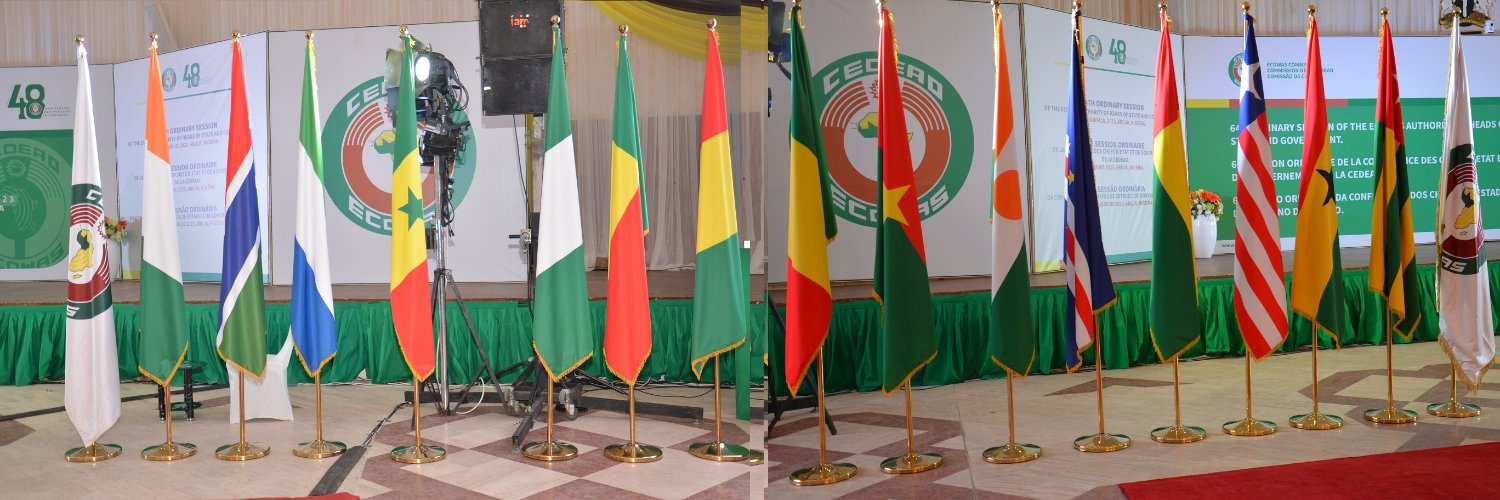
    The simultaneous announcement on 28 January 2024 by the governments in power in Bamako, Ouagadougou and Niamey to leave ECOWAS opened up an unprecedented crisis in the process of regional integration in West Africa. We have all become witness to the continued strained relationship between neighboring countries such as Benin and Niger, a distressing waste of time and energy at a moment when communities continue to be impoverished by restrictions on cross-border economic activities.

    The next few months will be decisive for the regional integration process. The decision of Burkina, Mali and Niger to leave ECOWAS enable military leaders in those three countries to free themselves from ECOWAS supervision of transition and related constraints.

    They were also able to make this announcement because they knew that the short-term political and economic cost would be limited. As a matter of fact, they did not withdraw from the West African Economic and Monetary Union (WAEMU), which brings together eight countries that share a common currency, the CFA franc (seven countries that were once colonies of France and have been joined by Guinea Bissau in 1997).

    Membership of WAEMU allows these countries to retain most of the benefits of regional integration within this sub-area of ECOWAS. In addition, leaving WAEMU is more difficult and requires prior preparations than exiting ECOWAS.

    The political cost of leaving ECOWAS was also limited because the military leaders were aware of the degraded image of the regional organisation among a large part of West African population, not only in the Sahel. ECOWAS’ management of the coup d’état in Niger dealt a blow to the regional organization’s perception among West African public opinion.

    The political and symbolic impact offered an unhoped-for opportunity for the military leaders to portray themselves as the victims of a plot by their own regional organisation to launch a military intervention in one of its own member states.

    A regional organisation always reflects the political will, capacities and dynamics of its member states

    Many West Africans reduce ECOWAS to the Conference of Heads of State and Government, which takes decisions on political and security issues at ordinary and extraordinary summits. All the other dimensions of integration that are the subject of the daily work of the Commission, other bodies and specialised agencies, are simply not known or poorly known.

    The vast majority of young people in urban and rural areas have no precise knowledge of the history of regional integration, of the major stages in the construction of ECOWAS since 1975, of the benefits of regional integration for the people, of ECOWAS’s decisive diplomatic and military interventions in countries in armed conflict in the 1990s and 2000s.

    Few citizens of West African countries can mention the names and missions of ECOWAS’s two specialised agencies. Few are aware of the existence and crucial role of the Court of Justice, which can be seized by any citizen of a member country even before domestic remedies have been exhausted.

    This court is a great tool for the promotion and protection of human rights in West Africa. However, it has consistently been undermined by the same member states which created it and who often do not abide by its rulings. The region is therefore paying the price for what has not been done in terms of education, the inclusion of regional integration issues in curricula and overall communication on regional integration.

    There is a great deal of confusion between what is the responsibility of the Member States and what is that of ECOWAS. Many people are fiercely critical of ECOWAS because they expect it to be a substitute for states, a means of freeing themselves from their weaknesses, their dysfunctions and sometimes the lack of legitimacy of their leaders.

    It is not ECOWAS that chooses the Heads of State of the member countries, but the latter then form the college of ultimate political decision-makers of the organisation.

    This is true of all regional organisations worldwide. Regional organisations cannot work miracles in the absence of impetus, strong will and capacity for action on the part of the member countries, or at least a core group of influential countries among them.

    A regional organisation always depends on its member states, which can give or refrain from giving the organisation the means to act and the freedom it needs to implement its integration agenda.

    It must be acknowledged that some very unfortunate decisions have been taken by the ECOWAS Conference of Heads of State and Government in recent years. It is also necessary to recognise the structural shortcomings, while welcoming the many achievements of ECOWAS over the past 49 years and the immensity of the ground covered.

    If the record had been better in terms of regional infrastructure, for example if ECOWAS had been able to lead and ensure the effective implementation of a regional rail network programme, if the record had been better in terms of the harmonisation of sectoral policies and the promotion of regional integration in education systems, the political cost to each Member State of leaving the Community would have been much higher. And that rubicon would have been much harder to cross even for authorities who have seized power by force.

    What is at stake is the West Africa we want for our children

    Alongside discreet diplomatic efforts, a public campaign is needed to explain why ECOWAS is an essential, crucial institution for the future of West Africa. The ECOWAS Commission must speak directly to the people. The organisation should explain the raison d’être of the additional protocol on democracy and good governance. It should also explain the reasoning behind the broadening over the years of its missions and objectives, beyond economic integration.

    Those who criticise ECOWAS for straying from its original economic mission, for violating the sovereignty of states by interfering in internal political issues, are either ignoring the rational evolution of the organisation’s rules and regulations in responding to armed conflicts and violent political crises, or are acting in bad faith.

    We must, however, accept a debate with all these voices acting in good faith or not. We need to explain how the promotion of the rule of law in the region is not just a dream of westernised elites who are out of touch with reality, and how it is the only way to protect all citizens of West African countries from arbitrariness.

    More than ever, West Africa needs a strong ECOWAS that focuses on clear priorities. We need an ECOWAS that develops its capacity for strategic thinking by capitalising on the region’s human resources, including the diaspora.

    We need an ECOWAS that helps to protect the region from the potentially devastating consequences of battles for influence between powers on West African soil. As we all know, without perhaps realising the magnitude of the threat, this battle is also being waged in cyberspace, where opinions and certainties are spouted all day long via social media, in order to suppress any hindsight, critical thinking or attachment to facts in people’s minds.

    We need an ECOWAS that gives young people reasons to dream. We need to create and maintain a desire for integration. We also need the demographic, economic and military powerhouse of the region to act as a driving force.

    We need a committed Nigeria and a core of personalities in each of the countries in the region who are genuinely committed to the integration project. Let me reiterate: no regional organisation exists without its member countries and without the social, political, economic and cultural forces that shape the development of each of these countries.

    What will be at stake in the coming months is the shape and the type of West African region we want for our youth, our children for decades to come. The choice before us is that of continuing belief in the possibility of making West Africa a region of collective progress and freedom, where fundamental rights are protected or resignation.

    The latter is undesirable because it implies accepting that our region is deeply fragmented, that each country becomes inward looking and focuses on what it perceives as its strictly national interests. It would mean accepting the real and very high risk of a return, almost everywhere, to autocratic regimes where leaders are accountable to no one.

    We have already experienced this in the past in a majority of countries in the region and on the African continent. It was not a resounding success. Resignation is therefore not an option.

    This article is a modified and expanded version of Gilles Yabi’s speech at a public event organised by the ECOWAS observation mission at the United Nations to mark the regional organisation’s 49th anniversary, New York, 7 June 2024.

    Distributed by APO Group on behalf of West Africa Think Tank (WATHI).

    For media enquiries:
    Please contact:
    Ms Hadidjette Kangouline
    Communication Officer
    hadji.kangouline@wathi.org
  • Backbase to release its 4th edition of the African Banking Digital Transformation Report at GITEX Africa 2024

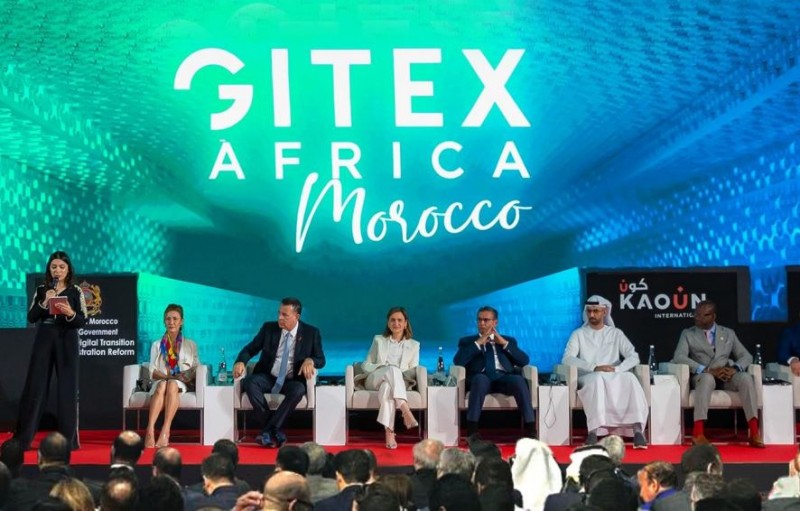
    Marrakesh, May 27, 2024 — Backbase, the creator of the global leader in Engagement Banking Platform, is thrilled to announce the launch of the 4th edition of the African Banking Digital Transformation Report at GITEX Africa 2024.

    This report, produced in collaboration with the pan-African publication African Banker, has become a cornerstone in Africa’s financial news landscape, offering deep insights into the ongoing digital revolution within the banking sector across the continent.

    The 2024 edition of the report draws on comprehensive survey data from over 150 banks spanning 35 countries, providing an in-depth analysis of current digital banking trends, key innovations, and the progress of digital transformation. This release underscores Backbase’s commitment to fostering technological advancements and driving financial inclusion in Africa.

    These are the key highlights of the 2024 Report:

    • Digital Innovation: A detailed examination of the latest technological trends reshaping the African banking ecosystem, with a significant focus on Artificial Intelligence and cybersecurity.

    • Financial Inclusion: Analysis of strategies implemented by African banks to enhance financial inclusion, particularly through mobile wallets and super apps.

    • Resilience in Adversity: Insights into how African banks are navigating the challenging macro-economic environment while maintaining a strong commitment to digitization.

    Backbase will also be a key participant in the Future of Finance Summit at GITEX Africa 2024. Backbase will participate alongside partner organisations Seven and OneTech. Highlighting the evolving digital landscape, Backbase will join a panel discussion titled “It’s a Bird! It’s a Plane! It’s a… Super App?” Super apps are becoming central to consumer convenience and financial empowerment, with digital wallets and mobile money leading this transformation.

    Africa, with its rapid smartphone adoption, is poised for a significant shift towards these embedded financial solutions.

    Heidi Custers, Digital Transformation Director, Africa at Backbase, will address the audience during the panel discussion. “Africa has always been at the forefront of mobile payments innovation. Our participation in GITEX Africa 2024 with our African partners and the release of our latest report underscores our commitment to advancing digital banking across the continent,” said Ms Custers.

    Event Details: GITEX Africa 2024, the continent’s largest tech and start-up show, will be held from May 29 to 31, 2024, in Marrakesh, Morocco. The event, under the High Patronage of His Majesty King Mohammed VI, is hosted by the Digital Development Agency (ADD) and the Moroccan Ministry of Digital Transition and Administration Reform.

    Visit Backbase at booth number 20B-20 in the Digital Finance Hall #20, where we will showcase the latest innovations in digital finance.

    For more information on GITEX Africa 2024 and the Future of Finance Summit, visit www.gitexafrica.com

    Distributed by IC Media on behalf of GITEX Africa 2024

  • Benin Joins 16 other Countries to Accede to the Establishment Agreement for Afreximbank’s Impact Investment Subsidiary, Fund for Export Development in Africa (FEDA)

    Benin Joins 16 other Countries to Accede to the Establishment Agreement for Afreximbank’s Impact Investment Subsidiary, Fund for Export Development in Africa (FEDA)

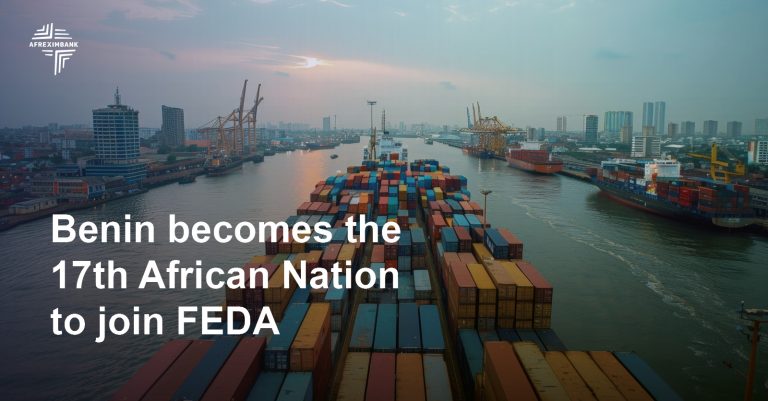
    The Republic of Benin has become the latest African nation to accede to the Fund for Export Development in Africa (FEDA), the impact investment subsidiary of African Export-Import Bank (Afreximbank) (https://www.Afreximbank.com/).

    With Benin’s accession to the FEDA Establishment Agreement, the total number of participating African countries has risen to 17, following Nigeria’s accession earlier this month.

    The accession to the agreement demonstrates Benin’s support for Afreximbank’s efforts to broaden FEDA’s effectiveness by mobilizing its Member States to sign and ratify the FEDA Establishment Agreement and to support the organization’s impact investing objectives.

    The onboarding of new Members expands the reach of FEDA’s interventions and reflects the Fund’s unwavering commitment to its mandate of providing long-term capital to African economies, with a focus on industrialization, intra-African trade and value-added exports.

    Among other strategic investments across the continent, in November 2022, FEDA invested in Arise Integrated Industrial Platforms (Arise IIP) in a significant step deepening the implementation of its mandate. Arise IIP developed the Glo-Djigbé Industrial Zone (GDIZ) which is focused on the transformation of textile and agro-processing in Benin.

    Professor Benedict Oramah, President of Afreximbank and Chairman of the Boards of both Afreximbank and FEDA, commented: “We welcome the signing of the FEDA Establishment Agreement by the Republic of Benin. This development builds on the various interventions by both Afreximbank and FEDA in Benin in recent years.

    A key strategic initiative for the Bank is to deploy the African Quality Assurance Centre (AQAC) within the GDIZ in Benin. This endeavour will facilitate the export of high-level African products that comply with export requirements, applicable standards and technical regulations, to international markets.”

    Marlène Ngoyi, CEO of FEDA, said: “This notable milestone builds on FEDA’s track record of investing in companies in Benin that are strategically aligned in promoting industrialization, intra-African trade and value-added exports. We look forward to continuing our support for transformative investments that are well aligned with FEDA’s investment strategy in Benin.”

    Distributed by APO Group on behalf of Afreximbank.
  • Financial giants back Africa’s first Banking Awards ceremony

    Financial giants back Africa’s first Banking Awards ceremony

    African Export-Import Bank, African Guarantee Fund and African Trade & Investment Development Insurance, among the key pan-African financial institutions supporting African Banker Awards 2024.

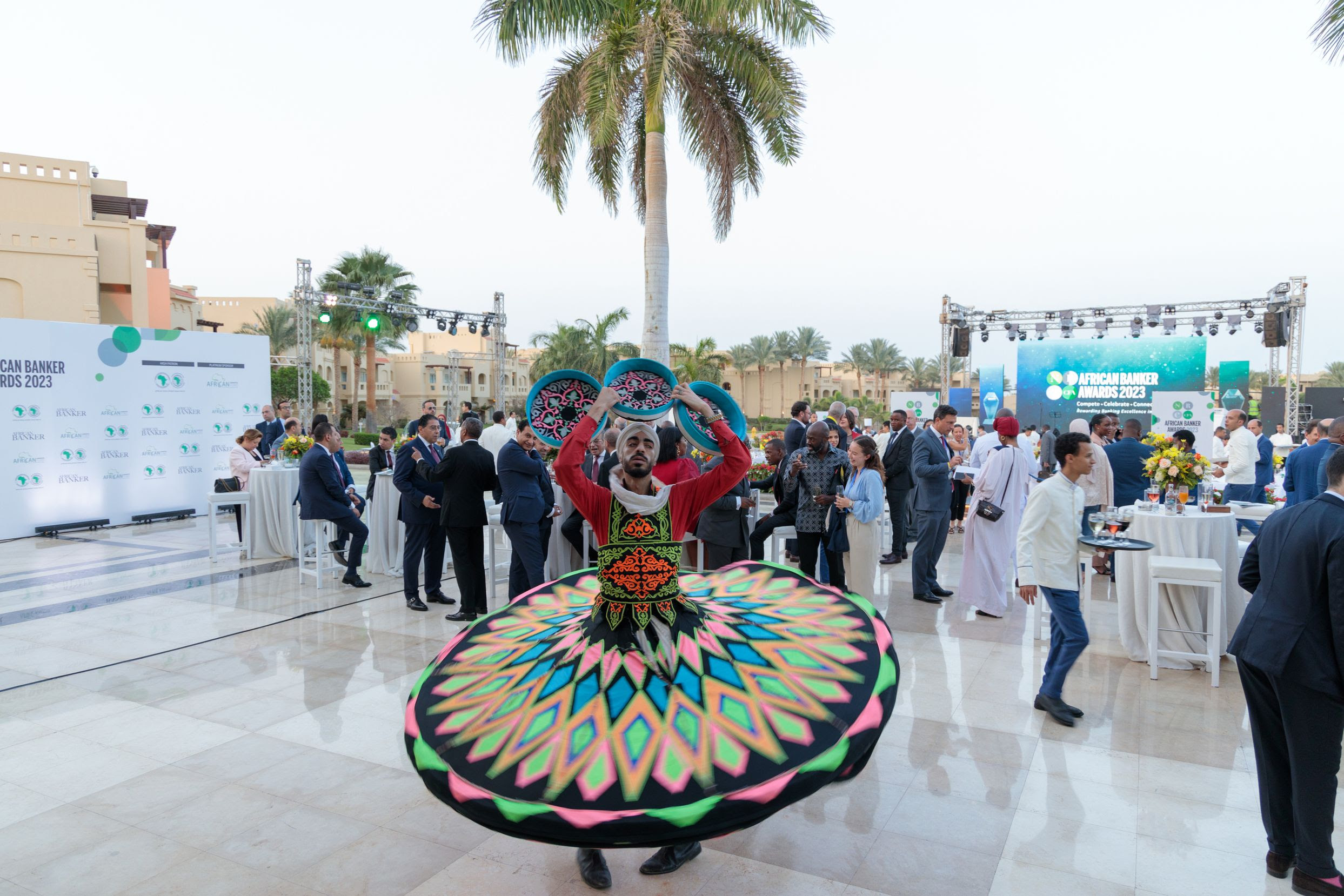
    23 May 2024, Nairobi: Some of Africa’s leading financial institutions will be attending the 2024 edition of the Awards Ceremony. This annual event which follows the African Development Bank Annual Meetings will be taking place at the newly launched JW Marriott Hotel in Nairobi, Kenya, on the 28th of May 2024.

    Launched by African Banker magazine in 2007, the African Banker Awards were designed to highlight African success stories in banking as well as recognize the rapid modernization and growth of Africa’s banking and financial system. The African Banker Awards are part of the official program of the African Development Bank Annual Meetings, which this year are being held under the theme: “Africa’s Transformation, the African Development Bank Group and the Reform of the Global Financial Architecture.”.

    Leading pan-African financial institutions

    The African Guarantee Fund have been long-time supporters of the Award and last year launched the AFAWA Award. AFAWA is a joint initiative by the African Development Bank and the African Guarantee Fund, which seeks to bridge the $42 billion financing gap facing women in Africa. The AFAWA Awards will celebrate the financial institutions bridging this gap.

    This year the newly rebranded African Trade & Invest Development Insurance (ATIDI) have come on board as sponsors as have the African Export-Import Bank (Afreximbank), whose own Annual Meetings will take place in June in the Bahamas.

    Both Afreximbank and ATIDI are founding members of the Alliance of African Multilateral Financial Institutions (AAMFI), which have committed to collaborate to address Africa’s development finance needs, promote the interests of member states, advocate for Africa on global finance issues, develop innovative finance tools , and support sustainable finance strategies. These institutions are due to meet on the sidelines of the AfDB Meetings in Nairobi.

    Banking giants at African Banker Awards 2024

    Amongst the Awards sponsors are two titans of the African financial sector, United Bank for Africa (UBA) and Guarantee Trust Bank (GTBank), two institutions that have recently posted record results in Nigeria and who are known for their unwavering dedication to banking excellence.

    Joining these titans is the burgeoning West African banking group, Vista Bank Group. With its recent acquisitions of Société Générale Burkina Faso and Banco Société Générale Moçambique, Vista Bank Group has secured a strategic position in the Southern African market. Furthermore, its mid-last-year acquisition of Oragroup catapulted it to become West Africa’s third-largest banking entity, and marks the retreat of international banks from the African landscape.

     
  • Burkina Faso, Mali, And Niger Finalize Plan To Form Confederation

    Burkina Faso, Mali, And Niger Finalize Plan To Form Confederation

    First Published,19th May,2024, Tekedia News

    In a historic move, Burkina Faso, Mali, and Niger have finalized their plan to form a confederation, officially marking their shift away from former colonial ruler France and toward closer ties with Russia.

    The announcement came after a meeting of the countries’ foreign ministers in Niger’s capital, Niamey.

    The newly formed Confederation of the Alliance of Sahel States (AES) aims to institutionalize and operationalize a unified front to tackle the region’s security and economic challenges.

    Niger’s Foreign Minister, Bakary Yaou Sangare, detailed the outcomes of the meeting in a statement released late Friday.

    “The objective was to finalize the draft text relating to the institutionalization and operationalization of the Confederation of the Alliance of Sahel States (AES),” Sangare stated.

    A New Era for The Sahel

    The draft text, which will be presented for adoption by the heads of state of Burkina Faso, Mali, and Niger at an upcoming summit, signifies a significant geopolitical shift in the region. Although the exact date of the summit was not disclosed, the formation of the AES marks a clear intent to establish a new regional order.

    Malian Foreign Minister Abdoulaye Diop, after meeting with General Abdourahamane Tiani, head of Niger’s military regime, declared the birth of the AES.

    “We can consider very clearly, today, that the Confederation of the Alliance of Sahel States (AES) has been born,” Diop announced.

    The Sahel region, plagued by jihadist violence for years, has seen increasing frustration with France’s inability to curb the insurgency.

    Also, the French government has been accused of exploiting its former colonies. This dissatisfaction has led Burkina Faso, Mali, and Niger to sever ties with the Economic Community of West African States (ECOWAS), which they accuse of being under French influence. The three countries announced their departure from ECOWAS in January, paving the way for the formation of the AES.

    Seeking New Alliances 

    The AES’s pivot towards Russia reflects a broader trend in African geopolitics, where countries are seeking new alliances beyond traditional Western powers. This realignment underscores a desire for diversified diplomatic and military support, especially in combating terrorism and fostering economic development.

    The establishment of the AES is seen as a strategic move to enhance regional cooperation and address the persistent threat of jihadist violence. By pooling resources and coordinating efforts, the member states aim to create a more effective response to security challenges that have long plagued the Sahel region.

    However, the formation of the AES also raises questions about the future of regional cooperation in West Africa. With Burkina Faso, Mali, and Niger charting their own course, the dynamics within ECOWAS and the broader West African region are likely to shift.

    There is concern that the AES could potentially attract other nations facing similar challenges and frustrations with existing regional bodies.

    Ousmane Sonko, recently appointed as Senegal’s Prime Minister, has reportedly hinted at the possibility of closing French military bases in the country. This move aligns with Sonko’s long-standing stance against French influence in Senegal, a remnant of its colonial past.

    Sonko and President Bassirou Diomaye Faye, have expressed a commitment to greater national sovereignty, including reevaluating foreign military presence and renegotiating mining, oil, and gas contracts to better benefit Senegal.

    “We must question the reasons why the French army for example still benefits from several military bases in our country and the impact of this presence on our national sovereignty and our strategic autonomy,” he said.

    “I reiterate here the desire of Senegal to have its own control, which is incompatible with the lasting presence of foreign military bases in Senegal… Many countries have promised defense agreements, but this does not justify the fact that a third of the Dakar region is now occupied by foreign garrisons.

    “More than 60 years after our independence… we must question the reasons why the French army for example still benefits from several military bases in our country and the impact of this presence on our national sovereignty and our strategic autonomy.”

    Thus, the AES represents a bold step for Burkina Faso, Mali, and Niger as they seek to redefine their regional and international relationships. By moving away from French influence and aligning more closely with Russia, these nations are signaling their intent to take control of their own security and economic destinies. 

    However, experts believe that the success of the AES will depend on the member states’ ability to effectively collaborate and implement their shared goals in the face of ongoing regional challenges.

    SOURCE

    TEKEDIA NEWS


  • Hospital ship to commence free life-changing surgeries for selected patients in Madagascar

    Hospital ship to commence free life-changing surgeries for selected patients in Madagascar

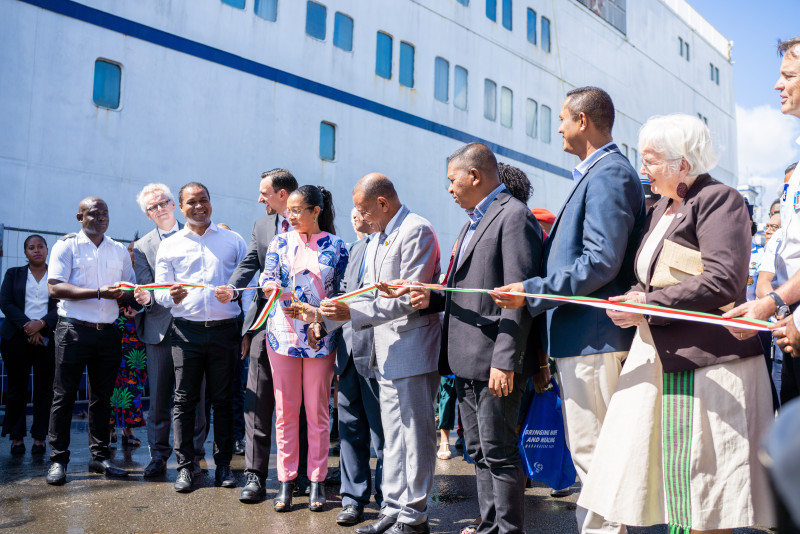
    TOAMASINA, Madagascar, May 20, 2024/ — More than 120 community leaders, dignitaries and other guests gathered on board the hospital ship, the Africa Mercy® (May 15th) to celebrate the imminent start of international charity Mercy Ships’ (www.MercyShips.org) impactful surgical interventions in Madagascar.

    After extensive preparations for the hospital’s launch, attendees including the Mayor of Toamasina, Nantenaina Rakotonirina, Interim Governor of Atsinanana, Bemahefa Gervais and the Representative of Public Health of Atsinanana, Razafiariosoa Celestine Vavy, were excited to go on board. An international delegation from Mercy Ships traveled to the dock to witness the landmark moment.

    Since arriving in the country in February, the Africa Mercy implemented an extensive strategy to ensure the broad reach of its services, covering diverse regions within Madagascar. With registrations spanning 12 locations across the country. This marks Mercy Ships’ fourth field service in Madagascar, following previous visits

    in 1996, 2015 and 2016. Over the course of previous visits, Mercy Ships collaborated with the government and Ministry of Health to provide more than 6,425 life-changing surgical procedures and over 52,395 dental procedures. In addition to these surgeries, Mercy Ships has a longstanding commitment to education, having trained 2,019 healthcare professionals in the past.

    Mrs. Razafiarisoa Celestine added: “The partnership with the government is crucial as it addresses gaps the government cannot fill, whether financial or temporal. Mercy Ships bridges these gaps, embodying a public-private partnership between the Malagasy government and Mercy Ships.

    They provide indispensable help, especially for those in dire need. This partnership is invaluable and highly complementary to the efforts of the Malagasy government.”

    Through an education, training, and advocacy strategy, the organization, in collaboration with Madagascar’s Ministry of Health, aims to increase the number of surgical providers, deliver training across the surgical ecosystem, develop sustainable educational programs, establish a network of healthcare providers, and advocate for the importance of surgery in healthcare globally.

    Dr. Toky Rafanomezantsoa, said: “I am delighted that the ship is here to serve the Malagasy population and provide high-quality surgical interventions free of charge. This ship is well-equipped, and the staff, who are volunteers from around the world, are highly trained. We are privileged to receive the quality they can offer.

    Malagasy medical professionals, including doctors, nurses, and medical students, will benefit from the training and experiences shared with the ship’s staff and the equipment it carries.”

    In just two weeks from the gathering on board, patients will begin boarding the ship docked in Toamasina to receive life-changing surgeries.

    The Africa Mercy Managing Director Nathan Jansen said: “We are excited to provide more than 1,000 surgeries and train more than 40 Malagasy medical professionals on board. We will be working with in country partnerships to train and equip medical professionals across the nation.

    We have had a joyous time revisiting some former patients since our arrival in February and seeing how surgery has transformed their lives. We are also seeing professors that are still teaching the simulation courses that were initiated by Mercy Ships, and seeing the interns that are still benefiting from this.”

    Hospital Director of the Africa Mercy, Merryl Mackenzie, has achieved, together with her team, an impressive feat of installing brand new medical equipment. “We cannot wait to see the impact this field service will have on transforming lives in Madagascar and increasing access to surgical care and education.”

    Distributed by APO Group on behalf of Mercy Ships.

    For more Information about Mercy Ships, contact:
    Sophie Barnett
    Mercy Ships International PR Manager
    sophie.barnett@mercyships.org

  • Djibouti Forum wraps up with promising agreements, optimism about economic prospects

    Djibouti Forum wraps up with promising agreements, optimism about economic prospects

    Djibouti City, Djibouti – 15 May 2024

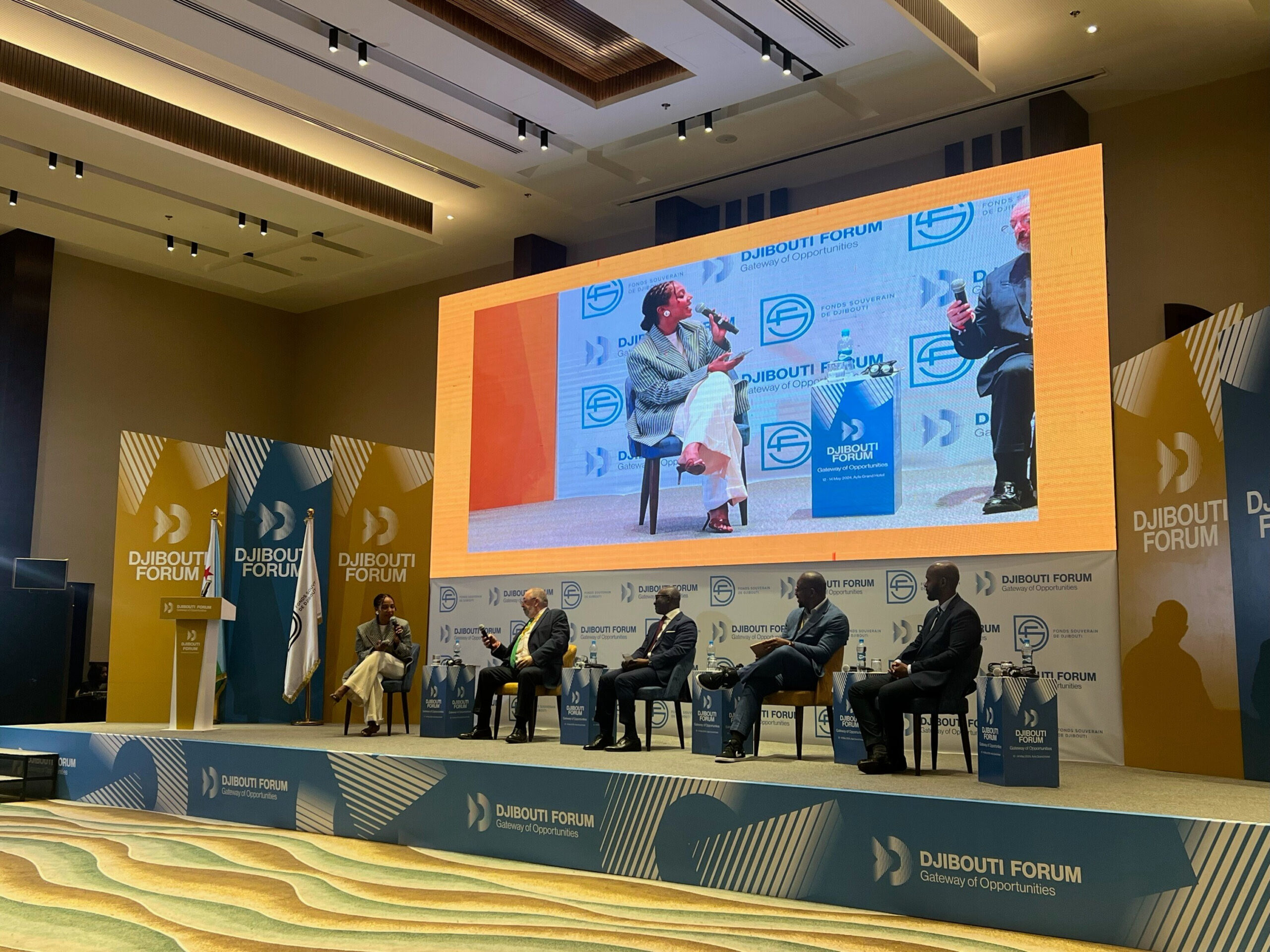
    The inaugural Djibouti Forum brought together nearly 400 delegates, including international institutional investors collectively overseeing a staggering $2.5 trillion in assets. Describing the forum as a “resounding success”, Dr. Slim Feriani, CEO of Fonds Souverain de Djibouti (Djibouti’s sovereign wealth fund), noted that it was evident that there “is great and growing interest in Djibouti.”

    During the closing ceremony of the two-day event, Feriani signed a memorandum of understanding with Tamini Insurance, part of the influential Salaam Group, a leading financial conglomerate in Djibouti.

    Tamini Insurance’s CEO, Mohamed Bahdon, announced that under the agreement, their clients—numbering over 4,000—will now have access to Djibouti’s first crowdfunding platform, Inclufin.

    Through this platform, Tamini Insurance clients can invest in socially impactful entrepreneurial ventures in the country while earning returns on their savings. “It’s an opportunity for our clients to invest in promising businesses, including startups and SMEs, and contribute to the country’s entrepreneurial future,” he said.

    The Djibouti Forum also witnessed the signing of an agreement between PAIX Data Centres, a prominent data center solutions provider, and Djibouti’s sovereign wealth fund to establish a cutting-edge, cloud-and-carrier-neutral data centre in the country.

    This deal introduces a new player to Djibouti’s data centre sector, which currently hosts only Wingu, and is expected to deliver benefits to customers in terms of innovation, pricing and reliability.

    The soon-to-be-constructed facility, named JIB1, will encompass approximately 50,000 square feet of net usable space and offer up to 5 megawatts of critical power. The first phase is slated to launch in 2026.

    Having both Wingu and PAIX in Djibouti will create critical mass in data centres in the country and fast track its ambitions to become a digital economy hub.

    “PAIX’s investment in JIB1 positions it at the crossroads of connectivity between Africa, Europe, the Middle East, and Asia” PAIX CEO Wouter van Hulten said. “The strong network hub that is created by the aggregation of multiple undersea cable landing points connecting to terrestrial cables makes Djibouti a highly attractive gateway.”

    Feriani expressed confidence that the first Djibouti Forum had laid the groundwork for future deals in additional sectors. He invited international partners in attendance to join forces with the country’s sovereign wealth fund to unlock the country’s promising economic potential. “To achieve our goal of doubling the economy in ten years, consistent 7% growth is essential. This can be achieved through mutually beneficial partnerships and economic diversification.”

    The two-day forum included panels on various topics such as ports, logistics, technology, connectivity, energy, tourism, financial services, and agro-processing. Additionally, it facilitated lively discussions among leading economists, policymakers, and investors about the macroeconomic landscape in Djibouti and Africa.

    Speaking on the macroeconomic outlook for Africa and Djibouti, Dr. Sampawende Tapsoba, Deputy Chief Economist & Director, Data Management & Model Development, Afreximbank, acknowledged that the country of 1.12 million people was punching above its weight.

    “Djibouti is growing faster than many African economies and has comparatively lower levels of debt-to-GDP,” he said, emphasizing that low levels of debt meant that Djibouti has the fiscal room to meaningfully invest in transformative sectors of the economy.

    Charlie Robertson, Head of Macro Strategy, FIM Partners UK, delivered the closing remarks at the forum. “The three things that stood out for me in this forum are ambition, opportunity and safety,” he said. “The leadership’s ambition in Djibouti is palpable,” he observed, saying that Djibouti is a safe country that remains a beacon of stability in a volatile neighborhood.

    The Djibouti Forum was hosted by the Sovereign Wealth Fund of Djibouti (Fonds Souverain de Djibouti), a fund created in March 2020. It is today under the stewardship of CEO, Dr. Slim Feriani, a former Tunisian Minister with over 30 years of experience in international capital markets.

    SOURCE

    IC Media

    On Behalf of Djibouti Sovereign Wealth Fund


  • Driving socio-economic transformation through technology: The young startup changing the face of Uganda’s automotive industry

    Driving socio-economic transformation through technology: The young startup changing the face of Uganda’s automotive industry

    KAMPALA, Uganda, May 14, 2024/ — In recent years, Uganda has witnessed a wave of technological innovation. In a country where access to traditional infrastructure and services can be limited, technology is emerging as a powerful catalyst for change, offering solutions to longstanding socio-economic issues.

    GITEX AFRICA, the continent’s largest tech and start-up event, taking place in Marrakech, Morocco from 29 – 31 May, will host a successful Ugandan startup that is proving that technology, along with a visionary mindset, is the perfect formula to meet the challenges facing the country’s automotive industry.

    AutoFore (https://apo-opa.co/3K5OhME) is a leading automotive aftersales support platform, aimed at supporting the development of sustainable, environmentally friendly automotive businesses, while providing decent employment opportunities.

    With a stated aim of transforming mobility in Africa through technology and skilled labour, AutoFore’s innovative solutions are reshaping the industry.

    One of the company’s flagship initiatives, Auto4, an online platform connecting car owners with automotive vendors, exemplifies the transformative potential of technology in addressing local challenges.

    Inspired by a lack of reliable spare parts, service centres, and technical support for used imported vehicles in Uganda, Auto4 streamlines the process of sourcing quality replacement parts and accessing dependable auto repair centres, thus ensuring efficient and safe vehicle maintenance.

    “Launching AutoFore in Uganda was informed by several factors. Firstly, Uganda’s automotive market presented a significant opportunity for innovation and improvement, particularly given the high percentage of used imported vehicles and the challenges associated with maintaining them.

    Secondly, as a local startup, we were passionate about making a positive impact in our community and contributing to the development of sustainable automotive businesses that provide meaningful employment opportunities,” said AutoFore CEO and Founder, Agatha Nambuya.

    As AutoFore gears up to participate for the first time as an exhibitor at GITEX AFRICA, their expectations are high.

    “In addition to showcasing our flagship product, Auto4, we’re looking forward to connecting with stakeholders within the African tech ecosystem, and exploring opportunities for growth, expansion, and collaboration.

    We’re excited about the potential of the event to accelerate our business and contribute to the advancement of the African automotive industry,” added Nambuya.

    Looking ahead, Uganda’s startup scene offers opportunities across various sectors, with immense potential to build on its 2022 total funding of almost US$25.76 million (https://apo-opa.co/3wC0PIF).

    Trends such as technology adoption, fintech innovation, e-commerce expansion, renewable energy, and healthcare advancement present fertile ground for entrepreneurs to make a meaningful impact.

    In addition, not only is AutoFore offering technology-driven solutions and fostering sustainability; it is also creating employment opportunities within the automotive sector.

    “We’re proud of the fact that our platform creates opportunities for employment and entrepreneurship within the industry,” said Nambuya. “We are currently working with 200 vendors and over 1,000 mechanics.

    By connecting car owners with local service centres and vendors, we support the growth of small businesses and create jobs for mechanics, technicians, and other automotive professionals. This not only contributes to economic development but also fosters skills development and capacity building within the local community.”

    However, navigating funding and investment opportunities remains a daunting challenge for startups in Uganda. Limited access to capital and a lack of investor awareness about the potential of startups hinder the growth and scalability of innovative ventures.

    AutoFore’s journey underscores the importance of networking, pitching, and relationship building in securing funding and overcoming these obstacles.

    Having a presence at GITEX AFRICA, the continent’s largest showcase of startups, with exposure to the most influential players and investors in the global startup ecosystem, is invaluable.

    Bolstering Uganda’s presence at GITEX AFRICA 2024 even further, and demonstrating the esteem in which the country’s technological progress is held, is the country’s Honourable Minister of Science, Technology and Innovation, Monica Musenero Masanza, who will be speaking at the GITEX AFRICA Digital Summit.

    Under the High Patronage of His Majesty King Mohammed VI of the Kingdom of Morocco, GITEX AFRICA is held under the authority of the Moroccan Ministry of Digital Transition and Administration Reform, supported by the Ministry of Health & Social Protection, and hosted by the Digital Development Agency. The 2nd blockbuster edition, organised by KAOUN International, follows its pioneering debut in 2023.

    More information is available at www.GITEXAFRICA.com.

    Distributed by APO Group on behalf of GITEX Africa.

    Media Contact:
    Tayce Marchesi
    PR Executive
    Tel.: + 971 58 552 3994
    Tayce.Marchesi@dwtc.com


  • African Development Bank proposes Annual Africa Media Prize to promote more balanced reporting of continent and its achievements

    African Development Bank proposes Annual Africa Media Prize to promote more balanced reporting of continent and its achievements

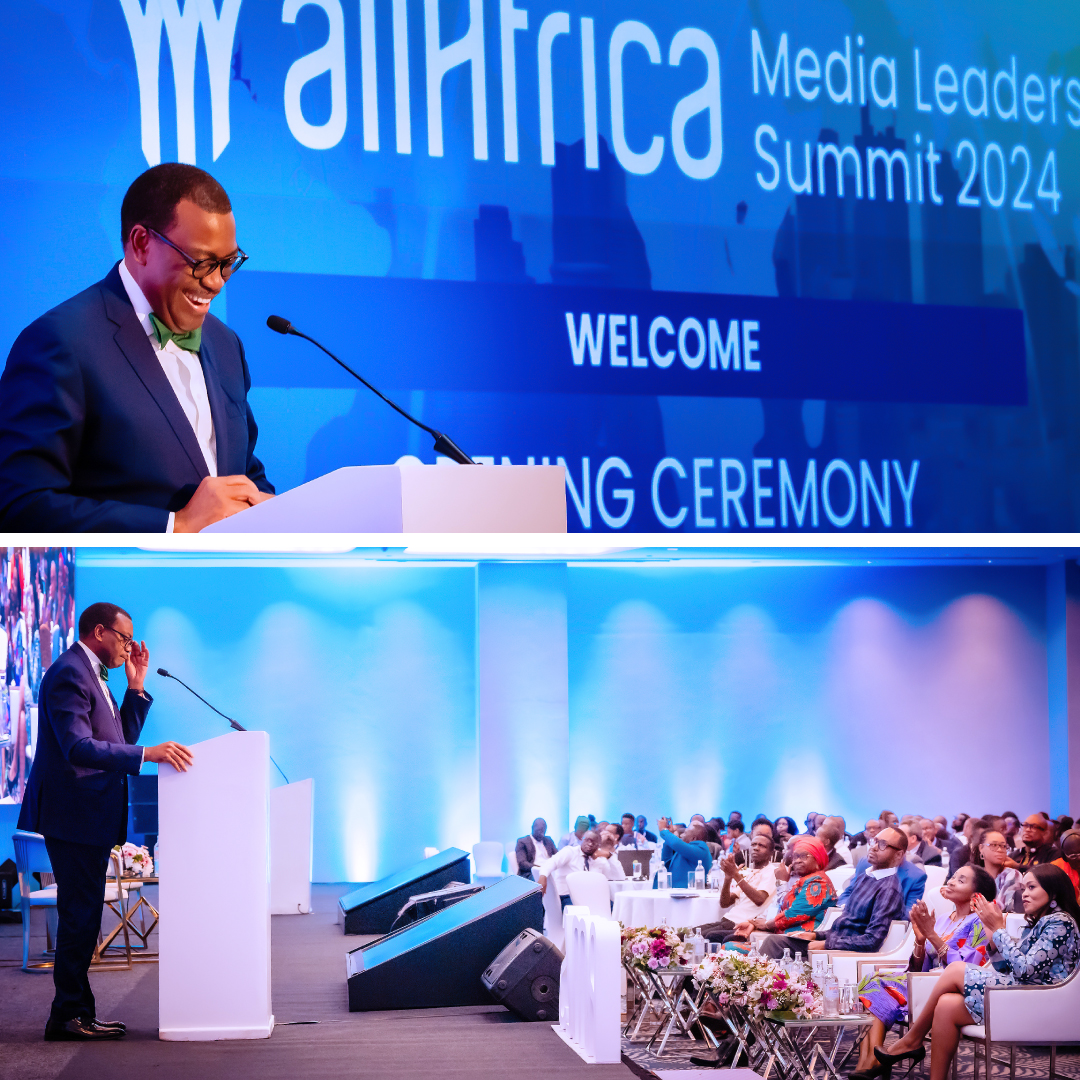
    Dr Akinwumi Adesina, the president of the African Development Bank Group during the recently held media leaders’ summit convened by the AllAfrica Media in Narobi,Kenya,in his Keynote address,announced the creation of an Annual Africa Media Prize to recognise and profile African journalists, correspondents and media houses that showcase Africa’s achievements and progress.

    Adesina said the African Development Bank would work with the AllAfrica Media organisation and African financial institutions to establish the prize as part of efforts to promote more positive reporting of developments on the continent.

    “Africa must shape its own narrative, and not depend on what others think about it or the perspectives they prefer to share about it, its achievements, and opportunities… Positive stories of African investment opportunities need to be well showcased, as they unfortunately do not get sufficient coverage, if any at all, in western media,” Dr Adesina declared.

    He also proposed that the African Development Bank, Africa Import-Export Bank, and all regional financial institutions pool resources to support the emergence of a globally respected African media company that will position the news of Africa to the world.

    The summit on the theme of “Re-engineering African Media in Times of Critical Transformation” brought  together over 300 African media owners and operators, government officials, corporate leaders, academics, civil society champions, and development partners to discuss the business of media and the critical role it must play in shaping Africa’s future.

    “The media has a critically important role, by being fair, objective, inquisitive, investigative yes, but also by being a catalyst for development, and promoting positive news about tangible African accomplishments, achievements, and developments,” he said in his address.

    Dr Adesina also called on development institutions in Africa to set up a joint repository of verified and standardised stories, videos and content that will make it easier to aggregate and write stories on what is being achieved in Africa.

    He also pledged that the African Development Bank, working with partners and the African financial institutions would also help establish the African Journalists’ and Correspondents’ Fellowships to help build and strengthen the capacities of journalists and correspondents working in Africa.

    “Together let us continue to promote Africa. I call on you as leaders of the media, become the vuvuzelas for Africa! Tell Africa’s positive stories,” he urged his audience of media executives from across the continent.

    Distributed by APO Group on behalf of African Development Bank Group (AfDB).

    Download images here: https://apo-opa.co/4bc07AO

    Contact:
    Jonathan Clayton
    Communication and External Relations Department
    media@afdb.org