Category: AFRICA

  • AIM Congress 2024: Ministers share insights and strategies to navigate challenges posed by economic volatility

    AIM Congress 2024: Ministers share insights and strategies to navigate challenges posed by economic volatility

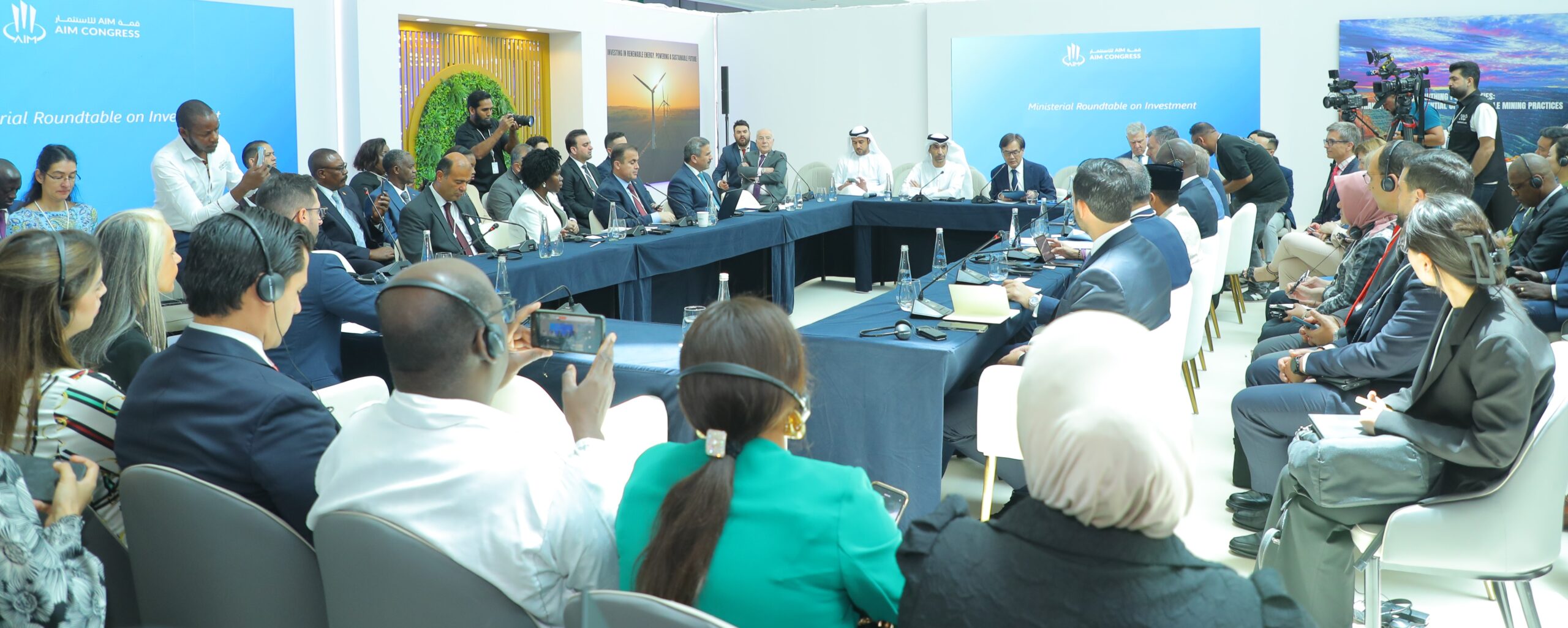
    Abu Dhabi, 9th May, 2024 – The 2024 AIM Congress hosted an extraordinary event as global leaders convened for the Ministerial Roundtable on Investment under the Roundtables’ Track, held at ADNEC in Abu Dhabi from May 7 to 9.

    In a ministerial think tank, an elite group of distinguished ministers from around the world shared insights and strategies to navigate the challenges posed by economic volatility, geopolitics, and the looming global economic slowdown.

    HE Dr Thani bin Ahmed Al Zeyoudi, Minister of State for Foreign Trade, emphasized the significance of emerging markets in driving future growth. He highlighted the importance of adapting to free economy, leveraging technology, and fostering regulatory improvements to unlock hidden investment opportunities.

    The UAE’s proactive approach to invest in future economy sectors, particularly in supporting SMEs, underscores its commitment to fostering economic resilience and job creation.

    HE Elmedin Konakovic, Minister of Foreign Affairs Bosnia and Herzegovina, emphasized the need to transform adversities into opportunities, stressing the importance of integrating international investment and leveraging national resources to attract investors.

    HE Jean-Lucien Bussa, Minister of Foreign Trade, Democratic Republic of Congo, showcased Congo’s investment-friendly policies, including tax exemptions and non-discriminatory practices, to encourage international investors to explore the country’s vast potential.

    HE Miguel Medina, Minister of Investment, Honduras, highlighted Honduras’ robust FDI growth and attractive incentives, such as manufacturing free zones and tax exemptions, aimed at attracting flagship companies and fostering economic transformation.

    HE Sandiaga Salahuddin Uno, Minister Of Tourism And Creative Economy, Indonesia, emphasized the importance of innovation, adaptation, and collaboration in driving investment growth, particularly in transformative sectors like healthcare and digitization.

    HE Ryad Mezzour, Ministry of Industry and Trade Morocco, emphasized the need for depolarizing regulations, promoting trade openness, and instilling confidence in domestic products to capitalize on hidden opportunities and foster economic self-reliance.

    HE Fabio Righi, Minister Industry Trade, Handicraft, Technological Research Of San Marino, highlighted San Marino’s transition towards an open economy, leveraging digitalization and streamlined regulations to support SMEs and attract international investors.

    HE Hon. Anite Evelyn, Minister of State for Finance, Planning and Economic Development (Privatization and Investment) – Uganda, showcased Uganda’s investment-friendly environment, emphasizing local product promotion and liberalized economic policies to spur FDI growth and job creation.

    HE Sulton Rahimzoda, Chairman of the State Committee on Investment and State Property Management, Tajikistan, outlined Tajikistan’s untapped potential in renewable energy and mineral resources, coupled with favorable investment regulations, to attract international investors.

    HE Claver Gatete, Undersecretary General United Nations & Executive Secretary- Economic Commission for Africa, emphasized the importance of private sector investment in addressing Africa’s economic challenges, advocating for regional collaboration to unlock the continent’s vast potential in agriculture, mining, and trade.

    HE Sergey Cheremin, Minister of Moscow City Government, Head of the Department for External Economic & International Relations of Moscow, highlighted Moscow’s economic diversification efforts and investor-friendly policies, debunking misconceptions and showcasing the city’s resilience and growth.

    HE Dr Mohammad Shukri, Chairman of the Kurdistan Region Investment Board, extended a warm invitation to investors, emphasizing Kurdistan’s favorable investment climate and commitment to equal treatment of local and international investors.

    Dr Khaled Hanafy, Secretary General Union of Arab Chambers, underscored the pivotal role of the private sector in driving economic growth, advocating for increased collaboration and innovation to harness the potential of digital products and empower small entities.

    The Ministerial Roundtable on Investment at the 2024 AIM Congress served as a platform for global leaders to exchange ideas, foster partnerships, and unlock hidden investment opportunities amidst the evolving economic landscape.

    AIM Congress 2024 is hosting more than 150 high-level dignitaries, with 900+ speakers and over 12,000 participants from 175 countries around the world participating. AIM Congress has also organized 27 joint events in cooperation with over 330+ local, international, and global partners.
  • Ghana Gears up on Cyber Resilience in the Digital Economy

    Ghana Gears up on Cyber Resilience in the Digital Economy

    ACCRA, Ghana, May 9, 2024/ — With Africa losing US$4 billion annually to cybercrime, the aggressors of the digital realm are gaining the upper hand. GITEX AFRICA 2024 (www.GITEXAfrica.com), the continent’s largest tech and startup exhibition, taking place from 29-31 May in Marrakech, Morocco, provides a platform for leaders and executives of Africa’s tech ecosystem to share insights on cybersecurity’s crucial role in Africa’s digital economy.

    Cybersecurity Threats Accompany Digital Transformation

    As Ghana’s digital economy continues to evolve at a rapid pace, with an ever-increasing reliance on digital infrastructure, so too does the inevitable exposure to cybersecurity and data protection threats.

    Acknowledging the paramount importance of cybersecurity and its role in protecting sensitive information, preserving trust, and contributing to the resilience of digital infrastructure, Ghana is proactively and strategically working to enhance its cyber resilience.

    This strategic insight has resulted in the Global Cybersecurity Index ranking Ghana third amongst countries on the continent in terms of its commitment to cybersecurity.

    Topics under discussion at the GITEX Africa Cybersecurity Forum include the role of high data costs in security vulnerability, Africa’s shortage of cybersecurity professionals, and the impact of poor security measures. Dr Albert Antwi-Boasiako, Director General of Ghana’s Cyber Security Authority, will share his insights on how Ghana is tackling these challenges.

    A Proactive Approach to Safeguarding Digital Infrastructure

    As early as 2015, the Ghanaian government developed the National Cybersecurity Policy and Strategy, reflecting the maturity of the country’s approach. In the following years, recognizing the importance of cybersecurity in safeguarding the country’s 24 million internet users (https://apo-opa.co/3JSm8sr#prId=302858),

    Ghana has implemented a number of key steps, including enacting the Cybersecurity Act 2020, which provides for the protection of critical information infrastructure, the prosecution of cybercrimes, and the protection of children online.

    This Act is a significant step towards creating a safer cyber environment in Ghana, and has resulted in the establishment of the Cyber Security Authority (CSA) (https://apo-opa.co/4buq3r9#prId=302858), which regulates and promotes cybersecurity in the country.

    Building capacity and creating public awareness, ongoing research and development, and international cooperation are key elements of Ghana’s cybersecurity strategy. This includes developing a skilled workforce of cybersecurity professionals, and educating the public about the importance of cybersecurity and how they can mitigate it. This takes the form of workshops, seminars, and media campaigns.

    Universities and research institutions in Ghana are also focusing on cybersecurity research to foster innovation and develop solutions to cyber threats. In addition, collaborations with other countries, international organizations, and private sector entities all contribute to the country’s cyber resilience.

    As Ghana continues to strengthen its cybersecurity framework, its potential as a destination for partners and investors looking for a reliable and safe digital landscape grows, positioning the country as a hub for technological advancement in Africa.

    Powering Ghana’s digital future

    The tens of thousands of attendees from 130-plus countries to GITEX Africa can look forward to hearing more insights on Ghana’s advancements in digital health from Darlington Akogo, Co-founder and CEO of minoHealth AI Labs, who is among more than 20 leading tech speakers from Ghana.

    The nation’s giant strides in AI diffusion and tech-driven urban development will also come to the fore when Hon. Elizabeth Sackey, Mayor of Accra Metropolitan Assembly takes the stage at the GITEX Africa Digital Summit.

    Rocky Dawuni, Musician, Singer-song Writer, and UN Goodwill Ambassador for the Environment for Africa, is another headline Ghanaian speaker, while the country’s vibrant start-up scene will be ably represented by some of the country’s premier award-winning start-ups, including Trotro Tractor, Winner of the KIC Agritech Challenge.

    More information is available at www.GITEXAfrica.com.

    Distributed by APO Group on behalf of GITEX Africa.

    Media Contact: 

    Tayce Marchesi – PR Executive
    Tel.: + 971 58 552 3994
    Tayce.Marchesi@dwtc.com

  • Empowering Vision: Canon Young People Programme and Lens on Life Collaboration Explored

    Empowering Vision: Canon Young People Programme and Lens on Life Collaboration Explored

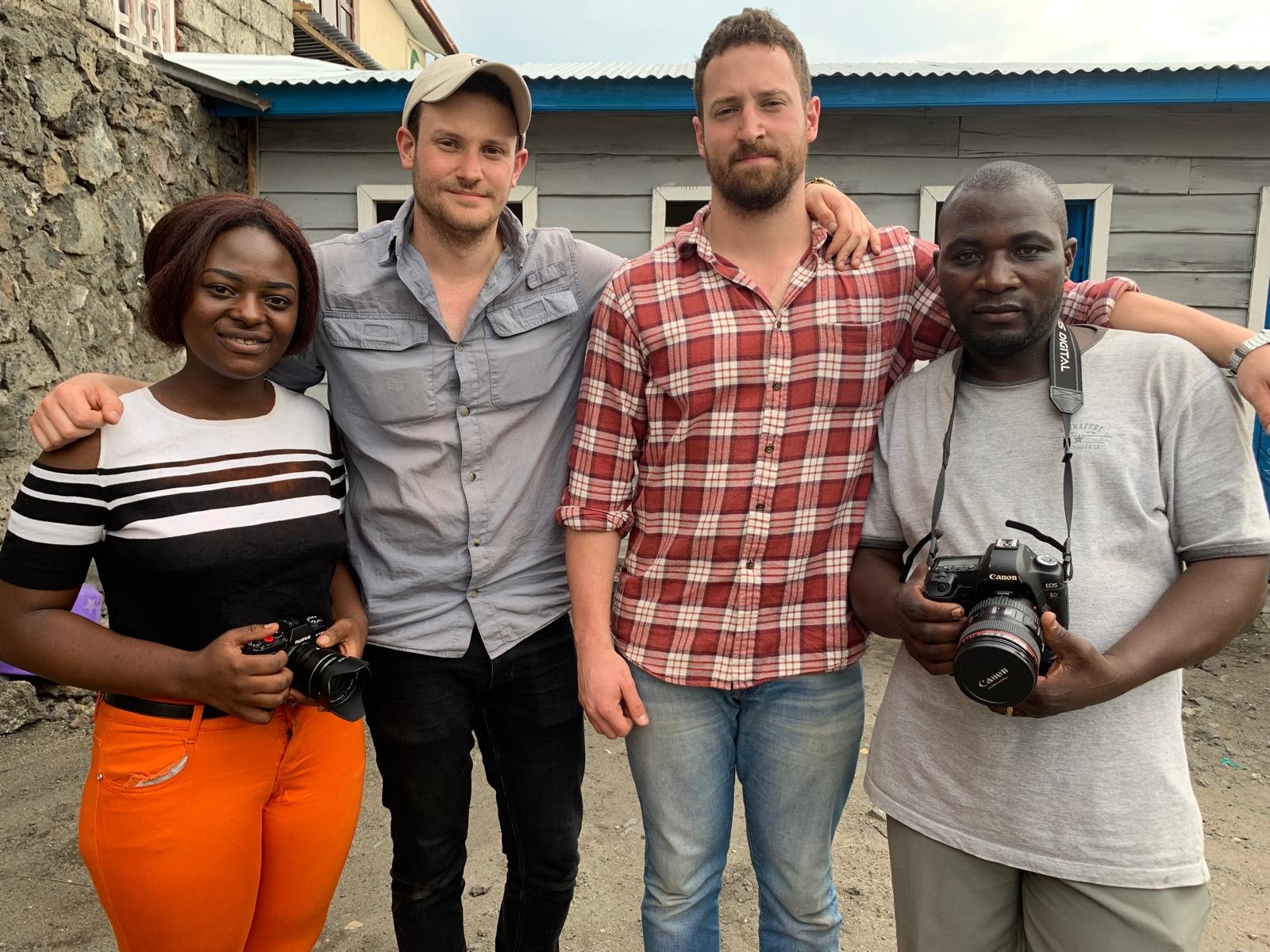
    Sam and Jack Powers are the driving force behind Lens on Life’s groundbreaking partnership with the Canon Young People Programme (CYPP) in Central and North Africa and in the Middle East. Lens on Life is a nonprofit organisation, supporting photography and computer literacy training for young people around the world. During a recent visit to Dubai, Sam and Jack shared insights into their inspiring journey and the transformative impact of their partnership with Canon YPP.

    Q1: How did Lens on Life come to fruition? What led to the collaboration with Canon?

    Lens on Life began as a tribute to our mother, an art dealer in New York, who had a passion for photography and community engagement. After her passing, we felt compelled to honour her legacy by continuing her work.

    We reached out to communities worldwide, starting with a small organisation in Congo, where we conducted a ten-day workshop. Inspired by this experience, we formalised our efforts, establishing Lens on Life as a nonprofit organisation. We raised funds to build our first school in Goma, and from there our initiative expanded.

    Seeking collaboration opportunities, we initially connected with Canon through our involvement with the Miraisha Programme in the DRC. This led to digital classes via platforms like Zoom. Subsequently, our association expanded through the Canon Young People Programme (CYPP), marking a fruitful collaboration three years later.

    Q2: Can you provide some insights into Lens on Life’s expansion plans in Africa, and how are they aligned with your mission to empower underprivileged youth or underrepresented youth by focusing on visual storytelling?

    Our journey began in the DRC, where a local organisation in Goma became our partner. They focused on building community while we provided the tools for change. This collaboration became our model for expansion to other locations. As word of our success spread, other communities reached out, leading to rapid expansion across Cameroon, Iraq, and beyond. Within six years, we went from a programme at one school, to five programmes.

    Our expansion is continuing as organisations across Africa seek partnerships. In Nigeria and South Africa, there’s a demand for additional extracurricular activities for youth, prompting invitations for Lens on Life to ‘set up shop’ and build permanent schools. This approach aligns with our shared belief with Canon in the transformative power of visual storytelling for youth empowerment and shaping the future.

    Q3: Engaging communities and stakeholders are crucial for the success of educational programmes. Does Lens on Life plan to involve local communities, governments, and other stakeholders in the planning and implementation of the CYPP programs in Africa?

    A significant outcome of Lens on Life’s work is the employment of young individuals who complete our programme with a new-found passion for photography. Many go on to pursue photography as a career, filling positions in their communities previously held by Western photographers and journalists. For instance, in Goma, one of our students now shoots for major news agencies and has won multiple awards. This shift towards local storytelling is noticed by the community, local governments, chiefs, and governors, who value the representation of their narratives. This often leads to partnerships with local authorities, bringing approval for our programmes and official recognition of our young photographers.

    We serve as facilitators, enabling communities to express themselves authentically. While we collaborate with local, regional, and state governments, our work is not dictated by them. Instead, through partnerships like Canon Young People Programme, we empower young people to shape their futures using photography as a tool for change.

    Q4: How precisely does Lens on Life utilise Canon technology and conduct workshops in these remote regions? And what challenges have you faced during implementation?

    When we began, we could only afford ten small point-and-shoot Canons, but now every young person in the Lens on Life and Canon Young People Programme has a Canon DSLR. This equipment enables them to both take photos and compete globally. We have encountered some logistical challenges in delivering equipment to remote areas, as well as cultural barriers in places where photography isn’t always welcomed. Obtaining government permission, dealing with equipment maintenance in regions lacking a reliable supply chain, and ensuring sustainability are ongoing challenges. Nevertheless, our schools have become safe havens and technology hubs for the youth in these underserved areas.

    Q5: How does the partnership with Canon Young People Programme benefit Lens on Life in terms of expanding its reach and impact among diverse demographics, particularly in Africa?

    Lens on Life was founded to bridge the gap beneficiaries face in accessing the global economy. Canon’s support has significantly boosted our efforts by facilitating our students’ entry into communities they might not otherwise access, including opportunities with the United Nations and online exposure. This has empowered students to actively engage with initiatives like the SDGs, enabling them to discuss global issues more effectively. Furthermore, Canon’s reputation has lent credibility and trust, enabling us to engage in meaningful discussions with various stakeholders. Our students are viewed not just as ambassadors for Lens on Life, but also as representatives of the Canon brand, amplifying our voices and impact.

    Q6: How does Lens on Life measure the effectiveness and impact of its programmes in empowering young people and fostering socio-economic growth, particularly in Africa?

    We’ve witnessed numerous success stories from students who have participated in our programme. While not every student becomes a locally recognised photojournalist, many have overcome significant challenges and achieved remarkable success. For instance, one of our students from the DRC is now recognised as a leading African photojournalist, while another in Cameroon travels the world for photography assignments.

    Even those who may not gain worldwide fame find meaningful employment opportunities locally, such as working for NGOs, or capturing global initiatives as photographers.

    We’ve also implemented a survey, developed with the help of Beyond Conflict, to measure the social impact of our programme.

    Q7: Could you share a specific success story of a student who has significantly benefited from the partnership between Lens on Life and Canon’s Young People Programme?

    In Congo, one of our alumna, Arlette, has become a correspondent for multiple global media outlets, earning a sustainable income. Another student had the opportunity to exhibit his work in Kinshasa, showcasing his talent in a gallery setting. In Iraq, our teacher, Niga Salam, has travelled extensively, while many of her students have made significant impacts in their communities, particularly on issues relating to gender and climate change.

    Our lead instructor in Congo, who was once a student himself, exemplifies the transformative power of our programme. Starting from humble beginnings in South Kivu, he now teaches and inspires young people, illustrating the importance of hiring locally to ensure a deep understanding of the communities we serve.

    Q8: Looking ahead, how does Lens on Life envision the future of its partnership with Canon YPP and the expansion of its reach and influence in the Middle East and Africa, and what are the organization’s key priorities in this regard?

    Sustainment is a key word that comes to mind. We want to make sure that we can continue to provide the level of service we currently provide to our beneficiaries.

    While we’re open to expansion, particularly in regions like Africa, we’re committed to investing where we already have a presence. Our recent programme launch in the US reflects this, grounding our efforts in areas we understand deeply. Africa remains a focus, with partnerships in Nigeria and South Africa on the horizon.

    Working with young people is a long-term endeavour. Though the partnership between Canon and Lens on Life is still relatively young, it will take time to witness the full impact of our collective efforts. While we celebrate stories of young individuals embarking on journalistic careers, our ultimate goal is to break the cycle of trauma and poverty they face.

    Empowering these individuals to create brighter futures for themselves and their families is our mission. Having Canon involved with Lens on Life is crucial for achieving this goal.

  • Malawi’s FDH Bank rolls out first Islamic banking window in the Country

    Malawi’s FDH Bank rolls out first Islamic banking window in the Country

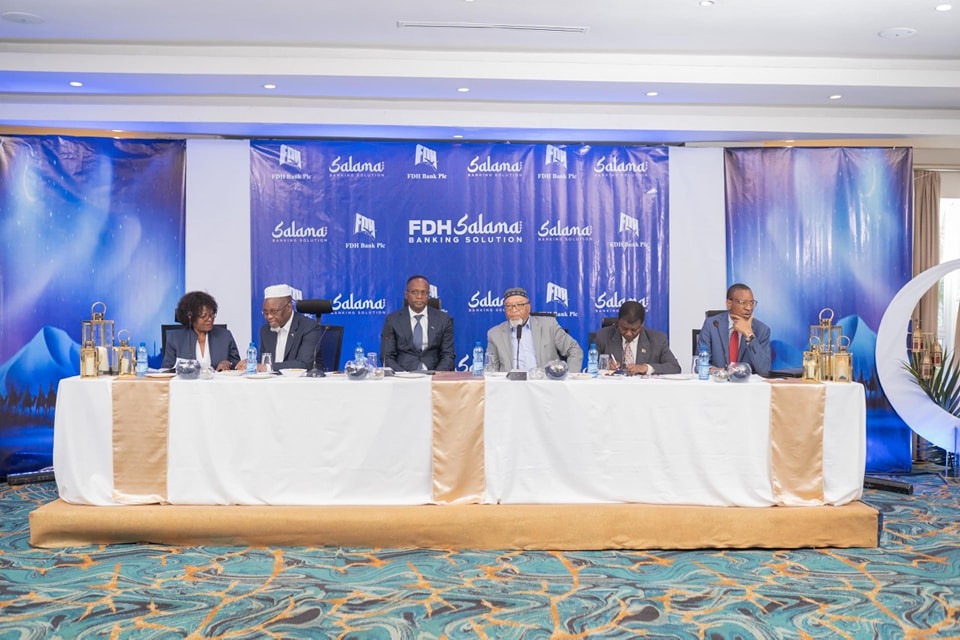
    FDH Bank plc has rolled out Islamic banking that will provide Shariah-compliant products and services managed separately through a special window from conventional banking.

    Islamic banking, also referred to as Islamic finance, is premised on two fundamental principles of Islamic banking, which entails sharing of profit and loss and the prohibition of the collection and payment of interest by lenders and investors.

    FDH Bank plc board chairperson Charity Mseka said on Wednesday in Blantyre that the roll out of Islamic banking services, the first in the country, is not just expansion of services, but a commitment to financial inclusion and diversity.

    “This milestone comes on the back of our new purpose as a bank which is to provide easy access to financial solutions that enable our communities to grow with us,” she said.

    Mseka observed that Islamic banking offers resilience in the face of economic challenges as it emphasises on asset-backed financing and risk-based sharing mechanism, which provides a buffer against speculative practices.

    She said the Islamic banking operates without the concept of interest, which is prohibited in Islam, instead of focusing on profit-sharing and asset backed transactions.

    “This aligns closely with the value of many in our community who seeks financial solutions that are not only lucrative but also ethical and socially responsible,” she said.

    The bank’s managing director Noel Mkulichi said apart from the approval from the Reserve Bank of Malawi to offer Islamic banking, the central bank also gave them a go-ahead to set up a Shariah Advisory Committee to oversee the management of FDH Salama Banking products and services.

    “This is a key requirement for enhancing Sharia compliance,” he said.

    Mkulichi said the Islamic banking will start by offering deposit accounts as well as a cost-plus financing solution or Murabaha and will expand the product line with time.

    “Customers can access these solutions through our specially designated service centres Limbe, City Centre in Lilongwe and Mangochi,” he said.

    Mkulichi touted the FDH Salama banking solution as the first of its kind in Malawi, specially introduced to fill the gap the country has historically experienced.

    RBM executive director for regulation Patrick Mhango said it is the government’s policy position to create a conducive business environment for the private sector to offer a critical basis for expanding the scope of Islamic finance in the country.

    “As part of our legislative readiness, we will ensure that Islamic banking products are offered in a safe and sound manner,” he said.

    Muslim Association of Malawi general secretary Sheikh Alhaj Twaibu Lawe thanked FDH Bank for partnering Mam and Qadria Association of Malawi to introduce the Islamic banking, saying it will help them access bank services in an Islamic way.

    Chamber for Small and Medium Businesses Association executive secretary James Chiutsi said in an interview that the Islamic banking window could not have come at a better time than now when the cost of capital is high.

    “For years, we have decried high interest rates which have made borrowing from financial institutions very hard,” he said.

    But economic statistician Alick Nyasulu is quoted as having said that aspects of Islamic banking are worth pursuing given the high cost of borrowing, but said it is not as easy as it seems.

    Elsewhere in Africa, South Africa, Nigeria, Kenya, Senegal, Djibouti, Uganda and Morocco have legal and regulatory frameworks and run Islamic finance products.

    SOURCE

    NATION ONLINE,MALAWI

  • Africa enters epic global AI innovation race, joining world’s tech capitals as an epicentre for digital advancement

    Africa enters epic global AI innovation race, joining world’s tech capitals as an epicentre for digital advancement

    Marrakech, Morocco: The AI mania that’s transforming business, government and society globally is also igniting waves of innovation across Africa, with the shape-shifting tech’s existential prospects powering a cross-continental investment surge at the AI Everything Expo by GITEX AFRICA in Morocco next month.

    Africa’s epic AI opportunity is already disrupting digital advancements in diverse sectors from finance and agriculture, to healthcare and mobility, all fueling a booming AI market that, according to analysts Statista, will grow 30 percent annually over the next six years to value US$17 billion by 2030.

    This massive AI rush combined with a rapidly growing population of 1.5 billion people – of which 70 percent are under the age of 30 – creates a potent recipe of AI acceleration, but highlights gaps in talent development, venture allocation, policy and infrastructure.

    These crucial challenges and opportunities will be addressed when the world’s AI cognoscenti and pivotal power players of its widespread deployment unite to fast-track the continent’s next big tech shift at the AI Everything Expo by GITEX AFRICA, the year’s largest and most progressive platform for AI exploration and deep tech innovation.

    Taking place from 29-31 May 2024 in Marrakech, Africa’s powerhouse tech showcase will feature the world’s tech titans spearheading the AI gold rush, including Microsoft, IBM, Huawei, Nvidia, and Google, along with hundreds of AI ambitious start-ups from across the globe with grand visions to change Africa via AI-infused products and services.

    An AI continent ‘brimming with investment opportunity’

    Microsoft, the world’s most valuable company, and GITEX AFRICA’s official AI Partner, is leading the way in the AI investment race, having forged partnerships with the world’s hottest makers of AI models, including the UAE’s G42, a global leader in visionary AI.

    Microsoft’s recent US$1.5 billion strategic investment in G42 to accelerate AI development in growing economies such as Africa will be welcomed by big tech executives, government leaders, investors and tech entrepreneurs alike at GITEX AFRICA 2024, which will also feature Presight, G42’s big data analytics company powered by generative AI.

    Lillian Barnard, President of Microsoft Africa, said AI can unlock a continent “brimming with investment opportunity.” “Africa has long been recognised for its formidable growth prospects and AI is the long-awaited key to help unlock that potential,” said Barnard, who will also be a headline speaker at GITEX AFRICA’s power-packed conference programme.

    “The AI-powered innovation we’re seeing today is poised to reinvent every aspect of society from healthcare to financial services, manufacturing and beyond. If Africa is to benefit from the paradigm shift currently sweeping the globe, we must make the promise of AI real for people and organisations across the continent – and do so responsibly. GITEX provides us with a platform to come together and work towards fulfilling that commitment.”

    Dr. Adel Alsharji, the COO of Presight, added that Africa is the second-fastest growing region globally in AI adoption. “Africa’s AI journey is gaining momentum, and this progress highlights the continent’s readiness to explore and harness the potential of AI for driving economic growth and addressing local challenges,” said Alsharji, adding that demand for AI-related jobs will increase two-fold over the next three years. “AI could add US$13 trillion to the global economy by 2030, while the number of AI-related jobs in Africa alone is expected to grow by 200 percent by 2025.”

    A formidable African force in a world-changing AI revolution  

    The AI Everything Expo will gather the brightest minds and most innovative thinkers in the field of AI at the AI Everything Conference, one of 10 powerful conference stages at GITEX AFRICA, the continent’s largest tech and start-up show.

    Headline speakers leading the AI phenomenon include Dragoș Tudorache, Vice-President of the Renew Europe Group; Mactar Seck, Chief of Technology and Innovation at the United Nations Economic Commission for Africa (UNECA); and Jepson Taylor, Former Chief AI Strategist, Dataiku.

    AI and it’s far-reaching multisectoral impact will be evident on the exhibition floor, with exhibitors showcasing how the AI boom is turbocharging waves of innovation across industries, from education and agriculture, to transport, retail, energy, or logistics.

    Clinify, a Nigerian start-up epitomises this movement in the healthcare sector, and is one of hundreds of global change-makers at GITEX AFRICA’s North Star Africa start-up showcase. Clinify, an electronic medical record (EMR) platform seeks to digitise patients’ medical records in Africa, where 90 percent of such information is still paper based.

    CEO and Founder Michael Omidele, said there’s an urgent need for centralised and digitised medical records. “Africa’s healthcare sector faces several challenges; there’s only one doctor available for every 10,000 patients whereas the average in developed countries is one doctor for every 250 people,” said Omidele.

    “Clinify is a one of a kind African solution offering a digitally centralised and standardised interoperable aggregator of healthcare systems, a telemedicine platform, and an EMR solution giving patients access to their medical records. Our goal is to network with healthcare providers, to expand this innovation from Nigeria and export it across Africa.”

    Under the High Patronage of His Majesty King Mohammed VI of the Kingdom of Morocco, GITEX AFRICA is held under the authority of the Moroccan Ministry of Digital Transition and Administration Reform, in partnership with Morocco’s Digital Development Agency. The 2nd blockbuster edition, organised by KAOUN International, follows its pioneering debut in 2023.

    More information is available at www.gitexafrica.com.

  • Re-designing the African Rural Built Environment for Sustainability(PART TWO)

    Re-designing the African Rural Built Environment for Sustainability(PART TWO)

    By: Mohammed A. Abu

    Kathi Pressley,Nor’ Wester Rotary Grant Writer

    Today we bring you the  Part Two and final on the efforts of two change agents at re-designing the Togo, rural Built Environment for sustainability. An initiative that was to get full buy-in of Nor “Wester Rotary Grant,US.

    Dignity Toilets are zero water usage and are climate smart for that matter. The dwindling water stock levels of aquatic or fresh water systems the result of  climate change impact, continue to raise concerns globally and more so, in African  rural communities that tend to be the most hard hit.

    Leveraging innovation and research driven  technological solutions would therefore be highly crucial in re-designing  the African Rural Built Environment for sustainability.

    Now for the rest of the story, read on

    Reaching out to Rotary Club

    “By the time we had done eight (8) we had the system down and could duplicate the design consistently.  That is when I approached my Rotary Club and asked them to take on the project.  They agreed” Doc Reiss recounts

    Kathi Jellicoe Pressley, Nor ’Wester Rotary Grant, US, Writer, recounts the humble beginning of the Dignity toilet project in Togo by Tao and Doc Reiss before the Rotary take-over

      “Toilet No1 gifted to a friend in Zogbedgi, a poor rural village in Southern Togo, Africa.Neighbours sign up to have one built for their families in 2015. In 2016 eighty (8) toilets for twenty-four (24) waiting families was financed through donations.

    Moving the Project Forward by Rotary

    In chronological order, Kathi presents the role of Rotary in the Dignity Toilets Togo project since its takeover of the project in 2017 up till date.

    “In 2017 Nor ‘Wester Rotary Club hires local men and train them to build eco-san toilet. Dignity Toilet Togo, established as an NGO by the crew to help Rotary get grants leading to the construction of fifteen (15) toilets and twenty-three Dignity Toilets(DTs).

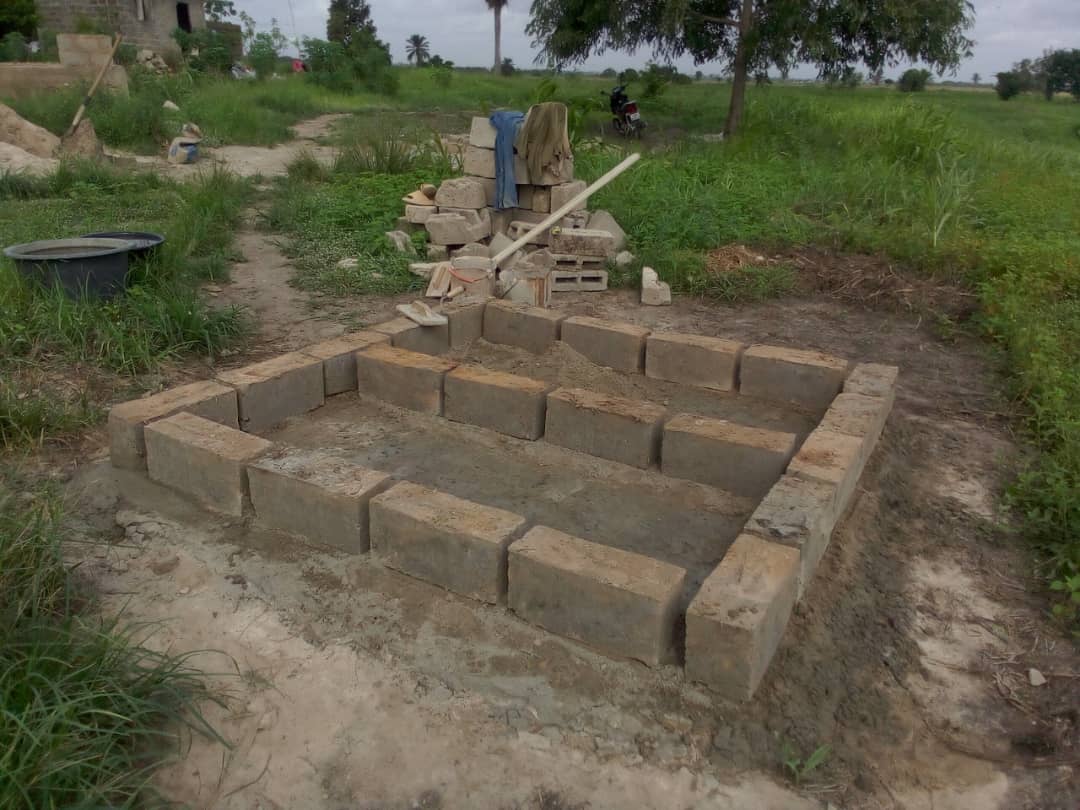
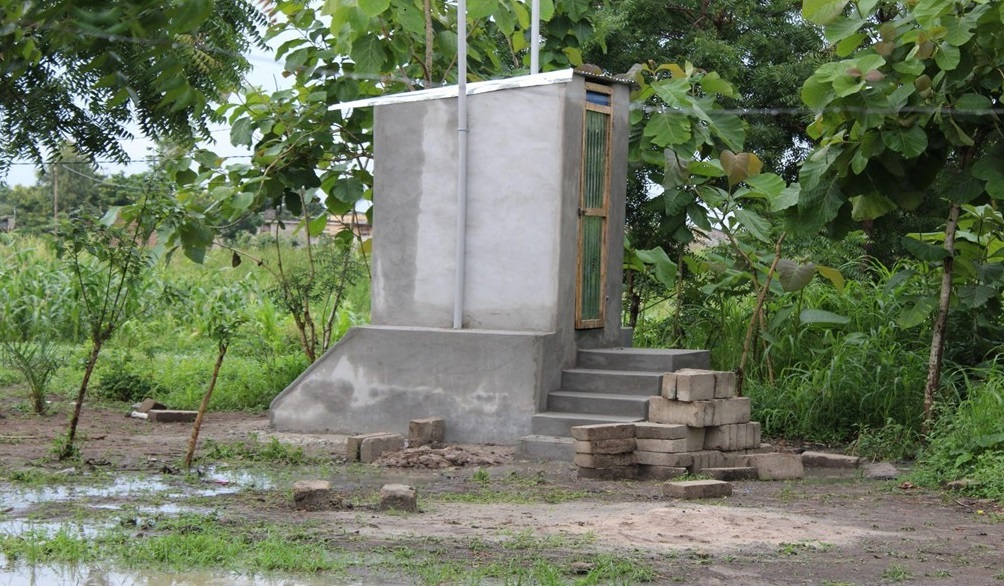
    Initial constructional Stage of a Dignity Toilet in Klobatem,rural Southern Togo
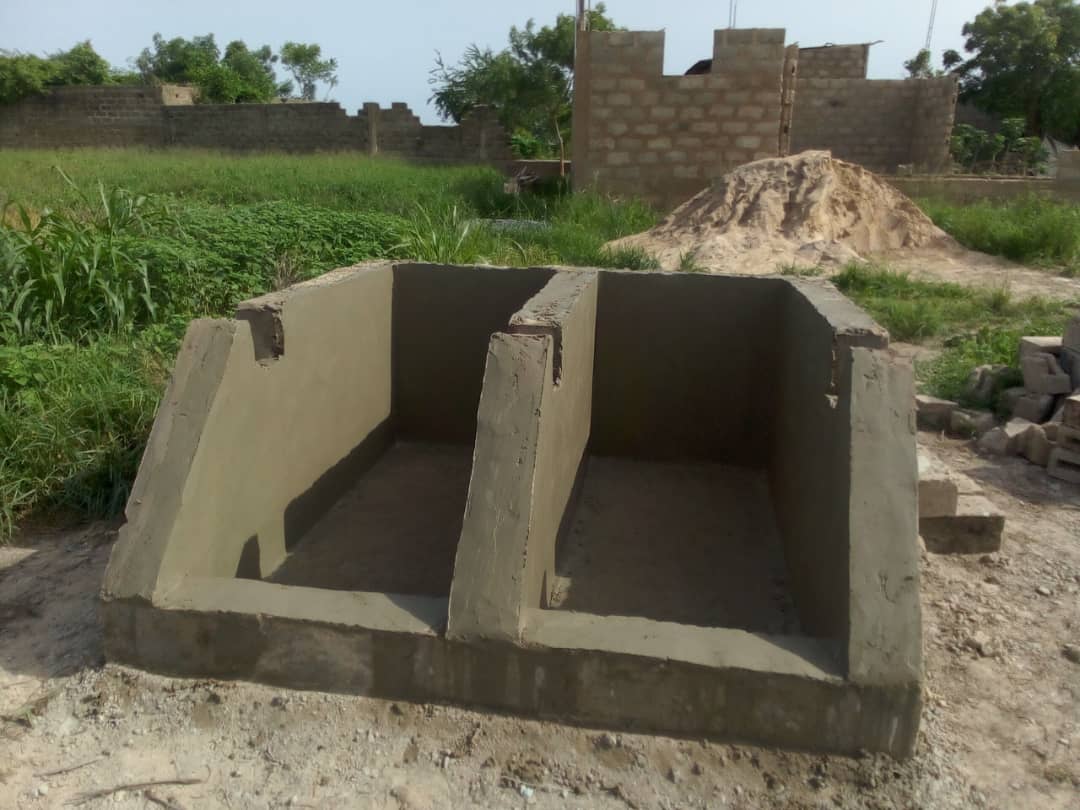
    Stage Two
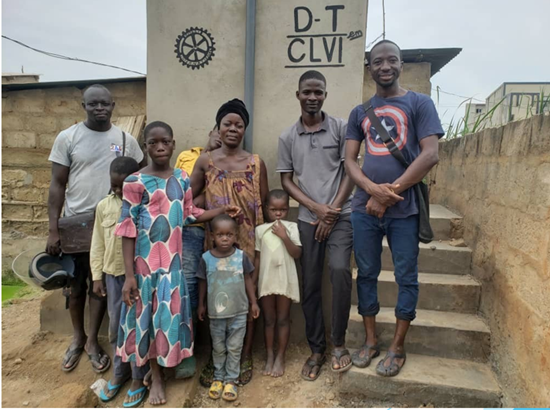
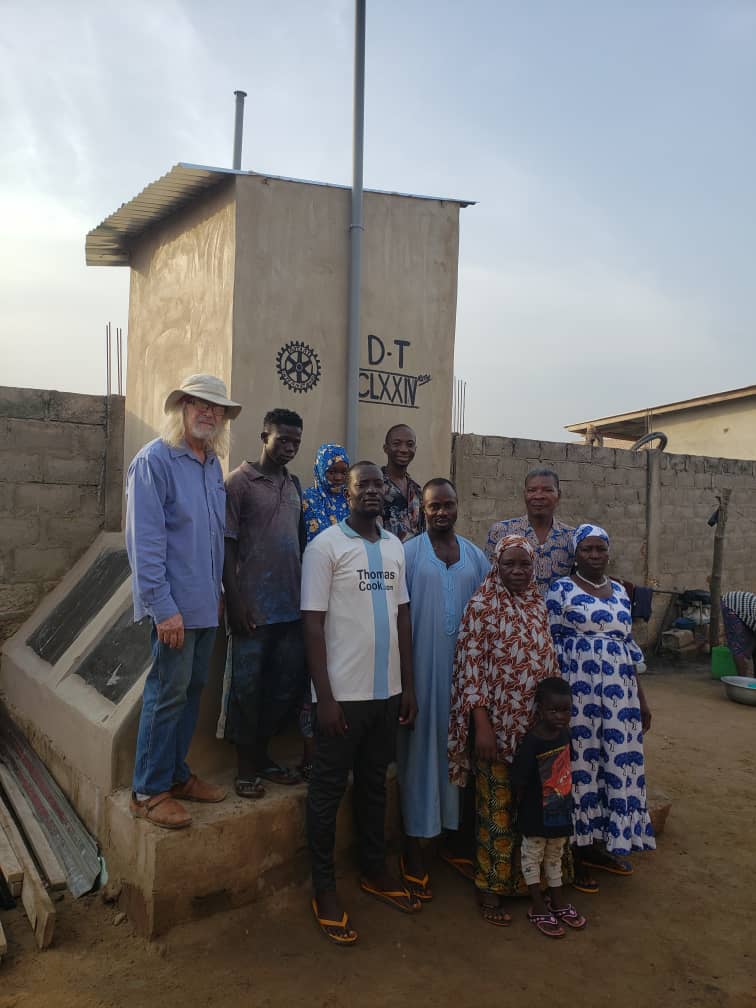
    Dignity Toilet is ready with Tao and Doc Reiss in a Pose with Beneficiaries
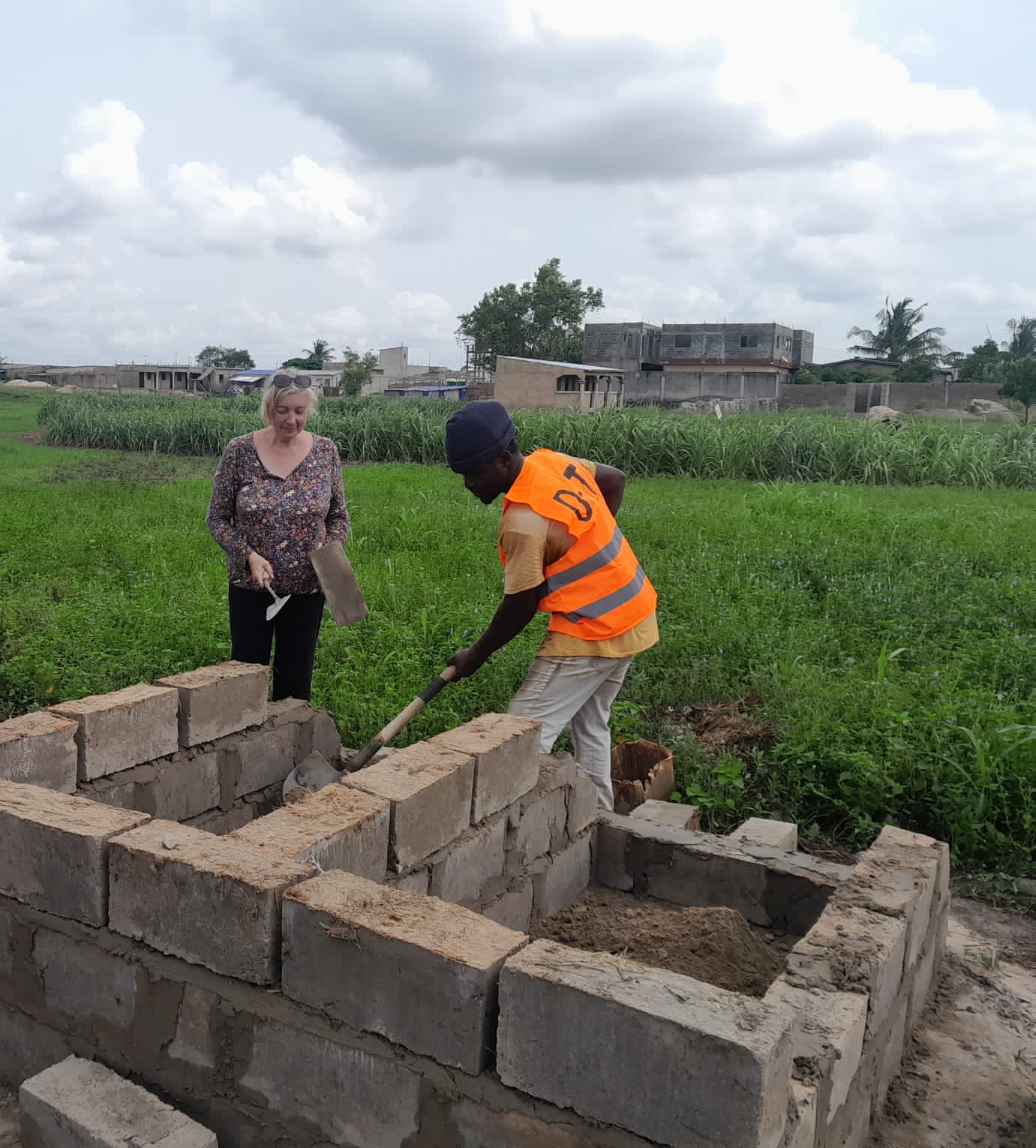
    Sandrine Plathey,member of the Video Team,New World TV,France,offering a voluntary helping hand

    “In 2018 thirty (30) toilets and 53 DTs were constructed through Nor ‘Wester District grants, private and club donations. Nearby Klobathem added to the service area.

    “2019, recorded forty-five (45) toilets and ninety-eight (98 DTs) as word continued to spread and building continued, and the outcome was, 700 people no longer “visit the bushes” Area eight (8) global grant also approved.

    “In 2020 project work impaired due to COVID-19 impact via border closure, doctor shortage and no work to provide for families. Nonetheless, six (6) Toilets and one hundred and four (104) DTs were added.

    “In 2021 sixteen (16) Toilets and one hundred and twenty-two (122) DTs were added while Doc Reiss moves to Ghana and funds donated from Nor ‘Wester. Nor ‘Wester Rotary and six (6) Districts Clubs create new model for global grants. Global Grant received and ultimately cancelled due to failure of Host Club to follow the terms of the MOU.

    “In 2023 fourteen (14) Toilets/one hundred and thirty-six (136) DTs added as Nor ‘Wester Rotary receives District grants. One thousand, one hundred (1,100) people were impacted including two male crew members and one (1) woman for education on how to utilize and manage the toilet. Women and children tend to be the most impacted under living conditions lacking toilet facilities.

    “In 2023, twenty-eight (28) Toilets and one hundred and sixty-four (164) DTs were added. Area 8 global grant approved, Lomé Racine signs MOU, two crew salaried completed and Quality Program Fertilizer Test done

    “As of  April,2024 forty-four (44) toilets were added totaling one hundred and eighty (180) DTs positively impacting the lives of one thousand four hundred and ninety-eight (1,498 people

    “Eight (8) DTs is currently in process with two crews salaried-an assistant for the Director of Dignity Toilets Togo, Taouvik and one (1) woman for education.

    Three (3) professionals, carpenter, Ironworker and plumber on contract” Kathi wraps up her project progress report in a chronological order.

    Global Grant Input

    “We have a global grant now because of the combined efforts of the clubs in our area and are building at a rate of 8 a month. Much as I would like to take credit for the global grant and the upsurge in building, that has been Kathi” Doc Reiss appreciates Kathi of Nor” Wester Rotary Club.

    The Urine Fertilizer Dimension of DTs

    Doc Reiss further appreciates the takeover of Rotary with Kathi in charge. “It is under her direction that things have blossomed. A while back I learned that it was possible to take urine and turn it into fertilizer.  I sent Tao to Malawi to learn how to do it from a fellow named Goodfellow Phiri.

    “Goodfellow has a business that started with five 200 liter tanks.  He now has 100.  he taught Tao. No one has ever built for the families before.  We are truly grassroots.

    “People usually show up, do something with their own people and leave.  One day Tao told me, “The difference between you and those guys is that they do something for the village.  You do something with the village.”

    “We never meant to start as a project. We just did what we needed to do to make things work and in the process created a unique project.  Now I want to marry the DT (Dignity Toilet) project to fertilizer production” Doc Reiss intimated.

    The Urine for Fertilizer Dimension of DTs

    “We have had test fields prove successful.  We are stockpiling the urine and will soon be selling it to local farmers to help them rebuild their soils at a rate about 40% cheaper than commercial fertilizer.

    “Once we have the system up and running we will take the profits from the fertilizer and use it to offset the cost of future toilets which will give us more fertilizer which will give us more toilets.

    Creating a Self-Financing System for DTs 

    “By putting the two together we will create a self-financing toilet project that can be transplanted to anywhere in rural Africa and start rebuilding the soils for a better future and healthier families.

    Multiple Benefits of DTs

    “One toilet reduces ground water pollution, lowers cholera and other diseases, and provides safety for women and children.  and it gives dignity to the family.

    “Also women no longer have to wait until dusk for modesty sake which lowers the number of urinary tract infections.  Now when a guest needs to go to the bathroom during a visit they do not have to go find a field.

    Going Green with DTs,the Economics 

    “I must confess it is because of Daniel and Agent Konte that I started looking into going green. If you contact anyone I am telling you about and you say you were talking to me about toilets they will know exactly what is going on.

    “And by going green we will be able to add another potential funding source (making bricks and blocks) as well as make the toilets more affordable to more families.  It also gives us the chance to hire more people” Doc notes with great satisfaction.

    Taouvik Boukari, the Director of Dignity Toilets, Togo, on his part, presents the social-economic and, environmental impact of the dignity toilets in the project catchment area in Togo.

    Social Impact of DTs in Rural Togo

    Taouvik, Dignity Toilet Project Director, Togo says, for the people of the village, kegue ZOGBEDJI, the social impact is that, DTs, has changed many things-no smell, no poop everywhere like before, and the village has become clean. The people like it so much, and more people come to stay in the village

    Health Impact

    “With regards to the health impact, clean area brings more good health, no much mosquitos like before, no much sickness, people have better life, good health, no more defecations everywhere,

    Environmental Impact

     “Environmental impact wise, toilets protect environment no offensive odours, save water wastage as DT don’t need water, clean, DT protect the environment too

    Economic Impact

    “On the economic, impact people will save money from evacuations of their local toilets, because DT is ecology toilet, and they will make more money in using fertilizer which DT gives them.

    Rural Community Beneficiaries Response

    “The rural community never stop thanking us for this big opportunity we bring, and changed many people lives; we are like heroes in the community

    Ongoing Projects

    “Now we are building 178th toiles in three villages, Zogbedji, Klobatem and

    Yayirakome” Taouvik further updates.

    The Way Forward

    On future plans of Dignity Toilets Togo, Tao had this to say, “In the future we are thinking to training more people have more crew, give jobs to more people and develop urine fertilizer. We collect urine from DTs and sell to make money and use that more pay people and do new toilets to continue helping communities”

    DTs for Ghana

    Doc. Reiss also discloses that Ghana is next after Togo for replication of the Dignity Toilet, Togo project and that he is sourcing a UN grant funding for that .In Ghana, he says, he knows of a village with 300 families needing toilet facilities. Another area in Northern Ghana he disclosed need 9,000 toilets.


  • ECA urges African countries to adopt technological solutions to monitor their development strategies

    ECA urges African countries to adopt technological solutions to monitor their development strategies

    To bolster national planning activities, policymakers have been urged to embrace digital tools to foster greater transparency, efficiency, and effectiveness.

    The call to action was made during the meeting on “Leveraging Digital Technologies for Integrated Planning to Advance the SDGs and Agenda 2063 in Times of Multiple Crises”, which took place as a side event at the Tenth Session of the Africa Regional Forum on Sustainable Development (ARFSD-10).

    Mr Antonio Pedro, Deputy Executive Secretary of the UN Economic Commission for Africa (ECA), stressed the importance of technology in supporting development planning systems.

    He said that while many countries do an excellent job of identifying their priorities through extensive stakeholders’ consultation, the number of identified priorities is often so numerous that implementation becomes a challenge.

    To address this challenge, ECA developed the Integrated Planning and Reporting Tool (IPRT), a web-based tool designed to enhance the effectiveness of planning.

    The IPRT aims to strengthen planning systems by leveraging technology, allowing for the digital tracking of national, provincial and sector plans in alignment with annual budgets and international commitments such as SDGs and Agenda 2063.

    Mr Bartholomew Armah, Chief of Development Planning in the Macroeconomics and Governance Division at ECA highlighted the tool’s ability to facilitate integrated and coherent planning, addressing the issue of disconnected planning frameworks at various levels and ensuring alignment with global commitments.

    “The IPRT represents a significant step forward in the integration of multiple development agendas into national development plans, offering a harmonized approach to progress reporting”, he said.

    Ms. Annette Griessel, Deputy Director General of National Planning Coordination at the South African Department of Planning, Monitoring, and Evaluation (DPME), highlighted the transformative role of technology in redressing the development disparities created by South Africa’s apartheid past.

    She noted the progress made in reforming the planning system, ensuring their alignment with the Sustainable Development Goals (SDGs) and Africa’s Agenda 2063, “which is seen as a cornerstone in building a capable developmental state”.

    The IPRT has already been deployed in more than 30 countries with ongoing efforts to ensure its use by other countries on the continent. It makes the tracking of performance on the indicators of the National development plan more user-friendly.

    The e-meeting was organized by ECA’s Macroeconomics and Governance Division and the Office for Eastern Africa.

    Distributed  by ICA Media on Behalf of UNECA

    SOURCE

    UNECA


  • Re-designing the African Rural Built Environment for Sustainability

    Re-designing the African Rural Built Environment for Sustainability

    By: Mohammed A. Abu

    The African rural built environment is where one still easily finds age-old residential buildings,mosques among others,constructed by using earthen and other forms of local materials. They constitute a somewhat near description of the contemporary day “Green Buildings” concept in their own right.

    The amazing durability of centuries-old mosques in Ghana’s northern sector including remnants of an ancient days security defense wall built with local materials to protect an ethnic kingdom from external aggression, has since attracted research interest from most especially, building engineering scientists in the African Sustainable Built Environment experts fraternity.

    The Gap

    However, an age-long big gap that is also associated with the African Rural Built Environment and which ought to be addressed today, is the conspicuous absence of a purposefully structured water, sewage and lavatory system as part of the rural residential ecosystem.

    .Bushes as place of pubic convenience

    Since time immemorial bush areas in typical African rural communities, have served and continue to serve the lavatory needs of most rural dwellers with the numerous associated inconveniences.

    Changing Socio-Economic Dynamics

    Over the last three decades, the upsurge of urbanization and transitioning of some African rural communities to peri-urban status, has come with a considerable loss of arable lands and bushes that use to serve the toilet needs of the people. Thus, the call for re-designing of the African  Built Environment to ensure  sustainability  in our cities must equally be extended to the rural Built Environments as well.

     Two Like-minded Pals take Affirmative Action

    It is therefore against this background that the efforts of two gentlemen, one from the US, Doc Reiss and Taouvik Boukari, from the West African nation of Togo as their modest contribution towards stemming the tide, cannot escape the lenses of your favourite, Eco-Enviro News, Africa magazine.

    How it all Started 

    “Gosh, it has been about ten years now since it all started.  There is a website, “Interpals,” (internet penpals) where I met first met Tao.  It is for people who want to practice language and exchange culture” recounts, Doc Reiss Consultant for Dignity Toilets,Togo,on how he first met Taouvik Aboukari online.

    “Back then, Tao was making less than a dollar a day.  Even then I never heard him complain. He was always positive, always upbeat. He showed kindness and compassion in his character by his actions.

    “A ship carrying refugees from Liberia went down and all were lost.  Tao and his friends went to the beach and spread flowers and prayers on the water so their souls would know that someone cared.

    “There were two families in his village who had no food for their children.  Tao and a friend went out and got day jobs for two days and bought them food.

    “One day out of nowhere Tao complained, “I get so tired of going to the bushes.”  I asked what he meant.  He told me his village had no water, no sewer, and no toilets in the houses so people had to go the fields to go to the bathroom.

    ” I asked why he couldn’t use a latrine.

    “The village was prone to flooding and people had gone to the fields for generations”Tao responded..

    “I asked about a self-composting toilet.  Tao had never heard of one before.

    “We each agreed to do research”Doc Reiss recounts.

    “I found a plastic one for $1100 but it would take shipping as well and there was no way I could afford that”Doc Reiss recounts..

    Concrete Toilet the Starting Point

    Tao located plans that the Togolese government had developed for one made of concrete.  We built that. Then a neighbor asked how they could get a toilet like Tao’s.  Tao’s toilet was way overbuilt; six-inch vent pipes, heavy hinged steel doors on the back, cement roof.  So we trimmed the details a bit to make it easier to build and less expensive.

    “I said we needed the neighbor to contribute 20% so they had a sense of ownership and we built #2. Soon we had a third. And when Tao came out of his door one morning around 5 a.m. and found people waiting for him, we started a waiting list for the toilets.  We capped it at 24 families.

    “In two years we had brought on three workers and had made eight toilets.  I was calling the project, “Toilets for Togo.”  People would hear the title and giggle at the alliteration.

    Dignity Toilet in Rural Togo

    How the Toilet got it’s  name, “Dignity”?

    “One day I asked Tao what having a toilet had done for his family.  He replied, “It has brought us dignity.”  When I changed the name to “Dignity Toilets for Togo” people took it seriously.

    Reaching out to Rotary Club

    “By the time we had done eight (8) we had the system down and could duplicate the design consistently.  That is when I approached my Rotary Club and asked them to take on the project.  They agreed” end of (PART ONE)

    Dignity Toilet is an innovative design that also takes into account circularity principles.Thus,it is water used efficient and takes care of water scarcity,a  natural limitation of the average African rural settings.In the extreme case rural women and children have to trek for many hours to fetch water for drinking,cooking,washing.That is not all,it also brings compost and urine fertilizer for organic farming among others .Watch out for the Part Two.

  • Real Estate Investment Opportunities in Africa: A Systematic Data-driven Series-Part-2. (By Daniel Kontie)

    Real Estate Investment Opportunities in Africa: A Systematic Data-driven Series-Part-2. (By Daniel Kontie)

    Last week we published part one (1) of this series and we are indeed thrilled with the positive feedback that came from our readers across the globe. It will interest you to know that over one hundred (100) people read the article within the first week of its publication according to our reading tracker.

    This is good news and an encouragement for us to work harder in disseminating the information on the prospects of real estate investment in Africa to all prospective investors across the world; brought to you by the Africa Continental Engineering & Construction Network, a Ghana based Pan African Sustainable Built Environment Consultancy Firm (www.acecnltd.com).

    In this second edition, we shall be examining the last three (3) indices which again like the first edition, is a comparative data-driven analysis that points to the fact that Ghana remains the most lucrative real estate investment destination in Africa.

    But before we go into the intricacies of the data, we would like to have a recap of the first edition for the benefit of readers who may not have the opportunity to read the first edition. In the previous edition, we examined five (5) fundamental indices, and the data available for all five points to the fact that Ghana stood tall among its peers as the most lucrative real estate investment destination in Africa.

    We looked at the current housing deficit which stood at 1.8 million and is projected to hit 4.2 million by 2030 if there are no conscious actions to bridge the gap as against the projected population growth of 39 million by the same year, that is one side and the other is the low supply side where it was observed that, the combined effect of the works of the state, individuals as well as the private institutional developers, was not significant enough to bridge the gap.

    We also examined the Ghanaian political environment, known to be one of the most democratic and peaceful across the globe with the Global Peace Index (2022) ranking as the 2nd most peaceful country in sub-Saharan Africa among 46 countries, top six (6) most peaceful countries in Africa and 40th most peaceful country in the world.

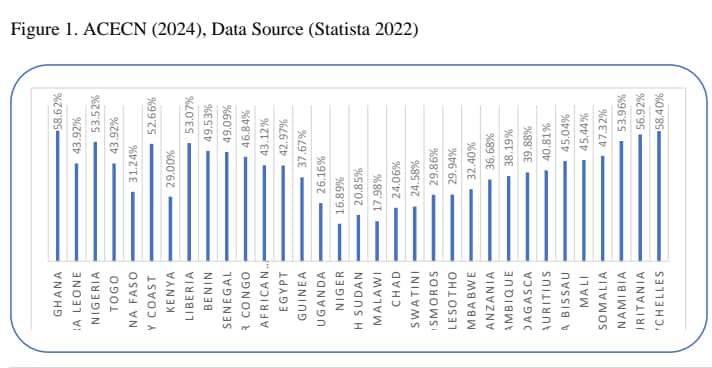
    This presents a positive signal while guaranteeing the security of investments at all levels in Ghana including real estate. Urbanization was another index we examined, and it was found that among the thirty-three (33) African states purposively selected for our analysis, Ghana tops the urbanization rate with a staggering rate of 58.62%.

    This we presume could be a significant contributory factor to the persistently high demand for housing and general infrastructure around the urban centers across the country thereby, increasing the real estate investment prospects.

    The growing middle class which was found to be rising speedily hitting a height of about 46% as was reported by the African Development Bank in 2013, has also impacted the real estate investment prospects of Ghana significantly, despite the gains that have been eroded by the Covid-19 pandemic in recent past and finally, we also examined the rapid population growth which is said to have stood at 35 million currently and is projected to reach 39 million by 2030. In a nutshell, all the aforementioned indices explored are real estate demand-driven factors, and interestingly, all point to the fact that Ghana remains the most preferred destination for real estate investment in Africa.

    Today, we shall be looking at the last three (3) indices and this will draw the curtains on the subject under discussion. Now, stay tuned, get a glass of fruit juice, and grab your reading lenses as we run you down yet another data-driven analysis of the real estate investment prospects in Africa using the final three (3) indices, crime rate, foreign direct investment and government policy.

    1.Crime Ratings

    To begin with, economic theory suggests that, crime rate has an inverse relationship with investment, particularly foreign direct investment, and what this means essentially is that, a higher crime rate threatens both human and property security.

    This security threat leads to low foreign direct investment, holding other variables constant. On the other hand, low crime rates boost investor confidence, and the higher the level of investment, the bigger the expansionary growth of the economy.

    The ripple effect most often under such circumstances, is higher demand for housing as it is the case in Ghana currently. During our analysis of global crime ranking, Ghana ranked 84 with a crime index of 43.9 among 146 countries according to Numbeo (2024), and 17 in Africa among 52 states (Africa Organized Crime Index, 2024).

    The crime index of 43.9 is classified as moderate according to the Numbeo scale of measurement which grades crime levels between 41 to 60 as moderate. This gives confidence to the general investor community that, Ghana is comparatively one of the most conducive destinations to invest, of which real estate investment is not an exception.

    2.FDI Record

    Also, sight is not lost on the fact that foreign direct investment (FDI) is another driver of investment globally. Just like all other sectors of the economy, foreign direct investment has a direct relationship with demand for real estate.

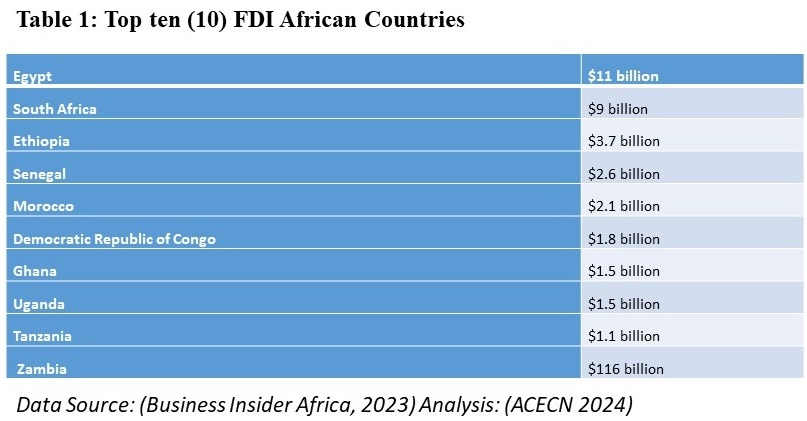
    Interestingly, our exploration found that Ghana is among the top ten (10) countries in Africa with high levels of foreign direct investment with a total FDI value of US$1.5 billion according to Business Insider Africa (2023). Below is a diagram that depicts the top ten (10) African countries with the highest foreign direct investment.

    Naturally, one would have expected that Zambia, Egypt, South Africa etc would have been projected as the most promising real estate investment destinations in this analysis, taking into consideration their volumes of FDI compared to others such as Ghana.

    However, the broader scope of analysis taking into cognizance the eight indices examined so far, Ghana still appears to have a competitive advantage even though Zambia, Egypt South Africa have higher FDIs. This has had a direct impact on the Ghanaian economy and we presume it is one of the contributory factors that kept the demand for housing skyrocketing persistently till now.

    3.Government Policy/Incentives

    Finally, government policy and incentives are crucial to the real estate sector, unlike in the past when there were little or no incentives for the sector, today there are many more than we ever need to bridge the housing deficit of the continent.

    Our exploration found that most African states use a combination of taxation, legal and regulatory regimes as incentives to boost private investment in the housing sector, for instance in Nigeria real estate investment companies approved by the Securities Exchange Commission are tax-exempted from rental and dividend income depending on some conditions (PwC 2024). Zero corporate income tax is declared for companies including real estate developers planning to relocate to Rwanda (Rwanda Development Board, 2024), whilst Kenya on the other hand offers a corporate tax exemption of 25% per annum for developers (Business Daily, 2024).

    Tax Exemption Act of Ghana

    Similarly, the tax exemptions Act, 2022 (Act, 1088) of the Republic of Ghana has several tax benefits and exemptions for developers, particularly, those within the affordable housing brackets. The purpose is to attract both local and foreign direct investments into the real estate and housing sector aimed at bridging the housing gap. Taxation shall be treated as a whole topic compared to other African states in subsequent series. Time will fail us to give the tax incentive accounts for all African countries, however, one observation that made Ghana different beyond the tax incentives is that, Ghana has consciously made available funds for developers interested in investing in the housing sector.

    Funds for Developers-AfDB Loan Facility

    Key among these is the US$75 million commercial loan facility secured from the African Development Bank for the Ghana Infrastructure Investment Fund (GIIF) to improve the financing and development of green and affordable housing units (African Development Bank, Oct. 27, 2022).

    There are currently opportunities for private investors to leverage these public resources for housing delivery through the ongoing public-private partnership approach instituted by the government of Ghana.

    DBG-Long Term Facility

    Besides, the Development Bank of Ghana (DBG), established in June 2022, provides long-term financing at competitive rates for private sector developments, including the housing sector. Moreover, the Central Bank has committed an initial US$200 million to capitalize DBG for this purpose.

    Gov’t/Develop’t Partners/DBG Support for Investors

    The government has also leveraged another US$550 million from Development Partners to support the DBG to attract private sector investors and other international financiers. The housing sector stands to benefit from these measures as it takes advantage of guaranteed loans that will be provided by DBG.

    Public Policy/Invectives-Funds

    Last but not least on the public policy and incentives, is the Ghana National Home Ownership Fund, the Home Ownership Fund in partnership with the banking sector was also created in 2022.

    This includes the Rent-to-Own Scheme of the Affordable Real Estate Investment Trust, as well as the affordable housing supported by Ghana Commercial Bank (GCB Capital). The funds mobilised will function as a mortgage refinancing mechanism for Private Financial Institutions (PFIs) to draw from in the form of mortgages to consumers or mortgage-backed securities for investors.

    This in effect will improve the mortgage market and make it more fluid, hence reducing interest rates on mortgage facilities for prospective homeowners while improving housing delivery in Ghana. In conclusion, we call on all investors across the globe who are interested in investing in the African real estate sector to do so in Ghana. Subscribe to the Eco-environews magazine for subsequent series.

    Author: Daniel Kontie

    Email: d.kontie@acecnltd.com,

    Contact: +233209032280)

    Real Estate and Sustainable Construction Consultant, Ghana

    CEO, Africa Continental Engineering & Construction Network Ltd (ACECN LTD)

    National President, World Sustainable Built Environment and Generative Artificial Intelligence Forum (WSBE-GenAIF)

    National president, Ghana Institution of Sustainable and Generative Artificial Intelligence (GhISBE-GenAIF)

    Cover Photo

    Credit Devtraco Ltd(Overview of Real Estate in Ghana)


  • Real  Estate Investment  Opportunities in Africa:A Systematic Series on the Ghanaian Sector-PART-1(By Daniel Kontie)

    Real Estate Investment Opportunities in Africa:A Systematic Series on the Ghanaian Sector-PART-1(By Daniel Kontie)


    Real estate investment in Ghana has become an increasingly attractive option for investors looking to diversify their portfolios and tap into the country’s promising real estate industry, the country with a stable political environment, a young and rapidly urbanizing population, and rising incomes, Ghana’s real estate sector presents exciting opportunities in all categories of real estate, the residential, commercial, and industrial properties. This is a series brought to you by the Africa Continental Engineering & Construction Network Ltd (www.acecnltd.com)  that seeks to provide asystematic exposition on the real estate investment opportunities in Africa. Today’s article is part one (1) and we shall be examining five (5) fundamental factors (indices) that positions Ghana strategically, as the most preferred destination for real estate investment in Africa. The Ghanaian political environment, rate of urbanization, middle class growth, Ghana as the African hub for tertiary education and most importantly, Ghana’s housing deficit.
    Purpose

    The purpose is to help potential investors make informed decisions in the event they so wish to venture into the African real estate market, for that matter the Ghanaian market. Now, take a seat, grab a glass of chilled drinks and come along with us as we run you down a data driven analysis on the prospects of real estate investment in Ghana.

    1.Ghana’s Political Environment

    First and foremost is the Ghanaian political environment, since the adoption of the 1992 constitution, Ghana have enjoyed political stability and have become a global center of attraction and a case study for many African nations and beyond. It is therefore not by chance that the Global Peace Index (2022) ranked Ghana as the 2nd most peaceful country in Sub-Saharan Africa among 46 others, top six (6) most peaceful countries in Africa and the 40th most peaceful country in the world out of 163. This guarantees security at all levels and gives confidence to the investor community that every dollar worth of investment within the shores of Ghana is secured regardless of which political party is in government. The supremacy of the constitution and the rule of law ensured the checks and balances among the arms of government. The Police Service, the Army, the National Security and all other state institutions mandated to keep democratic balance and political stability have always worked in synchrony, thereby placing Ghana ahead of its peers in Africa to emerge as the most preferred African state for both local and foreign direct investment, of which real estate investment is not an exception.

    2.Ghana’s Housing Deficit

    In addition to the stable political environment, the Ghana Housing Deficit presents a profound real estate investment opportunity. According to the Ghana Statistical Service (2022), Ghana’s housing deficit stood at a staggering rate of 1.8 million. This has made the provision of more affordable housing options for urban dwellers a big challenge for the Ghanaian government.

    State Intervention

    The state has over the years undertaken a few housing projects and policy interventions in attempt to bridge the gap, however, this was quite unsuccessful as the deficit continue to grow with time.  Efforts have been made by private individuals which contributes but little to closing the gap, leaving the few private institutional developers a huge housing supply gap to meet.

    Private Developer’s Input

    GREDA (Ghana Real Estate Developers Association) appears to be the only beacon of hope if the housing supply will ever meet the demand. But for potential investors to appreciate where the investment jackpot lies within the property supply landscape in Ghana, we would like to run you through a brief but empirical analysis.

    Property Development Mix

    There are currently about one hundred and forty (140) private real estate developers in good standing in Ghana according to GREDA real estate journal (2023). The 140 have various specialties within the sector, that is to say it is not all of them that are into residential property development.

    Analysis

    However, for the purpose of this analysis, we shall assume that all of them develop residential properties.

     What this implies essentially is that, each developer will have to develop approximately thirteen thousand (13,000) housing units, though not feasible, within the year to be able to bridge the 1.8million gap. This shows how huge the real estate investment opportunity is, in Ghana that cannot be compared to any other destination in Africa.

    3.Increasing Urbanization Rate

    Moreover, another index worth mentioning is Ghana’s increasing rate of urbanization, according to Urban Land Institute, London (2018), urbanization leads to high demand for housing in urban centers thereby putting pressure on residential properties and consequentially leading to high rates of rent in the urban centers across the world.

    It was against this backdrop that we decided to explore the rate of urbanization in Ghana and its impact on real estate investment opportunities. Ghana’s increasing rate of urbanization is another index that gives prospects to real estate investment particularly in Ghana’s urban centers across the country

    A recent observation made by our outfit, the Africa Continental Engineering & Construction Network (ACECN) on some selected African countries points to the fact that Ghana has the highest rate of urbanization, (ACECN, 2024).

    This again positions Ghana as the most preferred destination for real estate investment in Africa. The figure below is the graphical representation of the rates of urbanization with Ghana topping the list with 58.62% in 2022.

    4.Growing Middle Class

    Also, the ever-growing middle class is another crucial index worth considering, Africa is developing faster than it was in the 20th century, it is therefore not a surprise to see many economic indicators assuming positive resilience across the African continent.

    Ghana have had its share of this rapid development over the years. In 2013, the African Development Bank (AfDB) published that about 46% of Ghanaians are now classified as middle class compared to a continent-wide average of 34.3%.

    Eleven years down the line, this may have grown above 50% except the gains eroded by the two-year COVID-19 pandemic. It is also interesting to know that majority of these middle class live and work in the cities particularly the national capital, Accra.

    This has put a lot of pressure on residential facilities in Accra leading to the prohibitive rental prices recorded consistently over the period. This again demonstrates how huge and promising the prospects of real estate investment are, in Ghana using the capital city in particular as a destination

    Besides, Ghana’s sudden transformation into Africa’s Hub for Tertiary Education also contributes significantly to the sector investment opportunities. According to the National Council for Tertiary Education (2016) Ghana has positioned itself as one of the major providers of quality higher education in Sub-Saharan Africa.

    For the past decade, Ghana has enacted policies, which have indicated to the global community, the strong intention to enhance the competitiveness of our tertiary education system. For this reason, the quota-based admission policy for foreign students was lifted in both private and public institutions.

    This opened the floodgate to students and faculty of countries within Sub-Saharan Africa including Nigeria, Cameroon, Guinea, Gabon, Liberia, Sierra Leone, Congo Brazzaville, Equatorial Guinea, Togo, Ivory Coast, Cameroon, Zambia, Gambia, Rwanda and some East and southern African Countries.

    This trend has skyrocketed the housing demand in the cities making property investment in Ghana exceptionally profitable. The trend gave birth to AirBnB which has gained its popularity in recent times, a term given to short term rentals for private residential facilities often targeted at consultants, business men, students, diplomats’ expatriates et cetera. AirBnB within the city of Accra is one of the rewarding property investment portfolios currently.

    5.Rapid Population Growth

    Last but not least, Ghana’s rapid population growth is another index that drives housing demand significantly.

    The current population in 2024 stood at 35million approximately and is projected to reach 39million by 2030 as against a projected housing deficit of 4.2million by same year. Mention is not made yet of the black race around the world who are tracing their root back home and many settlings in and naturalizing in Ghana because of the political stability the country has enjoyed since independence.

    This exodus of the black race to Ghana as their home was motivated by a conscious state policy dubbed, “the year of return” in 2019. Ever since, many interventions such as “beyond the return” and some other state programs aimed at supporting these diasporas assimilate into the Ghanaian system seamlessly.

    That notwithstanding, several measures have also been put in place as an incentive to enable more returnees including citizens of fellow African countries migrating to Ghana to naturalize. Taking Nigeria for instance, about 77,000 Nigerians live and work in Ghana as reported by Statista (2021) and all these needs descent accommodation around the cities making property investment in Ghana more profitable than ever.

    In conclusion, all indices points to the fact that Ghana tops the list and remains the most profitable destination for real estate investment in Africa. Subscribe and follow the Global African Times Magazine for part two (2) and subsequent articles in the series.

    Author: Daniel Kontie (Email: d.kontie@acecnltd.com, Contact: +233209032280)

    • Real Estate and Construction Consultant, Ghana
    • CEO, Africa Continental Engineering & Construction Network Ltd (ACECN LTD)
    • National President, World Sustainable Built Environment and Generative Artificial Intelligence Forum (WSBE-GenAIF)
    • National president, Ghana Institution of Sustainable and Generative Artificial Intelligence (GhISBE-GenAI)