Category: AFRICA

  • Africa Climate Roundtable to unify African voices on climate resilience and adaptation.

    Africa Climate Roundtable to unify African voices on climate resilience and adaptation.

    The African Risk Capacity (ARC) will be convening leading partners in Africa’s climate and food security space.in Johannesburg, South Africa, from 7-8 May 2024,according to a recent  official statement issued in Johannesburg on the 9th  April.

    Ahead of COP29, which will take place this year in Baku, Azerbaijan, the statement said, the Africa Climate Roundtable will bring together leaders from across the continent, “It is an opportunity to forge a common and decisive African voice on matters of climate resilience and adaptation”, it noted.

    Africa, the statement noted, has a clear role to play in terms of providing solutions to mitigate the impact of climate change, promote adaptation, and increase resilience, especially of vulnerable communities. In the last twelve months, it further noted, there’ve been important developments from the Conference of Parties (COP) discussions as well as the Africa Climate Summit.

    “The ground-breaking decision to establish the Loss and Damage Fund during COP 27 was a breakthrough for developing nations that are disproportionately impacted by climate change” it recounted.

    The roundtable will build on this momentum by elaborating on the Fund’s proposed framework over two days to facilitate the agreement of coordinated and cohesive climate action, promote essential conversation, and discuss innovative solutions.”

    Specifically, the roundtable will be an opportunity for stakeholders to, articulate the demand on the ground versus supply, elaborate on available opportunities, identify the challenges that stand in the way of implementation, use lessons learnt from our collective experiences, develop innovative solutions, identify potential areas of collaboration; and, mobilize additional resources.

    Expected Roundtable Participants:

    African leadership: AU organs, regional bodies (SADC, EAC, ECOWAS) and representatives from member statesman organizations, UNDRR, UNHCR, WFP, UN-Habitat, Donor partners in the climate space, Technical partners, the private sector, Youth and Civil Society Organizations.

    The African Climate Roundtable’s convening partners include: Afreximbank, African Adaptation Initiative, African Capacity Building Foundation, African Risk Capacity, African Union Development Agency (AUDA-NEPAD),Arab Bank for Economic Development in Africa; Global Green Growth Institute,UN Habitat and the United Nations World Food Programme(WFP).

    Distributed by IC Publications on behalf of African Risk Capacity

    Source:

    African Risk Capacity 


  • West Africa’s franc: is time up for the colonial currency?

    West Africa’s franc: is time up for the colonial currency?

    By: Kai Koddenbrock, Bard College Berlin

    First Published,April 8,Africa Edition/The Conversation

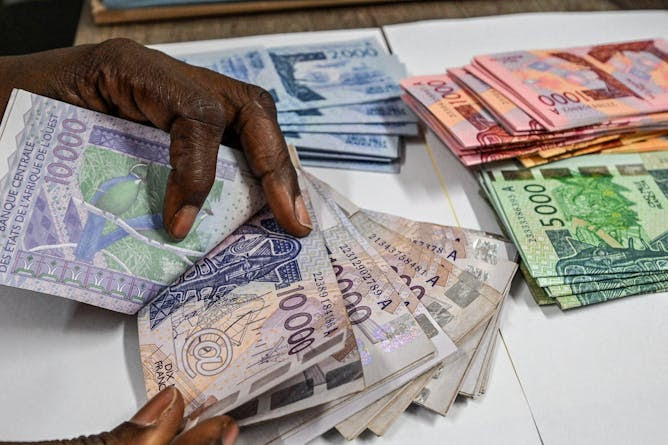
    At no point in history has the CFA franc – the name of a colonial currency used in west and central African countries belonging to the franc zone – been closer to its demise.

    Senegal has overwhelmingly voted for leftwing Pastef candidate Bassirou Diomaye Faye (and his former party leader Ousmane Sonko) while the coup governments in Mali, Burkina Faso and Niger have been talking about leaving the CFA franc for some time.

    Senegal under outgoing president Macky Sall was a pillar of the longstanding French attempt to remain influential among its former colonies, often named “Francafrique”. Now newly elected Faye, under the moniker of “Left Panafricanism”, has vowed to make his country more sovereign in food, energy and finance.

    Never before have four west African governments, including one of the regional leaders, Senegal, been simultaneously eager and ready to get out of the neo-colonial stranglehold of the CFA franc.

    The CFA franc zone was founded by then colonial power France after the second world war. Its aim was to ensure a continuously cheap influx of resources into France.

    The zone is divided into two. The west African CFA franc zone has eight members: Mali, Niger, Burkina Faso, Senegal, Côte d’Ivoire, Benin, Togo and Guinea-Bissau. The central African zone has six: Cameroon, Gabon, Republic of Congo, Central African Republic, Chad and Equatorial Guinea.

    Popular mobilisation against the currency has been intense in recent years in west Africa.

    This led to cosmetic changes to the currency arrangements. For example in 2019, French president Emmanuel Macron and the sitting president of Côte d’Ivoire, Alassane Ouattara, announced the withdrawal of French staff from some of the regional central bank’s decision-making bodies. They also waived the requirement – much maligned on the continent – to store 50% of all reserves in Paris as a guarantee to the former colonial power that they wouldn’t be wasted on irresponsible fiscal expansion.

    Overall, however, the CFA franc has remained more or less the same and France has not been willing to leave the arrangement of its own accord. The old colonial attachment and supposed developmental benevolence has carried the day.

    But the conditions for major change are in place. The Alliance of Sahel States between the junta-led governments of Mali, Burkina Faso and Niger has stated its intention to introduce the “Sahel” as a new regional currency. Whether this initiative – and the Senegalese plan for a national currency – will amount to a full break-up of the CFA franc zone and its terminal decline will depend on how well they plan and execute the transition to several new currencies or a new one without any French involvement.

    A hard road ahead

    Historically, as shown by Fanny Pigeaud and Ndongo Sylla in their book Africa’s Last Colonial Currency: The CFA Franc Story, serious attempts at leaving the CFA franc since its inception in 1948 have been sabotaged by France.

    For example, Guinea was flooded by counterfeit banknotes when it left the CFA franc in the 1960s.

    Mali was put under pressure to rejoin the CFA franc after its departure in 1967. It returned into the fold in 1984. In 2011, Ivorian president Laurent Gbagbo, who had been considering pulling out of the CFA franc, was made to step down after controversial elections with the help of a military intervention force. He was then sent to the International Criminal Court before being acquitted 10 years later.

    France went further in 2011 – a case countries wanting to make the next attempt at leaving the CFA franc should be cognisant of. It used its seat on the Central Bank of West African States decision-making bodies to block Côte d’Ivoire from being refinanced by the bank.

    It also induced the subsidiaries of BNP Paribas and Societe Generale to temporarily close their branches.

    Leaving the CFA franc has thus historically come with a high risk of French sabotage.

    But the constellation of forces has shifted and west African governments can better prepare this time. If they join forces – and Côte d’Ivoire votes for a less France-dependent president in the presidential elections in 2025 – the end of the west African CFA franc may indeed be near.

    The trust factor

    The stability and legitimacy of a currency depend primarily on trust. The users of a currency (people and corporations) need to trust that its price is more or less stable. This includes a reasonably low rate of inflation, and engagement in growth-inducing economic activity. Periods of high inflation and hyper inflation have always been the result of a serious economic crisis in which trust was absent.

    Monetary stability thus depends on social and macroeconomic stability. This, in turn, is the result of how well governmental policies and domestic and world market processes align. A government that is seen to have a plan and is able to adapt to and steer economic pressure goes a long way in creating trust. And, by implication, it makes a new currency less prone to speculative attack or massive devaluation.

    In Senegal, Pastef’s election programme had a roadmap towards leaving the CFA franc and setting up a national currency. Among the key steps are:

    • creating a national central bank
    • refinancing of state expenditure at 0%
    • demonetising gold and preventing its import and export to build up a gold reserve
    • repatriating gold reserves still stored in Paris and all over the world
    • reprofiling public debt and cancelling private debt through monetary fiat
    • installing a deposit insurance scheme for small savers
    • building a national stock exchange.

    Finally, the new currency will be floating and non-convertible or semi-convertible to shield it from speculative attacks.

    This menu is similar to some of the strategies China has employed over the last decades to maintain government control over the economy and shield the Chinese economic growth path from foreign – in other words speculative – interference.

    The success of such a strategy depends to a large degree on mobilising domestic financial and real domestic resources. And, in the absence of China’s massive domestic market, building regional economic complementarities.

    The strategic challenge for Diomaye will thus be to enlist a sufficiently large group of small business people, landowners and power-brokers around Mouride and Tidjaniyya Muslim brotherhoods and the capitalist class in Senegal to his economically transformative project.

    This will be a sizeable challenge in the face of upcoming export revenues from gas and oil – contracts Pastef has vowed to renegotiate – and an overall economic structure that is not yet domestic market oriented.

    A national currency could support this shift in focus towards the well-being of the Senegalese people. This is because its logic would be to reorient the government towards the domestic economy and its people. Imports and easy repatriation of earnings by foreign corporations, which are some of the main effects of the often overvalued CFA franc, would become more difficult.

    Make or break factors

    The reaction to Faye’s agenda by the International Monetary Fund, the World Bank and other donors and creditors will be crucial to watch. To what extent the new Senegalese government is prepared to dispense with their sizeable sums in aid and credits remains to be seen. Niger recently did dispense with them and reduced its budget by 40% as aid was frozen.

    Overall, Senegal and the Sahel governments are in a stronger position globally than ever before. The African continent is seen as essential to ensure the energy transition in Europe as well as its diversification of oil and gas supply. And western military, diplomatic and trade hegemony on the continent is being challenged by China and Russia as well as the United Arab Emirates, Qatar and Turkey.

    If Senegal and the Sahel governments position the end of the CFA franc well in their overall negotiations with their international partners as well as their domestic capitalist class and opposing political forces, its end may indeed by near.

    That will not be the end of the long road towards food, energy and overall economic sovereignty to the benefit of the people. But it will be an important symbolic and material victory against postcolonial interference and meddling.

    The colonial CFA franc has outlived its usefulness for today’s “Left Panafricanism”.

    Organising its end is a sizeable challenge, but for the first time in decades is one that can be confronted head on.
  • Ghanaian and Senegalese entrepreneurs to benefit from African Development Bank Youth Entrepreneurship and Innovation Multi-Donor Trust Fund (YEI MDTF) grant for green jobs in natural resources

    Ghanaian and Senegalese entrepreneurs to benefit from African Development Bank Youth Entrepreneurship and Innovation Multi-Donor Trust Fund (YEI MDTF) grant for green jobs in natural resources

    ABIDJAN, Ivory Coast, April 8, 2024/ — The African Development Bank (www.AfDB.org), through its Youth Entrepreneurship and Innovation Multi-Donor Trust Fund (YEI MDTF) (https://apo-opa.co/3J81Cnx), has approved a $999,000 grant to support an initiative to foster green jobs for women, youth and people with disabilities.

    The Strengthening Women, Youth and People with Disabilities’ Micro-Entrepreneurship for Green Jobs (https://apo-opa.co/3U9MFqb) in Natural Resources (MicroGREEN) project aims to foster inclusive economic growth by providing up to 500 green job opportunities and business development services to marginalized groups in Ghana and Senegal.

    The target reach group includes women, youth and people with disabilities/special needs, engaged in managing natural resource sectors such as agroforestry, fisheries and biodiversity.

    The MicroGreen project, to be implemented over two years, will empower  with entrepreneurship capacities and business skills at least 1,000 youth aged 15-35 years with female youth-led (60%) , people with disabilities/special needs ( 10%) and other youth (30%) in both countries.

    By focusing on capacity building and utilizing value chain-based SME development models, the project endeavors to enhance employment creation, ensure the sustainability of micro-enterprises, and integrate beneficiaries into the economic systems.

    Implemented by Invest in Africa (www.InvestinAfrica.com), a non-profit organization dedicated to fostering African SME growth and creating prosperous economies across the continent, the MicroGREEN project will leverage its expertise in market access, skills development, and access to finance to drive sustainable business growth and job creation in Ghana and Senegal.

    The African Development Bank founded the Youth Entrepreneurship and Innovation Multi-Donor Trust Fund in 2017 to promote innovation and entrepreneurship as well as to create durable and sustainable jobs for youth on the continent. The trust fund provides grants to support the Bank’s Jobs for Youth in Africa Strategy (https://apo-opa.co/43RFw2b) programs and initiatives. The Jobs for Youth in Africa Strategy aims to create 25 million jobs and equip 50 million youth with employable and entrepreneurial skills by 2025.

    Distributed by APO Group on behalf of African Development Bank Group (AfDB).

    Media contact:
    Amba Mpoke-Bigg
    Communication and External Relations Department
    Email: media@afdb.org

    Technical Contact:
    Salimata SOUMARE
    Senior Natural Resources Governance Officer
    African Natural Resources Management and Investment Centre
    Email: s.soumare@afdb.org

  • Affirmative Finance Action for Women in Africa (AFAWA) Finance Series Togo: African Development Bank and African Guarantee Fund unite to strengthen female entrepreneurs’ access to finance

    Affirmative Finance Action for Women in Africa (AFAWA) Finance Series Togo: African Development Bank and African Guarantee Fund unite to strengthen female entrepreneurs’ access to finance

    LOMÉ, Togo, April 8, 2024/ — The African Development Bank (www.AfDB.org) and the African Guarantee Fund (AGF) (https://apo-opa.co/4apZNya) have brought the curtain down on the AFAWA Finance Series Togo conference, a key note event aimed at  promoting a better understanding of the financing needs of Togolese women entrepreneurs and debunking the myth that women-run companies are risky ventures.

    The three-day event, which ended on Thursday 28 March 2024, brought together some 180 leading figures responsible for policy and regulation in favour of women’s financial inclusion, and representatives of financial institutions, small and medium-sized enterprises and business incubators run or owned by women.

    Specific training was provided to about 30 Togolese financial institutions. The courses helped to enhance understanding of the Affirmative Finance Action for Women in Africa (AFAWA) (https://apo-opa.co/4cPI8Sg) initiative and its ‘guarantee’ mechanism, and demonstrated the commercial benefits of doing a better job of targeting women entrepreneurs by developing gender-sensitive ranges of products and services.

    The objective was to better understand the needs of women entrepreneurs and collectively address the challenges they face in terms of access to funding, while exploring the opportunities offered by the Guarantee for Growth programme, designed by the African Development Bank Group through the AFAWA, and implemented by the AGF.

    This innovative programme aims to make up to $3 billion available for women-led small and medium-sized enterprises, via guarantees to financial institutions to mitigate lending risks.

    Wilfried Abiola, the Bank’s Country Manager for Togo, explained the initiative challenged economic and social stereotypes.

    “The AFAWA initiative is not just a financial instrument; it aims to change the narrative and general perceptions, to transform the notion that small and medium-sized enterprises run by women are risky businesses. AFAWA is working to turn these businesses into substantial investment opportunities for institutions, in particular through the Guarantee for Growth programme, which was designed by the Bank,” he declared.

    According to Jules Ngankam, CEO of the AGF, “AFAWA also aims to bring together financial and public sector actors to boost human and financial capital so that women can attain their full potential and participate completely in the growth of our continent. We are extremely optimistic that the impact will be significant in the long term and will stimulate economic growth in Togo.”

    The financing gap for women-led small and medium-sized enterprises in Togo is close to $45 million. Closing this gap represents a priority for the Togolese authorities, who intend to strengthen women’s economic empowerment, boost the private sector and thereby support inclusive economic growth.

    “Through the government’s action, 25 percent of public contracts are now awarded to women and young people, and on the economic front, the government aims to resolve the problem of access to credit for women and girls with the establishment of the National Fund for Inclusive Finance, which has helped more than 1.2 million women,” said Koffi Gani, Principal Private Secretary for the Togolese Minister for Social Action, the Advancement of Women and Literacy.

    The AFAWA Finance Series Togo conference is part of a series of events organised right across Africa to promote access to finance for businesses run or owned by women. It represents a considerable step towards accomplishing the ambitious goal of funding women-led businesses to the tune of $5 billion by 2026.

    The African Development Bank, through the AFAWA initiative, has approved approximately $1.7 billion in cumulative investments and $54.5 million in technical assistance, and has partnered with 96 financial institutions in 32 regional member countries. Over 7,000 women-led small and medium-sized enterprises have now reaped the benefits of its support in Africa.

    AFAWA is supported by the Women Enterpreneurs Finance Initiative (We-Fi), the G7 countries of France, Italy, Canada and Germany, as well as the Netherlands and Sweden.

    Distributed by APO Group on behalf of African Development Bank Group (AfDB).

    Media contact:
    Désirée Bataba
    Communication and External Relations Department
    media@afdb.org

  • Africa Data Centres and DPA Southern Africa (SA) breaks ground on solar farm in Free State

    Africa Data Centres and DPA Southern Africa (SA) breaks ground on solar farm in Free State

    JOHANNESBURG, South Africa, April 8, 2024/ — Africa Data Centres (www.AfricaDataCentres.com/) and DPA SA have broken ground on their solar farm in the Free State; The first phase will see power getting wheeled to its CPT1 facility; The second phase will see power being supplied to JHB1 and JHB2 once wheeling agreements with relevant municipalities conclude.

    Africa Data Centres, a business of the Cassava Technologies group, is pleased to announce that it has broken ground on the construction of a solar farm in the Free State in collaboration with DPA Southern Africa.

    This announcement forms a crucial component of the 20-year Power Purchase Agreement (PPA) inked in March 2023 with DPA Southern Africa a joint company of the French utility, EDF. The objective of the Free State farm is to furnish renewable energy to Africa Data Centres sites, commencing with its cutting-edge, carrier-neutral data centre in Cape Town, the CPT1 facility.

    According to Cassava Technologies’ President and Group CEO, Hardy Pemhiwa, “This initiative positions Africa Data Centres as a trailblaser in the data centre industry in responding to South Africa’s energy crisis through sustainable technology solutions. This is in line with a broader industry shift towards innovative, eco-friendly practices. The strategic use of solar power showcases technology’s role in pioneering solutions for energy challenges and environmental sustainability”.

    Furthermore, Tesh Durvasula, CEO of Africa Data Centres, underscores the commitment to powering all data centres with clean, renewable energy sources. “Today’s announcement represents a significant stride in our initiative to energise South African data centres sustainably, advancing our objective of achieving carbon neutrality. The first phase involves constructing the 12MW solar infrastructure to power our Cape Town data centre, with subsequent phases extending to our Johannesburg data centres.”

    Nawfal El Fadil, the CEO of DPA SA, states, “Africa Data Centres, as a pioneer in the data centre industry, has consistently demonstrated a strong commitment to sustainability, aligning seamlessly with our company’s values. We are thrilled and honoured to contribute to Africa Data Centres’ mission of achieving carbon neutrality, beginning with the establishment of this solar power plant in the Free State to serve their data centre in Cape Town.

    At the heart of our collaboration lies a shared understanding that the path to carbon neutrality extends beyond infrastructure—it demands innovation, expertise, and collective determination to overcome challenges. DPA SA, backed by EDF’s legacy, brings a wealth of experience and a proven track record in delivering high-quality, sustainable energy solutions to this partnership.”

    “We take immense pride in supporting Africa Data Centres on this journey, being among the pioneers in launching a wheeling solar plant, thereby paving the way for a greener, more sustainable future in South Africa,” adds Nawfal El Fadil.

    This project is a key element of Africa Data Centres’ ambitious plans to emerge as the most sustainable colocation provider on the continent. “Beyond procuring renewable energy, our commitment to an efficiency strategy has earned us the internationally recognised ISO50001 certification for the effective operation of our data centres,” Durvasula elaborates.

    “Data centres worldwide face scrutiny for their reliance on grid power and renewables, and Africa is no exception. Africa Data Centres is actively addressing this issue by generating renewable energy, alleviating strain on the local grid. Additionally, our sustainability objectives encompass achieving net-zero status at all facilities, making this project another significant stride towards reaching that goal,” concludes Durvasula.

    Distributed by APO Group on behalf of Africa Data Centres.

    SOURCE
    Africa Data Centres

  • Africa Finance Corporation’s year of impact sees major expansion of projects and investment

    Africa Finance Corporation’s year of impact sees major expansion of projects and investment

    LAGOS, Nigeria, April 8, 2024/ — Africa Finance Corporation (AFC) (www.AfricaFC.org), Africa’s leading infrastructure solutions provider, has announced its most impactful year to date, with unprecedented expansion of projects and investments spanning energy, transportation, mining, food, textiles and climate resilience.

    Underpinning robust growth in earnings and total assets, AFC successfully navigating the global geopolitical, inflationary and debt distress challenges of 2023 to implement critical infrastructure projects across multiple sectors that are central to Africa’s structural transformation and sustainable development.

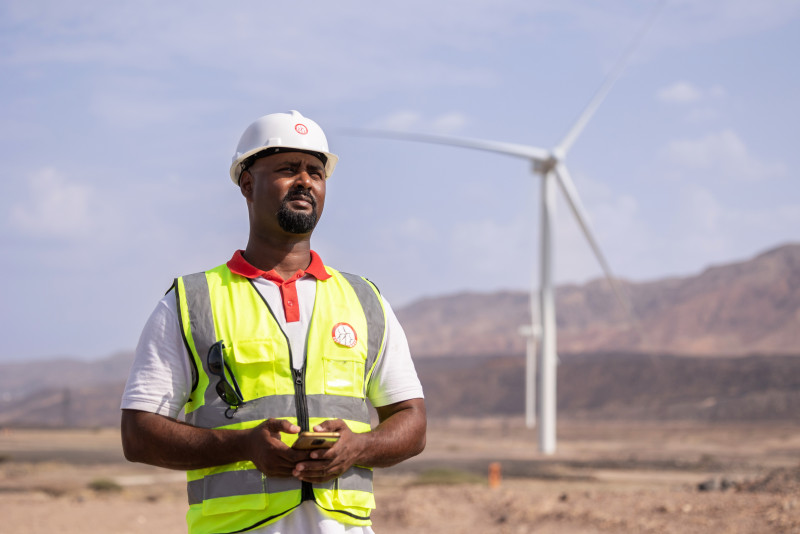
    Landmark initiatives include Djibouti’s first wind farm, with AFC as lead developer advancing plans to become the first African country wholly reliant on renewable sources for energy, and the Lobito Corridor rail project, with AFC again as lead developer working alongside the US, European Union and governments of Angola, DRC and Zambia to mobilise industry and connect the Atlantic and Indian oceans. Advancing industrialisation, value creation and livelihoods,

    AFC with its partner Arise IIP expanded the Arise Special Economic Zones to 10 West and Central African countries, focusing on essential sectors including food security, textiles and minerals.

    “At the heart of AFC’s mission is our commitment to deliver impactful solutions for Africa, and this guides each and every investment we undertake,” said Samaila Zubairu, AFC’s President and CEO. “AFC’s impact is evident in our solutions-oriented approach and unwavering commitment to realising transformative projects across Africa—infrastructure projects like the Red Sea Power Wind Farm in Djibouti, the Arise IIP industrial zones and the Lobito transport corridor that are reshaping the landscape, fostering sustainable development for local communities, and altering the economic trajectory of countries.”

    Created through powerful international collaborations, AFC projects undertaken in 2023 also include a joint initiative with Xcalibur Multiphysics to advance the mapping and responsible utilisation of Africa’s natural mineral resources, enabling greater mineral beneficiation, diversified economies, and clean energy transition.

    In DRC, the Corporation has committed to helping overhaul Kinshasa’s mass transit system to enhance mobility and reduce pollution through a partnership with Trans Connexion Congo.

    A historic commitment of US$253 million from the Green Climate Fund to the AFC Capital Partners’ Infrastructure Climate Resilient Fund (ICRF) marked a significant step toward developing sustainable, climate-resilient infrastructure in Africa.

    Each initiative blends meaningful development impact and environmental sustainability with strong risk-adjusted returns, leveraging AFC’s unique experience of de-risking project development to crowd in capital and accelerate completion.

    “In a year marked by global economic and geopolitical complexities, AFC has stood as a beacon of resilience, delivering value to all stakeholders while creating jobs and prosperity through structural transformation across Africa,” said Mr. Zubairu. “Our robust financial results reflect AFC’s unwavering commitment to unlock practical solutions for projects that enhance local value capture and spur industrialisation.”

    AFC’s annual profit rose 15.3% to US$329.7 million, while operating income increased 24.2% to US$497.5 million, and total assets expanded 17.3% to US$12.34 billion, surpassing the Corporation’s 5-year strategy target by US$2.3 billion.

    Further significant financial highlights include:

    • Return on average equity at 11.0% (2022: 12.1%)
    • Net interest income up 31.3% to US$430.5 million (2022: US$327.9 million)
    • Total comprehensive income up 14.6% to US$327.0 million (2022: US$285.3 million)
    • Capital adequacy ratio increased to 34.5% (2022: 34.3%)

    AFC’s high-profile exit from the Atlantic Terminal Port in Takoradi, Ghana, through a sale to major global ports operator Yilport exemplified strategic divestment.

    The Corporation expanded its presence with three new member states—Ethiopia, Burundi, São Tomé and Príncipe—bringing the total to 43. Six new sovereign shareholders were also onboarded, including Turk Eximbank becoming the first non-African shareholder. Equity investments in addition from the governments of Côte d’Ivoire, Benin and Botswana, Cameroon’s Caisse Nationale de Prévoyance Sociale (CNPS), and SBM Capital Market Securities Ltd. in Mauritius helped increase AFC’s total equity by 26.7% to US$3.42 billion.

    Debt market transactions further broadened AFC’s investor base with significant global financial institutions participating in a record US$625 million syndicated loan, supported by a 62% oversubscription. The Corporation also received a US$350 million line of credit from the African Development Bank and a €50 million facility from Cassa Depositi e Prestiti, showcasing the Corporation’s ability to attract regional and international institutions.

    “As AFC charts its course to further elevate our impact across the continent, we remain deeply appreciative of the unwavering support of our stakeholders and the dedication of our team, whose passion drives our mission forward,” said Mr. Zubairu. “With a refreshed strategic agenda emphasizing balanced portfolio growth, innovative financing, and enhanced operational capacity, AFC is well-positioned to shape a robust future for African infrastructure and development.”

    Distributed by APO Group on behalf of Africa Finance Corporation (AFC).

    Media Enquiries:
    Yewande Thorpe
    Communications
    Africa Finance Corporation
    Mobile : +234 1 279 9654
    Email : yewande.thorpe@africafc.org

  • Former Nigerian Local Content Head to Share Best Practices at Namibia International Energy Conference (NIEC) 2024

    WINDHOEK, Namibia, April 2, 2024/ — Engr. Simbi Kesiye Wabote, former Executive Secretary of the Nigerian Content Development and Monitoring Board (NCDMB), will speak at the upcoming Namibia International Energy Conference (NIEC) 2024, unlocking newfound collaboration between the two countries on local content policy development and implementation.

    Since his appointment in 2016, Wabote has been a fierce advocate of local beneficiation for both Nigerians and Africans across the sector, steering strategic national programs to build local capacity, calling for enhanced transparency in contracting processes and boosting local manufacturing capabilities.

    The NCDMB serves to review Nigerian content plans developed by operators, set guidelines and minimum content levels for project-related activities across the oil and gas value chain and engage in targeted capacity building interventions, among other key responsibilities, with a view to achieving 70% local content by 2027.

    Energy Capital & Power is a strategic partner of the Namibia International Energy Conference (NIEC) – taking place in Windhoek on April 23-25, 2024. The 6th annual conference unites industry leaders, business executives and policymakers to engage in dialogue, exchange ideas, create new partnerships and identify strategies to foster a prosperous energy industry in Namibia and beyond. For more information, please visit https://www.nieconference.com/

    Having spent 26 years at Shell Petroleum Development Company Nigeria, Wabote offers a unique private sector perspective on local content development and compliance, with roles spanning business management to government relations to local content strategy. During his tenure at the NCDMB,

    Wabote established a series of impactful initiatives including the $350-million Nigerian Content Intervention Fund, which provides affordable credit for Nigerian oil and gas service companies and local contractors, as well as the $40-million Women in Oil and Gas Intervention Fund, created in partnership with the Nigerian Export-Import Bank.

    These policy interventions, pioneered by the NCDMB under Wabote’s leadership, could serve as a blueprint for other African countries seeking to directly translate oil and gas revenues into local content development. Namibia, for its part, is in the process of drafting its own National Upstream Petroleum Local Content Policy, following a series of high-profile offshore discoveries since 2022.

    The southern African country is seeking to establish an effective policy that enables training and skill development, job creation and the participation of national companies and service providers across the sector, with a view to generating and retaining local value.

    As Namibia’s Ministry of Mines and Energy continues to consult with stakeholders on its draft policy, NIEC 2024 represents a valuable platform to exchange local content best practices, as well as catalyze new investment in infrastructure, capacity building and technology.

    The NCDMB is one of the key features that sets Nigeria’s local content policy apart in that it oversees and implements the Nigerian Oil and Gas Industry Content Development Act, while forming strategic partnerships with leading industry players and educational institutions.

    “As an emerging producer, Namibia can learn from mature markets like Nigeria when it comes to establishing a comprehensive local content framework with specific guidelines.

    Engr. Simbi Kesiye Wabote has been a long-time champion of accelerating indigenous participation in oil and gas contracts and ensuring that policy interventions support national local content targets.
    A well-formulated local content policy is critical to creating both backward and forward linkages across Namibia’s value chain that ensure oil and gas resources are leveraged for inclusive growth,” says Selma Shimutwikeni, CEO of Rich Africa Consultancy, organizers of NIEC 2024.
    Distributed by APO Group on behalf of Energy Capital & Power.

    SOURCE
    Energy Capital & Power

  • Namibia Energy Sector Needs Local Content Guidelines (By NJ Ayuk)

    Namibia Energy Sector Needs Local Content Guidelines (By NJ Ayuk)

    WINDHOEK, Namibia, March 29, 2024/ — By NJ Ayuk, Executive Chairman, African Energy Chamber (https://EnergyChamber.org).

    Namibia’s oil and gas sector is still looking forward to reaching the production phase — S&P Global analysts don’t anticipate Namibia’s first oil to come until 2029, and the country’s first gas-to-power project is scheduled to begin in 2027. Before Namibia achieves these hotly anticipated milestones, Namibian lawmakers have the opportunity to implement thoughtful, effective policy to benefit their people.

    Specifically, I’m talking about local content laws that will help spread future wealth among Namibians, develop the skills of the Namibian people in oil and gas professions, and promote the establishment of Namibian oil and gas businesses. Ultimately, this will help ensure a long-term, sustainable economic impact from the resources.

    Local content laws are broad policy tools that governments use across many industries. The goals of local content are multifaceted, promoting domestic businesses by requiring a certain percentage of goods or services to be sourced from domestic companies, motivating international companies to share knowledge and expertise with local firms, stimulating job growth in the domestic economy, and encouraging investment in local infrastructure that benefits the industry.

    Namibia is fortunate to be in a position to benefit from the experiences of other oil- and gas-producing states. Namibia can use the best practices that have benefitted others and learn from their mistakes. Standing at the precipice of an energy revolution that will help transform its economy, lawmakers in Namibia have something of an advantage, and they need to capitalize on this.

    Namibia’s Recent Finds

    What’s driving the need for local content directives in Namibia’ nascent oil and gas sector are recent petroleum discoveries, in the Orange Basin in particular. That’s where, in 2022, Shell and TotalEnergies made significant finds in blocks Graff-1 and Venus-1, respectively.

    Graf-1 holds an estimated 2.38 billion barrels of oil (boe). And Venus-1 is estimated to hold more than 3 billion boe — potentially the biggest discovery ever in sub-Saharan Africa.

    While the commercial viability of extracting the oil still needs to be assessed, these initial discoveries have already sparked further exploration efforts. Galp Energia, for one, reported positive indications of hydrocarbons in their Mopane-1X well, hinting at the potential for the oil and gas play to extend further north.  The Mopane-2X encountered a significant column with light oil in good-quality reservoirs.

    Drafting Effective Legislation

    To help local companies and Namibian citizens benefit from oil and gas opportunities across the industry’s value chain, Namibia currently has a draft of the National Upstream Petroleum Local Content Policy, but it hasn’t been passed into law yet. The ministry is consulting with stakeholders to make revisions that will best serve the country and her people.

    The draft reflects the government’s desire to leverage its recent oil and gas discoveries for broader national development. There’s a focus on achieving a balance between local participation and attracting foreign investment.

    We love to see that Namibia is moving toward implementing local content regulation or directives, and the draft policy offers a glimpse into its goals.

    As I noted last year, I am heartened to see the productive cooperation of Namibian lawmakers and oil and gas companies. I have personally witnessed their efforts to ensure Namibia’s best economic opportunities. Unlike too many other African nations, Namibian policymakers are not throwing roadblocks in the way of exploration companies.

    They also realize that the country will reap the benefits of its new petroleum bounty only if all key stakeholders seize this historic opportunity to put the right policies in place and continue encouraging investments in energy.

    That’s why it’s all the more heartening that, even after the sad passing of President Hage Geingob in February, the ruling party (the South West Africa People’s Organisation, or SWAPO) has signaled that it will maintain its business-friendly approach to energy exploration and development.

    Challenges Ahead

    Still, Namibia has several key local content hurdles to overcome.

    For one, growing and maintaining a successful oil and gas industry in Namibia will require significant investments in infrastructure, workforce development, and regulatory frameworks. Because the complex energy sector requires high initial investment, specialized technology, particular workforce skills, and a long-time horizon for projects, it can be difficult for local companies to readily participate.

    In addition to the huge sums of infrastructure financing needed to build out the oil and gas sector, Namibia needs to invest in training and education programs to create a skilled workforce capable of operating and maintaining this infrastructure. Without substantial input — both financial and educational — from external experts, domestic involvement will likely remain limited, despite any well-planned local content policies.

    And we can’t overlook the need to define “local” clearly. Namibia has to make sure that its local content policy leaves no room for interpretation or nuance to avoid an unfair advantage for some Namibian businesses.

    At the same time, it’s equally important for the country to be pragmatic in its implementation of the regulations to continue fostering investment. Namibian policymakers need to avoid government overreach. While local content regulations can have positive effects, they can also raise concerns about potential drawbacks, such as increased costs or limitations on competition. Striking the right balance between local requirements and international competitiveness will be key to the success of the fledgling oil and gas sector.

    Cultivating Trust and Cooperation

    Meanwhile, the energy sector must tread carefully to avoid any backlash from the Namibian citizenry. One false step could quickly crumble the people’s support for oil and gas companies.

    In today’s world, simply focusing on resource extraction isn’t enough. Oil and gas companies that want to prosper in Namibia must also embrace corporate social responsibility (CSR) and social programs that foster positive outcomes for the people. Implementing sustainable practices that mitigate the environmental impact of oil and gas activities demonstrates a commitment to responsible resource development. Companies that neglect CSR risk facing community opposition and protests, potentially delaying or derailing projects.

    In addition, companies with a strong CSR reputation attract and retain top talent, creating a more positive work environment. That, of course, includes women: In Namibia, women make up almost 52% of the population so ignoring their potential would be a gross oversight. A positive social impact should ideally influence government decisions and create a smoother operating environment. The Namibian government can foster this cooperation by favoring companies with strong CSR initiatives when awarding licenses and concessions.

    Multinationals like Exxon, TotalEnergies, Shell, Galp, Woodside, and Chevron stand to be amazing allies in this growth. Likewise, service companies like Halliburton, SLB, Baker Hughes, Technip Energies and many others should play a big role — in boosting Namibia’s oil and gas production as well as in promoting Namibia’s local content environment. With the big contracts they’re going after, they’d be wise to start hiring and training Namibians in their oil and gas activities NOW.

    A Commitment to Namibians

    As long as the country continues along the path toward local content that the Geingob administration initiated, we might well see it becoming obligatory for companies to provide a local content plan and supplier development plan to be eligible to win contracts. Consider the recent ultimatum issued by Maggy Shino, petroleum commissioner of Namibia’s Ministry of Mines and Energy.

    “We would like to inform those envisaging to service the Namibian oil industry that local content is mandatory, and that the Namibian government will not compromise in providing opportunities for its people to participate meaningfully in the industry,” Shino said.

    In January, Shino shared the vision of the nation’s pathway to first oil. It is evident from her comments to World Oil that her people are foremost in her mind.

    “First, we need to build the capacity, both in the local workforce and in the institutions that will help oversee, develop and regulate Namibia’s oil and gas industry. We also have an obligation to share up-to-date information with the Namibian people so that they can prepare effectively for first oil production,” Shino said.

    She emphasized the importance of knowledge and skill transfer, to ensure that Namibian companies and Namibians themselves have the opportunity “to participate meaningfully and add value to the projects.”

    Shino also called on Namibians themselves, tasking them with some amount of self-determination.

    “A much bigger obligation is further placed on the Namibian people to ensure that they equip themselves with the necessary skills required. The oil industry is a highly specialized industry with high standards for HSE, and we will not compromise on the international requirements. We must ensure that the industry has an effective local content policy and regulatory landscape so that Namibians reap the fruits of their labor. This is central to sustainable governance.”

    On his part the Minister who has been a strong advocate for local content focused on the role of Namibians to step up their entrepreneurial skills and personal responsibility. “Without local entrepreneurs who are curious, innovative, and willing to invest their time and energy in acquiring the necessary skills to succeed, it will be extremely challenging, and possibly even impossible, to embark on our local content journey,” Stated Tom Alweendo, the Minister of Mines and Energy.

    With this mindset, Namibia’s foray into oil and gas will reignite the country’s sluggish economy by encouraging new investment and revitalizing the manufacturing sector. At the same time, a proactive introduction of solid local content regulations will no doubt foster job creation, help combat energy poverty, and promote hope and human dignity for the Namibian people.

    Distributed by APO Group on behalf of African Energy Chamber.

    SOURCE
    African Energy Chamber

  • The Mega US$5 Billion Batoka Hydropower Construction Contract to be Retendered

    The Mega US$5 Billion Batoka Hydropower Construction Contract to be Retendered

    In a recent turn of events, the Batoka Hydropower construction contract will be retendered and new bidders selected. The Zambian and Zimbabwean governments are retendering the US$5 billion hydropower plant contract after having previously awarded it.

    The construction contract had been awarded to General Electric and Power Construction Corp of China earlier. The officials involved are expected to select new bidders by the end of September, next year.

    The Zambezi River Authority, a joint venture of the two countries that maintains the Kariba Dam complex is mandated with the selection.

    They expect to receive official bids from potential developers by April 2025 and select bidders five months after that. Work on the 2400-megawatt Batoka Hydropower project had been slated to commence in 2020 but faced numerous challenges and delays. These included challenges such as the coronavirus pandemic and difficulties in securing funding.

    The Reason for the Retendering of the Batoka Hydro-power Construction Contract

    Zambian Energy Minister Peter Kapala said the nation would exit the 2019  contract with GE and Power China in June. This is because proper procurement methods had not been followed when the tender was awarded. Also, Zambia is in a state of national disaster because of the drought that faces the southern African region.

    The drought, blamed on the El-Nino weather phenomenon, has contributed to the rising cost of food in the region. Based on these aspects, it is not feasible that construction of the project will start soon.

    The new timeline of the project had been slated for the first quarter of 2025, which unfortunately has been pushed further. It was expected that the contracted company would start construction as soon as optimization studies that are currently underway had been completed.

    The Significance of the Hydropower Project

    “The construction of water buffers and reservoirs is of paramount need, as seen with the current situation in the regions,” stated the Zambezi River Authority (ZRA) chief, Munyaradzi Munodawafa. “The Batoka hydropower project scheme will facilitate reservoir regulation for power generation and flood management,” he said. “ This means that generation will be increased at Batoka during the peak seasons while water will be banked at Kariba Dam during the dry season for use.”

    The Kariba dam water level is expected to keep receding as insight by the ZRA chief, but it is unlikely it will be decommissioned. The chief said that the receding water levels are being witnessed due to the poor rainfall levels. The dam is the one that straddles Zambia and Zimbabwe, and its low water levels are proving to be a challenge already.

    The State of the Regions Regarding the Project

    ZRA has allocated 8 million cubic meters of water to Zambian power utility Zesco, and its Zimbabwean Power Co.  Counterpart. This translates to 214 megawatts for the two electricity companies until the end of the year.

    The project will serve as a mitigation measure for some hydrological problems at Kariba. It is also expected to contribute a significant increase to the desperately needed power supply in both Zambia and Zimbabwe.

    The Batoka Hydropower dam is expected to produce up to 2.4 gigawatts (GW) once its construction is completed. Various stakeholders involved in the project such as UNESCO are anxiously anticipating for the project to commence as soon as possible. The retendering of the Batoka Hydropower construction contract will delay its commencement.

    SOURCE

    Construction Review(March 27)

  • Koa Academy Wins Meltwater Entrepreneurial School of Technology (MEST) Africa Challenge 2023, Securing $50,000 Investment

    Koa Academy Wins Meltwater Entrepreneurial School of Technology (MEST) Africa Challenge 2023, Securing $50,000 Investment

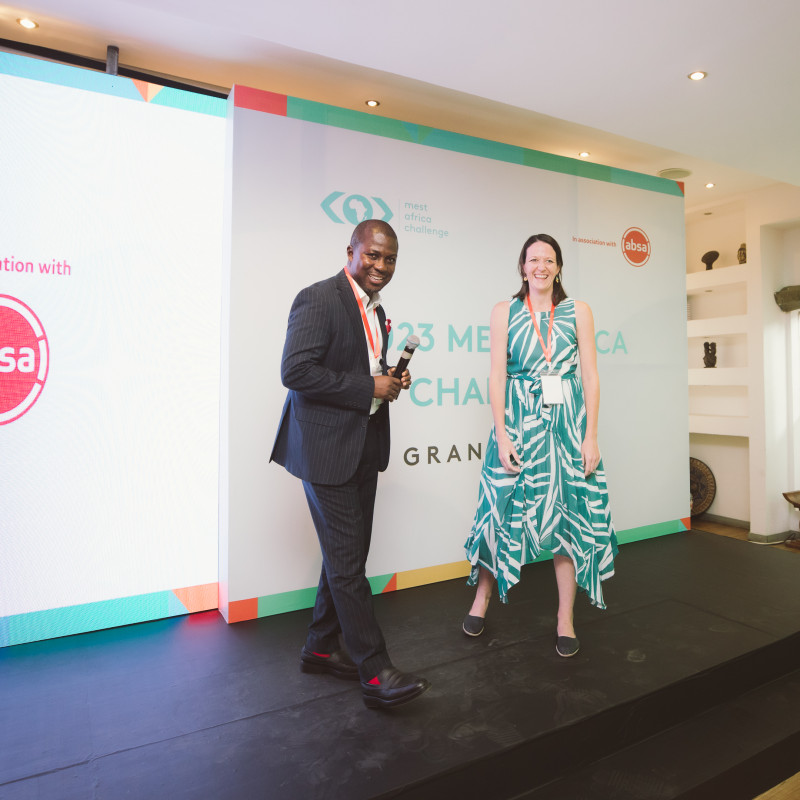
    ACCRA, Ghana, March 25, 2024/ — MEST Africa (www.Meltwater.org), a leading Pan-African tech entrepreneurship training program, seed fund, and incubator, proudly announces Koa Academy (www.KoaAcademy.com) as the grand prize winner of the 2023 MEST Africa Challenge (MAC), securing a $50,000 equity investment after a competitive pitch battle among Africa’s brightest tech innovators.

    In a thrilling showcase of ingenuity and entrepreneurial spirit, Koa Academy from South Africa stood out at the MEST Africa Challenge finale in Accra, Ghana, surpassing contenders from across the continent. This coveted startup competition, known for identifying and nurturing tech talent, saw Koa Academy clinch the top spot with its groundbreaking solution, poised to transform the Edtech industry.

    The competition drew applications from hundreds of early-stage tech startups, rigorously assessed on criteria such as innovation, scalability, and team strength. Finalists from Ghana, Nigeria, Senegal, South Africa and Kenya competed in the grand finale, demonstrating their unique solutions and business models to a panel of esteemed judges, including investors and industry experts.

    Koa Academy, Winner of the 2023 MEST Africa Challenge and a South African innovator in online education, offers dynamic and interactive courses for grades 4-12. With a focus on engagement and accessibility, it champions digital learning, making quality education available to anyone, anywhere, and transforming the educational landscape in South Africa.

    The startup impressed the judges at the MAC Finale showcasing significant market potential, revenue growth, and social impact. “Winning the MEST Africa Challenge has been an amazing experience for the Koa Academy team. It highlights the hard work and dedication that everyone has put into growing Koa.

    This recognition is not just an award; it’s a testament to the passion and perseverance that drives us every day. Amidst the challenges, this journey has brought us closer to others across the continent, forging relationships and connections that fuel our mission even further.

    We are reminded that we’re not alone in this endeavor and are incredibly grateful for the support and learning opportunities this challenge has presented,” said Lauren Anderson, Co-founder and CEO, Koa Academy, expressing gratitude and optimism for the future of tech startups in Africa.

    Ashwin Ravichandran, Portfolio Advisor at MEST Africa congratulated the winner and finalists for their exceptional achievements and resilience. The event also highlighted the support of Absa Bank Ghana for contributing to the challenge’s success.

    The MEST Africa Challenge continues to be a pivotal platform for emerging tech startups in Africa, offering funding, visibility, and support to innovate and scale. Koa Academy’s victory underscores the vibrant potential within Africa’s tech ecosystem, promising a brighter future for the continent’s digital landscape.

    For more information and updates on the MEST Africa Challenge, visit https://apo-opa.co/4a7ZUhN.

    Distributed by APO Group on behalf of The Meltwater Entrepreneurial School of Technology (MEST Africa).

    For more information or media inquiries, contact:
    Ophesmur Naa Adjeley Adjei
    Communications and Community Manager, MEST Africa
    ophesmur@meltwater.org