Category: AFRICA

  • Overfishing off West Africa hits livelihoods, fuelling emigration

    Overfishing off West Africa hits livelihoods, fuelling emigration

    This article was originally published on China Dialogue under the Creative Commons BY NC ND licence.

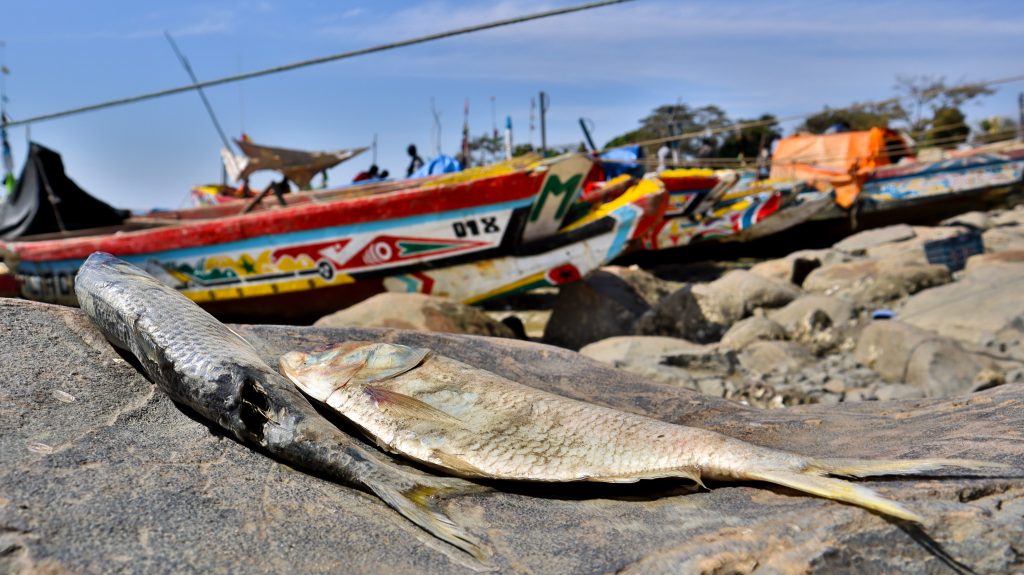
    But a number of factors are depleting fish stocks, causing economic hardship and thus fuelling irregular migration to Europe. These include an influx of foreign trawlers in the region’s waters, lopsided fisheries agreements with foreign governments, weak laws and poor law enforcement.
    Experts say these issues can be overcome. They believe West African countries should: work together as a bloc to ensure it can strike fairer fisheries deals; invest in monitoring and surveillance to deter illegal fishing; and implement policies that better protect the marine ecosystem on which fish stocks depend.

    What is happening?

    Between 2017 and 2023, more than 900,000 migrants arrived irregularly in Europe by sea and land through Italy, Spain, Greece, Malta and Cyprus, according to the UN’s International Organization for Migration (IOM). An estimated 26% of these came from West and Central Africa.

    The journey is treacherous. Many who set out do not make it to Europe and are forced to return home. Others perish.

    Between January and March this year, 532 people went missing as they attempted to cross the Atlantic Ocean and Mediterranean Sea, the IOM report notes, with disappearances mainly linked to drowning, dehydration or hypothermia.

    In 2021, Nuha Njie tried to leave Gunjur, a coastal town in The Gambia, on a fishing boat bound for Morocco, from where he hoped to get to Europe. He is now back in Gunjur selling fish.

    “Before my unsuccessful journey, I requested for rental shop near the landing site to sell fish,” he tells China Dialogue. “I struggled to get one.” Njie explains that such a facility would have created job opportunities for other youths, as shop assistants or suppliers of fish. Njie adds: “I am not aware of any government loans or assistance to access fishing tools such as boats, which would have encouraged us to stay here and work.”

    Problems persist. Industrial trawlers will sometimes damage or destroy the fishing nets placed in the waters by local fishers, Njie explains. Though often accidental, this damage “affects the catches and subsequently, the market always runs out of [fish] stocks.” Often, this also leads to clashes between artisanal fishers and industrial trawlers.
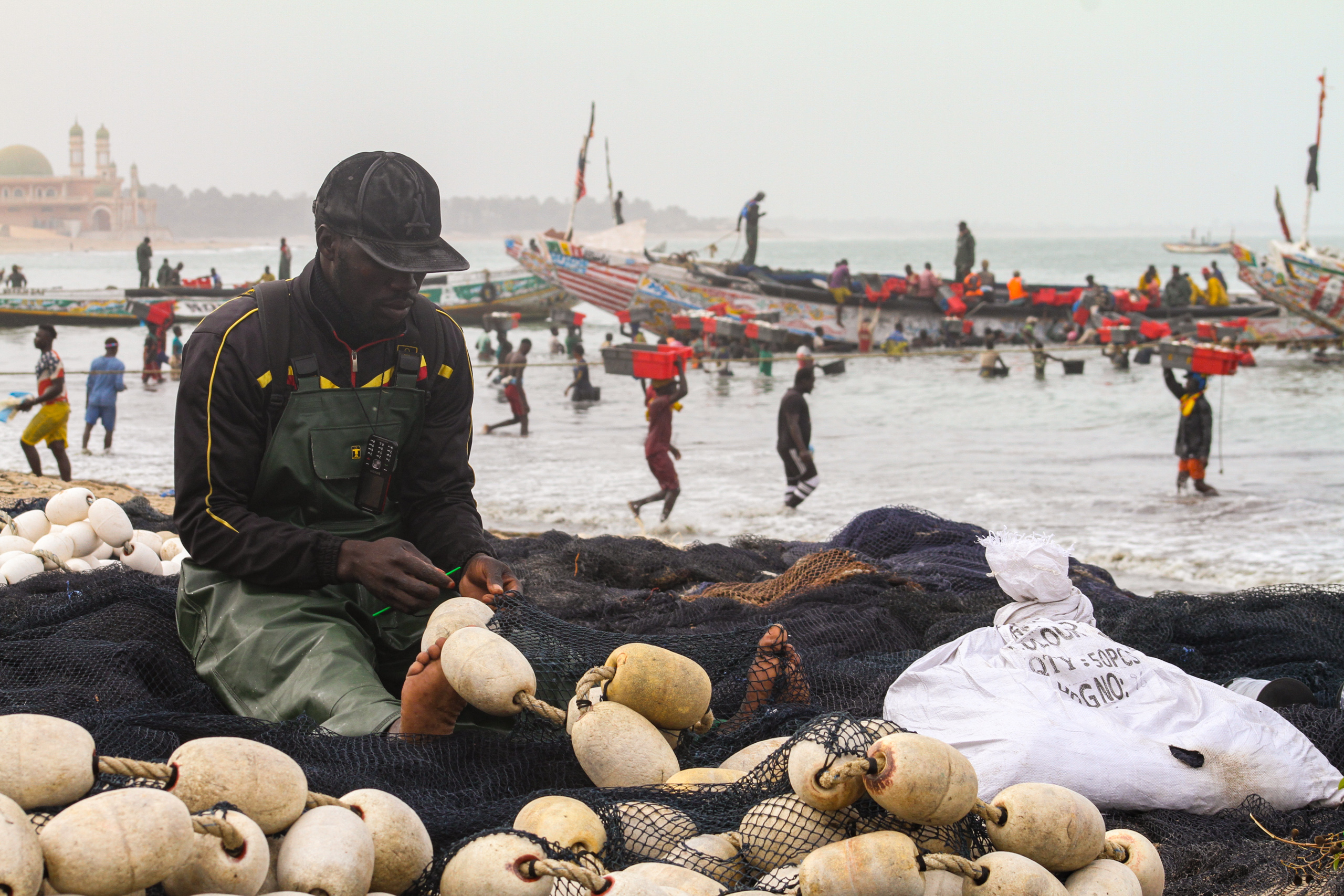
    man sitting on and mending fishing net
    Small-scale local fishers in West Africa often face competition from foreign industrial trawlers. This has led to mass migration amongst fishers searching for better economic prospects. (Image: Mustapha Manneh / China Dialogue Ocean)

    Njie further accuses trawlers of violating regulations by fishing during a six-month “closed period” in the winter established by the government to allow fish to breed. He explains that Chinese fishmeal factories, often supplied by Senegalese boats, do sometimes operate during this period. “It is unfortunate that The Gambian government does not enforce the closed season as it should.”

    The Gambia’s Fisheries Regulations, last updated in 2008, state that no trawlers can fish within 12 nautical miles of the coast. However, unlike Guinea Bissau’s and Senegal’s, they do not indicate what fine should be given for particular offences. Often, this translates to trawlers receiving minimal penalties, or even going scot-free by bribing government officials.

    Despite the regulations in Senegal, Siaka Fai, a fisher from Missira village, in the country’s northern Fatick region, says fisheries agreements – and the industrial trawlers that come as a result – are compromising marine resources. “Our government has signed these fishing agreements and issued licences to other trawlers to operate on our waters… They have the bigger capacity, and we even compete with them around the areas we can access,” Fai notes. “As a result, small-scale fishers would [return] with very minimal catch, which is frustrating.”

    Why are people leaving?

    Illegal fishing has led to the loss of more than 300,000 artisanal – or traditional – fishing jobs in West Africa, according to the International Collective in Support of Fishworkers (ICSF). As a result, these people are forced to find work in another sector or to look abroad for it.

    The Covid-19 pandemic has exacerbated conditions driving irregular migration. A UN report on extreme poverty in West Africa, published in January 2022, revealed that “nearly 25 million people are unable to meet their basic food needs, which is 34% higher than in 2020.”

    There is historical precedent for this. In 2005 and 2006, fish stocks in Senegal collapsed, and close to 36,000 West Africans – mostly from Senegal and Mauritania – fled to the Canary Islands in an attempt to enter Europe, according to a report by the Global Initiative against Transnational Organised Crime.

    Many of the irregular migrants from The Gambia and Senegal that China Dialogue spoke to – and their families – say that seeking greener pastures in Europe is their main motivation for leaving.

    Like Njie, Wuyeh Sanyang left Gunjur in 2021, on a boat believed to be carrying more than 100 young Gambians, according to his family. He has not been heard from since.

    “Before he left, he kept talking about the hardship the family is going through,” his mother Sariba Ceesay, 68, says of her son’s motivations. “All I do is pray for us to reunite.

    “The saddest thing for me is I have no knowledge of whether he is alive or dead.”

    Bad deals for West African nations

    The fisheries sector has provided hope to Gambians over the years, especially to youths looking for work. But this hope has faded recently as regional governments signed new fishing agreements with industrial fishing operators.

    Nine of out of ten fishing vessels legally operating in Gambian waters are foreign-owned, according to the Ministry of Fisheries and Water Resources’ website. There are currently five facilities for turning fish into fishmeal and fish oil that are licensed to operate in the small country.

    In October 2018, The Gambia signed a six-year fisheries agreement with the European Union (EU) giving the bloc’s vessels the right to catch up to 3,300 tonnes of tuna and 750 tonnes of hake per year in Gambian waters. The EU paid 550,000 euros per year for the privilege.
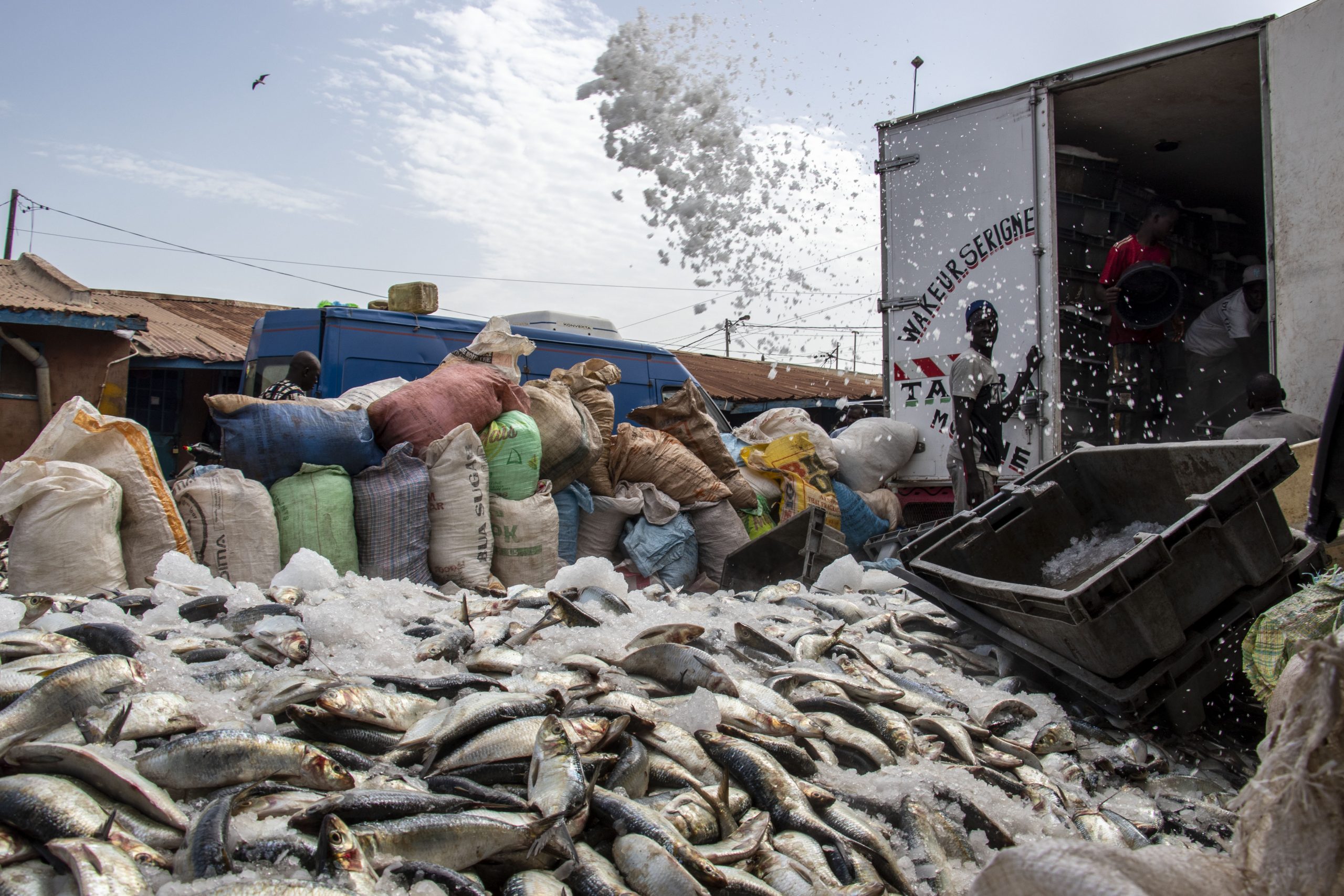
    people throwing ice onto large display of fish
    Workers throw ice on fresh catch at the Tanji fish landing site off the coast of The Gambia (Image: Regina Lam)

    Speaking to local press in 2019, environmental scientist Abdoukarim Sanneh said that even though the EU’s agreement with The Gambia also covers cooperation to fight illegal, unreported and unregulated (IUU) fishing, it still amounted to “trade injustice”. The agreement and fishing licences pose a major threat to local, artisanal fishers, he added.

    It is a similar story in Senegal, where fisheries contribute to more than 3% of GDP, according to a Food and Agriculture Organisation (FAO) report. Most beneficiaries are artisanal fishers and processors, with 53,000 direct jobs, and over half a million that are reliant on fisheries. The report notes that overfishing, pollution and climate change pose the biggest threats to the sector’s job market.

    The fisheries industry accounts for 10.2% of Senegal’s exports, and generated US$400 million in revenue in 2021, found a report jointly published by the US Department of Agriculture and the Global Agricultural Information Network in 2022.

    Yet, like The Gambia, Senegal also has a fisheries agreement with the EU, signed in 2014, which allowed up to 38 EU boats to fish in Senegalese waters in return for a 8.69 million euro payment by the EU. The main agreement expired in 2019, but Senegal and the EU have since extended it with a new protocol. Other foreign-owned industrial trawlers also fish on Senegal’s waters.

    ‘Double whammy – no fish and no dollars!’

    In a 2019 paper, researchers analysed the EU’s so-called sustainable fishing agreements and identified the damage the deals are causing to West African nations. Its authors followed up with an article noting that other countries, including China and Russia, are also part of the picture.

    These patterns of exploitation exacerbate socio-economic inequalities, driving many people to despair and emigration

    Aliou Ba, interim senior oceans campaign manager for Greenpeace Africa

    Rashid Sumaila, a professor at the University of British Columbia who writes on sustainable fishing, says that West Africa gets a raw deal in these agreements, as its countries receive payments amounting to a small fraction of what their marine resources are worth. “The fishing communities in West Africa lose their fish without seeing any of the fees collected,” Suamila notes. “Thus, they end up with a double whammy – no fish and no dollars!”

    For Aliou Ba, interim senior oceans campaign manager for Greenpeace Africa, the main threat to the ocean and communities in West Africa is the unsustainable exploitation of marine and terrestrial resources, often facilitated by unfair agreements, neo-colonial practices and IUU fishing.

    “These patterns of exploitation exacerbate socio-economic inequalities, driving many people to despair and emigration,” Ba says. “And Europe’s [border policies] make this situation terribly dangerous.”

    West African nations lose an estimated $9.4 billion per year due to IUU fishing, according to a 2022 report by the Financial Transparency Coalition.

    What are the solutions?

    Ba highlights that “too many” young Africans have disappeared while emigrating in search of better lives. It is “high time for national authorities to invest in monitoring and surveillance of the oceans, and develop sustainable development policies capable of creating hope and lasting jobs,” he says.

    To incentivise businesses in the sector to spur local employment, “fisheries need massive investment, including subsidies to help local fishers with boats and storage facilities,” says Gambian migration specialist Bubacarr Singhateh.

    He adds there is a need for policies that protect the marine ecosystem through sustainable fishing and guarantee that perpetrators of fisheries crimes – such as fishing within a protected area and the illegal use of large nets – pay damages, to ensure proper restitution for those affected.

    West African governments have begun to develop robust fisheries policies intended to ensure a future for local fishers.

    The Gambia’s most recent fisheries and aquaculture policy, published in 2018, sets as a major objective the sustainable development and management of industrial fisheries with the “full participation” of Gambians. It also seeks to develop Gambians’ capacities so they fill at least 30% of all skilled labour positions onboard fishing vessels, and to create jobs from “onshore value-addition activities”, which includes fish smoking and other kinds of processing.

    Senegal, too, has various progressive policies, including its recent Agreement on Port State Measures, facilitated by FAO, which is the first binding international agreement to specifically target IUU fishing.
    However, for these policies to be truly successful, governments must stop signing agreements that threaten to jeopardise fish stocks in the region, such as the EU deal, which contributes to overfishing and overexploitation of local fish species. They must also clamp down on Chinese trawlers operating in The Gambia, Senegal, and Guinea Bissau, which currently do so to an extent that compromises sustainable fishing principles.

    This year, an Amnesty International report detailed the devastating impact of overfishing on Sanyang, a coastal village in The Gambia, in which it identified foreign-owned industrial trawlers and fishmeal factories as particularly damaging in how they dissolve local livelihoods, create food insecurity and perpetrate human rights abuses.

    In an article accompanying the report, Samira Daoud, Amnesty’s regional director for West and Central Africa, said: “The Gambian authorities must urgently take all necessary steps to hold them to account and protect the human rights of affected communities, including their economic and social rights.”

    When West African nations enter into fishing deals with other countries, Sumaila suggests that, in order to ensure they are fair, “they need to work collaboratively as a unit, just like the Pacific Island States do. This will increase the region’s bargaining power, making it receive a fair share of the value of resources.”
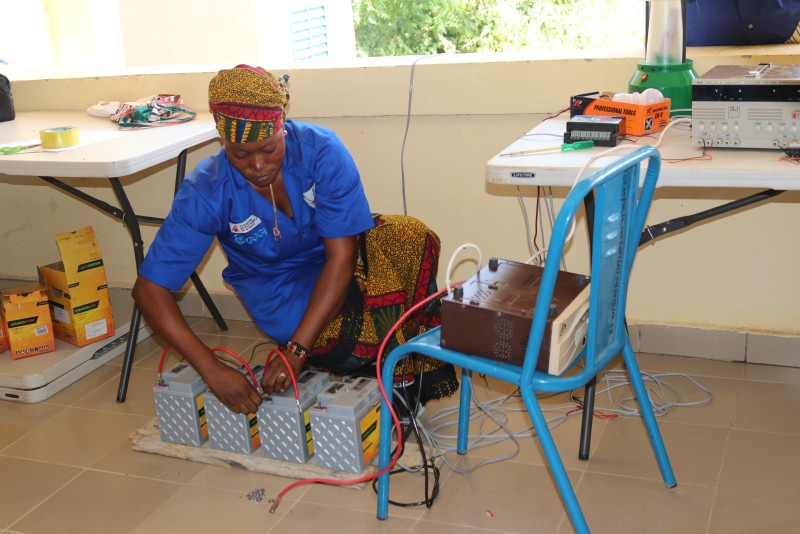
  • Burkina Faso Solar Grandmothers initiative: Global Green Growth Institute’s (GGGI) contribution to the rural energy transition process

    Burkina Faso Solar Grandmothers initiative: Global Green Growth Institute’s (GGGI) contribution to the rural energy transition process

    OUAGADOUGOU, Burkina Faso, December 19, 2023/ — History of the “Solar Grandmothers” initiative
    During the India-Africa Forum held in New Delhi in April 2008, an agreement was reached between the Government of India and the African Union (AU) Commission on pan-African projects for the establishment of regional Barefoot College Training Center in Africa.

    This was followed by solar energy training for rural women from Burkina Faso in India with the United Nations Development Programme (UNDP) and the Global Environment Facility Small Grants Programme (GEF/SGP) financial support. In 2018, under the Ministry in charge of the Environment, the Regional Barefoot College Training Center in Burkina Faso (CRFBB) was created.

    Regional Barefoot College Training Center in Burkina Faso (CRFBB)

    Located in the village of Nioryida, in the South central region, about a hundred kilometer from Ouagadougou (the capital of Burkina Faso), the CRFBB is responsible for: (i) coordinating the identification of localities to benefit from its services; (ii) coordinating the selection of women to be trained at the Center, on the basis of objective criteria; (iii) providing theoretical and practical trainings for women; (iv) carrying out other types of additional trainings required to fulfil its mission; (v) taking all necessary measures to ensure a pleasant stay and high-quality trainings for the auditors; (vi) carrying out any mission entrusted by the competent authorities.

    The Center also ensures the transfer of solar technology to the following countries in the sub-region: Burkina Faso, Niger, Benin, Togo, Ghana, Côte d’Ivoire and Mali.

    Results of the Solar Grandmothers Project

    As part of the ” Solar Grandmothers project”, the Barefoot College training center in Burkina Faso, in partnership with the Global Green Growth Institute (GGGI) and the Prince Albert II of Monaco Foundation, has provided solar energy trainings for grandmothers from 07 regions of Burkina Faso (Centre, Centre-West, Centre-East, Sahel, North, Hauts-Bassins and Cascades).

    The aim of the project was to empower older women to help reduce the negative environmental impact of fossil fuel use in Burkina Faso by promoting clean technologies and low-carbon energy sources. Thirty-one (31) solar grandmothers have benefited from intensive theoretical and practical trainings.

    They were given kits to equip their workshops, enabling them to carry out repairs and install solar kits. After the trainings, each solar grandmother received solar kits for households in her home village. Providing households with solar kits is part of the project’s contribution to the electrification of the selected villages.

    This is a “Pay As You Go (PAYG)” system managed by the local units after the beneficiary households have been selected. PAYG allows access to energy to be broken down into accessible payment schedules defined by the local committee. Setting up local management units helps to consolidate the achievements and sustainability of the project in the selected villages.

    These units play a key role in managing the solar kits made available to households. Among other things, they set up a system for recovering the cost of installing the kits for households. The amounts recovered are to be used to purchase new kits for new households.

    The project has made it possible to provide local expertise in solar technology in rural areas, and to increase the availability of and access to solar energy in rural areas, while improving the governance of solar energy at local level by setting up autonomous solar electrification units in the beneficiary villages.

    The project’s impact can be assessed, in particular, in terms of (i) changing the status of women in their living environment, (ii) helping to raise community awareness on climate change resilience and protection of the environment, (iii) reducing inequalities and improving the living conditions of beneficiary households, (iv) reducing gender inequalities in rural areas by involving women as full players in local development, which should be accelerated by the increase in income-generating activities in the villages of Burkina Faso.

    Originality and lessons learned from the project

    Originality

    The project’s main added value lies at several levels:

    • The choice of beneficiaries who are representative of Burkina Faso’s three agricultural climatic zones: in line with the requirements of the Barefoot College, the targeting of women of a relatively advanced age as solar grandmothers improved their status from that of vulnerable people to that of people involved in local development. This is a guarantee of the stability and sustainability of what has been achieved. In addition, the representative nature of the three agricultural climatic zones is a guarantee that all of the country’s realities will be taken into account and that the approach adopted will be inclusive;
    • Making the most of the expertise of former grandmothers: To train the 31 grandmothers, the Center and GGGI agreed to lean on local expertise. Three of the first grandmothers from the first class trained in India were chosen. They were able to conduct the process with professionalism. The quality of their service was unanimously recognized and praised, both by the learners and by all the stakeholders.
    • Synergy with the “Burkina Faso ecovillages” initiative: this synergy contributes to reducing social inequalities and achieving sustainable energy self-sufficiency, while helping to fight climate change and preserve the environment. It also provides a better quality of life for people in the selected villages, which are being transformed into ecovillages.
    • The successful experience of a Public-Private Partnership: the results achieved by the solar grandmother training project are the result of a partnership between four entities: (i) the Government of Burkina Faso, through the Ministry in charge of the Environment and the Barefoot College Training Center in Burkina Faso, entity co-initiator of the Project and in charge of hosting and supervising the training (ii) GGGI, entity co-initiator of the Project, in charge of general coordination of the Project (including fiduciary responsibility), (iii) the Prince Albert II of Monaco Foundation, international non-profit organization, (iv) Aliothsystem energy SAS (PAY-GO Solar Home System assembly unit and design and innovation start-up in the field of energy, renewable energy and energy efficiency) is the entity responsible for training and supplying the various items of equipment made available to grandmothers and households.

    Lessons learned

    The main lessons learned are:

    • The promotion of gender equality in the field of development is a long-term undertaking, requiring greater mobilization of resources and energies, because its scope of application concerns sensitive areas such as mentalities, beliefs and behavior;
    • Consolidating the evidence that if rural communities are empowered, well-organized and have their capacities properly strengthened, they are capable of caring for themselves and their development;
    • Solving the problems of sustainable development (environmental, social and climate issues) that the project aims to address is a complex and costly undertaking.
    • Energy, particularly renewable energy, remains essential to local development and is a real need to be met, with a view to improving people’s living conditions.
    Distributed by APO Group on behalf of Global Green Growth Institute (GGGI).
    SOURCE
    Global Green Growth Institute (GGGI)
  • Factoring Urban Gardening into African’s Built Environment

    Factoring Urban Gardening into African’s Built Environment

    …. As ACEACFMS 2023 holds in Accra

    Story: Mohammed Abu

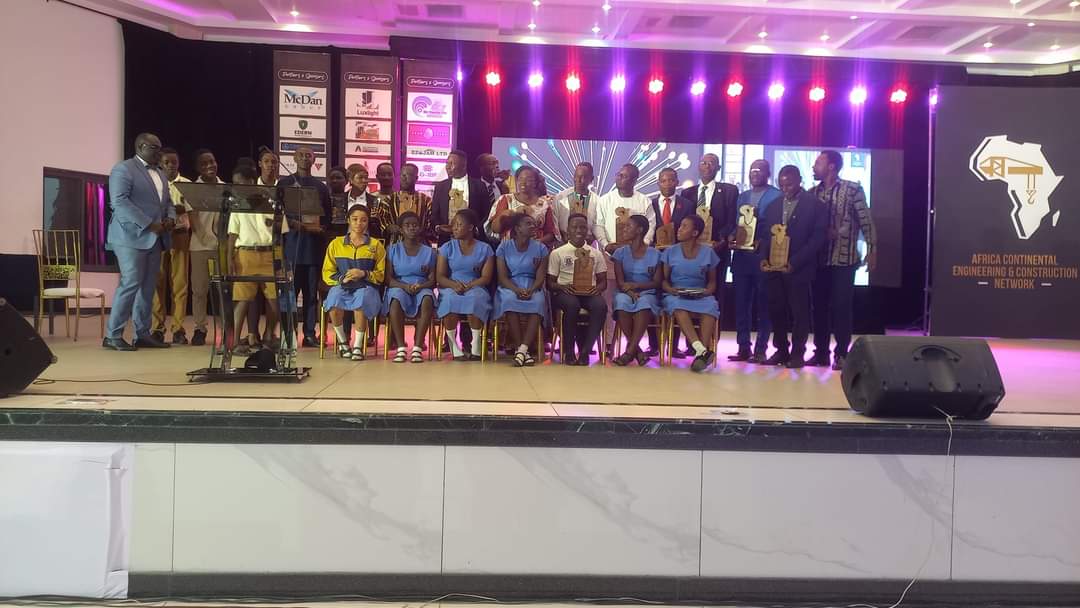
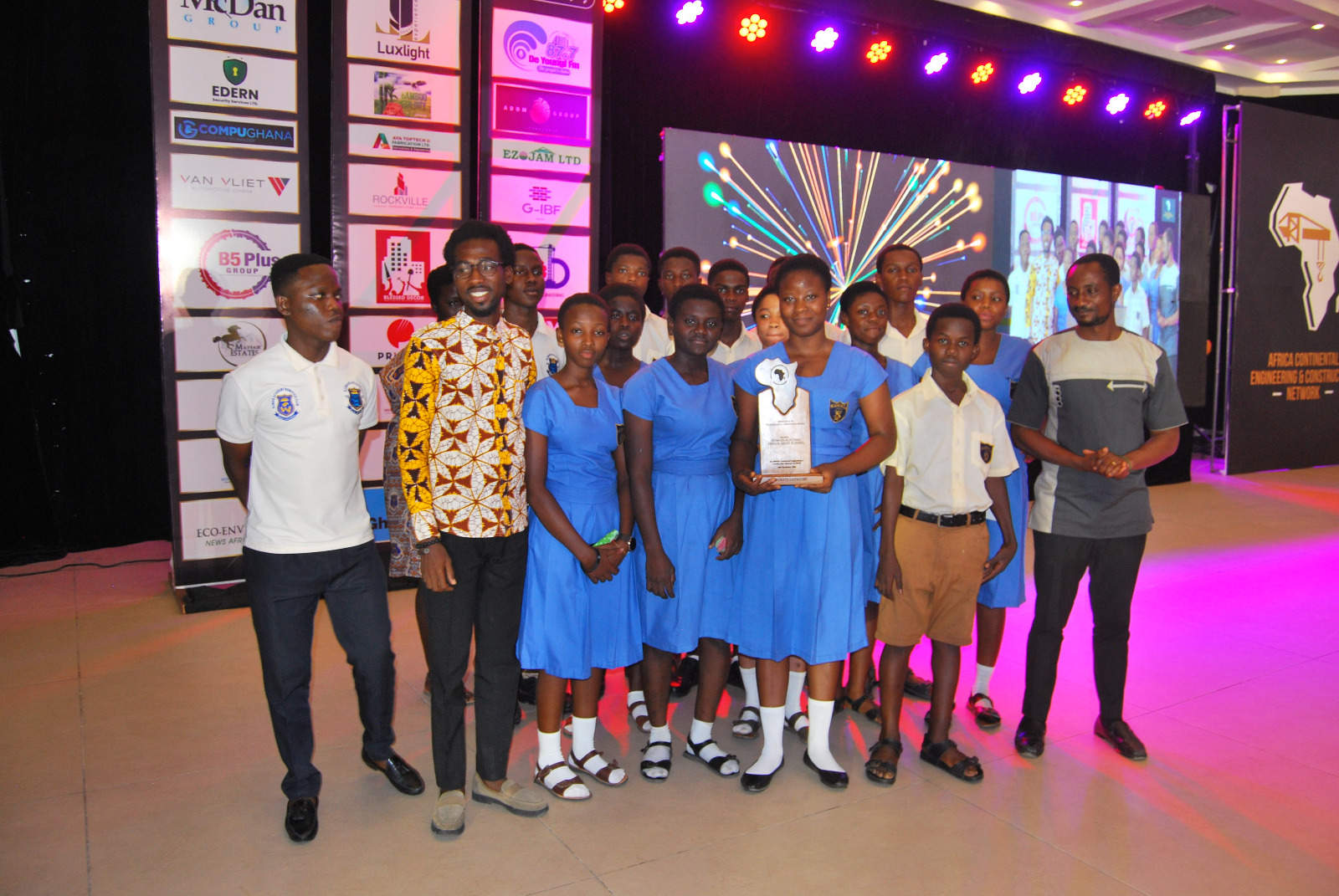
    Science, Technical and Mathematics (STEM) students from the Kumasi Academy Senior High School, in Ghana’s Ashanti Region excited participants with a great presentation on the science of urban gardening and vertical farming concept at the. maiden event of the African Continental Sustainable Built Environment Summit(ACEACFMS)held at East Legion in country’s capital of Accra, on Thursday, December, 14.

    The science based urban gardening concept combines science and innovation that seeks to offer opportunity especially for vegetable crop production under an urban environment, where arable land and water meant for farming is virtually non-existent.

    It was therefore not surprising that Kumasi Academy Senior High Schools was among the award winners in the Technologies and Innovation category during the awards segment of the summit that registered a total of nineteen (19) awardees under eight categories with 20 awards.

    The school also clinched a major deal as the GM Bamboo Eco-City Ltd, the Principal. Consultant and partner of the African Continental Sustainable Built Environment Industry Summit(ACEACFMS-23) decided on the sidelines of the event to sign an MOU with it to work closely on a 166-acre Bamboo Eco-Tech-Industrial Garden City Projects in the Central region where 3,500 Sustainable Smart Infrastructure will be developed with integrated Smart Gardening Technologies.

    An 80-feet x 160 feet plot has been given to the Kumasi Academy STEM Team by GM Bamboo Eco-City at the Bamboo Eco-City-2 to build the prototypes of their smart House and Urban Technologies.

    The Bamboo Eco-Tech-City is located near cape Coast at Abankrom, Afenakrom & Damang in the Anomabo Traditional Area within the Mfantsipim Municipality in the Central Region of the Republic of Ghana.

    GM Bamboo City will Partner with Kumasi Academy Senior High School to develop grant winning proposals to access fund to develop their technologies.


  • About Scale Up of Africa’s Sustainable  Built Environment

    About Scale Up of Africa’s Sustainable Built Environment

    Story: Mohammed A. Abu

    A one-day maiden Africa Continental Sustainable Built Environment Industry Summit (ACEACFMS 23) ended successfully at East Legon, Ghana’s capital city of Accra on Thursday December 14, with a formal declaration of the event as an annual one.

    The declaration was made by Mr. Daniel Kontie President/CEO of the Africa Continental Engineering & Construction Network(ACECEN),

    Earlier in his welcome address during the event he said that, the African Built Environment must be placed in a position to transition from the current brown construction techniques to Green building technologies.

    “Like it or not, the reality is that, new trends are transforming the way the industry operates, from the design phase to the actual construction process, particularly at this time that the whole planet faces eminent dangers of climate change by virtue of our old industrial actions and inactions that has brought us to this global climate emergency situation”, Mr. Kontie added.

    “Africans have always argued that Africa’s contribution to the current climate change catastrophy is insignificant compared to the West, that is true, however, what we fail to appreciate is that the problem was significantly created by the West but the solution lies in the hands of Africa and this is another 21st century industrial revolution for Africa to take advantage of” he intimated.

    In a keynote speech delivered by Nana Obokese Ampah,,the Regent of Moree & Apagyahene of Asebu State on behalf Daasebre Kweku Ewusi VII, Omanhene of Abeadzi Traditional Council Area, Central Region, former Member of the Council of State, immediate past Vice President of National House of Chiefs, on the topic, “Land Dispute Resolution and Sustainable Land Acquisition for Sustainable Infrastructure Development in Ghana in the face of Climate Change” Nana noted that Ghana’s progress hinges on the delicate balance between development and environmental stewardship.

    “As we embark on transformative infrastructure projects, it is imperative that we adopt a holistic approach that not only address our immediate needs but also safeguard for land for future generations” Nana intimated.

    Sustainable land acquisition Nana underscored, must be the bedrock of Ghana’s endeavours. “We must ensure that every plot acquired for development aligns with environmental conservation principles. Incorporating green spaces, mitigating the impact on ecosystems, and adhering to sustainable construction practices are essential components of responsible land acquisition” Nana emphasized.

    Speaking on the theme: “Integrating Sustainable Built Environment Industry for Socio-Economic Transformation Through the use of Digital Twin Technologies”, the Immediate Past President of the Federation of African Engineering Organizations (FAEO), Ing. Mrs. Carlien Bou-Chedid said, the use of Digital Twin technology creates a virtual or digital replica of physical objects, processes or systems to allow for real-time monitoring, analysis and optimization.

    She explained that by leveraging Digital Twin Technology in the built environment, stakeholders can make more informed decisions, reduces costs, improve sustainability and enhance overall performance through the lifecycle of structures and cities.

    She gave examples of these digital twin technologies as Autodesk BIM 360, which is a cloud-based platform for construction management; Dassault Systemes CATIA, a software suite by Dassault that supports product design and engineering, which is often used in the architecture, engineering and construction (AEC) industry to create digital representations of buildings and infrastructure. She also mentioned Cityzenith 5D Smart World, which supports urban planning, infrastructure management and smart city initiatives. She added that Esri Urban Observatory also provides tools for creating digital twins of cities.

    Ing. Mrs. Carlien Bou-Chedid explained that Digital Twins rely on a network of sensors and devices strategically placed within the built environment to measure parameters, such as temperature, humidity, energy usage, water flow, air quality and more.

    She mentioned that Sustainable Built Environment is one that protects people, places and the natural environment. It also involves creating safe and welcoming spaces and designing for longevity, flexibility, recoverability and reuse.

    “Sustainable Built Environment also reduces building and urban infrastructure emissions for the long-term resilience of both people and planet. It is critical to reducing greenhouse gas emissions and tackling the climate crisis”, she concluded.

    Presentations

    Making a presentation on “Refocusing Ghana’s Flood Preparedness and Response for Socio-Economic Transformation through the use of Digital Twin Technologies”, Prof. Divine Ahadzie, Centre for Settlements Studies at the Kwame Nkrumah University of Science & Technology (KNUST), Kumasi said, Ghana experiences major floods every two years for the last 20 years but our preparedness is not getting any better.

    On recent VRA flood, the Prof. Ahadzie suggested that VRA should enhance their engagement with the communities by strengthening the use of twin-technologies plus to other community based technologies. He proposed a simplified community flood resilience framework to comprise the Chiefs, Assemblymen, MPs, NADMO, District Assembly, among others.

    STEM students from Kumasi Academy SHS, made an impressive presentation of their Smart Urban Gardening Initiative, a Green technology revolution. According to the students, the Smart Urban Gardening project integrates advanced technology and sustainable practices for urban agriculture.

    Panel Discussions

    A panel session discussion on local content and use of local materials featured Prof.Ing. Emmanuel Appiah-Kubi, Director of Quality Assurance & Accreditation, Akenten Appiah Menka University of Skills, Training & Entrepreneurial Development(AAMUSTED), and Prof.Engr. Humphrey Danso, Dean Faculty of Technical Education, also of the same university.

    They emphasized the important role bamboo could play in Ghana’s built environment industry and the dire need for using local earthen material and their combination with each other to strengthen them and to ensure their durability for use in the sustainable Built Environment industry.

    Prof.Ing Appiah-Kubi gave an expose on Ghana’s bamboo resources potential and the important role it serves to play in the country’s sustainable Built Environment Industry. He also disclosed that in addition to the generally known 250,000 species of bamboo worldwide, other bamboo species native to the Volta and Northern Regions with yellow coloration have been identified in their research

    Prof.Danso on his part, emphasized the need for using local earthen material and their combination with each other to strengthen them and to ensure their durability for use in the sustainable Built Environment industry.

    Prof Danso also called for the use of local earthen materials like calcium clay and burned saw dust for the production of cement. This was in view of the fact that clinker based cement production has a big carbon footprint unlike the local materials.

    One ton of cement produced from clinker based cement production Prof Danso said, produces a corresponding one (1) of C02 emission.

    HATOF Foundation Presentation

    The Founder/CEO of the HATOF Foundation, Dr. Samuel Dotse drove home the need for the African private sector players to take a second look at the content of their project Business Plans/Feasibility Studies so as to ensure they meet green climate financing criteria and to qualify for accessing financing from the Green Climate Fund.

    Ghana’s Ministry of Finance and Economic Planning Dr. Doste said, was the national institution through which to access financing from the Green Climate Fund adding that, climate financing remains the only available mode of funding with the lowest payback cost or interest payment that cannot be compared with what the local banks charge. He also disclosed that the only Africa’s private sector player that have met the green climate funding criteria, and accesses their funding, is the Ecobank Group.

    Among African NGOs HATOF he disclosed is the only one in Africa that has been able to access the Green Climate Fund for a Shea Landscape Carbon emission reduction project it is implementing in Northern sector of Ghana.

    Dr. Dotse expressed the willingness and readiness of his organization to support Ghanaian, African private sector operators in how best to streamline their projects to meet the Green Climate Fund financing criteria.

    HATOF is a local Ghanaian NGO that has since its inception in 1999 up till date, has been a pacesetter in energy, environmental governance and climate policy process-working towards addressing climate change and finance, renewable energy and energy efficiency, conservation and environmental protection, sustainable management among others.

    HATOF did not only get incorporation in Canada this year and another in Gambia still pending. It was the only African NGO that held a side event in collaboration with its local Ghanaian partners and a foreign one during the recently ended COP28 global environmental event in Dubai under the auspices of the UN Environment Change.

    African Continental Sustainable Built Environment Industry Excellence Awards 2023

    The awards segment of the event was an important and integral part of the event during which 19 individuals, corporate and other institutions were appreciated under eight categories with a total of 20 awards for their respective roles in climate action and development of the sustainable Environment Industry.

    Excellence in Technology & Innovation Award went to GM Bamboo Eco-City and Kumasi Academy Senior High School, Excellence in Digital Twin Technology also went to Siemens Ghana & South Africa PTY, Excellence in Climate Finance Mobilization and Training went to the Ghana Climate Innovation Centre and Gloria Bulus, Executive Director, Bridge the Gap Initiative, Kaduna, Nigeria among other awardees.

    Of special mention in the awards segment, is the African Real Estate Company of the Year 2023-Low income category that went to Adom City Estates and Africa CEO of the Year Residential Estate-Lower income category 2023(Dr. Bright Adom).

    Exhibition Component  

    The event also drew exhibitors representing Engineering, Construction and Logistics firms among others who exhibited their modern technologies to the participants.

    The Summit, a joint collaboration between the Africa Engineering & Construction Network(ACECEN) and GM Bamboo Eco-City leveraged the invaluable support from a number of Partners and Sponsors drawn from Ghana’s public sector and the Sustainable Built Environment Industry component of the private sector.


  • African Development Bank approves $696.41 million of financing for Burundi and Tanzania to build 650 kilometers of rail infrastructure to develop the Central Corridor network

    African Development Bank approves $696.41 million of financing for Burundi and Tanzania to build 650 kilometers of rail infrastructure to develop the Central Corridor network

    ABIDJAN, Ivory Coast, December 13, 2023/ — The Board of Directors of the African Development Bank Group (www.AfDB.org) has approved various financing structures valued at $696.41 million for Burundi and Tanzania to start Phase II of the Joint Tanzania-Burundi-DR Congo Standard Gauge Railway (SGR) Project.

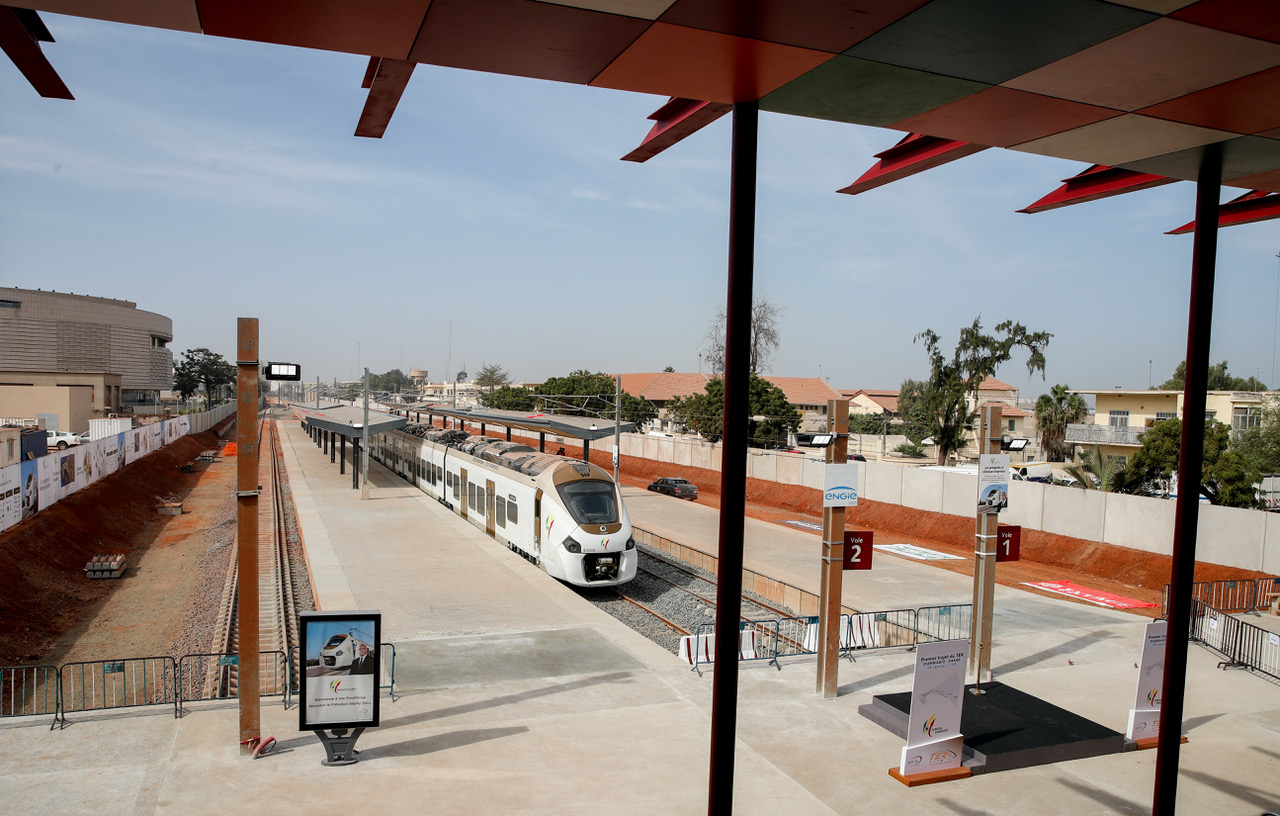
    The Bank Group’s financing is intended to construct 651 kilometers on the Tanzania-Burundi railway line. The work will consist of the development of a single electrified standard gauge track. This will be subdivided into three lots: Tabora – Kigoma (411 km) and Uvinza – Malagarasi (156 km) sections in Tanzania; and the Malagarasi –Musongati section (84 km) in Burundi.

    This standard gauge railway project will be connected to the existing railway network of Tanzania, providing access to the port of Dar es Salaam. In total, 400 kilometers of rail infrastructure has already been built in Tanzania from Dar es Salaam to Dodoma since the start of the first phase of the project. The rest of the section from Dodoma to Tabora is under construction.

    The Bank Group will provide $98.62 million to Burundi in the form of grants and $597.79 million to Tanzania in the form of loans and guarantees. As the Initial Mandate Lead Arranger (IMLA), the Bank will structure and mobilize financing of up to $3.2 billion from commercial banks, Development Financial Institutions (DFIs), Export Credit Agencies (ECAs) and institutional investors The total cost of the project both in Tanzania and Burundi is estimated at nearly $3.93 billion.

    Access to an efficient cost-effective long-haul bulk transport service through the SGR will incentivize large-scale mining and commercial agriculture. It will transform the Central Transport Corridor to an economic corridor by enhancing trade and manufacturing opportunities along the corridor influence zone, and provide for a shift from road trucking transportation, which causes accidents and high road maintenance cost.

    The SGR railway network will unlock and connect key economic processing zones, industrial parks, Inland Container Depot (ICDs), and population centers along the central corridor. This will enhance accessibility and promote economic activities. This project will contribute to building resilience by supporting the creation and development of institutions that will manage the new railway sector in Burundi and supporting capacity building through skills training in both countries.

    This project is a priority for not only the East African Community (EAC) Rail Master Plan, but the African Union’s Program for Infrastructure Development in Africa (PIDA) and will facilitate economic and social transformation in both countries and in the region.

    The construction of this railway will allow Burundi to intensify the exploitation of nickel, of which the country has the 10th largest deposit in the world in the Musongati mining fields. The country also has resources such as lithium and cobalt, which are expected to generate significant revenue for the country through the rail link with the port of Dar es Salaam which currently accounts for 80% of the country’s import and export trade. This will add value to the national GDP and allow Burundi to have additional resources to accelerate its social and economic development.

    The project is aligned with the Bank’s Ten-Year Strategy and two of its operational priorities, the “High 5”, “Integrate Africa” and “Industrialize Africa”.  It is also in line with the Regional Integration Strategy Paper of the Bank for East Africa (2023-2027) and the Bank’s Country Strategy Papers (CSPs) for Tanzania (2021-2025) (https://apo-opa.co/3Nowna1) and Burundi (https://apo-opa.co/41jr2Xm) (2019-2023).

    Distributed by APO Group on behalf of African Development Bank Group (AfDB).

    Media contact:
    Romaric Ollo Hien
    Department of Communication and External Relations
    media@afdb.org

  • Africa Must Set the Timing for its Energy Transition, Whether the World Likes It or Not

    Africa Must Set the Timing for its Energy Transition, Whether the World Likes It or Not

    About a year ago, before COP27 began in Egypt, Fiona Harvey and Matthew Taylor wrote in an opinion piece for The Guardian that it was time for gas exploration in Africa to stop.

    “Africa must embrace renewable energy, and forgo exploration of its potentially lucrative gas deposits to stave off climate disaster and bring access to clean energy to the hundreds of millions who lack it, leading experts on the continent have said,” they wrote.

    This is hardly new. For several years now, wealthy nations and environmental organizations have been strong-arming African countries to leave their petroleum assets in the ground.

    The stance of the African Energy Chamber has been consistent: Yes, African oil and gas-producing countries should and will do their part to support global emissions-reduction goals. Yes, the dangers of climate change should be taken seriously.

    However, we refuse to let the world set the timing for when Africa will ease up on oil and gas exploration and production. We are convinced that oil and gas production, when managed strategically, provides a pathway for economic growth and energy security, and we are determined to help Africa realize those benefits.

    This is the message we’re bringing to COP28: African countries have every right to set the timing for their energy transitions. And like nations around the world, African states will be exercising those rights.

    Africa’s Miniscule Contribution

    The world must understand that African countries cannot be on the same energy transition timeline as Western countries. Africa still needs time – time that the Western world has already had and, frankly continues to milk – to resolve energy poverty and industrialize.

    Let’s first address the proverbial elephant in the room: When it comes to global emissions, Africa is NOT the problem.

    In 2021, global CO2 emissions hit 37.12 billion tonnes. China ranked first in contributing 11.47 billion tonnes; the entire continent of Africa contributed 1.45 billion tonnes, only 4% of global carbon emissions. In fact, over the last two decades, Africa’s total contribution to global greenhouse gas emissions has never been above 4% — by far the smallest share in all the world. Africa has the lowest per-capital emissions of all continents, averaging 1 tonne of CO2 emitted annually by each individual. The average American emits as much CO2 in one month as the average African does in an entire year.

    And yet, Africa is disproportionately being punished for the climate catastrophe that, let’s be honest, was initiated and is perpetuated by Western and developed economies.

    “The story of Africa or the developing world is not really an energy transition story, it’s a development story,” Andrew Kamau with the Center on Global Energy Policy at Columbia University said in a recent interview with Energy Intelligence.

    “You hear a lot about all these technologies that are being developed, but where are they at scale?” Kamau asked. “And has somebody industrialized using wind and solar only? I don’t know. We wait to see if it’s possible.”

    Kamau also questioned where all the international funding is. The West has made grand financial promises, but the level of support truly needed to undertake a transition to renewables at the pace dictated by the West has yet to materialize.

    Using the Resources at Our Feet

    While we at the African Energy Chamber agree that it’s important to develop affordable and sustainable green technologies to supply our energy, we strongly disagree with being pigeonholed into accepting the West’s one-size-fits-all timeline.

    I hear from Africans who are skeptical about the benefits of oil and gas because they have seen the problems caused by the energy sector. You could make the same arguments about the Internet, which has been blamed for harming social relationships, decreasing our safety and security, and damaging children’s cognitive development. Yet, used wisely, the Internet does considerable good as well, and I’m not hearing widespread calls to get rid of it. My point is, oil and gas can and does do good (I’ve written whole books on the subject!) — the key is to be smart about how we capitalize on our resources.

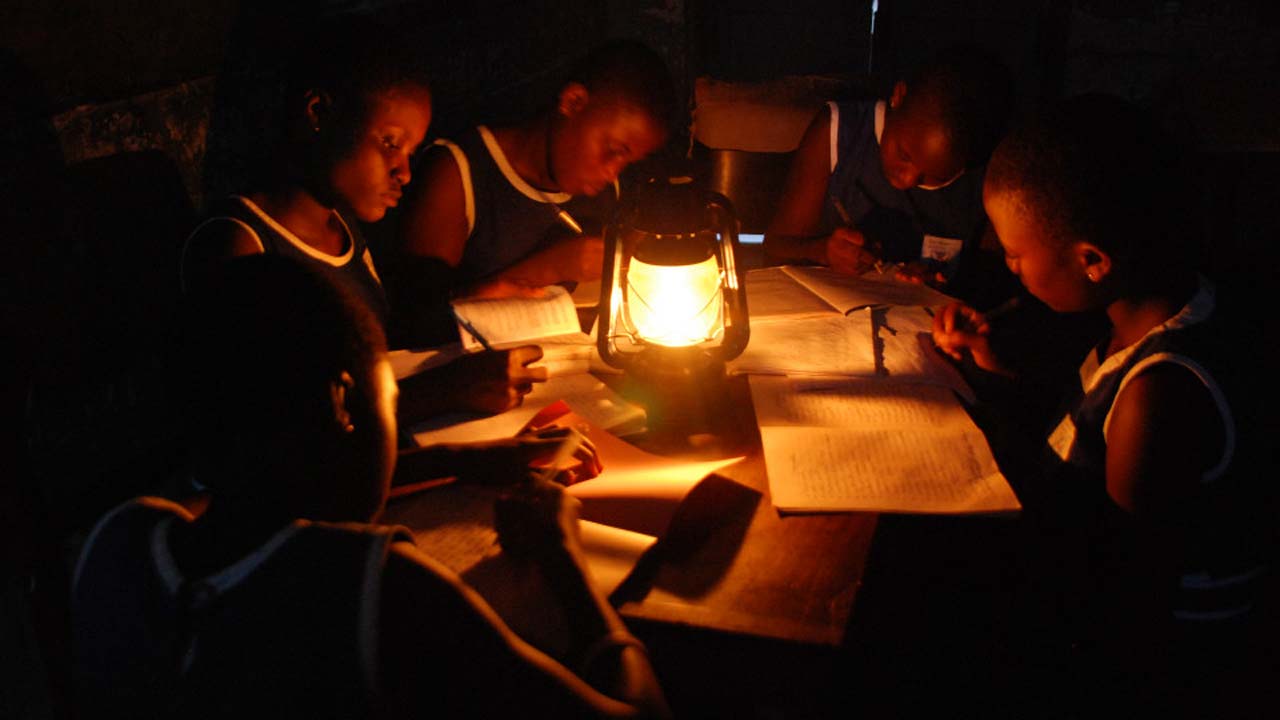
    Some 600 million people on the continent still lack adequate electricity access or even clean cooking technologies. These Africans aren’t focused on the fact that reliable energy infrastructure facilitates economic growth by generating jobs, increasing productivity, and reducing the cost of doing business. Most would be elated to have light in their homes after dark or the ability to refrigerate their food.

    But think about Africa’s abundant energy potential!

    By 2050, the continent will be home to 11% of the world’s liquefied natural gas (LNG) market and the second-highest growth supply of gas. By tapping into the vast stores of natural gas at our feet, we can first work to eradicate energy poverty from the continent, and then secure our economic growth as we transition toward renewables.

    I agree with Mohamed Hamel, the Secretary General of the Gas Exporting Countries Forum, in his description of the argument that Africa should not develop its natural gas resources as “misguided.”

    “A prosperous Africa will be more capable to protect its environment. The right of Africa to develop its vast natural resources can be preserved, and its access to finance and technology, facilitated,” Hamel said.

    Turning the Pressure into Partnership

    Around the time of COP27, I made it clear that, while African nations would not be continuing oil and gas operations indefinitely, with no movement toward renewable energy sources, we Africans should be setting the timetable for Africa’s transition.

    “What I’d like to see instead of Western pressure to bring African oil and gas activities to an abrupt halt, is a cooperative effort,” I wrote at the time. “Partnerships, relationships rooted in respect, open communications and empathy. What does that look like? It begins with the belief that when African leaders, businesses, and organizations say the timing is not right to end our fossil fuel operations, we have a point. That when we are discussing our own countries, we know what we are talking about.”

    Clearly, we still have progress to make. Too many outsiders suggest that African leaders are being manipulated or influenced by greed when they work to foster oil and gas exploration and production in their countries. Few seem to believe that, when countries establish and fine-tune local content laws, adapt investor-friendly fiscal regimes, and promote policy that protects human dignity, they are making reasoned, strategic moves to create better futures for their people.

    That saddens me, but it also strengthens my resolve. We will continue to fight for what’s right, for what’s ours. We are not giving up on a just energy transition for Africa — a transition on a timetable that benefits and uplifts Africans.

  • West Africa’s Energy Transition Offers $1T+ in Investment Opportunities

    West Africa’s Energy Transition Offers $1T+ in Investment Opportunities

    PARIS, France, December 11, 2023/ — West Africa is home to a diverse landscape of energy players, from mature petroleum producers to emerging gas frontiers. For established markets, the energy transition requires decarbonizing and optimizing existing operations, while bringing renewable energy and carbon capture technologies to the forefront.

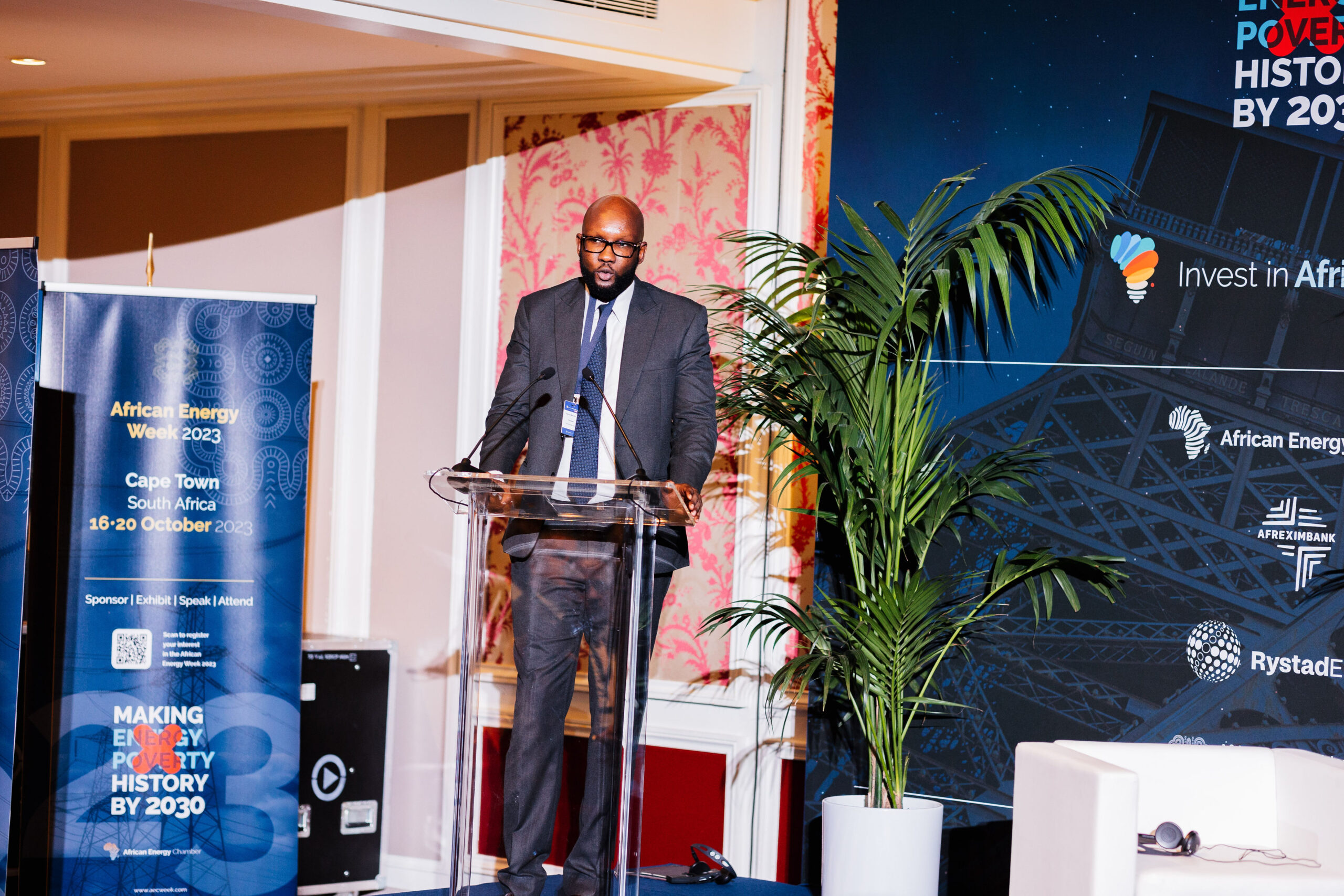
    Meanwhile, frontier markets are seeking to build sustainable energy mixes from the ground up, relying on integrated gas developments to fuel their transition. As a result, an array of partnership and investment opportunities are shaping the region, which European and global investors can access at the upcoming Invest in African Energy Forum, taking place in Paris on May 14-15, 2024.

    Nigeria

    As the largest oil producer on the continent, Nigeria is seeking to attract sizable foreign investments to meet net-zero targets by 2050. At COP28 earlier this month, the Nigerian Federal Government announced investment opportunities totaling $585 billion within its energy sector, promising significant returns and the support of local authorities. In the short term, the country’s strategy involves driving renewable energy penetration across its operations, while reducing methane emission intensity and achieving net-zero in the medium-to-long term.

    Within these investment opportunities, $272 billion relates to installed renewable power production, transmission and distribution, natural gas transmission and distribution infrastructure and electric chargers. Investment opportunities totaling $96 billion lie in oil and gas processing optimization, energy efficiency and carbon capture and storage, while $80 billion are in the adoption of zero-emissions technologies and fuels.

    The remaining $2.8 billion comprises opportunities associated with clean cooking. As a result, the country features growing demand for European investors and technology and service providers who are capable of implementing clean energy solutions.

    Ghana

    As another mature producer in the region, Ghana has also unveiled an ambitious energy transition framework that totals $550 billion in investment opportunities and provides a path to net-zero emissions. The plan focuses on deploying low-carbon solutions in six main categories, which would achieve 90% of targeted emission reductions.

    These include electrification and renewables; carbon capture and storage; low-carbon hydrogen; battery electric vehicle technologies; clean cooking technologies; and negative-emissions solutions.

    Several innovative projects are underway in Ghana, which could serve as a model for European investors and project developers.

    The country is currently building its first hybrid plant utilizing solar and hydro resources to generate 250 kWas well as piloting a wave energy project in the Gulf of Guinea capable of producing 1,000 MW and generating up to two billion dollars in investment opportunities.

    The government has also launched a hybrid waste-to-energy pilot project at the Atwima Nwabiagya South Municipality that aims to produce 100 kW of biogas from municipal waste, with the potential to produce green hydrogen. Still, an influx of capital and technology is needed to fully explore the viability of clean energy technologies, for which there is strong government will.

    Senegal

    As one of the most exciting energy hotspots on the continent, Senegal offers frontier hydrocarbon resources and an attractive operating environment, along with close proximity and cultural ties to Europe.

    The country is awaiting first oil and gas production next year from its Sangomar Field Development and Greater Tortue Ahmeyim Liquefied Natural Gas Project, respectively, which present considerable opportunities for service and technology providers in the fields of gas processing, gas-to-power and associated infrastructure.

    Last June, Senegal launched its Just Energy Transition Partnership with France, Germany, the European Union, the UK and Canada to support its efforts to attain universal energy access on the back of a low-carbon, sustainable energy matrix. The country is currently drafting a comprehensive investment plan that will identify the type and scope of investments required.

    Distributed by APO Group on behalf of Energy Capital & Power.

    SOURCE
    Energy Capital & Power


  • As Conference of the Parties (COP28) Wraps Up, We Must Remember, Aid to Africa Is (Still!) Not the Answer (By NJ Ayuk)

    As Conference of the Parties (COP28) Wraps Up, We Must Remember, Aid to Africa Is (Still!) Not the Answer (By NJ Ayuk)

    JOHANNESBURG, South Africa, December 10, 2023/ — By NJ Ayuk, Executive Chairman, African Energy Chamber (www.EnergyChamber.org).

    There was an era when Africa and Western pop music were closely linked.

    Western entertainers spearheaded a number of internationally renowned events to raise awareness about the plight of starving Africans and generate funds for famine relief.

    In December 1984, the supergroup Band Aid sang about feeding the world, asking “Do They Know it’s Christmas?” Within a year, the group had raised over USD9 million.

    Three months later, USA for Africa released “We Are the World” and banked USD44.5 million after one year for its African humanitarian fund. Then on a hot July day in 1985, the worldwide concert event Live Aid raised more than USD150 million for famine relief in Africa.

    These are just a handful of grand and noble gestures intended to lift Africa out of poverty. And these famous events arguably raised both awareness and funds. Unfortunately, the efforts — and others like them — fall far short of making any real socioeconomic change. In fact, some argue that injecting monetary aid into Africa, time and time again, has actually done more harm than good.

    I acknowledge that stance may sound ungrateful. At first blush, many might counter that starving people have no agenda. Destitute parents still need to feed their children. Turning a blind eye to their plight is inhumane.

    Let me explain why the African Energy Chamber (AEC) continues to push for free-market solutions rather than good-will handouts.

    History of ‘Help’

    Even aid genuinely given to help Africa tends to do more harm than good.

    Since 1960, more than USD2.6 trillion has been pumped into Africa in the form of aid. From 1970 and 1998, when aid was at its peak, poverty actually rose alarmingly — from 11% to 66% — due in large part to this massive influx of foreign aid that counteracted its intended good.

    Aid decreased long-term economic growth by fueling systemic corruption, in which powerful aid recipients funneled foreign funds into a personal stash instead of public investment. Many leaders realized that they no longer needed to invest in social programs for their constituents because of the revenues from foreign donors.

    Large inflows of aid also caused higher inflation, hindering African nations’ international competitiveness in exporting. That resulted in diminishing the manufacturing sector – which is critical in helping developing economies grow — across the continent. And well-intentioned Westerners who saw the economic shrink just kept pouring more and more money at “the problem” — leading to a vicious cycle that furthered corruption and economic decline.

    But here’s the kicker: The World Bank has admitted that 75% of the agricultural projects it implemented to help Africa failed. So why do they and other aid providers continue to fund these failing efforts?

    Examples of Failure

    Across the continent, we see example after example of failed aid projects, with agricultural projects routinely providing little or no benefit to African farmers.

    In Mali, the U.S. Agency for International Development (AID) injected USD10 million into “Operation Mils Mopti” to increase grain production. The government imposed “official” prices on the grain, which forced farmers to sell their crops at these below-market rates and resulted in grain production falling by 80%.

    AID also spent USD4 million to help livestock producers grow the number of cattle in the Bakel region from 11,200 to 25,000 — but ultimately only succeeded in increasing it by 882 head. Another USD7 million was injected into the Sodespt region, but that investment managed to sell only 263 cattle and failed to sell any goats or sheep.

    Then we see example after example of Westerners wastefully “helping” without any understanding of the local situation. Norwegian aid agencies built a fish-freezing plant to improve employment in northern Kenya — a region where the local people traditionally do not fish because of their semi-nomadic pastoralist lifestyle. Couple the lack of fishing experience with the unfortunate reality that the plant required more power than was available in the entire region, and the result was that the brand-new processing plant sat idle.

    The World Bank financed a USD10+ million expansion of Tanzania’s cashew-processing capabilities, which resulted in 11 factories with the capacity to process three times as many cashews as the country was growing on a yearly basis.

    The plants were too efficient for the available workforce and cost so much to run that it was cheaper to process the raw nuts in India. Half the plants were inoperable, and the other half only ran at about 20% capacity.

    I’m not saying that we Africans are ungrateful for the outpouring of heartfelt care. The compassion of the West is certainly real. However, the outcome of said compassion is the concern: The more foreign aid African governments receive, the worse they perform.

    As long as the aid keeps flowing, government leaders and their employees who administer development programs may prosper while the rest of the citizenry continues to suffer the effects of a mismanaged economy.

    Questionable Benefits

    We also must acknowledge that, in far too many cases, aid has also been given to African nations and communities in attempts to manipulate and control.

    “While hungry faces are used on posters and in media reports to sell the virtues of foreign aid, it is the hungry who rarely see any of the funds,” James Peron, executive director of the Institute for Liberal Values in Johannesburg, South Africa, lamented in a piece for the Foundation for Economic Education.

    “Poverty may be used to justify the programs, but the aid is almost always given in the form of government-to-government transfers. And once the aid is in the hands of the state it is used for purposes conducive to the ruling regime’s own purposes.”

    And now we witness the international community talking about aid for African countries as a substitute for our oil and gas activities. Western environmentalists argue that Africa should keep all of its petroleum resources in the ground to prevent further climate change.

    In exchange for that sacrifice, African nations would be compensated and inject that money into other opportunities like developing their sustainable energy technologies.

    I’ve said it before, and I’ll say it again: What a horrible idea!

    I‘m offended by foreign stakeholders feeling that providing humanitarian assistance gives them the right to influence our domestic decisions. With Africa poised to participate in the worldwide energy transition, my fear is that international donors will feel justified to dictate Africa’s policy regarding the lengths to which, and speed with which, our energy transition occurs. This would be a huge step backward in our energy, economic, and even individual independence.

    Aid packages to incentivize giving up our oil and gas operations will be detrimental to Africans. Because let’s be honest: History has shown that this assistance could never replace the oil and gas industry’s ability to create jobs and business opportunities, grow local capacity, open the door to technology sharing, facilitate economic growth, and alleviate energy poverty.

    Instead of continuing a pattern that clearly does more harm than good, why aren’t African nations encouraged to leverage the wealth of resources at our feet?

    During the final few days of COP28 — and beyond — the AEC is determined to make a case for African nations harnessing their oil and gas solutions to help themselves. We will not be bullied, or manipulated with aid, into a path that is not in our best interests.

    Use What We Have!

    One reason why the AEC is an outspoken advocate for Africa’s oil and gas industry is because it represents more than big revenue for African governments. It is a free-market solution that creates pathways for Africans to help themselves. And, ultimately, empowering Africans is our number one goal.

    We endorse an energy mix approach that allows Africa to use and sell our own hydrocarbon reserves to alleviate energy poverty, while at the same time moving toward a future in which renewable energy sources power the continent.

    The energy mix method can help more people more quickly because it takes a practical, people-first approach to helping those who have traditionally been left behind by the energy sector, while moving us toward greener energy sources.

    Natural gas, in particular, can transform African lives and communities. Its potential benefits range from eradicating energy poverty to allowing Africans to develop skills for good jobs to creating hope for our youth.

    Ramping up gas production to help alleviate the lack of access to electricity will create thousands of new employment opportunities in Africa. In addition, the new sources of energy can be exported to Western countries to replace Russian energy.

    Then, as Europe transitions to sustainable energy, a larger portion of Africa’s natural gas can power domestic needs. By the time other countries complete their transitions to carbon-neutral sources, Africa will have a much more expansive and reliable grid system, which will allow for an easier transition.

    And before we argue about the evils of hydrocarbons, let me point out that, although it might seem counterintuitive, it is possible for Africa to make use of its abundant fossil fuels while moving toward a future sustained by renewable energy sources.

    In fact, I believe that African nations must do everything they can to ensure that these two things work in tandem. Considering that 600 million people on the continent have no access to electricity and 900 million people lack access to clean cooking technologies, it’s impossible — if not altogether inhumane — to discuss climate change without looking at energy poverty.

    As I recently wrote in an article published by Medium, we cannot transition from the dark to the dark. We must deliver energy to the people of Africa and then worry about transitioning to environmentally friendly alternatives, just like we have everywhere else in the world.

    This has been our platform at COP28, and we will continue to stand by it in 2024 and beyond.

    Distributed by APO Group on behalf of African Energy Chamber.

    SOURCE
    African Energy Chamber

    Distributed by APO Group
    PS: Opinions expressed in Opinion Pieces  represents that of the authors and doesn’t necessarily  represent the official Opinion of the Eco-Enviro-News Africa magazine.


  • African Nations Must Reject Promises of Aid and Handouts to Abandon Their Oil and Gas As COP28 Wraps Up

    African Nations Must Reject Promises of Aid and Handouts to Abandon Their Oil and Gas As COP28 Wraps Up

    By NJ Ayuk, Executive Chairman, African Energy Chamber

  • African Development Bank approves $66 million loan for equity enhancement of Tanzania Agricultural Development Bank

    African Development Bank approves $66 million loan for equity enhancement of Tanzania Agricultural Development Bank

    ABIDJAN, Ivory Coast, December 10, 2023/ — The African Development Bank Group’s (www.AfDB.org) Board of Directors has approved a $66 million loan to the government of Tanzania for additional equity in Tanzania Agricultural Development Bank (TADB). The financing will enable TADB to strengthen its capital and enhance the structure and effectiveness of financial and non-financial services it offers to entrepreneurs in the agriculture and related value chains.

    The Tanzania Agricultural Development Bank Phase II project will also receive $950,000 in technical assistance from the Affirmative Finance Action for Women in Africa (AFAWA) initiative to boost access to finance and related support to women in identified agriculture value chains. Additional technical assistance of $250,000 will come from the Africa Adaptation Acceleration Program (AAAP), a joint initiative of the African Development Bank and the Global Centre on Adaptation (GCA).

    This will go toward climate risk management support and to assist TADB in assessing the climate risk profile of its portfolio and developing the tools, methodologies, and capacity to mainstream climate resilient lending practices.

    The project, approved on 5 December, is expected to enhance inclusive access to finance in the agriculture sector, improve yields and productivity and raise household income and create jobs, contributing to broad-based economic growth in Tanzania.

    The Bank Group’s Acting Director for Financial Sector Development, Ahmed Rashad Attout said, “We are excited to finalize this second intervention with the Government of Tanzania to support the consolidation and expansion of TABD’s operations and in supporting the transformation of Tanzania’s agricultural sector.”

    Bank Group Director General for East Africa, Nnenna Nwabufo, added, “through this intervention, the African Development Bank reiterates its commitment to support efficiencies and competitiveness of agricultural enterprises, expansion of agricultural value chains and bolster the financing of the agriculture sector, with enhanced support to women entrepreneurs in this sector.”

    Distributed by APO Group on behalf of African Development Bank Group (AfDB).

    Media Contact:
    Romaric Ollo Hien
    Communication and External Relations Department
    African Development Bank
    email: media@afdb.org

    Technical Contacts:
    Grace Kyokunda
    Chief Investment officer
    Financial Sector Development Department

    Mkola Tambwe
    Principal Investment officer
    Financial Sector Development Department