Category: AFRICA

  • Amid rising corruption, most Africans say they risk retaliation if they speak up, new Afrobarometer Pan-Africa Profile reveals

    Amid rising corruption, most Africans say they risk retaliation if they speak up, new Afrobarometer Pan-Africa Profile reveals

    ACCRA, Ghana, December 10, 2023/ — A majority of Africans say that corruption in their country is rising, that their government is failing in its efforts to fight it, and that ordinary citizens risk retaliation if they report corruption to the authorities, Afrobarometer’s (www.Afrobarometer.org) latest Pan-Africa Profile (https://apo-opa.co/41k8N4i) reveals.

    Download document (1): https://apo-opa.co/3NmOey6
    Download document (2): https://apo-opa.co/3RDm193

    Released ahead of International Anti-Corruption Day (9 December), the Afrobarometer report is based on nationally representative surveys in 39 African countries.

    Findings show that among key public institutions, the police are most widely perceived as corrupt. In substantial numbers, citizens report having to pay bribes to obtain police assistance or avoid problems with the police, as well as to get government documents and services at health facilities and schools.

    Citizens’ assessments vary widely across countries, with Gabon, South Africa, Nigeria, Liberia, and Uganda among the worst-performing countries when it comes to perceived corruption in key public institutions, while Seychelles, Cabo Verde, Tanzania, and Mauritius turn in the best performances.

    Key findings

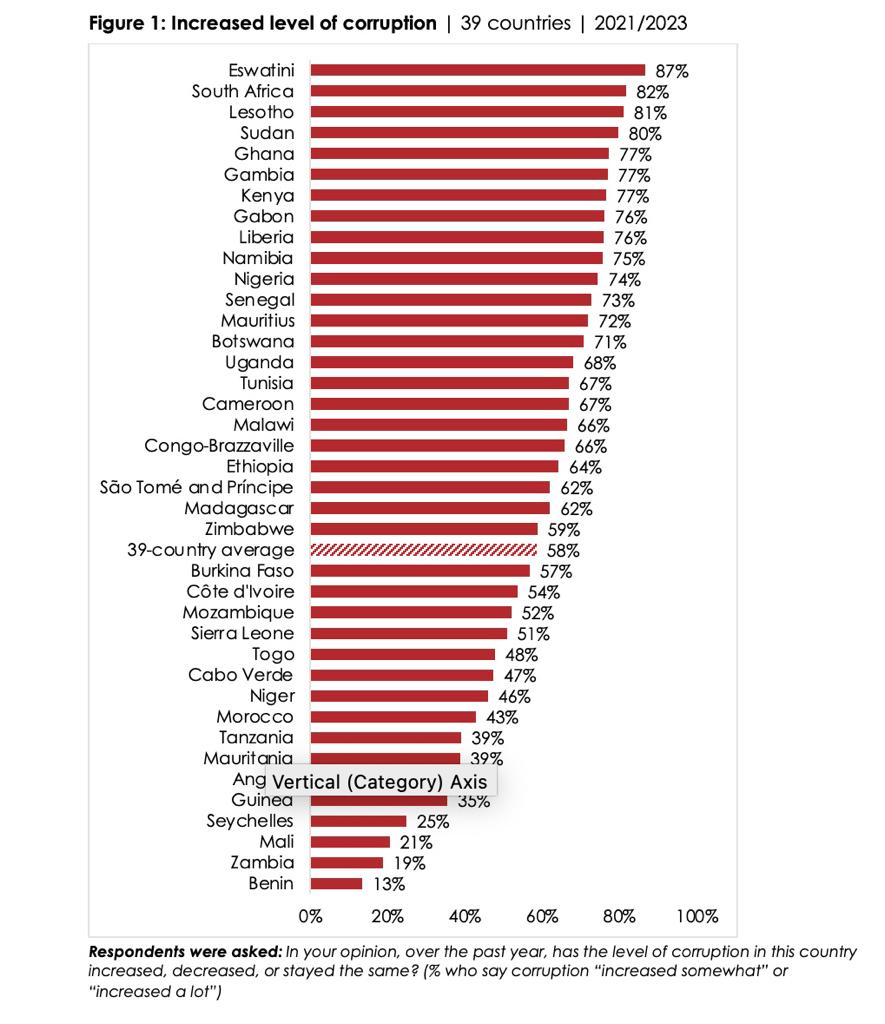
    • On average across 39 countries, a majority (58%) of Africans say corruption increased “somewhat” or “a lot” in their country during the preceding year (Figure 1).
      • Compared to 2014/2015, 12 countries recorded double-digit increases in perceptions of worsening corruption, including a surge of 39 percentage points in Senegal, while decreases reached a remarkable 61 points in Benin.
      • More than two-thirds (68%) of citizens say “some” or “a lot” of the resources intended to address the COVID-19 pandemic were lost to corruption.
    • Almost half (46%) of Africans say that “most” or “all” police officials are corrupt, the worst rating among 11 institutions and leaders the survey asked about. Tax officials, civil servants, and officials in the Presidency tie for second-worst, at 38% (Figure 2).
    • Among citizens who sought selected public services during the previous year, substantial proportions say they had to pay a bribe to obtain police assistance (36%), to avoid problems with the police (37%), to get a government document (31%), or to receive services at a public medical facility (20%) or a public school (19%) (Figure 3).
      • Self-reported bribe-paying varies widely across countries. For example, obtaining a government document required a bribe from 68% of applicants in Congo-Brazzaville, compared to 1% in Cabo Verde and Seychelles.
    • Two in three Africans (67%) say their government is doing a poor job of fighting corruption (Figure 4).
    • Only one in four Africans (26%) say people can report corruption to the authorities without fear of retaliation (Figure 5).
    Distributed by APO Group on behalf of Afrobarometer.
    For more information, please contact:
    Daniel Iberi
    Afrobarometer communications officer for East Africa
    Email: diberi@afrobarometer.org
    Telephone: +254725674457
  • South Africa: African Development Bank approves $1 billion guarantee from the United Kingdom to support SA’s Just Energy Transition

    South Africa: African Development Bank approves $1 billion guarantee from the United Kingdom to support SA’s Just Energy Transition

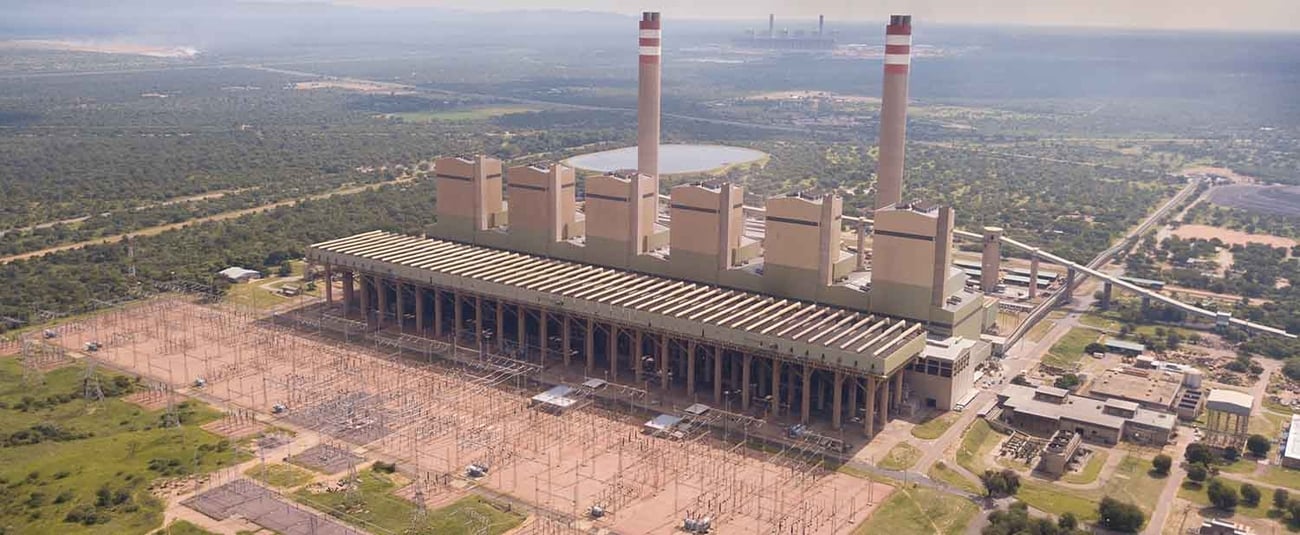
    ABIDJAN, Ivory Coast, December 10, 2023/ — The Board of Directors of the African Development Bank Group (www.AfDB.org) has approved a $1 billion guarantee program in collaboration with the UK Foreign Commonwealth and Development Office (FCDO), which will allow the Bank to increase its lending capacity in support of South Africa’s Just Energy Transition (JET).

    Developed in close collaboration with the government of the Republic of South Africa, the program will support projects aligned with South Africa’s JET investment plan, such as transmission and grid-balancing storage, renewable energy generation, energy efficiency, rehabilitation of municipal electricity delivery, green hydrogen, new electric vehicles. It also includes projects addressing the “just” dimension, notably in the Province of Mpumalanga, in the north-eastern part of the country, bordering Swaziland and Mozambique.

    The approval, coming during COP28, where ramping-up climate finance is an issue, is timely and topical. African Development Bank Vice President for Power, Energy, Climate and Green Growth, Dr. Kevin Kariuki observed: “this is another innovative operation that reaffirms AfDB’s leadership in crafting financial solutions to increase access to climate finance for Africa’s low carbon development and net zero ambitions.”

    Melinda Bohannon, Foreign Commonwealth and Development Office Director General of Humanitarian and Development stated,” FCDO remains committed to the Just Energy Transition Partnership with South Africa, which supports green growth and jobs, improves energy security, and helps South Africa achieve its carbon reduction ambitions as set out in its National Determined Contribution.

    This guarantee will unlock funds for projects within the remit of South Africa’s recently released Just Energy Transition implementation plan. This comes alongside the recently significantly increased grant offer from the International Partners Group, and we are using some of those grants to help develop an investment project pipeline”.

    Mmakgoshi Lekhethe, Deputy-Director General for Asset and Liability Management in South Africa’s National Treasury commented, “We are pleased with the approval by the AfDB Board of the guarantee framework that will increase South Africa’s access to funding from the Bank by $1 billion.

    This marks an important partnership between our government, the UK and AfDB to enhance our ability to implement South Africa’s just energy transition in a way that is just and socially responsible.

    We look forward to working closely with the AfDB on the preparation and financing of a pipeline of programs and projects under our just transition priority areas, including those identified in the JET Implementation Plan. As a development bank with vast experience in just transition in the continent, the AfDB is an ideal partner for us on this important initiative”.

    Max Ndiaye, Director of Syndications, Co-financing and Client Solutions, noted previous collaboration between the Bank and FCDO, and applauded this transaction as further demonstration of the Bank’s continued efforts to heed the G20 recommendations on capital adequacy that call for increased collaboration and additional shareholder support for the balance sheet optimization of MDBs.

    “By enabling the Bank to increase its lending capacity, this landmark guarantee agreement will greatly support South Africa’s Just Energy Transition,” noted African Development Bank Director General for Southern Africa, Leila Mokaddem. “The African Development Bank remains committed to accompanying South Africa on this important journey,” she added.

    Distributed by APO Group on behalf of African Development Bank Group (AfDB).

    Link to Images: https://apo-opa.co/4afJ94I

    Contact:
    Amba Mpoke-Bigg
    Communication and External Relations Department
    email: media@afdb.org

    Technical contact:
    Max Ndiaye
    Director of Syndications
    Co-financing and Client Solutions

  •   African Countries Should Reject Anti-Fossil Fuel Policies at COP 28

      African Countries Should Reject Anti-Fossil Fuel Policies at COP 28

    The Executive Chairman of the South Africa based Africa Energy Chamber,N.J.Ayuk  has taken a swipe at the climate agenda describing it as hypocritical, biased, unjust and that it also poses a direct threat towards Africa’s development, and countries should remain resilient in their efforts to defend their right to utilize oil and gas.

    “With COP 28 set to conclude in the coming days, a COP where African countries fiercely defended the role oil and gas plays across the continent,it has become clear that developed nations seem committed to phasing out fossil fuels, advocating for an anti-fossil fuel energy transition that does not take into account the needs of the developing world”,the Chamber intimates.

    If endorsed,this approach,it warns, would cause detrimental impacts on Africa’s economies, and the African Energy Chamber (AEC) strongly urges African countries to reject any and all anti-fossil fuel policy that may arise.

    Earlier this week, Haitham Al Ghais, Secretary General of the Organization of Petroleum Exporting Countries (OPEC), issued a similar remark, urging member countries to reject any agreements that target fossil fuels during the climate negotiations.

    Advocating for focus to be placed on reducing emissions rather than reducing energy, Al Ghais noted that, “It seems that the undue and disproportionate pressure against fossil fuels may reach a tipping point with irreversible consequences, as the draft decision still contains options on fossil fuels phase out.”

    “Phasing out fossil fuels and opting for a ‘western approach’ to the energy transition is simply not an option for Africa.The continent has not only contributed the least to global greenhouse gas emissions – less than 2% – but faces the worst impacts from climate change, owing largely to the actions taken by developed countries for centuries” it argues.

    For decades, Africa’s oil and gas resources have been extracted and exported for the benefit of wealthy nations, while the continent has been left with inadequate resources to meet its growing demand.

    Wealthy nations have not only used these resources to develop but have positioned themselves as financially and infrastructurally ready to transition away from fossil fuels. Now, Africa is trying to take the same path, and is being directed to abandon an approach taken by those that went before it.

    With oil and gas, Africa is seizing control of its energy future. By directing substantial investments towards these resources, the continent will not only be able to bolster industrialization, alleviate energy poverty and join the world in its development, but strengthen its capacity to deal with climate change.

    By phasing out fossil fuels, Africa will not only reduce its inconsequential emissions, but essential phase out energy in almost its entirety. Remember, the main sources of energy in Africa are oil (42%), gas (28%) and coal (22%). If Africa were to phase out these resources, it would be transitioning from dawn to darkness.

    As Al Ghais put it, “What we will continue to advocate for is reducing emissions, not choosing energy sources. The world requires major investments in all energies, including hydrocarbons, all technologies, and an understanding of the energy needs of all peoples. Energy transitions must be just, fair and inclusive.”

    “Last year, I wrote that I was going to COP 27 because I believe that if Africa is not on the table, it will be on the menu. It is unfortunate that a year on, we have seen little to no progress by western nations to take into account the developmental needs of Africa. A year on, we are faced with the same threat: developed nations telling the world to abandon fossil fuels, thereby abandoning any chances of economic growth.

    Africa cannot afford to adopt the western-centric energy transition. Doing so would eliminate any chance of making energy poverty history, of industrializing economies and improving the lives of millions of people,” stated NJ Ayuk, Executive Chairman of the AEC.

    Africa and the developed world are at vastly different stages of their development. Why then, is the continent required to follow the same approach to transitioning?

    Why is the continent being told to abandon any chance of lighting its economies? Why do the wealthy nations of the world continue to choose politically-driven agendas over Africa? Phasing out fossil fuels might reduce emissions but it will surely send Africa into irrevocable economic decline.

    “The green agenda promoted by the wealthy nations continues to ignore how instrumental oil and gas is in Africa. Climate panic and fear mongering continues to be alive and well, and Africa should remain strong in its commitment to utilizing oil and gas for the betterment of its people,” concluded Ayuk.

  • Conference of the Parties (COP28): Multilateral development banks publish first common principles for nature-positive finance

    Conference of the Parties (COP28): Multilateral development banks publish first common principles for nature-positive finance

    LUXEMBOURG CITY, Luxembourg, December 9, 2023/ — New principles will guide multilateral development banks’ support for countries and the private sector in implementing the Kunming-Montreal Global Biodiversity Framework; For the first time, multilateral development banks define common principles and the criteria for identifying and tracking nature-positive finance; Announcement follows COP26 Joint MDB Statement on Nature, People and Planet.

    The European Investment Bank (EIB) and fellow multilateral development banks (MDBs) have today published (https://apo-opa.co/3RdNOeQ) common principles for identifying and tracking nature-positive finance. The announcement comes on nature day of the United Nations COP28 climate change conference in Dubai, United Arab Emirates.

    The common principles aim to increase nature-positive finance by mainstreaming nature in MDB operations and investments in a systematic manner. This is one of the key deliverables from the COP26 Joint MDB Statement on Nature, People and Planet (https://apo-opa.co/4aeV2ba), in which multilateral development banks collectively committed to step up efforts for the protection, restoration and sustainable use of nature in support of the Kunming-Montreal Global Biodiversity Framework.

    Nature plays a critical role in providing resources and services that underpin the achievement of the Sustainable Development Goals and are essential to solving development challenges such as health, jobs and livelihoods, inequality, climate change, food security and fragility.

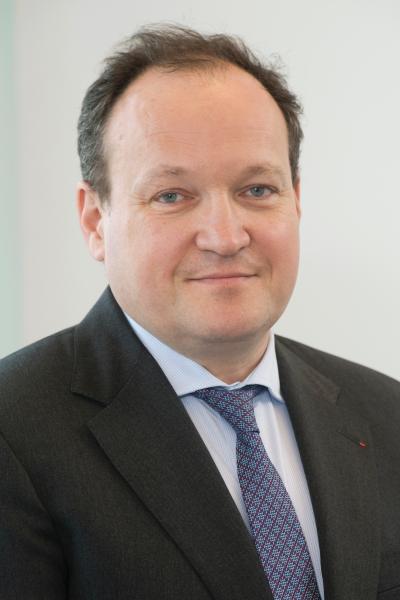
    EIB Vice-President Ambroise Fayolle, said: “Scaling up nature positive finance is key to solving the climate change, biodiversity loss and pollution crises. With the common principles for tracking nature-positive finance, MDBs are implementing a key deliverable from their joint statement on nature. At the EIB, from 2024 onwards, we will be integrating the common principles into our existing environmental sustainability tracking methodology. In doing so, we are committed to working with countries and the private sector to scale up nature positive investments worldwide.”

    The common principles will help guide the development and implementation of multilateral development banks’ respective frameworks and internal methodologies for tracking nature-positive finance as they support countries and the private sector in implementing the Kunming-Montreal Global Biodiversity Framework in a systematic manner.

    The common principles will also facilitate comparability across multilateral development banks in their respective screening and tracking processes.

    They will enable the EIB to better assess whether its finance is expected to deliver a meaningful and measurable positive contribution to nature, and to communicate such nature-positive outcomes. In addition, the common principles may be informative for other investors, including capital markets and governments.

    Distributed by APO Group on behalf of European Investment Bank (EIB).
    Press contacts:
    Bruno Hoyer,
    b.hoyer@eib.org,
    +352 621 886 056Shirin Wheeler,
    s.wheeler@eib.org,
    +32 474 242 494

    Press Office:
    +352 4379 21000
    press@eib.org

  • Youth-led African enterprises awarded $800,000 at Conference of the Parties (COP28) for climate solutions

    Youth-led African enterprises awarded $800,000 at Conference of the Parties (COP28) for climate solutions

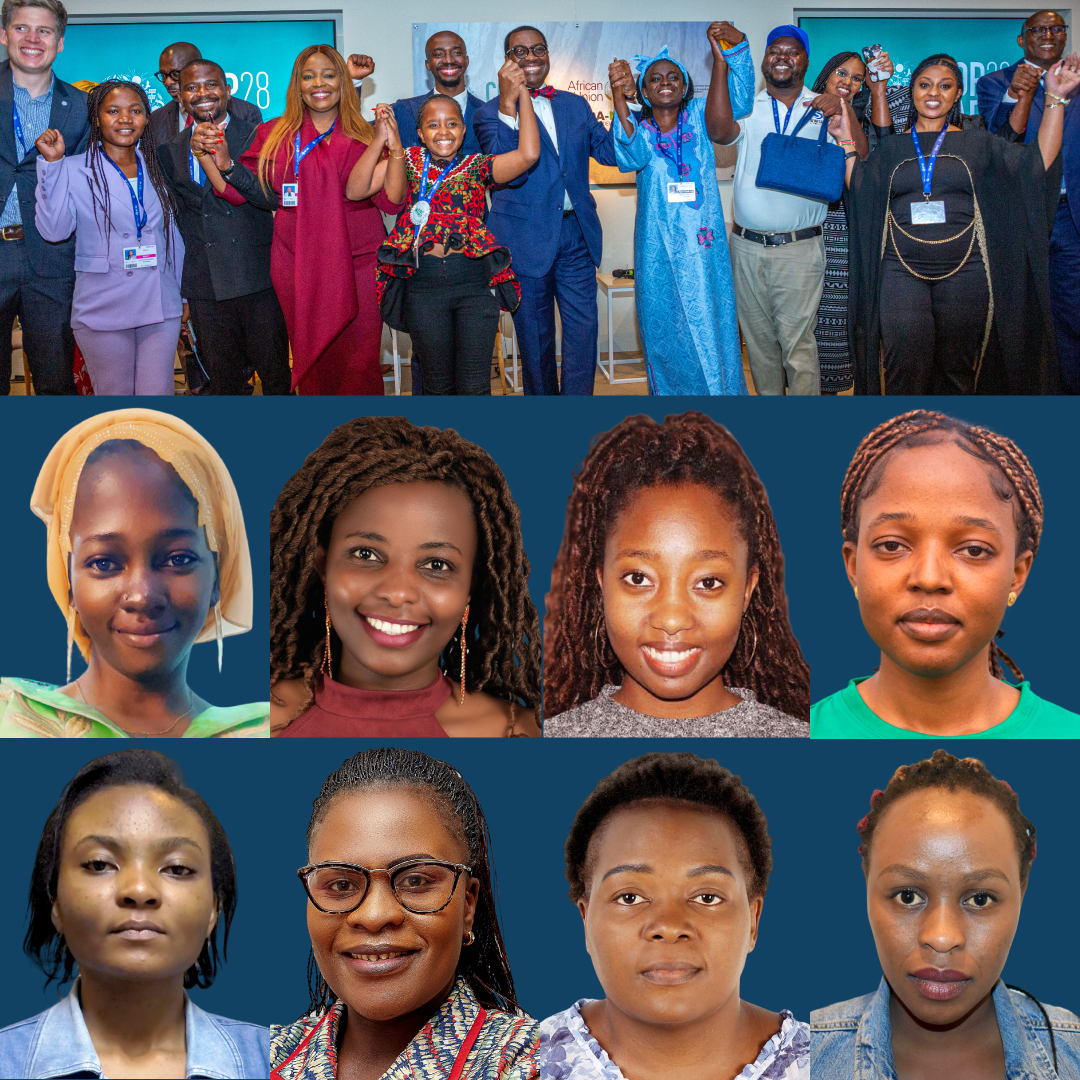
    DUBAI, United Arab Emirates, December 5, 2023/ — Eight dynamic African young women-led businesses emerged as winners of the 2023 YouthAdapt challenge. Each business will receive grant funding of up to $100,000.

    They will also receive a comprehensive mentorship and coaching as part of a 12-month accelerator program. Since its launch in 2021, the YouthADAPT initiative (https://apo-opa.co/49ZU0zH) has provided more than $5 million to 33 young entrepreneurs from 19 African nations.

    Jointly organised by the African Development Bank Group and the Global Center on Adaptation (https://GCA.org), supported by the Africa Climate Change Fund (https://ACCF.AfDB.org), YouthADAPT is an annual competition for young entrepreneurs leading micro-, small- and medium-sized enterprises in Africa with innovative climate change adaptation solutions.

    This year’s focus was on female-owned enterprises pioneering Fourth Industrial Revolution (4IR) technologies such as artificial intelligence, big data analytics, virtual reality, robotics, Internet of Things, quantum computing, additive manufacturing, blockchain, and fifth-generation wireless for climate adaptation.

    Speaking at the ceremony held on the side lines of COP28 in Dubai, President of the African Development Bank, Dr Akinwumi Adesina emphasised the importance of harnessing youth ideas and creativity to enhance livelihoods and national prosperity.

    Adesina said: “The Jobs for Youth in Africa and the Skills Employability initiatives at the Bank stand as a testament to our commitment to create 25 million jobs for our youth, ensuring that 250 million individuals find their path to the labour market. The Youth ADAPT initiative is a pledge to invest in the youth and shape a thriving future.”

    Professor Patrick Verkooijen, CEO of the Global Center on Adaptation, stressed the need to nurture Africa’s youth talent. “Young people hold the key to unlocking Africa’s economic potential. Through initiatives like the YouthADAPT awards, we provide opportunities for training and jobs to retain African talents at home.”

    During a panel discussion, Cheryl Urban, Canada’s Assistant Deputy Minister for Sub-Saharan Africa, spoke about the critical role of development finance institutions can play. “The African Development Bank’s YouthADAPT program provides crucial support in scaling up youth-led climate businesses and innovations in Africa. Canada is proud of being a contributor to the initiative.”

    Dr Beth Dunford, the African Development Bank’s Vice President for Agriculture, Human, and Social Development, stressed the importance of supporting entrepreneurs tackling climate change. She also emphasised the need to remove barriers to finance, particularly for women.

    The African Union Youth Envoy, Chido Cleopatra Mpemba, underscored the need to foster effective information-sharing mechanisms across regions.

    Lucy Wangari, one of this year’s award recipients from Onion Doctor, a firm specialized in monitoring onion growth, said the award would motivate her to do more. “It serves as a significant driver in scaling (our) innovative solution to boost local onion production by 20% and transform the onion value chain into a lucrative employment source for farmers in Kenya’s arid and semi-arid Lands.”

    Past winners shared experiences about how the grant empowered their ventures. Fela Akinse, CEO of Salubata—a business converting plastic waste into affordable footwear, emphasised how the grant is propelling their business expansion and innovation of clean technologies, and helping them to generate global impact.

    The winning ventures, led by women from across Africa, focus on sectors affected by climate change: agriculture, energy efficiency, disaster risk management, water resources, and biodiversity conservation.

    Full list of winners:

    • Deborah Nzarubara, ETS Grencom, Democratic Republic of Congo: Leveraging big data, ETS Grencom provides real-time weather data, bolstering agricultural productivity and supporting pollinating bees for sustainable farming practices.
    • Mirriam Chapi, Chapi Core Tech (https://ChapiCoreTech.com), Zambia: Through the EaseOn Track app, Chapi Core Tech has empowered over 5,000 women farmers, facilitating clean energy adoption and enhancing agricultural output.
    • Eddah Wanjiru, Arinifu Technologies (https://Arinifu.com), Kenya: The Smart Brooder & Kuku Smart innovation utilise Internet of Things technology, offering poultry solutions and operational insights, benefitting Kenya’s farming community.
    • Fatoumata Diaby, Jeune Agro-Innovatour (https://Jaimmali.org), Mali: Jeune Agro-Innovatour’s E-Compost software transforms invasive water hyacinth into premium compost, championing sustainable agricultural practices.
    • Beth Koigi, Majik Water Technologies (https://MajikWater.co), Kenya: Majik Water Technologies pioneers atmospheric water harvesting, providing vital water resources to drought-stricken farming communities in Kenya.
    • Lucy Wangari, Onion Doctor Limited (https://OnionDoctor.co.ke), Kenya: Using the Internet of Things and machine learning, Onion Doctor Limited monitors onion crops, optimising sustainability and profitability for Kenyan farmers.
    • Daniella Ushindi Viruvuswagha, ETS Chemchem Agro (https://ChemchemAgro.com), DRC: Their ApiConnect app employs Machine Learning for strategic beehive placement, significantly boosting honey production in the Democratic Republic of Congo.
    • Stephanie Meltus, Green Eden Farms (https://GreenEden.com.ng), Nigeria: Green Eden Farms utilise Scaregrow technology to offer real-time insights, enhancing productivity and resilience in Nigerian agriculture.

    More details about the YouthAdapt competition and awards are available here (https://apo-opa.co/49ZU0zH).

    Distributed by APO Group on behalf of African Development Bank Group (AfDB).
    Contacts:
    African Development Bank:
    Joash Moitui
    Africa Adaptation Acceleration Program
    media@afdb.orgAfrica Climate Change Fund:
    Rita Effah
    Coordinator
    r.effah@afdb.org

    Global Center on Adaptation:
    Alex Gee
    Head of Communications
    alex.gee@gca.com

  • Strengthening African Islands States’ Climate Resilience: President Ramkalawan chairs the AISCC Ministerial Dialogue at COP28

    Strengthening African Islands States’ Climate Resilience: President Ramkalawan chairs the AISCC Ministerial Dialogue at COP28

    04th December 2023

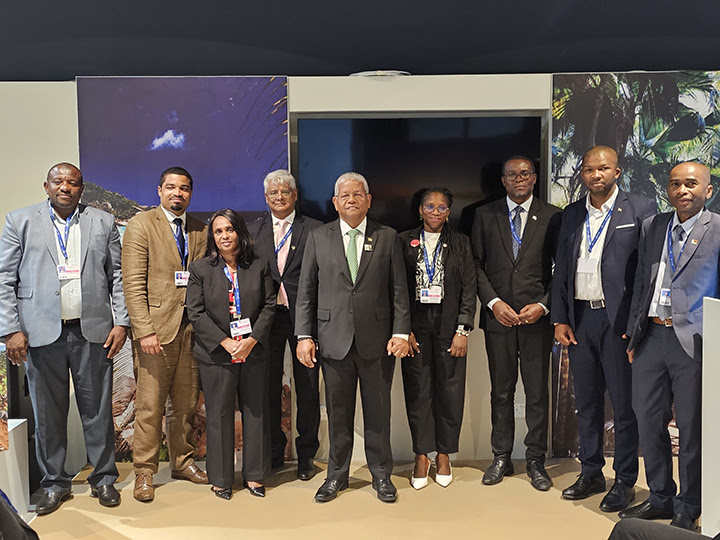
    In the midst of the bustling COP28 in Dubai, a significant event unfolded at the Seychelles Pavilion—the Ministerial Dialogue of the African Union Commission (AUC) in partnership with the African Islands States Climate Commission (AISCC). Seychelles as the Chair of this commission organized this gathering to enhance collaboration among African Island nations and chart a strategic course to amplify the visibility and communication efforts of the AISCC.

    President of the Republic of Seychelles and Chair of the AISCC, His Excellency President Wavel Ramkalawan, reiterated Seychelles’ dedication to leading the commission. He underscored the necessity of reinforcing exchanges to amplify the voices of African Island States at the level of the African Union Commission, Regional Economic Communities, and Regional Organizations. President Wavel Ramkalawan concluded his statement by commending the work of the AISCC and highlighting the importance of extending this platform for the younger generation, ensuring continuity in addressing climate challenges.

    Minister Flavien Joubert set the tone for the dialogue with a warm welcome to Ministers, National Focal Points, and Partners from Cabo Verde, Comoros, Equatorial New Guinea, Guinea Bissau, Madagascar, Mauritius, Sao Tome and Principe, and the United Republic of Tanzania. He articulated the primary objective of the meeting which is to provide a platform for direct exchange with the Chair since the official launch in 2020 in Addis Ababa.

    Minister Joubert emphasized the importance of fostering direct communication and collaboration to address the unique challenges faced by African island States. He acknowledged the need for strategic direction and cooperation to propel the AISCC’s mission forward.

    Expressing gratitude, Minister Joubert extended thanks to partners such as 4C Maroc, the United Nations Economic Commission for Africa (UNECA), and the Indian Ocean Commission (IOC) for their support in operationalizing the AISCC. This collaboration underscores the shared commitment to climate resilience in African island nations.

    To summarize the event, Ms. Gina Bonne, the Focal Point of the Indian Ocean Commission, provided a brief presentation of a progress report, outlining key achievements. She offered valuable insights into the next steps for developing the AISCC’s mandate and strategies for mobilizing funding.

    One key proposal discussed was the development of a Memorandum of Understanding (MoU), a soft instrument with no financial implications for states. This MoU would serve as a foundational document for states to collaborate on climate change matters. Importantly, it was clarified that the MoU would not replace or supersede existing arrangements that states may have with other regional organizations or the African Union Commission.

    Ms. Bonne also shed light on the communication plan, emphasizing the importance of ensuring the visibility of AISCC. Effective communication is seen as crucial for garnering support, both regionally and internationally, and for raising awareness about the challenges faced by African island States in the context of climate change.

    In conclusion, the Ministerial Dialogue at COP28 served as a pivotal moment for the AISCC, reinforcing its commitment to climate resilience in African island nations. The discussions and proposals put forth during this dialogue set the stage for enhanced collaboration, strategic planning, and increased visibility on the global stage, all contributing to a more sustainable and resilient future for the African Islands.

    SOURCE

    State House News Alert

  • African Development Bank with other multinational development banks commits to boost collaboration on climate and development

    African Development Bank with other multinational development banks commits to boost collaboration on climate and development

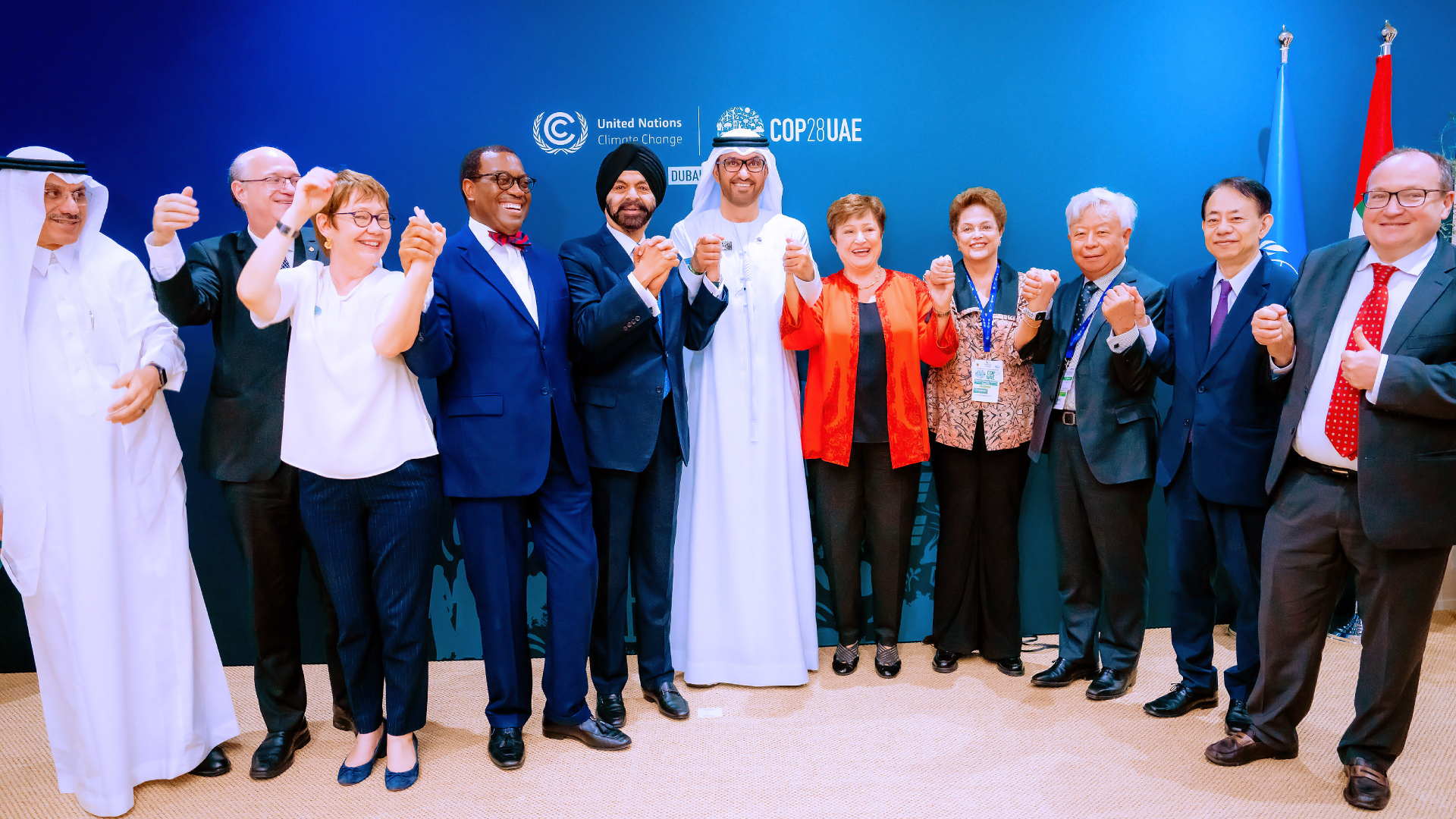
    DUBAI, United Arab Emirates, December 3, 2023/ — Multilateral development banks attending the 2023 UN Climate Change Conference (COP 28) today affirmed their commitment to a concerted, global action, including increasing co-financing and private sector engagement to address climate change, felt acutely in Africa.

    Despite contributing the least to global warming and having the lowest emissions, Africa faces existential risks due to catastrophic impact of climate change. Perennial droughts in the Horn of Africa and recent devastating floods in Libya, Malawi, Mozambique, Zimbabwe and other parts of the continent have claimed thousands of lives, destroyed infrastructure, washed away hundreds of hectares of food crops and threatened to push millions of people into extreme poverty.

    In a joint statement released in Dubai, United Arab Emirates, the banks committed to collaborating on “socially inclusive, gender-responsive and nature positive climate and development actions,” leveraging their unique expertise and networks.

    Signatories to the statement include the African Development Bank Group, European Investment Bank, Asian Development Bank, Asian Infrastructure Investment Bank, Council of Europe Development Bank, European Bank for Reconstruction and Development, Inter-American Development Bank Group, Islamic Development Bank, New Development Bank, and the World Bank Group.

    For impact, the MDBs will collaborate to attract private capital at scale for countries, expand the scope of reporting climate results and impact, and help countries identify priorities and investment opportunities.

    They also committed to support countries’ adaptation and disaster risk management efforts through the MDBs’ Early Warning for All initiative, which promotes accessible and inclusive early warning systems for all by 2027. MDBs will launch a Long-term Strategies Program to help countries and subnational entities to formulate long-term, low-emission development strategies and other long-term climate strategies.

    The banks also expressed support for various sectors including water, health and gender, committing to identify and expand financing for gender-responsive solutions for governments and businesses.

    According to a joint MDB report (https://apo-opa.co/414XDA4) launched in October, climate finance by Multilateral Development Banks for low-income and middle-income economies reached a new record of $60.7 billion in 2022, up 46 percent compared to 2019. About $38.0 billion, or 63% of the amount went into climate change mitigation finance, and $22.7 billion or 37%, supported climate change adaptation. Private finance stood at $16.9 billion.

    Distributed by APO Group on behalf of African Development Bank Group (AfDB).

    Media contact: 
    Kwasi Kpodo
    Communication and External Relations
    media@afdb.org

    SOURCE
    African Development Bank Group (AfDB)

  • Conference of Parties (COP28): Global and African partners pledge $175m to the Alliance for Green Infrastructure in Africa (AGIA)

    Conference of Parties (COP28): Global and African partners pledge $175m to the Alliance for Green Infrastructure in Africa (AGIA)

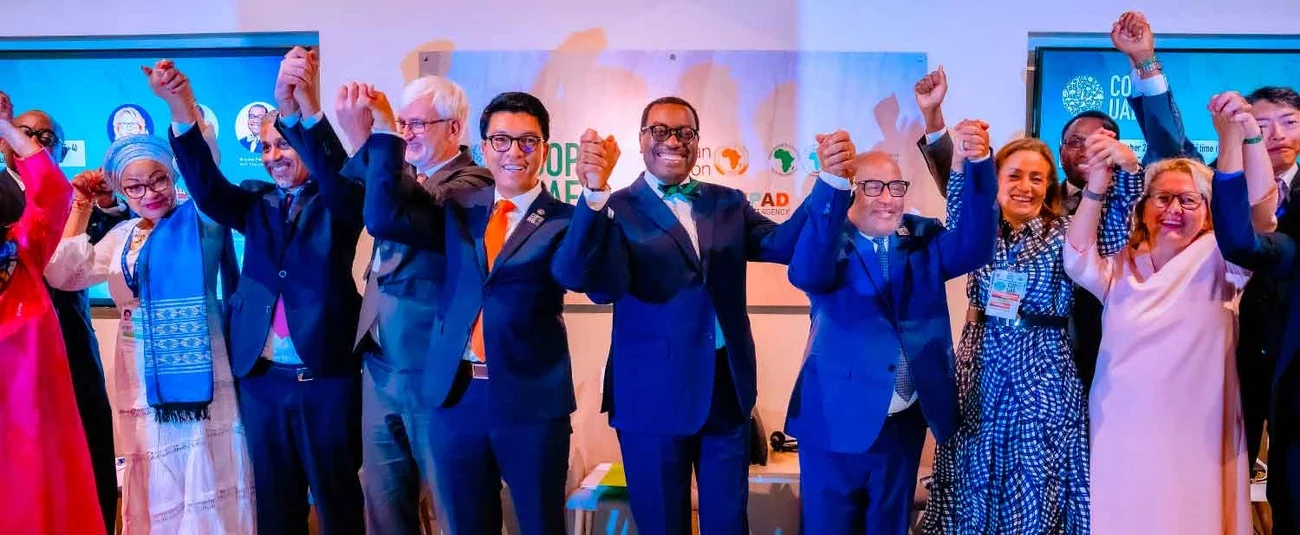
    DUBAI, United Arab Emirates, December 3, 2023/ — In a powerful signal of support during COP28, African and global institutions together with governments of Germany, France and Japan and philanthropies have pledged over $175 million to the Alliance for Green Infrastructure in Africa (AGIA). The landmark initial pledge will help to rapidly scale up financing for transformative climate-aligned infrastructure projects across the continent.

    The new pledges will also advance AGIA towards its first close of $500 million of early-stage project preparation and development blended capital. The Alliance is a partnership of the African Union Commission, the African Development Bank, Africa50 and other partners. It works to unlock up to $10 billion private capital for green infrastructure projects and to galvanise global action to accelerate Africa’s just and equitable transition to Net-Zero.

    Among the signatories of the memorandum of intent were representatives of the African Development Bank, Africa50, France, Germany, Japan, the Arab Bank for Economic Development in Africa (BADEA), Banque Ouest-Africaine de Développement (BOAD), Proparco and the Three Cairns Foundation.

    The Union of the Comoros President and Chairperson of the African Union Azali Assoumani, Madagascar’s President Andry Rajoelina and African Union Commission Chairperson Moussa Faki Mahamat witnessed the signing ceremony.

    Germany’s Minister for Economic Cooperation and Development, Mrs Svenja Schulze, said, “Germany is very pleased to join the launch of the Alliance for Green Infrastructure in Africa. We congratulate the African Development Bank on this important Africa-led initiative and want to highlight AGIA’s commitment to the 1.5°C target and its dedication to accelerate Net-Zero emissions in Africa.”

    She added, “Today marks an important step towards our shared goal of a just and equitable green transition in Africa. Supporting the commitment towards green infrastructure, we are planning to contribute up to €26 million to AGIA starting in 2024.”

    Tomoyoshi Yahagi, Japan’s Deputy Vice-Minister of Finance, said, “As part of the pledge made by Prime Minister Fumio Kishida yesterday, Japan will provide US$10 million to AGIA to support Africa in undergoing a just and equitable transition to Net-Zero and achieving the 1.5°C pathway. We encourage other donors to contribute to this important initiative.”

    Emmanuel Moulin, Director General of the French Treasury, said, “By addressing the gap in funding green infrastructure project preparation and development, AGIA will play an instrumental role in Africa’s transition to Net-Zero. Directing concessional resources to such an initiative is in line with France’s vision and solidarity policy for sustainable investment in Africa. This is why we have supported AGIA since inception and we are glad that the Summit on a New Global Financing Pact further raised momentum for the initiative. We are therefore delighted to announce a contribution of €20 million to AGIA and we hope that our contribution will catalyse more private and concessional resources.”

    African Development Bank Group President Dr Akinwumi Adesina said: “We need private sector financing at scale to tackle climate change and fill Africa’s huge infrastructure gap in a sustainable and climate-resilient manner. By working together and pooling our resources together through AGIA, we are committed to accelerating these efforts. The Bank Group plans to contribute up to $40 million, after approval from its Board of Directors.”

    Sidi Ould Tah, President of BADEA said, “We have pledged $40 million to support AGIA. We are glad to be part of this vital partnership, aiming at enabling transformational green infrastructure projects in Africa, and accelerating the continent’s transition to Net-Zero in a sustainable manner.”

    Alain Ebobissé, Africa50 CEO, said: “AGIA is set to become Africa’s largest fund focused on project development, which is a critical component to scale up the delivery of bankable green projects and help the continent achieve its climate goals. This initial fundraising round which includes strong African and international organisations is a great sign of investor confidence in AGIA. We are pleased to be part of this landmark initiative.”

    Serge Ekué, President of BOAD: “As part of our 2021–2025 Djoliba strategic plan, we have committed that about 25% of our new financing will be aimed at strengthening the resilience of our member countries to climate change. Our interest in AGIA reflects this ambition and will be in line with our strategic approach of mobilising increased climate resources in our region.”

    Françoise Lombard, CEO of Proparco said his company alongside the French government, “is proud to support AGIA, an initiative aiming to unlock Africa’s potential for green infrastructure by targeting one of its main constraints: the lack of existing bankable projects in this area. The innovative blended structure of the initiative will allow AGIA to mobilise and channel public and private resources towards project preparation and development, the riskier stages of any infrastructure project. In addition, With AGIA, we are one step closer to bridging the infrastructure gap in Africa and one-step further towards Net-Zero.”

    Mark Gallogly, cofounder of the Three Cairns Foundation, said, “We support AGIA’s mission to catalyse economic development and green infrastructure in Africa. More risk-tolerant, early-stage equity is essential to increase the number of clean energy and climate-related projects across the continent. We commend Africa50 for leading this initiative.”

    AGIA was launched a year ago at COP27 in Sharm El Sheikh, Egypt, by the African Union Commission, the African Development Bank, and Africa50 and other partners.

    Distributed by APO Group on behalf of African Development Bank Group (AfDB).

    Media contact:
    African Development Bank:
    Chawki Chahed
    media@afdb.org

    Africa50:
    Nana Boakye-Yiadom
    n.boakyeyiadom@africa50.com

    SOURCE
    African Development Bank Group (AfDB)

  • Nigeria Launches Long Term Low Emission Development Strategy At COP28

    Nigeria Launches Long Term Low Emission Development Strategy At COP28

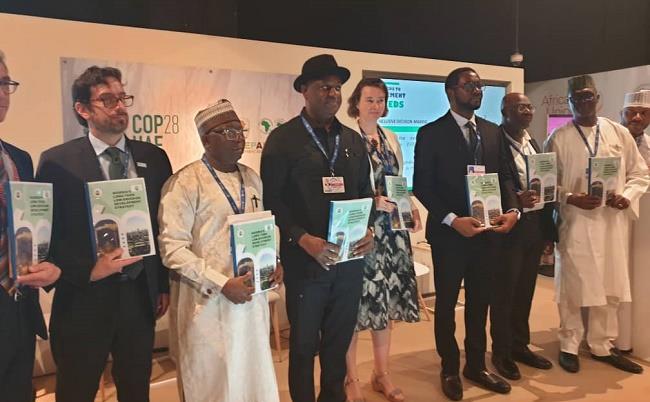
    Nigeria has achieved what looks like another major milestone in her effort to achieve a net zero carbon economy by 2060 by launching its Long-Term Low Emission Development Strategy on Friday, December 1, 2023, at COP28 in Dubai, UAE.

    The event, which was graced by dignitaries and delegates from different countries around the world, was held at the African Pavilion in the Blue Zone and was moderated by Professor Chukwumerije Okereke, Director of the Centre for Climate Change and Development, AEFUNAI, and Dr Eugene Itua, Executive Director of the Natural Eco Capital, the organisation that coordinated and led the development of the LT-LEDS, which was started under the supervision of the Department of Climate Change, Federal Ministry of the Environment, and concluded under the auspices of the National Council on Climate Change (NCCC).

    Director General of the NCCC, Dr Salisu Dahiru, who was temporarily represented by Ms Halima- Bwa-Bari, stated that Nigeria was proud to launch the LT-LEDS, which is guaranteed to support sustainable development and climate resilient economy for the nation.

    Minister for Aviation and Aerospace, Festus Keyamo (SAN), who represented the Minister for Environment, Balarabe Abbas Lawal, said that the LTS was an important milestone in Nigeria’s effort to implement the country’s net-zero pledge made at COP26 in Glasgow. He said that Nigeria was committed to pursue the transition from a fossil fuel dependent economy to a low carbon future in keeping with the global trend and the Paris Agreement and urged international development partners to support the implementation of the LT-LEDS.

    Global Director of the NDC Partnership, Mr. Pablo Vieria, said that Nigeria should be very proud of accomplishment. He stated that by developing the LTS, Nigeria is joining a distinguished group of countries that are exhibiting leadership in developing a clear strategy to decarbonise their economies in response to global climate change. He urged the country to take the next step in adopting the LT-LEDS and pledged the NDC Partnership’s cooperation in this regard.

    Head Climate and Nature at the French Development Agency (AFD), Ms Mathide Bord-Laurans, congratulated Nigeria on launching the LT-LEDS. She said that AFD was delighted to have provided support to the Centre for Climate Change and Development, Alex Ekwueme Federal University under the Nigeria Deep Decarbonisation Project (DDP), which enabled the Centre to lead the creation of scenarios and the modelling work that went into the development of the LT-LEDS. She pledged that the Bank would stand firmly by Nigeria and support investments that are geared towards the implementation of the LT-LEDS.

    Mr. Richard Baron, Executive Director of the 2050 Pathways Platform, expressed his joy at having assisted Nigeria in the design of the LT-LEDS and the precursor document, the Long-Term Vision (LTV 2050) which was also developed by Natural Eco Capital for Nigeria and submitted to the UNFCCC in 2021, served as the initial first step to the LT-LEDS.

    He stated that the LT-LEDS was developed in collaboration with a wide spectrum of stakeholders, making it a truly national document of which Nigeria could be proud.

    He expressed his delight that the modelling work for the LT-LEDS was done by Nigerian academics at the CCCD-AEFUNAI, led by Professor Chukwumerije Okereke, and praised the collaboration between the Nigeria Deep Decarbonisation Project, the 2050 Pathways, the National Council on Climate Change, and Natural Eco Capital, with Dr Eugene Itua as the National Coordinator, which resulted in the creation of a high-quality document.

    In his closing remarks, the Director General of the NCCC, who had now arrived at the event in person, stated that while the launch of the LT-LEDS was a significant milestone, he would like to see all hands on deck to ensure that the document does not sit on the shelf but that the many projects identified in the documents are translated into practical investment. He stated that the two important next steps are the creation of an LT-LEDS Implementation Plan and the mobilisation of capital from domestic and internal sources to implement the LT-LEDS.

    Miss Chioma Amudi, Desk Officer at the NCCC, noted that translating the LT-LEDS into investments would require finance, effective stakeholder engagement, and adequate institutions, among other key factors.

    Terseer Ugbor, Deputy Chairman, House Committee on Environment of the Federal House of Representatives, pledged the support of the national parliament in implementing the LT-LEDS.

    By Gboyega Olurufemi, Senior Climate Change Analyst and Fellow at the Centre for Climate Change and Development, Alex Ekwueme Federal University, Ndufu-Alike, Nigeria

    First published in environewsnigeria.com

  • President Ramkalawan addresses the 28th session of the Conference of Parties of UNFCC World Climate Action Summit

    President Ramkalawan addresses the 28th session of the Conference of Parties of UNFCC World Climate Action Summit

    02nd December 2023

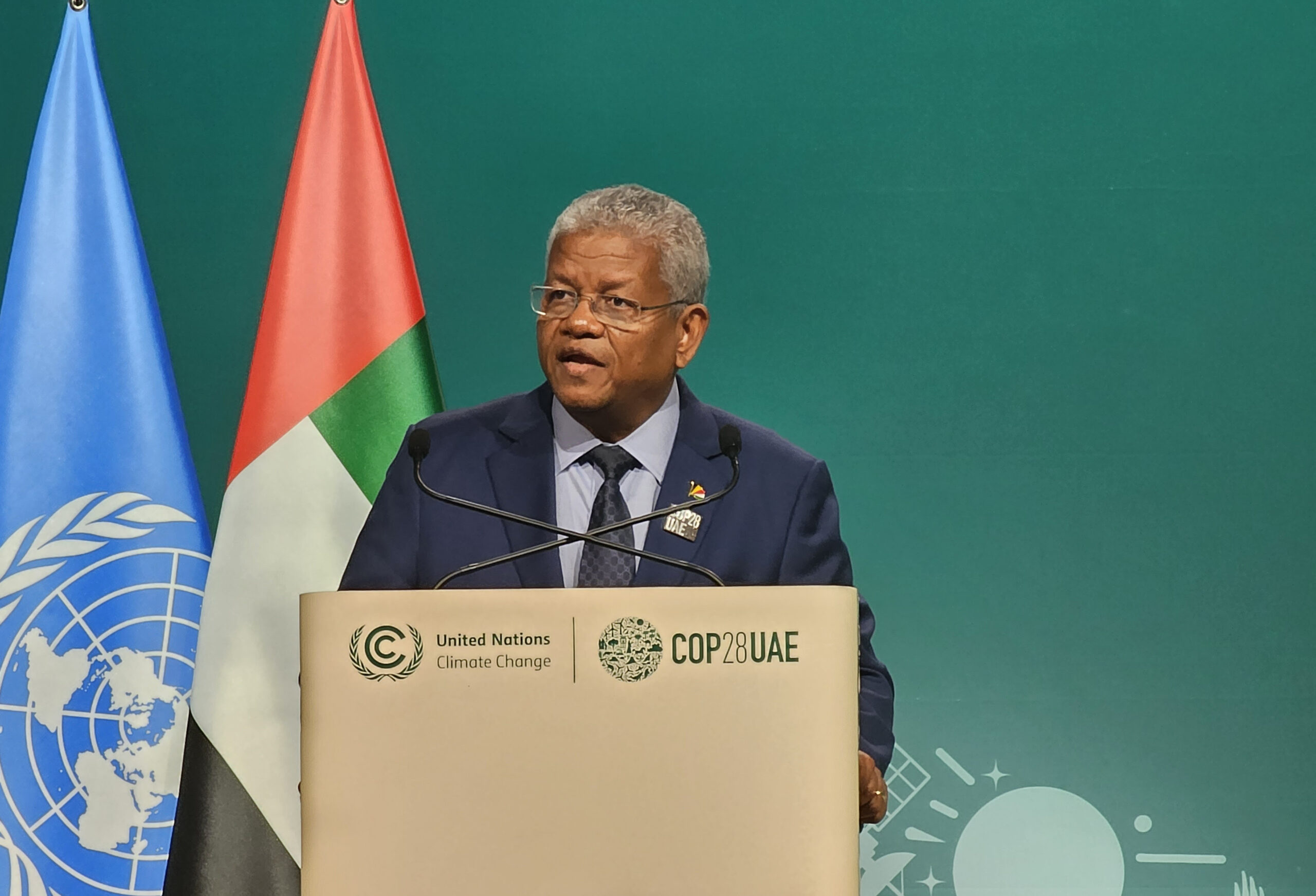
    1st December 2023, Dubai UAE: The President of the Republic of Seychelles, Mr. Wavel Ramkalawan during his address at the Twenty-eighth session of the Conference of Parties of UNFCC (COP28).to which he led a Seychelles delegation, highlighted the urgency for collective action and the need for commitments made to be honoured as part of efforts to mitigate the heightened threats of climate change particular vis-à-vis Small Island Developing States (SIDS) like Seychelles.

    “In our shared pursuit of a sustainable future, the urgency of our deliberations here in Dubai cannot be overstated. As parties to the convention, we committed to deliver on commitments such as the USD100 billion promise, Scaling up Adaptation Finance, New Collective Quantified Goal on Finance and most recently the Loss and Damage Fund.

    “We are yet at another COP and I am disheartened to state that most of these commitments are yet to be fulfilled despite the urgency required to address the climate crisis” President Wamkalawan added.

    The President joined over 170 world leaders for the World Climate Action Summit (WCAS) being held during the United Nations Climate Change Conference – COP 28High-level segment, where he delivered his National Statement earlier yesterday afternoon.

    The summit echoed the critical need for World Leaders to implement and transform key climate related decisions into concrete actions and credible plans.

    “As Leaders, I call for your unwavering shift in political-will that will translate into concrete actions so as to confine global temperature rise within the critical threshold of 1.5 degrees Celsius.

    “Small Island Developing States are on the frontline of climate change, facing rising sea levels, coastal erosion, increased frequency of extreme weather events, and the loss of vital ecosystems. Whether we are high income, low income or among the Least Developed countries, our specificities are the same and what the industrialised nations emit have a direct impact on our coastlines and livelihoods. We are simply islands floating in the ocean, and therefore we must be treated as a unique and separate category when it comes to assisting us. I call on SIDS to unite and support each other” said President Ramkalawan.

    Speaking to the summit, the Head of State also emphasised the real life negative effects affecting the small island archipelago as well as the enormity of the financial burdens inflicted on such a small nation as Seychelles.

    “As I speak, my country is experiencing devastating impacts of climate change, specifically damage to the coastline and critical coastal infrastructure caused by higher tides, frequent storm surges and heavy rainfall.

    “Coupled with other impacts, these are endangering the livelihoods of my people and our Islands. A recent comprehensive survey only on the main populated granitic islands of Seychelles conducted by our technical team estimated around USD 22 million is needed for road infrastructure works and other measures to mitigate coastal erosion.

    “Our updated NDC highlighted a further USD600 million will be required over the next 10 years, for both mitigation and adaptation sector, translating to 5% of GDP annually or 10% of the annual budget. If we are to add the disaster happening to our coralline outer islands, that figure could be doubled, let alone tripled.

    “Like many SIDS, 90 per cent of the country’ infrastructure and human activities occur along its low-lying coastal areas and are thus vulnerable to the impacts of climate change.

    “The current trajectory means Seychelles’ economy stands to be severely undermined, whereby forcing us to divert much needed finance to environment protection, instead of investing in education, health, sports, agriculture, food security, modernisation and giving our people a better standard of living” stressed President Ramkalawan.

    He further placed emphasis on the critical need for the Loss and Damage Fund created last year and the Multi-Dimensional Index (MVI) initiative to take into consideration the true vulnerabilities of all SIDS fairly, rather than penalising them for their High-income status. He further highlighted the climate change plight where SIDs are battered by climate change and severe increased threats to their very existence.

    “My point is simple: Don’t categorise islands into economic bands but treat all islands in the same manner and allow all of us to have access to the Loss and Damage Fund. We all lose from the damage you cause, yet we clean up our emissions and help mop up those of industrialised nations.

    The message is loud and clear: Seychelles is a committed partner that can be trusted. We believe in what we preach and we walk the talk. The evidence is there. However, we cannot do it alone. We need the financial support of the whole world. The metaphorical hourglass is dwindling. COP 28 presents a pivotal call to action to build climate resilience before the last grain of sand slips away. In unity and determination, let us seize this moment to reverse our course and forge a sustainable and resilient future for generations to come. Let’s not leave anyone behind”, concluded the President.

    Prior to attending the COP28 High-Level National Statement segment, President Ramkalawan attended the opening ceremony held in the morning where he was welcomed at the Dubai Expo City site by His Highness Mohamed bin Zayed Al Nahyan, President of the United Arab Emirates and Ruler of Abu Dhabi and the United Nations Secretary General António Guterres.

    SOURCE

    (State House News Alert)