Category: AFRICA

  • Harnessing the Combined Talents of Africa and the Caribbean for a Brighter Future

    Harnessing the Combined Talents of Africa and the Caribbean for a Brighter Future

    From December 1 & 2, 2023, the leading London-based Business consulting and investment Firm, Wealth Masters Group, is conveying African and Caribbean Private sector to discuss Business and Investment opportunities among themselves during a 2-day virtual event

    Going under the theme “find your purpose, potential, business niche and key strategies needed as African/Caribbean from topnotch entrepreneurs and business owners”,the overall idea behind this virtual summit is to build bridges of understanding and fostering meaningful partnerships, that can harness the immense potential of the combined talents of the two regions, resources, and ideas to create a brighter future for our people and generations to come.

    According to Dr. Benjamin Acheampong, Wealth Masters Group Founder and President, “Africa and the Caribbean have long been vibrant and dynamic regions, rich in culture, heritage, and human potential. Our lands have birthed leaders, visionaries, artists, and entrepreneurs who have made indelible contributions on the global stage.Today, we embrace our shared legacy and embark on a new chapter of collaboration to unlock even greater possibilities”.

    “This unprecedented unique event converges Africa and Caribbean elite business powerhouse, entrepreneurs, start-ups, corporate CEOs, executives of Pan-African Business industries, commercial organizations and financial institutions to discuss Practical Business, industrialisation, partnerships and prospects that can be leveraged to upscale economic dividends among Africans and Caribbean”. Said, Mad. Dorcas James, Summit Executive Director.

    The summit envisions the following key features:
    1. Keynote from successful African and Caribbean business leaders and Heads of States
    2. Daily summit remarks by key partners and sponsors
    3. Master Classes on business creation, growing and financing, and wealth management
    4. Workshops on ACAS focus areas towards generating projects that can be taken forward
    5. Provide a platform for professionals, entrepreneurs, and business leaders from both regions to exchange ideas, explore business opportunities, and promote cultural understanding.

    The event welcomes companies and organisations as partners or sponsors. Our platform has the profile to guarantee your company/organisation the unique exposure and spectrum you dream of Wealth Masters Group appreciates all levels of sponsorship on a first come first served basis: such as discounts packages and others.

    For more information kindly email us at info@wealthmastersgroup.com/www.acachiever.org or call us + 44 1622 809462 or visit our website at www.wealthmastersgroup.com/www.acachiever.org. Socials Media Facebook, LinkedIn and Instagram to discuss summit aspects including sponsorship packages tailored to your business objectives.

  • Africa Business Heroes Spotlight

    Africa Business Heroes Spotlight

    INVESTIV-AFRIQUE PHYTO PLUS  Join Hands

    By: Mohammed A. Abu

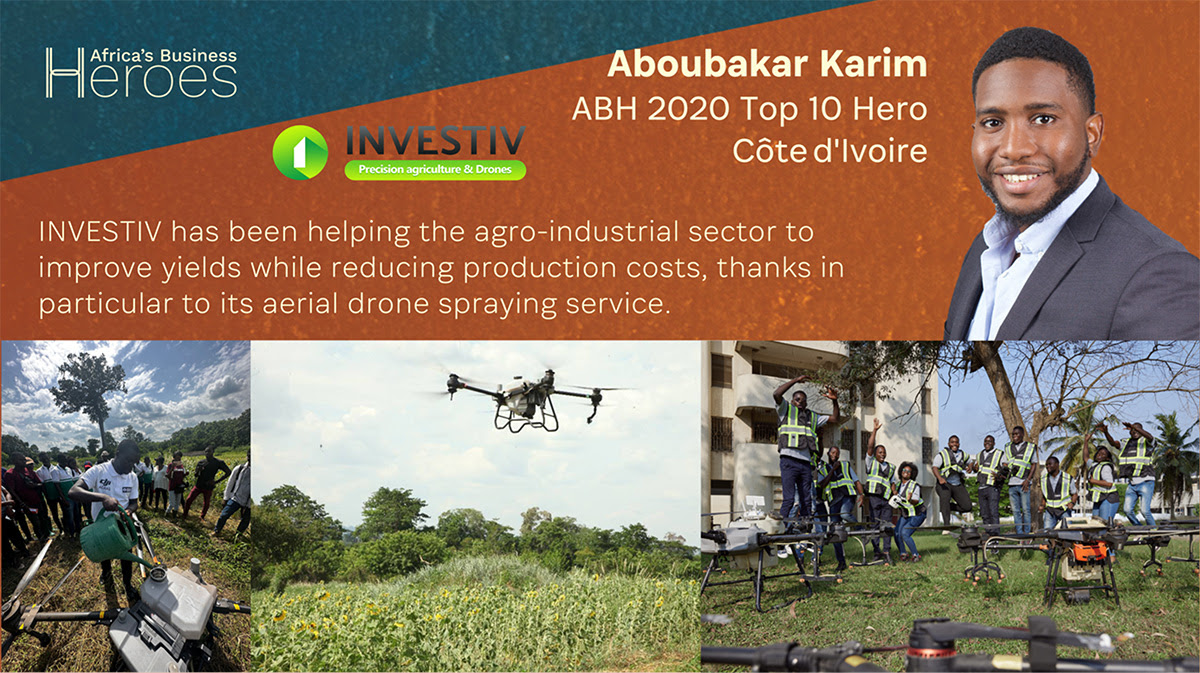
    INVESTIV, a pioneer and leader in drone technology in West Africa, recently raised $800,000 (approx. 500 million XOF) from UK impact fund AGDEVCO and RAJ GROUP Holding to set up precision agriculture service centers for rural populations.

    One of the company’s main challenges is to make its technologies available to small and medium-sized farmers for the production of food crops and perennial crops. To meet this challenge, INVESTIV, in partnership with AFRIQUE PHYTO PLUS, West Africa’s leading distributor of agricultural inputs, has developed a concept called Agrohub.

    An Agrohub is a center offering precision farming services and a range of agricultural inputs. It is set up in villages and production zones in partnership with agricultural cooperatives and has a demonstration plot of around 2 hectares.

    Precision agriculture uses information technology (IT) to ensure that crops and soil receive exactly what they need for optimum health and productivity. This also ensures profitability, sustainability and protection of the environment.

    Precision agriculture (PA) is the science of improving crop yields and assisting management decisions using high technology sensor and analysis tools.

    PA is a new concept adopted throughout the world to increase production, reduce labor time, and ensure the effective management of fertilizers and irrigation processes.

    It uses a large amount of data and information to improve the use of agricultural resources, yields, and the quality of crops (Mulla, 2013). PA is an advanced innovation and optimized field level management strategy used in agriculture that aims to improve the productivity of resources on agriculture fields.

    The Africa Business Heroes is a Jack Ma Foundation’s flagship philanthropic programme in Africa to support entrepreneurs. Its mission is showcase and grow local talent who are creating positive impact in their communities and beyond and inspire a movement of African entrepreneurship.

    Over a ten-year period, the programme will recognize 100 African entrepreneurs and provide grant funding, training programmes and broader support for the broad African entrepreneurial system.


    Africa Business Heroes Spotlight

    Africa’s Business Heroes (ABH) is the Jack Ma Founda

  • Ethiopian Delegation to AFSIC – Investing in Africa 2023

    Ethiopian Delegation to AFSIC – Investing in Africa 2023

    FSD Ethiopia is coordinating a delegation from Ethiopia to attend AFSIC 2023 and will be sponsoring the Ethiopian Investment Summit scheduled for Monday, 9th October 2023.  FSD Ethiopia is a development agency that aims to support the development of accessible, inclusive, and sustainable financial markets for economic growth with a vision to contribute to a thriving financial system that delivers real value to the broader economy and to the people of Ethiopia.

    The Ethiopian delegation includes the key financial sector actors, including the Ministry of Finance, Ethiopian Capital Market Authority, Ethiopian Investment Holdings, Ethiopian Securities Exchange, and Ethiopian Investment Commission– a truly comprehensive grouping and an exciting agenda item to look forward to.

    The Ethiopian summit is organized under the theme “Ethiopia – The New Frontier Market, Opening Doors and Creating Opportunities”.  The summit aims to provide a comprehensive overview of Ethiopia’s emerging opportunities and highlight Ethiopia’s recent economic reforms, favorable investment climate, and growing investment opportunities.

    The high-level officials in the panel will discuss significant developments strengthening Ethiopia’s financial architecture. The event will feature a road show to raise capital for the recently established Ethiopian Securities Exchange (ESX). ESX will highlight opportunities for forming strategic partnerships with financial actors in Africa and beyond. Ethiopia investment holding aims to attract investors and inform global finance practitioners of Ethiopia’s capital market and opportunities.

    The Ministry of Finance will promote its far-reaching reforms to mobilize resources for sustainable and inclusive development, key to Ethiopia’s Homegrown Economic Reform agenda. Ethiopian Investment Commission will exhibit the various investment opportunities and a favorable business environment within the country, accomplished through a comprehensive and strategic approach that highlights the unique advantages of investing in Ethiopia.

    The Ethiopian Investment Summit will be held on October 9th from 12:45 p.m. to 2 p.m. The Ethiopian Securities Exchange will launch its roadshow during the Embassy reception at the Ethiopian Embassy in London on the same evening.

    The Ethiopian country delegation to AFSIC  2023 is a unique gathering of key financial sector players. and the Ethiopian Investment Summit promises to be standing room only. Any interested investors who wish to find out more should ensure they register to attend AFSIC event@afsic.net www.afsic.net

    About the Ethiopian Delegation

     Ministry of Finance (MoF)

    The Ministry of Finance is a Ministry within the Government of Ethiopia responsible fiscal policy, public finance, and external economic cooperation. As per Article 16 of the Proclamation No.1097/2018 Definition of Powers and Duties of the Executive Organs of the Federal Democratic Republic of Ethiopia Proclamation, the Ministry of Finance is given the powers and duties (among others) to formulate economic cooperation and fiscal policies that particularly serve as a basis for taxes, and duties, mobilize, negotiate, and sign foreign development assistance and loans, establish a favorable legislative framework to promote and facilitate the implementation of PPP-financed infrastructure projects by enhancing transparency, fairness, and long-term sustainability, and prepare the Federal Government fiscal budget.

    Ethiopian Capital Market Authority (ECMA)

     The Ethiopian Capital Market Authority (ECMA) is a federal government regulatory authority with its own juridical personality, accountable to the Prime Minister of the Federal Democratic Republic of Ethiopia. It was established in 2021 by the Capital Markets Establishment Proclamation, which provides the legal foundation for the development of capital markets in Ethiopia. The ECMA is responsible for regulating the Ethiopian capital markets.

    Ethiopian Investment Holdings (EIH)

    Ethiopian Investment Holdings (EIH) is a young and dynamic holding company with a mission to create long-term value for Ethiopia. It was established in December 2021 to serve as the strategic investment arm of the Government of Ethiopia and to execute the state’s ownership of commercial assets. It upholds a philosophy of long-term value creation and is committed to transforming Ethiopia’s resources into assets that generate wealth for current and future generations.

     Ethiopian Securities Exchange (ESX) Project Office

    The Ethiopian Securities Exchange (“ESX”) is Ethiopia’s first, and only organized securities exchange. ESX is established as a public-private partnership in line with Article 31 of the Capital Market Proclamation (No.1248/2021) and is licensed by the Ethiopian Capital Market Authority (ECMA).

    ESX operates the business of a securities exchange, functions as a Self-Regulatory Organization (“SRO”), and serves as the central market organizer providing an integrated product suite covering the equities, money markets, and fixed income, segments of the capital markets.

    As the pioneer securities exchange, ESX aims to play a critical role in the development and growth of the Ethiopian capital market. ESX’s core objective is to facilitate access to capital and support effective capital allocation in a manner that supports Ethiopia’s economic growth. By developing a well-regulated and efficient capital market ecosystem, ESX will enable the mobilization of financial resources for the Government, and private sector institutions while providing investors a reliable platform to invest in a reliable and efficient environment.

    Ethiopian Investment Commission (EIC)

    The Ethiopian Investment Commission (EIC) is a government institution established in 1992 to promote private investment, primarily foreign direct investment (FDI). The EIC is an autonomous institution accountable to the country’s Investment Board, which is chaired by the Prime Minister.

    The EIC is committed to creating a conducive environment for investment in Ethiopia. It is working to improve the investment climate, streamline the investment process, and provide better services to investors. The EIC is also working to attract new investors and to expand investment into new sectors.

    FSD Ethiopia

    FSD Ethiopia is a development agency that aims to support the development of accessible, inclusive, and sustainable financial markets for economic growth.

    Established in 2021, FSD Ethiopia works on identifying the underlying factors that contribute to financial system failures, enabling market participants to address these constraints and help build a functional and effective financial sector that contributes to economic growth.

    FSD Ethiopia provides technical assistance, grants, and research insights to policymakers, regulators, and market actors to drive large-scale change in financial markets and support sustainable economic development. It works with public, private, and development partners in the financial sector to address critical system constraints to facilitate change that allows the provision of effective, transparent, stable, and inclusive financial systems. It provides tailored services to help diverse stakeholders achieve their goals and design interventions to make Ethiopia’s financial sector function effectively and inclusively.

    About AFSIC – Investing in Africa:

    AFSIC – Investing in Africa has become perhaps Africa’s most important annual investment event. The event is owned by Africa Events Limited. AFSIC is wholly focused on accelerating Africa’s economic emergence by matching investment opportunities in Africa transforming Africa’s business, trade and investment environment, growing Africa’s economy, reducing poverty, and increasing African incomes in all business sectors at a continental scale across all 54 countries in Africa.

    African Investments Limited (www.africaninvestments.co), a sister company to Africa Events Limited, operates two multi award-winning digital platforms, the AFSIC African Investments Dashboard which matches investment opportunities to our global network of institutional investors and the Africa Business Opportunities Dashboard, which matches business, trade and investment opportunities across Africa covering all business products, sectors, countries in Africa and multiple business objectives. The digital platforms won the global 2022 Salesforce Partner Innovation Award for Financial Services.

  • Navigating the Dynamic Landscape of the Global Online Trading Market

    Navigating the Dynamic Landscape of the Global Online Trading Market

    By Boriss Gubaidulin, Africa Director, Admirals

     The global online trading market has witnessed a remarkable upswing, fuelled by technological advancements and the widespread accessibility of the internet. This surge in popularity and increase of the global market size to USD9.32bn in 2022 has been instrumental in democratising investment opportunities, enabling individuals from various corners of the world to partake in online trading.

    Based on a comprehensive analysis conducted by Grand View Research in 2020, the global online trading market showcased a valuation of approximately USD15.47 billion in 2019. Notably, this market has been on an upward trajectory, with a projected compound annual growth rate (CAGR) of 9.7% from 2020 to 2027.

    With the advent of user-friendly platforms and cost-effective trading options offered by numerous online brokerages, retail investors are increasingly recognising the potential of online investing. This realisation has ushered in a new era of financial inclusion, empowering individuals to take charge of their financial futures.

    A closer look at the African Market

     Within the realm of online trading, Africa emerges as a market of untapped potential, poised for remarkable growth, as highlighted by the latest quarterly report from Finance Magnates.

    While developed markets face saturation due to aging populations, Africa’s online CFD trading market is experiencing significant upward momentum, primarily due to a high youth population ratio, high mobile penetration, and technological improvements. Notably, the continent boasts the presence of the world’s five fastest-growing economies, with Nigeria leading the charge, fuelled by its population of over 200 million.

    Even a modest conversion of just 1% of the population into online traders would yield an impressive 200,000 active traders. To put this into perspective, the number of active CFD/forex traders in the United States currently hovers around 200,000, and in Germany, it reaches approximately 100,000.

    Africa’s vast growth potential and evolving regulatory landscape makes it a desirable destination for global expansion, with several reputable players such as Admirals steadily moving into Africa.

    The Impact on Emerging Markets

     Emerging markets are reaping a multitude of benefits from the rise of online trading, which is transforming their financial landscapes in significant ways. One prominent advantage is the enhanced accessibility and financial inclusion it brings. Online trading platforms have opened doors for individuals who were previously excluded from traditional investment opportunities, empowering them to participate in global markets.

    Additionally, online trading enables investors in emerging markets to diversify their investments beyond local markets, reducing dependency on a single economy and thus spreading risk.

    Moreover, lower costs and fees associated with online trading make it more affordable for individuals in these markets to engage in trading activities. Furthermore, the impact of online trading goes beyond personal finance, contributing to economic growth, job creation and the establishment of new businesses.

    This growth, in turn, generates employment opportunities across various sectors such as finance, technology, and customer support services. Overall, the benefits of online trading in emerging markets extend far beyond financial gains, driving inclusive growth, fostering economic stability, and creating avenues for prosperity.

    Embracing Challenges and Opportunities within the African Market

     While the African market showcases immense growth potential, it is not without its fair share of challenges, setting it apart from more developed markets. One significant headwind is the presence of political instability, which can create an uncertain investment environment.

    Additionally, currency fluctuations pose a risk, making it crucial for investors to carefully manage their exposure to mitigate potential losses. Moreover, the higher levels of risk associated with investing in emerging markets can impact investor confidence, requiring a cautious approach and thorough risk assessment.

    Navigating Africa’s often complex and variable regulatory landscape presents another potential hurdle. Whilst regulation across the African regions vary in terms of transparency and sophistication, most countries have been working to refine their regulatory frameworks to promote stability, transparency, and investor confidence.

    Unlocking the Power of AI: From Threat to Empowerment

    Artificial Intelligence (AI) has emerged as a formidable tool that empowers individuals in the realm of online trading, dispelling the notion of it being a threat. With the ability to process and analyse vast volumes of data, including market news, social media sentiment, economic indicators, and historical trading patterns, AI enhances decision-making processes for traders. By quickly extracting valuable insights from complex data sets, AI equips traders with a competitive edge, helping them make more informed and strategic investment decisions.

    Furthermore, AI finds utility in customer support services through the deployment of chatbots, streamlining interactions and providing timely assistance to traders. Additionally, AI plays a crucial role in fraud detection, leveraging its analytical capabilities to identify suspicious patterns and safeguard the integrity of trading platforms.

    However, it’s important to note that while AI provides valuable insights and assistance, its effectiveness is dependent on the quality of human input and requires human assessment for accurate decision-making. AI acts as an enabler rather than a replacement for online trading platforms, working in tandem with human expertise to optimise trading experiences and outcomes.

    By embracing AI as a powerful tool, traders can harness its capabilities to navigate the complexities of the market, fostering growth and innovation within the online trading industry.

    The Rise of Neobrokers: Navigating Innovation and Regulatory Oversight

     A notable trend in the online trading industry is the emergence of neobrokers; app-based platforms that have gained traction among investors. Neobrokers represent a disruptive force, offering user-friendly interfaces and streamlined experiences. However, regulators closely monitor this development to ensure investor protection and mitigate potential risks associated with this innovative approach.

    As neobrokers simplify access to markets and foster a more inclusive environment, they have the potential to encourage risk-taking behaviours among traders. This balance between innovation and regulatory oversight becomes crucial as regulators strive to strike a delicate equilibrium, ensuring market integrity and investor safeguards, while fostering innovation and accessibility.

    The evolution of neobrokers is a fascinating development to watch within the online trading industry, and regulators remain vigilant in adapting to this changing landscape to maintain a fair and secure trading environment.

    Additionally, the rise of AI and neobrokers presents new dimensions to online trading, empowering traders with advanced data processing capabilities and innovative platforms.

    However, regulatory oversight remains crucial to ensure investor protection and maintain market integrity. By leveraging the benefits of technology, embracing regulatory developments, and fostering a balanced approach, the online trading industry is poised for continued growth, fostering financial inclusion, and transforming the way individuals participate in global markets.

    In conclusion, the global online trading industry is undergoing a transformative phase, with remarkable growth and opportunities unfolding. Emerging markets, such as Africa, hold immense potential for expansion, driven by factors such as accessibility, diversification, lower costs, economic growth, and job creation.

    Trading involves Risk.



  • Pan-Africanism remains a dream: four key issues the African Union must tackle

    First published: February 16, 2023 10.26am SAST

    By: The Conversation

    The African Union (AU) – made up of 55 member countries – has made significant progress with integrating the countries of the continent and giving them a voice in global politics.

    Over the past two decades it has developed meaningful policies on peace and security, and trade, like the African Continental Free Trade Area. The African Union Commission helps set the agenda and represent African interests in global forums alongside important partners like the United Nations and the European Union.

    But the AU still has a long way to go to achieve the political, economic and cultural goals set out in Agenda 2063, adopted in 2013.

    I was an adviser to the union for over a decade and I am now the editor of the Yearbook of the African Union. In my view, progress in implementing the pan-African agenda has stalled. This is partially due to the challenging dynamics in how member states, the AU’s governing organs and external partners relate and pursue their interests.

    The annual Assembly of African Heads of State and Government offers an opportunity to consider these issues and decide how to resolve them. In 2023, the summit will be held in Addis Ababa, Ethiopia, from 18 to 19 February.

    Four factors stalling progress

    I believe that four issues have stalled progress in the pan-African agenda. These issues relate to collective decision making, independent financing, division of labour and the adoption of common policies that would nurture strategic partnerships.

    1. Member states have implemented too few collective decisions

    The AU has adopted several important legal documents which member states are supposed to adopt for themselves, too. These documents – signed during heads of state and government meetings – must be ratified and then deposited with the union.

    This usually happens very slowly and only very patchily. The reasons vary. According to one of the few academic inquiries into the subject, these reasons include a lack of political will, administrative lethargy and deficits in technical capacity among member states.

    The AU has no power to force member states to carry out common decisions. It can only monitor compliance on three legal instruments, including the 2007 African Charter on Democracy, Elections and Governance).

    To see progress in policy implementation, member states will have to think seriously about how to arrive at binding, transparent and enforceable mechanisms.

    One way to do this would be through introducing a clear and limited window of time for ratifying legal documents. The union could also make it mandatory to report on the implementation of all decisions.

    2. Independent finances have not been established

    The AU’s ambitious plans depend heavily on external finance. Almost two-thirds of the union’s annual budget comes from donors, dubbed international partners.

    Contributions from member states account for the remaining third. However, these tend to come late, or in some cases only in part. About 30 member states default partially or completely each year. In 2007, Algeria, Egypt, Libya, Nigeria and South Africa volunteered to make higher contributions. They account for 45% of the funds raised by African governments. Morocco, which rejoined the AU in 2017 after a 33-year absence, has replaced Libya as a major donor.

    The AU’s financial reform process began in 2015 to make the organisation more self-reliant. Members committed to paying a 0.2% levy on various goods imported from outside the continent.

    This money is expected to support 100% of the union’s operational budget (which includes maintenance and salaries), 75% of the programme budget (which includes implementation of policies) and 25% of the budget for union-led peace operations.

    The union still must decide how the 100/75/25 target will be met by 2025. In the current budget (US$655 million for the 2023 financial year), the financial shortfall stands at US$201 million, a 31% deficit.

    3. The division of labour between the African Union and regional economic communities remains unclear

    Relations between the African Union and the eight officially recognised regional economic communities are based on two principles. These are subsidiarity (where, whenever possible, the regional level takes the lead) and comparative advantage (where the institution that’s better equipped to deal with a situation leads).

    2017 report on the operations of the AU noted that the division of labour between the union and regional communities was “unclear”. This caused a duplication of roles and a lack of clear boundaries.

    new protocol on the relationship between the AU and regional economic blocs was adopted in 2020. But its details are yet to be finalised.

    4. The instruments of a common global policy are either underused or underdeveloped

    The AU is working to increase its bargaining power in global politics by developing common policies and nurturing strategic partnerships.

    But because of member states’ insistence on sovereignty, few common policies have been developed. The most prominent one relates to the reform of the UN Security Council to give Africa more power.

    In terms of strategic partnerships, the AU currently is focusing its activities on three multilateral (Arab League, European Union and United Nations) and five bilateral (China, India, Japan, South Korea and Turkey) partnerships. However, the frequency of meetings, scope of activities and meaning of the word “strategic” vary widely.

    Opportunity for change

    This year’s Assembly of African Heads of State and Government is expected to attend to these urgent items:

    • implementing and domesticating union decisions
    • the division of labour between the AU and regional economic communities
    • how best to use the organisation to shape Africa’s place in the world.

    The financial dependency issue will be tackled by the African Union Executive Council in July.

    In my view, there is likely to be progress on some of these issues and stalling on others. What’s at stake is Africa’s place in the world and averting harm to the continent.

  • Property developer to issue Sh3bn Sukuk bond

    Property developer to issue Sh3bn Sukuk bond

    By CHARLES MWANIKI
    More by this Author

    Kenya is set for its first Sukuk bond after the Capital Markets Authority (CMA) approved a Sh3 billion issuance by a firm looking to use the proceeds to develop institutional houses.

    The CMA said that it has granted Linzi Finco Trust the go-ahead to float the Shariah-compliant bond, but did not give a timeline of when the issuance is expected to hit the market.

    Kenya has over the years considered issuing Islamic bonds, otherwise known as Sukuk, to help finance its budget deficit, with corporates also looking to such bonds as part of their capital-raising mix.

    Sukuk bonds, which are tradeable on a securities exchange, differ from conventional bonds by representing a beneficial ownership in the underlying asset, as opposed to a debt obligation in the case of the other bonds.

    Islamic law prohibits interest, so Sukuk bonds offer investors a share in the returns generated by an underlying

    These Islamic bonds are, therefore, suitable for financing housing, energy, healthcare, transport, water and sanitation projects.

    “Linzi Finco Trust, the Issuer of this pioneering Sukuk named Linzi Sukuk that offers an internal return of return at 11.13 percent, is set to raise Sh3 billion with the primary aim of developing 3,069 institutional housing units,” said the CMA in a statement on Wednesday.

    “This landmark Sukuk will contribute significantly to expanding the availability of affordable housing and positively impact the lives of many Kenyan citizens. This innovative financing mechanism is expected to attract both domestic and international investors seeking ethical and socially responsible investment options.”

    The path to issuance of Sukuk bonds in the Kenyan capital markets was smoothed by amendments to various laws in the Finance Act of 2017, including the Income Tax and VAT Acts to provide clarity on the taxation of Islamic banking products in the country.

    Other Acts that were amended to recognise Islamic financial products included The Stamp Duty Act, The Public Finance Management Act, the Co-operative Societies Act and the Sacco Societies Act.

    While the Treasury is yet to use a Sukuk bond in its budget financing programmes, this type of security has been considered among the options available to the country to refinance the $2 billion Eurobond that matures next June.

    A Sukuk would, for instance, allow the State to tap into the Middle Eastern financial market for funding, providing an alternative to the Eurobond and syndicated loan markets whose cost of funds has gone up for smaller markets.

    A number of African countries have dipped into the Sukuk bond market in recent years, enjoying oversubscriptions that demonstrate a demand for such issuances.

    Morocco and Nigeria issued $105 million (Sh15.4 billion) and $327 million (NA48 billion) of Sukuk securities,

    SOURCE

    BUSINESS DAILY,KENYA


  • Opportunity through adversity: Eighth annual Africa Risk-Reward Index highlights the continent’s outlook amid growing geopolitical fragmentation

    Opportunity through adversity: Eighth annual Africa Risk-Reward Index highlights the continent’s outlook amid growing geopolitical fragmentation

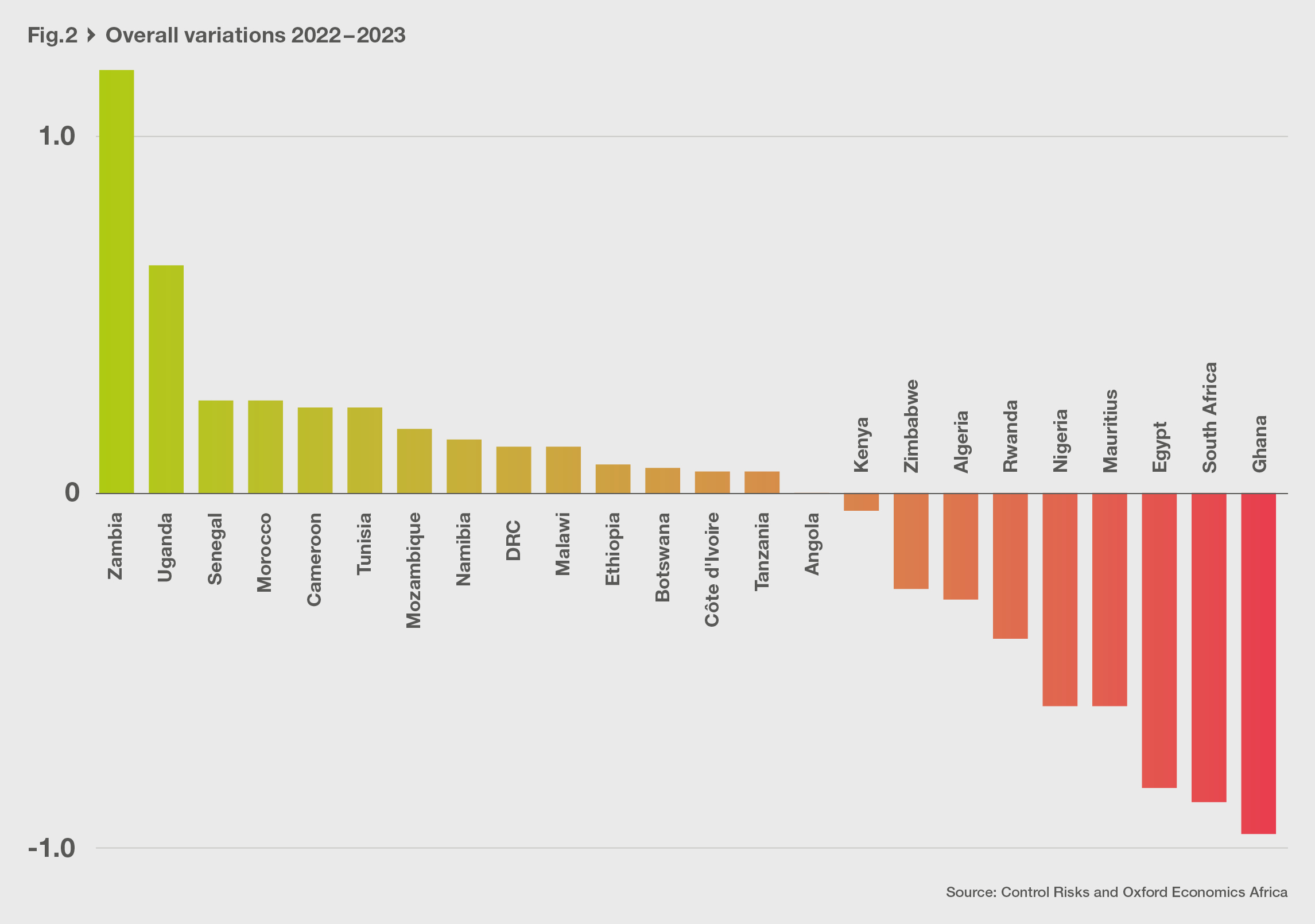
    London, 19 September, 2023: Specialist risk consultancy, Control Risks (www.controlrisks.com), and its economics consulting partner, Oxford Economics Africa (https://www.oxfordeconomics.com/), announced the launch of the eighth edition of their Africa Risk-Reward Index today, themed ‘Opportunity through adversity’.

    The Africa Risk-Reward Index is an authoritative guide for policymakers, business leaders, and investors. The report details developments in the investment landscape in major African markets and delivers a grounded, longer-term outlook of key trends shaping investment in these economies.

    The eighth edition of the Africa Risk-Reward Index is released at a time of geopolitical fragmentation and recent external shocks that will have a sustained impact on the African continent. African nations are contending with the lingering repercussions of the COVID-19 pandemic, disruptions in global supply chains due to the conflict in Ukraine, and a tightening of global financing conditions. According to Oxford Economics Africa, these factors have pushed GDP growth down from 5.4% in 2021 to 3.5% last year. Some of this weakness has persisted into this year, but Oxford Economics Africa anticipates a steady, albeit uneven, pick-up in economic activity in the next 12-18 months.

    The report examines three key themes outlined below, summarising Control Risks’ and Oxford Economics Africa’s views on Africa’s trajectory in the year ahead.

    The profits and pitfalls in polarisation

    The report’s first theme is the impact of global geopolitical fragmentation on Africa. The conflict in Ukraine has upended the geopolitical landscape: Western countries are seeking alliances on their stance against Russia, while Russia is also looking to gain support for its efforts in Ukraine. Beyond the geopolitical heavyweights, other emerging geopolitical “middle powers” are taking an interest in Africa and its rich resource potential. As jostling for influence continues, the shockwaves from the conflict have rippled out in the form of macroeconomic uncertainty and higher inflation, deep anxiety over the interconnectedness of global trade and economic systems, and a desire among global geopolitical powers to distinguish friends from foes.

    Conscious of their growing geopolitical stock, Africa’s largest economies are seeking to balance their desire for neutrality and their need for external financial support, while at the same time seeking to amplify Africa’s voice in global debates. But their attempts at non-alignment are coming under ever greater pressure.  Companies will be required to navigate the resulting regulatory complexity arising from global polarisation, including competing regulatory regimes, sanctions and export controls, and growing scrutiny on companies’ supply chains.

    African-led security interventions

    A collateral effect of the polarisation mentioned above is the upswing in African-led security interventions, which make the report’s second key theme. Global attention is split as the conflict in Ukraine continues, the US-China competition heats up, and countries in the Global North are increasingly focused on their domestic political concerns. The perceived inability of external forces to aid in bringing lasting security is leading African governments and institutions to gradually take on a greater role in responding to security crises on the continent.

    “These changes in tackling insecurity will present challenges for policymakers and businesses in Africa in the coming years. Businesses will be forced to navigate a more complex operating environment where military force, regional competition, and political and business interests are intertwined”, said Patricia Rodrigues, Associate Director at Control Risks. It will require careful monitoring of rapidly evolving security dynamics, and heightened efforts to maintain neutrality and avoid the potential reputational fallout. Operators working in conflict zones will also potentially have to navigate interactions with foreign or private military forces.

    Financing for the future

    We anticipate that increased geopolitical competition will in the longer term translate into new opportunities for African countries, as geopolitical powers seek to extend their influence through financing and investment. However, in the short term, African economies will continue to contend with challenging economic environments, and this will deter the more risk averse investors. Rising inflation and supply-chain constraints have exposed the continent’s imbalances and economic fragilities.

    “The Russia-Ukraine conflict and a tightening in global monetary conditions have unnerved international investors. This has raised concern that economic development on the continent might pause or even regress. One area where this has not been the case is financial services, and more specifically, the expansion of access to financial services through innovation,” said Jacques Nel, Head of Africa Macro at Oxford Economics Africa.

    While foreign investors have somewhat retreated to the perceived safe havens of advanced economies, home-grown African champions are emerging to fill this funding gap and are steadily consolidating their dominance in Africa’s financial services industry. The continent still has a long way to go to reach financial inclusion to the extent seen in more advanced economies. However, financial institutions from regional economic powerhouses South Africa, Egypt, Nigeria, Morocco, and Kenya are stepping in to help bridge access and inclusion divides.

    While the sector is likely to remain attractive for investors, there are still significant risks, including exposure to governance issues, fraud, cyber threats, vulnerability to terrorism financing, and growing international scrutiny of illicit financial flows.

    Methodology

    The Africa Risk-Reward Index is defined by the combination of risk and reward scores that integrate economic and political risk analysis by Control Risks and Oxford Economics Africa.

    Risk scores from each country originate from the Economic and Political Risk Evaluator (EPRE), while the reward scores incorporate medium-term economic growth forecasts, economic size, economic structure, and demographics.

    For details on the individual risk and reward definitions, please contact us at: communicationsEMEA@controlrisks.com or africa@oxfordeconomics.com

    To request a copy of the report please contact: tracy.walakira@apo-opa.com

    Issued on behalf of Control Risks and Oxford Economics Africa.

    For more information, please contact:

    Control Risks

    Claire Peddle
    Marketing Director, Middle East and Africa
    claire.peddle@controlrisks.com
    +971 50 600 5993 (Dubai)

    Oxford Economics Africa

    Shreena Patel

    Public relations and communications officer

    spatel@oxfordeconomics.com

    +44 (0) 7999379025 (London)

  • Africa Women Innovation and Entrepreneurship Forum (AWIEF) Announces Finalists for 2023 AWIEF Awards

    Africa Women Innovation and Entrepreneurship Forum (AWIEF) Announces Finalists for 2023 AWIEF Awards

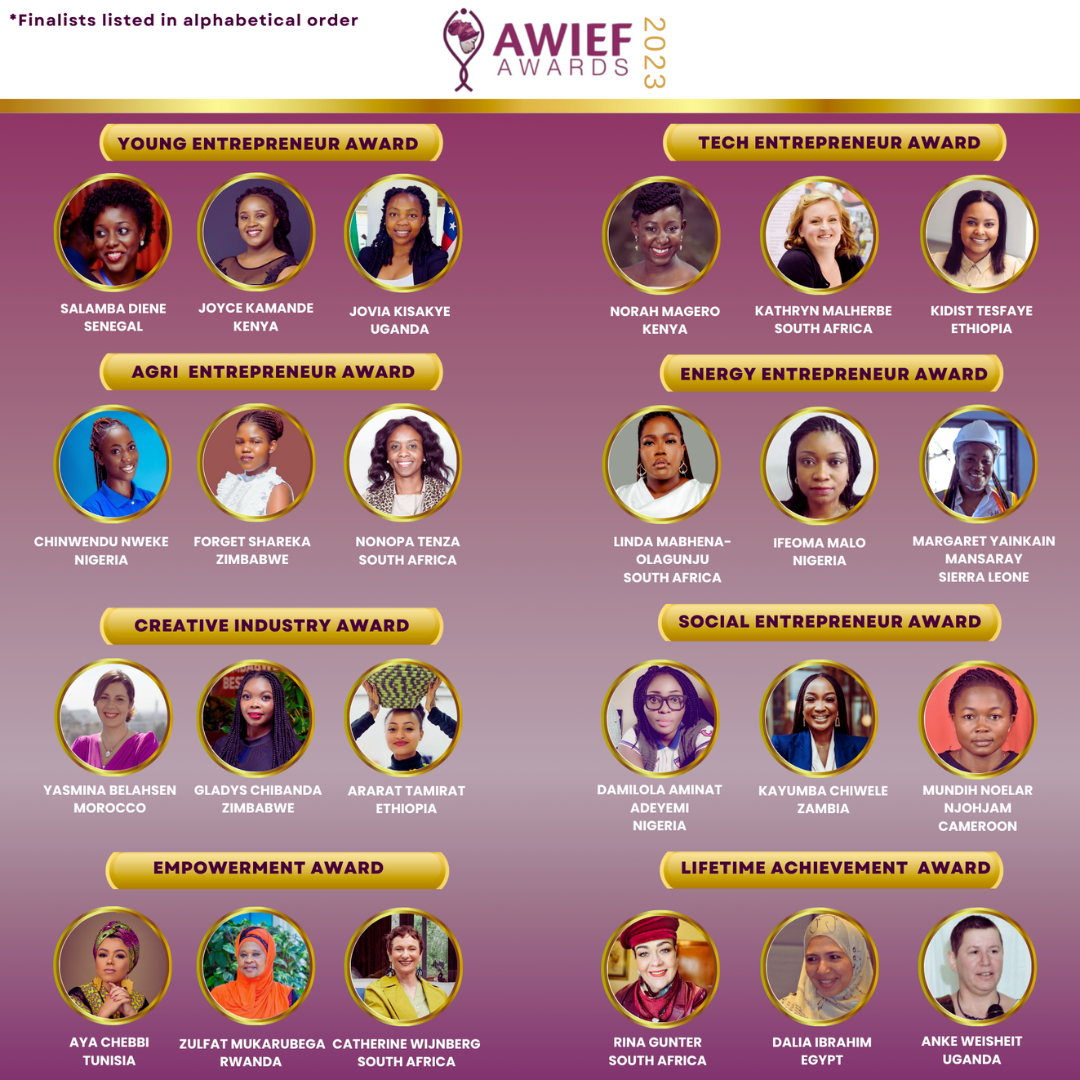
    CAPE TOWN, South Africa, September 20, 2023/ — The Africa Women Innovation and Entrepreneurship Forum (AWIEF) (https://www.AWIEForum.org) is delighted to announce the finalists for its 2023 AWIEF Awards.

    Launched in 2017, the prestigious annual AWIEF Awards is an initiative to recognise, honour, and celebrate women entrepreneurs and business owners in Africa across various industry sectors for their achievements and contribution to the continent’s inclusive economic growth and social development.

    An international and independent Panel of Judges selected the twenty-four (24) finalists across eight (8) categories. These outstanding women founders and business leaders operate in a diverse range of sectors and represent companies from fourteen (14) different African countries: Cameroon, Egypt, Ethiopia, Kenya, Morocco, Nigeria, Rwanda, Senegal, Sierra Leone, South Africa, Tunisia, Uganda, Zambia, and Zimbabwe.

    The 2023 AWIEF Awards winners will be announced and celebrated at a special ceremony and gala dinner at the AWIEF2023 Conference and Awards, taking place on 9 and 10 November at the Kigali Convention Centre, Kigali, Rwanda.

    AWIEF Founder and CEO, Irene Ochem, said: “Given the huge number and calibre of the nominations received this year, it is clear that female entrepreneurship and business leadership is thriving across Africa. It is our honour to recognise and celebrate the achievements and contributions of these women to the inclusive growth of their respective sectors, their countries and the continent’s economy.”

    A member of the 2023 AWIEF Awards Panel of Judges, John-Paul Iwuoha, Founder of Smallstarter Africa, said: “As a Judge, I was thoroughly impressed by the quality of applications in all the categories. It is great to see how AWIEF continues to attract innovative women across Africa who are creating enormous value for society.”

    The finalists for the 2023 AWIEF Awards are (listed in alphabetical order):

    Young Entrepreneur Award

    Salamba Diene, CEO, BIOSENE SARL, Senegal

    Joyce Kamande, Co-founder & CEO, Safi Organics, Kenya

    Jovia Kisakye, CEO, Sparkle Agro Brand, Uganda

    Tech Entrepreneur Award

    Norah Magero, Founder & CEO, Drop Access Limited, Kenya

    Kathryn Malherbe, CEO, Med Sol AI Solutions, South Africa

    Kidist Tesfaye, Founder & CEO, YeneHealth, Ethiopia

    Agri Entrepreneur Award

    Chinwendu Nweke, CEO, Bridge Merchant Enterprise, Nigeria

    Forget Shareka, Founder, Chashi Foods, Zimbabwe

    Nonopa Tenza, Founder & MD, Kevinot Farming, South Africa

    Energy Entrepreneur Award

    Linda Mabhena-Olagunju, Founder & CEO, DLO Energy Resources Group, South Africa

    Ifeoma Malo, CEO, Clean Technology Hub, Nigeria

    Margaret Yainkain Mansaray, Founder & CEO, Women in Energy Sierra Leone Limited, Sierra Leone

    Creative Industry Award

    Yasmina Belahsen, Founder, MayaDigital, Morocco

    Gladys Chibanda, Founder & CEO, Krafted Ink, Zimbabwe

    Ararat Tamirat, Founder & GM, Tuba By Ararat, Ethiopia

    Social Entrepreneur Award

    Damilola Aminat Adeyemi, Co-founder & CEO, D-Olivette Global Enterprise, Nigeria

    Kayumba Chiwele, Founder & Principal Psychologist, MindAid Zambia, Zambia

    Mundih Noelar Njohjam, Medical Doctor, Epilepsy Awareness, Aid and Research Association, Cameroon

    Empowerment Award

    Aya Chebbi, Founder & President, Nalafem Collective, Tunisia

    Zulfat Mukarubega, Founder, University of Tourism, Technology and Business Studies, Rwanda

    Catherine Wijnberg, Founder & CEO, Fetola, South Africa

    Lifetime Achievement Award

    Rina Gunter, Founding Partner, Gunter Attorneys, South Africa

    Dalia Ibrahim, CEO, Nahdet Misr Publishing House, Egypt

    Anke Weisheit, Co-founder & Chair, PHARMBIOTRAC, Mbarara University of Science and Technology, Uganda

    Tickets for the AWIEF2023 Conference and Awards are available online at: https://apo-opa.info/3JHKUem.

    Distributed by APO Group on behalf of Africa Women Innovation and Entrepreneurship Forum (AWIEF).

    For more information and media enquiries, email: info@awieforum.org

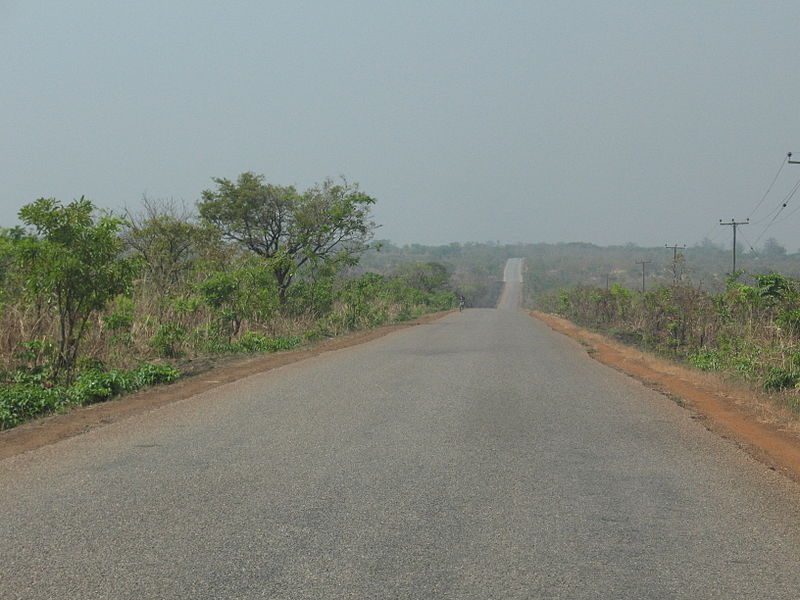
  • About Construction of the Tamale-Yendi-Zabzugu-Tatale Highway

    About Construction of the Tamale-Yendi-Zabzugu-Tatale Highway

    ……As Eastern Corridor Road Stakeholders Meeting ends in Yendi

     Mohammed A. Abu

    A stakeholders meeting of the construction of the Tamale-Zabzugu-Tatale road project has successfully ended in Yendi, the seat of Dagbon Kingship in the Northern Region of the West African nation of Ghana.

    A Ghana Ministry of Roads and Highways project-level grievance mechanism to address emerging grievances and complaints of dwellers of the affected communities in the project catchment area and a collective resolve by all parties with interest in the project, to keep their eyes on the project and report any observation, action or inaction deemed inappropriate, were the major outcomes of the event.

    Lead Convener

    With Concern Citizens of Yendi as lead convener, the meeting which was intended to deliberate on Project brief for LOT2, citizens’ expectations, emerging grievances and complaints, decisive actions on complaints among others, drew many participants representing stakeholder institutions and other various parties with a common interest in the project.

    They included the Regional Highway Authority (GHA), representatives from GHA Head Office, Accra, representatives of the Ministry of Roads and Highway (MRH), a representative from the Royal Gbewaa Palace, the Sang-Lana, representative of the Mion-Regent, Savana Signatures, the Contractor (CJIC & CSCEC), among several others.

    LOT2 Project Brief

    The Ghana Highway Authority is the implementing Agency of the project scheduled for completion on 4 th August, 2028. Under the Transport Sector Improvement Project (TSIP), the project was awarded on a modern contract system known as the Output and Performance Based Road Contract (OPBRC).

    The OPBRC contract system is underpinned by the “Tell me what you want but not how to do it” concept which unlike the traditional contract system where the contractor has to finish the entire construction works before payment, the OPBRC system recommends payment, if a maximum of 10km and a minimum of 5km work is completed.

    The contractor is expected to use three (3) years for the construction works and a 4-year maintenance work implying that, portions that see an early completion will be under maintenance up to the seventh year of the contract duration.

    The LOT2 stretch of the highway is a single carriageway un-asphalted road that will have roadside drains, 46 box and pipe culverts, 2 bridges, streetlights and sidewalks as well as stopping lanes and bus bays in the urbanized communities.

    However, 2.6km of the road into Yendi from Tamale will experience a one-way couple upgrading. All fibre optic infrastructure installations from Tamale to Yendi and to Tatale border post will be installed.

    Expectations of Citizens  

    Some socio-economic development interventions that come along the project are: the provision of eight basic schools, eight bole holes and one clinic to some communities alone the stretch.

    These interventions according to the GHA, were arrived at through a need-based assessment conducted by a consultant in 2019, which was also reviewed in 2021 to reflect the priority needs of the people.

    Nanton-Zuo in the Tamale Metropolis is one of the beneficiary communities of an 8-unit classroom block. Participants were happy about these ancillary project interventions but however questioned who and which communities the consultant consulted on the need-based assessment?

    Open Forum Session

    During an open forum session, the event lead Convener came out with a list of questions bordering on diverse issues while also offering other participants the opportunity to make their inputs.

    The issues included need for quality work that will offer value for money, the Yendi township portions of the road be given to the Eastern Corridor Contractor (LOT1) be given first-class road status, the first two culverts before Yendi township be demolished and reconstructed, a paradigm shift from current manual based compacting of side slopes of the road to mechanized based work, the sharp curve near Zobogu which causes lots of accidents be corrected, among others.

    The Dagbon Forum’s Tamale Chapter on its part asked why satellite markets were conspicuously missing in those ancillary projects meant for socio-economic intervention needs of the people while the 2nd Vice President of its Yendi Chapter, asked for the number of speed ramps on the highway ton be reduced both in number and in height specifically for reasons of patients’ transportation.

    Dagbon Forum Delegation

    The Dagbon Forum(DF) delegation was represented led by its Yendi Chapter’s President, Alhaji Mohammed B. Ibrahim while its Tamale Chapter was also led by its President, Mr. Zakaria Adam. Also in attendance, was the 2nd Vice president of DF Yendi Chapter, Madam Kande.

    Emerging Grievances & Complaints

    The Ministry of Roads and Highways established a project-level Grievance Mechanism to receive, evaluate, and address project-related grievances targeted at communities affected by the project.

    Mandate to Receive Complaints and Grievances

    Savana Signatures, a non-governmental organization has been mandated by the Ghana Highway Authority to receive complaints and grievances.

    Resources

    Under the project-level grievance mechanism complaints can be channeled to the Ministry telephony, electronic communication, physically via grievances boxes, grievance officer complaint offices created in both Yendi and Mion for the public to send their complaints directly.

    Toll-free number, 0800003333,website address:  www.tsipmrhgh.com

    E-mail:ym@tsipmrhgh.com.

    Decisive Action on Complaints  

    Participants pleaded to all the Authorities connected with the project to act decisively on complaints brought before them.

    Approval of major Proposal

    The Yendi township roads given first-class status, the replacement of the two culverts before entry to Yendi, the Zobogu curve correction, the loose excess chippings on the road that fly and break vehicles windscreens, all received positive approval.

    Issue of Compensation

    Project Background

    In June 2022, Vice President, Dr. Mahamudu Bawumia cut the sod for the construction of a 167km Tamale-Yendi-Tatale road project in the Northern region as part of the Eastern corridor road project.

    The Tatale-Yendi-Tamale Road Project is fully funded by a US$150 million World Bank facility which was approved on June 6, 2017, under the Transport Sector Improvement Project (TSIP).

    The project is expected to be completed in two years, but under the terms of the contract, the contractors will be undertaking maintenance works for five more years, unlike previous contracts where contractors are obliged to do one year of maintenance. This will bring the total project time to seven years.

    The project has been divided into what is called LOT1 and LOT2. The LOT1 stretches from Tatale-Zabzugu to Yendi highway (61.98km) whiles LOT2 is the stretch from Yendi to Tamale highway (106.02km). The Yendi stakeholders’ engagement meeting was for deliberations on LOT2.


  • Energy Investment Village 2023 Finalists Announced

    Energy Investment Village 2023 Finalists Announced

    JOHANNESBURG, South Africa, September 15, 2023/ — Africa’s boldest and most ambitious cleantech start-ups will take part in the Energy Investment Village (https://apo-opa.info/468SsAw), an exciting deal-pitching event at the Green Energy Africa Summit (https://GreenEnergyAfricaSummit.com), to be held in the heart of South Africa’s Cape Town on 10-11 October at the CTICC2.

    Held under the theme, “Unlocking Africa’s Sustainable Energy Potential,” the Green Energy Africa Summit (GEAS) will provide unrivalled opportunities throughout its two-day programme for the continent’s leaders in energy, finance, and social development, to meet with international investors, to find sustainable solutions to Africa’s energy needs and a just transition to a green economy.

    This highly anticipated event advocates for the harmonisation of Africa’s natural resources, as well as policy reforms, to help usher in an energy transition that ensures the continent remains competitive and attractive to global finance. With over 1000 delegates from 67 countries, GEAS invites both public and private stakeholders across the energy value chain to collaborate, offer solutions, and build partnerships to help unlock Africa’s true socioeconomic potential.

    GEAS is thrilled to welcome its strategic industry partners, including The Banking Association of South Africa (https://www.Banking.org.za/) and The African Forum for Utility Regulators (https://AFURnet.org/). This year’s agenda features a strong mix of discussions within dedicated content streams, from the Energy Strategy Forum on day one, to the Green Energy and Green Finance Forums on day two. Attendees can look forward to country and regional spotlights on South Africa and West Africa, as well as sessions led by finance and energy heavyweights. Find the full GEAS 2023 agenda here: https://apo-opa.info/3rfJNxm

    The Energy Investment Village (EIV) is the GEAS’s Lion’s Den-style pitching event for cleantech companies, which will be held on 11 October. The finalists will be given an extraordinary opportunity to gain exposure, network with potential clients, and receive vital market validation. Most importantly, they will be given the chance to pitch for funding (https://apo-opa.info/468SsAw) from international investors.

    “Africa’s traditional, fossil-fuel-based energy cannot keep pace with its swift development. While the continent’s abundance of natural resources can enable clean energy innovations, constraints like access to finance impedes the opportunities for local clean-tech innovators. Events such as the EIV open up direct pathways to decision-makers and funders, and are a critical enabler of the clean-tech ecosystem,” says RIIS CEO Davis Cook.

    In partnership with Saldanha Bay Innovation Campus (https://www.InnovationCampus.co.za/), RIIS (https://EnablingInnovation.Africa/), and Anza Capital (https://Anza.Holdings/), and supported by Africa Scotland, JSE, Oceanhub-Africa, Savant, Firecracker, CHIETA, and SASOL, the EIV is delighted to introduce the outstanding finalists that have been selected to present their projects, which aim to revolutionise the energy landscape and promote sustainable development in Africa:

    1. Therm Development: Pioneers in sustainable heating solutions, utilising innovative technologies for efficient energy consumption.
    1. AET Africa: Visionaries in renewable energy systems, specialising in solar and wind power generation across the African continent.
    1. Ceneco Green Power Limited: Experts in developing and operating environmentally friendly power plants, focused on reducing carbon emissions.
    1. Energy Cubes: Innovators in energy storage, offering scalable and cost-effective solutions for optimising power distribution.
    1. Powerstove Energy: Trailblazers in clean cooking solutions, providing efficient and clean-burning stoves for households and communities
    1. Revive Earth Limited: Leaders in waste-to-energy conversion, turning organic waste into renewable resources while mitigating environmental impact.
    1. Green Share Virtual Power Plant: Pioneers of a decentralised energy management system, enabling communities to generate, store, and share renewable energy.
    1. Thinkbikes: Innovators in sustainable urban transportation, designing and manufacturing electric bicycles for eco-conscious commuters.
    1. FLX EV: Visionaries in electric mobility, offering cutting-edge electric vehicles with a focus on performance, affordability, and sustainability.
    1. Impact Free Water: Experts in water treatment technologies, providing sustainable solutions for clean and accessible water in resource-challenged regions.

    Don’t miss out on the chance to engage with these visionary entrepreneurs and experts, as they demonstrate how their projects will address the energy challenges across Africa. From scalable solutions for rural communities, to innovative grid technologies, these finalists promise to inspire, educate, and shape a greener future for the continent.

    Organised by Hyve Group Plc., the Green Energy Africa Summit is where the world connects with the African Energy sector. Register to attend here https://GreenEnergyAfricaSummit.com/. Attend the Green Energy Africa Summit to be part of the solution and connect with industry leaders, charting the way towards a sustainable clean energy transition for Africa.

    Distributed by APO Group on behalf of Green Energy Africa Summit.

    Media Contact:
    Amie Sparrow
    PR Manager
    amie.sparrow@hyve.group