Category: Conservation

  • First Islamic Development Bank Institute (IsDBI) Artificial Intelligence (AI) Hackathon Showcases Innovation in Islamic Finance

    ALGIERS, Algeria, May 27, 2025/ — The Islamic Development Bank Institute (IsDBI) (www.IsDBInstitute.org) has announced the winners of the first-of-its-kind Artificial Intelligence (AI) Hackathon in Islamic Finance, organized to showcase the potential of AI-powered tools to support the progress of the global Islamic financial industry.

    The awards were announced and presented to the winners during the 19th IsDB Global Forum on Islamic Finance on 20 May 2025 in Algiers, Algeria, on the sidelines of the IsDB Group Annual Meetings.

    As the Islamic finance industry evolves to meet the demands of a dynamic global economy, the practical adoption and harmonization of Financial Accounting Standards (FAS) – particularly across jurisdictions – remains a challenge. At the same time, Artificial Intelligence is revolutionizing how financial services are designed, delivered, and governed.

    Recognizing this opportunity, IsDBI launched the AI Hackathon to explore how emerging technologies can strengthen the adoption of Islamic finance standards, particularly those issued by the Accounting and Auditing Organization for Islamic Financial Institutions (AAOIFI).

    The Hackathon focused on developing AI-powered solutions that make these standards easier to implement, more accessible, and globally aligned.

    Dr. Sami Al-Suwailem, Acting Director General of IsDBI, presented the awards to the top three winners, namely:

    • First Place – Khilan Team
    • Second Place – Al Buraq Team
    • Third Place – BANKAI Team

    The winning projects stood out for their technical excellence, creative design, and potential for real-world application in the Islamic finance ecosystem.

    In his comment on this occasion, Dr. Sami Al-Suwailem, stated: “This Hackathon reflects our commitment to advancing the Islamic financial industry using state-of-the-art technologies. We are proud to support the next generation of thinkers and builders shaping the future of Islamic finance through AI.”

    The Hackathon is a pioneering initiative dedicated to applying AI in solving key challenges in Islamic financial services. It highlighted the role of AI in enhancing standardization, compliance, and innovation in the US$4+ trillion Islamic finance industry.

    The competition brought together talented students, developers, researchers, and entrepreneurs from around the world to co-create practical, Shariah-compliant digital solutions.

    The Hackathon aligns with IsDBI’s strategic objectives to drive innovation, create value through knowledge-based initiatives, and foster global impact in the Islamic finance sector.

    Learn more about the IsDBI Hackathon: https://www.IsDBI-hackathon.com/

    Distributed by APO Group on behalf of Islamic Development Bank Institute (IsDBI).
  • Maximizing Gold Mining Benefits and the GoldBod Idea in Ghana

    Maximizing Gold Mining Benefits and the GoldBod Idea in Ghana

    Interview Story: By Mohammed A.Abu

    Hari Iyer, Chief Executive Officer(CEO) and Managing Director(MD) of the Sakthi Tading Group, a prominent international gold trade industry player, has noted that, a strict eco-friendly or sustainable mining regime is crucial for Ghana to address the significant socio-ecological costs of gold mining, such as deforestation, water pollution, and soil degradation.

    By adopting sustainable practices, Mr. Iyer intimates, Ghana can protect the environment, ensure long-term economic sustainability, and improve community welfare.

    A focus on responsible mining he contends, will enhance global competitiveness, attract ethical market demand, and reduce illegal mining, adding, “The GoldBod initiative, along with stronger government regulations, can help transition the sector to a more sustainable model, balancing economic growth with ecological preservation for the benefit of future generations”.

    He was speaking in an exclusive interview with your favourite, the Economic & Environmental Africa News, magazine for his expert thoughts relating to Ghana’s government’s recent move to put in place a Ghana GoldBod.

    Regarding the initiative, he notes that GoldBod Ghana appears to be an important player in the evolution of the gold mining and trading sector in Ghana, especially given the complex challenges faced by the country in terms of artisanal mining, environmental impact, and illegal gold trading.

    Mr. Hari provided some insights on the potential significance of GoldBod Ghana as follows:

    1. Ethical Sourcing Leadership

    GoldBod Ghana has the opportunity to lead by example in promoting ethical gold sourcing. As global demand for responsible and traceable gold rises, especially from environmentally conscious buyers and investors, GoldBod could position itself as a pioneer in making Ghana’s gold sector more transparent. Their commitment to traceability, likely through innovative technologies like blockchain, can strengthen the integrity of the entire supply chain, making it more appealing to international markets that prioritize ethical sourcing.

    1. Addressing the Artisanal Mining Crisis

    Artisanal small-scale mining (ASM) is a significant part of Ghana’s gold production but often operates in unsafe, inefficient, and environmentally damaging conditions. GoldBod’s potential to provide structured support to the ASM sector, offering better mining practices, health and safety training, and access to improved equipment, could be transformative. This could lead to a reduction in the harmful effects of illegal mining (Galamsey), such as deforestation, mercury pollution, and unsafe working environments. Their involvement could directly improve the livelihoods of thousands of small-scale miners.

    1. Facilitating Sustainable Mining Practices

    Sustainability is a growing concern in the mining industry, and GoldBod Ghana’s potential to implement environmentally friendly and socially responsible practices is crucial. By introducing eco-friendly mining techniques, such as alternative mercury-free extraction methods and promoting reforestation initiatives, GoldBod can mitigate the environmental damage often associated with gold mining. This could improve the long-term viability of gold mining in Ghana and enhance the country’s reputation in global markets.

    1. Strengthening Governance and Compliance

    GoldBod’s commitment to adhering to international standards and regulations will play a vital role in strengthening governance within Ghana’s gold industry. With proper compliance and transparency mechanisms in place, GoldBod can help address systemic challenges like smuggling, corruption, and unregulated gold trade, ensuring that Ghana’s mining revenues are appropriately taxed and channeled into national development.

    1. Economic and Social Impact

    GoldBod’s focus on sustainable mining practices has the potential to contribute significantly to the economic development of local communities in gold mining regions. Beyond economic growth, their engagement in social initiatives like healthcare, education, and community infrastructure can improve the living conditions of miners and their families. As a result, GoldBod can enhance the social license to operate, which is crucial for the long-term success of mining companies in regions where mining is a central economic activity.

    1. International Partnerships and Investments

    GoldBod Ghana has the potential to attract international investments and forge partnerships with global organizations and companies that prioritize responsible sourcing. This could help them access advanced technologies, financial resources, and expertise needed to modernize the sector. Such collaborations could also enhance Ghana’s position in the global gold market, opening new export opportunities and enhancing trade relationships.

    1. Risk Mitigation in Gold Trading

    The volatility of the gold market, with fluctuating prices and risks associated with illegal trade and geopolitical instability, poses a challenge for gold trading companies. GoldBod’s adoption of cutting-edge technologies and adherence to legal and ethical standards could act as a hedge against these risks, offering stability and trustworthiness to both local and international stakeholders.

    1. Potential Challenges

    While GoldBod Ghana’s approach seems promising, challenges remain in terms of overcoming entrenched practices within the informal mining sector, securing buy-in from local miners, and navigating the complexities of Ghana’s regulatory environment. Additionally, competing with illicit gold trade operations might prove difficult, as illegal mining can often be more financially attractive in the short term.

    Investment Opportunities GoldBod Offer Sakthi Trading

    On what business Prospects the GoldBod idea has for the Sakthi Trading Group in Ghana, he responded thus,” For Sakthi Trading Group, the establishment of Ghana’s GoldBod offers several promising investment opportunities within the mining and production management value chain”:

    1. Gold Mining & Extraction Investments

    Sakthi Trading Group could invest in gold extraction operations, either through direct involvement or by partnering with licensed small-scale miners. As GoldBod becomes the sole buyer of gold from legal miners, there’s a guaranteed market for the mined gold, which reduces risk and ensures steady revenue streams.

    1. Gold Refining & Value Addition

    GoldBod’s focus on refining and value addition presents an opportunity for Sakthi Trading Group to invest in refining infrastructure or establish partnerships with refining operations. They could integrate these activities into their supply chain, adding value to raw gold and enhancing profitability through higher-grade gold products for both local and international markets.

    1. Gold Export & Marketing

    With GoldBod serving as the sole exporter of gold from the legal small-scale sector, Sakthi Trading Group could tap into international markets by partnering with GoldBod for the export of refined gold. This also allows the group to leverage global demand for responsibly sourced gold, enhancing its position in international markets and contributing to Ghana’s foreign exchange accumulation.

    1. Gold Assaying & Quality Control

    Given that GoldBod will be the sole assayer of gold, Sakthi Trading Group could invest in or collaborate with assaying facilities to support gold testing and certification processes. Establishing a presence in the assaying segment of the supply chain provides an opportunity for Sakthi to ensure that their gold meets international standards, fostering trust and marketability.

    1. Supply Chain and Logistics

    As the GoldBod framework establishes a structured system for sourcing, refining, and exporting gold, Sakthi Trading Group can invest in the supply chain infrastructure, including logistics and transportation. With GoldBod centralizing the process, the group could play a key role in ensuring efficient movement of gold from mining sites to refineries and international markets.

    1. Local Economic Growth and Stabilization

    Sakthi Trading Group’s involvement in the GoldBod framework also allows it to contribute to the economic stabilization of Ghana. As the GoldBod aims to reduce gold smuggling and stabilize the local currency, Sakthi can benefit from an improved business environment and increased stability in the gold sector, making it a more attractive long-term investment.

    1. Technological Integration

    There is an opportunity to invest in technology that enhances the mining, refining, and marketing processes. GoldBod’s push for more transparent, efficient, and legal operations opens the door for Sakthi Trading Group to integrate advanced technologies such as blockchain for traceability, AI for market forecasting, or automation in refining processes.

    Through strategic investments in mining operations, refining, logistics, and technology, Sakthi Trading Group could capitalize on the GoldBod initiative to expand its footprint in Ghana’s gold sector. By aligning with the government’s vision of formalizing and improving the gold value chain, Sakthi can enhance profitability while contributing to the economic growth and stability of Ghana.

    Role and Responsibilities to Sakthi Trading Group

    On what is the exact role he plays as the CEO/MD of the group for the past 08 yrs, Mr.Iyer  said his roles are the following:

    Strategic Leadership: identifies growth opportunities, and ensures compliance with global gold trading standards.

    Business operations and Risk management:  oversees gold procurement, logistics, and sales, manages supply chain relationships, and implements risk management strategies for market and security risks.

    Financial Oversight: manage financial health, secure funding, and oversees hedging strategies to mitigate price volatility risks.

    Regulatory: Ensure AML and KYC compliance, upholds ethical sourcing, and engages with regulators.

    Brand: builds partnerships, explores new markets, and strengthens brand reputation in the gold industry.

    Technology: leverages blockchain, AI, and digital transformation to enhance transparency, efficiency, and customer engagement.

    Team leadership: leads the executive team, fosters corporate culture, engages stakeholders, and drives talent development.

    Flashback-Global Gold Dore Forum, Accra,2017

    Sakthi Trading Group was the title sponsor of the first ever Global Gold Dore Forum, held in Accra in January 2017. As CEO/MD of Sakthi Trading Group, I emphasized the importance of transparency and responsible conduct in the gold market.

    • “Sakthi Trading Group firmly believes that responsible business is the only sustainable business.”
    • We seek to understand various initiatives led by both government and non-government entities in Africa and aim to contribute to solutions wherever possible.

    Commitment to Collaboration and Partnerships

    Sakthi Trading Group is dedicated to working with organizations that share its values and adhere to regulations. Through strategic collaborations, the group strives to promote responsible gold sourcing and support a more sustainable future.

    Supporting Artisanal Small-Scale Gold Mining Sector Reform

    Flashback-Global Dore Forum,Accra-2017

    At the Global Gold Dore Forum conference,held in Accra in 2017,Sakthi Trading Group was not only a Lead Sponsor,but also expressed its commitment to participating in the reform of Ghana’s artisanal small-scale gold mining sector. This initiative reinforces the company’s dedication to ethical gold sourcing and industry sustainability.

    The position of Sakthi Trading Group is the beginning of a privately-owned investment holding company for the group- IDM Global Holdings (Hong Kong) Limited focusing on investments in to international mining, production management and full mining services companies based in West and East Africa.



  • Morocco Earmarks One Million Hectares of Land for the Construction of Green Hydrogen Projects and Real Estate

    Morocco Earmarks One Million Hectares of Land for the Construction of Green Hydrogen Projects and Real Estate

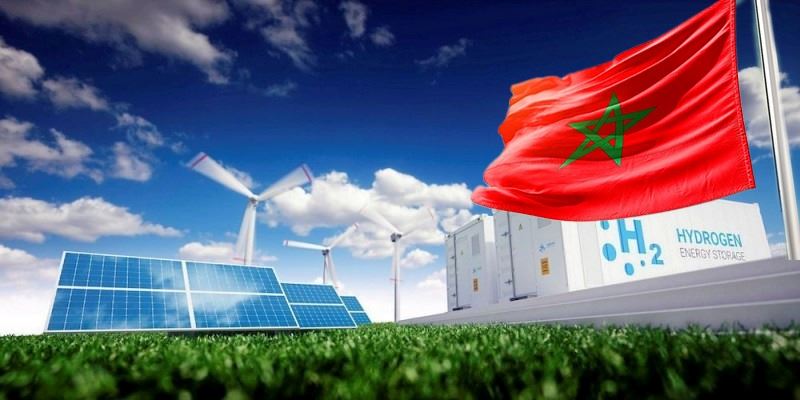
    Morocco has pledged to award one million hectares of land to facilitate the construction of its green hydrogen projects. Furthermore, the government plans to allocate this vast land to develop real estate projects as part of its “Morocco Offer” initiative.

    Prime Minister Aziz Akhannouch highlighted that this enormous land allocation will support integrated green hydrogen projects, enhancing Morocco’s competitiveness in the global market. In addition to the land allocation, the government is implementing measures to streamline the real estate sector. This includes simplifying administrative procedures, reducing required documents, and establishing regional urban planning agencies.

    The goal is to create jobs, attract investment, and improve access to public services. These initiatives demonstrate Morocco’s commitment to sustainable development. It also highlights the country’s ambition to become a global leader in green hydrogen production while fostering a thriving real estate market.

    The State of Affairs Regarding Morocco’s Green Hydrogen Projects

    With the allocation of the vast land in check, the implementation of Morocco’s green hydrogen projects is all but assured. The authorities will allocate 300,000 hectares to be divided into lots of 10,000 to 30,000 hectares, depending on the size of the planned projects.

    The government said it will assign the land to private investors and track the project development. It has reportedly received several expressions of interest from around 100 national and international investors. It said the first preliminary contracts could be signed by the third quarter of 2024.

    Laila Benali, the minister of energy transition, noted the importance of private investments for the country, which needs to triple its annual investments in renewable energy and multiply its investments by five. Benali said that Office Chérifien des Phosphates (OCP) recently launched an investment plan worth $14.2 billion.

    The plan seeks to promote the manufacture and development of various projects. These include the manufacture of green fertilizer, the launch of renewable energy production, and the development of seawater desalination projects.

    SOURCE

    CONSTRUCTION REVIEW

  • World’s oldest termite mounds discovered in South Africa – and they’ve been storing precious carbon for thousands of years

    World’s oldest termite mounds discovered in South Africa – and they’ve been storing precious carbon for thousands of years

    First Published June,16,The Conversation

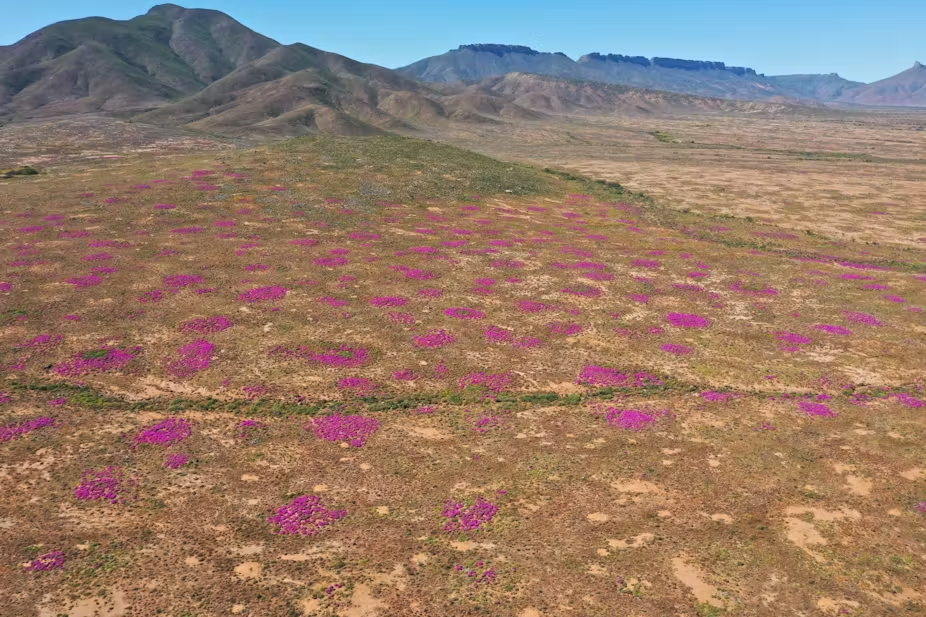
    The landscape along the Buffels River in South Africa’s Namaqualand region is dotted with thousands of sandy mounds that occupy about 20% of the surface area. These heuweltjies, as the locals call them (the word means “little hills” in Afrikaans), are termite mounds, inhabited by an underground network of tunnels and nests of the southern harvester termite, Microhodotermes viator.

    I’m part of a group of earth scientists who, in 2021, set out to study why the groundwater in the area, around 530km from Cape Town, is saline. The groundwater salinity seemed to be specifically related to the location of these heuweltjies.

    We used radiocarbon dating; dating the mounds, we reasoned, would allow us to see when minerals that were stored in the mounds were flushed to the groundwater.

    The tests revealed far more than we expected: Namaqualand’s heuweltjies, it turns out, are the world’s oldest inhabited termite mounds.

    Some date as far back as between 34,000 and 13,000 years. The oldest previously known inhabited mounds were 4,000 years old (from a different termite species from Brazil) and 2,300 years old (from central Congo).

    This is more than just an interesting scientific find or historical curiosity. It offers a window into what our planet looked like tens of thousands of years ago, providing a living archive of environmental conditions that shaped our world.

    It is also hugely important today: there is growing evidence that termites have a substantial, but still poorly understood, role in the carbon cycle. By studying these and other termite mounds, scientists can gain a better understanding of how to sequester (store) carbon. This process removes CO₂ from the atmosphere and is vital for mitigating climate change.

    Carbon storage

    Namaqualand is a global biodiversity hotspot renowned for its spring flowers, but it is a dry area. Surface water is in short supply and the groundwater is saline.

    Although most of Namaqualand receives very little rainfall, there are rare, high intensity rainfall events. When these do occur, the termite burrows on the mound surfaces serve as water flow paths that can harvest rain and channel water into the mound.

    This causes the salts that built up in the mounds over thousands of years to be flushed into the groundwater system via flow paths created by the tunnelling action of the termites, pushing the dissolved minerals ever deeper. This process also pushes down the carbon that slowly built up in the centre of the mounds when termites collected plant material and brought it into the mound over millennia.

    The ability of these mounds to sequester carbon is linked to the termites’ unique behaviour. The insects transport organic material – such as small sticks about 2cm long and a few millimetres wide from small woody plants – deep into the soil.

    This way, fresh stores of carbon are continuously added at depths greater than one metre. Deep storage reduces the likelihood of organic carbon being released back into the atmosphere. So the mound acts as a long-term carbon sink.

    Not only do the termites take the organic carbon material deep underground into their nests, but their tunnels also allow dissolved inorganic carbon (known as soil calcite or calcium carbonate) in the mound soil to move into the groundwater along with other soluble minerals.

    So the termite mounds also offer a mechanism to sequester carbon dioxide through dissolution and leaching of soil carbonate-bicarbonate to groundwater. This is a long term carbon storage method that carbon storage companies are trying to replicate to reduce atmospheric carbon.

    The results of our radiocarbon dating of both the organic and inorganic carbon in this soil show that the mounds have been accumulating organic matter and nutrients, including carbon, for tens of thousands of years.

    This enrichment is one of the reasons that Namaqualand’s famous wildflowers are so prominent on the mounds in spring.

    During the mounds’ formation, the region experienced more rainfall than it does today. Studying the layers of the mounds and looking at the carbon, sulphur, and oxygen isotopes preserved in the mounds and in the groundwater showed that periods of higher rainfall in the region were associated with global climate cooling.

    These cooler and wetter periods were associated with the leaching of accumulated carbon and other minerals to the groundwater.

    Tiny engineers

    These findings are further evidence that termites fully deserve their reputation as ecosystem engineers. They modify their soil surroundings to maintain ideal humidity and temperature conditions, and their foraging paths extend many tens of metres.

    We argue that, given what we’ve uncovered in Namaqualand, termite activity should be incorporated into carbon models. These primarily focus on forests and oceans; including termite mounds can help provide a more comprehensive understanding of global carbon dynamics.

    In Namaqualand, mounds occupy 27% of the total area but contribute 44 % of the total soil organic carbon stock. This highlights the disproportionate contribution termite mounds make to carbon stocks in these semi-arid environments.

    Public awareness and policy integration are key, too. Termite mounds are often cleared for agriculture or termites are considered pests.

    Raising awareness about the ecological importance of termite mounds and integrating these findings into environmental policies can help promote practices that support natural carbon sinks.

    SOURCE

    THE CONVERSATION


  • Ghanaian and Senegalese entrepreneurs to benefit from African Development Bank Youth Entrepreneurship and Innovation Multi-Donor Trust Fund (YEI MDTF) grant for green jobs in natural resources

    Ghanaian and Senegalese entrepreneurs to benefit from African Development Bank Youth Entrepreneurship and Innovation Multi-Donor Trust Fund (YEI MDTF) grant for green jobs in natural resources

    ABIDJAN, Ivory Coast, April 8, 2024/ — The African Development Bank (www.AfDB.org), through its Youth Entrepreneurship and Innovation Multi-Donor Trust Fund (YEI MDTF) (https://apo-opa.co/3J81Cnx), has approved a $999,000 grant to support an initiative to foster green jobs for women, youth and people with disabilities.

    The Strengthening Women, Youth and People with Disabilities’ Micro-Entrepreneurship for Green Jobs (https://apo-opa.co/3U9MFqb) in Natural Resources (MicroGREEN) project aims to foster inclusive economic growth by providing up to 500 green job opportunities and business development services to marginalized groups in Ghana and Senegal.

    The target reach group includes women, youth and people with disabilities/special needs, engaged in managing natural resource sectors such as agroforestry, fisheries and biodiversity.

    The MicroGreen project, to be implemented over two years, will empower  with entrepreneurship capacities and business skills at least 1,000 youth aged 15-35 years with female youth-led (60%) , people with disabilities/special needs ( 10%) and other youth (30%) in both countries.

    By focusing on capacity building and utilizing value chain-based SME development models, the project endeavors to enhance employment creation, ensure the sustainability of micro-enterprises, and integrate beneficiaries into the economic systems.

    Implemented by Invest in Africa (www.InvestinAfrica.com), a non-profit organization dedicated to fostering African SME growth and creating prosperous economies across the continent, the MicroGREEN project will leverage its expertise in market access, skills development, and access to finance to drive sustainable business growth and job creation in Ghana and Senegal.

    The African Development Bank founded the Youth Entrepreneurship and Innovation Multi-Donor Trust Fund in 2017 to promote innovation and entrepreneurship as well as to create durable and sustainable jobs for youth on the continent. The trust fund provides grants to support the Bank’s Jobs for Youth in Africa Strategy (https://apo-opa.co/43RFw2b) programs and initiatives. The Jobs for Youth in Africa Strategy aims to create 25 million jobs and equip 50 million youth with employable and entrepreneurial skills by 2025.

    Distributed by APO Group on behalf of African Development Bank Group (AfDB).

    Media contact:
    Amba Mpoke-Bigg
    Communication and External Relations Department
    Email: media@afdb.org

    Technical Contact:
    Salimata SOUMARE
    Senior Natural Resources Governance Officer
    African Natural Resources Management and Investment Centre
    Email: s.soumare@afdb.org

  • Overfishing off West Africa hits livelihoods, fuelling emigration

    Overfishing off West Africa hits livelihoods, fuelling emigration

    This article was originally published on China Dialogue under the Creative Commons BY NC ND licence.

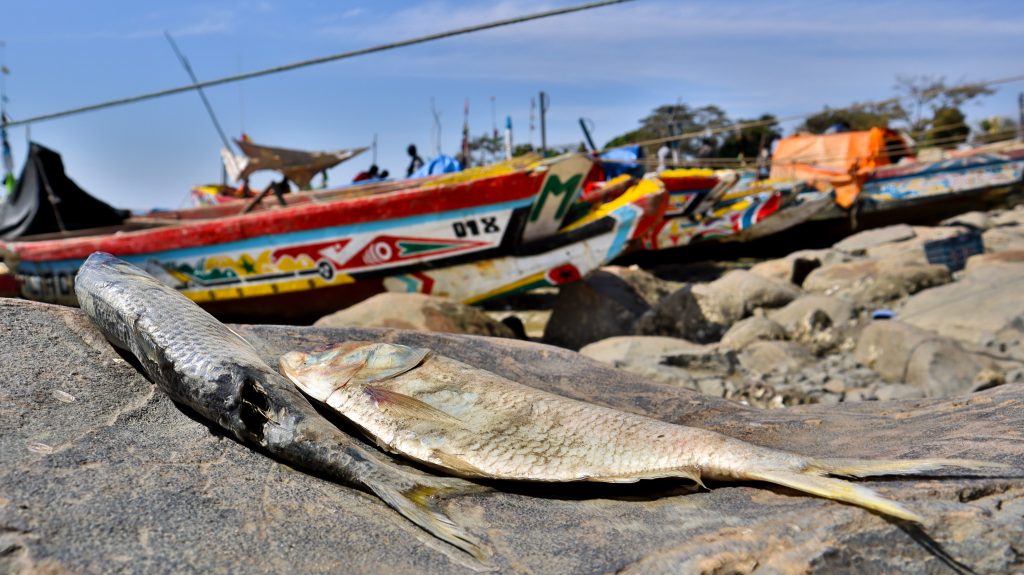
    But a number of factors are depleting fish stocks, causing economic hardship and thus fuelling irregular migration to Europe. These include an influx of foreign trawlers in the region’s waters, lopsided fisheries agreements with foreign governments, weak laws and poor law enforcement.

    Experts say these issues can be overcome. They believe West African countries should: work together as a bloc to ensure it can strike fairer fisheries deals; invest in monitoring and surveillance to deter illegal fishing; and implement policies that better protect the marine ecosystem on which fish stocks depend.

    What is happening?

    Between 2017 and 2023, more than 900,000 migrants arrived irregularly in Europe by sea and land through Italy, Spain, Greece, Malta and Cyprus, according to the UN’s International Organization for Migration (IOM). An estimated 26% of these came from West and Central Africa.

    The journey is treacherous. Many who set out do not make it to Europe and are forced to return home. Others perish.

    Between January and March this year, 532 people went missing as they attempted to cross the Atlantic Ocean and Mediterranean Sea, the IOM report notes, with disappearances mainly linked to drowning, dehydration or hypothermia.

    In 2021, Nuha Njie tried to leave Gunjur, a coastal town in The Gambia, on a fishing boat bound for Morocco, from where he hoped to get to Europe. He is now back in Gunjur selling fish.

    “Before my unsuccessful journey, I requested for rental shop near the landing site to sell fish,” he tells China Dialogue. “I struggled to get one.” Njie explains that such a facility would have created job opportunities for other youths, as shop assistants or suppliers of fish. Njie adds: “I am not aware of any government loans or assistance to access fishing tools such as boats, which would have encouraged us to stay here and work.”

    Problems persist. Industrial trawlers will sometimes damage or destroy the fishing nets placed in the waters by local fishers, Njie explains. Though often accidental, this damage “affects the catches and subsequently, the market always runs out of [fish] stocks.” Often, this also leads to clashes between artisanal fishers and industrial trawlers.

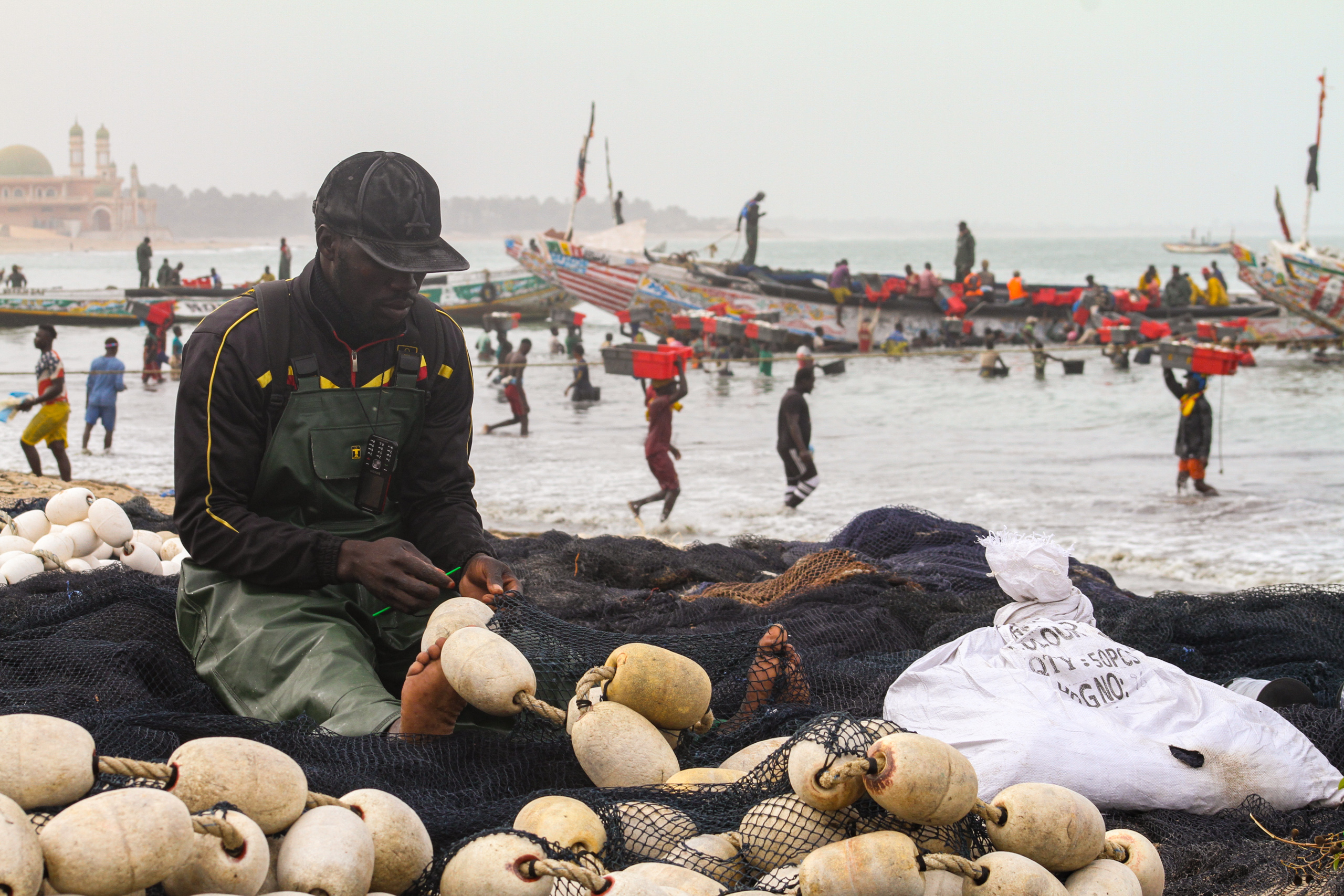
    man sitting on and mending fishing net
    Small-scale local fishers in West Africa often face competition from foreign industrial trawlers. This has led to mass migration amongst fishers searching for better economic prospects. (Image: Mustapha Manneh / China Dialogue Ocean)

    Njie further accuses trawlers of violating regulations by fishing during a six-month “closed period” in the winter established by the government to allow fish to breed. He explains that Chinese fishmeal factories, often supplied by Senegalese boats, do sometimes operate during this period. “It is unfortunate that The Gambian government does not enforce the closed season as it should.”

    The Gambia’s Fisheries Regulations, last updated in 2008, state that no trawlers can fish within 12 nautical miles of the coast. However, unlike Guinea Bissau’s and Senegal’s, they do not indicate what fine should be given for particular offences. Often, this translates to trawlers receiving minimal penalties, or even going scot-free by bribing government officials.

    Despite the regulations in Senegal, Siaka Fai, a fisher from Missira village, in the country’s northern Fatick region, says fisheries agreements – and the industrial trawlers that come as a result – are compromising marine resources. “Our government has signed these fishing agreements and issued licences to other trawlers to operate on our waters… They have the bigger capacity, and we even compete with them around the areas we can access,” Fai notes. “As a result, small-scale fishers would [return] with very minimal catch, which is frustrating.”

    Why are people leaving?

    Illegal fishing has led to the loss of more than 300,000 artisanal – or traditional – fishing jobs in West Africa, according to the International Collective in Support of Fishworkers (ICSF). As a result, these people are forced to find work in another sector or to look abroad for it.

    The Covid-19 pandemic has exacerbated conditions driving irregular migration. A UN report on extreme poverty in West Africa, published in January 2022, revealed that “nearly 25 million people are unable to meet their basic food needs, which is 34% higher than in 2020.”

    There is historical precedent for this. In 2005 and 2006, fish stocks in Senegal collapsed, and close to 36,000 West Africans – mostly from Senegal and Mauritania – fled to the Canary Islands in an attempt to enter Europe, according to a report by the Global Initiative against Transnational Organised Crime.

    Many of the irregular migrants from The Gambia and Senegal that China Dialogue spoke to – and their families – say that seeking greener pastures in Europe is their main motivation for leaving.

    Like Njie, Wuyeh Sanyang left Gunjur in 2021, on a boat believed to be carrying more than 100 young Gambians, according to his family. He has not been heard from since.

    “Before he left, he kept talking about the hardship the family is going through,” his mother Sariba Ceesay, 68, says of her son’s motivations. “All I do is pray for us to reunite.

    “The saddest thing for me is I have no knowledge of whether he is alive or dead.”

    Bad deals for West African nations

    The fisheries sector has provided hope to Gambians over the years, especially to youths looking for work. But this hope has faded recently as regional governments signed new fishing agreements with industrial fishing operators.

    Nine of out of ten fishing vessels legally operating in Gambian waters are foreign-owned, according to the Ministry of Fisheries and Water Resources’ website. There are currently five facilities for turning fish into fishmeal and fish oil that are licensed to operate in the small country.

    In October 2018, The Gambia signed a six-year fisheries agreement with the European Union (EU) giving the bloc’s vessels the right to catch up to 3,300 tonnes of tuna and 750 tonnes of hake per year in Gambian waters. The EU paid 550,000 euros per year for the privilege.

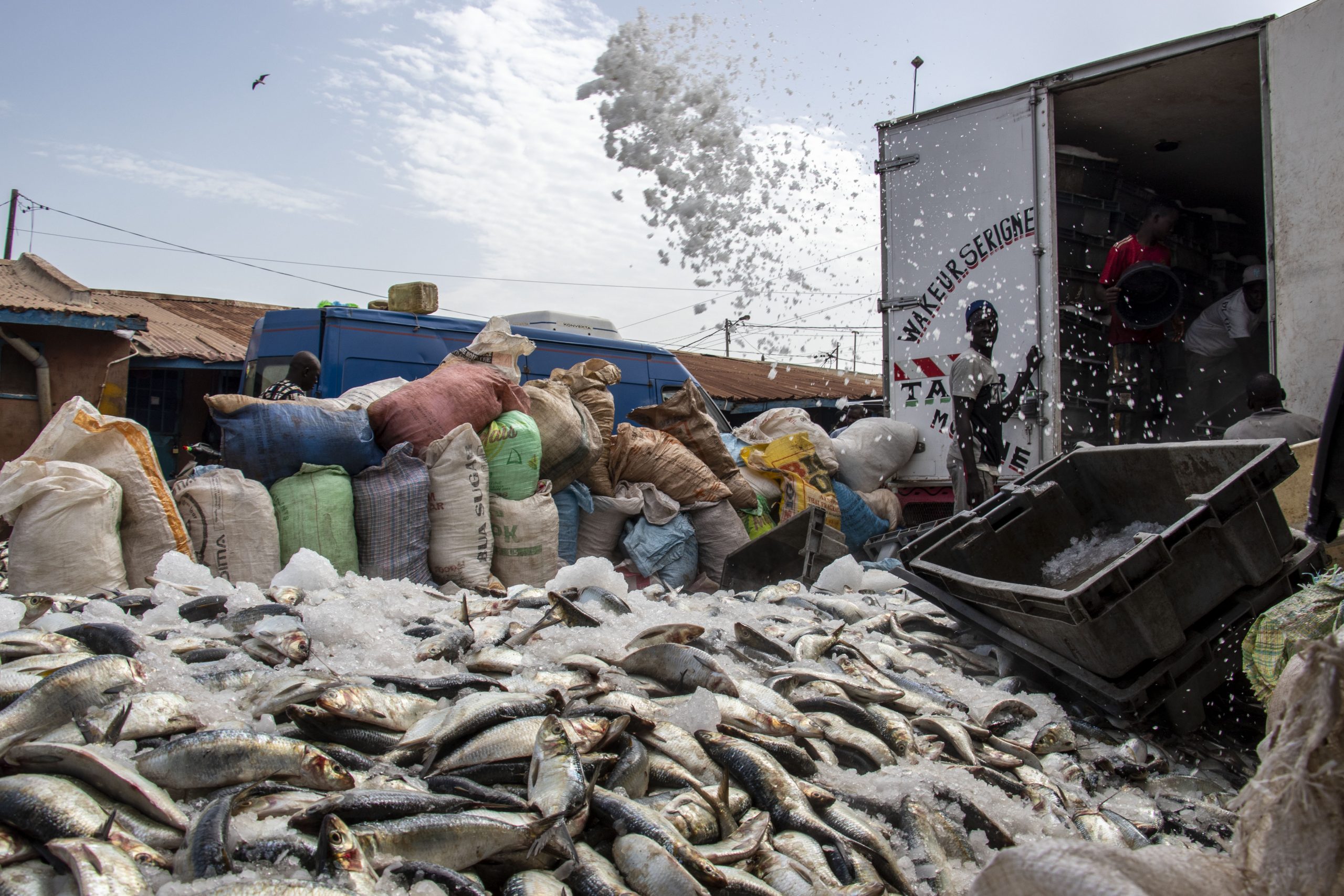
    people throwing ice onto large display of fish
    Workers throw ice on fresh catch at the Tanji fish landing site off the coast of The Gambia (Image: Regina Lam)

    Speaking to local press in 2019, environmental scientist Abdoukarim Sanneh said that even though the EU’s agreement with The Gambia also covers cooperation to fight illegal, unreported and unregulated (IUU) fishing, it still amounted to “trade injustice”. The agreement and fishing licences pose a major threat to local, artisanal fishers, he added.

    It is a similar story in Senegal, where fisheries contribute to more than 3% of GDP, according to a Food and Agriculture Organisation (FAO) report. Most beneficiaries are artisanal fishers and processors, with 53,000 direct jobs, and over half a million that are reliant on fisheries. The report notes that overfishing, pollution and climate change pose the biggest threats to the sector’s job market.

    The fisheries industry accounts for 10.2% of Senegal’s exports, and generated US$400 million in revenue in 2021, found a report jointly published by the US Department of Agriculture and the Global Agricultural Information Network in 2022.

    Yet, like The Gambia, Senegal also has a fisheries agreement with the EU, signed in 2014, which allowed up to 38 EU boats to fish in Senegalese waters in return for a 8.69 million euro payment by the EU. The main agreement expired in 2019, but Senegal and the EU have since extended it with a new protocol. Other foreign-owned industrial trawlers also fish on Senegal’s waters.

    ‘Double whammy – no fish and no dollars!’

    In a 2019 paper, researchers analysed the EU’s so-called sustainable fishing agreements and identified the damage the deals are causing to West African nations. Its authors followed up with an article noting that other countries, including China and Russia, are also part of the picture.

    These patterns of exploitation exacerbate socio-economic inequalities, driving many people to despair and emigration

    Aliou Ba, interim senior oceans campaign manager for Greenpeace Africa

    Rashid Sumaila, a professor at the University of British Columbia who writes on sustainable fishing, says that West Africa gets a raw deal in these agreements, as its countries receive payments amounting to a small fraction of what their marine resources are worth. “The fishing communities in West Africa lose their fish without seeing any of the fees collected,” Suamila notes. “Thus, they end up with a double whammy – no fish and no dollars!”

    For Aliou Ba, interim senior oceans campaign manager for Greenpeace Africa, the main threat to the ocean and communities in West Africa is the unsustainable exploitation of marine and terrestrial resources, often facilitated by unfair agreements, neo-colonial practices and IUU fishing.

    “These patterns of exploitation exacerbate socio-economic inequalities, driving many people to despair and emigration,” Ba says. “And Europe’s [border policies] make this situation terribly dangerous.”

    West African nations lose an estimated $9.4 billion per year due to IUU fishing, according to a 2022 report by the Financial Transparency Coalition.

    What are the solutions?

    Ba highlights that “too many” young Africans have disappeared while emigrating in search of better lives. It is “high time for national authorities to invest in monitoring and surveillance of the oceans, and develop sustainable development policies capable of creating hope and lasting jobs,” he says.

    To incentivise businesses in the sector to spur local employment, “fisheries need massive investment, including subsidies to help local fishers with boats and storage facilities,” says Gambian migration specialist Bubacarr Singhateh.

    He adds there is a need for policies that protect the marine ecosystem through sustainable fishing and guarantee that perpetrators of fisheries crimes – such as fishing within a protected area and the illegal use of large nets – pay damages, to ensure proper restitution for those affected.

    West African governments have begun to develop robust fisheries policies intended to ensure a future for local fishers.

    The Gambia’s most recent fisheries and aquaculture policy, published in 2018, sets as a major objective the sustainable development and management of industrial fisheries with the “full participation” of Gambians. It also seeks to develop Gambians’ capacities so they fill at least 30% of all skilled labour positions onboard fishing vessels, and to create jobs from “onshore value-addition activities”, which includes fish smoking and other kinds of processing.

    Senegal, too, has various progressive policies, including its recent Agreement on Port State Measures, facilitated by FAO, which is the first binding international agreement to specifically target IUU fishing.

    However, for these policies to be truly successful, governments must stop signing agreements that threaten to jeopardise fish stocks in the region, such as the EU deal, which contributes to overfishing and overexploitation of local fish species. They must also clamp down on Chinese trawlers operating in The Gambia, Senegal, and Guinea Bissau, which currently do so to an extent that compromises sustainable fishing principles.

    This year, an Amnesty International report detailed the devastating impact of overfishing on Sanyang, a coastal village in The Gambia, in which it identified foreign-owned industrial trawlers and fishmeal factories as particularly damaging in how they dissolve local livelihoods, create food insecurity and perpetrate human rights abuses.

    In an article accompanying the report, Samira Daoud, Amnesty’s regional director for West and Central Africa, said: “The Gambian authorities must urgently take all necessary steps to hold them to account and protect the human rights of affected communities, including their economic and social rights.”

    When West African nations enter into fishing deals with other countries, Sumaila suggests that, in order to ensure they are fair, “they need to work collaboratively as a unit, just like the Pacific Island States do. This will increase the region’s bargaining power, making it receive a fair share of the value of resources.”

  • Conference of the Parties (COP28): Multilateral development banks publish first common principles for nature-positive finance

    Conference of the Parties (COP28): Multilateral development banks publish first common principles for nature-positive finance

    LUXEMBOURG CITY, Luxembourg, December 9, 2023/ — New principles will guide multilateral development banks’ support for countries and the private sector in implementing the Kunming-Montreal Global Biodiversity Framework; For the first time, multilateral development banks define common principles and the criteria for identifying and tracking nature-positive finance; Announcement follows COP26 Joint MDB Statement on Nature, People and Planet.

    The European Investment Bank (EIB) and fellow multilateral development banks (MDBs) have today published (https://apo-opa.co/3RdNOeQ) common principles for identifying and tracking nature-positive finance. The announcement comes on nature day of the United Nations COP28 climate change conference in Dubai, United Arab Emirates.

    The common principles aim to increase nature-positive finance by mainstreaming nature in MDB operations and investments in a systematic manner. This is one of the key deliverables from the COP26 Joint MDB Statement on Nature, People and Planet (https://apo-opa.co/4aeV2ba), in which multilateral development banks collectively committed to step up efforts for the protection, restoration and sustainable use of nature in support of the Kunming-Montreal Global Biodiversity Framework.

    Nature plays a critical role in providing resources and services that underpin the achievement of the Sustainable Development Goals and are essential to solving development challenges such as health, jobs and livelihoods, inequality, climate change, food security and fragility.

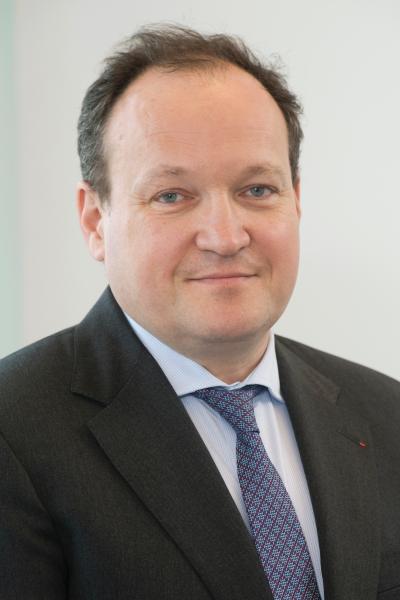
    EIB Vice-President Ambroise Fayolle, said: “Scaling up nature positive finance is key to solving the climate change, biodiversity loss and pollution crises. With the common principles for tracking nature-positive finance, MDBs are implementing a key deliverable from their joint statement on nature. At the EIB, from 2024 onwards, we will be integrating the common principles into our existing environmental sustainability tracking methodology. In doing so, we are committed to working with countries and the private sector to scale up nature positive investments worldwide.”

    The common principles will help guide the development and implementation of multilateral development banks’ respective frameworks and internal methodologies for tracking nature-positive finance as they support countries and the private sector in implementing the Kunming-Montreal Global Biodiversity Framework in a systematic manner.

    The common principles will also facilitate comparability across multilateral development banks in their respective screening and tracking processes.

    They will enable the EIB to better assess whether its finance is expected to deliver a meaningful and measurable positive contribution to nature, and to communicate such nature-positive outcomes. In addition, the common principles may be informative for other investors, including capital markets and governments.

    Distributed by APO Group on behalf of European Investment Bank (EIB).
    Press contacts:
    Bruno Hoyer,
    b.hoyer@eib.org,
    +352 621 886 056Shirin Wheeler,
    s.wheeler@eib.org,
    +32 474 242 494

    Press Office:
    +352 4379 21000
    press@eib.org

  • Youth-led African enterprises awarded $800,000 at Conference of the Parties (COP28) for climate solutions

    Youth-led African enterprises awarded $800,000 at Conference of the Parties (COP28) for climate solutions

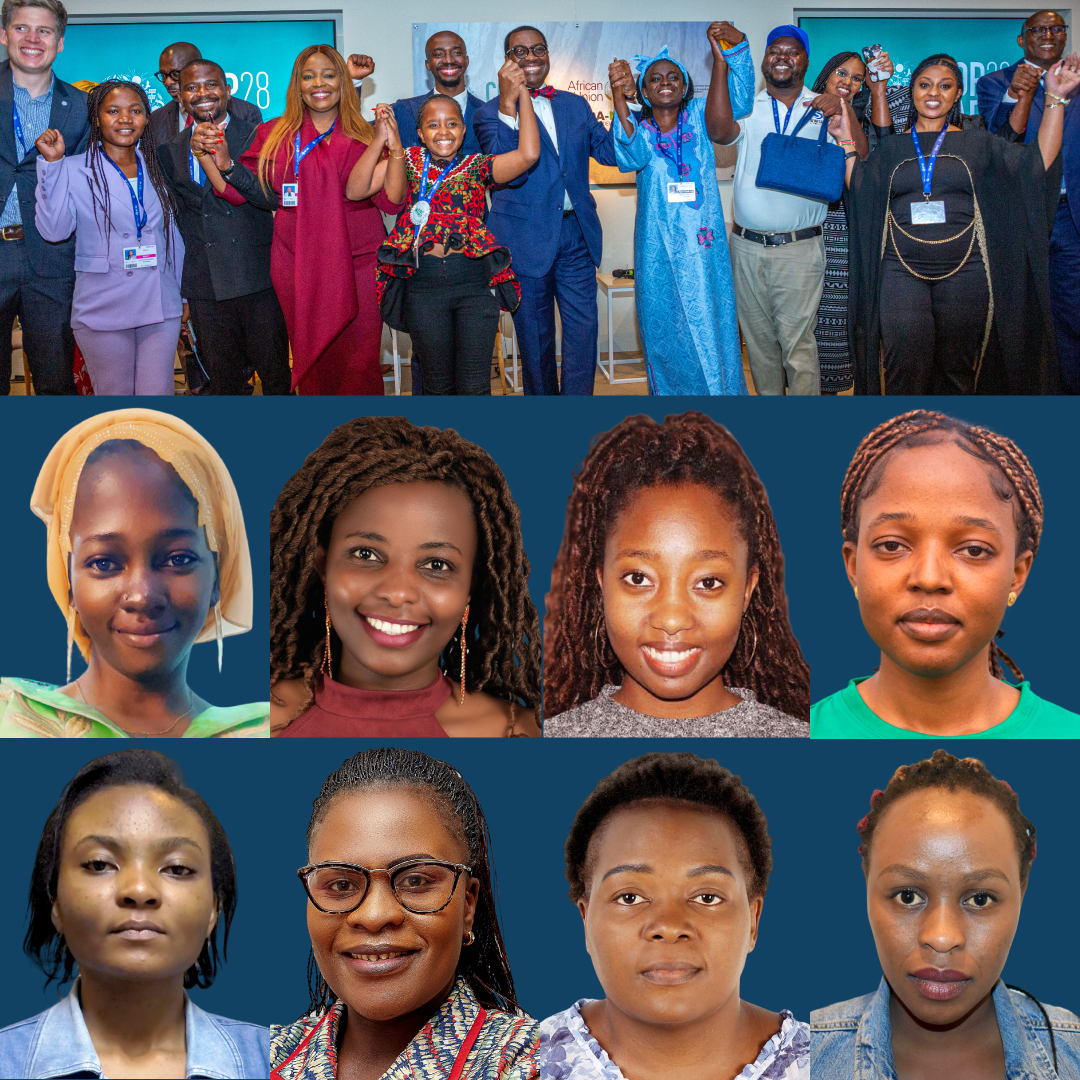
    DUBAI, United Arab Emirates, December 5, 2023/ — Eight dynamic African young women-led businesses emerged as winners of the 2023 YouthAdapt challenge. Each business will receive grant funding of up to $100,000.

    They will also receive a comprehensive mentorship and coaching as part of a 12-month accelerator program. Since its launch in 2021, the YouthADAPT initiative (https://apo-opa.co/49ZU0zH) has provided more than $5 million to 33 young entrepreneurs from 19 African nations.

    Jointly organised by the African Development Bank Group and the Global Center on Adaptation (https://GCA.org), supported by the Africa Climate Change Fund (https://ACCF.AfDB.org), YouthADAPT is an annual competition for young entrepreneurs leading micro-, small- and medium-sized enterprises in Africa with innovative climate change adaptation solutions.

    This year’s focus was on female-owned enterprises pioneering Fourth Industrial Revolution (4IR) technologies such as artificial intelligence, big data analytics, virtual reality, robotics, Internet of Things, quantum computing, additive manufacturing, blockchain, and fifth-generation wireless for climate adaptation.

    Speaking at the ceremony held on the side lines of COP28 in Dubai, President of the African Development Bank, Dr Akinwumi Adesina emphasised the importance of harnessing youth ideas and creativity to enhance livelihoods and national prosperity.

    Adesina said: “The Jobs for Youth in Africa and the Skills Employability initiatives at the Bank stand as a testament to our commitment to create 25 million jobs for our youth, ensuring that 250 million individuals find their path to the labour market. The Youth ADAPT initiative is a pledge to invest in the youth and shape a thriving future.”

    Professor Patrick Verkooijen, CEO of the Global Center on Adaptation, stressed the need to nurture Africa’s youth talent. “Young people hold the key to unlocking Africa’s economic potential. Through initiatives like the YouthADAPT awards, we provide opportunities for training and jobs to retain African talents at home.”

    During a panel discussion, Cheryl Urban, Canada’s Assistant Deputy Minister for Sub-Saharan Africa, spoke about the critical role of development finance institutions can play. “The African Development Bank’s YouthADAPT program provides crucial support in scaling up youth-led climate businesses and innovations in Africa. Canada is proud of being a contributor to the initiative.”

    Dr Beth Dunford, the African Development Bank’s Vice President for Agriculture, Human, and Social Development, stressed the importance of supporting entrepreneurs tackling climate change. She also emphasised the need to remove barriers to finance, particularly for women.

    The African Union Youth Envoy, Chido Cleopatra Mpemba, underscored the need to foster effective information-sharing mechanisms across regions.

    Lucy Wangari, one of this year’s award recipients from Onion Doctor, a firm specialized in monitoring onion growth, said the award would motivate her to do more. “It serves as a significant driver in scaling (our) innovative solution to boost local onion production by 20% and transform the onion value chain into a lucrative employment source for farmers in Kenya’s arid and semi-arid Lands.”

    Past winners shared experiences about how the grant empowered their ventures. Fela Akinse, CEO of Salubata—a business converting plastic waste into affordable footwear, emphasised how the grant is propelling their business expansion and innovation of clean technologies, and helping them to generate global impact.

    The winning ventures, led by women from across Africa, focus on sectors affected by climate change: agriculture, energy efficiency, disaster risk management, water resources, and biodiversity conservation.

    Full list of winners:

    • Deborah Nzarubara, ETS Grencom, Democratic Republic of Congo: Leveraging big data, ETS Grencom provides real-time weather data, bolstering agricultural productivity and supporting pollinating bees for sustainable farming practices.
    • Mirriam Chapi, Chapi Core Tech (https://ChapiCoreTech.com), Zambia: Through the EaseOn Track app, Chapi Core Tech has empowered over 5,000 women farmers, facilitating clean energy adoption and enhancing agricultural output.
    • Eddah Wanjiru, Arinifu Technologies (https://Arinifu.com), Kenya: The Smart Brooder & Kuku Smart innovation utilise Internet of Things technology, offering poultry solutions and operational insights, benefitting Kenya’s farming community.
    • Fatoumata Diaby, Jeune Agro-Innovatour (https://Jaimmali.org), Mali: Jeune Agro-Innovatour’s E-Compost software transforms invasive water hyacinth into premium compost, championing sustainable agricultural practices.
    • Beth Koigi, Majik Water Technologies (https://MajikWater.co), Kenya: Majik Water Technologies pioneers atmospheric water harvesting, providing vital water resources to drought-stricken farming communities in Kenya.
    • Lucy Wangari, Onion Doctor Limited (https://OnionDoctor.co.ke), Kenya: Using the Internet of Things and machine learning, Onion Doctor Limited monitors onion crops, optimising sustainability and profitability for Kenyan farmers.
    • Daniella Ushindi Viruvuswagha, ETS Chemchem Agro (https://ChemchemAgro.com), DRC: Their ApiConnect app employs Machine Learning for strategic beehive placement, significantly boosting honey production in the Democratic Republic of Congo.
    • Stephanie Meltus, Green Eden Farms (https://GreenEden.com.ng), Nigeria: Green Eden Farms utilise Scaregrow technology to offer real-time insights, enhancing productivity and resilience in Nigerian agriculture.

    More details about the YouthAdapt competition and awards are available here (https://apo-opa.co/49ZU0zH).

    Distributed by APO Group on behalf of African Development Bank Group (AfDB).
    Contacts:
    African Development Bank:
    Joash Moitui
    Africa Adaptation Acceleration Program
    media@afdb.orgAfrica Climate Change Fund:
    Rita Effah
    Coordinator
    r.effah@afdb.org

    Global Center on Adaptation:
    Alex Gee
    Head of Communications
    alex.gee@gca.com

  • Conference of Parties (COP28): Global and African partners pledge $175m to the Alliance for Green Infrastructure in Africa (AGIA)

    Conference of Parties (COP28): Global and African partners pledge $175m to the Alliance for Green Infrastructure in Africa (AGIA)

    DUBAI, United Arab Emirates, December 3, 2023/ — In a powerful signal of support during COP28, African and global institutions together with governments of Germany, France and Japan and philanthropies have pledged over $175 million to the Alliance for Green Infrastructure in Africa (AGIA). The landmark initial pledge will help to rapidly scale up financing for transformative climate-aligned infrastructure projects across the continent.

    The new pledges will also advance AGIA towards its first close of $500 million of early-stage project preparation and development blended capital. The Alliance is a partnership of the African Union Commission, the African Development Bank, Africa50 and other partners. It works to unlock up to $10 billion private capital for green infrastructure projects and to galvanise global action to accelerate Africa’s just and equitable transition to Net-Zero.

    Among the signatories of the memorandum of intent were representatives of the African Development Bank, Africa50, France, Germany, Japan, the Arab Bank for Economic Development in Africa (BADEA), Banque Ouest-Africaine de Développement (BOAD), Proparco and the Three Cairns Foundation.

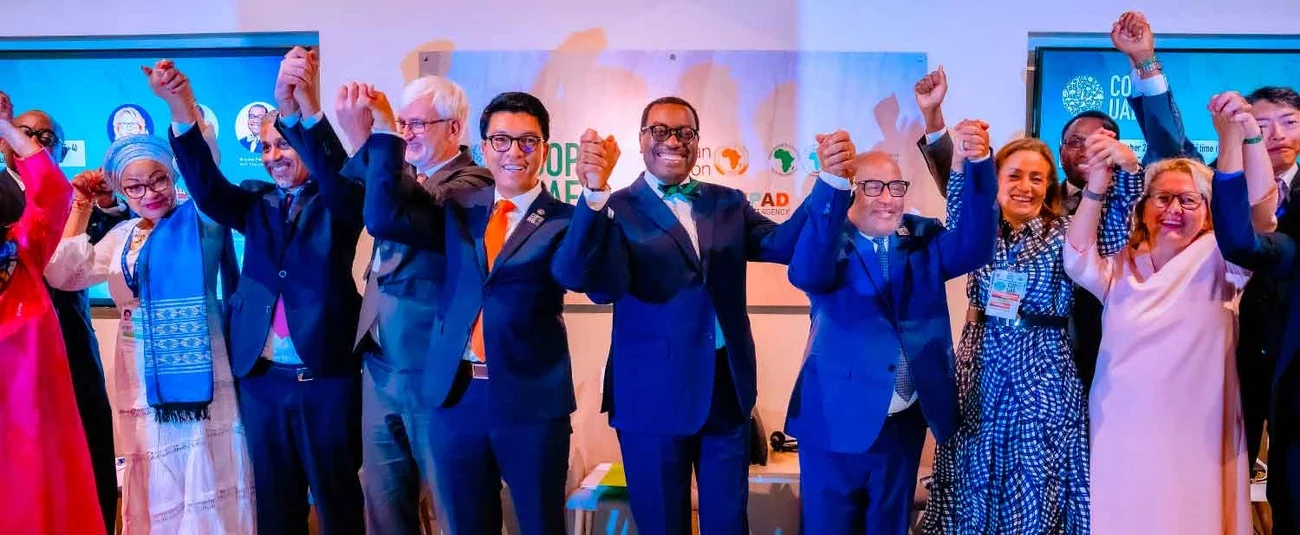
    The Union of the Comoros President and Chairperson of the African Union Azali Assoumani, Madagascar’s President Andry Rajoelina and African Union Commission Chairperson Moussa Faki Mahamat witnessed the signing ceremony.

    Germany’s Minister for Economic Cooperation and Development, Mrs Svenja Schulze, said, “Germany is very pleased to join the launch of the Alliance for Green Infrastructure in Africa. We congratulate the African Development Bank on this important Africa-led initiative and want to highlight AGIA’s commitment to the 1.5°C target and its dedication to accelerate Net-Zero emissions in Africa.”

    She added, “Today marks an important step towards our shared goal of a just and equitable green transition in Africa. Supporting the commitment towards green infrastructure, we are planning to contribute up to €26 million to AGIA starting in 2024.”

    Tomoyoshi Yahagi, Japan’s Deputy Vice-Minister of Finance, said, “As part of the pledge made by Prime Minister Fumio Kishida yesterday, Japan will provide US$10 million to AGIA to support Africa in undergoing a just and equitable transition to Net-Zero and achieving the 1.5°C pathway. We encourage other donors to contribute to this important initiative.”

    Emmanuel Moulin, Director General of the French Treasury, said, “By addressing the gap in funding green infrastructure project preparation and development, AGIA will play an instrumental role in Africa’s transition to Net-Zero. Directing concessional resources to such an initiative is in line with France’s vision and solidarity policy for sustainable investment in Africa. This is why we have supported AGIA since inception and we are glad that the Summit on a New Global Financing Pact further raised momentum for the initiative. We are therefore delighted to announce a contribution of €20 million to AGIA and we hope that our contribution will catalyse more private and concessional resources.”

    African Development Bank Group President Dr Akinwumi Adesina said: “We need private sector financing at scale to tackle climate change and fill Africa’s huge infrastructure gap in a sustainable and climate-resilient manner. By working together and pooling our resources together through AGIA, we are committed to accelerating these efforts. The Bank Group plans to contribute up to $40 million, after approval from its Board of Directors.”

    Sidi Ould Tah, President of BADEA said, “We have pledged $40 million to support AGIA. We are glad to be part of this vital partnership, aiming at enabling transformational green infrastructure projects in Africa, and accelerating the continent’s transition to Net-Zero in a sustainable manner.”

    Alain Ebobissé, Africa50 CEO, said: “AGIA is set to become Africa’s largest fund focused on project development, which is a critical component to scale up the delivery of bankable green projects and help the continent achieve its climate goals. This initial fundraising round which includes strong African and international organisations is a great sign of investor confidence in AGIA. We are pleased to be part of this landmark initiative.”

    Serge Ekué, President of BOAD: “As part of our 2021–2025 Djoliba strategic plan, we have committed that about 25% of our new financing will be aimed at strengthening the resilience of our member countries to climate change. Our interest in AGIA reflects this ambition and will be in line with our strategic approach of mobilising increased climate resources in our region.”

    Françoise Lombard, CEO of Proparco said his company alongside the French government, “is proud to support AGIA, an initiative aiming to unlock Africa’s potential for green infrastructure by targeting one of its main constraints: the lack of existing bankable projects in this area. The innovative blended structure of the initiative will allow AGIA to mobilise and channel public and private resources towards project preparation and development, the riskier stages of any infrastructure project. In addition, With AGIA, we are one step closer to bridging the infrastructure gap in Africa and one-step further towards Net-Zero.”

    Mark Gallogly, cofounder of the Three Cairns Foundation, said, “We support AGIA’s mission to catalyse economic development and green infrastructure in Africa. More risk-tolerant, early-stage equity is essential to increase the number of clean energy and climate-related projects across the continent. We commend Africa50 for leading this initiative.”

    AGIA was launched a year ago at COP27 in Sharm El Sheikh, Egypt, by the African Union Commission, the African Development Bank, and Africa50 and other partners.

    Distributed by APO Group on behalf of African Development Bank Group (AfDB).

    Media contact:
    African Development Bank:
    Chawki Chahed
    media@afdb.org

    Africa50:
    Nana Boakye-Yiadom
    n.boakyeyiadom@africa50.com

    SOURCE
    African Development Bank Group (AfDB)

  • COP28 UAE kicks off, as global climate action takes centre stage

    COP28 UAE kicks off, as global climate action takes centre stage

    Leaders must deliver in Dubai – the message is clear, said UN Climate Change executive secretary Simon Stiell on the eve of COP28

    The United Nations Climate Change Conference COP28 opens today, with a strong call to speed up collective climate action.

    The conference takes place in the hottest year ever recorded in human history

    COP28 will run from November 30 to December 12 at Expo City Dubai, offers a global platform to agree on climate commitments and curb the worst impacts of climate change, according to a statement released by United Nations Climate Change.

    This year’s COP marks the conclusion of the global stocktake, the first assessment of global progress in implementing the 2015 Paris Agreement.

    The global stocktake lists actions on how to speed up emissions cuts, build resilience to climate impacts, and provide the support and finance needed for the transformation. It will be a catalyst in meeting the Paris Agreement’s goals, as nations prepare to submit revised national climate action plans by 2025.

    The world is not on track to limiting temperature rise to 1.5°C by the end of this century. while countries are developing plans for a net-zero future, and the shift to clean energy is gathering speed, the transition is nowhere near fast enough yet to limit warming within the current ambitions, the UN Climate Change said.

    report recently published by UN Climate Change shows that national climate action plans (known as nationally determined contributions, or NDCs) would collectively lower greenhouse gas emissions to 2 per cent below 2019 levels by 2030, while the science is clear that a 43 per cent reduction is needed.

    In a message shared on the eve of the event, UN Climate Change Executive Secretary Simon Stiell said: “It’s great that over 160 world leaders are coming, but COP28 cannot be just a photo-op.  Leaders must deliver in Dubai – the message is clear.

    “They must agree to triple renewable energy this decade, and double energy efficiency. Developing nations – who did least to cause the crisis – have been starved of climate justice and resilience for too long. Last year’s COP in Egypt delivered an historic Loss & Damage Fund.  This year’s cop in the UAE must put meat on the bone of this fund. That means putting real money on the table.  Table scraps won’t cut it. More broadly – COP28 in Dubai must show that finance is the great climate enabler. It needs to flow to developing in countries in torrents, not trickles, to boost climate resilience right now.”

    Climate finance is the key to transformation

    Climate finance stands at the heart of this transformation. Replenishing the Green Climate Fund, doubling financial resources for adaptation and operationalising the loss and damage fund are key to keeping 1.5°C within reach while leaving no one behind.

    “The reality is that without much more finance flowing to developing countries, a renewables revolution will remain a mirage in the desert. COP28 must turn it into a reality,” Stiell added.

    Progress on climate finance at COP28 will be crucial to build trust in other negotiation areas and to lay the groundwork for an even more ambitious ‘New Collective Quantified Goal’ for climate finance, which must be in place next year. It will also set the stage for a just and inclusive transition to renewable energy and the phasing out of fossil fuels, United Nations Climate Change said in a statement.

    In the face of rising conflicts and tensions worldwide, Stiell emphasised the need for collaborative efforts to combat climate change, an area in which nations can work together effectively to ensure a sustainable future both for people and the planet.

    “We don’t have any time to waste. We need to take urgent action now to reduce emissions. At COP28, every country and every company will be held to account, guided by the north star of keeping 1.5°C within reach,” said COP28 President Dr Sultan Al Jaber.

    “All parties should be prepared to deliver a high ambition decision in response to the global stocktake that reduces emissions while protecting people, lives and livelihoods,” Al Jaber added.

    Egyptian Minister of Foreign Affairs and COP27 President Sameh Shoukry said: “We need to start delivering on climate justice and provide the needed tools that we already agreed upon in Sharm el-Sheikh for funding loss and damage, including the establishment of a fund. One of the major outcomes that have to come out of COP28 is for the fund to be fully operationalised and funded.”

    High-level COP28 events

    The World Climate Action Summit (WCAS), hosted by UAE President Sheikh Mohamed bin Zayed Al Nahyan, President of the UAE, will convene Heads of State or Government on December 1-2 , when the first part of the COP28 high-level segment will also take place.

    A resumed high-level segment will take place on December 9-10.

    The COP28 Presidency will hold open consultations on thematic areas, inviting inputs from the broad mix of stakeholders attending the conference. Consult the COP28 UAE Thematic Program

    SOURCE

    Culf Business