Category: Conservation

  • About Promoting a Just Circular and Blue Economy Transition in Africa

    About Promoting a Just Circular and Blue Economy Transition in Africa

    Mohammed A. Abu

    The Chief Executive Officer(CEO) of South Africa based Sustainable Seas Trust(SST), Janine Osborne has declared that, her organization’s work will focus on strengthening existing multi-lateral partnerships (specifically with the Abidjan and Nairobi conventions, and WIOMSA) to promote a just transition for Africa to a circular and blue economy through supporting its African partners’ response to the incipient global plastics treaty.

    “While securing multiple funding sources beyond this generous grant remains a priority, SST is truly grateful to the Norwegian government for their continued partnership and support of our ambitious vision” she stated.

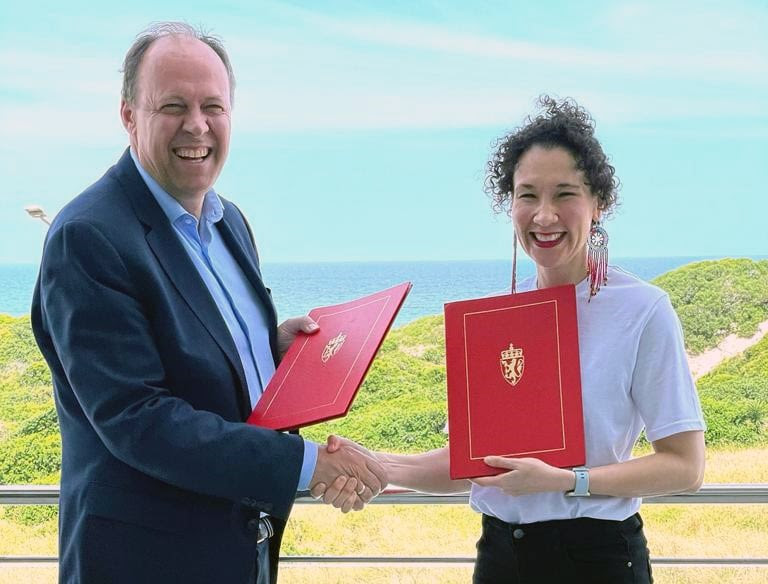
    Janine Osborne made the observations following a formal grant signing ceremony between her organization and the Norwegian Ambassador to South Africa who signed on behalf of his home government.

    The signing ceremony was followed by a field trip during which SST accompanied the Norwegian Embassy delegation and the Ambassador to the Motherwell Community and Enviro-Hub, which SST has supported over the last few years.

    Janine Osborne further intimated, “It’s a great local example of the community work we support and the significant change that is possible through meaningful partnerships”. Adding “Together, we’ll sustain Africa’s seas”.

    Sustainable Seas Trust(SST), is a science-based organization working to protect Africa’s seas and communities for the benefit of all who live on the continent

    The organization works towards uplifting and sustaining solutions that will enable the blue economy. Through education, research and targeted action, as well as partnerships it endeavors to curb the risk of marine pollution through integrating waste management principles into value chains

    To realize the goal of a sustainable blue economy for Africa, the organization believes there is the need to first start on land.

  • Zanzibar to Scale Up MPA Conservation Management

    Zanzibar to Scale Up MPA Conservation Management

    Mohammed A. Abu

    Makame O. Makame, a Director of Marine Conservation Department of the Zanzibar Ministry of Blue Economy & Fisheries, has lauded the Self-Assessment Tool(SAT) a component of Marine Mammals Management Toolkit, for having made the country to understand their current capabilities and limitations in Marine Protected Area(MPA) management.

    Supported by the factsheets, the Self-Assessment Tool (SAT) enables MPA managers to assess the extent to which marine mammals are included in their respective management plans.

    To this end, Mr. Makame disclosed that, the Ministry has planned various activities that will help to improve upon their management framework on marine mammal conservation.

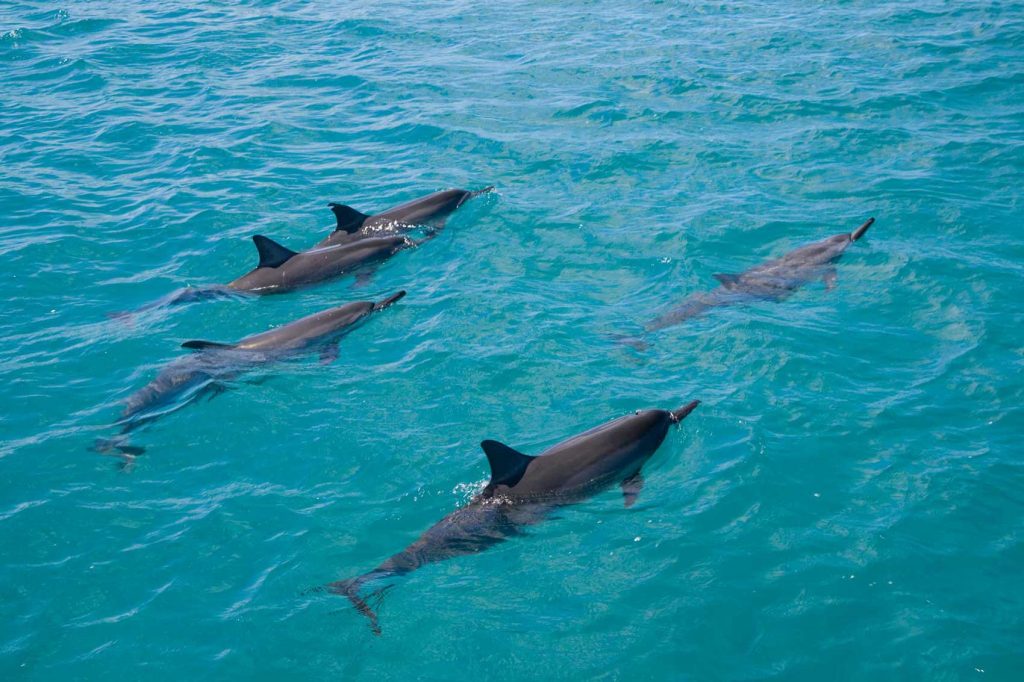
    The activities he said included, a future plan of launching, whale tourism, establishing a sanctuary for dolphins in the country’s marine Biodiversity Conservation Area(MBCA) among others.

    SAT, he said was an invaluable tool in MPA management that helped them to understand the existing situation, and is indeed an eye opener tool that helped them to understand better marine mammal conservation.

    “The tool is very important. We need it” he intimated

    Mr. Makame was speaking on Thursday during  and hour and half  long international webinar on Marine Mammals Management Toolkit, in West Africa intended to introduce the Marine Mammals Management Toolkit, an innovative tool for effectively managing marine mammals in and around MPAs.

    The Marine Mammal Twinning, part of the EU-funded Ocean Governance Project, hosted the webinar in collaboration with the Abidjan Convention and the Regional Partnership for the Conservation of the Coastal and Marine Zone (PRCM).

    The toolkit is being developed within the framework of the “Marine mammals, a way to enhance cooperation between Marine Protected Areas” twinning is part of the Ocean Governance project

    Held under the theme, “Towards effective management of marine mammals in West Africa: The Marine Mammals Management Toolkit.”, the webinar drew over seventy international participants

    Western African Aquatic Mammals

    The introduction of the Marine Mammals Management Toolkit comes on the back of the MOU on Western African Mammals which was concluded under the auspices of the Convention on Migratory Species (CMS) and came into effect on 3 October 2008.

    It will remain open for signature indefinitely. It aims to achieve and maintain a favourable conservation status for manatees and small cetaceans of Western Africa and Macaronesia and their habitats and to safeguard the associated values of these species for the people of the region.

    Various threats, including direct and accidental catch, coastal development, pollution and habitat degradation, have caused West African marine mammal populations to decline rapidly.

    These issues require action at a national, regional and global level. Efforts to protect marine mammals and raise awareness of their conservation needs include the convening of meetings, the undertaking of studies and field activities, the adoption of legal instruments, as well as the development of international agreements.


  • Unlocking the full Potential of the African Baobab

    Unlocking the full Potential of the African Baobab

    By: Mohammed A. Abu

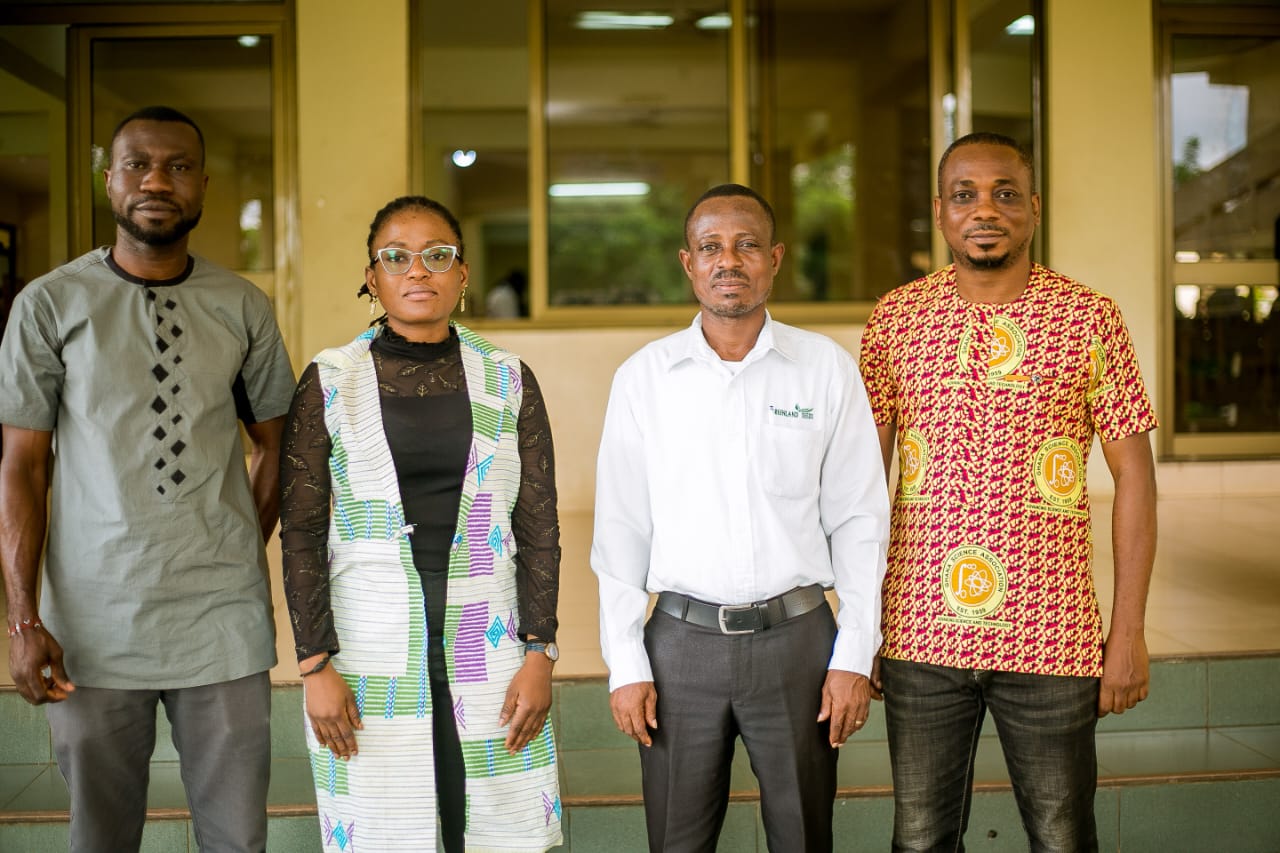
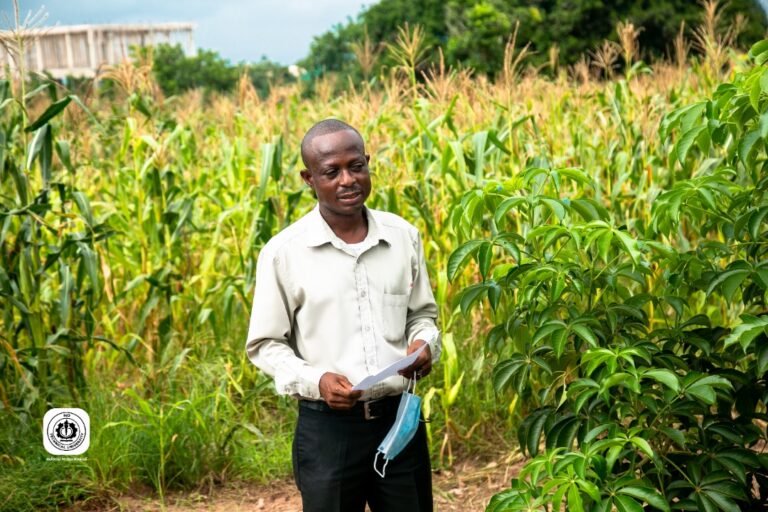
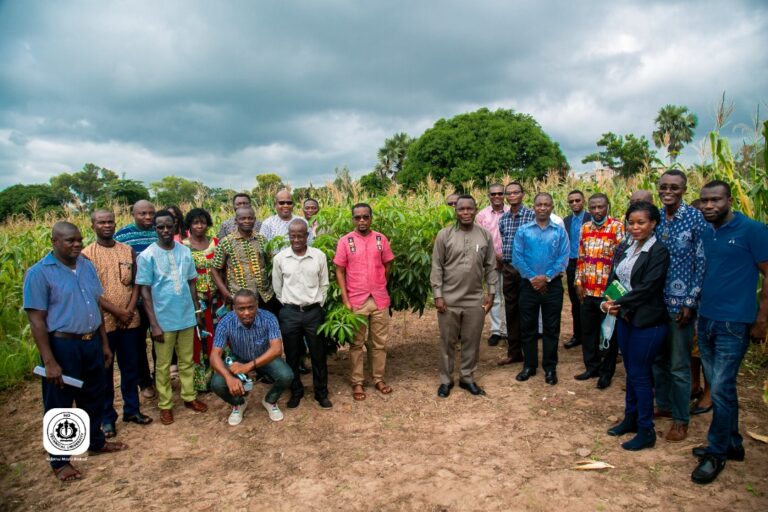
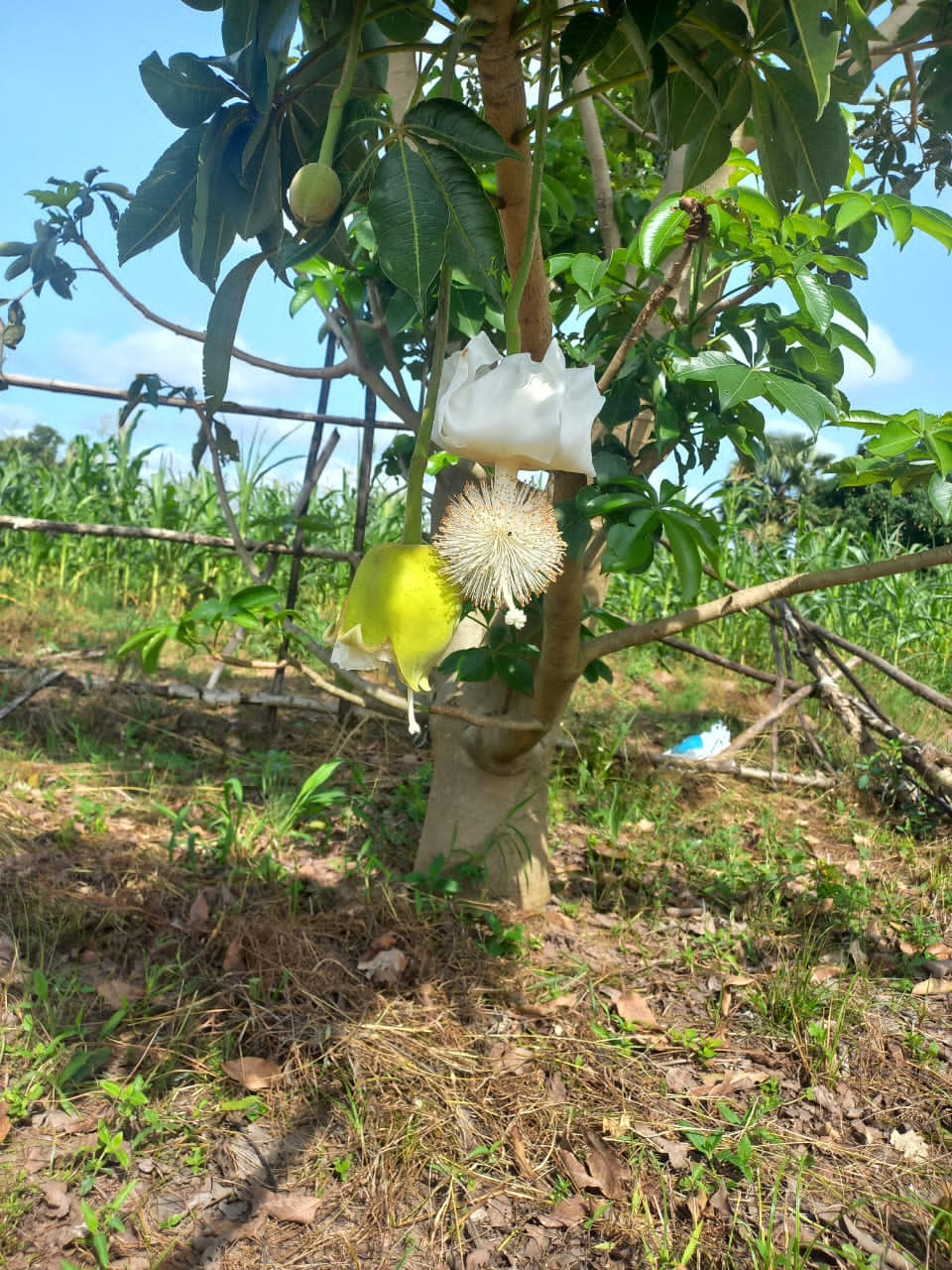
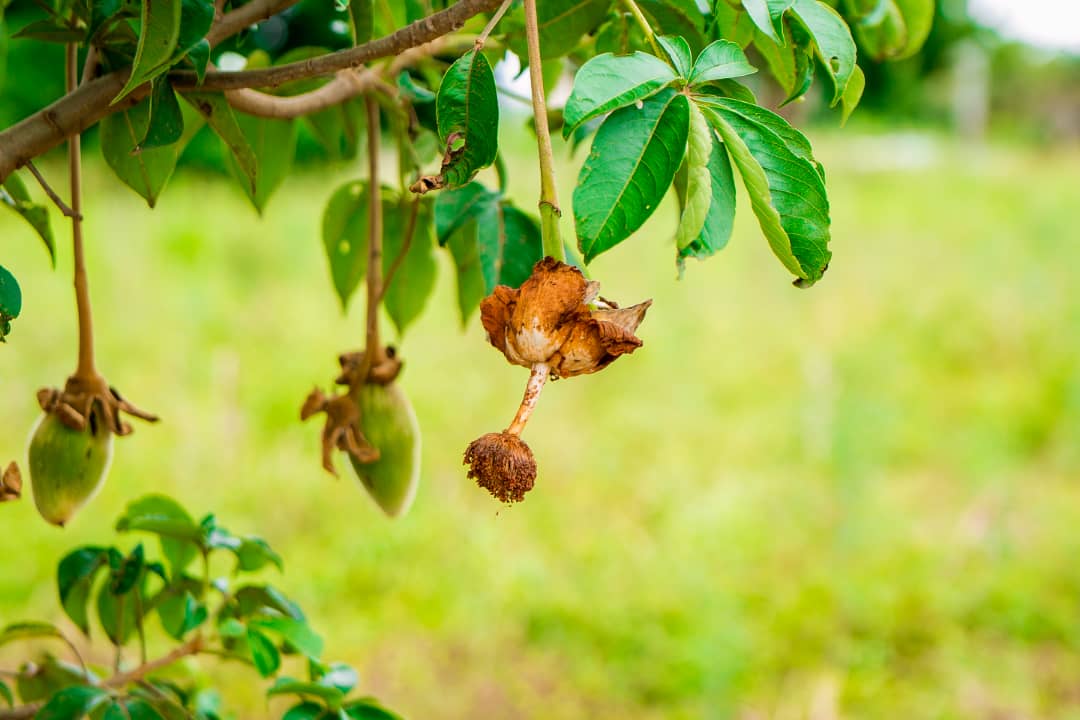
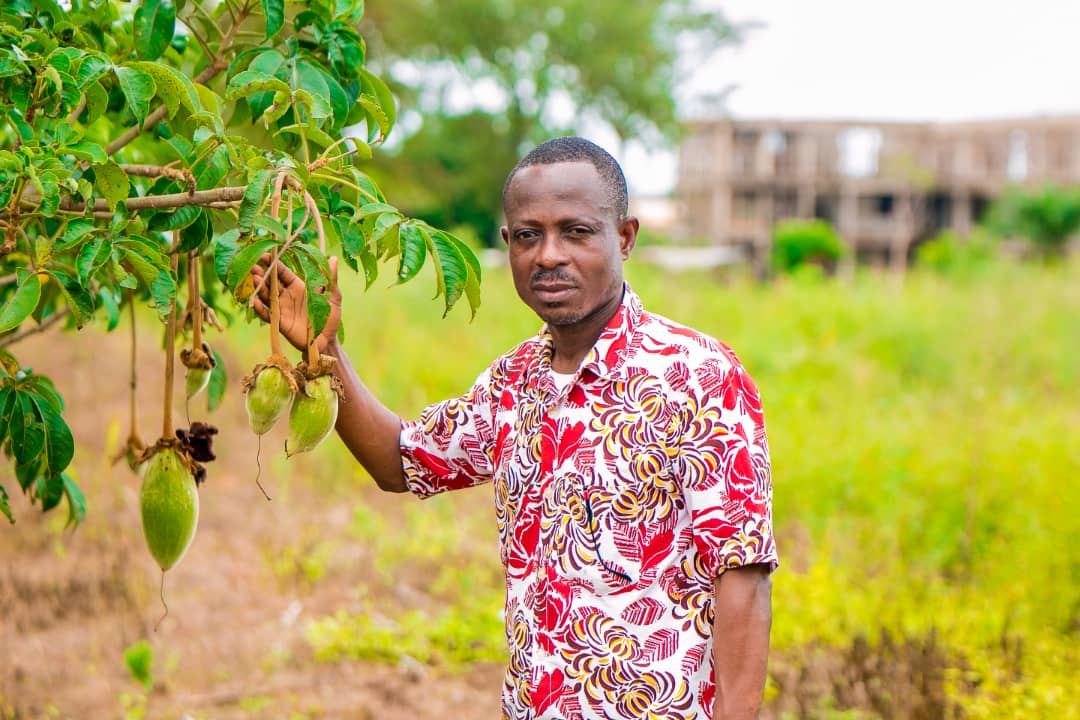
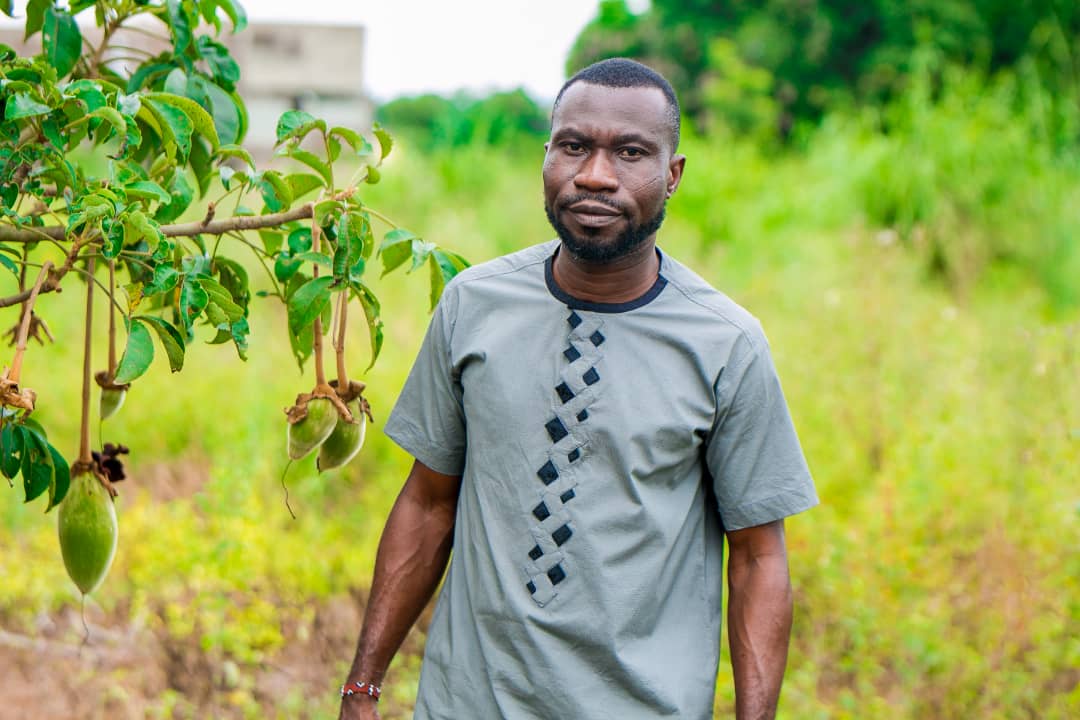
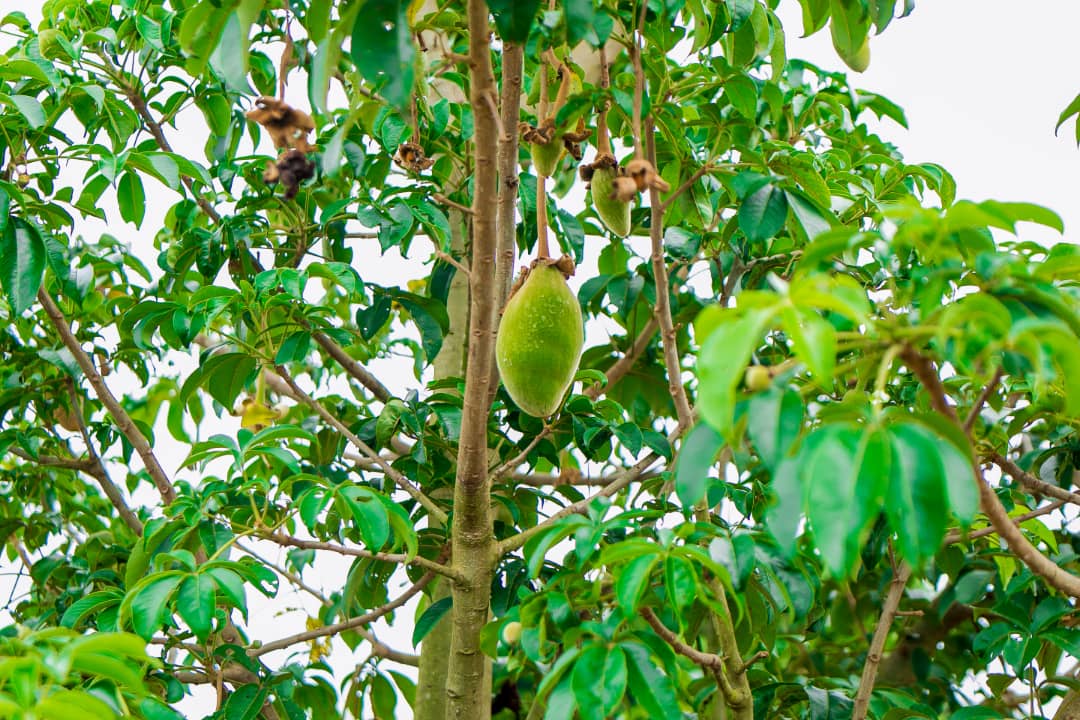
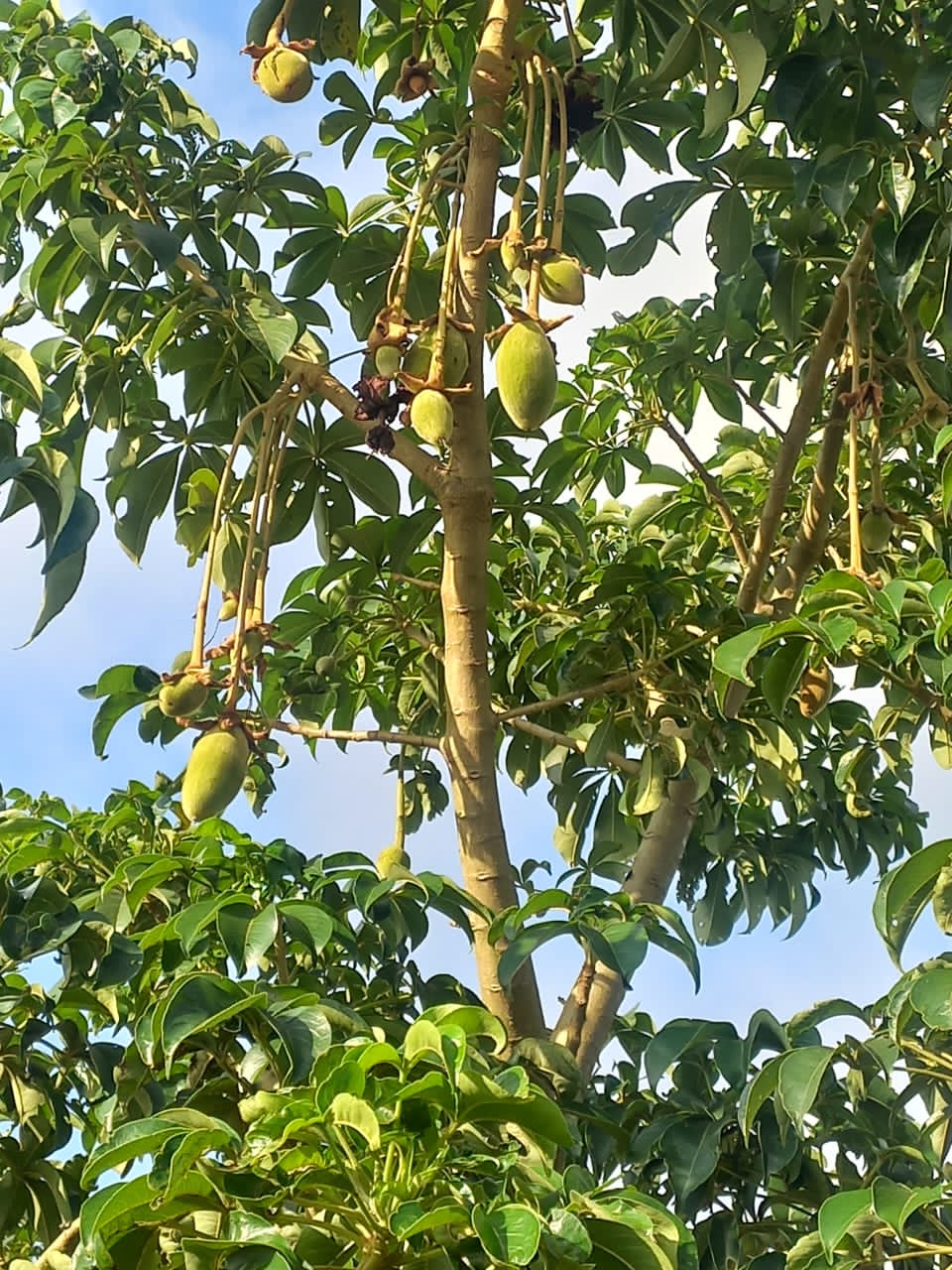
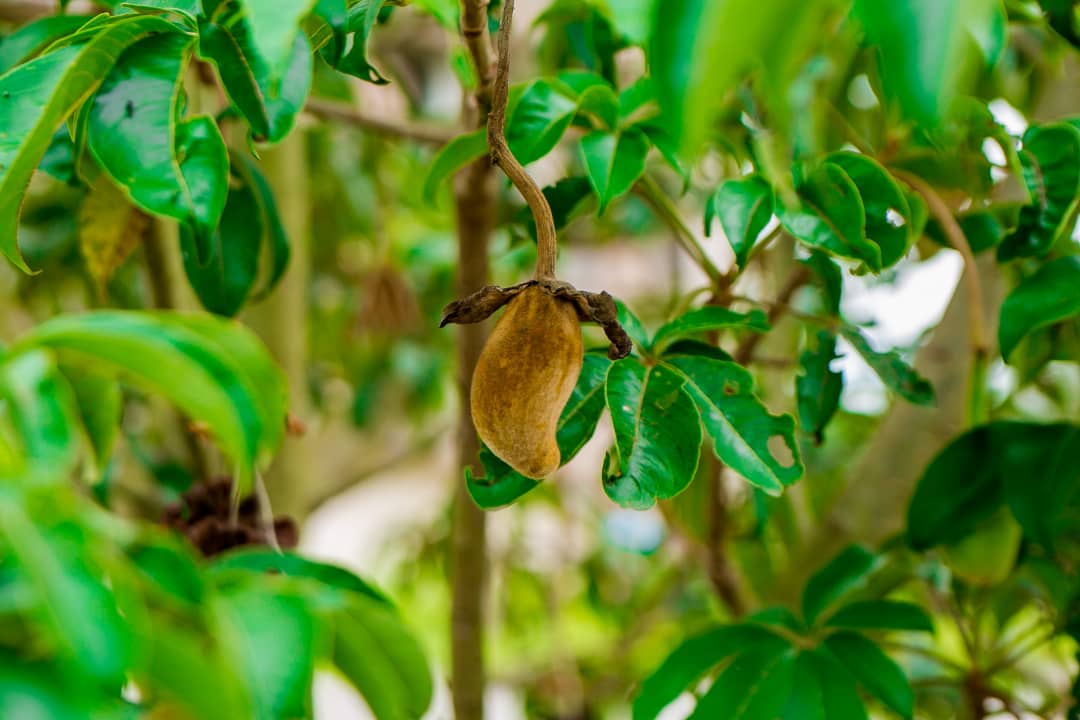
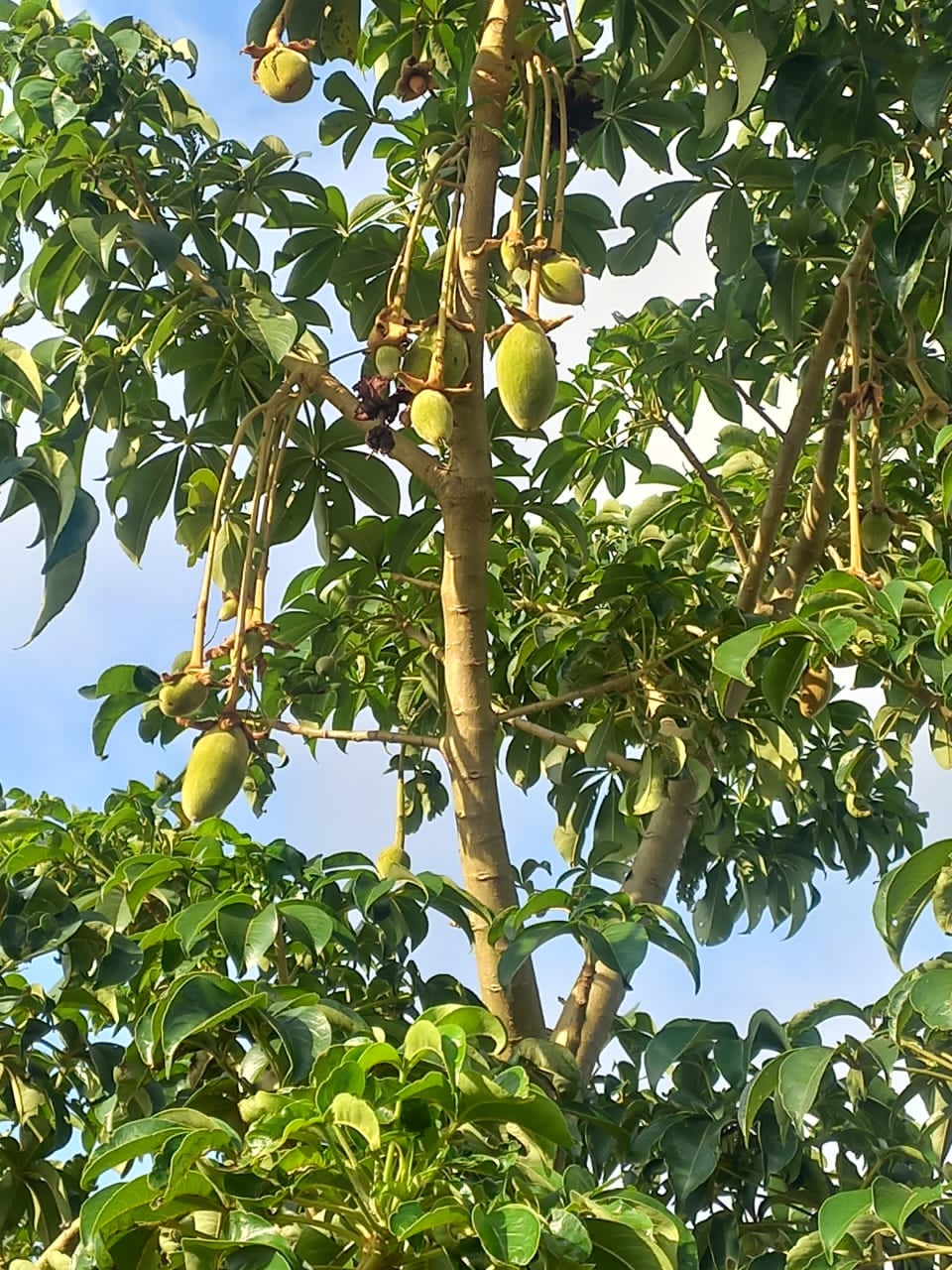
    Professor Kenneth Fafa Egbadzor,the Lead Researcher of the Domestication of the African Baobab Project at the Ho Technical University(HTU) in Ghana’s Volta Region,who is also, a plant breeding expert, has noted that even though, research has established that there are over 300 different uses of Baobab but yet, the plant is undomesticated and underutilized.

    The African baobab he said, also referred to as, “the wooden elephant” is also included among those crops referred to as orphan, meaning that they do not receive research attention.

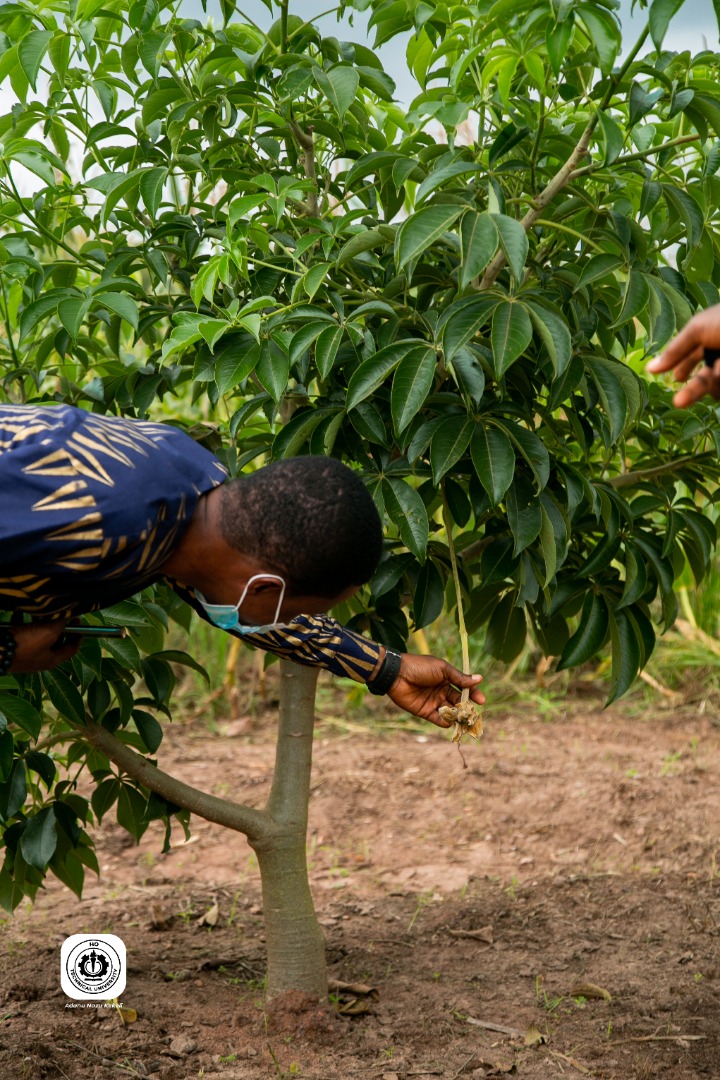
    Ghana, Africa cannot derive optimum benefit from plants in the wild and thus,the need for domestication of the tree crop is very important.That is what he said, underpins this “crazy ambition” of intensive research work of reducing the maturity period of the wild growing plant from fourteen (14 years) to two (2 years).

    Professor Egbadzor in an interview with your favourite, the Eco-Enviro News Africa magazine intimated that he and his team is not only passionate about domesticating the African baobab, but also, bent on advocating for its integration into mainstream agriculture (farming) and encouraging its utilization.

    All the improved crops (soy, maize, rice, cocoa etc.) varieties we have today Professor Egbadzor noted, were once wild. However, through research and farming, they have been improved and significantly, they are different from their wild parents.

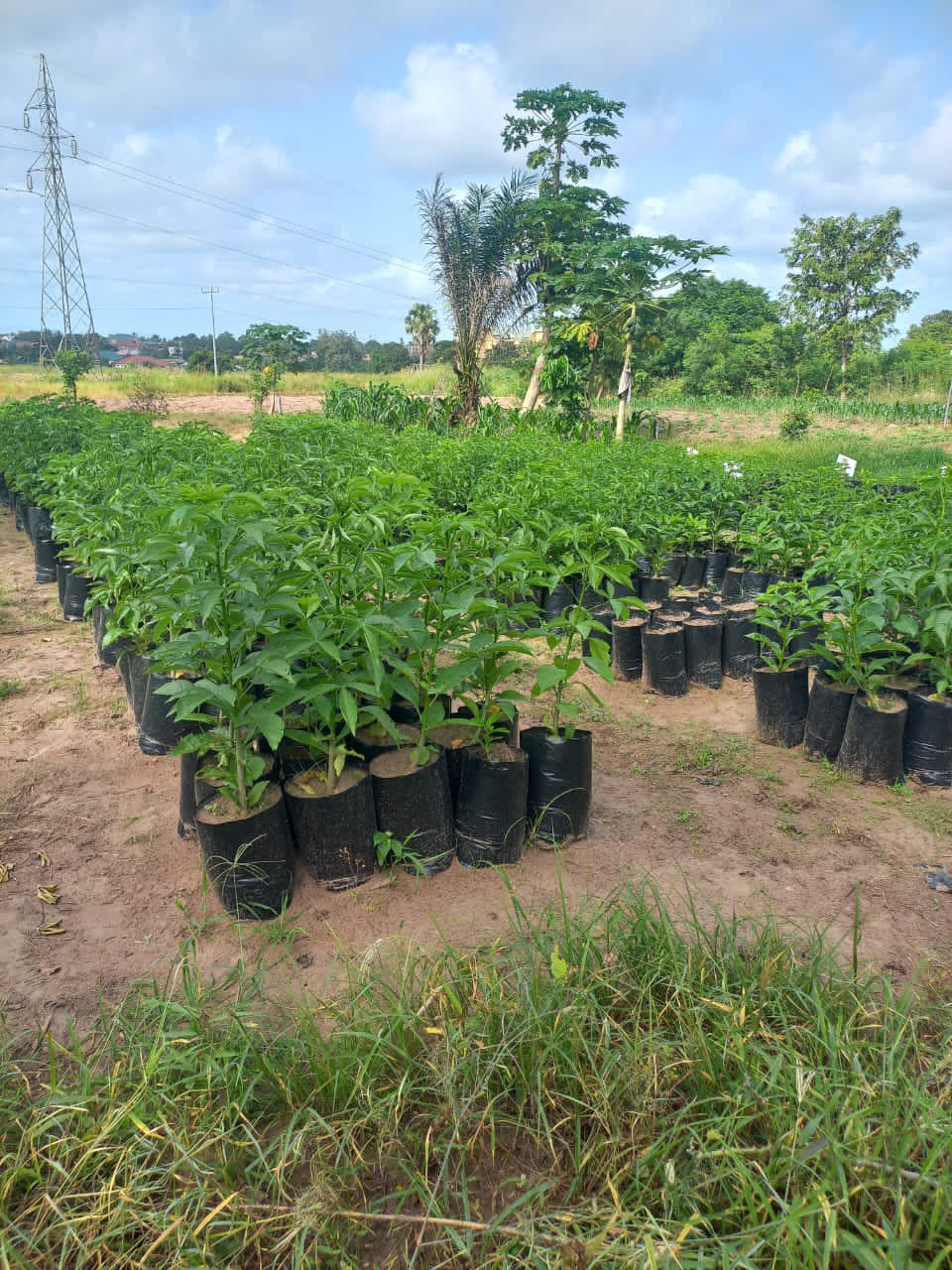
    HTU in 2019 he recounted, started the baobab domestication project and the effort is already yielding appreciable results. “We have a big vision of seeing baobab being cultivated throughout Africa. Wild fruit gathering should be a thing of the past soon”. Professor Egbadzor declared.

    Yield Potential: Domesticated Versus Wild Growing Baobab

    On how the domesticated baobab would fare in terms of fruit yield per tree potential compared with the wild growing baobab he had this to say.

    “We believe that it is possible to get higher yield from the domesticated baobab than from the wild. The size and number of fruits would directly contribute to the yield.

    “We must also know that different varieties to be developed and the environment as well would also contribute to yield. So, at the moment we cannot be sure on exactly what level of yield to expect from a given variety of baobab. Time will tell”.Professor Egbadzor intimated.

    On Fruit Quality of Domesticated Baobab

    On whether the drastic reduction of the maturity period of the domesticated baobab would have any adverse effect on fruit phytochemicals and phytonutrients and with particular reference to its much touted relatively higher Vitamin C content he also had this to say.

    “Fruit quality of the domesticated baobab is not expected to be different from the wild types. However, with time, the cultivated varieties would be the best selections from the wild. So, the researchers would be targeting the best from the wild. In crop improvement, we always aim at higher quality.”

    Commercialized Farming of the Domesticated Baobab

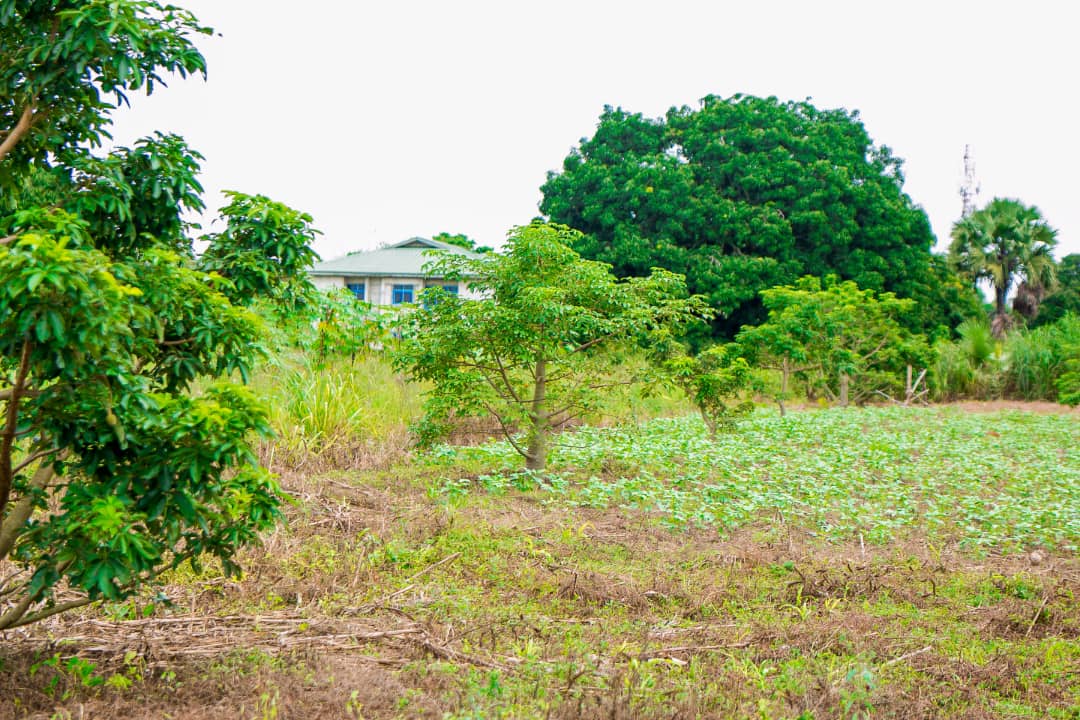
    On commercial scale cultivation of domesticated baobab, he disclosed that some farmers in the Ho Municipality and Adaklu District have already planted the HTU baobab.
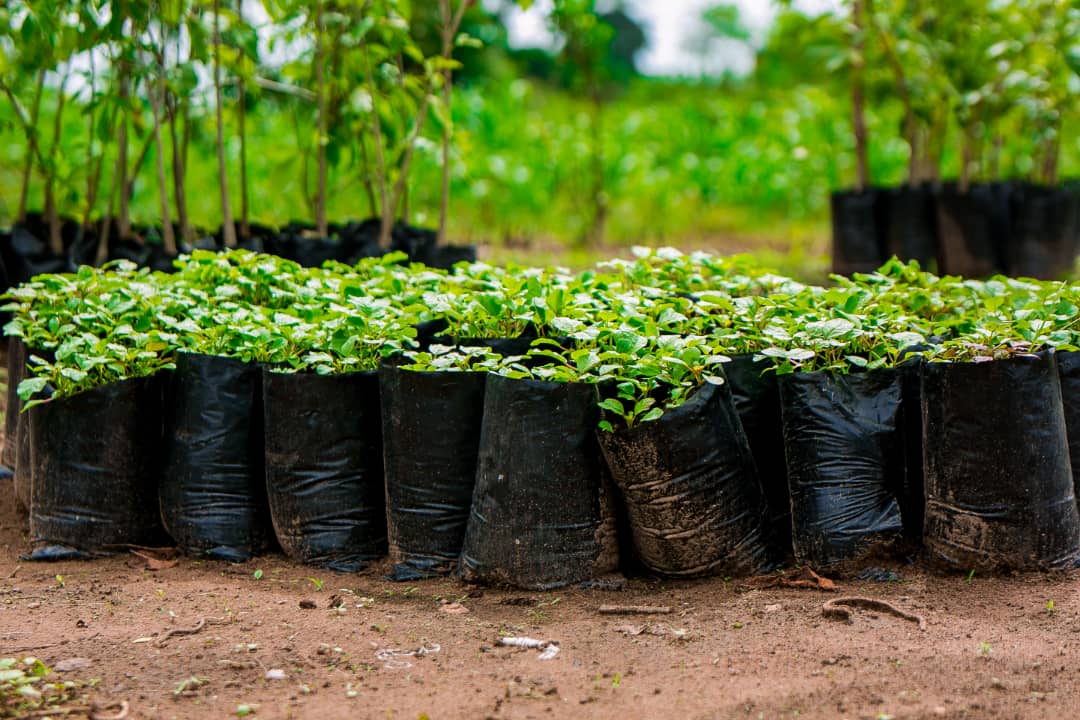
    More seedlings Prof said, would made available to farmers next year. HTU is also planting at the university. We have farmers from the Upper West region expressing interest but we are at the moment limited by fund.

    Other Wild Trees Targeted for Domestication

    Aside domesticating of the wild baobab other wild growing trees of remarkable socio-economic importance he and his team had their eyes on are Allanblackia, Locust bean and Bush mango adding that, their only limitation is funding

    International Market Potential.

    Baobab is a multi-purpose tree; its fruit pulp, seeds, leaves, flowers, roots and bark are used locally for human consumption. In 2008, the dried pulp harvested from baobab fruit was first approved for sale in the European Union (EU); it has seen high growth since then. Baobab fruit powder is made by grinding baobab dried fruit pulp, the only authorised baobab ingredient in food/health products on the European market.

    The fruit powder contains Several health benefits have been associated with baobab powder. In Europe, it is commonly marketed as a food supplement that increases energy levels, supports immune health and improves digestive and general health.

    It is mostly sold as a fruit powder, while some companies sell baobab powder in capsules, such as the company Bao-Med (the Netherlands). Most baobab powder on the market is organic-certified, as Europe has a limited market for non-certified baobab.

    Baobab powder is used in food supplements because of its nutritional qualities. The company Aduna (United Kingdom) markets baobab powder with the claims ‘rich in vitamin C’, ‘high in fibre’ and ‘baobab is one of the most nutrient-dense foods in the world’.

    The company markets baobab as ‘the feel-good fruit’. Golden Greens also highlights the vitamin C content of baobab, as well as labelling it ‘high in fibre and antioxidants’. Many companies market their baobab powder as ‘suitable for vegans/vegetarians’, as consumers are looking for products without animal-based ingredients.