|
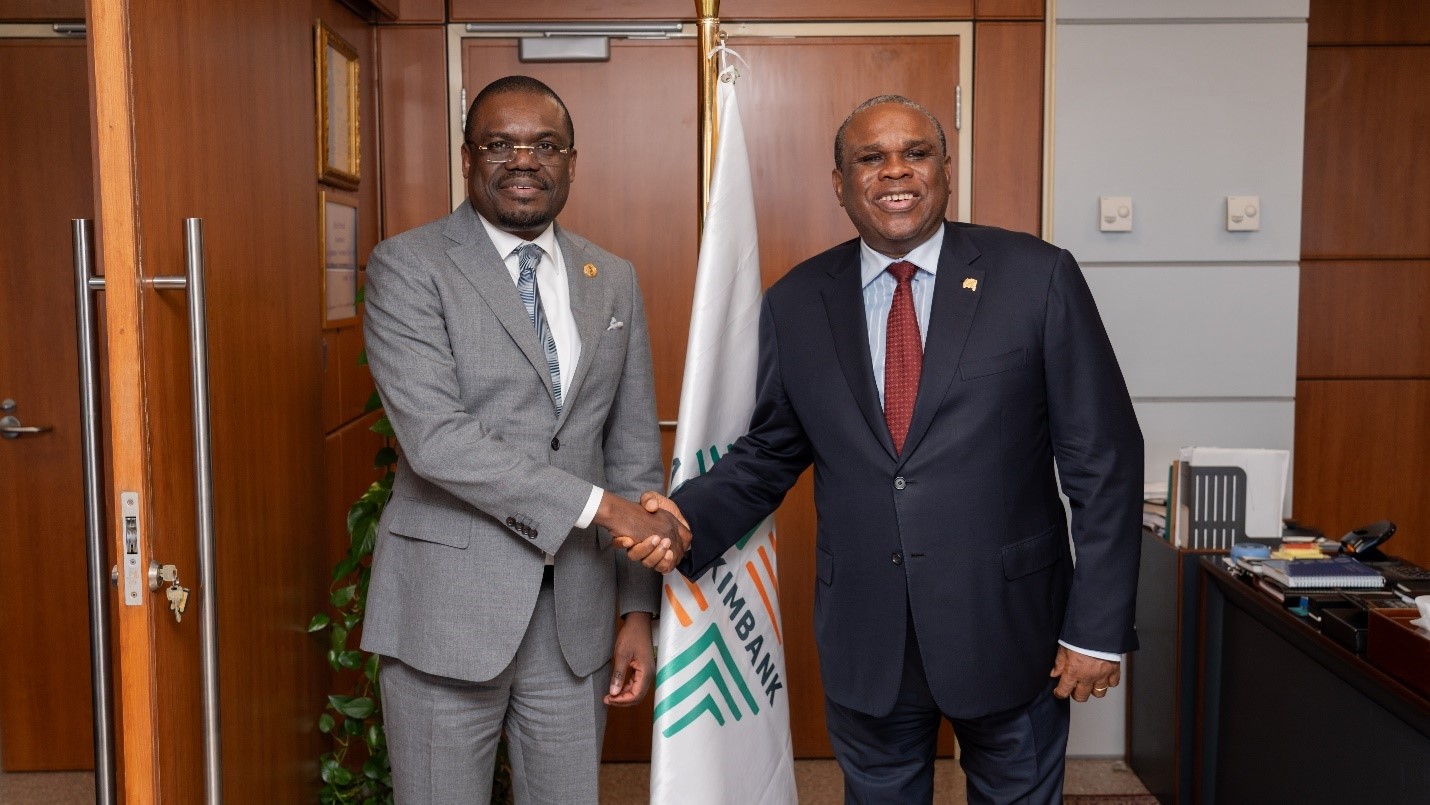
PARIS, London, June 20, 2024/ — African Export-Import Bank (“Afreximbank” or “the Bank”) (www.Afreximbank.com) and the Africa Centers for Diseases Control and Prevention (Africa CDC) have renewed their partnership with a new cooperation agreement announced today on the sidelines of the Global Forum for Vaccine Sovereignty and Innovation in Paris, France.
Through this collaboration, Afreximbank has committed a US$ 2 billion facility to the “Africa Health Security Investment Plan” to support the health product manufacturing ambition of the continent. This initiative will focus on the African Pooled Procurement Mechanism (APPM) and the Platform for Harmonized African Health Products Manufacturing (PHAHM). This initiative is pivotal in addressing Africa’s health investment challenges, promoting economic development, and strengthening health security across the continent. It also intends to complement GAVI’s innovative financing mechanism, the African Vaccine Manufacturing Accelerator (AVMA) (https://apo-opa.co/ African pharmaceutical companies face severe impacts of the global health, security and economic challenges, yet they are the drivers of investments and technology advancements that the health sector needs. Low investor confidence, lack of appropriate infrastructure, trade related barriers, and regulatory challenges are some of the constraints to investment in Africa’s health sector. While funds might be available, many potential investments do not materialize due to financial and non-financial obstacles. Coordinated efforts at the continental level are essential to reverse this trend and align with the New Public Health Order (https://apo-opa.co/ Closing the investment gap will be crucial to achieving the African Union’s ambition of manufacturing 60% of vaccines needed locally by the year 2040 as well as implementing all other countermeasures necessary to ensure self-reliance especially during crises such as pandemics and outbreaks. While commenting on the signing, Prof. Benedict Oramah, President and Chairman of the Board of Directors of Afreximbank said: “We are pleased to be part of yet another momentous event that will change the course of health security in Africa. This facility will help strengthen the manufacturing of health and pharmaceutical products in Africa through our comprehensive and existing interventions such as Project Preparation funding, Project and Trade Finance as well as Guarantees. Furthermore, we intend to put our full weight behind this facility with equity investments through our subsidiary FEDA – the Fund for Export Development into Africa.” “Today is a big day for African vaccine manufacturing as well as health products manufacturing in general, as we welcome these major investment announcements that will change the face of health products manufacturing in Africa for years to come. Protecting our future, means investing in our ability to achieve self-reliance on all health countermeasures; vital to accomplish our mission of safeguarding Africa’s health” said H.E. Dr. Jean Kaseya, Director General, Africa CDC. The “Africa Health Security Investment Plan” will allow Afreximbank to support and finance key health projects identified by the Africa CDC. The joint effort combines institutional and financial resources, financial tools such as equity and debt financing, guarantees, venture capital, capacity building, and risk-sharing to boost and attract more health investments in Africa. The ‘Africa Health Security Investment Plan’ is built on three key pillars:
The Africa Health Security Investment aims to tackle Africa’s health investment challenges, promote economic growth, and enhance health security across the continent. Distributed by APO Group on behalf of Afreximbank.
Media Contacts: |
Category: COVER
-
Afreximbank and Africa CDC pledge US$2 billion facility in support of Africa Health and Pharmaceutical Products Manufacturing
-
Energy for Growth in Africa Initiative Unveiled
By.Mohammed A.Abu
The decades long delay in fulfilment of pledges made by the Global South towards climate change impact funding in the Global North hasn’t helped the course of the global transition from fossil fuels derived energy to renewable energy as global warming and climate change impact bites deeper.
Indeed, lack of external affordable funding for renewable energy projects in both the public and private sectors of countries in the Global South with particular reference to Africa, the world’s most energy poor continent, has since given rise to the legitimate issue of energy transition justice.
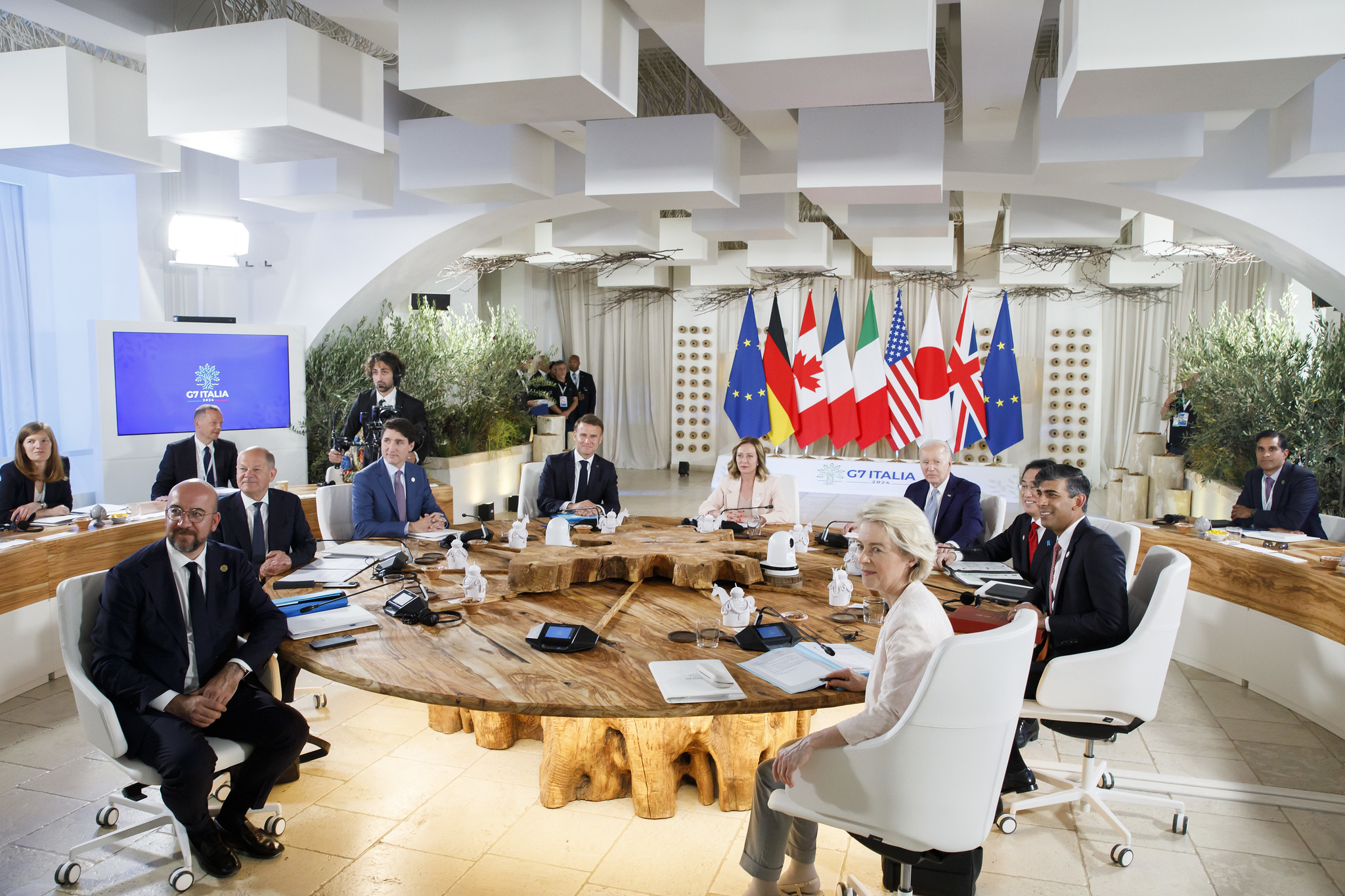
The energy for growth in Africa Initiative that was unveiled on the sidelines of the recently held G7 Leaders Summit could be a game changer if implemented to the full.
For the details regarding the initiative, read on
“We the representatives of Canada, the Republic of Congo, Côte d’Ivoire, Ethiopia, France, Germany, Italy, Japan, Kenya, Mozambique, Nigeria, South Africa, the United Kingdom, the United States of America, and the European Union, recognize that universal access to affordable clean energy is a key factor for sustainable, resilient and inclusive economic growth and social development, as proclaimed by the 2030 Agenda for Sustainable Development and the African Union’s Agenda 2063.
“It also contributes to meeting the climate goals of the Paris Agreement and to keeping a temperature limit of 1.5C within reach. Africa’s significant but largely untapped clean energy potential needs massive investments.
“We will work to accelerate investments in clean energy sources to ensure an inclusive transition which supports energy security, recognizing that a substantial proportion of people in Africa still lack reliable access to electricity and clean cooking.
“To meet these objectives and the global efforts decided upon at the 5th session of the Conference of the Parties serving as the Meeting of the Parties to the Paris Agreement (CMA5), we look forward to the launch of the G7’s ‘Energy for Growth in Africa’ initiative and to contributing to its success.
“The initiative will help develop bankable clean energy projects, attract private capital through the catalytic use of public finance and technical assistance, encourage the flow of concessional finance, and overcome barriers to investments in clean energy across Africa.
“The initiative will engage with governments, the private sector, financial institutions, multilateral development banks, and community groups. It will partner with the United Nations Development Program and the International Energy Agency.
“It will also coordinate with existing programmes, to ensure complementarity and avoid duplications, and will operate in close coordination with the G7 Partnership for Global Infrastructure and Investment”,the joint statement concluded.
SOURCE
SDG KNOWLEDGE HUB
-
G7 Pledges to Accelerate SDGs, Transition from Fossil Fuels This Decade
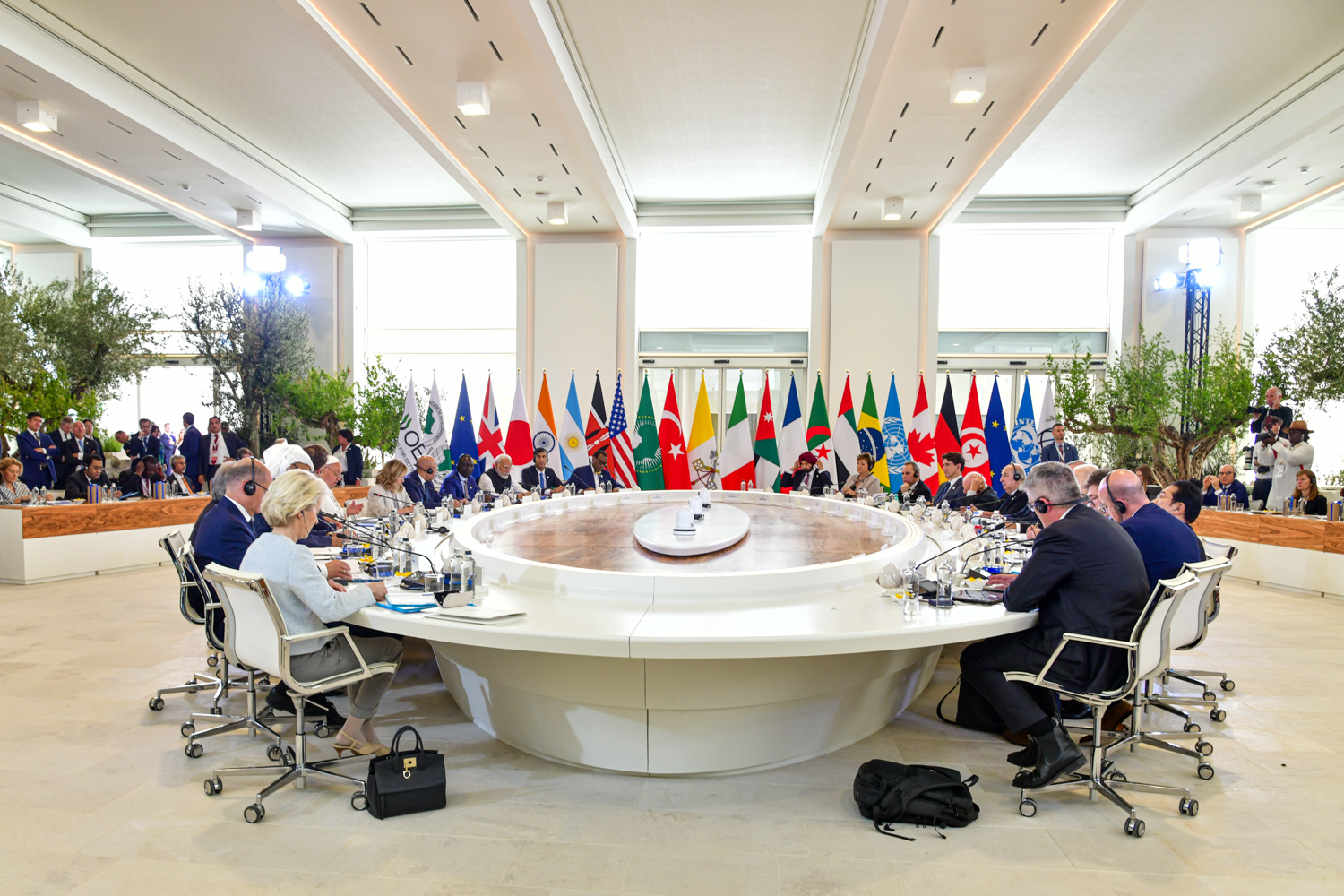
The Group of 7 (G7) leaders from Canada, France, Germany, Italy, Japan, the UK, and the US, with the EU, have wrapped up a three-day summit, united in their “steadfast commitment” to implementing the 2030 Agenda for Sustainable Development. They pledged to redouble their efforts to accelerate progress towards the SDGs, including by transitioning away from fossil fuels in energy systems in this decade.
The G7 Leaders’ Summit took place in Apulia, Italy, from 13-15 June 2024.
The 36-page Apulia G7 Leaders’ Communiqué reiterates the Group’s “enduring unity and determination to meet global challenges… as the international community confronts multiple interconnected crises.” It reaffirms the leaders’ “shared belief in democratic principles and free societies, universal human rights, social progress, and respect for multilateralism and the rule of law.
” The document further signals the leaders’ intention to support more effective, inclusive, and equitable global governance and to safeguard international peace and security while upholding “the free and open rules-based international order.”
The leaders recognize that in the context of achieving the SDGs, “reducing poverty and tackling global challenges go hand in hand.” They indicate they are “doing [their] part” to make multilateral development banks (MDBs) better, bigger, and more effective, with the World Bank boosting its lending by USD 70 billion over the next ten years.
According to the communiqué, the leaders are taking steps to address the triple planetary crisis of climate change, pollution, and biodiversity loss, including by submitting ambitious nationally determined contributions (NDCs), aligned with the 1.5°C temperature goal. They pledge to “spearhead global efforts to preserve forests and oceans, and to end plastic pollution.”
With respect to energy, climate and environment, the communiqué states the G7 “will transition away from fossil fuels in energy systems in a just, orderly, and equitable manner, accelerating actions in this critical decade, to achieve net-zero by 2050 in keeping with the best available science.
” The leaders “will operationalize these commitments” through domestic policies and actions and through “intensive efforts to reduce demand for and use of fossil fuels.” They “reaffirm [their] commitment to eliminate inefficient fossil fuel subsidies by 2025 or sooner and will report in 2025 on progress made.”
At the same time, the leaders reaffirm that the transition to a net-zero economy “should be inclusive and leave no one behind,” enhance social development and economic growth, maximize benefits for local economies, and address “negative social or economic impacts that may arise from climate action.”
Other commitments articulated in the leaders’ communiqué span the areas of sustainable development, food security, infrastructure, labor and employment, health, gender equality, inclusion and disability, and migration. Global economy and finance; trade; science, technology, and innovation (STI); artificial intelligence (AI); and cybersecurity are also among the issues addressed.
The communiqué further discusses fostering partnerships with African countries and regional issues, including in relation to Ukraine and Gaza. Other areas of focus include disarmament and non-proliferation, safeguarding democratic processes, and anti-corruption, as well as countering terrorism, violent extremism, and transnational organized crime.
The G7 leaders launched several initiatives, including the Apulia Food Systems Initiative (AFSI), the Energy for Growth in Africa initiative, the G7 Coalition to Prevent and Counter the Smuggling of Migrants, and the G7 Working Group on Transport Supply Chains.
Other announcements made include:
The leaders will unlock at least USD 20 billion over three years in investments to boost women’s empowerment.
The leaders intend to launch “an action plan on the use of AI in the world of work and develop a brand to support the implementation of the International Code of Conduct for Organizations Developing Advanced AI Systems,” welcoming the Italian Presidency’s decision to establish the AI Hub for Sustainable Development, in collaboration with the UN Development Programme (UNDP).The leaders commit to establishing a G7 Working Group on Fusion Energy.
The G7 leaders were joined by the leaders from Algeria, Argentina, Brazil, India, Jordan, Kenya, Mauritania, Tunisia, Türkiye, and the United Arab Emirates (UAE). The President of the European Council and the President of the European Commission represented the EU. [G7 Italia 2024] [SDG Knowledge Hub Story on G7 Hiroshima 2023]
SOURCE
SDG KNOWLEDGE HUB
-
Following First Oil Production, Senegal’s Minister of Energy, Petroleum and Mining Joins African Energy Week (AEW) 2024
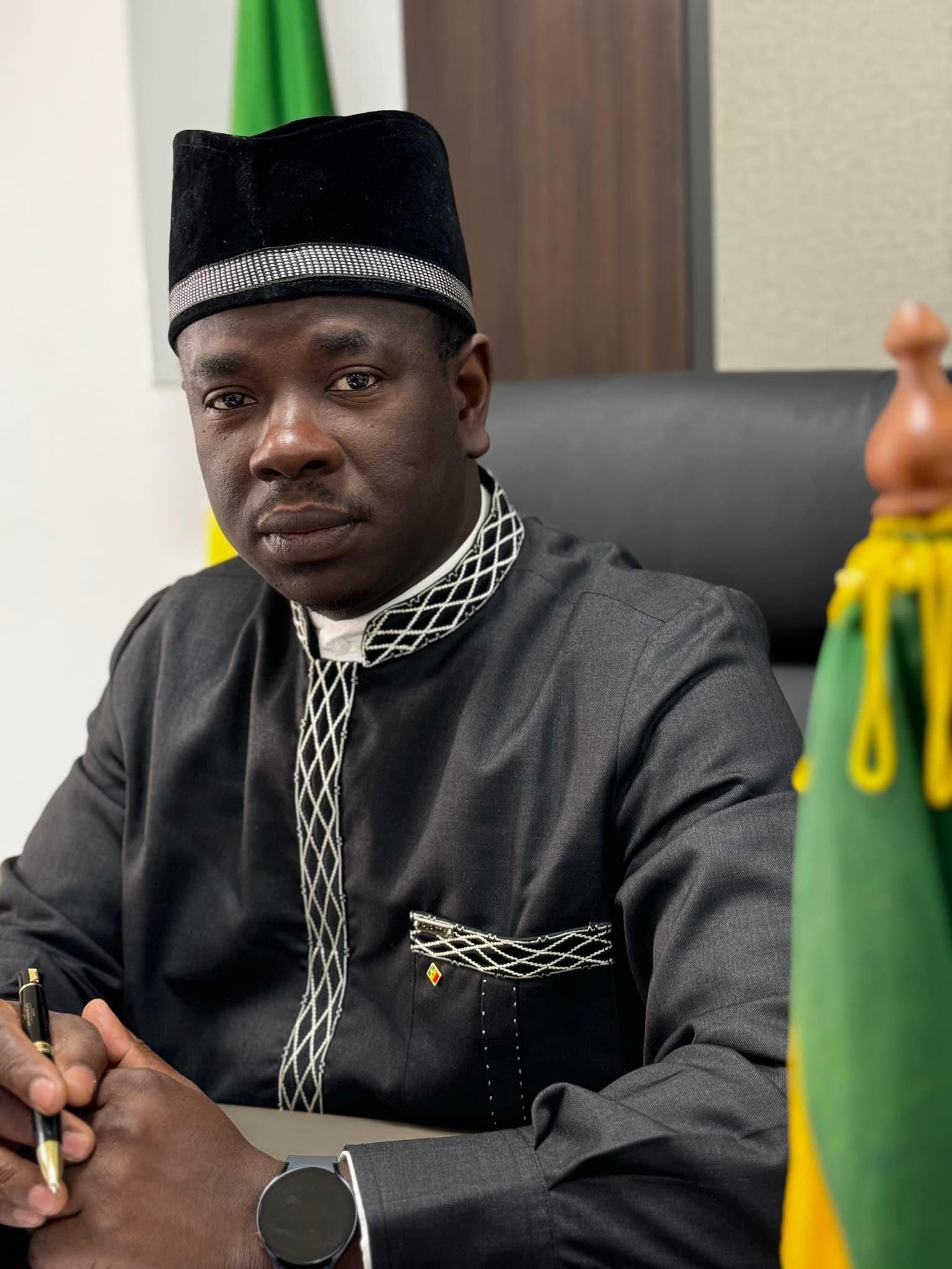
CAPE TOWN, South Africa, June 19, 2024/ — Senegal’s Minister of Energy, Petroleum and Mining Birame Soulèye Diop will participate at the African Energy Week (AEW): Invest in African Energy 2024 conference – Africa’s premier event for the energy sector taking place from 4–8 November in Cape Town.
Minister Diop is expected to unpack the critical role oil and gas plays across the MSGBC region, providing insight into project developments and future investment opportunities.
Minister Diop’s participation comes as the country celebrates a new milestone in its oil and gas industry, with global energy company Woodside Energy commencing oil production from the Sangomar Field Development – Senegal’s inaugural offshore oil project.
Representing a critical step towards bolstering energy security across the MSGBC region, the start of production is poised to usher in a new era of industrialization and economic growth in Senegal. During AEW: Invest in African Energy 2024, Minister Diop will provide insight into the milestone achieved as well as the nation’s upcoming oil and gas project agenda.
AEW: Invest in African Energy is the platform of choice for project operators, financiers, technology providers and government, and has emerged as the official place to sign deals in African energy. Visit www.AECweek.com for more information about this exciting event.
Senegal anticipates rapid economic growth in 2024 – potentially reaching 8.3% – driven by first gas production from the Greater Tortue Ahmeyim (GTA) LNG project and first oil production from the Sangomar Field Development.
The Sangomar project – featuring a stand-alone FPSO facility with a capacity of 100,000 barrels per day – is developed in partnership with Senegalese national oil company Petrosen and targets 230 million barrels of crude oil reserves.
The first phase involves 23 wells – including 11 production wells, 10 water injection wells and 2 gas injection wells. To date, 21 wells have been completed. This achievement not only enhances Senegal’s oil production capabilities but also signals the country’s emergence as a player in the global energy market.
Meanwhile, the GTA LNG project – located on the maritime border between Senegal and Mauritania – has recently achieved a major milestone with the arrival of the FPSO vessel. The vessel, manufactured in China, is now being moored offshore.
The GTA development will extract gas from deepwater reservoirs using a subsea system, producing around 2.3 million tons of LNG per year for domestic use and export. The FPSO will process over 500 million standard cubic feet of gas per day (MMscf/d). The project is on track for first production this year.
In conjunction with this, Senegal plans to build a new gas-to-power plant near Saint-Louis, with an initial capacity of 250 MW, expandable to 500 MW. This plant will be supplied with gas from the GTA field as Senegal transitions into a gas-producing nation by late 2024. A 400-km gas pipeline, managed by the state-owned Senegalese Gas Network, will connect GTA to Saint-Louis, Dakar and Mbour.
The first phase involves laying a 45-km offshore pipeline and a 40-km onshore segment to link the GTA development to the new gas-to-power plant. The pipeline is expected to be completed by late 2025, with the power plant starting operations in early 2026.
Meanwhile, energy major Kosmos Energy assumed operatorship of the Yakaar-Teranga gas development offshore Senegal in November 2023. The project – targeting 25 trillion cubic feet of gas – represents one of the largest gas discoveries globally, with phase one set to produce 550 MMscf/d. With gas produced for the domestic market, the project is expected to pave the way for increased industrialization and power generation in Senegal.
“Senegal’s achievements in its oil and gas sector – marked by the first oil from the Sangomar Field Development – are a testament to the country’s commitment to harnessing its natural resources for economic growth.
This milestone not only boosts Senegal’s economic prospects but also sets a precedent for the MSGBC region, showcasing its potential to become a major player in the global energy market,” states NJ Ayuk Executive Chairman of the African Energy Chamber.
During AEW: Invest in African Energy, Minister Diop will outline these significant developments and discuss future plans aimed at ensuring energy security and driving economic growth in Senegal. Additionally, he will highlight the regulatory frameworks that provide an enabling environment for such investments, further cementing Senegal’s position as a leading energy hub in the MSGBC region.
Distributed by APO Group on behalf of African Energy Chamber.SOURCE
African Energy Chamber -
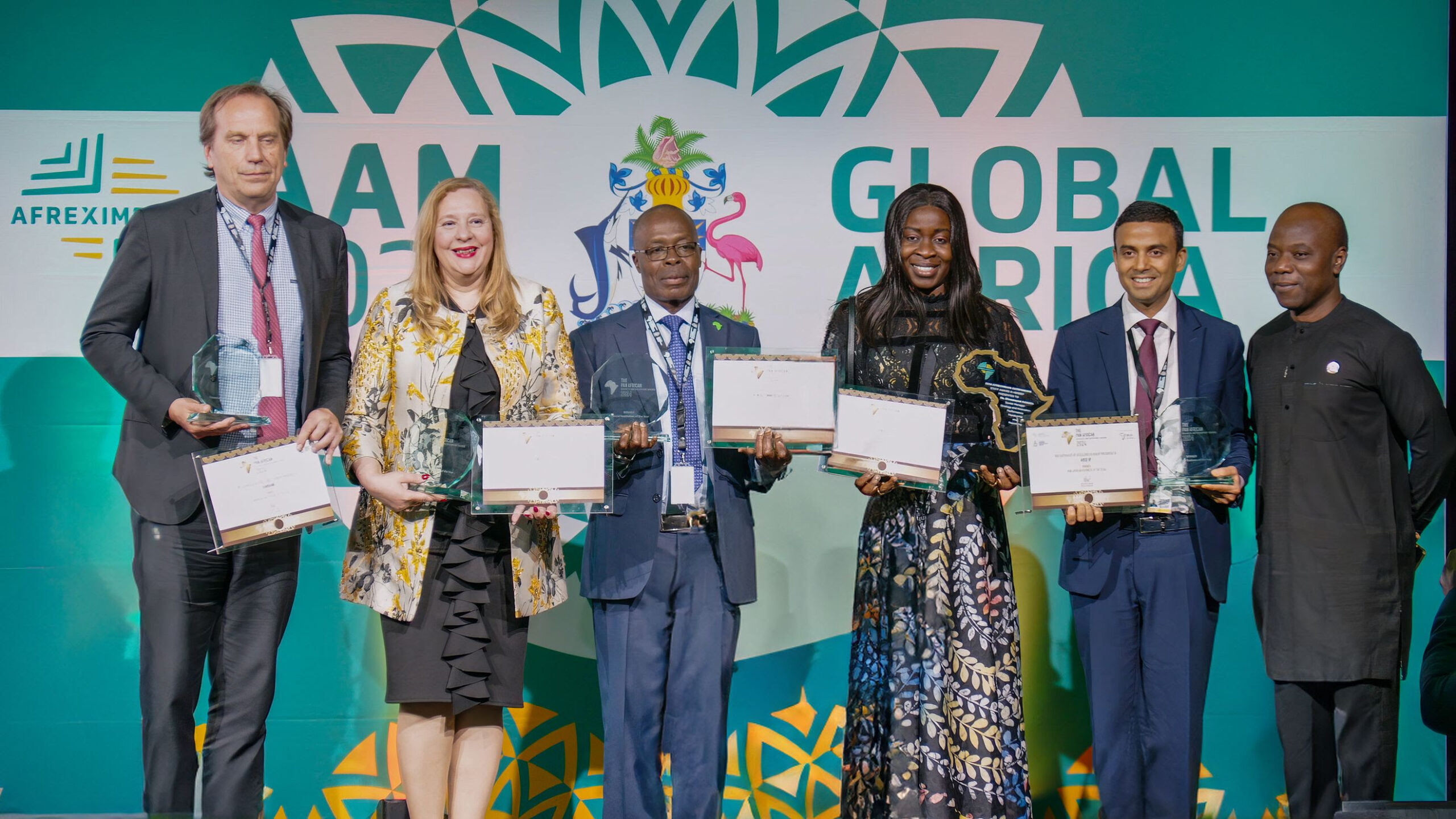
Transformational companies recognised during Afreximbank’s Annual Meetings 2024 in Nassau, The Bahamas
-
The second edition of the awards ceremony comes as African Export-Import Bank (Afreximbank) is promoting stronger ties between Africa and the Diaspora, in a push for a Global Africa
-
ARISE Integrated Industrial Platforms (ARISE IIP), received the Pan African Business of the Year award for advancing industrialisation, export development, and economic transformation in Africa. Notably, ARISE IIP has successfully developed world-class sustainable industrial parks in Gabon, Benin, Chad, and Togo.
-
KCB Group won the Pan-African financial institution of the year award. Rawbank, from the DRC, clinched the same prize, but in the category of banks with a capital base less than $500m.
-
Elsewedy, an Egypt-based manufacturer and global exporter of electric products, won the Diaspora Business of the Year award for their impact in strengthening continental and diaspora ties.
18th June 2024, Nassau, Bahamas– At a Gala Dinner attended by leading dignitaries, African Export-Import Bank (Afreximbank) hosted the second edition of the Pan-African Business and Development Awards in association with the Business Council for Africa (BCA), in Nassau, The Bahamas.
The Pan-African Business and Development Awards, held on the sidelines of the Afreximbank Annual Meetings 2024, are designed to celebrate and recognise transformative businesses and financial institutions within the African continent.
This year’s edition saw Arise Integrated Industrial Platforms (ARISE IIP) win the Pan African Business of the Year award in recognition of the instrumental role it has played in advancing industrialisation, export development and economic transformation in Africa. ARISE IIP designs, finances, and operates industrial ecosystems across Africa.
These ecosystems address industrial gaps in African countries, enabling sustainable local transformation of raw materials. ARISE IIP was recognised for the role it is playing in transforming African economies and reducing reliance on exportation of unprocessed raw materials.
Two financial institutions were recognised in the Pan-African Financial Institution of the Year category: KCB Group, from Kenya, which was feted for its impact in financial services, and Rawbank, an important player in the Democratic Republic of Congo, which was recognised for its pivotal role in advancing financial inclusion and economic development in the country. Since its establishment in 2002, Rawbank has become the DRC’s largest universal bank.
A new award was launched this year, Diaspora Business of the Year, recognising an African or Diasporan business that is expanding beyond its borders and strengthening economic and business ties between the continent and its Diaspora, the sixth region of the continent as defined by the African Union. Elsewedy, the Egypt based manufacturer, clinched this award.
This year also saw the awards recognising the crucial role played by Afreximbank’s staff in advancing the bank’s growth and success. Mrs Oluwatoyosi Adelakin, Senior Manager Strategy and Innovation (Performance Monitoring & Reporting) emerged as the winner of the Outstanding Staff Award of the Year 2024.
She has been a steady hand in ensuring that the Banks’ Balanced Scorecard Performance measurement system works as required, which has contributed greatly to the Bank’s performance and profitability since implementation in 2014.
Afreximbank’s Balanced Scorecard Performance Management System is considered a critical case of success that it was selected as a case study by Harvard Business School in 2020 which has been used by many business school students since then.
Commenting on the Awards ceremony, Prof Benedict Oramah, Afreximbank President and Chairman of Board of Directors, said: “The prestigious awards recognise outstanding partnerships that have been powerful vehicles for transmitting our development programmes to the people we collectively serve.
We acknowledge the fact that the progress we continue to make, the lives we touch, and the value we bring to shareholders have only been possible due to the numerous esteemed partners who share our Pan-African aspirations.
Thanks to those we celebrate today, and many others, Afreximbank has become consequential for Africans around the world, delivering trade and development interventions and actively supporting the implementation of the continental development agenda.”
Arnold Ekpe, former Group CEO of Ecobank and Chairman of the BCA, in his remarks, highlighted the importance of supporting initiatives that contribute to Africa development, and this has become a hallmark of Afreximbank.
The Pan-African Business and Development Awards are hosted by Afreximbank in association with the BCA. The awards series was launched last year to recognise those organisations and leaders that epitomise the Pan-African spirit by leading the way in building substantive and transformative cross border businesses.
WINNERS
Pan-African Business of the Year
Winner: ARISE IIP
Pan-African Financial Institutions of the Year
Winner (institution with capital >$500m): KCB Group, Kenya
Winner (institution with capital <$500m): Rawbank, DRC
Diaspora Business of the Year
Winner: Elsewedy
Outstanding Staff Award
Winner: Mrs Oluwatoyosi Adelakin
Distributed by IC Media on Behalf of Afreximbank
-
-
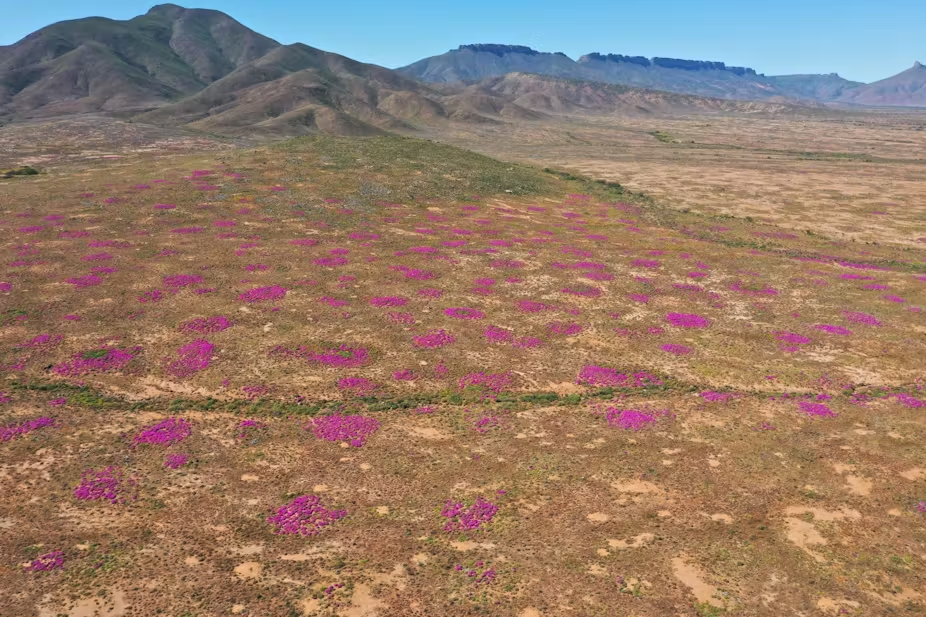
World’s oldest termite mounds discovered in South Africa – and they’ve been storing precious carbon for thousands of years
First Published June,16,The Conversation
The landscape along the Buffels River in South Africa’s Namaqualand region is dotted with thousands of sandy mounds that occupy about 20% of the surface area. These heuweltjies, as the locals call them (the word means “little hills” in Afrikaans), are termite mounds, inhabited by an underground network of tunnels and nests of the southern harvester termite, Microhodotermes viator.
I’m part of a group of earth scientists who, in 2021, set out to study why the groundwater in the area, around 530km from Cape Town, is saline. The groundwater salinity seemed to be specifically related to the location of these heuweltjies.
We used radiocarbon dating; dating the mounds, we reasoned, would allow us to see when minerals that were stored in the mounds were flushed to the groundwater.
The tests revealed far more than we expected: Namaqualand’s heuweltjies, it turns out, are the world’s oldest inhabited termite mounds.
Some date as far back as between 34,000 and 13,000 years. The oldest previously known inhabited mounds were 4,000 years old (from a different termite species from Brazil) and 2,300 years old (from central Congo).
This is more than just an interesting scientific find or historical curiosity. It offers a window into what our planet looked like tens of thousands of years ago, providing a living archive of environmental conditions that shaped our world.
It is also hugely important today: there is growing evidence that termites have a substantial, but still poorly understood, role in the carbon cycle. By studying these and other termite mounds, scientists can gain a better understanding of how to sequester (store) carbon. This process removes CO₂ from the atmosphere and is vital for mitigating climate change.
Carbon storage
Namaqualand is a global biodiversity hotspot renowned for its spring flowers, but it is a dry area. Surface water is in short supply and the groundwater is saline.
Although most of Namaqualand receives very little rainfall, there are rare, high intensity rainfall events. When these do occur, the termite burrows on the mound surfaces serve as water flow paths that can harvest rain and channel water into the mound.
This causes the salts that built up in the mounds over thousands of years to be flushed into the groundwater system via flow paths created by the tunnelling action of the termites, pushing the dissolved minerals ever deeper. This process also pushes down the carbon that slowly built up in the centre of the mounds when termites collected plant material and brought it into the mound over millennia.
The ability of these mounds to sequester carbon is linked to the termites’ unique behaviour. The insects transport organic material – such as small sticks about 2cm long and a few millimetres wide from small woody plants – deep into the soil.
This way, fresh stores of carbon are continuously added at depths greater than one metre. Deep storage reduces the likelihood of organic carbon being released back into the atmosphere. So the mound acts as a long-term carbon sink.
Not only do the termites take the organic carbon material deep underground into their nests, but their tunnels also allow dissolved inorganic carbon (known as soil calcite or calcium carbonate) in the mound soil to move into the groundwater along with other soluble minerals.
So the termite mounds also offer a mechanism to sequester carbon dioxide through dissolution and leaching of soil carbonate-bicarbonate to groundwater. This is a long term carbon storage method that carbon storage companies are trying to replicate to reduce atmospheric carbon.
The results of our radiocarbon dating of both the organic and inorganic carbon in this soil show that the mounds have been accumulating organic matter and nutrients, including carbon, for tens of thousands of years.
This enrichment is one of the reasons that Namaqualand’s famous wildflowers are so prominent on the mounds in spring.
During the mounds’ formation, the region experienced more rainfall than it does today. Studying the layers of the mounds and looking at the carbon, sulphur, and oxygen isotopes preserved in the mounds and in the groundwater showed that periods of higher rainfall in the region were associated with global climate cooling.
These cooler and wetter periods were associated with the leaching of accumulated carbon and other minerals to the groundwater.
Tiny engineers
These findings are further evidence that termites fully deserve their reputation as ecosystem engineers. They modify their soil surroundings to maintain ideal humidity and temperature conditions, and their foraging paths extend many tens of metres.
We argue that, given what we’ve uncovered in Namaqualand, termite activity should be incorporated into carbon models. These primarily focus on forests and oceans; including termite mounds can help provide a more comprehensive understanding of global carbon dynamics.
In Namaqualand, mounds occupy 27% of the total area but contribute 44 % of the total soil organic carbon stock. This highlights the disproportionate contribution termite mounds make to carbon stocks in these semi-arid environments.
Public awareness and policy integration are key, too. Termite mounds are often cleared for agriculture or termites are considered pests.
Raising awareness about the ecological importance of termite mounds and integrating these findings into environmental policies can help promote practices that support natural carbon sinks.
SOURCE
THE CONVERSATION
-
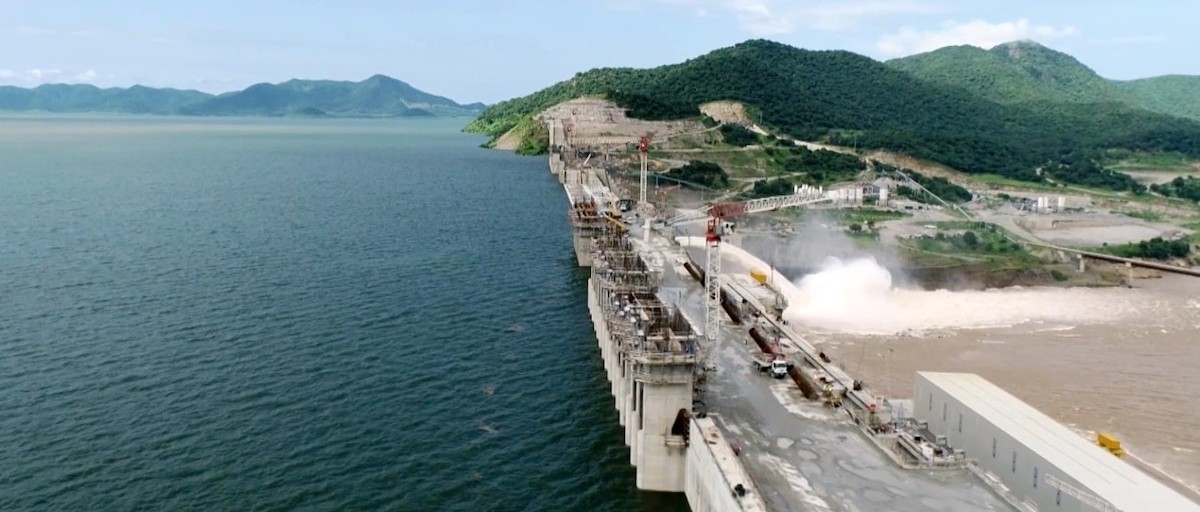
Africa’s Largest Hydroelectric Power Plant Surpasses Expected Electricity Generation: Contributes to 16% of East Africa’s Total Electricity Output
The Ethiopian government has noted that Africa’s largest hydroelectric power plant has surpassed expected electricity output.
The government disclosed that the Grand Ethiopian Renaissance Dam (GERD) has generated more than 2,700 gigawatt hours (GWh) of electricity during the past 10 months.
The Ethiopian Electric Power (EEP) said the mega hydroelectric power plant has surpassed its initial planned power generation targets in the past 10 months of the current 2023/2024 Ethiopian fiscal year. Its fiscal year started on July 8, 2023.
According to data from EEP, the dam has registered a 26 per cent increase from the initial plan of 2,152.8 GWh. The increase in power output is attributed to the ability of the Grand Renaissance dam to store more water. This enables the two operational turbines of the power plant to function at full capacity.
The Significance of Africa’s Largest Hydroelectric Power Plant, the Grand Ethiopian Renaissance Dam
The feat achieved by Africa’s largest hydroelectric power plant is astounding as it reveals its significance. With the new milestone, the Grand Ethiopian Renaissance dam contributed about 16 per cent of the East African country’s total 16,900 GWh of electricity generated during the reported period from various power generating plants across the country.
The dam is expected to produce even more electrical power once fully functional. In April, the Office of National Coordination for the Construction of Gerd announced that the project construction had reached over 95 per cent.
Currently, the dam is at 96.4% in construction as the final phases of its completion take shape. When the remaining 11 units installed on the dam start producing power, the country’s current generation capacity is expected to increase by 83 per cent.
The State of Affairs Regarding the Completion of the Grand Renaissance Dam
Once fully completed, Africa’s largest hydroelectric power plant will have a generating capacity of 5,150 megawatts. According to Ethiopian Electric Power, it will also have an annual energy output of 15,760 GWh.
The Ethiopian government started to build the GERD on the Nile River in April 2011. Since then, the mega hydroelectric power project has been a major issue among the three Nile-bound countries of Ethiopia, Egypt, and Sudan.
However, Ethiopia is adamant about constructing the dam as it believes that it will power its development and aspirations. The country expects the dam to propel it to attain a lower-middle income status soon. Meanwhile, Egypt and Sudan frequently express concern that the dam would affect their share of the river waters.
Other Similar Projects Across the African Continent
One of the significant projects that is also expected to revolutionize energy production in Africa is the Mega Batoka Hydropower Dam.
Like Africa’s largest hydroelectric power plant, the Batoka hydropower dam is expected to be one of the largest. At the beginning of the year, The Zambezi River Authority (ZRA) was set to receive bids by April 2025, with the new potential developers expected by September of the same year.
Zambia and Zimbabwe are planning to retender the Batoka Gorge hydropower project with an estimated value of $5bn and a capacity of 2.4 GW. The Batoka Gorge hydropower plant is planned for a site on the Zambezi River, 54km downstream from Victoria Falls, straddling the border between the two nations.
SOURE
CONSTRUCTION REVIEW
-
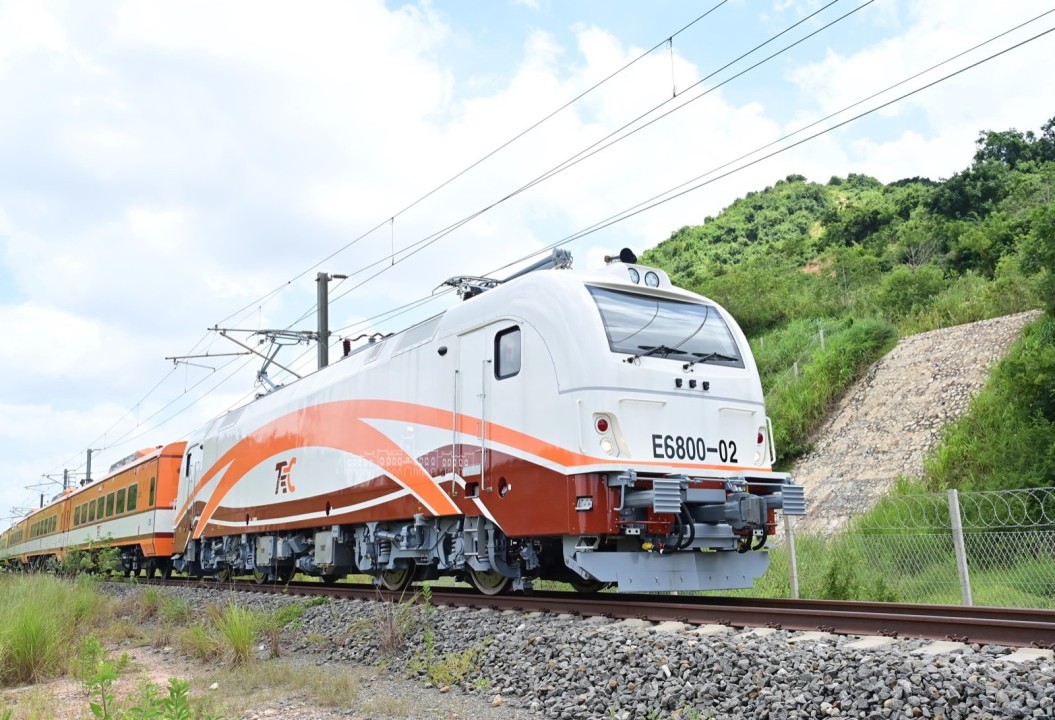
Tanzania SGR Operations Approach as the Country Launches East Africa’s First Electric Train
The Republic of Tanzania has made a significant step in the rail transport sector as the country launched its first electric train on Saturday, which got to transport a total of 1,400 passengers from the coastal city of Dar es Salaam to Morogoro which is located in the in the western part of the country on its maiden journey, covering a total distance of 300 kilometers (186 miles) as the Tanzania SGR Operations are expected to commence from next month.
Moreover, comprising of state-of-the-art electric and signaling systems, the Tanzania SGR project which is being celebrated as Eastern Africa’s first electric standard-gauge railway has been completed, this was brought to life by a news report that was done by Albawaba News.
With plans for the second section of the Tanzania SGR almost being completed, Türkiye-based company Yapi Merkezi, that is responsible for four of the five sections of Tanzania’s extensive railway construction project that covers more than 1,000 kilometers, has successfully finished the first section of the Tanzania SGR project.
Tanzania Railways Corporation’s General Manager Masanja Kadogosa, pointed out the Tanzania SGR project significance in fostering the economic growth of the country and also enhancing transportation efficiency throughout Tanzania and even Eastern Africa as a region.
He noted that the first journey, which transported 1,400 passengers for free, had reduced the travel time between the two cities to just two hours.
Also, incorporated with a shimmering facade of sky-blue glass panels, the Standard Gauge Railway Station in Tanzania’s commercial hub and port city, Dar es Salaam, looks more like an opulent airport terminal than just a railway facility. Inside, a maze of escalators gracefully glides passengers who intend to board the country’s electric train to various levels, giving a panoramic view of the bustling terminal below.
Moreover, this architectural marvel of the Tanzania SGR project, meticulously designed with the passengers’ comfort in mind, boasts state-of-the-art ticketing counters and plush waiting lounges equipped with charging ports and other amenities that enhance the comfort of the passengers who will be using the facility.
Cost of the Project
The East Africa’s first electric train, a project worth nearly $2 billion, is seen as a big boost to domestic connectivity, trade and economic activities with the neighboring countries that are landlocked like Uganda and Rwanda.
TRC Launches Awareness Campaign Regarding the Project
Tanzania Railways Corporation (TRC) has launched an awareness campaign regarding the commencement of Standard Gauge Railway train services at a brief event that was held at the Dar es Salaam SGR station on June 12, 2024.
Moreover, the campaign aims to educate the public on the use of the new SGR services and important considerations for the safety and security of passengers and their belongings or luggage when using the trains. The campaign’s slogan is “Let’s Board Our Train, Maintain It, and Cherish It.”
Lastly, TRC Director General Masanja Kungu Kadogosa mentioned that, in implementing the directives of the President of Tanzania, H.E. Dr. Samia Suluhu Hassan, to ensure that the commencement of the train transport services, TRC has taken steps that will ensure the implementation of operational services. “In accordance with the directive issued by the President of Tanzania, TRC informs the public of the start of the first SGR train services between Dar es Salaam and Morogoro on June 14, 2024,” stated Kadogosa.
SOURCE
CONSTRUCTION REVIEW
-
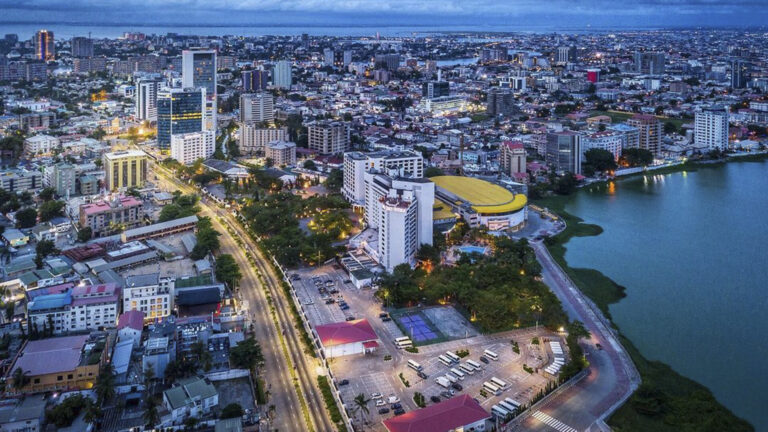
Africa Green Building Summit & Future Cities Conference
The second edition of the Future Cities Summit event,slated for July 16-19,2024, is poised to significantly advance the conversation on sustainable urban development in Nigeria, and the wider Africa.
The Summit theme, “Building Resilient Futures: Integrating Carbon Neutrality, Circular Economy & Inclusive Urban Development,” is inspired by the World GBC’s Global Policy Principles for a Sustainable Built Environment, and its Building the Transition campaign.
Both these initiatives draw on and extend the vision set forth in the earlier Africa Manifesto for Sustainable Cities and the Built Environment, embodying the Manifesto’s call for “…a net zero carbon, healthy, equitable, resilient, environmentally-sustainable and economically-inclusive built environment for every African, everywhere.”
This year’s Summit, co-located with World GBC Africa Regional Network’s Africa Green Building Summit, will explore the truth that Africa’s rapid urban transformation represents both challenge and opportunity.
The challenge of overcoming barriers from resource limitations, governance limitations and socioeconomic constraints. Balanced by the opportunity to define a uniquely African urban paradigm, leveraging on the immense potential of Africa’s youthful and entrepreneurial population, and its dynamic and rapidly growing cities.
Over four days, the Summit will dive deep into what these challenges and opportunities mean for the continent, aiming to craft relevant policy responses, innovative strategies, and collaborative approaches to address the evolving needs of Africa’s rapidly changing urban landscapes.
The Summit will feature keynote addresses from distinguished speakers, sharing visions of Africa’s urban futures and setting the stage for a series of expert-led plenary sessions.
These plenary sessions will examine various facets of sustainable urban development, with an emphasis on carbon neutrality, resource circularity, and inclusive urban development.
The Summit will also feature interactive breakout sessions, designed to stimulate in-depth dialogue on localizing the policy formulations encapsulated in the World GBC’s Africa Manifesto and its Global Policy Principles.
As a gathering point for green building stakeholders and experts, both locally and internationally, the Summit will also feature exhibitions, product expos and awards, showcasing the latest innovations in green building practices, sustainable products, and services.
The Future Cities Summit – Africa Green Building Summit 2024 is more than a conference. It’s the crucible where Africa’s urban future is forged and refined.
It’s where the collective wisdom of the past meets the innovative spirit of the present to conceptualise a sustainable, resilient, and inclusive future for the continent.
Let’s take this opportunity to redefine what it means to live in a city and, in doing so, redefine what it means to live on this planet.
SOURCE
GREEN BUILDING COUNCIL,NIGERIA
-
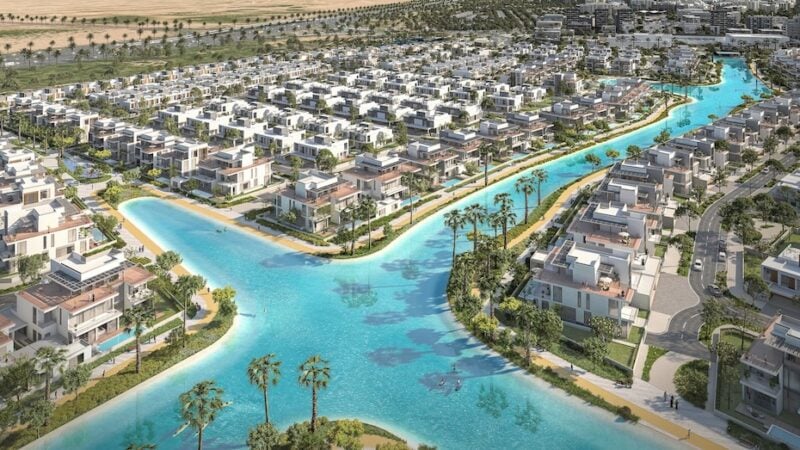
Dubai South: Final phase of South Bay project sells out in 4 hours
Upon completion, South Bay will feature over 800 spacious villas and townhouses and more than 200 luxurious waterfront mansions
Dubai South Properties announced the swift sell-out of the final phase of its South Bay development, located in the heart of Dubai South’s Residential District, just four hours after its market launch.
The rapid sale follows the successful sell-out of all previously launched units in earlier phases, highlighting strong demand and the strategic success of the company’s project launches.The newly launched phase included 160 units consisting of three- and four-bedroom townhouses, as well as four- and five bedroom semi-detached villas.
Construction contracts for all phases have been awarded, and work is currently underway on-site.
Upon completion, South Bay will boast over 800 spacious villas and townhouses, more than 200 luxurious waterfront mansions, a kilometre-long lagoon, over 3 kilometres of waterfront promenade with cafes, multiple beaches, a clubhouse, state-of-the-art fitness centres, lush parks, a shopping mall, a renowned spa, kids’ clubs, waterparks, swimming pools, a lake park, and private beaches among other amenities.
Nabil Al Kindi, CEO of Dubai South Properties, expressed satisfaction with the project’s market reception: “We are pleased with the huge interest the project has garnered since its launch, given its unique value proposition and the state-of-the-art amenities that will enrich the lifestyles of future residents. The sell-out of all units reaffirms its attractiveness to investors and buyers and the prominent position Dubai South has attained due to its strategic location, offerings, and connectivity.
“We are aligned with the government’s vision of attracting one million inhabitants to the area, once Al Maktoum International Airport is complete, and our unique projects cater to all customer preferences, via premium units that include townhouses, villas, and apartments, promising an upscale living experience.”
Dubai South: Focused on community living
Dubai South has been enhancing the Residential District with various amenities for tenant comfort and convenience. These include public parks, sports courts, retail shops, a 50,000 square-foot hypermarket, a mosque, a petrol station, and a public bus route connecting the district to the Expo Metro station.
Additionally, GEMS Founders School at Dubai South has begun student enrollments for the 2024-2025 academic year, subject to KHDA approvals.
Currently, the Residential District is home to over 25,000 residents who benefit from its distinctive lifestyle, range of amenities, and several gated residential communities with apartments and townhouses.
SOURCE
GULF BUSINESS