Category: COVER

  • UN Tourism Empowers Women Entrepreneurs and Charts Future of Tourism Investments at AIM Congress 2024

    UN Tourism Empowers Women Entrepreneurs and Charts Future of Tourism Investments at AIM Congress 2024

    Dubai, UAE, 9th May 2024: UN Tourism made a resounding impact at the AIM Congress 2024 with two insightful side events, focusing on empowering women entrepreneurs and navigating tourism investments in the Middle East.

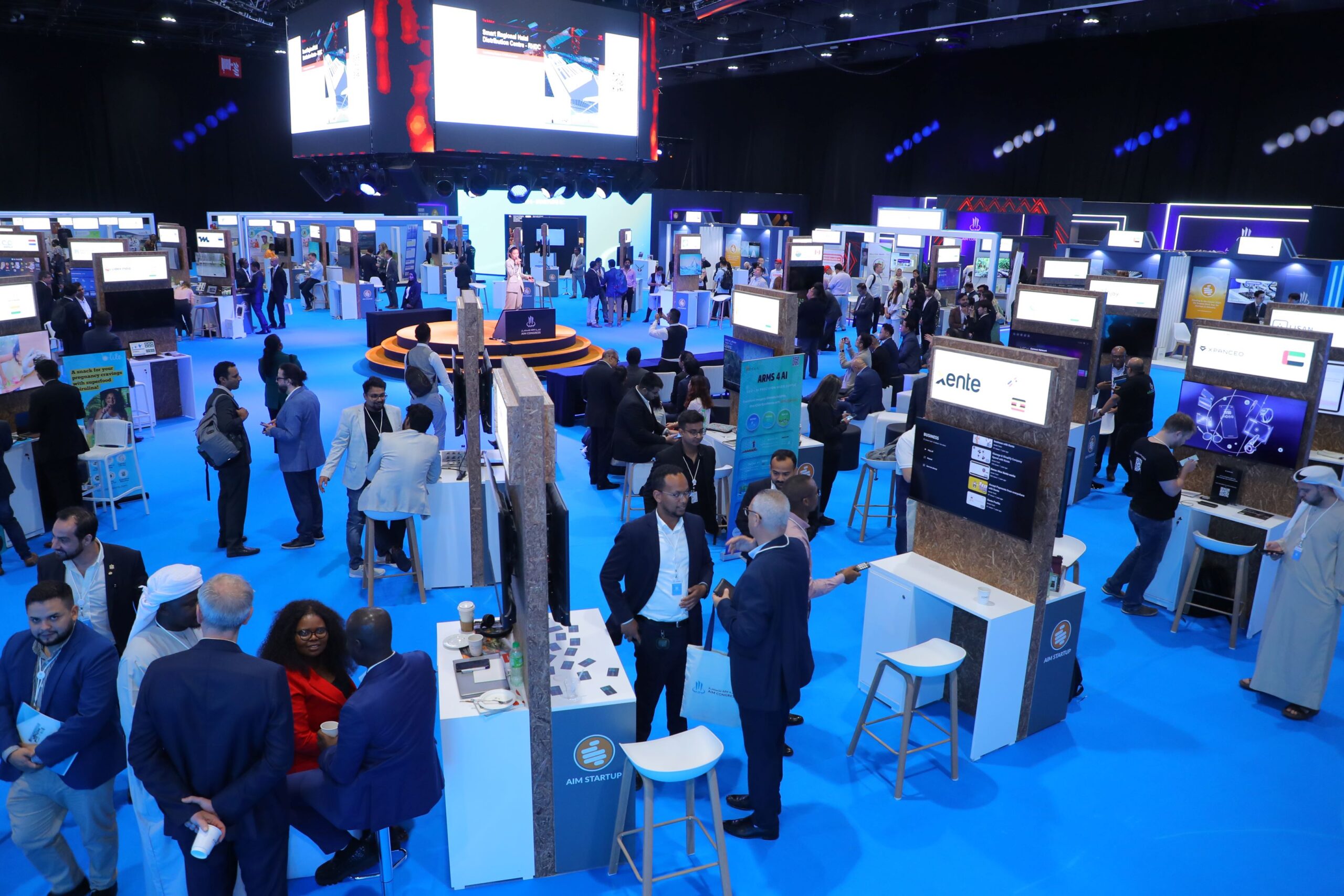
    The 2024 AIM Congress took place at ADNEC in Abu Dhabi from May 7-9, 2024, acting as a convergence point for global leaders, international organizations, entrepreneurs from around the world.

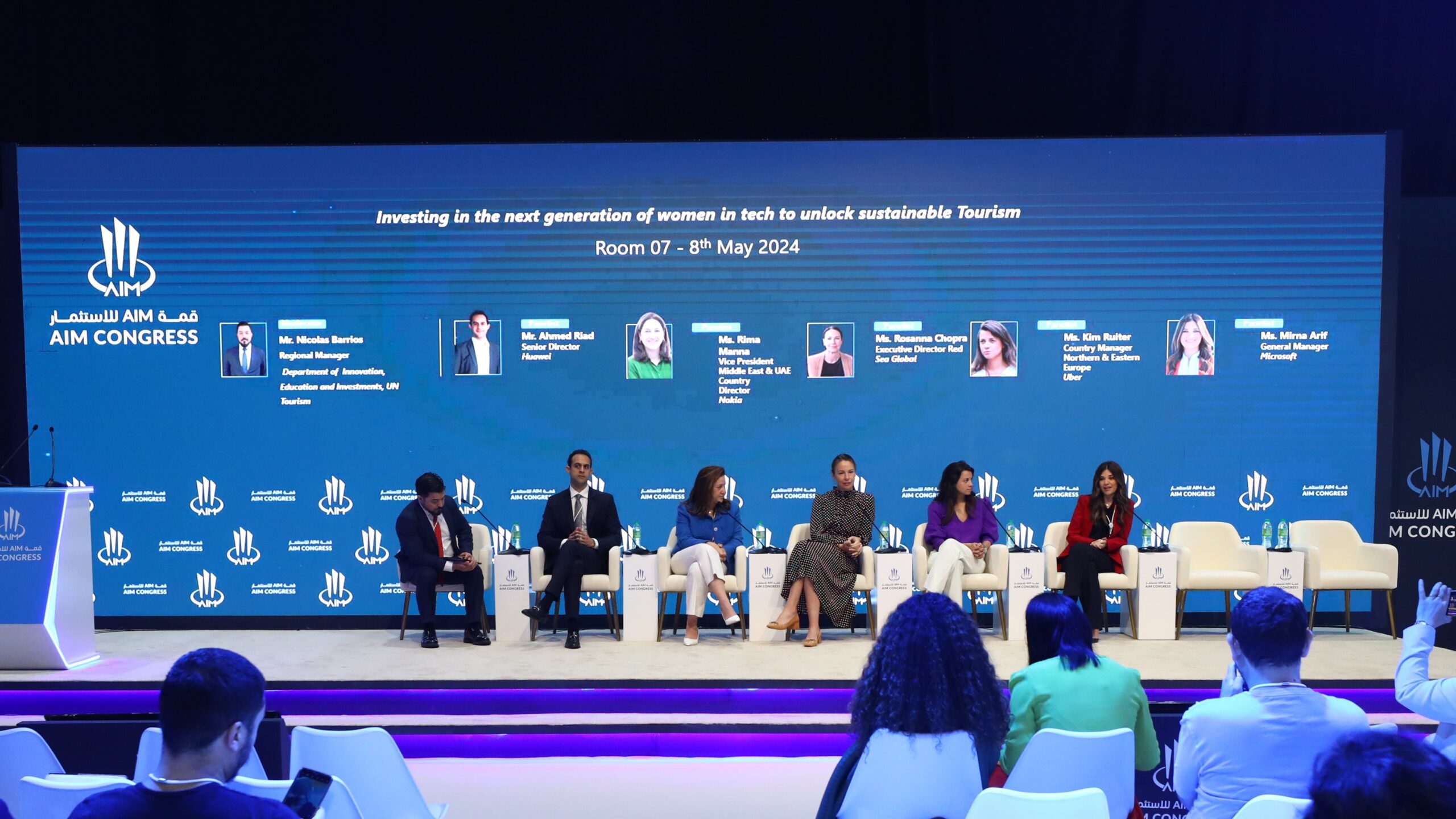
    On May 8th, UN Tourism hosted a dynamic session centered on “Investing in Innovation and Enabling Women Entrepreneurs.” The event, spearheaded by Ms. Basmah Al-Mayman, Regional Director of the Middle East, UN Tourism, aimed to address the pressing need for support and funding for women-led startups in the tourism sector across the region.

    The highlight of the session was the launch of the second edition of the Women in Tech Middle East startup competition, emphasizing sustainability and inclusive growth. The competition garnered significant interest, showcasing the region’s burgeoning entrepreneurial spirit among women.

    Distinguished speakers, including Mr. Dawood Al Shezawi, President of AIM Global Foundation, and Ms. Natalia Bayona, Executive Director of UN Tourism, provided invaluable insights into fostering innovation and empowering women in the tourism sector. Panel discussions led by industry experts explored key challenges and opportunities, with a focus on bridging the gender gap and promoting sustainable practices.

    Keynote speeches and panel sessions delved into the needs of women entrepreneurs, the role of public and private sectors in empowerment, and investment opportunities in sustainable tourism. The session also featured engaging pitching rounds, providing a platform for aspiring women entrepreneurs to showcase their innovative ideas.

    Building on this momentum, UN Tourism continued its impactful presence on May 9th with a compelling discussion on “Quo Vadis Tourism Investments: The Middle East Chapter.” Esteemed panelists, including industry leaders and experts, shed light on the evolving landscape of tourism investments in the region.

    Insights shared during the session underscored the Middle East’s growing prominence as a hub for tourism investments, with notable greenfield FDI projects totaling USD 6.8 billion. Speakers emphasized the region’s resilience and strategic vision in driving tourism growth, highlighting initiatives to promote sustainable investments and economic diversification.

    Mr. Peter Janech, Coordinator of Innovation, Education, and Investments at UN Tourism, reiterated the organization’s commitment to fostering sustainable tourism practices and facilitating collaborative efforts for economic development. Mr. Alejandro Sabarich Scattaglia shared statistics showcasing the region’s robust FDI inflows and UAE’s emergence as a key investment destination.

    Panelists provided valuable insights into exploring untapped destinations, promoting halal tourism, and leveraging technology to enhance visitor experiences. Discussions also centered on strategies to address challenges such as over-tourism and the importance of inclusive growth for local communities.

    Ms. Lubna Bader Salim Al Mazroei, Manager of Economic Diversification Investments at Oman Investment Authority, highlighted Oman’s ambitious plans to attract investments worth 20 billion Omani riyals by 2040, emphasizing sustainable employment opportunities and support for SMEs.

    As the AIM Congress 2024 draws to a close, UN Tourism reaffirms its commitment to driving inclusive and sustainable tourism growth in the Middle East and beyond. Through collaborative partnerships and innovative initiatives, UN Tourism continues to pave the way for a more resilient and equitable tourism sector.

    AIM Congress 2024 hosted more than 150 high-level dignitaries, with 900+ speakers and over 12,000 participants from 175 countries around the world participating for three days from May 7-9 at ADNEC in Abu Dhabi. AIM Congress has also organized 27 joint events in cooperation with over 330+ local, international, and global partners.

  • AIM Congress 2024: Ministers share insights and strategies to navigate challenges posed by economic volatility

    AIM Congress 2024: Ministers share insights and strategies to navigate challenges posed by economic volatility

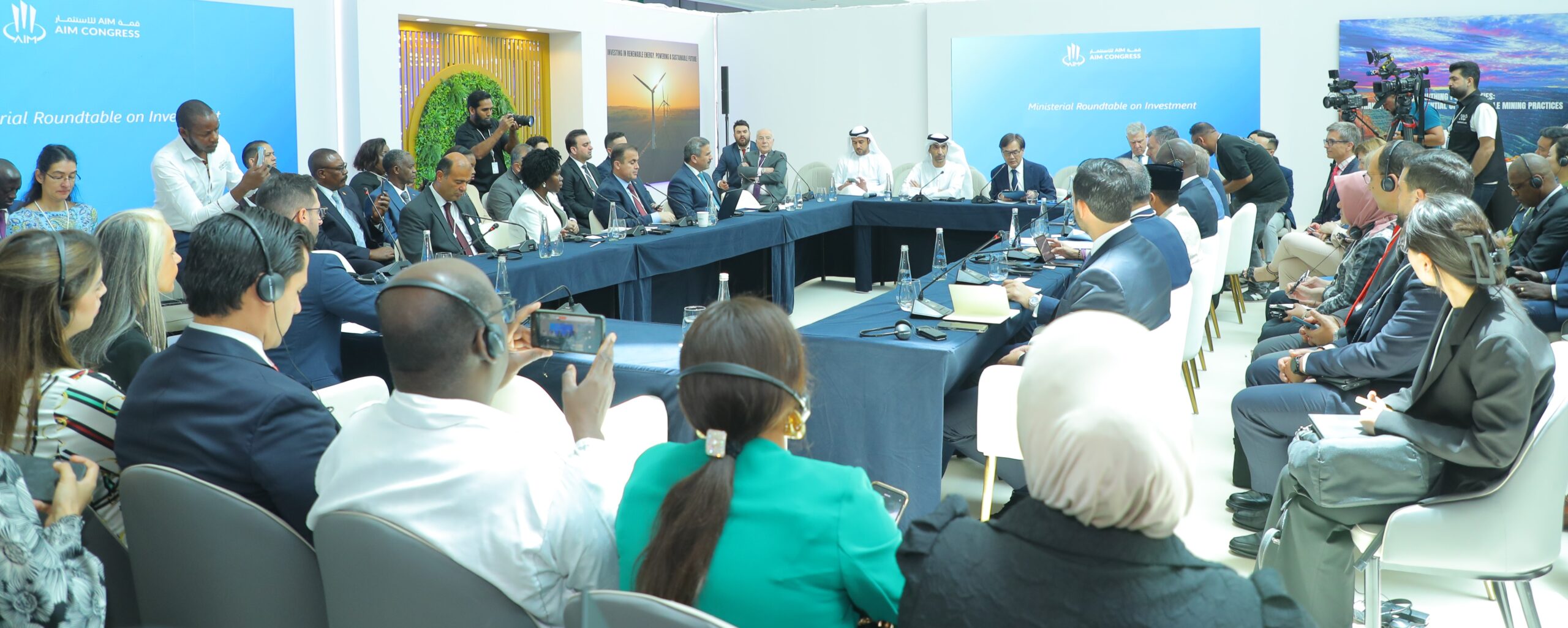
    Abu Dhabi, 9th May, 2024 – The 2024 AIM Congress hosted an extraordinary event as global leaders convened for the Ministerial Roundtable on Investment under the Roundtables’ Track, held at ADNEC in Abu Dhabi from May 7 to 9.

    In a ministerial think tank, an elite group of distinguished ministers from around the world shared insights and strategies to navigate the challenges posed by economic volatility, geopolitics, and the looming global economic slowdown.

    HE Dr Thani bin Ahmed Al Zeyoudi, Minister of State for Foreign Trade, emphasized the significance of emerging markets in driving future growth. He highlighted the importance of adapting to free economy, leveraging technology, and fostering regulatory improvements to unlock hidden investment opportunities.

    The UAE’s proactive approach to invest in future economy sectors, particularly in supporting SMEs, underscores its commitment to fostering economic resilience and job creation.

    HE Elmedin Konakovic, Minister of Foreign Affairs Bosnia and Herzegovina, emphasized the need to transform adversities into opportunities, stressing the importance of integrating international investment and leveraging national resources to attract investors.

    HE Jean-Lucien Bussa, Minister of Foreign Trade, Democratic Republic of Congo, showcased Congo’s investment-friendly policies, including tax exemptions and non-discriminatory practices, to encourage international investors to explore the country’s vast potential.

    HE Miguel Medina, Minister of Investment, Honduras, highlighted Honduras’ robust FDI growth and attractive incentives, such as manufacturing free zones and tax exemptions, aimed at attracting flagship companies and fostering economic transformation.

    HE Sandiaga Salahuddin Uno, Minister Of Tourism And Creative Economy, Indonesia, emphasized the importance of innovation, adaptation, and collaboration in driving investment growth, particularly in transformative sectors like healthcare and digitization.

    HE Ryad Mezzour, Ministry of Industry and Trade Morocco, emphasized the need for depolarizing regulations, promoting trade openness, and instilling confidence in domestic products to capitalize on hidden opportunities and foster economic self-reliance.

    HE Fabio Righi, Minister Industry Trade, Handicraft, Technological Research Of San Marino, highlighted San Marino’s transition towards an open economy, leveraging digitalization and streamlined regulations to support SMEs and attract international investors.

    HE Hon. Anite Evelyn, Minister of State for Finance, Planning and Economic Development (Privatization and Investment) – Uganda, showcased Uganda’s investment-friendly environment, emphasizing local product promotion and liberalized economic policies to spur FDI growth and job creation.

    HE Sulton Rahimzoda, Chairman of the State Committee on Investment and State Property Management, Tajikistan, outlined Tajikistan’s untapped potential in renewable energy and mineral resources, coupled with favorable investment regulations, to attract international investors.

    HE Claver Gatete, Undersecretary General United Nations & Executive Secretary- Economic Commission for Africa, emphasized the importance of private sector investment in addressing Africa’s economic challenges, advocating for regional collaboration to unlock the continent’s vast potential in agriculture, mining, and trade.

    HE Sergey Cheremin, Minister of Moscow City Government, Head of the Department for External Economic & International Relations of Moscow, highlighted Moscow’s economic diversification efforts and investor-friendly policies, debunking misconceptions and showcasing the city’s resilience and growth.

    HE Dr Mohammad Shukri, Chairman of the Kurdistan Region Investment Board, extended a warm invitation to investors, emphasizing Kurdistan’s favorable investment climate and commitment to equal treatment of local and international investors.

    Dr Khaled Hanafy, Secretary General Union of Arab Chambers, underscored the pivotal role of the private sector in driving economic growth, advocating for increased collaboration and innovation to harness the potential of digital products and empower small entities.

    The Ministerial Roundtable on Investment at the 2024 AIM Congress served as a platform for global leaders to exchange ideas, foster partnerships, and unlock hidden investment opportunities amidst the evolving economic landscape.

    AIM Congress 2024 is hosting more than 150 high-level dignitaries, with 900+ speakers and over 12,000 participants from 175 countries around the world participating. AIM Congress has also organized 27 joint events in cooperation with over 330+ local, international, and global partners.

  • Ghana Gears up on Cyber Resilience in the Digital Economy

    Ghana Gears up on Cyber Resilience in the Digital Economy

    ACCRA, Ghana, May 9, 2024/ — With Africa losing US$4 billion annually to cybercrime, the aggressors of the digital realm are gaining the upper hand. GITEX AFRICA 2024 (www.GITEXAfrica.com), the continent’s largest tech and startup exhibition, taking place from 29-31 May in Marrakech, Morocco, provides a platform for leaders and executives of Africa’s tech ecosystem to share insights on cybersecurity’s crucial role in Africa’s digital economy.

    Cybersecurity Threats Accompany Digital Transformation

    As Ghana’s digital economy continues to evolve at a rapid pace, with an ever-increasing reliance on digital infrastructure, so too does the inevitable exposure to cybersecurity and data protection threats.

    Acknowledging the paramount importance of cybersecurity and its role in protecting sensitive information, preserving trust, and contributing to the resilience of digital infrastructure, Ghana is proactively and strategically working to enhance its cyber resilience.

    This strategic insight has resulted in the Global Cybersecurity Index ranking Ghana third amongst countries on the continent in terms of its commitment to cybersecurity.

    Topics under discussion at the GITEX Africa Cybersecurity Forum include the role of high data costs in security vulnerability, Africa’s shortage of cybersecurity professionals, and the impact of poor security measures. Dr Albert Antwi-Boasiako, Director General of Ghana’s Cyber Security Authority, will share his insights on how Ghana is tackling these challenges.

    A Proactive Approach to Safeguarding Digital Infrastructure

    As early as 2015, the Ghanaian government developed the National Cybersecurity Policy and Strategy, reflecting the maturity of the country’s approach. In the following years, recognizing the importance of cybersecurity in safeguarding the country’s 24 million internet users (https://apo-opa.co/3JSm8sr#prId=302858),

    Ghana has implemented a number of key steps, including enacting the Cybersecurity Act 2020, which provides for the protection of critical information infrastructure, the prosecution of cybercrimes, and the protection of children online.

    This Act is a significant step towards creating a safer cyber environment in Ghana, and has resulted in the establishment of the Cyber Security Authority (CSA) (https://apo-opa.co/4buq3r9#prId=302858), which regulates and promotes cybersecurity in the country.

    Building capacity and creating public awareness, ongoing research and development, and international cooperation are key elements of Ghana’s cybersecurity strategy. This includes developing a skilled workforce of cybersecurity professionals, and educating the public about the importance of cybersecurity and how they can mitigate it. This takes the form of workshops, seminars, and media campaigns.

    Universities and research institutions in Ghana are also focusing on cybersecurity research to foster innovation and develop solutions to cyber threats. In addition, collaborations with other countries, international organizations, and private sector entities all contribute to the country’s cyber resilience.

    As Ghana continues to strengthen its cybersecurity framework, its potential as a destination for partners and investors looking for a reliable and safe digital landscape grows, positioning the country as a hub for technological advancement in Africa.

    Powering Ghana’s digital future

    The tens of thousands of attendees from 130-plus countries to GITEX Africa can look forward to hearing more insights on Ghana’s advancements in digital health from Darlington Akogo, Co-founder and CEO of minoHealth AI Labs, who is among more than 20 leading tech speakers from Ghana.

    The nation’s giant strides in AI diffusion and tech-driven urban development will also come to the fore when Hon. Elizabeth Sackey, Mayor of Accra Metropolitan Assembly takes the stage at the GITEX Africa Digital Summit.

    Rocky Dawuni, Musician, Singer-song Writer, and UN Goodwill Ambassador for the Environment for Africa, is another headline Ghanaian speaker, while the country’s vibrant start-up scene will be ably represented by some of the country’s premier award-winning start-ups, including Trotro Tractor, Winner of the KIC Agritech Challenge.

    More information is available at www.GITEXAfrica.com.

    Distributed by APO Group on behalf of GITEX Africa.

    Media Contact: 

    Tayce Marchesi – PR Executive
    Tel.: + 971 58 552 3994
    Tayce.Marchesi@dwtc.com

  • Russian Investment Forum Showcases Opportunities at 2024 AIM Congress

    Russian Investment Forum Showcases Opportunities at 2024 AIM Congress

    Abu Dhabi, 9th May, 2024: The Russian Investment Forum, held under the International Partners’ Track during the 2024 AIM Congress at the Abu Dhabi National Exhibition Centre (ADNEC), brought together key figures from Russia’s business landscape to highlight the nation’s unique opportunities for global investors.

    They also affirmed that Abu Dhabi’s exceptional location makes it an ideal site for establishing a global technology hub to meet the needs of various sectors.

    Under the esteemed session, notable speakers including Sergey Katyrin, President of the Chamber of Commerce and Industry of the Russian Federation and chairman of BRICS Business Council, Russia Chapter, alongside representatives from diverse Russian regions, provided insights into Russia’s investment potential and showcased various projects ripe for investment.

    Mr. Katyrin, in his address, emphasized Russia’s robust economic standing, ranking first in Europe and fifth globally in terms of GDP. He underscored the nation’s commitment to fostering a conducive investment environment through federal and regional investment legislations, with a focus on attracting foreign investors.

    Highlighting the country’s trade turnover with BRICS countries, which reached a record $294 billion by the end of 2023, Mr. Katyrin showcased an investment map of Russia, revealing over 600,000 infrastructure facilities, 412 industrial parks and technoparks, and 159 preferential regimes and territories, providing a comprehensive overview and diverse opportunities for potential investors.

    “We are working on federal and regional investments legislations. We have four directions to attract investors and about 70 indicators measuring the direction,” said Sergey Katyrin, President of the Chamber of Commerce and Industry of the Russian Federation and chairman of BRICS Business Council, Russia Chapter.

    Galina Dziuba, President of the Chamber of Commerce and Industry of the Sakhalin Region, highlighted the unique opportunities available in the Far East region, inviting investors to explore the abundance of natural resources and burgeoning industries, particularly in oil and gas.

    She extended an invitation to participate in the upcoming oil and gas forum in Sakhalin, emphasizing opportunities for collaboration and investment in the region’s energy sector.

    “Our region have a lot of natural resources and more than 70 deposits for coal mining,” said Galina Dziuba, President of the Chamber of Commerce and Industry of the Sakhalin Region.

    Eugene Borisoff, Deputy Director of the Internet Initiatives Development Fund, emphasized the growing need for innovation, citing the Global Innovation Index 2023. He proposed Abu Dhabi as an ideal location to establish a global technology hub, catering to various sectors including renewable and traditional energy, space technologies, digital systems, and transportation.

    “Abu Dhabi location is ideal to make it as a global technology hub for different sectors such as renewable and traditional energy, space technologies, digital system, transport, and autonomous transport,” Eugene Borisoff, Deputy Director of Internet Initiatives Development Fund.

    Dr. Elena Faizrakhmanova, Chairman of the Tatarstan Chamber of Commerce and Industry, showcased Tatarstan’s strategic location and diverse industries, positioning the region as a hub for investment opportunities in industry, trade, agriculture, and e-commerce. Highlighting the innovative city of Innopolis, Dr. Faizrakhmanova showcased Tatarstan’s commitment to fostering a business-friendly environment conducive to investment and growth.

    “We are in the center of the European part of Russia. Tatarstan has industry trade, agriculture, e-commerce and leading in investment climate for 10 years,” Dr. Elena Faizrakhmanova, Chairman of Tatarstan Chamber of Commerce and Industry.

    Andrei Shestakov, President of the Chamber of Commerce and Industry of the Tula Region, emphasized the region’s technological prowess and highlighted investment opportunities in innovative projects such as smart roads and thermoelectric modules. He extended offers for investors to engage in technology acquisition or partnership opportunities within the region.

    “In Tula, we have excellent human resources and a lot of scientists and engineers. There are many technological projects to invest such as innovative solutions for the smart road,” said Andrei Shestakov, President Chamber of Commerce and Industry of the Tula Region.

    Bogoslovskaya Marina, President of the Chamber of Commerce and Industry of the Republic Sakha (Yakutia), showcased the unique tourism experiences offered by the region, despite its cold climate. She highlighted opportunities in gastronomic tourism and pure water production, inviting investors to explore the untapped potential of the region’s tourism sector.

    “We offer a unique tourism experience. We have tourists coming for hunting and fishing practically in December. We offer gastronomic tourism and pure water production,” said Bogoslovskaya Marina, President of Chamber of Commerce and Industry of the Republic Sakha (Yakutia).

    The Russian Investment Forum served as a platform for dialogue and collaboration, providing attendees with valuable insights into Russia’s investment landscape and fostering partnerships for mutual growth and development.

    AIM Congress 2024 is hosting more than 150 high-level dignitaries, with 900+ speakers and over 12,000 participants from 175 countries around the world participating. AIM Congress has also organized 27 joint events in cooperation with over 330+ local, international, and global partners.

  • AIM Startup and Unicorns Track: Insights and Innovation Take Center Stage at 2024 AIM Congress

    AIM Startup and Unicorns Track: Insights and Innovation Take Center Stage at 2024 AIM Congress

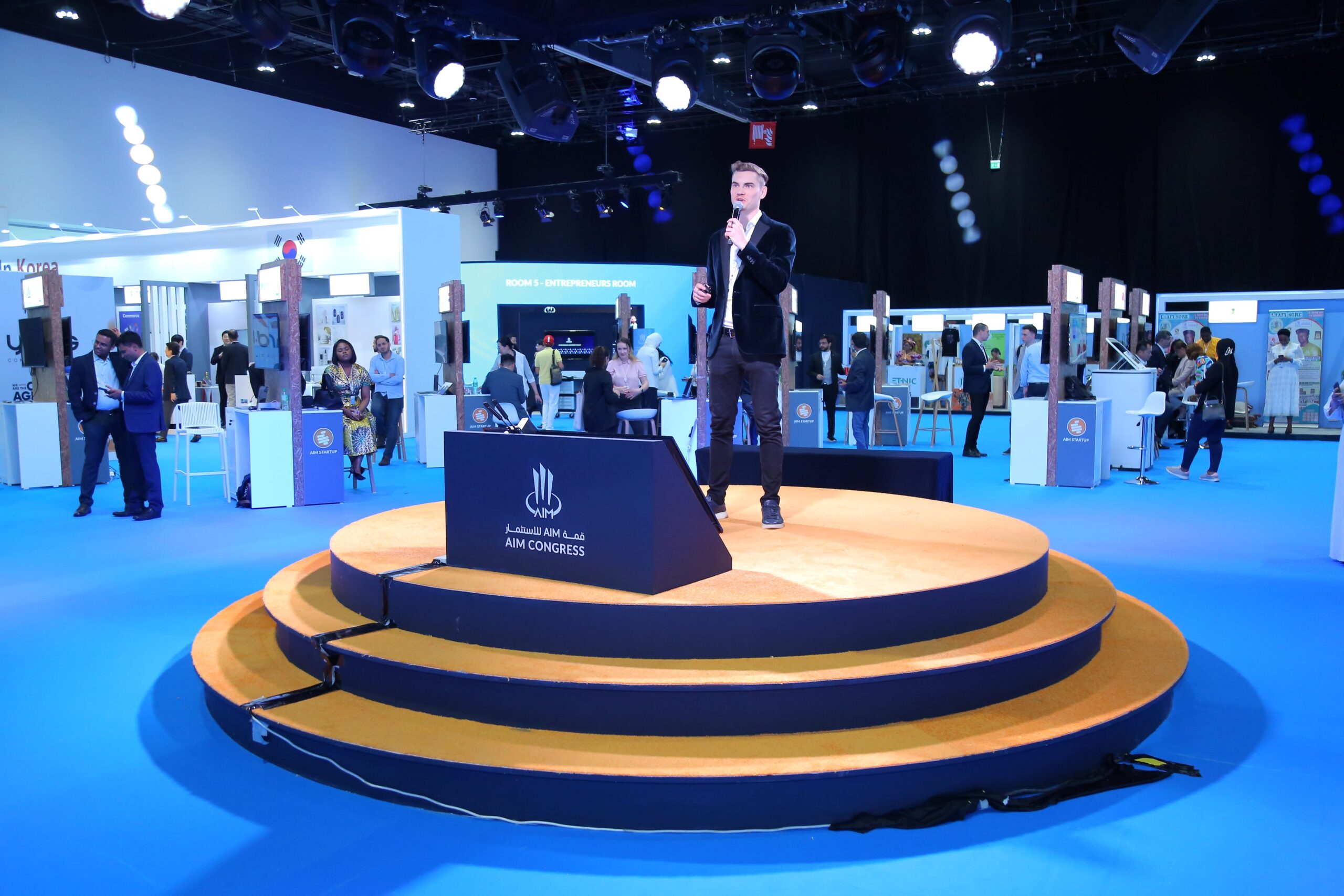
    Abu Dhabi, 9th May, 2024: The 2024 AIM Congress, held at ADNEC in Abu Dhabi from May 7 to May 9, showcased a dynamic exchange of visionary ideas and strategic insights during the AIM Startup and Unicorns Track sessions. These sessions, featuring esteemed moderators and panelists, unveiled groundbreaking perspectives and transformative opportunities across various industries.

     Middle East Unicorns Conclave: Unicorns and Mobility Industry

    Moderated by Mohamed Nagaty, the session illuminated the evolving landscape of unicorns and the mobility industry, with Mohamed Ezzat of Tech Logistics (Bosta), Salman bin Mohammed Al Suhaibaney of Morni, Maan Khalid Eshagi of Professional Wealth Management Venture Capital, and Faisal Hilal, CEO of Ahlan, sharing their expertise.

    “Becoming a champion in your own market is essential; smaller markets offer less competition and significant benefits. However, thorough financial analysis is imperative,” said Faisal Hilal, CEO of Ahlan.

     Korea Unicorn Investment Conclave: The Relationship Between Big Tech Cities and the Emergence of New Unicorns

    Under the moderation of Rachel Cho, the session explored the vibrant investment landscape in Korea, featuring insights from Dr. Kiho Park of LB Investment, Dr. Kim of Invest Korea, Kyungsoo Noh of Seadronix, and Jinkyung Kim of Big Value.

    “Founders are the most critical factor in the success of ventures. Strategic partnerships and a long-term vision are essential for sustainable growth,” said Kiho Park, CEO of LB Investment.

     China Unicorns: Electric Vehicles and Energy Transformation

    Moderated by Aly Ramji, the session delved into the transformative potential of electric vehicles and energy in China, with insights from Sean He, Founder of Silicon Harbor.

    “As investors, we must prioritize sustainability in our decisions. China’s commitment to environmental concerns underscores the importance of adopting technologies that reduce pollution and promote sustainability,” Sean He, Founder of Silicon Harbor.

    These sessions epitomize the AIM Congress’s commitment to fostering innovation and collaboration on a global scale, empowering attendees with actionable strategies to navigate an ever-evolving business landscape.

    AIM Congress 2024 is hosting more than 150 high-level dignitaries, with 900+ speakers and over 12,000 participants from 175 countries around the world participating. AIM Congress has also organized 27 joint events in cooperation with over 330+ local, international, and global partners.

  • 2024 AIM Congress in Abu Dhabi Sparks Conversation on Investment, with Focus on Asia and Europe

    2024 AIM Congress in Abu Dhabi Sparks Conversation on Investment, with Focus on Asia and Europe

    Abu Dhabi, 9th May, 2024:: The 2024 AIM Congress, held at the Abu Dhabi National Exhibition Centre (ADNEC) from May 7 to May 9 saw an huge convergence of industry leaders, policymakers, and visionaries.

    The  Congress sessions were held under the Investment Track, Regional Focus Forum Track,and Investment Destination Track, fostering dialogue, collaboration, and innovative solutions to global challenges.

    Investment Track

    The “Leader’s Panel: Geopolitical Tensions 2024: New Challenges and New FDI Destinations” session brought together speakers who discussed the landscape of Foreign Direct Investment (FDI). Participants underscored the significance of attracting new FDI to diverse global destinations amidst intensifying competition. Ms Biviana Riveiro Disla, Executive Director of the Export and Investment Center of the Dominican Republic, highlighted her country’s streamlined investment process and strategic focus on sectors like AI and technology.

    Mr Daniel Silverman, Vice President of FDI in Quebec, addressed challenges facing FDI in the region, particularly in energy privatization, emphasizing the competitive dynamics with neighboring markets. Ms Ibtisam Al Farooji, Undersecretary of the Ministry of Commerce Industry and Investment Promotion in Oman, emphasized the Sultanate’s commitment to attracting investment, leveraging its strategic location and natural resources to emerge as a leading global destination.

    Mr Raymond Siva, Head of Digital Investment at Malaysia Digital Economy Corporation, emphasized the importance of digital talent and infrastructure in fostering investment safety and growth in Malaysia.

    During the ‘Fireside Chat’ on FDIs in UAE, Mr Massimo Falcioni, Chief Competitiveness Officer of Abu Dhabi Investment Office (ADIO), highlighted the UAE’s innovative approach to challenges, transforming them into opportunities to attract Foreign Direct Investments (FDIs).

    He underscored the UAE’s standing as a premier destination for foreign investors seeking a stable environment and a thriving economy, attributing this to the clear growth and diversification strategy set by the UAE’s president, coupled with efforts in trade agreements and infrastructure development. He emphasized the importance of infrastructure, local demand, and export opportunities, alongside geopolitical stability, as key factors in attracting FDIs.

    He also stressed the significance of talent, entrepreneurship, and education as a formula for success in the country.

    The session titled “Unlocking the Power of Sustainable Investment” delved into current trends to spur economic growth and attract investors. Speakers Ms Aziza Shaat, Economic and Trade Advisor at the Dutch Embassy in Egypt, and Dr. Pallavi Kishore, Head of Accounting and Finance at Middlesex University Dubai, highlighted that countries with robust economies are magnets for FDI inflows. Dr. Kishore noted that despite the FDI decline in 2020 due to the Covid-19 pandemic, emerging markets in the MENA region, particularly the UAE, Saudi Arabia, and Qatar, continue to attract investments.

    Ms Shaat identified challenges such as the lack of ease of doing business and bureaucratic hurdles. However, participants expressed optimism about the future of FDI in the Middle East and Africa.

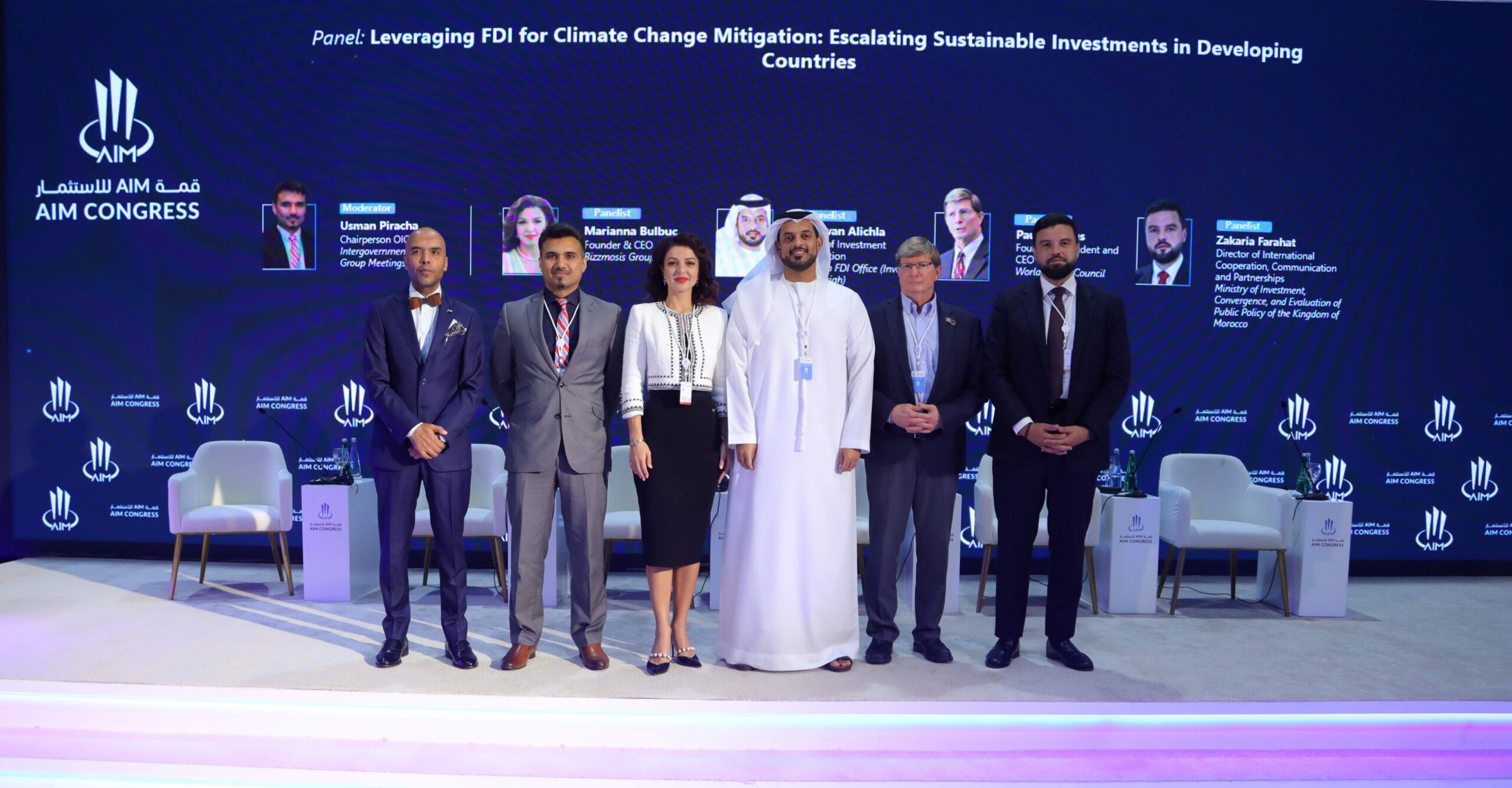
    The session “Leveraging FDI for Climate Change Mitigation” addressed the importance of sustainable investments in developing countries. Speakers Ms Marianna Bulbuc, CEO of Bizzmosis Group; Mr Marwan Alichla, Head of Investment Promotion at Sharjah FDI office; Mr Paul Holthus, Founding President of World Ocean Council; and Mr Zakaria Farahat, Director of International Cooperation at the Ministry of Investment, Convergence, and Evaluation of Public Policy of Morocco, highlighted the role of FDI in supporting climate goals in developing countries.

    Alichla discussed Sharjah’s strategy aligned with the UAE’s national agenda, emphasizing sustainability and advanced manufacturing. He noted Sharjah’s strategic location and its success in attracting FDI, resulting in job creation. Bulbuc praised the UAE’s model of collaboration between the public and private sectors in attracting FDIs.

    Regional Focus Forum Track

    The session titled “Korean International Economic Policy towards the Middle East,” presented by the Korean Institute for International Policy (KIEP). Mr Munsu Kang, a Fellow Doctor at KIEP, outlined the institute’s core objective of contributing to effective international economic policies for South Korea. KIEP has been instrumental in shaping and executing South Korea’s international economic strategies.

    The discussion highlighted the significant impact of global trends such as escalating competition between the US and China, protectionism, digital transformation, and regional conflicts on shaping KIEP’s medium- and long-term trade policy directions. Amidst these trends, alliances among middle power countries in the Global South are gaining importance. The session also examined the composition of trade between Korea and the Middle East.

    Looking towards future cooperation, the session emphasized energy transition as essential for the post-oil era, with hydrogen, carbon capture and storage (CS), and liquefied natural gas (LNG) supply chains emerging as key areas in the energy sector.

    The Korea-GCC Free Trade Agreement aims to open the service market, fostering economic diversification. Cooperation in digital payments, artificial intelligence (AI), robotics, smart factories, entertainment, and gaming sectors was also proposed as areas of focus.

    Later, the session “Unlocking Asia’s Potential: Harmonizing Sustainability and Advancing Technology for Economic Development” featured an esteemed panel of speakers. Among these were Renuka Weerakone, Director General, Board of Investment of Sri Lanka; MsEvariste M. Cagatan, Executive Director, Advisor Embassy Investment Promotion, Philippine Board of Investments; Mr Wirat Tatsaringkansakul, Deputy Secretary General, Board of Investment Thailand; Mr V. Enkhbaatar, Director General Advisor, Embassy Investment and Trade Agency of Mongolia; and Mr Raymond Siva, Head of Digital Investment, Malaysia Digital Economy Corporation.

    Jonathan Wong, Chief of Innovation, Enterprise, and Investment in the Trade and Investment and Innovation Division at United Nations ESCAP, emphasized the criticality of addressing the SDG investment gap and highlighted Asia-Pacific’s attractiveness for investment due to its resilient economies and abundant opportunities.

    The panel discussed various topics including effective positioning of countries in Asia-Pacific as attractive destinations for sustainable development investments, compelling messaging for investors, challenges in attracting sustainable investments, fostering an enabling environment for sustainable FDI, and enhancing regional cooperation.

    Ms Weerakone discussed Sri Lanka’s commitment to renewable energy generation and its focus on infrastructure development and gender equality. Ms Cagatan outlined the Philippines’ aspirations to become a hub for sustainable manufacturing in Southeast Asia, emphasizing renewable energy and critical mineral processing. Mr Tatsaringkansakul emphasized collaboration between the public and private sectors in Thailand to transition to renewable energy.Mr Enkhbaatar highlighted Mongolia’s rich natural resources and investor-friendly regulations. Mr Raymond Siva showcased Malaysia’s transition to a digital economy and its focus on talent accessibility and sustainability.

    Another session titled “Empowering Europe’s Future: A Strategic Investment Drive for Growth and Competitiveness” unfolded under the European Regional Focus Forum. Ms Lucie Berger, Ambassador of the European Union to the UAE, emphasized the importance of leveraging crises to build resilience and competitiveness. Prof. Henrick Von Scheel and Leon Delvaux underscored the EU’s significant role as a global investment player and highlighted the immense opportunities for investment, with FDIs in the EU totaling $8 trillion.

    The panel aimed to harness skills, expertise, and resources within Europe to foster cross-border opportunities and address economic challenges for a sustainable future. The focus was on policy initiatives, resilience building, and global collaboration.

    Other paneslists included: Alexis Rostand, Managing Director, Eiffel Investment Group, who stressed her Group’s focus on sustainable investment strategies and global expansion. Mr Jean-Mari Frentz, Executive Director, Luxembourg Trade and Investment Office, highlighted Luxembourg’s attractiveness for FDI and its leadership in green finance. Dr. Joseph Gerada, Regulator, The Family Business Office – Malta, discussed Malta’s support for family businesses and succession planning. Mr Luca Lazzaroli, Director General, Portfolio Management and Monitoring, European Investment Bank, outlined the Bank’s role in financing climate projects across regions. Mr Johannes Brunner, Commercial Counsellor, Austrian Embassy to the UAE. Mr Marios Tannousis, CEO, Invest in Cyprus, discussed the significant EU-GCC trade relations, emphasized Cyprus’s focus on tech startups, R&D, and collaboration for economic development in the European market.

    Investment Destination Track

    During the Oman Investment Destination Forum, a session titled “Country and Company Presentation” provided valuable insights into investment opportunities in Oman. Moderated by Omar Al Harthi, Senior Business Development Executive at Invest Oman, the session featured presentations from Invest Oman and Asyad Group.

    Al Harthi highlighted Invest Oman’s pivotal role in Oman’s economic transformation across sectors like logistics, food security, tourism, mining, and manufacturing.

    The company is pioneering new sectors such as green cement production and boutique luxury tourism. Oman’s appealing laws and legislation, offering incentives like up to 100 percent foreign ownership and tax exemptions, make it an attractive destination for investors seeking sustainable ventures.

    Mr Yasin Al Busaidi, Business Development Director at Asyad Group, discussed the group’s focus on enhancing trading activities through streamlined import and export processes.

    The group aims to become the leading hub in the logistics sector, leveraging Oman’s robust infrastructure, including ports and roads. The presentation highlighted the Hafeeth Rail Project, a significant initiative connecting Oman’s Sohar Port with the UAE rail network, fostering regional integration and economic growth.
  • BRICS+ Business Forum at AIM Congress 2024: Key Players Discuss Reshaping Global Economic Landscape

    BRICS+ Business Forum at AIM Congress 2024: Key Players Discuss Reshaping Global Economic Landscape

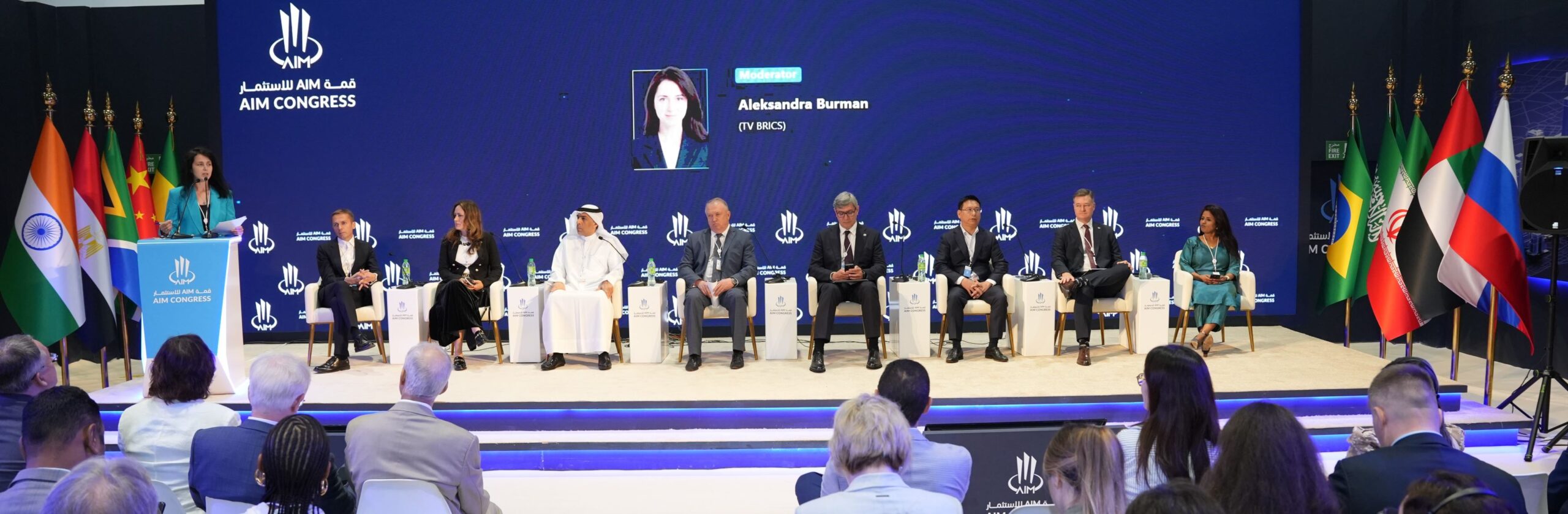
    Abu Dhabi, 9th May, 2024: The BRICS+ Business Forum, a pivotal session of the 2024 AIM Congress, convened at ADNEC in Abu Dhabi, featuring prominent leaders and experts from the BRICS nations and beyond. Chaired by Aleksandra Burman, the session provided a platform to deliberate on crucial topics concerning global economic dynamics and trade relations among BRICS member states and their partners.

    The session commenced with Dawood Al Shezawi, President of the AIM Global Foundation, emphasizing the significance of AIM Congress in fostering international cooperation and formulating investment strategies. With the event witnessing a remarkable increase in participation, Al Shezawi highlighted the importance of stronger international relationships in attracting Foreign Direct Investment (FDI) and fostering economic growth.

    Roman Shaykhutdinov, Deputy Prime Minister of the Republic of Tatarstan, outlined the region’s sustainable growth strategy, focusing on diverse sectors including oil, agriculture, IT, and tourism. Shaykhutdinov emphasized Tatarstan’s status as a burgeoning hub for startups and underscored the importance of forums like AIM Congress in facilitating partnerships.

    Sergey Katyrin, Chairman of the BRICS Business Council, Russian Federation, emphasized the opportunities arising from increased trade and cooperation among BRICS countries. He noted the potential for healthy competition in attracting investments, ultimately benefiting all member states.

    Sean He, Founding Partner of Silicon Harbour Capital Investment Company, China, emphasized the pivotal role of technology in shaping the global economy. He highlighted China’s leadership in the technology sector and its interest in fostering collaborations with the MENA region.

    Mikhail Makarov, Director of the International Relations Office at the Agency for Strategic Initiatives, Russia, shed light on Russia’s endeavors to promote technological projects globally. Makarov extended an invitation to BRICS+ countries to participate in a foresight forum in Dubai in 2025, showcasing Russia’s commitment to fostering international cooperation.

    Russel Curtis, CEO of Invest Durban, South Africa, elaborated on Durban’s growing significance in the BRICS landscape, citing the city’s strategic port location and burgeoning FDI inflows. Curtis emphasized the importance of aligning policy frameworks to attract investments and achieve sustainable development goals.

    UG Sujatha, Vice President of Global Partnerships at Invest India, highlighted India’s remarkable economic growth and its vibrant startup ecosystem. She stressed the potential for BRICS countries to collaborate and create a dynamic ecosystem conducive to mutual growth.

    Dra Leteia Pricila Gomes, President of Invest Brazil Institute for investment and international cooperation, underscored Brazil’s commitment to improving investment laws and fostering innovation. She highlighted the need for educational and developmental initiatives to further enhance Brazil’s attractiveness to investors.

    The BRICS+ Business Forum at AIM Congress 2024 served as a platform for fruitful discussions, fostering collaboration and innovation to drive sustainable economic growth globally.

    AIM Congress 2024 is hosting more than 150 high-level dignitaries, with 900+ speakers and over 12,000 participants from 175 countries around the world participating. AIM Congress has also organized 27 joint events in cooperation with over 330+ local, international, and global partners.

  • Annual Investment Meeting(AIM)2024 Congress Grand Opening Ceremony

    Annual Investment Meeting(AIM)2024 Congress Grand Opening Ceremony

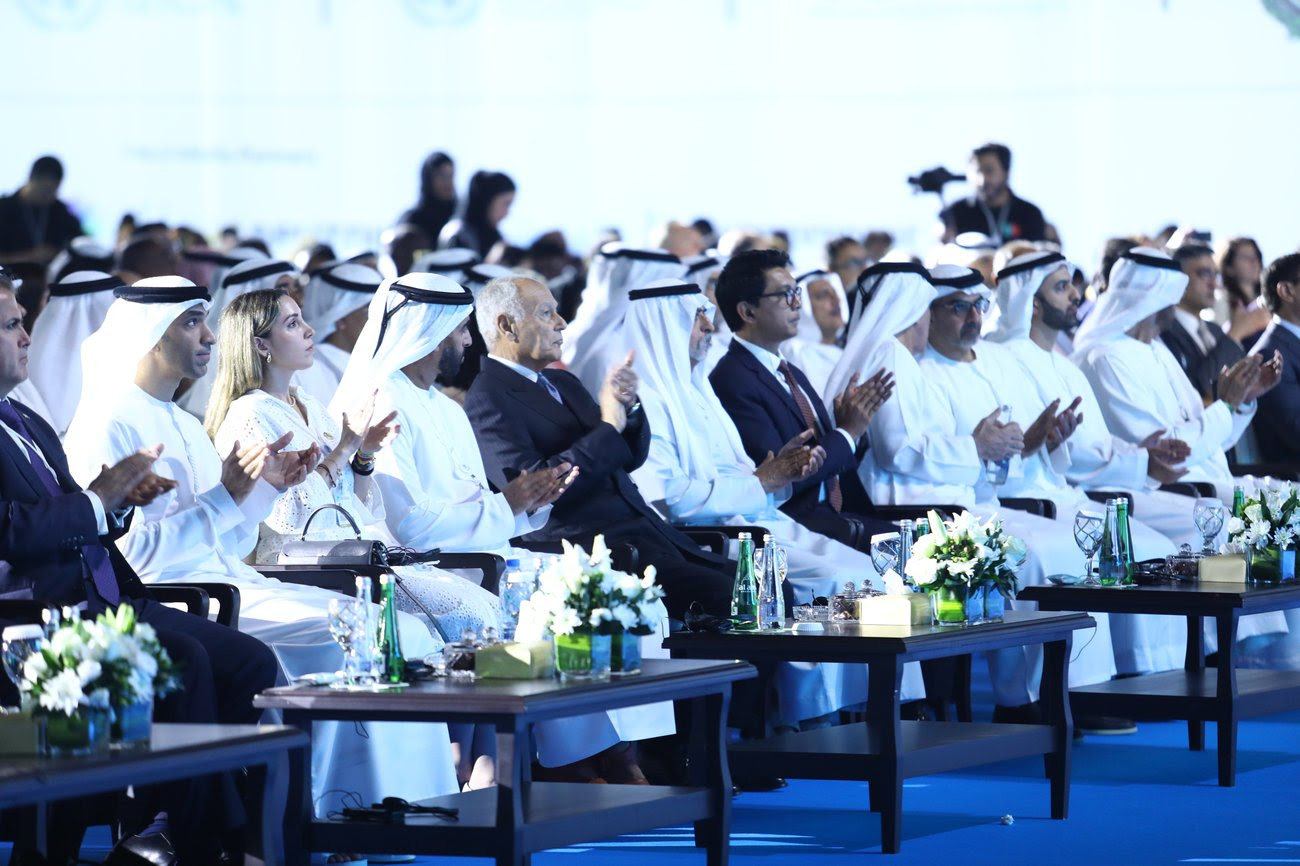
    The 13th edition of the AIM Congress kicked off today with a grand Opening ceremony featuring speeches by distinguished global dignitaries in the capital of the UAE, Abu Dhabi, under the theme “Adapting to A Shifting Investment Landscape: Harnessing New Potentials for Global Economic Development”.

  • 2024 AIM Congress in Abu Dhabi Highlights Innovation, Entrepreneurship, and Financial Technology

    Abu Dhabi, UAE, 8th May, 2024: The 2024 AIM Congress, world’s leading investment platform, commenced at the Abu Dhabi National Exhibition Centre (ADNEC) with a series of dynamic sessions under the Innovation and Technology Track, SMEs Track – Entrepreneurs Investment Summit, and Future Finance Forum Track. Over three days, from May 7th to May 9th, the AIM Congress brought together visionaries and experts to explore cutting-edge developments and foster collaboration in key sectors.

    Innovation and Technology Track

    The Innovation Track at the 2024 AIM Congress brought together industry leaders, innovators, and policymakers to explore the transformative potential of emerging technologies in driving economic growth and sustainability. The track featured engaging discussions on topics ranging from IoT and digitalization to AI systems and sustainable urban development.

    Moderated by Glen Gillmore, the sessions delved into the critical role of data-driven decision-making in shaping future industries. Speakers such as Catalina Valentino of ELIXR and Charles Austen Angell of Modern Edge Inc emphasized the importance of leveraging digital twins and AI integration to optimize operations and enhance productivity. They highlighted how advancements in AI and IoT are revolutionizing industries, making cities smarter, and creating safer and more sustainable environments.

    Martin Yates from Presight G42 underscored the importance of trustworthy data in AI applications, emphasizing the need for robust data management practices and regulatory frameworks to ensure ethical and responsible AI deployment. Steve Nouri of Generative AI emphasized the power of collaboration and knowledge-sharing in driving AI innovation, advocating for a collective approach to harnessing the potential of AI for societal benefit.

    The Innovation Track also explored the challenges and opportunities in adopting innovative technologies for sustainable development. Panelists discussed the need for holistic approaches to urban planning and development, integrating digital solutions with environmental sustainability goals. Lilly Lau, founder of DESMO, highlighted the importance of cybersecurity in IoT environments, stressing the need for robust security measures to protect data and ensure user privacy.

    Overall, the Innovation Track provided valuable insights into the transformative potential of emerging technologies in driving economic transformation and fostering sustainable development. As industries continue to embrace digitalization and AI, collaboration, responsible innovation, and ethical considerations will be key to realizing the full potential of technology in shaping a more inclusive and resilient future.

    “The best place is in digital twins. Building cities advances in AI. Making the environment safer is difficult due to the data; recognizing accurate data is crucial,” said Catalina Valentino, CEO of ELIXR.

    “AI is not a replacement of intelligence; AI is a supplement to the brains we have. We have to think of reinforcing growth. Thinking about everybody is important,” said Charles Austen Angell, CEO of Modern Edge Inc.


    SMEs Track – Entrepreneurship Investment Summit

    The SMEs Track at the 2024 AIM Congress convened entrepreneurs, policymakers, and industry experts to explore strategies for fostering entrepreneurship, promoting economic growth, and overcoming challenges in the SME sector. Under the guidance of moderator Reinhold Von Sternberg, the sessions provided valuable insights into various aspects of SME development, investment, and innovation.

    Panelists such as Christian Purstinger of Terraplasma Medical and Karima Catherine of BeBeeMatch shared their experiences and expertise, highlighting the importance of supply chain resilience, digitalization, and customer retention for SME success. They emphasized the need for collaboration, adaptability, and innovation in navigating disruptions and seizing opportunities in dynamic market environments.

    The discussions also addressed the role of government policies and international cooperation in supporting SMEs, particularly in emerging economies. Dr. Assia Ben Saad of AMDIE and Ibraev Danil of the Kyrgyz Union of Industry and Entrepreneurship emphasized the importance of fostering an enabling environment for SMEs through supportive regulatory frameworks, access to finance, and capacity-building initiatives.

    Furthermore, the sessions explored the potential of alternative lending platforms, such as peer-to-peer (P2P) lending, in addressing the financing needs of SMEs. Panelists discussed the advantages of P2P lending in providing faster access to capital, especially for micro SMEs, and the importance of risk management and regulatory oversight in ensuring the stability and integrity of these platforms.

    Overall, the SMEs Track provided a platform for stakeholders to exchange ideas, best practices, and innovative solutions for supporting SME growth and resilience. As SMEs continue to play a vital role in driving economic development and job creation globally, fostering an ecosystem that enables their success will be crucial for building more inclusive and sustainable economies.

    “SMEs are the backbone of the government. Delivery and e-commerce are using AI. They are having issues like delivery issues. Interactive-based technology. Excess management system is important,” said Thami Zondi, Economic and Development and Investment Expert, RSA

    “99 countries, 160 subsectors. How to bring more opportunity for SMEs is the main aim. 95 to 99% of the economy of the country they don’t have economy and have financial problems. Chatbots are extremely important in customer communications and retention, and so is Google,” said Karima Catherine, Founder CEO of BEBEEMATCH, Canada Advocate

    Future Finance Forum Track

    The Future Finance Forum Track at the 2024 AIM Congress brought together industry leaders, experts, and policymakers to explore the transformative role of technology in shaping the future of finance. Through engaging discussions and fireside chats, participants delved into key trends, challenges, and opportunities reshaping the financial landscape.

    One of the focal points of the track was cybersecurity, with renowned keynote speaker Edgar Perez leading a fireside chat on enhancing cybersecurity in financial systems. Perez emphasized the critical role of artificial intelligence (AI) in fraud detection and prevention, highlighting the power of AI technologies like ChatGPT in safeguarding financial institutions against cyber threats. The session also addressed the implications of deepfakes and the importance of responsible technology use in preserving privacy and security.

    Another highlight of the track was a fireside chat featuring Peter Tavaner, co-founder of Beehive, who provided insights into the comparative analysis of peer-to-peer (P2P) lending and traditional banking. Tavaner underscored the benefits of P2P lending, such as quicker access to funds and tailored financial solutions for SMEs, while also addressing common misconceptions about risk and security in P2P lending platforms.

    Additionally, sessions focused on the evolving role of AI and digital technologies in auditing and accounting. Speakers such as Prasanna, CEO of Blockstack, and Bernhard Schatz from PwC discussed the impact of AI on job security, efficiency, and data accuracy in the accounting profession. They emphasized the need for continuous training and adoption of technology to stay competitive in a rapidly evolving industry.

    Overall, the Future Finance Forum Track provided a comprehensive exploration of the intersection between finance and technology, highlighting the opportunities for innovation, collaboration, and adaptation in the digital age. As financial institutions navigate the complexities of an increasingly interconnected world, embracing technological advancements will be key to driving efficiency, security, and resilience in the financial sector.

    The 2024 AIM Congress continues to serve as a catalyst for innovation, entrepreneurship, and financial transformation. As discussions evolve and partnerships deepen, the Congress remains committed to driving sustainable growth and shaping the future of global industries.


  • AIM Congress 2024 Showcases Groundbreaking Sessions on Startup and Unicorn Tracks

    AIM Congress 2024 Showcases Groundbreaking Sessions on Startup and Unicorn Tracks

    Abu Dhabi, UAE, 8th May 2024: The 2024 AIM Congress witnessed an extraordinary lineup of sessions under the Startup and Unicorns Track, providing invaluable insights and fostering innovation in the entrepreneurial ecosystem. لإhe three-day event in ADNEC, Abu Dhabi, the event brought together visionary leaders, industry experts, and budding entrepreneurs to explore cutting-edge technologies, emerging trends, and strategies for sustainable growth.

    Under the Startup and Unicorn Track, the conference featured dynamic panel discussions and thought-provoking presentations aimed at charting the course for startups and unicorns in the rapidly evolving business landscape.

    Heading to the Future: 2024 the Bounce Back Year for Startups & Unicorns

    The Leaders’ Panel delved into the transformative potential of Industry 4.0, exploring emerging technology trends and their implications for startups. Experts discussed the role of AI in waste management, the significance of data-driven solutions, and the collaborative efforts driving innovation in the UAE.

    “UAE has been good at partnering with international companies to help nurture the local companies,” said Maher Al Kaabi, Advisor to Alserkal Group Chairman- Independent Board Member.

    Panel 2: The New Geographical Focus of Startups: Spreading Digital Innovation to Africa and Other Places

    The panel shed light on the burgeoning startup landscape in Africa, highlighting the untapped potential and investment opportunities across the continent. Speakers underscored the importance of cross-border collaborations, the rise of digital solutions, and the need for strategic investments to drive inclusive growth.

    “Africa is like China 20 years ago, you see where China is now, so Africa is moving there,” Nael Hailemariam, CEO/Cofounder – Chapa.

    Panel 3: Women Leading Startups: Finding Work-Life Balance

    Empowering women entrepreneurs, this panel celebrated the achievements of female leaders in the startup ecosystem. From navigating gender biases to fostering work-life balance, the discussions resonated with inspiring anecdotes and actionable insights, encouraging women to pursue their entrepreneurial dreams.

    “You can be a victim 10 times a day or you can be a hero 10 times a day,” said Basma Abdallah Uraiqat, Co-Founder and COO – Konn Technologies.

    Panel 4: Hiring the Right People and Finding Healthy Ecosystem

    Addressing the critical aspects of talent acquisition and ecosystem development, the panel emphasized the significance of diversity, inclusivity, and fostering a culture of innovation. Experts shared strategies for effective hiring, talent retention, and building collaborative ecosystems conducive to sustainable growth.

    The AIM Congress 2024 served as a catalyst for fostering collaboration, driving innovation, and shaping the future of entrepreneurship. As startups and unicorns continue to redefine industries and create transformative solutions, the AIM Congress remains at the forefront of championing their success.

    “Employees want to feel valued. You should not call your employees resources, they are assets,” said Hammad Khan, , Founder – LYFE/X.