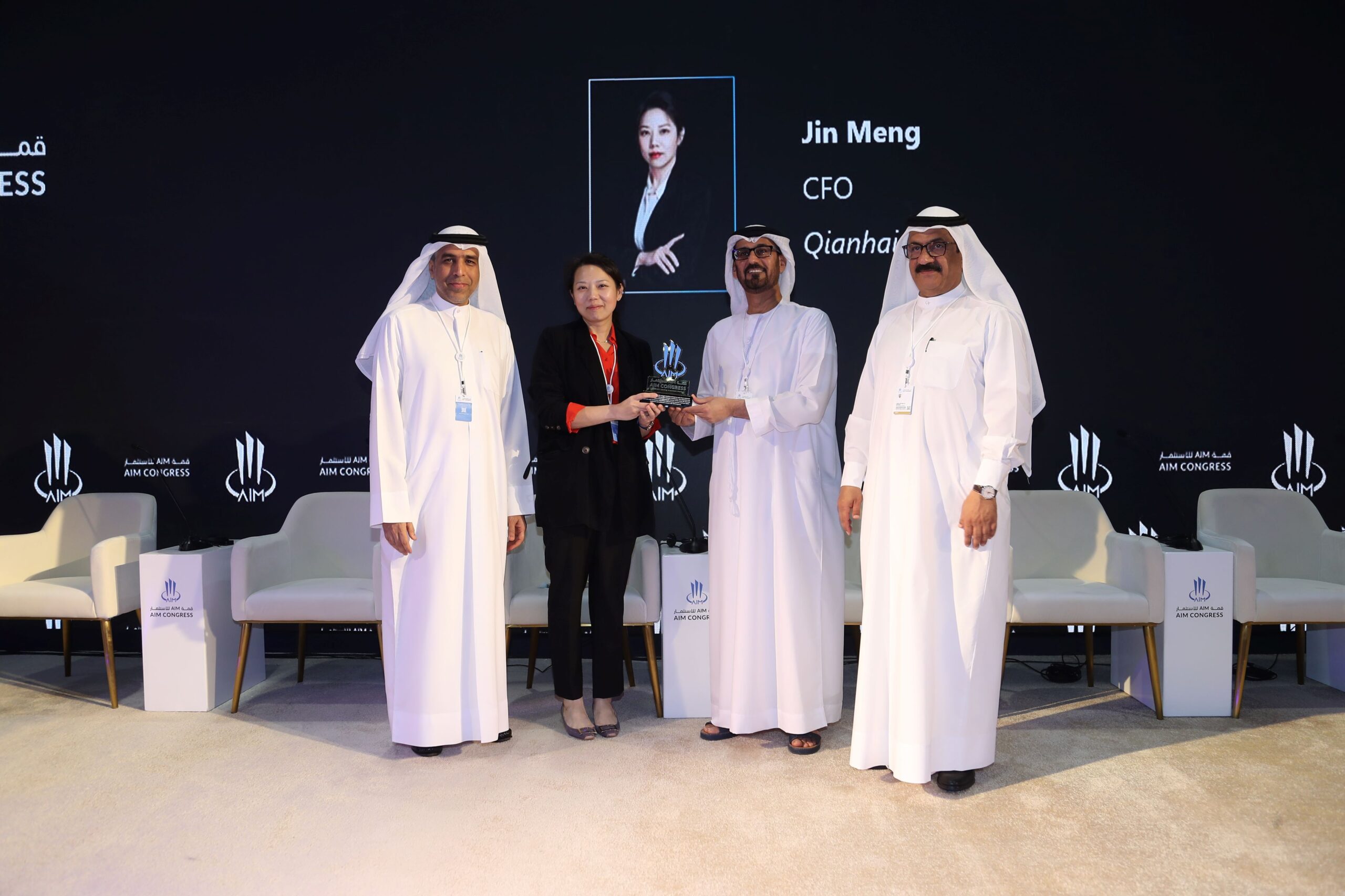
Abu Dhabi, UAE, 8th May, 2024: The 2024 AIM Congress, held at the Abu Dhabi National Exhibition Centre (ADNEC) from May 7th to May 9th, 2024, witnessed an unprecedented convergence of industry leaders, policymakers, and visionaries. The Congress saw captivating sessions under the Universal Track and the International Partners’ Track, fostering dialogue, collaboration, and innovative solutions to global challenges.
Universal Track
Under the theme “Investing in an Innovative Ecosystem: Navigating Growth Through Strategic Partnerships,” the Universal Track saw China Investment Forum take place which was marked by insightful discussions and keynote addresses.
The session was skillfully moderated by Duan Yanling, Partner at Zhejiang University Science Park Development Co., Ltd. The esteemed panel included luminaries such as Dr. Khaled Hanafy, Secretary General of the Union of Arab Chambers, and Dr. Ibrahim Moustafa, Vice Chairman for SCZONE for Investment & Promotion, among others.
Keynote speeches by H.E. Dr. Thani Bin Ahmed Al-Zeyoudi, UAE Minister of State for Foreign Trade, and Vice-Chairman of the Industry Development Council, and Ben Harburg, Managing Partner at MSA Capital & MSA Novo, set the stage for discussions on fostering economic growth and strengthening international partnerships.
Insights from panelists like Shenwei Hua, Vice Chairman of the Shanghai Municipal Commission, emphasized the burgeoning trade relations between China and the UAE, while Dr. Khaled Hanafy underscored the strategic importance of alliances with China for the Arab world’s economic development.
Shenwei Hua, Vice Chairman of the Shanghai Municipal Commission, highlighted the robust trade relations between China and the UAE, stating, “Shanghai emerges as a prime destination for investors seeking lucrative opportunities.”
International Partners’ Track
The Road to the 3rd World Local Production Forum 2025 by WHO
AIM Congress delved into critical discussions on advancing global health security and promoting sustainable local production. Dr. Jicui Dong, representing the World Local Production Forum (WLPF) Secretariat at the World Health Organization, set the stage with a welcome note, emphasizing the importance of collaborative efforts in ensuring access to essential medicines and health products.
Keynote speaker H.E. Mansoor Ibrahim Al Mansoori, Chairman of the Department of Health in Abu Dhabi, underscored the significance of equitable pathways and innovative strategies for a healthier future.
Presentations by Prof. Abderrahmane Maaroufi from the Institut Pasteur du Maroc and Prof. Frederick Abbott from Florida State University highlighted the role of technology transfer and local production in bridging global health disparities.
The panel discussion, moderated by Dr. Jicui Dong, featured eminent figures from Egypt, China, South Africa, Morocco, and the USA, who deliberated on the key highlights and priorities for the upcoming 3rd World Local Production Forum.
In his closing address, Dr. Jicui Dong reiterated the commitment of the World Health Organization to fostering partnerships and promoting sustainable solutions for global health challenges.
Climate Smart Agriculture (CSA): The Future of Sustainability in Food and Agriculture Sectors by KIEP
The International Partners’ Track session, “Climate Smart Agriculture (CSA): The Future of Sustainability in Food and Agriculture Sectors,” delved into critical issues surrounding sustainable agriculture practices.
Moderated by Jose Francisco Fernandez Serna, the session featured thought-provoking discussions by industry leaders including Averianov Aleksandr, Founder/CEO of Terroir Concept SPBU LLC, and Dr. Shamal Mohammed, Head of AgriTech at Silal.
Highlights from the session included discussions on the importance of financial and institutional support for farmers transitioning to sustainable practices, opportunities and challenges in horticulture, and the role of technology in enhancing food security agendas.
Dr. Shamal Mohammed, Head of AgriTech at Silal, emphasized, “Farmers need to see value in adopting new technologies for sustainable agriculture practices. Demonstrating long-term benefits is essential.”
The 2024 AIM Congress continues to serve as a catalyst for fostering collaboration and driving sustainable growth on a global scale. As discussions evolve and partnerships deepen, the Congress remains committed to shaping a resilient and inclusive future for all.
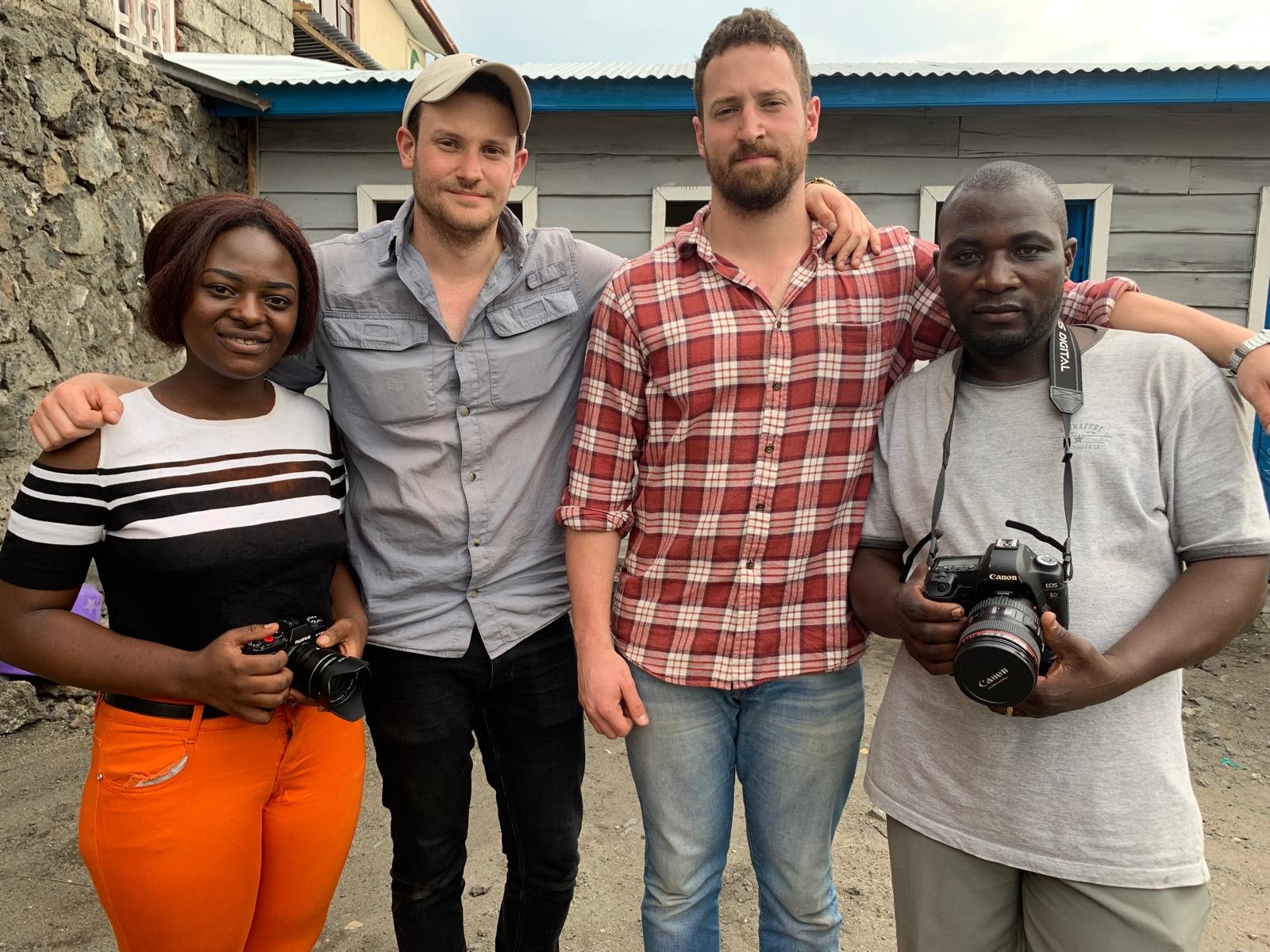
Sam and Jack Powers are the driving force behind Lens on Life’s groundbreaking partnership with the Canon Young People Programme (CYPP) in Central and North Africa and in the Middle East. Lens on Life is a nonprofit organisation, supporting photography and computer literacy training for young people around the world. During a recent visit to Dubai, Sam and Jack shared insights into their inspiring journey and the transformative impact of their partnership with Canon YPP.
Q1: How did Lens on Life come to fruition? What led to the collaboration with Canon?
Lens on Life began as a tribute to our mother, an art dealer in New York, who had a passion for photography and community engagement. After her passing, we felt compelled to honour her legacy by continuing her work.
We reached out to communities worldwide, starting with a small organisation in Congo, where we conducted a ten-day workshop. Inspired by this experience, we formalised our efforts, establishing Lens on Life as a nonprofit organisation. We raised funds to build our first school in Goma, and from there our initiative expanded.
Seeking collaboration opportunities, we initially connected with Canon through our involvement with the Miraisha Programme in the DRC. This led to digital classes via platforms like Zoom. Subsequently, our association expanded through the Canon Young People Programme (CYPP), marking a fruitful collaboration three years later.
Q2: Can you provide some insights into Lens on Life’s expansion plans in Africa, and how are they aligned with your mission to empower underprivileged youth or underrepresented youth by focusing on visual storytelling?
Our journey began in the DRC, where a local organisation in Goma became our partner. They focused on building community while we provided the tools for change. This collaboration became our model for expansion to other locations. As word of our success spread, other communities reached out, leading to rapid expansion across Cameroon, Iraq, and beyond. Within six years, we went from a programme at one school, to five programmes.
Our expansion is continuing as organisations across Africa seek partnerships. In Nigeria and South Africa, there’s a demand for additional extracurricular activities for youth, prompting invitations for Lens on Life to ‘set up shop’ and build permanent schools. This approach aligns with our shared belief with Canon in the transformative power of visual storytelling for youth empowerment and shaping the future.
Q3: Engaging communities and stakeholders are crucial for the success of educational programmes. Does Lens on Life plan to involve local communities, governments, and other stakeholders in the planning and implementation of the CYPP programs in Africa?
A significant outcome of Lens on Life’s work is the employment of young individuals who complete our programme with a new-found passion for photography. Many go on to pursue photography as a career, filling positions in their communities previously held by Western photographers and journalists. For instance, in Goma, one of our students now shoots for major news agencies and has won multiple awards. This shift towards local storytelling is noticed by the community, local governments, chiefs, and governors, who value the representation of their narratives. This often leads to partnerships with local authorities, bringing approval for our programmes and official recognition of our young photographers.
We serve as facilitators, enabling communities to express themselves authentically. While we collaborate with local, regional, and state governments, our work is not dictated by them. Instead, through partnerships like Canon Young People Programme, we empower young people to shape their futures using photography as a tool for change.
Q4: How precisely does Lens on Life utilise Canon technology and conduct workshops in these remote regions? And what challenges have you faced during implementation?
When we began, we could only afford ten small point-and-shoot Canons, but now every young person in the Lens on Life and Canon Young People Programme has a Canon DSLR. This equipment enables them to both take photos and compete globally. We have encountered some logistical challenges in delivering equipment to remote areas, as well as cultural barriers in places where photography isn’t always welcomed. Obtaining government permission, dealing with equipment maintenance in regions lacking a reliable supply chain, and ensuring sustainability are ongoing challenges. Nevertheless, our schools have become safe havens and technology hubs for the youth in these underserved areas.
Q5: How does the partnership with Canon Young People Programme benefit Lens on Life in terms of expanding its reach and impact among diverse demographics, particularly in Africa?
Lens on Life was founded to bridge the gap beneficiaries face in accessing the global economy. Canon’s support has significantly boosted our efforts by facilitating our students’ entry into communities they might not otherwise access, including opportunities with the United Nations and online exposure. This has empowered students to actively engage with initiatives like the SDGs, enabling them to discuss global issues more effectively. Furthermore, Canon’s reputation has lent credibility and trust, enabling us to engage in meaningful discussions with various stakeholders. Our students are viewed not just as ambassadors for Lens on Life, but also as representatives of the Canon brand, amplifying our voices and impact.
Q6: How does Lens on Life measure the effectiveness and impact of its programmes in empowering young people and fostering socio-economic growth, particularly in Africa?
We’ve witnessed numerous success stories from students who have participated in our programme. While not every student becomes a locally recognised photojournalist, many have overcome significant challenges and achieved remarkable success. For instance, one of our students from the DRC is now recognised as a leading African photojournalist, while another in Cameroon travels the world for photography assignments.
Even those who may not gain worldwide fame find meaningful employment opportunities locally, such as working for NGOs, or capturing global initiatives as photographers.
We’ve also implemented a survey, developed with the help of Beyond Conflict, to measure the social impact of our programme.
Q7: Could you share a specific success story of a student who has significantly benefited from the partnership between Lens on Life and Canon’s Young People Programme?
In Congo, one of our alumna, Arlette, has become a correspondent for multiple global media outlets, earning a sustainable income. Another student had the opportunity to exhibit his work in Kinshasa, showcasing his talent in a gallery setting. In Iraq, our teacher, Niga Salam, has travelled extensively, while many of her students have made significant impacts in their communities, particularly on issues relating to gender and climate change.
Our lead instructor in Congo, who was once a student himself, exemplifies the transformative power of our programme. Starting from humble beginnings in South Kivu, he now teaches and inspires young people, illustrating the importance of hiring locally to ensure a deep understanding of the communities we serve.
Q8: Looking ahead, how does Lens on Life envision the future of its partnership with Canon YPP and the expansion of its reach and influence in the Middle East and Africa, and what are the organization’s key priorities in this regard?
Sustainment is a key word that comes to mind. We want to make sure that we can continue to provide the level of service we currently provide to our beneficiaries.
While we’re open to expansion, particularly in regions like Africa, we’re committed to investing where we already have a presence. Our recent programme launch in the US reflects this, grounding our efforts in areas we understand deeply. Africa remains a focus, with partnerships in Nigeria and South Africa on the horizon.
Working with young people is a long-term endeavour. Though the partnership between Canon and Lens on Life is still relatively young, it will take time to witness the full impact of our collective efforts. While we celebrate stories of young individuals embarking on journalistic careers, our ultimate goal is to break the cycle of trauma and poverty they face.
Empowering these individuals to create brighter futures for themselves and their families is our mission. Having Canon involved with Lens on Life is crucial for achieving this goal.
Today, May 3, we are once again celebrating World Press Freedom Day, as declared by the United Nations General Assembly in 1993. Unfortunately, press freedom has not increased globally over these years, nor has democracy.
Reporters Without Borders will publish the latest edition of the World Press Freedom Index today too, and many circumstances indicate that the decline in press freedom will continue.
These topics also intersect with agriculture and food production. As our president, Lena Johansson, highlighted in the latest newsletter from the International Federation of Agricultural Journalists(IFAJ) in March, politics will always have an influence on agriculture and food production. These topics are used “as a means of power in many conflicts and even as a weapon to win wars,” Lena wrote.
Considering that our area of coverage is related to the food supply for the world’s population, it is not difficult to see why agricultural journalists and communicators cannot stand outside the fight for freedom of the press, freedom of speech, and for democracy.
Although conflicts or wars may not be prevalent everywhere, the nexus between agriculture and politics is global. This connection affects not only individuals and national decision-makers but also businesses, given the significant opportunities and risks associated with agriculture and the food industry.
As professional journalists and communicators, we must navigate through these complexities while supporting and encouraging one another in our efforts to do a reliable job on our own terms. This can be challenging, especially when working in authoritarian countries, where caution is necessary.
Even when offering support from safer environments, there’s a risk of unintentionally causing harm by not fully understanding the constraints faced by our colleagues.
Over the years, the IFAJ Freedom of the Press Committee has issued statements, particularly in response to instances where colleagues have faced pressure from authorities in their respective countries.
While the outcomes of these actions have sometimes been questioned, it’s essential to recognize that inaction is not justified simply because actions may not always yield immediate results.
However, in recent months, we have also tried to focus on a new project to compile links to institutions, organizations, and foundations that our members can access for assistance when encountering challenges with authorities while carrying out their duties. We aim to publish this link collection on the IFAJ website this year and update it when needed.
In the meantime, let’s continue to stand in solidarity with each other!
On behalf of the IFAJ Freedom of the Press Committee,
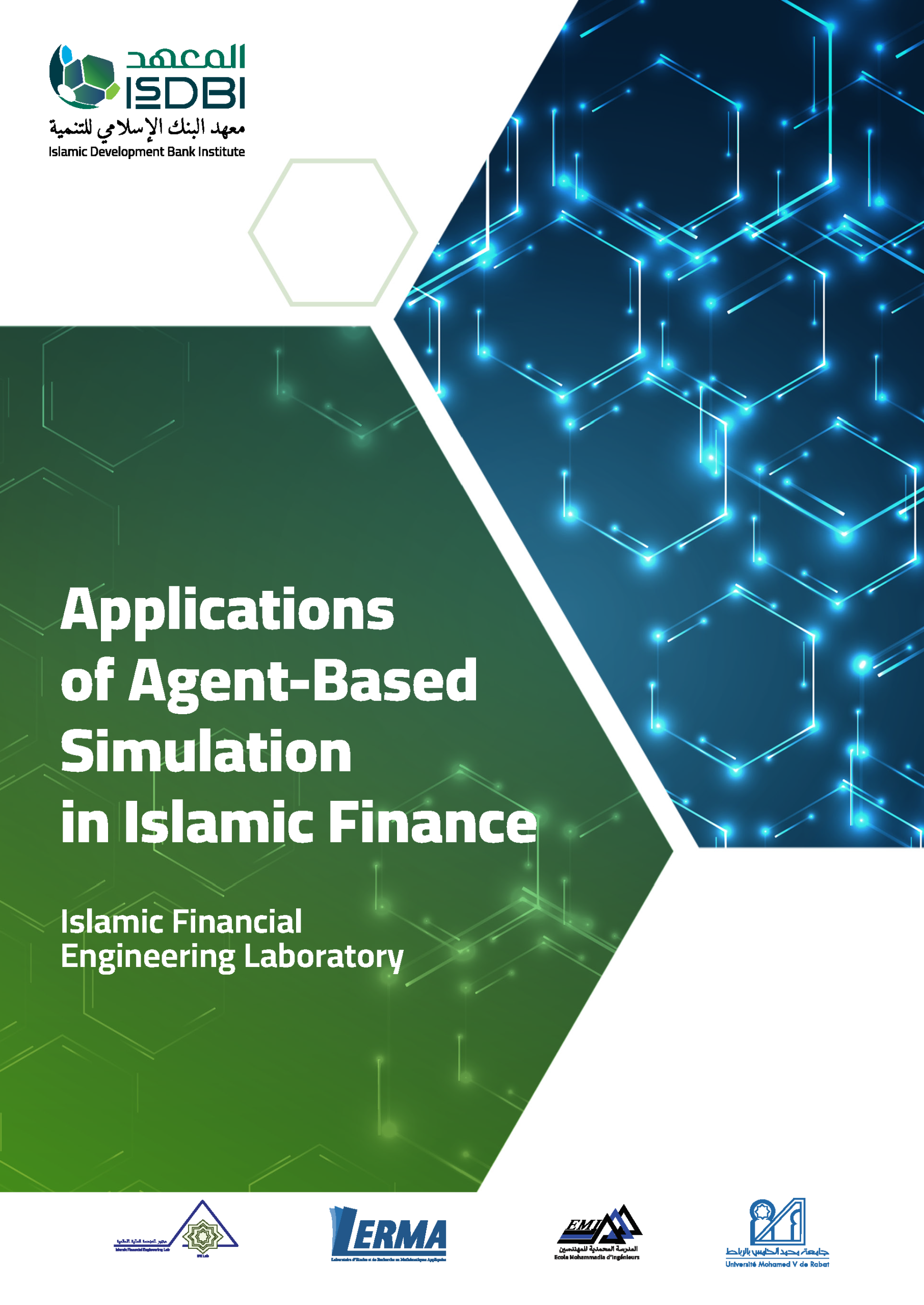
JEDDAH, Saudi Arabia, May 2, 2024/ — The Islamic Development Bank Institute (IsDBI) (https://IsDBInstitute.org) has released a new book detailing applications of agent-based simulation in Islamic Finance.
Titled “Applications of Agent-Based Simulation in Islamic Finance”, the book is an edited collection of papers authored by students who graduated from the Islamic Financial Engineering Laboratory based in Rabat, Morocco.
The Laboratory was established in 2013 by Mohammed V University in Rabat and the Islamic Development Bank (IsDB). Former heads of the Laboratory, Prof. Rajae Aboulaich and Prof. Mohamed Tkiouat, edited the new book.
The book explores the different aspects of Islamic finance and modeling, highlighting the importance of agent-based modeling and mathematical modeling in the context of Islamic finance. It also examines the growing role of fintech and its impact on financial inclusion within the Islamic framework.
The objective of the book is to provide an in-depth perspective of the theoretical foundations and practical applications of agent-based and mathematical modeling in the field of Islamic finance.
By exploring the different models and approaches, the authors highlight the advantages and limitations of these methodologies while emphasizing their relevance for decision-making and risk management in the Islamic context.
Dr. Sami Al Suwailem, Acting Director General of IsDB Institute, said: “The book is a result of close collaboration between the professors and graduate students of the Lab and experts from the IsDBI.
The support of the IsDB has helped IFE Lab students in the development of the modeling of complex problems and the structuring of innovative financial products using high-performance simulation approaches such as agent-based modeling, discussed in this book.”
Prof. Rajae Aboulaich, one of the book editors, said: “This book is the fruit of research carried out over the past eight years within the IFE Lab at Mohammed V University in Rabat. It presents selected research carried out as part of the theses produced within the IFE Lab.
The book documents also some of the success stories of the IFE Lab, and so, we hope it will serve as a reference for future generations to lead the development of Islamic finance to the next level”.
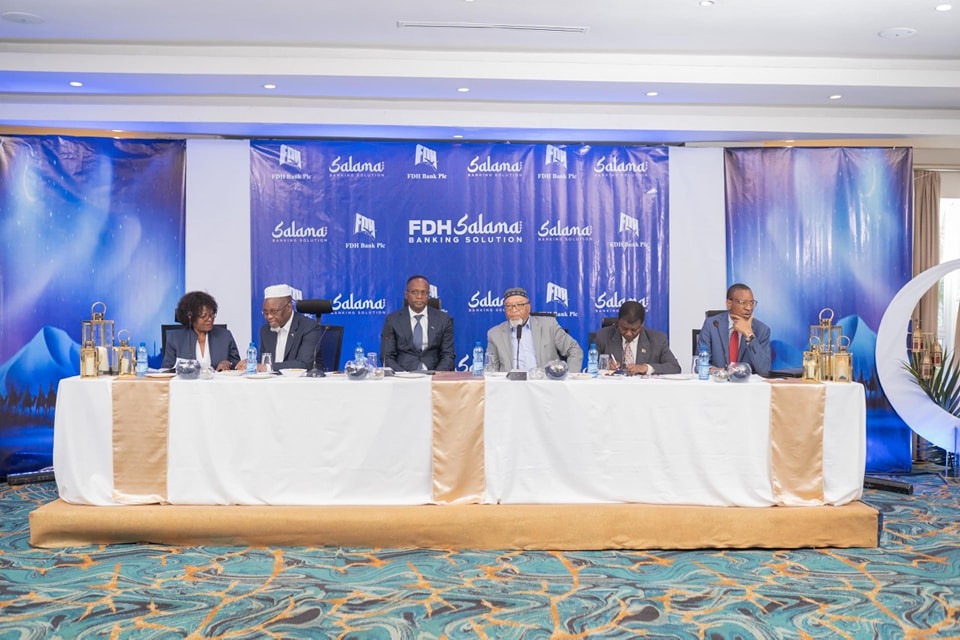
FDH Bank plc has rolled out Islamic banking that will provide Shariah-compliant products and services managed separately through a special window from conventional banking.
Islamic banking, also referred to as Islamic finance, is premised on two fundamental principles of Islamic banking, which entails sharing of profit and loss and the prohibition of the collection and payment of interest by lenders and investors.
FDH Bank plc board chairperson Charity Mseka said on Wednesday in Blantyre that the roll out of Islamic banking services, the first in the country, is not just expansion of services, but a commitment to financial inclusion and diversity.
“This milestone comes on the back of our new purpose as a bank which is to provide easy access to financial solutions that enable our communities to grow with us,” she said.
Mseka observed that Islamic banking offers resilience in the face of economic challenges as it emphasises on asset-backed financing and risk-based sharing mechanism, which provides a buffer against speculative practices.
She said the Islamic banking operates without the concept of interest, which is prohibited in Islam, instead of focusing on profit-sharing and asset backed transactions.
“This aligns closely with the value of many in our community who seeks financial solutions that are not only lucrative but also ethical and socially responsible,” she said.
The bank’s managing director Noel Mkulichi said apart from the approval from the Reserve Bank of Malawi to offer Islamic banking, the central bank also gave them a go-ahead to set up a Shariah Advisory Committee to oversee the management of FDH Salama Banking products and services.
“This is a key requirement for enhancing Sharia compliance,” he said.
Mkulichi said the Islamic banking will start by offering deposit accounts as well as a cost-plus financing solution or Murabaha and will expand the product line with time.
“Customers can access these solutions through our specially designated service centres Limbe, City Centre in Lilongwe and Mangochi,” he said.
Mkulichi touted the FDH Salama banking solution as the first of its kind in Malawi, specially introduced to fill the gap the country has historically experienced.
RBM executive director for regulation Patrick Mhango said it is the government’s policy position to create a conducive business environment for the private sector to offer a critical basis for expanding the scope of Islamic finance in the country.
“As part of our legislative readiness, we will ensure that Islamic banking products are offered in a safe and sound manner,” he said.
Muslim Association of Malawi general secretary Sheikh Alhaj Twaibu Lawe thanked FDH Bank for partnering Mam and Qadria Association of Malawi to introduce the Islamic banking, saying it will help them access bank services in an Islamic way.
Chamber for Small and Medium Businesses Association executive secretary James Chiutsi said in an interview that the Islamic banking window could not have come at a better time than now when the cost of capital is high.
“For years, we have decried high interest rates which have made borrowing from financial institutions very hard,” he said.
But economic statistician Alick Nyasulu is quoted as having said that aspects of Islamic banking are worth pursuing given the high cost of borrowing, but said it is not as easy as it seems.
Elsewhere in Africa, South Africa, Nigeria, Kenya, Senegal, Djibouti, Uganda and Morocco have legal and regulatory frameworks and run Islamic finance products.
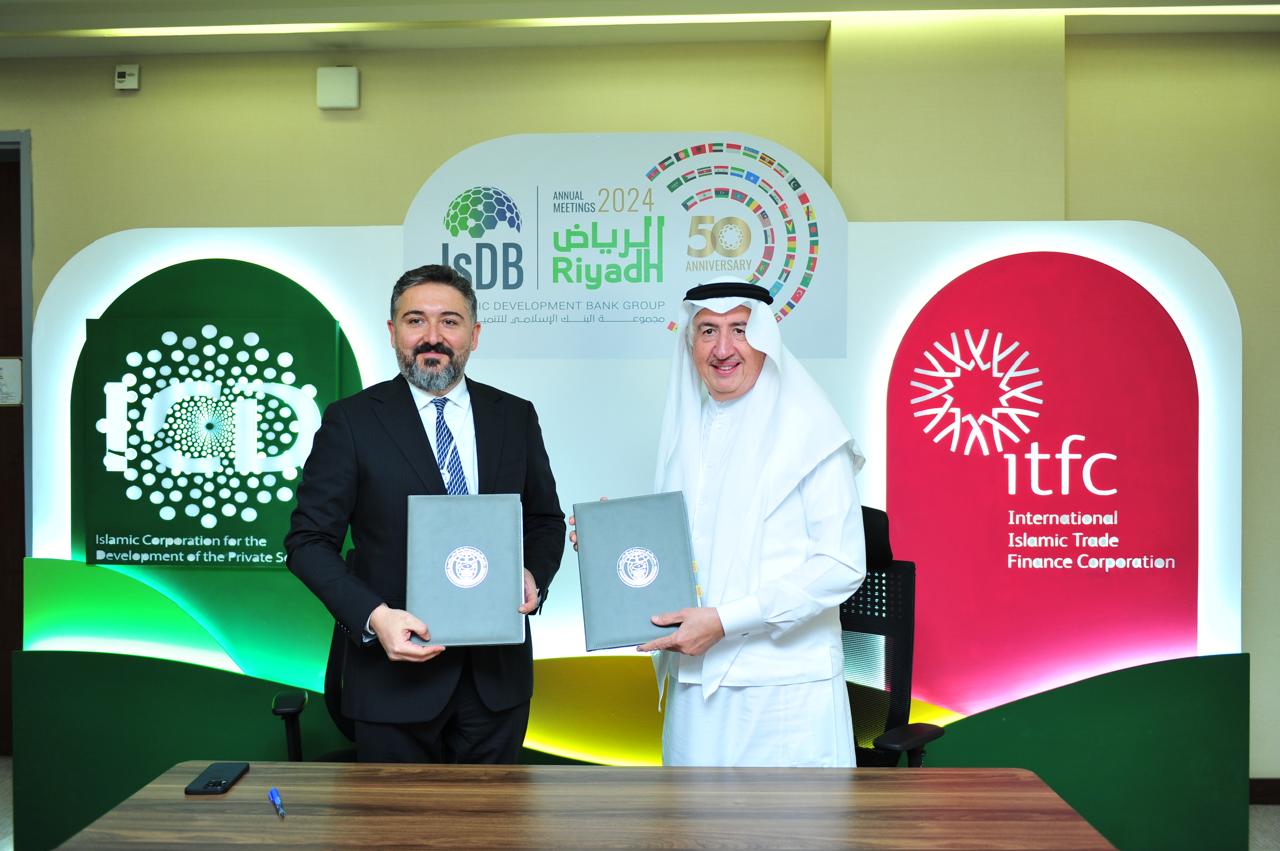
RIYADH, Saudi Arabia, May 1, 2024/ — The Islamic Development Bank Group Business Forum (THIQAH) (www.IDBGBF.org) and the World Association of Investment Promotion Agencies (WAIPA) have recently signed a Memorandum of Understanding (MoU) aimed at fostering collaboration to promote business and investment opportunities on a global scale.
The signing ceremony, held in Jeddah, Saudi Arabia, signifies a strategic alliance between THIQAH and WAIPA, two prominent entities dedicated to facilitating economic growth and investment promotion.
Under the MoU, THIQAH and WAIPA commit to cooperating through various initiatives such as promoting investment opportunities, organizing international business-related events, and facilitating access to information and resources for potential investors. The agreement underscores the shared vision of both organizations to enhance economic development and create mutually beneficial partnerships.
Distributed by APO Group on behalf of Islamic Development Bank Group Business Forum (THIQAH).
Marrakech, Morocco: The AI mania that’s transforming business, government and society globally is also igniting waves of innovation across Africa, with the shape-shifting tech’s existential prospects powering a cross-continental investment surge at the AI Everything Expo by GITEX AFRICA in Morocco next month.
Africa’s epic AI opportunity is already disrupting digital advancements in diverse sectors from finance and agriculture, to healthcare and mobility, all fueling a booming AI market that, according to analysts Statista, will grow 30 percent annually over the next six years to value US$17 billion by 2030.
This massive AI rush combined with a rapidly growing population of 1.5 billion people – of which 70 percent are under the age of 30 – creates a potent recipe of AI acceleration, but highlights gaps in talent development, venture allocation, policy and infrastructure.
These crucial challenges and opportunities will be addressed when the world’s AI cognoscenti and pivotal power players of its widespread deployment unite to fast-track the continent’s next big tech shift at the AI Everything Expo by GITEX AFRICA, the year’s largest and most progressive platform for AI exploration and deep tech innovation.
Taking place from 29-31 May 2024 in Marrakech, Africa’s powerhouse tech showcase will feature the world’s tech titans spearheading the AI gold rush, including Microsoft, IBM, Huawei, Nvidia, and Google, along with hundreds of AI ambitious start-ups from across the globe with grand visions to change Africa via AI-infused products and services.
An AI continent ‘brimming with investment opportunity’
Microsoft, the world’s most valuable company, and GITEX AFRICA’s official AI Partner, is leading the way in the AI investment race, having forged partnerships with the world’s hottest makers of AI models, including the UAE’s G42, a global leader in visionary AI.
Microsoft’s recent US$1.5 billion strategic investment in G42 to accelerate AI development in growing economies such as Africa will be welcomed by big tech executives, government leaders, investors and tech entrepreneurs alike at GITEX AFRICA 2024, which will also feature Presight, G42’s big data analytics company powered by generative AI.
Lillian Barnard, President of Microsoft Africa, said AI can unlock a continent “brimming with investment opportunity.” “Africa has long been recognised for its formidable growth prospects and AI is the long-awaited key to help unlock that potential,” said Barnard, who will also be a headline speaker at GITEX AFRICA’s power-packed conference programme.
“The AI-powered innovation we’re seeing today is poised to reinvent every aspect of society from healthcare to financial services, manufacturing and beyond. If Africa is to benefit from the paradigm shift currently sweeping the globe, we must make the promise of AI real for people and organisations across the continent – and do so responsibly. GITEX provides us with a platform to come together and work towards fulfilling that commitment.”
Dr. Adel Alsharji, the COO of Presight, added that Africa is the second-fastest growing region globally in AI adoption. “Africa’s AI journey is gaining momentum, and this progress highlights the continent’s readiness to explore and harness the potential of AI for driving economic growth and addressing local challenges,” said Alsharji, adding that demand for AI-related jobs will increase two-fold over the next three years. “AI could add US$13 trillion to the global economy by 2030, while the number of AI-related jobs in Africa alone is expected to grow by 200 percent by 2025.”
A formidable African force in a world-changing AI revolution
The AI Everything Expo will gather the brightest minds and most innovative thinkers in the field of AI at the AI Everything Conference, one of 10 powerful conference stages at GITEX AFRICA, the continent’s largest tech and start-up show.
Headline speakers leading the AI phenomenon include Dragoș Tudorache, Vice-President of the Renew Europe Group; Mactar Seck, Chief of Technology and Innovation at the United Nations Economic Commission for Africa (UNECA); and Jepson Taylor, Former Chief AI Strategist, Dataiku.
AI and it’s far-reaching multisectoral impact will be evident on the exhibition floor, with exhibitors showcasing how the AI boom is turbocharging waves of innovation across industries, from education and agriculture, to transport, retail, energy, or logistics.
Clinify, a Nigerian start-up epitomises this movement in the healthcare sector, and is one of hundreds of global change-makers at GITEX AFRICA’s North Star Africa start-up showcase. Clinify, an electronic medical record (EMR) platform seeks to digitise patients’ medical records in Africa, where 90 percent of such information is still paper based.
CEO and Founder Michael Omidele, said there’s an urgent need for centralised and digitised medical records. “Africa’s healthcare sector faces several challenges; there’s only one doctor available for every 10,000 patients whereas the average in developed countries is one doctor for every 250 people,” said Omidele.
“Clinify is a one of a kind African solution offering a digitally centralised and standardised interoperable aggregator of healthcare systems, a telemedicine platform, and an EMR solution giving patients access to their medical records. Our goal is to network with healthcare providers, to expand this innovation from Nigeria and export it across Africa.”
Under the High Patronage of His Majesty King Mohammed VI of the Kingdom of Morocco, GITEX AFRICA is held under the authority of the Moroccan Ministry of Digital Transition and Administration Reform, in partnership with Morocco’s Digital Development Agency. The 2nd blockbuster edition, organised by KAOUN International, follows its pioneering debut in 2023.
Today we bring you the Part Two and final on the efforts of two change agents at re-designing the Togo, rural Built Environment for sustainability. An initiative that was to get full buy-in of Nor “Wester Rotary Grant,US.
Dignity Toilets are zero water usage and are climate smart for that matter. The dwindling water stock levels of aquatic or fresh water systems the result of climate change impact, continue to raise concerns globally and more so, in African rural communities that tend to be the most hard hit.
Leveraging innovation and research driven technological solutions would therefore be highly crucial in re-designing the African Rural Built Environment for sustainability.
Now for the rest of the story, read on
Reaching out to Rotary Club
“By the time we had done eight (8) we had the system down and could duplicate the design consistently. That is when I approached my Rotary Club and asked them to take on the project. They agreed” Doc Reiss recounts
Kathi Jellicoe Pressley, Nor ’Wester Rotary Grant, US, Writer, recounts the humble beginning of the Dignity toilet project in Togo by Tao and Doc Reiss before the Rotary take-over
“Toilet No1 gifted to a friend in Zogbedgi, a poor rural village in Southern Togo, Africa.Neighbours sign up to have one built for their families in 2015. In 2016 eighty (8) toilets for twenty-four (24) waiting families was financed through donations.
Moving the Project Forward by Rotary
In chronological order, Kathi presents the role of Rotary in the Dignity Toilets Togo project since its takeover of the project in 2017 up till date.
“In 2017 Nor ‘Wester Rotary Club hires local men and train them to build eco-san toilet. Dignity Toilet Togo, established as an NGO by the crew to help Rotary get grants leading to the construction of fifteen (15) toilets and twenty-three Dignity Toilets(DTs).
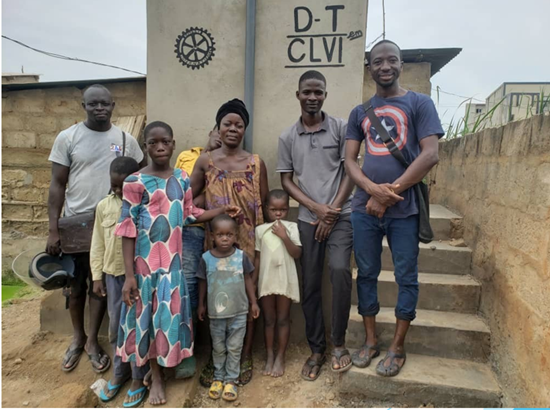
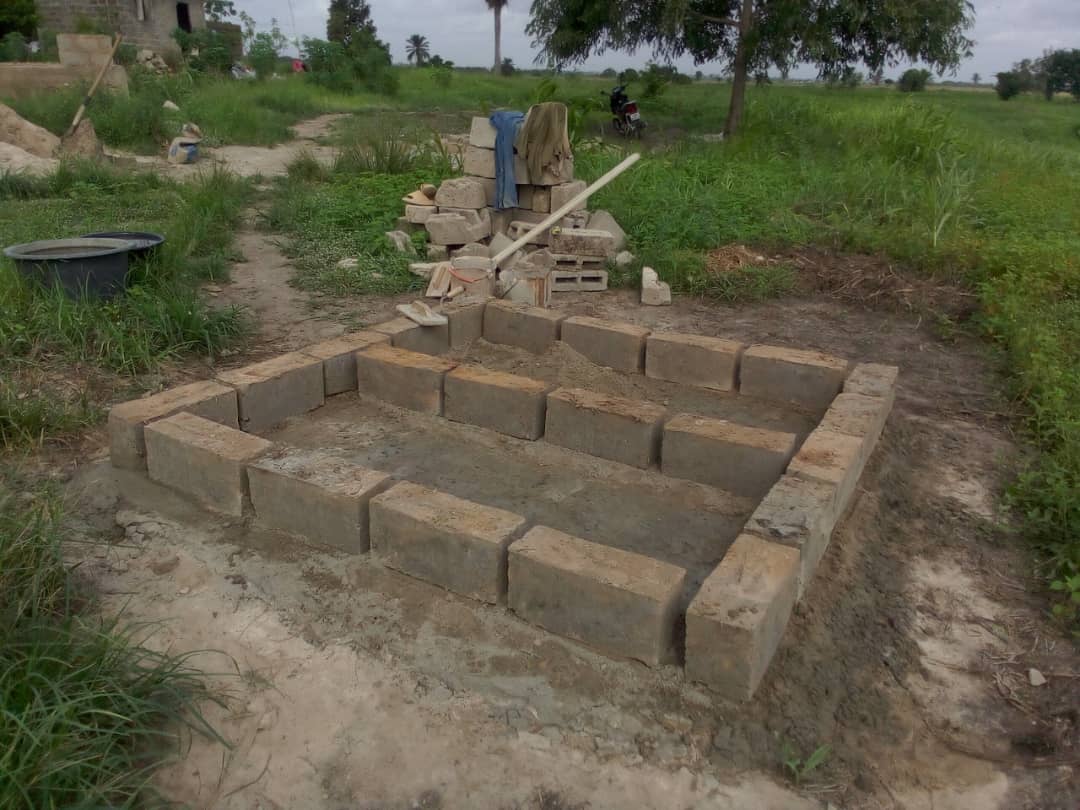
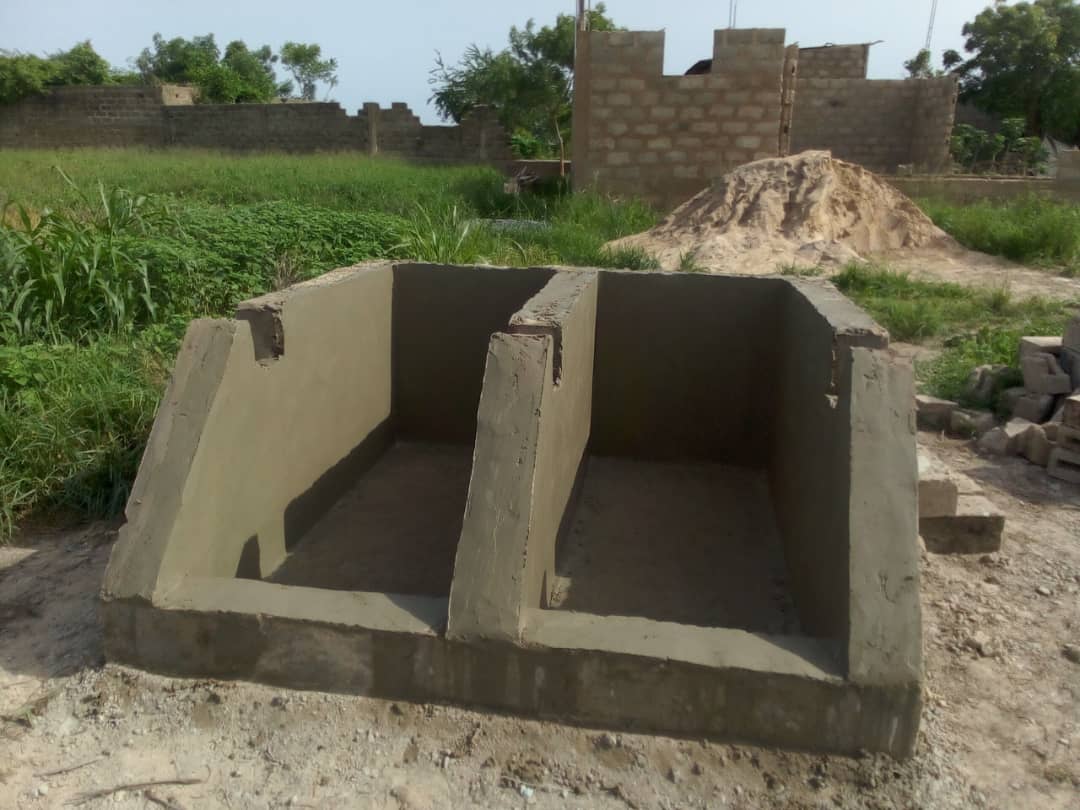
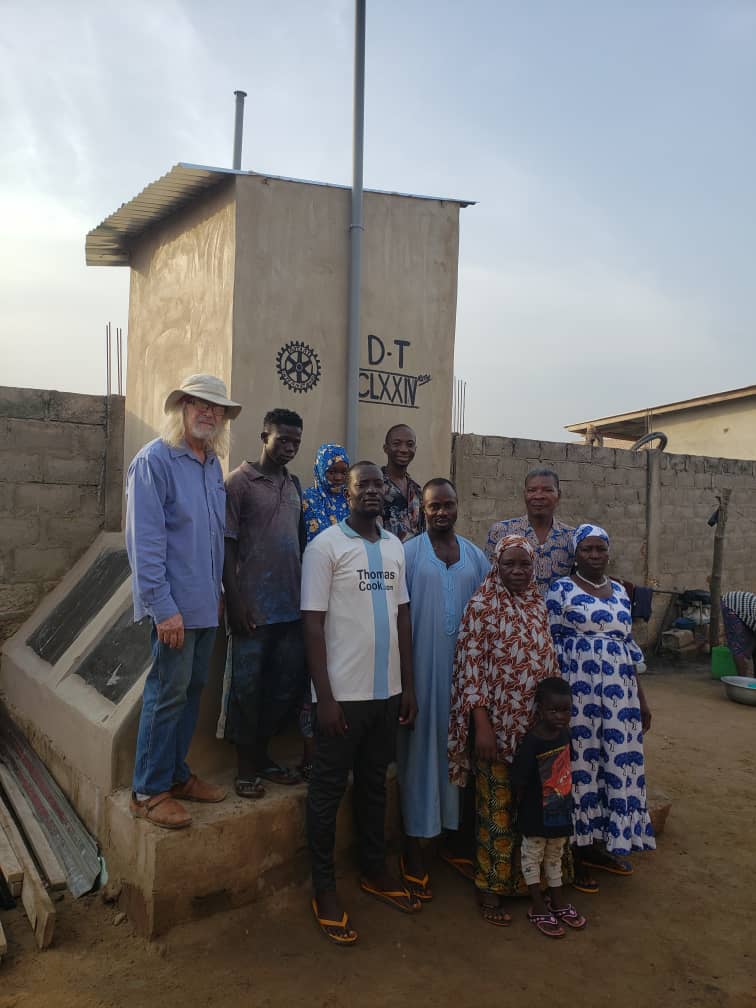
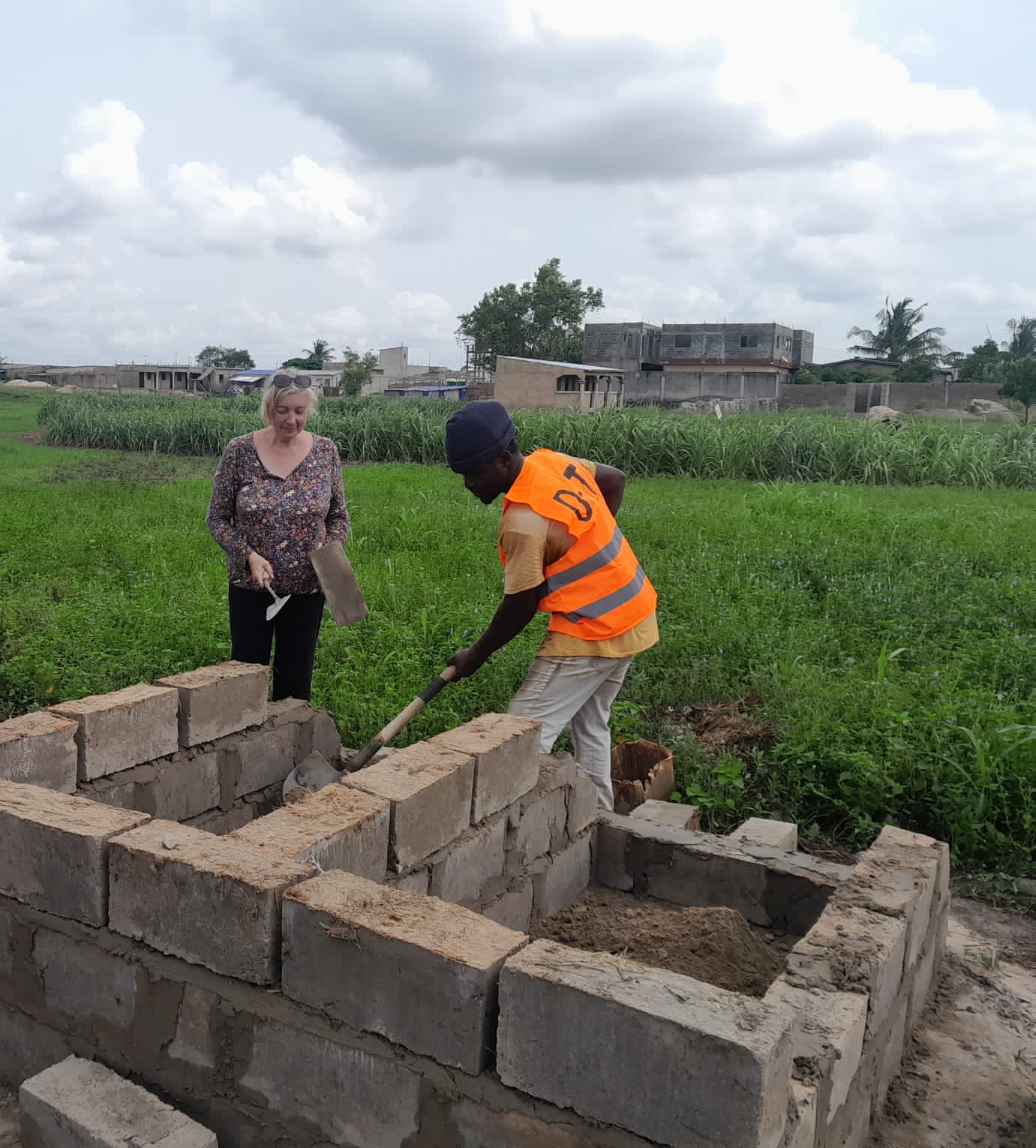
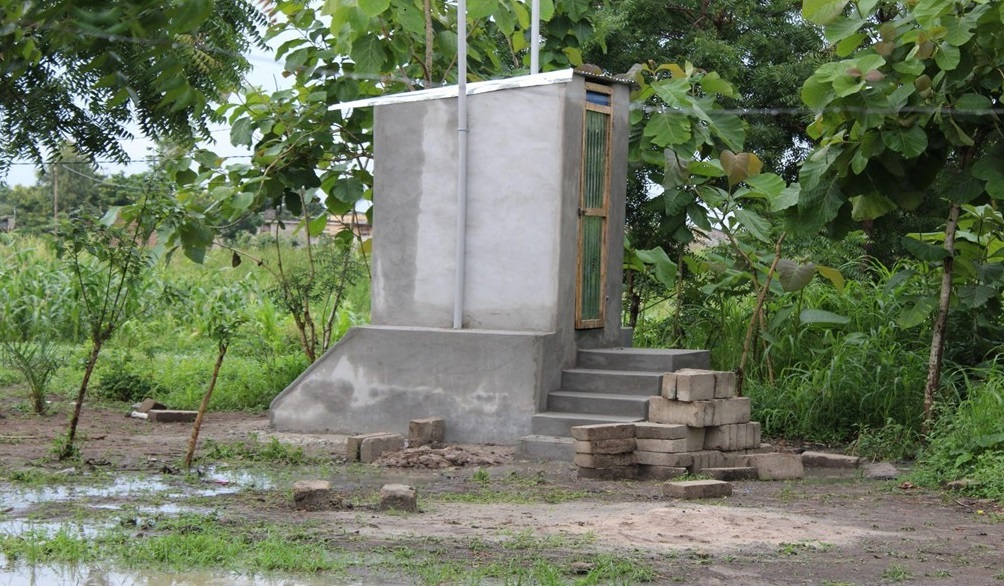
Initial constructional Stage of a Dignity Toilet in Klobatem,rural Southern TogoStage TwoDignity Toilet is ready with Tao and Doc Reiss in a Pose with BeneficiariesSandrine Plathey,member of the Video Team,New World TV,France,offering a voluntary helping hand
“In 2018 thirty (30) toilets and 53 DTs were constructed through Nor ‘Wester District grants, private and club donations. Nearby Klobathem added to the service area.
“2019, recorded forty-five (45) toilets and ninety-eight (98 DTs) as word continued to spread and building continued, and the outcome was, 700 people no longer “visit the bushes” Area eight (8) global grant also approved.
“In 2020 project work impaired due to COVID-19 impact via border closure, doctor shortage and no work to provide for families. Nonetheless, six (6) Toilets and one hundred and four (104) DTs were added.
“In 2021 sixteen (16) Toilets and one hundred and twenty-two (122) DTs were added while Doc Reiss moves to Ghana and funds donated from Nor ‘Wester. Nor ‘Wester Rotary and six (6) Districts Clubs create new model for global grants. Global Grant received and ultimately cancelled due to failure of Host Club to follow the terms of the MOU.
“In 2023 fourteen (14) Toilets/one hundred and thirty-six (136) DTs added as Nor ‘Wester Rotary receives District grants. One thousand, one hundred (1,100) people were impacted including two male crew members and one (1) woman for education on how to utilize and manage the toilet. Women and children tend to be the most impacted under living conditions lacking toilet facilities.
“In 2023, twenty-eight (28) Toilets and one hundred and sixty-four (164) DTs were added. Area 8 global grant approved, Lomé Racine signs MOU, two crew salaried completed and Quality Program Fertilizer Test done
“As of April,2024 forty-four (44) toilets were added totaling one hundred and eighty (180) DTs positively impacting the lives of one thousand four hundred and ninety-eight (1,498 people
“Eight (8) DTs is currently in process with two crews salaried-an assistant for the Director of Dignity Toilets Togo, Taouvik and one (1) woman for education.
Three (3) professionals, carpenter, Ironworker and plumber on contract” Kathi wraps up her project progress report in a chronological order.
Global Grant Input
“We have a global grant now because of the combined efforts of the clubs in our area and are building at a rate of 8 a month. Much as I would like to take credit for the global grant and the upsurge in building, that has been Kathi” Doc Reiss appreciates Kathi of Nor” Wester Rotary Club.
The Urine Fertilizer Dimension of DTs
Doc Reiss further appreciates the takeover of Rotary with Kathi in charge. “It is under her direction that things have blossomed. A while back I learned that it was possible to take urine and turn it into fertilizer. I sent Tao to Malawi to learn how to do it from a fellow named Goodfellow Phiri.
“Goodfellow has a business that started with five 200 liter tanks. He now has 100. he taught Tao. No one has ever built for the families before. We are truly grassroots.
“People usually show up, do something with their own people and leave. One day Tao told me, “The difference between you and those guys is that they do something for the village. You do something with the village.”
“We never meant to start as a project. We just did what we needed to do to make things work and in the process created a unique project. Now I want to marry the DT (Dignity Toilet) project to fertilizer production” Doc Reiss intimated.
The Urine for Fertilizer Dimension of DTs
“We have had test fields prove successful. We are stockpiling the urine and will soon be selling it to local farmers to help them rebuild their soils at a rate about 40% cheaper than commercial fertilizer.
“Once we have the system up and running we will take the profits from the fertilizer and use it to offset the cost of future toilets which will give us more fertilizer which will give us more toilets.
Creating a Self-Financing System for DTs
“By putting the two together we will create a self-financing toilet project that can be transplanted to anywhere in rural Africa and start rebuilding the soils for a better future and healthier families.
Multiple Benefits of DTs
“One toilet reduces ground water pollution, lowers cholera and other diseases, and provides safety for women and children. and it gives dignity to the family.
“Also women no longer have to wait until dusk for modesty sake which lowers the number of urinary tract infections. Now when a guest needs to go to the bathroom during a visit they do not have to go find a field.
Going Green with DTs,the Economics
“I must confess it is because of Daniel and Agent Konte that I started looking into going green. If you contact anyone I am telling you about and you say you were talking to me about toilets they will know exactly what is going on.
“And by going green we will be able to add another potential funding source (making bricks and blocks) as well as make the toilets more affordable to more families. It also gives us the chance to hire more people” Doc notes with great satisfaction.
Taouvik Boukari, the Director of Dignity Toilets, Togo, on his part, presents the social-economic and, environmental impact of the dignity toilets in the project catchment area in Togo.
Social Impact of DTs in Rural Togo
Taouvik, Dignity Toilet Project Director, Togo says, for the people of the village, kegue ZOGBEDJI, the social impact is that, DTs, has changed many things-no smell, no poop everywhere like before, and the village has become clean. The people like it so much, and more people come to stay in the village
Health Impact
“With regards to the health impact, clean area brings more good health, no much mosquitos like before, no much sickness, people have better life, good health, no more defecations everywhere,
Environmental Impact
“Environmental impact wise, toilets protect environment no offensive odours, save water wastage as DT don’t need water, clean, DT protect the environment too
Economic Impact
“On the economic, impact people will save money from evacuations of their local toilets, because DT is ecology toilet, and they will make more money in using fertilizer which DT gives them.
Rural Community Beneficiaries Response
“The rural community never stop thanking us for this big opportunity we bring, and changed many people lives; we are like heroes in the community
Ongoing Projects
“Now we are building 178th toiles in three villages, Zogbedji, Klobatem and
Yayirakome” Taouvik further updates.
The Way Forward
On future plans of Dignity Toilets Togo, Tao had this to say, “In the future we are thinking to training more people have more crew, give jobs to more people and develop urine fertilizer. We collect urine from DTs and sell to make money and use that more pay people and do new toilets to continue helping communities”
DTs for Ghana
Doc. Reiss also discloses that Ghana is next after Togo for replication of the Dignity Toilet, Togo project and that he is sourcing a UN grant funding for that .In Ghana, he says, he knows of a village with 300 families needing toilet facilities. Another area in Northern Ghana he disclosed need 9,000 toilets.
To bolster national planning activities, policymakers have been urged to embrace digital tools to foster greater transparency, efficiency, and effectiveness.
The call to action was made during the meeting on “Leveraging Digital Technologies for Integrated Planning to Advance the SDGs and Agenda 2063 in Times of Multiple Crises”, which took place as a side event at the Tenth Session of the Africa Regional Forum on Sustainable Development (ARFSD-10).
Mr Antonio Pedro, Deputy Executive Secretary of the UN Economic Commission for Africa (ECA), stressed the importance of technology in supporting development planning systems.
He said that while many countries do an excellent job of identifying their priorities through extensive stakeholders’ consultation, the number of identified priorities is often so numerous that implementation becomes a challenge.
To address this challenge, ECA developed the Integrated Planning and Reporting Tool (IPRT), a web-based tool designed to enhance the effectiveness of planning.
The IPRT aims to strengthen planning systems by leveraging technology, allowing for the digital tracking of national, provincial and sector plans in alignment with annual budgets and international commitments such as SDGs and Agenda 2063.
Mr Bartholomew Armah, Chief of Development Planning in the Macroeconomics and Governance Division at ECA highlighted the tool’s ability to facilitate integrated and coherent planning, addressing the issue of disconnected planning frameworks at various levels and ensuring alignment with global commitments.
“The IPRT represents a significant step forward in the integration of multiple development agendas into national development plans, offering a harmonized approach to progress reporting”, he said.
Ms. Annette Griessel, Deputy Director General of National Planning Coordination at the South African Department of Planning, Monitoring, and Evaluation (DPME), highlighted the transformative role of technology in redressing the development disparities created by South Africa’s apartheid past.
She noted the progress made in reforming the planning system, ensuring their alignment with the Sustainable Development Goals (SDGs) and Africa’s Agenda 2063, “which is seen as a cornerstone in building a capable developmental state”.
The IPRT has already been deployed in more than 30 countries with ongoing efforts to ensure its use by other countries on the continent. It makes the tracking of performance on the indicators of the National development plan more user-friendly.
The e-meeting was organized by ECA’s Macroeconomics and Governance Division and the Office for Eastern Africa.
The African rural built environment is where one still easily finds age-old residential buildings,mosques among others,constructed by using earthen and other forms of local materials. They constitute a somewhat near description of the contemporary day “Green Buildings” concept in their own right.
The amazing durability of centuries-old mosques in Ghana’s northern sector including remnants of an ancient days security defense wall built with local materials to protect an ethnic kingdom from external aggression, has since attracted research interest from most especially, building engineering scientists in the African Sustainable Built Environment experts fraternity.
The Gap
However, an age-long big gap that is also associated with the African Rural Built Environment and which ought to be addressed today, is the conspicuous absence of a purposefully structured water, sewage and lavatory system as part of the rural residential ecosystem.
.Bushes as place of pubic convenience
Since time immemorial bush areas in typical African rural communities, have served and continue to serve the lavatory needs of most rural dwellers with the numerous associated inconveniences.
Changing Socio-Economic Dynamics
Over the last three decades, the upsurge of urbanization and transitioning of some African rural communities to peri-urban status, has come with a considerable loss of arable lands and bushes that use to serve the toilet needs of the people. Thus, the call for re-designing of the African Built Environment to ensure sustainability in our cities must equally be extended to the rural Built Environments as well.
Two Like-minded Pals take Affirmative Action
It is therefore against this background that the efforts of two gentlemen, one from the US, Doc Reiss and Taouvik Boukari, from the West African nation of Togo as their modest contribution towards stemming the tide, cannot escape the lenses of your favourite, Eco-Enviro News, Africa magazine.
How it all Started
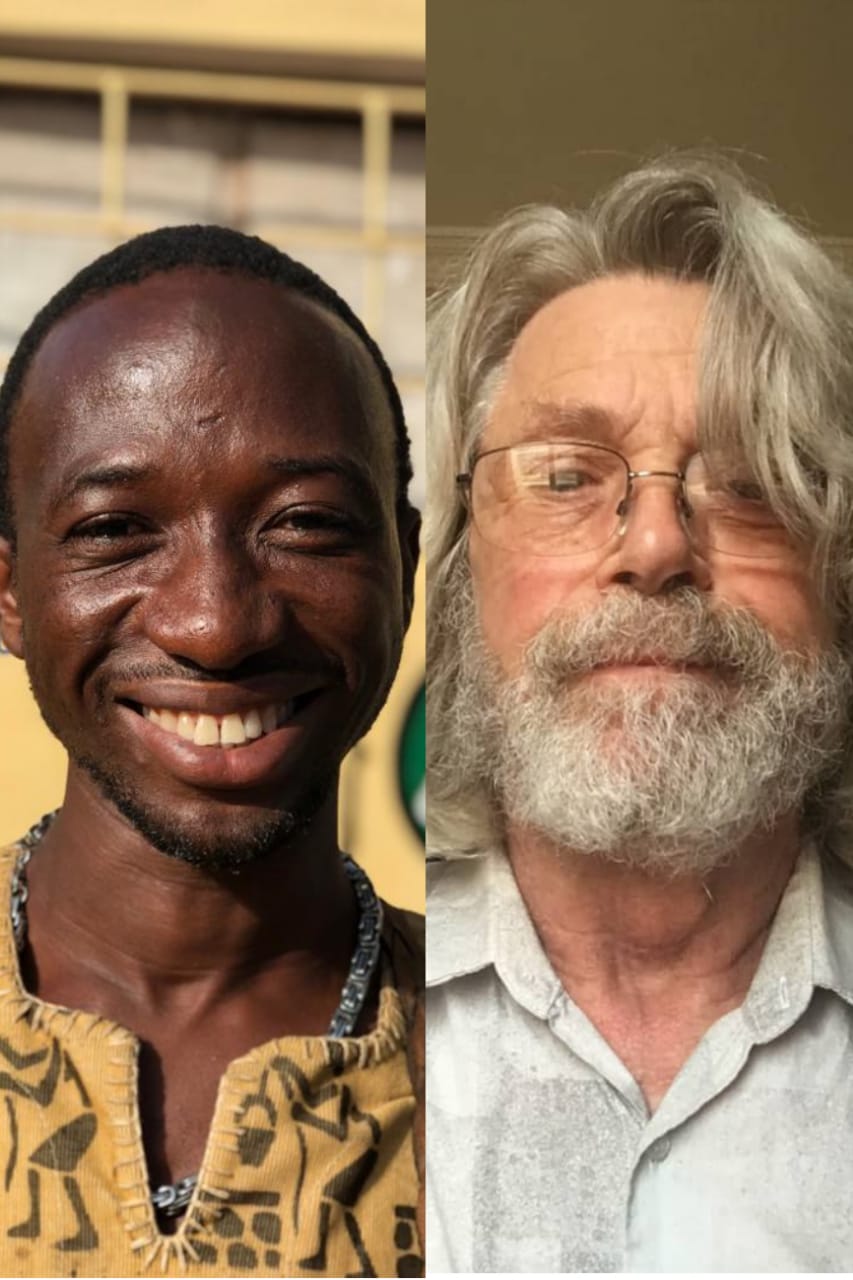
“Gosh, it has been about ten years now since it all started. There is a website, “Interpals,” (internet penpals) where I met first met Tao. It is for people who want to practice language and exchange culture” recounts, Doc Reiss Consultant for Dignity Toilets,Togo,on how he first met Taouvik Aboukari online.
“Back then, Tao was making less than a dollar a day. Even then I never heard him complain. He was always positive, always upbeat. He showed kindness and compassion in his character by his actions.
“A ship carrying refugees from Liberia went down and all were lost. Tao and his friends went to the beach and spread flowers and prayers on the water so their souls would know that someone cared.
“There were two families in his village who had no food for their children. Tao and a friend went out and got day jobs for two days and bought them food.
“One day out of nowhere Tao complained, “I get so tired of going to the bushes.” I asked what he meant. He told me his village had no water, no sewer, and no toilets in the houses so people had to go the fields to go to the bathroom.
” I asked why he couldn’t use a latrine.
“The village was prone to flooding and people had gone to the fields for generations”Tao responded..
“I asked about a self-composting toilet. Tao had never heard of one before.
“We each agreed to do research”Doc Reiss recounts.
“I found a plastic one for $1100 but it would take shipping as well and there was no way I could afford that”Doc Reiss recounts..
Concrete Toilet the Starting Point
Tao located plans that the Togolese government had developed for one made of concrete. We built that. Then a neighbor asked how they could get a toilet like Tao’s. Tao’s toilet was way overbuilt; six-inch vent pipes, heavy hinged steel doors on the back, cement roof. So we trimmed the details a bit to make it easier to build and less expensive.
“I said we needed the neighbor to contribute 20% so they had a sense of ownership and we built #2. Soon we had a third. And when Tao came out of his door one morning around 5 a.m. and found people waiting for him, we started a waiting list for the toilets. We capped it at 24 families.
“In two years we had brought on three workers and had made eight toilets. I was calling the project, “Toilets for Togo.” People would hear the title and giggle at the alliteration.
Dignity Toilet in Rural Togo
How the Toilet got it’s name, “Dignity”?
“One day I asked Tao what having a toilet had done for his family. He replied, “It has brought us dignity.” When I changed the name to “Dignity Toilets for Togo” people took it seriously.
Reaching out to Rotary Club
“By the time we had done eight (8) we had the system down and could duplicate the design consistently. That is when I approached my Rotary Club and asked them to take on the project. They agreed” end of (PART ONE)
Dignity Toilet is an innovative design that also takes into account circularity principles.Thus,it is water used efficient and takes care of water scarcity,a natural limitation of the average African rural settings.In the extreme case rural women and children have to trek for many hours to fetch water for drinking,cooking,washing.That is not all,it also brings compost and urine fertilizer for organic farming among others .Watch out for the Part Two.