Category: COVER

  • Niger and Russia are forming military ties: 3 ways this could upset old allies


    1. Senior lecturer in Politics and International Relations, Leeds Beckett University

    Published: January 29, 2024 3.08pm SAST,The Conversation

    In July 2023, Niger’s military took over in a coup just two years after the country’s first transition to civilian power. The coup has brought into sharp focus the role of foreign countries in Niger’s politics.

    Before the coup, France and the US were the main security allies of Niger. But the coup leaders, led by General Abdourahamane Tchiani, were open about their antagonism to France, the country’s former colonial ruler, and ordered the French military to leave.

    Now the attention of many people in Niger has shifted to Russia.

    Since the coup, several analysts have highlighted the role of Russia. Some analysts and regional experts believe Russia might have played a role directly or indirectly in the military takeover.

    Others (including myself) argue that Russia is increasing its grip on the country and actively seeking to benefit from the coup. This was evident when Russia and Niger recently agreed to develop military ties.

    Although the details of this partnership are still sketchy, Russia promised to increase the “combat readiness” of Niger’s military. In addition, there are discussions to partner in the areas of agriculture and energy.

    I have been researching the security dynamics of the region for over a decade. The Niger junta’s romance with Russia has potential implications for peace and security in the region and beyond.

    I have identified three main potential implications for Niger and other allied countries:

    • escalation of tensions between Niger and France
    • discontent between Niger and its regional allies
    • likely disruption of a US$13 billiongas pipeline project from Nigeria to the European Union through Niger.

    Russia in the region

    After the 2023 coup, France and the regional economic bloc Ecowas threatened to use force to reinstate the deposed president.Russia warned against such a move.

    The military junta then expelled French soldiers. France responded by closing its embassy in Niger.

    The US also reduced its military and economic cooperation. Washington cut aid to the country by more than US$500 million and removed the country from its duty free export programme.

    The European Union also instituted sanctions. Niger then cancelled its security and migration agreements with the European bloc.

    Ecowas sanctioned Niger. Another major ally, Nigeria, cut electricity and instituted further sanctions.

    The sanctions, coupled with an increase in insecurity, weakened and isolated Niger.

    Rather than budge, the junta looked for alternative partners – like Russia and China. It also recently joined Mali and Burkina Faso to announce a withdrawal from Ecowas.

    For its part, Russia was positioning itself as a reliable ally. In December 2023, a Russian delegation visited Niger and in January 2024, Niger’s Prime Minister Ali Mahamane Lamine Zeine visited Moscow to discuss military and economic ties.

    Russia is no stranger to the region. Over the last three years it has set up security arrangements with the juntas running Niger’s neighbours: Mali and Burkina Faso. This has been done through the Wagner group, a private security company supported by Russia, whose operations in Africa were renamed Africa Corps in early 2024.

    Russian military advisers have been operating in Mali since 2021. In addition, the Wagner group has 400 mercenaries in the country. Russia also delivered military hardware to the country in 2022.

    Implications

    There are three main potential implications for Niger and other allied countries.

    First, a potential escalation of tensions between Niger and France. This will happen if Niger grants Russia uranium exploration rights that affect French companies with existing licences. Niger has suspended new mining licences and is currently auditing existing ones. This could affect French companies. France has vowed to protect its economic interests in Niger.

    It depends on how the partnership between Russia and Niger develops, in particular how Niger intends to pay for its share of any military cooperation. If this involves the Wagner group, as is the case in security partnerships between Russia and Burkina Faso and Mali, the issue of mining concessions will come into play. Mali and Burkina Faso have paid for Wagner’s involvement by offering mining concessions in return for arms, ammunition and mercenaries.

    Second, any security tie involving the Wagner group would create further discontent between Niger and its regional allies, especially Nigeria, Chad and Cameroon.

    Following the coup, Niger announced it was leaving the G5 Sahel, which was set up to coordinate security operations in the Sahel. This has turned attention to the country’s participation in the Multinational Joint Task Force.

    Both institutions were set up to fight insurgency in the region and Niger has been an active contributor. The other countries in the joint task force, such as Nigeria, Chad, Cameroon and Benin Republic, will be wary of working with Niger if it is in active partnership with Wagner, which is notorious for human rights abuses.

    The third likely major fallout from Russia’s involvement revolves around Niger’s relationship with the EU. The EU is currently constructing a US$13 billion gas pipeline from Nigeria to the bloc through Niger. The pipeline project was designed to reduce the EU’s dependence on Russian gas.

    Based on Russia’s animosity with the EU, I believe Russia could use the security alliance to disrupt the project in order to secure its gas delivery to the EU.

    The junta can use the pipeline project as leverage against the EU by demanding major financial concessions, putting the delivery of the project at risk and strengthening Russia’s position.

    Migration is another area of contention when it comes to the EU. Niger now allows mass illegal migration through its territory for onward journey to Europe. This will create more problems for the EU.

    The active presence of Russia in Niger could change the security and economic landscape of the region and affect all parties.

    I maintain my initial position that rather than use force, the Niger junta should be encouraged to restore democracy as soon as possible. At the same time, some of the sanctions should be lifted to encourage dialogue and reduce the influence of Russia.

    SOURCE 

    The Conversation 

    Disclaimer: Opinions expressed in the article are solly that of the author and shall not in any way be taken to mean the official position of the Eco-Enviro News,Africa magazine.
     

  • Black Medical Expertise Excellence Celebrated at Global Black Impact Summit,Dubai 2024

    Black Medical Expertise Excellence Celebrated at Global Black Impact Summit,Dubai 2024

    Story: Mohammed A.Abu
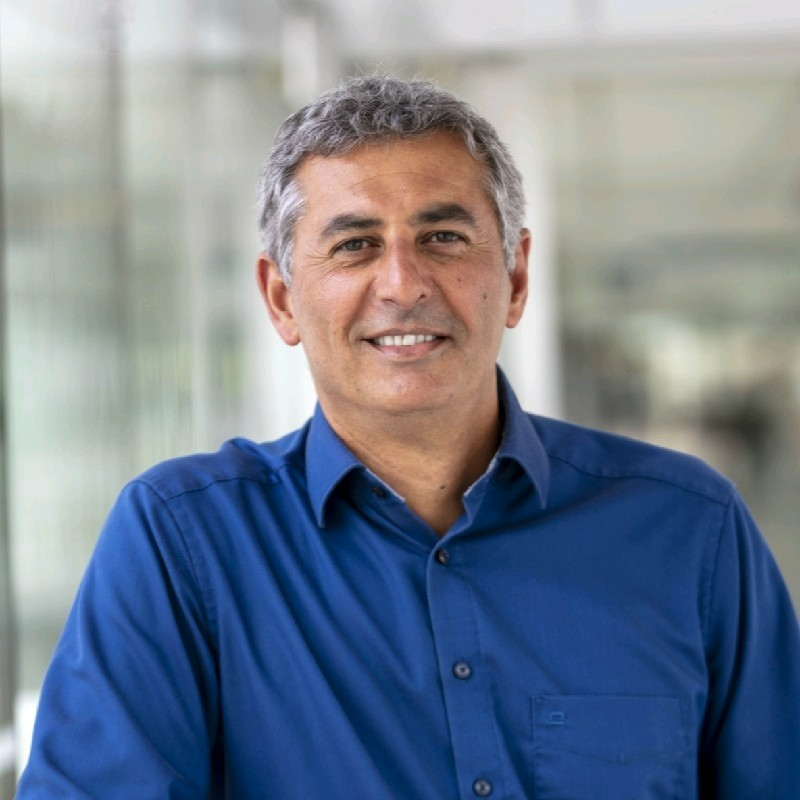
    The Global Black Impact Summit has announced  Dr. Ehsan Natour’s joining of the event  taking place in Dubai on February 27 as a distinguished speaker.

    As a seasoned medical professional and an expert in his field, Natour brings a unique perspective shaped by his diverse and extraordinary journey and education,will contribute to GBIS 2024 by offering his wealth of knowledge and expertise.

    With a background in complex aortic pathology, heart-lung transplants and left ventricle assist devices, Dr. Natour’s work at the University Medical Center Groningen (UMCG) demonstrates his commitment to advancing cardiac care. As an educator and Head of the Aorta Surgery Program, he significantly contributes to medical education and surgical programs.

    This is against the backdrop that,as the world of medicine evolves and new technologies and breakthroughs are made, the value of inclusivity within the field becomes even more critical,according to a recent official statement issued  in Dubai,

    Since 2016, the statement  noted,Dr. Natour has been living and working in Maastricht in the Netherlands and Aachen in Germany, further expanding his impact on the field of cardiac surgery.

    His book, ‘When life comes to a standstill’,it also  noted, reflects not only his medical expertise but also his dedication to supporting patients and their relatives through the foundation ‘Stilgezet’. This Dutch foundation initiates sustainable change in the healthcare system through various activities and art projects.

    “As a speaker at GBIS 2024, Dr. Natour is poised to offer profound insights into healthcare challenges, patient support, and the intersection of medicine and social impact.

    “He will bring a global perspective to the event, making him a potential catalyst for discussions on transformative change in healthcare systems.
    “Dr. Natour’s unique blend of medical expertise, educational leadership, and social entrepreneurship aligns seamlessly with the event’s theme – Black Excellence: Unleashing the Unexplored Potential for Global Unity ­– promising to be a driver of change at GBIS 2024.”it further added.
  • Honouring of Africa’s finest Technocrats by Inter.Interdisciplinary Innovation Centre Of Life

    Honouring of Africa’s finest Technocrats by Inter.Interdisciplinary Innovation Centre Of Life


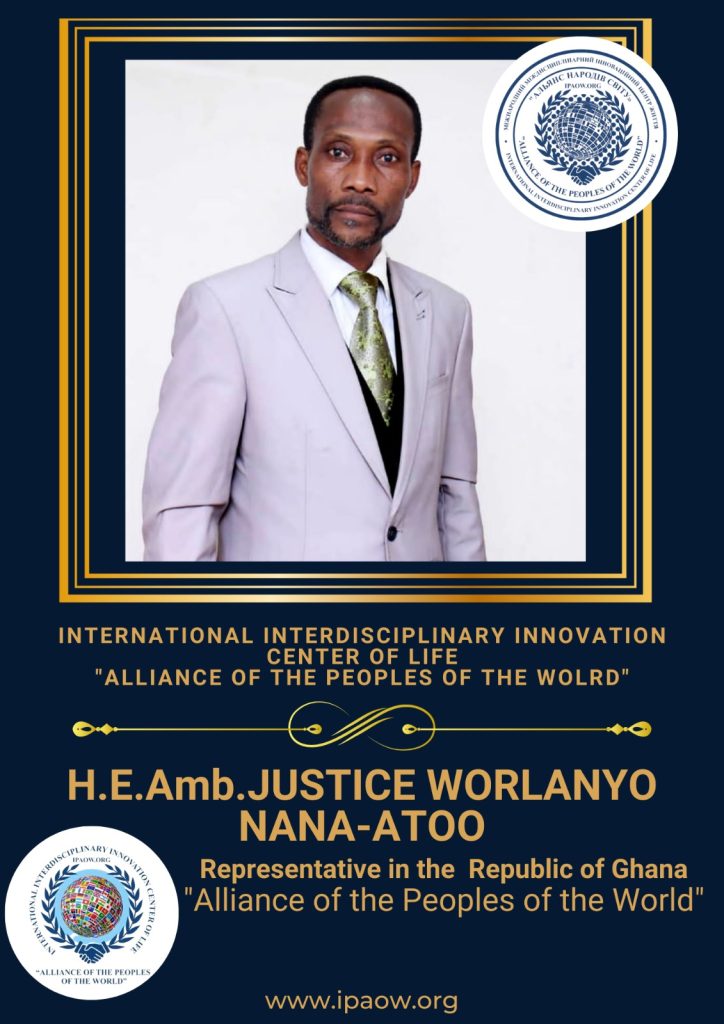
    J.B. Worlanyo Nana-Atoo certificate
    H.E. Amb, J.B. Worlanyo Nana-Atoo, an Executive Chairman & President /Founder of EL-Ecojay developments Group LTD Ghana, Africa/global,has been awarded a Certificate of recognition by International Interdisciplinary Innovation Centre Of Life “Alliance of the peoples of the world”

    He is Unique, Versatile, Adaptable, and Capable of navigating Challenge with a Balance approach well rounded successful life and International Life Coach, Mentor and Public speaker in personal development.as one of the global Cooperate Business Mogul on investment on Projects financial Advisor and Management Consultant.

    Erstwhile as once a member of parliamentary Christian fellowship and Coordinating and operating through the system of AU, UN, European union Parliamentary for Federations of Global Christian Leaders on. Diplomatic peaceful Mission.

    He has a Construction Engineering background, with key leadership and strategic experience: In his role as operations director of building/Construction site and survey practice Engineering.

    He has a certificate in Drilling Rig Engineering field from good Will international group Inc USA Oil and Gas and also trained  at management and development productivity institute. Certificate (MDPI) Ghana. He is a product of world changers international leaders Training for fellowship of ministers USA.

    Recognition Certificate of the Intergovernmental Organisation

    IPAOW: International Interdisciplinary Innovation Center of Life.”Alliance of the people of the World. Russia / Israel Federation.UNASDG-IGO United Nations of Alliance Sustainable Development Goals,  Intergovernmental  organisation,UK

    He has also gained appointment as Africa Diaspora President of Oil and gas from Community Center Development Council aka: Community Center International Abuja-Nigeria.

    He is Africa representative of Grayson Range Extender power Electric Vehicles (GRE) USA,a Consultant of Ethos Asset Management USA.J&K group LLC SSP Energy system.USA.

    He is Nominated/Appointed by intergovernmental Affairs of SOAD, as Roving Ambassador for the state of Africa Diaspora of Eco 6 Six Region of Africa, USA, Caribbean, Europe, ASIA, was birthed by AU government and Recognised  by UN on development purposes .

    He is Ambassador, at large Empire of King David kingdom from Jerusalem Israel, Honorary International Media personality Certificate from John Terence media partnership with international kingdom university, Nigeria/USA.

    He is a Member of Africa-Israel initiatives branch in Ghana.an Associate partner with IMCI + alliance (division international GmbH ) LLC. Switzerland/USA and Broker/Consultant, Global finance capital, Hong Kong, Asia.

    An Astute international business Entrepreneur and Executive Chairman/President of EL-Ecojay developments Group Inc, Global Consultant. Specialist in business management Oil and Gas, Real  Estates, Commodities and Infrastructure Projects Holdings for Investment portfolio and development Services.

    Cooperate projects on investment and finance, Private Equity, JV, SPV, PPP, BOOT , EPC+Finance.for investment purposes on project seeking for funding. Private and government.eg, Africa Union and  global network for sustainable development goals. He is also an Economics Professor, Jeffrey Sachs master Class Online School. UN Advisor and global leader in Sustainable development.

    He is a good business strategist international developer who have worked with many years of experienced in Hotel and Tourism Hospitality industry, a Former Special assistant Manager of Frank David, Hotel. SSNIT Guest House, State Banqueting Hall protocol department and Golden Tulip in the earlier 90’s. He also has over 25 years of experience in Construction industries, Real Estate as Managing Director.

    He Can work under any conditions of any Climate changes of Economic and Sustainable development goal (SDG) of UN projects bringing  on board, rich leadership experience and build good and long-term relationship with Cooperate bodies Globally.

    SOURCE

    Mount Kenyan Times

  • ECOWAS Commission Reacts

    ECOWAS Commission Reacts

    Story: Mohammed A. Abu  

    Following an earlier announcement by Burkina Faso, Mali and Niger of their decision to withdraw from the Economic Community of West Africa States (ECOWAS), in a joint communique issued in Burkina Faso, Mali and Niger on Sunday, the Regional body formally responded same day.

    In a communique issued in  Nigeria, the ECOWAS Commission noted that even though its attention has been drawn to statement broadcast on the National Televisions of Mali and Niger announcing the decision of Burkina Faso, Mali and Niger to withdraw from ECOWAS, it is yet to receive any direct formal notification from the trio about their intention to withdraw from ECOWAS.

    “The ECOWAS Commission as directed by the Heads of States and Governments”, the communique said, has been working assiduously with the three countries for the restoration of constitutional order.

    “The three countries remain important members of the community and the Authority remains committed to finding a negotiated solution to the political impasse.

    “The ECOWAS Commission remains seized with the development and shall make further pronouncements as the situation evolves “the communique added.

    The Beef of Burkina Faso, Mali and Niger

    In their joint communique issued in Burkina Faso, Mali and Niger earlier in the day, the three countries recounting the genesis, purpose and mission of ECOWAS,noted that, their Excellences, former Heads of State of Upper Volta (today Burkina Faso), Mali and Niger, “eager to achieve integration between the states in the sub-region and driven by the ideals of brotherhood, solidarity, mutual aid, peace and development, created with twelve (12) of their peers on May 28,1975 in Lagos, the Economic Community of West African States(ECOWAS)”

    “After 49 years of existence, the valiant people of Burkina Faso, Mali and Niger, the communique said note with regret, bitterness and great disappointment that their organization has moved away from the ideals of its founding fathers and Pan Africanism.

    “Further, ECOWAS under the influence of foreign powers, betraying its founding principles, has become a threat to its member states and its populations whose happiness it is supposed to ensure.

    “Indeed, the organization has not provided assistance to our existential fight against terrorism and insecurity, worse when these states decided to take their destiny into their hands, it adopted an irrational and unacceptable posture by imposing illegal, illegitimate, and irresponsible sanctions in violation of its own text all things which has further weakened populations already bruised by years of violence imposed by institutionalized remote-controlled terrorists’ hordes.

    “Faced with this situation, their Excellences, Captain Ibrahim Traore, Colonel Assimi Golta and Brigadier General Abdourahamane Tiani, respectively, Head of State of Burkina Faso, the Republic of Mali and the Republic of Niger taking all their responsibilities in history and responding to the expectations, concerns and aspirations of their populations, decide in complete sovereignty on the immediate withdrawal of Burkina Faso, Mali and Niger from Economic Community of West African States’ concluded the communique..

  • From COP28 to a circular world: Investments need to focus on the circular economy alongside renewables

    From COP28 to a circular world: Investments need to focus on the circular economy alongside renewables

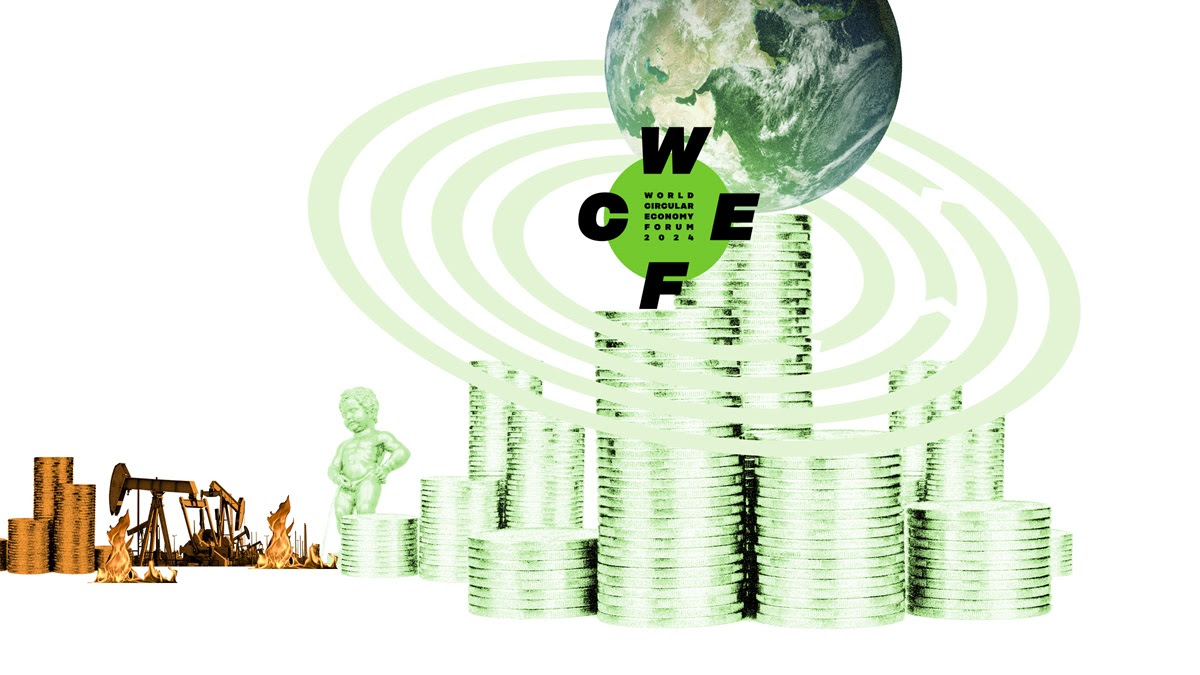
    In the wake of COP28, which called upon parties to transition away from fossil fuels, the World Circular Economy Forum 2024 (WCEF2024) emerges as a landmark event that highlights the circular economy as the premier post-fossil fuel investment frontier. WCEF2024 will take place in Brussels, Belgium from 15-18 April, and convenes thousands of experts to explore the vast opportunities that the circular economy presents.

    HELSINKI, 24 January 2024 – The transition from fossil fuels to renewables is imperative, yet alongside this, a strong focus on circularity is also needed. This means we must commit to manage all materials more sustainably, reducing dependence on fragile supply chains and alleviating pressure on nature.

    The opportunities in the circular economy are enormous. According to Circle Economy Foundation’s global “Circularity Gap Report 2024” which was published today, the global economy is currently only 7.2% circular, emphasising the untapped economic potential in this transformational shift.

    “We are convinced that the next big play in the investment arena we’ll see is around circular solutions,” states Atte Jääskeläinen, president of the Finnish Innovation Fund Sitra, the initiator of WCEF. “Regulations are essential for steering investment flows towards circularity, which is crucial for the sustainable development of societies. This shift is necessary to tackle overconsumption of natural resources.”

    This year, the landmark event of the circular economy underlines the world’s extraordinary opportunities after the decisions made in the UN’s Climate Change Conference COP28 in Dubai last December. The final outcomes of COP28 noted circular economy approaches as a tool in the transition to sustainable patterns of consumption and production.

    The co-chair of the UN’s International Resource Panel (IRP) Janez Potočnik notes that it is possible to mitigate growth in resource use while growing the economy, reducing inequality, improving well-being, and significantly reducing environmental impacts. “Our economic system is wasteful and unjust. Material (over)use is a main element of global sustainability and equality challenges deserving proper policy attention.”

    Initial findings of the IRP’s upcoming flagship report, the “Global Resources Outlook 2024”, show the undeniable need for a circular economy: The use of new (virgin) materials has continued to grow on average over 2.3 per cent per year. Without urgent and concerted action to change the way resources are used, material resource extraction could increase by almost 60 per cent from current levels by 2060, from 100 to 160 billion tonnes.

    “After decisions made in the COP28, there is plenty of room for wiser, circular solutions among global systems – for example in agrifood, mobility and consumables”, says Ivonne Bojoh, CEO of Circle Economy Foundation. “We must reform our finance and labour policies to put in place lasting and impactful changes that address the root cause of climate change and social inequity.”

    The World Circular Economy Forum WCEF is a global initiative of Finland and Sitra. This year marks the 8th iteration of WCEF. As a collaboration platform for circular economy thinkers and doers from all over the world, the forum strengthens its science-based approach through new partnerships with the International Resource Panel (as a science partner) and Circle Economy Foundation (as a programme partner). WCEF2024 is organised also in collaboration with several other international partners.

    In addition to showcasing solutions from around the world, WCEF2024 offers plenaries, parallel sessions and hands-on workshops. The forum also collaborates with two major players in Brussels: the European Circular Economy Stakeholder Platform who delivers a European track to the main event, and the Belgian Presidency of the Council of the European Union who curates a full day of accelerator sessions on 17 April, including site visits to circular economy companies in Belgium.
    If you are interested in learning more about the event and taking action to build a sustainable, circular future, please visit the WCEF2024 website.

    Further information on the event

    Mika Sulkinoja, Project Director of WCEF, Finnish Innovation Fund Sitra, mika.sulkinoja@sitra.fi, tel. +358 50 357 1723

    Rebecca Nohl, Sherpa to Janez Potočnik (co-chair of IRP), Systemiq, rebecca.nohl@systemiq.earth

    Ilektra Kouloumpi, Senior Innovation and Global Alliances Lead, Circle Economy Foundation, ilektra@circle-economy.com

    Media contacts

    Samuli Laita, Media liaison of the WCEF, Sitra, the Finnish Innovation Fund, samuli.laita@sitra.fi, tel. +358 40 5368650

    Amy Kummetha, Communications Manager, Circle Economy Foundation, amy@circle-economy.com

    Media accreditation, the media kit and online briefing

    Accreditation for media participants is open. Please find the registration form as well as the media kit at www.wcef2024.com/media.

    An online media briefing will be held for journalists on 8 April from 14:00 (CEST). To register, please follow the WCEF2024’s media website and subscribe to the newsletter!

  • India to lead worldwide consumer growth with 31% of new consumers; digital economy to surpass US$1 trillion in Latin America (LatAm) and Africa

    India to lead worldwide consumer growth with 31% of new consumers; digital economy to surpass US$1 trillion in Latin America (LatAm) and Africa

    CURITIBA, Brazil, January 25, 2024/ — Clients in major rising economies like Brazil, India, Kenya, and Nigeria are pulling the global digital market up by paying online purchases with instant payments, transfers, and other alternative payment methods – including for B2B transactions; Cards are still strong in digital, with high penetration of domestic brands and debit bringing new consumers to the online sales world, points out the new EBANX’s (www.EBANX.com)

    Beyond Borders study; Digital payments in Africa have jumped from a 23% to a 46% penetration rate in less than eight years and continue to drive growth in digital commerce.

    Rising markets in Latin America, Africa, and Asia are guiding the global surge in new consumers, with India leading the way, by adding 34 million people to the consumer class this year, almost one third of the 109 million worldwide. After Asia, Africa and Latin America are, respectively, the second and third regions to add more people, per the World Data Lab.

    This general consumer increase led by these three dynamic regions unfolds into the digital commerce realm as well: combined, LatAm’s and Africa’s digital commerce markets are expected to surpass US$1 trillion in total value by 2026, while India’s will be over US$275 billion, per Payments and Commerce Market Intelligence (PCMI) data in the new annual Beyond Borders (https://apo-opa.co/3OiQ1F4), EBANX’s comprehensive study about the digital market and payments in rising economies, which was launched today.

    While digital commerce is growing by 13% or 12% per year in more consolidated markets around the world, like the U.S. or Europe, online sales are expanding at a much faster pace in rising economies, of 20%, according to Statista’s data, in the study. Over half of the population in these regions already embraces digital payments, positioning them as central to economic growth and consumer access.

    There is a solid demographic reason for this: rising economies have a young and growing population, contrasting developed regions. In addition to the demographic and economic push, rising economies largely benefit from digitization,” states Paula Bellizia, President of Global Payments at EBANX. “The digital revolution has been disrupting industries and unlocking opportunities for both local and global players, from verticals spanning from SaaS, digital ads, and B2B online trade, to gaming, streaming, social media, and e-commerce. And payments have been the backbone of this growth,” she added.

    Latin America’s digital market will nearly double in size by 2026, reaching US$944 billion after growing at a 23% CAGR, per PCMI data for Beyond Borders, showcasing robust opportunities. Brazil, LatAm’s digital commerce powerhouse, boasted a US$275 billion market last year, and stands out as a prominent force, ranking fourth globally in the number of digital buyers, according to Insider Intelligence.

    Also emerging as strong contenders are Mexico, Colombia, and Peru, which display annual growth rates of around 30% for digital commerce. Central America & Caribbean countries like Costa Rica, El Salvador, Panama, Guatemala, and the Dominican Republic will not slow down either, accelerating at an annual pace of around 20% by 2026, proving that a block approach to this Latin region can add up to the global expansion strategy of any global digital player.

    India is another perfect example of the digital potential in rising economies: the Asian country is the world’s second-largest online shopping market, only behind China, with around 350 million people boosting a digital commerce market that surpassed US$184 billion last year.

    And yet, online sales penetration rate is still at 33%, as pointed out by Insider Intelligence’s data in Beyond Borders, showing the substantial untapped opportunity that still exists in the country – particularly if efforts are directed towards improving payment access for India’s diverse population.

    Financial inclusion was at the center of two strong cases inspiring the world: UPI in India and Pix in Brazil. With great user experience, zero-cost services to consumers and minimal to no charges for merchants, the two systems are revolutionizing both offline and online purchases: Pix is part of the daily lives of 4 in every 5 adults in Brazil, according to the country’s Central Bank.

    Over the last three years, nearly 8 out of 10 customers making their initial online purchase with an EBANX merchant opted to use Pix for payment, per EBANX internal data. In India, UPI has a 41% share of the total digital commerce, according to PCMI, being the utmost chosen payment method by Indian online consumers.

    As an early adopter of digital payments, and soon to be home to an adult population of 1 billion by 2030, Africa is also an important region for the outstanding digital growth of commerce and payments.

    After heavily embracing digital payments, which jumped from a 23% to a 46% penetration rate considering many of its countries in less than eight years, Africa is now on the verge of its next big leap: digital commerce, fueled by cell phone  penetration rates and constant adaptability of local, alternative payment methods to the online world, like mobile money, which reached almost universal penetration in countries like Kenya.

    It is interesting to observe how the innovation brought by alternative payments is improving the whole ecosystem, and impacting cards as well – including debit ones – which remain steady and keep playing an important role in the digital economy as account ownership surges in rising markets. “Cards and alternatives are learning from one another, absorbing features from one another, paying attention to the needs of merchants and consumers,” Bellizia noted.

    Combined, credit and debit cards represent 51% of digital commerce value in Brazil, 66% in Mexico, and 75% in Chile, according to PCMI data in Beyond Borders. In India, cards account for 43% of the value of online transactions; and the high penetration goes to African nations as well: in Morocco, 42%; in Nigeria, 36%.

    A payments strategy for rising markets needs to consider a balance between cards and alternative payments, adapted to specific countries, verticals, and business models, centered in offering the best payment experience to customers, enabling them to pay with their method of choice. This fosters true access,” she added.

    The new Beyond Borders report is also revealing the next frontier for innovation and growth in the payments industry: B2B payments – companies purchasing from other companies.

    Currently 42% of Kenyan businesses and 63% of Indian ones make online purchases. In LatAm, 64% of businesses in Brazil and an impressive 85% in Colombia, way higher than the global average of 50%, according to OECD and UNCTAD data.

    By 2027, rising markets in LatAm, Africa and Apac will make up for 40% of the total value of B2B payments made online worldwide, and yet an estimated 70% of B2B transactions are still pretty much manual, according to Capgemini, lacking more seamless flows. “This opens a massive opportunity in which alternative payments can be a game-changer: EBANX’s internal data show that local payments improve approval rates for B2B transactions, with internal rates that surpass 80%,” Paula Bellizia concluded.

    Access the complete Beyond Borders 2024 study at https://apo-opa.co/3OiQ1F4.

    Distributed by APO Group on behalf of EBANX.

    For more information:
    Website: www.EBANX.com
    LinkedIn: https://apo-opa.co/4bcrVW6

  • African Energy Chamber (AEC) Endorses Africa Energy Technology Conference 2024 in Ghana

    African Energy Chamber (AEC) Endorses Africa Energy Technology Conference 2024 in Ghana

    JOHANNESBURG, South Africa, January 25, 2024/ — The African Energy Chamber (AEC) (www.EnergyChamber.org) – the voice of Africa’s energy sector – is pleased to officially endorse and act as a strategic partner to the Africa Energy Technology Conference, taking place in Accra this March and hosted by the Africa Energy Technology Center (AETC), in partnership with Ghana’s Ministry of Energy.
    The partnership signifies a united effort to propel innovation, advocate for sustainable energy solutions and foster strategic discussions within the African energy ecosystem, under the event’s theme Africa at the Forefront of Energy Technology and Policy Integration in a Just Energy Transition.

    For Ghana, a country rich with opportunities, the Africa Energy Technology Conference will be instrumental in connecting capital to projects. With a vibrant petroleum sector, a young and capable workforce, and a growing economy, the country offers lucrative opportunities for foreign capital and technology providers.

    In the oil and gas industry, over five billion barrels of proven oil reserves and six trillion cubic feet of natural gas has already attracted a strong slate of players to the market. Companies such as Tullow Oil, Vitol, Kosmos Energy, and many more are actively driving exploration and production in close collaboration with the Ghana National Petroleum Corporation.
    Major projects include the Pecan Conventional Oilfield; the Jubilee Southeast Field; and the Ntomme Far West Development.

    Under the guidance of the Ministry of Energy – led by Minister Matthew Opoku Prempeh -, the country’s upstream industry has a highly promising outlook. Through the Africa Energy Technology Conference, Minister Prempeh is inviting financiers and technology companies to join the exciting market. Guaranteeing high returns and long-term prospects, investing in Ghana’s oil and gas industry is highly rewarding.

    In addition to upstream, Minister Prempeh is inviting companies to invest in the midstream sector, with the sector’s outlook showing equal promise. Projects such as the Tema Floating Liquefied Natural Gas plant; the Tema VI Liquids Storage terminal; the Dixcove Oil Storage Facility; and many more showcase the potential for million-dollar investments. Unlocking technological advancements into this industry is key, and the Africa Energy Technology Conference serves as an avenue for strengthening the sector.

    As part of its efforts to make energy poverty in Africa history by 2030, the AEC is dedicated to advocating for policies that facilitate investment, innovation and sustainable development. With a commitment to promoting responsible business practices, the Chamber plays a crucial role in shaping the future of the continent’s energy landscape and promoting technological advancements and policy integration in the energy sector.

    Bringing together key stakeholders, policymakers, and industry players to explore investment and sponsorship opportunities, the AETC hosts the annual Africa Energy Technology Conference under its mission to make Africa the ultimate destination for global energy-centred discussions.

    This year’s collaboration between the AEC and AETC signifies a shared vision for advancing the energy sector in Africa. By joining forces, the two organizations aim to leverage their expertise, networks and resources to accelerate the continent’s transition towards a sustainable and inclusive energy future.

    “We are honored to endorse the upcoming Africa Energy Technology Conference, which positions Africa at the forefront of critical conversations between policymakers and industry stakeholders on technology, innovation, green energy, Environmental Social Governance standards, energy security and the energy transition.

    We are also looking forward to the conference’s dedicated sessions to women and youth in energy, who will play a critical role in shaping these discussions and Africa’s broader energy future,” states NJ Ayuk, Executive Chairman of the AEC.

    The strategic partnership between the AEC and AETC marks a significant milestone in the pursuit of a sustainable and innovative energy future for Africa. By combining strengths, expertise and dedication to advancing the energy sector, these organizations aim to drive positive change, foster collaborations, and position Africa as a global leader in energy technology.

    Distributed by APO Group on behalf of African Energy Chamber.

    SOURCE
    African Energy Chamber

  • #BlackExcellence in Architecture: Driving Cultural Representation

    #BlackExcellence in Architecture: Driving Cultural Representation

    DUBAI, United Arab Emirates, January 25, 2024/ — Shaping our physical environment, creating a sense of identity and place, and supporting economic development are but a few of the functional purposes of architecture. Architects play a critical role in providing places for people to live and work, improving the quality of human life and supporting the aesthetics within a designed environment.
    This year’s Global Black Impact Summit (GBIS) { https://GlobalBlackImpact.com/}  – taking place in Dubai on February 27, 2024 – will explore the achievements of Black architects and designers, whose work serves as a symbol of culture, society, and development.

    Architects shape the world we live in, casting an emotional impact on people and changing our perception of space. Serving as the first Black architect to become a member of the American Institute of Architects (AIA) in 1923, the work of Paul R. Williams resulted in his bestowment of the institution’s prestigious Merit Award for his design of the MCA building in Beverly Hills, California. Williams’ impressive oeuvre encompasses the design of the homes of Frank Sinatra, Lucille Ball, and Lon Cheney, to name a few.

    Centered around the theme, ‘Black Excellence: Unleashing the Unexplored Potential for Global Unity’, this year’s summit underscores the value of innovation, inspiration, and authenticity.

    Known for her lavish use of form, straddling the line between openness and utility, Norma Merrick Sklarek’s notable works include the U.S. Embassy in Tokyo and the Terminal One station at the Los Angeles International Airport.
    In addition to becoming the first woman licensed as an architect in New York and California, Sklarek became the first African American woman member of the AIA and the first to co-own an architectural firm.

    As a medium, architecture provides designers an opportunity to express their artistry on a larger scale than other traditional artists. The accessibility and visibility of their work offers a greater influence on a wider population and for much longer a term.

    As such, the transcontinental scope of architect and designer, Pascale Sablan, includes notable buildings such as the Museum of the Built Environment in Saudi Arabia and the Bronx Point project in New York.
    Her work on commercial, cultural, and residential buildings has resulted in Sablan becoming the recipient of numerous awards including the 2018 Pratt Alumni Achievement Award, Emerging New York Architect Merit Award, and the NOMA Price for Excellence in Design.

    Renowned for his innovative and sustainable architectural style, Burkinabe-German architect, Diébédo Francis Kéré became the first African to receive the prestigious Pritzker Architecture Prize. Kéré’s portfolio, which includes civic infrastructure and temporary installations, is notable for its innovative use of local resources and participatory design methods.

    His work includes the Gando Primary School in Burkina Faso, the National Park of Mali, and the Serpentine Pavilion in the UK. Kéré’s focus on social initiatives has been celebrated for embodying the values of the communities where he works, driven by a commitment to environmental understanding and service to humanity.

    Architectural excellence and the influence of Black designers in the field will be a focus-point during this year’s GBIS event, which will highlight the contributions, achievements, and influence of Black architects from all over the world.

    The Summit will unite participants under the common goal of celebrating and supporting innovation and inclusivity in the realm of architecture, promoting equal opportunities and inspiration to Black creatives and trailblazers.

    Global Black Impact Summit 2024

    The Global Black Impact Summit is an annual event – organized by Energy Capital & Power – that seeks to celebrate the achievements of the Black community, promote excellence, and explore untapped potential across various fields. This year’s summit is set to be a transformative experience, featuring influential speakers, engaging panel discussions, and networking opportunities that encourage attendees to reach new heights.

    To secure your spot at this prestigious gathering, register promptly at www.GlobalBlackImpact.com.

    Distributed by APO Group on behalf of Energy Capital & Power.

    SOURCE
    Energy Capital & Power

  • From Africa to Europe: Securing investment for gas export infrastructure

    From Africa to Europe: Securing investment for gas export infrastructure

    PARIS, France, January 24, 2024/ — Africa’s abundant natural gas reserves represent an attractive opportunity for monetization and export, aligning with Europe’s growing demand for cleaner and more energy. This synergy has set the stage for heightened Africa-Europe trade and partnership, with a focus on gas-directed investments.
    The upcoming Invest in African Energy (IAE) forum in Paris on May 14–15 will serve as a focal point of this topic, bringing together African nations with European investors who are eager to tap into Africa’s gas resources and unlock new sources of power.

    Assessing the current infrastructure for gas transportation from Africa and Europe reveals a need for foreign direct investment in several strategic areas. These include the expansion and upgrade of existing pipelines, the establishment of advanced liquefied natural gas (LNG) terminals, and the development of efficient compression and decompression facilities. Additionally, investment in digital infrastructure for real-time monitoring and optimization is imperative to ensure the reliability and safety of an extended gas transportation network.

    Given the expense of gas projects and the need for maintenance and expansion, diverse funding sources are necessary. Large-scale projects typically require investments in the range of millions to billions for successful development.

    In Central Africa, Equatorial Guinea – holding 1.5 trillion cubic feet of natural gas reserves – is positioning itself as a regional Gas Mega Hub (GMH) and global exporter. The country’s Alba Liquefied Petroleum Gas and Punta Europa facilities serve as processing platforms for both domestic and regional gas reserves.

    Leveraging its strategic location on Africa’s west coast and utilizing the African Continental Free Trade Agreement, Equatorial Guinea’s expanding LNG export networks and potential connection to Europe-bound pipelines align with Europe’s search for alternative gas supplies. The country also presents opportunities to tap into new export routes, such as the Trans-Saharan gas pipeline, through new gas transport infrastructure linking Africa and Europe.

    Much like the Trans-Saharan gas pipeline, the Nigeria-Morocco Gas Pipeline, scheduled to begin construction in 2024 at an estimated cost of $25 billion, represents one of the world’s most extensive energy projects. Spanning 5,600 km, it aims to benefit 13 African countries, providing energy access to around 400 million people along the West African coast.

    The pipeline, financially supported by organizations such as OPEC, demonstrates the importance of international collaboration when it comes to infrastructure development. Not only is it set to facilitate intra-African gas trade, but also deliver gas from Nigeria to Europe, serving as a key link in the global gas supply chain.

    Meanwhile, the $4.6-billion Greater Tortue Ahmeyim (GTA) LNG project, encompassing the Tortue and Ahmeyim gas fields, holds approximately 15 trillion cubic feet of recoverable gas reserves. Upon completion, GTA LNG will produce up to 10 million tons of LNG annually. Positioned along the maritime border between Senegal and Mauritania, the project requires  substantial investment to support critical infrastructure, including liquefaction, transportation and associated facilities.

    In Southern Africa, South Africa’s Virginia Phase 2 project is set to produce commercial quantities of LNG and liquid helium for global export, while the Port of Ngqura floating LNG project will involve the installation of a floating storage and regasification unit, gas-to-power infrastructure, cryogenic pipelines, and a terminal for the processing, storing, on-site exploitation, and distribution of gas acquired from the country’s on– and offshore fields.

    Similarly, the Kudu Conventional Gas Development in Namibia’s Orange Basin – set to commence commercial production in 2026 – involves collaboration among the Namibian Government, TotalEnergies, Shell and BW Energy. Representing an $880-million investment, the project is currently in the Front-End Engineering and Design phase, with a Final Investment Decision expected in 2024.

    European stakeholders can support this venture by investing in essential infrastructure for successful gas extraction, meeting regional energy needs while enabling exports to Europe.

    In short, Africa’s leading gas export projects require substantial investments to support the development of critical infrastructure, including extraction facilities, pipelines and associated support systems, highlighting a strategic opportunity for engagement with European financiers, investors and project developers.

    ​​Organized by Energy Capital & Power, the Invest in African Energy (IAE) 2024 summit is an exclusive forum designed to foster collaboration between European investors and African energy markets.

    Taking place May 14-15, 2024 in Paris, the event offers delegates two days of intensive engagement with industry experts, project developers, investors and policymakers. For more information, please visit www.Invest-Africa-Energy.com.
    Distributed by APO Group on behalf of Energy Capital & Power.

    SOURCE
    Energy Capital & Power

  • The Catalytic Role of Big Data Analytics in Shaping Islamic Finance Underscored

    The Catalytic Role of Big Data Analytics in Shaping Islamic Finance Underscored

    Story: Mohammed A. Abu

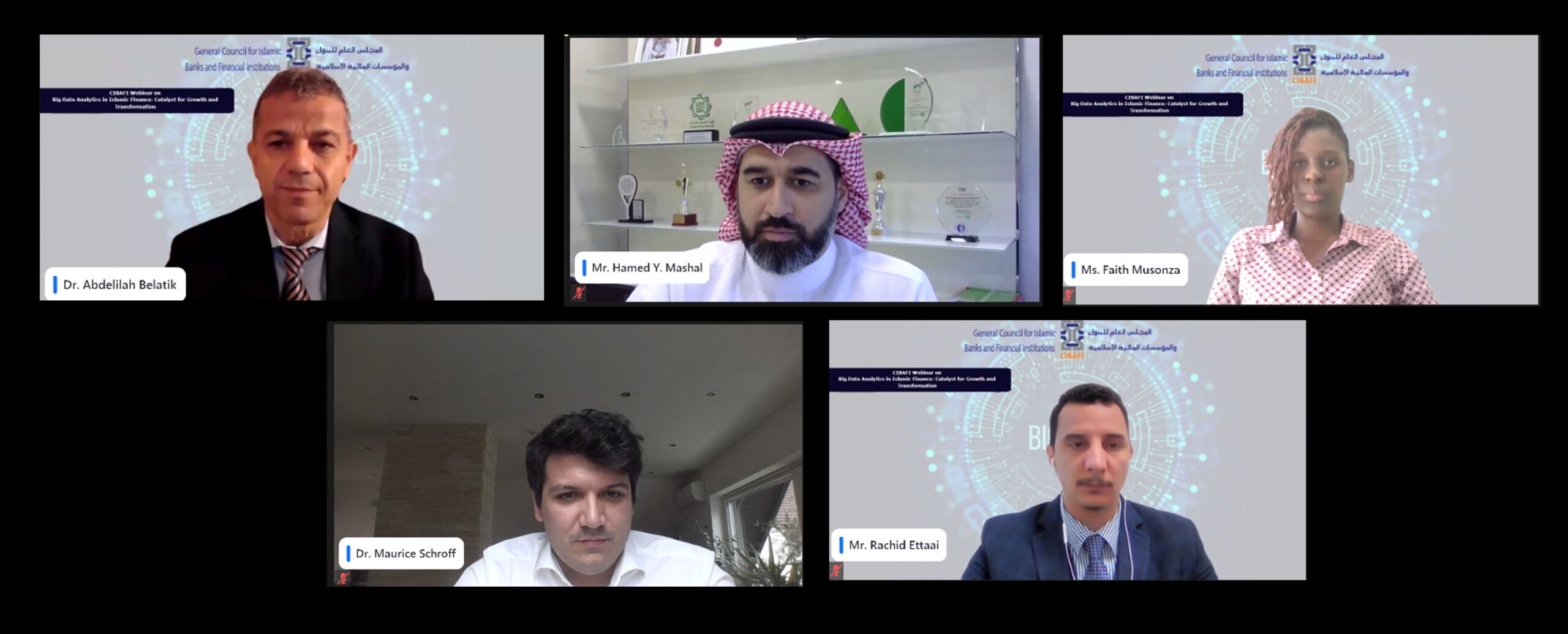
    A webinar held by the General Council for Islamic Banks & Financial Institutions(CIBAFI) concluded with a forward-looking perspective on the future of big data and its transformative potential in the Islamic financial industry, underscoring its role as a catalyst for growth and transformation, an official statement said in Manama, Bahrain, Tuesday.

    CIBAFI’s Secretary General, Dr. Abdelilah Belatik, in his inaugural address, it said, underscored the critical significance of big data in Islamic finance emphasizing that, it goes beyond mere technological advancement and it is a strategic imperative as well.

    Dr. Belatik highlighted its transformative impact, empowering financial institutions with actionable insights, facilitating problem-solving, fostering innovation, and supporting informed decision-making aligned with Islamic principles.

    Held under the theme, “Big Data Analytics in Islamic Finance: Catalyst for Growth and Transformation”. the webinar gathered industry experts to explore the dynamic intersection of big data and the financial sector with a focus on Islamic finance

    A panel session moderated by Mr. Rachid Ettaai, Business Development Manager, CIBAFI.featured industry experts who discussed key aspects of big data analytics, including its influence on financial products, emerging trends, and strategies for data-driven innovations.

    They tackled challenges related to privacy, skills, and infrastructure, emphasizing ethical considerations in data processing. The speakers’ insights enriched the discussion, providing a comprehensive view of big data’s transformative potential in Islamic finance.

    The panelists included Mr. Hamed Y. Mashal, Executive Manager – Head of Retail Banking, Kuwait Finance House – Bahrain and the Chairman of CIBAFI Information and Technology Working Group (ITWG); Ms. Faith Musonza, Strategy and Digital Financial Inclusion Expert, Acuma, United Emirates; and Dr. Maurice Schroff, Principal at Strategy&, Germany.

    SOURCE

    CIBAFI