Category: COVER

  • Revolutionize your Business Plan: How Artificial Intelligence (AI) is Making Entrepreneurship Easier

    Revolutionize your Business Plan: How Artificial Intelligence (AI) is Making Entrepreneurship Easier

    JOHANNESBURG, South Africa, December 20, 2024/ — In today’s fast-paced business world, writing a comprehensive business plan can feel overwhelming for entrepreneurs. However, with the advancement of Artificial Intelligence (AI), this process is becoming more efficient and accessible.

    This guide shows how to use AI tools to create a business plan for your idea.

    Think of AI as your digital assistant, speeding up the first draft so you have more time to make it better. AI gives you a structure, but your own ideas and understanding of your business makes the plan unique.

    Embrace AI in Business Planning – Before you begin, you should know what goes into a business plan: a summary of your business, details about your company and offerings, and information about your market and competitors. You may also consider creating plans for your business sales, management, operations, and finances.

    Gather all your business details first. This makes it easier for AI to help you turn them into a plan.

    Feeding Information to AI – Start by providing a general overview of your business, including its name, target market, products or services, and financial projections. GoDaddy is sharing a prompt template below that can be used to provide information:

    “I’m developing a business plan for my company, [company name], a [industry] startup offering [product/service]. Please accept the information below about my company as a basis for developing a strong business plan.”

    Creating Sections with AI Help – Breaking your business plan into sections and using specific prompts for each can streamline the process. AI can generate initial drafts for each part, which you can then review and edit. Here are some prompts to help guide you:

    1. Summary and Company Description:

    • “As a successful entrepreneur and seasoned strategist, draft an enticing executive summary and company description for [company name] in the [industry] sector.”

    2. Products and Services:

    •  “As an innovative product developer, provide a comprehensive description of [product/service] offered by my company.”

    3. Market Analysis:

    •  “As a market analyst, outline a detailed market analysis for [company name].”

    4. Competitive Analysis:

    •  “Compile a concise competitive analysis for [company name], highlighting the strengths and weaknesses of key competitors.”

    5. Marketing and Sales Plan:

    •  “Create a thorough sales and marketing plan for [company name], including a detailed growth strategy.”

    6. Value Proposition:

    •  “Assume the perspective of a potential customer and identify the unique selling proposition of [company name].”

    7. Ownership and Management Plan:

    •  “Outline the optimal structure, ownership, and management roles for [company name].”

    8. Operating Plan:

    •  “Craft an efficient operating plan for [company name], detailing infrastructure and risk management.”

    9. Financial Plan:

    •  “Develop a comprehensive financial overview and funding request for [company name], including income statements and sales forecasts.”

    10. Extra Information:

    •  This is where you can add any extra details like research or visuals.

    Finalizing Your Plan – Once you have drafts for each part, it’s time to make it all fit together nicely. Your business plan should clearly show what your business is about and its path to success.

    Getting Feedback from AI – After refining your draft, ask AI to check for any missing parts, mistakes or inconsistencies. This is a good time for AI to help create a summary, mission statement, vision, values, and value proposition to ensure alignment with your business goals.

    Make a One-Page Plan – Lastly, create a simple one-page version of your business plan. It should include all the important points and be easy to understand. This step ensures clarity and focus, making it easier to communicate your business strategy to stakeholders. Remember, while AI helps a lot, it does not replace the ingenuity and oversight of human input to help ensure your unique business ideas are being reflected in your plan.

    AI can be a helpful tool for creating and growing your business’ digital presence.  With GoDaddy Airo, an AI powered experience, you can embrace AI to streamline your business planning and operations, allowing you more time to focus on turning your entrepreneurial dreams into reality.

    Find out more how GoDaddy Airo (https://apo-opa.co/49Qt0mA) can help your business idea get started online.


    Distributed by APO Group on behalf of GoDaddy.


  • The Nation and Democracy Wins in Ghana

    The Nation and Democracy Wins in Ghana

    By: Mohammed A. Abu

    Following the generally peaceful Presidential and Parliamentary elections held on December 7, in the West African nation of Ghana, the Chairperson of the country’s Electoral Commission(EC), Jean Mensa, on December.9, declared the country’s former President John Dramani Mahama as the winner of the country’s 2024 Presidential elections and President elect.

    According to Jean Mensa, who is also the EC’s returning officer, Mr. John Mahama polled 6,328,397 representing 56.55% of the total ballot cast, while his main contestant, the vice president and presidential candidate of the governing New Patriotic Party (NPP), Dr Mahamudu Bawumia on his part, secured 4, 657, 304, representing 41.61%.

    As a commission, we have fulfilled our vowed aspiration to have transparency at the heart of our operations”, she said as she declared the results” adding, “voters choce as expressed in the polls are sacrosanct”.

    President elect, Mr. John Dramani Mahama in his maiden post-election speech, vowed to “initiate important governance reforms and sometimes severe measures” over the next four years to reset the nation and bring it back on track as “the Black Star of Africa.”

    “This mandate represents a call to action… This mandate marks a new beginning and sets the tone for a new direction for our beloved country. Ghana is not for one man or one family. It is for all of us, and we must not only be born and die here, but we must all live here with satisfaction,”

    He also thanked Ghanaians both in Ghana and abroad for continuing to believe in Ghana’s democracy despite the challenges.

    Prior to the official announcement of the Presidential election results by the EC Chairperson, Dr. Mahmud Bawumia, on December,7,had  congratulated and conceded defeated to his main contestant, John Dramani Mahama now President elect of the National Democratic Congress(NDC).

    Mahamudu Bawumia stated that his decision to concede ahead of the official announcement was aimed at reducing tension and upholding the country’s reputation as a beacon of democracy in Africa.

    “I said during the signing of the peace pact that I was sure of two things: Ghana will win, and peace will reign,” Dr. Bawumia recounted.

    “The people of Ghana have spoken. The people have voted for change at this time, and we respect that decision with all humility.”

    “It is important that the world investor community continues to believe in the peaceful and democratic character of Ghana. These are our most important assets,” Dr. Bawumia intimated, while reiterating his commitment to the nation over personal political ambitions.

    Dr. Bawumia expressed pride in his campaign and gratitude to the NPP for their support, while gracefully acknowledging the electoral outcome as part of the democratic process. “We put our best foot forward in the contest, explaining our policies and programs. However, it is sometimes the case that the voter would have other ideas,” he observed

    He pledged the NPP’s support for a seamless transition to the new government and assured Ghanaians that the party would adopt a constructive approach as the opposition.

    “We will not be a disruptive opposition, even though we will subject government actions and policies to strict scrutiny in the interest of our beloved nation,” Dr Bawumia stated.


  • Africa Investment Forum 2024: Turning Continent’s Potential into Bankable Opportunities

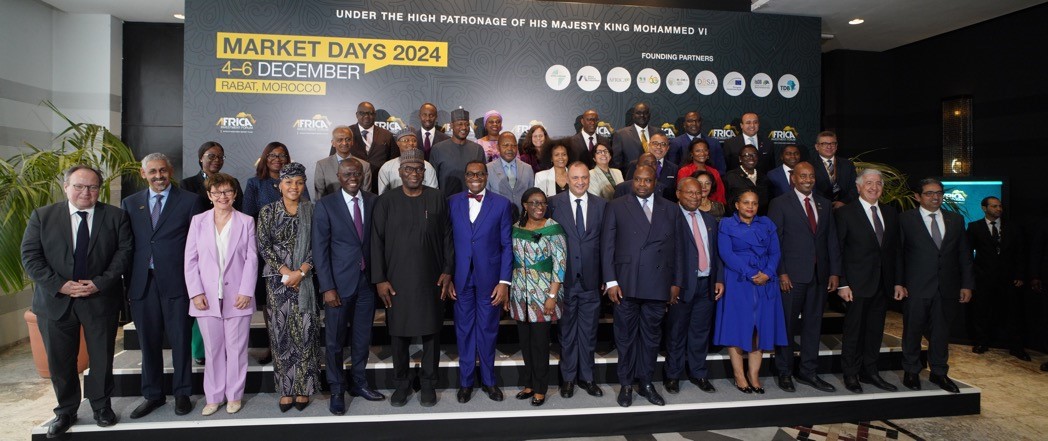
    Africa Investment Forum 2024: Turning Continent’s Potential into Bankable Opportunities

    RABAT, Morocco, December 6, 2024/ —

    • $15 billion in deals already originated
    • Private capital in Africa will be more attractive than other emerging markets in five years’ time
    • Africa has the lowest infrastructure default rates in the world—Moody’s Analytics

    The Africa Investment Forum kicked off its 2024 Market Days in Rabat, Morocco, with leaders highlighting the continent’s bankability and readiness for investment.

    In her welcoming remarks, Morocco’s Minister of Economy and Finance Nadia Fettah Alaoui told more than 1,000 delegates that this year’s Forum was a critical moment for creating a prosperous Africa: “The long-awaited rise of our continent rests on securing financing and we must act collectively to achieve this”.

    She further emphasized: “I’m deeply convinced that the Africa Investment Forum 2024 will be a privileged opportunity to enrich our common reflection, explore innovative solutions to persistent challenges, while strengthening the strong partnerships to make our aspirations a reality.”

    The president of the African Development Bank Group, Dr. Akinwumi Adesina, chairman of the Africa Investment Forum, said capital must be deployed to meet opportunities. “I am fully convinced that the accelerated development of Africa requires greater mobilization of private capital.”

    Under the theme “Leveraging innovative partnerships to scale up (http://apo-opa.co/4iyOYOS),” this year’s Market Days event brings together over 500 business leaders and SMEs to discuss why Africa, with 39% of the world’s population under the age of 20 and a market of 2.5 billion consumers by 2050, is the place to invest today and in the future.

    Adesina announced that $15 billion in deals have already been originated this year, with 41 boardrooms ready for follow-up discussions on diverse African investment opportunities spanning mining, water and sanitation, food and agriculture, renewable energy and transportation and seaports.

    “The theme of this Africa Investment Forum is leveraging at scale. It’s about how to make things happen at scale for Africa,” Adesina said. “Africa doesn’t have time for Mickey Mouse investments, we need investment at scale. We must make room for capital to be deployed to meet opportunities in Africa. At the Africa Investment Forum, this is the driving principle that brought us together as founding members.”

    The forum is an initiative of nine development finance institutions—the African Development Bank, Africa50, Afreximbank, the Development Bank of Southern Africa, the Islamic Development Bank, the European Investment Bank, Trade and Development Bank the Africa Finance Corporation, and the Arab Bank for Economic Development in Africa.

    A prime example of the collaborative partnership by the Forum’s founding partners is the Lobito Corridor in Angola, a $10 billion infrastructure project featuring rail, road, bridges, telecommunications, energy, and agribusiness developments. Key project partners include the African Development Bank which committed about $500 million, Africa Finance Corporation, serving as overall Project Developer and the Development Bank of Southern Africa which leads the first project phase.

    The corridor will create thousands of jobs and facilitate regional integration across Angola, Democratic Republic of Congo, and Zambia. The United States (http://apo-opa.co/4fRM5qx) and the European Commission are among global partners who signed a Memorandum of Understanding (http://apo-opa.co/3ZFi8Ex) in October 2023 to mobilise resources for the Lobito Corridor.

    Highlighting Africa’s mineral potential, he noted that the continent possesses 90% of the world’s platinum, 95% of its chromium, and two-thirds of global cobalt.

    “With 30% of the world’s lithium Africa is a key part of the Electric Vehicle market. This $7 trillion market will grow to $59 trillion by 2050. With strategic investment, Africa can become a great energy hub for the world,” he added.

    Citing an Asset Managers’ survey, Adesina revealed that 85% of managers expect to increase private capital allocation to Africa, while 52% anticipate Africa’s private capital becoming more attractive in the next five years.

    “Our focus is on a triple mandate, to advance high-impact projects to bankability, raise capital and accelerate the closure of deals. By focusing on investment facilitation for Africa, the Africa Investment Forum has become the premier investment platform for Africa,” Adesina said.

    Since its inception in 2018, the Africa Investment Forum has generated $180 billion of investor interests and closed transactions worth $30 billion.

    During a panel discussion, representatives of the founding partners shared practical cases of projects their respective institutions have engaged in through partnership with private entities and governments.

    With three days of market days now underway in Rabat, Adesina’s rallying cry resonates:

    “Africa is bankable – let the deals begin!”

    Distributed by APO Group on behalf of African Development Bank Group (AfDB).

    Media contact:
    Peter Burdin
    Communication and External Relations Department
    media@afdb.org

  • Namibia’s Cabinet Approves Upstream Local Content Policy, Marking a Turning Point for the Industry

    JOHANNESBURG, South Africa, December 4, 2024/ — In a strategic move for the industry, Namibia’s cabinet has approved the National Upstream Local Content Policy. The progressive policy is set to play a crucial role in reducing the nation’s dependency on foreign expertise by focusing on the development of local capacity.
    Aimed at strengthening economic sovereignty and empowering Namibians within the country’s oil and gas industry, the policy marks a turning point for the country as it targets first oil production by 2029.

    The African Energy Chamber (AEC) – serving as the voice of the African energy sector – commends the Namibian government’s proactive stance on local content and its dedication to empowering local communities while maintaining a welcoming environment for foreign investment. It is clear that the policy is designed to balance the interests of local stakeholders with the needs of international oil companies, a model that other African nations can look to for guidance.

    Namibia is preparing to start oil production from the Venus and Graff discoveries by 2029, with the Mopane field potentially bringing this production timeline much closer. Since 2022, the country has made a string of major discoveries in the Orange Basin. These include Graff-1X, Venus-1X, Jonker-1X, Lesedi-1X and Mopane-1X, among others.

    International energy companies including TotalEnergies, Shell and Galp Energias are leading the charge, with Galp recently spudding the Mopane-1A well as part of a four-well appraisal campaign. Work is ongoing to finalize timelines for Final Investment Decision (FID) and production, with FID for Venus-1X and Graff-1X is expected by the end of 2024, reinforcing the country’s growing oil potential.

    With this recent surge, the government has recognized the urgency of maximizing the involvement of local businesses, labor and resources in the nation’s oil and gas sector. The National Upstream Petroleum Local Content Policy aims to create a globally competitive supply chain while promoting sustainable development, energy independence and technological expertise within the country.

    This policy addresses the unique challenges faced by Namibia’s upstream petroleum sector, which is capital-intensive, technologically driven and reliant on high-risk investments over long periods. Traditionally, such a sector tends to have a low level of local employment and a heavy reliance on imported goods and services.

    To counteract this, the policy is designed to ensure that Namibian businesses and workers are fully integrated into the petroleum value chain, from exploration and production to service delivery and technology provision.

    One of the key features of the policy is its alignment with Namibia’s broader development frameworks, such as the National Development Plan, the Harambee Prosperity Plan and Vision 2030. These strategies underscore the goal of an industrialized economy driven by Namibians, where local expertise and resources play a central role.

    Through this policy, Namibia aims to encourage the participation of local companies in procurement, manufacturing and service provision, ultimately ensuring that the benefits of the country’s oil and gas wealth remain within its borders.

    As part of the initiative, oil operators will be required to submit detailed ‘Local Content Plans’ when applying for exploration and production licenses. These plans will outline the operators’ commitments to hiring local labor, engaging local businesses for goods and services and investing in the training and development of Namibian workers.

    The Ministry of Mines and Energy will oversee compliance and enforcement, ensuring that the policy’s objectives are met and that Namibian participation in the oil and gas industry is maximized.

    The policy also emphasizes the importance of a stable and transparent regulatory environment, which will provide clarity to investors and operators while fostering an atmosphere of trust and cooperation. By ensuring that local content requirements are clear and enforceable, the policy aims to attract responsible investment that benefits both the oil companies and the Namibian people.

    “With first oil production set to begin by 2029 and discoveries already exceeding 11 billion barrels, the implementation of this policy is essential,” says NJ Ayuk, Executive Chairman of the AEC. “It’s a powerful example for the rest of Africa of how to leverage oil and gas discoveries to fuel long-term development, job creation and economic growth.

    As the policy moves towards implementation, the focus on local content, job creation and economic diversification is a testament to Namibia’s vision of becoming a key player in Africa’s energy sector, with its people at the heart of this transformation.”
    Distributed by APO Group on behalf of African Energy Chamber.

    SOURCE

    African Energy Chamber

  • Kaspersky Predicts Artificial Intelligence (AI) and Privacy to Shape Consumer Cybersecurity Landscape in 2025

    Kaspersky Predicts Artificial Intelligence (AI) and Privacy to Shape Consumer Cybersecurity Landscape in 2025

    JOHANNESBURG, South Africa, December 4, 2024/ — According to Kaspersky’s (www.Kaspersky.co.za) latest report, artificial intelligence (AI) will become an integral part of daily life, while privacy concerns around biometric data and advanced technologies will take center stage in 2025. These forecasts are part of the annual Kaspersky Security Bulletin series, which provides an outlook on the cybersecurity trends and threats expected to impact consumers in the coming year.

    AI becomes an everyday reality

    AI is predicted to fully integrate into daily life in 2025, becoming a standard tool rather than a novel technology. With prominent operating systems like iOS and Android rolling out AI-enhanced features, people will increasingly rely on AI for communication, workflows, and creative tasks. However, this normalisation also brings challenges, particularly as personalised deepfakes become increasingly sophisticated in the absence of reliable detection tools.

    Privacy regulations will expand user data ownership

    The growing emphasis on privacy is expected to lead to new regulations that strengthen user control over personal data. By 2025, individuals may gain the right to monetise their data, transfer it easily across platforms, and benefit from simplified consent processes. Global frameworks, such as the EU’s GDPR, California’s CPRA and South Africa’s POPIA, continue to inspire reforms worldwide, while decentralised storage technologies could further strengthen user autonomy over their information.

    Fraudsters will continue to exploit premieres and releases

    Cybercriminals are expected to target prominent gaming, console, and film launches in 2025. Titles like Mafia: The Old CountryCivilization VII, and Death Stranding 2, as well as the anticipated Nintendo Switch 2, are likely to attract scams involving fake pre-orders, counterfeit rootkits, and malicious downloads. Similarly, blockbuster films like Superman and Jurassic World Rebirth may trigger phishing campaigns and counterfeit merchandise fraud aimed at enthusiastic fanbases.

    Political polarisation will fuel cyberbullying

    Increasing political polarisation is expected to exacerbate cyberbullying in 2025. Social media algorithms that amplify divisive content, combined with the widespread availability of AI tools for creating deep fakes and doctored posts, are likely to intensify online harassment. Cross-border cyberbullying could also escalate as global platforms facilitate the targeting of individuals based on their political beliefs.

    Rising number of subscription services will fuel fraud risks

    As the global economy shifts further towards subscription-based models, a rise in fraud related to fake subscription promotions is expected. Cybercriminals are expected to create counterfeit services that mimic legitimate platforms, aiming to deceive users into providing personal and financial information, resulting in identity theft and financial losses. Additionally, the growth of unofficial resources that provide discounted or free access to subscription services is expected to become a significant threat vector, exposing users to phishing attacks, malware, and data breaches.

    Prohibition of social media for children may lead to broader user restrictions

    Australia’s proposed legislation to ban social media access for children under 16 could set a global precedent. If implemented successfully, the restriction could pave the way for broader limitations on access for other demographics. Platforms like Instagram have already begun adopting AI-powered age-verification systems, signaling a shift toward stricter governance of online spaces.

    “As we look to 2025, the most significant impact on consumers is expected to arise from the intersection of innovation and regulation. Advances in AI, privacy protection, and data ownership frameworks will reshape the way people interact with technology and manage their digital lives. These developments hold immense potential but also demand careful oversight to ensure they serve consumer interests,” said Anna Larkina, Kaspersky privacy expert.

    To learn more, visit Securelist.com.

    To stay safe, Kaspersky experts also recommend:

    • Enable a safe browsing feature, such as the one in Kaspersky Premium (https://apo-opa.co/3BdtgPp), to help avoid Internet tracking. This feature also protects users from dangerous sites (like phishing ones), malware, and other maliciously installed files and extensions.
    • Configure your social networks for enhanced privacy to make a difference. Services such as Privacy Checker (https://Privacy.Kaspersky.com) can help users adjust privacy settings and strengthen the protection of their personal accounts. In addition, modern security solutions often include features that enhance privacy levels across various social networks.
    • Opt for secure and private connections. Avoid using public Wi-Fi networks for sensitive activities. Consider using a reliable VPN (https://apo-opa.co/3Bcqz0y) to encrypt your Internet connection and protect your online activities from being monitored.
    • Install apps only from official stores like the Apple App Store, Google Play or the Amazon Appstore. Although apps from these markets are not 100 percent failsafe, at least they are checked by store representatives, and a filtration system is in place – not every app is authorised for listing on these platforms.
    • Download a reliable security solution (https://apo-opa.co/3BdtgPp) to help you detect malicious apps and adware before they can harm your device.
    • Don’t share serial numbers, IP addresses and other sensitive information regarding your smart devices on social networks.
    • Avoid using unreliable passwords. Weak combinations, such as those consisting of letters only, do not offer sufficient protection. For added convenience and security, consider using a special app, such as the Kaspersky Password Manager (https://apo-opa.co/3OGpYHu).
    Distributed by APO Group on behalf of Kaspersky.

    For further information please contact:
    Nicole Allman
    INK&Co. (https://INKandCo.co.za)
    nicole@inkandco.co.za

  • ACECN makes a Stronger Case for Africa’s Emerging Sustainable Built Environment

    ACECN makes a Stronger Case for Africa’s Emerging Sustainable Built Environment

    By: Mohammed A. Abu

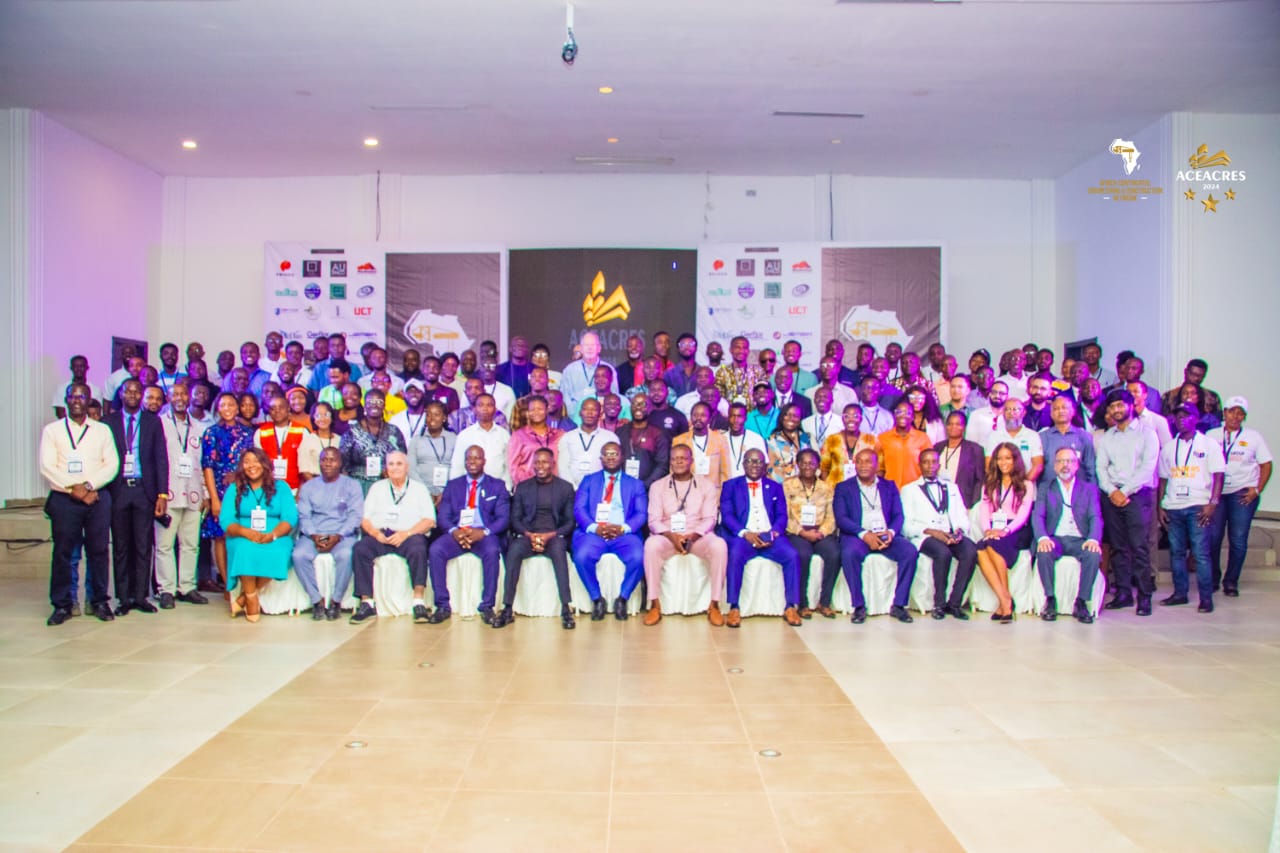
    The second edition of African Continental Engineering, Architecture, Construction and Real Estate Summit(ACEACRES,2024) the flagship event of the Africa Continental Engineering & Construction Network Ltd (ACECN),the organizing company, recently ended successfully  in Ghana’s capital city of Accra with a clarion call on the need to include sustainability practices especially in Ghana, Africa’s Sustainable Urban Built Environment.

    Professor, Taddeo Rusoke, a Ugandan Governance and Nature Solution Expert said, the sustainability practices included, allowing space for Green Belts, Green Spaces, Green Natural Gardens, Flower Gardens, Backyard Gardens, and Tree Growing.

    This he noted, will contribute to ambient environment that is naturally aerated by trees. Prof Busoke was one of the Key Speakers who made a presentation titled, “The Future of Forest Conservation in the Wake of Rising Global Housing Demand”

    In his concluding remarks, Mr. Daniel Kontie the convenor and CEO of ACECN, in partnership with other industry stakeholders, stressed the need to rotate the Summit across the African continent.

    Even though he was emphatic about holding the third edition in Ghana, he added that subsequent editions will either be hosted by Nigeria or Uganda in a rotating order.

    Held under the theme, “INTEGRATING SUSTAINABLE BUILT ENVIRONMENT FOR SOCIO-ECONOMIC TRANSFORMATION THROUGH THE USE OF NEW GENERATION TECHNOLOGY AND GENERATIVE ARTIFICIAL INTELLIGENCE”., the event brought together all sector players across the African continent and beyond to discuss industry best practices, modern innovations and technologies that are shaping the future of built environments across the globe.

    The event attracted a wide range of stakeholders in the built environment; the building contractors, construction firms, engineers, surveyors, planners, architects, project managers, land economists, real estate developers, builders, landscaping professionals, real estate professionals, building construction, professional Institutions, investors among others

    The Summit recorded a little over three hundred (300) in-person participants from Nigeria, Uganda and the United States of America (USA), with majority from the host country Ghana.

    Africa

    Nigeria

    Some of the high profile in-person participants from the African Continent were the keynote speaker Madam Engr. Margaret Aina Oguntala, FNSE, President, Nigerian Society of Engineers (NSE) Engr. Olu Ogunduyile FNSE Vice President, Council for the Regulation of Engineering in Nigeria (COREN),  Engr Dr. Modasiru Bola J. (Principal Partner, Prolarank Nigeria Ltd and General Secretary, the Nigerian Institution of Highways and Transportation Engineer (NIHTE),  Dr. Bldr. Abdulhakkeem Odegade, MD/CEO, Akmodel Group, Lagos, Nigeria,

    Mr, Stephen Merritt, USA, Roadbond EN1 & Technical Consultant, Jemba Solutions etc.

    Ghana

    Among the local industry leaders present were Ing. Isaac Bedu, Registrar, Engineering Council, Ghana, Engr. Seth Ayim, Executive Director, Institute of Engineering and Technology Ghana (IET-GH), Engr. Ben Debrah, National President, Local Government Service Engineers (LoGSEA), Engr. Awal Sakib Mohammed, National President, Ghana Electrical Contractors Association (GECA), Dr. Ebenezer Mireku, President, Commercial Quarry Operators Association (COQOA), Mr. Samuel Nii N. Tackie, National Vice President, Certified Electrical and Wiring Professionals Association (CEWPAG), Engr. Jacob Ansong, National President, Ghana Institution of Real Estate Brokers (GhIREB), Dr. Gabriel Apotey, member, Ghana Institute of Safety and Environmental Professionals (GhISEP) etc.

    East Africa

    Uganda

    Prof. Taddeo Rusoke, Climate Governance & Nature-Based Solutions Expert, Uganda, East Africa, Dr. John Rwakihembo, PhD (Accounting & Finance): Dean, Faculty of Business and Management Sciences, Mountain of the Moon University, Uganda, East Africa

    North America

    USA

    Mr., Stephen Merritt, USA, Roadbond EN1 & Technical Consultant.

    Issues Discussed

    Among the key issues discussed at the event was the urgency of integrating the African Built Environment, about which Mr. Daniel Kontie the convener of ACEACRES, 2024 and the CEO of the organizing company, the Africa Continental Engineering & Construction Network spoke passionately about.

    He added that, integration makes the cake no longer a national cake but a continental cake bigger than what anyone can bite hence making the opportunities bigger for all industry players.

    The others were major factors affecting the industry growth, the impact of AI on the built environment, the adoption of sustainability and how industry issues affect the delivery of housing and infrastructure in Ghana and Africa at large.

    Opportunity for Sponsors

    Sponsors had the opportunity to engage in B2B, B2C networking opportunities, with some connected with manufacturers, distributors, wholesaler’s retailers as well as end consumers. Many had the opportunity to meet potential investors, enhanced their brand visibility, generated real time leads, gained industry insights, modern trends, identified new business opportunities, sealed partnership deals, shared product knowledge and utility information with potential customers, demonstrated their unique selling proposition to potential customers, built strong network with influential industry players, connected with top-rated projects /contractors/professionals in Ghana and across the African continent etc.

    What Participants Stood to Gain

    Participants on their part,had the opportunity to network with industry leaders, access to cutting edge insights and new trends, learnt from successful case studies, built personal capacity for resilience, exposed to new business opportunities, gained inspiration and motivation from industry thought leaders, built relationship with potential employers/employees and mentors, accessed innovative products, met with potential investors, shared their perspective during Q&A session, identified lucrative business niches in the industry et cetera.

    Event Partners

    The event Partners include, the Ghana Institution of Engineering and Technology (IET-GH), the Association of Building and Civil Engineering Contractors of Ghana (ABCECG), the Ghana Electrical Contractors Association (GECA), Ghana Institute of Construction (GIOC), Certified Electrical Wiring Professionals Association (CEWPAG), Ghana Association of Real Estate Brokers (GAREB), Local Government Service Engineers Association (LoGSEA), Commercial Quarry Operators Association (COQOA), Engineering Council, Ghana, (EC), the Real Estate Council, (REAC), the Ghana Institute of Safety and Environmental Professionals (GhISEP), the Nigerian Society of Engineers (NSE) with Nimark Consult, and Culnad Construction Ltd, as construction firms among several others.

    Event Sponsors

    The Principal Sponsors of the event include, Gerflor Ghana, Meprolim Ghana, as headline sponsors. The rest are Premier Steel, McDan Group, Jemba Solutions Ltd, Fort Doors Ghana, the Primus Group, Alusynco Hellas Services Ltd, Marbelino Marble Stones Décor, Mayfair Estate Ltd, Reroy Cables Ltd, J2 Affable properties, Sethi Realty, Sethi Steel, Nimark Consult, ABS Properties, United Commercial Trading, Culnad Construction, CIMAF, Magil Enterprise Ltd.

    The organizer is the Africa Continental Engineering & Construction Network Ltd (ACECN), a Pan African built environment and real estate firm based in Ghana but with a wide range of projects and network of built environment professionals across the African continent and beyond.

    ACECN’s Objective

    “The objective, Mr. Kontie said, was to set the stage for the integration of the African built environment whilst creating the opportunity for more partnerships/collaborations and the promotion of sustainability for corporate growth and for the African continental prosperity at large”

    Mission

    The mission is to be the industry game-changer in the delivery of superior general built environment services in all disciplines while championing the course of contemporary innovations and sustainability geared towards the socio-economic transformation of the African continent.

    Vision

    Its vision is to be among Africa’s top five (5) built environment brands in the next 10 years from 2024 while creating a strong continental network and integration of Africa’s fragmented built environment through a high-power professional, intergovernmental and sustainability networking across the globe.

    In a post event exclusive interview with the Eco-Enviro News Africa magazine., Daniel Kontie, said, the Summit brought together all stakeholders of the African built environment.

    “It was indeed a time of introspection that examined the past, the present and projections into the future of the African built environment in this AI dispensation.

    “The core mandate was to communicate to all stakeholders yet again, the urgent need to integrate the African Built Environment for Socio-Economic Transformation of the African Continent.

    “It was by far Africa’s most impactful built environment and Real Estate Summit that brought together all sector players across the African continent and beyond to discuss industry best practices, modern innovations and technologies that are shaping the future of built environments across the globe” Mr. Kontie intimated.

    Objective

    “The objective, Mr. Kontie said, was to set the stage for the integration of the African built environment whilst creating the opportunity for more partnerships/collaborations and the promotion of sustainability for corporate growth and for the African continental prosperity at large”


  • 5th Session of the Intergovernmental Negotiating Committee to Develop an International Legally Binding Instrument on Plastic Pollution, Including in the Marine Environment

    5th Session of the Intergovernmental Negotiating Committee to Develop an International Legally Binding Instrument on Plastic Pollution, Including in the Marine Environment

    In their last scheduled meeting to agree on treaty text to “end plastic pollution,” negotiators may base their discussions on a new non-paper by INC Chair Luis Vayas that builds on the common ground between countries.

    With seven days left to agree on a new treaty text on plastic pollution, Kim Wan Sup, Minister of Environment, Republic of Korea, set the stage for the final scheduled round of negotiations, stressing that “we must end plastic pollution before plastic pollution ends us.” As science continues to reveal the layers of impact due to the burden of plastic pollution, including to human health and the Earth’s ecosystems, this statement struck a chord with many delegates on the first day of the fifth session of the Intergovernmental Negotiating Committee (INC-5) to develop an international legally binding instrument (ILBI) on plastic pollution, including in the marine environment.

    In his opening remarks, INC Chair Luis Vayas Valdivieso (Ecuador) emphasized that adopting an agreement to end plastic pollution is possible at this meeting, and urged delegates to show “unwavering commitment, relentless effort, and bold political decisions.

    In a video message, President Yoon Suk Yeol, Republic of Korea, urged delegates to stand together in solidarity and muster the political will to reach agreement on an effective and implementable instrument covering the full plastic lifecycle.

    Also in a video message, Cho Tae Yul, Minister of Foreign Affairs, Republic of Korea, stated that his country is fully prepared to work toward a treaty that is actionable, grounded in scientific evidence, and adaptable to national contexts.

    Reminding delegates that this day marked 1000 days since the UN Environment Assembly (UNEA) adopted resolution 5/14 to end plastic pollution, Inger Andersen, Executive Director, UN Environment Programme, urged them to: work towards bringing the “gavel down” on an ambitious instrument providing the broad contours and strokes for further work; conclude negotiations quickly on provisions with respect to which there is considerable convergence; and use UNEA resolution 5/14 as a “guiding star” when addressing provisions on which significant work remains, concerning plastic products and chemicals, supply, and finance. Jyoti Mathur-Filipp, Executive Secretary, INC Secretariat, lauded the courage and determination shown by INC members over the past two years, and the strong community built together over this period.

    After getting assurances that the rule of procedure related to voting in the absence of consensus would not be invoked, delegates shared views on the mode of work, including the text to be used as a basis for negotiations.

    Several delegations announced that the Chair’s Non-Paper, which had been circulated in advance of the meeting, should not be used as a basis for discussions in its current form, calling instead for a revised version, reflecting submissions by states and emphasizing that this “is a state-driven process, and the compilation text reflects the views of states.” They also underlined the need to include separate articles related to the objective, scope, and principles governing the new treaty, which are absent from the Non-Paper.

    Many more states, however, supported the Non-Paper providing the basis for negotiations, noting that the text can be modified based on members’ additions through the negotiation process. Most states in this camp noted that the Non-Paper is not perfect, but expressed a willingness to use this “bridging text” as the basis for negotiating the new treaty in order to fulfil the Committee’s mandate to conclude treaty negotiations by the end of 2024, as stipulated in UNEA resolution 5/14.

    INC Chair Vayas emphasized that the Non-Paper is a starting point for deliberations, and not a final outcome, stressing that the text is bracketed in its entirety and does not prejudge member’s positions. Furthermore, he said that the compilation text will provide an authoritative reference and that all issues will receive equal attention.
    He clarified that members would be able to make additional submissions in the contact group discussions; and pointed to the role of the legal drafting group, which would streamline the text forwarded to it throughout the week. Delegates agreed to work on the basis of this proposal, and plenary was adjourned.
    In the evening, two contact groups convened:

    • Contact Group 2, co-chaired by Oliver Boachie (Ghana) and Tuulia Toikka (Finland), broadly addressing plastic waste management, emissions and releases, existing plastic pollution, including in the marine environment, and just transition; and
    • Contact Group 4, co-chaired by Han Min Young (Republic of Korea) and Linroy Christian (Antigua and Barbuda), opening considerations on implementation and compliance, national plans, reporting, monitoring of progress and effectiveness evaluation, information exchange, and awareness, education and research.
    • SOURCE(EARTH NEGOTIATIONS BULLETIN)
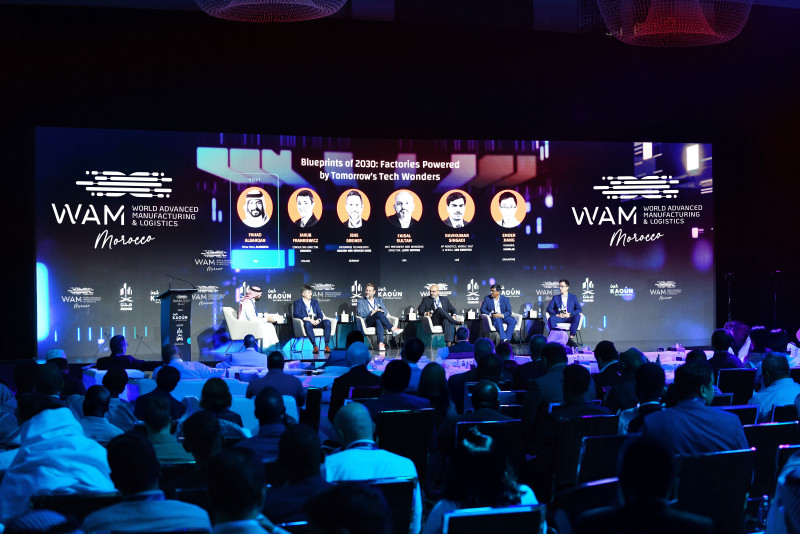
  • Launch of World Advanced Manufacturing & Logistics Expo & Summit (WAM Morocco) 2025 to Advance the Country’s Shift Towards Next-Generation Industries and High-Value Manufacturing

    Launch of World Advanced Manufacturing & Logistics Expo & Summit (WAM Morocco) 2025 to Advance the Country’s Shift Towards Next-Generation Industries and High-Value Manufacturing

    CASABLANCA, Morocco, November 25, 2024/ — KAOUN International (www.KAOUN-int.com/), Organizer of GITEX, Launches WAM Morocco 2025 with Commitment and Unified Support from Morocco’s Ministry of Industry and Trade, CGEM, and AMDIE; WAM Morocco 2025 Will Spotlight Advanced Manufacturing, Sustainable Practices, Next-Gen Logistics, and AI Innovation to Accelerate Industrial Growth.

    The World Advanced Manufacturing & Logistics Expo & Summit (WAM Morocco) will debut in Casablanca, with unified support to catalyse Morocco’s thriving manufacturing economy towards next-generation industries.

    Endorsed by the Moroccan Ministry of Industry and Trade and in partnership with key partners, namely the General Confederation of Moroccan Enterprises (CGEM) and the Moroccan Investment and Export Development Agency (AMDIE), WAM Morocco aims to expand the nation’s industrial base, foster new sectors, and drive capacity building for sustainable growth.

    Taking place from 28–30 October 2025 at the Foire Internationale de Casablanca (FIC), WAM Morocco is organised by KAOUN International, the force behind GITEX GLOBAL, the world’s largest and most influential tech and AI show, and GITEX Africa in Morocco – the continent’s largest tech and start-up event.

    Morocco’s robust manufacturing and logistics base in the automotive and aerospace sectors, boosted by initiatives such as the Fez Smart Factory and $600 million National Port Strategy 2030 (http://apo-opa.co/4eQs4iG), has drawn substantial international investment.

    Morocco has become the largest non-European automotive exporter to Europe. In addition, it has a significant presence in the aerospace sector, with exports totalling $2.2 billion and serving major clients such as Boeing and Airbus. Recent advancements in manufacturing and logistics have strengthened Morocco’s foundation, positioning the nation in the global spotlight as it prepares to host WAM Morocco successfully.

    H.E. Ryad Mezzour, Morocco’s Minister of Industry and Trade, expressed his support, stating: “WAM Morocco represents a significant milestone in Morocco’s journey to becoming one of the foremost hubs for advanced manufacturing in Africa and the world.

    Being part of this event highlights our nation’s commitment to innovation, economic resilience, and industrial leadership. By bringing together global and local expertise, we are creating an environment where high-tech innovation and sustainable practices can thrive, propelling our country and the continent towards a prosperous, technology-driven future.”

    The organiser of WAM Morocco and GITEX Africa, Trixie LohMirmand, CEO of KAOUN International, added: “WAM Morocco is a strategic and powerful manoeuvre for Morocco, accelerating the country’s, and the continent’s, prominence in high-tech industries and unlocking unparalleled access to global technological capabilities.

    This event will create powerful competitive advantages for the Moroccan and African ecosystems. By bringing together the best in innovation, investment, and collaboration, WAM Morocco is set to ignite Africa’s next wave of industrial revolution, paving the way for African nations to lead high-speed growth on the global stage.”

    Event Highlights and Strategic Objectives

    WAM Morocco is set to advance and support Morocco’s vision of becoming a sustainable, globally competitive manufacturing hub by showcasing cutting-edge manufacturing and next-generation technologies in AI, quantum computing, 3D printing, blockchain, and mixed reality.

    WAM Morocco shall feature a range of specialised events, including WAP (World Advanced Packing, Printing, and Plastic Technologies), WARM (World Advanced Rubber & Metal Industrial Technologies), and WASIM (World Advanced Sustainable Manufacturing), each dedicated to driving innovation and excellence in their respective fields.

    Built on Morocco’s industrial success, WAM Morocco aims to accelerate its position as a leader in advanced manufacturing by leveraging AI, deep tech, and sustainable practices. The event will foster public-private partnerships, attract foreign investment, and support local capacity-building, creating a lasting economic impact and strengthening Morocco’s role as a high-tech, sustainable manufacturing powerhouse in Africa.

    Chakib Alj, President of the Confederation of Moroccan Enterprises (CGEM), voiced support for the momentum driving Morocco’s industrial transformation, emphasising the importance of public-private collaboration: “This gathering is more than an event—it’s a vital platform for Moroccan businesses, particularly SMEs, to engage on the world stage, connect with leading international innovators, and form partnerships that will accelerate our industrial progress. By uniting our start-ups and industry leaders with global pioneers, we’re laying the groundwork for sustained growth, competitiveness, and economic resilience. We support this significant initiative and look forward to the long-term economic impact it will bring to Morocco and Africa as a whole.”

    For more information, please visit WAM Morocco’s official website.

    Distributed by APO Group on behalf of KAOUN International.
  • Brics+ countries are determined to trade in their own currencies – but can it work?

    Brics+ countries are determined to trade in their own currencies – but can it work?

    By:Academic Journalist,

    Associate Professor, China Studies Centre, University of Sydney

    The Conversation ,First Published,26th November,2024

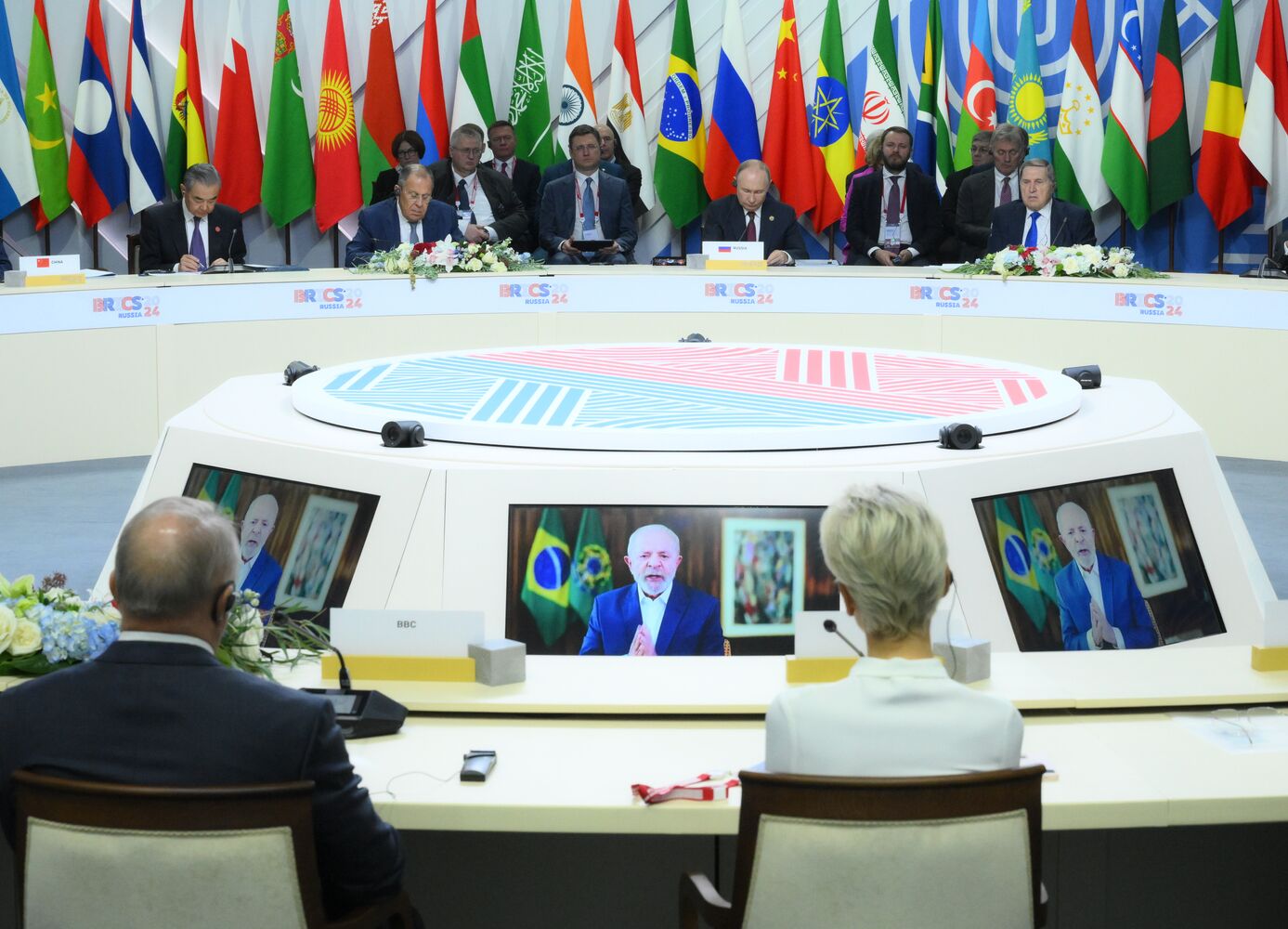
    Photo(Brics Summit 2024)

    Brics+ countries are exploring how they can foster greater use of local currencies in their trade, instead of relying on a handful of major currencies, primarily the US dollar and the euro.

    The forum for cooperation among nine leading emerging economies – Brazil, China, Egypt, Ethiopia, India, Iran, Russian Federation, South Africa, United Arab Emirates – emphasised this determination at their 16th summit in October 2024.

    Economist Lauren Johnston recently wrote a paper on this development. The Conversation Africa asked her for her insights.

    Why do Brics+ countries want to trade in local currencies?

    There are economic and political reasons to use local currencies.

    Using local currencies to trade among themselves will lower the transaction costs and reduce these countries’ dependence on foreign currencies.

    Over the past few centuries, the world’s economy has developed in a way that makes certain currencies more valuable and widely trusted for international trade. These include the US dollar, the euro, the Japanese yen and the British pound. These currencies hold value around the world because they come from countries with strong economies and a long history of trading globally.


    When people or countries trade using these currencies and end up collecting or holding them, they consider it “safe” because the value of these currencies remains stable and they can be easily used or exchanged anywhere in the world.

    But for countries in the global south, like Ethiopia, whose currency (the birr) isn’t widely accepted outside its borders, trading is far more difficult. Yet these countries struggle to earn enough of the major currencies through exports to buy what they need on international markets and to repay their debts (which tend to be in those currencies). In turn, the necessity of trading in major currencies, or the inability to trade in them, can create challenges that slow down economic growth and development.

    Therefore, even some trade in local currencies between Brics+ members will support growth and development.

    Oil exporter Russia is a unique case. Though there are fewer foreign currency constraints overall, Russia faces extensive financial sanctions for its war of aggression against Ukraine. Using a variety of currencies in its foreign transactions may make it easier to get around these sanctions.

    Politically, the reasons for using other currencies primarily relates to freedom from sanctions.

    One of the tools for making sanctions work is an international payments systems known as Swift (Society for Worldwide Interbank Financial Telecommunication). Swift was founded in 1973 and is based in Belgium. It enables secure and standardised communication between financial institutions for international payments and transactions. And it’s almost the only way to do this.

    It was first used to impose financial sanctions on Iran in 2012, and has since been used to impose sanctions on Russia and North Korea.

    If a country is cut off from Swift, it faces disruptions in international trade and financial transactions, as banks struggle to process payments. This can lead to economic isolation and challenges in accessing global markets.

    The reality, and possibility, of exclusion from Swift’s payments system is one of the factors galvanising momentum towards a new payments system that also relies less on the currencies of the countries that govern Swift – like the euro, Japanese yen, British pound and US dollar.

    What are the likely challenges they will face?

    The Brics+ plan to use local currencies faces some hurdles.

    The central problem is the lack of demand for most currencies internationally. And it’s hard to supplant the international role of existing major currencies.

    If, for example, India accumulates Ethiopian birr, it can mainly only use them in trade with Ethiopia, and nowhere else. Or, if Russia allows India to buy oil in rupees, what will it do with those rupees?

    Since most countries seeking alternatives to dollar dependence tend to sell more than they buy from other countries, or are lower-income importers, they must consider what currencies to accumulate via trade.

    When it comes to payment systems, at least, alternatives are emerging.

    Brics+ is creating its own, Brics+ Clear. Some 160 countries have signed up to using the system. China also has its own, Cross-border Inter-bank Payment System, which broadly works the same way as Swift.

    There’s a risk, though, that these payment methods could merely fragment the system and make it even more costly and less efficient.

    Has trading in local currencies been done elsewhere?

    Not all trade is done in major western currencies.

    For example, in southern Africa, within the Southern African Customs Union, the South African rand plays a relatively important role in cross-border trade and finance. Just as in south-east Asia the currencies of Singapore and Thailand compete to be the dominant currency in the sub-region.

    China – the world’s biggest exporter and producer of industrialised goods – is also signing bilateral currency swap agreements with countries. The goal is greater use of the renminbi in the world.

    As a means of circumventing sanctions, India and Russia recently trialled using the rupee to trade. Russia’s oil exports to and through India have risen strongly since the Ukraine war and some 90% of that bilateral trade takes place in the rupee and rouble. This leaves Russia with a challenge – what to do with all the rupees it has accumulated. These deposits are sitting in Indian banks and being invested in local shares and other assets.

    Another example of efforts to side-step major international currencies is China’s model of “barter trade”. The model works like this: China exports, for instance, agricultural machinery to an African country and receives payment in that country’s currency. China then uses that currency to buy goods from the same country, which are then imported back to China. After these goods are sold in China, the Chinese trader is paid in renminbi.

    Ghana is one country involved in this barter model. Challenges facing the model include the digitisation of payments and trade, and trust – high levels are needed to establish and maintain relationships between trading parties as individuals and as businesses. It also requires some level of centralisation and coordination, but lacks strong laws, regulations and industry standards. This means that different platforms and enterprises may not be compatible, which can add to transaction time and costs.

    Another example is when Chinese investors in Ethiopia make profits in birr. They use these birr to buy Ethiopian goods, like coffee, and export the goods to China. In China, when they sell these goods, they receive renminbi. So they transfer their profits from Ethiopia to China by increasing Ethiopia’s exports to China.

    Anecdotal reports suggest this is feasible at a small scale but has relatively high coordination costs.

    There could be other challenges. For example, if Chinese buyers pay Ethiopian coffee farmers in their local currency, instead of US dollars, it could lead to fewer dollars being available overall. Some international transactions still rely heavily on dollars.

    How should Brics+ nations structure their arrangement?

    There is no simple, or easily scalable, solution to moving past the reliance on major international currencies or circumventing Swift.

    A fast, digital payment system is needed. This system would calculate and balance currency demand efficiently. It must also be reliable, replace parts of the current system, and not create extra costs for countries that aren’t using it yet.

    Although some Brics+ members, like Russia, may have more interest in fast-tracking change, this may be less in the interest of other Brics+ members. A move away from Swift, for instance, requires buy-in from local financial institutions, and those in African countries may not be under pressure to shift to a new lesser-known platform.

    Given these challenges, I argue that Brics+ should progress incrementally. What can happen soon, though, is to conduct some trade in local currency.

    SOURCE

    THE CONVERSATION

  • eFinance Investment Group and Cassava Technologies Sign Partnership to Drive Business Expansion Across Egypt and Africa

    eFinance Investment Group and Cassava Technologies Sign Partnership to Drive Business Expansion Across Egypt and Africa

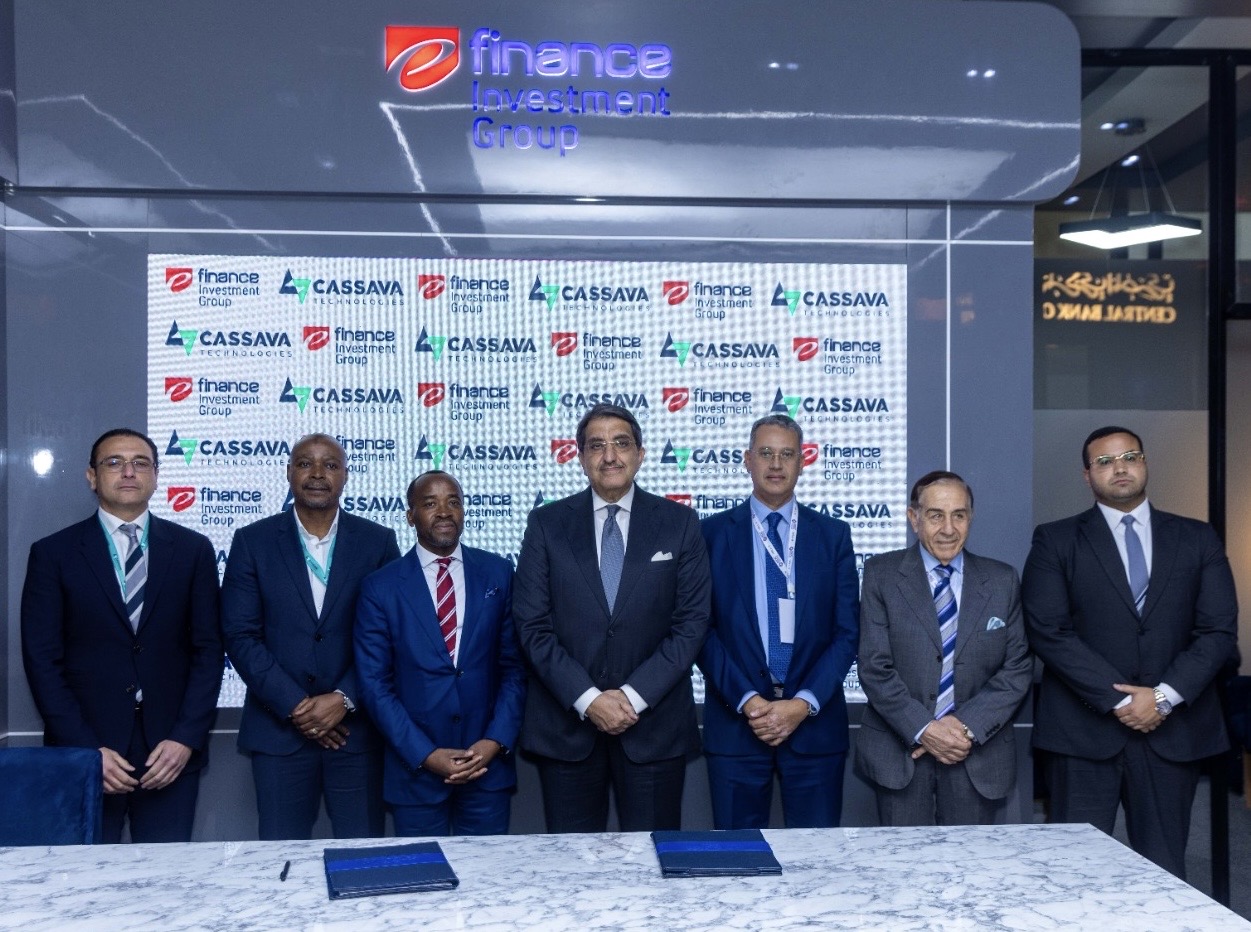
    CAIRO, Egypt, November 26, 2024/ — eFinance Investment Group and Cassava Technologies (www.CassavaTechnologies.com) have signed an agreement to explore and identify opportunities for collaboration and joint expansion across Africa. The signing ceremony took place during the 28th Cairo ICT Exhibition and Conference, held under the auspices of President Abdel Fattah El-Sisi.

    eFinance Investment Group and Cassava Technologies plan to leverage each other’s respective strengths and experience. Cassava Technologies will bring its extensive African footprint, infrastructure, and continental experience, whilst eFinance will bring its strong market presence and reputation as Egypt’s foremost leader in digital transformation.

    This collaboration aims to introduce innovations to the Egyptian market, drawing on eFinance’s robust presence and trusted reputation and Cassava Technologies’ pan-Africa reach and global partnerships.

    Cassava Technologies, headquartered in the UK, is a global technology leader of African heritage, with presence across Africa, the Middle East, Latin America and the United States of America. Its portfolio includes fiber broadband networks, satellite communications, data centers, renewable energy solutions, financial technology, digital platforms, artificial intelligence, as well as cloud and cybersecurity services.

    e-finance Investment Group is a developer of digital payments infrastructures that was established in 2005 to develop the Government of Egypt’s financial network. Over the course of nearly two decades, the Group has penetrated all corners of Egypt’s digital market and transformed itself into a leading technology-focused investment firm.

    With a dynamic business model and a flexible organizational structure, e-finance is able to focus on multiple target markets through its subsidiaries and maximize its ability to unlock value in the digital payments space.

    The Group boasts a portfolio of subsidiaries that has enabled e-finance’s growth across multiple markets, unlocked synergies across its business lines, and enabled digital transformation for various strategic sectors throughout the nation to support the development of Egypt’s digital economy and drive towards financial inclusion.

    Ibrahim Sarhan, Chairman and CEO of eFinance Investment Group, expressed his pride in partnering with Cassava Technologies, a global leader renowned for its extensive technological solutions and infrastructure across Africa.

    He emphasized that this collaboration represents a significant milestone in offering a unique range of joint services across the African continent, with a particular focus on the Egyptian market, where eFinance continues to lead the digital enablement for financial access across various industries and sectors.

    According to Hardy Pemhiwa, President & Group CEO of Cassava Technologies, “eFinance has a track record of success in driving digital transformation in Egypt which is truly commendable.

    This collaboration between Cassava Technologies and eFinance Group will accelerate the adoption of digital solutions in Egypt and the MENA region. eFinance’s experience across key sectors in Egypt make them an ideal partner for us as we expand our presence in Egypt and the region. This partnership further enhances our ability to deliver on our vision of a digitally connected future that leaves no African behind”.

    Distributed by APO Group on behalf of Cassava Technologies.