|
||||||||
|
|
Category: ECONOMY
-
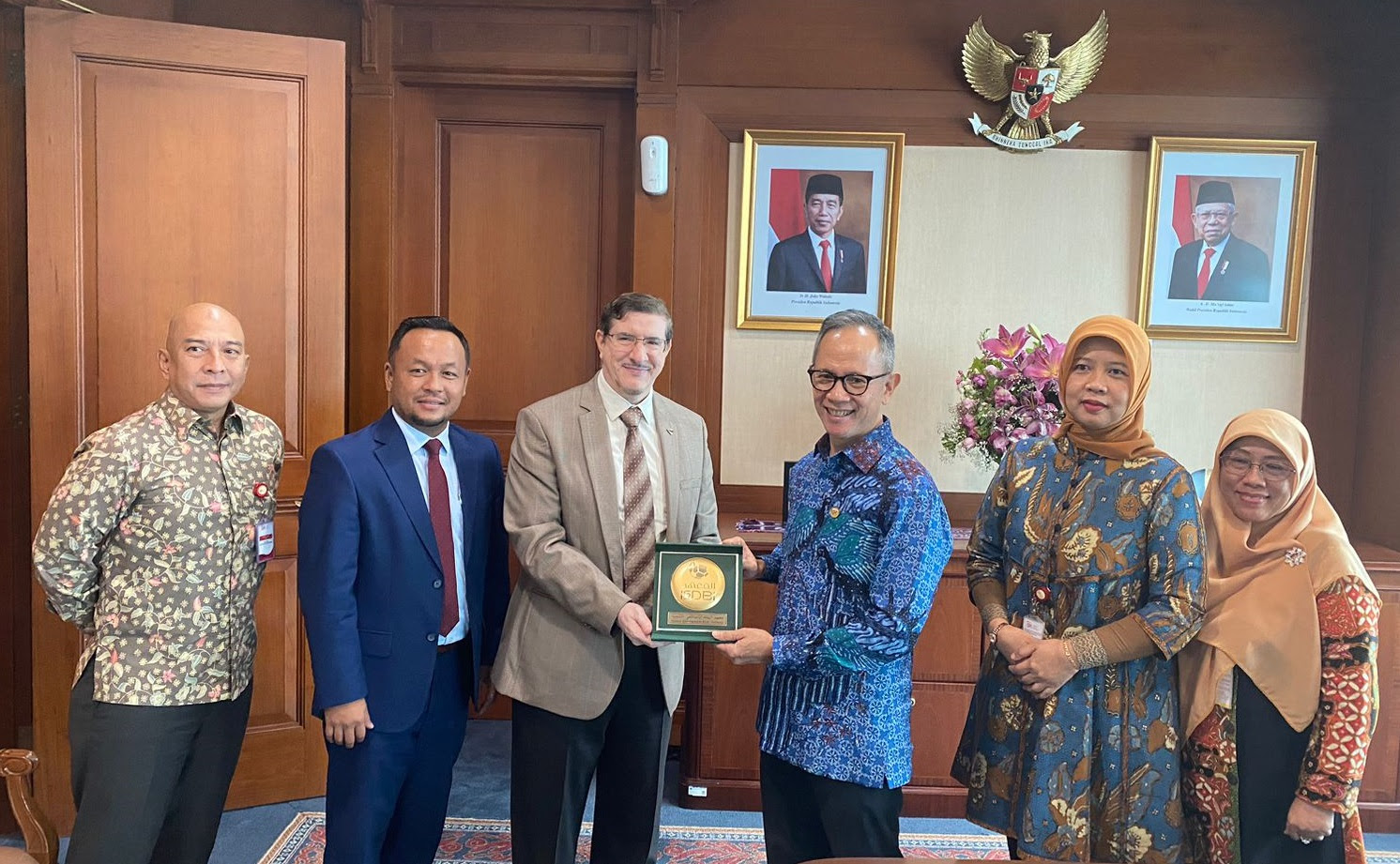
IsDBI and Indonesia’s OJK Explore Innovative Financial Instruments for a Sustainable Islamic Finance Ecosystem
-
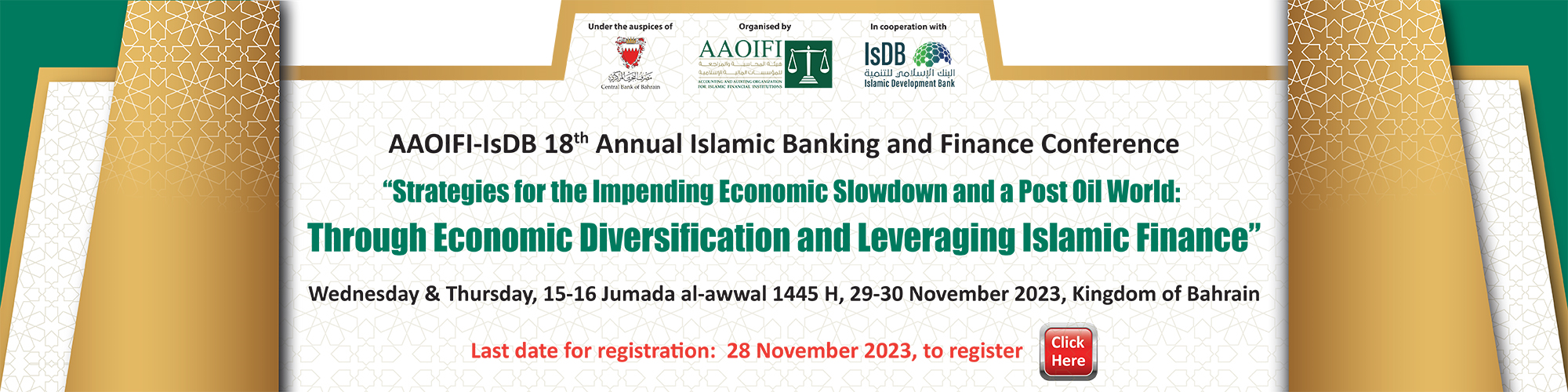
Leveraging Islamic Finance to address Impending Economic Slowndown
The Accounting and Auditing Organization for Islamic Financial Institutions (AAOIFI) together with the Islamic Development Bank Group (IsDB), represented by IsDB Institute (IsDBI), is set to host the 18th edition of its annual Islamic banking and finance conference under the auspices of the Central Bank of Bahrain.
The two-day conference will be held physically at the Crowne Plaza, in Kingdom of Bahrain, on 29-30 November 2023, with the theme “Strategies for the Impending Economic Slowdown and a Post Oil World: Through Economic Diversification and Leveraging Islamic Finance”.
The two-day conference will feature keynote addresses from dignitaries and policymakers, as well as, seven panel discussion sessions. The panel discussions will examine the role of Islamic finance and Islamic fintech in diversifying economic activity in the Muslim countries, challenges and opportunities resulting from Inflation and high benchmark rates, and the use of Islamic finance in the development of infrastructure for climate change mitigation.
In addition, the challenges of Sukuk Shari’ah compliance and governance and Islamic finance accounting for hyperinflation will be discussed.
AAOIFI is also organising the first-ever ‘Capacity Building Week’, which will begin on 28 November 2023 and run through 04 December 2023, after conference on 29-30 November 2023. The five-day celebration of human capital development in Islamic finance is expected to attract more than 200 trainees from at least 30 countries to participate in 17 concurrent workshops led by around 25 master trainers.
-

Driving Sustainability in the Hospitality Industry
In a major stride towards advancing sustainability and ESG integration within the hospitality sector, Omnevue, a leading ESG reporting platform, has launched a partnership with The Energy & Environment Alliance (EEA) and official statement disclosed in London,Tuesday.
To mark the beginning of their partnership, they are inviting members of the hospitality industry to a webinar that offers practical advice and tips regarding ESG reporting and the issues surrounding compliance and disclosure.
EEA, the global coalition comprising hospitality and lodging investors, developers, operators, and asset managers, is dedicated to guiding hospitality businesses toward achieving net-zero carbon (NZC) status and excelling in environmental, social, and governance (ESG) leadership.
“ESG reporting is poised to become the defining issue of our time. We can clearly see the transformation taking place, but what’s less clear is the detailed regulatory landscape and how it will reshape organisations. This transformation is on a scale unlike anything senior executives have faced in the past 20-30 years,” remarked Ufi Ibrahim of EEA.
“We are thrilled to unite with EEA in our shared mission to accelerate the sustainability agenda in the hospitality industry and help guide organisations through this transformative period,” said Daniel Jeczmien, CEO of Omnevue. “Together, Omnevue’s cutting-edge ESG reporting capabilities and the EEA’s extensive industry knowledge and passion to help its members attain NZC, will help businesses thrive.”
Omnevue aims to be the ‘QuickBooks for ESG’ through its user-friendly and accessible interface. It seamlessly connects to a company’s financial, HR, and other data sources before collecting, analysing, and generating reports aligned with international accounting standards.
“In response to new regulations, banks, corporates, and investors are now obligated to report on the carbon emissions of the SMEs within their value chains. Omnevue provides the solution that bridges the gap in ESG reporting and data quality,” stated Daniel Jeczmien.
“Our platform delivers accounting-grade data that can be confidently shared with investors, lenders, and customers. We are committed to simplifying ESG reporting for SMEs, making it accessible and cost-effective.”
Webinar: Comprehensive and Cost-Effective ESG Reporting for the Hospitality Sector
Tuesday 31st October 10-11am
Register: https://bit.ly/3QhKf7T
For more information, please visit www.omnevue.com

-
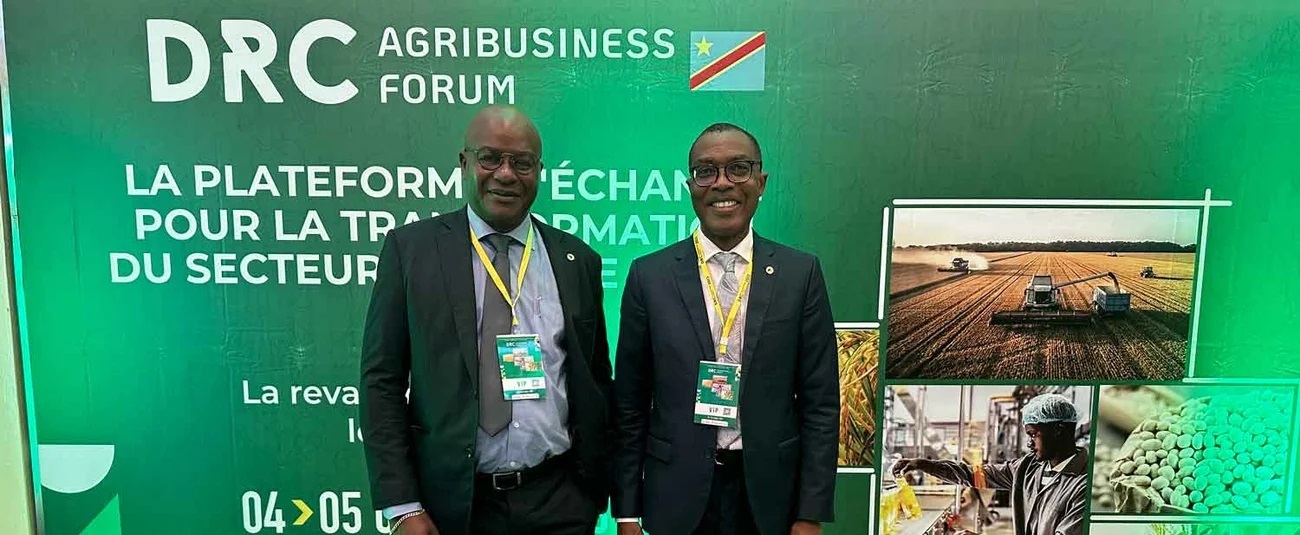
At the DRC Agribusiness Forum, Democratic Republic of Congo shares its ambition to feed Africa and announces $6.6 billion in investments in agriculture
ABIDJAN, Ivory Coast, October 15, 2023/ — The Democratic Republic of Congo aims to invest $6.6 billion over ten years in its Agriculture Transformation Programme (PTA) to fulfil its commitment to becoming Africa’s breadbasket. The announcement was made at the “DRC Agribusiness Forum”, held on 4 and 5 October 2023 in Kinshasa.The investment is evidence of the commitment of Congolese President Félix Antoine Tshisekedi to develop the country’s agricultural potential and ease the economy’s dependence on the extractive sector.
“With its 80 million hectares of cultivable land, its four million hectares of irrigable land, its varied climate allowing year-round agriculture, its having 7 to 8% of the world’s exploitable fresh water, and its approximately 125 million hectares of grazing land, sufficient for 40 million head of livestock, coupled with the size of its population, especially young and female, DR Congo incontestably has the means to be the breadbasket of Africa, the epicentre of the continent’s agricultural industry and an incubator of prosperity,” said Solomane Koné, Deputy Director General of the African Development Bank for Central Africa and Country Manager for the DRC.
The Forum, held at the initiative of the DRC Government with the support of the African Development Bank and the International Finance Corporation, aimed to stimulate private sector investment in agricultural value chains and boost agribusiness in the agricultural-resource-rich Central African country. The opening ceremony was chaired by Prime Minister Jean-Michel Sama Lukonde.
More than 700 people from 28 countries took part, including government officials, representatives of technical and financial partners, heads of public and private companies, investors and actors in the agricultural sectors.
At the event, the Democratic Republic of Congo presented its National Food and Agriculture Pact (https://apo-opa.info/46I0Bwg)
, made at the Food Sovereignty and Resilience Summit held in January 2023 in Dakar. The Pact is a product of the PTA. Serge N’Guessan, African Development Bank Director-General for Central Africa, said at the request of Democratic Republic of Congo, the African Development Bank will devote all of the country’s available allocations during the 2023-2025 Afrian Development Fund (ADF)-16 cycle to operations in support of the Agriculture Transformation Programme, which is the backbone of the Bank’s Country Strategy Paper for DRC over the next five years.
The Bank’s delegation, led by Mr N’Guessan, included senior officials and several executives from the various areas of operations. The experts enriched discussions on the involvement of the private sector and of technical and financial partners for giving agribusiness a new impetus in DRC.
Other topics discussed included approaches for sustainable and resilient agriculture, operational challenges to improve the resilience of the agriculture industry, the financing of agricultural value chains, the potential of the cassava sector, strengthening agribusiness, and the role of public-private partnerships and of energy and transport infrastructure for agribusiness development.
Five main recommendations were made for developing agricultural value chains:
- Adopt a sectoral and project-based approach, with real support from government (tax and administrative facilities, availability of basic socio-economic and energy infrastructure, etc.) for the revival of the agricultural sector.
- Limit all charges, fees and taxes to a maximum of 25% of value for production and export activities.
- Set up a sovereign wealth fund to support agriculture and agriculture hubs to support and advise small agricultural investors.
- Strengthen the capacities and roles of decentralized territorial entities in the governance of the agricultural sector, ownership and effective application of the value-chains approach and sustainable agriculture, risk guarantee and mitigation mechanisms and access to finance.
- Harmonize the regulatory framework for Special Economic Areas (ZES), Law on Basic Principles for Agriculture, Law on Public-Private Partnerships (PPPs).
The DR Congo Government reaffirmed its commitment to making agricultural transformation a key driver of development in the country, particularly through the necessary reforms and the establishment of a taskforce bringing together a number of ministerial departments and stakeholders to monitor implementation of the Forum’s recommendations.
Distributed by APO Group on behalf of African Development Bank Group (AfDB).SOURCE
African Development Bank Group (AfDB) -
Inaugural Board Meeting of the African Continental Free Trade Area (AfCFTA) Adjustment Fund Corporation holds in the Republic of Rwanda
KIGALI, Rwanda, October 6, 2023/ — Following the mandate by the African Union (AU) Summit of Heads of State and Government and the AfCFTA Council of Ministers responsible for Trade , Afreximbank (www.Afreximbank.com) and the AfCFTA Secretariat were mandated to establish and operationalise the AfCFTA Adjustment Fund through a General Partnership – the AfCFTA Adjustment Fund Corporation – with operations of the Fund domiciled in Rwanda.
The Fund will support countries and private entities through financing, technical assistance, grants and compensation funding in their transition to the new trading regime and mitigate any negative impacts that may arise during this process. By providing targeted support, the Fund aims to ensure that no country is left behind and that the benefits of the AfCFTA are shared equitably and in a sustained manner across the continent.
The inaugural board meeting of the AfCFTA Adjustment Fund Corporation held today in Kigali. The board members deliberated on key issues that will serve as a foundation for the successful operationalisation of the AfCFTA Adjustment Fund. Amongst these include the appointment of the Fund for Export Development in Africa (FEDA), the impact investment platform of African Export-Import Bank, as the Fund Manager for the Adjustment Fund.
The AfCFTA Adjustment Fund consists of three sub-Funds namely, the Base Fund, the General Fund, and the Credit Fund. The Base Fund will utilise contributions from AfCFTA State Parties as well as grants and technical assistance to address tariff revenue losses that would result from the implementation of the AfCFTA Agreement. The General Fund will finance the development of trade enabling infrastructure while the Credit Fund will be used to mobilise commercial funding to support both the public and private sectors enabling them to adjust and take advantage of the opportunities created by the AfCFTA.
Mr. Jean-Louis Ekra, Chairman of the Board of the AfCFTA Adjustment Fund Corporation, said: “It is important to note that the Adjustment Fund is not intended to perpetuate dependency, rather, it is designed to foster self-reliance. Its resources are aimed at assisting countries in overcoming temporary hurdles and building the foundations for long-term economic resilience. Through careful investment and strategic planning, Member States can utilise the Fund’s support to enhance their productive capacities, diversify their economies, and accelerate progress towards sustainable development goals. It gladdens my heart to be an active participant in this noble demonstration of history in the making. I enjoin all of us to seize this historic opportunity to unlock Africa’s vast potential, strengthen regional integration, and forge a brighter future for all, together.”
H.E. Wamkele Mene, Secretary-General of the AfCFTA Secretariat, said: “This inaugural meeting of the Board of the AfCFTA Adjustment Fund heralds a commendable milestone in the successful implementation of the Agreement. In collaboration with our strategic partner Afreximbank, we are commited to provide the necessary support to State Parties and private entities through the Adjustment Fund. The Board, composed of experts and driven leaders of the continent, will carry out the necessary actions to ensure compliance with all rules and regulations.”
Dr. George Elombi, Executive Vice president, Governance, Corporate and legal Services of Afreximbank, said: “Afreximbank welcomes the convening of the first Board meeting of the AfCFTA Adjustment Fund, which marks a significant milestone in advancing implementation of the African Continental Free Trade Agreement (AfCFTA). Given the enormous potential the AfCFTA holds for the continent, the Bank is exceptionally pleased to be a strategic partner to the AfCFTA Secretariat in establishing the Adjustment Fund. We are also pleased that our subsidiary, the Fund for Export Development in Africa (FEDA) has been appointed as the fund manager.”
Marlene Ngoyi, Chief Executive Officer of the Fund for Export Development in Africa, said: “FEDA is honored to have the opportunity to play a role in unlocking the vast potential of the African Continental Free Trade Area (AfCFTA) agreement. This transformative agreement has the power to create a more prosperous, equitable, and sustainable future for millions of people across the continent. The appointment of FEDA as the investment manager of the AfCFTA Adjustment Fund General Fund and Credit Fund demonstrates the AfCFTA Secretariat’s, Afreximbank’s, and FEDA’s commitment to the urgent realization of this grand vision.”
Distributed by APO Group on behalf of Afreximbank.For further information, please contact:
Ms. Grace Khoza
Principal Communications Advisor
African Continental Free Trade Area (AfCFTA) Secretariat
E-mail: Grace.Khoza@au-afcfta.org
Accra, GhanaMs. Elydora Matubanzila
Communications Officer
African Continental Free Trade Area (AfCFTA) Secretariat
E-mail: Elydora.Matubanzila@au-afcfta.org
Accra, GhanaCommunication | Marketing | Advocacy Division, African Continental Free Trade Area |
E-mail: afcftacommunications@au-afcfta.orgTo find out more, please visit our website: https://AU-AfCFTA.org
-

Harnessing the Combined Talents of Africa and the Caribbean for a Brighter Future
From December 1 & 2, 2023, the leading London-based Business consulting and investment Firm, Wealth Masters Group, is conveying African and Caribbean Private sector to discuss Business and Investment opportunities among themselves during a 2-day virtual event
Going under the theme “find your purpose, potential, business niche and key strategies needed as African/Caribbean from topnotch entrepreneurs and business owners”,the overall idea behind this virtual summit is to build bridges of understanding and fostering meaningful partnerships, that can harness the immense potential of the combined talents of the two regions, resources, and ideas to create a brighter future for our people and generations to come.
According to Dr. Benjamin Acheampong, Wealth Masters Group Founder and President, “Africa and the Caribbean have long been vibrant and dynamic regions, rich in culture, heritage, and human potential. Our lands have birthed leaders, visionaries, artists, and entrepreneurs who have made indelible contributions on the global stage.Today, we embrace our shared legacy and embark on a new chapter of collaboration to unlock even greater possibilities”.
“This unprecedented unique event converges Africa and Caribbean elite business powerhouse, entrepreneurs, start-ups, corporate CEOs, executives of Pan-African Business industries, commercial organizations and financial institutions to discuss Practical Business, industrialisation, partnerships and prospects that can be leveraged to upscale economic dividends among Africans and Caribbean”. Said, Mad. Dorcas James, Summit Executive Director.
The summit envisions the following key features:
1. Keynote from successful African and Caribbean business leaders and Heads of States
2. Daily summit remarks by key partners and sponsors
3. Master Classes on business creation, growing and financing, and wealth management
4. Workshops on ACAS focus areas towards generating projects that can be taken forward
5. Provide a platform for professionals, entrepreneurs, and business leaders from both regions to exchange ideas, explore business opportunities, and promote cultural understanding.The event welcomes companies and organisations as partners or sponsors. Our platform has the profile to guarantee your company/organisation the unique exposure and spectrum you dream of Wealth Masters Group appreciates all levels of sponsorship on a first come first served basis: such as discounts packages and others.
For more information kindly email us at info@wealthmastersgroup.com/www.acachiever.org or call us + 44 1622 809462 or visit our website at www.wealthmastersgroup.com/www.acachiever.org. Socials Media Facebook, LinkedIn and Instagram to discuss summit aspects including sponsorship packages tailored to your business objectives.
-
Africa Business Heroes Spotlight
INVESTIV-AFRIQUE PHYTO PLUS Join Hands
By: Mohammed A. Abu
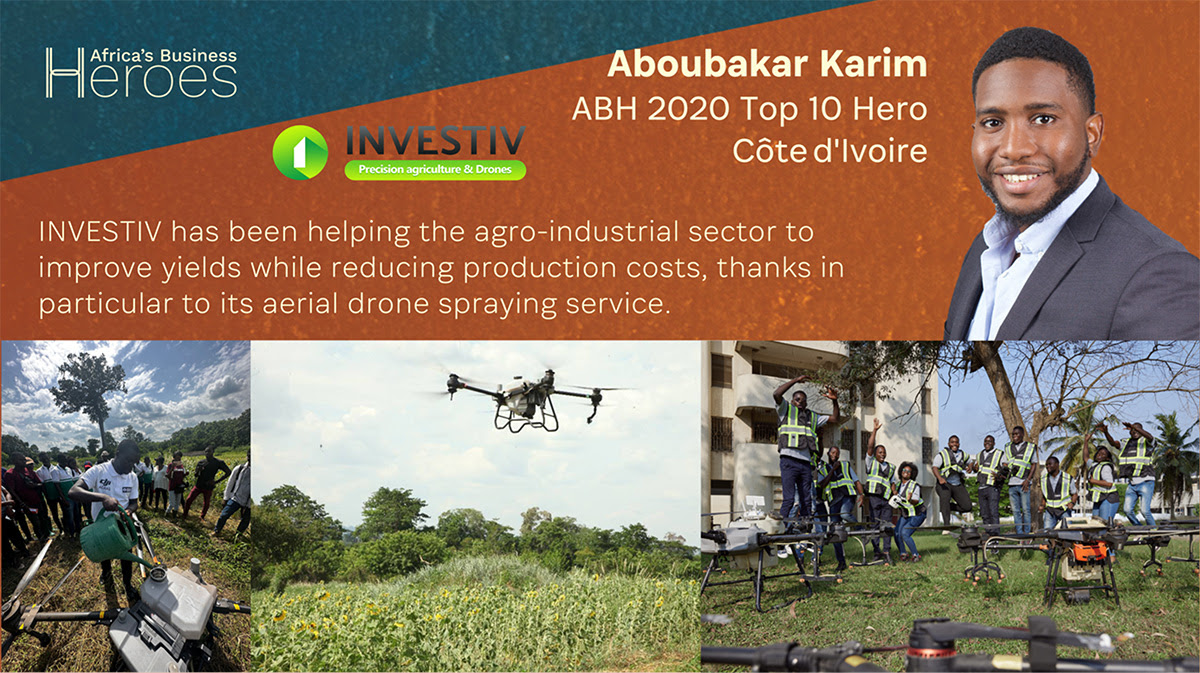
INVESTIV, a pioneer and leader in drone technology in West Africa, recently raised $800,000 (approx. 500 million XOF) from UK impact fund AGDEVCO and RAJ GROUP Holding to set up precision agriculture service centers for rural populations.
One of the company’s main challenges is to make its technologies available to small and medium-sized farmers for the production of food crops and perennial crops. To meet this challenge, INVESTIV, in partnership with AFRIQUE PHYTO PLUS, West Africa’s leading distributor of agricultural inputs, has developed a concept called Agrohub.
An Agrohub is a center offering precision farming services and a range of agricultural inputs. It is set up in villages and production zones in partnership with agricultural cooperatives and has a demonstration plot of around 2 hectares.
Precision agriculture uses information technology (IT) to ensure that crops and soil receive exactly what they need for optimum health and productivity. This also ensures profitability, sustainability and protection of the environment.
Precision agriculture (PA) is the science of improving crop yields and assisting management decisions using high technology sensor and analysis tools.
PA is a new concept adopted throughout the world to increase production, reduce labor time, and ensure the effective management of fertilizers and irrigation processes.
It uses a large amount of data and information to improve the use of agricultural resources, yields, and the quality of crops (Mulla, 2013). PA is an advanced innovation and optimized field level management strategy used in agriculture that aims to improve the productivity of resources on agriculture fields.
The Africa Business Heroes is a Jack Ma Foundation’s flagship philanthropic programme in Africa to support entrepreneurs. Its mission is showcase and grow local talent who are creating positive impact in their communities and beyond and inspire a movement of African entrepreneurship.
Over a ten-year period, the programme will recognize 100 African entrepreneurs and provide grant funding, training programmes and broader support for the broad African entrepreneurial system.
Africa Business Heroes Spotlight
Africa’s Business Heroes (ABH) is the Jack Ma Founda
-
Ethiopian Delegation to AFSIC – Investing in Africa 2023
FSD Ethiopia is coordinating a delegation from Ethiopia to attend AFSIC 2023 and will be sponsoring the Ethiopian Investment Summit scheduled for Monday, 9th October 2023. FSD Ethiopia is a development agency that aims to support the development of accessible, inclusive, and sustainable financial markets for economic growth with a vision to contribute to a thriving financial system that delivers real value to the broader economy and to the people of Ethiopia.
The Ethiopian delegation includes the key financial sector actors, including the Ministry of Finance, Ethiopian Capital Market Authority, Ethiopian Investment Holdings, Ethiopian Securities Exchange, and Ethiopian Investment Commission– a truly comprehensive grouping and an exciting agenda item to look forward to.
The Ethiopian summit is organized under the theme “Ethiopia – The New Frontier Market, Opening Doors and Creating Opportunities”. The summit aims to provide a comprehensive overview of Ethiopia’s emerging opportunities and highlight Ethiopia’s recent economic reforms, favorable investment climate, and growing investment opportunities.
The high-level officials in the panel will discuss significant developments strengthening Ethiopia’s financial architecture. The event will feature a road show to raise capital for the recently established Ethiopian Securities Exchange (ESX). ESX will highlight opportunities for forming strategic partnerships with financial actors in Africa and beyond. Ethiopia investment holding aims to attract investors and inform global finance practitioners of Ethiopia’s capital market and opportunities.
The Ministry of Finance will promote its far-reaching reforms to mobilize resources for sustainable and inclusive development, key to Ethiopia’s Homegrown Economic Reform agenda. Ethiopian Investment Commission will exhibit the various investment opportunities and a favorable business environment within the country, accomplished through a comprehensive and strategic approach that highlights the unique advantages of investing in Ethiopia.
The Ethiopian Investment Summit will be held on October 9th from 12:45 p.m. to 2 p.m. The Ethiopian Securities Exchange will launch its roadshow during the Embassy reception at the Ethiopian Embassy in London on the same evening.
The Ethiopian country delegation to AFSIC 2023 is a unique gathering of key financial sector players. and the Ethiopian Investment Summit promises to be standing room only. Any interested investors who wish to find out more should ensure they register to attend AFSIC event@afsic.net www.afsic.net
About the Ethiopian Delegation
Ministry of Finance (MoF)
The Ministry of Finance is a Ministry within the Government of Ethiopia responsible fiscal policy, public finance, and external economic cooperation. As per Article 16 of the Proclamation No.1097/2018 Definition of Powers and Duties of the Executive Organs of the Federal Democratic Republic of Ethiopia Proclamation, the Ministry of Finance is given the powers and duties (among others) to formulate economic cooperation and fiscal policies that particularly serve as a basis for taxes, and duties, mobilize, negotiate, and sign foreign development assistance and loans, establish a favorable legislative framework to promote and facilitate the implementation of PPP-financed infrastructure projects by enhancing transparency, fairness, and long-term sustainability, and prepare the Federal Government fiscal budget.
Ethiopian Capital Market Authority (ECMA)
The Ethiopian Capital Market Authority (ECMA) is a federal government regulatory authority with its own juridical personality, accountable to the Prime Minister of the Federal Democratic Republic of Ethiopia. It was established in 2021 by the Capital Markets Establishment Proclamation, which provides the legal foundation for the development of capital markets in Ethiopia. The ECMA is responsible for regulating the Ethiopian capital markets.
Ethiopian Investment Holdings (EIH)
Ethiopian Investment Holdings (EIH) is a young and dynamic holding company with a mission to create long-term value for Ethiopia. It was established in December 2021 to serve as the strategic investment arm of the Government of Ethiopia and to execute the state’s ownership of commercial assets. It upholds a philosophy of long-term value creation and is committed to transforming Ethiopia’s resources into assets that generate wealth for current and future generations.
Ethiopian Securities Exchange (ESX) Project Office
The Ethiopian Securities Exchange (“ESX”) is Ethiopia’s first, and only organized securities exchange. ESX is established as a public-private partnership in line with Article 31 of the Capital Market Proclamation (No.1248/2021) and is licensed by the Ethiopian Capital Market Authority (ECMA).
ESX operates the business of a securities exchange, functions as a Self-Regulatory Organization (“SRO”), and serves as the central market organizer providing an integrated product suite covering the equities, money markets, and fixed income, segments of the capital markets.
As the pioneer securities exchange, ESX aims to play a critical role in the development and growth of the Ethiopian capital market. ESX’s core objective is to facilitate access to capital and support effective capital allocation in a manner that supports Ethiopia’s economic growth. By developing a well-regulated and efficient capital market ecosystem, ESX will enable the mobilization of financial resources for the Government, and private sector institutions while providing investors a reliable platform to invest in a reliable and efficient environment.
Ethiopian Investment Commission (EIC)
The Ethiopian Investment Commission (EIC) is a government institution established in 1992 to promote private investment, primarily foreign direct investment (FDI). The EIC is an autonomous institution accountable to the country’s Investment Board, which is chaired by the Prime Minister.
The EIC is committed to creating a conducive environment for investment in Ethiopia. It is working to improve the investment climate, streamline the investment process, and provide better services to investors. The EIC is also working to attract new investors and to expand investment into new sectors.
FSD Ethiopia
FSD Ethiopia is a development agency that aims to support the development of accessible, inclusive, and sustainable financial markets for economic growth.
Established in 2021, FSD Ethiopia works on identifying the underlying factors that contribute to financial system failures, enabling market participants to address these constraints and help build a functional and effective financial sector that contributes to economic growth.
FSD Ethiopia provides technical assistance, grants, and research insights to policymakers, regulators, and market actors to drive large-scale change in financial markets and support sustainable economic development. It works with public, private, and development partners in the financial sector to address critical system constraints to facilitate change that allows the provision of effective, transparent, stable, and inclusive financial systems. It provides tailored services to help diverse stakeholders achieve their goals and design interventions to make Ethiopia’s financial sector function effectively and inclusively.
About AFSIC – Investing in Africa:
AFSIC – Investing in Africa has become perhaps Africa’s most important annual investment event. The event is owned by Africa Events Limited. AFSIC is wholly focused on accelerating Africa’s economic emergence by matching investment opportunities in Africa transforming Africa’s business, trade and investment environment, growing Africa’s economy, reducing poverty, and increasing African incomes in all business sectors at a continental scale across all 54 countries in Africa.
African Investments Limited (www.africaninvestments.co), a sister company to Africa Events Limited, operates two multi award-winning digital platforms, the AFSIC African Investments Dashboard which matches investment opportunities to our global network of institutional investors and the Africa Business Opportunities Dashboard, which matches business, trade and investment opportunities across Africa covering all business products, sectors, countries in Africa and multiple business objectives. The digital platforms won the global 2022 Salesforce Partner Innovation Award for Financial Services.
-
Opportunity through adversity: Eighth annual Africa Risk-Reward Index highlights the continent’s outlook amid growing geopolitical fragmentation
London, 19 September, 2023: Specialist risk consultancy, Control Risks (www.controlrisks.com), and its economics consulting partner, Oxford Economics Africa (https://www.oxfordeconomics.com/), announced the launch of the eighth edition of their Africa Risk-Reward Index today, themed ‘Opportunity through adversity’.
The Africa Risk-Reward Index is an authoritative guide for policymakers, business leaders, and investors. The report details developments in the investment landscape in major African markets and delivers a grounded, longer-term outlook of key trends shaping investment in these economies.
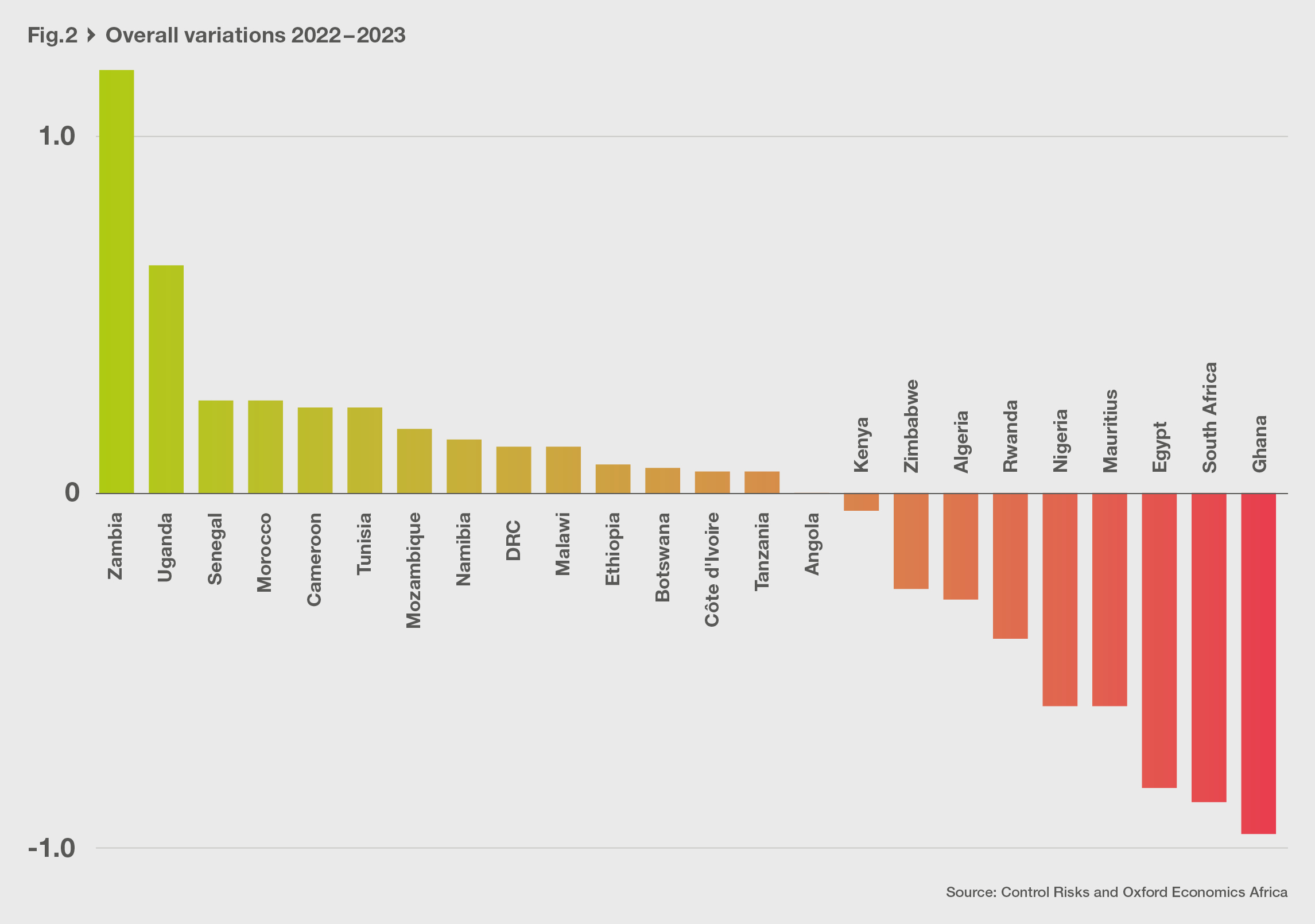
The eighth edition of the Africa Risk-Reward Index is released at a time of geopolitical fragmentation and recent external shocks that will have a sustained impact on the African continent. African nations are contending with the lingering repercussions of the COVID-19 pandemic, disruptions in global supply chains due to the conflict in Ukraine, and a tightening of global financing conditions. According to Oxford Economics Africa, these factors have pushed GDP growth down from 5.4% in 2021 to 3.5% last year. Some of this weakness has persisted into this year, but Oxford Economics Africa anticipates a steady, albeit uneven, pick-up in economic activity in the next 12-18 months.
The report examines three key themes outlined below, summarising Control Risks’ and Oxford Economics Africa’s views on Africa’s trajectory in the year ahead.
The profits and pitfalls in polarisation
The report’s first theme is the impact of global geopolitical fragmentation on Africa. The conflict in Ukraine has upended the geopolitical landscape: Western countries are seeking alliances on their stance against Russia, while Russia is also looking to gain support for its efforts in Ukraine. Beyond the geopolitical heavyweights, other emerging geopolitical “middle powers” are taking an interest in Africa and its rich resource potential. As jostling for influence continues, the shockwaves from the conflict have rippled out in the form of macroeconomic uncertainty and higher inflation, deep anxiety over the interconnectedness of global trade and economic systems, and a desire among global geopolitical powers to distinguish friends from foes.
Conscious of their growing geopolitical stock, Africa’s largest economies are seeking to balance their desire for neutrality and their need for external financial support, while at the same time seeking to amplify Africa’s voice in global debates. But their attempts at non-alignment are coming under ever greater pressure. Companies will be required to navigate the resulting regulatory complexity arising from global polarisation, including competing regulatory regimes, sanctions and export controls, and growing scrutiny on companies’ supply chains.
African-led security interventions
A collateral effect of the polarisation mentioned above is the upswing in African-led security interventions, which make the report’s second key theme. Global attention is split as the conflict in Ukraine continues, the US-China competition heats up, and countries in the Global North are increasingly focused on their domestic political concerns. The perceived inability of external forces to aid in bringing lasting security is leading African governments and institutions to gradually take on a greater role in responding to security crises on the continent.
“These changes in tackling insecurity will present challenges for policymakers and businesses in Africa in the coming years. Businesses will be forced to navigate a more complex operating environment where military force, regional competition, and political and business interests are intertwined”, said Patricia Rodrigues, Associate Director at Control Risks. It will require careful monitoring of rapidly evolving security dynamics, and heightened efforts to maintain neutrality and avoid the potential reputational fallout. Operators working in conflict zones will also potentially have to navigate interactions with foreign or private military forces.
Financing for the future
We anticipate that increased geopolitical competition will in the longer term translate into new opportunities for African countries, as geopolitical powers seek to extend their influence through financing and investment. However, in the short term, African economies will continue to contend with challenging economic environments, and this will deter the more risk averse investors. Rising inflation and supply-chain constraints have exposed the continent’s imbalances and economic fragilities.
“The Russia-Ukraine conflict and a tightening in global monetary conditions have unnerved international investors. This has raised concern that economic development on the continent might pause or even regress. One area where this has not been the case is financial services, and more specifically, the expansion of access to financial services through innovation,” said Jacques Nel, Head of Africa Macro at Oxford Economics Africa.
While foreign investors have somewhat retreated to the perceived safe havens of advanced economies, home-grown African champions are emerging to fill this funding gap and are steadily consolidating their dominance in Africa’s financial services industry. The continent still has a long way to go to reach financial inclusion to the extent seen in more advanced economies. However, financial institutions from regional economic powerhouses South Africa, Egypt, Nigeria, Morocco, and Kenya are stepping in to help bridge access and inclusion divides.
While the sector is likely to remain attractive for investors, there are still significant risks, including exposure to governance issues, fraud, cyber threats, vulnerability to terrorism financing, and growing international scrutiny of illicit financial flows.
Methodology
The Africa Risk-Reward Index is defined by the combination of risk and reward scores that integrate economic and political risk analysis by Control Risks and Oxford Economics Africa.
Risk scores from each country originate from the Economic and Political Risk Evaluator (EPRE), while the reward scores incorporate medium-term economic growth forecasts, economic size, economic structure, and demographics.
For details on the individual risk and reward definitions, please contact us at: communicationsEMEA@controlrisks.com or africa@oxfordeconomics.com
To request a copy of the report please contact: tracy.walakira@apo-opa.com
Issued on behalf of Control Risks and Oxford Economics Africa.
For more information, please contact:
Control Risks
Claire Peddle
Marketing Director, Middle East and Africa
claire.peddle@controlrisks.com
+971 50 600 5993 (Dubai)Oxford Economics Africa
Shreena Patel
Public relations and communications officer
+44 (0) 7999379025 (London)
-
About Construction of the Tamale-Yendi-Zabzugu-Tatale Highway
……As Eastern Corridor Road Stakeholders Meeting ends in Yendi
Mohammed A. Abu
A stakeholders meeting of the construction of the Tamale-Zabzugu-Tatale road project has successfully ended in Yendi, the seat of Dagbon Kingship in the Northern Region of the West African nation of Ghana.
A Ghana Ministry of Roads and Highways project-level grievance mechanism to address emerging grievances and complaints of dwellers of the affected communities in the project catchment area and a collective resolve by all parties with interest in the project, to keep their eyes on the project and report any observation, action or inaction deemed inappropriate, were the major outcomes of the event.
Lead Convener
With Concern Citizens of Yendi as lead convener, the meeting which was intended to deliberate on Project brief for LOT2, citizens’ expectations, emerging grievances and complaints, decisive actions on complaints among others, drew many participants representing stakeholder institutions and other various parties with a common interest in the project.
They included the Regional Highway Authority (GHA), representatives from GHA Head Office, Accra, representatives of the Ministry of Roads and Highway (MRH), a representative from the Royal Gbewaa Palace, the Sang-Lana, representative of the Mion-Regent, Savana Signatures, the Contractor (CJIC & CSCEC), among several others.
LOT2 Project Brief
The Ghana Highway Authority is the implementing Agency of the project scheduled for completion on 4 th August, 2028. Under the Transport Sector Improvement Project (TSIP), the project was awarded on a modern contract system known as the Output and Performance Based Road Contract (OPBRC).
The OPBRC contract system is underpinned by the “Tell me what you want but not how to do it” concept which unlike the traditional contract system where the contractor has to finish the entire construction works before payment, the OPBRC system recommends payment, if a maximum of 10km and a minimum of 5km work is completed.
The contractor is expected to use three (3) years for the construction works and a 4-year maintenance work implying that, portions that see an early completion will be under maintenance up to the seventh year of the contract duration.
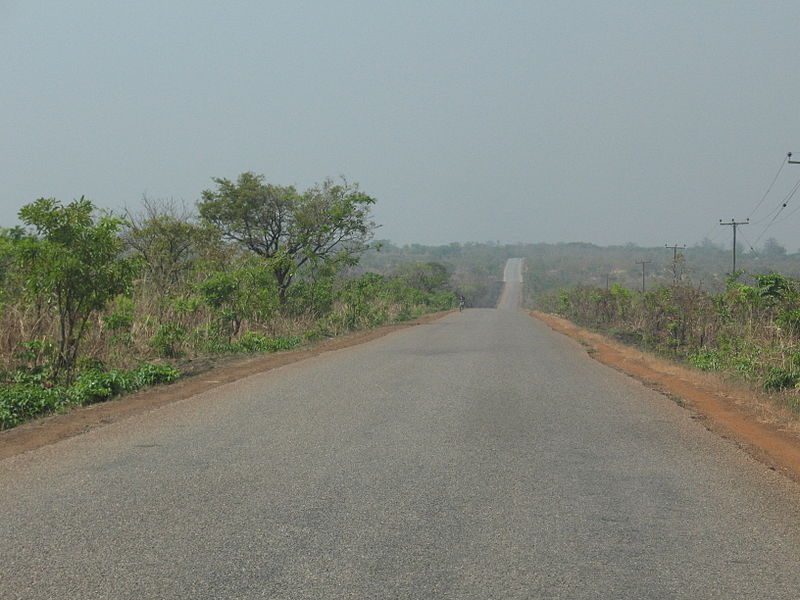
The LOT2 stretch of the highway is a single carriageway un-asphalted road that will have roadside drains, 46 box and pipe culverts, 2 bridges, streetlights and sidewalks as well as stopping lanes and bus bays in the urbanized communities.
However, 2.6km of the road into Yendi from Tamale will experience a one-way couple upgrading. All fibre optic infrastructure installations from Tamale to Yendi and to Tatale border post will be installed.
Expectations of Citizens
Some socio-economic development interventions that come along the project are: the provision of eight basic schools, eight bole holes and one clinic to some communities alone the stretch.
These interventions according to the GHA, were arrived at through a need-based assessment conducted by a consultant in 2019, which was also reviewed in 2021 to reflect the priority needs of the people.
Nanton-Zuo in the Tamale Metropolis is one of the beneficiary communities of an 8-unit classroom block. Participants were happy about these ancillary project interventions but however questioned who and which communities the consultant consulted on the need-based assessment?
Open Forum Session
During an open forum session, the event lead Convener came out with a list of questions bordering on diverse issues while also offering other participants the opportunity to make their inputs.
The issues included need for quality work that will offer value for money, the Yendi township portions of the road be given to the Eastern Corridor Contractor (LOT1) be given first-class road status, the first two culverts before Yendi township be demolished and reconstructed, a paradigm shift from current manual based compacting of side slopes of the road to mechanized based work, the sharp curve near Zobogu which causes lots of accidents be corrected, among others.
The Dagbon Forum’s Tamale Chapter on its part asked why satellite markets were conspicuously missing in those ancillary projects meant for socio-economic intervention needs of the people while the 2nd Vice President of its Yendi Chapter, asked for the number of speed ramps on the highway ton be reduced both in number and in height specifically for reasons of patients’ transportation.
Dagbon Forum Delegation
The Dagbon Forum(DF) delegation was represented led by its Yendi Chapter’s President, Alhaji Mohammed B. Ibrahim while its Tamale Chapter was also led by its President, Mr. Zakaria Adam. Also in attendance, was the 2nd Vice president of DF Yendi Chapter, Madam Kande.
Emerging Grievances & Complaints
The Ministry of Roads and Highways established a project-level Grievance Mechanism to receive, evaluate, and address project-related grievances targeted at communities affected by the project.
Mandate to Receive Complaints and Grievances
Savana Signatures, a non-governmental organization has been mandated by the Ghana Highway Authority to receive complaints and grievances.
Resources
Under the project-level grievance mechanism complaints can be channeled to the Ministry telephony, electronic communication, physically via grievances boxes, grievance officer complaint offices created in both Yendi and Mion for the public to send their complaints directly.
Toll-free number, 0800003333,website address: www.tsipmrhgh.com
Decisive Action on Complaints
Participants pleaded to all the Authorities connected with the project to act decisively on complaints brought before them.
Approval of major Proposal
The Yendi township roads given first-class status, the replacement of the two culverts before entry to Yendi, the Zobogu curve correction, the loose excess chippings on the road that fly and break vehicles windscreens, all received positive approval.
Issue of Compensation
Project Background
In June 2022, Vice President, Dr. Mahamudu Bawumia cut the sod for the construction of a 167km Tamale-Yendi-Tatale road project in the Northern region as part of the Eastern corridor road project.
The Tatale-Yendi-Tamale Road Project is fully funded by a US$150 million World Bank facility which was approved on June 6, 2017, under the Transport Sector Improvement Project (TSIP).
The project is expected to be completed in two years, but under the terms of the contract, the contractors will be undertaking maintenance works for five more years, unlike previous contracts where contractors are obliged to do one year of maintenance. This will bring the total project time to seven years.
The project has been divided into what is called LOT1 and LOT2. The LOT1 stretches from Tatale-Zabzugu to Yendi highway (61.98km) whiles LOT2 is the stretch from Yendi to Tamale highway (106.02km). The Yendi stakeholders’ engagement meeting was for deliberations on LOT2.