Category: ECONOMY

  • Resetting Ghana’s Economy to break the Loans and Aid Dependency Jinx

    Resetting Ghana’s Economy to break the Loans and Aid Dependency Jinx

    By: Mohammed Abu

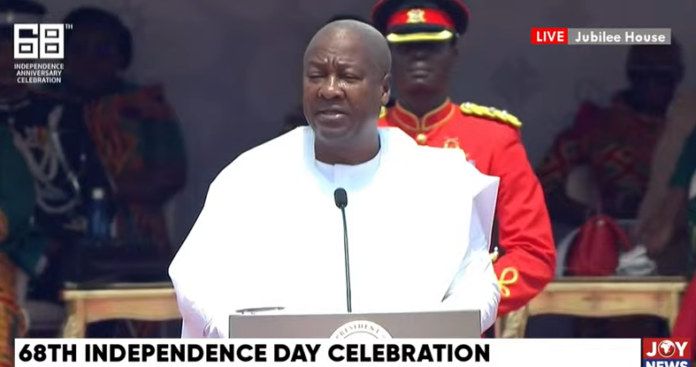
    Ghana’s President John Dramani Mahama in Accra,Thursday,emphasized the importance of backing up good policies with proactiveness on the part of the part of all national stakeholders  in other to  realise  the much desired change in the economic situation of the country.

    “This is a defining moment, but policies alone, no matter how well-couched, will not change our reality—action will” adding, “As your president, I am taking the necessary actions to create growth opportunities and enhance our economic independence”

    President Mahama was delivering his speech to mark the 68th  Independence Anniversary Celebrations at the Office of the President this year instead of holding the event at the Independence park or Black Star Square.

    This, President Mahama explained, was intended to save cost in holding the  annual most important and celebrated event given the economic circumstances the country currently finds herself.

    President Mahama called on young Ghanaians to step up, seize opportunities  being created by his administration and contribute to building a self-sufficient nation as Ghana’s economic future is in their hands.

    Proclaiming self-reliance President noted, while marching straight to the doors of donor agencies, begging bowl in hand, is meaningless.

    His administration he said, is formulating policies based on fiscal discipline and living within our means to break this cycle of dependence and reset our economy while  also striving to expand the country’s  economy to yield prosperity for all.

    “We are working to implement the 24-hour economy program to ensure that our economy never sleeps. This will allow us to create the necessary job expansion, boost productivity, increase our export capacity and trade footprint, and reduce our need for foreign aid”.

    Opportunities

    USD10 Billion Big Push Fund.

    The US$10 billion Big Push Initiative President Mahama disclosed, will also modernize infrastructure, create jobs, and stimulate local industries, ensuring that our development is driven from within rather than funded from outside.

    Agriculture

    Agriculture, President Mahama noted, remains our biggest opportunity to reduce import dependence. With over US$2 billion spent annually on food imports, the Agriculture for Economic Transformation Agenda (AETA) is structured to strengthen local agribusiness and ensure food security.

    Local Food Production Self Sufficiency Interventions 

    The Feed Ghana Programme he further noted,will drive mass food production and stabilize prices. At the same time, the Poultry Farm-to-Table Initiative will boost domestic production and processing to directly address our 95% reliance on imported poultry.

    ‘The success of these policies depends on active citizen participation, particularly from young people. The AgriNext Programme will equip 30,000 youth with land, training, and agribusiness opportunities”.

     Farming Inputs and Logistics Support

    Farmer Service Centres in every district President Mahama said ,will provide access to mechanization, quality seeds, and fertilizers to boost local food production.


  • Ghana’s National Economic Dialogue ends in Accra with Key Policy Recommendations

    Ghana’s National Economic Dialogue ends in Accra with Key Policy Recommendations

    Story: Mohammed Abu

    Ghana’s two-day National Economic Dialogue has ended in the country’s  capital City of Accra with recommendations bordering  on  a number of key issues

    Monetary Policy

    In other to strengthen monetary policy operations and effectiveness, it was recommended that coordination between the Ministry of Finance and Bank of Ghana be enhanced so as to ensure fiscal and monetary policy alignment. Then also, the Bank of Ghana should work with key stakeholders to integrate Fintech/liquidity transactions into overall banking sector liquidity system.

    Foreign Exchange Markets

    In other to improve the operation of foreign exchange markets, a review of the foreign exchange regime to support exchange rate stability as well as well as, strengthening the regulation of forex bureaus and eliminate illegal foreign exchange markets were recommended.

    Banking and Financial System

    For strengthening the banking system and financial intermediation, recapitalization of the Bank of Ghana, conduction of feasibility study and development of the regulatory framework for non-interest banking (Islamic financing), prioritization of the improvement of Ghana’s sovereign rating, the improvement of the efficiency of institutions relevant for perfecting collaterals and the limitation of political interference in the operations of the banks, were recommended.

    President John Dramani Mahama in a Keynote address to open the two-day event on Monday, assured that he has the political will to see through all the reforms that would be pro­posed at the end of the National Economic Dialogue underway in Accra.

    President Mahama said consensus building and consultation would be the hallmark of this administra­tion because “I believe that all of us as Ghanaians have a role to play in the development of our dear nation”.

    President Mahama said it was time to col­lectively build a resilient, competitive and robust economy that worked for all citizens.

    “The time for transformation is now. Let us embrace our economic transformation and unlock the full potential of our beloved country. Let us work together to build a resilient, competitive and a prosperous Ghana,” President Mahama stressed.

    Led by the President and held under the theme, “Resetting Ghana: Building the Economy We Want Together.” discussions centered on macroeconomic stability, economic transformation, infrastructure development, structural reforms, private sector growth, and governance.

    President Mahama also stressed the importance of transparency in government procurement, calling for an end to the overuse of single-source contracts.

    Single-sourced procurement must be rare, not the norm,” he declared, signaling a policy shift towards competitive bidding and fiscal accountability.

    Finance Minister Dr. Cassiel Ato Forson on his part, warned that, Ghana’s economic crisis is still unfolding and will require significant sacrifices from all citizens.

    The full length of the crisis is still unravelling by the day. The situation requires significant sacrifice from all of us,” he noted.

    Dr. Forson also disclosed that almost all state-owned enterprises (SOEs) are in financial distress, from the Electricity Company of Ghana (ECG) to the Agricultural Development Bank (ADB).

    The presenters, line-up included, Mr. Leslie Dwight Mensah, Prof. Ebo Turkson, Mrs. Abena Osei-Poku, Mr. David Ofosu-Dorte, Dr. Elikplim Kwabla Apetorgbor, and Mr. Franklin Cudjoe, who shared insights and policy recommendations.

    The discussions were guided by expert moderators, including Governor of the Bank of Ghana under the erstwhile Kufour administration Dr. Paul Acquah, Dr. Edward K. Brown, Mr. Joe Mensah, Mr. Felix Addo, Prof. K. K. Sarpong, and Dr. Emmanuel Akwetey of Institute for Democratic Governance(IDEG).

    Aimed at ensuring that diverse voices from the public and private sectors contribute meaningfully to shaping the country’s financial future, the dialogue centered on crucial thematic areas, including, Achieving Sustainable Macroeconomic Stability, Promoting Economic Transformation, Advancing Infrastructure Development Implementing Structural Reforms, Ensuring Private Sector-Led Growth and Restoring Good Governance and Combating Corruption


  • TradeTech Forum Returns for its Second Edition at AIM Congress 2025

    TradeTech Forum Returns for its Second Edition at AIM Congress 2025

    Abu Dhabi, UAE, 4 March: The TradeTech Forum, hosted by the World Economic Forum (WEF) will return for its second edition at  AIM Congress, set to be held on April 8, 2025, alongside the ongoing AIM Congress.

    With over 400 of the world’s foremost trade leaders and experts attending the forum this year’s TradeTech Forum aims to extend and expand the conversation on leveraging technology to transform global trade and investment.

    With a mission to explore how emerging technologies are impacting and shifting the norms of international trade, the impact on sustainability and fostering inclusivity, this year’s theme “TradeTech Transition: Evaluating the Present, Envisioning the Future”, will bring together innovators, policymakers and key global leaders into one forum.

    The TradeTech Forum this year continues with an updated and far more comprehensive agenda, with plenary sessions involving key experts of the industry, interactive workshops, and networking opportunities aimed to offer actionable insights to all attendees.

    H.E. Dr. Thani Ahmed Al Zeyoudi, Minister of State for Foreign Trade, UAE, will officially open the forum. Speaking on the impact of the forum to the UAE and the world, Dr. Al Zeyoudi said: “Technology can revolutionize global supply chains at every stage, creating opportunities to expand international trade.

    It enables less developed countries and small and medium-sized enterprises to participate more effectively and fairly in the global trading system, while enhancing security and transparency. The TradeTech Forum is a key platform to advancing these benefits, convening global trade leaders to explore leveraging technology to make supply chains smarter, more sustainable, and inclusive.”

    H.E. Al Zeyoudi added: “As a nation at the forefront of technological innovation and global trade facilitation, this platform exemplifies our commitment to fostering collaboration and harnessing digital technologies to drive sustainable, inclusive growth in global trade. We look forward to welcoming participants from around the world to chart the next chapter of TradeTech advancement together.”

    His Excellency Ahmed Jasim Al Zaabi, Chairman of the Abu Dhabi Department of Economic Development (ADDED), said: “As a key node on international supply chains and a global magnet for talents, businesses, investments, Abu Dhabi continues to develop trade facilitation solutions, and employ advanced technologies and methods such as AI and Blochian to enable free and fair trade and exchange of goods, services, and innovations.

    The TradeTech forum in Abu Dhabi provides a suitable platform to discuss ideas, challenges, and explore opportunities, devising innovative solutions that will shape the future of global trade”.

    The agenda for the forum packs many multi-disciplinary sessions, with the day starting off with the TradeTech Face-Off, an engaging breakfast debate featuring two contrasting visions on the future of TradeTech, where attendees will have to take a stance to what they believe the future of TradeTech holds.

    This dialogue will expand on to topics such as smart customs and how AI will revolutionize trade, a topic explored in depth in the latest TradeTech report “Artificial Intelligence for Efficiency, Sustainability and Inclusivity in TradeTech” just launched at the Annual Meeting at Davos.

    Plenary panels will continue throughout the day, discussing key topics such as the outcomes of the 2025 TradeTech Report, the regulatory sandbox outcomes in trade finance, and the imperatives for investment in trade innovation.

    A series of interactive workshops have been designed to create engaging deep-dives into AI-driven transformations in supply chains, trade finance, and logistics. In addition, the attendees can expect exclusive networking opportunities, with dedicated spaces for bilateral meetings, investor collaborations, and knowledge exchange.

    Hosted alongside AIM Congress 2025 at Abu Dhabi National Exhibition Centre (ADNEC), the TradeTech Forum is poised to set the global agenda for innovation in trade and investment, fostering cross-border collaboration and long-term economic resilience. “As a global collective, we must urgently transition into action mode, prioritizing immediate steps that drive substantial impact.

    Embracing the latest technological advancements and fostering thought leadership in TradeTech, alongside exploring regulatory adaptations, and supporting innovative startups, is essential to create a more efficient, sustainable, and equitable trade landscape.

    This is what we do at the TradeTech Global Initiative and why we convene this high-level forum.”, shared Tim Stekkinger, Head, TradeTech Initiative, World Economic Forum.


  • Top Reasons to Invest in Ghana’s Mining Industry

    Top Reasons to Invest in Ghana’s Mining Industry

    ACCRA, Ghana, March 4, 2025/ — Ghana’s mining industry stands as a key driver of economic growth – with GDP projections reaching 1.5% by 2025 (https://apo-opa.co/4klB6s7) – fueled by expanding opportunities within the sector.
    A stable political and business environment, coupled with the discovery of new mineral reserves and a well-established mining ecosystem, Ghana is an attractive investment destination for global mining institutions.

    The upcoming Mining in Motion Summit, taking place in Accra on June 2 – 4 will further highlight lucrative investment opportunities, connecting Ghanaian stakeholders with international financiers and technology providers to enhance collaboration across the mining value chain.

    Rich Mineral Resources 

    Ghana leads Africa in gold production and ranks 6th globally. In 2024 alone, artisanal miners contributed over $5 billion in foreign exchange earnings, underscoring the vast potential of Ghana’s gold sector. Ongoing industrial-scale projects like Goldstone’s Homase Mine Expansion, Cardinal Namdini Mine and Newmont’s Ahafo North Project continue to expand investment opportunities in the gold industry.

    In addition to gold, Ghana is the world’s 4th-largest manganese producer, presenting attractive prospects for investors seeking exposure to high-value minerals.

    The country’s untapped reserves of lithium, iron ore and bauxite also offer substantial growth potential as the demand for these minerals expand owing to the energy transition.

    Strong, Investor-Friendly Regulatory Framework 

    Ghana introduced incentives including as tax breaks, customs duty exemptions and foreign ownership rights, attracting significant foreign direct investment. For example, Atlantic Lithium secured $6.7 million to accelerate the Ewoyaa Lithium Project, while Asante Gold committed $525 million to expand its Bibiani and Chirano Mines.

    Policies such as the Green Minerals Policy (2023) streamline entry for critical mineral investors, while the Equipment Tracking Regulations (2020) simplify equipment procurement and transportation processes for mining projects.

    Skilled Workforce Availability 

    Ghana’s mining history has fostered a highly skilled workforce, making it easier for international investors to recruit trained personnel for their operations.

    Partnerships with global institutions, including the World Bank, have led to initiatives like the Ghana Landscape Restoration and Small-Scale Mining Project, which equips miners with modern, sustainable practices.

    Additionally, programs focused on apprenticeship, mentorship and capacity-building continue to enhance the local workforce. AngloGold Ashanti graduated 1,010 apprentices in October 2023 and added 140 more in February 2024, supporting Ghana’s local content development.

    Infrastructure Readiness 

    Ghana’s infrastructure readiness further strengthens its appeal as a mining investment hub. Recent developments include the inauguration of the Royal Ghana Gold Refinery in Accra in August 2024, which allows for local gold processing, streamlining operations and boosting export revenues through the sale of refined gold.

    The Ministry of Lands and Natural Resources in collaboration with testing laboratories company Intertek launched a new testing laboratory (https://apo-opa.co/3FeePMx) in Tarkwa, in 2023.

    The laboratory offers faster mineral sample analysis for over 500 exploration projects and 23 large-scale operations. Furthermore, the continuous modernization of the Tema and Takoradi ports has improved export logistics, ensuring that Ghana’s minerals reach international markets efficiently.

    Amid these investor-friendly conditions established by Ghana, Mining in Motion will further unveil burgeoning and lucrative opportunities within the West African nation’s mining sector. The summit will serve as a platform to connect stakeholders, foster partnerships, and facilitate deal signings that drive growth and investment.

    Stay informed about the latest advancements, network with industry leaders, and engage in critical discussions on key issues impacting ASGM and medium to large scale mining in Ghana. Secure your spot at the Mining in Motion 2025 Summit by visiting www.MininginMotionSummit.com. For sponsorship opportunities or delegate participation, contact Sales@ashantigreeninitiative.org

    Distributed by APO Group on behalf of Energy Capital & Power.

    SOURCE

    Energy Capital & Power

  • African Leaders Unite to Mobilize African Investment and Financing for Implementing Agenda 2063

    African Leaders Unite to Mobilize African Investment and Financing for Implementing Agenda 2063

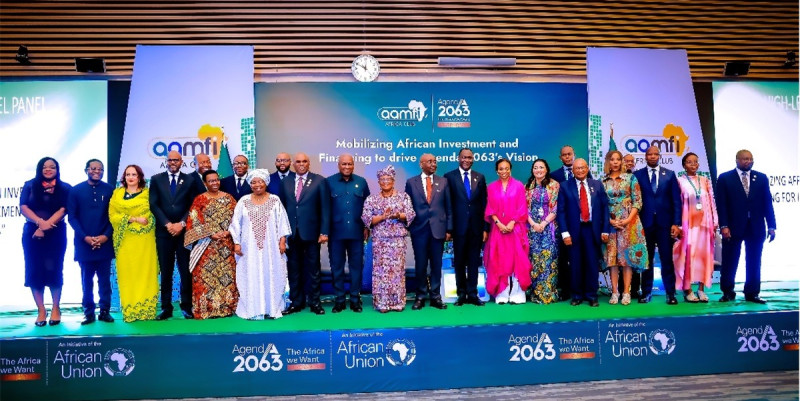
    ADDIS ABABA, Ethiopia, February 27, 2025/ — On the sidelines of the 38th Ordinary Session of the Assembly of the African Union Summit in Addis Ababa, Ethiopia, African Heads of State, Government and Business Leaders convened for a Presidential Breakfast Dialogue to address the continent’s financing and investment gaps. The event was held under the theme “Africa at the Forefront: Mobilizing African Investment and Financing for Implementing Agenda 2063”.

    The dialogue, which was hosted by His Excellency John Dramani Mahama, President of the Republic of Ghana and Champion on African Union Financial Institutions, in collaboration with the African Union Commission (AUC) and the Alliance of African Multilateral Financial Institutions (AAMFI), reaffirmed the continent’s commitment to accelerating self-reliant, sustainable economic development.

    In his keynote address, President Mahama emphasized the urgency of strengthening Africa’s financial independence through domestic resource mobilization, concessional financing, and strategic public-private partnerships. “Africa must harness its own financial and investment capacities to drive the transformative vision of Agenda 2063. We cannot continue to rely on external financing mechanisms that do not align with our long-term development goals,” he stated.

    Dr. Ngozi Okonjo-Iweala, Director General, World Trade Organization (WTO) emphasized the need for Africans to take charge of their own development by shifting mindsets and strengthening financial self-sufficiency.

    She Said, “The Africa Club is a crucial step toward looking inward and harnessing our own potential. However, we need to focus on four key priorities for Africa’s financial and economic transformation: Firstly, strengthening African financial institutions – If we are to finance our continent’s development, we must capitalize our own financial institutions, including national development banks, ensuring they have the resources to support Africa’s needs.

    Secondly, let’s address debt challenges to attract investment – we must focus on attracting and retaining investment, including foreign direct investment (FDI), and implementing coordinated strategies to leverage equity financing. Instead of relying on aid, Africa should push for partnerships that channel financial resources into investments.

    Thirdly, let’s leverage domestic resources – with over $250 billion in pension funds on the continent, we must tap into these resources for development. Strengthening our capital markets, integrating African financial institutions, and utilizing diaspora bonds can significantly boost Africa’s financial resilience.

    Lastly, let’s drive trade and economic growth – sustainable financing hinges on Africa’s ability to grow its economies, trade more, and add value to its products. Without economic expansion, the resources needed to bridge financing gaps will remain out of reach.”

    Speaking during the dialogue, H.E. Dr. Monique Nsanzabaganwa, Deputy Chairperson of the African Union Commission, highlighted Africa’s immense potential and the critical role of collaboration. “This is an exciting time for Africa, which has been stretching and renewing itself economically, politically, and socially in recent years. Only the grumpiest pessimists will bet against this new era of ‘Africa Time’ for its economic and social transformation as envisioned under Agenda 2063.”

    Dr. Nsanzabaganwa urged investors to seize the opportunities within Africa’s evolving economic landscape. “You will be right to have faith and believe in investing in Africa. The continent is perceived as the ‘new frontier,’ the ‘future paradise’ that sharpens a race to markets by an increasing number of investors.”

    Speaking on behalf of AAMFI, Prof. Benedict O. Oramah, Chairperson of AAMFI’s Governing Council and President of Afreximbank, underscored the significance of African financial institutions leading the charge in development finance. “AAMFI represents Africa’s collective financial strength, and through coordinated action, we will mobilize resources at scale to achieve Agenda 2063,” he stated.

    He further emphasized Africa’s need for financial solidarity in debt resolution: “We have developed a platform that will make it possible to jointly invest in projects that are impactful to the continent. There is no reason why the bridge across Congo Brazzaville and Congo Kinshasa should not be built, the cost is a mere US$500 million; there is no reason why railways cannot be built across Africa, at best they cost about US$1-2Bn. We cannot call for a reform of the international financial architecture on weak legs, no one will listen to us if they view us as mere beggars. We must rely on our own institutions and use this platform to leverage our individual and collective resources to transform our continent. Let’s strengthen our alliance to meet our set objectives.”

    The dialogue featured a high-level panel of distinguished leaders and finance experts, including: Dr. Donald Kaberuka, African Union (AU) High Representative for Financing of the Union and the Peace Fund; Samaila Zubairu, 1st Vice Chairperson, AAMFI and President & CEO of Africa Finance Corporation (AFC); Dr. Corneille Karekezi, 2nd Vice Chairperson AAMFI and Group Managing Director & CEO, African Reinsurance Corporation; Ahunna Eziakonwa, Assistant Administrator and Regional Director for Africa, UNDP; and H.E. Amb. Albert Muchanga, Commissioner for Economic Development, Trade, Tourism, Industry, and Minerals, African Union Commission.

    Discussions centered on innovative strategies for mobilizing African capital, strengthening financial institutions, and leveraging the role of African Multilateral Financial Institutions (AMFIs) in financing critical development sectors such as infrastructure, industrialization, and trade.

    The event also witnessed special investment announcements:

    • African Trade Transformation Fund (ATTF), a groundbreaking USD5 billion concessional finance window initiative by Afreximbank to provide concessional financing to unlock new opportunities for African businesses and governments.
    • Shelter Afrique Development Bank (ShafDB) introduced the Catalytic Capital Replenishment Fund to bridge the housing and urban infrastructure gap in Africa which is reported to be a 53-million-unit deficit requiring $1.3 trillion to bridge.
    • The African Reinsurance Corporation (Africa Re) Group has pledged $1 million to the African Union Peace Fund. Additionally, the Corporation donated $500,000 to the Africa CDC during the COVID-19 pandemic and has now authorized the use of the balance for Mpox response efforts. The Group Managing Director further stated that Africa Re has committed 2% of its net profits to the African Re Foundation, which will allocate funds to support various initiatives across the continent, including disaster risk financing.
    • The African Solidarity Fund (ASF) established two key partnerships: a $320 million Guarantee Line to enhance access to housing credit and a $240 million Credit Line Guarantee to support women and youth empowerment, fostering entrepreneurship in the WAEMU.
    • Arab Bank for Economic Development in Africa (BADEA) launched a Debt for Equity initiative to support the capitalization of African Multilateral Financial Institutions by mobilizing resources from the Arab world towards sub-Saharan Africa.

    African Heads of State & Government, including leaders from Angola, Nigeria, Mauritania, Rwanda, Zambia, Libya, Kenya, Cote d’Ivoire, Benin, and Equatorial Guinea, reaffirmed their commitment to strengthening Africa’s financial ecosystem and supporting the growth of AAMFIs as key instruments of economic transformation.

    The event concluded with a unified call to action for African governments, financial institutions, and the private sector to strengthen coordination and build strategic partnerships to accelerate Africa’s development by His Excellency Ambassador Albert Muchanga, Commissioner for Trade and Industry at the African Union Commission.

    Distributed by APO Group on behalf of Afreximbank.

    For further information, please contact:
    communications@aamfi.africa
  • Ghana’s Mining in Motion Summit Gains Support from Key Leaders

    Ghana’s Mining in Motion Summit Gains Support from Key Leaders

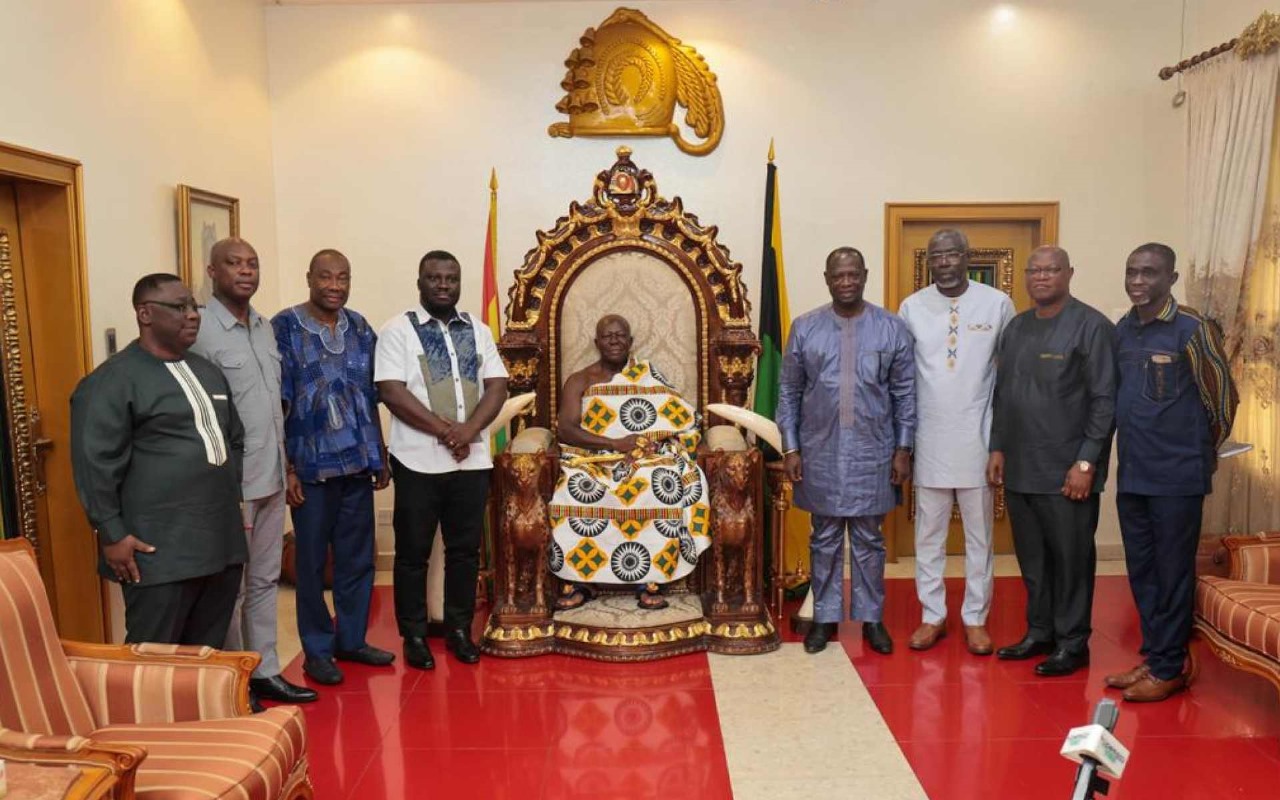
    Otumfuo Osei Tutu II, King of the Ashanti Kingdom; Hon. Emmanuel Armah Kofi Buah, Minister of Lands and Natural Resources of Ghana; and Oheneba Kwaku Duah, the son of Otumfuo Osei Tutu II and Managing Director of the Ashanti Green Initiative recently met to discuss the upcoming Mining in Motion Summit in Ghana.

    They explored the summit’s potential to improve the artisanal and small-scale gold mining (ASGM) sector in Ghana and the role of government, international partners and major mining firms in accelerating the sector’s growth. Hon. Kofi Buah endorsed the event, emphasizing its significance in connecting small-scale miners with technology providers, financiers, regulatory bodies and global industry stakeholders to improve their operations and impact.

    Organized by the Ashanti Green Initiative along with the World Bank, the World Gold Council and other international partners, Mining in Motion will take place from June 2 – 4 in Accra.

    The summit is held under the theme Sustainable Mining & Local Growth – Leveraging Resources for Global Impact, uniting key decision-makers, including H.E. John Dramani Mahama, President of the Republic of Ghana, as well as representatives from public and private sector mining institutions from South Africa, the Republic of Guinea, the African Union, ECOWAS and the United Nations.

    The three-day event will highlight the role of traditional authorities in shaping artisanal and small-scale mining practices, emphasizing the sector’s contribution to employment and economic growth. In 2024 alone, Ghana’s artisanal miners generated $5 billion in foreign exchange earnings through gold exports. Providing direct employment for over one million Ghanaians and accounting for 35% of domestic gold output, the sector has the potential to significantly shape socioeconomic development in the west African country.

    As Ghana’s mining sector increasingly supports sustainable development, the Mining in Motion Summit will highlight best practices for integrating ASGM into the global financial system. Representatives from prominent international financing organizations will share their insights.

    In a significant move to boost earnings for small-scale miners, Ghana has announced plans to establish a Gold Board. This new entity will simplify the process of purchasing gold from small-scale miners, providing them with easier access to global markets.

    With Samuel Adu Gyamfi, who was appointed Acting Managing Director of Precious Minerals Marketing Company last month and tasked with setting up the Ghana Gold Board, playing a pivotal role in shaping the summit, Mining in Motion is set to have a sizable impact on the growth of Ghana’s gold sector.

    Through a series of high-level panel discussions, deal signings, project showcases and exclusive networking, Mining in Motion serves as the ideal platform to connect Ghanaian miners with regional counterparts and global investors for forge industry-changing partnerships.

    Stay informed about the latest advancements, network with industry leaders, and engage in critical discussions on key issues impacting ASGM and medium to large scale mining in Ghana. Secure your spot at the Mining in Motion 2025 Summit by visiting https://MiningInMotionSummit.com/. For sponsorship opportunities or delegate participation, contact sales@ashantigreeninitiative.org.

    Distributed by APO Group on behalf of Energy Capital & Power.

    SOURCE

    Energy Capital & Power

  • Charting the Future of Islamic Finance in Russia:CIBAFI and TIDA Host Strategic Session and Training Programme

    Charting the Future of Islamic Finance in Russia:CIBAFI and TIDA Host Strategic Session and Training Programme

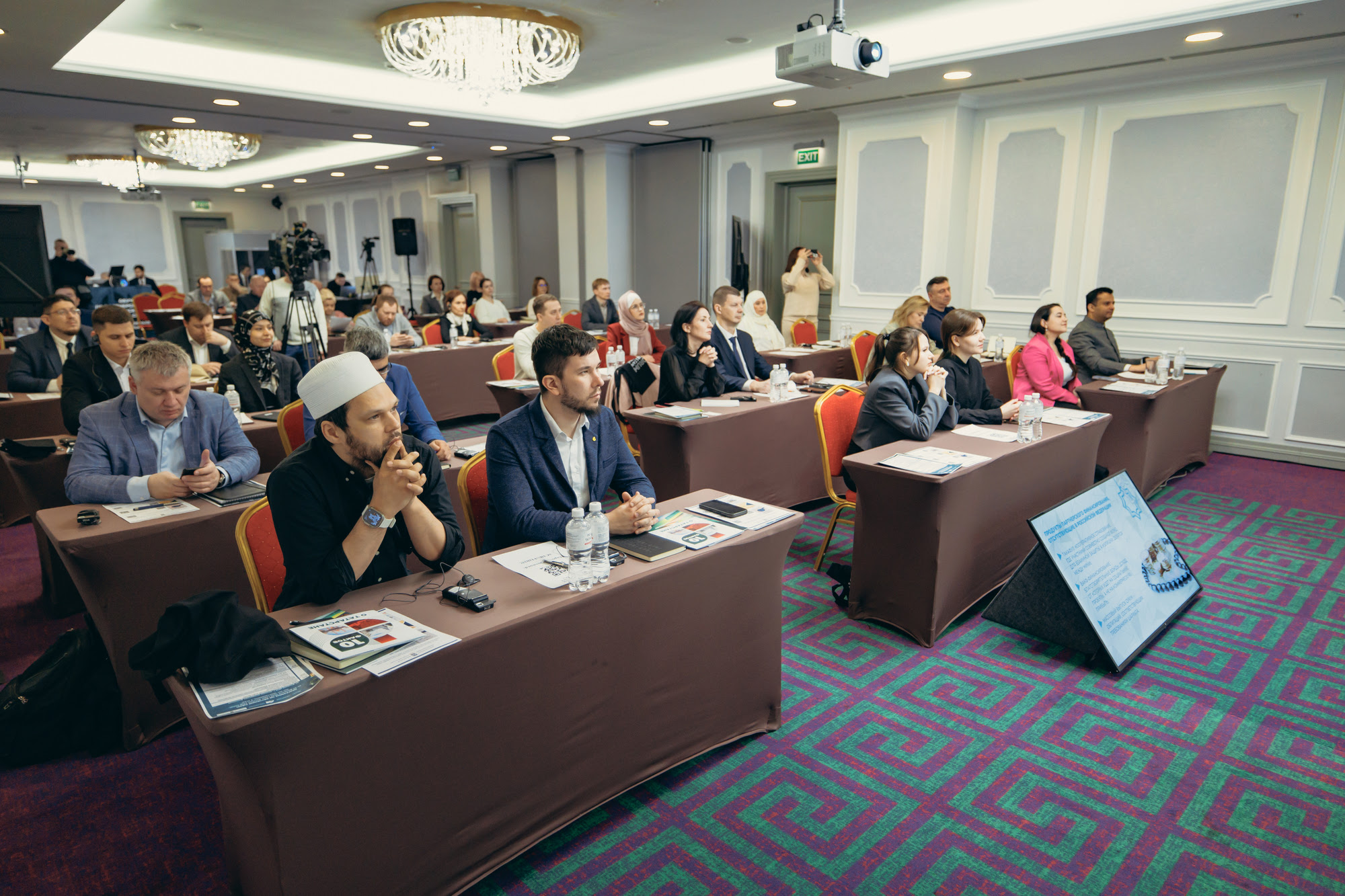
    The General Council for Islamic Banks and Financial Institutions (CIBAFI), in collaboration with the Tatarstan Investment Development Agency (TIDA), successfully hosted a high-level strategic session titled “Prospects for Islamic Finance in the Russian Federation” in Kazan, Tatarstan.

    Dr. Belatik stated: “Islamic finance has strong growth potential, and collaboration between Russia and countries where it is well established can accelerate its development. It offers opportunities for economic growth by supporting real economic activities and promoting ethical finance. CIBAFI remains committed to this progress through advocacy, capacity building, and industry engagement. By strengthening human capital and refining regulations, we can drive sustainable growth that benefits the financial sector and the broader economy”

    Ms. Minullina stated: “Our companies are actively working with Islamic countries, and while the use of Islamic financial instruments is still in its early stages, there is noticeable progress and significant potential for growth. It is crucial for us to establish a comprehensive infrastructure to accelerate this process. Today, we have launched a new training phase aimed at deepening the knowledge of our specialists and enhancing their capabilities for the future development of Islamic banking in Russia. It is important to note that this training is conducted by global experts with international professional standards.”

    Following the opening remarks, Dr. Belatik provided a briefing on CIBAFI’s activities, emphasizing its role in advancing Islamic finance through advocacy, research, and capacity-building initiatives. The session then featured a panel discussion, where experts examined key challenges, opportunities, and regulatory considerations for the industry’s growth in Russia.


    As part of its ongoing efforts, CIBAFI also launched a three-day Orientation Programme in Islamic Finance, offering a comprehensive understanding of Islamic finance principles, key financial products, and Shariah-compliant structures. The programme, facilitated by Dr. Ayman Sami Homoud, Group Chief Executive Officer, FEH Consulting combined theoretical knowledge with practical applications in Islamic finance, addressing emerging trends and regulatory developments.


    In conjunction with the strategic session and training programme, Dr. Belatik held a productive meeting with H.E. Rustam Nurgaliyevich Minnikhanov, President of the Republic of Tatarstan, in Kazan. The meeting was also attended by Ms. Taliya Minullina, CEO of the TIDA, who represented the interests of the region’s investment and development initiatives. Discussions focused on key initiatives and potential avenues for collaboration in supporting Islamic finance and raising public awareness. The meeting concluded with strategic plans set to be implemented in the coming period.


    This initiative reaffirms CIBAFI’s commitment to strengthening Islamic finance globally through capacity-building and industry collaboration.

    SOURCE

    CIBAFI

  • African ministers hold strategic dialogue on visa-free movement to propel regional integration agenda for Africa’s Transformation

    African ministers hold strategic dialogue on visa-free movement to propel regional integration agenda for Africa’s Transformation

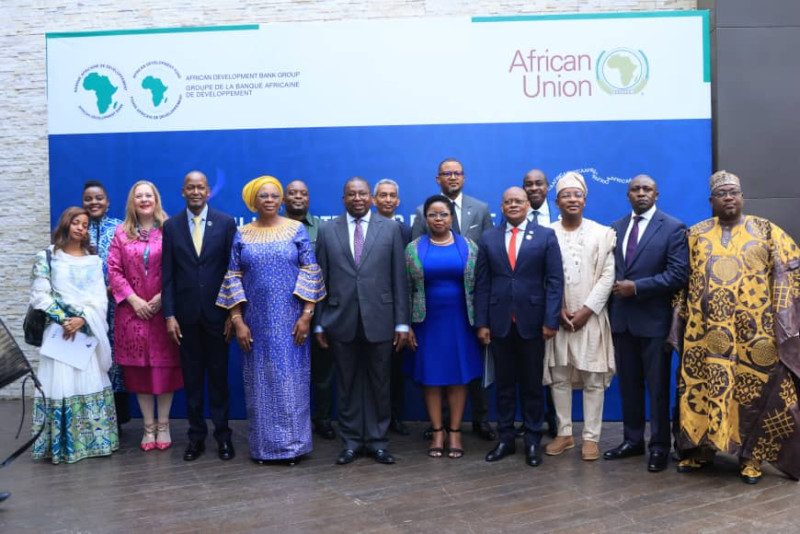
    ADDIS ABABA, Ethiopia, February 19, 2025/ — On the sidelines of the 38th African Union Summit, African leaders discussed obstacles to the continent’s economic integration, underscoring visa-free movement to reduce illegal migration and strengthen official travel channels.

    The high-level dialogue, convened by the African Development Bank Group and the African Union Commission alongside the AU Summit, brought together trade ministers and business leaders who pointed to Rwanda’s experience as evidence that open borders enhance, rather than compromise, security.

    African Development Bank Group Vice President for Regional Development, Integration and Business Delivery Nnenna Nwabufo expressed the Bank’s continued commitment to supporting the acceleration of visa-free movement across the continent.

    “We do it for its promise to transform Africa and to create prosperity,” she noted. “In fact, the goals of our new Ten‑Year Strategy (2024–2033) are designed around seizing Africa’s opportunities for a prosperous, inclusive, resilient, and integrated continent.”

    In his keynote address, Albert Muchanga, Commissioner for Economic Development, Trade, Tourism, Industry and Minerals at the African Union Commission, outlined four priority areas to open up the continent.

    They include liberalizing the movement of categories of people critical for trade in goods and services, implementing the Strategic Framework on Key Actions to Achieve Inclusive Growth and Sustainable Development in Africa, advancing to the next stage of African economic integration, particularly the African Common market, as envisaged under the 1991 Abuja Treaty, and establishing the appropriate facilitation measures, whether soft or hard infrastructure, to facilitate free movement of persons.

    Commissioner Muchanga stressed the need to make more progress on some continental projects, such as the trans-African highways (Cairo to Cape and Dakar to Mombasa), to facilitate free movement of persons.

    Presenting the “State of play in visa-free movement in Africa,” which featured findings from the latest edition of the AfricaVisa Openness Index, AVOI, Principal Regional Integration Coordinator at the African Development Bank’s Regional Integration Coordination Office, Ometere Omoluabi-Davies, highlighted the progress made by some countries regarding opening up their borders for Africans.

    The presentation reported that 39 African countries have improved their scores since 2016, indicating that visa openness across Africa is at its highest level since the inception of the index. Despite this inspiring trajectory, it was observed that there is still much room for progress to facilitate the unrestricted mobility of Africans within the continent.

    Rwanda Minister of Trade and Industry Prudence Sebahizi shared his country’s experience and economic gains from implementing a visa-free regime.

    “Rwanda does not agree with the usual excuse of security threats that accompany visa-free discussions because what is important is to invest in the systems, security, governance, monitoring,” he declared.

    “In the end, people who travel for tourism and business will always use the official channels such as the borders and airports. This means the policy itself cannot contribute to security concerns but rather solve the issue of smuggling and illegal migration.”

    The event featured roundtable discussions in which Africa’s policymakers and business leaders shared insights on implementing visa-free movement across the continent. With a resounding call to action, African Union’s Youth Envoy, Chido Mpemba, emphasized that the interconnectedness of young people through social media and the internet enables experience sharing and cross-border collaboration. She noted that this was critical for building the social and cultural integration needed to create a shared African identity.

    The session concluded with a joint announcement of the 2025 Visa-Free Roadshow by Dr. Joy Kategekwa, Director of the Regional Integration Coordination Office of the African Development Bank Group, and Dr. Sabelo Mbokazi, Head of Employment, Labor and Migration Division of the African Union Commission.

    This roadshow aims to sustain advocacy and mobilize action for visa openness and free movement within Africa’s broader regional integration agenda to deliver better results for all Africans.

    Distributed by APO Group on behalf of African Development Bank Group (AfDB).

    Contact: 
    Betty Baisiwa Dowuona-Hammond
    Communication and External Relations Department
    media@afdb.org

  • The Djibouti Forum returns for its second edition:a unique platform for investment and dealmaking in Africa

    The Djibouti Forum returns for its second edition:a unique platform for investment and dealmaking in Africa

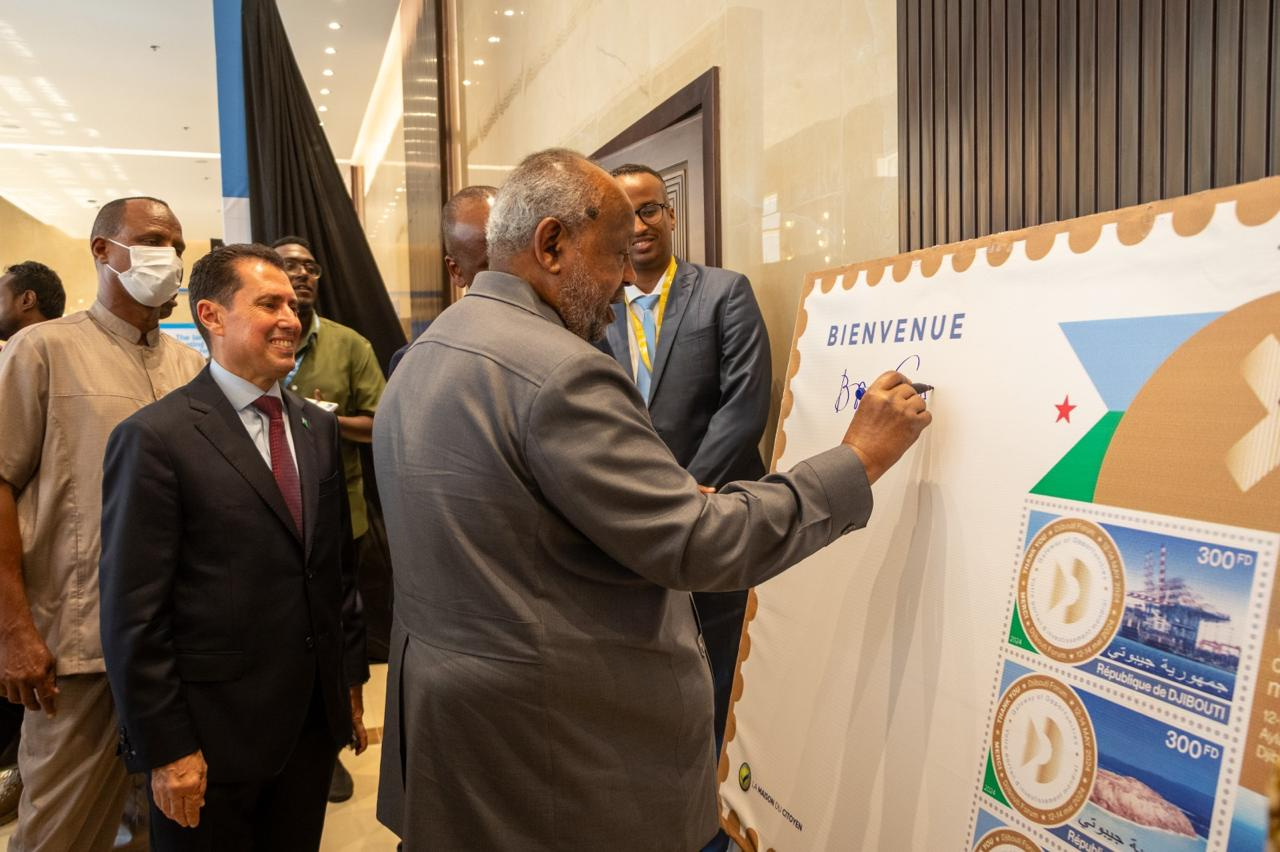
    Djibouti City, Djibouti – 19 February 2025–The second edition of the Djibouti Forum, under the theme “Unlocking opportunities for regional and global growth”, will take place from the 6th to the 8th of April 2025.

    Organised by the Fonds Souverain de Djibouti (Sovereign Wealth Fund of Djibouti), this landmark gathering seeks to positively shape the African agenda while highlighting the Horn of Africa’s pivotal role as a catalyst for growth and development in the region.

    Positioned at the crossroads of Africa, the Middle East, and Asia, the eastern corridor of Africa is emerging as a powerhouse of innovation, trade, and development. The Djibouti Forum 2025 builds on this momentum to offer a unique platform for economic transformation.

    Through the visionary leadership of Djibouti policymakers, the Forum aims to identify and showcase investable opportunities in the region and across Africa, advance strategic partnerships and dealmaking and explore innovative solutions to drive sustainable growth across priority sectors.

    “Our Strategic Vision 2035 is to consolidate our role as a port and digital hub while diversifying our economy, promoting inclusive prosperity and strengthening our position on the international stage” stated HE Ismail Omar Guelleh, President of the Republic of Djibouti.

     “Djibouti is also promoting regional integration and helping to strengthen AfCFTA to stimulate economic growth and sustainable development in Africa and the Djibouti Forum stands as a critical platform for accelerating business opportunities across our region and the continent.”

    Following a successful first edition that gathered 46 expert speakers and representations from 280 institutions with a collective US$2.5 trillion in assets under management, the Djibouti Forum will return for a second time with an unparalleled network of policymakers, financiers, institutional investors, and industry leaders, to bring forward impactful dialogue and transformative opportunities.

    Bringing together key stakeholders, the Forum will serve as a gateway for dialogue, collaboration, and concrete action toward shaping the continent’s future. The objective of this strategic meeting is to deliver valuable insights and foment discussions on future megatrends and macroeconomic outlooks while tapping into new opportunities.

    Over 50 speakers will delve into critical themes shaping global markets, including public-private partnerships (PPPs), domestic resource mobilisation, and sector-specific insights spanning energy, logistics, hospitality, telecoms, technology and digitisation.

    Investors and policymakers will explore the favorable prospects offered by ports and new trade corridors in creating value chains while leveraging partnerships and alliances to further strengthen regional and continental integration.

    The Djibouti Forum connects decisionmakers, investors and developers to drive actionable outcomes and make an impact. This premier event presents a unique opportunity for high-level networking. Participants can access the full agenda and register directly on the Djibouti Forum website

    SOURCE

    The Djibouti Forum

  • More than 170 Countries to Participate in AIM Congress 2025 in Abu Dhabi Next April

    More than 170 Countries to Participate in AIM Congress 2025 in Abu Dhabi Next April

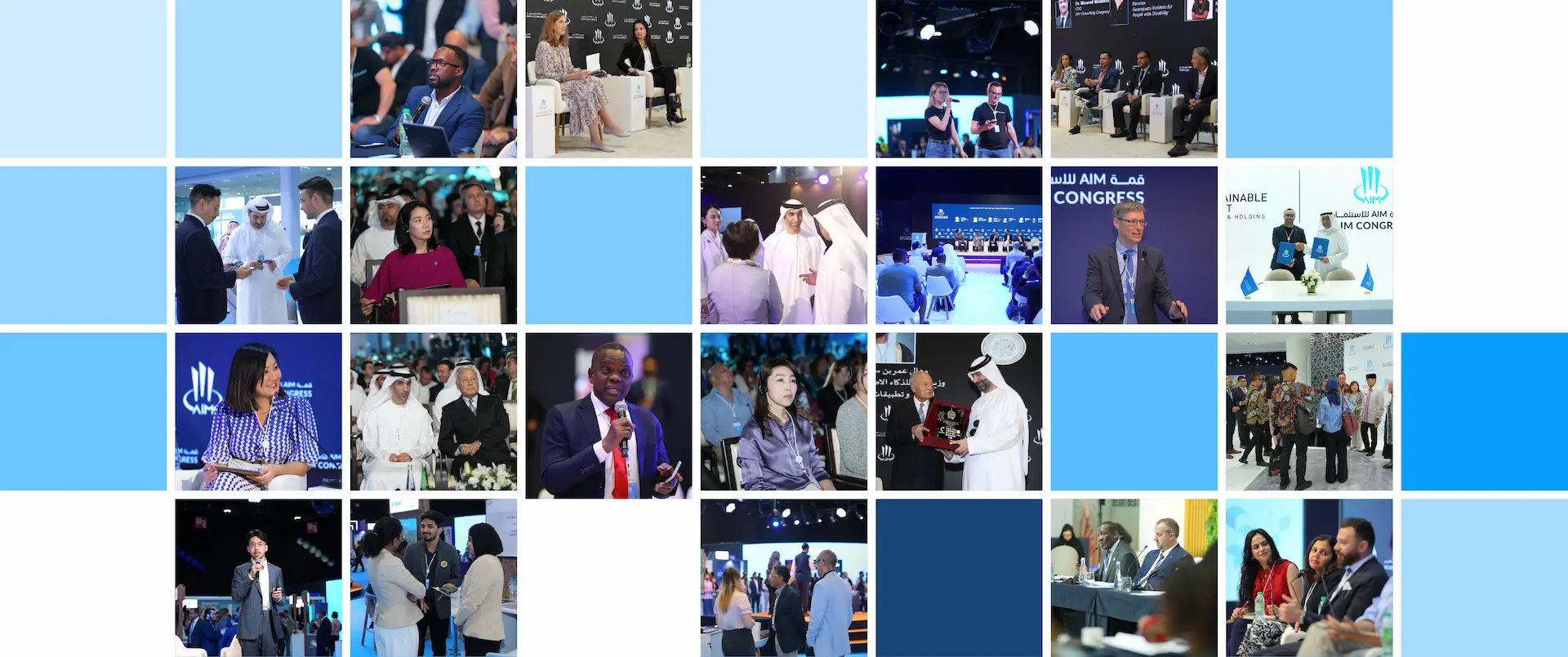
    Abu Dhabi, UAE, February 19, 2025: More than 170 countries have confirmed their participation in the AIM Congress 2025 International Exhibition, taking place as part of the congress’s fourteenth edition at the Abu Dhabi National Exhibition Centre from April 7 to 9.

    Under the theme “Mapping the Future of Global Investment: The New Wave of a Globalized Investment Landscape – Towards a New Balanced World Structure”, the event aims to redefine investment trends and drive economic growth.

    AIM Congress 2025 presents a unique opportunity for entrepreneurs, companies, investors, and governments to showcase ambitious projects, exchange insights, and forge strategic partnerships that enhance investments across diverse sectors.

    With an expected attendance of over 25,000 participants from around the world, the congress serves as an unmatched platform for financing opportunities, business expansion, and high-level networking with key decision-makers in the global investment landscape.

    The international AIM exhibition highlights sustainable development opportunities in the UAE and globally by showcasing innovative projects and initiatives, fostering job creation, and strengthening collaboration among participants to drive balanced economic growth in an era of accelerating challenges.

    The exhibition is dedicated to promoting foreign direct investment and exploring practical strategies to attract investors to various economic sectors. It is structured around eight key portfolios:

    • Foreign Direct Investment (FDI): Your Gateway to Global Growth
      International investors and startups will gain insights into the latest regulations, assess the impact of geopolitical factors on capital flows, explore emerging markets, and identify new investment destinations within a highly advanced and supportive business environment.
    • Global Trade: Maximizing Profits Across International Markets
      Exporters and importers will benefit from discussions on smart supply chains, trade finance solutions, and modern customs regulations, enabling them to expand their businesses and leverage strategic partnerships.
    • Startups and Unicorns: Incubating Innovation and Expansion
      Startups and ambitious investors will have the opportunity to connect with venture capitalists and financiers, present their ideas to global investors, explore the latest funding strategies, and learn from the success stories of unicorn companies valued at over $1 billion.
    • Future Cities: Building Smart and Sustainable Communities
      Engineers, real estate developers, and policymakers will explore practical solutions for smart infrastructure, renewable energy, and sustainable mobility, unlocking significant investment opportunities in urban planning and construction.
    • Future Finance: Preparing for the Next Financial Revolution
      Financial institutions and investors will gain valuable insights into evolving banking systems, digital financial transactions, and the future of fintech through engagement with industry leaders.
    • Global Manufacturing: Boosting Productivity with Advanced Technology
      Industrial companies and manufacturers will discover ways to enhance productivity, integrate smart manufacturing technologies, and optimize operational efficiency.
    • Digital Economy: Seizing Opportunities in the Virtual World
      The exhibition will bring together government agencies, tech firms, and investors to explore emerging trends in artificial intelligence, e-commerce, and cloud services, ensuring participants remain at the forefront of digital transformation.
    • Entrepreneurs: Driving Growth for SMEs
      SMEs will have the chance to present their innovative projects to global investors, participate in educational workshops, and gain expertise in financial management, digital marketing, and international expansion strategies.

    AIM Congress 2025 continues to serve as a premier platform for fostering global investment opportunities, facilitating knowledge exchange, and driving sustainable economic development.

    For more information, please visit: https://www.aimcongress.com