Category: Events

  • Africa’s Natural Gas Sector is Building Momentum in 2024

    Africa’s Natural Gas Sector is Building Momentum in 2024

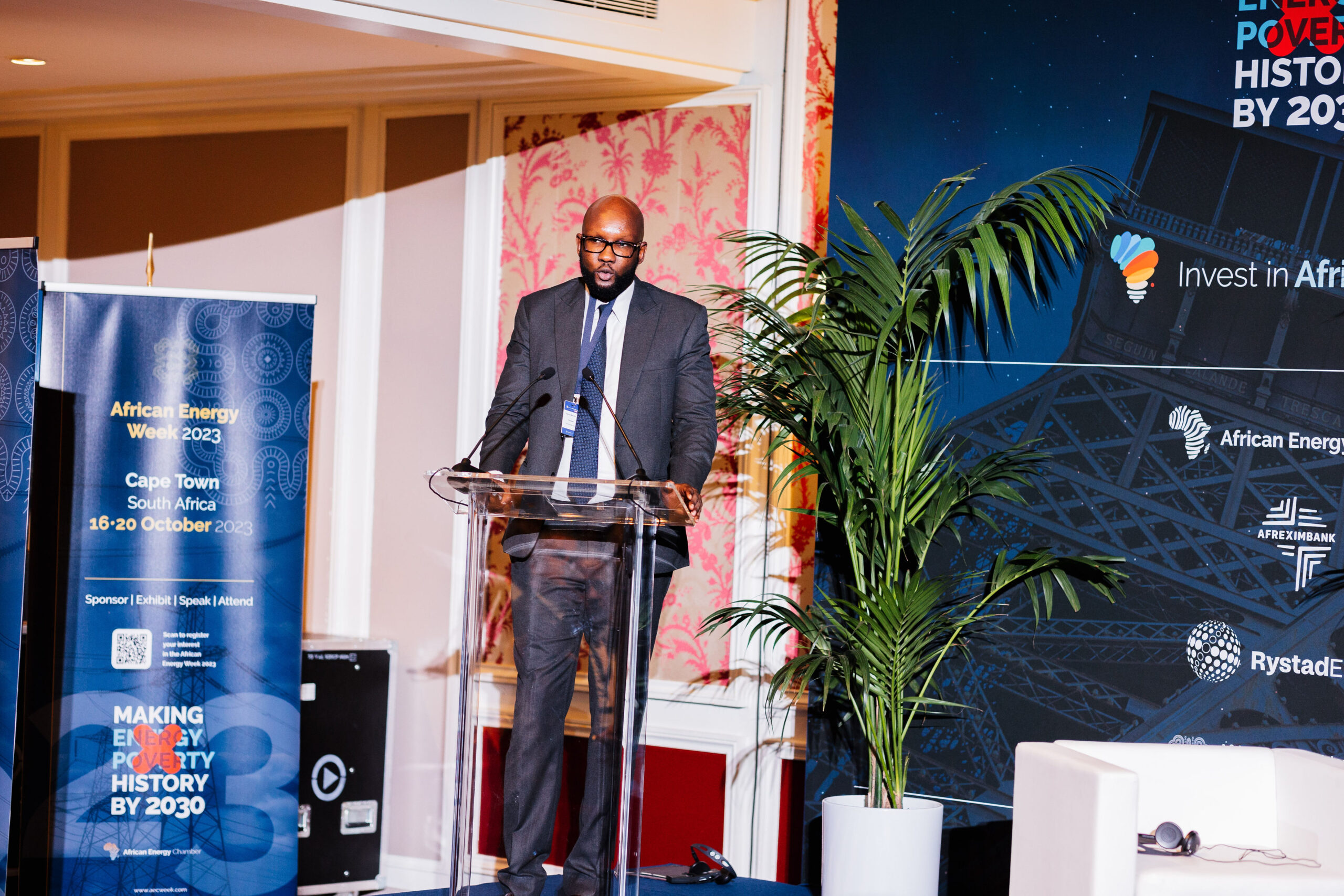
    By NJ Ayuk, Executive Chairman, African Energy Chamber

    The recently signed liquefied natural gas (LNG) development project in South Africa’s Mpumalanga province is a promising step on the long road to Africa’s just energy transition.

    The project, being jointly developed by Kinetic Energy of Australia and the Industrial Corporation of South Africa (IDC), a national development finance institution, will capitalize on Kinetic Energy’s recent 3.1 billion cubic feet natural gas discovery in Amersfoort, Mpumalanga. The project is expected to produce 50 megawatts (MW) of equivalent energy and eventually expand to 500 MW.

    The project, which Kinetic Energy describes as South Africa’s largest onshore LNG project, exemplifies natural gas’ potential to grow the country’s economy and meet domestic energy needs.

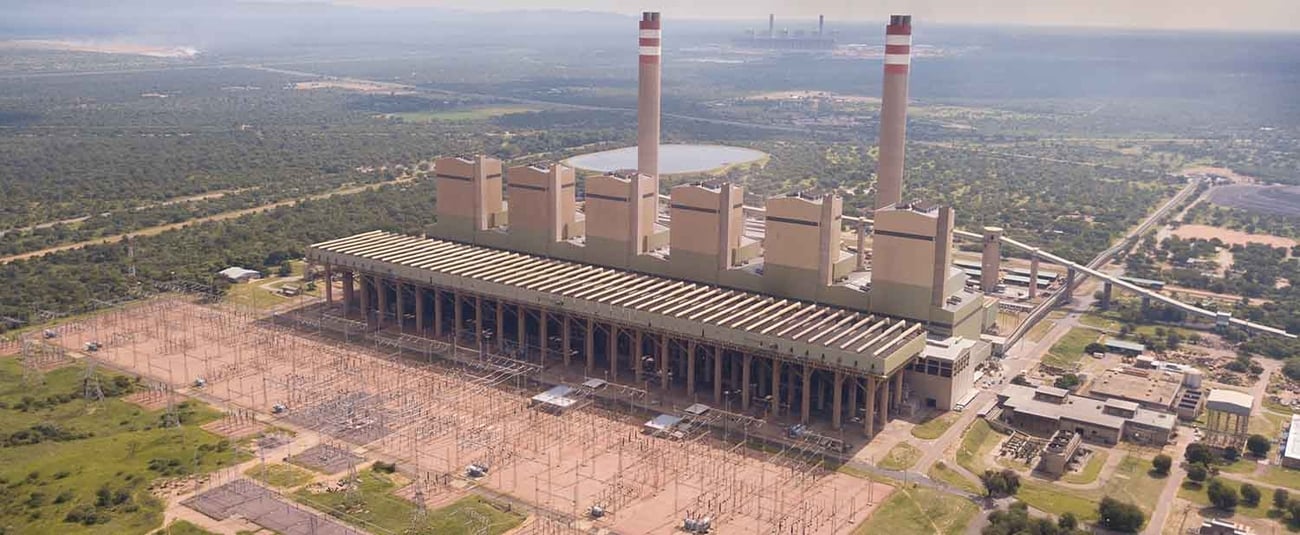
    This all comes about as South Africa works to expand its oil and gas operations in order to curb its reliance on coal and help pave the way to eventual decarbonization.

    South Africa is not alone, either. As the African Energy Chamber (AEC) covers in our recently released “The State of African Energy 2024 Outlook Report,” natural gas production is on the rise both globally and in Africa. Even more promising, our report notes that “upstream operators are now revising their strategies and aligning their future investments more in line with energy transition, and natural gas is being looked at as transition fuel.”

    The African Energy Chamber will support the Invest in African Energy Conference in Paris this year organise by Energy Capital and Power. African Energy Week will definitely be the home of Natural Gas investment in Africa.

    Gas: A Logical Transition Fuel

    I find it heartening that, despite calls by environmental organizations and wealthy countries to cease investment in African oil and gas projects, many of the companies actually operating in Africa appear to recognize natural gas’ value as a transition fuel. Too long has the solution to the climate crisis been oversimplified: Decarbonization is not a goal that can be reached overnight nor without first building up the infrastructure required to support development of renewables.

    Such a task is relatively simple for Western countries, which have spent centuries building their economies and infrastructure off the backs of fossil fuels. The same cannot be said for African states, which have long lacked these same development opportunities and must now play catch-up at an accelerated pace.

    Even worse, we are told to play this game of catch-up with our hands tied: to leave our natural resources in the ground while the developed nations of the world continue to exploit their natural non-renewable wealth. We are expected to jump straight to building wind farms, solar farms, and hydroelectric dams while hundreds of millions of Africans are still living without access to electricity.

    Where will the capital for such a miraculous development come from?

    Who will build the foundational infrastructure needed to support it?

    Developed nations are quick to promise, “We will!” but reticent to follow through on their promises. What’s more, their foreign “aid” has frequently focused more on alleviating the symptoms of Africa’s economic and energy poverty rather than resolving the source.

    With all this in mind, it is clear to me who must provide the lion’s share of capital and build the infrastructure: Africans ourselves. And we cannot do that without tapping our own natural resources, natural gas being the most vital among them. Its properties that burn cleaner than oil and coal, its abundance, its ease of storage and transport, and its applications in manufacturing and synthesis make natural gas the best option for Africans to establish energy security and achieve decarbonization.

    Companies Leading the Way

    So, again, it is encouraging to see that the AEC is not alone in our stance that natural gas production makes sense for Africa — and for energy companies. More and more energy companies describe policies that call for pursuing energy transition measures for tomorrow while providing the natural gas to power the world today.

    Look at French major TotalEnergies, which is responsible for much of the upstream activity in our continent. Following the discovery of two huge gas fields in South Africa in 2019 and 2020, TotalEnergies is continuing its exploration and production efforts there, despite environmentalists’ efforts to block further activity. TotalEnergies also is driving the Mozambique LNG project, considered one of Africa’s most important hydrocarbon developments.

    Then there’s German independent, Wintershall Dea, which is increasing its participation in the Reggane Nord natural gas project in Algeria by 4.5%. The company is acquiring interest from Italian utility company Edison in the project. Wintershall Dea, which has a strong presence in North Africa, also announced first gas with its partners (Cheiron Energy, INA, and the Egyptian Gas Holding Company) at the East Damanhur block in the onshore Nile Delta earlier this fall.

    I love what Wintershall Dea’s CEO and Chief Operating Officer Dawn Summers wrote about natural gas in a November opinion piece, released just before the 2023 United Nations Climate Change Conference (COP28).

    “At first glance, it would seem that the gas and oil industry is merely part of the climate problem — but it will also be part of the solution,” Summers wrote. “If gas were used instead of coal, CO2 emissions would immediately go down — by almost half. Already today, we are decreasing the environmental impact of our activities worldwide by drastically reducing our methane emissions. In addition, with technologies such as CO2 storage and H2 production, we are helping other sectors to decarbonise, and we aim to harness our expertise to ensure that the future energy system is more sustainable. In short, the oil and gas industry can, must and will be part of the solution to the climate problem.”

    Well said! Africa’s gas industry is part of the solution as well. And, as our report notes, the forecast for continued natural gas projects in our continent is looking good.

    Africa’s Tremendous Natural Gas Potential

    Our report finds that Africa continues to hold immense natural gas potential and is positioned to not only increase its outputs but also capitalize on the underserved LNG market and meet Europe’s ongoing demand. Our estimates show an increase from Africa’s 2023 natural gas output of about 265 billion cubic meters (bcm) to over 280 bcm by 2025.

    North Africa currently drives the majority of the continent’s output, although its production is expected to remain flat throughout the rest of the 2020s. Production ramp-up is expected through the second half of this decade as Mozambique increases its LNG output. As new-gas start-ups across the rest of the continent come online, this trend in increased output will become further pronounced.

    Nigeria and Algeria, meanwhile, are expected to drive an increased focus on LNG exports, with additional flows coming from Egypt, Equatorial Guinea, Mozambique, and waters off Senegal- Mauritania.

    Africa’s natural gas sector stands poised to prepare the entire continent for eventual decarbonization, as do many of the companies operating here.

    The goal of a continent fueled by renewable power cannot be achieved, however, unless the developed world also recognizes this and allows African states to transition on their own schedule, not one imposed on it by others.

    Download the AEC’s 2024 outlook report here.

  • Weaving the Culinary Tapestry: A Journey through the African Diaspora

    Weaving the Culinary Tapestry: A Journey through the African Diaspora

    DUBAI, United Arab Emirates, December 28, 2023/ — Food is a unique storyteller, a cultural bridge and a carrier of traditions. As a result, the culinary traditions and rich tapestry of cuisines belonging to the global Black community have played a valuable role in contemporary culture.

    These traditions not only illustrate the inspiration, creativity and shared heritage of Black people, but also serve as a common thread that connects diverse cultures and geographies. From the shores of West Africa to the vibrant streets of the Caribbean, the flavors, techniques and dishes of the African diaspora have transcended borders, uniting people from across the globe. The Global Black Impact Summit (GBIS) — which unites and celebrates the achievements of the global Black community on February 27, 2024 in Dubai — will explore the influence of the African diaspora on a wide range of industries, such as the culinary arts.

    Africa: The Roots of Flavor
    An exploration into the culinary heritage of the global Black community begins with the roots of African cuisine. The continent’s diverse landscape and myriad cultures have given rise to a vast array of ingredients, cooking methods and flavors.

    In West Africa, staples like yams, okra, plantains and an array of vibrant spices are central to the local cuisine, with traditional local dishes including Jollof rice, Fufu – made from cassava root – and Egusi soup.

    In South Africa, the fusion dish Bobotie – a spiced minced meat bake with an egg-based topping – reflects the country’s historical influences, blending Dutch, Malay and Indian flavors. Central Africa contributes to this culinary tapestry with dishes like Saka-Saka in Congo, made from cassava leaves cooked with spices, and Poulet Nyembwe in Gabon, featuring chicken in a rich red palm nut sauce. These dishes highlight the use of local ingredients and establish the roots of traditional African cuisines across regions.

    The African Diaspora and a Fusion of Cultures
    Starting from the 16th century, the transatlantic slave trade facilitated the movement of millions of Africans to various parts of the world, including the Americas and the Caribbean. These journeys brought with them longstanding culinary traditions, which over time, evolved and adapted to the ingredients and resources found locally, while preserving the foundations of authentic cooking methods and flavors.

    In the Caribbean, the fusion of African, indigenous and European culinary traditions and techniques gave birth to Creole cuisine. Dishes like Gumbo — a hearty stew served over rice and Callaloo — a leafy green stew — showcase the rich melding of influences.

    They tell the story of a resilient people who had to adapt and create new traditions, while preserving their roots. In the United States, African Americans developed Soul Food, a cuisine that celebrates their enduring connection to their African heritage. Dishes like collard greens, a flavorful leafy green dish, cornbread and fried chicken, stand apart from traditional African dishes. Yet they provide more than just sustenance; they serve as a celebration of cultural resilience, warmth, protection and identity.

    The influence of the African diaspora on global cuisine is undeniable. Dishes like Acarajé in Brazil – a stuffed fritter sold and eaten as street food – finds its roots in the Yoruba people from Nigeria, Benin and Togo, while Ackee and saltfish – Jamaica’s national dish – was initially brought to the Caribbean from Ghana and stems from the name for the Akyem people. These examples reflect how the diaspora has enriched culinary traditions around the world and are a testament to its enduring impact on food and culture.

    Pioneers and Innovators in the Culinary World

    Throughout history, pioneering Black chefs have broken barriers in the culinary world. In the US, renowned chefs like Edna Lewis and Patrick Clark paved the way for the next generation of Black chefs to innovate and shape the world of food. Chef Marcus Samuelsson, an Ethiopian-born Swedish-American, is renowned for his culinary empire that spans from Harlem to Sweden.

    Kwame Onwuachi, a Nigerian-American chef, has left his mark on the culinary scene with a background that includes training in the world’s top kitchens. Sheldon Simeon, a Filipino-Black chef, celebrates the fusion of two cultures by exploring the ancestral roots of Hawaiian cuisine.

    GBIS 2024 strives to recognize and celebrate the achievements of Black individuals across industries, with a view to creating a more diverse and inclusive professional landscape. Just as culinary traditions continue to evolve and innovate, the Summit aims to unleash the full potential of the global Black community and explore the vast array of traditions and heritage associated with the African diaspora.

    Distributed by APO Group on behalf of Energy Capital & Power.
    SOURCE
    Energy Capital & Power
  • African Development Bank President Wins Obafemi Awolowo Leadership Prize

    African Development Bank President Wins Obafemi Awolowo Leadership Prize

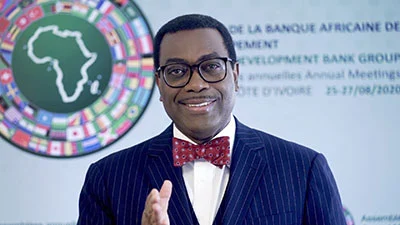
    ABIDJAN, Ivory Coast, December 21, 2023/ — The President of the African Development Bank Group (www.AfDB.org), Akinwumi Adesina, has been awarded the prestigious Obafemi Awolowo Prize for Leadership.

    The award which promotes the legacy and democratic ideals of the late Nigerian nationalist and federalist leader Chief Obafemi Awolowo, also “recognises and celebrates excellence in leadership.”

    The Foundation’s Executive Director, Ambassador Dr Tokunbo Awolowo-Dosumu said, “Dr Adesina was the unanimous choice of the Foundation’s Selection Committee, which described Adesina as possessing the attributes for the award to the highest degree.”

    According to Ambassador Awolowo-Dosunmu, “The attributes considered to have characterised Chief Awolowo’s excellent leadership, include integrity, credibility, discipline, courage, selflessness, accountability, tenacity of purpose, visionary and people-centred leadership.”

    The former Nigerian President, Goodluck Ebele Jonathan was one of several world leaders who nominated Adesina. “He epitomises and combines qualities of extraordinary leadership that are often rare to find: great visionary, incredible courage, the ability to take on huge and difficult challenges, extraordinary dedication and commitment to deliver programmes and policies that transform the lives of millions of people,” Jonathan said.

    Former British Prime Minister Tony Blair also praised Adesina’s leadership. “His contributions to the African continent and global leadership have been exceptional. Under his leadership the African Development Bank has delivered bold interventions to address some of the greatest challenges of our time,” he said.

    Another globally renowned figure, Ambassador Kenneth Quinn, President Emeritus of the World Food Prize Foundation, saluted Adesina’s commitment to food security: “President Adesina has traversed the African continent evangelising his profound vision to end childhood stunting through enhanced nutrition; uplifting smallholder farmers, the great majority of them women; providing critical financing for a broad array of infrastructure projects so critical to development and modernisation.”

    Former UN Secretary-General Ban Ki-moon and Global Center on Adaptation CEO Prof. Dr Patrick Verkooijen, jointly said, “We can think of no person more highly qualified or deserving of this prestigious award. Dr Adesina is forged in the same mould as Chief Obafemi Awolowo, a shining example of leadership.”

    Dr Akinwumi Adesina is the third recipient of the Award. Others include Nigerian writer and Nobel Laureate Wole Soyinka and the former South African President Thabo Mbeki.

    An award ceremony is scheduled for 6 March 2024, and will include keynote lecture by the honouree.

    The Obafemi Awolowo Foundation, founded in 1992, is a non-profit non-partisan organisation.

    • Press statement by the Chairman of the Selection Committee of the Ọbafẹmi Awolọwọ Prize for Leadership (https://apo-opa.co/3vg7Pd4)
    Distributed by APO Group on behalf of African Development Bank Group (AfDB).

    Contact:
    Peter Burdin,
    Communication and External Relations
    media@afdb.org

    SOURCE
    African Development Bank Group (AfDB)

  • Burkina Faso Solar Grandmothers initiative: Global Green Growth Institute’s (GGGI) contribution to the rural energy transition process

    Burkina Faso Solar Grandmothers initiative: Global Green Growth Institute’s (GGGI) contribution to the rural energy transition process

    OUAGADOUGOU, Burkina Faso, December 19, 2023/ — History of the “Solar Grandmothers” initiative
    During the India-Africa Forum held in New Delhi in April 2008, an agreement was reached between the Government of India and the African Union (AU) Commission on pan-African projects for the establishment of regional Barefoot College Training Center in Africa.

    This was followed by solar energy training for rural women from Burkina Faso in India with the United Nations Development Programme (UNDP) and the Global Environment Facility Small Grants Programme (GEF/SGP) financial support. In 2018, under the Ministry in charge of the Environment, the Regional Barefoot College Training Center in Burkina Faso (CRFBB) was created.

    Regional Barefoot College Training Center in Burkina Faso (CRFBB)

    Located in the village of Nioryida, in the South central region, about a hundred kilometer from Ouagadougou (the capital of Burkina Faso), the CRFBB is responsible for: (i) coordinating the identification of localities to benefit from its services; (ii) coordinating the selection of women to be trained at the Center, on the basis of objective criteria; (iii) providing theoretical and practical trainings for women; (iv) carrying out other types of additional trainings required to fulfil its mission; (v) taking all necessary measures to ensure a pleasant stay and high-quality trainings for the auditors; (vi) carrying out any mission entrusted by the competent authorities.

    The Center also ensures the transfer of solar technology to the following countries in the sub-region: Burkina Faso, Niger, Benin, Togo, Ghana, Côte d’Ivoire and Mali.

    Results of the Solar Grandmothers Project

    As part of the ” Solar Grandmothers project”, the Barefoot College training center in Burkina Faso, in partnership with the Global Green Growth Institute (GGGI) and the Prince Albert II of Monaco Foundation, has provided solar energy trainings for grandmothers from 07 regions of Burkina Faso (Centre, Centre-West, Centre-East, Sahel, North, Hauts-Bassins and Cascades).

    The aim of the project was to empower older women to help reduce the negative environmental impact of fossil fuel use in Burkina Faso by promoting clean technologies and low-carbon energy sources. Thirty-one (31) solar grandmothers have benefited from intensive theoretical and practical trainings.

    They were given kits to equip their workshops, enabling them to carry out repairs and install solar kits. After the trainings, each solar grandmother received solar kits for households in her home village. Providing households with solar kits is part of the project’s contribution to the electrification of the selected villages.

    This is a “Pay As You Go (PAYG)” system managed by the local units after the beneficiary households have been selected. PAYG allows access to energy to be broken down into accessible payment schedules defined by the local committee. Setting up local management units helps to consolidate the achievements and sustainability of the project in the selected villages.

    These units play a key role in managing the solar kits made available to households. Among other things, they set up a system for recovering the cost of installing the kits for households. The amounts recovered are to be used to purchase new kits for new households.

    The project has made it possible to provide local expertise in solar technology in rural areas, and to increase the availability of and access to solar energy in rural areas, while improving the governance of solar energy at local level by setting up autonomous solar electrification units in the beneficiary villages.

    The project’s impact can be assessed, in particular, in terms of (i) changing the status of women in their living environment, (ii) helping to raise community awareness on climate change resilience and protection of the environment, (iii) reducing inequalities and improving the living conditions of beneficiary households, (iv) reducing gender inequalities in rural areas by involving women as full players in local development, which should be accelerated by the increase in income-generating activities in the villages of Burkina Faso.

    Originality and lessons learned from the project

    Originality

    The project’s main added value lies at several levels:

    • The choice of beneficiaries who are representative of Burkina Faso’s three agricultural climatic zones: in line with the requirements of the Barefoot College, the targeting of women of a relatively advanced age as solar grandmothers improved their status from that of vulnerable people to that of people involved in local development. This is a guarantee of the stability and sustainability of what has been achieved. In addition, the representative nature of the three agricultural climatic zones is a guarantee that all of the country’s realities will be taken into account and that the approach adopted will be inclusive;
    • Making the most of the expertise of former grandmothers: To train the 31 grandmothers, the Center and GGGI agreed to lean on local expertise. Three of the first grandmothers from the first class trained in India were chosen. They were able to conduct the process with professionalism. The quality of their service was unanimously recognized and praised, both by the learners and by all the stakeholders.
    • Synergy with the “Burkina Faso ecovillages” initiative: this synergy contributes to reducing social inequalities and achieving sustainable energy self-sufficiency, while helping to fight climate change and preserve the environment. It also provides a better quality of life for people in the selected villages, which are being transformed into ecovillages.
    • The successful experience of a Public-Private Partnership: the results achieved by the solar grandmother training project are the result of a partnership between four entities: (i) the Government of Burkina Faso, through the Ministry in charge of the Environment and the Barefoot College Training Center in Burkina Faso, entity co-initiator of the Project and in charge of hosting and supervising the training (ii) GGGI, entity co-initiator of the Project, in charge of general coordination of the Project (including fiduciary responsibility), (iii) the Prince Albert II of Monaco Foundation, international non-profit organization, (iv) Aliothsystem energy SAS (PAY-GO Solar Home System assembly unit and design and innovation start-up in the field of energy, renewable energy and energy efficiency) is the entity responsible for training and supplying the various items of equipment made available to grandmothers and households.

    Lessons learned

    The main lessons learned are:

    • The promotion of gender equality in the field of development is a long-term undertaking, requiring greater mobilization of resources and energies, because its scope of application concerns sensitive areas such as mentalities, beliefs and behavior;
    • Consolidating the evidence that if rural communities are empowered, well-organized and have their capacities properly strengthened, they are capable of caring for themselves and their development;
    • Solving the problems of sustainable development (environmental, social and climate issues) that the project aims to address is a complex and costly undertaking.
    • Energy, particularly renewable energy, remains essential to local development and is a real need to be met, with a view to improving people’s living conditions.
    Distributed by APO Group on behalf of Global Green Growth Institute (GGGI).
    SOURCE
    Global Green Growth Institute (GGGI)
  • Factoring Urban Gardening into African’s Built Environment

    Factoring Urban Gardening into African’s Built Environment

    …. As ACEACFMS 2023 holds in Accra

    Story: Mohammed Abu

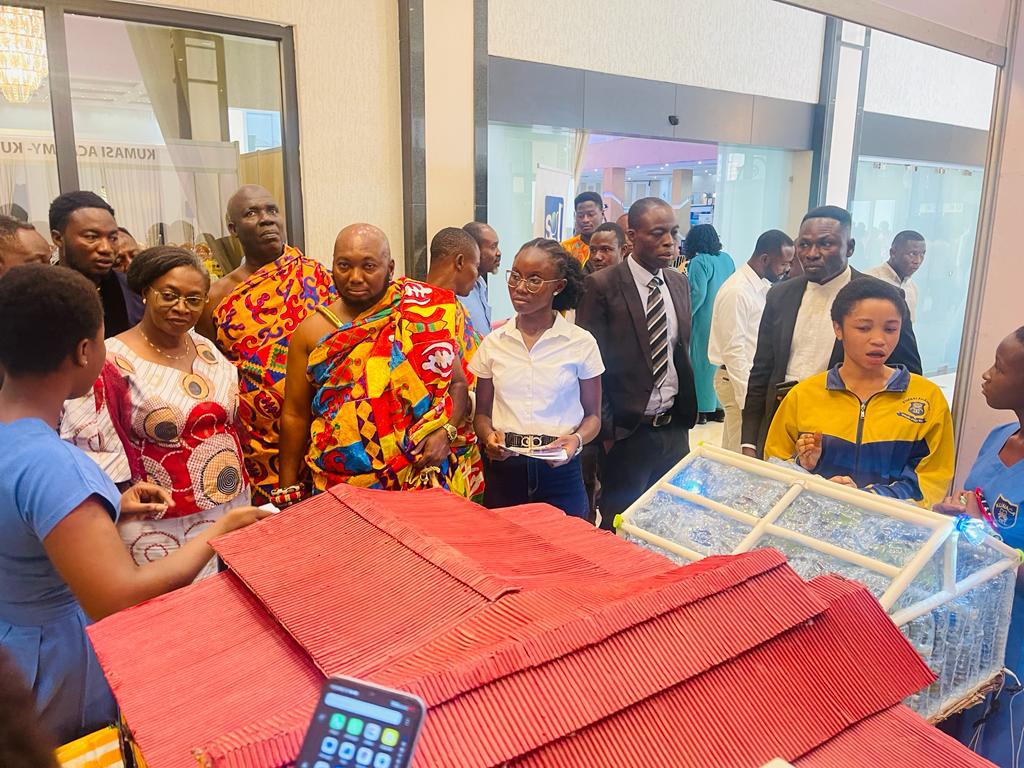
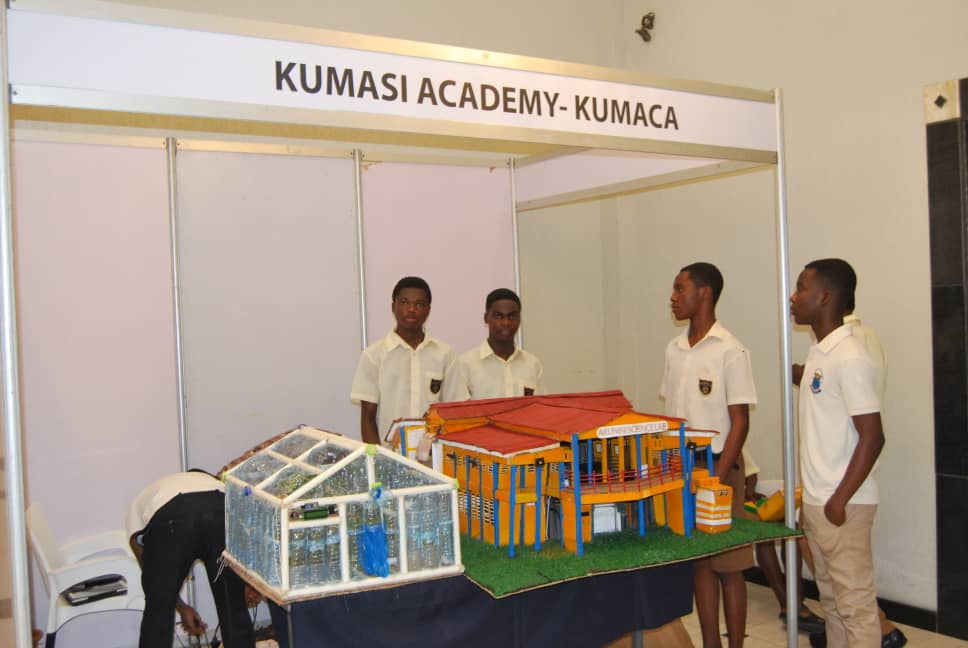
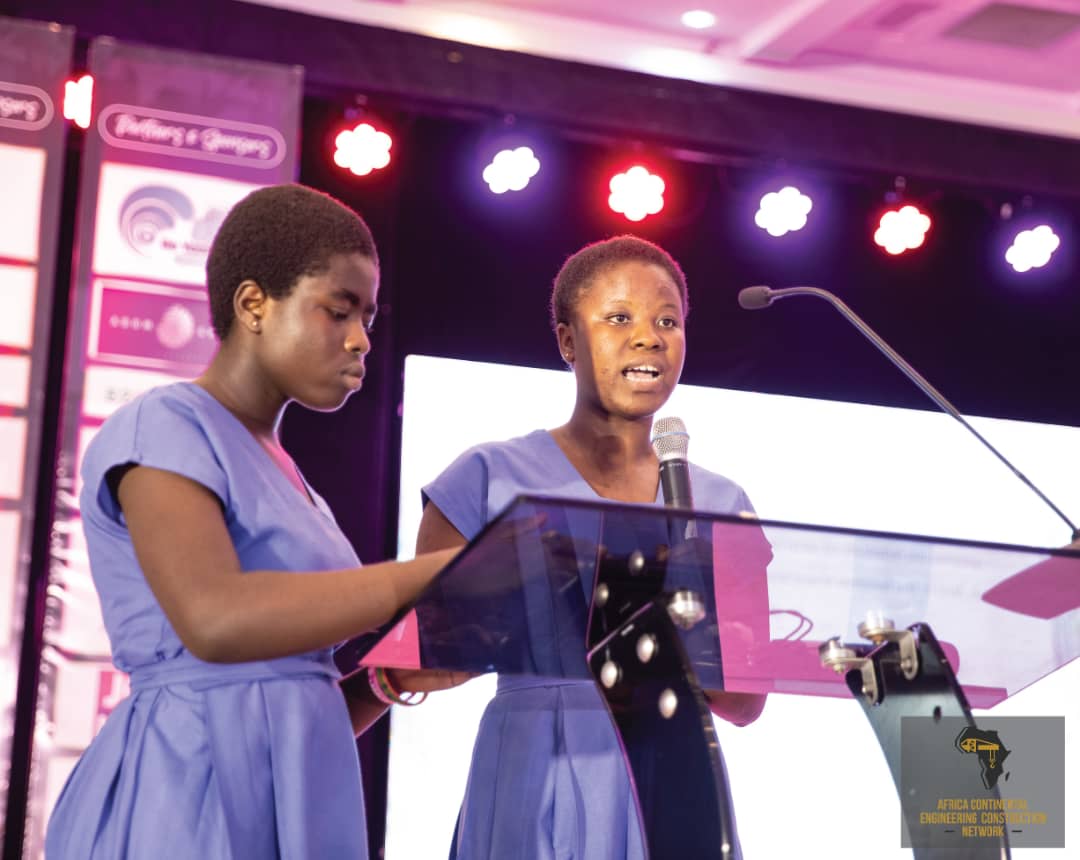
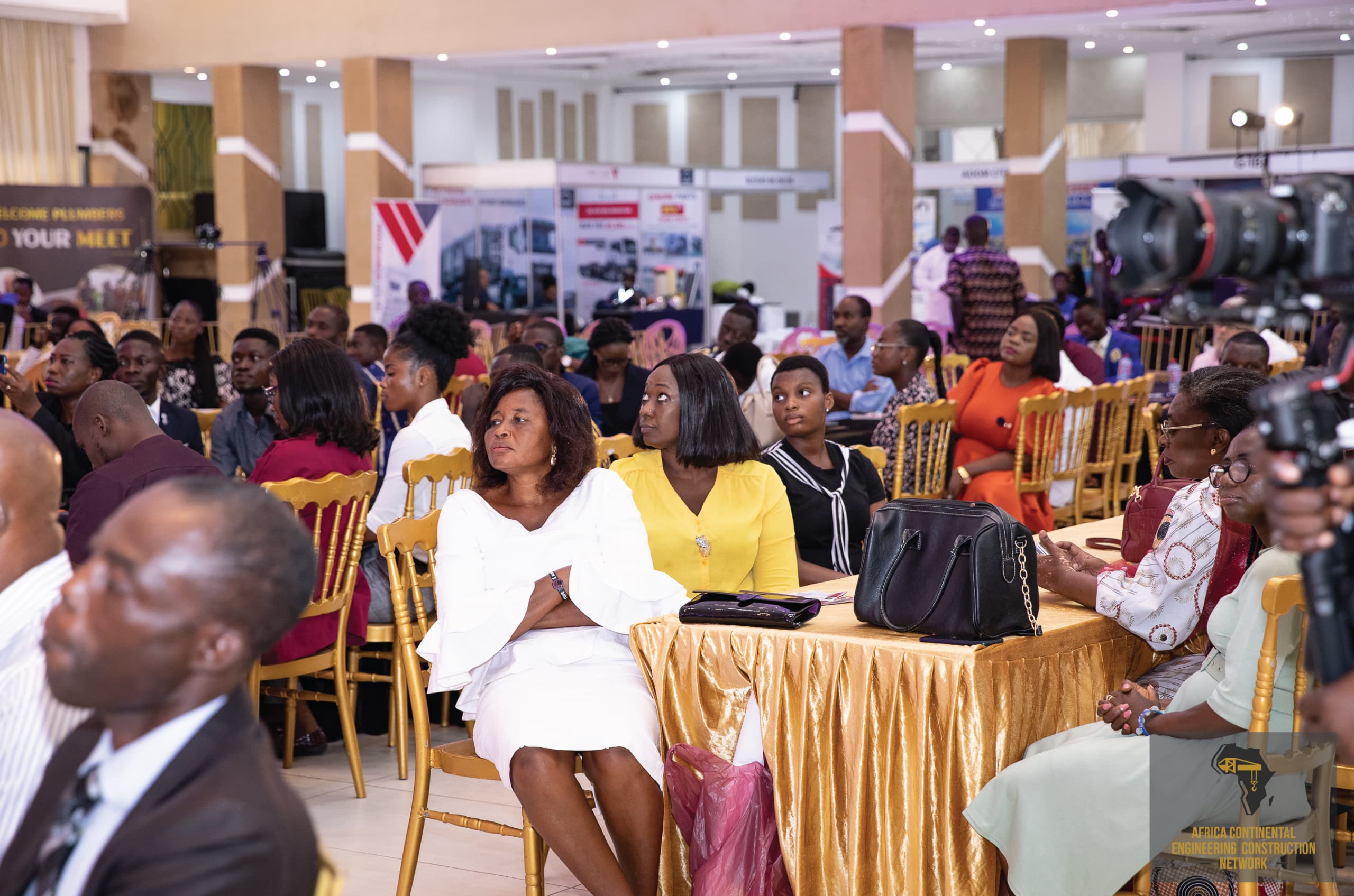
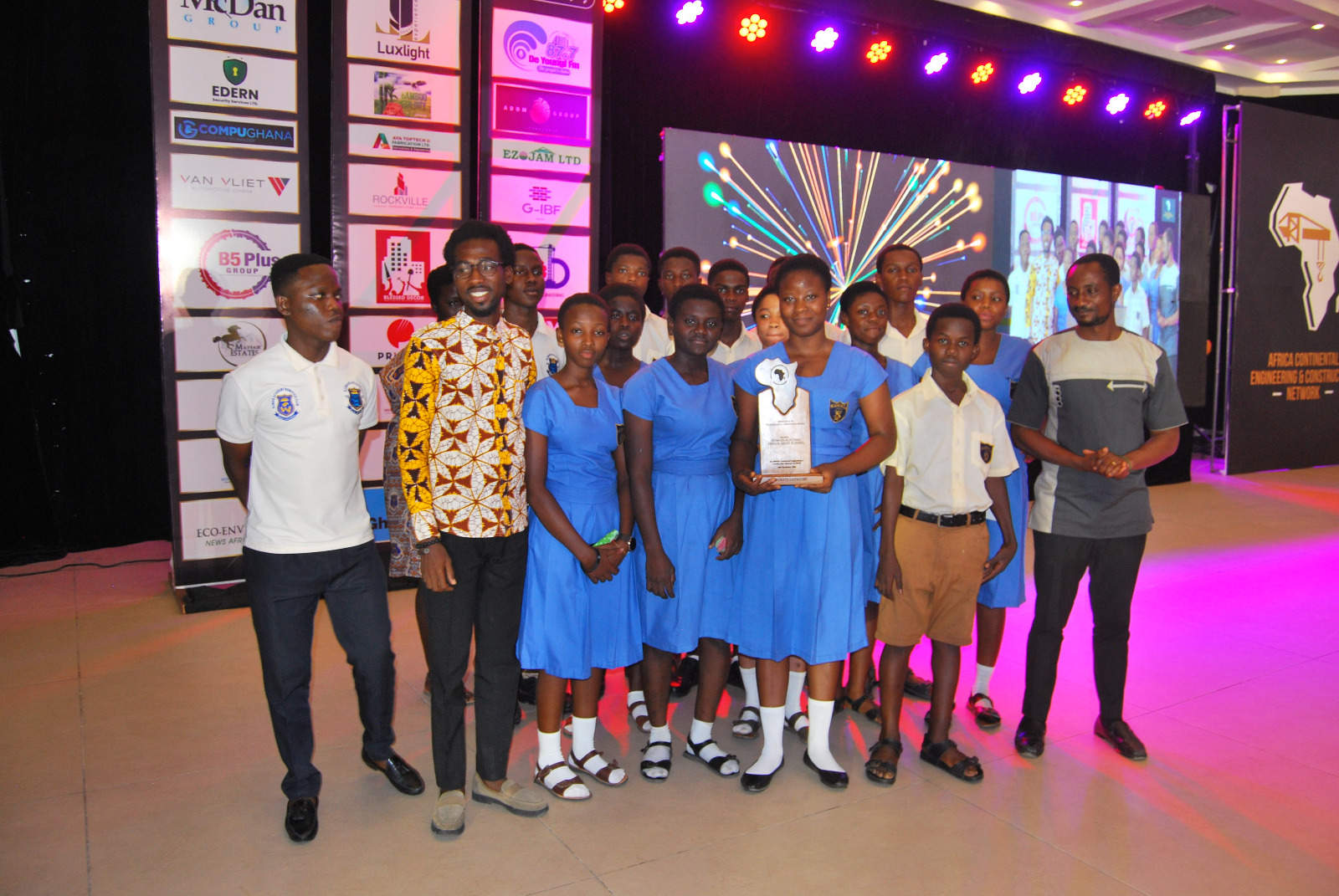
    Science, Technical and Mathematics (STEM) students from the Kumasi Academy Senior High School, in Ghana’s Ashanti Region excited participants with a great presentation on the science of urban gardening and vertical farming concept at the. maiden event of the African Continental Sustainable Built Environment Summit(ACEACFMS)held at East Legion in country’s capital of Accra, on Thursday, December, 14.

    The science based urban gardening concept combines science and innovation that seeks to offer opportunity especially for vegetable crop production under an urban environment, where arable land and water meant for farming is virtually non-existent.

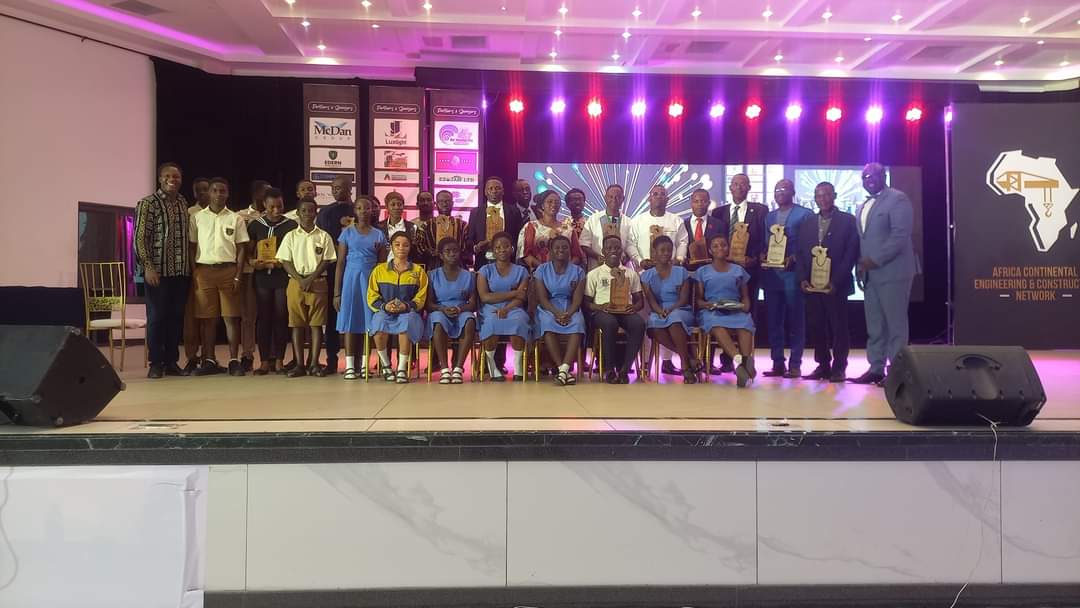
    It was therefore not surprising that Kumasi Academy Senior High Schools was among the award winners in the Technologies and Innovation category during the awards segment of the summit that registered a total of nineteen (19) awardees under eight categories with 20 awards.

    The school also clinched a major deal as the GM Bamboo Eco-City Ltd, the Principal. Consultant and partner of the African Continental Sustainable Built Environment Industry Summit(ACEACFMS-23) decided on the sidelines of the event to sign an MOU with it to work closely on a 166-acre Bamboo Eco-Tech-Industrial Garden City Projects in the Central region where 3,500 Sustainable Smart Infrastructure will be developed with integrated Smart Gardening Technologies.

    An 80-feet x 160 feet plot has been given to the Kumasi Academy STEM Team by GM Bamboo Eco-City at the Bamboo Eco-City-2 to build the prototypes of their smart House and Urban Technologies.

    The Bamboo Eco-Tech-City is located near cape Coast at Abankrom, Afenakrom & Damang in the Anomabo Traditional Area within the Mfantsipim Municipality in the Central Region of the Republic of Ghana.

    GM Bamboo City will Partner with Kumasi Academy Senior High School to develop grant winning proposals to access fund to develop their technologies.


  • About Scale Up of Africa’s Sustainable  Built Environment

    About Scale Up of Africa’s Sustainable Built Environment

    Story: Mohammed A. Abu

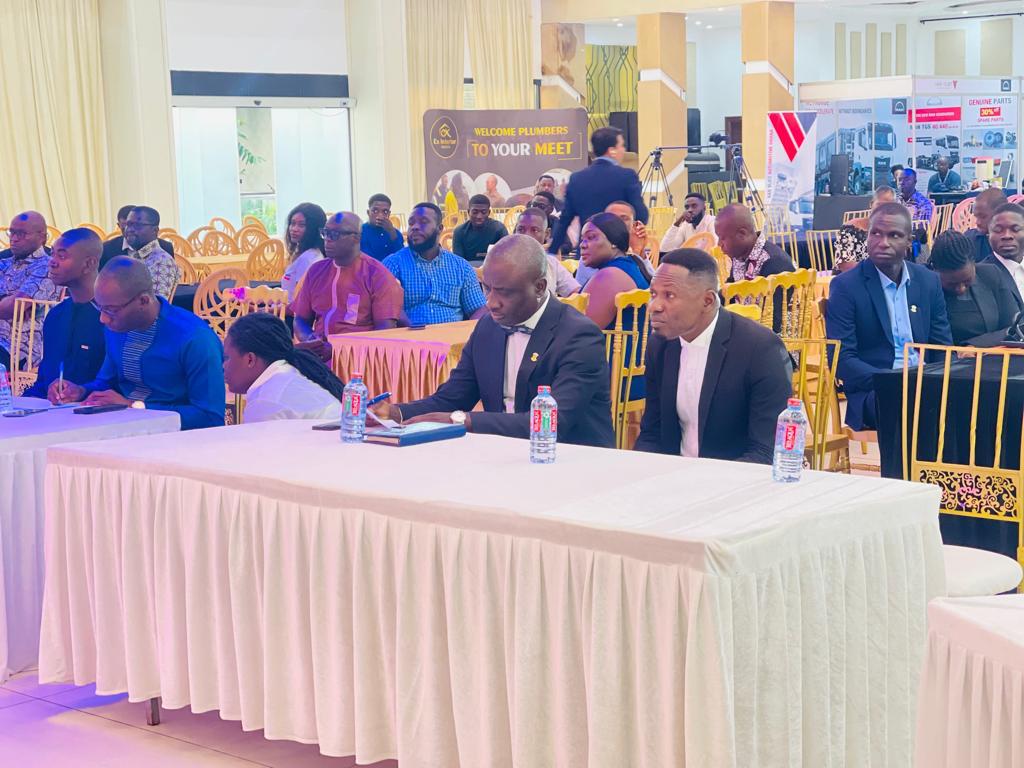
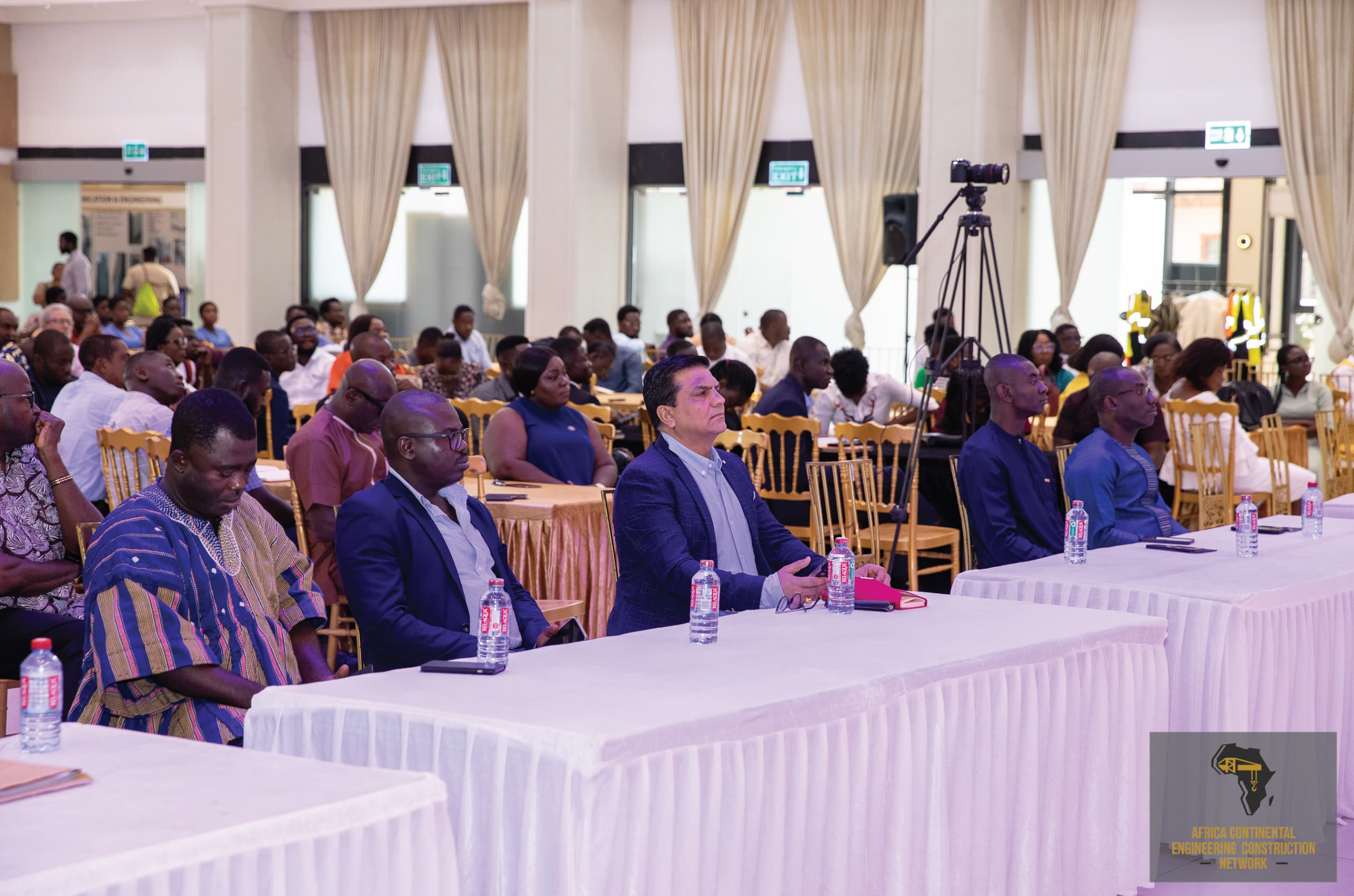
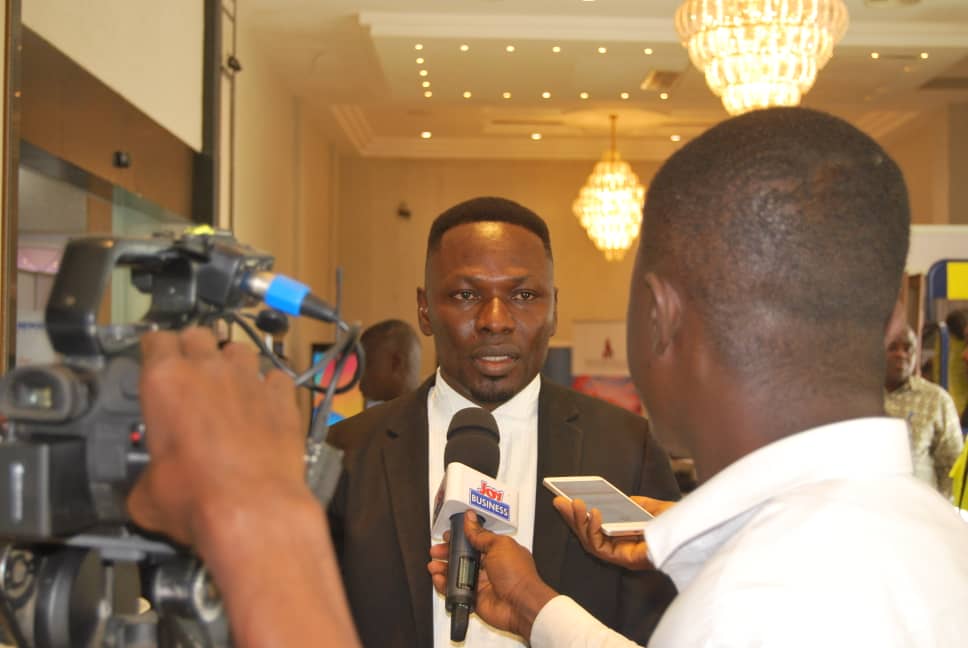
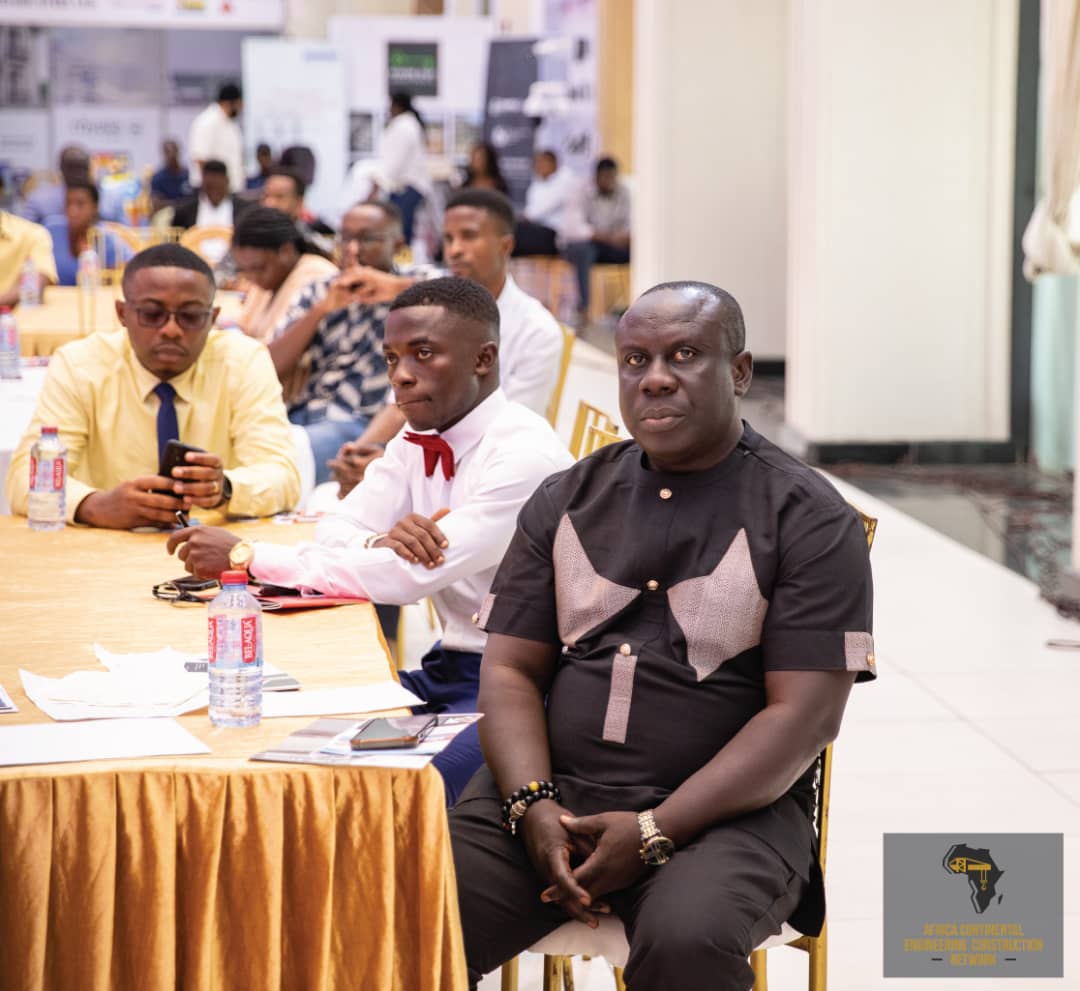
    A one-day maiden Africa Continental Sustainable Built Environment Industry Summit (ACEACFMS 23) ended successfully at East Legon, Ghana’s capital city of Accra on Thursday December 14, with a formal declaration of the event as an annual one.

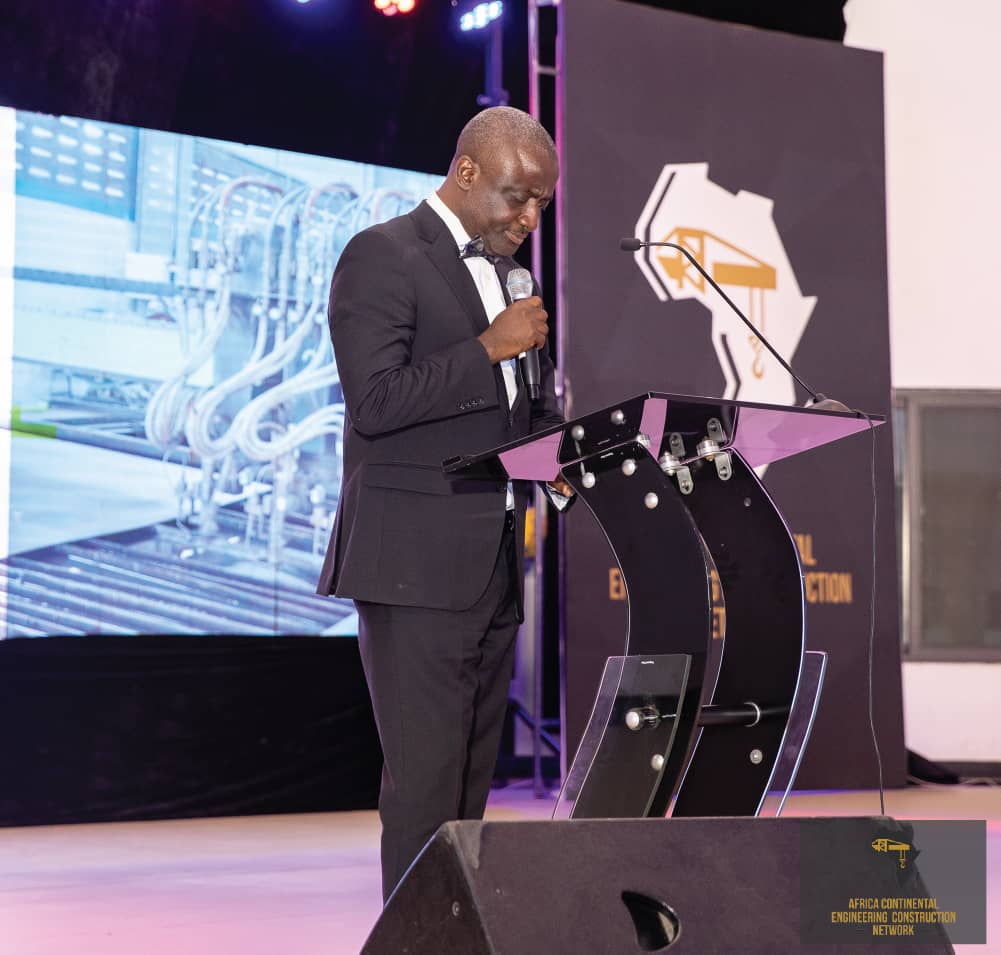
    The declaration was made by Mr. Daniel Kontie President/CEO of the Africa Continental Engineering & Construction Network(ACECEN),

    Earlier in his welcome address during the event he said that, the African Built Environment must be placed in a position to transition from the current brown construction techniques to Green building technologies.

    “Like it or not, the reality is that, new trends are transforming the way the industry operates, from the design phase to the actual construction process, particularly at this time that the whole planet faces eminent dangers of climate change by virtue of our old industrial actions and inactions that has brought us to this global climate emergency situation”, Mr. Kontie added.

    “Africans have always argued that Africa’s contribution to the current climate change catastrophy is insignificant compared to the West, that is true, however, what we fail to appreciate is that the problem was significantly created by the West but the solution lies in the hands of Africa and this is another 21st century industrial revolution for Africa to take advantage of” he intimated.

    In a keynote speech delivered by Nana Obokese Ampah,,the Regent of Moree & Apagyahene of Asebu State on behalf Daasebre Kweku Ewusi VII, Omanhene of Abeadzi Traditional Council Area, Central Region, former Member of the Council of State, immediate past Vice President of National House of Chiefs, on the topic, “Land Dispute Resolution and Sustainable Land Acquisition for Sustainable Infrastructure Development in Ghana in the face of Climate Change” Nana noted that Ghana’s progress hinges on the delicate balance between development and environmental stewardship.

    “As we embark on transformative infrastructure projects, it is imperative that we adopt a holistic approach that not only address our immediate needs but also safeguard for land for future generations” Nana intimated.

    Sustainable land acquisition Nana underscored, must be the bedrock of Ghana’s endeavours. “We must ensure that every plot acquired for development aligns with environmental conservation principles. Incorporating green spaces, mitigating the impact on ecosystems, and adhering to sustainable construction practices are essential components of responsible land acquisition” Nana emphasized.

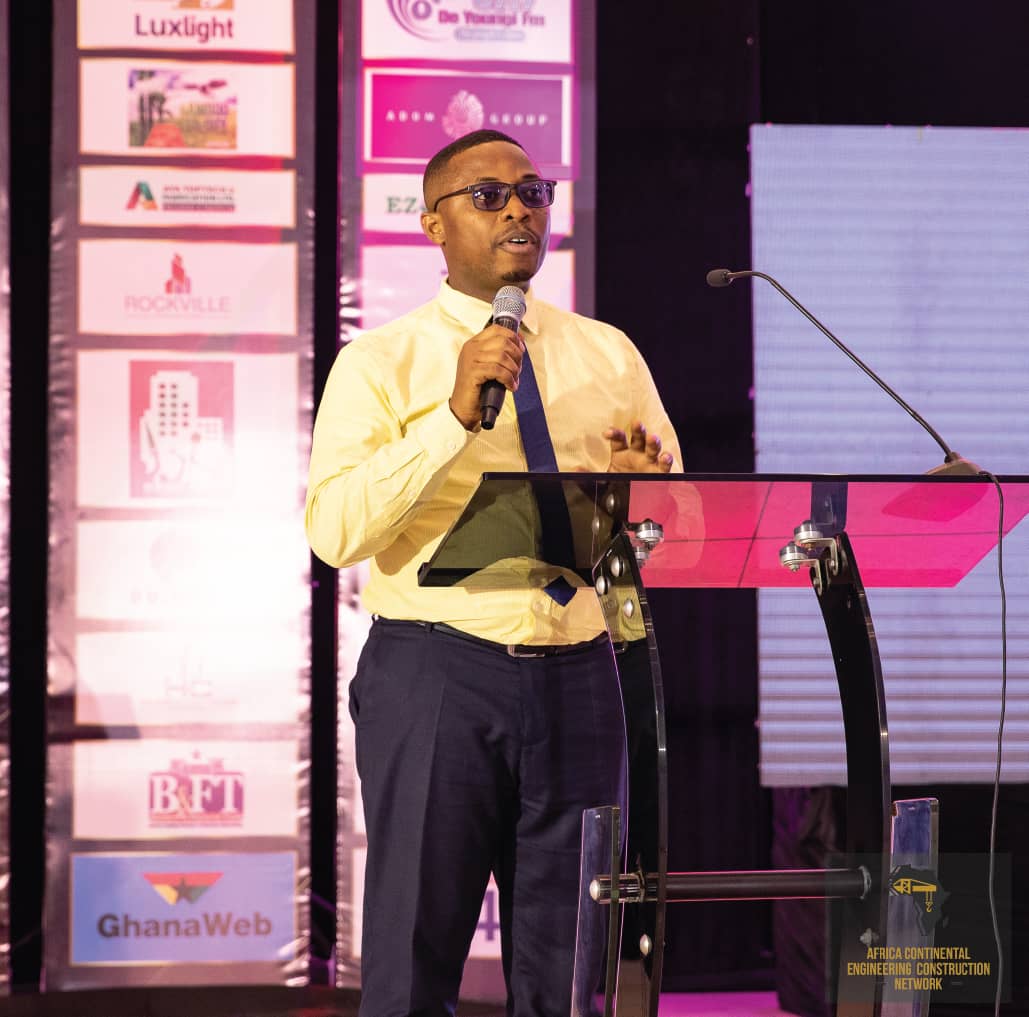
    Speaking on the theme: “Integrating Sustainable Built Environment Industry for Socio-Economic Transformation Through the use of Digital Twin Technologies”, the Immediate Past President of the Federation of African Engineering Organizations (FAEO), Ing. Mrs. Carlien Bou-Chedid said, the use of Digital Twin technology creates a virtual or digital replica of physical objects, processes or systems to allow for real-time monitoring, analysis and optimization.

    She explained that by leveraging Digital Twin Technology in the built environment, stakeholders can make more informed decisions, reduces costs, improve sustainability and enhance overall performance through the lifecycle of structures and cities.

    She gave examples of these digital twin technologies as Autodesk BIM 360, which is a cloud-based platform for construction management; Dassault Systemes CATIA, a software suite by Dassault that supports product design and engineering, which is often used in the architecture, engineering and construction (AEC) industry to create digital representations of buildings and infrastructure. She also mentioned Cityzenith 5D Smart World, which supports urban planning, infrastructure management and smart city initiatives. She added that Esri Urban Observatory also provides tools for creating digital twins of cities.

    Ing. Mrs. Carlien Bou-Chedid explained that Digital Twins rely on a network of sensors and devices strategically placed within the built environment to measure parameters, such as temperature, humidity, energy usage, water flow, air quality and more.

    She mentioned that Sustainable Built Environment is one that protects people, places and the natural environment. It also involves creating safe and welcoming spaces and designing for longevity, flexibility, recoverability and reuse.

    “Sustainable Built Environment also reduces building and urban infrastructure emissions for the long-term resilience of both people and planet. It is critical to reducing greenhouse gas emissions and tackling the climate crisis”, she concluded.

    Presentations

    Making a presentation on “Refocusing Ghana’s Flood Preparedness and Response for Socio-Economic Transformation through the use of Digital Twin Technologies”, Prof. Divine Ahadzie, Centre for Settlements Studies at the Kwame Nkrumah University of Science & Technology (KNUST), Kumasi said, Ghana experiences major floods every two years for the last 20 years but our preparedness is not getting any better.

    On recent VRA flood, the Prof. Ahadzie suggested that VRA should enhance their engagement with the communities by strengthening the use of twin-technologies plus to other community based technologies. He proposed a simplified community flood resilience framework to comprise the Chiefs, Assemblymen, MPs, NADMO, District Assembly, among others.

    STEM students from Kumasi Academy SHS, made an impressive presentation of their Smart Urban Gardening Initiative, a Green technology revolution. According to the students, the Smart Urban Gardening project integrates advanced technology and sustainable practices for urban agriculture.

    Panel Discussions

    A panel session discussion on local content and use of local materials featured Prof.Ing. Emmanuel Appiah-Kubi, Director of Quality Assurance & Accreditation, Akenten Appiah Menka University of Skills, Training & Entrepreneurial Development(AAMUSTED), and Prof.Engr. Humphrey Danso, Dean Faculty of Technical Education, also of the same university.

    They emphasized the important role bamboo could play in Ghana’s built environment industry and the dire need for using local earthen material and their combination with each other to strengthen them and to ensure their durability for use in the sustainable Built Environment industry.

    Prof.Ing Appiah-Kubi gave an expose on Ghana’s bamboo resources potential and the important role it serves to play in the country’s sustainable Built Environment Industry. He also disclosed that in addition to the generally known 250,000 species of bamboo worldwide, other bamboo species native to the Volta and Northern Regions with yellow coloration have been identified in their research

    Prof.Danso on his part, emphasized the need for using local earthen material and their combination with each other to strengthen them and to ensure their durability for use in the sustainable Built Environment industry.

    Prof Danso also called for the use of local earthen materials like calcium clay and burned saw dust for the production of cement. This was in view of the fact that clinker based cement production has a big carbon footprint unlike the local materials.

    One ton of cement produced from clinker based cement production Prof Danso said, produces a corresponding one (1) of C02 emission.

    HATOF Foundation Presentation

    The Founder/CEO of the HATOF Foundation, Dr. Samuel Dotse drove home the need for the African private sector players to take a second look at the content of their project Business Plans/Feasibility Studies so as to ensure they meet green climate financing criteria and to qualify for accessing financing from the Green Climate Fund.

    Ghana’s Ministry of Finance and Economic Planning Dr. Doste said, was the national institution through which to access financing from the Green Climate Fund adding that, climate financing remains the only available mode of funding with the lowest payback cost or interest payment that cannot be compared with what the local banks charge. He also disclosed that the only Africa’s private sector player that have met the green climate funding criteria, and accesses their funding, is the Ecobank Group.

    Among African NGOs HATOF he disclosed is the only one in Africa that has been able to access the Green Climate Fund for a Shea Landscape Carbon emission reduction project it is implementing in Northern sector of Ghana.

    Dr. Dotse expressed the willingness and readiness of his organization to support Ghanaian, African private sector operators in how best to streamline their projects to meet the Green Climate Fund financing criteria.

    HATOF is a local Ghanaian NGO that has since its inception in 1999 up till date, has been a pacesetter in energy, environmental governance and climate policy process-working towards addressing climate change and finance, renewable energy and energy efficiency, conservation and environmental protection, sustainable management among others.

    HATOF did not only get incorporation in Canada this year and another in Gambia still pending. It was the only African NGO that held a side event in collaboration with its local Ghanaian partners and a foreign one during the recently ended COP28 global environmental event in Dubai under the auspices of the UN Environment Change.

    African Continental Sustainable Built Environment Industry Excellence Awards 2023

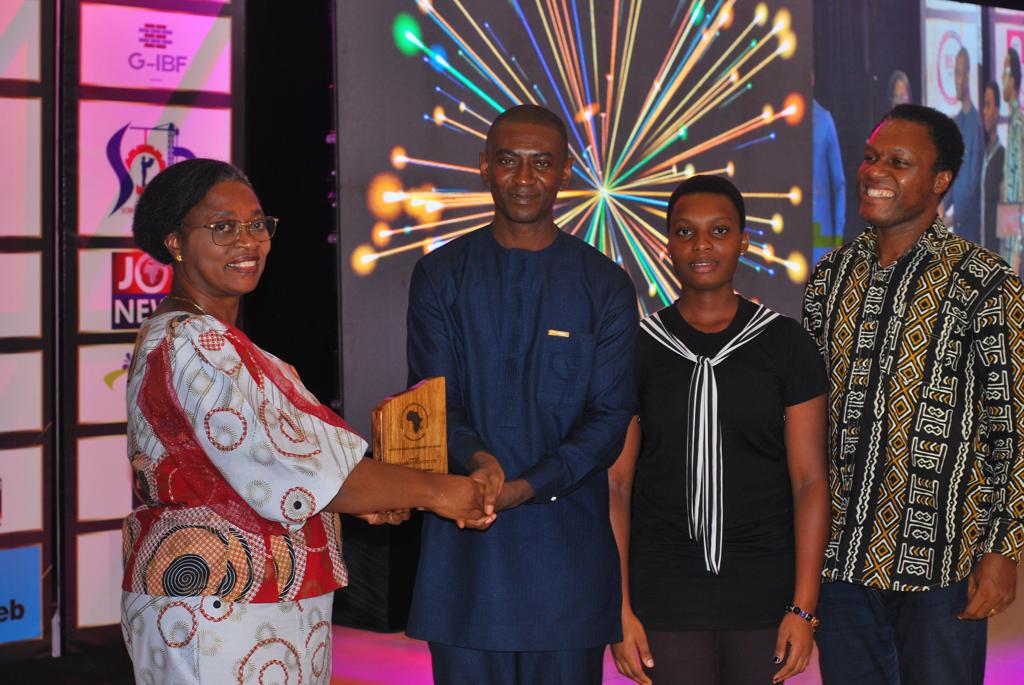
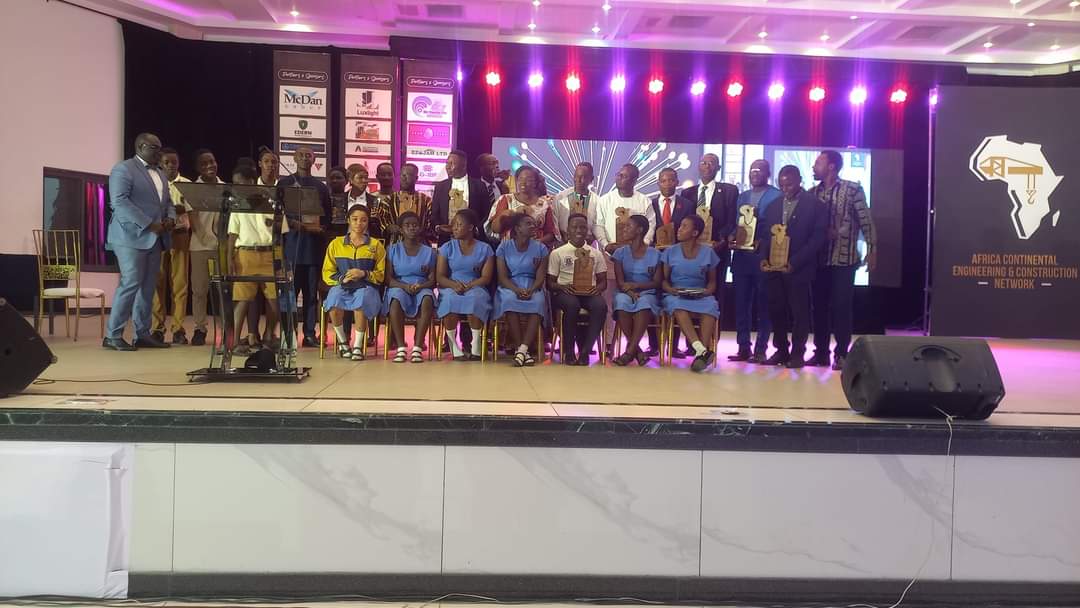
    The awards segment of the event was an important and integral part of the event during which 19 individuals, corporate and other institutions were appreciated under eight categories with a total of 20 awards for their respective roles in climate action and development of the sustainable Environment Industry.

    Excellence in Technology & Innovation Award went to GM Bamboo Eco-City and Kumasi Academy Senior High School, Excellence in Digital Twin Technology also went to Siemens Ghana & South Africa PTY, Excellence in Climate Finance Mobilization and Training went to the Ghana Climate Innovation Centre and Gloria Bulus, Executive Director, Bridge the Gap Initiative, Kaduna, Nigeria among other awardees.

    Of special mention in the awards segment, is the African Real Estate Company of the Year 2023-Low income category that went to Adom City Estates and Africa CEO of the Year Residential Estate-Lower income category 2023(Dr. Bright Adom).

    Exhibition Component  

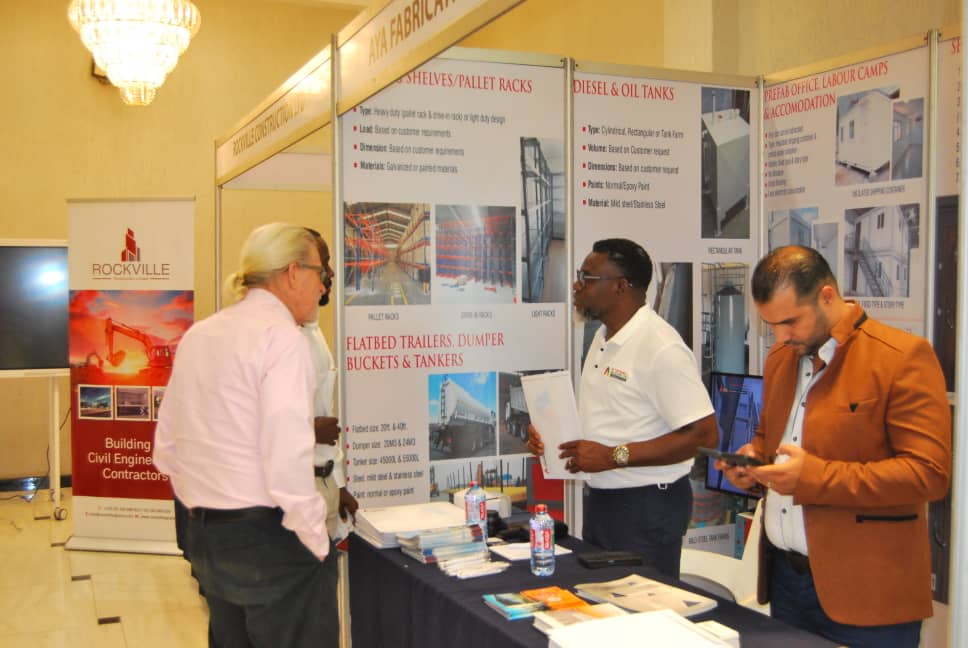
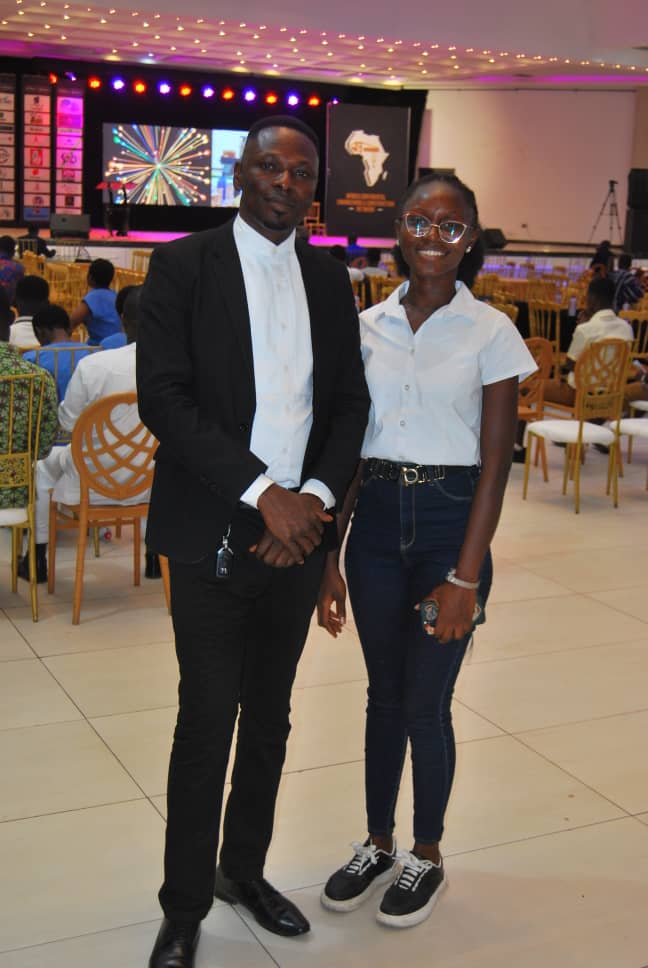
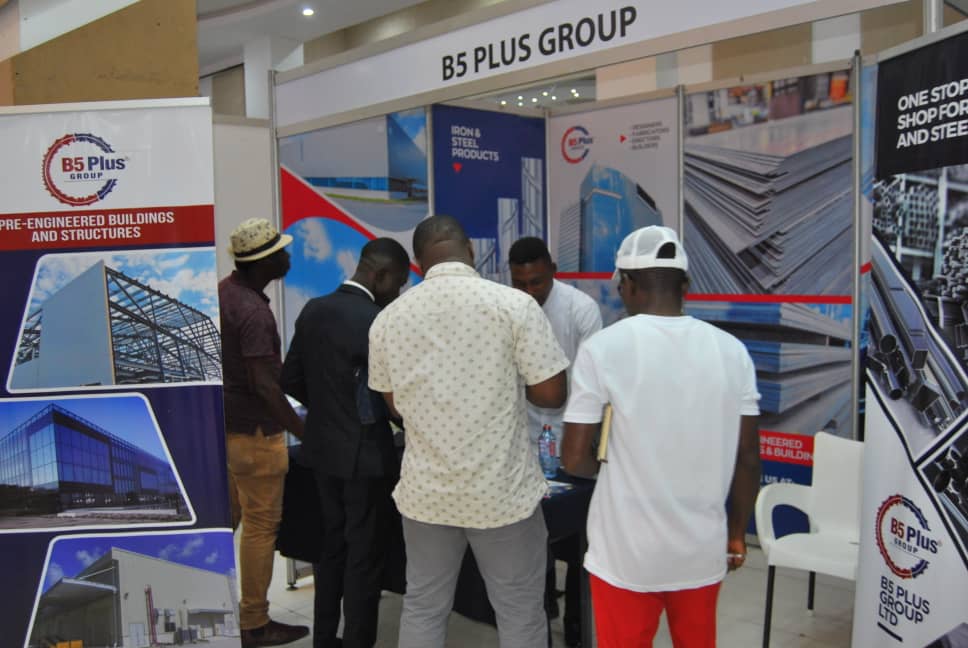
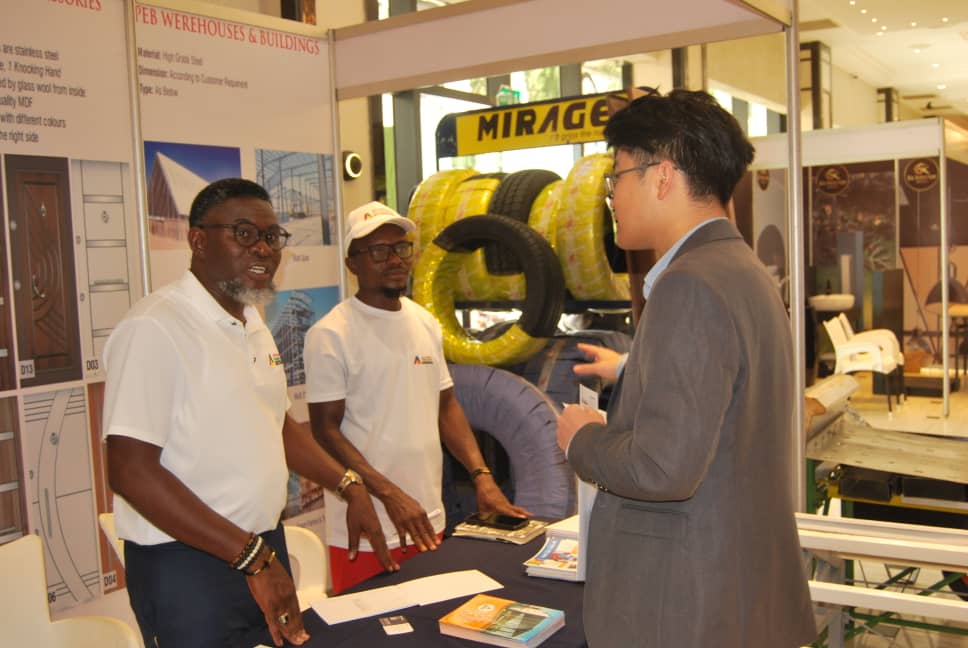
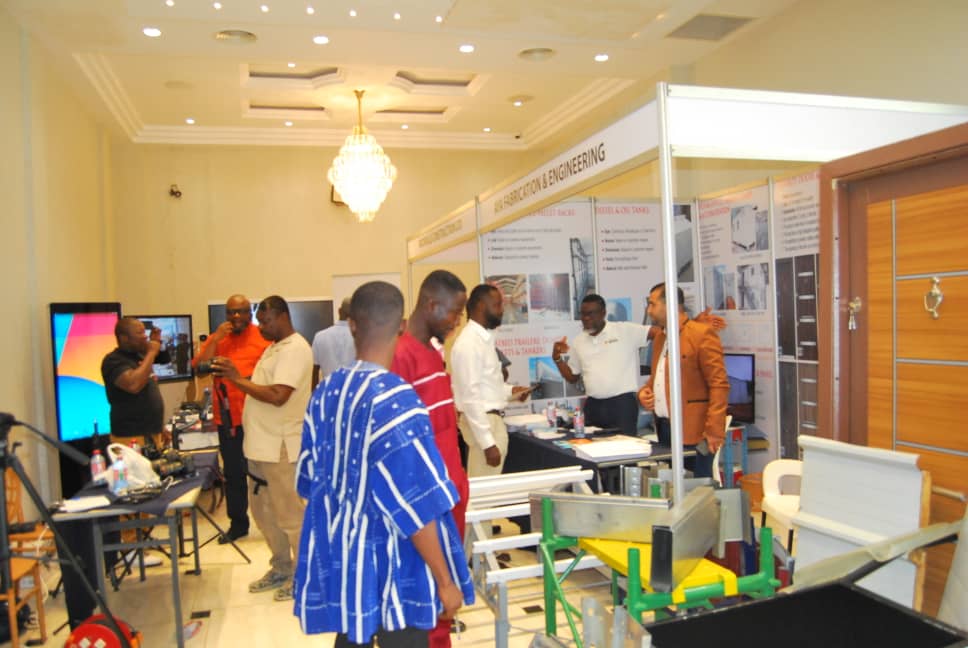
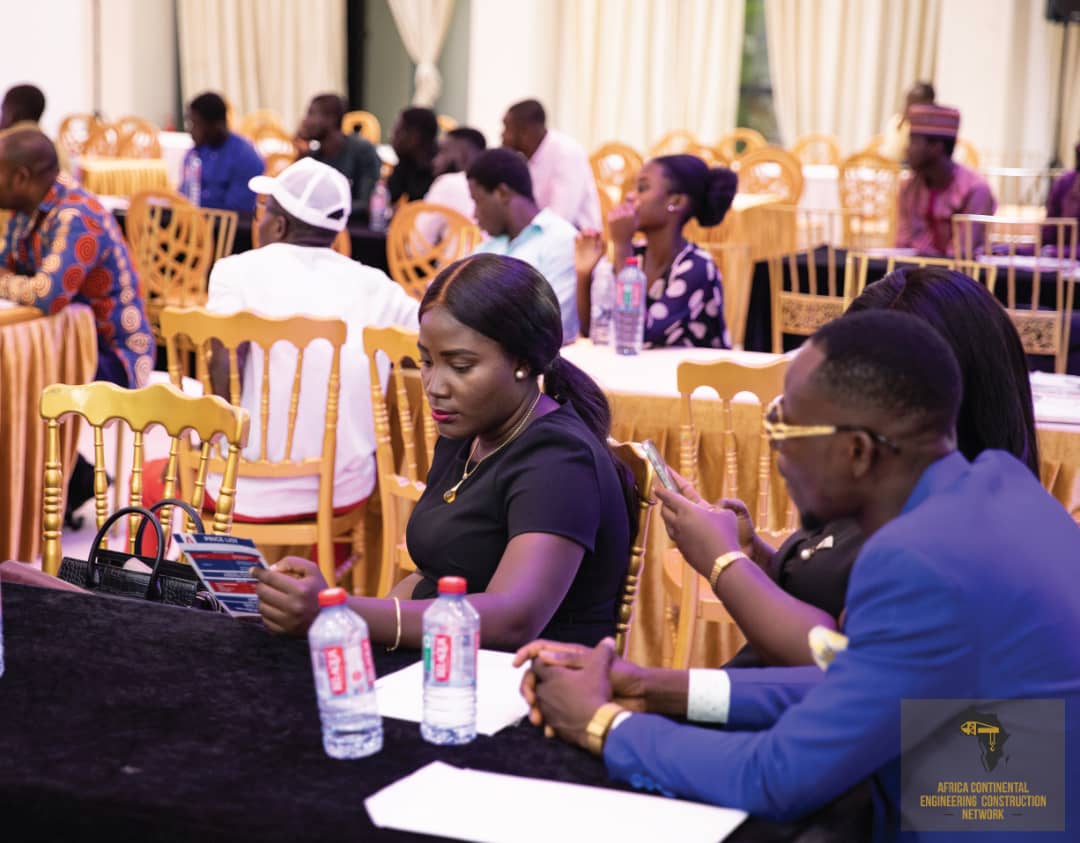
    The event also drew exhibitors representing Engineering, Construction and Logistics firms among others who exhibited their modern technologies to the participants.

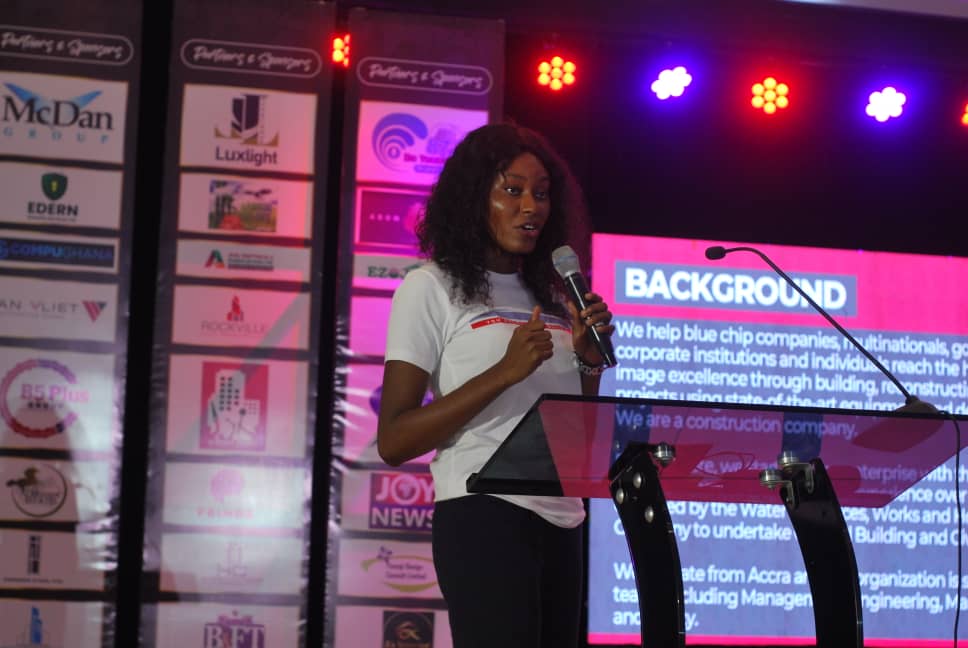
    The Summit, a joint collaboration between the Africa Engineering & Construction Network(ACECEN) and GM Bamboo Eco-City leveraged the invaluable support from a number of Partners and Sponsors drawn from Ghana’s public sector and the Sustainable Built Environment Industry component of the private sector.


  • West Africa’s Energy Transition Offers $1T+ in Investment Opportunities

    West Africa’s Energy Transition Offers $1T+ in Investment Opportunities

    PARIS, France, December 11, 2023/ — West Africa is home to a diverse landscape of energy players, from mature petroleum producers to emerging gas frontiers. For established markets, the energy transition requires decarbonizing and optimizing existing operations, while bringing renewable energy and carbon capture technologies to the forefront.

    Meanwhile, frontier markets are seeking to build sustainable energy mixes from the ground up, relying on integrated gas developments to fuel their transition. As a result, an array of partnership and investment opportunities are shaping the region, which European and global investors can access at the upcoming Invest in African Energy Forum, taking place in Paris on May 14-15, 2024.

    Nigeria

    As the largest oil producer on the continent, Nigeria is seeking to attract sizable foreign investments to meet net-zero targets by 2050. At COP28 earlier this month, the Nigerian Federal Government announced investment opportunities totaling $585 billion within its energy sector, promising significant returns and the support of local authorities. In the short term, the country’s strategy involves driving renewable energy penetration across its operations, while reducing methane emission intensity and achieving net-zero in the medium-to-long term.

    Within these investment opportunities, $272 billion relates to installed renewable power production, transmission and distribution, natural gas transmission and distribution infrastructure and electric chargers. Investment opportunities totaling $96 billion lie in oil and gas processing optimization, energy efficiency and carbon capture and storage, while $80 billion are in the adoption of zero-emissions technologies and fuels.

    The remaining $2.8 billion comprises opportunities associated with clean cooking. As a result, the country features growing demand for European investors and technology and service providers who are capable of implementing clean energy solutions.

    Ghana

    As another mature producer in the region, Ghana has also unveiled an ambitious energy transition framework that totals $550 billion in investment opportunities and provides a path to net-zero emissions. The plan focuses on deploying low-carbon solutions in six main categories, which would achieve 90% of targeted emission reductions.

    These include electrification and renewables; carbon capture and storage; low-carbon hydrogen; battery electric vehicle technologies; clean cooking technologies; and negative-emissions solutions.

    Several innovative projects are underway in Ghana, which could serve as a model for European investors and project developers.

    The country is currently building its first hybrid plant utilizing solar and hydro resources to generate 250 kWas well as piloting a wave energy project in the Gulf of Guinea capable of producing 1,000 MW and generating up to two billion dollars in investment opportunities.

    The government has also launched a hybrid waste-to-energy pilot project at the Atwima Nwabiagya South Municipality that aims to produce 100 kW of biogas from municipal waste, with the potential to produce green hydrogen. Still, an influx of capital and technology is needed to fully explore the viability of clean energy technologies, for which there is strong government will.

    Senegal

    As one of the most exciting energy hotspots on the continent, Senegal offers frontier hydrocarbon resources and an attractive operating environment, along with close proximity and cultural ties to Europe.

    The country is awaiting first oil and gas production next year from its Sangomar Field Development and Greater Tortue Ahmeyim Liquefied Natural Gas Project, respectively, which present considerable opportunities for service and technology providers in the fields of gas processing, gas-to-power and associated infrastructure.

    Last June, Senegal launched its Just Energy Transition Partnership with France, Germany, the European Union, the UK and Canada to support its efforts to attain universal energy access on the back of a low-carbon, sustainable energy matrix. The country is currently drafting a comprehensive investment plan that will identify the type and scope of investments required.

    Distributed by APO Group on behalf of Energy Capital & Power.

    SOURCE
    Energy Capital & Power


  • South Africa: African Development Bank approves $1 billion guarantee from the United Kingdom to support SA’s Just Energy Transition

    South Africa: African Development Bank approves $1 billion guarantee from the United Kingdom to support SA’s Just Energy Transition

    ABIDJAN, Ivory Coast, December 10, 2023/ — The Board of Directors of the African Development Bank Group (www.AfDB.org) has approved a $1 billion guarantee program in collaboration with the UK Foreign Commonwealth and Development Office (FCDO), which will allow the Bank to increase its lending capacity in support of South Africa’s Just Energy Transition (JET).

    Developed in close collaboration with the government of the Republic of South Africa, the program will support projects aligned with South Africa’s JET investment plan, such as transmission and grid-balancing storage, renewable energy generation, energy efficiency, rehabilitation of municipal electricity delivery, green hydrogen, new electric vehicles. It also includes projects addressing the “just” dimension, notably in the Province of Mpumalanga, in the north-eastern part of the country, bordering Swaziland and Mozambique.

    The approval, coming during COP28, where ramping-up climate finance is an issue, is timely and topical. African Development Bank Vice President for Power, Energy, Climate and Green Growth, Dr. Kevin Kariuki observed: “this is another innovative operation that reaffirms AfDB’s leadership in crafting financial solutions to increase access to climate finance for Africa’s low carbon development and net zero ambitions.”

    Melinda Bohannon, Foreign Commonwealth and Development Office Director General of Humanitarian and Development stated,” FCDO remains committed to the Just Energy Transition Partnership with South Africa, which supports green growth and jobs, improves energy security, and helps South Africa achieve its carbon reduction ambitions as set out in its National Determined Contribution.

    This guarantee will unlock funds for projects within the remit of South Africa’s recently released Just Energy Transition implementation plan. This comes alongside the recently significantly increased grant offer from the International Partners Group, and we are using some of those grants to help develop an investment project pipeline”.

    Mmakgoshi Lekhethe, Deputy-Director General for Asset and Liability Management in South Africa’s National Treasury commented, “We are pleased with the approval by the AfDB Board of the guarantee framework that will increase South Africa’s access to funding from the Bank by $1 billion.

    This marks an important partnership between our government, the UK and AfDB to enhance our ability to implement South Africa’s just energy transition in a way that is just and socially responsible.

    We look forward to working closely with the AfDB on the preparation and financing of a pipeline of programs and projects under our just transition priority areas, including those identified in the JET Implementation Plan. As a development bank with vast experience in just transition in the continent, the AfDB is an ideal partner for us on this important initiative”.

    Max Ndiaye, Director of Syndications, Co-financing and Client Solutions, noted previous collaboration between the Bank and FCDO, and applauded this transaction as further demonstration of the Bank’s continued efforts to heed the G20 recommendations on capital adequacy that call for increased collaboration and additional shareholder support for the balance sheet optimization of MDBs.

    “By enabling the Bank to increase its lending capacity, this landmark guarantee agreement will greatly support South Africa’s Just Energy Transition,” noted African Development Bank Director General for Southern Africa, Leila Mokaddem. “The African Development Bank remains committed to accompanying South Africa on this important journey,” she added.

    Distributed by APO Group on behalf of African Development Bank Group (AfDB).

    Link to Images: https://apo-opa.co/4afJ94I

    Contact:
    Amba Mpoke-Bigg
    Communication and External Relations Department
    email: media@afdb.org

    Technical contact:
    Max Ndiaye
    Director of Syndications
    Co-financing and Client Solutions

  •   African Countries Should Reject Anti-Fossil Fuel Policies at COP 28

      African Countries Should Reject Anti-Fossil Fuel Policies at COP 28

    The Executive Chairman of the South Africa based Africa Energy Chamber,N.J.Ayuk  has taken a swipe at the climate agenda describing it as hypocritical, biased, unjust and that it also poses a direct threat towards Africa’s development, and countries should remain resilient in their efforts to defend their right to utilize oil and gas.

    “With COP 28 set to conclude in the coming days, a COP where African countries fiercely defended the role oil and gas plays across the continent,it has become clear that developed nations seem committed to phasing out fossil fuels, advocating for an anti-fossil fuel energy transition that does not take into account the needs of the developing world”,the Chamber intimates.

    If endorsed,this approach,it warns, would cause detrimental impacts on Africa’s economies, and the African Energy Chamber (AEC) strongly urges African countries to reject any and all anti-fossil fuel policy that may arise.

    Earlier this week, Haitham Al Ghais, Secretary General of the Organization of Petroleum Exporting Countries (OPEC), issued a similar remark, urging member countries to reject any agreements that target fossil fuels during the climate negotiations.

    Advocating for focus to be placed on reducing emissions rather than reducing energy, Al Ghais noted that, “It seems that the undue and disproportionate pressure against fossil fuels may reach a tipping point with irreversible consequences, as the draft decision still contains options on fossil fuels phase out.”

    “Phasing out fossil fuels and opting for a ‘western approach’ to the energy transition is simply not an option for Africa.The continent has not only contributed the least to global greenhouse gas emissions – less than 2% – but faces the worst impacts from climate change, owing largely to the actions taken by developed countries for centuries” it argues.

    For decades, Africa’s oil and gas resources have been extracted and exported for the benefit of wealthy nations, while the continent has been left with inadequate resources to meet its growing demand.

    Wealthy nations have not only used these resources to develop but have positioned themselves as financially and infrastructurally ready to transition away from fossil fuels. Now, Africa is trying to take the same path, and is being directed to abandon an approach taken by those that went before it.

    With oil and gas, Africa is seizing control of its energy future. By directing substantial investments towards these resources, the continent will not only be able to bolster industrialization, alleviate energy poverty and join the world in its development, but strengthen its capacity to deal with climate change.

    By phasing out fossil fuels, Africa will not only reduce its inconsequential emissions, but essential phase out energy in almost its entirety. Remember, the main sources of energy in Africa are oil (42%), gas (28%) and coal (22%). If Africa were to phase out these resources, it would be transitioning from dawn to darkness.

    As Al Ghais put it, “What we will continue to advocate for is reducing emissions, not choosing energy sources. The world requires major investments in all energies, including hydrocarbons, all technologies, and an understanding of the energy needs of all peoples. Energy transitions must be just, fair and inclusive.”

    “Last year, I wrote that I was going to COP 27 because I believe that if Africa is not on the table, it will be on the menu. It is unfortunate that a year on, we have seen little to no progress by western nations to take into account the developmental needs of Africa. A year on, we are faced with the same threat: developed nations telling the world to abandon fossil fuels, thereby abandoning any chances of economic growth.

    Africa cannot afford to adopt the western-centric energy transition. Doing so would eliminate any chance of making energy poverty history, of industrializing economies and improving the lives of millions of people,” stated NJ Ayuk, Executive Chairman of the AEC.

    Africa and the developed world are at vastly different stages of their development. Why then, is the continent required to follow the same approach to transitioning?

    Why is the continent being told to abandon any chance of lighting its economies? Why do the wealthy nations of the world continue to choose politically-driven agendas over Africa? Phasing out fossil fuels might reduce emissions but it will surely send Africa into irrevocable economic decline.

    “The green agenda promoted by the wealthy nations continues to ignore how instrumental oil and gas is in Africa. Climate panic and fear mongering continues to be alive and well, and Africa should remain strong in its commitment to utilizing oil and gas for the betterment of its people,” concluded Ayuk.