Category: Events

  • UAE Society of Engineers Calls for Nominations in 3rd Excellence and Creative Engineering Award

    UAE Society of Engineers Calls for Nominations in 3rd Excellence and Creative Engineering Award

    Dubai, UAE, 1 July 2024: The UAE Society of Engineers has announced the opening of nominations for participants in the third session of the Excellence and Creative Engineering Award 2024. The aim is to motivate engineers within the country to excel, create, and innovate by providing advanced engineering solutions.

    This initiative aims to foster a spirit of competition and leadership while promoting excellence in various fields of engineering, contributing to the prominence and prosperity of engineering work in the United Arab Emirates.

    In the previous session held in 2023, the award received 378 applications, from which 29 winners were honored across different categories. These categories include legal entities represented by engineering offices, institutions, companies, and departments, as well as individual awards targeting creative individuals.

    This reflects the commitment of the organizing team to achieve the award’s overarching goals in line with the association’s strategies and aspirations.

    Eng. Abdulla Yousef Al Ali, President of the UAE Society of Engineers, emphasized the Excellence and Creative Engineering Award’s leading position within engineering circles in the country. He highlighted its crucial role in showcasing the best innovative and successful engineering practices and models, aimed at benefiting and applying them to develop and grow engineering projects across various fields.

    Al Ali stated, “Today, we announce the opening of registration and participation for the third year of the Excellence and Creative Engineering Award. Applications will be accepted until mid-November via the award’s website www.ecea.ae . Our goal is to inspire engineers to innovate and provide sustainable solutions and practices.

    This initiative aims to encourage institutions, companies, and individuals to adopt an active, competitive, and inspiring environment to explore new horizons and achieve leadership, excellence, and unprecedented accomplishments in engineering fields, thereby contributing to a better and sustainable future for all.”

    Eng. Abdulla Yousef Al Ali, President of the UAE Society of Engineers, added, “The UAE places great emphasis on enhancing the professional and cognitive levels of engineers. This is achieved through continuous support for scientific research centers, universities, and specialized associations, as well as through initiatives like the Excellence and Creative Engineering Award. These efforts provide developmental opportunities for qualified youth in the engineering sector.”

     Award categories

    The award comprises two main categories: Legal Personality and Individual, encompassing a total of 13 subcategories. Under Legal Personality, awards include the Pioneering Engineering Project, Best Engineering Consultancy Company, Best Engineering Services Company, Best Construction Company, Best Industrial Company, Best Startup Engineering Company, and Best Scientific Research in the Engineering Field.

    The Pioneering Engineering Project category is further divided into three subcategories: Best Mega Project, Best Medium Project, and Best Small Project.

    In the Individuals category, awards include Leading Personnel, Outstanding Engineer, Outstanding Student, and Rising Engineer.

    The award targets government and private entities in the field, including consultants, engineering service providers, industrial companies, emerging engineering firms, contractors, students, faculty members in educational institutions, research centers, project owners, and project management companies.

    Participating firms are evaluated by a specialized committee of Emirati engineering experts according to international standards of excellence and innovation in the engineering sector. The process ensures complete transparency and high accuracy from nomination and evaluation through to announcing the results.

    The Engineering Excellence and Creativity Award was launched in March 2022, under the directives of the late Sheikh Hamdan bin Rashid Al Maktoum, may God rest his soul, marking the first of its kind in the UAE.

    It aims to foster a culture of creativity and elevate the pace of innovative competition in engineering designs and projects, aligned with the country’s strategies and national projects striving for leadership, quality, and excellence across various sectors.

    Since its establishment in 1979, the UAE Society of Engineers, organizer of the Award, has seen over 70,000 engineers join its membership.

    Over this period, it has achieved significant milestones in accrediting engineering certifications, regulating professional practices and standards, and enhancing skills and qualifications for all UAE engineers through its Accreditations Committee.

    Distributed by Strategic Exhibitions & Conferences on behalf of UAE Society of Engineers 

    SOURCE: UAE SOCIETY OF ENGINEERS
     

  • Afreximbank signs two deals totaling US$80 million for Zimbabwe’s CBZ Bank

    Afreximbank signs two deals totaling US$80 million for Zimbabwe’s CBZ Bank

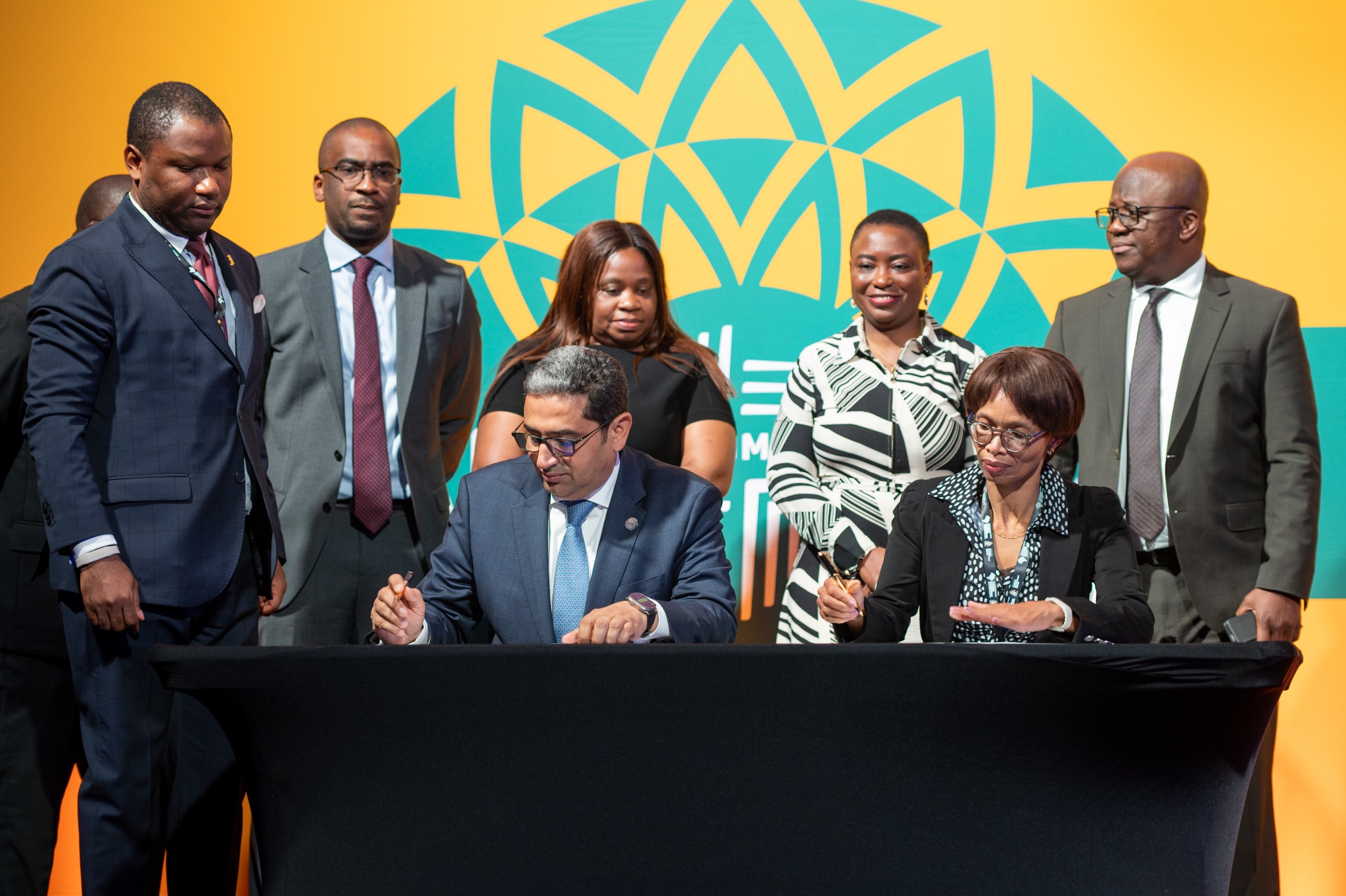
    NASSAU, The Bahamas, June 25, 2024/ — In two deals signed at the recently concluded Afreximbank Annual Meetings, African Export-Import Bank (Afreximbank) (www.Afreximbank.com) is providing a US$60 million line of credit and a US$20 million Afreximbank Trade Facilitation Programme (AFTRAF) facility to CBZ Bank Limited, Zimbabwe’s largest bank.

    The line of credit facility will strengthen financial intermediaries’ capacity to support SMEs through financing product and capacity building, indirectly support export-oriented Zimbabwean businesses and enable them to generate much-needed foreign exchange, thus easing the pressure on foreign currency in the country.

    The AFTRAF facility will enable CBZ Bank to issue letters of credit confirmed by Afreximbank at a time when such instruments are not readily available due to a shortage of confirming banks.

    Highlighting the impact of the deals for Zimbabwe, Haytham El Maayergi, Executive Vice President, Global Trade Bank, Afreximbank, said: “The US$60 million Line of Credit facility will be used by CBZ Bank to provide financing to local corporates and small and medium-sized enterprises (SMEs) – helping to bridge the financing gap facing them at a time when most international banks are limiting their exposure to Zimbabwean banks.

    “The US$20 million facility, which is under the Afreximbank Trade Facilitation Programme, provides a wide variety of products where the Afreximbank takes on the direct risk of CBZ, as the issuing bank.

    The programme will increase intra- and extra-African trade for Zimbabwe, through the importation of critical goods, such as fuel, pharmaceuticals and fertiliser, and support exports and imports of vital goods and services to Africa. It will also enable CBZ to increase its trade activities and to expand its correspondent banking relationships.”

    CBZ Group’s strategic plan is to deploy affordable mobile banking solutions and increase its product offerings, create opportunities for direct and indirect employment by financing the importation of raw materials for key industries, and drive financial inclusion in Zimbabwe.

    Sub-borrowers who are SMEs benefitting from the credit line will also be eligible for non-financial support as provided under the capacity-building pillar of the bank’s Export SME Development Programme.

    At the deal signing ceremony, Mrs. Smangele Mandidi, Acting Managing Director of CBZ Bank, said: “As a Bank, our core focus remains on sourcing much needed lines of credit to support the productive sectors of our economy and this will also go a long way in easing the liquidity challenges.

    We have received USD80 million funding from Afreximbank which will be extended to support export growth through trade finance as well as capital expenditure financing.”

    The facility is in accordance with Afreximbank’s mandate of supporting exports of value-added commodities and manufactures of a Member State. Through the facility, there is also strategic fit as the structured nature of the facility supports Afreximbank’s trade finance leadership — one the Bank’s strategic pillars.

    The facility is consistent with the Bank’s strategy of financing exports which in turn contributes to the foreign exchange earning capacity of a country and increases productivity.

    Hosted by the government of the Bahamas, AAM2024, which was combined with the third AfriCaribbean Trade and Investment Forum (ACTIF2024), was held from 12 June to 15 June.

    Distributed by APO Group on behalf of Afreximbank.

    Media Contact:
    Vincent Musumba
    Manager, Communications and Events (Media Relations)
    Email: press@afreximbank.com

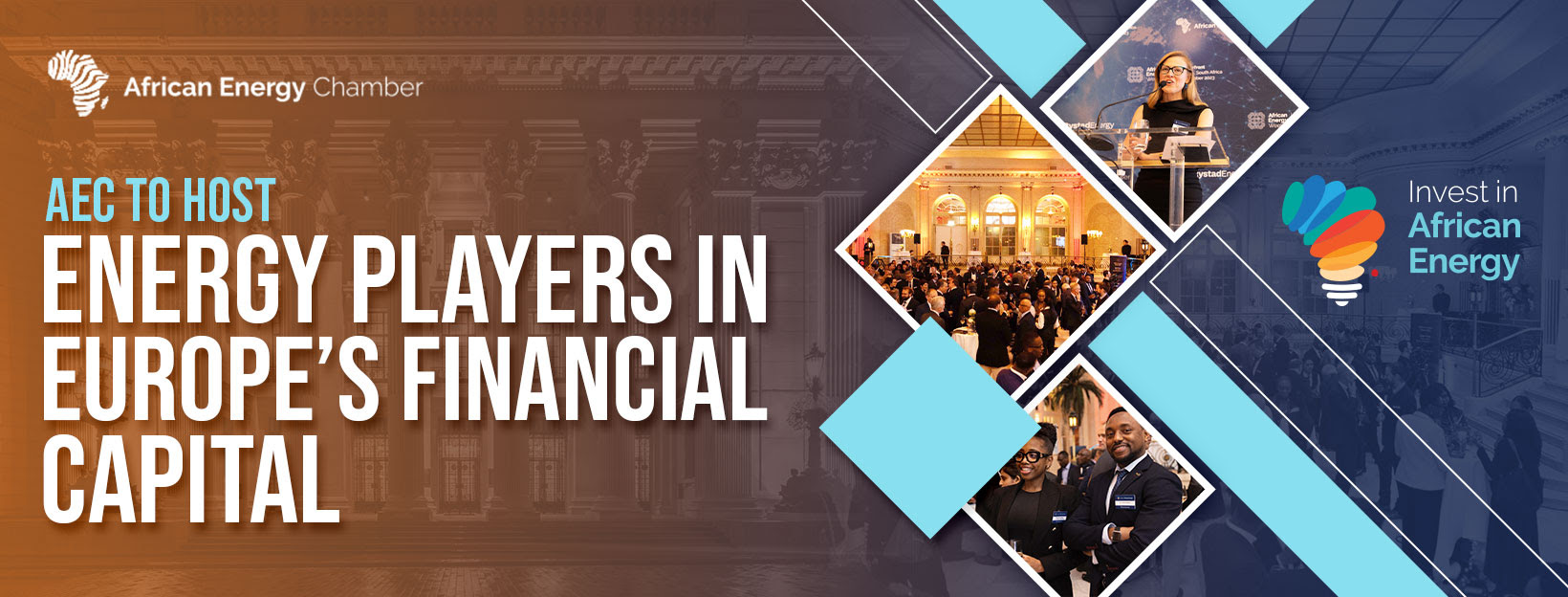
  • Bringing Finance to African Energy Projects: AEC to Host Energy Players in Europe’s Financial Capital

    Bringing Finance to African Energy Projects: AEC to Host Energy Players in Europe’s Financial Capital

    Global investment in upstream oil and gas is set to reach $570 billion in 2024, showing a 7% rise compared to 2023 expenditure. Of this, 33% is expected to be directed towards frontier fields, presenting a strategic opportunity for undeveloped oil and gas markets in Africa.

    With lack of investment representing one of the biggest challenges to project development across the continent, the African Energy Chamber (AEC) will host a networking reception on July 11 in London – Europe’s financial capital.

    Taking place at the Four Seasons Hotel London at Park Lane from 17:00 to 21:00, the reception bridges the gap between European financiers and African energy projects, promoting synergies, deals and future collaborations.

    Despite holding some of the largest untapped oil and gas resources worldwide, Africa is faced with an energy crisis, with 600 million people currently living without access to electricity and 900 million people without access to clean cooking solutions.

    The African Development Bank estimates that to address this crisis, the continent requires between $40 billion and $70 billion in annual investment.

    Presently, Africa receives on average $35 billion in global financing for fossil fuels and clean energy projects, with merely 5% of global energy investment directed towards the continent.This showcases a clear investment gap and a strategic opportunity for European funders and project developers.

    With over 125 billion barrels of proven crude oil, 620 trillion cubic feet of natural gas and abundant opportunities in solar, wind and geothermal, Africa continues to attract investment from some of the world’s biggest players.

    The continent’s greenfield upstream spending, for example, is projected to reach $37 billion by 2025 and $50 billion by 2050, with companies eager to unlock the full potential of undeveloped oil and gas. Specifically, a strong slate of London-based oil and gas firms are driving a wave of project developments across the continent.

    These include energy major bp, who is developing Senegal and Mauritania’s inaugural LNG project – the Greater Tortue Ahmeyim (GTA) facility – and Mozambique’s Coral Sul FLNG project. GTA is on track for first production in 2024 while bp delivered first gas from Coral Sul in 2022, marking the first LNG cargo for the country.

    Additionally, energy major Shell is making strides towards opening up the Orange Basin in Namibia. The company’s Graff-1 discovery in 2022 was play-opening and Shell has made an additional five discoveries since then. The company is investing 25% of its deepwater exploration budget in the country this year.

    Additionally, independent hydrocarbon producer Perenco inaugurated the $50 million Batanga LPG plant in 2023 and is developing the $1 billion Cap Lopez LNG terminal in Gabon.

    The company is also investing in shallow-water and marginal assets across the continent, acquiring Eni’s core assets in the Republic of the Congo in June 2023 for $300 million.

    Oil and gas company Tullow Oil anticipated commercial oil production in Kenya in 2028 while transitional energy company Chariot oil and gas recently signed a gas commercialization agreement with Vivo Energy in Morocco.

    These developments – all led by London-based companies – represent just some of the many underway across the continent.

    The AEC Reception builds on these deals to promote new investment in African energy. Taking place in London – both Europe’s financial capital and its biggest stock market – the reception is all about connecting companies to opportunities.

    The total value of companies listed on the London Stock Market reached $2.18 trillion in June 2024, highlighting a commercial and strategic opportunity for the reception and African energy projects.

    The AEC London Reception takes place ahead of the continent’s largest energy event, the African Energy Week (AEW): Invest in African Energy conference, scheduled for November 4-8 in Cape Town.

    Under a mandate to make energy poverty history by 2030, the event unites global investors and technology providers with African energy projects, with discussions tailored around unlocking high returns and generating mutually beneficial opportunities.

    Participants at the AEC’s London Reception have the chance to gain exclusive insight into AEW: Invest in African Energy 2024 while engaging with a suite of African stakeholders

    This year’s AEW: Invest in African Energy will host the African Energy Finance Summit – a platform that galvanizes financial support for African energy projects, while promoting deal-signing and partnerships.

    Hosted in partnership with multilateral financial institution the African Export-Import Bank and global market intelligence firm S&P Global Commodity Insights, the summit brings capital to Africa with the aim of making energy poverty history by 2030.

    Don’t miss the chance to be at the forefront of Africa’s energy transformation. Register for the AEC’s London Reception at https://energychamber.org/london-roadshow/ or contact register@aecweek.com.

    “We are proud to offer the State of African Energy Outlook for download.The report emphasizes the pivotal role of knowledge and foresight in navigating the complex and dynamic energy landscape and equips stakeholders with the insights they need to make informed decisions in the year ahead.

    As we venture into 2024 we are oon the brink of making substantial strides in overcoming energy poverty throughout Africa and moving towards a more sustainable energy future”-NJ Ayuk,Executive Chairman of the AEC.

    SOURCE

    AFRICA ENERGY CHAMBERS


  • 14th Meeting of the Open-ended Working Group of the Basel Convention:

    14th Meeting of the Open-ended Working Group of the Basel Convention:

    Science every day identifies more hazardous constituents in waste. Recycling operations are also changing as new ways are found to recover valuable content from waste.

    These changes raise new questions for parties to the one of the oldest multilateral environmental agreements, the Basel Convention, as to how the waste trade can be better monitored and regulated.

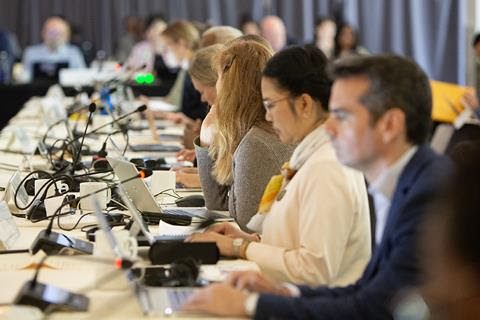
    The Fourteenth Meeting of the Basel Convention’s Open-ended Working Group (OEWG-14) is the only occasion for all parties to meet face-to-face before the next meeting of the Conference of the Parties, COP 17, takes place in April 2025.

    As such, there is a packed agenda for the four-day meeting as delegates aim to finalize text on several key issues, which will be forwarded to COP 17. While work will continue during the intersessional period, OEWG-14 provides parties with the chance to hammer out workable approaches to improving implementation of one of the world’s longest standing environmental agreements.

    In opening statements, the African Group, Asia Pacific, Central and Eastern Europe, and the Latin American and Caribbean Group (GRULAC) emphasized the continuing need for strengthening technical assistance and capacity building and supporting regional work and cooperation among neighboring countries.

    Both GRULAC and the European Union (EU) stressed the importance of improving the prior informed consent (PIC) procedure, considered the keystone of the Basel Convention.

    On the draft renewed strategic framework, delegates in plenary called for more work to be done on the overall vision, guiding principles, objectives, goals, and indicators.

    One contentious issue is the time frame of the strategic framework—whether it should be a 10-year framework or a shorter one to align with the 2030 timeline of the Sustainable Development Goals (SDGs). OEWG-14 established a contact group to continue these discussions, co-chaired by Keima Gardiner (Trinidad and Tobago) and Ole Thomas Thommesen (Norway).

    The contact group on the Strategic Framework will also address questions around how the PIC procedure can be improved, including questions around electronic notification, and countries’ different understandings of what constitutes transboundary movement.

    On technical guidelines, delegates in plenary discussed several different waste streams. On e-waste, the OEWG adopted a decision inviting Parties and others to pilot-test the technical guidelines adopted by COP 16, and to report on their results to an expert working group that will update the guidelines in view of countries’ experiences, for COP 17’s consideration.

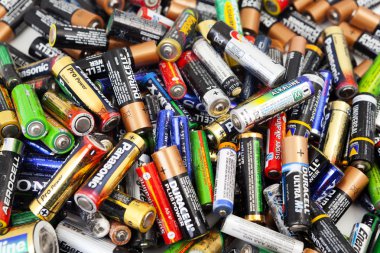
    On two draft technical guidelines for waste batteries—one on lead-acid batteries and the second on other types of batteries—several delegates called for further work on the former regarding health and safety aspects, and one asked for greater detail on the technologies for recycling all components of such batteries, including their plastic casing.

    On revised technical guidelines on wastes consisting of, containing, or contaminated with persistent organic pollutants (“POPs wastes”), some developing countries felt that countries had limited capacity to detect POPs content at their borders and therefore the lowest possible POPs content values should be adopted, whereas another believed that countries’ management efforts would suffer if overly stringent limits were set.

    Delegates agreed to refer work on the general technical guidelines on POPs, four technical guidelines on specific POPs wastes, and on a draft format for the collection of information on low POPs content values, to a contact group on Technical Matters co-chaired by Katie Olley (United Kingdom) and Nawaf Bilasi (Saudi Arabia).

    A contact group on Legal Matters, co-chaired by Perine Kasonde (Zambia) and Jason Dunn (Australia), will discuss proposed amendments to the Convention annexes on issues regarding waste categories to be controlled (Annex I), criteria for identifying hazardous characteristics (Annex III) and disposal operations (Annex IV).

    Some of the outstanding issues, in this regard, include concerns to maintain internal consistency of the Annex provisions, and at what point of the life cycle of materials their hazardous content should be determined.

    The two contact groups on Technical Matters and Legal Matters began their deliberations in the late afternoon and continued late into the evening.

    SOURCE

    EARTH NEGOTIATIONS BULLETIN


  • 67th Meeting of the GEF Council: momentum for people and the planet

    67th Meeting of the GEF Council: momentum for people and the planet

    The 67th meeting of the GEF Council, the 36th meeting of the Least Developed Countries Fund/Special Climate Change Fund (LDCF/SCCF) Council, and the 2nd meeting of the Global Biodiversity Framework Fund (GBFF) Council collectively adopted work programs totaling USD 736.42 million.

    The work programs will seek to bring global environmental benefits through activities addressing biodiversity loss, chemicals and waste pollution, land degradation, climate change, and international waters.

    Among other projects and programs, funding was approved for a Great Green Wall program established between the LDCF and GEF Trust Funds, a Coral Bond blended finance project that builds on the lessons from the 2022 Rhino bBond project, and a Sustainable Cities Integrated Program.

    Among other decisions, the Council appointed Carlos Manuel Rodríguez to a second four year term as the GEF’s CEO and Chairperson. The Council meetings took place at the Mayflower Hotel in Washington, DC, from 17-20 June 2024. The 68th GEF Council meeting will be held fully on-line in December 2024

    SOURCE

    EARTH NEGOTIATIONS BULLETIN

  • Africa Offers Attractive Investment Opportunities for Japanese Firms, Say African Development Bank Leaders

    Africa Offers Attractive Investment Opportunities for Japanese Firms, Say African Development Bank Leaders

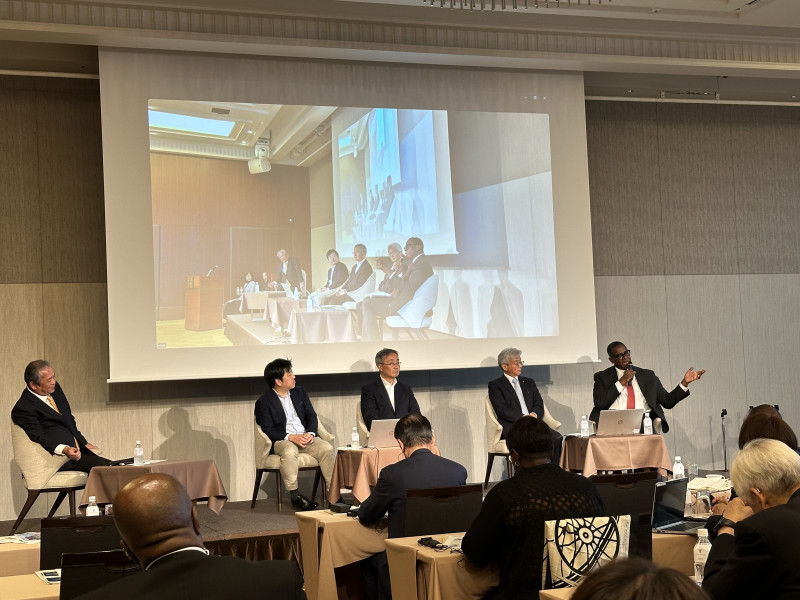
    TOKYO, Japan, June 22, 2024/ — Africa presents a compelling investment destination for Japanese firms, with high growth potential and the African Development Bank’s strong support to manage risks, African Development Bank Group (www.AfDB.org) leaders stressed at the Japan-Africa Business Forum in Tokyo.

    “Africa has huge private sector opportunities. The continent offers some of the highest returns globally,” said Prof. Kevin Chika Urama, Bank Group Chief Economist and Vice President, in a presentation highlighting Africa’s abundant renewable energy potential, and the need for strategic investments in green minerals and value addition.

    “Smart investments in Africa are good business — doing well by doing good,” he stressed.

    Dr. Kevin Kariuki, Vice President for Power, Energy, Climate and Green Growth, highlighted Japan’s competitive advantage in geothermal technology. “90% of all the turbines in Kenya are from Japan, starting with Mitsubishi,” he noted. Kariuki also positioned Africa as a solution to Europe’s energy challenges, with planned interconnections to export power and hydrogen.

    The forum was organised by the African Development Bank and Keizai Doyukai, the Japanese Association of Corporate Executives, with support from Japan’s Ministry of Finance.

    Bank leaders underscored the institution’s commitment to making investing in Africa more attractive. “We have facilities within the Bank to try and de-risk these projects,” said Kariuki, citing the Sustainable Energy Fund for Africa’s (SEFA) support for the Kom Ombo and Kairouan solar projects amid escalating costs.

    Kazuko Nagura from Japan’s Ministry of Economy, Trade and Industry (METI) announced plans to hold the third Japan-Africa Public-Private Economic Forum later this year. The event will offer Japanese companies an opportunity to travel to Africa to undertake business development and networking.

    Nagura also made reference to the ministry’s  efforts to support Japanese business ventures in Africa such as the AfDX (https://apo-opa.co/4eCjcP4) program and Expo 2025 Osaka, Kansai (https://apo-opa.co/4be8M58) planned for next year.

    During a panel discussion on investing in African startups, Vice President for Private Sector, Infrastructure and Industrialisation Solomon Quaynor stressed the potential of the Fourth Industrial Revolution (4IR) to drive productivity improvements and deliver services to the base of the pyramid.

    “The idea is to use technology to increase profitability through efficiency, so you’re delivering value for which all segments of society are actually paying,” he explained.

    Quaynor highlighted the Bank’s initiatives to develop Africa’s human capital and startup ecosystem, including partnerships with tech giants: “We have a program with Intel to train 9 million Africans in artificial intelligence and a coding for employment program to upskill up to 50 million youth.”

    He said the Youth Entrepreneurship Investment Banks (YEIBs) (https://apo-opa.co/4cuUaPV) will further support tech-enabled companies and enhance the collaboration with &Capital, a new Africa-focused impact fund endorsed by Keizai Doyukai.

    Misako Takahashi, Deputy Director-General of the Middle Eastern and African Affairs Bureau at Japan’s Ministry of Foreign Affairs, highlighted TICAD as a platform for co-creating innovative solutions for growth and to discuss Japan and Africa’s shared future.

    Yacine Fal, the Special Representative of the African Development Bank’s President to the Africa Investment Forum (www.AfricaInvestmentForum.com), showcased the platform’s role as a premier conduit for investment into Africa’s agriculture, energy, transport, healthcare  and ICT sectors, among others.

    She noted the successful participation of Japanese investors and business leaders including those from Keizai Doyukai at the 2023 Market Days held last November in Marrakech.

    Earlier in the day, Keizai Doyukai, and the African Development Bank reaffirmed their commitment to work together to strengthen business ties between Japan and African countries.

    The two jointly organized the business forum to increase interest in African business and promote a better understanding of the Japanese private sector ahead of TICAD9.

    Distributed by APO Group on behalf of African Development Bank Group (AfDB).

    More images: https://apo-opa.co/3VyblJv

    Media Contact:
    Olufemi Terry
    African Development Bank Group
    media@afdb.org

  • Tanzania’s Foreign Ministry Launches the Construction of the Twin Towers in Kenya: Set to Redefine Nairobi’s Skyline

    Tanzania’s Foreign Ministry Launches the Construction of the Twin Towers in Kenya: Set to Redefine Nairobi’s Skyline

    The government of Tanzania has launched the construction of the Twin Towers in Kenya’s capital city,  Nairobi. This adds to Tanzania’s list of  real estate investment properties worldwide, as noted by the country’s foreign affairs minister, January Makamba. The monumental  real estate venture is expected between the National Social Security Fund (NSSF) in Kenya and Tanzania’s Ministry of Foreign Affairs.

    The project, once completed, is set to redefine  Nairobi’s skyline while consolidating Tanzania’s diplomatic presence in Kenya. Currently, Tanzania has no on-site embassy, hence the launch of the ambitious project.

    Furthermore, Tanzania’s government hopes that the project will be a viable solution in reducing the costs it accrues as rentals for embassy offices and residential buildings across the globe. The twin towers, rising 22 floors each, will host offices projected to earn the Tanzania government its needed forex.

    The Significance of the Construction of the Twin Towers in Tanzania

    The construction of the Twin Towers is expected to be one of the most significant projects undertaken by Tanzania’s government. Once completed, the project is expected to facilitate Tanzania’s economic growth by facilitating cost savings. Tanzania’s foreign ministry spends nearly $12 million annually in rentals for embassy offices and residential buildings. Once completed, the Twin Towers will cut down significant costs, and the funds can be rechanneled to other sectors of Tanzania’s economy.

    The country plans to replicate the construction of  real estate investments in other cities, including Kigali, Kinshasa,  New York, London, and Lusaka.

    Furthermore, once completed, the Twin Towers is expected to generate $13.7 million annually in revenue, a big boost to Tanzania’s economic landscape. “In the new strategy, which the government approved recently, we seek to use professional and world-class  real estate entities to develop these assets to earn income for the government and uplift the quality of our embassies and embassy staff housing,” Makamba said.

    The State of Affairs Regarding Tanzania’s Projects in Kenya

    Tanzania’s foreign ministry has noted that it has set aside close to $48 million, translating to Tsh 29 billion for investments in Kenya. These remarks were made during the ministry’s budget announcement recently.

    These plans underscore Tanzania’s commitment to fostering infrastructural and economic development beyond constructing the Twin Towers. Most of these projects are expected to be undertaken in partnership with private sectors within the two nations.

    However, Tanzania has set its eyes far beyond constructing one tower and noted plans to build others in other states. The foreign ministry has noted that it has set aside $5 million to construct offices and ambassadorial residences in Lusaka, Zambia.

    The planned construction of embassies and commercial buildings for Tanzania will also include the government’s properties in Uganda’s capital,  Kampala and Abuja, Nigeria, among others.

    Other Significant Projects that Tanzania is Involved in

    Besides constructing the Twin Towers in Kenya, Tanzania also participates in other significant projects, such as the Standard Gauge Railway. Tanzania, while lagging in SGR connecting Uganda, has accelerated national connectivity.

    Using funding from China and Turkey, Tanzania is constructing a 1,600-kilometre SGR line connecting  Dar es Salaam and Mwanza. The country has made enormous strides in the project compared to other countries involved as its end of the SGR is electrified. It recently launched the operationalization of an electric train, the first of its kind in Eastern Africa.

    SOURCE

    CONSTRUCTION REVIEW

  • Mercy Ships Welcomes Presidential Visit on board, in Toamasina Harbor

    Mercy Ships Welcomes Presidential Visit on board, in Toamasina Harbor

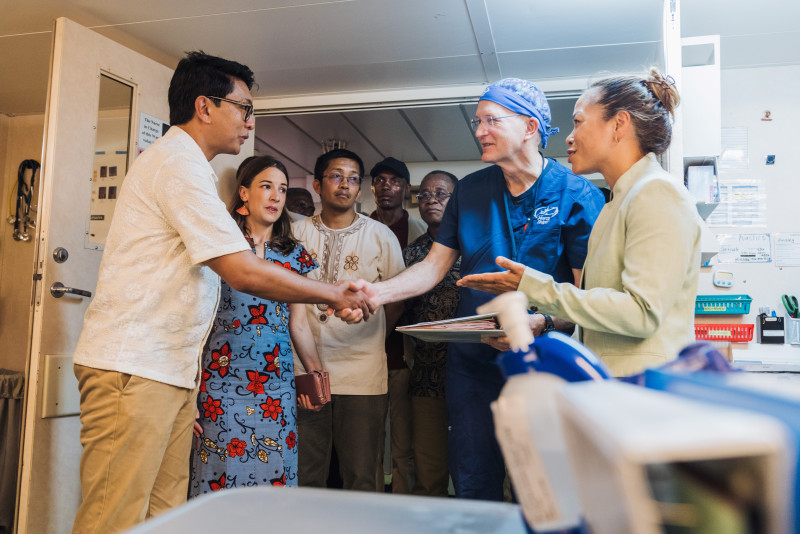
    TOAMASINA, Madagascar, June 20, 2024/ — Malagasy president His Excellency Andry Nirina Rajoelina visited patients and volunteers on board Mercy Ships’ hospital vessel (www.MercyShips.org) to see for himself the lives being transformed.

    On Saturday June 15, the president along with Minister of Health Professor Randriamanantany Zely Arivelo, accompanied by a delegation with His Excellency, visited the Africa Mercy ® hospital ship in Toamasina. This marked the first time the Malagasy president has visited the ship during its current mission.

    Nathan Jansen, Managing Director of the Africa Mercy, said: “We were honored to welcome His Excellency aboard the Africa Mercy. We were encouraged both by his desire to bring health to all of the people of Madagascar, and for his expression of partnership with Mercy Ships. We consider it a privilege to serve as partners with the Ministry of Health to bring direct medical services and education training and advocacy to the health system.”

    During the hospital tour, His Excellency had the opportunity to speak with several patients in the ward. He said: “We hope Mercy Ships can serve in Madagascar as long as possible”, to which everyone including the President’s delegation, the crew, and the patients in the ward, broke out in loud applause.

    The president also explored various departments of the hospital, including the operating room and the CT-scanner. His Excellency remarked: “It is already impressive to have a hospital ship like this, utilizing advanced technologies.”

    While walking through the ship’s corridors, the President took time to chat with some crew members. He showed particular interest in the onboard community, which currently consists of 336 individuals.  On the bridge, he received a briefing from the captain and enjoyed a stunning view of Toamasina’s coastline.

    At the end of his visit, His Excellency affirmed that Mercy Ships supports the Malagasy government’s effort in healthcare.

    The President stated: “Healthcare must be closer to the people. This is why we have built multiple hospitals. From 1990 to 2019, Madagascar had only 18 referral hospitals. Since the beginning of my mandate in 2019, we have constructed 30 additional hospitals nationwide.

    “We now need partners to help those in difficulty. There are operations that Malagasy specialists cannot yet perform, especially for the most vulnerable. The actions and operations that Mercy Ships is undertaking in Madagascar are commendable, and we should continue in this direction to help our neighbors, particularly those in difficulty and suffering from illnesses.”

    Distributed by APO Group on behalf of Mercy Ships.
  • Energy for Growth in Africa Initiative Unveiled

    Energy for Growth in Africa Initiative Unveiled

    By.Mohammed A.Abu

    The decades long delay in fulfilment of pledges made by the Global South towards  climate change impact funding  in the Global North hasn’t helped the course of the global transition from fossil fuels derived energy to renewable energy as global warming and climate change impact bites deeper.

    Indeed, lack of external affordable funding for renewable energy projects in both the public and private sectors of countries in the Global South with particular reference to Africa, the world’s most energy poor continent, has since given rise to the legitimate issue of energy transition justice.

    The energy for growth in Africa Initiative that was unveiled on the sidelines of the recently held G7 Leaders Summit could  be a game changer if implemented to the full.

    For the details regarding  the initiative, read on

    “We the representatives of Canada, the Republic of Congo, Côte d’Ivoire, Ethiopia, France, Germany, Italy, Japan, Kenya, Mozambique, Nigeria, South Africa, the United Kingdom, the United States of America, and the European Union, recognize that universal access to affordable clean energy is a key factor for sustainable, resilient and inclusive economic growth and social development, as proclaimed by the 2030 Agenda for Sustainable Development and the African Union’s Agenda 2063.

    “It also contributes to meeting the climate goals of the Paris Agreement and to keeping a temperature limit of 1.5C within reach. Africa’s significant but largely untapped clean energy potential needs massive investments.

    “We will work to accelerate investments in clean energy sources to ensure an inclusive transition which supports energy security, recognizing that a substantial proportion of people in Africa still lack reliable access to electricity and clean cooking.

    “To meet these objectives and the global efforts decided upon at the 5th session of the Conference of the Parties serving as the Meeting of the Parties to the Paris Agreement (CMA5), we look forward to the launch of the G7’s ‘Energy for Growth in Africa’ initiative and to contributing to its success.

    “The initiative will help develop bankable clean energy projects, attract private capital through the catalytic use of public finance and technical assistance, encourage the flow of concessional finance, and overcome barriers to investments in clean energy across Africa.

    “The initiative will engage with governments, the private sector, financial institutions, multilateral development banks, and community groups. It will partner with the United Nations Development Program and the International Energy Agency.

    “It will also coordinate with existing programmes, to ensure complementarity and avoid duplications, and will operate in close coordination with the G7 Partnership for Global Infrastructure and Investment”,the joint statement concluded.

    SOURCE

    SDG KNOWLEDGE HUB 

  • G7 Pledges to Accelerate SDGs, Transition from Fossil Fuels This Decade

    G7 Pledges to Accelerate SDGs, Transition from Fossil Fuels This Decade

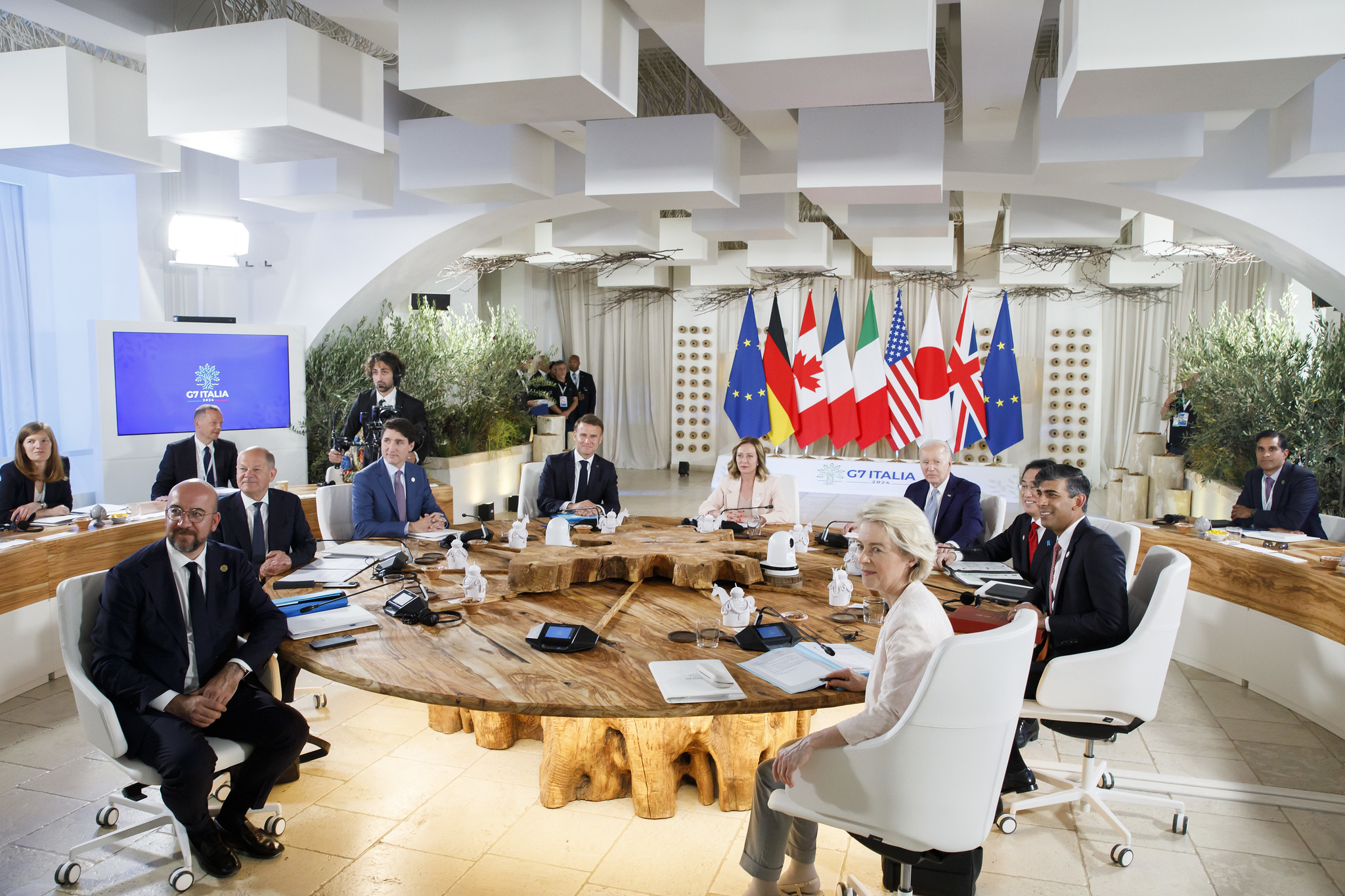
    The Group of 7 (G7) leaders from Canada, France, Germany, Italy, Japan, the UK, and the US, with the EU, have wrapped up a three-day summit, united in their “steadfast commitment” to implementing the 2030 Agenda for Sustainable Development. They pledged to redouble their efforts to accelerate progress towards the SDGs, including by transitioning away from fossil fuels in energy systems in this decade.

    The G7 Leaders’ Summit took place in Apulia, Italy, from 13-15 June 2024.

    The 36-page Apulia G7 Leaders’ Communiqué reiterates the Group’s “enduring unity and determination to meet global challenges… as the international community confronts multiple interconnected crises.” It reaffirms the leaders’ “shared belief in democratic principles and free societies, universal human rights, social progress, and respect for multilateralism and the rule of law.

    ” The document further signals the leaders’ intention to support more effective, inclusive, and equitable global governance and to safeguard international peace and security while upholding “the free and open rules-based international order.”

    The leaders recognize that in the context of achieving the SDGs, “reducing poverty and tackling global challenges go hand in hand.” They indicate they are “doing [their] part” to make multilateral development banks (MDBs) better, bigger, and more effective, with the World Bank boosting its lending by USD 70 billion over the next ten years.

    According to the communiqué, the leaders are taking steps to address the triple planetary crisis of climate change, pollution, and biodiversity loss, including by submitting ambitious nationally determined contributions (NDCs), aligned with the 1.5°C temperature goal. They pledge to “spearhead global efforts to preserve forests and oceans, and to end plastic pollution.”

    With respect to energy, climate and environment, the communiqué states the G7 “will transition away from fossil fuels in energy systems in a just, orderly, and equitable manner, accelerating actions in this critical decade, to achieve net-zero by 2050 in keeping with the best available science.

    ” The leaders “will operationalize these commitments” through domestic policies and actions and through “intensive efforts to reduce demand for and use of fossil fuels.” They “reaffirm [their] commitment to eliminate inefficient fossil fuel subsidies by 2025 or sooner and will report in 2025 on progress made.”

    At the same time, the leaders reaffirm that the transition to a net-zero economy “should be inclusive and leave no one behind,” enhance social development and economic growth, maximize benefits for local economies, and address “negative social or economic impacts that may arise from climate action.”

    Other commitments articulated in the leaders’ communiqué span the areas of sustainable development, food security, infrastructure, labor and employment, health, gender equality, inclusion and disability, and migration. Global economy and finance; trade; science, technology, and innovation (STI); artificial intelligence (AI); and cybersecurity are also among the issues addressed.

    The communiqué further discusses fostering partnerships with African countries and regional issues, including in relation to Ukraine and Gaza. Other areas of focus include disarmament and non-proliferation, safeguarding democratic processes, and anti-corruption, as well as countering terrorism, violent extremism, and transnational organized crime.

    The G7 leaders launched several initiatives, including the Apulia Food Systems Initiative (AFSI), the Energy for Growth in Africa initiative, the G7 Coalition to Prevent and Counter the Smuggling of Migrants, and the G7 Working Group on Transport Supply Chains.

    Other announcements made include:

    The leaders will unlock at least USD 20 billion over three years in investments to boost women’s empowerment.
    The leaders intend to launch “an action plan on the use of AI in the world of work and develop a brand to support the implementation of the International Code of Conduct for Organizations Developing Advanced AI Systems,” welcoming the Italian Presidency’s decision to establish the AI Hub for Sustainable Development, in collaboration with the UN Development Programme (UNDP).

    The leaders commit to establishing a G7 Working Group on Fusion Energy.

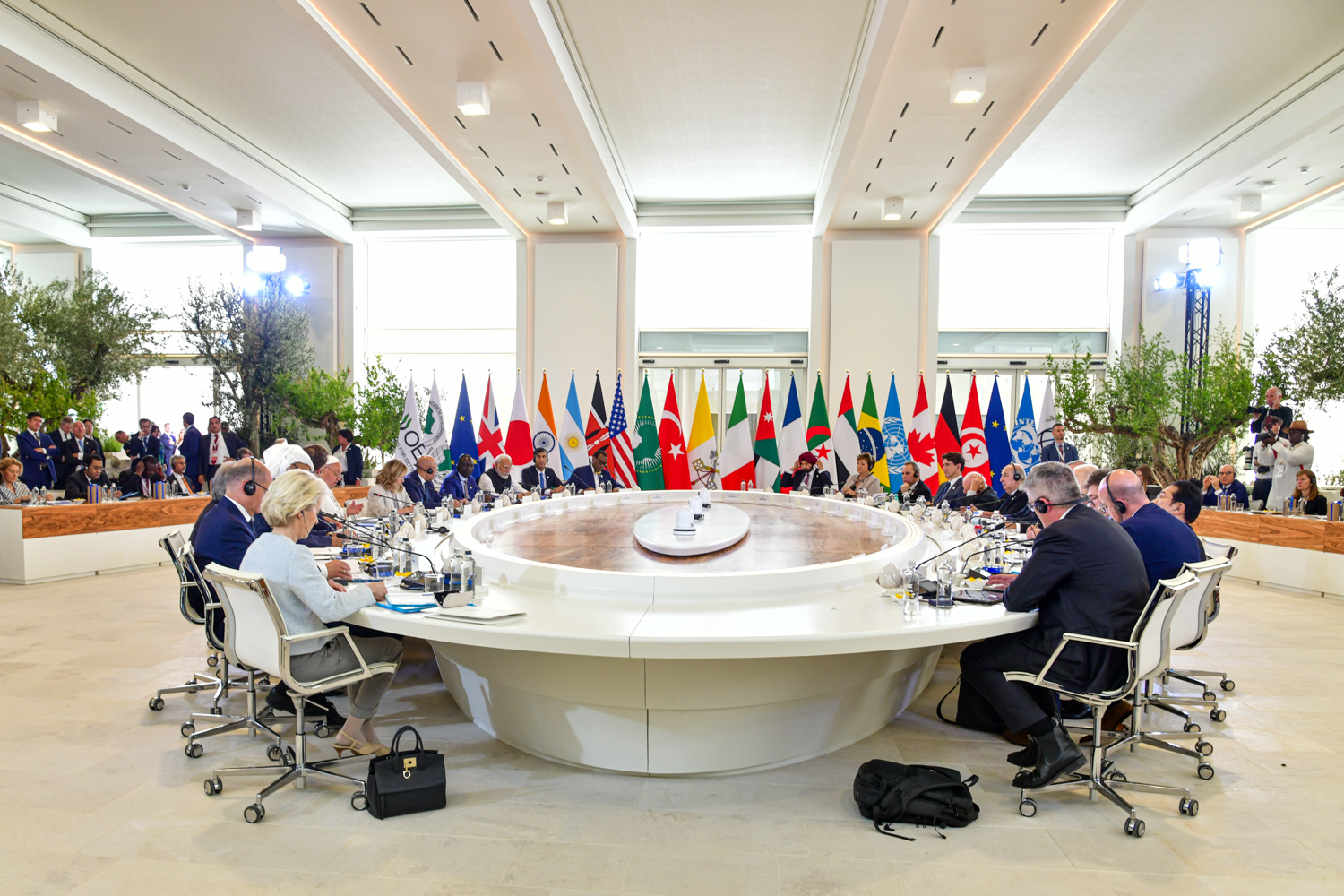
    The G7 leaders were joined by the leaders from Algeria, Argentina, Brazil, India, Jordan, Kenya, Mauritania, Tunisia, Türkiye, and the United Arab Emirates (UAE). The President of the European Council and the President of the European Commission represented the EU. [G7 Italia 2024] [SDG Knowledge Hub Story on G7 Hiroshima 2023]

    SOURCE

    SDG KNOWLEDGE HUB