Category: Events

  • Following First Oil Production, Senegal’s Minister of Energy, Petroleum and Mining Joins African Energy Week (AEW) 2024

    Following First Oil Production, Senegal’s Minister of Energy, Petroleum and Mining Joins African Energy Week (AEW) 2024

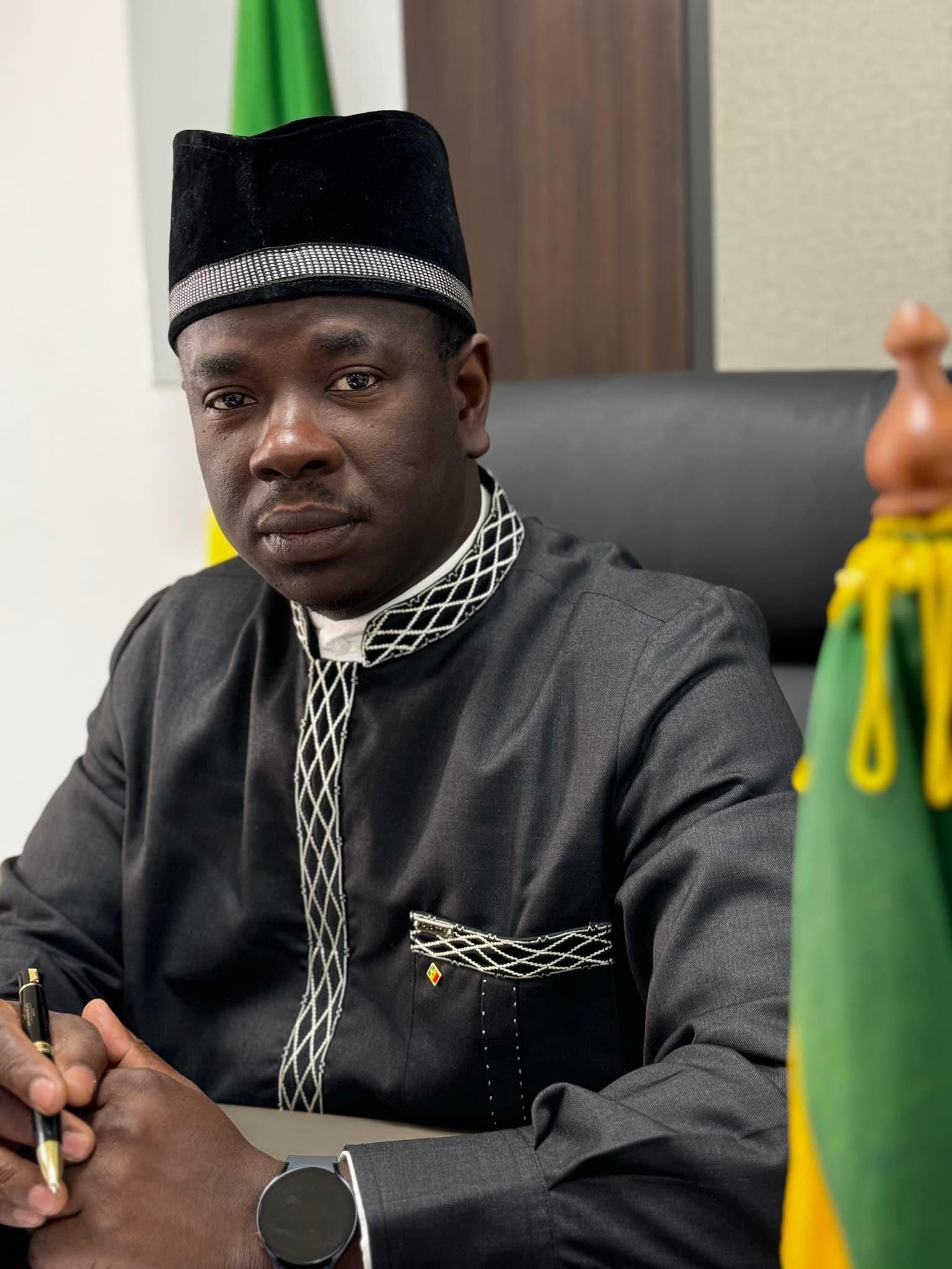
    CAPE TOWN, South Africa, June 19, 2024/ — Senegal’s Minister of Energy, Petroleum and Mining Birame Soulèye Diop will participate at the African Energy Week (AEW): Invest in African Energy 2024 conference – Africa’s premier event for the energy sector taking place from 4–8 November in Cape Town.

    Minister Diop is expected to unpack the critical role oil and gas plays across the MSGBC region, providing insight into project developments and future investment opportunities.

    Minister Diop’s participation comes as the country celebrates a new milestone in its oil and gas industry, with global energy company Woodside Energy commencing oil production from the Sangomar Field Development – Senegal’s inaugural offshore oil project.

    Representing a critical step towards bolstering energy security across the MSGBC region, the start of production is poised to usher in a new era of industrialization and economic growth in Senegal. During AEW: Invest in African Energy 2024, Minister Diop will provide insight into the milestone achieved as well as the nation’s upcoming oil and gas project agenda.

    AEW: Invest in African Energy is the platform of choice for project operators, financiers, technology providers and government, and has emerged as the official place to sign deals in African energy. Visit www.AECweek.com for more information about this exciting event.

    Senegal anticipates rapid economic growth in 2024 – potentially reaching 8.3% – driven by first gas production from the Greater Tortue Ahmeyim (GTA) LNG project and first oil production from the Sangomar Field Development.

    The Sangomar project – featuring a stand-alone FPSO facility with a capacity of 100,000 barrels per day – is developed in partnership with Senegalese national oil company Petrosen and targets 230 million barrels of crude oil reserves.

    The first phase involves 23 wells – including 11 production wells, 10 water injection wells and 2 gas injection wells. To date, 21 wells have been completed. This achievement not only enhances Senegal’s oil production capabilities but also signals the country’s emergence as a player in the global energy market.

    Meanwhile, the GTA LNG project – located on the maritime border between Senegal and Mauritania – has recently achieved a major milestone with the arrival of the FPSO vessel. The vessel, manufactured in China, is now being moored offshore.

    The GTA development will extract gas from deepwater reservoirs using a subsea system, producing around 2.3 million tons of LNG per year for domestic use and export. The FPSO will process over 500 million standard cubic feet of gas per day (MMscf/d). The project is on track for first production this year.

    In conjunction with this, Senegal plans to build a new gas-to-power plant near Saint-Louis, with an initial capacity of 250 MW, expandable to 500 MW. This plant will be supplied with gas from the GTA field as Senegal transitions into a gas-producing nation by late 2024. A 400-km gas pipeline, managed by the state-owned Senegalese Gas Network, will connect GTA to Saint-Louis, Dakar and Mbour.

    The first phase involves laying a 45-km offshore pipeline and a 40-km onshore segment to link the GTA development to the new gas-to-power plant. The pipeline is expected to be completed by late 2025, with the power plant starting operations in early 2026.

    Meanwhile, energy major Kosmos Energy assumed operatorship of the Yakaar-Teranga gas development offshore Senegal in November 2023. The project – targeting 25 trillion cubic feet of gas – represents one of the largest gas discoveries globally, with phase one set to produce 550 MMscf/d. With gas produced for the domestic market, the project is expected to pave the way for increased industrialization and power generation in Senegal.

    “Senegal’s achievements in its oil and gas sector – marked by the first oil from the Sangomar Field Development – are a testament to the country’s commitment to harnessing its natural resources for economic growth.

    This milestone not only boosts Senegal’s economic prospects but also sets a precedent for the MSGBC region, showcasing its potential to become a major player in the global energy market,” states NJ Ayuk Executive Chairman of the African Energy Chamber.

    During AEW: Invest in African Energy, Minister Diop will outline these significant developments and discuss future plans aimed at ensuring energy security and driving economic growth in Senegal. Additionally, he will highlight the regulatory frameworks that provide an enabling environment for such investments, further cementing Senegal’s position as a leading energy hub in the MSGBC region.

    Distributed by APO Group on behalf of African Energy Chamber.

    SOURCE
    African Energy Chamber

  • Transformational companies recognised during Afreximbank’s Annual Meetings 2024 in Nassau, The Bahamas

    Transformational companies recognised during Afreximbank’s Annual Meetings 2024 in Nassau, The Bahamas

    • The second edition of the awards ceremony comes as African Export-Import Bank (Afreximbank) is promoting stronger ties between Africa and the Diaspora, in a push for a Global Africa

    • ARISE Integrated Industrial Platforms (ARISE IIP), received the Pan African Business of the Year award for advancing industrialisation, export development, and economic transformation in Africa. Notably, ARISE IIP has successfully developed world-class sustainable industrial parks in Gabon, Benin, Chad, and Togo.

    • KCB Group won the Pan-African financial institution of the year award. Rawbank, from the DRC, clinched the same prize, but in the category of banks with a capital base less than $500m.

    • Elsewedy, an Egypt-based manufacturer and global exporter of electric products, won the Diaspora Business of the Year award for their impact in strengthening continental and diaspora ties.

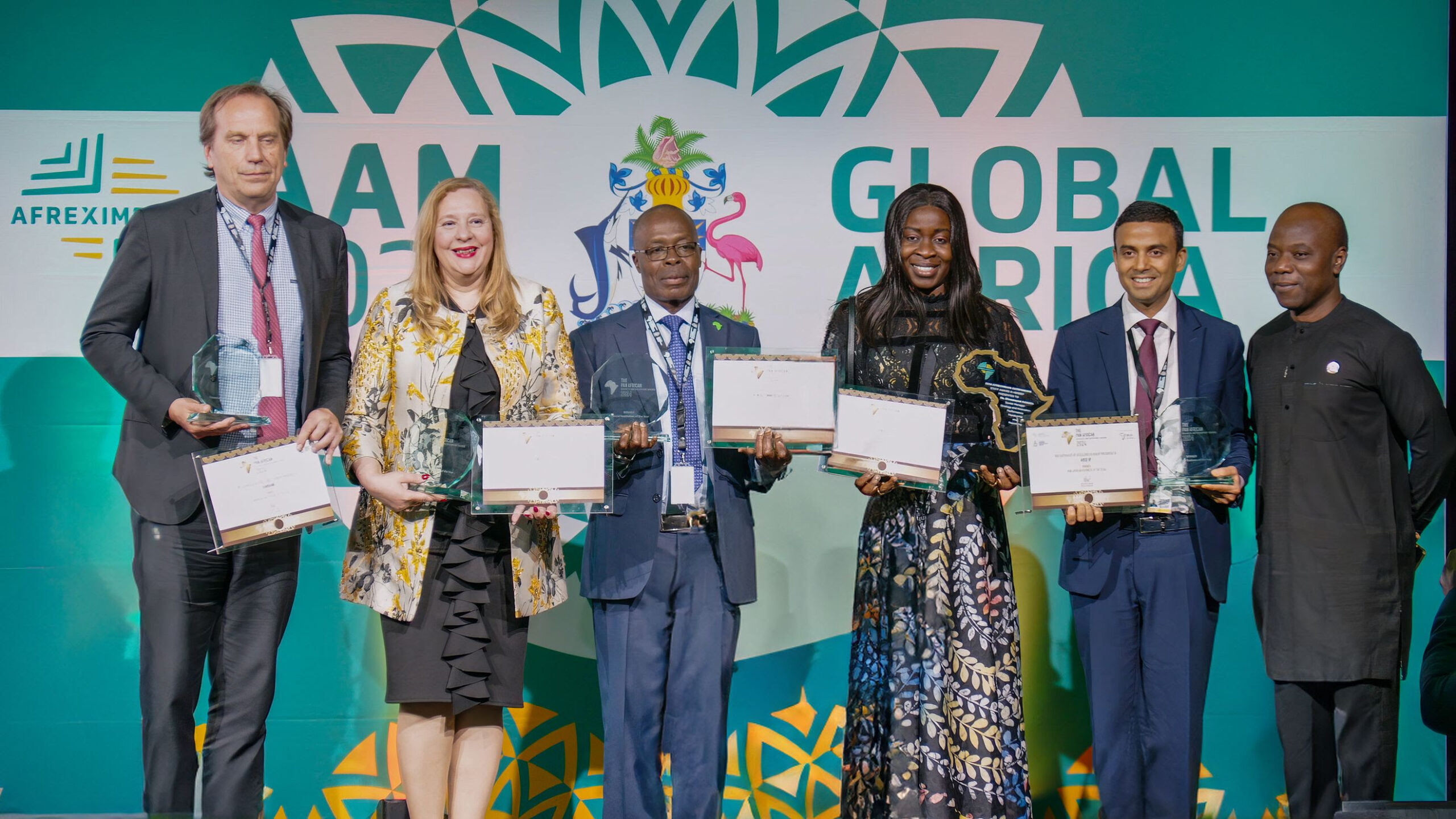
    18th June 2024, Nassau, Bahamas– At a Gala Dinner attended by leading dignitaries, African Export-Import Bank (Afreximbank) hosted the second edition of the Pan-African Business and Development Awards in association with the Business Council for Africa (BCA), in Nassau, The Bahamas.

    The Pan-African Business and Development Awards, held on the sidelines of the Afreximbank Annual Meetings 2024, are designed to celebrate and recognise transformative businesses and financial institutions within the African continent.

    This year’s edition saw Arise Integrated Industrial Platforms (ARISE IIP) win the Pan African Business of the Year award in recognition of the instrumental role it has played in advancing industrialisation, export development and economic transformation in Africa. ARISE IIP designs, finances, and operates industrial ecosystems across Africa.

    These ecosystems address industrial gaps in African countries, enabling sustainable local transformation of raw materials. ARISE IIP was recognised for the role it is playing in transforming African economies and reducing reliance on exportation of unprocessed raw materials.

    Two financial institutions were recognised in the Pan-African Financial Institution of the Year category: KCB Group, from Kenya, which was feted for its impact in financial services, and Rawbank, an important player in the Democratic Republic of Congo, which was recognised for its pivotal role in advancing financial inclusion and economic development in the country. Since its establishment in 2002, Rawbank has become the DRC’s largest universal bank.

    A new award was launched this year, Diaspora Business of the Year, recognising an African or Diasporan business that is expanding beyond its borders and strengthening economic and business ties between the continent and its Diaspora, the sixth region of the continent as defined by the African Union. Elsewedy, the Egypt based manufacturer, clinched this award.

    This year also saw the awards recognising the crucial role played by Afreximbank’s staff in advancing the bank’s growth and success. Mrs Oluwatoyosi Adelakin, Senior Manager Strategy and Innovation (Performance Monitoring & Reporting) emerged as the winner of the Outstanding Staff Award of the Year 2024.

    She has been a steady hand in ensuring that the Banks’ Balanced Scorecard Performance measurement system works as required, which has contributed greatly to the Bank’s performance and profitability since implementation in 2014.

    Afreximbank’s Balanced Scorecard Performance Management System is considered a critical case of success that it was selected as a case study by Harvard Business School in 2020 which has been used by many business school students since then.

    Commenting on the Awards ceremony, Prof Benedict Oramah, Afreximbank President and Chairman of Board of Directors, said: “The prestigious awards recognise outstanding partnerships that have been powerful vehicles for transmitting our development programmes to the people we collectively serve.

    We acknowledge the fact that the progress we continue to make, the lives we touch, and the value we bring to shareholders have only been possible due to the numerous esteemed partners who share our Pan-African aspirations.

    Thanks to those we celebrate today, and many others, Afreximbank has become consequential for Africans around the world, delivering trade and development interventions and actively supporting the implementation of the continental development agenda.”

    Arnold Ekpe, former Group CEO of Ecobank and Chairman of the BCA, in his remarks, highlighted the importance of supporting initiatives that contribute to Africa development, and this has become a hallmark of Afreximbank.

    The Pan-African Business and Development Awards are hosted by Afreximbank in association with the BCA. The awards series was launched last year to recognise those organisations and leaders that epitomise the Pan-African spirit by leading the way in building substantive and transformative cross border businesses.

    WINNERS

    Pan-African Business of the Year

    Winner: ARISE IIP

    Pan-African Financial Institutions of the Year

    Winner (institution with capital >$500m): KCB Group, Kenya

    Winner (institution with capital <$500m): Rawbank, DRC

    Diaspora Business of the Year

    Winner: Elsewedy

    Outstanding Staff Award

    Winner: Mrs Oluwatoyosi Adelakin

    Distributed by IC Media on Behalf of Afreximbank

  • Africa Green Building Summit & Future Cities Conference

    Africa Green Building Summit & Future Cities Conference

    The second edition of the Future Cities Summit event,slated for July 16-19,2024, is poised to significantly advance the conversation on sustainable urban development in Nigeria, and the wider Africa.

    The Summit theme, “Building Resilient Futures: Integrating Carbon Neutrality, Circular Economy & Inclusive Urban Development,” is inspired by the World GBC’s Global Policy Principles for a Sustainable Built Environment, and its Building the Transition campaign.

    Both these initiatives draw on and extend the vision set forth in the earlier Africa Manifesto for Sustainable Cities and the Built Environment, embodying the Manifesto’s call for “…a net zero carbon, healthy, equitable, resilient, environmentally-sustainable and economically-inclusive built environment for every African, everywhere.”

    This year’s Summit, co-located with World GBC Africa Regional Network’s Africa Green Building Summit, will explore the truth that Africa’s rapid urban transformation represents both challenge and opportunity.

    The challenge of overcoming barriers from resource limitations, governance limitations and socioeconomic constraints. Balanced by the opportunity to define a uniquely African urban paradigm, leveraging on the immense potential of Africa’s youthful and entrepreneurial population, and its dynamic and rapidly growing cities.

    Over four days, the Summit will dive deep into what these challenges and opportunities mean for the continent, aiming to craft relevant policy responses, innovative strategies, and collaborative approaches to address the evolving needs of Africa’s rapidly changing urban landscapes.

    The Summit will feature keynote addresses from distinguished speakers, sharing visions of Africa’s urban futures and setting the stage for a series of expert-led plenary sessions.

    These plenary sessions will examine various facets of sustainable urban development, with an emphasis on carbon neutrality, resource circularity, and inclusive urban development.

    The Summit will also feature interactive breakout sessions, designed to stimulate in-depth dialogue on localizing the policy formulations encapsulated in the World GBC’s Africa Manifesto and its Global Policy Principles.

    As a gathering point for green building stakeholders and experts, both locally and internationally, the Summit will also feature exhibitions, product expos and awards, showcasing the latest innovations in green building practices, sustainable products, and services.

    The Future Cities Summit – Africa Green Building Summit 2024 is more than a conference. It’s the crucible where Africa’s urban future is forged and refined.

    It’s where the collective wisdom of the past meets the innovative spirit of the present to conceptualise a sustainable, resilient, and inclusive future for the continent.

    Let’s take this opportunity to redefine what it means to live in a city and, in doing so, redefine what it means to live on this planet.

    SOURCE

    GREEN BUILDING COUNCIL,NIGERIA


  • Small Island Nations Demand Urgent Global Action at SIDS4 Conference

    Small Island Nations Demand Urgent Global Action at SIDS4 Conference

    The once-in-a-decade SIDS Conference opened in Antigua and Barbuda today, with a clear message: the world already knows the challenges that SIDS face—now it’s time for action.

    ANTIGUA, May 27 2024 (IPS) – “This year has been the hottest in history in practically every corner of the globe, foretelling severe impacts on our ecosystems and starkly underscoring the urgency of our predicament.

    We are gathered here not merely to reiterate our challenges, but to demand and enact solutions,” declared Antigua and Barbuda Prime Minister Gaston Brown at the opening of the Fourth International Conference on Small Island Developing States on May 27.

    The world’s 39 small island developing states are meeting on the Caribbean island this week. It is a pivotal, once-a-decade meeting for small states that contribute little to global warming, but are disproportionately impacted by climate change. The Caribbean leader reminded the world that SIDS are being forced to survive crises that they did not create.

    “The scales of equity and justice are unevenly balanced against us. The large-scale polluters whose CO2 emissions have fuelled these catastrophic climate changes bear a responsibility—an obligation of compensation to aid in our quest to build resilience,” he said.

    “The Global North must honor its commitments, including the pivotal pledge of one hundred billion dollars in climate financing to assist with adaptation and mitigation as well as the effective capitalization and operationalization of the loss and damage fund. These are imperative investments in humanity, in justice, and in the equitable future of humanity.”

    Urgent Support Needed from the International Community

    United Nations Secretary General Antonio Guterres told the gathering that the previous ten years have presented significant challenges to SIDS and hindered development. These include extreme weather events and the COVID-19 pandemic.

    He says SIDS, islands that are “exceptionally beautiful, exceptionally resilient, but exceptionally vulnerable,” need urgent support from the international community, led by the nations that are both responsible for the challenges they face and have the capacity to deal with them.

    “The idea that an entire island state could become collateral damage for profiteering by the fossil fuel industry, or competition between major economies, is simply obscene,” the Secretary General said, adding, “Small Island Developing States have every right and reason to insist that developed economies fulfill their pledge to double adaptation financing by 2025. And we must hold them to this commitment as a bare minimum.

    Many SIDS desperately need adaptation measures to protect agriculture, fisheries, water resources and infrastructure from extreme climate impacts you did virtually nothing to create.”

    Antigua and Barbuda Agenda for SIDS (ABAS)

    The theme for SIDS4 is Charting the Course Toward Resilient Prosperity and the small islands have been praised for collective action in the face of crippling crises. Their voices were crucial to the establishment of the United Nations Framework Convention on Climate Change and the landmark 2015 Paris Agreement.

    Out of this conference will come the Antigua and Barbuda Agenda for SIDS (ABAS). President of the UN General Assembly, Dennis Francis, says that programme of action will guide SIDS on a path to resilience and prosperity for the next decade.

    “ The next ten years will be critical in making sustained concrete progress on the SIDS agenda – and we must make full use of this opportunity to supercharge our efforts around sustainability,” he said.

    The SIDS4 conference grounds in Antigua and Barbuda will be a flurry of activity over the next four days. Apart from plenaries, there are over 170 side events hosted by youth, civil society organizations, non-governmental organizations, and universities, covering a range of issues from renewable energy to climate financing.

    They have been reminded by Prime Minister Gaston Browne that this is a crucial juncture in the history of small island developing states, where “actions, or failure to act, will dictate the fate of SIDS and the legacy left for future generations.”

    IPS UN Bureau Report

  • Backbase to release its 4th edition of the African Banking Digital Transformation Report at GITEX Africa 2024

    Marrakesh, May 27, 2024 — Backbase, the creator of the global leader in Engagement Banking Platform, is thrilled to announce the launch of the 4th edition of the African Banking Digital Transformation Report at GITEX Africa 2024.

    This report, produced in collaboration with the pan-African publication African Banker, has become a cornerstone in Africa’s financial news landscape, offering deep insights into the ongoing digital revolution within the banking sector across the continent.

    The 2024 edition of the report draws on comprehensive survey data from over 150 banks spanning 35 countries, providing an in-depth analysis of current digital banking trends, key innovations, and the progress of digital transformation. This release underscores Backbase’s commitment to fostering technological advancements and driving financial inclusion in Africa.

    These are the key highlights of the 2024 Report:

    • Digital Innovation: A detailed examination of the latest technological trends reshaping the African banking ecosystem, with a significant focus on Artificial Intelligence and cybersecurity.

    • Financial Inclusion: Analysis of strategies implemented by African banks to enhance financial inclusion, particularly through mobile wallets and super apps.

    • Resilience in Adversity: Insights into how African banks are navigating the challenging macro-economic environment while maintaining a strong commitment to digitization.

    Backbase will also be a key participant in the Future of Finance Summit at GITEX Africa 2024. Backbase will participate alongside partner organisations Seven and OneTech. Highlighting the evolving digital landscape, Backbase will join a panel discussion titled “It’s a Bird! It’s a Plane! It’s a… Super App?” Super apps are becoming central to consumer convenience and financial empowerment, with digital wallets and mobile money leading this transformation.

    Africa, with its rapid smartphone adoption, is poised for a significant shift towards these embedded financial solutions.

    Heidi Custers, Digital Transformation Director, Africa at Backbase, will address the audience during the panel discussion. “Africa has always been at the forefront of mobile payments innovation. Our participation in GITEX Africa 2024 with our African partners and the release of our latest report underscores our commitment to advancing digital banking across the continent,” said Ms Custers.

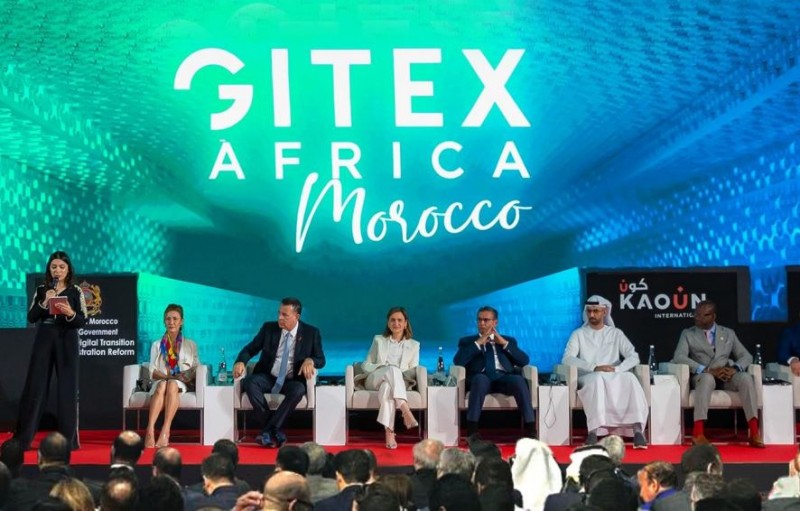
    Event Details: GITEX Africa 2024, the continent’s largest tech and start-up show, will be held from May 29 to 31, 2024, in Marrakesh, Morocco. The event, under the High Patronage of His Majesty King Mohammed VI, is hosted by the Digital Development Agency (ADD) and the Moroccan Ministry of Digital Transition and Administration Reform.

    Visit Backbase at booth number 20B-20 in the Digital Finance Hall #20, where we will showcase the latest innovations in digital finance.

    For more information on GITEX Africa 2024 and the Future of Finance Summit, visit www.gitexafrica.com

    Distributed by IC Media on behalf of GITEX Africa 2024

  • Financial giants back Africa’s first Banking Awards ceremony

    Financial giants back Africa’s first Banking Awards ceremony

    African Export-Import Bank, African Guarantee Fund and African Trade & Investment Development Insurance, among the key pan-African financial institutions supporting African Banker Awards 2024.

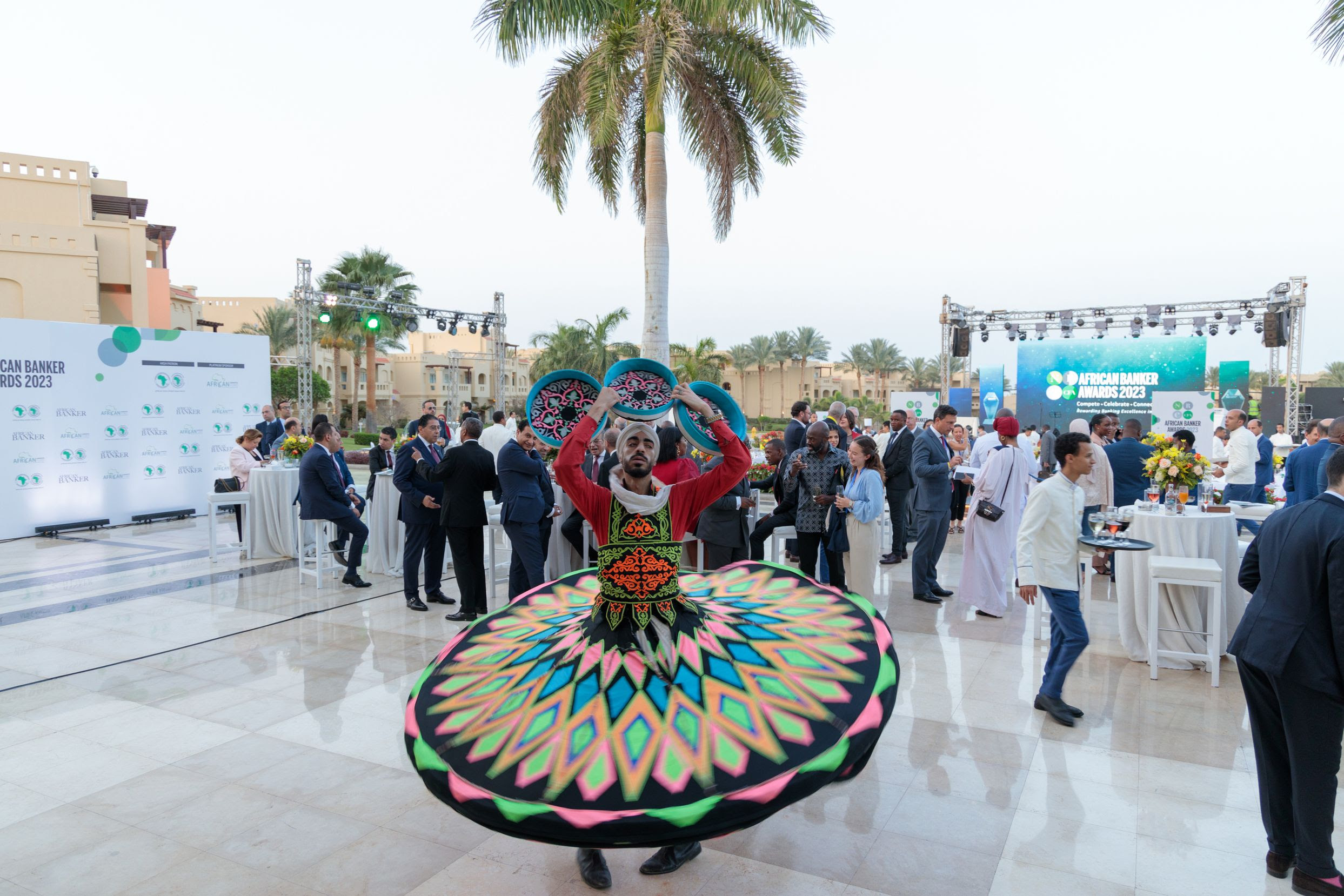
    23 May 2024, Nairobi: Some of Africa’s leading financial institutions will be attending the 2024 edition of the Awards Ceremony. This annual event which follows the African Development Bank Annual Meetings will be taking place at the newly launched JW Marriott Hotel in Nairobi, Kenya, on the 28th of May 2024.

    Launched by African Banker magazine in 2007, the African Banker Awards were designed to highlight African success stories in banking as well as recognize the rapid modernization and growth of Africa’s banking and financial system. The African Banker Awards are part of the official program of the African Development Bank Annual Meetings, which this year are being held under the theme: “Africa’s Transformation, the African Development Bank Group and the Reform of the Global Financial Architecture.”.

    Leading pan-African financial institutions

    The African Guarantee Fund have been long-time supporters of the Award and last year launched the AFAWA Award. AFAWA is a joint initiative by the African Development Bank and the African Guarantee Fund, which seeks to bridge the $42 billion financing gap facing women in Africa. The AFAWA Awards will celebrate the financial institutions bridging this gap.

    This year the newly rebranded African Trade & Invest Development Insurance (ATIDI) have come on board as sponsors as have the African Export-Import Bank (Afreximbank), whose own Annual Meetings will take place in June in the Bahamas.

    Both Afreximbank and ATIDI are founding members of the Alliance of African Multilateral Financial Institutions (AAMFI), which have committed to collaborate to address Africa’s development finance needs, promote the interests of member states, advocate for Africa on global finance issues, develop innovative finance tools , and support sustainable finance strategies. These institutions are due to meet on the sidelines of the AfDB Meetings in Nairobi.

    Banking giants at African Banker Awards 2024

    Amongst the Awards sponsors are two titans of the African financial sector, United Bank for Africa (UBA) and Guarantee Trust Bank (GTBank), two institutions that have recently posted record results in Nigeria and who are known for their unwavering dedication to banking excellence.

    Joining these titans is the burgeoning West African banking group, Vista Bank Group. With its recent acquisitions of Société Générale Burkina Faso and Banco Société Générale Moçambique, Vista Bank Group has secured a strategic position in the Southern African market. Furthermore, its mid-last-year acquisition of Oragroup catapulted it to become West Africa’s third-largest banking entity, and marks the retreat of international banks from the African landscape.

     
  • CIBAFI Introduces Innovative GHG Measurement Tool to Advance Climate Action in Islamic Finance

    The General Council for Islamic Banks and Financial Institutions (CIBAFI), the global umbrella of Islamic financial institutions, on May 21 st, successfully conducted a webinar titled “Unveiling the CIBAFI Greenhouse Gas Measurement Tool to Strengthen the Contribution of Islamic Financial Institutions to Climate Action”.

    Experts in climate action and Islamic finance discussed the crucial role of Islamic banks in advancing climate initiatives.

    This initiative aligns with the declaration made by the Islamic Finance Infrastructure Organizations during COP28 and CIBAFI’s commitment to sustainability. The webinar introduced a groundbreaking Greenhouse Gas Measurement Tool for Islamic banks.

    This tool helps banks assess the environmental impact of their investment portfolios, marking a significant step in CIBAFI’s environmental responsibility efforts.

    The webinar was inaugurated with welcoming remarks from Dr. Abdelilah Belatik, Secretary General of CIBAFI. Dr. Belatik underscored CIBAFI’s commitment to supporting Islamic banks by introducing this groundbreaking tool aimed at addressing climate change and promoting sustainability within the industry.

    He emphasized the potential benefits of this tool, expressing hope that Islamic banks will leverage it to enhance their operations and achieve greater sustainability outcomes.

    After the opening remarks by the Secretary General, Mr. Rachid Ettaai, Business Development Manager at CIBAFI, introduced the CIBAFI GHG Emissions Measurement Tool within the context of Islamic finance.

    Following this introduction, a panel session commenced featuring Mr. Peter Casey, Consultant from the UK; Mr. Noman Ali, Managing Director of Financial Controller ESG and Sustainable Finance at HSBC Group in the UAE; Dr. Wael Mohamed Aaminou, Managing Partner at Green for South in Canada; and Mrs. Sunita Devi, Senior Sustainability Manager at Frencken Group Limited in Malaysia.

    The speakers explored the integration of sustainability into Islamic banking, emphasizing collaborative efforts and adherence to global standards for managing climate risks. Additionally, they shared strategies for seamlessly implementing the GHG tool.

    CIBAFI remains dedicated to sustainability and climate action, supporting the Islamic financial services industry through dialogues on emerging issues and representation at global financial events.


  • Burkina Faso, Mali, And Niger Finalize Plan To Form Confederation

    Burkina Faso, Mali, And Niger Finalize Plan To Form Confederation

    First Published,19th May,2024, Tekedia News

    In a historic move, Burkina Faso, Mali, and Niger have finalized their plan to form a confederation, officially marking their shift away from former colonial ruler France and toward closer ties with Russia.

    The announcement came after a meeting of the countries’ foreign ministers in Niger’s capital, Niamey.

    The newly formed Confederation of the Alliance of Sahel States (AES) aims to institutionalize and operationalize a unified front to tackle the region’s security and economic challenges.

    Niger’s Foreign Minister, Bakary Yaou Sangare, detailed the outcomes of the meeting in a statement released late Friday.

    “The objective was to finalize the draft text relating to the institutionalization and operationalization of the Confederation of the Alliance of Sahel States (AES),” Sangare stated.

    A New Era for The Sahel

    The draft text, which will be presented for adoption by the heads of state of Burkina Faso, Mali, and Niger at an upcoming summit, signifies a significant geopolitical shift in the region. Although the exact date of the summit was not disclosed, the formation of the AES marks a clear intent to establish a new regional order.

    Malian Foreign Minister Abdoulaye Diop, after meeting with General Abdourahamane Tiani, head of Niger’s military regime, declared the birth of the AES.

    “We can consider very clearly, today, that the Confederation of the Alliance of Sahel States (AES) has been born,” Diop announced.

    The Sahel region, plagued by jihadist violence for years, has seen increasing frustration with France’s inability to curb the insurgency.

    Also, the French government has been accused of exploiting its former colonies. This dissatisfaction has led Burkina Faso, Mali, and Niger to sever ties with the Economic Community of West African States (ECOWAS), which they accuse of being under French influence. The three countries announced their departure from ECOWAS in January, paving the way for the formation of the AES.

    Seeking New Alliances 

    The AES’s pivot towards Russia reflects a broader trend in African geopolitics, where countries are seeking new alliances beyond traditional Western powers. This realignment underscores a desire for diversified diplomatic and military support, especially in combating terrorism and fostering economic development.

    The establishment of the AES is seen as a strategic move to enhance regional cooperation and address the persistent threat of jihadist violence. By pooling resources and coordinating efforts, the member states aim to create a more effective response to security challenges that have long plagued the Sahel region.

    However, the formation of the AES also raises questions about the future of regional cooperation in West Africa. With Burkina Faso, Mali, and Niger charting their own course, the dynamics within ECOWAS and the broader West African region are likely to shift.

    There is concern that the AES could potentially attract other nations facing similar challenges and frustrations with existing regional bodies.

    Ousmane Sonko, recently appointed as Senegal’s Prime Minister, has reportedly hinted at the possibility of closing French military bases in the country. This move aligns with Sonko’s long-standing stance against French influence in Senegal, a remnant of its colonial past.

    Sonko and President Bassirou Diomaye Faye, have expressed a commitment to greater national sovereignty, including reevaluating foreign military presence and renegotiating mining, oil, and gas contracts to better benefit Senegal.

    “We must question the reasons why the French army for example still benefits from several military bases in our country and the impact of this presence on our national sovereignty and our strategic autonomy,” he said.

    “I reiterate here the desire of Senegal to have its own control, which is incompatible with the lasting presence of foreign military bases in Senegal… Many countries have promised defense agreements, but this does not justify the fact that a third of the Dakar region is now occupied by foreign garrisons.

    “More than 60 years after our independence… we must question the reasons why the French army for example still benefits from several military bases in our country and the impact of this presence on our national sovereignty and our strategic autonomy.”

    Thus, the AES represents a bold step for Burkina Faso, Mali, and Niger as they seek to redefine their regional and international relationships. By moving away from French influence and aligning more closely with Russia, these nations are signaling their intent to take control of their own security and economic destinies. 

    However, experts believe that the success of the AES will depend on the member states’ ability to effectively collaborate and implement their shared goals in the face of ongoing regional challenges.

    SOURCE

    TEKEDIA NEWS


  • Djibouti Forum wraps up with promising agreements, optimism about economic prospects

    Djibouti Forum wraps up with promising agreements, optimism about economic prospects

    Djibouti City, Djibouti – 15 May 2024

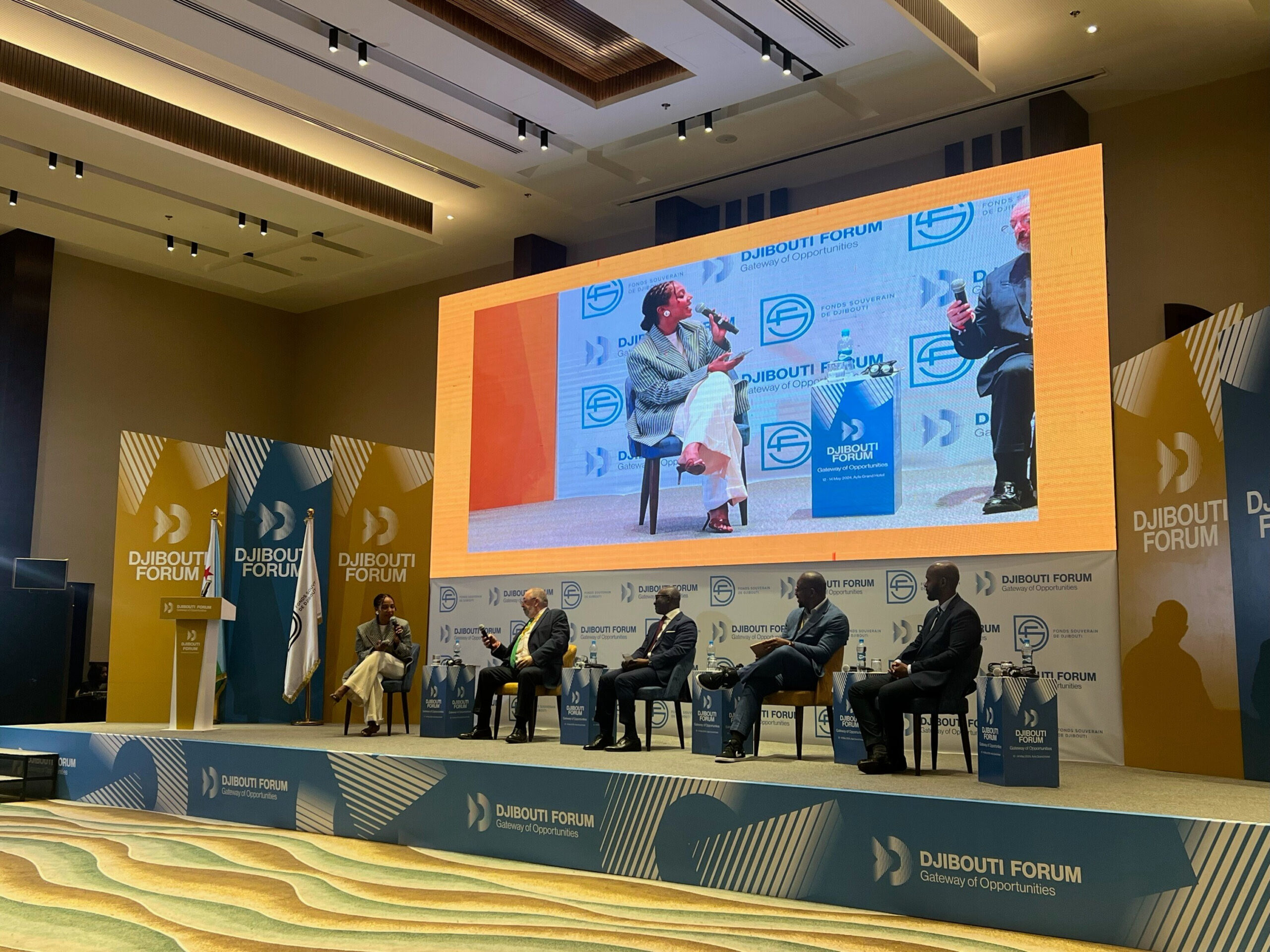
    The inaugural Djibouti Forum brought together nearly 400 delegates, including international institutional investors collectively overseeing a staggering $2.5 trillion in assets. Describing the forum as a “resounding success”, Dr. Slim Feriani, CEO of Fonds Souverain de Djibouti (Djibouti’s sovereign wealth fund), noted that it was evident that there “is great and growing interest in Djibouti.”

    During the closing ceremony of the two-day event, Feriani signed a memorandum of understanding with Tamini Insurance, part of the influential Salaam Group, a leading financial conglomerate in Djibouti.

    Tamini Insurance’s CEO, Mohamed Bahdon, announced that under the agreement, their clients—numbering over 4,000—will now have access to Djibouti’s first crowdfunding platform, Inclufin.

    Through this platform, Tamini Insurance clients can invest in socially impactful entrepreneurial ventures in the country while earning returns on their savings. “It’s an opportunity for our clients to invest in promising businesses, including startups and SMEs, and contribute to the country’s entrepreneurial future,” he said.

    The Djibouti Forum also witnessed the signing of an agreement between PAIX Data Centres, a prominent data center solutions provider, and Djibouti’s sovereign wealth fund to establish a cutting-edge, cloud-and-carrier-neutral data centre in the country.

    This deal introduces a new player to Djibouti’s data centre sector, which currently hosts only Wingu, and is expected to deliver benefits to customers in terms of innovation, pricing and reliability.

    The soon-to-be-constructed facility, named JIB1, will encompass approximately 50,000 square feet of net usable space and offer up to 5 megawatts of critical power. The first phase is slated to launch in 2026.

    Having both Wingu and PAIX in Djibouti will create critical mass in data centres in the country and fast track its ambitions to become a digital economy hub.

    “PAIX’s investment in JIB1 positions it at the crossroads of connectivity between Africa, Europe, the Middle East, and Asia” PAIX CEO Wouter van Hulten said. “The strong network hub that is created by the aggregation of multiple undersea cable landing points connecting to terrestrial cables makes Djibouti a highly attractive gateway.”

    Feriani expressed confidence that the first Djibouti Forum had laid the groundwork for future deals in additional sectors. He invited international partners in attendance to join forces with the country’s sovereign wealth fund to unlock the country’s promising economic potential. “To achieve our goal of doubling the economy in ten years, consistent 7% growth is essential. This can be achieved through mutually beneficial partnerships and economic diversification.”

    The two-day forum included panels on various topics such as ports, logistics, technology, connectivity, energy, tourism, financial services, and agro-processing. Additionally, it facilitated lively discussions among leading economists, policymakers, and investors about the macroeconomic landscape in Djibouti and Africa.

    Speaking on the macroeconomic outlook for Africa and Djibouti, Dr. Sampawende Tapsoba, Deputy Chief Economist & Director, Data Management & Model Development, Afreximbank, acknowledged that the country of 1.12 million people was punching above its weight.

    “Djibouti is growing faster than many African economies and has comparatively lower levels of debt-to-GDP,” he said, emphasizing that low levels of debt meant that Djibouti has the fiscal room to meaningfully invest in transformative sectors of the economy.

    Charlie Robertson, Head of Macro Strategy, FIM Partners UK, delivered the closing remarks at the forum. “The three things that stood out for me in this forum are ambition, opportunity and safety,” he said. “The leadership’s ambition in Djibouti is palpable,” he observed, saying that Djibouti is a safe country that remains a beacon of stability in a volatile neighborhood.

    The Djibouti Forum was hosted by the Sovereign Wealth Fund of Djibouti (Fonds Souverain de Djibouti), a fund created in March 2020. It is today under the stewardship of CEO, Dr. Slim Feriani, a former Tunisian Minister with over 30 years of experience in international capital markets.

    SOURCE

    IC Media

    On Behalf of Djibouti Sovereign Wealth Fund


  • Driving socio-economic transformation through technology: The young startup changing the face of Uganda’s automotive industry

    Driving socio-economic transformation through technology: The young startup changing the face of Uganda’s automotive industry

    KAMPALA, Uganda, May 14, 2024/ — In recent years, Uganda has witnessed a wave of technological innovation. In a country where access to traditional infrastructure and services can be limited, technology is emerging as a powerful catalyst for change, offering solutions to longstanding socio-economic issues.

    GITEX AFRICA, the continent’s largest tech and start-up event, taking place in Marrakech, Morocco from 29 – 31 May, will host a successful Ugandan startup that is proving that technology, along with a visionary mindset, is the perfect formula to meet the challenges facing the country’s automotive industry.

    AutoFore (https://apo-opa.co/3K5OhME) is a leading automotive aftersales support platform, aimed at supporting the development of sustainable, environmentally friendly automotive businesses, while providing decent employment opportunities.

    With a stated aim of transforming mobility in Africa through technology and skilled labour, AutoFore’s innovative solutions are reshaping the industry.

    One of the company’s flagship initiatives, Auto4, an online platform connecting car owners with automotive vendors, exemplifies the transformative potential of technology in addressing local challenges.

    Inspired by a lack of reliable spare parts, service centres, and technical support for used imported vehicles in Uganda, Auto4 streamlines the process of sourcing quality replacement parts and accessing dependable auto repair centres, thus ensuring efficient and safe vehicle maintenance.

    “Launching AutoFore in Uganda was informed by several factors. Firstly, Uganda’s automotive market presented a significant opportunity for innovation and improvement, particularly given the high percentage of used imported vehicles and the challenges associated with maintaining them.

    Secondly, as a local startup, we were passionate about making a positive impact in our community and contributing to the development of sustainable automotive businesses that provide meaningful employment opportunities,” said AutoFore CEO and Founder, Agatha Nambuya.

    As AutoFore gears up to participate for the first time as an exhibitor at GITEX AFRICA, their expectations are high.

    “In addition to showcasing our flagship product, Auto4, we’re looking forward to connecting with stakeholders within the African tech ecosystem, and exploring opportunities for growth, expansion, and collaboration.

    We’re excited about the potential of the event to accelerate our business and contribute to the advancement of the African automotive industry,” added Nambuya.

    Looking ahead, Uganda’s startup scene offers opportunities across various sectors, with immense potential to build on its 2022 total funding of almost US$25.76 million (https://apo-opa.co/3wC0PIF).

    Trends such as technology adoption, fintech innovation, e-commerce expansion, renewable energy, and healthcare advancement present fertile ground for entrepreneurs to make a meaningful impact.

    In addition, not only is AutoFore offering technology-driven solutions and fostering sustainability; it is also creating employment opportunities within the automotive sector.

    “We’re proud of the fact that our platform creates opportunities for employment and entrepreneurship within the industry,” said Nambuya. “We are currently working with 200 vendors and over 1,000 mechanics.

    By connecting car owners with local service centres and vendors, we support the growth of small businesses and create jobs for mechanics, technicians, and other automotive professionals. This not only contributes to economic development but also fosters skills development and capacity building within the local community.”

    However, navigating funding and investment opportunities remains a daunting challenge for startups in Uganda. Limited access to capital and a lack of investor awareness about the potential of startups hinder the growth and scalability of innovative ventures.

    AutoFore’s journey underscores the importance of networking, pitching, and relationship building in securing funding and overcoming these obstacles.

    Having a presence at GITEX AFRICA, the continent’s largest showcase of startups, with exposure to the most influential players and investors in the global startup ecosystem, is invaluable.

    Bolstering Uganda’s presence at GITEX AFRICA 2024 even further, and demonstrating the esteem in which the country’s technological progress is held, is the country’s Honourable Minister of Science, Technology and Innovation, Monica Musenero Masanza, who will be speaking at the GITEX AFRICA Digital Summit.

    Under the High Patronage of His Majesty King Mohammed VI of the Kingdom of Morocco, GITEX AFRICA is held under the authority of the Moroccan Ministry of Digital Transition and Administration Reform, supported by the Ministry of Health & Social Protection, and hosted by the Digital Development Agency. The 2nd blockbuster edition, organised by KAOUN International, follows its pioneering debut in 2023.

    More information is available at www.GITEXAFRICA.com.

    Distributed by APO Group on behalf of GITEX Africa.

    Media Contact:
    Tayce Marchesi
    PR Executive
    Tel.: + 971 58 552 3994
    Tayce.Marchesi@dwtc.com