Category: INVESTMENTS

  • The African Development Bank plans to invest USD 10.5 million in the capital of Seedstars Africa Ventures to boost investment in innovative businesses

    ABIDJAN, Ivory Coast, January 18, 2024/ — The Board of Directors of the African Development Bank (AfDB) (www.AfDB.org) agreed on Wednesday that the Bank should take a stake of USD 10.50 million in the capital of Seedstars Africa Ventures S.L.P. venture capital fund to enable it to invest in innovative African businesses with strong growth potential.

    The Bank agreed to invest USD 7 million from its ordinary resources and USD 3.5 million from the European Union Boost Africa programme. The investment will allow Seedstars Africa Ventures (SAV) to raise funds, expand its presence in Africa and attract other investors.

    Seedstars Africa Ventures is an early-stage venture capital fund investing in high-growth companies active across Sub-Saharan Africa.

    The fund focuses on businesses that have strong potential, are generating income and tackling key challenges in the market. It mainly targets sub-Saharan Africa, especially markets less well covered by traditional investors, and enjoys a particular focus on French-speaking countries such as Senegal, Côte d’Ivoire, Benin and Cameroon. However, it also has investments in Ghana, Uganda and Tanzania.

    As a venture capital fund of USD 75 million, Seedstars Africa Ventures targets the start-up and launch phases of businesses tackling key constraints in the market. Initial investments are around the EUR 250,000 mark, followed by additional capital injections of €5 million to support their growth.

    SAV focuses on financial inclusion and the technologies that equip businesses (fintech and insurtech); retail sales and logistics platforms that target the online and mobile consumers market; health-related technologies; pre-paid, off-grid energy; and more generally, the adoption of technology in businesses, particularly in the food-processing industry and value chains.

    It is estimated that the fund will help create 9,000 full-time jobs, 50% of them for women, and have a significant economic impact.

    The fund’s objectives are in line with those of Boost Africa, which aims to invest in innovative start-ups that are growing strongly and having a positive social impact.

    Its investment strategy will strengthen that of the African Development Bank, which links entrepreneurship, investment and economic growth to poverty reduction and sustainable development.

    It will also contribute to the Bank’s operational priorities – the High 5 – by supporting start-ups operating in key sectors, such as agriculture, health, industrialization and off-grid energy. Finally, the investments will contribute to strengthening regional integration and improving the lives of people in Africa.

    Distributed by APO Group on behalf of African Development Bank Group (AfDB).
    Media contact:
    Romaric Ollo Hien
    Communication and External Relations Department
    African Development Bank
    media@afdb.org


  • Economic uncertainty is impacting Africa’s real estate market attractiveness

    Economic uncertainty is impacting Africa’s real estate market attractiveness

    Tilda Mwai (first Published 3 weeks ago)

    The real estate sector in Africa, often touted for its potential and growth opportunities, has been grappling with a myriad of challenges, notably macroeconomic and political uncertainty, along with the repercussions of global tensions. These factors have converged to create a landscape where the attractiveness of real estate markets is increasingly influenced by core macroeconomic…

    The real estate sector in Africa, often touted for its potential and growth opportunities, has been grappling with a myriad of challenges, notably macroeconomic and political uncertainty, along with the repercussions of global tensions.

    These factors have converged to create a landscape where the attractiveness of real estate markets is increasingly influenced by core macroeconomic indicators, leading to a noticeable decline in market activity across the continent.

    In this article, we highlight the top real estate markets based on macroeconomic performance as well as key market nuances to watch out for.

    • Botswana and Morocco rank at the top of the real estate market attractiveness index

    The real estate market attractiveness index seeks to rank countries based on their relative stability. The index has incorporated six different core indicators that include currency changes, a country’s debt to GDP ratio, credit rating, inflation, construction costs and GDP growth rate.

    These indicators were then assessed across 17 of the major economies in Africa with a spread across East, West, North and South.

    Notably,  Botswana and Morocco ranked at the top of the real estate market attractiveness ranking. This has been underpinned by the relative currency stability, low inflation rates and lower construction costs.

    For example, Botswana and Morocco recorded inflation rates at 3.1% and 4.3% respectively which is significantly low compared to Egypt’s 35.8% and Ghana’s 35.2%. In addition, Morocco’s construction costs per sqm are estimated at an average of US$ 600 compared to the all country average of US$ 1,366.

    On the other hand, Ghana and Angola ranked as the least real estate attractive countries for 2023. Ghana’s performance has been impacted by its heightened inflation estimated at 35.2% effectively ranking as the second highest after Egypt, lower GDP growth rate and above average construction costs.

    Angola’s performance has been impacted by high currency depreciation rate with currency changes in the year to December 2023 estimated at 67% as well as a higher debt to GDP ratio estimated at 111%.

    Interestingly, Nigeria also ranked as the third last market due to heightened currency changes (83.66% YTD), high inflation rate (27.33%) and high construction costs estimated at USD 1,700 per sqm.

    • Currency changes remain the single most important impacting factor on performance

    There is no doubt that currency performance is most often a great indicator of a country’s economic stability.However, investors currently have a reason to be jittery. With inflation already on the rise, increasing debt levels and potential default,countries are already seeing a cut back in investment preference.

    So far, Nigeria’s Naira has recorded the highest rate of depreciation in the year to December 2023 with a 83% decline on the official rate.This has been followed by Angola’s Kwanza recording a 67% decline during the same period. Interestingly, historically stable markets such as Tanzania have also recorded a 7.5% decline during the period under review pointing to the continued stress in the macroeconomic environment across board.

    However, Morocco has emerged as an outlier, ranking as the only country whose currency has appreciated against the dollar by up to 3%. This has been underpinned by a stronger macro economic environment pointing towards an overall recovery in different sectors including real estate driven by increased foreign investments and trade.

    Generally, this currency performance is set to impact on commercial real estate leasing activity especially for retail and office sectors as well as green field investments financing especially for social infrastructure such as Affordable housing.

    Already, financing allocation, often influenced by Development Finance Institutions, is primarily dollar based. Continued local currency depreciation means that such debt will be expensive to undertake. With a limited domestic capital raising landscape, we are likely to see limited development pipeline in the majority of the markets with the only developments undertaken being previously negotiated ones.

    A bright spot to this has been the development of alternative financing methods. Although still in their nascent stages, countries such as Kenya and Nigeria are actively championing the development of alternative domestic financing for real estate. Notably, this has led to increased momentum in Kenya’s REITs market. So far, three out of the four authorised REITs entities in the market have been listed over the past two years since 2013 when the first REIT was listed.

    While in Nigeria, this  alternative financing landscape has been reflected through an income fund shift. Institutional investors such as Actis have sought to raise capital through its inaugural West Africa income funds

    • The  subdued macro environment is impacting on the logistics sector growth.

    Logistics warehousing ‘hype’ has cooled off across the continent with new development announcements at record lows during 2023. This has been attributed to the ensuing macroeconomic challenges that have seen drivers such as e-commerce and manufacturing slowdown.

    This has led to market exits by key manufacturers such as GSK in markets such as Lagos and Nairobi with a refocus on their business model while occupiers such as Twiga Foods in Kenya have had to consolidate their operations by shutting down over ten distribution centres earlier on in the year.

    As a result, the markets are seeing limited new take up with the majority of the activity being driven by lease renewals. As such, the majority of the logistics developers are expected to continue offering market incentives in a bid to attract potential occupiers even as existing occupiers reassess their portfolios.

    Interestingly, while there is a slowdown in demand, grade A warehouse rents have remained stable in markets such as Kenya at approximately US$ 6 psm. Still, currency depreciations are seeing developers record losses especially in the absence of dollar based leases. Additionally, occupiers are opting for shorter and flexible lease terms as a mitigating strategy to the subdued macro economic conditions

    • Hospitality market remains the most active real estate sector

    Interestingly, the hospitality market has remained the most active sector in terms of transaction volumes and development pipeline across the continent. In Kenya for example approximately USD 44.4 million has been expended in the sector between 2021 and 2023 through existing acquisitions such as three City Lodge hotels acquired by Actis in 2021, and Crowne Plaza Hotel by Kasada in 2022  and pipeline transactions such as Safari Club Hotel set to be acquired by Swiss-Belhotel International in Q1:2024.

    Market activity has also been underpinned by a vibrant development pipeline. According to W Hospitality Group, approximately 482 hotels are set to be developed across the continent in 2023 compared to 447 in 2022. Egypt, Nigeria and Morocco rank as the leading countries in terms of development activity accounting for 103, 42 and 46 hotels respectively.

    Despite their relatively subdued macro economic environment, Egypt and Nigeria have continued to record considerable hotel investment interest.

    This trend is expected to continue as developers seek to formalise the hospitality market as well as meet existing demand from international and domestic markets.

    SOURCE

    Estate Intel News

  • Africa’s Natural Gas Sector is Building Momentum in 2024

    Africa’s Natural Gas Sector is Building Momentum in 2024

    By NJ Ayuk, Executive Chairman, African Energy Chamber

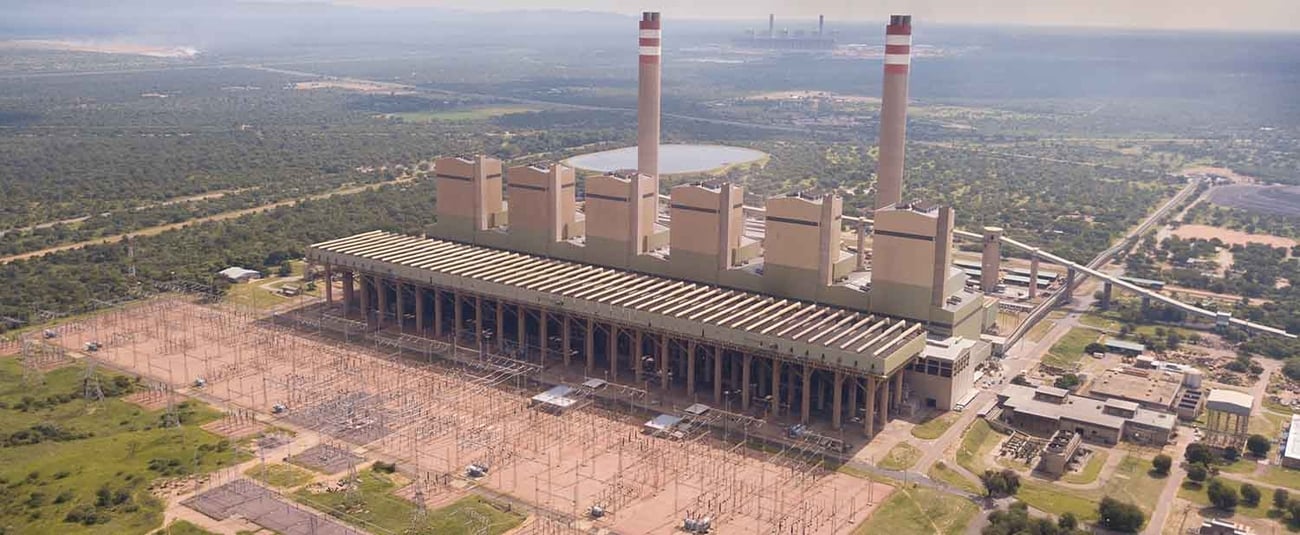
    The recently signed liquefied natural gas (LNG) development project in South Africa’s Mpumalanga province is a promising step on the long road to Africa’s just energy transition.

    The project, being jointly developed by Kinetic Energy of Australia and the Industrial Corporation of South Africa (IDC), a national development finance institution, will capitalize on Kinetic Energy’s recent 3.1 billion cubic feet natural gas discovery in Amersfoort, Mpumalanga. The project is expected to produce 50 megawatts (MW) of equivalent energy and eventually expand to 500 MW.

    The project, which Kinetic Energy describes as South Africa’s largest onshore LNG project, exemplifies natural gas’ potential to grow the country’s economy and meet domestic energy needs.

    This all comes about as South Africa works to expand its oil and gas operations in order to curb its reliance on coal and help pave the way to eventual decarbonization.

    South Africa is not alone, either. As the African Energy Chamber (AEC) covers in our recently released “The State of African Energy 2024 Outlook Report,” natural gas production is on the rise both globally and in Africa. Even more promising, our report notes that “upstream operators are now revising their strategies and aligning their future investments more in line with energy transition, and natural gas is being looked at as transition fuel.”

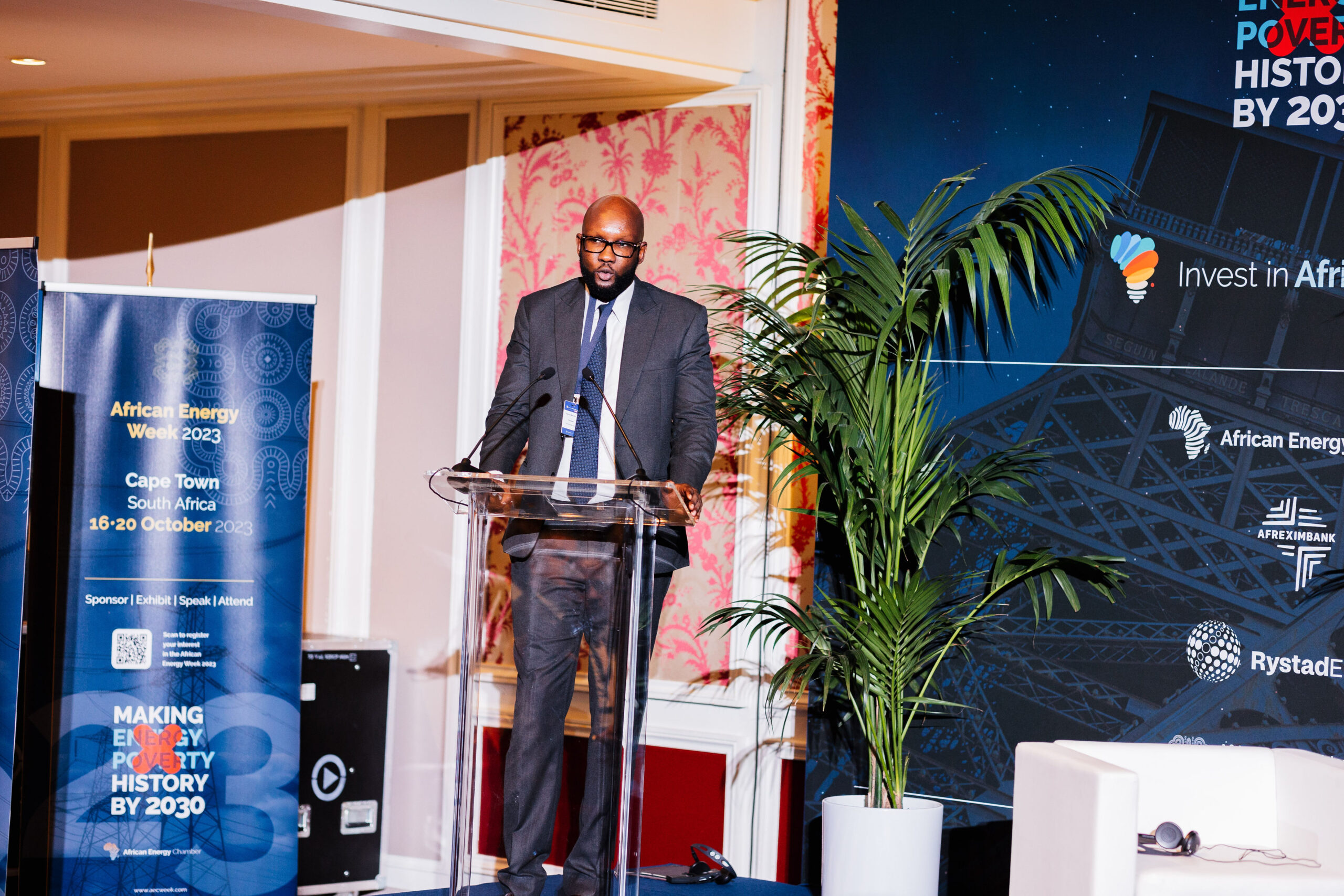
    The African Energy Chamber will support the Invest in African Energy Conference in Paris this year organise by Energy Capital and Power. African Energy Week will definitely be the home of Natural Gas investment in Africa.

    Gas: A Logical Transition Fuel

    I find it heartening that, despite calls by environmental organizations and wealthy countries to cease investment in African oil and gas projects, many of the companies actually operating in Africa appear to recognize natural gas’ value as a transition fuel. Too long has the solution to the climate crisis been oversimplified: Decarbonization is not a goal that can be reached overnight nor without first building up the infrastructure required to support development of renewables.

    Such a task is relatively simple for Western countries, which have spent centuries building their economies and infrastructure off the backs of fossil fuels. The same cannot be said for African states, which have long lacked these same development opportunities and must now play catch-up at an accelerated pace.

    Even worse, we are told to play this game of catch-up with our hands tied: to leave our natural resources in the ground while the developed nations of the world continue to exploit their natural non-renewable wealth. We are expected to jump straight to building wind farms, solar farms, and hydroelectric dams while hundreds of millions of Africans are still living without access to electricity.

    Where will the capital for such a miraculous development come from?

    Who will build the foundational infrastructure needed to support it?

    Developed nations are quick to promise, “We will!” but reticent to follow through on their promises. What’s more, their foreign “aid” has frequently focused more on alleviating the symptoms of Africa’s economic and energy poverty rather than resolving the source.

    With all this in mind, it is clear to me who must provide the lion’s share of capital and build the infrastructure: Africans ourselves. And we cannot do that without tapping our own natural resources, natural gas being the most vital among them. Its properties that burn cleaner than oil and coal, its abundance, its ease of storage and transport, and its applications in manufacturing and synthesis make natural gas the best option for Africans to establish energy security and achieve decarbonization.

    Companies Leading the Way

    So, again, it is encouraging to see that the AEC is not alone in our stance that natural gas production makes sense for Africa — and for energy companies. More and more energy companies describe policies that call for pursuing energy transition measures for tomorrow while providing the natural gas to power the world today.

    Look at French major TotalEnergies, which is responsible for much of the upstream activity in our continent. Following the discovery of two huge gas fields in South Africa in 2019 and 2020, TotalEnergies is continuing its exploration and production efforts there, despite environmentalists’ efforts to block further activity. TotalEnergies also is driving the Mozambique LNG project, considered one of Africa’s most important hydrocarbon developments.

    Then there’s German independent, Wintershall Dea, which is increasing its participation in the Reggane Nord natural gas project in Algeria by 4.5%. The company is acquiring interest from Italian utility company Edison in the project. Wintershall Dea, which has a strong presence in North Africa, also announced first gas with its partners (Cheiron Energy, INA, and the Egyptian Gas Holding Company) at the East Damanhur block in the onshore Nile Delta earlier this fall.

    I love what Wintershall Dea’s CEO and Chief Operating Officer Dawn Summers wrote about natural gas in a November opinion piece, released just before the 2023 United Nations Climate Change Conference (COP28).

    “At first glance, it would seem that the gas and oil industry is merely part of the climate problem — but it will also be part of the solution,” Summers wrote. “If gas were used instead of coal, CO2 emissions would immediately go down — by almost half. Already today, we are decreasing the environmental impact of our activities worldwide by drastically reducing our methane emissions. In addition, with technologies such as CO2 storage and H2 production, we are helping other sectors to decarbonise, and we aim to harness our expertise to ensure that the future energy system is more sustainable. In short, the oil and gas industry can, must and will be part of the solution to the climate problem.”

    Well said! Africa’s gas industry is part of the solution as well. And, as our report notes, the forecast for continued natural gas projects in our continent is looking good.

    Africa’s Tremendous Natural Gas Potential

    Our report finds that Africa continues to hold immense natural gas potential and is positioned to not only increase its outputs but also capitalize on the underserved LNG market and meet Europe’s ongoing demand. Our estimates show an increase from Africa’s 2023 natural gas output of about 265 billion cubic meters (bcm) to over 280 bcm by 2025.

    North Africa currently drives the majority of the continent’s output, although its production is expected to remain flat throughout the rest of the 2020s. Production ramp-up is expected through the second half of this decade as Mozambique increases its LNG output. As new-gas start-ups across the rest of the continent come online, this trend in increased output will become further pronounced.

    Nigeria and Algeria, meanwhile, are expected to drive an increased focus on LNG exports, with additional flows coming from Egypt, Equatorial Guinea, Mozambique, and waters off Senegal- Mauritania.

    Africa’s natural gas sector stands poised to prepare the entire continent for eventual decarbonization, as do many of the companies operating here.

    The goal of a continent fueled by renewable power cannot be achieved, however, unless the developed world also recognizes this and allows African states to transition on their own schedule, not one imposed on it by others.

    Download the AEC’s 2024 outlook report here.

  • West African Development Bank (BOAD) announces acquisition of an equity interest by the Arab Bank for Economic Development in Africa (BADEA) in its capital

    West African Development Bank (BOAD) announces acquisition of an equity interest by the Arab Bank for Economic Development in Africa (BADEA) in its capital

    COTONOU, Benin, December 27, 2023/ — The West African Development Bank (BOAD) (https://www.BOAD.org/) is pleased to announce that the Arab Bank for Economic Development in Africa (BADEA) has joined its capital.

    Following a favorable opinion issued by the Bank’s Board of Directors, at its 139th meeting held on 20th December 2023 in Cotonou, the WAMU Council of Ministers met on 21st December 2023 and approved the participation of BADEA in BOAD’s capital. This opens up the second phase of the Bank’s capital increase process, the first phase of which was completed in December 2022 for an amount of XOF554.38 billion.

    As a reminder, the BOAD capital increase process, referred to as “Peninsula” project, is structured into two phases: a first phase involving the issue of shares reserved for the Bank’s current shareholders, and a second phase involving the issue of shares open to new shareholders, whose accession is subject to approval by the Council of Ministers, as provided for by BOAD’s Articles of Association.

    The participation of BADEA in the Bank’s capital as a class B shareholder (non-regional shareholder) is part of this second phase, and involves an amount of US$30 million, or XOF18.47 billion. This stake is equivalent to 1.20% of BOAD’s subscribed share capital, giving this first-rate institution a seat on its Board of Directors.

    Established on 28th November 1973 and operational since March 1975, BADEA, with head office in Khartoum (Sudan), is a financial organization whose aim is to be a “world bank for Africans”, comprising 18 member countries including Saudi Arabia, Kuwait, Iraq, Libya, the United Arab Emirates and Qatar. It is rated Aa2 with a positive outlook by Moody’s.

    The two institutions are breaking new ground for their long-standing cooperation, which to date has been marked by the provision by BADEA of resources on preferential terms, and by the co-financing of several infrastructure projects in WAEMU countries, as well as the granting of subsidies to BOAD to support structuring projects.

    For President Serge Ekué, “BADEA’s participation as a new shareholder follows 10 years after the Kingdom of Morocco joined BOAD’s capital in 2013. This was the result of a series of discussions over the past two years. It is the translation of excellent relationships between both of our institutions, but also the result of a perfect common understanding between the President of BADEA, my dear friend and brother, Mr. Sidi Ould Tah, to whom I wish to pay a heartfelt tribute. My warmest congratulations to our respective technical teams”.

    Distributed by APO Group on behalf of Banque Ouest Africaine de Développement (BOAD).

    Link to additional content: https://apo-opa.co/48zmTkq

    For further information, please contact:
    Communication and Public Relations Department

    Tel.: +228 22 23 25 65 / WhatsApp: +228 99 99 32 15
    Fax: +_228 22 23 24 38
    Email: boadsiege@boad.org

  • Factoring Urban Gardening into African’s Built Environment

    Factoring Urban Gardening into African’s Built Environment

    …. As ACEACFMS 2023 holds in Accra

    Story: Mohammed Abu

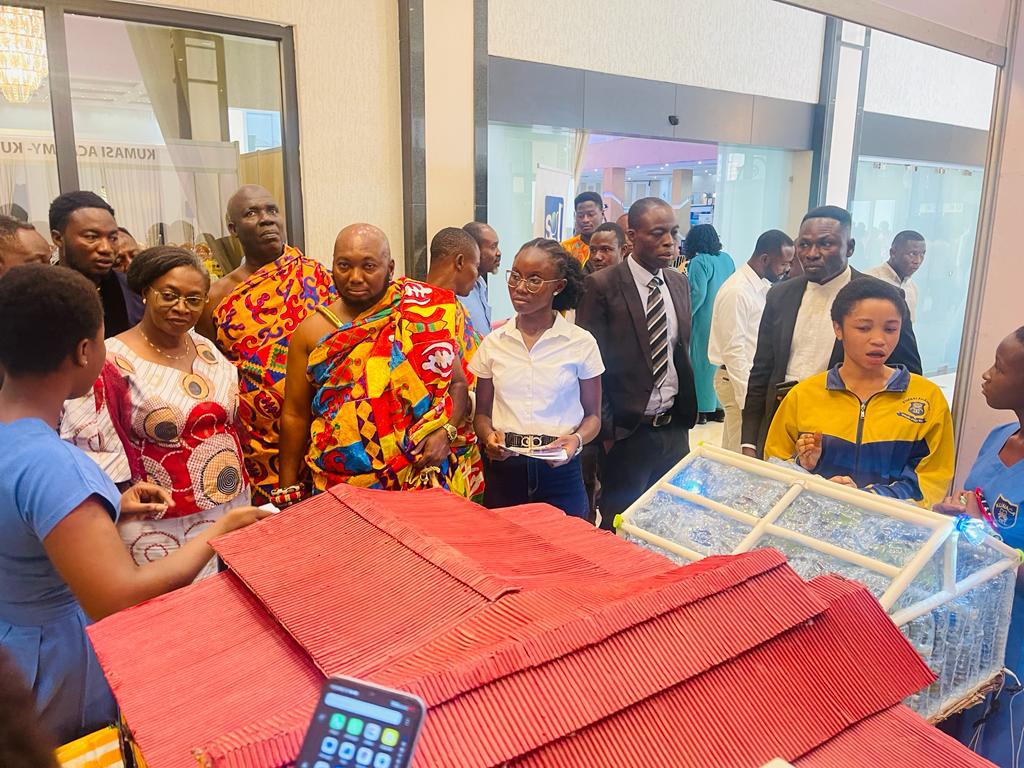
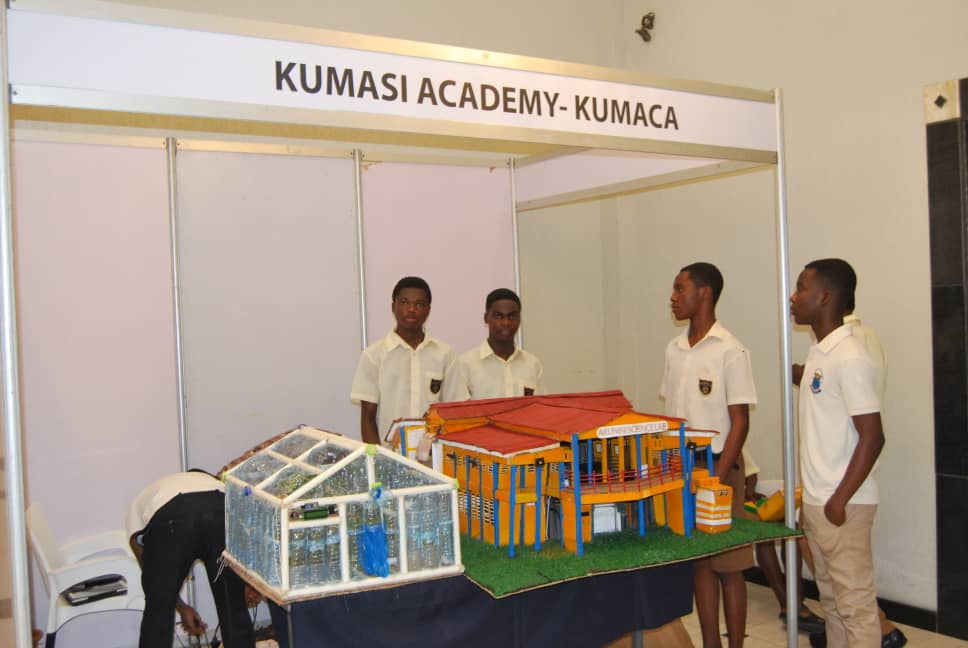
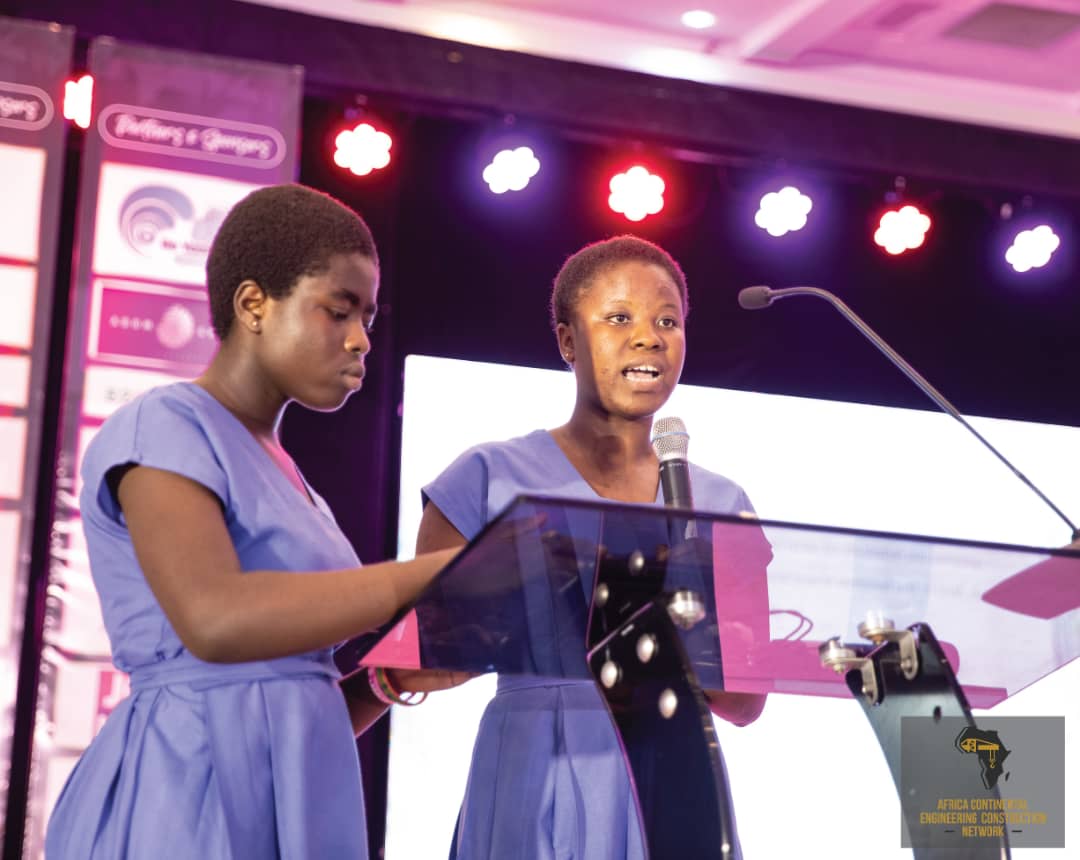
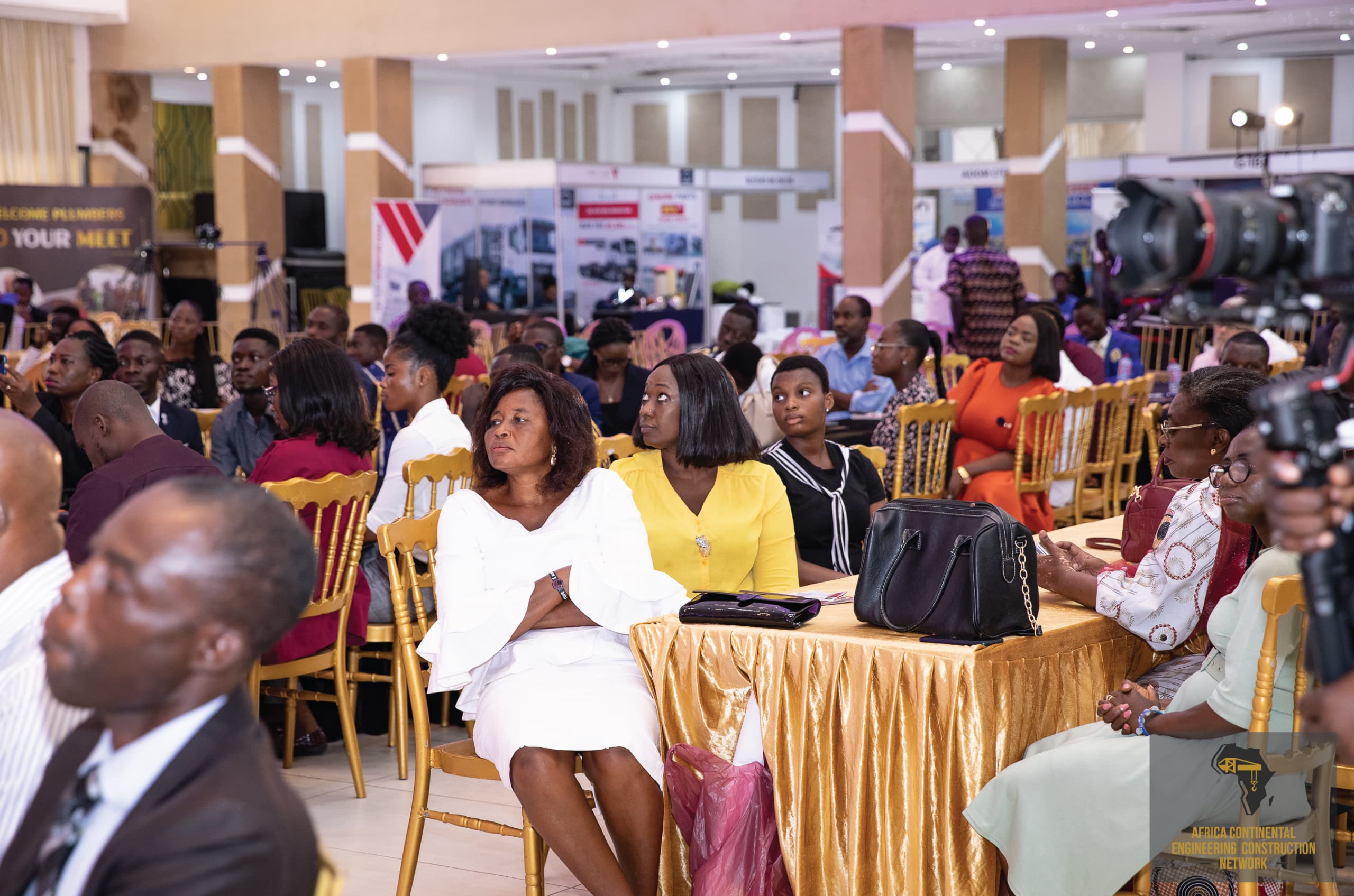
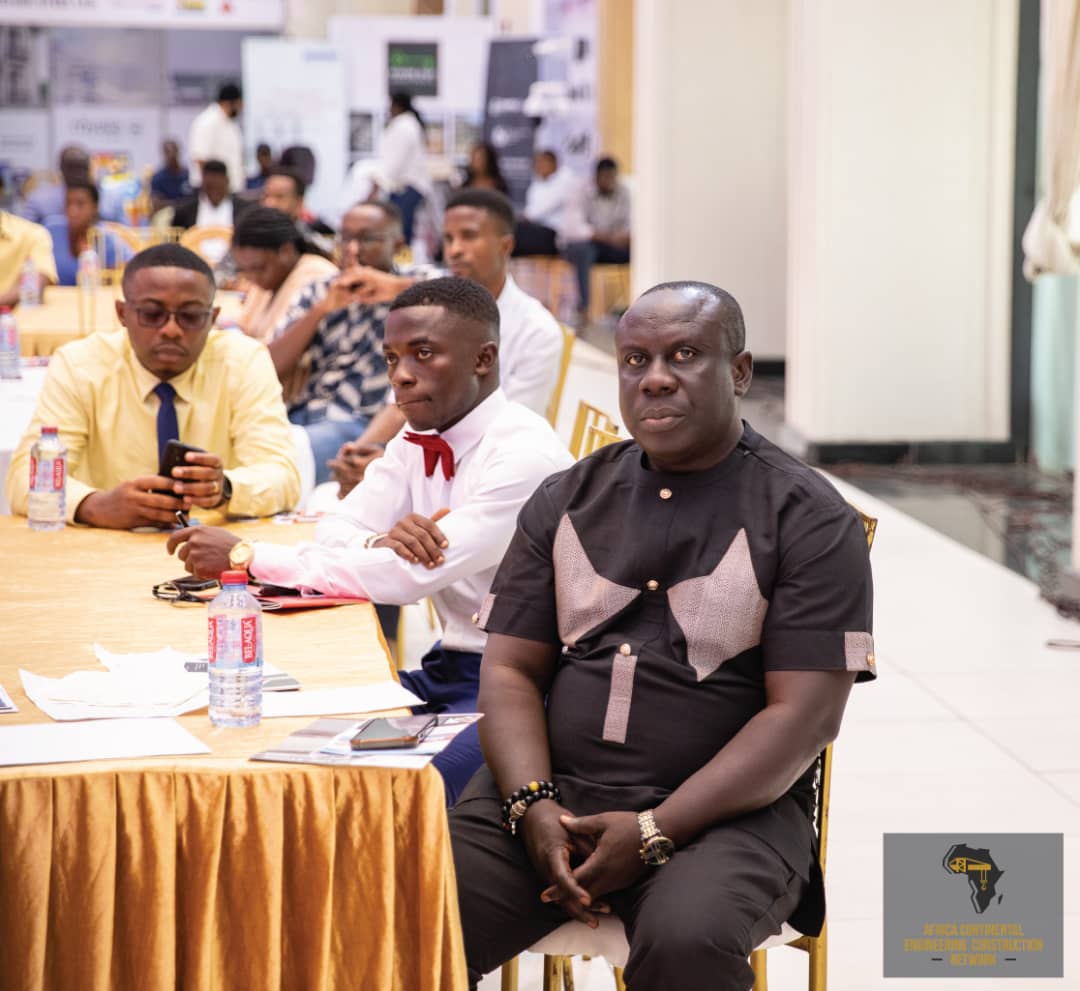
    Science, Technical and Mathematics (STEM) students from the Kumasi Academy Senior High School, in Ghana’s Ashanti Region excited participants with a great presentation on the science of urban gardening and vertical farming concept at the. maiden event of the African Continental Sustainable Built Environment Summit(ACEACFMS)held at East Legion in country’s capital of Accra, on Thursday, December, 14.

    The science based urban gardening concept combines science and innovation that seeks to offer opportunity especially for vegetable crop production under an urban environment, where arable land and water meant for farming is virtually non-existent.

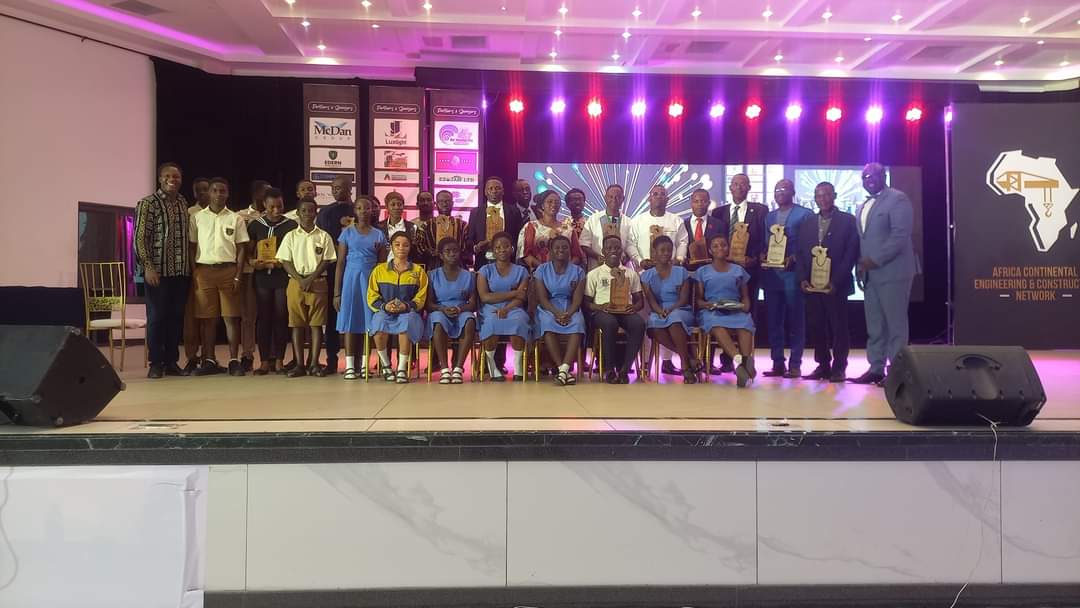
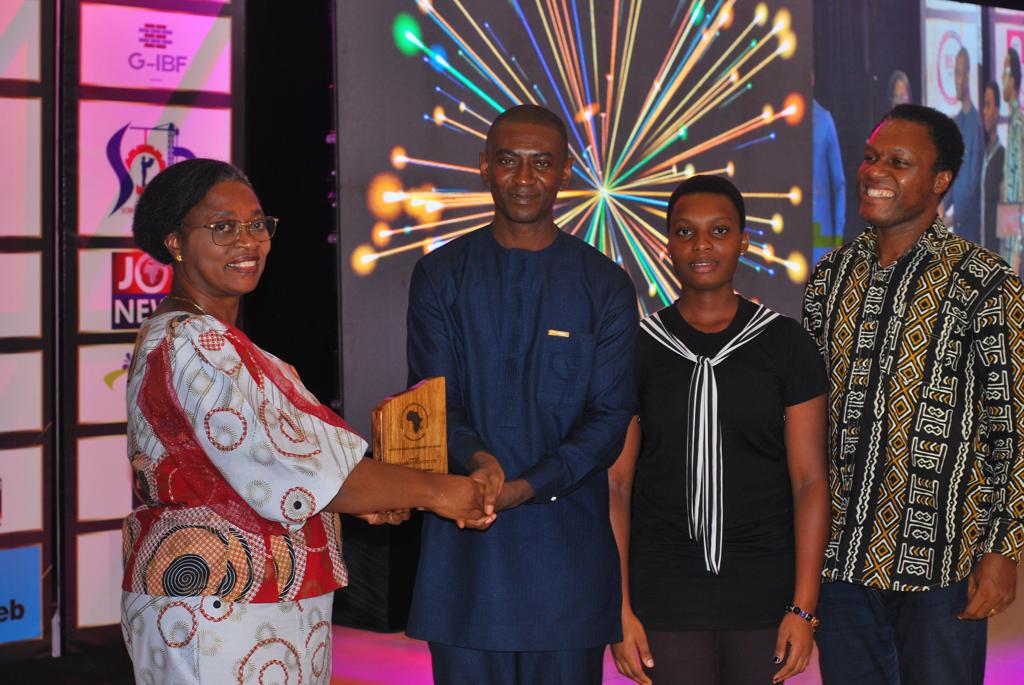
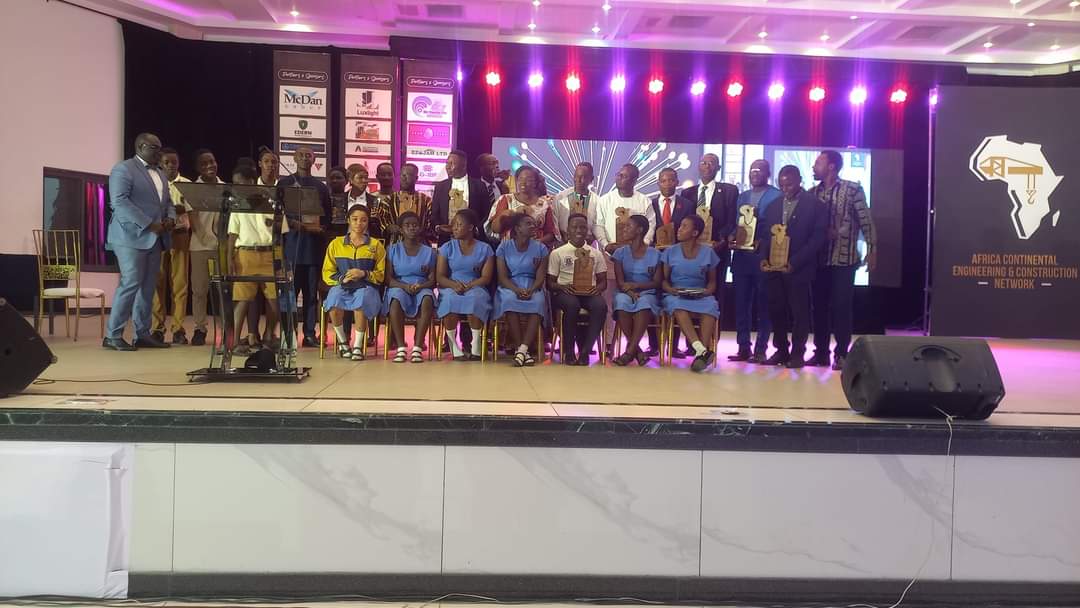
    It was therefore not surprising that Kumasi Academy Senior High Schools was among the award winners in the Technologies and Innovation category during the awards segment of the summit that registered a total of nineteen (19) awardees under eight categories with 20 awards.

    The school also clinched a major deal as the GM Bamboo Eco-City Ltd, the Principal. Consultant and partner of the African Continental Sustainable Built Environment Industry Summit(ACEACFMS-23) decided on the sidelines of the event to sign an MOU with it to work closely on a 166-acre Bamboo Eco-Tech-Industrial Garden City Projects in the Central region where 3,500 Sustainable Smart Infrastructure will be developed with integrated Smart Gardening Technologies.

    An 80-feet x 160 feet plot has been given to the Kumasi Academy STEM Team by GM Bamboo Eco-City at the Bamboo Eco-City-2 to build the prototypes of their smart House and Urban Technologies.

    The Bamboo Eco-Tech-City is located near cape Coast at Abankrom, Afenakrom & Damang in the Anomabo Traditional Area within the Mfantsipim Municipality in the Central Region of the Republic of Ghana.

    GM Bamboo City will Partner with Kumasi Academy Senior High School to develop grant winning proposals to access fund to develop their technologies.


  • About Scale Up of Africa’s Sustainable  Built Environment

    About Scale Up of Africa’s Sustainable Built Environment

    Story: Mohammed A. Abu

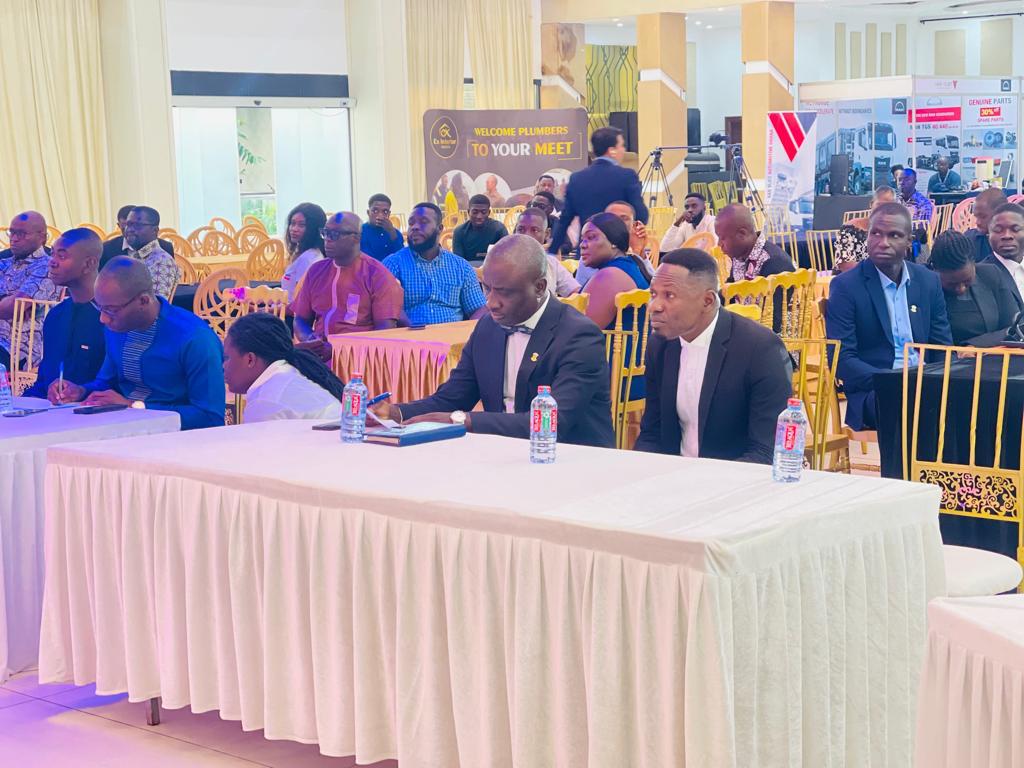
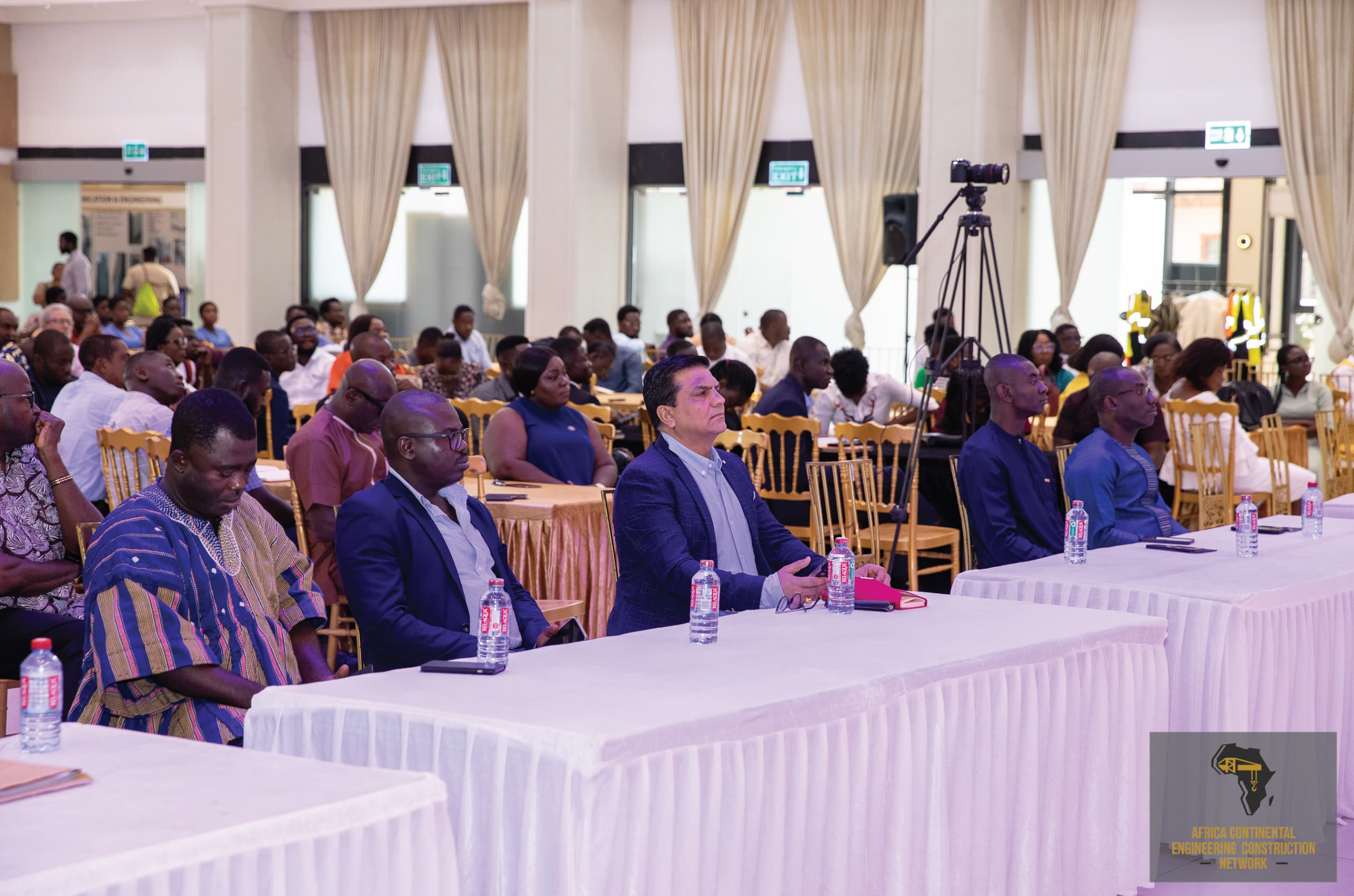
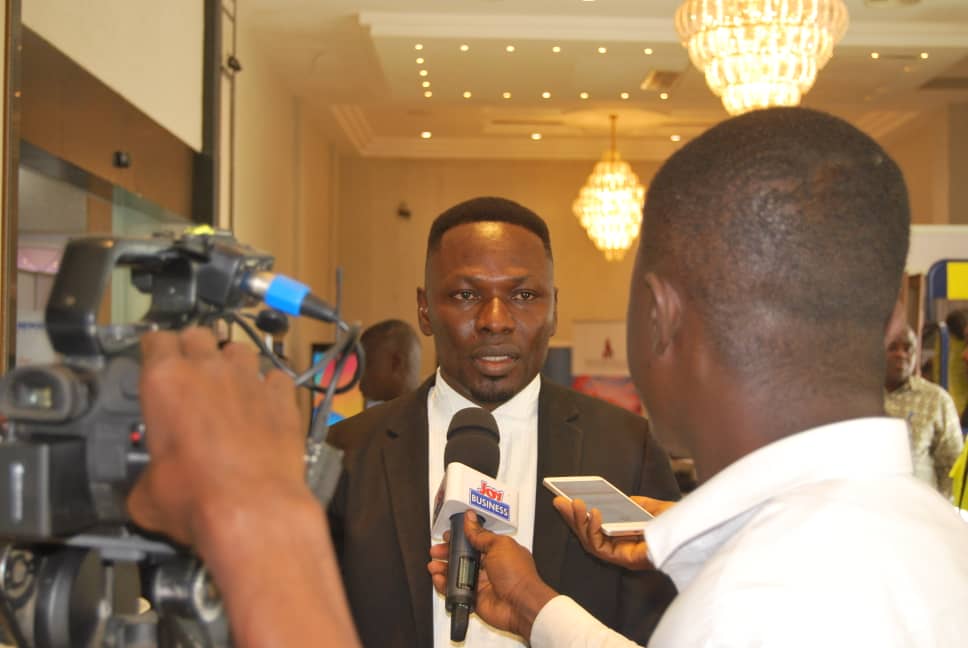
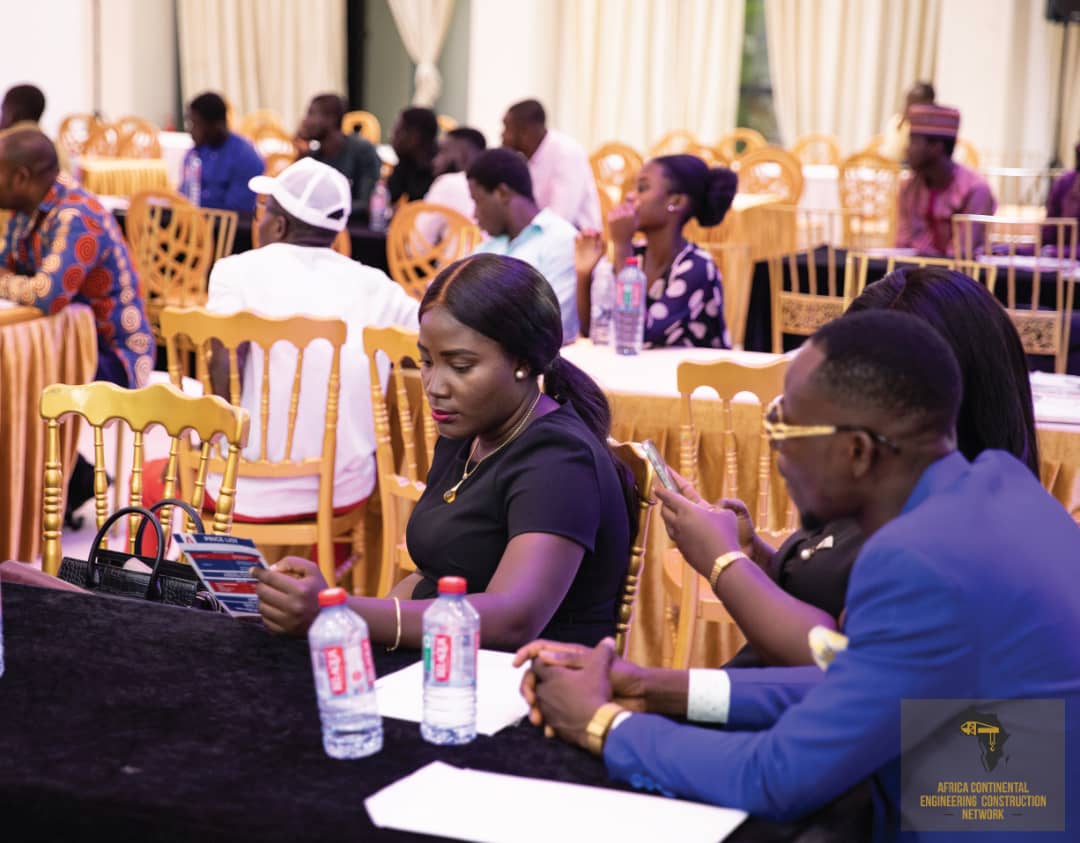
    A one-day maiden Africa Continental Sustainable Built Environment Industry Summit (ACEACFMS 23) ended successfully at East Legon, Ghana’s capital city of Accra on Thursday December 14, with a formal declaration of the event as an annual one.

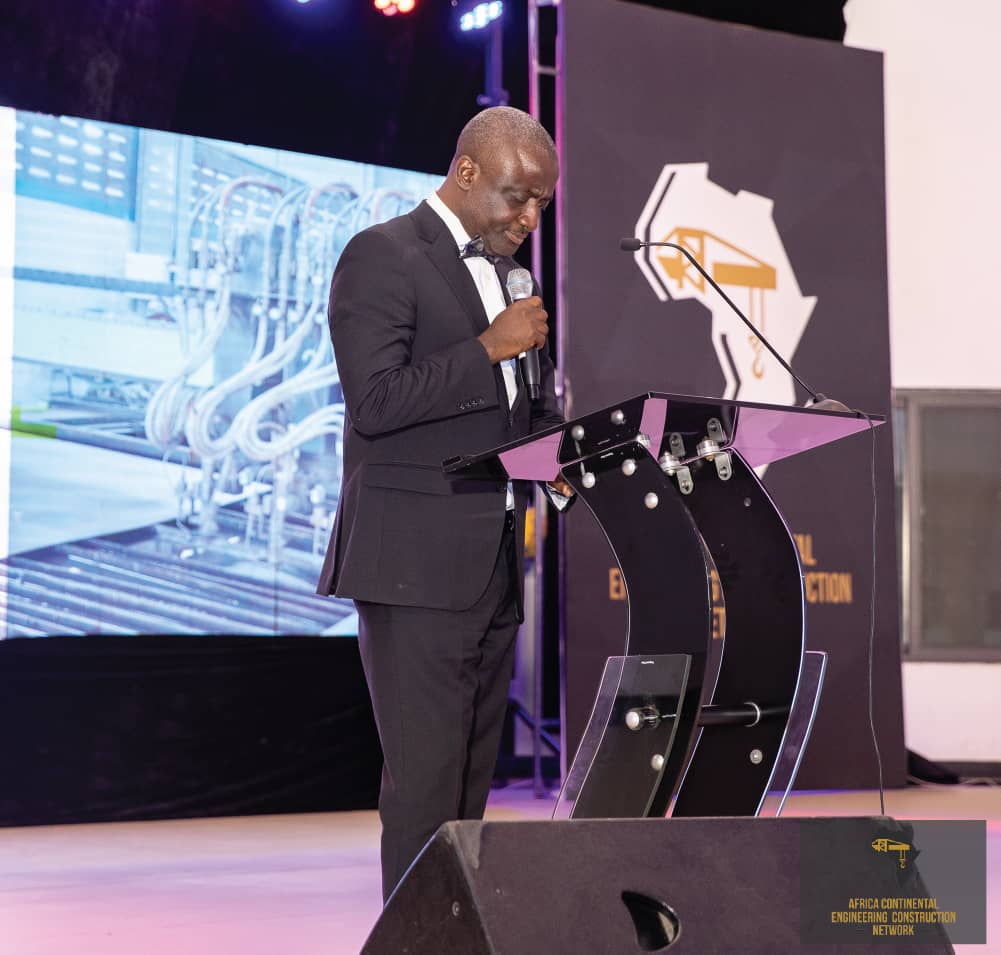
    The declaration was made by Mr. Daniel Kontie President/CEO of the Africa Continental Engineering & Construction Network(ACECEN),

    Earlier in his welcome address during the event he said that, the African Built Environment must be placed in a position to transition from the current brown construction techniques to Green building technologies.

    “Like it or not, the reality is that, new trends are transforming the way the industry operates, from the design phase to the actual construction process, particularly at this time that the whole planet faces eminent dangers of climate change by virtue of our old industrial actions and inactions that has brought us to this global climate emergency situation”, Mr. Kontie added.

    “Africans have always argued that Africa’s contribution to the current climate change catastrophy is insignificant compared to the West, that is true, however, what we fail to appreciate is that the problem was significantly created by the West but the solution lies in the hands of Africa and this is another 21st century industrial revolution for Africa to take advantage of” he intimated.

    In a keynote speech delivered by Nana Obokese Ampah,,the Regent of Moree & Apagyahene of Asebu State on behalf Daasebre Kweku Ewusi VII, Omanhene of Abeadzi Traditional Council Area, Central Region, former Member of the Council of State, immediate past Vice President of National House of Chiefs, on the topic, “Land Dispute Resolution and Sustainable Land Acquisition for Sustainable Infrastructure Development in Ghana in the face of Climate Change” Nana noted that Ghana’s progress hinges on the delicate balance between development and environmental stewardship.

    “As we embark on transformative infrastructure projects, it is imperative that we adopt a holistic approach that not only address our immediate needs but also safeguard for land for future generations” Nana intimated.

    Sustainable land acquisition Nana underscored, must be the bedrock of Ghana’s endeavours. “We must ensure that every plot acquired for development aligns with environmental conservation principles. Incorporating green spaces, mitigating the impact on ecosystems, and adhering to sustainable construction practices are essential components of responsible land acquisition” Nana emphasized.

    Speaking on the theme: “Integrating Sustainable Built Environment Industry for Socio-Economic Transformation Through the use of Digital Twin Technologies”, the Immediate Past President of the Federation of African Engineering Organizations (FAEO), Ing. Mrs. Carlien Bou-Chedid said, the use of Digital Twin technology creates a virtual or digital replica of physical objects, processes or systems to allow for real-time monitoring, analysis and optimization.

    She explained that by leveraging Digital Twin Technology in the built environment, stakeholders can make more informed decisions, reduces costs, improve sustainability and enhance overall performance through the lifecycle of structures and cities.

    She gave examples of these digital twin technologies as Autodesk BIM 360, which is a cloud-based platform for construction management; Dassault Systemes CATIA, a software suite by Dassault that supports product design and engineering, which is often used in the architecture, engineering and construction (AEC) industry to create digital representations of buildings and infrastructure. She also mentioned Cityzenith 5D Smart World, which supports urban planning, infrastructure management and smart city initiatives. She added that Esri Urban Observatory also provides tools for creating digital twins of cities.

    Ing. Mrs. Carlien Bou-Chedid explained that Digital Twins rely on a network of sensors and devices strategically placed within the built environment to measure parameters, such as temperature, humidity, energy usage, water flow, air quality and more.

    She mentioned that Sustainable Built Environment is one that protects people, places and the natural environment. It also involves creating safe and welcoming spaces and designing for longevity, flexibility, recoverability and reuse.

    “Sustainable Built Environment also reduces building and urban infrastructure emissions for the long-term resilience of both people and planet. It is critical to reducing greenhouse gas emissions and tackling the climate crisis”, she concluded.

    Presentations

    Making a presentation on “Refocusing Ghana’s Flood Preparedness and Response for Socio-Economic Transformation through the use of Digital Twin Technologies”, Prof. Divine Ahadzie, Centre for Settlements Studies at the Kwame Nkrumah University of Science & Technology (KNUST), Kumasi said, Ghana experiences major floods every two years for the last 20 years but our preparedness is not getting any better.

    On recent VRA flood, the Prof. Ahadzie suggested that VRA should enhance their engagement with the communities by strengthening the use of twin-technologies plus to other community based technologies. He proposed a simplified community flood resilience framework to comprise the Chiefs, Assemblymen, MPs, NADMO, District Assembly, among others.

    STEM students from Kumasi Academy SHS, made an impressive presentation of their Smart Urban Gardening Initiative, a Green technology revolution. According to the students, the Smart Urban Gardening project integrates advanced technology and sustainable practices for urban agriculture.

    Panel Discussions

    A panel session discussion on local content and use of local materials featured Prof.Ing. Emmanuel Appiah-Kubi, Director of Quality Assurance & Accreditation, Akenten Appiah Menka University of Skills, Training & Entrepreneurial Development(AAMUSTED), and Prof.Engr. Humphrey Danso, Dean Faculty of Technical Education, also of the same university.

    They emphasized the important role bamboo could play in Ghana’s built environment industry and the dire need for using local earthen material and their combination with each other to strengthen them and to ensure their durability for use in the sustainable Built Environment industry.

    Prof.Ing Appiah-Kubi gave an expose on Ghana’s bamboo resources potential and the important role it serves to play in the country’s sustainable Built Environment Industry. He also disclosed that in addition to the generally known 250,000 species of bamboo worldwide, other bamboo species native to the Volta and Northern Regions with yellow coloration have been identified in their research

    Prof.Danso on his part, emphasized the need for using local earthen material and their combination with each other to strengthen them and to ensure their durability for use in the sustainable Built Environment industry.

    Prof Danso also called for the use of local earthen materials like calcium clay and burned saw dust for the production of cement. This was in view of the fact that clinker based cement production has a big carbon footprint unlike the local materials.

    One ton of cement produced from clinker based cement production Prof Danso said, produces a corresponding one (1) of C02 emission.

    HATOF Foundation Presentation

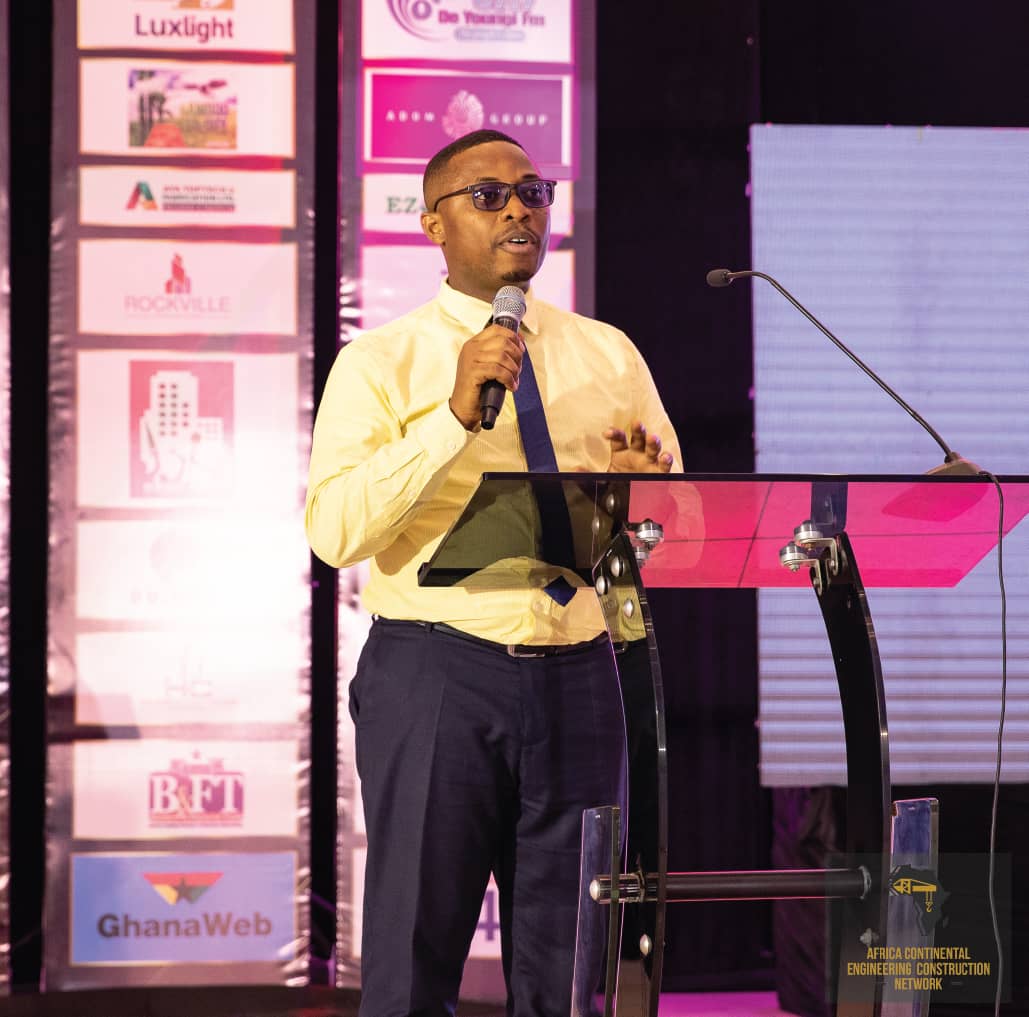
    The Founder/CEO of the HATOF Foundation, Dr. Samuel Dotse drove home the need for the African private sector players to take a second look at the content of their project Business Plans/Feasibility Studies so as to ensure they meet green climate financing criteria and to qualify for accessing financing from the Green Climate Fund.

    Ghana’s Ministry of Finance and Economic Planning Dr. Doste said, was the national institution through which to access financing from the Green Climate Fund adding that, climate financing remains the only available mode of funding with the lowest payback cost or interest payment that cannot be compared with what the local banks charge. He also disclosed that the only Africa’s private sector player that have met the green climate funding criteria, and accesses their funding, is the Ecobank Group.

    Among African NGOs HATOF he disclosed is the only one in Africa that has been able to access the Green Climate Fund for a Shea Landscape Carbon emission reduction project it is implementing in Northern sector of Ghana.

    Dr. Dotse expressed the willingness and readiness of his organization to support Ghanaian, African private sector operators in how best to streamline their projects to meet the Green Climate Fund financing criteria.

    HATOF is a local Ghanaian NGO that has since its inception in 1999 up till date, has been a pacesetter in energy, environmental governance and climate policy process-working towards addressing climate change and finance, renewable energy and energy efficiency, conservation and environmental protection, sustainable management among others.

    HATOF did not only get incorporation in Canada this year and another in Gambia still pending. It was the only African NGO that held a side event in collaboration with its local Ghanaian partners and a foreign one during the recently ended COP28 global environmental event in Dubai under the auspices of the UN Environment Change.

    African Continental Sustainable Built Environment Industry Excellence Awards 2023

    The awards segment of the event was an important and integral part of the event during which 19 individuals, corporate and other institutions were appreciated under eight categories with a total of 20 awards for their respective roles in climate action and development of the sustainable Environment Industry.

    Excellence in Technology & Innovation Award went to GM Bamboo Eco-City and Kumasi Academy Senior High School, Excellence in Digital Twin Technology also went to Siemens Ghana & South Africa PTY, Excellence in Climate Finance Mobilization and Training went to the Ghana Climate Innovation Centre and Gloria Bulus, Executive Director, Bridge the Gap Initiative, Kaduna, Nigeria among other awardees.

    Of special mention in the awards segment, is the African Real Estate Company of the Year 2023-Low income category that went to Adom City Estates and Africa CEO of the Year Residential Estate-Lower income category 2023(Dr. Bright Adom).

    Exhibition Component  

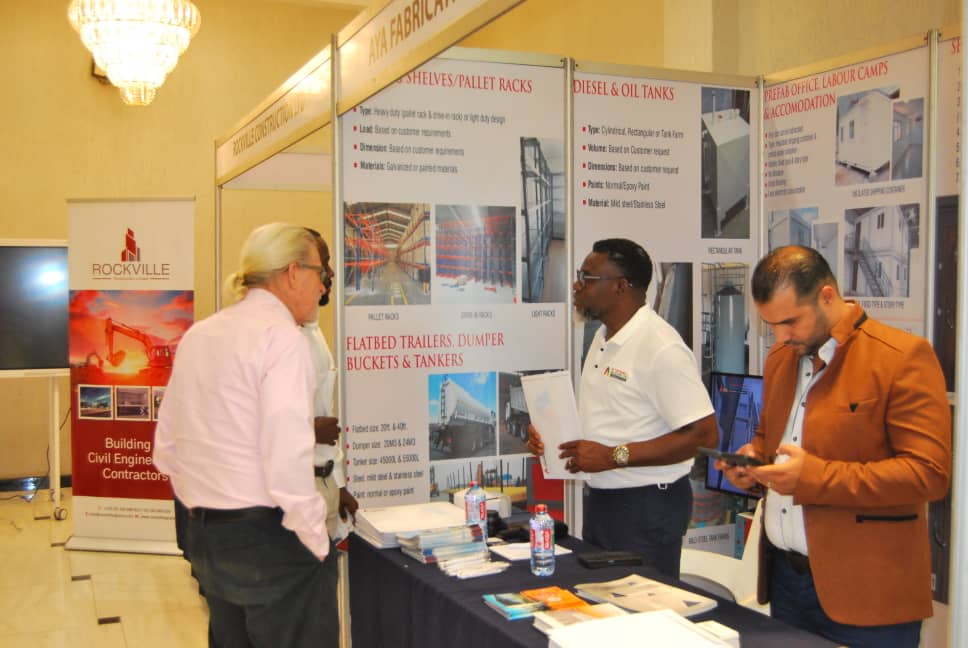
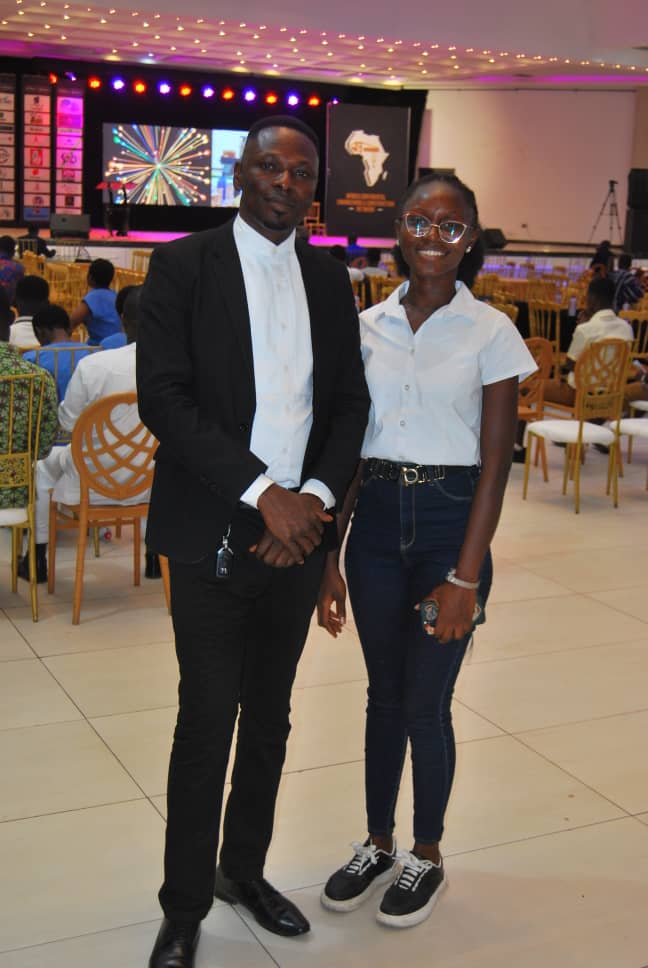
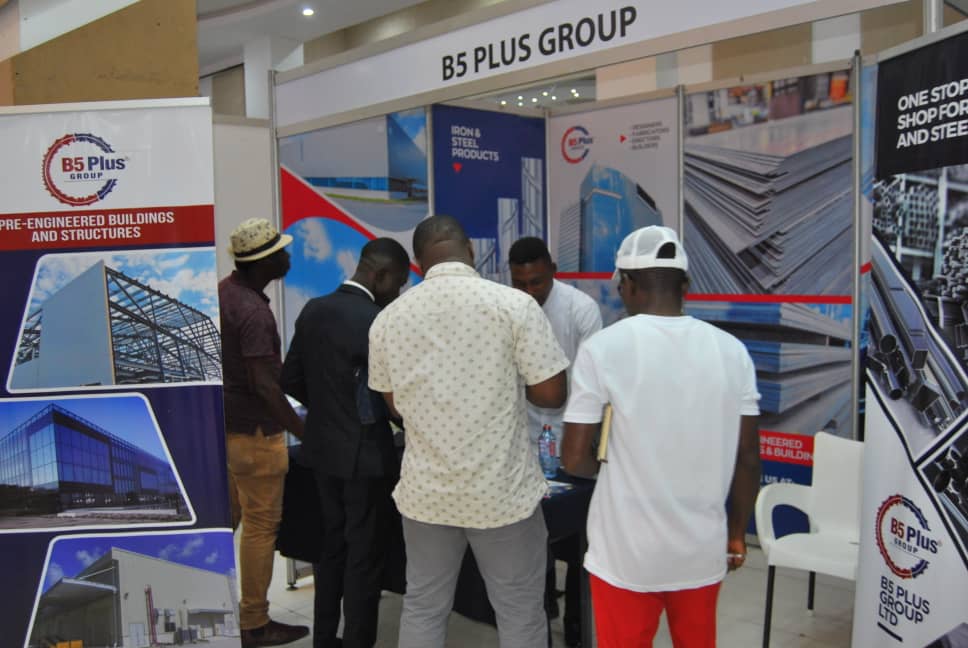
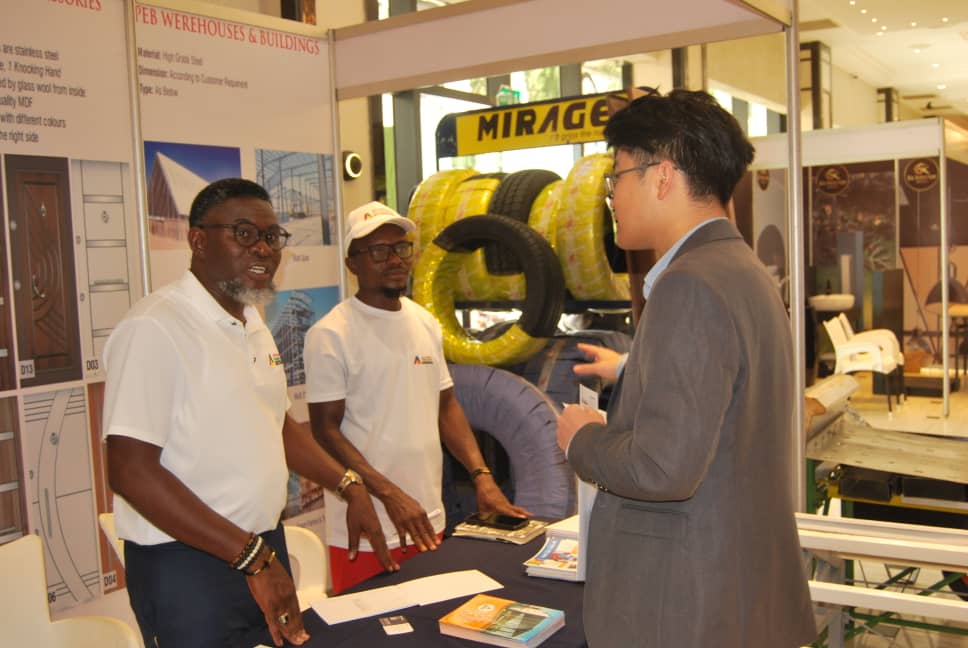
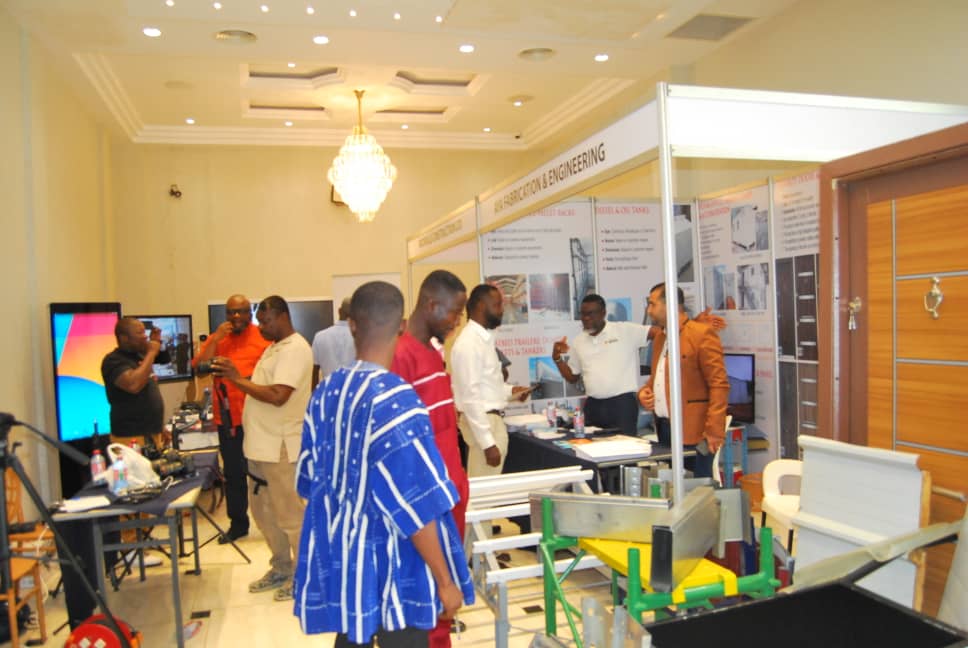
    The event also drew exhibitors representing Engineering, Construction and Logistics firms among others who exhibited their modern technologies to the participants.

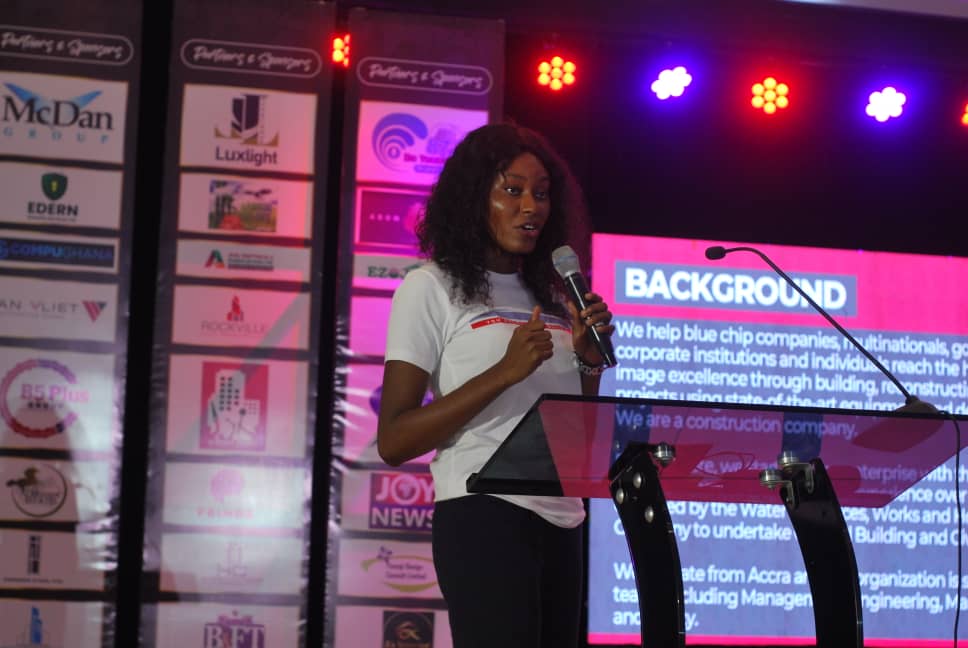
    The Summit, a joint collaboration between the Africa Engineering & Construction Network(ACECEN) and GM Bamboo Eco-City leveraged the invaluable support from a number of Partners and Sponsors drawn from Ghana’s public sector and the Sustainable Built Environment Industry component of the private sector.

     

  • West Africa’s Energy Transition Offers $1T+ in Investment Opportunities

    West Africa’s Energy Transition Offers $1T+ in Investment Opportunities

    PARIS, France, December 11, 2023/ — West Africa is home to a diverse landscape of energy players, from mature petroleum producers to emerging gas frontiers. For established markets, the energy transition requires decarbonizing and optimizing existing operations, while bringing renewable energy and carbon capture technologies to the forefront.

    Meanwhile, frontier markets are seeking to build sustainable energy mixes from the ground up, relying on integrated gas developments to fuel their transition. As a result, an array of partnership and investment opportunities are shaping the region, which European and global investors can access at the upcoming Invest in African Energy Forum, taking place in Paris on May 14-15, 2024.

    Nigeria

    As the largest oil producer on the continent, Nigeria is seeking to attract sizable foreign investments to meet net-zero targets by 2050. At COP28 earlier this month, the Nigerian Federal Government announced investment opportunities totaling $585 billion within its energy sector, promising significant returns and the support of local authorities. In the short term, the country’s strategy involves driving renewable energy penetration across its operations, while reducing methane emission intensity and achieving net-zero in the medium-to-long term.

    Within these investment opportunities, $272 billion relates to installed renewable power production, transmission and distribution, natural gas transmission and distribution infrastructure and electric chargers. Investment opportunities totaling $96 billion lie in oil and gas processing optimization, energy efficiency and carbon capture and storage, while $80 billion are in the adoption of zero-emissions technologies and fuels.

    The remaining $2.8 billion comprises opportunities associated with clean cooking. As a result, the country features growing demand for European investors and technology and service providers who are capable of implementing clean energy solutions.

    Ghana

    As another mature producer in the region, Ghana has also unveiled an ambitious energy transition framework that totals $550 billion in investment opportunities and provides a path to net-zero emissions. The plan focuses on deploying low-carbon solutions in six main categories, which would achieve 90% of targeted emission reductions.

    These include electrification and renewables; carbon capture and storage; low-carbon hydrogen; battery electric vehicle technologies; clean cooking technologies; and negative-emissions solutions.

    Several innovative projects are underway in Ghana, which could serve as a model for European investors and project developers.

    The country is currently building its first hybrid plant utilizing solar and hydro resources to generate 250 kWas well as piloting a wave energy project in the Gulf of Guinea capable of producing 1,000 MW and generating up to two billion dollars in investment opportunities.

    The government has also launched a hybrid waste-to-energy pilot project at the Atwima Nwabiagya South Municipality that aims to produce 100 kW of biogas from municipal waste, with the potential to produce green hydrogen. Still, an influx of capital and technology is needed to fully explore the viability of clean energy technologies, for which there is strong government will.

    Senegal

    As one of the most exciting energy hotspots on the continent, Senegal offers frontier hydrocarbon resources and an attractive operating environment, along with close proximity and cultural ties to Europe.

    The country is awaiting first oil and gas production next year from its Sangomar Field Development and Greater Tortue Ahmeyim Liquefied Natural Gas Project, respectively, which present considerable opportunities for service and technology providers in the fields of gas processing, gas-to-power and associated infrastructure.

    Last June, Senegal launched its Just Energy Transition Partnership with France, Germany, the European Union, the UK and Canada to support its efforts to attain universal energy access on the back of a low-carbon, sustainable energy matrix. The country is currently drafting a comprehensive investment plan that will identify the type and scope of investments required.

    Distributed by APO Group on behalf of Energy Capital & Power.

    SOURCE
    Energy Capital & Power


  • African Development Bank approves $66 million loan for equity enhancement of Tanzania Agricultural Development Bank

    African Development Bank approves $66 million loan for equity enhancement of Tanzania Agricultural Development Bank

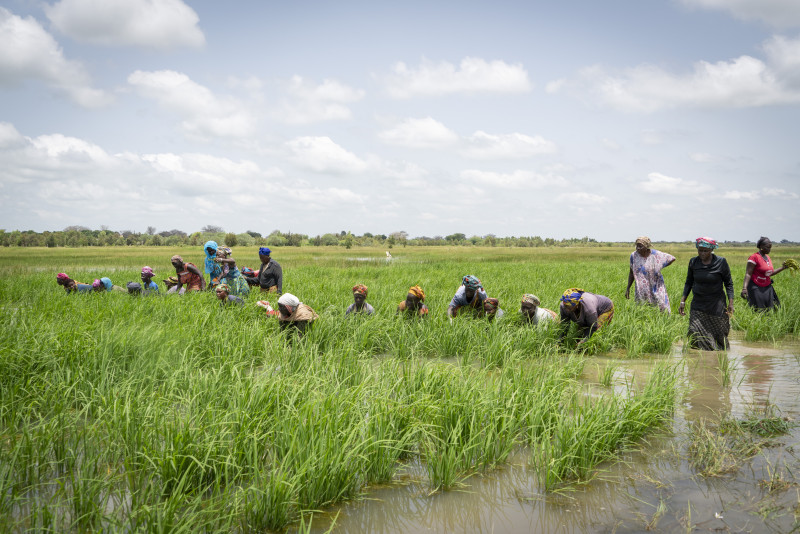
    ABIDJAN, Ivory Coast, December 10, 2023/ — The African Development Bank Group’s (www.AfDB.org) Board of Directors has approved a $66 million loan to the government of Tanzania for additional equity in Tanzania Agricultural Development Bank (TADB). The financing will enable TADB to strengthen its capital and enhance the structure and effectiveness of financial and non-financial services it offers to entrepreneurs in the agriculture and related value chains.

    The Tanzania Agricultural Development Bank Phase II project will also receive $950,000 in technical assistance from the Affirmative Finance Action for Women in Africa (AFAWA) initiative to boost access to finance and related support to women in identified agriculture value chains. Additional technical assistance of $250,000 will come from the Africa Adaptation Acceleration Program (AAAP), a joint initiative of the African Development Bank and the Global Centre on Adaptation (GCA).

    This will go toward climate risk management support and to assist TADB in assessing the climate risk profile of its portfolio and developing the tools, methodologies, and capacity to mainstream climate resilient lending practices.

    The project, approved on 5 December, is expected to enhance inclusive access to finance in the agriculture sector, improve yields and productivity and raise household income and create jobs, contributing to broad-based economic growth in Tanzania.

    The Bank Group’s Acting Director for Financial Sector Development, Ahmed Rashad Attout said, “We are excited to finalize this second intervention with the Government of Tanzania to support the consolidation and expansion of TABD’s operations and in supporting the transformation of Tanzania’s agricultural sector.”

    Bank Group Director General for East Africa, Nnenna Nwabufo, added, “through this intervention, the African Development Bank reiterates its commitment to support efficiencies and competitiveness of agricultural enterprises, expansion of agricultural value chains and bolster the financing of the agriculture sector, with enhanced support to women entrepreneurs in this sector.”

    Distributed by APO Group on behalf of African Development Bank Group (AfDB).

    Media Contact:
    Romaric Ollo Hien
    Communication and External Relations Department
    African Development Bank
    email: media@afdb.org

    Technical Contacts:
    Grace Kyokunda
    Chief Investment officer
    Financial Sector Development Department

    Mkola Tambwe
    Principal Investment officer
    Financial Sector Development Department

  • South Africa: African Development Bank approves $1 billion guarantee from the United Kingdom to support SA’s Just Energy Transition

    South Africa: African Development Bank approves $1 billion guarantee from the United Kingdom to support SA’s Just Energy Transition

    ABIDJAN, Ivory Coast, December 10, 2023/ — The Board of Directors of the African Development Bank Group (www.AfDB.org) has approved a $1 billion guarantee program in collaboration with the UK Foreign Commonwealth and Development Office (FCDO), which will allow the Bank to increase its lending capacity in support of South Africa’s Just Energy Transition (JET).

    Developed in close collaboration with the government of the Republic of South Africa, the program will support projects aligned with South Africa’s JET investment plan, such as transmission and grid-balancing storage, renewable energy generation, energy efficiency, rehabilitation of municipal electricity delivery, green hydrogen, new electric vehicles. It also includes projects addressing the “just” dimension, notably in the Province of Mpumalanga, in the north-eastern part of the country, bordering Swaziland and Mozambique.

    The approval, coming during COP28, where ramping-up climate finance is an issue, is timely and topical. African Development Bank Vice President for Power, Energy, Climate and Green Growth, Dr. Kevin Kariuki observed: “this is another innovative operation that reaffirms AfDB’s leadership in crafting financial solutions to increase access to climate finance for Africa’s low carbon development and net zero ambitions.”

    Melinda Bohannon, Foreign Commonwealth and Development Office Director General of Humanitarian and Development stated,” FCDO remains committed to the Just Energy Transition Partnership with South Africa, which supports green growth and jobs, improves energy security, and helps South Africa achieve its carbon reduction ambitions as set out in its National Determined Contribution.

    This guarantee will unlock funds for projects within the remit of South Africa’s recently released Just Energy Transition implementation plan. This comes alongside the recently significantly increased grant offer from the International Partners Group, and we are using some of those grants to help develop an investment project pipeline”.

    Mmakgoshi Lekhethe, Deputy-Director General for Asset and Liability Management in South Africa’s National Treasury commented, “We are pleased with the approval by the AfDB Board of the guarantee framework that will increase South Africa’s access to funding from the Bank by $1 billion.

    This marks an important partnership between our government, the UK and AfDB to enhance our ability to implement South Africa’s just energy transition in a way that is just and socially responsible.

    We look forward to working closely with the AfDB on the preparation and financing of a pipeline of programs and projects under our just transition priority areas, including those identified in the JET Implementation Plan. As a development bank with vast experience in just transition in the continent, the AfDB is an ideal partner for us on this important initiative”.

    Max Ndiaye, Director of Syndications, Co-financing and Client Solutions, noted previous collaboration between the Bank and FCDO, and applauded this transaction as further demonstration of the Bank’s continued efforts to heed the G20 recommendations on capital adequacy that call for increased collaboration and additional shareholder support for the balance sheet optimization of MDBs.

    “By enabling the Bank to increase its lending capacity, this landmark guarantee agreement will greatly support South Africa’s Just Energy Transition,” noted African Development Bank Director General for Southern Africa, Leila Mokaddem. “The African Development Bank remains committed to accompanying South Africa on this important journey,” she added.

    Distributed by APO Group on behalf of African Development Bank Group (AfDB).

    Link to Images: https://apo-opa.co/4afJ94I

    Contact:
    Amba Mpoke-Bigg
    Communication and External Relations Department
    email: media@afdb.org

    Technical contact:
    Max Ndiaye
    Director of Syndications
    Co-financing and Client Solutions