|
The Executive Chairman of the South Africa based Africa Energy Chamber,N.J.Ayuk has taken a swipe at the climate agenda describing it as hypocritical, biased, unjust and that it also poses a direct threat towards Africa’s development, and countries should remain resilient in their efforts to defend their right to utilize oil and gas. “With COP 28 set to conclude in the coming days, a COP where African countries fiercely defended the role oil and gas plays across the continent,it has become clear that developed nations seem committed to phasing out fossil fuels, advocating for an anti-fossil fuel energy transition that does not take into account the needs of the developing world”,the Chamber intimates. If endorsed,this approach,it warns, would cause detrimental impacts on Africa’s economies, and the African Energy Chamber (AEC) strongly urges African countries to reject any and all anti-fossil fuel policy that may arise. Earlier this week, Haitham Al Ghais, Secretary General of the Organization of Petroleum Exporting Countries (OPEC), issued a similar remark, urging member countries to reject any agreements that target fossil fuels during the climate negotiations. Advocating for focus to be placed on reducing emissions rather than reducing energy, Al Ghais noted that, “It seems that the undue and disproportionate pressure against fossil fuels may reach a tipping point with irreversible consequences, as the draft decision still contains options on fossil fuels phase out.” “Phasing out fossil fuels and opting for a ‘western approach’ to the energy transition is simply not an option for Africa.The continent has not only contributed the least to global greenhouse gas emissions – less than 2% – but faces the worst impacts from climate change, owing largely to the actions taken by developed countries for centuries” it argues. For decades, Africa’s oil and gas resources have been extracted and exported for the benefit of wealthy nations, while the continent has been left with inadequate resources to meet its growing demand. Wealthy nations have not only used these resources to develop but have positioned themselves as financially and infrastructurally ready to transition away from fossil fuels. Now, Africa is trying to take the same path, and is being directed to abandon an approach taken by those that went before it. With oil and gas, Africa is seizing control of its energy future. By directing substantial investments towards these resources, the continent will not only be able to bolster industrialization, alleviate energy poverty and join the world in its development, but strengthen its capacity to deal with climate change. By phasing out fossil fuels, Africa will not only reduce its inconsequential emissions, but essential phase out energy in almost its entirety. Remember, the main sources of energy in Africa are oil (42%), gas (28%) and coal (22%). If Africa were to phase out these resources, it would be transitioning from dawn to darkness. As Al Ghais put it, “What we will continue to advocate for is reducing emissions, not choosing energy sources. The world requires major investments in all energies, including hydrocarbons, all technologies, and an understanding of the energy needs of all peoples. Energy transitions must be just, fair and inclusive.” “Last year, I wrote that I was going to COP 27 because I believe that if Africa is not on the table, it will be on the menu. It is unfortunate that a year on, we have seen little to no progress by western nations to take into account the developmental needs of Africa. A year on, we are faced with the same threat: developed nations telling the world to abandon fossil fuels, thereby abandoning any chances of economic growth. Africa cannot afford to adopt the western-centric energy transition. Doing so would eliminate any chance of making energy poverty history, of industrializing economies and improving the lives of millions of people,” stated NJ Ayuk, Executive Chairman of the AEC. Africa and the developed world are at vastly different stages of their development. Why then, is the continent required to follow the same approach to transitioning? Why is the continent being told to abandon any chance of lighting its economies? Why do the wealthy nations of the world continue to choose politically-driven agendas over Africa? Phasing out fossil fuels might reduce emissions but it will surely send Africa into irrevocable economic decline. “The green agenda promoted by the wealthy nations continues to ignore how instrumental oil and gas is in Africa. Climate panic and fear mongering continues to be alive and well, and Africa should remain strong in its commitment to utilizing oil and gas for the betterment of its people,” concluded Ayuk. |
Category: INVESTMENTS
-
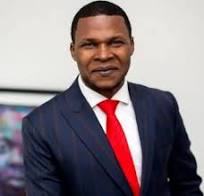
African Countries Should Reject Anti-Fossil Fuel Policies at COP 28
-
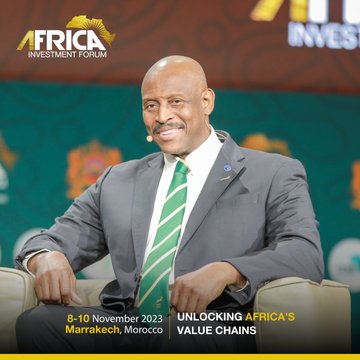
PHOTO NEWS RELEASE: Africa Investment Forum: Rugby Africa President Calls for Investment in the Excellence of Africa
MARRAKECH, Morocco, November 10, 2023/APO Group/ –Herbert Mensah, the newly elected President of Rugby Africa (www.RugbyAfrique.com), the continental governing body for rugby in Africa, participated in a one-to-one fireside chat at the 2023 Africa Investment Forum (AIF) on Thursday, November 10 in Marrakech, Morocco. Championed by the African Development Bank and seven other founding partners (Africa50, Africa Finance Corporation, Afreximbank, Development Bank of Southern Africa, European Investment Bank, Islamic Development Bank and Trade and Development Bank), the Africa Investment Forum is Africa’s investment marketplace to accelerate transactions to close Africa’s investment gaps.In the discussion, Rugby Africa President encouraged the investment of sport across Africa, emphasizing the importance of investment opportunities emerging from the continent itself.
Read the full press release: https://apo-opa.co/3FV6pXA
Read more information about the Africa Investment Forum: www.AfricaInvestmentForum.com
Distributed by APO Group on behalf of Rugby Africa.
Media contact:
Nicole Vervelde
Communications Advisor to the President of Rugby Africa
rugby@apo-opa.com -

Africa Day for Food and Nutrition Security: Zambian Vice President underscores role of grey matter infrastructure development
LUSAKA, Zambia, November 7, 2023/ — African Leaders for Nutrition (ALN), a platform for high-level political engagement to advance nutrition in Africa, has joined two crucial forums for advancing policy dialogue on agriculture and nutrition in Africa.ALN representatives attended the commemoration the 14th Africa Day for Food and Nutrition Security (ADFNS) and 19th Comprehensive Africa Agriculture Development Programme (CAADP) Partnership Platform (PP).
These platforms are crucial forums for advancing policy dialogue on agriculture and nutrition in Africa. The African Union Commission and its economic development agency AUDA-NEPAD jointly convened the 19th CAADP event to emphasize the interconnectedness of agriculture, nutrition, and trade.
Hosted by the government of Zambia from the 30th of October to the 2nd of November 2023 in Lusaka Zambia, the two events were held under the theme: “Accelerating the implementation of the African Continental Free Trade Area Agreement in the context of CAADP Commitments for Safer and Healthier Diets”. This builds on the African Union’s 2023 Year Theme – “Accelerating the implementation of the African Continental Free Trade Area (AfCFTA)”.
In her keynote remarks during the opening, Zambian Vice-President Mutale Nalumango called for urgent action to address hunger and malnutrition in Africa to help advance the continent’s socio-economic transformation.
“Human Capital investment starts with good nutrition,” Vice President Nalumango said.
The AU’s Commissioner of Agriculture, Josepha SACKO, highlighted the prevalence of hunger on the continent, saying around 280 million people, or one out of five people, face hunger on the continent.
She advocated for a non-conventional approach to address inefficiencies in the food system to provide access to nutritious and safe food for all. Noting that food businesses account for 75% of inter-Africa trade, she said adopting a single market under the African Continental Free Trade Area will boost trade, alleviate poverty, and improve nutritious food supplies.
Further reiterating the nexus between trade and nutrition, Ambassador Minata Samate Cessouma, African Union Commissioner for Health, Humanitarian Affairs and Social Development, said: “The African Continental Free Trade Area agreement is a game-changer for the continent, offering the opportunity to promote economic growth, boost intra-African trade, and improve food security and nutrition.”
Similar sentiments were shared by the African Union Special Envoy on Food Systems, Dr Ibrahim Mayaki. He advocated for farmers producing about 80% of the food in Africa to be at the centre of an ‘agriculture revolution’ to reduce the continent’s current food import bill of about 60 billion dollars annually.
He stressed: “We need to re-think our approach to long-term planning. To plan for the long-term, we need to plan in the short-term; that is why the short-term goal of regional integration is crucial – many of our long-term goals depend highly on that”.
African Leaders for Nutrition co-hosted one of the sub-themes on financing agri-food and nutrition on the 1st of November to explore the role of the private sector in financing and advancing agri-food and nutrition initiatives in Africa. This aligns with the African Development Bank’s drive to make private sector development one of its key priorities for reducing poverty and supporting sustainable growth on the continent through improved investment.
In his opening remarks at the side event, African Leaders for Nutrition Coordinator George Ouma said, “We need a paradigm shift that opens space and opportunities for actors within the food and nutrition security ecosystem. We need the private sector to drive that change through innovations, investment, and strategic partnerships.”
More than 300 participants from African Union member states, regional economic communities, continental bodies, United Nations agencies, development partners, academic and think tanks, civil society, and the private sector, attended the four-day session.
Distributed by APO Group on behalf of African Development Bank Group (AfDB).Media contact:
Natalie Nkembuh
Communication and External Relations
|media@afdb.orgSOURCE
African Development Bank Group (AfDB) -
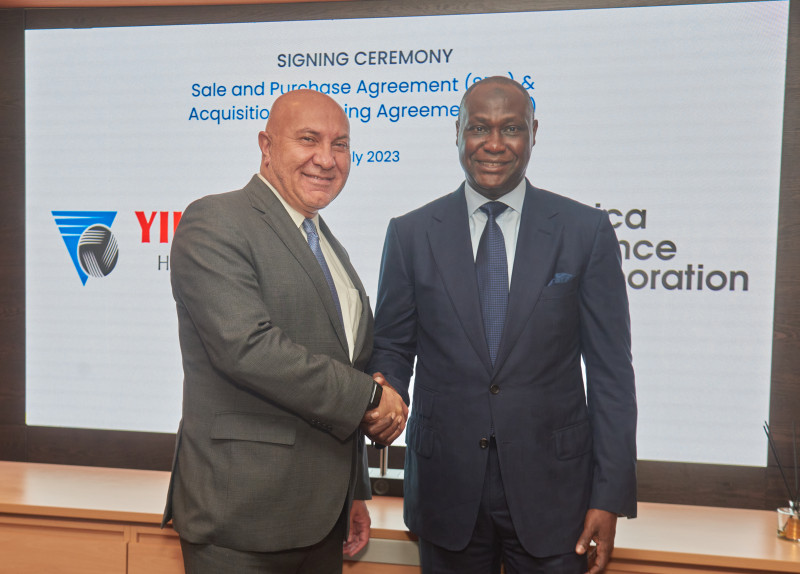
Africa Finance Corporation exits stake in Ghana’s Takoradi Port to Yilport Holding
LAGOS, Nigeria, November 2, 2023/ — Africa Finance Corporation (AFC) (www.AfricaFC.org), the continent’s leading infrastructure solutions provider, has exited its 35% equity investment in Atlantic Terminal Services Limited (ATSL), the concessionaire for the expansion of Ghana’s Takoradi Port, to the global ports and container terminals operator Yilport Holding. This is testament to the Corporation’s ability to attract international 3rd party capital and exit strategic infrastructure assets built by derisking through AFC’s unique project development and construction offering.
In 2019, AFC committed to invest up to US$138 million in equity and debt for the Takoradi Port Expansion Project. The project, which is approaching the operational phase, reduces the cost of imports and exports to and from the western and central regions of Ghana and neighbouring landlocked countries by modernising a container and multipurpose terminal under a 25-year concession for its design, engineering, financing and construction. Through this transaction, AFC exits its shareholding, while Ibistek and Ghana Ports & Harbours Authority remain as shareholders in the project. AFC will continue to be lender to the project, fully committing to ensuring its success.
A vital seaport in Ghana’s Western Region, Takoradi plays a crucial role in the nation’s economic growth and regional connectivity. It offers shorter and less-congested links to west and central Ghana, including the Takoradi region, which boasts of substantial agricultural activity including 50% of Ghana’s cocoa production, as well as manufacturing, industrial and business parks, and a growing natural resources sector. The port is also well suited to provide linkages to neighbouring landlocked countries. The project forms part of the country’s national development plan to revitalize and industrialize the western region and enhance Ghana’s overall efficiency and competitiveness by reducing the cost of imports and exports, building local capacity and generating direct employment opportunities.
Samaila Zubairu, President & CEO of Africa Finance Corporation said, “This exit marks a significant milestone for AFC’s impact on the continent and we take pride in our pivotal role in driving the implementation and de-risking of the Takoradi Port Expansion. The project is reshaping West Africa’s economic landscape and partnering with a reputable investor like Yilport Holding aligns with our mandate to catalyse the inflow of global investment into Africa to transform supply chains, create local jobs and enable resource beneficiation.”
Yilport Holding, a subsidiary of Amsterdam and Istanbul-based Yildirim Group, has been building world-class, multipurpose port facilities since 2004, with a target to become a top 10 global port operator by 2030. Investment in Takoradi represents an ideal entry point into Africa for Yilport, which plans to transform the port and its adjacent area into a logistics and trading hub, ensuring high volumes of traffic.
“The acquisition of a stake in the Atlantic Terminal Services through AFC’s valued partnership marks a momentous occasion for Yilport Holding,” said Robert Yuksel Yildirim, Chairman and CEO of Yilport Holding. “This serves as a strategic gateway for us to establish our presence in the African market, and it aligns seamlessly with our commitment to fostering world-class logistics and trading hubs on an international scale.”
AFC is focused on developing long term infrastructure solutions that improve the resilience and sustainability of cost-efficient supply chain logistics. In the past year, the Corporation has completed construction of two new ports, Terminal à Conteneurs De Nouakchott (TCN) and the San Pedro (TIPSP) Multipurpose Industrial Terminal in Côte d’Ivoire.
Distributed by APO Group on behalf of Africa Finance Corporation (AFC). -
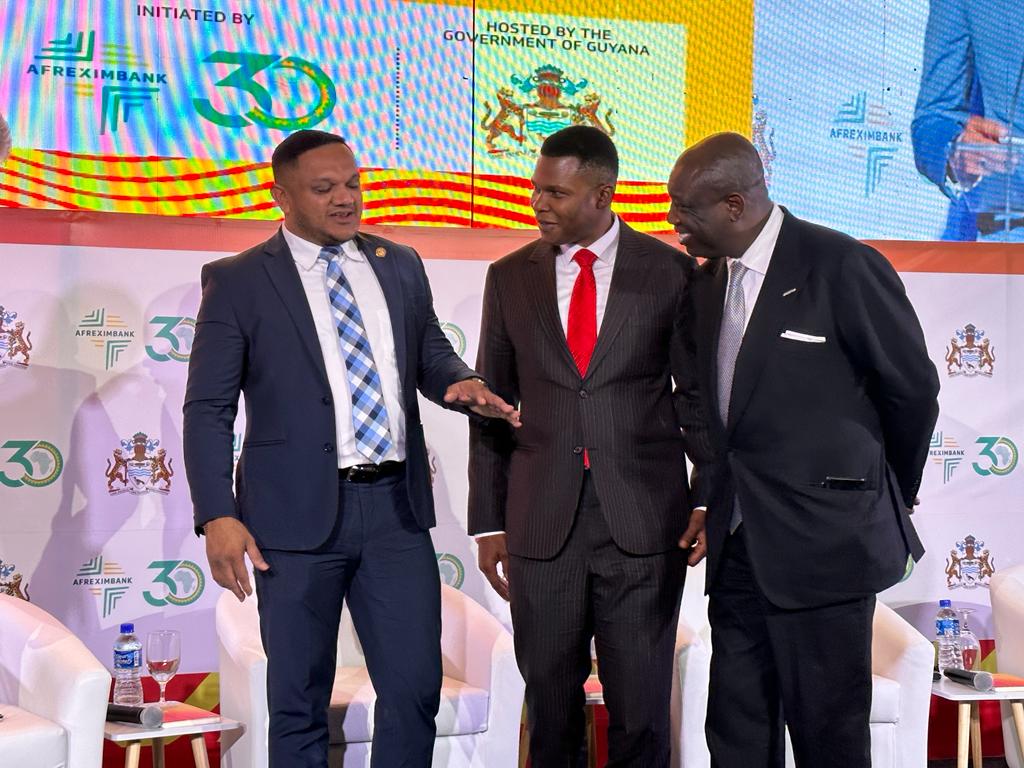
Guyana Deserves to Develop its Oil and Gas, and so does Africa
JOHANNESBURG, South Africa, November 2, 2023/ — At a time when both African and Caribbean nations are making great strides towards developing recently discovered oil and gas reserves, countries whose development was driven by hydrocarbons are accelerating efforts to transition to a renewable energy future.This transition has seen wealthy nations establish a ‘green agenda,’ one which does not take into consideration Africa’s economic needs. The African Energy Chamber (www.EnergyChamber.org), therefore, strongly calls for an end to the demonization of oil and gas, encouraging African and Caribbean nations to collaborate towards a common and fair energy agenda.Africa and Guyana are just starting to uncover the true potential of their oil and gas resources. More than 30 discoveries were made in Guyana since 2015, with one block alone – operated by ExxonMobil – expected to hold as much as 11 billion barrels of oil. The same can be said for countries in Africa such as Namibia, with five major discoveries since 2022; Mozambique, with its major gas projects; Angola, Nigeria, Equatorial Guinea and many more.
The green agenda fails to recognize the substantial potential resources such as natural gas – abundant in both Africa and the Caribbean – offer. Africa, for its part, holds over 600 trillion cubic feet (tcf) of natural gas reserves, and yet continues to be told to leave these resources in the ground.Unfortunately, climate panic and fear mongering are alive and well, and for some reason, Africa is public enemy number one. A continent that emits a negligible amount of carbon dioxide – at most, 3% of the world’s total emissions – is being disproportionately pegged as a threat to the planet by developed nations.
In particular, the West is vilifying Africa’s energy industry because it is based on fossil fuels, even though the proportion of renewables is growing. There’s no question that much of this anti-African oil and gas sentiment is based in fear of climate change, which is intertwined with the sheer terror that a fossil fuel boom in Africa, Guyana, Trinidad and Tobago, Suriname and other Caribbean nations could be devastating to the world at large.For countries such as Mozambique, with 100 tcf of proven reserves; Nigeria, with 200 tcf of proven reserves; Angola, with 10 tcf of proven, and many others, leaving gas in the ground is simply not an option. With significantly fewer emissions than resources such as coal, gas stands to play a catalyzing role in Africa.
Through gas, the continent can bring economies to life, unlocking a prosperous future in the form of job creation, business opportunities, capacity building and monetization. Despite this potential, the green agenda advocates for an immediate transition, thereby ignoring the sustainable, logical and realistic solution gas provides. In this scenario, both Africa and Guyana are proposing an alternative agenda, one in which gas is developed to meet the current needs and future demand of nations. Through gas, countries will be strategically positioned to finance the transition to renewables.“Demonizing the oil and gas industry must stop. We see it constantly, in the media, in policy and investment decisions, and in calls for Africa to leave our fossil fuels in the ground. We see it with lawsuits to stop the financing of projects such as Mozambique Liquefied Natural Gas or lawsuits to prevent Shell from even carrying out a seismic survey,” stated NJ Ayuk, Executive Chairman of the AEC. “Actions like these, even as Western leaders have pushed OPEC to produce oil and are pushing European nations to increase their own production and escalate coal use, are not fair, and they’re not helpful.”
Africa is on a mission to make energy poverty history by 2030 and this can only be achieved through oil and gas. Currently, over 600 million people are without access to electricity while over 900 million are without access to clean cooking solutions. The wealthy nations green agenda does not consider how much Africa needs natural gas to bring electricity to the growing number of Africans and Caribbeans living without it.
They do not understand that we, as Africans, are focused on growing Africa’s energy mix to include fossil fuels and renewables, instead of insisting on an all or nothing approach to our energy transition. Africa’s energy and economic future hinges on an integrated, not separated, energy mix.As such, countries are calling for a new discussion to take place at COP28 in Dubai, one in which both Africa and the Caribbeans voices are not only heard but a part of. During the African Energy Week 2023 conference this October, African leaders emphasized the critical need to adopt an Africa-centric and just energy transition, one that heavily incorporates oil and gas. Global leaders, financial institutions and project developers should comply with this agenda, putting a continent’s needs before the world’s problems.
“I also would respectfully ask financial institutions to resume financing for African oil and gas projects and stop attempting to block projects like the East African Crude Oil Pipeline or Mozambique’s LNG projects,” Ayuk concluded.
Distributed by APO Group on behalf of African Energy Chamber.SOURCE
African Energy Chamber -
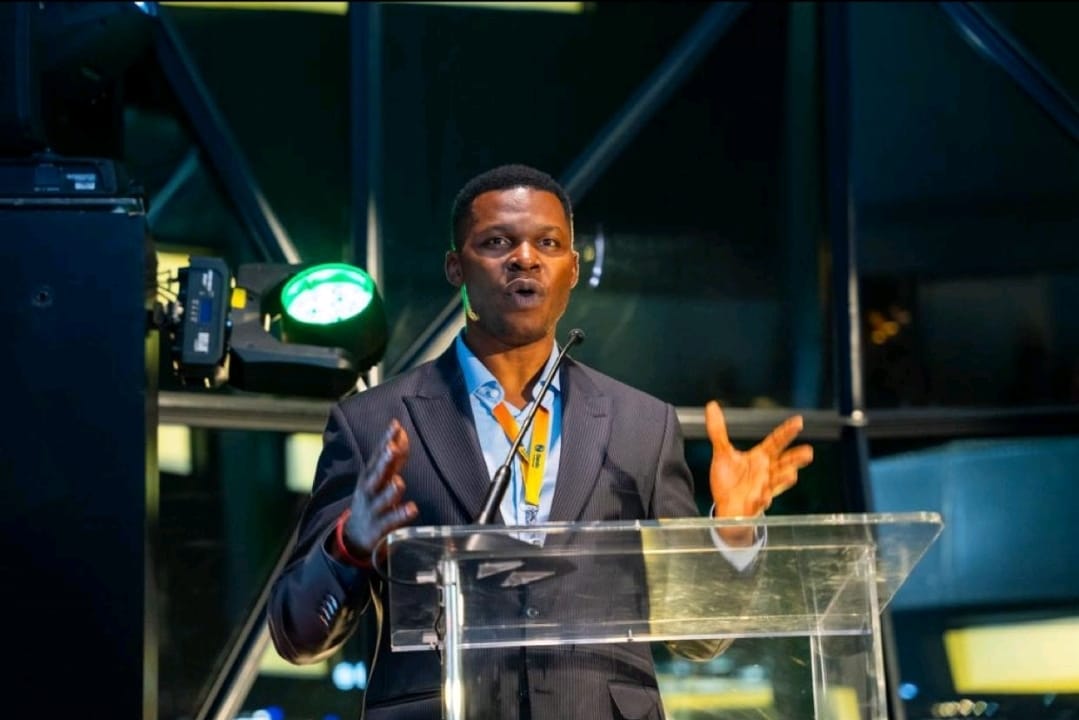
African Energy Chamber (AEC) Advocates for Fast-Tracked Approach to Oil Development and Deals at AfriCaribbean Trade and Investment Forum (ACTF) 2023 in Guyana
JOHANNESBURG, South Africa, October 31, 2023/ — The African Energy Chamber (AEC) (https://EnergyChamber.org) strongly supports the development of oil and gas in Africa and remains committed to facilitating deals between African and global players. Under efforts to strengthen multilateral partnerships and bolster oil and gas deals, the AEC’s Executive Chairman NJ Ayuk is currently conducting a working visit to Guyana, participating in the AfriCaribbean Trade and Investment Forum 2023. Ayuk is speaking on a panel titled, ‘Opportunities in the Oil and Gas Sector.’Burgeoning African oil producers stand to learn a great deal from Guyana, a country which prioritized a fast-tracked approach to developing recent oil and gas discoveries. Since 2015, more than 30 offshore oil discoveries were made in Guyana, with over 11 billion barrels of recoverable reserves identified.
In five short years since the company’s discovery, project developer ExxonMobil started producing oil from the Stabroek Block, discovered in 2015. A strong pipeline of other projects came online shortly afterwards, with support from the Government of Guyana serving as a catalyst for development.This fast-tracked approach to not only discovering but developing oil is both commendable and replicable. By streamlining regulatory processes, introducing attractive fiscal terms and engaging with private players to develop projects quickly, the Government of Guyana has prioritized economic growth and progress.
For countries in Africa making their own offshore finds, this approach is highly strategic. Namibia, for example, which made five major discoveries in less than two years, serves to learn a great deal from its Caribbean neighbor.The country is situated in southern Africa, a region with an energy crisis that has long-impacted economic development. With billions of barrels worth of oil likely to be contained in the country’s offshore basins, a fast-tracked approach to development is critical, not only for the country but the region at large.The same can be said for Namibia’s neighbor South Africa. Faced with environmental opposition across the upstream oil and gas industry, major finds made such as Luiperd and Brulpadda are yet to be developed. Regulatory delays and lack of investment further restrict progress. Unless the country adopts an aggressive approach to developing offshore resources, critical energy will remain undeveloped.
However, Africa’s offshore development is not only a picture of potential. Countries such as Senegal and Mauritania have seen substantial success in recent years, with the removal of red tape, streamlining of regulatory processes and aggressive approach to signing deals driving a number of impactful projects.
Senegal’s 100,000 barrel per day Sangomar oilfield development is set to come online in 2024 alongside the Greater Tortue Ahmeyim project. Exploration has accelerated regionally but deals are still awaiting signatures.During Ayuk’s visit to Guyana, this very topic is a central point of discussion. Ayuk’s call for a ‘sign baby sign’ mindset in Africa’s oil and gas sector serves as a rallying cry for expediting critical energy projects.
This mindset emphasizes the importance of swift decision-making and the elimination of bureaucratic hurdles that often hinder progress. By streamlining processes and expediting approvals, Ayuk advocates for a more agile and responsive industry, poised to capitalize on opportunities and navigate challenges with efficiency.One of the AEC’s key messages is the imperative need to cut through bureaucratic red tape. Cumbersome regulatory processes and administrative delays can stifle investment and impede the timely execution of critical projects. By streamlining regulations and ensuring transparency, the AEC envisions a more investor-friendly environment that not only attracts capital but also accelerates project implementation.
Across Africa, Governments are urged to shed their hesitancy and embrace a forward-looking approach to energy development. By adopting policies that promote investment, leaning on partnerships with counterparts such as Guyana and signing deals quickly, African countries can unlock their full energy potential and, in turn, drive economic prosperity.
Distributed by APO Group on behalf of African Energy Chamber.SOURCE
African Energy Chamber -

Responsible Resourcing Awards: Acknowledging Junior Miners’ Sustainable Initiatives
CAPE TOWN, South Africa, October 31, 2023/ — Mining Indaba understands how important ESG is to the mining industry, two years ago we introduced the Junior ESG Awards to recognise and honour junior mining companies that are striving to achieve positive impacts related to their companies’ sustainable development. This initiative provides a platform for juniors to share their initiatives in order to be recognised for their excellent achievements while inspiring peers to do the same. Rebranded the Responsible Resourcing Awards, Mining Indaba will continue to honour junior mining companies for their sustainable development initiatives. These awards promote a more ethical and sustainable future in and for the industry and the greater economies they have a presence in. Previous recipients have been recognised for initiatives including reducing carbon emissions, improving access to clean water, and promoting sustainable economic development in their regions. Their innovation and dedication contribute to a more sustainable future.
Junior miners are transforming responsible mining by preserving the environment, supporting local communities, and promoting sustainable, ethical practices in the industry through their innovative approach.
The Responsible Resourcing Awards cover a variety of aspects of sustainable mining including:
- Climate
For its innovative and revolutionary climate-change initiatives, such as green power solutions, nature-based solutions, and re-designing mining infrastructure to address environmental, social, and economic issues.
- Water
A company is recognised for improving clean water access, introducing innovative solutions for pollution prevention, and responsibly managing water usage in projects and asset operations.
- Economy
A company promoting sustainable economic development in local communities, focusing on vulnerable groups, reducing dependency on mining, and promoting the green economy.
- Circularity
A company is recognised for integrating circular processes into its operations, at any stage of the mining life cycle, and/or into the local economy.
- Transparency
A company is recognised for its exceptional transparency practices and efforts to enhance accountability mechanisms, thereby promoting business integrity and good governance.
- Nature
A company is focusing on innovative strategies to protect, preserve, and restore ecosystems and species, with a particular interest in collaborative and landscape-level projects.
- Community Engagement
A company is enhancing local institutions and empowering people to assert their human rights through innovative initiatives and community engagement in decision-making processes.
- Labour
A company that excels in employment practices, including labour rights respect, equal opportunities, fair treatment, professional development, health and safety culture, and worker voice recognition.
- Diversity, equality, and inclusion
A company is recognised for successfully implementing a diversity, equality, and inclusion strategy, demonstrating improved representation against bias and discrimination, and overcoming discrimination at all organisational levels.
The judging process for the Responsible Resourcing Awards involves a carefully selected expert panel of ESG advisors, managers, and analysts. The criteria will include factors such as the level of commitment to sustainability, innovative approaches to environmental responsibility, social impact, and ethical practices. The judges will prioritise entries that demonstrate tangible and measurable results, as well as a clear vision, robust execution, and a lasting commitment to building a more sustainable and responsible future.
The deadline for submissions is January 2024.
Submit your entry here: https://apo-opa.info/
477kQDw Distributed by APO Group on behalf of Investing in African Mining Indaba.For media queries:
R&A Strategic Communications
Katherine Bester
katherineb@rasc.co.za
indaba@rasc.co.zaSibongile Mtafu
sibongile@rasc.co.z -
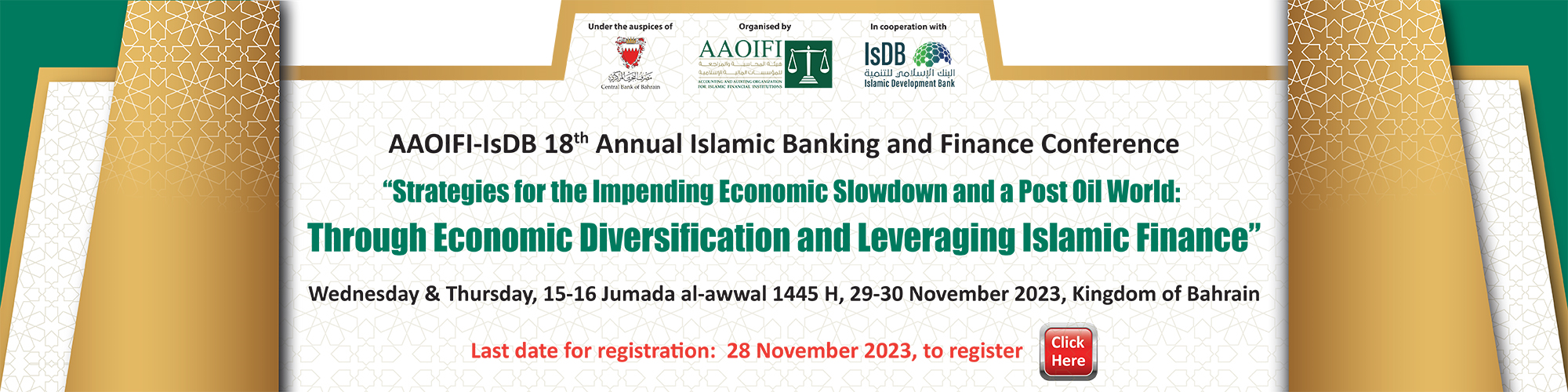
Leveraging Islamic Finance to address Impending Economic Slowndown
The Accounting and Auditing Organization for Islamic Financial Institutions (AAOIFI) together with the Islamic Development Bank Group (IsDB), represented by IsDB Institute (IsDBI), is set to host the 18th edition of its annual Islamic banking and finance conference under the auspices of the Central Bank of Bahrain.
The two-day conference will be held physically at the Crowne Plaza, in Kingdom of Bahrain, on 29-30 November 2023, with the theme “Strategies for the Impending Economic Slowdown and a Post Oil World: Through Economic Diversification and Leveraging Islamic Finance”.
The two-day conference will feature keynote addresses from dignitaries and policymakers, as well as, seven panel discussion sessions. The panel discussions will examine the role of Islamic finance and Islamic fintech in diversifying economic activity in the Muslim countries, challenges and opportunities resulting from Inflation and high benchmark rates, and the use of Islamic finance in the development of infrastructure for climate change mitigation.
In addition, the challenges of Sukuk Shari’ah compliance and governance and Islamic finance accounting for hyperinflation will be discussed.
AAOIFI is also organising the first-ever ‘Capacity Building Week’, which will begin on 28 November 2023 and run through 04 December 2023, after conference on 29-30 November 2023. The five-day celebration of human capital development in Islamic finance is expected to attract more than 200 trainees from at least 30 countries to participate in 17 concurrent workshops led by around 25 master trainers.
-

Green Hydrogen: Shaping Africa’s Sustainable Energy Future in Partnership with Europe
CAPE TOWN, South Africa, October 17, 2023/ — As Africa and Europe jointly spearhead the global green hydrogen economy, energy dynamics are undergoing a significant transformation. The abundant renewable energy potential in Africa, coupled with Europe’s ambitious production and import goals, is forging new energy pathways and redefining existing standards.In line with this, African Energy Week 2023, the African Energy Chamber’s (AEC) premier energy event, featured a dedicated Hydrogen Summit under the theme ‘Powering the Future: Africa and Europe Unleashing the Green Hydrogen Revolution.’ The session, which was moderated by Ashutosh Singh, Director, Financial Services, S&P Global Commodity Insights, explored the far-reaching implications of this transformative shift.
The discussion opened with a keynote by Kgosientsho Ramakgopa, Minister in the Presidency responsible for Electricity, South Africa, underscoring the importance of green hydrogen in South Africa’s energy strategy.
“By 2040, Africa could produce 50 times more energy from renewables than the world’s estimated demand,” he said.
Speaking on South Africa’s ambitions, he added, “We are looking at $1 per kg by 2050, equivalent to indigenous low-cost energy, making South Africa one of the competitive industrial economies.”
The government has recognized green hydrogen as a key aspect of its just energy transition. It has implemented regulatory changes and introduced the Hydrogen Society Roadmap, serving as the industry’s comprehensive framework to facilitate large-scale investments.
“The intention of this kind of strategy is to ensure that we are able to develop the kind of standard required for green hydrogen in the future,” said Ramakgopa.
Meanwhile, in West Africa, Mauritania is spearheading large-scale projects, including the massive Aman project, the Nour Electrolyzer project and the Masdar-Infinity-Conjuncta green hydrogen project.
“We have big potential in renewable energy and green hydrogen is available,” explained Nani Chrougha, Minister of Petroleum, Mines, and Energy, Mauritania.
“We are working on the legal framework, which will help to see investments into these resources. We want to put the investors in a position that makes them comfortable investing,” he continued.
With green hydrogen in demand, Africa can benefit from cutting-edge research and technological advancements in hydrogen production, allowing the continent to harness green hydrogen’s potential more effectively and contribute to its energy transition and economic growth.
While there is a need for Africa to adopt technologies for green hydrogen and learn from the necessary experiences from European nations, Minister Ramakgopa stated, “We are not the recipients of technologies; we also have the capacity to develop it.”
The panel discussed the need for infrastructure required to support the green hydrogen supply chain in Africa, highlighting some challenges and opportunities in its development.
Minster Chrougha said, “We need to access financing to access our important resources, and this will be investment in infrastructure and in the mining sector, and we need to develop capacity in the mining sector, and these are two challenges.”
Developing a skilled workforce is essential for advancing the production and utilization of green hydrogen. “For African countries, it is very vital to build local capacity. This is a technology that we have not been working on in a long time, so it is extremely important that governments and institutions start to work on building capacity across the entire value chain,” said, Solomon Nwabueze Agbo, Scientist and Project Coordinator at Forschungszentrum Jülich GmbH.
Finally, to drive investment in green hydrogen, Africa can draw inspiration from Europe’s success stories. By implementing supportive policies and fostering international collaboration, the continent can attract the investments necessary for a thriving green hydrogen industry.
“For us to get to the point of $2 per kilo, we need to get everyone around the table, including off-takers and financiers,” stated Chinnan Maclean Dikwal, Vice Chair, Board of Directors, African Energy Council.
He added that for nations that haven’t had the resources for green hydrogen development, it necessitates strategic collaborations. Partnerships are likely to play a significant role.
#AEW2023 takes place this week in Cape Town under a mandate to make energy poverty history by 2030. Keep following www.aecweek.com for more exciting information and updates about Africa’s premier energy event.
Distributed by APO Group on behalf of African Energy Chamber.SOURCE
African Energy Chamber -

African Medical Centre of Excellence Holds Inaugural Board Meeting
CAIRO, Egypt, October 16, 2023/ — African Medical Centre of Excellence (AMCE Abuja) established by Afreximbank (https://www.Afreximbank.com/)
, has held its inaugural board meeting in Cairo, Egypt on October 6, 2023. AMCE Abuja, a landmark and visionary initiative by African Export-Import Bank (Afreximbank), entails the implementation and operationalization of a 500-bed quaternary level medical facility that will offer a wide range of services and specializations including oncology, cardiology, hematology, and general care capabilities.
The AMCE Abuja will also provide a full range of medical services, including diagnostics, treatment, nuclear medicine, surgery and post-surgical care. It will operate in collaboration with the Kings College Hospital, London (KCH) (https://www.KCH.nhs.uk/
), leveraging KCH’s diagnostic, clinical and capacity building expertise to become a world class healthcare institution. At the inaugural board meeting of the AMCE Abuja, the Board endorsed the appointment of Professor Benedict Oramah, President and Chairman of the Board of Directors of Afreximbank as its Chairman and appointed Mr. Amr Kamel as his alternate. The appointment of Professor Benedict Oramah reflects his significant contributions to and vision for the project, as well as his exemplary leadership qualities, which have led Afreximbank to remarkable growth. It is expected that under his leadership, the AMCE will successfully accomplish its mission of providing world class medical care, conducting innovative and groundbreaking research, facilitating development initiatives, and offering educational programs in collaboration with esteemed international organizations. Through establishing both international and Pan-African partnerships, AMCE Abuja will ultimately become a prominent global reference and a leading destination for medical tourism in the region.
Other members of the AMCE Abuja Board, include Prof. Ghulam Mufti, Prof Adedayo Onitilo, Dr. Anwar Alhaq, Mr. Emmanuel Assiak, Mr. Brain Deaver, Dr. Zahoor Khan, Dr. Aisha Umar, His Excellency, Arc. Namadi Sambo, Mr. Amr Kamel, Ms. Oluranti Doherty, Mr. Olusola Babalola, and Dr. Gloria Rowland.
Speaking after his appointment as Chairman of the AMCE Board, Prof Benedict Oramah, commented:
“I am delighted to chair this first meeting of the AMCE Board. This project is of great significance to our continent, with Africans being among the largest importers of medical services globally due to a lack of modern, affordable, and well-equipped medical facilities, technologies and personnel on the continent who especially deal with lifestyle diseases. This facility, with an initial capital investment of nearly USD 300 million, is by far, the single largest private healthcare investment both in Nigeria and on the continent. It will be the first of many facilities being considered across Africa and will serve as the headquarters for AMCE on the continent.”
In addition, the board has approved the proposal of the AMCE executives to organize a medical conference in the first quarter of 2024 in Abuja, Nigeria. This conference will serve as a unique platform for African leaders, researchers, policymakers, and stakeholders to exchange insights, discuss challenges, and explore opportunities in the realms of medical and scientific fields with the goal of increasing awareness and collaboration in the areas of research, innovation, and public health throughout the continent. The conference will align discussions and outcomes with the objectives of the African Union and the Africa Centre for Disease Control and Prevention (Africa CDC), by supporting the healthcare goals outlined in “Agenda 2063: The Africa We Want.”
Brian Deaver, CEO of AMCE Abuja commented that “The AMCE initiative is a great step forward in addressing the continent’s healthcare needs. Its success will require strong leadership, commitment, and collaboration. The decisions taken at this first board meeting represent an integral step in ensuring that beyond these broad objectives, the AMCE can fulfil its mandate of delivering quality healthcare across Africa, and we are honored to have Professor Oramah as Chairman of the Board.”
A significant focus of the AMCE Abuja is to perform innovative and ground-breaking research, development and educational programs in partnership with leading global institutions such as the KCH, the Christies Manchester and University of Wisconsin, USA, in order to develop additional insights into diseases and treatment trends to improve the quality of care available in Nigeria and the West African region.
The facility will also provide first-class medical equipment and infrastructure that include PET CT scans, Cyclotrons that will produce nuclear isotopes, Linear Accelerators for radiotherapy, chemotherapy suites, fully equipped modular theatres, HTR/ HDR machines, among many others which are currently not available in sub-Saharan Africa in order to deliver superior quality of diagnostic and specialty services.
With the initial capital outlay for the first phase of the AMCE Abuja at nearly 300 million US dollars, the facility is by far, the single largest private healthcare investment in Nigeria. This investment is set to rise to 700 million US dollars upon completion of the second phase of the project. The construction of AMCE Abuja commenced in 2022, and it is projected to be completed and commissioned in 2025.
Distributed by APO Group on behalf of Afreximbank.