Category: Mining/Oil & Gas

  • West Africa Set for Downstream Boost with African Refiners and Distributors Association (ARDA) Participation at MSGBC 2024

    West Africa Set for Downstream Boost with African Refiners and Distributors Association (ARDA) Participation at MSGBC 2024

    DAKAR, Senegal, July 10, 2024/ — In support of the development and deployment of liquefied petroleum gas (LPG) solutions throughout the continent, pan-African downstream organization the African Refiners and Distributors Association the UN-backed Global LPG Partnership have mobilized $1 billion in financing for clean cooking solutions in Africa.
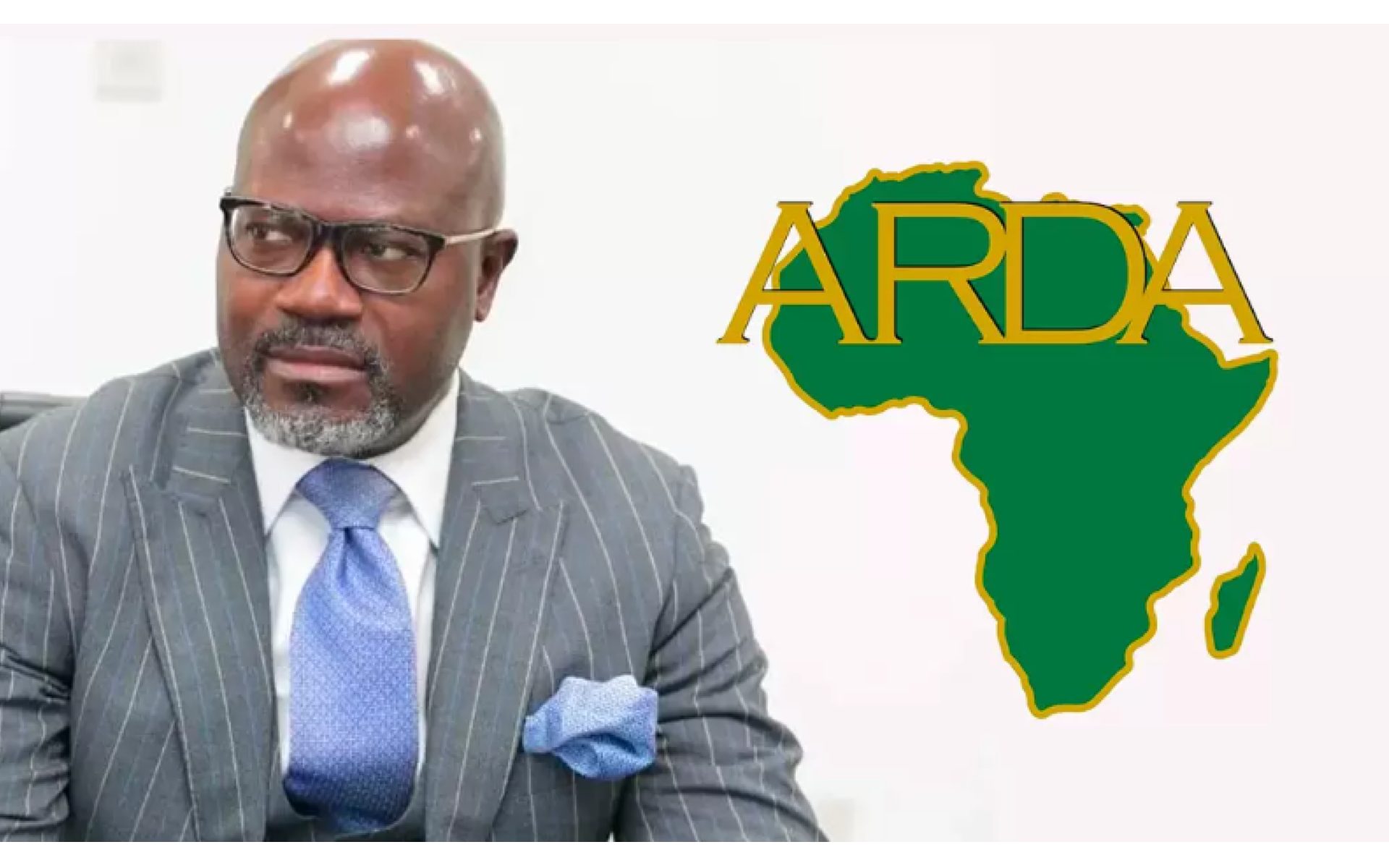
    As such, the participation of ARDA Executive Secretary Anibor Kraghan as a speaker at this year’s MSGBC Oil, Gas & Power 2024 conference – taking place in Dakar from December 3-4 – will showcase the role downstream expansion has in delivering an inclusive energy future in Africa.

    Representing the only pan-African organization for the continent’s downstream sector, ARDA’s mandate to become a voice for all African downstream stakeholders is becoming more effective. At a time when disruptions in global supply chains continue to cause price shocks and instability worldwide, many African countries continue to rely heavily on refined product imports.

    In this context, ARDA advocates the need to improve investment across the downstream sector so that Africa can improve energy security and self-reliance with upgrades to existing refineries, the construction of new facilities and the establishment of regional distribution networks.

    Explore opportunities, foster partnerships and stay at the forefront of the MSGBC region’s oil, gas and power sector. Visit www.MSGBCOilgGsandPower.com to secure your participation at the MSGBC Oil, Gas & Power 2024 conference. To sponsor or participate as a delegate, please contact sales@energycapitalpower.com.

    Having recently joined the ranks of oil-producing nations from its first shipment of crude oil from the Sangomar field development this month, Meanwhile, in May 2024, Senegal’s Saint-Louis Region Governor Alioune Badara Sambe announced that the country will build a new 250 MW gas-to-power plant near Saint-Louis, which will leverage gas from the country’s flagship Greater Tortue Ahmeyim (GTA) field – due to start production by the end of this year.

    Senegalese energy company West Africa Energy plans to open the country’s first and largest combined cycle gas power station in December 2024. The Cap des Biches plant will have an initial estimated capacity of 160 MW and leverage sizeable gas reserves to be brought online by large-scale projects underway in the region.

    Currently in its construction phase, the project is expected to enter generate 2,390 GWh of electricity for consumers. Meanwhile, with a capacity of 360 MW, the Sandiara gas-to-power plant is slated to start construction this year in Senegal’s Special Economic Zone and will feature an annual production capacity of 2,900 GWh.

    West Africa’s oldest refinery, the Société Africaine de Raffinage refinery in Senegal is currently undergoing major upgrades. The country’s government is currently in discussion with financial institution the African Export-Import Bank to support $500 million in syndicated finance to increase annual production from 1.5 million to 3.5 million tons of refined petroleum products.

    With sizeable offshore oil and gas reserves, the MSGBC region’s abundance of natural resources is set to drive downstream investment while providing much-needed energy development to the West African region.

    In addition to the Sangomar and GTA developments, the MSGBC region is home to the Yakaar-Teranga field, offshore Senegal, which holds confirmed reserves of 25 trillion cubic feet (tcf) of natural gas. meanwhile, the BirAllah gas field offshore Mauritania is estimated to contain nearly 60 tcf of gas and is poised to commence production in the third or fourth quarter of 2024.

    In light of these developments, the MSGBC region’s downstream industry represents a highly attractive investment opportunity owing to rising regional demand, industry-focused policies and the introduction of local oil and gas to the market in 2024. As such, Kragha’s participation at MSGBC 2024 is set to examine developments across the regional downstream industry, challenges faced and strategies for expanding infrastructure.

    Distributed by APO Group on behalf of Energy Capital & Power.

    SOURCE
    Energy Capital & Power
  • Angola Environmental Services Joins Angola Oil & Gas (AOG) 2024 as Silver Sponsor

    Angola Environmental Services Joins Angola Oil & Gas (AOG) 2024 as Silver Sponsor

    LUANDA, Angola, July 8, 2024/ — Angola plans to increase oil production to 1.1 million barrels per day (bpd) until 2027, thereafter maintaining output at this level. To support production growth, the country is promoting investment in exploration, with several drilling campaigns planned across both on- and offshore acreage.

    As upstream drilling progresses in Angola, waste management company Angola Environmental Servicos (AES) joins the Angola Oil & Gas (AOG) conference (http://apo-opa.co/4cRIMO5) – scheduled for October 2-3 in Luanda – as a Silver Sponsor.

    During the event, AES is expected to share insight into emerging technologies regarding environmental and waste management while promoting solutions for improving sustainability across oil and gas operations.

    AOG is the largest oil and gas event in Angola. Taking place with the full support of the Ministry of Mineral Resources, Oil and Gas; national oil company Sonangol; the National Oil, Gas and Biofuels Agency; the African Energy Chamber; and the Petroleum Derivatives Regulatory Institute, the event is a platform to sign deals and advance Angola’s oil and gas industry. To sponsor or participate as a delegate, please contact sales@energycapitalpower.com.

    Under efforts to incentivize investment in exploration, Angola is preparing to launch its next oil tender in Q1, 2025, offering up to 10 blocks across the Kwanza and Benguela basins.

    At present, the National Oil, Gas & Biofuels Agency – Angola’s national concessionaire – is negotiating terms for a 12-block tender concluded in January 2024. With the round – as well as incremental production drilling (http://apo-opa.co/4eVWbq6) 1 at already-producing assets – Angola anticipates 43 wells to be spud throughout 2024.

    Stepping into this picture, AES is strategically positioned to support upcoming concessions, with facilities at the Sonils Logistics Base in Luanda and the Kwanda Base in Soyo offering waste management services and solutions.

    The company’s integrated offerings include thermal desorption, incineration, landfill services, tank cleaning services, cargo transport units, recycling and more, all of which are integral for oil and gas operations.

    Meanwhile, to respond to the growing needs of the Angolan oil and gas industry, AES (http://apo-opa.co/3XSwZLa) acquired new equipment in 2022 while implementing automation across its operations to reduce human interaction and improve safety. The company aims to drive sustainability across the oil and gas industry (http://apo-opa.co/3XVObja).

    This is being achieved through research and development, the introduction of new processing activities for Naturally Occurring Radioactive Materials and other operational technologies.

    Uniting upstream operators, Angolan regulators and service and technology providers, the AOG 2024 conference offers a platform for heightened engagement between industry stakeholders.

    AES’s participation in the event reflects their commitment to supporting sustainable oil and gas operations in Angola.

    Distributed by APO Group on behalf of African Energy Chamber.

    SOURCE
    African Energy Chamber

  • Africa Energy Expo 2024’s Dynamic Agenda Attracts High-Profile Speakers and Key Stakeholders Shaping the Continent’s Energy Landscape

    Africa Energy Expo 2024’s Dynamic Agenda Attracts High-Profile Speakers and Key Stakeholders Shaping the Continent’s Energy Landscape

    KIGALI, Rwanda, July 8, 2024/ — Informa Markets (www.InformaMarkets.com), organisers of the first edition of the Africa Energy Expo (AEE), have confirmed that government Ministers from three African countries will join the line-up of speakers at the landmark energy event, taking place from 4 to 6 November 2024 at the Kigali Convention Centre, Rwanda.

    Delegates can look forward to hearing from Rwandan Minister of Infrastructure, H.E. Hon. Dr. Jimmy Gasore; Malawian Minister of Energy, H.E. Hon. Ibrahim Matola; and Namibian Minister of Energy and Mines, H.E. Hon. Tom Alweendo. They join a stellar group of experts from across the continent for what promises to be three days of thought-provoking discussions and valuable insights aimed at reshaping how role-players navigate Africa’s evolving energy landscape.

    With two conference tracks (the Technical Seminar and the paid-for Leadership Summit) comprising over 40 sessions, delegates will have access to industry leaders’ unique perspectives on critical issues in the energy sector, as well as the opportunity to engage in by-invitation investment and hosted buyer programmes.

    “AEE 2024 is the ideal platform for engaging with energy sector stakeholders, emphasising youth involvement in the energy transition, and building lasting partnerships to promote sustainable energy in Africa. It will play a key role in accelerating Africa’s energy transition by facilitating dialogue, networking, and collaboration between governments and the private sector.

    We look forward to connecting with industry leaders, investors, and policymakers dedicated to advancing clean energy in Africa,” said Mohamed Alhaj, Founder and Managing Director, Terra Energy.

    The exclusive Africa Energy Leadership Summit aims to create partnerships and opportunities that will accelerate targeted interventions and achieve the objectives and pillars outlined in the Africa Power Vision to Action initiative (https://apo-opa.co/3XZVhTP), and by extension the Program for Infrastructure Development in Africa (PIDA) (https://apo-opa.co/4da8mhJ) for a just, fair, and equitable energy transition.

    Topics under discussion include universal electrification and a policy framework to leverage the African single electricity markets; financing energy access in Africa and mitigating the risks associated with energy infrastructure projects; the role of innovation in driving last-mile rural electrification with decentralised renewable energy; carbon market mechanisms to drive investment; green hydrogen; and gas-to-power infrastructure, amongst others.

    “AEE 2024 covers key touchpoints in Africa’s energy transition journey, bringing together stakeholders in the continent’s energy sector to share insights and experience, build and foster relationships, and lay the groundwork for much needed partnerships and investment,” said Ade Yesufu, Exhibition Director – Energy, Informa Markets.

    The Africa Energy Leadership Summit, a paid-only conference themed ‘Investments, integration, infrastructure, and governance to fuel the energy transition,’ brings together over 70 speakers and senior decision-makers engaged in closing the continent’s energy and power infrastructure gap, fostering partnerships and opportunities to accelerate targeted energy and power initiatives.

    The following speakers have also confirmed their attendance at AEE 2024:

    • Abdellatif Bardach, President, National Electricity Regulatory Authority (ANRE), Morocco
    • Armand M. Zingiro, CEO, Rwanda Energy Group
    • Audrey Joe-Ezigbo, Co-Founder and Deputy Managing Director, Falcon Corporation Limited
    • Ernest Sipho Mkhonta, Managing Director, Eswatini Electricity Company, Kingdom of Eswatini
    • Dr. Geoffrey Aori Mabea, Executive Secretary, Energy Regulators Association of East Africa
    • Eng. Gissima Nyamo-Hanga, Managing Director, Tanzania Electric Supply Company (Tanesco)
    • Kweku Awotwi, Chairman, United Bank for Africa (Ghana) Ltd.
    • Marlene Ngoyi, CEO, Fund for Export Development in Africa (FEDA)
    • Muyangwa Muyangwa, Director General, National Pension Scheme Authority (NAPSA), Zambia
    • Ing. Oscar Amonoo-Neizer, Executive Secretary, Energy Commission, Ghana
    • Pat Thaker, Editorial and Regional Director, MEA, The Economist Intelligence Unit
    • Eng. Stephen Dihwa, Executive Director, SAPP (Southern African Power Pool Coordination Centre)
    • Dr. Sydney Gata, Executive Chairman, ZESA Holdings
    • Eng. Victor Mapani, Managing Director, ZESCO – Zambia

    Other key features of AEE 2024 include:

    • over 150 exhibitors from five product sectors: renewable and clean energy, transmission and distribution, energy consumption and management, back-up generators and critical power, and smart solutions;
    • a Technical Seminar aimed at sharing cutting-edge innovations and technologies, and serving as a knowledge hub where delegates have the opportunity to learn and share industry best practices and scientific developments;
    • an Entrepreneurs Bootcamp that is open to entrepreneurs and youth, to develop essential business skills and knowledge, and build a network in the utilities sector; and
    • investor matchmaking, which is a meeting facilitation service supporting Africa’s PPP development, connecting equity investors with energy project companies in person at AEE 2024.

    Join more than 5,000 stakeholders, industry experts, and enthusiasts for the inaugural Africa Energy Expo 2024 and play a role in shaping the future of energy in Africa.

    Register for free as a visitor: https://apo-opa.co/4cy2wGN

    Book your delegate pass: https://apo-opa.co/4cy2wGN

    Visit the event website: www.Africa-EnergyExpo.com/

    Distributed by APO Group on behalf of Informa Markets: Energy.

    SOURCE
    Informa Markets: Energy

  • Gazprom Joins African Energy Week (AEW) 2024 as Silver Sponsor, Driving Africa’s Gas Momentum

    Gazprom Joins African Energy Week (AEW) 2024 as Silver Sponsor, Driving Africa’s Gas Momentum

    CAPE TOWN, South Africa, July 4, 2024/ — Russian multinational energy corporation Gazprom is spearheading a crucial refinery upgrade project at the Mossel Bay gas-to-fuel facility in South Africa – which advanced to feasibility stage last month – as part of efforts to support Africa’s gas monetization agenda and secure a reliable supply of refined petroleum products.

    As the world’s largest producer of natural gas, Gazprom will join African Energy Week (AEW): Invest in African Energy – taking place in Cape Town on November 4-8 – as a Silver Sponsor, bringing valuable insights and perspectives on harnessing Africa’s substantial gas resources.

    For Africa, natural gas represents the key to achieving broad energy security and diversified economic growth. With over 620 trillion cubic feet (tcf) of proven gas reserves, the continent is seeking to ramp up gas exploration efforts, while establishing integrated, gas-based networks and downstream industries.

    Through new exploration campaigns, Nigeria is aiming to expand its gas reserves from 200 tcf to 600 tcf; Mozambique is spearheading development of the 18-million-ton-per-year (mtpa) Rovuma LNG and 13-mtpa Mozambique LNG facilities; and Algeria is driving production through a gas-boosting project at the Hassi R’Mel gas field.

    The 2.3-mtpa Greater Tortue Ahmeyim LNG project in Senegal and Mauritania anticipates first production later this year, while the Tanzania LNG project is set to produce 10 million mtpa once approval by the government is secured.

    AEW: Invest in African Energy stands as the premier platform for project operators, financiers, technology providers, and governments, recognized as the definitive venue for sealing deals in African energy. For more information about this pivotal event, visit www.AECWeek.com.

    Gazprom’s expertise in gas exploration, production, processing and export positions it as a viable partner to Africa’s natural gas agenda. Last year, the company partnered with the African Energy Chamber (AEC) to host the International Gas Roundtable, an exclusive event highlighting the pivotal role of gas in stimulating economic development across the continent.

    The roundtable served as a unique platform to explore innovative strategies, exchange best practices and shape the future of gas development, providing valuable insights for both mature and emerging African gas producers.

    “Gazprom is consistently expanding its dialogue with African countries and stands ready to share its unique know-how and best practices in realizing mutually profitable energy industry projects with potential partners from Africa.

    Gazprom possesses all the necessary technologies and innovations capable to assist African countries in securing energy industry development based on the existing natural gas reserves, in decreasing the level of ‘energy poverty,’ and in improving the quality of life of the populations of African countries, as well as in resolving environmental problems,” states Dmitry Khandoga, Head of International Business at Gazprom.

    Gazprom’s technical expertise in the gas sector demonstrates the potential for Africa to increase production and unlock new export markets. With projects like the Nigeria-Morocco Gas Pipeline and Trans-Saharan Gas Pipeline set to supply African gas to regional and European markets, Gazprom’s expertise is particularly crucial, as it operates a number of pipelines that deliver gas across the country and transnationally.

    The company deploys cutting-edge technologies in the design and maintenance of pipelines, such as the application of corrosion-resistant materials and automated monitoring systems, which increase the reliability and durability of gas infrastructure. At AEW: Invest in African Energy, Gazprom will share its expertise to foster collaboration with industry leaders, advocate for sustainable energy practices and forge partnerships that work towards Africa’s energy security and growth.

    “Natural gas is a strategic tool in the fight against energy poverty in Africa. It represents a reliable, scalable and cost-effective solution for power generation and industrial growth. Gazprom’s technical expertise across the entire gas value chain – which makes it the world’s largest gas producer – provides a valuable blueprint for African nations looking to harness gas for domestic use and export,” states NJ Ayuk, Executive Chairman of the AEC.

    Returning to this year’s edition of AEW: Invest in African Energy, Gazprom will bring a wealth of expertise in the exploration, production, transportation, storage, processing, and sales of gas, gas condensate and oil. By collaborating with industry leaders and African stakeholders, Gazprom aims to support the continent’s journey towards energy independence and sustainable development.

    Distributed by APO Group on behalf of African Energy Chamber.

    SOURCE
    African Energy Chamber

  • Africa- Policy Reform and Revitalization: The Key to Expanding South Africa’s Natural Gas Infrastructure (By NJ Ayuk)

    Africa- Policy Reform and Revitalization: The Key to Expanding South Africa’s Natural Gas Infrastructure (By NJ Ayuk)

    South Africa is in many ways one of the most modern countries in Africa, particularly with respect to electricity access. Yet while its numbers compare favorably with most other African nations (as of 2021, 89.3% of the population had reliable access to electricity, making it the fifth-highest ranking in the continent according to the World Bank), it still shares some of the same core problems as the others: an unreliable energy supply facing a rapidly growing population, an expanding economy, and increasing urbanization.

    With climate change looming large over any debate about energy, the pressure is on from more economically developed nations for Africa to bypass older energy technologies and jump straight to renewables. As wonderful as that may sound in theory, the key to supplying a growing nation is stability, and the key to stability is diversity.

    For South Africa, whose current power generation structure is dominated by coal, that means including natural gas — which Africa has in almost as much abundance as sun and wind — to help steady the supply of energy while renewable technology continues to mature.

    Diversifying the energy supply is not as simple as opening the door and putting out the welcome mat, however. For energy suppliers to thrive in a new market, they need to see stability as well — stability of policy and infrastructure. Companies don’t like doing business where the rules are Byzantine, and their physical needs are difficult or impossible to supply.

    To support the expansion of its natural gas infrastructure and ensure a more prosperous future, there are several policy initiatives that South Africa should embrace.

    Physical Needs

    The most obvious place to start is expanding the existing gas networks to support wider distribution.

    Current supply is highly localized in just three areas around Gauteng, Mpumalanga, and KwaZulu-Natal. Adequate storage facilities are sorely lacking outside of these zones and need to be built before pipeline networks can be installed to distribute the gas.

    Plans are currently underway to develop such facilities in Coega, Richards Bay, Saldanha Bay, and just across the border in Maputo, Mozambique. This is a good start, but more will be needed to facilitate prompt additional power generation when a renewables-based grid needs assistance. Terminals and regasification plants for liquefied natural gas (LNG) would also enhance the country’s import capacity.
    Public-private partnerships with corporations such as ExxonMobil and Royal Vopak, along with international collaborations among governments, could help accelerate these developments.

    South Africa also needs to do more to access and utilize its own native supply of natural gas in areas like Mossel Bay, the Orange River Basin, and the shale formations of the Karoo Basin. Seismic surveys and exploratory drilling are needed to more accurately characterize the resources available and optimize the location of gas processing and transport infrastructure. Energy independence is an important factor in long-term stability, as evidenced in Europe when Russian gas imports were abruptly cut off.

    The country could also benefit from converting old, mothballed coal-fired power plants to use natural gas instead. This could save time and money by requiring fewer new builds, and also recover jobs that were lost when these facilities were decommissioned. Although some coal plants can be converted to diesel, LNG is a more environmentally friendly option that more efficiently supports combined-cycle and open-cycle gas turbine plants.

    Policy Needs

    As is so often the case, much of what stands in the way of progress comes down to policy and paperwork. It’s all well and good to say we need more exploration, but unclear permitting and consulting processes, lengthy appeals timelines that exceed regulatory allowances, and limited permit validity periods for reconnaissance activities are highly discouraging to potential investors and developers, who need assurance that they aren’t throwing their time and money into a bottomless pit.

    Instead, development partners need clear, stable, and supportive regulations to ensure legal certainty for projects. Policy implementation and permitting must be transparent and provide a clear framework for discussion and decision-making when considering risks, mitigations, and economic development goals.

    A policy brief published by Eye for Business and commissioned by The EnerGeo Alliance in May 2024 offered a number of suggested policy reforms aimed at streamlining energy development in South Africa. The EnerGeo Alliance is a global trade alliance for the energy geoscience industry, representing geoscience companies, innovators, and energy developers. Steps recommended by the brief include well-thought-out reforms that could quickly spur much-needed investment in the country:

    • Implementing clear and stable policies that support the development and integration of natural gas within the energy sector.
    • Addressing policy gaps regarding new gas sources and creating incentives for investment in gas infrastructure.
    • Streamlining geoscience survey permitting and consultation processes to provide critical data for identifying and developing domestic natural gas resources.
    • Providing certainty for project proponents who have received relevant exploration rights and environmental authorizations.
    • Considering standardized and coordinated assessment of environmental impacts and consultations to provide greater confidence for all stakeholders and reduce redundant assessments and consultations.
    • Initiating regular licensing rounds for offshore exploration activities to provide opportunities for investment and enhance competition.
    • Extending the validity of reconnaissance rights to offer project proponents more flexibility in seismic data acquisition, even when weather and environmental sensitivities cause slowdowns.
    • Prioritizing the construction of LNG terminals and other necessary infrastructure to support natural gas import, storage, and transportation.
    • Establishing a clear timeline detailing how natural gas can add value in the immediate future, well before renewables become available.
    • Establishing stringent safety standards and regular maintenance schedules for gas infrastructure to mitigate risks and ensure long-term operational integrity.

    To expand on that last item, while it is important for economic development to provide a supportive environment for investors, any wise society must also take steps to protect itself from being taken advantage of due to lax or nonexistent regulation that can result in compromises to oil and gas infrastructure. A stable supply of energy can only occur when safety and security regulations are respected and consistently enforced.

    With national energy demand expected to triple by 2040, South Africa must plan wisely to expand and stabilize its energy supply, both imported and domestic, while respecting well-founded concerns about future climate change. Natural gas is the most reliable, efficient, abundant, and lowest-carbon fuel available to bridge the gap to a fully renewable future. If we are to utilize it responsibly, we must first provide a sound, sensible, and transparent policy foundation to smooth the road for all who wish to see South Africa prosper in the decades to come.

    Distributed by APO Group on behalf of African Energy Chamber.

    SOURCE
    African Energy Chamber

  • Local Content in Oil & Gas: A Catalyst for Shared Growth in Namibia

    Local Content in Oil & Gas: A Catalyst for Shared Growth in Namibia

    JOHANNESBURG, South Africa, July 2, 2024/ — In the oil and gas industry, local content refers to the development of local industries, workforce and resources to support the operations of international oil companies (IOC) within a country. For Namibia, fostering ‘Namibian Content’ can significantly enhance economic growth, social development and technological advancement.

    Leveraging Local Content to Drive Economic Growth

    Local content policies can be a catalyst for economic growth by ensuring that a significant portion of the industry’s value chain is retained within the country. By promoting the use of local goods, services and labor, these policies can create a myriad of job opportunities for Namibians. This not only fosters employment but also stimulates the development of ancillary industries, such as manufacturing, logistics and services, which support the oil and gas sector.

    Local content also contributes to the diversification of Namibia’s economy. By developing industries related to the oil and gas sector, the country can reduce its reliance on oil revenues and build a more resilient economy.

    Additionally, local content promotes the development of skills and the transfer of knowledge to the local workforce. By involving Namibians in various aspects of the oil and gas industry, from exploration to production, they gain valuable expertise and experience.

    Such policies also promote increased local participation and ownership in the oil and gas industry, while driving various social development through mandated investments in community infrastructure, education, healthcare and other social programs, thereby improving the quality of life for Namibians. Meanwhile, local content policies can also spur technological advancement and innovation.
    When local firms are part of the industry’s supply chain, they are often required to meet international standards, which drives them to improve their technologies and processes. This can lead to a broader technological base in Namibia, benefiting other sectors of the economy as well.

    Successfully Implementing Local Content

    Successfully implementing local content policies requires various proactive measures. These include capacity building and investing in developing a skilled local workforce and capable local companies; streamlining regulatory processes to enhance compliance and boost investor confidence; and addressing bureaucratic challenges to ensure smoother operations for both international and local companies.

    Additionally, providing financial incentives and investment opportunities that empower local firms; adapting to market dynamics to encourage local companies to embrace the global nature of the oil and gas industry; and ensuring high quality and standards across the market.
    Continuous improvement and training programs can also help local products and services achieve the high standards required, boosting their reputation and competitiveness on the global stage. By concentrating on these key areas, local content policies can be successfully implemented, leading to sustainable growth, innovation and a thriving local industry.

    Lessons Learnt from Global Partners

    Lessons learnt from resource-rich nations across the world can strengthen Namibia’s local content implementation. Norway, for example, provides a prime example of how local content can lead to substantial skills development. The country’s local content regulations required IOCs to partner with Norwegian firms and train local employees.

    As a result, Norway developed a highly skilled workforce and a robust oil services industry, which now competes globally. The country has consistently maintained a high employment rate within the oil and gas sector, with approximately 250,000 jobs supported by the industry.

    In Angola, local content regulations have contributed to social development through initiatives like the Angolanization policy, which prioritizes hiring and training local citizens. The oil companies operating in Angola are required to invest in community projects, leading to improved healthcare facilities, schools and infrastructure in oil- producing regions.

    For example, investments in the health sector have led to the construction of over 100 health centers in the country. In Brazil, the implementation of local content requirements led to the growth of the domestic shipbuilding industry, creating over 30,000 jobs and reducing the country’s dependency on foreign vessels.
    Similarly, in Ghana, local content policies in the oil sector have resulted in increased employment, with over 7,000 direct jobs created since the inception of the policies, and the establishment of new businesses to service the industry.

    Additionally, Nigeria’s local content law has significantly increased local participation in the oil and gas industry. The Nigerian Content Development and Monitoring Board (NCDMB) has overseen the growth of indigenous oil companies and service providers, ensuring that a significant portion of the industry’s value is retained within Nigeria. The NCDMB’s efforts have resulted in an increase in local participation from 5% to over 30% in the past decade.

    Meanwhile, Malaysia’s approach to local content has facilitated economic diversification. The country’s Petronas-led initiatives ensured that local companies were integrated into the oil and gas supply chain, leading to the growth of Malaysia’s engineering and construction sectors. Today, these sectors contribute significantly to the national economy, with the oil and gas industry supporting over 200,000 jobs.

    Qatar has also implemented local content policies to ensure that its citizens benefit from the country’s substantial oil and gas wealth. The country’s Qatarization policy aims to increase the number of Qatari nationals employed in the energy sector to 50%.

    The United Arab Emirates (UAE) has also seen success with its local content initiatives. The In-Country Value (ICV) program, launched by Abu Dhabi National Oil Company, aims to support local businesses and create jobs for UAE nationals. The ICV program has driven over $20 billion back into the UAE economy and created thousands of jobs for Emiratis.

    As such, the benefits of local content in Namibia’s oil and gas sector are manifold. By focusing on economic growth, skills development, economic diversification, increased local participation, social development and technological advancement, Namibia can ensure that its oil and gas resources are a blessing for its population of three million.

    Distributed by APO Group on behalf of African Energy Chamber.

    SOURCE
    African Energy Chamber

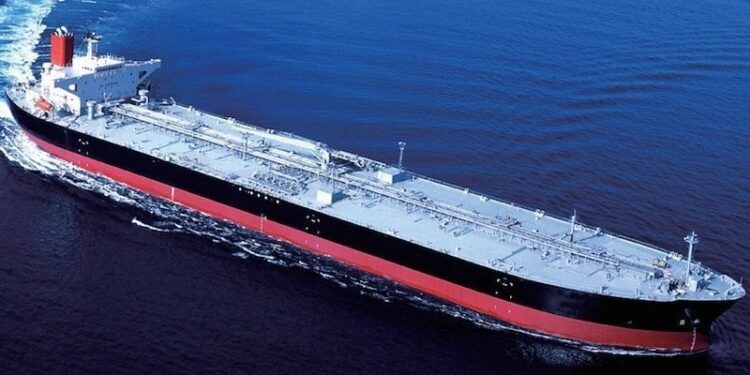
  • Strait of Malacca becomes oil market’s largest transport artery

    Strait of Malacca becomes oil market’s largest transport artery

    The transit of oil and petroleum products through the Strait of Malacca, which is located between the Malay Peninsula and the Indonesian island of Sumatra and connects the Indian and Pacific oceans, rose by 800,000 barrels per day (bpd) in 2023, reaching 23.7 million bpd.

    According to the U.S. Energy Information Administration (EIA), the Strait of Malacca has surpassed the Strait of Hormuz in terms of transit volume of raw materials, as the amount of oil and petroleum products transported via the Strait of Hormuz last year totalled 20.9 million bpd

    The other 40% comes from four groups of suppliers: Russian producers who transport oil and petroleum products to the east (exports from ports in the European part of the Russian Federation) and to the west (supplies from Sakhalin); the United States, which increased its total exports of oil and petroleum products by almost 20% (from 8.6 million bpd to 10.2 million bpd) in 2021–2023; African countries, which have been reducing their transit volumes through the Strait of Malacca in recent years due to lower production in Angola and Nigeria; and Malaysia and Indonesia, regional oil producers (with a total output of 1.2 million bpd in 2023), which use the Strait of Malacca not only for exports, but also for domestic shipping.

    The transit of oil and petroleum products through the Strait of Hormuz dropped by 200,000 bpd (to 20.9 million bpd) in 2023. In addition to the OPEC+ deal, under which Saudi Arabia reduced its oil and gas condensate production by 800,000 bpd (to 11.4 million bpd) in 2023, this was caused by the use of transportation infrastructure bypassing the Strait of Hormuz.

    For instance, the UAE has an oil pipeline with a capacity of 1.5 million bpd, through which oil is transported to the port of Fujairah, a major regional hub for oil and petroleum products located on the coast of the Gulf of Oman. Meanwhile, Saudi Arabia uses the East-West oil pipeline designed to transport oil to the coast of the Red Sea.

    There wasn’t enough time for the Red Sea conflict to seriously affect transit volumes last year: the volume of oil and petroleum transportation through the Bab el-Mandeb Strait adjacent to the Red Sea has gone from 5.4 million bpd in 2021 to 7.5 million bpd in 2022 to 8.6 million bpd in 2023.

    As a result, the year 2023 saw the Red Sea become the third-largest transport artery in the oil market, ahead of the Cape of Good Hope (6.0 million bpd), the Danish Straits (4.9 million bpd), the Panama Canal (2.1 million bpd) and Turkey’s Dardanelles (3.4 million bpd).

    However, this list is going to change in 2024 due to the aforementioned conflict in the Red Sea. For instance, according to the IMF and Oxford University, the number of tankers with oil, petroleum products and liquefied natural gas (LNG) using the transit route across the Red Sea has fallen by nearly 60%, from 835 in April 2023 to a mere 342 in April 2024.

    SOURCE

    THE GLOBAL ENERGY ASSOCIATION 

    PHOTO: GEA/ICS-SHIPPING

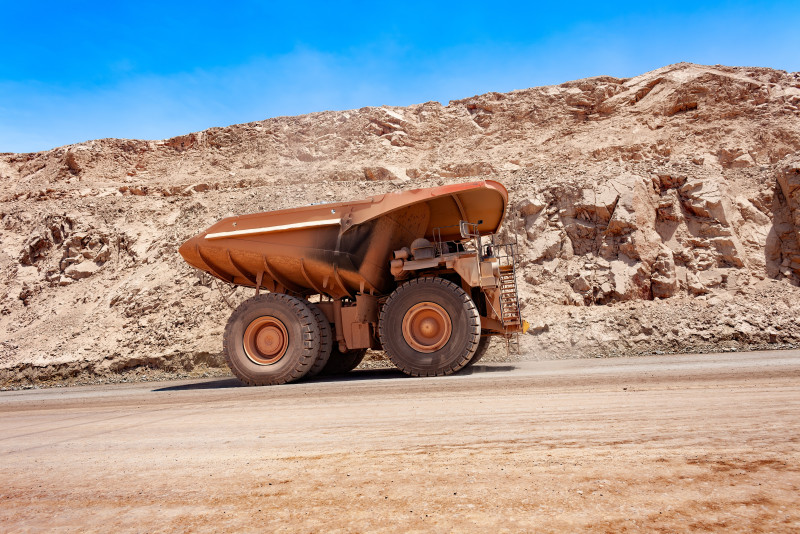
  • Africa Finance Corporation (AFC) invests in Africa’s largest copper complex, driving mineral beneficiation on the continent

    Africa Finance Corporation (AFC) invests in Africa’s largest copper complex, driving mineral beneficiation on the continent

    KINSHASA, Democratic Republic of the Congo, June 26, 2024/ — Africa Finance Corporation (AFC) (www.AfricaFC.org), the continent’s leading infrastructure solutions provider, is pleased to announce the closing of a US$150 million senior loan with Kamoa Copper to support the expansion of the Kamoa-Kakula Copper Complex in the Democratic Republic of Congo.

    The loan by AFC, who acted both as lender and arranger, aligns with the Corporation’s commitment to support the local beneficiation of Africa’s abundant mineral resources to unlock the continent’s economic prosperity.

    Kamoa-Kakula is a world-class, high-grade, low carbon-intensive, underground copper deposit situated on the western edge of the prolific Central African Copperbelt. It started production in July 2021 and is currently undergoing its third phase of expansion which consists of a 33% increase in copper production capacity, to over 600,000 tonnes per annum (tpa), and the construction of Africa’s largest copper smelter with a capacity of 500,000 tpa of 99% pure copper anodes.

    The expansion also includes restarting 178 megawatts (MW) of renewable hydroelectric generation capacity by refurbishing turbine #5 at the Inga II dam. Phase 3 is expected to be completed by the end of 2024, making Kamoa-Kakula Africa’s largest copper producer, as well as the third largest globally.

    Kamoa-Kakula is operated as a joint venture between Ivanhoe Mines, Zijin Mining and the Government of the Democratic Republic of Congo. The operation has consistently demonstrated exceptional operational performance and delivered expansions on-budget and ahead of schedule.

    In addition, its sustainable approach makes it a standout example of responsible mining on the African continent. 91% of its full-time employees are Congolese and over $600 million has been paid in taxes and royalties to the DRC since the start of operations.

    In 2023, Kamoa-Kakula was directly responsible for 4% of the country’s gross domestic product (GDP) and it is also one of the world’s lowest greenhouse gas emitters per tonne of copper produced, according to independent consultants Skarn Associates of London, England, and WSP Group of Montreal, Canada.

    “This is a key milestone in our mission to develop infrastructure ecosystems that help integrate economies and drive economic transformation in Africa,” said Samaila Zubairu, President and CEO of AFC. “Copper is one of the critical minerals for the global energy transition and this mine expansion will not only solidify Africa’s position in the global copper market but contribute to the continent’s path to net zero while creating employment opportunities and generating significant revenue for the DRC.”

    AFC’s involvement in the Kamoa-Kakula project highlights the Corporation’s critical role in catalysing infrastructure development that drives industrialisation and enhances the continent’s global competitiveness.

    In late 2023, Kamoa-Kakula became the first industrial user of the Lobito Atlantic Railway Corridor, a rail line that stretches from the DRC Copperbelt to the Atlantic port of Lobito, in Angola.

    AFC acted as financial adviser to the Trafigura, Mota-Engil and Vecturis consortium, which was granted a 30-year concession for railway services and logistics. The use of the Lobito Atlantic Railway Corridor is expected to significantly reduce the logistics costs and carbon emissions intensity of exporting mineral products from the DRC’s Copperbelt.

    Distributed by APO Group on behalf of Africa Finance Corporation (AFC).

    Media Enquiries:
    Yewande Thorpe
    Communications
    Africa Finance Corporation
    Mobile : +234 1 279 9654
    Email : yewande.thorpe@africafc.org

  • A Model for African Producers: Wing Wah’s $2B Integrated Energy Project to Bolster Resource Monetization in the Republic of the Congo

    A Model for African Producers: Wing Wah’s $2B Integrated Energy Project to Bolster Resource Monetization in the Republic of the Congo

    JOHANNESBURG, South Africa, June 21, 2024/ — The Republic of the Congo has a goal of increasing hydrocarbon production to 500,000 barrels per day (bpd) and projects such as Wing Wah Oil Company’s Bango Kayo development will serve as catalysts for meeting this objective.
    The project is a strong example for how integration and scalability can be utilized to not only monetize resources but maximize production beyond the lifecycle of initially-tied in blocks.

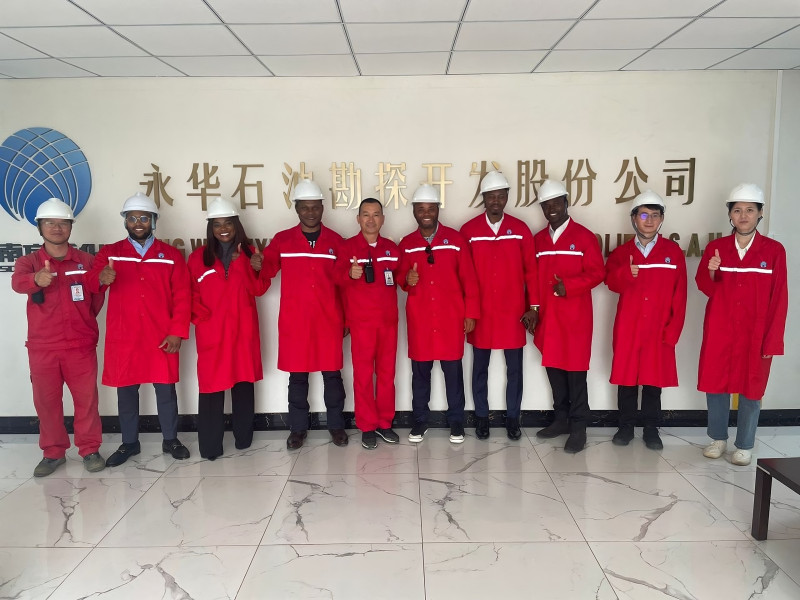
    The African Energy Chamber (AEC) – the voice of the African energy sector – conducted a tour of Wing Wah’s project near Pointe Noire during a working visit to the country this week. A strong advocate for the development of oil and gas in Africa, the AEC believes that hydrocarbons are the solution for making energy poverty history by 2030.

    Project’s such as Wing Wah’s in the Republic of the Congo are not only a testament to the role international partnerships play in developing African oil and gas resources but to the potential for large-scale, integrated developments across the continent. The Ministry of Hydrocarbons – led by Minister Bruno Jean-Richard Itoua – and the country’s NOC Société Nationale des Pétroles du Congo – led by Managing Director Maixent Raoul Ominga – have provided the much-needed support that companies such as Wing Wah need to develop innovative projects, and the AEC commends them for the progress made thus far.

    Bango Kayo: An Innovative Oil & Gas Venture

    The Bango Kayo conventional oilfield is a producing block operated by Wing Wah, which features 237 wells that have been drilled to date. Currently, the field is producing 45,000 bpd and is nearing its peak production of 50,000 bpd. In addition to oil production, Wing Wah is implementing a phased expansion and development approach to monetize previously-flared gas resources.

    Over three phases, the project will progressively increase gas treatment and valorization capacity, producing LPG, butane and propane, primarily for the domestic market. Excess LPG will be exported regionally.

    The project incorporates the development of three trains. The first has a capacity of one million cubic meters per day (mcm/d), while the second and third trains will have a capacity of two mcm/d each. The second and third trains are anticipated to come online by March 2025 and December 2025, respectively, and will bring the total capacity of the project to five mcm/b. In April 2024,

    Wing Wah signed an amended production sharing contract with the government for the Bango Kayo block, signaling the start of the expansion of the project.

    Integration: A Tool for Maximizing Efficiency and Scalability

    Wing Wah’s project in the Republic of the Congo is underpinned by a focus on integration and scalability. The structure of the facilities has been planned in a way that prioritizes efficiency, reduces emissions and promotes scalability.

    Specifically, the facility enables Wing Wah to tap into stranded gas that would have otherwise been flared, thereby providing opportunities for monetization and the utilization of gas across the oil production cycle. Unlike traditional LNG infrastructure which faces challenges as blocks mature and feedstock declines, the scalable design of Wing Wah’s project creates the opportunity to maximize production – both at existing blocks and new concessions.

    Additionally, each unit at the facility has its own power generation solution which are scalable in increments of 2 MW. Currently, 20 MW is installed, with generators utilizing gas from associated blocks. As production increases, so can power generation, thereby ensuring scalability and durability.

    Meanwhile, the water management system is also integrated into the project in a way that promotes environmentally-friendly operations. Water treatment is conducted on-site and distributed back into the ocean once treated.

    As such, the facility provides a quintessence of oil and gas integration. The development approach features fast construction, fast commissioning and quick, efficient operations. Wing Wah are using state-of-the-art equipment and have an organized layout of the overall infrastructure and storage.

    This is expected to boost efficiency at the project site while ensuring the project plays an instrumental role in processing oil and gas for the long-term.

    Prioritizing Local Community Development

    In addition to project efficiency, the Bango Kayo development has been constructed in a way that takes into account the needs of local communities. All of the processing facilities have on-site accommodation, with senior management on-call to ensure a constant review of work. Currently, 3,300 people are employed at the project, with 90% of the workforce Congolese.

    Meanwhile, excess power generated at the project site can be distributed to local communities, providing a clean and reliable source of power. Water management also takes into account regional demand, with surrounding communities benefiting from a clean source. This structure not only brings tangible benefits to local communities but reducing emissions across the project’s operational cycle.

    “Wing Wah’s integrated project in the Republic of the Congo is a model that can and must be replicated in other oil and gas producing nations in Africa. The project’s focus on scalability ensures production is not limited to specific blocks, but rather, infrastructure can be easily tied into new concessions as exploration ramps up across the country.

    Through gas-fired power generation, innovative water management and a long-term approach to production, the project is poised to unlock a wealth of benefits for the country,” states NJ Ayuk, Executive Chairman of the AEC.
    Distributed by APO Group on behalf of African Energy Chamber.

    SOURCE
    African Energy Chamber

  • Following First Oil Production, Senegal’s Minister of Energy, Petroleum and Mining Joins African Energy Week (AEW) 2024

    Following First Oil Production, Senegal’s Minister of Energy, Petroleum and Mining Joins African Energy Week (AEW) 2024

    CAPE TOWN, South Africa, June 19, 2024/ — Senegal’s Minister of Energy, Petroleum and Mining Birame Soulèye Diop will participate at the African Energy Week (AEW): Invest in African Energy 2024 conference – Africa’s premier event for the energy sector taking place from 4–8 November in Cape Town.

    Minister Diop is expected to unpack the critical role oil and gas plays across the MSGBC region, providing insight into project developments and future investment opportunities.

    Minister Diop’s participation comes as the country celebrates a new milestone in its oil and gas industry, with global energy company Woodside Energy commencing oil production from the Sangomar Field Development – Senegal’s inaugural offshore oil project.

    Representing a critical step towards bolstering energy security across the MSGBC region, the start of production is poised to usher in a new era of industrialization and economic growth in Senegal. During AEW: Invest in African Energy 2024, Minister Diop will provide insight into the milestone achieved as well as the nation’s upcoming oil and gas project agenda.

    AEW: Invest in African Energy is the platform of choice for project operators, financiers, technology providers and government, and has emerged as the official place to sign deals in African energy. Visit www.AECweek.com for more information about this exciting event.

    Senegal anticipates rapid economic growth in 2024 – potentially reaching 8.3% – driven by first gas production from the Greater Tortue Ahmeyim (GTA) LNG project and first oil production from the Sangomar Field Development.

    The Sangomar project – featuring a stand-alone FPSO facility with a capacity of 100,000 barrels per day – is developed in partnership with Senegalese national oil company Petrosen and targets 230 million barrels of crude oil reserves.

    The first phase involves 23 wells – including 11 production wells, 10 water injection wells and 2 gas injection wells. To date, 21 wells have been completed. This achievement not only enhances Senegal’s oil production capabilities but also signals the country’s emergence as a player in the global energy market.

    Meanwhile, the GTA LNG project – located on the maritime border between Senegal and Mauritania – has recently achieved a major milestone with the arrival of the FPSO vessel. The vessel, manufactured in China, is now being moored offshore.

    The GTA development will extract gas from deepwater reservoirs using a subsea system, producing around 2.3 million tons of LNG per year for domestic use and export. The FPSO will process over 500 million standard cubic feet of gas per day (MMscf/d). The project is on track for first production this year.

    In conjunction with this, Senegal plans to build a new gas-to-power plant near Saint-Louis, with an initial capacity of 250 MW, expandable to 500 MW. This plant will be supplied with gas from the GTA field as Senegal transitions into a gas-producing nation by late 2024. A 400-km gas pipeline, managed by the state-owned Senegalese Gas Network, will connect GTA to Saint-Louis, Dakar and Mbour.

    The first phase involves laying a 45-km offshore pipeline and a 40-km onshore segment to link the GTA development to the new gas-to-power plant. The pipeline is expected to be completed by late 2025, with the power plant starting operations in early 2026.

    Meanwhile, energy major Kosmos Energy assumed operatorship of the Yakaar-Teranga gas development offshore Senegal in November 2023. The project – targeting 25 trillion cubic feet of gas – represents one of the largest gas discoveries globally, with phase one set to produce 550 MMscf/d. With gas produced for the domestic market, the project is expected to pave the way for increased industrialization and power generation in Senegal.

    “Senegal’s achievements in its oil and gas sector – marked by the first oil from the Sangomar Field Development – are a testament to the country’s commitment to harnessing its natural resources for economic growth.

    This milestone not only boosts Senegal’s economic prospects but also sets a precedent for the MSGBC region, showcasing its potential to become a major player in the global energy market,” states NJ Ayuk Executive Chairman of the African Energy Chamber.

    During AEW: Invest in African Energy, Minister Diop will outline these significant developments and discuss future plans aimed at ensuring energy security and driving economic growth in Senegal. Additionally, he will highlight the regulatory frameworks that provide an enabling environment for such investments, further cementing Senegal’s position as a leading energy hub in the MSGBC region.

    Distributed by APO Group on behalf of African Energy Chamber.

    SOURCE
    African Energy Chamber