Category: Mining/Oil & Gas

  • Former Nigerian Local Content Head to Share Best Practices at Namibia International Energy Conference (NIEC) 2024

    WINDHOEK, Namibia, April 2, 2024/ — Engr. Simbi Kesiye Wabote, former Executive Secretary of the Nigerian Content Development and Monitoring Board (NCDMB), will speak at the upcoming Namibia International Energy Conference (NIEC) 2024, unlocking newfound collaboration between the two countries on local content policy development and implementation.

    Since his appointment in 2016, Wabote has been a fierce advocate of local beneficiation for both Nigerians and Africans across the sector, steering strategic national programs to build local capacity, calling for enhanced transparency in contracting processes and boosting local manufacturing capabilities.

    The NCDMB serves to review Nigerian content plans developed by operators, set guidelines and minimum content levels for project-related activities across the oil and gas value chain and engage in targeted capacity building interventions, among other key responsibilities, with a view to achieving 70% local content by 2027.

    Energy Capital & Power is a strategic partner of the Namibia International Energy Conference (NIEC) – taking place in Windhoek on April 23-25, 2024. The 6th annual conference unites industry leaders, business executives and policymakers to engage in dialogue, exchange ideas, create new partnerships and identify strategies to foster a prosperous energy industry in Namibia and beyond. For more information, please visit https://www.nieconference.com/

    Having spent 26 years at Shell Petroleum Development Company Nigeria, Wabote offers a unique private sector perspective on local content development and compliance, with roles spanning business management to government relations to local content strategy. During his tenure at the NCDMB,

    Wabote established a series of impactful initiatives including the $350-million Nigerian Content Intervention Fund, which provides affordable credit for Nigerian oil and gas service companies and local contractors, as well as the $40-million Women in Oil and Gas Intervention Fund, created in partnership with the Nigerian Export-Import Bank.

    These policy interventions, pioneered by the NCDMB under Wabote’s leadership, could serve as a blueprint for other African countries seeking to directly translate oil and gas revenues into local content development. Namibia, for its part, is in the process of drafting its own National Upstream Petroleum Local Content Policy, following a series of high-profile offshore discoveries since 2022.

    The southern African country is seeking to establish an effective policy that enables training and skill development, job creation and the participation of national companies and service providers across the sector, with a view to generating and retaining local value.

    As Namibia’s Ministry of Mines and Energy continues to consult with stakeholders on its draft policy, NIEC 2024 represents a valuable platform to exchange local content best practices, as well as catalyze new investment in infrastructure, capacity building and technology.

    The NCDMB is one of the key features that sets Nigeria’s local content policy apart in that it oversees and implements the Nigerian Oil and Gas Industry Content Development Act, while forming strategic partnerships with leading industry players and educational institutions.

    “As an emerging producer, Namibia can learn from mature markets like Nigeria when it comes to establishing a comprehensive local content framework with specific guidelines.

    Engr. Simbi Kesiye Wabote has been a long-time champion of accelerating indigenous participation in oil and gas contracts and ensuring that policy interventions support national local content targets.
    A well-formulated local content policy is critical to creating both backward and forward linkages across Namibia’s value chain that ensure oil and gas resources are leveraged for inclusive growth,” says Selma Shimutwikeni, CEO of Rich Africa Consultancy, organizers of NIEC 2024.
    Distributed by APO Group on behalf of Energy Capital & Power.

    SOURCE
    Energy Capital & Power

  • Namibia Energy Sector Needs Local Content Guidelines (By NJ Ayuk)

    Namibia Energy Sector Needs Local Content Guidelines (By NJ Ayuk)

    WINDHOEK, Namibia, March 29, 2024/ — By NJ Ayuk, Executive Chairman, African Energy Chamber (https://EnergyChamber.org).

    Namibia’s oil and gas sector is still looking forward to reaching the production phase — S&P Global analysts don’t anticipate Namibia’s first oil to come until 2029, and the country’s first gas-to-power project is scheduled to begin in 2027. Before Namibia achieves these hotly anticipated milestones, Namibian lawmakers have the opportunity to implement thoughtful, effective policy to benefit their people.

    Specifically, I’m talking about local content laws that will help spread future wealth among Namibians, develop the skills of the Namibian people in oil and gas professions, and promote the establishment of Namibian oil and gas businesses. Ultimately, this will help ensure a long-term, sustainable economic impact from the resources.

    Local content laws are broad policy tools that governments use across many industries. The goals of local content are multifaceted, promoting domestic businesses by requiring a certain percentage of goods or services to be sourced from domestic companies, motivating international companies to share knowledge and expertise with local firms, stimulating job growth in the domestic economy, and encouraging investment in local infrastructure that benefits the industry.

    Namibia is fortunate to be in a position to benefit from the experiences of other oil- and gas-producing states. Namibia can use the best practices that have benefitted others and learn from their mistakes. Standing at the precipice of an energy revolution that will help transform its economy, lawmakers in Namibia have something of an advantage, and they need to capitalize on this.

    Namibia’s Recent Finds

    What’s driving the need for local content directives in Namibia’ nascent oil and gas sector are recent petroleum discoveries, in the Orange Basin in particular. That’s where, in 2022, Shell and TotalEnergies made significant finds in blocks Graff-1 and Venus-1, respectively.

    Graf-1 holds an estimated 2.38 billion barrels of oil (boe). And Venus-1 is estimated to hold more than 3 billion boe — potentially the biggest discovery ever in sub-Saharan Africa.

    While the commercial viability of extracting the oil still needs to be assessed, these initial discoveries have already sparked further exploration efforts. Galp Energia, for one, reported positive indications of hydrocarbons in their Mopane-1X well, hinting at the potential for the oil and gas play to extend further north.  The Mopane-2X encountered a significant column with light oil in good-quality reservoirs.

    Drafting Effective Legislation

    To help local companies and Namibian citizens benefit from oil and gas opportunities across the industry’s value chain, Namibia currently has a draft of the National Upstream Petroleum Local Content Policy, but it hasn’t been passed into law yet. The ministry is consulting with stakeholders to make revisions that will best serve the country and her people.

    The draft reflects the government’s desire to leverage its recent oil and gas discoveries for broader national development. There’s a focus on achieving a balance between local participation and attracting foreign investment.

    We love to see that Namibia is moving toward implementing local content regulation or directives, and the draft policy offers a glimpse into its goals.

    As I noted last year, I am heartened to see the productive cooperation of Namibian lawmakers and oil and gas companies. I have personally witnessed their efforts to ensure Namibia’s best economic opportunities. Unlike too many other African nations, Namibian policymakers are not throwing roadblocks in the way of exploration companies.

    They also realize that the country will reap the benefits of its new petroleum bounty only if all key stakeholders seize this historic opportunity to put the right policies in place and continue encouraging investments in energy.

    That’s why it’s all the more heartening that, even after the sad passing of President Hage Geingob in February, the ruling party (the South West Africa People’s Organisation, or SWAPO) has signaled that it will maintain its business-friendly approach to energy exploration and development.

    Challenges Ahead

    Still, Namibia has several key local content hurdles to overcome.

    For one, growing and maintaining a successful oil and gas industry in Namibia will require significant investments in infrastructure, workforce development, and regulatory frameworks. Because the complex energy sector requires high initial investment, specialized technology, particular workforce skills, and a long-time horizon for projects, it can be difficult for local companies to readily participate.

    In addition to the huge sums of infrastructure financing needed to build out the oil and gas sector, Namibia needs to invest in training and education programs to create a skilled workforce capable of operating and maintaining this infrastructure. Without substantial input — both financial and educational — from external experts, domestic involvement will likely remain limited, despite any well-planned local content policies.

    And we can’t overlook the need to define “local” clearly. Namibia has to make sure that its local content policy leaves no room for interpretation or nuance to avoid an unfair advantage for some Namibian businesses.

    At the same time, it’s equally important for the country to be pragmatic in its implementation of the regulations to continue fostering investment. Namibian policymakers need to avoid government overreach. While local content regulations can have positive effects, they can also raise concerns about potential drawbacks, such as increased costs or limitations on competition. Striking the right balance between local requirements and international competitiveness will be key to the success of the fledgling oil and gas sector.

    Cultivating Trust and Cooperation

    Meanwhile, the energy sector must tread carefully to avoid any backlash from the Namibian citizenry. One false step could quickly crumble the people’s support for oil and gas companies.

    In today’s world, simply focusing on resource extraction isn’t enough. Oil and gas companies that want to prosper in Namibia must also embrace corporate social responsibility (CSR) and social programs that foster positive outcomes for the people. Implementing sustainable practices that mitigate the environmental impact of oil and gas activities demonstrates a commitment to responsible resource development. Companies that neglect CSR risk facing community opposition and protests, potentially delaying or derailing projects.

    In addition, companies with a strong CSR reputation attract and retain top talent, creating a more positive work environment. That, of course, includes women: In Namibia, women make up almost 52% of the population so ignoring their potential would be a gross oversight. A positive social impact should ideally influence government decisions and create a smoother operating environment. The Namibian government can foster this cooperation by favoring companies with strong CSR initiatives when awarding licenses and concessions.

    Multinationals like Exxon, TotalEnergies, Shell, Galp, Woodside, and Chevron stand to be amazing allies in this growth. Likewise, service companies like Halliburton, SLB, Baker Hughes, Technip Energies and many others should play a big role — in boosting Namibia’s oil and gas production as well as in promoting Namibia’s local content environment. With the big contracts they’re going after, they’d be wise to start hiring and training Namibians in their oil and gas activities NOW.

    A Commitment to Namibians

    As long as the country continues along the path toward local content that the Geingob administration initiated, we might well see it becoming obligatory for companies to provide a local content plan and supplier development plan to be eligible to win contracts. Consider the recent ultimatum issued by Maggy Shino, petroleum commissioner of Namibia’s Ministry of Mines and Energy.

    “We would like to inform those envisaging to service the Namibian oil industry that local content is mandatory, and that the Namibian government will not compromise in providing opportunities for its people to participate meaningfully in the industry,” Shino said.

    In January, Shino shared the vision of the nation’s pathway to first oil. It is evident from her comments to World Oil that her people are foremost in her mind.

    “First, we need to build the capacity, both in the local workforce and in the institutions that will help oversee, develop and regulate Namibia’s oil and gas industry. We also have an obligation to share up-to-date information with the Namibian people so that they can prepare effectively for first oil production,” Shino said.

    She emphasized the importance of knowledge and skill transfer, to ensure that Namibian companies and Namibians themselves have the opportunity “to participate meaningfully and add value to the projects.”

    Shino also called on Namibians themselves, tasking them with some amount of self-determination.

    “A much bigger obligation is further placed on the Namibian people to ensure that they equip themselves with the necessary skills required. The oil industry is a highly specialized industry with high standards for HSE, and we will not compromise on the international requirements. We must ensure that the industry has an effective local content policy and regulatory landscape so that Namibians reap the fruits of their labor. This is central to sustainable governance.”

    On his part the Minister who has been a strong advocate for local content focused on the role of Namibians to step up their entrepreneurial skills and personal responsibility. “Without local entrepreneurs who are curious, innovative, and willing to invest their time and energy in acquiring the necessary skills to succeed, it will be extremely challenging, and possibly even impossible, to embark on our local content journey,” Stated Tom Alweendo, the Minister of Mines and Energy.

    With this mindset, Namibia’s foray into oil and gas will reignite the country’s sluggish economy by encouraging new investment and revitalizing the manufacturing sector. At the same time, a proactive introduction of solid local content regulations will no doubt foster job creation, help combat energy poverty, and promote hope and human dignity for the Namibian people.

    Distributed by APO Group on behalf of African Energy Chamber.

    SOURCE
    African Energy Chamber

  • If oil disappeared tomorrow, petroleum based-products would vanish with it(By HE Haitham Al Ghais)

    If oil disappeared tomorrow, petroleum based-products would vanish with it(By HE Haitham Al Ghais)

    JOHANNESBURG, South Africa, March 24, 2024/ — By HE Haitham Al Ghais, OPEC Secretary General.

    If oil disappeared tomorrow, there would be no more jet fuel, gasoline or diesel. Internal combustion engine automobiles, buses, trucks, lorries and coaches would be stranded. Airplanes powered by jet fuel would be grounded. Freight and passenger rail powered by diesel would halt. People could not get to work; children could not get to school. The shipping industry, transporting both freight and passengers, would be devastated.

    There would be no point calling emergency services. The majority of ambulances, fire engines, police cars, rescue helicopters and other emergency vehicles would be stationary. Most phones and computers would also vanish as their plastic components derive from oil, so it would be a struggle to find a way of communicating with the emergency services anyway.

    The construction sector would halt, as diesel powered vehicles would be stranded: excavators, bulldozers, dump trucks, cranes, cement mixers, rollers and compact loaders would remain stationary. New homes or buildings could not be built or receive vital maintenance work.

    If oil disappeared tomorrow, petroleum based-products would vanish with it. This would impact the production of electric vehicles (EVs). Aside from the supply chains disruption, the structure of lithium-ion batteries would be affected. A lithium-ion battery has four parts: an anode, cathode, electrolyte and a separator. Separators are engineered microporous membranes, typically made of polyethylene or polypropylene  petroleum-based products. The petroleum-derived synthetic rubber used on car and bicycle tyres would cease to exist.

    If oil disappeared tomorrow, food production would be devastated. Many of the vehicles necessary in agriculture  ̶ tractors, mowers, combine harvesters, balers, sprayers and seeders  ̶ would stop working. Food packaging necessary for storage and preservation would not be available. Petroleum coke, a by-product in oil refining, is used as a feedstock in manufacturing synthetic fertilizers, which are important in increasing crop yields. Food shortages and the knock on impacts would likely ensue.

    If oil disappeared tomorrow, it would be catastrophic for health services everywhere. Staff would lack mobility, and essential supplies would be stranded. Beyond transportation, petroleum is an essential feedstock for pharmaceuticals, plastics and medical supplies.

    Latex gloves, medical tubes, medical syringes, adhesives, some bandages, disinfectants, hand sanitizers, cleaning agents, prosthetics, artificial heart valves, resuscitation masks, stethoscopes, MRI scanners, insulin pens, infusion bags, medication packaging, face-masks, and Personal Protection Equipment are largely derived from petroleum-based materials. The equipment used in medical research such as microscopes, test tubes and goggles usually contain petroleum-derived components.

    The chemical synthesis that creates aspirin begins with benzene, which is derived from petroleum. The benzene is converted to phenol, which in turn is converted to salicylic acid. This is then transformed into acetylsalicylic acid, which the world knows as aspirin.

    It is difficult to conceive of a modern hospital without this range of essential petroleum-based products.

    If oil disappeared tomorrow, the renewables industry would be impacted. The fibreglass, resin or plastic necessary for the construction of most wind turbines, would disappear. The ethylene used in the production of solar panels would vanish. Most of the mining vehicles  ̶ large trucks, rotary drill rigs and rock drills  ̶ necessary to extract the critical minerals upon which the production of solar photovoltaic plants, wind farms and EVs depend, would become stationary.

    If oil disappeared tomorrow, homes would be transformed beyond recognition. There is the possibility roofs would collapse, for example, if bitumen was a key product. Other materials used in insulating homes would disappear. If you relied on heating oil to keep warm, that would go. The linoleum flooring and tiling would be impacted. Painting the walls would be a challenge. Furniture, pillows, rugs, curtains, dishes, cups and non-stick pans all are likely to be made from petroleum-derived products too.

    It would be a challenge to stay clean or keep homes clean, if oil disappeared tomorrow. Laundry detergent and dish detergents usually derive from petroleum-based products. Soap, toothpaste, hand-lotion, deodorant, shampoo, shaving cream, eyeglasses, contact lenses, combs, brushes; all normally contain petroleum-derived products.

    It would be a struggle to get anywhere, as the asphalt that paves roads and footpaths would vanish.

    If oil disappeared tomorrow, millions of jobs would be lost. Tax revenues would be depleted. Industrial production would crimp. Economic growth would go into reverse. The plight of the fuel poor would be worsened.

    This is not even the full list of everything that would be impacted, in such an unthinkable scenario.

    Yet, despite these realities, there are calls saying ‘Just stop oil,’ ‘Keep it in the ground,’ or ‘don’t invest in new oil and gas projects.’

    Of course, everybody wants to see greenhouse gas emissions reduced. OPEC believes that technological solutions and efficiency improvements can play a vital role. The oil industry is already proactive in this regard.

    We need to be cautious of endangering the present, in the name of saving the future. It is important we all fully understand the immense benefits that oil, and the petroleum products derived from it, continue to provide to people and nations across the world.

    Distributed by APO Group on behalf of African Energy Chamber.

    SOURCE
    African Energy Chamber

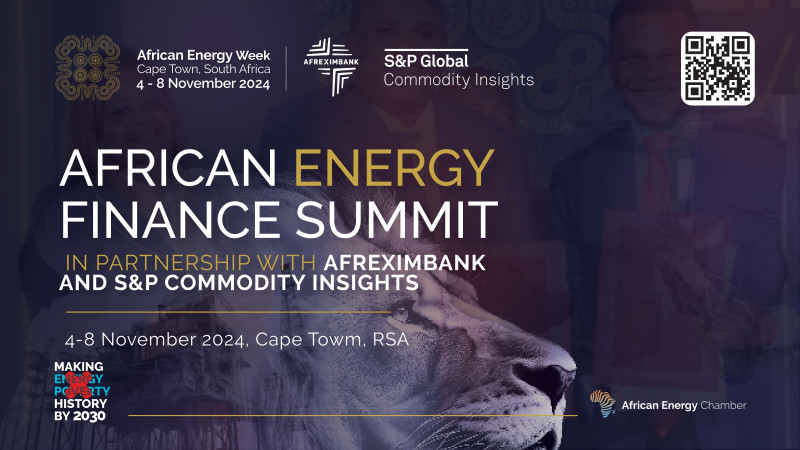
  • African Energy Week (AEW) Launches African Energy Finance Summit in Partnership with Afreximbank and S&P Global Commodity Insights

    African Energy Week (AEW) Launches African Energy Finance Summit in Partnership with Afreximbank and S&P Global Commodity Insights

    JOHANNESBURG, South Africa, February 28, 2024/ — Africa’s largest energy event – the African Energy Week (AEW): Invest in African Energy conference – will feature the African Energy Finance Summit during this year’s edition in Cape Town.
    The summit, hosted in partnership with multilateral financial institution the African Export-Import Bank and S&P Global Commodity Insights, offers a platform for project developers and financiers to sign deals and is poised to unlock a new era of growth across Africa’s oil, gas, critical mineral and renewable energy sectors.

    Africa requires over $200 billion in annual financing until 2030 to meet the Sustainable Africa Scenario’s energy and climate objectives, highlighting a growing opportunity for project developers, financiers and technology providers. Between 2012 and 2021, the continent received an average $35 billion in annual finance from G20 nations and multilateral development banks, underscoring a significant investment gap.

    The African Energy Finance Summit aims to address this gap by galvanizing financial support for African energy growth alongside intra-African energy trade and a just energy transition.

    AEW: Invest in African Energy is the platform of choice for project operators, financiers, technology providers and government, and has emerged as the official place to sign deals in African energy. Visit www.AECWeek.com for more information about this exciting event.

    The development of oil and gas has taken the forefront of many national development agendas in Africa, as countries move to monetize resources to make energy poverty history by 2030. In addition to expansion efforts across established oil and gas markets such as Angola, Nigeria, Algeria and Egypt, new frontiers are being revealed as discoveries showcase high-impact deposits.

    In the last two years, Namibia made eight hydrocarbon discoveries in the Orange Basin, with reserves estimated to be as much as 11 billion barrels. Other discoveries such as the 20 trillion cubic feet (tcf) Yakaar-Teranga discovery in Senegal; the Orca find in Mauritania; the 650 billion cubic feet Eban-Akoma Complex find in Ghana; the Mukuyu-2 gas discovery in Zimbabwe and many more underscore the potential for million-dollar upstream investments in Africa.

    Meanwhile, Africa is poised to be at the forefront of the global energy transition due to its critical mineral wealth. The continent has 85% of the world’s manganese resources; 80% of the world’s platinum and chromium; 47% of the world’s cobalt; 21% of the world’s graphite, among many other resources.

    Investment in this industry will support both economic growth in Africa through revenue generation and infrastructure development as well as the world’s transition to a cleaner energy future. Projects such as Namibia’s Eisenberg Rare Earth Minerals project; the DRC’s Metalkol RTR mine; Zimbabwe’s Bikita Lithium Mine; and many more represent some of the largest in the world.

    Meanwhile, Africa’s hydropower potential is estimated at 340 GW; it’s wind potential is estimated at 180,000 TWh per year; while the continent owns approximately 40% of the globe’s potential for solar power generation.

    Yet, only 11% of Africa’s hydropower is currently being exploited while the continent accounts for 1.48% of the world’s total solar capacity, highlighting lucrative opportunities for clean energy project developers.
    Policies such as South Africa’s Renewable Energy Independent Power Producer program pave the way for increased private capital in renewable energy while efforts to develop large-scale green hydrogen projects in Namibia and Mauritania are poised to transform the continent.

    The African Energy Finance Summit will not only showcase these emerging opportunities but connect the relevant investors to the projects themselves. By uniting global banking institutions, financial ministers and authorities, and international development platforms, the summit will see numerous deals signs that will further accelerate project growth in Africa.

    At the same time, the summit promotes the need for integration across the finance and energy sectors, demonstrating the benefit and opportunity of industries working hand-in-hand to create attractive environments to do business.

    Across the continent, efforts are already well underway to attract energy investment through policy reform. Energy majors Total Energies and Shell are planning $6 billion and $5 billion in investment, respectively, in Nigeria over the coming years, owing largely to improved fiscal and monetary terms implemented through the Petroleum Industry Act (2021).

    In Angola, Total Energies announced a multi-year strategy including the $850 million Begonia oil development while ExxonMobil is looking at investing $15 billion in the country. These commitments are as a result of improved upstream terms that encourage exploration and development spending.

    Going forward, the finance sector will continue to be key to improving an enabling environment for energy investment. Through forex, tariff and regulatory support, the finance sector will make it easier to do business in Africa, enabling the continent to benefit from its wealth of natural and mineral resources.

    The African Energy Finance Summit will unite the finance and energy sectors to drive new opportunities across the continent.
    Distributed by APO Group on behalf of African Energy Chamber.

    SOURCE
    African Energy Chamber

  • Championing Sustainable Mining Solutions in Africa

    Championing Sustainable Mining Solutions in Africa

    First Published,February 8, 2024

    Story by: Mohammed A. Abu

    Under identical conditions at a plant owned by a company in Burkina Faso, eco-friendly alternative gold leaching reagent SEYCHEM and Cyanide were compared and at the conclusion of the process 350g of gold was recovered using SEYCHEM while 330g was obtained via Cyanide extraction.

    The laboratory personnel attested to SEYCHEM’s non-reactive nature on their bodies in comparison to Cyanide which caused eye irritation.

    They were also able to submerge their hands freely into the prepared solution containing SEYCHEM, an action not possible with Cyanide.

    In addition to its environmentally friendly features, SEYCHEM retrieved more gold; consequently, this company has, in place of cyanide, placed their first order for multiple container loads of SEYCHEM to process their material to extract gold. Each 20-footer container carries 26 tons of SEYCHEM.

    These were disclosed by the Ghanaian Researcher and Promoter of SEYCHEM Professor Emmanuel Arhin, a Professor of Applied Geology at the Department of Geographic Sciences, School of Geosciences, University of Energy & Natural Resources, Dormaa, Bono Region, Ghana during an exclusive interview with your favourite, Eco-Enviro News, Africa magazine.

    Touching on the need and importance of using poisonous-free chemicals for extraction of minerals, Professor Arhin posed the critical question, “What is the point of mining if operators use hazardous chemicals to extract gold from ore, only to suffer shortened lifespans and not enjoy their acquired wealth?

    This, he said is what informs his desire to contribute towards sustainable mining practices, leading to his research into, and promotion of the eco-friendly gold leaching alternative reagent, SEYCHEM.

    The low-hazardous SEYCHEM comes into Africa’s extractive industry as a welcome vibrant alternative to the age-long poisonous minerals extraction chemicals, mercury and cyanide that poses a health risk to users and the environment.

    It has since been established through research findings that poisonous minerals extraction chemicals such as mercury and cyanide are the source of various ailments inflicting people in mining communities.

    SEYCHEM’s History

    ” Sey Construction Limited,  based in Accra, Ghana  had established a partnership with a Chinese chemical and mining equipment manufacturing company to assess the effectiveness of an eco-friendly powder for extracting gold while minimizing its impact on the environment. In 2021, I was tasked with conducting scientific research to validate their claim that this substitute is superior to the toxic chemicals commonly used in gold extraction.”, Prof Arhin recounts.

    “So with the agreement established between the two groups, and after my satisfactory evaluation of the product Sey Construction Ltd secured the rights to become the exclusive country/Africa Representative, Sole Importer and Distributor of the SEYCHEM brand of eco-friendly range of leaching reagents.

    “The investigations into this product, commenced in 2021 with laboratory studies to establish its eco-friendly features, low-toxicity, gold extraction ability and potential negative impact on the ecosystem. The favorable results obtained from the ALS Geochemical laboratory motivated the team to present their findings to Ghana’s Minerals Commission.” Professor Arhin recounts..

    “Following Minerals Commission’s  recommendation, the product was sent for further assessment by Ghana Standards Authority and Environmental Protection Agency whose analyses corroborated ALS’s earlier report on SEYCHEM.  This led EPA to grant Sey Construction Ltd a license to trade SEYCHEM in Ghana.” he added.

    Sey Construction Ltd Appreciates Prof Arhin’s efforts

    The CEO of Sey Construction  Ltd, Mr. Kwesi Sey also presented a citation to Prof Emmanuel Arhin at his inaugural lecture at UENR on 16 March, 2023 recognizing the sterling efforts made by Prof in researching, promoting and providing eco-friendly solutions across board.

    The SEYCHEM Product

    SEYCHEM is an innovative high-tech eco-friendly gold leaching reagent  for gold extraction. SEYCHEM,a corporate product trade mark rebrand representing SEYCHEM for Africa,can fully replace sodium cyanide without changing the original leaching process and equipment.

    SEYCHEM also matches all the advantages of sodium cyanide and other eco-friendly leaching and gold dressing agents.

    Little Interest locally, greater Interest Outside

    Ghana

    On the immediate Ghanaian mining industry response to SEYCHEM, Prof Arhin said interest was initially very low and still low.

    “People are often hesitant to abandon their established practices and embrace new ones. The primary challenge is the fear that the novel product will not perform as expected. Furthermore, individuals who require assistance may lack comprehension regarding the intricacies of gold ores which compounds the difficulty of this task.

    “Gold ore can exist in either oxide or sulphide form, further complicating matters. To address this issue, our team engaged in a discussion and devised a plan that would work for all types of ore by utilizing a single product. That is what we have now, one product for ALL”, Prof Arhin noted.

    Burkina Faso Field Trial

    In the case of Burkina Faso, Prof Arhin disclosed they received a special invitation from the country’s Minister of Mines and Quarry to make a presentation before mining industry leaders under the auspices of ANEEMAS and BUMIGEB, which event took place from September 7 – September 10, 2021”.

    ” In fact, the Burkinabe Ministry of Mines and Quarry initially sponsored a select personnel of mining experts who came over to Ghana to witness our first trials which took place at Wa-East District on August 4th, 2021″ he disclosed.

    Ivory Coast, Niger and Mali

    Some localized field trials were also successfully conducted in Ivory Coast, Mali and Niger in 2022 and 2023.

    Congo Brazzaville

    Mining sector authorities from Congo Brazzaville, according to Professor Arhin have recently expressed interest in SEYCHEM, and this follows the positive feedback and reviews they got from other outfits from other jurisdictions about their experiences and success stories with the reagent, many of whom are even preparing to confirming their orders to include Seychem in their respective gold extraction processes

    Rethinking Traditional Geology Subject

    On what informs his crusade on the need to rethink the age-old traditional subject of geology and thereby coming out with the Geoenvironmental Science paradigm, Prof Arhin said, the Environmental Science program emerged as a response to the escalating concern regarding the deleterious impacts of human activities on the environment.

    “Similarly, such concerns have led me to ponder upon Geoenvironmental Science, an interdisciplinary program designed to equip students with the skills required to tackle various issues posed by our planet’s environment and human health.

    “This course encompasses a wide range of natural and anthropogenic elements that are pertinent to its study. The repercussions of human actions on its development have become increasingly apparent, particularly after watching Erastus’ documentary titled “Poison for Gold,” which reaffirmed the primary catalyst for this program’s inception.

    “It is important to note that this particular program should not be conflated with Environmental Studies. Research outcomes produced by students partaking in this course will serve as key instruments used by governments worldwide in determining which new environmental policies ought to be implemented”.

    On efforts he has made so far at his university regarding the Geoenvironmental Science Program Prof Arhin said, certainly, he is “indebted to the university for providing him with a platform to achieve his current position.”

    “My advocacy efforts encompass a plethora of public speaking engagements, wherein I have cautioned against the potential risks posed to both the environment and human health.”

    CORRECTION: Our initial story published on the 8th February,2024 under  head and subheadings, “Retooling Africa’s Extractive Industry for Sustainability, “Made-in-Ghana Eco-Friendly SEYCHEM out-performs Poisonous Cyanide in Burkinabe Field Trail” contained some misrepresentations.SEYCHEM  is not a Ghana made eco-friendly formula nor is Professor Emmanuel Arhin  credited for its origination as the wrong impression had been created through our initial publication. Aside that aspects, the rest of the story still stands.We are republishing the corrected and revised version and wish to render our sincere apology to our dear and most cherished readers.

  • Africa Oil Week’s Unabashed Attempt to Usurp Africa’s Energy Narrative Hinders the Continent’s Progress and Hurts Africans

    Africa Oil Week’s Unabashed Attempt to Usurp Africa’s Energy Narrative Hinders the Continent’s Progress and Hurts Africans

    JOHANNESBURG, South Africa, February 6, 2024/ — “AOW: Investing in African Energy” – formerly known as Africa Oil Week – has engaged in a rebranding campaign to pose as allies to Africa’s energy development. Yet this new name fails to reflect Africa or her people and is a slap in the face to the continent’s resource development strategy and vast energy needs. Look at the leadership team of Hyve Group. No Blacks and No Africans. https://apo-opa.co/4buXzyg. They need to rebrand their leadership team.

    AOW claims to heed African interests but has fundamentally and continually contradicted this. Relocating the 2021 edition of their conference from Cape Town to Dubai is one of several instances of their commitment to profits and politics over progress, hindering the advancement of an Africa-led energy narrative on African soil.

    This scheme to rebrand themselves as friends to African energy, yet dismiss oil and gas as fundamental pillars of Africa’s energy development, serves as a flagrant and overt misrepresentation campaign, designed to confuse and redefine Africa’s energy narrative using someone else’s voice. To be clear, Africa’s oil and gas industry is not just important, but imperative for the continent to make energy poverty history by 2030 – a central pillar of the African Energy Chamber’s (AECs) mission.

    This crusade against oil and gas is particularly harmful given that Africa has some of the largest hydrocarbon resources globally and is entering a new era of energy development. This year, Senegal will achieve first oil and gas from its respective Sangomar and Greater Tortue Ahmeyim LNG projects, while the Republic of the Congo awaits first cargo from its inaugural gas liquefaction plant, Congo LNG.

    After more than a decade of development, Nigeria inaugurated its Dangote oil refinery last month – the largest in Africa – and has ambitious downstream distribution and gas monetization plans. Namibia is in the midst of appraising its six offshore discoveries in the Orange Basin, while Gabon is strengthening its commercial terms to drive upstream exploration and breathe new life into existing assets.

    Now is the time to define Africa’s approach to climate justice and the energy transition, as demonstrated by the first-ever Africa Climate Summit organized last September. Greenwashing hydrocarbon development at Africa’s expense is not only incorrect but reprehensible, particularly when it undermines job creation and opportunities for African youth.

    Hyve Group/ Africa Oil Week AOW, a small London-based entity lacking local content adherence to South Africa’s Black Economic Empowerment policy and devoid of Black leadership in its upper echelons, has no business dictating the narrative of an African-first energy transition. https://apo-opa.co/4buXzyg While green energy is crucial, Africa’s energy agenda must not cower from oil and gas.

    In this regard, AOW continues to overlook the severity of energy poverty in Africa. Six hundred million people on the continent do not have access to electricity. In order to bring clean cooking, sanitation and healthcare to the more-than-half-billion Africans across the continent who live in complete darkness at night, we must be allowed to explore and drill for our natural resources and engage in the energy transition in a way that is fair and pragmatic.

    “AOW has shown time and time again that they are not willing to work with the African oil and gas industry by reneging on its promises to the people and the continent as a whole especially with their decision to go to Dubai, no Africans in their leadership, and certainly we don’t even know if they pay any taxes in Africa or comply with BEE and Local content laws.

    Mark Shashoua has done some good work with the company, I urge him today to use that same power and genius to transform the culture and leadership of Hyve Group and AOW to reflect its customer base in Africa. ” states NJ Ayuk, Executive Chairman of the AEC – the voice of Africa’s energy sector. “When it comes to recognizing oil and gas as a key pillar of Africa’s energy development, we owe it to Africa’s youth.
    “We owe it to the young Nigerians who are seeking jobs as mechanical and petroleum engineers, and to the young Ugandans awaiting first oil from EACOP. Dismissing oil and gas is a betrayal of trust and loyalty – key African values and values held true by the Chamber in its efforts to combat energy poverty and preserve resource sovereignty.” Concluded Ayuk.

    The AEC will continue to deliver on its promise to make energy poverty history by 2030 during this year’s edition of African Energy Week (AEW), which will return to Cape Town and lead the continent’s energy trajectory for the fourth consecutive year.

    AEW promotes the central role of Africa in global energy matters and prioritizes African-led dialogue and decision making. Most importantly, AEW represents the only conference on the continent representative of the entire value chain, from oil and gas to refining and petrochemicals, from renewable energy to mining.

    AOW has continued to hamper Africa’s energy goals and this rebranding strategy is clearly a ploy to distort the continent’s objectives. AOW continues to masquerade as an ally to Africa’s development and success rather than focus on what’s truly important: eradicating energy poverty. This scheme sends the wrong message and only serves to hinder the continent’s energy progress and hurt Africans.

    Distributed by APO Group on behalf of African Energy Chamber.

    SOURCE
    African Energy Chamber

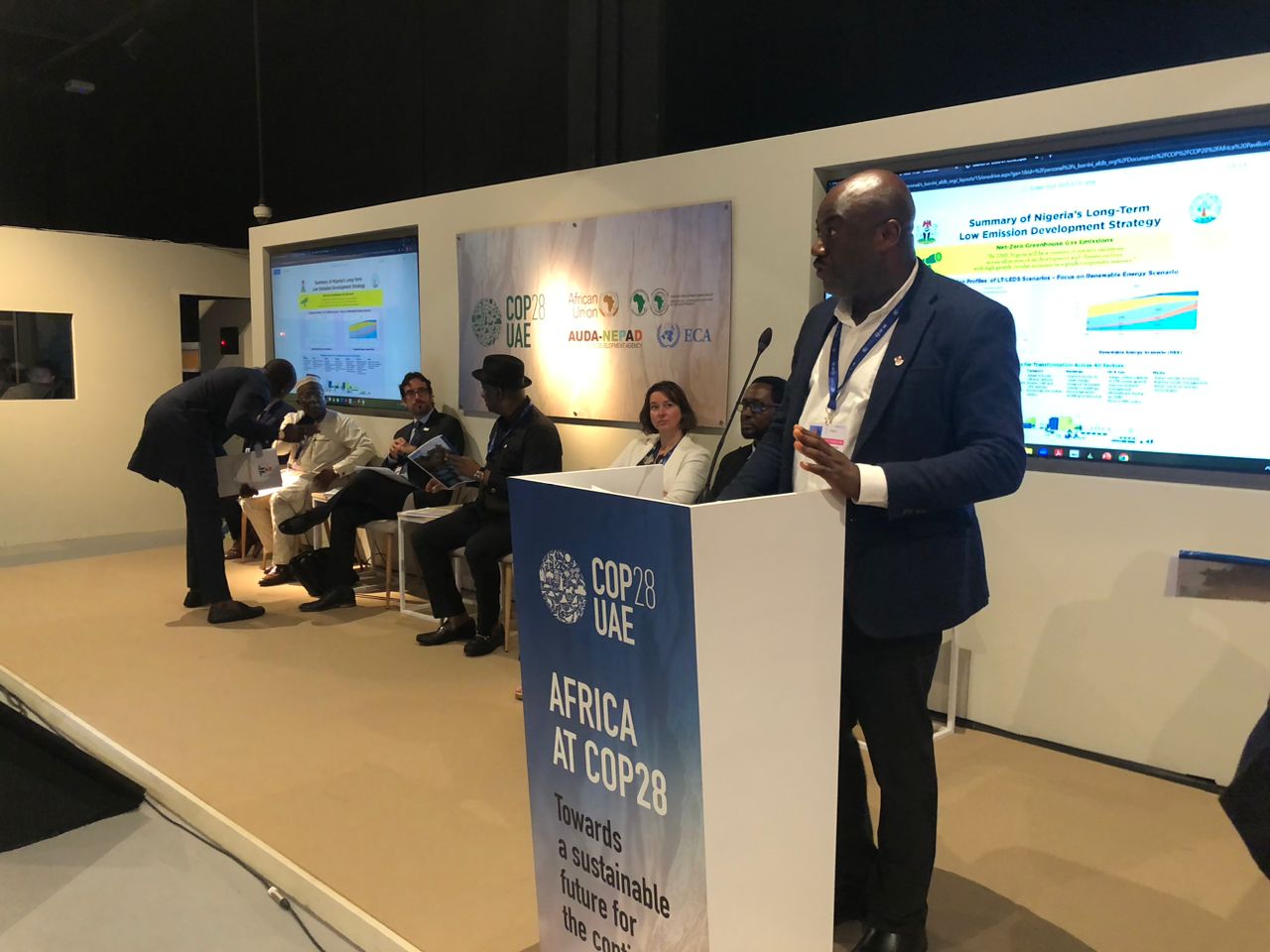
  • COP28: The Good, The Bad And The Ugly Of The Global Stock-Take Text

    COP28: The Good, The Bad And The Ugly Of The Global Stock-Take Text

    Okereke is the Director of the Centre for Climate Change and Development at Alex Ekwueme Federal University Ndufu-Alike, a Professor of Global Governance and Public Policy at the University of Bristol and a Visiting Professor at the London School of Economics, UK

    The 28th Session of the Conference of the Parties (COP28) to the UN Framework Convention on Climate Change (UNFCCC) took a significant step by unveiling a bold Global Stocktake (GST) draft that underscored the imperative for nations worldwide to steer away from the use of fossil fuels; marking a fundamental departure from the status quo, along with a call to massively scale up renewables and energy efficiency this decade.

    COP28’s outcomes reflect the good, the bad, and the ugly of the COP process in particular, and multilateralism more broadly. Let us explore how, beginning with the good outcomes.

    Top on the list of “the good” is that despite the blooper by President Sultan Al-Jaber over his claim that there is “no science” behind calls for a phase out of fossil fuels, he was able to secure a landmark agreement for the world to transition away from fossil fuels. This was, in a way, an enormous feat for a COP that was brimming with over 2,000 oil and gas lobbyists, and a welcome win for climate defenders.

    Although the language is not as strong as the “phaseout” many wanted, the GST text succinctly called for “transitioning away from fossil fuels in energy systems, in a just, orderly and equitable manner, accelerating action in this critical decade, so as to achieve net zero by 2050 in keeping with the science.”

    The United Arab Emirates’ (UAE) establishment of the groundbreaking ALTÉRRA investment fund for transformative climate partnerships to finance the much required energy transition, in emerging markets and developing economies (EMDEs) in the Global South was a good announcement in the right direction. The ALTÉRRA fund, with a $30 billion commitment from the UAE, positions itself as the world’s leading private entity for climate change action.

    The fund, possessing inaugural launch partners such as finance juggernauts BlackRock, Brookfield and TPG, aims to mobilize $250 billion by 2030 to help Least Developed Countries (LDCs) and Small Island Developing States (SIDS) finance climate solutions.

    It is also good that the GST text emphasized the link between climate action and development and explicitly reaffirms that climate action should be undertaken in the context of sustainable development and poverty eradication. It also reasserted important concepts like international equity, the rights to clean air, and the concept of common but differentiated responsibility. The text, in many places, underscored the importance of global cooperation and solidarity to effectively tackle climate change.

    The commitment to triple renewable energy capacity globally and doubling energy efficiency by 2030 presents “a good” outcome and indeed one of the biggest wins from Dubai.

    Outlining the immediate need for a rapid transition, more than 125 countries committed to the tripling of renewable energy, working together to boost clean energy capacity to at least 11,000 GW by 2030, and an average annual rate of energy efficiency of 4.1%. In a way, for Africa, I see this commitment as more important than the headline statements on phase down on fossil fuel because the immediate need of the majority of the people is access to energy.

    Last year, the International Energy Agency’s (IEA) Net Zero Roadmap released a report showing scaling up renewable energy as an important way to attain global climate goals.

    The IEA report projected that a speedy rollout of significant clean energy technologies will lead to a decline in the demand for coal, oil and natural gas this decade, even without any new climate policies. Hence the best route to phasing out fossil fuel is to supply people with clean energy.

    However, this is where it gets tricky. Developing countries and emerging markets face myriad problems such as high initial costs of finance for the acquisition and installation of renewable energy technologies. Therefore, they require extensive international support, which is essential for amplifying investments in renewable energy, a key solution to addressing the challenges faced by developing nations in the Global South.

    There is a need to scale up renewable energy financing especially for Africa, which in 2022 only received 2% of global investments in clean energy. Sub-Saharan Africa, where 600 million people live without access to electricity, has more than 1,000 times as much renewable potential as energy demand, according to the International Renewable Energy Agency (IRENA).

    Hence the fact that the COP text included a general mention on tripling renewable energy generation without making specific commitments on the increase in allocation to African and other developing countries is a major source of concern. This oversight by the parties at COP28 in the GST must be swiftly addressed at COP29, laying the groundwork for renewable energy sources development to be easily accessible by developing countries who are most severely affected by accelerating climate change.

    In addition, 123 countries signed the Global Renewable Energy and Energy Efficiency Pledge at COP28 to triple global renewable capacity and double global energy efficiency improvements by 2030 and expand financial support for scaling renewable energy and efficiency programmes in emerging markets and developing economies.

    An essential highlight of the pledge’s text is that it acknowledges the role of “transitional fuels” in preserving energy security temporarily.

    Although gas as a transitional fuel is climate-friendly and not ideal, in developing countries, it remains a healthier and less polluting alternative for home cooking and heating compared to burning wood or other biomass.

    This is particularly impactful for developing countries like Nigeria whose Energy Transition Plan (ETP) aims to utilise gas as transition fuel. Regardless, it is important to establish a timeline for the phased transition away from transitional fuels.

    Unfortunately, China and India, two of the world’s leading countries in the uptake of renewable energy, refused to sign the pledge. The contention for both countries centred around the initiative’s calls for phasing down of coal and “ending the continued investment in unabated new coal-fired power plants.”

    It is well-known that while China has embarked on a significant expansion in renewables in the past few years and is projected to account for more than 80% of the global solar manufacturing capacity through to 2026, but it continues to burn more coal every year than the rest of the world combined.

    Similarly, while India is the world’s third-largest producer of renewable energy, with 40% of its installed energy capacity coming from non-fossil fuel sources, coal is an important part of India’s energy needs, and the country depends on coal for 73% of its energy needs. In fact, India is working to add 17 gigawatts of coal-based power generation capacity to meet a record increase in power demand.

    The problem is that while big countries with technology and domestic finance are able to fend off international pressure to limit their expansion of fossil fuel generation, poor countries in Africa who have much stronger moral, energy-security and climate-related arguments for using transition fuel in the medium term are made to suffer from a carbon–embargo imposed by foreign countries and investors.

    The COP text and outcomes show the gap between proclamations and action when it comes to tackling climate change and putting money where their mouths are. We have known for a long time now that the pledges made by countries will not get us to where we want to be by 2030. Most countries are not on course to fulfilling their pledges. Yet, over and over again, countries gather annually for climate conferences, make commitments only to fail to act on them to assist poor countries at the frontline of the climate crisis to build climate resilience.

    Developed and high-income countries most responsible for global warming had committed to raising $100 billion every year by 2020 to fund climate action in developing countries. However, climate finance provided by developed countries for climate action to developing countries only reached $89.6 billion in 2021, according to the Organisation for Economic Co-operation and Development’s (OECD) sixth assessment of progress and $100 billion goal.

    Although the final text emphasised that finance alongside capacity building and technology transfer are critical enablers of climate action and urged developed country parties to fully deliver on the $100 billion per year goal through 2025, there was no specifics on whether or how to make up the shortfall. There is an undeniable need to go beyond words and act urgently on climate change and to do so in the context of sustainable development.

    It’s been revealed that adapting to the climate crisis could cost developing countries anywhere from $160-$340 billion annually by 2030. That number could increase to as much as $565 billion by 2050 if climate change accelerates, according to a UN Environment Programme’s (UNEP) 2022 Adaptation Gap Report.

    It is equally distressing that climate finance, especially for adaptation, has been decreasing instead of growing at a time of worsening climate crisis. And while the operationalisation of the Loss and Damage Fund is a welcome development, failure to scale climate finance for mitigation and adaptation in poor countries represents a big letdown for the climate equity and justice to which countries pay lip service.

    Currently, the UN Environment Programme (UNEP) approximates that the adaptation finance requirements for developing countries are up to 18 times greater than the present influx of public finance from developed countries.

    This brings us to the ugly in the outcomes of COP28 – the hypocrisy of the West who are either expanding or at least not reducing their fossil fuel exploitation in their jurisdictions but seem to have no qualms in asking developing countries with severe energy poverty to commit to phase out fossil fuels. In the United States, President Joe Biden’s administration has continued to approve more permits for oil and gas exploration and extraction in its first two years – over 6,900 permits – a number higher than Trump’s in the same period.

    China has been developing nine new oil and gas fields, including the significant discovery of a major oil field in the Bohai Sea last year. Notably, twenty of the world’s largest fossil fuel companies including BP, Chevron, Saudi Aramco, Shell, and TotalEnergies – are projected to collectively invest over $930 billion by 2030 in expanding oil and gas production.

    COP28 ended with some noteworthy strides in the right direction. Since the agreement and pledges are not legally binding, all eyes, as always, will be on how far all parties take their pledges for an intentional, actionable, sustainable and impactful approach to climate change.

    Parties must align national climate plans, with ambitious timelines for emissions reductions and backing them with tangible implementation strategies before the next Nationally Determined Contributions (NDCs) submission ahead of COP30 in Brazil, with a timeframe for implementation till 2035.

    They must translate the UAE Consensus, a collective response to the GST into their updated NDCs and developmental domestic legislation and policies, including increasing renewables, fossil-free transport systems and decreasing production and consumption of fossil fuels. Azerbaijan’s COP29 needs to provide breakthroughs on prickly and fundamental questions about finance for a just transition.

    Developed countries should refrain from self-deception and perform genuine efforts for a globally inclusive and systematic energy transition. It is crucial to address the equity gap by boosting financial and technological assistance to developing countries, allowing them to partake in the clean energy revolution. This requires innovative financing methods, technology transfer initiatives, and capacity-building programmes to empower all nations toward a shared and sustainable future.

    SOURCE 

    Centre for Climate Change & Development,Nigeria

  • African Energy Chamber (AEC) Endorses Africa Energy Technology Conference 2024 in Ghana

    African Energy Chamber (AEC) Endorses Africa Energy Technology Conference 2024 in Ghana

    JOHANNESBURG, South Africa, January 25, 2024/ — The African Energy Chamber (AEC) (www.EnergyChamber.org) – the voice of Africa’s energy sector – is pleased to officially endorse and act as a strategic partner to the Africa Energy Technology Conference, taking place in Accra this March and hosted by the Africa Energy Technology Center (AETC), in partnership with Ghana’s Ministry of Energy.
    The partnership signifies a united effort to propel innovation, advocate for sustainable energy solutions and foster strategic discussions within the African energy ecosystem, under the event’s theme Africa at the Forefront of Energy Technology and Policy Integration in a Just Energy Transition.

    For Ghana, a country rich with opportunities, the Africa Energy Technology Conference will be instrumental in connecting capital to projects. With a vibrant petroleum sector, a young and capable workforce, and a growing economy, the country offers lucrative opportunities for foreign capital and technology providers.

    In the oil and gas industry, over five billion barrels of proven oil reserves and six trillion cubic feet of natural gas has already attracted a strong slate of players to the market. Companies such as Tullow Oil, Vitol, Kosmos Energy, and many more are actively driving exploration and production in close collaboration with the Ghana National Petroleum Corporation.
    Major projects include the Pecan Conventional Oilfield; the Jubilee Southeast Field; and the Ntomme Far West Development.

    Under the guidance of the Ministry of Energy – led by Minister Matthew Opoku Prempeh -, the country’s upstream industry has a highly promising outlook. Through the Africa Energy Technology Conference, Minister Prempeh is inviting financiers and technology companies to join the exciting market. Guaranteeing high returns and long-term prospects, investing in Ghana’s oil and gas industry is highly rewarding.

    In addition to upstream, Minister Prempeh is inviting companies to invest in the midstream sector, with the sector’s outlook showing equal promise. Projects such as the Tema Floating Liquefied Natural Gas plant; the Tema VI Liquids Storage terminal; the Dixcove Oil Storage Facility; and many more showcase the potential for million-dollar investments. Unlocking technological advancements into this industry is key, and the Africa Energy Technology Conference serves as an avenue for strengthening the sector.

    As part of its efforts to make energy poverty in Africa history by 2030, the AEC is dedicated to advocating for policies that facilitate investment, innovation and sustainable development. With a commitment to promoting responsible business practices, the Chamber plays a crucial role in shaping the future of the continent’s energy landscape and promoting technological advancements and policy integration in the energy sector.

    Bringing together key stakeholders, policymakers, and industry players to explore investment and sponsorship opportunities, the AETC hosts the annual Africa Energy Technology Conference under its mission to make Africa the ultimate destination for global energy-centred discussions.

    This year’s collaboration between the AEC and AETC signifies a shared vision for advancing the energy sector in Africa. By joining forces, the two organizations aim to leverage their expertise, networks and resources to accelerate the continent’s transition towards a sustainable and inclusive energy future.

    “We are honored to endorse the upcoming Africa Energy Technology Conference, which positions Africa at the forefront of critical conversations between policymakers and industry stakeholders on technology, innovation, green energy, Environmental Social Governance standards, energy security and the energy transition.

    We are also looking forward to the conference’s dedicated sessions to women and youth in energy, who will play a critical role in shaping these discussions and Africa’s broader energy future,” states NJ Ayuk, Executive Chairman of the AEC.

    The strategic partnership between the AEC and AETC marks a significant milestone in the pursuit of a sustainable and innovative energy future for Africa. By combining strengths, expertise and dedication to advancing the energy sector, these organizations aim to drive positive change, foster collaborations, and position Africa as a global leader in energy technology.

    Distributed by APO Group on behalf of African Energy Chamber.

    SOURCE
    African Energy Chamber

  • Africa’s Natural Gas Sector is Building Momentum in 2024

    Africa’s Natural Gas Sector is Building Momentum in 2024

    By NJ Ayuk, Executive Chairman, African Energy Chamber

    The recently signed liquefied natural gas (LNG) development project in South Africa’s Mpumalanga province is a promising step on the long road to Africa’s just energy transition.

    The project, being jointly developed by Kinetic Energy of Australia and the Industrial Corporation of South Africa (IDC), a national development finance institution, will capitalize on Kinetic Energy’s recent 3.1 billion cubic feet natural gas discovery in Amersfoort, Mpumalanga. The project is expected to produce 50 megawatts (MW) of equivalent energy and eventually expand to 500 MW.

    The project, which Kinetic Energy describes as South Africa’s largest onshore LNG project, exemplifies natural gas’ potential to grow the country’s economy and meet domestic energy needs.

    This all comes about as South Africa works to expand its oil and gas operations in order to curb its reliance on coal and help pave the way to eventual decarbonization.

    South Africa is not alone, either. As the African Energy Chamber (AEC) covers in our recently released “The State of African Energy 2024 Outlook Report,” natural gas production is on the rise both globally and in Africa. Even more promising, our report notes that “upstream operators are now revising their strategies and aligning their future investments more in line with energy transition, and natural gas is being looked at as transition fuel.”

    The African Energy Chamber will support the Invest in African Energy Conference in Paris this year organise by Energy Capital and Power. African Energy Week will definitely be the home of Natural Gas investment in Africa.

    Gas: A Logical Transition Fuel

    I find it heartening that, despite calls by environmental organizations and wealthy countries to cease investment in African oil and gas projects, many of the companies actually operating in Africa appear to recognize natural gas’ value as a transition fuel. Too long has the solution to the climate crisis been oversimplified: Decarbonization is not a goal that can be reached overnight nor without first building up the infrastructure required to support development of renewables.

    Such a task is relatively simple for Western countries, which have spent centuries building their economies and infrastructure off the backs of fossil fuels. The same cannot be said for African states, which have long lacked these same development opportunities and must now play catch-up at an accelerated pace.

    Even worse, we are told to play this game of catch-up with our hands tied: to leave our natural resources in the ground while the developed nations of the world continue to exploit their natural non-renewable wealth. We are expected to jump straight to building wind farms, solar farms, and hydroelectric dams while hundreds of millions of Africans are still living without access to electricity.

    Where will the capital for such a miraculous development come from?

    Who will build the foundational infrastructure needed to support it?

    Developed nations are quick to promise, “We will!” but reticent to follow through on their promises. What’s more, their foreign “aid” has frequently focused more on alleviating the symptoms of Africa’s economic and energy poverty rather than resolving the source.

    With all this in mind, it is clear to me who must provide the lion’s share of capital and build the infrastructure: Africans ourselves. And we cannot do that without tapping our own natural resources, natural gas being the most vital among them. Its properties that burn cleaner than oil and coal, its abundance, its ease of storage and transport, and its applications in manufacturing and synthesis make natural gas the best option for Africans to establish energy security and achieve decarbonization.

    Companies Leading the Way

    So, again, it is encouraging to see that the AEC is not alone in our stance that natural gas production makes sense for Africa — and for energy companies. More and more energy companies describe policies that call for pursuing energy transition measures for tomorrow while providing the natural gas to power the world today.

    Look at French major TotalEnergies, which is responsible for much of the upstream activity in our continent. Following the discovery of two huge gas fields in South Africa in 2019 and 2020, TotalEnergies is continuing its exploration and production efforts there, despite environmentalists’ efforts to block further activity. TotalEnergies also is driving the Mozambique LNG project, considered one of Africa’s most important hydrocarbon developments.

    Then there’s German independent, Wintershall Dea, which is increasing its participation in the Reggane Nord natural gas project in Algeria by 4.5%. The company is acquiring interest from Italian utility company Edison in the project. Wintershall Dea, which has a strong presence in North Africa, also announced first gas with its partners (Cheiron Energy, INA, and the Egyptian Gas Holding Company) at the East Damanhur block in the onshore Nile Delta earlier this fall.

    I love what Wintershall Dea’s CEO and Chief Operating Officer Dawn Summers wrote about natural gas in a November opinion piece, released just before the 2023 United Nations Climate Change Conference (COP28).

    “At first glance, it would seem that the gas and oil industry is merely part of the climate problem — but it will also be part of the solution,” Summers wrote. “If gas were used instead of coal, CO2 emissions would immediately go down — by almost half. Already today, we are decreasing the environmental impact of our activities worldwide by drastically reducing our methane emissions. In addition, with technologies such as CO2 storage and H2 production, we are helping other sectors to decarbonise, and we aim to harness our expertise to ensure that the future energy system is more sustainable. In short, the oil and gas industry can, must and will be part of the solution to the climate problem.”

    Well said! Africa’s gas industry is part of the solution as well. And, as our report notes, the forecast for continued natural gas projects in our continent is looking good.

    Africa’s Tremendous Natural Gas Potential

    Our report finds that Africa continues to hold immense natural gas potential and is positioned to not only increase its outputs but also capitalize on the underserved LNG market and meet Europe’s ongoing demand. Our estimates show an increase from Africa’s 2023 natural gas output of about 265 billion cubic meters (bcm) to over 280 bcm by 2025.

    North Africa currently drives the majority of the continent’s output, although its production is expected to remain flat throughout the rest of the 2020s. Production ramp-up is expected through the second half of this decade as Mozambique increases its LNG output. As new-gas start-ups across the rest of the continent come online, this trend in increased output will become further pronounced.

    Nigeria and Algeria, meanwhile, are expected to drive an increased focus on LNG exports, with additional flows coming from Egypt, Equatorial Guinea, Mozambique, and waters off Senegal- Mauritania.

    Africa’s natural gas sector stands poised to prepare the entire continent for eventual decarbonization, as do many of the companies operating here.

    The goal of a continent fueled by renewable power cannot be achieved, however, unless the developed world also recognizes this and allows African states to transition on their own schedule, not one imposed on it by others.

    Download the AEC’s 2024 outlook report here.