Category: Mining/Oil & Gas

  • Africa Must Set the Timing for its Energy Transition, Whether the World Likes It or Not

    Africa Must Set the Timing for its Energy Transition, Whether the World Likes It or Not

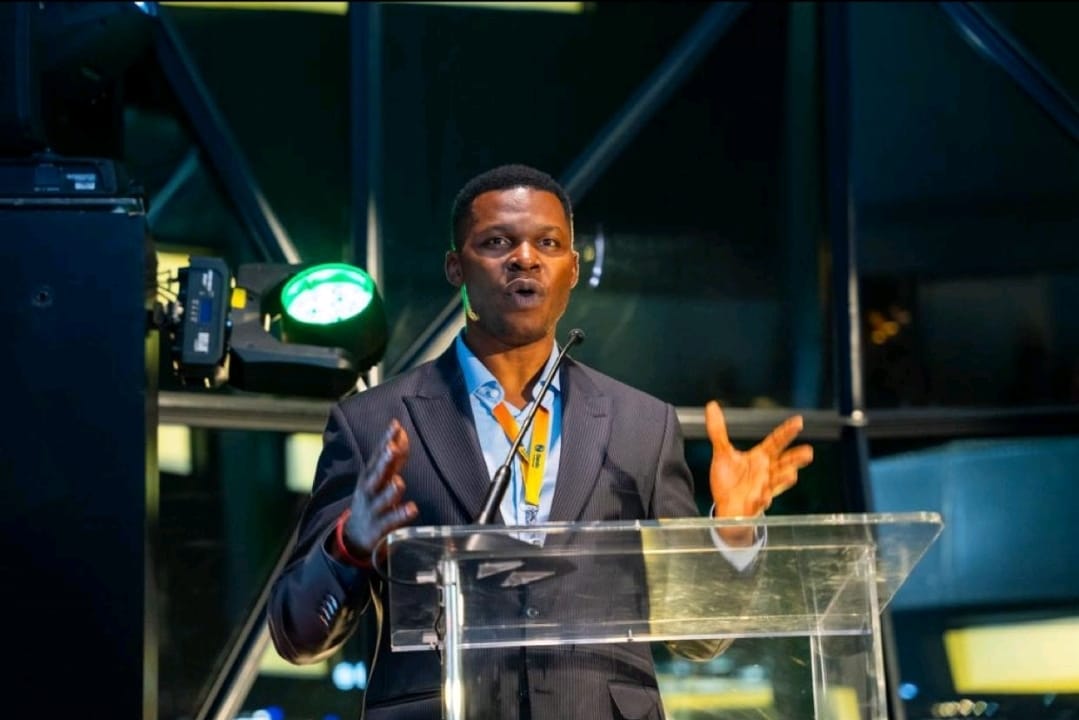
    About a year ago, before COP27 began in Egypt, Fiona Harvey and Matthew Taylor wrote in an opinion piece for The Guardian that it was time for gas exploration in Africa to stop.

    “Africa must embrace renewable energy, and forgo exploration of its potentially lucrative gas deposits to stave off climate disaster and bring access to clean energy to the hundreds of millions who lack it, leading experts on the continent have said,” they wrote.

    This is hardly new. For several years now, wealthy nations and environmental organizations have been strong-arming African countries to leave their petroleum assets in the ground.

    The stance of the African Energy Chamber has been consistent: Yes, African oil and gas-producing countries should and will do their part to support global emissions-reduction goals. Yes, the dangers of climate change should be taken seriously.

    However, we refuse to let the world set the timing for when Africa will ease up on oil and gas exploration and production. We are convinced that oil and gas production, when managed strategically, provides a pathway for economic growth and energy security, and we are determined to help Africa realize those benefits.

    This is the message we’re bringing to COP28: African countries have every right to set the timing for their energy transitions. And like nations around the world, African states will be exercising those rights.

    Africa’s Miniscule Contribution

    The world must understand that African countries cannot be on the same energy transition timeline as Western countries. Africa still needs time – time that the Western world has already had and, frankly continues to milk – to resolve energy poverty and industrialize.

    Let’s first address the proverbial elephant in the room: When it comes to global emissions, Africa is NOT the problem.

    In 2021, global CO2 emissions hit 37.12 billion tonnes. China ranked first in contributing 11.47 billion tonnes; the entire continent of Africa contributed 1.45 billion tonnes, only 4% of global carbon emissions. In fact, over the last two decades, Africa’s total contribution to global greenhouse gas emissions has never been above 4% — by far the smallest share in all the world. Africa has the lowest per-capital emissions of all continents, averaging 1 tonne of CO2 emitted annually by each individual. The average American emits as much CO2 in one month as the average African does in an entire year.

    And yet, Africa is disproportionately being punished for the climate catastrophe that, let’s be honest, was initiated and is perpetuated by Western and developed economies.

    “The story of Africa or the developing world is not really an energy transition story, it’s a development story,” Andrew Kamau with the Center on Global Energy Policy at Columbia University said in a recent interview with Energy Intelligence.

    “You hear a lot about all these technologies that are being developed, but where are they at scale?” Kamau asked. “And has somebody industrialized using wind and solar only? I don’t know. We wait to see if it’s possible.”

    Kamau also questioned where all the international funding is. The West has made grand financial promises, but the level of support truly needed to undertake a transition to renewables at the pace dictated by the West has yet to materialize.

    Using the Resources at Our Feet

    While we at the African Energy Chamber agree that it’s important to develop affordable and sustainable green technologies to supply our energy, we strongly disagree with being pigeonholed into accepting the West’s one-size-fits-all timeline.

    I hear from Africans who are skeptical about the benefits of oil and gas because they have seen the problems caused by the energy sector. You could make the same arguments about the Internet, which has been blamed for harming social relationships, decreasing our safety and security, and damaging children’s cognitive development. Yet, used wisely, the Internet does considerable good as well, and I’m not hearing widespread calls to get rid of it. My point is, oil and gas can and does do good (I’ve written whole books on the subject!) — the key is to be smart about how we capitalize on our resources.

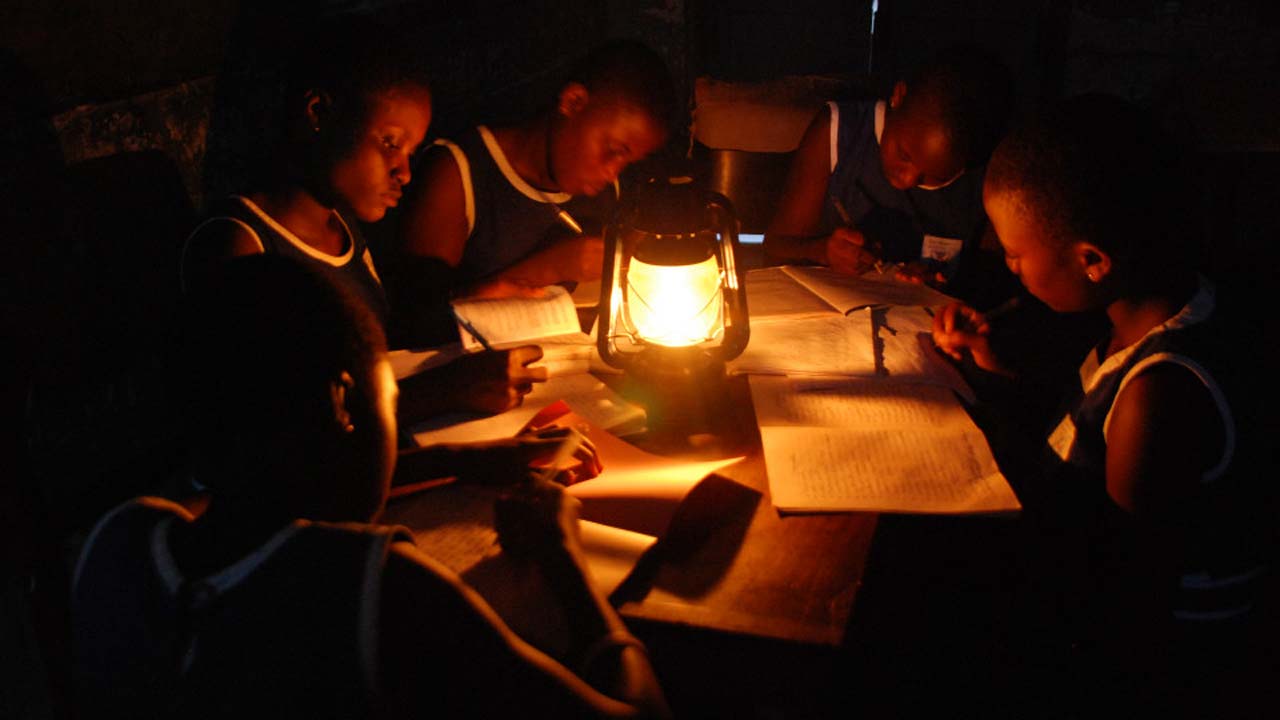
    Some 600 million people on the continent still lack adequate electricity access or even clean cooking technologies. These Africans aren’t focused on the fact that reliable energy infrastructure facilitates economic growth by generating jobs, increasing productivity, and reducing the cost of doing business. Most would be elated to have light in their homes after dark or the ability to refrigerate their food.

    But think about Africa’s abundant energy potential!

    By 2050, the continent will be home to 11% of the world’s liquefied natural gas (LNG) market and the second-highest growth supply of gas. By tapping into the vast stores of natural gas at our feet, we can first work to eradicate energy poverty from the continent, and then secure our economic growth as we transition toward renewables.

    I agree with Mohamed Hamel, the Secretary General of the Gas Exporting Countries Forum, in his description of the argument that Africa should not develop its natural gas resources as “misguided.”

    “A prosperous Africa will be more capable to protect its environment. The right of Africa to develop its vast natural resources can be preserved, and its access to finance and technology, facilitated,” Hamel said.

    Turning the Pressure into Partnership

    Around the time of COP27, I made it clear that, while African nations would not be continuing oil and gas operations indefinitely, with no movement toward renewable energy sources, we Africans should be setting the timetable for Africa’s transition.

    “What I’d like to see instead of Western pressure to bring African oil and gas activities to an abrupt halt, is a cooperative effort,” I wrote at the time. “Partnerships, relationships rooted in respect, open communications and empathy. What does that look like? It begins with the belief that when African leaders, businesses, and organizations say the timing is not right to end our fossil fuel operations, we have a point. That when we are discussing our own countries, we know what we are talking about.”

    Clearly, we still have progress to make. Too many outsiders suggest that African leaders are being manipulated or influenced by greed when they work to foster oil and gas exploration and production in their countries. Few seem to believe that, when countries establish and fine-tune local content laws, adapt investor-friendly fiscal regimes, and promote policy that protects human dignity, they are making reasoned, strategic moves to create better futures for their people.

    That saddens me, but it also strengthens my resolve. We will continue to fight for what’s right, for what’s ours. We are not giving up on a just energy transition for Africa — a transition on a timetable that benefits and uplifts Africans.

  • African Nations Must Reject Promises of Aid and Handouts to Abandon Their Oil and Gas As COP28 Wraps Up

    African Nations Must Reject Promises of Aid and Handouts to Abandon Their Oil and Gas As COP28 Wraps Up

    By NJ Ayuk, Executive Chairman, African Energy Chamber

  • Seismic Development Integral to Africa’s Energy Future, African Energy Chamber (AEC) Underscores during Houston Working Visit

    Seismic Development Integral to Africa’s Energy Future, African Energy Chamber (AEC) Underscores during Houston Working Visit

    JOHANNESBURG, South Africa, November 2, 2023/ — Accurate and up-to-date seismic data is the cornerstone of a thriving oil and gas industry. In Africa, geoscience companies take on a pivotal role, driving the success and efficiency of oil and gas projects by equipping countries and corporations with the precise tools needed to locate hydrocarbon deposits. Without the vital contributions of geoscience firms, Africa would be unable to fully unleash the vast potential of its oil and gas resources.

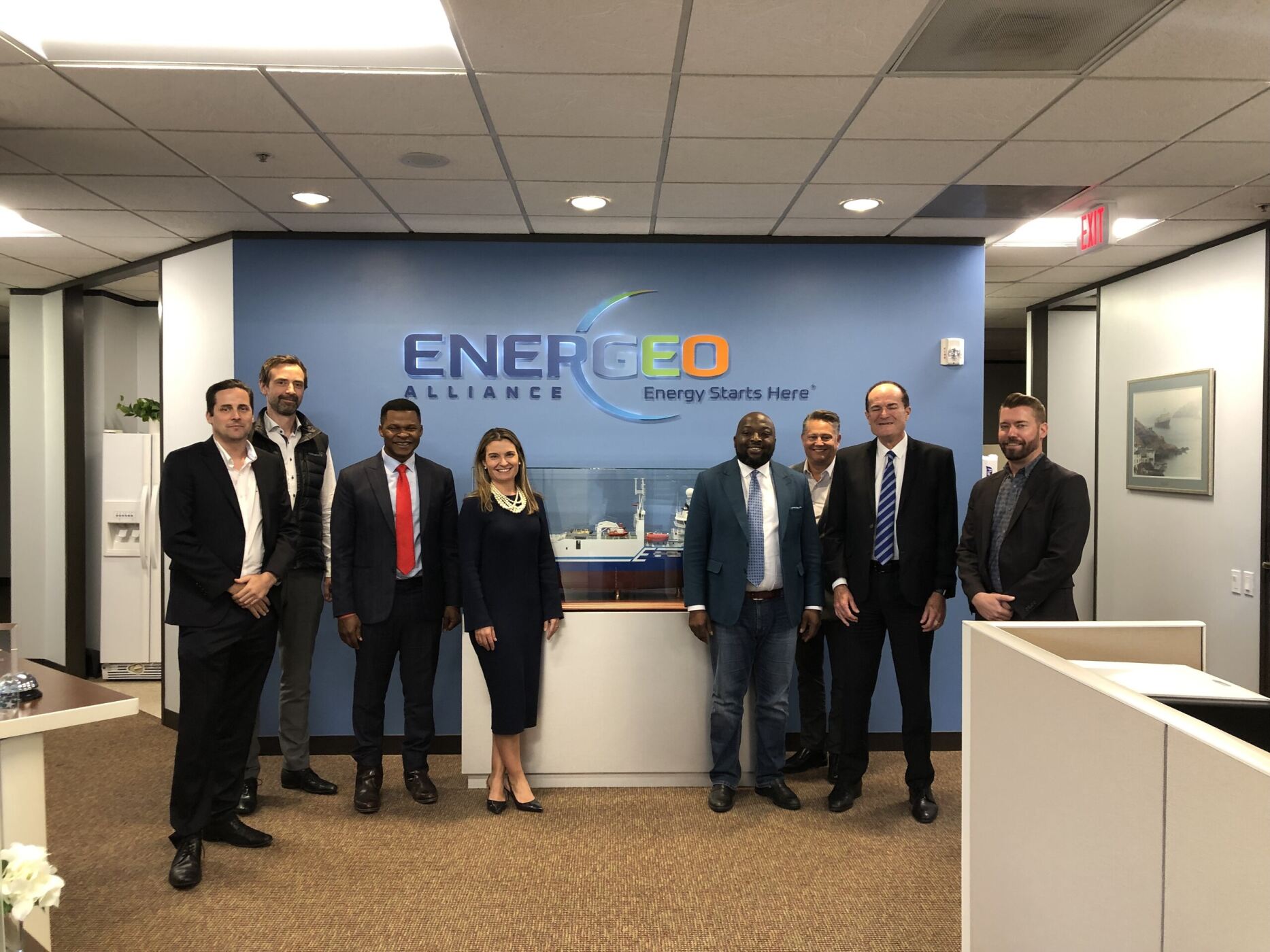
    The African Energy Chamber’s (AEC) working visit to Houston – currently underway – led by Executive Chairman NJ Ayuk, is promoting this very role, engaging with a suite of oil, gas and geoscience companies on the impact they have in Africa’s energy sector. Underpinning the visit is the belief that partnerships between geoscience companies and African governments are quintessential for the success of the burgeoning industry, and that opportunities for geoscience companies in Africa are just unfolding.

    During the visit, the AEC will meet with EnerGeo Alliance, a global trade association for the geoscience industry operating under the motto that, ‘Energy Starts Here.’ EnerGeo Alliance has long-been an important partner for Africa’s oil and gas sector, demonstrating time and time again a commitment to the continent’s hydrocarbon future. The meeting will unpack how geoscience companies, with the support of EnerGeo Alliance, can contribute to the success of Africa’s oil and gas sector. In addition, the meeting will focus on seismic development, and how African governments can support the activities of geoscience companies in untapped acreage.

    Holding up to 125 billion barrels of proven crude oil reserves and 620 trillion cubic feet (tcf) of natural gas, Africa is just beginning to understand the full scope of its oil and gas resources. Countries such as Nigeria, for example, with 200 tcf of proven gas resources, likely hold as much as 600 tcf. At the same time, countries such as Ivory Coast, the Democratic Republic of the Congo, Zimbabwe, Kenya and many more are yet to reveal their oil and gas reserves. Geoscience companies are the key for advancing exploration efforts, providing comprehensive understanding of Africa’s onshore and offshore hydrocarbon plays, and partnerships are what will underpin the very success of African oil and gas.

    Despite the central role geoscience companies have and continue to play in Africa, companies continue to face challenges, with environmental groups blocking both onshore and offshore operations. In South Africa, for example, energy companies continue to experience disruptions, with lobbyist organizations preventing the exploration of the Orange Basin – an area in which sizeable finds have been made on the Namibian side. At the same time, South Africa is in the midst of an energy crisis, and domestic oil and gas would prove a lifeline to the economy. As such, the geoscience community needs to be given the full support of Government, or untapped oil and gas resources will remain in the ground.

    The same can be said continent-wide, and the AEC working visit will underscore the need for stronger collaboration. Topics of discussion will include issues faced by the geoscience community such as strong partnerships; streamlined license approvals; and clear regulation. Additionally, with capacity building representing the very essence of energy and economic development, the meeting will highlight the imperative for training and skills development programs between government and National Oil Companies, as well as how scholarships, programs and mentorship can strengthen the geoscience industry.

    “The geoscience community will have a catalyzing role to play in Africa for many years to come. Africa’s oil and gas potential is only starting to be understood. Through seismic surveys, we can not only understand what lies beneath the continent’s ground and waters, but we can fast-track decision making to monetize resources. We see the seismic community continue to grow, with mergers such as between Norway’s TGS and Petroleum Geo-Services. This sends the right kind of message that the seismic community is committed to growth, and Africa should stand ready to welcome partners,” states Ayuk.

    During this year’s edition of the African Energy Week (AEW) conference in Cape Town, the role geoscience companies play in growing the African oil and gas market was a prominent point of discussion. Various panel discussions, technical presentations and forums drew attention to the need for further collaboration between geoscience players and African governments. The event also featured the inaugural African Farmout Forum, a platform created for striking deals through in-depth understanding of Africa’s upstream plays. However, there is still a lot more to be done, and both AEW and the AEC stand ready to support the growth and contribution of the global geoscience community.

    Distributed by APO Group on behalf of African Energy Chamber.

    SOURCE
    African Energy Chamber

  • Guyana Deserves to Develop its Oil and Gas, and so does Africa

    Guyana Deserves to Develop its Oil and Gas, and so does Africa

    JOHANNESBURG, South Africa, November 2, 2023/ — At a time when both African and Caribbean nations are making great strides towards developing recently discovered oil and gas reserves, countries whose development was driven by hydrocarbons are accelerating efforts to transition to a renewable energy future.
    This transition has seen wealthy nations establish a ‘green agenda,’ one which does not take into consideration Africa’s economic needs. The African Energy Chamber (www.EnergyChamber.org), therefore, strongly calls for an end to the demonization of oil and gas, encouraging African and Caribbean nations to collaborate towards a common and fair energy agenda.

    Africa and Guyana are just starting to uncover the true potential of their oil and gas resources. More than 30 discoveries were made in Guyana since 2015, with one block alone – operated by ExxonMobil – expected to hold as much as 11 billion barrels of oil. The same can be said for countries in Africa such as Namibia, with five major discoveries since 2022; Mozambique, with its major gas projects; Angola, Nigeria, Equatorial Guinea and many more.

    The green agenda fails to recognize the substantial potential resources such as natural gas – abundant in both Africa and the Caribbean – offer. Africa, for its part, holds over 600 trillion cubic feet (tcf) of natural gas reserves, and yet continues to be told to leave these resources in the ground.

    Unfortunately, climate panic and fear mongering are alive and well, and for some reason, Africa is public enemy number one. A continent that emits a negligible amount of carbon dioxide – at most, 3% of the world’s total emissions – is being disproportionately pegged as a threat to the planet by developed nations.

    In particular, the West is vilifying Africa’s energy industry because it is based on fossil fuels, even though the proportion of renewables is growing.  There’s no question that much of this anti-African oil and gas sentiment is based in fear of climate change, which is intertwined with the sheer terror that a fossil fuel boom in Africa, Guyana, Trinidad and Tobago, Suriname and other Caribbean nations could be devastating to the world at large.

    For countries such as Mozambique, with 100 tcf of proven reserves; Nigeria, with 200 tcf of proven reserves; Angola, with 10 tcf of proven, and many others, leaving gas in the ground is simply not an option. With significantly fewer emissions than resources such as coal, gas stands to play a catalyzing role in Africa.

    Through gas, the continent can bring economies to life, unlocking a prosperous future in the form of job creation, business opportunities, capacity building and monetization. Despite this potential, the green agenda advocates for an immediate transition, thereby ignoring the sustainable, logical and realistic solution gas provides. In this scenario, both Africa and Guyana are proposing an alternative agenda, one in which gas is developed to meet the current needs and future demand of nations. Through gas, countries will be strategically positioned to finance the transition to renewables.

    “Demonizing the oil and gas industry must stop. We see it constantly, in the media, in policy and investment decisions, and in calls for Africa to leave our fossil fuels in the ground. We see it with lawsuits to stop the financing of projects such as Mozambique Liquefied Natural Gas or lawsuits to prevent Shell from even carrying out a seismic survey,” stated NJ Ayuk, Executive Chairman of the AEC. “Actions like these, even as Western leaders have pushed OPEC to produce oil and are pushing European nations to increase their own production and escalate coal use, are not fair, and they’re not helpful.”

    Africa is on a mission to make energy poverty history by 2030 and this can only be achieved through oil and gas. Currently, over 600 million people are without access to electricity while over 900 million are without access to clean cooking solutions. The wealthy nations green agenda does not consider how much Africa needs natural gas to bring electricity to the growing number of Africans and Caribbeans living without it.

    They do not understand that we, as Africans, are focused on growing Africa’s energy mix to include fossil fuels and renewables, instead of insisting on an all or nothing approach to our energy transition. Africa’s energy and economic future hinges on an integrated, not separated, energy mix.

    As such, countries are calling for a new discussion to take place at COP28 in Dubai, one in which both Africa and the Caribbeans voices are not only heard but a part of. During the African Energy Week 2023 conference this October, African leaders emphasized the critical need to adopt an Africa-centric and just energy transition, one that heavily incorporates oil and gas. Global leaders, financial institutions and project developers should comply with this agenda, putting a continent’s needs before the world’s problems.

    “I also would respectfully ask financial institutions to resume financing for African oil and gas projects and stop attempting to block projects like the East African Crude Oil Pipeline or Mozambique’s LNG projects,” Ayuk concluded.

    Distributed by APO Group on behalf of African Energy Chamber.

    SOURCE
    African Energy Chamber

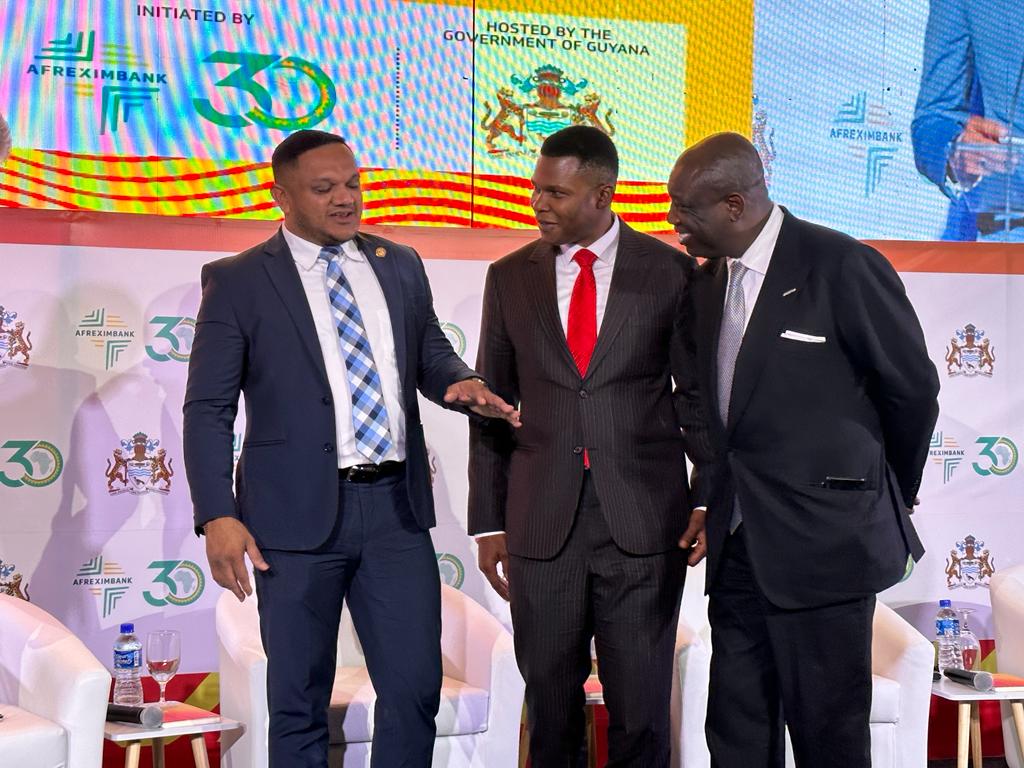
  • African Energy Chamber (AEC) Advocates for Fast-Tracked Approach to Oil Development and Deals at AfriCaribbean Trade and Investment Forum (ACTF) 2023 in Guyana

    African Energy Chamber (AEC) Advocates for Fast-Tracked Approach to Oil Development and Deals at AfriCaribbean Trade and Investment Forum (ACTF) 2023 in Guyana

    JOHANNESBURG, South Africa, October 31, 2023/ — The African Energy Chamber (AEC) (https://EnergyChamber.org) strongly supports the development of oil and gas in Africa and remains committed to facilitating deals between African and global players.
    Under efforts to strengthen multilateral partnerships and bolster oil and gas deals, the AEC’s Executive Chairman NJ Ayuk is currently conducting a working visit to Guyana, participating in the AfriCaribbean Trade and Investment Forum 2023. Ayuk is speaking on a panel titled, ‘Opportunities in the Oil and Gas Sector.’

    Burgeoning African oil producers stand to learn a great deal from Guyana, a country which prioritized a fast-tracked approach to developing recent oil and gas discoveries. Since 2015, more than 30 offshore oil discoveries were made in Guyana, with over 11 billion barrels of recoverable reserves identified.

    In five short years since the company’s discovery, project developer ExxonMobil started producing oil from the Stabroek Block, discovered in 2015. A strong pipeline of other projects came online shortly afterwards, with support from the Government of Guyana serving as a catalyst for development.

    This fast-tracked approach to not only discovering but developing oil is both commendable and replicable. By streamlining regulatory processes, introducing attractive fiscal terms and engaging with private players to develop projects quickly, the Government of Guyana has prioritized economic growth and progress.

    For countries in Africa making their own offshore finds, this approach is highly strategic. Namibia, for example, which made five major discoveries in less than two years, serves to learn a great deal from its Caribbean neighbor.
    The country is situated in southern Africa, a region with an energy crisis that has long-impacted economic development. With billions of barrels worth of oil likely to be contained in the country’s offshore basins, a fast-tracked approach to development is critical, not only for the country but the region at large.

    The same can be said for Namibia’s neighbor South Africa. Faced with environmental opposition across the upstream oil and gas industry, major finds made such as Luiperd and Brulpadda are yet to be developed. Regulatory delays and lack of investment further restrict progress. Unless the country adopts an aggressive approach to developing offshore resources, critical energy will remain undeveloped.

    However, Africa’s offshore development is not only a picture of potential. Countries such as Senegal and Mauritania have seen substantial success in recent years, with the removal of red tape, streamlining of regulatory processes and aggressive approach to signing deals driving a number of impactful projects.

    Senegal’s 100,000 barrel per day Sangomar oilfield development is set to come online in 2024 alongside the Greater Tortue Ahmeyim project. Exploration has accelerated regionally but deals are still awaiting signatures.

    During Ayuk’s visit to Guyana, this very topic is a central point of discussion. Ayuk’s call for a ‘sign baby sign’ mindset in Africa’s oil and gas sector serves as a rallying cry for expediting critical energy projects.

    This mindset emphasizes the importance of swift decision-making and the elimination of bureaucratic hurdles that often hinder progress. By streamlining processes and expediting approvals, Ayuk advocates for a more agile and responsive industry, poised to capitalize on opportunities and navigate challenges with efficiency.

    One of the AEC’s key messages is the imperative need to cut through bureaucratic red tape. Cumbersome regulatory processes and administrative delays can stifle investment and impede the timely execution of critical projects. By streamlining regulations and ensuring transparency, the AEC envisions a more investor-friendly environment that not only attracts capital but also accelerates project implementation.

    Across Africa, Governments are urged to shed their hesitancy and embrace a forward-looking approach to energy development. By adopting policies that promote investment, leaning on partnerships with counterparts such as Guyana and signing deals quickly, African countries can unlock their full energy potential and, in turn, drive economic prosperity.

    Distributed by APO Group on behalf of African Energy Chamber.

    SOURCE
    African Energy Chamber

  • Responsible Resourcing Awards: Acknowledging Junior Miners’ Sustainable Initiatives

    Responsible Resourcing Awards: Acknowledging Junior Miners’ Sustainable Initiatives

    CAPE TOWN, South Africa, October 31, 2023/ — Mining Indaba understands how important ESG is to the mining industry, two years ago we introduced the Junior ESG Awards to recognise and honour junior mining companies that are striving to achieve positive impacts related to their companies’ sustainable development. This initiative provides a platform for juniors to share their initiatives in order to be recognised for their excellent achievements while inspiring peers to do the same.

    Rebranded the Responsible Resourcing Awards, Mining Indaba will continue to honour junior mining companies for their sustainable development initiatives. These awards promote a more ethical and sustainable future in and for the industry and the greater economies they have a presence in. Previous recipients have been recognised for initiatives including reducing carbon emissions, improving access to clean water, and promoting sustainable economic development in their regions. Their innovation and dedication contribute to a more sustainable future.

    Junior miners are transforming responsible mining by preserving the environment, supporting local communities, and promoting sustainable, ethical practices in the industry through their innovative approach.

    The Responsible Resourcing Awards cover a variety of aspects of sustainable mining including:

    • Climate

    For its innovative and revolutionary climate-change initiatives, such as green power solutions, nature-based solutions, and re-designing mining infrastructure to address environmental, social, and economic issues.

    • Water

    A company is recognised for improving clean water access, introducing innovative solutions for pollution prevention, and responsibly managing water usage in projects and asset operations.

    • Economy

    A company promoting sustainable economic development in local communities, focusing on vulnerable groups, reducing dependency on mining, and promoting the green economy.

    • Circularity

    A company is recognised for integrating circular processes into its operations, at any stage of the mining life cycle, and/or into the local economy.

    • Transparency

    A company is recognised for its exceptional transparency practices and efforts to enhance accountability mechanisms, thereby promoting business integrity and good governance.

    • Nature

    A company is focusing on innovative strategies to protect, preserve, and restore ecosystems and species, with a particular interest in collaborative and landscape-level projects.

    • Community Engagement

    A company is enhancing local institutions and empowering people to assert their human rights through innovative initiatives and community engagement in decision-making processes.

    • Labour

    A company that excels in employment practices, including labour rights respect, equal opportunities, fair treatment, professional development, health and safety culture, and worker voice recognition.

    • Diversity, equality, and inclusion

    A company is recognised for successfully implementing a diversity, equality, and inclusion strategy, demonstrating improved representation against bias and discrimination, and overcoming discrimination at all organisational levels.

    The judging process for the Responsible Resourcing Awards involves a carefully selected expert panel of ESG advisors, managers, and analysts. The criteria will include factors such as the level of commitment to sustainability, innovative approaches to environmental responsibility, social impact, and ethical practices. The judges will prioritise entries that demonstrate tangible and measurable results, as well as a clear vision, robust execution, and a lasting commitment to building a more sustainable and responsible future.

    The deadline for submissions is January 2024.

    Submit your entry here: https://apo-opa.info/477kQDw

    Distributed by APO Group on behalf of Investing in African Mining Indaba.

    For media queries:
    R&A Strategic Communications

    Katherine Bester
    katherineb@rasc.co.za
    indaba@rasc.co.za

    Sibongile Mtafu
    sibongile@rasc.co.z

  • Giving a Graphite touch to  Wa’s Emerging Gold Image in Ghana

    Giving a Graphite touch to Wa’s Emerging Gold Image in Ghana

    Story: Mohammed A.Abu

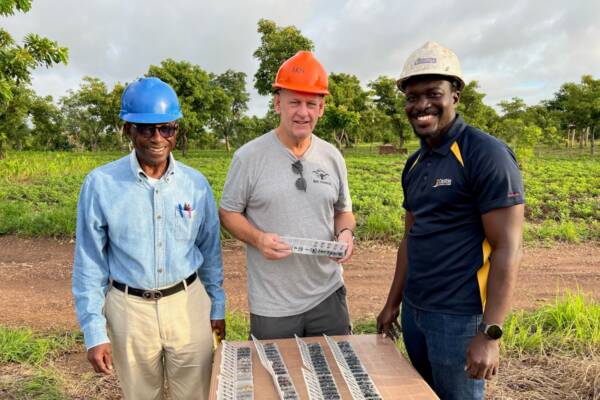
    Over a decade of passion and commitment on the part of  the Australia Securities  Exchange(ASX) listed company ,Castle Minerals Ltd ,is set to give Ghana’s up country’s generally agrarian driven economy, a diversification to  commercial gold and Graphite(one of the”Critical Minerals”) production touch.

    Gold

    The company’s  ambitious Wa Gold Project owned by its local subsidiary,Azumah Resources Ghana Ltd,has since earned for the Upper West region in international investor community circles the accolade, ‘The Emerging North Western  Gold Province”

    The project is located approximately 10km away from the regional capital of Wa. It extends over a total land holding of 3,164km² and comprises three main deposits namely Kunche, Bepkong and Julie along with two satellite deposits Aduane and Collette.

    The open pit gold mining project includes a 1.2 million tonne per year carbon-in-leach (CIL) processing plant for treating oxide and transition ore. It is estimated to produce approximately 100,000oz of gold a year over an initial mine life of seven years.

    Graphite

    In an official announcement  today, Monday, Castle Minerals Managing Director,Stephen Stone notes, “Castle Boosts Kambale Graphite Resource to 22.4Mt Higher Confidence Indicated Resource Increased 55% Solid Platform Established to Underpin Development Ambitions”

    “Graphite concentrate sample successfully produced during Perth test work is now in Germany undergoing evaluation for its use in lithium-ion batteries (“LiBs”), the announcement disclosed.

    The emerging flagship Kambale Graphite Project owned by 100% Ghanaian subsidiary, Kambale Graphite Limited, is located in the country’s Upper West region.

    Castle Managing Director, Stephen Stone commented:

    “We are delighted to deliver for the fast-emerging Kambale Graphite Project a 38% increase in contained graphite and can now boast a Mineral Resource Estimate of 22.4 million tonnes grading 8.6% TGC containing 1.94 million tonnes of graphite. Forty-three percent of the MRE is in the higher confidence Indicated Resource category.

    “The MRE increase provides a very solid platform upon which to advance our development ambitions, especially now that Castle has demonstrated in test work that a fine flake graphite concentrate of commercial specifications can be produced using a conventional flotation process. This is the primary material used in the manufacture of lithium-ion battery anodes.

    “This all comes just as China this week has introduced a surprise ban on natural and synthetic graphite exports to protect its battery and car manufacturing industries.

    “This will immediately intensify the multi-billion-dollar rush by the USA, EU and other non-China EV manufacturing nations to secure other sources of graphite, battery anodes and EV batteries which they are presently almost totally reliant on China for.

    “The accelerating take-up of EVs alone is driving an enormous increase in demand for graphite for use in lithium-ion batteries for EVs, power storage units and other chargeable consumer devices.

    “Each EV contains between 30kg and 60kg of battery grade graphite where every kg of that is derived from at least 3kg of natural flake concentrate.

    “With another 100 million light EVs forecast to be on the road by 2030, it’s no surprise that forecasters are predicting a natural graphite concentrate supply deficit as current and proposed supply is wholly inadequate.

    “Castle continues to fast-track and de-risk its Kambale Graphite Project and has just kicked off a specialist evaluation in Germany of the concentrate to confirm its suitability for the manufacture of lithium-ion batteries.

    “Mining and metallurgical engineering groups will be appointed shortly to assess the technical and commercial merits of establishing on-site a commercial-scale mining and processing facility.

    “With good access to two international ports in Ghana that can service the USA and EU markets, Kambale has a strategic importance as a still uncommitted resource.

    “The Project will also use mainly hydro-generated “green-grid” power. With Ghana recognized as a safe, stable and established mining jurisdiction, this all bodes well for the Project’s future.” Mr. Stone further disclosed.


    ..


  • African Sustainable Mining Piques Interest of Global Players

    African Sustainable Mining Piques Interest of Global Players

    CAPE TOWN, South Africa, September 5, 2023/ — In the wake of the global energy transition, mining companies have come under pressure to adopt sustainable business practices and employ low-carbon technologies in order to mitigate adverse environmental impacts.

    Private- and public-sector led mining activities across Africa have begun to prioritize sustainable techniques to promote environmental sustainability, social responsibility, and good business practices. In turn, the sustainable mining industry has become an increasingly attractive investment opportunity for global players seeking to enhance their returns on investment while spearheading climate protection and resilience.

    The Critical Minerals Africa (CMA) summit (https://CriticalMineralsAfrica.com/) – which is organized by Energy Capital & Power and is scheduled for October 17-19 in Cape Town – will connect capital and technology providers to African mineral producers, fostering synergies between the mining and tech industries. Taking place concurrently with Africa’s largest energy event, the African Energy Week conference (https://AECWeek.com/), CMA 2023 facilitates new investment and technology into both the African energy and mining sectors under efforts to forge a sustainable future for all.

    The emergence of advanced technologies such as machine learning, artificial intelligence, cloud computing, and robotics is poised to advance process automation within Africa’s mining industry. Automation can enable real-time monitoring of minerals and metals through mines and processing plants and allow mining companies to use simulations during the mining design stage to test multiple solutions before implementation. Automation also enables mines to reduce costs and improve competitiveness during operation, with more efficient sources of energy and improved water quality management set to drive profitability, safety and efficiency. Investing in automation will unlock a fresh wave of productive mineral operations in Africa.

    On the mining technique front, new alternatives to traditional mining strategies such as in-situ leching are enabling African mining projects to reduce their environmental impact. Investments in modern mining and rehabilitation techniques including afforestation will allow miners to reduce soil erosion and vegetation disturbance while the re-use of mining waste present opportunities for mines to ensure effective land and waste management. Sustainable mining techniques will also enable mining operators to more effectively re-process tailings for use as mine back-fill material. As Africa’s mineral sector grows due to rising global interest in critical minerals, the deployment of innovative mining techniques will enhance both productivity and sustainability.

    Meanwhile, Africa’s sustainable mineral investment opportunities transcend mining operations. Extraction and transportation in the mining industry requires immense amounts of energy. As such, alternative forms of energy such as solar, wind, and hydroelectric power are poised to reduce mines’ carbon footprint while improving the overall sustainability of the industry.

    While clean-energy mines are still in their infancy in Africa, mining companies including Anglo American, Sibanye-Stillwater, Gold Fields, Harmony Gold, and Impala Platinum have begun to tap into the continent’s renewable energy potential and expand sustainable energy development for their large-scale projects in South Africa. The integration of renewables with mining operations presents a lucrative investment opportunity and will become increasingly more important as the world transitions to a low-carbon future.

    Foreign investment within Africa’s mining industry is poised to increase productivity while ensuring the sector remains up to date with the latest innovations and environmental standards. The implementation of sustainable mining technologies offers the benefit of maximizing exploration and production while creating research and education opportunities for the continent’s local workforce. As such, CMA 2023 will catalyze the development of Africa’s sustainable mining industry, bringing financiers and technology providers to the market.

    Are you a tech-expert looking at modernizing Africa’s mining operations? Or are you a financier looking at expanding your portfolio of sustainable investments? CMA 2023 offers both a unique and highly strategic platform to do both. Join the summit now and connect with Africa’s mining industry.

    Critical Minerals Africa takes place on 17-19 October at the CTICC in Cape Town, South Africa.

    Tickets are now available at www.CriticalMineralsAfrica.com

    Contact us if you are interested in speaking: speak@energycapitalpower.com

    Contact us if you wish to promote your organization as a sponsor: sales@energycapitalpower.com

    Contact conference director James Chester by email at james@energycapitalpower.com if you wish to discuss your strategic objectives at the conference.

    Distributed by APO Group on behalf of Energy Capital & Power.

    SOURCE
    Energy Capital & Power