Category: Science & Technology

  • Koa Academy Wins Meltwater Entrepreneurial School of Technology (MEST) Africa Challenge 2023, Securing $50,000 Investment

    Koa Academy Wins Meltwater Entrepreneurial School of Technology (MEST) Africa Challenge 2023, Securing $50,000 Investment

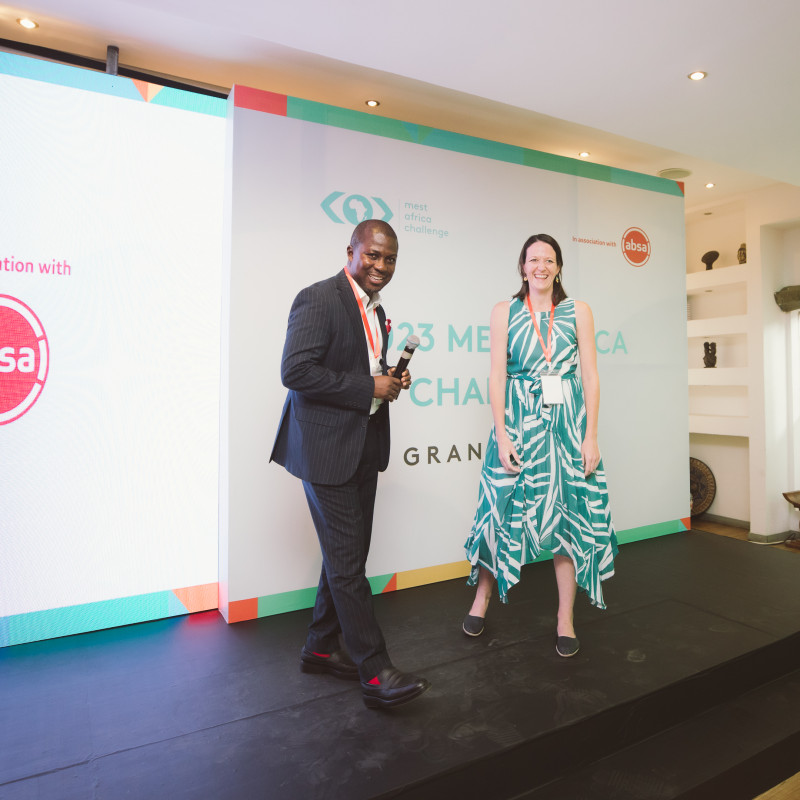
    ACCRA, Ghana, March 25, 2024/ — MEST Africa (www.Meltwater.org), a leading Pan-African tech entrepreneurship training program, seed fund, and incubator, proudly announces Koa Academy (www.KoaAcademy.com) as the grand prize winner of the 2023 MEST Africa Challenge (MAC), securing a $50,000 equity investment after a competitive pitch battle among Africa’s brightest tech innovators.

    In a thrilling showcase of ingenuity and entrepreneurial spirit, Koa Academy from South Africa stood out at the MEST Africa Challenge finale in Accra, Ghana, surpassing contenders from across the continent. This coveted startup competition, known for identifying and nurturing tech talent, saw Koa Academy clinch the top spot with its groundbreaking solution, poised to transform the Edtech industry.

    The competition drew applications from hundreds of early-stage tech startups, rigorously assessed on criteria such as innovation, scalability, and team strength. Finalists from Ghana, Nigeria, Senegal, South Africa and Kenya competed in the grand finale, demonstrating their unique solutions and business models to a panel of esteemed judges, including investors and industry experts.

    Koa Academy, Winner of the 2023 MEST Africa Challenge and a South African innovator in online education, offers dynamic and interactive courses for grades 4-12. With a focus on engagement and accessibility, it champions digital learning, making quality education available to anyone, anywhere, and transforming the educational landscape in South Africa.

    The startup impressed the judges at the MAC Finale showcasing significant market potential, revenue growth, and social impact. “Winning the MEST Africa Challenge has been an amazing experience for the Koa Academy team. It highlights the hard work and dedication that everyone has put into growing Koa.

    This recognition is not just an award; it’s a testament to the passion and perseverance that drives us every day. Amidst the challenges, this journey has brought us closer to others across the continent, forging relationships and connections that fuel our mission even further.

    We are reminded that we’re not alone in this endeavor and are incredibly grateful for the support and learning opportunities this challenge has presented,” said Lauren Anderson, Co-founder and CEO, Koa Academy, expressing gratitude and optimism for the future of tech startups in Africa.

    Ashwin Ravichandran, Portfolio Advisor at MEST Africa congratulated the winner and finalists for their exceptional achievements and resilience. The event also highlighted the support of Absa Bank Ghana for contributing to the challenge’s success.

    The MEST Africa Challenge continues to be a pivotal platform for emerging tech startups in Africa, offering funding, visibility, and support to innovate and scale. Koa Academy’s victory underscores the vibrant potential within Africa’s tech ecosystem, promising a brighter future for the continent’s digital landscape.

    For more information and updates on the MEST Africa Challenge, visit https://apo-opa.co/4a7ZUhN.

    Distributed by APO Group on behalf of The Meltwater Entrepreneurial School of Technology (MEST Africa).

    For more information or media inquiries, contact:
    Ophesmur Naa Adjeley Adjei
    Communications and Community Manager, MEST Africa
    ophesmur@meltwater.org

  • Africa needs China for its digital development – but at what price?

    Africa needs China for its digital development – but at what price?

    Author: Stephanie

    PhD Candidate, University di Bologna

    First Published: February 27, 2024 4.08pm SAST

    Digital technologies have many potential benefits for people in African countries. They can support the delivery of healthcare services, promote access to education and lifelong learning, and enhance financial inclusion.

    But there are obstacles to realizing these benefits. The backbone infrastructure needed to connect communities is missing in places. Technology and finance are lacking too.

    In 2023, only 83% of the population of sub-Saharan Africa was covered by at least a 3G mobile network. In all other regions the coverage was more than 95%.

    In the same year, less than half of Africa’s population had an active mobile broadband subscription, lagging behind Arab states (75%) and the Asia-Pacific region (88%).

    Therefore, Africans made up a substantial share of the estimated 2.6 billion people globally who remained offline in 2023.

    key partner in Africa in unclogging this bottleneck is China. Several African countries depend on China as their main technology provider and sponsor of large digital infrastructural projects.

    This relationship is the subject of a study I published recently. The study showed that at least 38 countries worked closely with Chinese companies to advance their domestic fibre-optic network and data centre infrastructure or their technological know-how.

    China’s involvement was critical as African countries made great strides in digital development. Despite the persisting digital divide between Africa and other regions, 3G network coverage increased from 22% to 83% between 2010 and 2023. Active mobile broadband subscriptions increased from less than 2% in 2010 to 48% in 2023.

    For governments, however, there is a risk that foreign-driven digital development will keep existing dependence structures in place.

    Reasons for dependence on foreign technology and finance

    The global market for information and communication technology (ICT) infrastructure is controlled by a handful of producers. For instance, the main suppliers of fibre-optic cables, a network component that enables high-speed internet, are China-based Huawei and ZTE and the Swedish company Ericsson.

    Many African countries, with limited internal revenues, can’t afford these network components. Infrastructure investments depend on foreign finance, including concessional loans, commercial credits, or public-private partnerships. These may also influence a state’s choice of infrastructure provider.

    The African continent’s terrain adds to the technological and financial difficulties. Vast lands and challenging topographies make the roll-out of infrastructure very expensive. Private investors avoid sparsely populated areas because it doesn’t pay them to deliver a service there.

    Landlocked states depend on the infrastructure and goodwill of coastal countries to connect to international fibre-optic landing stations.

    A full-package solution

    It is sometimes assumed that African leaders choose Chinese providers because they offer the cheapest technology. Anecdotal evidence suggests otherwise. Chinese contractors are attractive partners because they can offer full-package solutions that include finance.

    Under the so-called “EPC+F” (Engineer, Procure, Construct + Fund/Finance) scheme, Chinese companies like Huawei and ZTE oversee the engineering, procurement and construction while Chinese banks provide state-backed finance. Angola, Uganda and Zambia are just some of the countries which seem to have benefited from this type of deal.

    All-round solutions like this appeal to African countries.

    What is in it for China?

    As part of its “go-global” strategy, the Chinese government encourages Chinese companies to invest and operate overseas. The government offers financial backing and expects companies to raise the global competitiveness of Chinese products and the national economy.

    In the long term, Beijing seeks to establish and promote Chinese digital standards and norms. Research partnerships and training opportunities expose a growing number of students to Chinese technology.

    The Chinese government’s expectation is that mobile applications and startups in Africa will increasingly reflect Beijing’s technological and ideological principles. That includes China’s interpretation of human rights, data privacy and freedom of speech.

    This aligns with the vision of China’s “Digital Silk Road”, which complements its Belt and Road Initiative, creating new trade routes.

    In the digital realm, the goal is technological primacy and greater autonomy from western suppliers. The government is striving for a more Sino-centric global digital order. Infrastructure investments and training partnerships in African countries offer a starting point.

    Long-term implications

    From a technological perspective, over-reliance on a single infrastructure supplier makes the client state more vulnerable. When a customer depends heavily on a particular supplier, it’s difficult and costly to switch to a different provider. African countries could become locked into the Chinese digital ecosystem.

    Researchers like Arthur Gwagwa from the Ethics Institute at Utrecht University (Netherlands) believe that China’s export of critical infrastructure components will enable military and industrial espionage. These claims assert that Chinese-made equipment is designed in a way that could facilitate cyber-attacks.

    Human Rights Watch, an international NGO that conducts research and advocacy on human rights, has raised concerns that Chinese infrastructure increases the risk of technology-enabled authoritarianism.

    In particular, Huawei has been accused of colluding with governments to spy on political opponents in Uganda and Zambia. Huawei has denied the allegations.

    The way forward

    Chinese involvement provides a rapid path to digital progress for African nations. It also exposes African states to the risk of long-term dependence. The remedy is to diversify infrastructure supply, training opportunities and partnerships.

    There is also a need to call for interoperability in international forums such as the International Telecommunications Union, a UN agency responsible for issues related to information and communication technologies.

    Interoperability allows a product or system to interact with other products and systems. It means clients can buy technological components from different providers and switch to other technological solutions. It favours market competition and higher quality solutions by preventing users from being locked in to one vendor.

    Finally, in the long term African countries should produce their own infrastructure and become less dependent.

    SOURCE

    The Conversation 


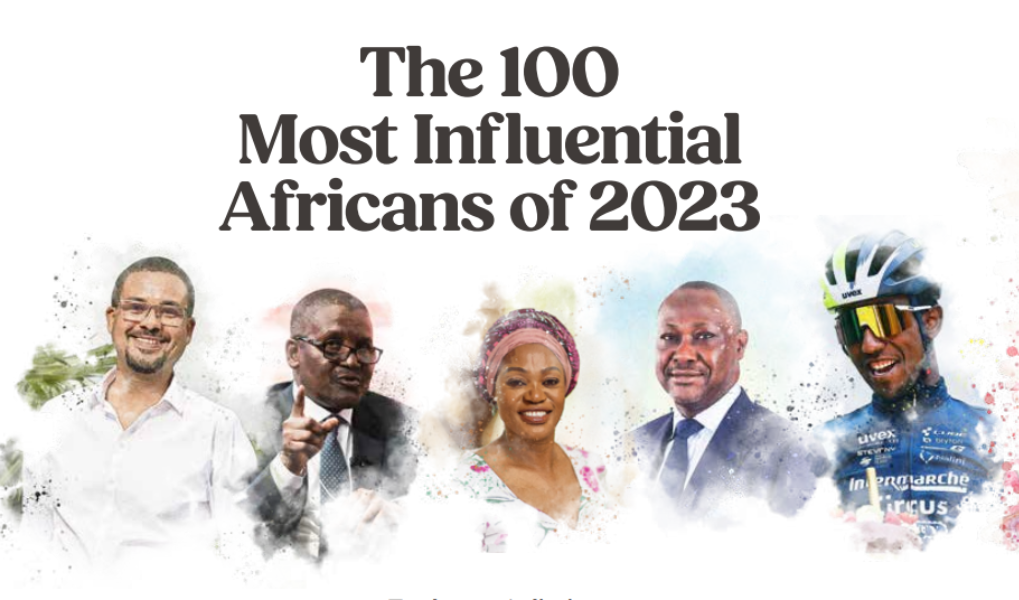
  • New African Magazine reveals the 100 Most Influential Africans of 2023

    New African Magazine reveals the 100 Most Influential Africans of 2023

    • The list features a diverse and inspiring group of men and women from various fields and sectors, who have made a positive impact on the continent and the world
    • Creatives dominate the ranking with 31 representatives, followed by Business with 25 entries
    • Nigeria is the country most represented on the list
    • The list reflects the shifting trends and priorities in Africa, as the continent faces new challenges and opportunities

    02 January 2023 – New African magazine released today its annual listing of the 100 Most Influential Africans of 2023. The list celebrates the achievements and contributions of Africans from various fields and sectors, who have made a positive impact on the continent and the world.

    The list features a diverse and inspiring group of men and women, who have demonstrated excellence, innovation, leadership, resilience, and vision in their respective domains. They include politicians, entrepreneurs, industrialists, environmentalists, creatives, scientists, educators, sports personalities, and more.

    The list also reflects the shifting trends and priorities in Africa, as the continent faces new challenges and opportunities in the post-pandemic era. Creatives dominate the ranking with 31 representatives, including singer Abel Tesfaye, aka The Weekend, filmmaker Alice Diop and writer Nana Darkoa Sekyiamah.

    The second category with the highest number of entries was the Business section, with 25 entries. The section included two behemoths from DFIs, supporting a private sector approach to investing: Samaila Zubairu from Africa Finance Corporation and the President of Afreximbank, Benedict Oramah, undoubtedly Africa’s juggernaut from the last few years leading Africa’s transformation. Also on the list is the former CEO of Eskom and whistleblower who nearly paid with his life André de Ruyter.

    Nigeria was the country most represented on the list, highlighting the country’s dominance in the creative sector and business. William Ruto, the President of Kenya, and Bola Tinubu, President of Nigeria, were the only heads of state to make it, along with the Guinean military leader Mamady Doumbouya. Doumbouya created quite a stir at this year’s UN General Assembly and appears to have found a solution around the Simandou mining saga.

    With Climate Change at the top of the agenda, the list features several players in the environmental space, such as James Mwangi, formerly from Dalberg Group who has set up his own venture fund investing in climate related businesses, and Elizabeth Maruma Mrema, the Executive Secretary of the UN Convention on Biological Diversity.

    In the media, we have two media leaders from Côte d’Ivoire, Fabrice Sawegnon, founder of communications agency Voodoo, and Daniel Ahaoussa, serial entrepreneur and founder of a number of websites in West and Central Africa. Also included are the journalist Alan Kasujja, the BBC journalist, and Branko Brkic, founder of Daily Maverick, arguably the most powerful media in South Africa today.

    And in sports, record breakers Faith Kipyegon and Kelvin Kiptum make it, as well as the Springboks team, under the leadership of their captain Siya Kolisi. Patrice Motsepe, the President of CAF, a close friend of FIFA president Gianni Infantino and an increasingly influential voice in sports, is also included.

    The 100 Most Influential Africans of 2023 is a special edition of New African magazine, which offers a comprehensive and insightful overview of the lives and achievements of the selected individuals. The magazine also provides a platform for the readers to learn from their stories, and to be inspired by their examples.

    Download the 100 Most Influential Africans of 2023 special edition of New  African or see below the list in full.

    Politics and Public Service

    • William Ruto
    • Ibrahima Cheikh Diong
    • Sidi Ould Tah
    • Akinwumi Adesina
    • Ngozi Okonjo-Iweala
    • Bola Tinubu
    • Mamady Doumbouya
    • Ousmane Sonko
    • Nadia Fettah Alaoui
    • Tsitsi Masiyiwa
    • Tidjane Thiam

    Business

    • Mohamed Kande
    • Sim Tshabalala
    • Karim Beguir
    • Didier Acouetey
    • Olugbenga Agboola
    • Samaila Zubairu
    • Prof. Benedict Okey Oramah
    • Ralph Mupita
    • Ibrahim Sagna
    • Simon Tiemtoré
    • Jules Ngankam
    • Riham ElGizy
    • André de Ruyter
    • Aliko Dangote
    • Ham Serunjogi
    • Serge Ekué
    • Bahija Jallal
    • Coura Sène
    • Bernard Koné Dossongui
    • Hassanein Hiridjee
    • Shola Akinlade
    • James Mwangi
    • Pascal Agboyibor

    Science and Academia

    • Anna Adeola Makanju
    • Chao Tayiana Maina
    • Nemat Talaat Shafik
    • Ismahane Elouafi
    • Moungi Bawendi
    • Timnit Gebru

    Environmental

    • James Irungu Mwangi
    • Ephraim Mwepya Shitima
    • Wanjira Mathai
    • Rashid Sumaila
    • Elizabeth Maruma Mrema
    • Dr Musonda Mumba

    Creative

    • Kaouther Ben Hania
    • Danai Gurira
    • Ncuti Gatwa
    • Black Coffee
    • Tyla Laura Seethal
    • Temilade “Tems” Openiyi
    • Lesley Lokko
    • Mulenga Kapwepwe
    • Alice Diop
    • Wanuri Kahiu
    • Bassem Youssef
    • Malenga Mulendema
    • Jadesola Osiberu
    • Editi Effiong
    • Ali Said Alamin Mandhry
    • Abel “The Weekend” Tesfaye
    • Pretty Yende
    • Julie Mehretu
    • Pierre Thiam
    • Teju Cole
    • Thebe Magugu
    • David Diop
    • Burna Boy
    • Serge Attukwei Clottey
    • Nana Darkoa Sekyiamah
    • Aïda Muluneh
    • Omoyemi Akerele
    • Mariam Issoufou Kamara
    • Victor Ekpuk
    • DJ Snake
    • Gandhi “Maitre Gims” Djuna

    Media

    • Claude Grunitzky
    • Chioma Nnadi
    • Edward Enninful
    • Alan Kasujja
    • Wode Maya
    • Anton Harber
    • Khabane “Khaby” Lame
    • Charity Ekezie
    • Moses “Uncle Mo” Kiboneka
    • Branko Brkic
    • Tomiwa Aladekomo
    • Marie Mbullu
    • Nicolas Pompigne-Mognard
    • Daniel Ahaoussa
    • Fabrice Sawegnon

    Sports

    • Francis Ngannou
    • Faith Kipyegon
    • The Springboks, led by captain Siya Kolisi
    • Patrice Motsepe
    • Kelvin Kiptum
    • Victor Osmihen
    • Biniam Girmay
    • Yassine Bounou


  • About Scale Up of Africa’s Sustainable  Built Environment

    About Scale Up of Africa’s Sustainable Built Environment

    Story: Mohammed A. Abu

    A one-day maiden Africa Continental Sustainable Built Environment Industry Summit (ACEACFMS 23) ended successfully at East Legon, Ghana’s capital city of Accra on Thursday December 14, with a formal declaration of the event as an annual one.

    The declaration was made by Mr. Daniel Kontie President/CEO of the Africa Continental Engineering & Construction Network(ACECEN),

    Earlier in his welcome address during the event he said that, the African Built Environment must be placed in a position to transition from the current brown construction techniques to Green building technologies.

    “Like it or not, the reality is that, new trends are transforming the way the industry operates, from the design phase to the actual construction process, particularly at this time that the whole planet faces eminent dangers of climate change by virtue of our old industrial actions and inactions that has brought us to this global climate emergency situation”, Mr. Kontie added.

    “Africans have always argued that Africa’s contribution to the current climate change catastrophy is insignificant compared to the West, that is true, however, what we fail to appreciate is that the problem was significantly created by the West but the solution lies in the hands of Africa and this is another 21st century industrial revolution for Africa to take advantage of” he intimated.

    In a keynote speech delivered by Nana Obokese Ampah,,the Regent of Moree & Apagyahene of Asebu State on behalf Daasebre Kweku Ewusi VII, Omanhene of Abeadzi Traditional Council Area, Central Region, former Member of the Council of State, immediate past Vice President of National House of Chiefs, on the topic, “Land Dispute Resolution and Sustainable Land Acquisition for Sustainable Infrastructure Development in Ghana in the face of Climate Change” Nana noted that Ghana’s progress hinges on the delicate balance between development and environmental stewardship.

    “As we embark on transformative infrastructure projects, it is imperative that we adopt a holistic approach that not only address our immediate needs but also safeguard for land for future generations” Nana intimated.

    Sustainable land acquisition Nana underscored, must be the bedrock of Ghana’s endeavours. “We must ensure that every plot acquired for development aligns with environmental conservation principles. Incorporating green spaces, mitigating the impact on ecosystems, and adhering to sustainable construction practices are essential components of responsible land acquisition” Nana emphasized.

    Speaking on the theme: “Integrating Sustainable Built Environment Industry for Socio-Economic Transformation Through the use of Digital Twin Technologies”, the Immediate Past President of the Federation of African Engineering Organizations (FAEO), Ing. Mrs. Carlien Bou-Chedid said, the use of Digital Twin technology creates a virtual or digital replica of physical objects, processes or systems to allow for real-time monitoring, analysis and optimization.

    She explained that by leveraging Digital Twin Technology in the built environment, stakeholders can make more informed decisions, reduces costs, improve sustainability and enhance overall performance through the lifecycle of structures and cities.

    She gave examples of these digital twin technologies as Autodesk BIM 360, which is a cloud-based platform for construction management; Dassault Systemes CATIA, a software suite by Dassault that supports product design and engineering, which is often used in the architecture, engineering and construction (AEC) industry to create digital representations of buildings and infrastructure. She also mentioned Cityzenith 5D Smart World, which supports urban planning, infrastructure management and smart city initiatives. She added that Esri Urban Observatory also provides tools for creating digital twins of cities.

    Ing. Mrs. Carlien Bou-Chedid explained that Digital Twins rely on a network of sensors and devices strategically placed within the built environment to measure parameters, such as temperature, humidity, energy usage, water flow, air quality and more.

    She mentioned that Sustainable Built Environment is one that protects people, places and the natural environment. It also involves creating safe and welcoming spaces and designing for longevity, flexibility, recoverability and reuse.

    “Sustainable Built Environment also reduces building and urban infrastructure emissions for the long-term resilience of both people and planet. It is critical to reducing greenhouse gas emissions and tackling the climate crisis”, she concluded.

    Presentations

    Making a presentation on “Refocusing Ghana’s Flood Preparedness and Response for Socio-Economic Transformation through the use of Digital Twin Technologies”, Prof. Divine Ahadzie, Centre for Settlements Studies at the Kwame Nkrumah University of Science & Technology (KNUST), Kumasi said, Ghana experiences major floods every two years for the last 20 years but our preparedness is not getting any better.

    On recent VRA flood, the Prof. Ahadzie suggested that VRA should enhance their engagement with the communities by strengthening the use of twin-technologies plus to other community based technologies. He proposed a simplified community flood resilience framework to comprise the Chiefs, Assemblymen, MPs, NADMO, District Assembly, among others.

    STEM students from Kumasi Academy SHS, made an impressive presentation of their Smart Urban Gardening Initiative, a Green technology revolution. According to the students, the Smart Urban Gardening project integrates advanced technology and sustainable practices for urban agriculture.

    Panel Discussions

    A panel session discussion on local content and use of local materials featured Prof.Ing. Emmanuel Appiah-Kubi, Director of Quality Assurance & Accreditation, Akenten Appiah Menka University of Skills, Training & Entrepreneurial Development(AAMUSTED), and Prof.Engr. Humphrey Danso, Dean Faculty of Technical Education, also of the same university.

    They emphasized the important role bamboo could play in Ghana’s built environment industry and the dire need for using local earthen material and their combination with each other to strengthen them and to ensure their durability for use in the sustainable Built Environment industry.

    Prof.Ing Appiah-Kubi gave an expose on Ghana’s bamboo resources potential and the important role it serves to play in the country’s sustainable Built Environment Industry. He also disclosed that in addition to the generally known 250,000 species of bamboo worldwide, other bamboo species native to the Volta and Northern Regions with yellow coloration have been identified in their research

    Prof.Danso on his part, emphasized the need for using local earthen material and their combination with each other to strengthen them and to ensure their durability for use in the sustainable Built Environment industry.

    Prof Danso also called for the use of local earthen materials like calcium clay and burned saw dust for the production of cement. This was in view of the fact that clinker based cement production has a big carbon footprint unlike the local materials.

    One ton of cement produced from clinker based cement production Prof Danso said, produces a corresponding one (1) of C02 emission.

    HATOF Foundation Presentation

    The Founder/CEO of the HATOF Foundation, Dr. Samuel Dotse drove home the need for the African private sector players to take a second look at the content of their project Business Plans/Feasibility Studies so as to ensure they meet green climate financing criteria and to qualify for accessing financing from the Green Climate Fund.

    Ghana’s Ministry of Finance and Economic Planning Dr. Doste said, was the national institution through which to access financing from the Green Climate Fund adding that, climate financing remains the only available mode of funding with the lowest payback cost or interest payment that cannot be compared with what the local banks charge. He also disclosed that the only Africa’s private sector player that have met the green climate funding criteria, and accesses their funding, is the Ecobank Group.

    Among African NGOs HATOF he disclosed is the only one in Africa that has been able to access the Green Climate Fund for a Shea Landscape Carbon emission reduction project it is implementing in Northern sector of Ghana.

    Dr. Dotse expressed the willingness and readiness of his organization to support Ghanaian, African private sector operators in how best to streamline their projects to meet the Green Climate Fund financing criteria.

    HATOF is a local Ghanaian NGO that has since its inception in 1999 up till date, has been a pacesetter in energy, environmental governance and climate policy process-working towards addressing climate change and finance, renewable energy and energy efficiency, conservation and environmental protection, sustainable management among others.

    HATOF did not only get incorporation in Canada this year and another in Gambia still pending. It was the only African NGO that held a side event in collaboration with its local Ghanaian partners and a foreign one during the recently ended COP28 global environmental event in Dubai under the auspices of the UN Environment Change.

    African Continental Sustainable Built Environment Industry Excellence Awards 2023

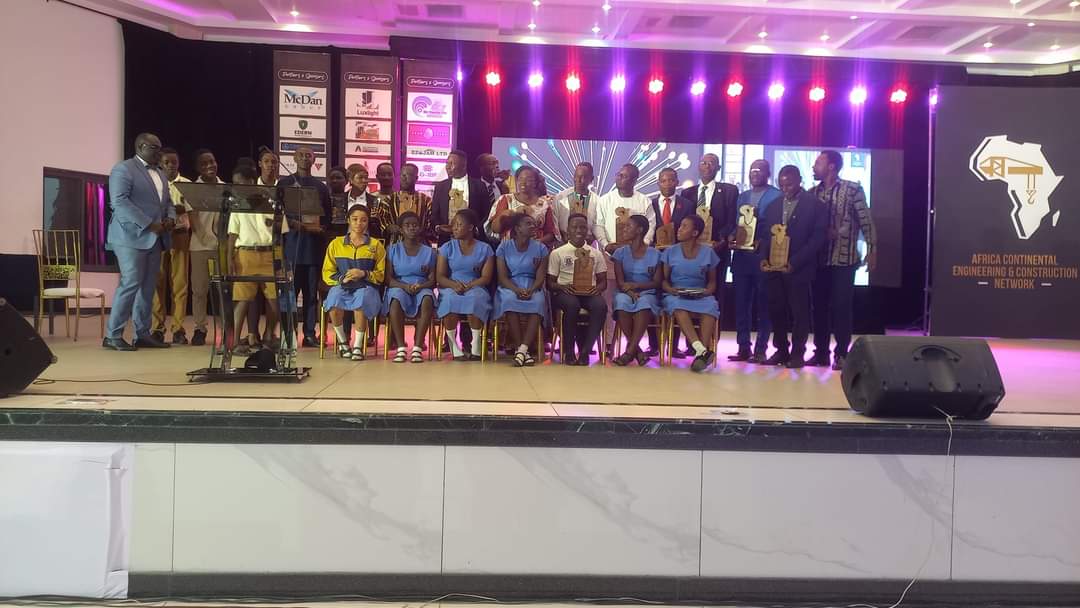
    The awards segment of the event was an important and integral part of the event during which 19 individuals, corporate and other institutions were appreciated under eight categories with a total of 20 awards for their respective roles in climate action and development of the sustainable Environment Industry.

    Excellence in Technology & Innovation Award went to GM Bamboo Eco-City and Kumasi Academy Senior High School, Excellence in Digital Twin Technology also went to Siemens Ghana & South Africa PTY, Excellence in Climate Finance Mobilization and Training went to the Ghana Climate Innovation Centre and Gloria Bulus, Executive Director, Bridge the Gap Initiative, Kaduna, Nigeria among other awardees.

    Of special mention in the awards segment, is the African Real Estate Company of the Year 2023-Low income category that went to Adom City Estates and Africa CEO of the Year Residential Estate-Lower income category 2023(Dr. Bright Adom).

    Exhibition Component  

    The event also drew exhibitors representing Engineering, Construction and Logistics firms among others who exhibited their modern technologies to the participants.

    The Summit, a joint collaboration between the Africa Engineering & Construction Network(ACECEN) and GM Bamboo Eco-City leveraged the invaluable support from a number of Partners and Sponsors drawn from Ghana’s public sector and the Sustainable Built Environment Industry component of the private sector.

     

  • Kaspersky opens its first Transparency Center in the African region

    Kaspersky opens its first Transparency Center in the African region

    KIGALI, Rwanda, November 15, 2023/ — As part of the Africa Cyber Defense Forum (ACDF), Kaspersky (www.Kaspersky.co.za) has today announced the opening of its first Transparency Center in the African region. The new center, located in Kigali, Rwanda, is opening as part of Kaspersky’s Global Transparency Initiative, established to highlight the reliability of the company’s solutions and advocate for greater transparency throughout the cybersecurity industry. The new center offers its visitors a comprehensive overview of Kaspersky’s engineering and data processing practices, and a live demonstration of the source code for its products and services.

    Internet penetration in the African region has been steadily increasing over the years: according to the World Bank (https://apo-opa.co/3QYBJuX), broadband Internet access in Africa grew from 26% in 2019 to 36% in 2022. As outlined in the African Union’s Digital Transformation Strategy (https://apo-opa.co/3ucquWR), all  people in Africa should be digitally empowered by 2030, which means that digitalisation will be enhancing, bringing both opportunities and challenges.

    The new Transparency Center in Kigali is available for Kaspersky’s partners, customers, and regulators responsible for cybersecurity. It is designed to serve the “blue piste” review option, which has gained significant popularity among Transparency Centers’ visitors since the opening of the first facility in 2018.

    It offers a general overview of Kaspersky’s engineering and data processing practices: throughout their visit, partners and customers are welcome to ask Kaspersky experts any questions related to the company’s data processing procedures and the functioning of its solutions.

    Additionally, as part of the “blue piste,” they can improve or acquire skills to assess the security of ICT products that their organisations use, learning the highlights of Kaspersky’s Cyber Capacity Building Program (https://apo-opa.co/3SKSOd5) for government organisations, academia and companies.

    Underscoring the strong nexus between transparency and the fight against cybercrime, and Kaspersky’s commitment to both causes, the new Transparency Center opening was welcomed by the African Union Mechanism for Police Cooperation (AFRIPOL):

    “The African region is currently undergoing rapid digital transformation, with Internet penetration continually growing year on year. To counter potential security risks stemming from the use of technology, it is imperative to understand what forms an effective framework to mitigate risks.

    Today, as Kaspersky announces the opening of its first Transparency Center in the African region, we appreciate the company’s openness and welcome its Global Transparency Initiative, which is exemplary for organisations in the region in terms of building digital trust.

    Kaspersky has a proven track record of collaborating with local, regional and international law enforcement agencies to combat cybercrime, sharing its technical expertise, in the spirit of transparency,” AFRIPOL’s Acting Executive Director, Ambassador Jalel Chelba, commented.

    With the opening of the facility in the region, Kaspersky will expand its network to encompass a total of 11 Transparency Centers located across Europe, Asia-Pacific, North and Latin America, the Middle East and Africa.

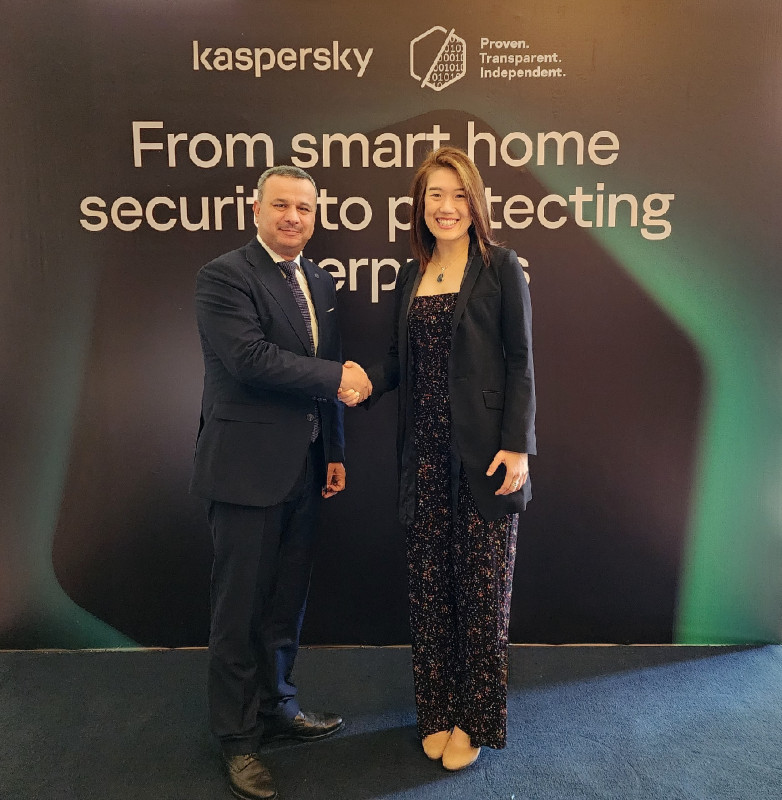
    Introducing another milestone in the Global Transparency Initiative, Genie Sugene Gan, Head of Government Affairs and Public Policy for Asia-Pacific, Japan, Middle East, Turkey and Africa regions at Kaspersky, during her keynote speech at the ACDF, noted:

    “A growing emphasis on cybersecurity within the pan-regional African agenda is piquing the interest of national authorities. However, there remains a significant gap in cyber-capacity building. By opening the Transparency Center, Kaspersky aims to address the local market needs, offering education in such critical areas as evaluating product security and establishing secure development processes. The Transparency Center opening marks a pivotal advancement and a significant milestone for both our organisation and the region, as we bring essential capacity-building capabilities and best cybersecurity practices to the region.”

    Being a dedicated advocate for enhancing transparency in the cybersecurity industry, Kaspersky launched its Global Transparency Initiative in 2017, becoming a pioneer in advancing digital trust.

    The initiative reaffirms the company’s readiness to disclose how Kaspersky works, what standards it implements, how its solutions perform and why they are trustworthy.

    Kaspersky actively involves the broader community in validating and verifying the reliability of its products, internal processes, and overall business operations. As a significant aspect of the Global Transparency Initiative, the company leads as the first cybersecurity vendor to disclose its source code for external review.

    To learn more on the Global Transparency Initiative or request a visit to a Transparency Center, please check the website (https://apo-opa.co/3MIAoG8).

    Distributed by APO Group on behalf of Kaspersky.
  • Climate Justice and Just Societal Transition to Green Economy gets Major Boost

    Climate Justice and Just Societal Transition to Green Economy gets Major Boost

    Prof. Chukwumerije Okereke has been elected Fellow of The World Academy of Sciences for the advancement of science in developing countries (UNESCO-TWAS) in recognition of his outstanding contribution to science and its promotion in the developing world.

    The Nigeria born Okereke is a Professor in Global Governance and Public Policy in the School for Policy Studies, Bristol University, UK, and Director for the Centre for Climate Change and Development, Alex Ekwueme Federal University Ndufu-Alike, Nigeria.

    He is a globally recognised leading scholar on global climate governance and international development with specialism on the justice dimensions of the international climate regime and just societal transitions to the green economy.

    Okereke has a strong track record of cutting-edge and high-impact research focused on understanding and addressing systemic barriers to economic and social inclusion in the context of climate policy and green economy transitions,

    He has made significant contributions to scholarship on several areas such as: (i) understanding how different conceptions of justice influence global climate governance and the implications for climate-resilient sustainable development in developing countries; (ii) advancing the theory of theory of climate governance through his various works that focus on the activities of non-nation state actors in climate governance; and (iii) advancing knowledge and practice of climate governance and green growth transitions in Africa where his work has had a far-reaching impact on public policy and practice across the continent.

    He also worked with a diverse array of stakeholders to mobilise research to shape climate governance in Africa including drafting a climate change law in Nigeria, modelling Nigeria’s long-term low-carbon development strategy, designing African Unions’ Adaptation Initiative, and drafting the first ever national green growth plan in Africa, for the Government of Rwanda.

    Professor Okereke’s academic merit and international research leadership status is affirmed through his leadership roles in multiple high-profile global Scientist Assessment Projects and networks including as Coordinating Lead Author, of the United Nations Intergovernmental Panel on Climate Change (IPCC) Working Group III Sixth Assessment Report.

    He is a visiting professor at London School of Economics and Senior Academic Visitor at the University of Oxford.

    He is also a leading member of the Global Earth Commission’s Safe and Just Transformation Working Group and Coordinator of African Forum Climate Change, Energy and Development (AFCEED) the leading African Network of scholars, policy makers and practitioners working on climate change and sustainability transitions in Africa.

    Commenting on the award, Okereke said: “I am delighted to have been elected Fellow of The World Academy of Sciences for the advancement of science in developing countries (UNESCO-TWAS).

    “It means a lot to me because I have always been driven by a desire to highlight the challenges faced by developing countries in addressing climate change while also pursuing economic growth as well as the opportunities to leverage climate action to build resilience and achieve economic growth.

    “Developing countries face multiple challenges related to colonial legacy and unjust international economic order which work to the advantage of advanced countries. I believe that approaching climate governance from the framework of justice enables us to tackle, not just the issue of climate pollution, but also the more fundamental question of global equity and fairness needed to ensure that everyone can lead a decent life regardless of where they are born.

    “I grew up in a very rural village in Old Eastern Nigeria. I played naked under the rain, swam and drank water from the brownish local river, went to school for the most time barefooted, studied under the big akparata tree in the local school, hunted rats and rabbits with my age-mates and sang with other children under the moonlight.

    “I experienced the joy of growing up in the natural environment and am passionate to see that economic development for all the good things it brings does not impose existential risk on our environment and the lives of people on the planet.

    “This recognition encourages me to continue to work as there is still quite a long way to go to achieve climate justice for the vulnerable countries of the world.”

    Okereke is among 47 Fellows elected by the Academy.

    SOURCE

    Centre for Climate Change & Development

  • Empowering voices – Africa Tech Festival fields a strong and successful line-up of women speakers and women-focused features in 2023 to put the spotlight on female trailblazers who are leading the tech revolution on the continent

    Empowering voices – Africa Tech Festival fields a strong and successful line-up of women speakers and women-focused features in 2023 to put the spotlight on female trailblazers who are leading the tech revolution on the continent

    JOHANNESBURG, South Africa, November 1, 2023/ — Africa Tech Festival (https://apo-opa.info/3myppVu) in 2023, (Cape Town, 13 – 16 November), will field an impressive line-up of strong African women in technology, as a catalyst to shift the power dynamics in the industry, redressing their historic underrepresentation, funding restrictions, and other barriers to entry that have to date, prevented the technology sector from being fully inclusive.

    In a March 2023 study, conducted by the organisers of the festival, key highlights reflected that women are still facing stereotypical attitudes preventing them from moving up the ladder, lack equal pay for equivalent and often better abilities, and that absence of access to education and skills remain significant hurdles to overcome in encouraging more girls and young women to consider technology as a career.

    Yet, as OECD research reveals, more than a quarter of all businesses in Africa were either started or are run by women. Despite these high levels of entrepreneurial activity, African women draw the short straw when it comes to funding. Delving into this challenge, is a panel discussion at the festival entitled: Boosting Funding for Women Entrepreneurs in Africa (https://apo-opa.info/3tXJLeF), and led by keynote speaker and social media expert, Amélie Ebongué (https://apo-opa.info/3Qmk8LP), Global Brand Marketing Manager, and Author of Amazon Bestseller “Génération TikTok”.

    Ebongué will also champion several other important discussions at ATF this year, including a look at what is beyond streaming, leveraging performance marketing to grow start-ups, and what’s in store for Web 3.0.

    Several other women-focused sessions are on offer over the 3-days. At the AfricaTech Centre stage on Wednesday 15 November, there is an opportunity to engage with successful women tech leaders through a panel discussion: Empowering Voices: Women Leading the Tech Revolution in Africa (https://apo-opa.info/3tXJLeF). This panel will highlight the stories of pioneering women who have excelled in various tech fields, including artificial intelligence, cybersecurity, software development, and entrepreneurship. Speakers include the likes of Unathi Mtya (https://apo-opa.info/3tXJLeF), Group Chief Information and Digital Officer at African Bank.

    While businesses have initiated efforts to foster diversity, equity, and inclusivity, significant challenges still persist in achieving real change. Addressing these underlying issues is crucial for driving diversity in Africa’s tech sector.  To tackle this head on, the AfricaCom Centre Stage will host a Panel that looks at Closing the Gender Digital Divide in Africa: What Can Connectivity Providers Do (https://apo-opa.info/3tXJLeF)? This will be led by Tom Koutsky (https://apo-opa.info/3QiGjCU), Senior Connectivity Policy Advisor, Digital Inclusion Team Lead, USAID Innovation, Technology, and Research Hub.

    James Williams, Senior Director, Events | Connecting Africa | Informa Tech, remarks that: “We have made a conscious choice to attract powerful women in tech to showcase Africa’s female voices and their impacts on businesses, economies, and societies this year.  As echoed by many of our luminary speakers, without providing a platform to showcase their achievements, it will be difficult to attract more women to enter the industry.”

    Additional features during Africa Tech Festival will be dedicated to put the spotlight on African female tech leaders and rising stars. One of them takes the shape of an exclusive gala dinner, the InspiringFifty Africa Awards, run by EQL:HER (https://apo-opa.info/45Ua8zk), a global network and event series, which exists to re-balance gender in the technology sector to secure women an inclusive future across all businesses.

    This prestigious initiative focuses on recognising the top fifty women who are making significant strides in tech careers across the African continent. Whilst waiting for the 50 winners to be unveiled during a celebratory gala dinner on 13 November at the Mount Nelson hotel, the finalists have just been released and can be seen here (https://apo-opa.info/40lkA1F).

    Whilst InspiringFifty Africa will be a chance to rub shoulders with the continent’s who’s who of female tech leaders, EQL:HER will run additional female-focused initiatives, including a new dedicated networking space – the EQL:HER Lounge located in the Ballroom area of the CTICC from 14 to 16 November.

    Women and allies will get a chance to come together, connect and share their experiences whilst engaging in Q&As with main stage speakers, listen in to intimate fireside chats, and join power hour networking sessions to which all are encouraged to participate.  Some sessions that stand out include the likes of a Workshop called Womenomics – Unlocking the Financial Potential of Investing in Women (https://apo-opa.info/3tXJLeF), and a Fireside Chat: Cultivating a Sustainable Talent Stream for Women in Tech (https://apo-opa.info/3tXJLeF).

    Funke Opeke (https://apo-opa.info/3QFQ13s), CEO of MainOne, a judge and sponsor of this year’s InspiringFifty, says: “Africa Tech Festival is a leader in championing women playing a key role in tech on the continent. The focus has not been limited to the few that have risen to the top of their careers, but also supporting programmes such as InspiringFifty to ensure we leave the door open and actively support those who come behind us. True parity will be achieved when all leaders in tech mentor, support, and uplift the next generation of women in technology, given that talent knows no gender boundaries.”

    Diversity is not a buzzword
    Diversity is a fundamental necessity. In the context of technology, diversity brings new perspectives, new ways of thinking, and innovative solutions to the table. Women, who have been historically underrepresented in STEM and STEAM fields, offer a different lens through which to view and solve complex problems.

    Darshani Persadh (https://apo-opa.info/3MrnGeO) – Technical Co-Founder at DARJYO, and another visionary speaker at EQL:HER, underlines this point, saying: “Diversity isn’t a hindrance—it’s a catalyst for innovation and progress in the tech world.”

    Studies consistently show that diverse teams are more creative and better equipped to address the multifaceted challenges our digital age presents. When women are encouraged to enter STEM and STEAM, they contribute to the overall development of technology that benefits everyone.

    EQL:HER (www.EQLHER.com) is co-hosted over the three days with Inspiring African Women NPC, along with the Digital Council Africa, and WomHub.

    Do not miss these important and life-changing conversations.  Secure a seat at the table by registering for a free delegate pass – see below for details.

    For more information, please see website here: Africa Tech Festival 2023 – The Home of AfricaCom & AfricaTech (https://apo-opa.info/3myppVu)

    View all ticket options for Africa Tech Festival, including start-up passes, here (https://apo-opa.info/3Q04o2r).

    Distributed by APO Group on behalf of Africa Tech Festival.

    If you cannot read that message click here.