Category: Sustainability

  • Africa – Mission 300: Significant new donor pledges in support of the Sustainable Energy Fund for Africa announced on margins of the Africa Energy Summit

    Africa – Mission 300: Significant new donor pledges in support of the Sustainable Energy Fund for Africa announced on margins of the Africa Energy Summit

    DAR ES SALAAM, Tanzania, January 31, 2025/ — Denmark, the United Kingdom, Spain and France have unveiled new or additional contributions to the Sustainable Energy Fund for Africa, demonstrating strong support for the African Development Bank (www.AfDB.org)-managed fund as it expands energy access across Africa, including through the Mission 300 partnership. Another new donor – Japan –joined in December 2024 with a $5 million contribution under AGIA (https://apo-opa.co/3Eju6LT).

    SEFA is a multi-donor Special Fund that provides catalytic finance to unlock private sector investments in renewable energy and energy efficiency. It aims to contribute to universal access to affordable, reliable, sustainable, and modern energy services for all in Africa in line with the New Deal on Energy for Africa and Mission 300.

    Mission 300 (https://apo-opa.co/4hDAJqx), an ambitious new partnership of the African Development Bank Group, the World Bank Group and other development partners, aims to provide access to electricity to an additional 300 million Africans by 2030.

    France, a new donor to SEFA, will provide €10 million. Denmark, the UK and Spain will increase existing contributions by DKK 100 million (€13.4 million), £8.5 million (€10.13) and €3 million, respectively.

    France’s contribution will bolster the Africa Green Infrastructure Alliance (AGIA) (https://apo-opa.co/4aHQE4M), a platform of the African Development Bank, Africa 50 and other partners that will develop transformative sustainable infrastructure projects for investment.

    These contributions come as SEFA enjoyed its best year on record in 2024, with $108 million approved for 14 projects. SEFA now boasts a portfolio of over $300 million in highly impactful investments and technical assistance programmes, which is expected to unlock up to $15 billion in investments and deliver approximately 12 million new electricity connections.

    Denmark’s Acting State Secretary for Development Policy, Ole Thonke, said: “Africa is endowed with enormous untapped potential for renewable energy, which can fuel green industrialisation. The latest Danish financial contribution to SEFA will focus on the newly established Africa-led Accelerated Partnership for Renewables in Africa (APRA), further supporting the continent’s ambitious development and climate goals.”

    “We are halfway through this decisive decade to achieve the sustainable development goals and get on track to tackle climate change,” said Rachel Kyte, UK Special Representative for Climate, Foreign, Commonwealth and Development Office. “Achieving our collective goals of reliable, affordable and clean power is a golden thread that links economic growth, greater investment, strengthened resilience and climate ambition.

    By accelerating the roll-out of clean power, the UK and Mission 300 are putting green and inclusive growth at the heart of our partnerships with Africa. Our announcement of an additional £8.5 million in UK funding for the AfDB’s SEFA will mobilise the much-needed private sector investment so that more Africans can access clean power right across the continent.”

    Inés Carpio San Román, Alternate Governor of Spain for the African Development Bank, said, “We are pleased that Spain has decided to renew its support for the SEFA fund with a contribution of €3 million. This reaffirms our commitment to the crucial sector of renewable energy, which plays a key role in fostering sustainable development across Africa.”

    “As a strong supporter of Africa’s green infrastructure investments with financial tools that mobilise private finance, France is proud to contribute €10 million to the AGIA through SEFA,” stated Bertrand Dumont, Director General of the French Treasury and Governor for France at the African Development Bank.

    “This very first contribution is our first step towards reinforcing Africa’s sustainable development and accelerating the continent’s path to a low-carbon economy. By investing in green infrastructure in Africa, we are investing for the future.”

    Dr Daniel Schroth, Director of Renewable Energy and Energy Efficiency at the African Development Bank, said, “We welcome the new commitments from donors whose support underscores the impactful work of SEFA.

    These contributions are essential in enabling SEFA to fulfil its role as a key delivery vehicle for Mission 300 at this pivotal moment.”

    Distributed by APO Group on behalf of African Development Bank Group (AfDB).

    Contact:
    Olufemi Terry
    Communication and External Relations Department
    email: media@afdb.org

  • Africa Investment Forum 2024: Turning Continent’s Potential into Bankable Opportunities

    Africa Investment Forum 2024: Turning Continent’s Potential into Bankable Opportunities

    RABAT, Morocco, December 6, 2024/ —

    • $15 billion in deals already originated
    • Private capital in Africa will be more attractive than other emerging markets in five years’ time
    • Africa has the lowest infrastructure default rates in the world—Moody’s Analytics

    The Africa Investment Forum kicked off its 2024 Market Days in Rabat, Morocco, with leaders highlighting the continent’s bankability and readiness for investment.

    In her welcoming remarks, Morocco’s Minister of Economy and Finance Nadia Fettah Alaoui told more than 1,000 delegates that this year’s Forum was a critical moment for creating a prosperous Africa: “The long-awaited rise of our continent rests on securing financing and we must act collectively to achieve this”.

    She further emphasized: “I’m deeply convinced that the Africa Investment Forum 2024 will be a privileged opportunity to enrich our common reflection, explore innovative solutions to persistent challenges, while strengthening the strong partnerships to make our aspirations a reality.”

    The president of the African Development Bank Group, Dr. Akinwumi Adesina, chairman of the Africa Investment Forum, said capital must be deployed to meet opportunities. “I am fully convinced that the accelerated development of Africa requires greater mobilization of private capital.”

    Under the theme “Leveraging innovative partnerships to scale up (http://apo-opa.co/4iyOYOS),” this year’s Market Days event brings together over 500 business leaders and SMEs to discuss why Africa, with 39% of the world’s population under the age of 20 and a market of 2.5 billion consumers by 2050, is the place to invest today and in the future.

    Adesina announced that $15 billion in deals have already been originated this year, with 41 boardrooms ready for follow-up discussions on diverse African investment opportunities spanning mining, water and sanitation, food and agriculture, renewable energy and transportation and seaports.

    “The theme of this Africa Investment Forum is leveraging at scale. It’s about how to make things happen at scale for Africa,” Adesina said. “Africa doesn’t have time for Mickey Mouse investments, we need investment at scale. We must make room for capital to be deployed to meet opportunities in Africa. At the Africa Investment Forum, this is the driving principle that brought us together as founding members.”

    The forum is an initiative of nine development finance institutions—the African Development Bank, Africa50, Afreximbank, the Development Bank of Southern Africa, the Islamic Development Bank, the European Investment Bank, Trade and Development Bank the Africa Finance Corporation, and the Arab Bank for Economic Development in Africa.

    A prime example of the collaborative partnership by the Forum’s founding partners is the Lobito Corridor in Angola, a $10 billion infrastructure project featuring rail, road, bridges, telecommunications, energy, and agribusiness developments. Key project partners include the African Development Bank which committed about $500 million, Africa Finance Corporation, serving as overall Project Developer and the Development Bank of Southern Africa which leads the first project phase.

    The corridor will create thousands of jobs and facilitate regional integration across Angola, Democratic Republic of Congo, and Zambia. The United States (http://apo-opa.co/4fRM5qx) and the European Commission are among global partners who signed a Memorandum of Understanding (http://apo-opa.co/3ZFi8Ex) in October 2023 to mobilise resources for the Lobito Corridor.

    Highlighting Africa’s mineral potential, he noted that the continent possesses 90% of the world’s platinum, 95% of its chromium, and two-thirds of global cobalt.

    “With 30% of the world’s lithium Africa is a key part of the Electric Vehicle market. This $7 trillion market will grow to $59 trillion by 2050. With strategic investment, Africa can become a great energy hub for the world,” he added.

    Citing an Asset Managers’ survey, Adesina revealed that 85% of managers expect to increase private capital allocation to Africa, while 52% anticipate Africa’s private capital becoming more attractive in the next five years.

    “Our focus is on a triple mandate, to advance high-impact projects to bankability, raise capital and accelerate the closure of deals. By focusing on investment facilitation for Africa, the Africa Investment Forum has become the premier investment platform for Africa,” Adesina said.

    Since its inception in 2018, the Africa Investment Forum has generated $180 billion of investor interests and closed transactions worth $30 billion.

    During a panel discussion, representatives of the founding partners shared practical cases of projects their respective institutions have engaged in through partnership with private entities and governments.

    With three days of market days now underway in Rabat, Adesina’s rallying cry resonates:

    “Africa is bankable – let the deals begin!”

    Distributed by APO Group on behalf of African Development Bank Group (AfDB).

    Media contact:
    Peter Burdin
    Communication and External Relations Department
    media@afdb.org

  • Namibia’s Cabinet Approves Upstream Local Content Policy, Marking a Turning Point for the Industry

    JOHANNESBURG, South Africa, December 4, 2024/ — In a strategic move for the industry, Namibia’s cabinet has approved the National Upstream Local Content Policy. The progressive policy is set to play a crucial role in reducing the nation’s dependency on foreign expertise by focusing on the development of local capacity.
    Aimed at strengthening economic sovereignty and empowering Namibians within the country’s oil and gas industry, the policy marks a turning point for the country as it targets first oil production by 2029.

    The African Energy Chamber (AEC) – serving as the voice of the African energy sector – commends the Namibian government’s proactive stance on local content and its dedication to empowering local communities while maintaining a welcoming environment for foreign investment. It is clear that the policy is designed to balance the interests of local stakeholders with the needs of international oil companies, a model that other African nations can look to for guidance.

    Namibia is preparing to start oil production from the Venus and Graff discoveries by 2029, with the Mopane field potentially bringing this production timeline much closer. Since 2022, the country has made a string of major discoveries in the Orange Basin. These include Graff-1X, Venus-1X, Jonker-1X, Lesedi-1X and Mopane-1X, among others.

    International energy companies including TotalEnergies, Shell and Galp Energias are leading the charge, with Galp recently spudding the Mopane-1A well as part of a four-well appraisal campaign. Work is ongoing to finalize timelines for Final Investment Decision (FID) and production, with FID for Venus-1X and Graff-1X is expected by the end of 2024, reinforcing the country’s growing oil potential.

    With this recent surge, the government has recognized the urgency of maximizing the involvement of local businesses, labor and resources in the nation’s oil and gas sector. The National Upstream Petroleum Local Content Policy aims to create a globally competitive supply chain while promoting sustainable development, energy independence and technological expertise within the country.

    This policy addresses the unique challenges faced by Namibia’s upstream petroleum sector, which is capital-intensive, technologically driven and reliant on high-risk investments over long periods. Traditionally, such a sector tends to have a low level of local employment and a heavy reliance on imported goods and services.

    To counteract this, the policy is designed to ensure that Namibian businesses and workers are fully integrated into the petroleum value chain, from exploration and production to service delivery and technology provision.

    One of the key features of the policy is its alignment with Namibia’s broader development frameworks, such as the National Development Plan, the Harambee Prosperity Plan and Vision 2030. These strategies underscore the goal of an industrialized economy driven by Namibians, where local expertise and resources play a central role.

    Through this policy, Namibia aims to encourage the participation of local companies in procurement, manufacturing and service provision, ultimately ensuring that the benefits of the country’s oil and gas wealth remain within its borders.

    As part of the initiative, oil operators will be required to submit detailed ‘Local Content Plans’ when applying for exploration and production licenses. These plans will outline the operators’ commitments to hiring local labor, engaging local businesses for goods and services and investing in the training and development of Namibian workers.

    The Ministry of Mines and Energy will oversee compliance and enforcement, ensuring that the policy’s objectives are met and that Namibian participation in the oil and gas industry is maximized.

    The policy also emphasizes the importance of a stable and transparent regulatory environment, which will provide clarity to investors and operators while fostering an atmosphere of trust and cooperation. By ensuring that local content requirements are clear and enforceable, the policy aims to attract responsible investment that benefits both the oil companies and the Namibian people.

    “With first oil production set to begin by 2029 and discoveries already exceeding 11 billion barrels, the implementation of this policy is essential,” says NJ Ayuk, Executive Chairman of the AEC. “It’s a powerful example for the rest of Africa of how to leverage oil and gas discoveries to fuel long-term development, job creation and economic growth.

    As the policy moves towards implementation, the focus on local content, job creation and economic diversification is a testament to Namibia’s vision of becoming a key player in Africa’s energy sector, with its people at the heart of this transformation.”
    Distributed by APO Group on behalf of African Energy Chamber.

    SOURCE

    African Energy Chamber

  • ACECN makes a Stronger Case for Africa’s Emerging Sustainable Built Environment

    ACECN makes a Stronger Case for Africa’s Emerging Sustainable Built Environment

    By: Mohammed A. Abu

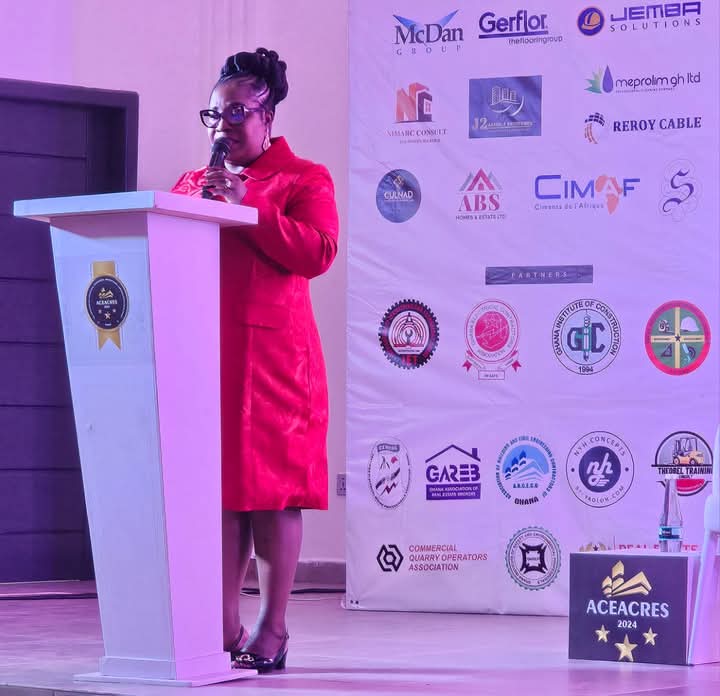
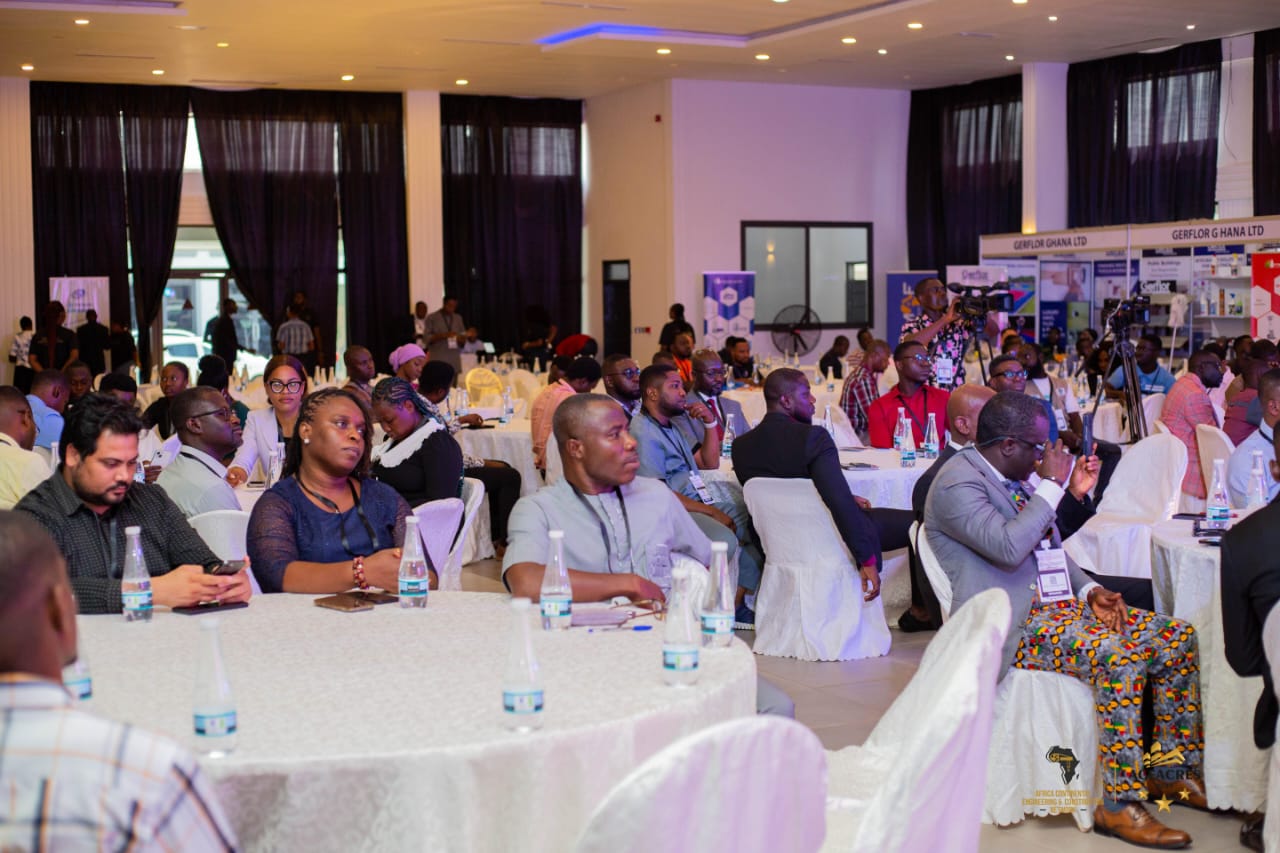
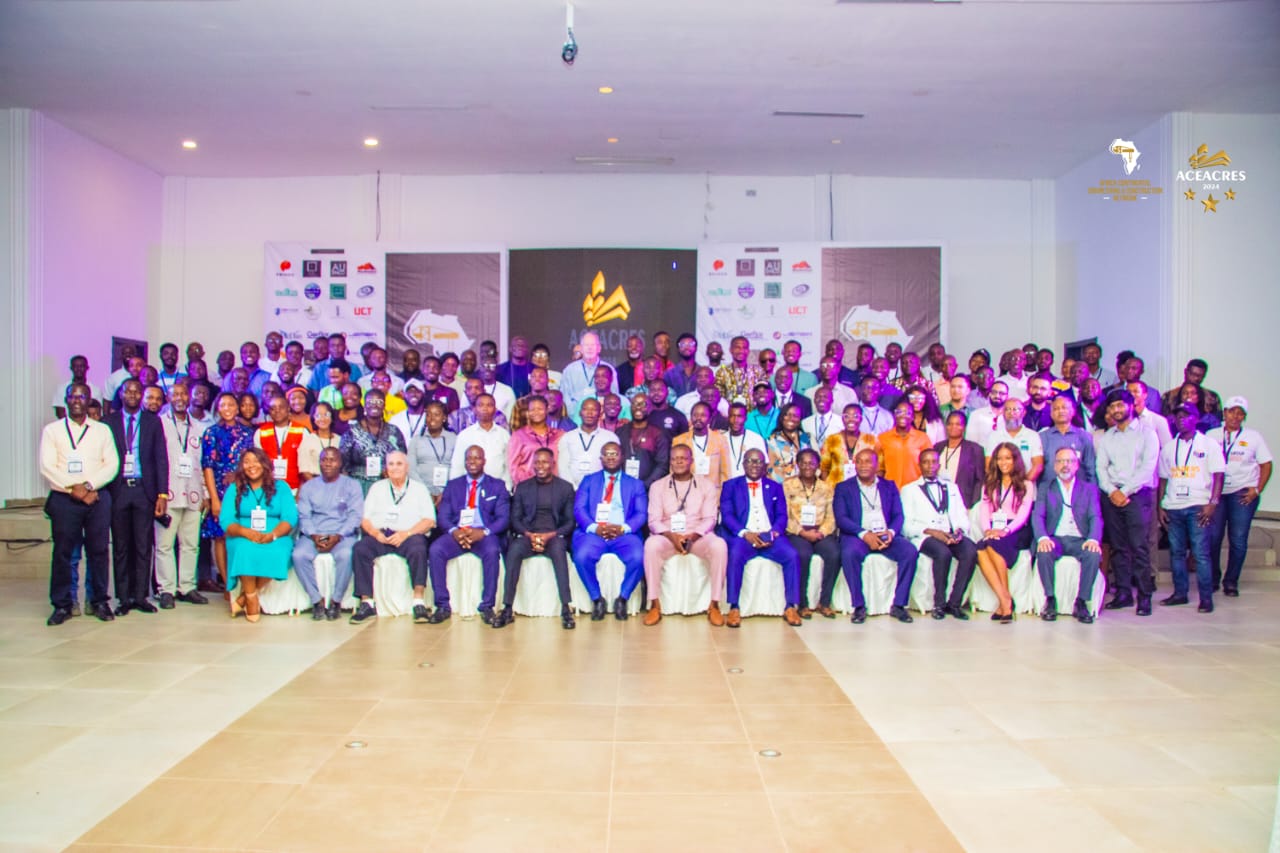
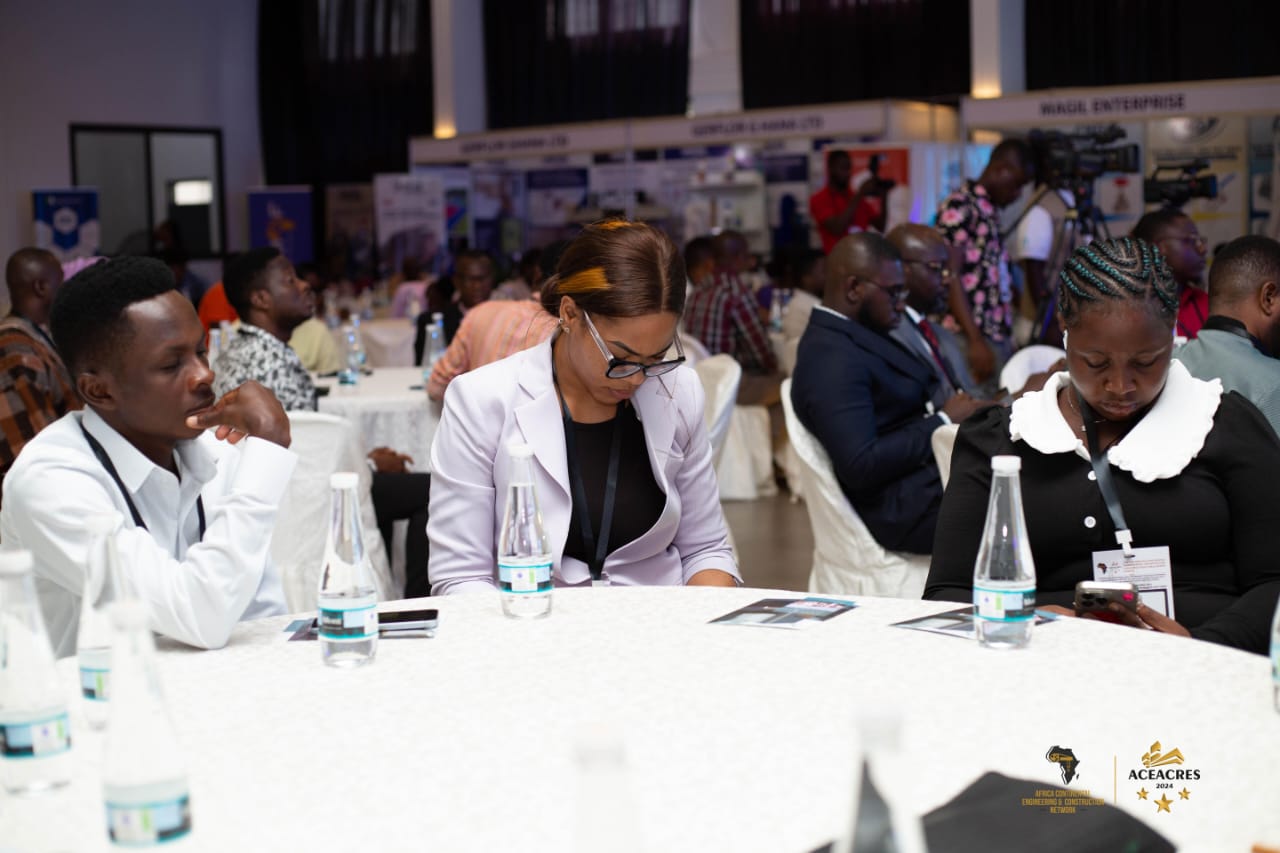
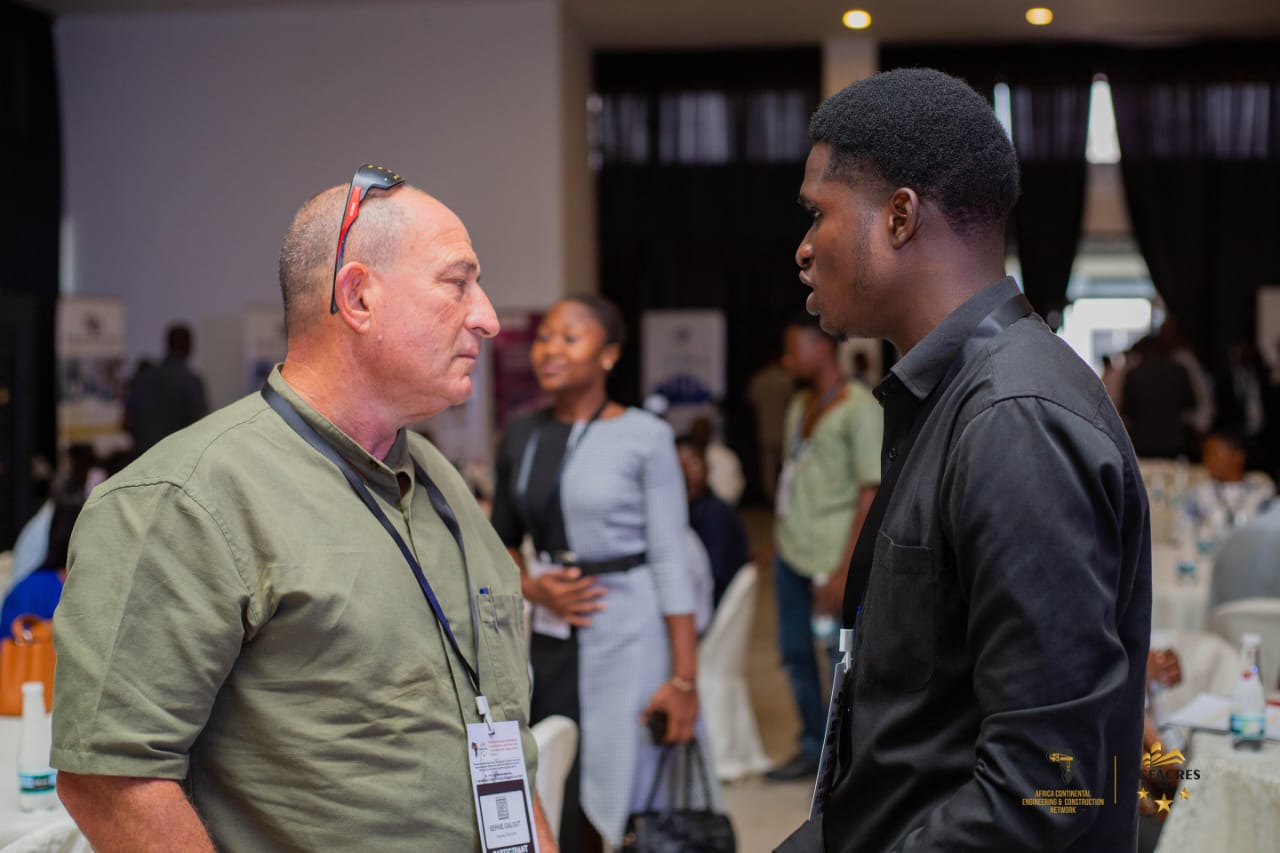
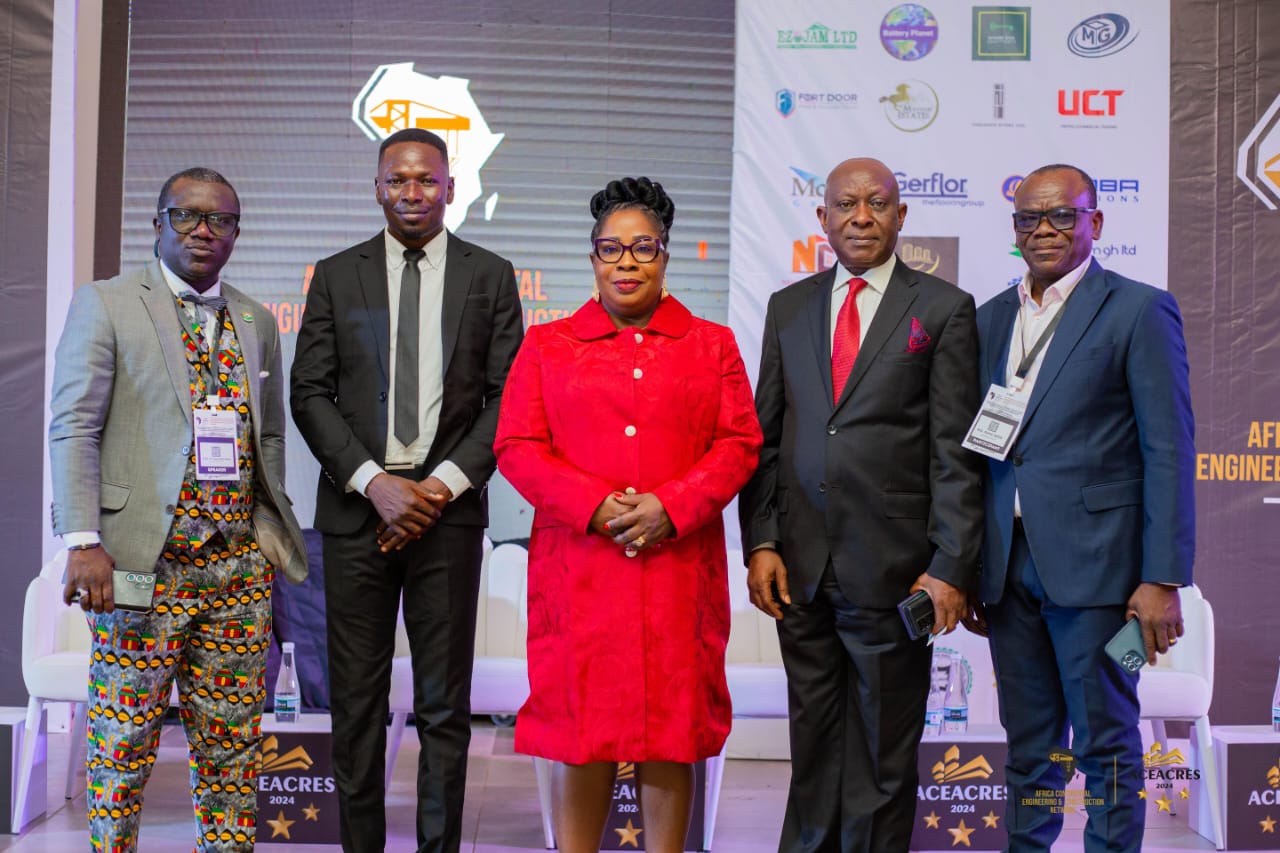
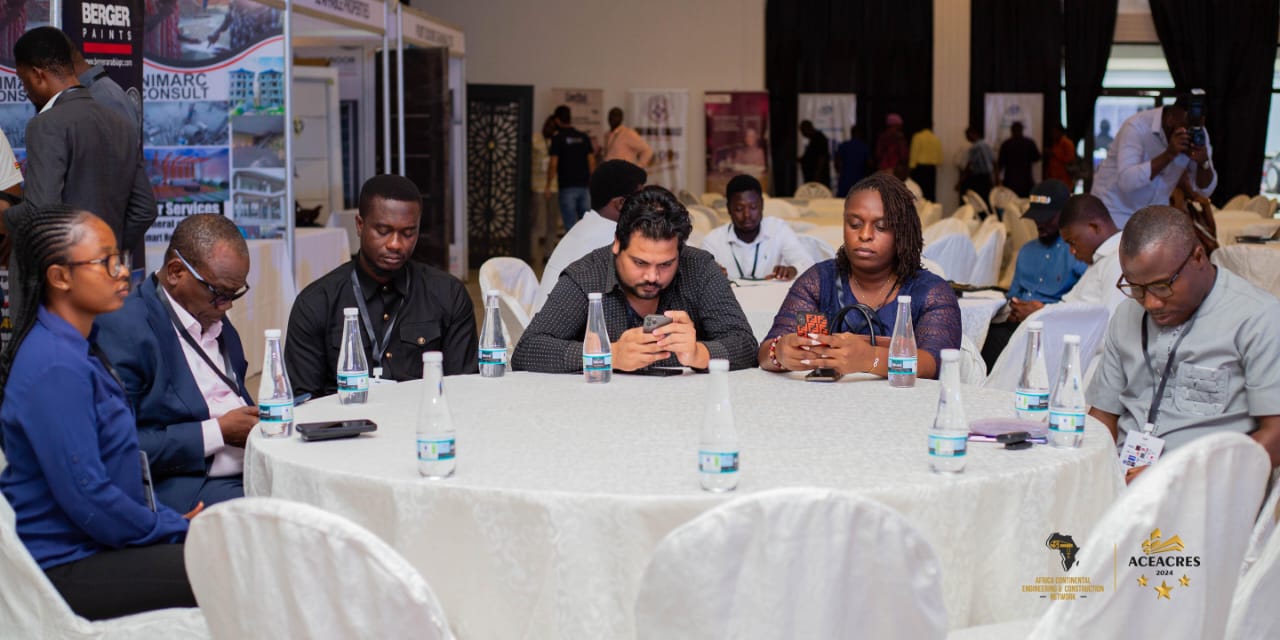
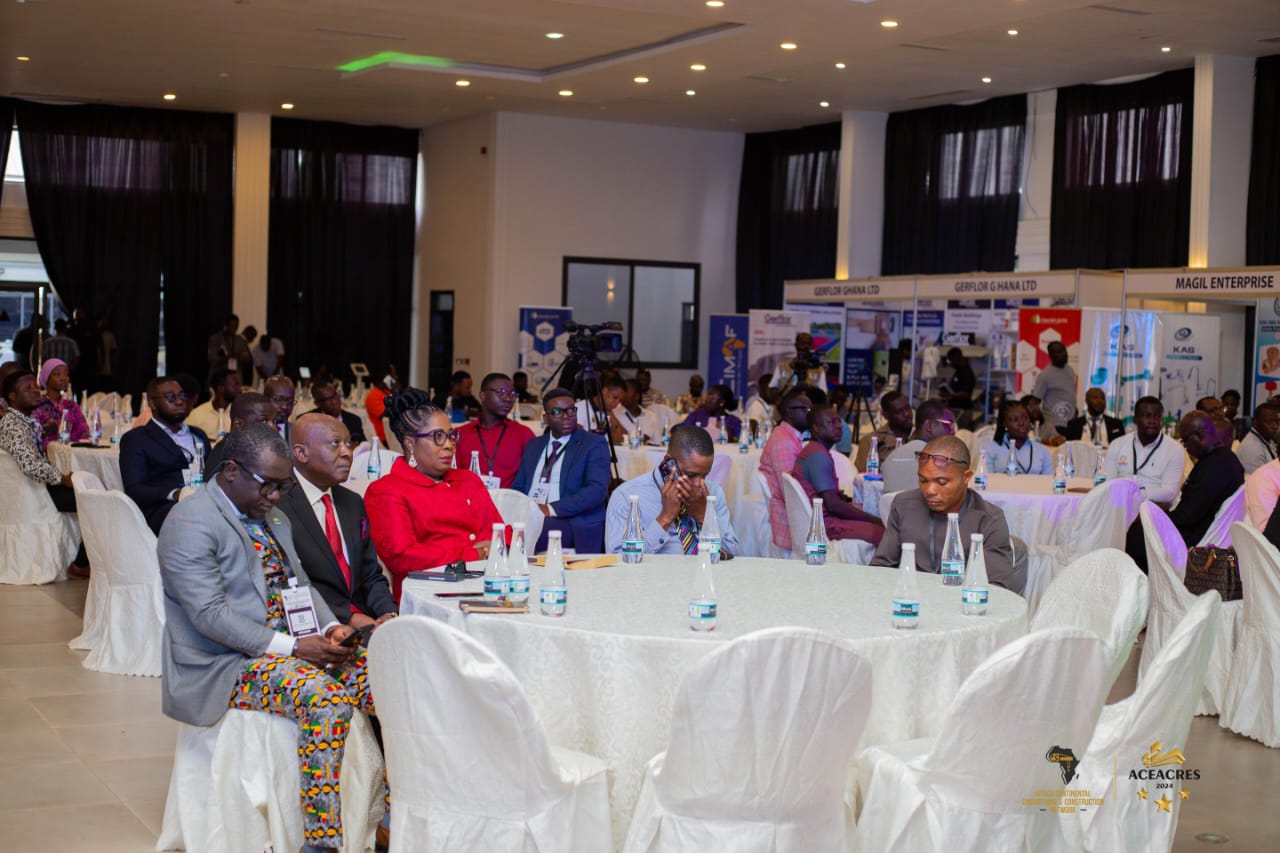
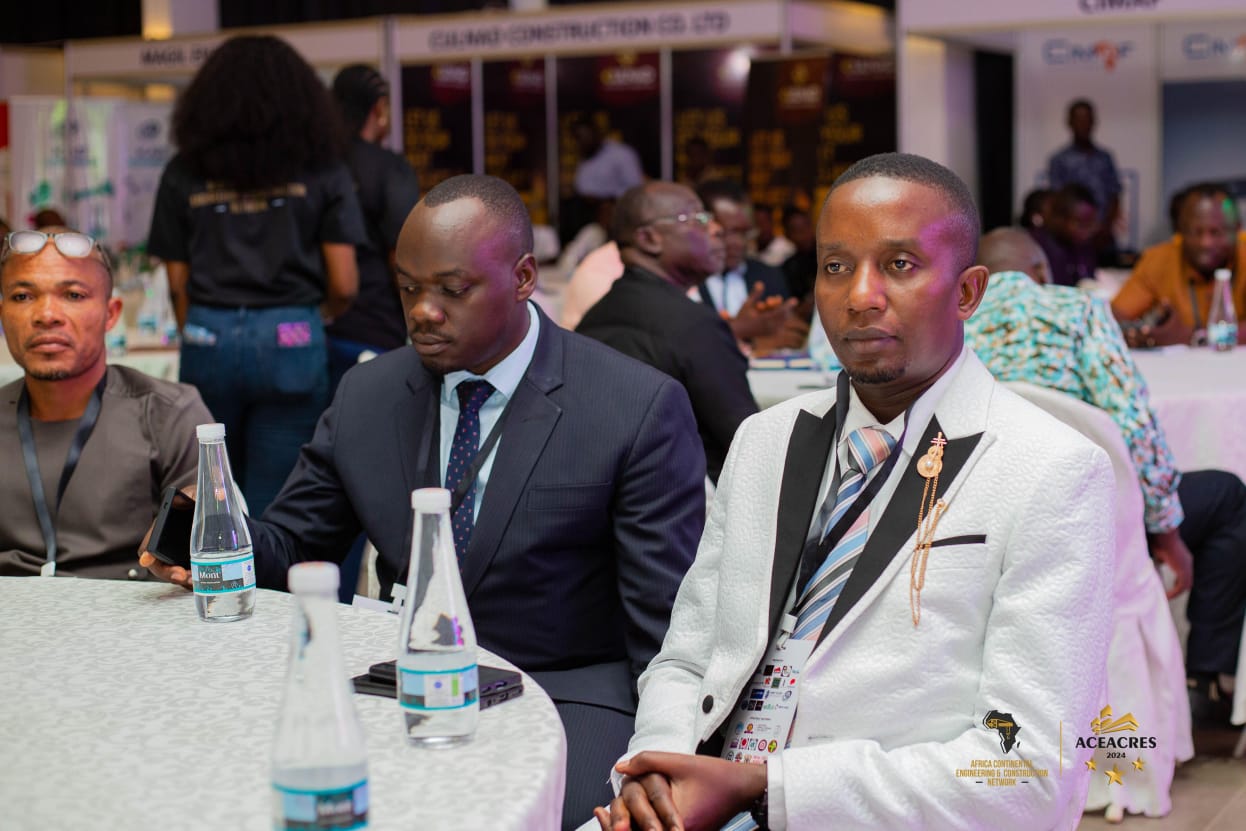
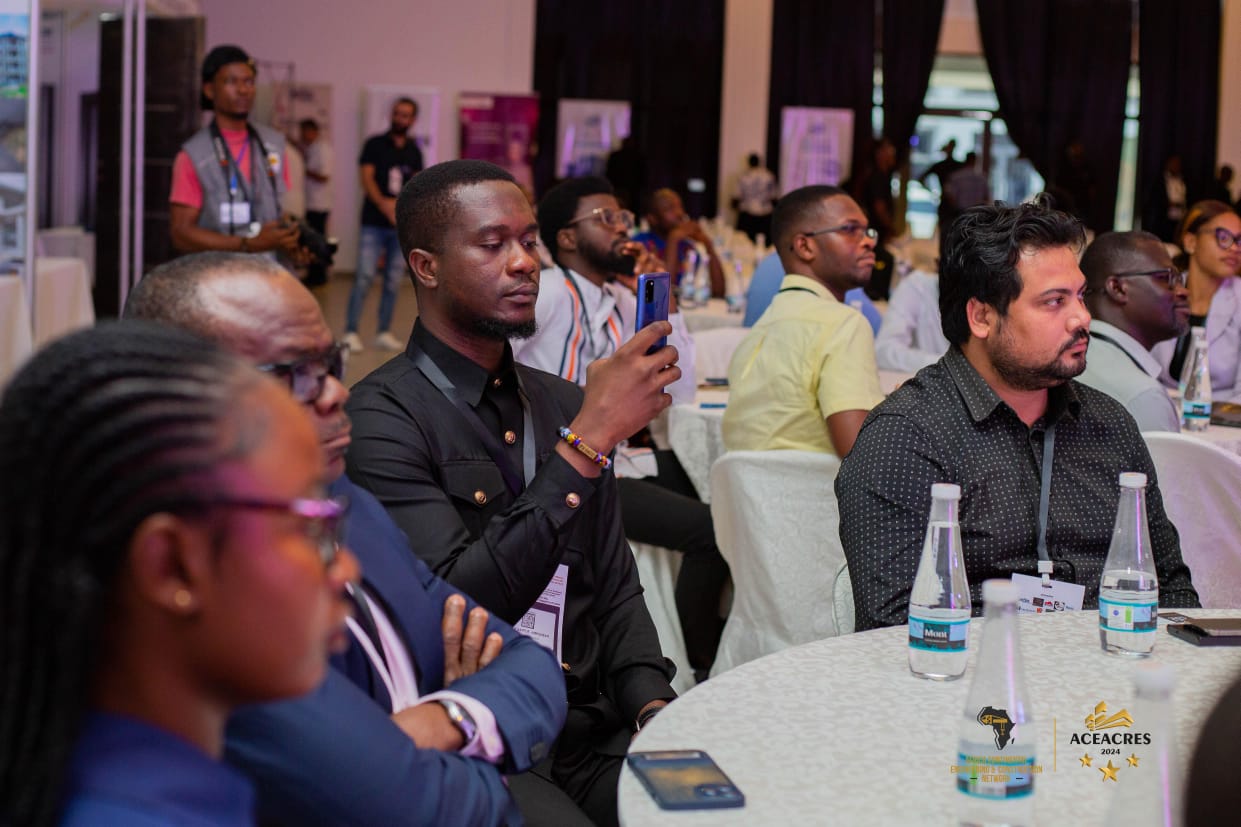
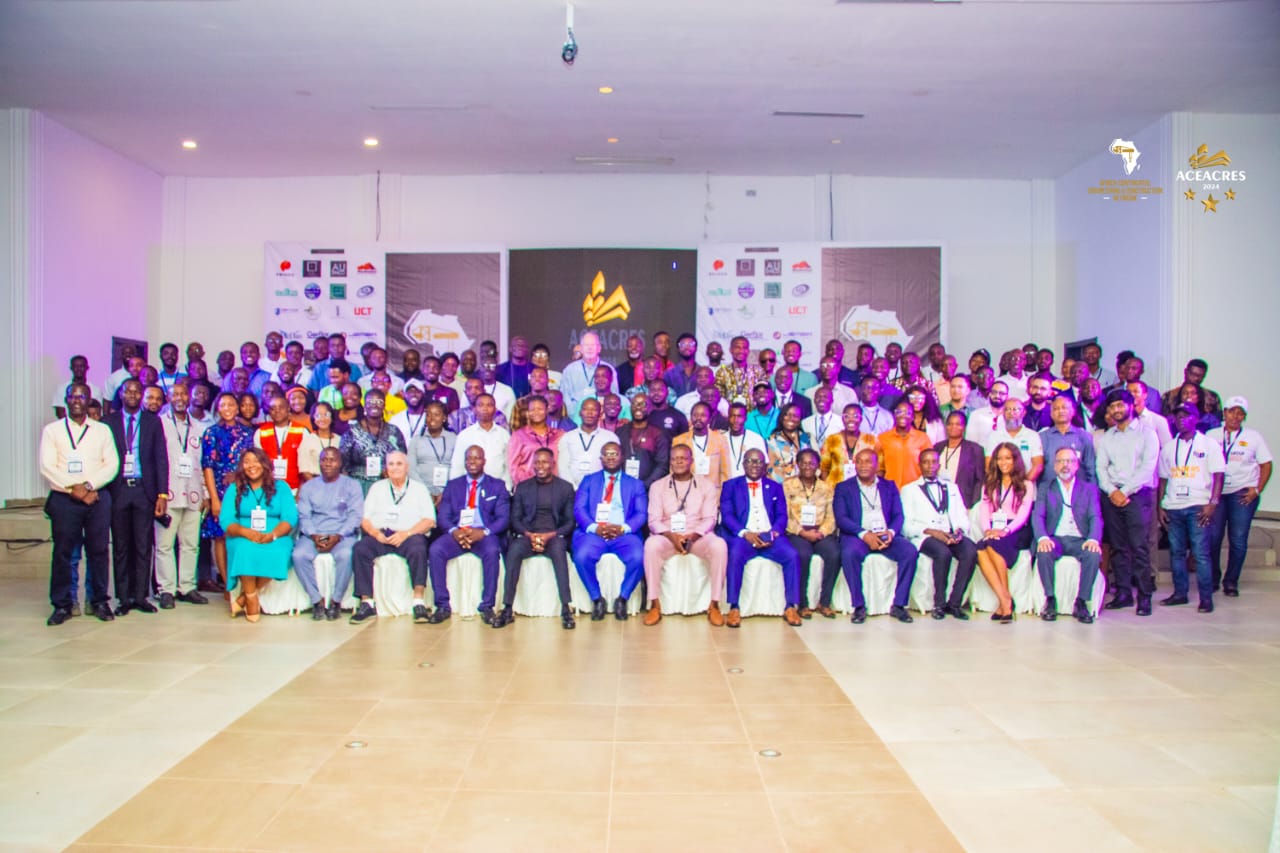
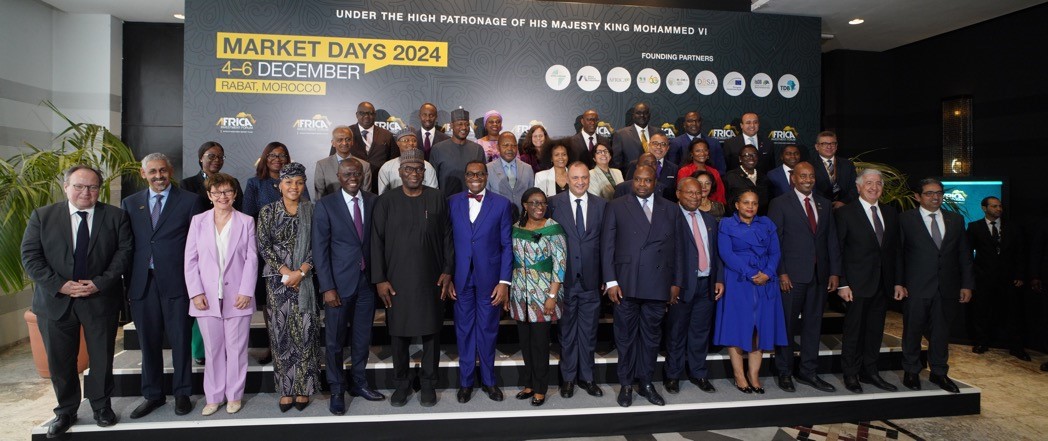
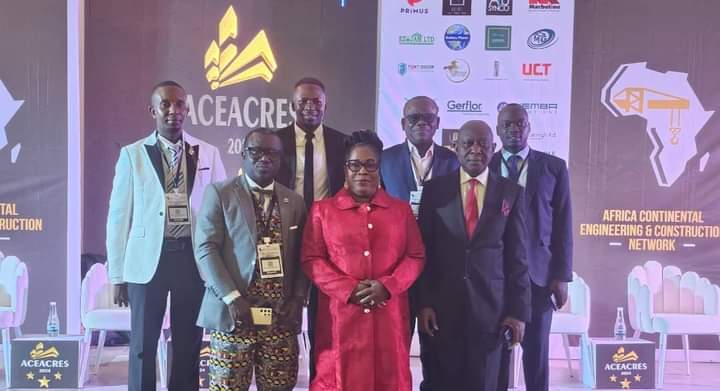
    The second edition of African Continental Engineering, Architecture, Construction and Real Estate Summit(ACEACRES,2024) the flagship event of the Africa Continental Engineering & Construction Network Ltd (ACECN),the organizing company, recently ended successfully  in Ghana’s capital city of Accra with a clarion call on the need to include sustainability practices especially in Ghana, Africa’s Sustainable Urban Built Environment.

    Professor, Taddeo Rusoke, a Ugandan Governance and Nature Solution Expert said, the sustainability practices included, allowing space for Green Belts, Green Spaces, Green Natural Gardens, Flower Gardens, Backyard Gardens, and Tree Growing.

    This he noted, will contribute to ambient environment that is naturally aerated by trees. Prof Busoke was one of the Key Speakers who made a presentation titled, “The Future of Forest Conservation in the Wake of Rising Global Housing Demand”

    In his concluding remarks, Mr. Daniel Kontie the convenor and CEO of ACECN, in partnership with other industry stakeholders, stressed the need to rotate the Summit across the African continent.

    Even though he was emphatic about holding the third edition in Ghana, he added that subsequent editions will either be hosted by Nigeria or Uganda in a rotating order.

    Held under the theme, “INTEGRATING SUSTAINABLE BUILT ENVIRONMENT FOR SOCIO-ECONOMIC TRANSFORMATION THROUGH THE USE OF NEW GENERATION TECHNOLOGY AND GENERATIVE ARTIFICIAL INTELLIGENCE”., the event brought together all sector players across the African continent and beyond to discuss industry best practices, modern innovations and technologies that are shaping the future of built environments across the globe.

    The event attracted a wide range of stakeholders in the built environment; the building contractors, construction firms, engineers, surveyors, planners, architects, project managers, land economists, real estate developers, builders, landscaping professionals, real estate professionals, building construction, professional Institutions, investors among others

    The Summit recorded a little over three hundred (300) in-person participants from Nigeria, Uganda and the United States of America (USA), with majority from the host country Ghana.

    Africa

    Nigeria

    Some of the high profile in-person participants from the African Continent were the keynote speaker Madam Engr. Margaret Aina Oguntala, FNSE, President, Nigerian Society of Engineers (NSE) Engr. Olu Ogunduyile FNSE Vice President, Council for the Regulation of Engineering in Nigeria (COREN),  Engr Dr. Modasiru Bola J. (Principal Partner, Prolarank Nigeria Ltd and General Secretary, the Nigerian Institution of Highways and Transportation Engineer (NIHTE),  Dr. Bldr. Abdulhakkeem Odegade, MD/CEO, Akmodel Group, Lagos, Nigeria,

    Mr, Stephen Merritt, USA, Roadbond EN1 & Technical Consultant, Jemba Solutions etc.

    Ghana

    Among the local industry leaders present were Ing. Isaac Bedu, Registrar, Engineering Council, Ghana, Engr. Seth Ayim, Executive Director, Institute of Engineering and Technology Ghana (IET-GH), Engr. Ben Debrah, National President, Local Government Service Engineers (LoGSEA), Engr. Awal Sakib Mohammed, National President, Ghana Electrical Contractors Association (GECA), Dr. Ebenezer Mireku, President, Commercial Quarry Operators Association (COQOA), Mr. Samuel Nii N. Tackie, National Vice President, Certified Electrical and Wiring Professionals Association (CEWPAG), Engr. Jacob Ansong, National President, Ghana Institution of Real Estate Brokers (GhIREB), Dr. Gabriel Apotey, member, Ghana Institute of Safety and Environmental Professionals (GhISEP) etc.

    East Africa

    Uganda

    Prof. Taddeo Rusoke, Climate Governance & Nature-Based Solutions Expert, Uganda, East Africa, Dr. John Rwakihembo, PhD (Accounting & Finance): Dean, Faculty of Business and Management Sciences, Mountain of the Moon University, Uganda, East Africa

    North America

    USA

    Mr., Stephen Merritt, USA, Roadbond EN1 & Technical Consultant.

    Issues Discussed

    Among the key issues discussed at the event was the urgency of integrating the African Built Environment, about which Mr. Daniel Kontie the convener of ACEACRES, 2024 and the CEO of the organizing company, the Africa Continental Engineering & Construction Network spoke passionately about.

    He added that, integration makes the cake no longer a national cake but a continental cake bigger than what anyone can bite hence making the opportunities bigger for all industry players.

    The others were major factors affecting the industry growth, the impact of AI on the built environment, the adoption of sustainability and how industry issues affect the delivery of housing and infrastructure in Ghana and Africa at large.

    Opportunity for Sponsors

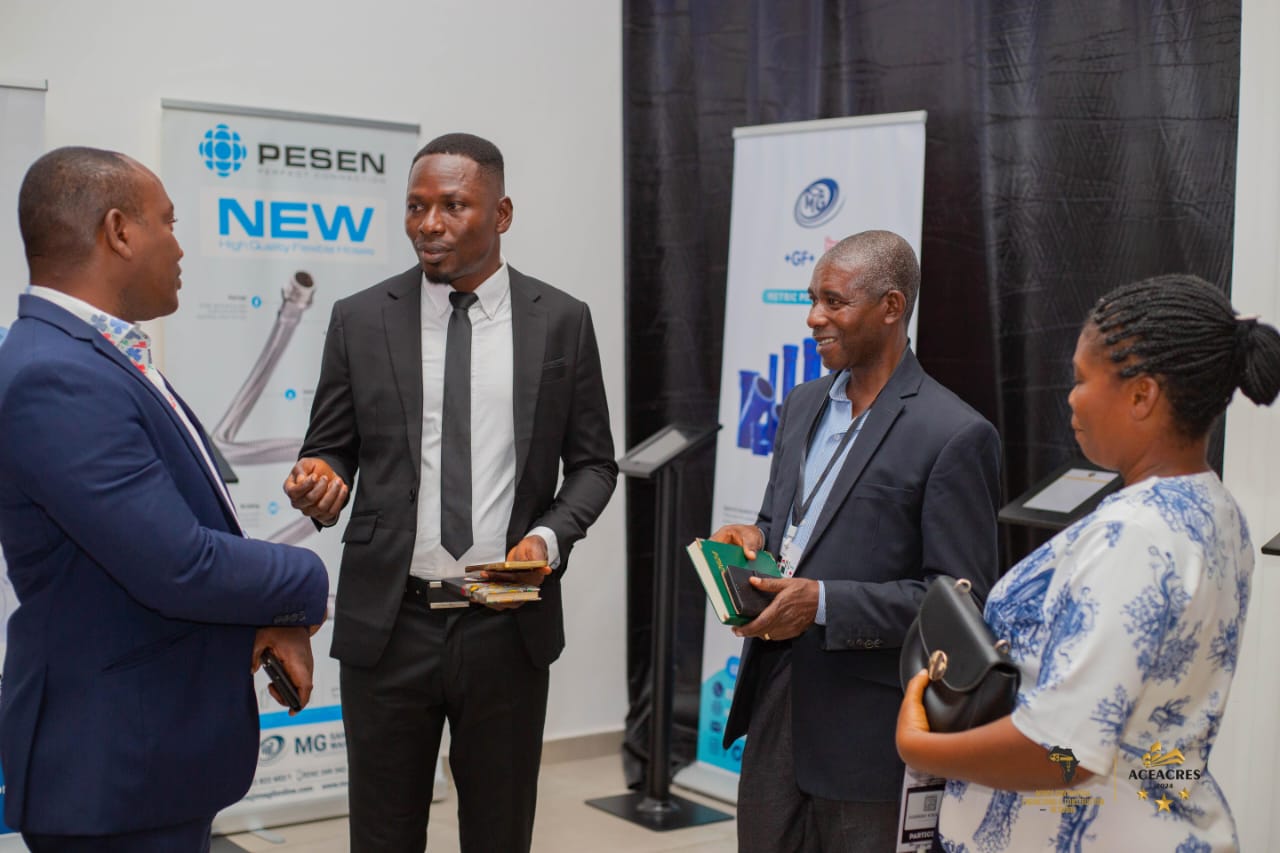
    Sponsors had the opportunity to engage in B2B, B2C networking opportunities, with some connected with manufacturers, distributors, wholesaler’s retailers as well as end consumers. Many had the opportunity to meet potential investors, enhanced their brand visibility, generated real time leads, gained industry insights, modern trends, identified new business opportunities, sealed partnership deals, shared product knowledge and utility information with potential customers, demonstrated their unique selling proposition to potential customers, built strong network with influential industry players, connected with top-rated projects /contractors/professionals in Ghana and across the African continent etc.

    What Participants Stood to Gain

    Participants on their part,had the opportunity to network with industry leaders, access to cutting edge insights and new trends, learnt from successful case studies, built personal capacity for resilience, exposed to new business opportunities, gained inspiration and motivation from industry thought leaders, built relationship with potential employers/employees and mentors, accessed innovative products, met with potential investors, shared their perspective during Q&A session, identified lucrative business niches in the industry et cetera.

    Event Partners

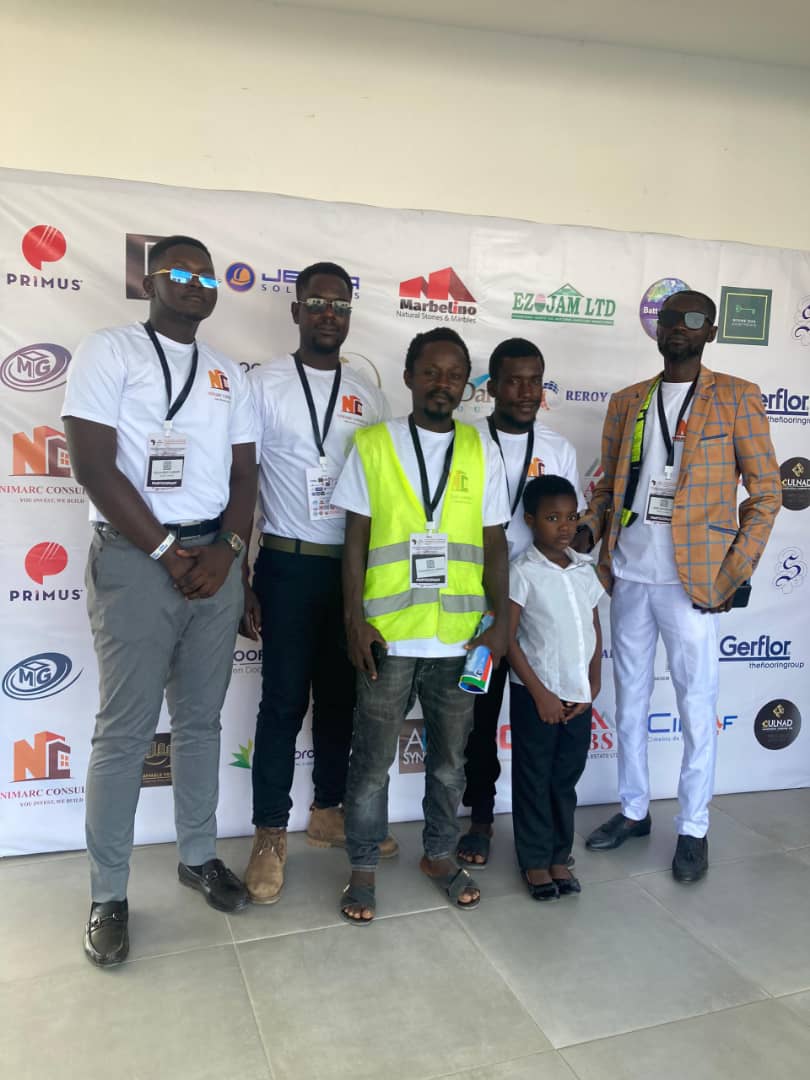
    The event Partners include, the Ghana Institution of Engineering and Technology (IET-GH), the Association of Building and Civil Engineering Contractors of Ghana (ABCECG), the Ghana Electrical Contractors Association (GECA), Ghana Institute of Construction (GIOC), Certified Electrical Wiring Professionals Association (CEWPAG), Ghana Association of Real Estate Brokers (GAREB), Local Government Service Engineers Association (LoGSEA), Commercial Quarry Operators Association (COQOA), Engineering Council, Ghana, (EC), the Real Estate Council, (REAC), the Ghana Institute of Safety and Environmental Professionals (GhISEP), the Nigerian Society of Engineers (NSE) with Nimark Consult, and Culnad Construction Ltd, as construction firms among several others.

    Event Sponsors

    The Principal Sponsors of the event include, Gerflor Ghana, Meprolim Ghana, as headline sponsors. The rest are Premier Steel, McDan Group, Jemba Solutions Ltd, Fort Doors Ghana, the Primus Group, Alusynco Hellas Services Ltd, Marbelino Marble Stones Décor, Mayfair Estate Ltd, Reroy Cables Ltd, J2 Affable properties, Sethi Realty, Sethi Steel, Nimark Consult, ABS Properties, United Commercial Trading, Culnad Construction, CIMAF, Magil Enterprise Ltd.

    The organizer is the Africa Continental Engineering & Construction Network Ltd (ACECN), a Pan African built environment and real estate firm based in Ghana but with a wide range of projects and network of built environment professionals across the African continent and beyond.

    ACECN’s Objective

    “The objective, Mr. Kontie said, was to set the stage for the integration of the African built environment whilst creating the opportunity for more partnerships/collaborations and the promotion of sustainability for corporate growth and for the African continental prosperity at large”
    Mission

    The mission is to be the industry game-changer in the delivery of superior general built environment services in all disciplines while championing the course of contemporary innovations and sustainability geared towards the socio-economic transformation of the African continent.

    Vision

    Its vision is to be among Africa’s top five (5) built environment brands in the next 10 years from 2024 while creating a strong continental network and integration of Africa’s fragmented built environment through a high-power professional, intergovernmental and sustainability networking across the globe.

    In a post event exclusive interview with the Eco-Enviro News Africa magazine., Daniel Kontie, said, the Summit brought together all stakeholders of the African built environment.

    “It was indeed a time of introspection that examined the past, the present and projections into the future of the African built environment in this AI dispensation.

    “The core mandate was to communicate to all stakeholders yet again, the urgent need to integrate the African Built Environment for Socio-Economic Transformation of the African Continent.

    “It was by far Africa’s most impactful built environment and Real Estate Summit that brought together all sector players across the African continent and beyond to discuss industry best practices, modern innovations and technologies that are shaping the future of built environments across the globe” Mr. Kontie intimated.

    Objective

    “The objective, Mr. Kontie said, was to set the stage for the integration of the African built environment whilst creating the opportunity for more partnerships/collaborations and the promotion of sustainability for corporate growth and for the African continental prosperity at large”


  • COP29 ends with compromise on climate financing

    COP29 ends with compromise on climate financing

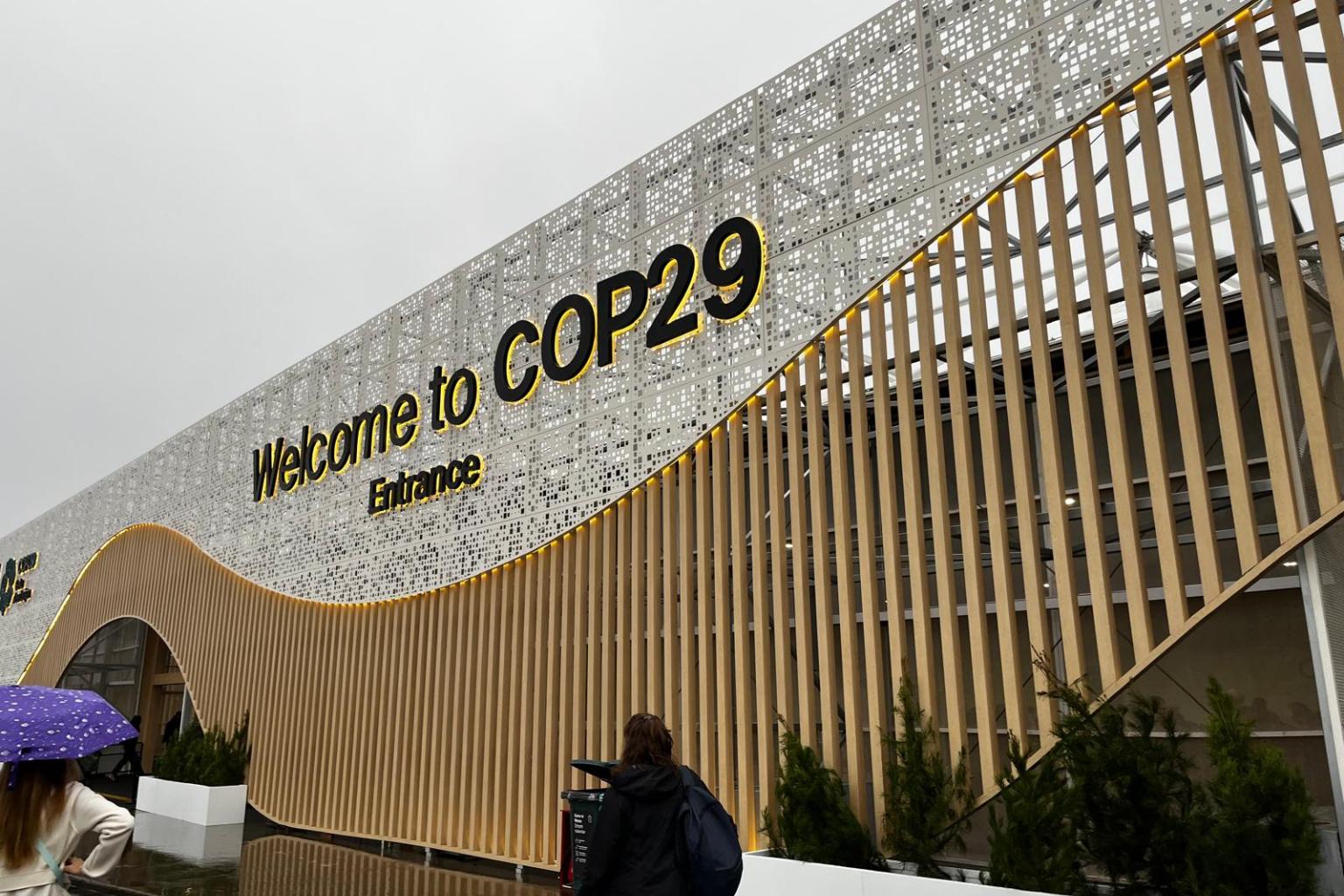
    The UN climate change conference ended on 24 November with a pledge from developed nations to contribute at least $300 billion annually to support adaptation.

    After two weeks of intense negotiations, delegates at COP29, formally the 29th Conference of Parties to the UN Framework Convention on Climate Change (UNFCCC), agreed to provide this funding annually, with an overall climate financing target to reach “at least $1.3 trillion by 2035”.

    This summit had been dubbed the ‘climate finance COP’, and representatives from all countries were seeking to establish a new, higher climate finance goal.

    The target, or new collective quantified goal (NCQG), will replace the existing $100 billion goal that is due to expire in 2025.

    Reacting to the outcome, UN Secretary-General António Guterres said that while an agreement at COP29 was absolutely essential to keep the 1.5-degree limit alive, “I had hoped for a more ambitious outcome – on both finance and mitigation – to meet the great challenge we face.”

    But he continued, this agreement provides a base on which to build and added: It must be honoured in full and on time. Commitments must quickly become cash. All countries must come together to ensure the top-end of this new goal is met.”

    Developing countries, which had sought over $1 trillion in assistance, said the pledge of financing was too little too late.

    The WMO delegation at COP29, headed by Secretary-General Celeste Saulo, highlighted the urgency of drastic reductions in greenhouse gas emissions – and more financing to build resilience, and in particular to strengthen early warning systems.

    According to WMO’s State of the Climate Update, the year 2024 is on track to be the hottest on record and temporarily hit 1.5°C. Greenhouse gas levels are at record observed levels. Sea level rise is accelerating, glacier retreat is unprecedented, and extreme weather events have caused major loss of life and livelihoods around the world.

    “The time for action is now,” said Celeste Saulo. “If you want a safer planet, it’s our responsibility. It’s a common responsibility, a global responsibility,” she said.

    The COP29 outcome is a gesture of support for the most vulnerable, said Celeste Saulo. But much more needs to be done.

    Celeste Saulo, WMO Secretary-General, at COP29
    Following on from COP29, WMO will prioritize accelerated action to strengthen global climate mitigation and adaptation, and reduce loss and damage. It will continue leveraging its State of the Climate reports to inform climate policy, finance, and action.

    Key focus areas include scaling up the Early Warnings for All initiative to ensure comprehensive early warning coverage, and advancing Global Greenhouse Gas Watch to improve monitoring and mitigation.

    Another priority is to close the gaps in Earth observations. These are necessary to inform both mitigation and adaptation, as was noted in the SBSTA Chair summary. WMO will take a similar approach to closing the gaps in Multi-Hazard Early Warning Systems.

    At COP29, additional contributions were announced to the United Nations Systematic Observations Financing Facility (SOFF) that is now capitalized with more than US $100 million to support countries in closing their basic weather and climate data gaps.

    A consolidated WMO strategy to support countries in updating Nationally Determined Contributions (NDCs) and National Adaptation Plans (NAPs) to reflect these elements will be developed. A critical element will be positioning National Meteorological and Hydrological Services (NMHSs) as the authoritative voice of hydro-meteorological early warnings and central actors in driving science-based solutions, ensuring their enhanced role in implementing climate policies and strategies worldwide.

    Wide shot of the plenary hall at the UN climate conference, COP29, in Baku, Azerbaijan.
    UNFCCC/Kiara Worth
    Other steps forward at COP29 included:

    Countries agreed on the rules for a UN-backed global carbon market. This market will facilitate the trading of carbon credits, incentivizing countries to reduce emissions and invest in climate-friendly projects.

    They agreed to an extension of a programme centered on gender and climate change; and agreement on support for the least developed countries to carry out national adaptation plans.

    UN Climate Change Executive Secretary Simon Stiell described the new finance goal agreed at COP29 as “an insurance policy for humanity.”

    “This deal will keep the clean energy boom growing and protect billions of lives.  It will help all countries to share in the huge benefits of bold climate action: more jobs, stronger growth, cheaper and cleaner energy for all. But like any insurance policy – it only works – if the premiums are paid in full, and on time.”

    He acknowledged that no country got everything they wanted, and that the world leaves Baku with a mountain of work to do. “So, this is no time for victory laps. We need to set our sights and redouble our efforts on the road to Belém,” in the eastern Amazonian region of Brazil, which is set to host COP30 next year.

    Further reading:
    UNFCCC concluding press release
    COP29 website

    SOURCE

    UN NEWS

  • Solutions for Igniting Africa’s Digital Revolution – Insights from “Unstoppable Africa”

    Africa is steadily progressing in its digital transformation, drawing on the continent’s resources, creativity, and youthful demographic to drive change—yet there remains significant ground to cover. As the digital era continues to accelerate, we must seize this opportunity to position Africa as a key player on the global stage. If we fail to act decisively and work together, we risk being sidelined in the global digital landscape.

    At the recent “Unstoppable Africa” event hosted by the Global Africa Business Initiative in New York on the sidelines of the UN General Assembly High-Level week, I led a panel discussion titled ‘The Panel of the Future: Solutions for Igniting Africa’s Digital Revolution.’

    During the panel discussions, esteemed speakers — including H.E. Paula Ingabire, Minister of ICT & Innovation for Rwanda; Mr. Peter Ndegwa, CEO of Safaricom; Ms. Doreen Bogdan-Martin, Secretary-General of the International Telecommunications Union (ITU); and Mr. Cheick Camara, Vice President & Managing Director of ServiceNow Africa — each brought a unique perspective on how Africa can leverage its strengths to build a robust digital economy.

    H.E. Paula Ingabire highlighted Rwanda’s proactive approach to emerging technologies, positioning the country as a proof-of-concept hub for innovative companies and start-ups to launch, test and scale.

    Mr. Peter Ndegwa stressed that connectivity must be a fundamental right across the continent, with Safaricom already scaling up its assembly of affordable smartphones, while Ms. Doreen Bogdan-Martin was optimistic about Africa achieving significant digital transformation by 2030. Mr. Cheick Camara reminded us that it is essential for Africa to create and contribute to AI models. In addition, AI alone will add $16 trillion to the global economy by 2030, a wave that Africa must not miss.

    The reality is that African nations are at a critical turning point, confronted with the risk of being sidelined in the global digital race. As countries worldwide rapidly embrace technological advancements, particularly in fields such as artificial intelligence (AI), machine learning, and data analytics, the continent must act swiftly to avoid being marginalized.

    The pace of innovation and technological advancement is incredible. Daily, new developments take place, reshaping industries and redefining how we live and work. Since we last gathered at Unstoppable Africa, the technological landscape has evolved rapidly, highlighting the critical need for African nations to keep pace with global trends.

    One of Africa’s most significant advantages is its youthful population. With over 60% of Africans under 25, we are blessed with a demographic comfortable with technology and eager to experiment – qualities that are vital for driving technological advancement.

    Alongside our youthful population, Africa boasts a wide variety of cultures. The panel discussion emphasized that promoting a culture of creativity is essential for achieving sustainable growth. This means creating an environment where new ideas can flourish, and failure is seen as a steppingstone to success rather than a setback.

    To capitalize on these strengths, however, African nations must prioritize investments in education and technology infrastructure. An educational system that includes digital literacy, critical thinking, and project management skills is essential to preparing the workforce for the digital economy.

    Beyond driving digital success, project management empowers Africa’s young leaders with the frameworks and skills needed to address complex challenges in an ever-evolving digital landscape, building a future-ready workforce that can take African innovations to scale.

    Furthermore, enhancing technology infrastructure—such as improving internet access and digital services—will empower citizens to participate actively in the digital economy. This is consistent with the four key pillars of Africa’s digital revolution namely: Digital Infrastructure and affordable devices, Internet access and cost, Digital skills and education, and Digital Innovation.

    By empowering citizens with knowledge and access to technology, African nations can cultivate a skilled workforce capable of leading innovation in various sectors, from agriculture, where digital tools can boost productivity and sustainability, to healthcare, where telemedicine and AI-driven diagnostics offer new solutions for widespread challenges. Fintech and renewable energy also represent high-impact areas where African innovations are already showing potential to lead globally.

    Additionally, the insights shared by our panelists highlighted the importance of collaboration among various stakeholders—governments, businesses, civil society, and international partners.  This collaborative approach is essential for building an ecosystem where digital technologies can thrive, enabling Africa to contribute meaningfully to global advancements and ensuring that the continent leads in certain areas of the digital revolution.

    Government policies can provide the regulatory frameworks and infrastructure needed for digital growth, while businesses bring in expertise, resources, and technology to accelerate technological advancement. Project management is essential in transforming these ideas into reality. By leveraging project management principles, countries and companies on the continent can strategically allocate resources, streamline efforts, and scale innovations across multiple sectors.

    Beyond driving digital success, the discipline empowers Africa’s young leaders with the frameworks and skills to address complex challenges in an ever-evolving digital landscape, building a future-ready workforce. Civil society offers critical perspectives on inclusivity and the ethical use of technology, while international partners bring valuable experience and investment to support Africa’s digital journey.

    This collaborative approach empowers Africa to move beyond simply “catching up” with the rest of the world; it positions the continent to lead in key areas of the digital revolution, from fintech and digital agriculture to health tech and renewable energy. By leading in such sectors, the continent can redefine its role in the digital age, showcasing the transformative potential within its borders.

    Now is the time to join forces and drive a digital revolution that secures a prosperous and inclusive future for the continent and generations to come!

  • 5th Session of the Intergovernmental Negotiating Committee to Develop an International Legally Binding Instrument on Plastic Pollution, Including in the Marine Environment

    5th Session of the Intergovernmental Negotiating Committee to Develop an International Legally Binding Instrument on Plastic Pollution, Including in the Marine Environment

    In their last scheduled meeting to agree on treaty text to “end plastic pollution,” negotiators may base their discussions on a new non-paper by INC Chair Luis Vayas that builds on the common ground between countries.

    With seven days left to agree on a new treaty text on plastic pollution, Kim Wan Sup, Minister of Environment, Republic of Korea, set the stage for the final scheduled round of negotiations, stressing that “we must end plastic pollution before plastic pollution ends us.” As science continues to reveal the layers of impact due to the burden of plastic pollution, including to human health and the Earth’s ecosystems, this statement struck a chord with many delegates on the first day of the fifth session of the Intergovernmental Negotiating Committee (INC-5) to develop an international legally binding instrument (ILBI) on plastic pollution, including in the marine environment.

    In his opening remarks, INC Chair Luis Vayas Valdivieso (Ecuador) emphasized that adopting an agreement to end plastic pollution is possible at this meeting, and urged delegates to show “unwavering commitment, relentless effort, and bold political decisions.

    In a video message, President Yoon Suk Yeol, Republic of Korea, urged delegates to stand together in solidarity and muster the political will to reach agreement on an effective and implementable instrument covering the full plastic lifecycle.

    Also in a video message, Cho Tae Yul, Minister of Foreign Affairs, Republic of Korea, stated that his country is fully prepared to work toward a treaty that is actionable, grounded in scientific evidence, and adaptable to national contexts.

    Reminding delegates that this day marked 1000 days since the UN Environment Assembly (UNEA) adopted resolution 5/14 to end plastic pollution, Inger Andersen, Executive Director, UN Environment Programme, urged them to: work towards bringing the “gavel down” on an ambitious instrument providing the broad contours and strokes for further work; conclude negotiations quickly on provisions with respect to which there is considerable convergence; and use UNEA resolution 5/14 as a “guiding star” when addressing provisions on which significant work remains, concerning plastic products and chemicals, supply, and finance. Jyoti Mathur-Filipp, Executive Secretary, INC Secretariat, lauded the courage and determination shown by INC members over the past two years, and the strong community built together over this period.

    After getting assurances that the rule of procedure related to voting in the absence of consensus would not be invoked, delegates shared views on the mode of work, including the text to be used as a basis for negotiations.

    Several delegations announced that the Chair’s Non-Paper, which had been circulated in advance of the meeting, should not be used as a basis for discussions in its current form, calling instead for a revised version, reflecting submissions by states and emphasizing that this “is a state-driven process, and the compilation text reflects the views of states.” They also underlined the need to include separate articles related to the objective, scope, and principles governing the new treaty, which are absent from the Non-Paper.

    Many more states, however, supported the Non-Paper providing the basis for negotiations, noting that the text can be modified based on members’ additions through the negotiation process. Most states in this camp noted that the Non-Paper is not perfect, but expressed a willingness to use this “bridging text” as the basis for negotiating the new treaty in order to fulfil the Committee’s mandate to conclude treaty negotiations by the end of 2024, as stipulated in UNEA resolution 5/14.

    INC Chair Vayas emphasized that the Non-Paper is a starting point for deliberations, and not a final outcome, stressing that the text is bracketed in its entirety and does not prejudge member’s positions. Furthermore, he said that the compilation text will provide an authoritative reference and that all issues will receive equal attention.
    He clarified that members would be able to make additional submissions in the contact group discussions; and pointed to the role of the legal drafting group, which would streamline the text forwarded to it throughout the week. Delegates agreed to work on the basis of this proposal, and plenary was adjourned.
    In the evening, two contact groups convened:

    • Contact Group 2, co-chaired by Oliver Boachie (Ghana) and Tuulia Toikka (Finland), broadly addressing plastic waste management, emissions and releases, existing plastic pollution, including in the marine environment, and just transition; and
    • Contact Group 4, co-chaired by Han Min Young (Republic of Korea) and Linroy Christian (Antigua and Barbuda), opening considerations on implementation and compliance, national plans, reporting, monitoring of progress and effectiveness evaluation, information exchange, and awareness, education and research.
    • SOURCE(EARTH NEGOTIATIONS BULLETIN)
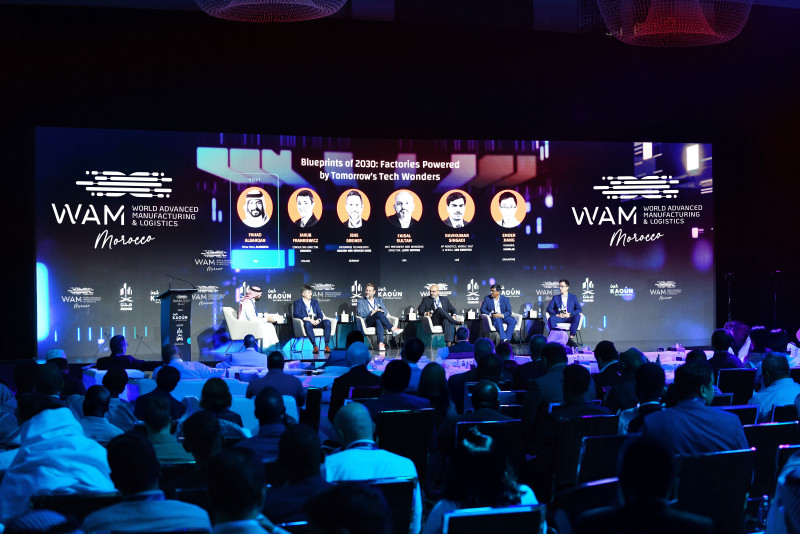
  • Launch of World Advanced Manufacturing & Logistics Expo & Summit (WAM Morocco) 2025 to Advance the Country’s Shift Towards Next-Generation Industries and High-Value Manufacturing

    Launch of World Advanced Manufacturing & Logistics Expo & Summit (WAM Morocco) 2025 to Advance the Country’s Shift Towards Next-Generation Industries and High-Value Manufacturing

    CASABLANCA, Morocco, November 25, 2024/ — KAOUN International (www.KAOUN-int.com/), Organizer of GITEX, Launches WAM Morocco 2025 with Commitment and Unified Support from Morocco’s Ministry of Industry and Trade, CGEM, and AMDIE; WAM Morocco 2025 Will Spotlight Advanced Manufacturing, Sustainable Practices, Next-Gen Logistics, and AI Innovation to Accelerate Industrial Growth.

    The World Advanced Manufacturing & Logistics Expo & Summit (WAM Morocco) will debut in Casablanca, with unified support to catalyse Morocco’s thriving manufacturing economy towards next-generation industries.

    Endorsed by the Moroccan Ministry of Industry and Trade and in partnership with key partners, namely the General Confederation of Moroccan Enterprises (CGEM) and the Moroccan Investment and Export Development Agency (AMDIE), WAM Morocco aims to expand the nation’s industrial base, foster new sectors, and drive capacity building for sustainable growth.

    Taking place from 28–30 October 2025 at the Foire Internationale de Casablanca (FIC), WAM Morocco is organised by KAOUN International, the force behind GITEX GLOBAL, the world’s largest and most influential tech and AI show, and GITEX Africa in Morocco – the continent’s largest tech and start-up event.

    Morocco’s robust manufacturing and logistics base in the automotive and aerospace sectors, boosted by initiatives such as the Fez Smart Factory and $600 million National Port Strategy 2030 (http://apo-opa.co/4eQs4iG), has drawn substantial international investment.

    Morocco has become the largest non-European automotive exporter to Europe. In addition, it has a significant presence in the aerospace sector, with exports totalling $2.2 billion and serving major clients such as Boeing and Airbus. Recent advancements in manufacturing and logistics have strengthened Morocco’s foundation, positioning the nation in the global spotlight as it prepares to host WAM Morocco successfully.

    H.E. Ryad Mezzour, Morocco’s Minister of Industry and Trade, expressed his support, stating: “WAM Morocco represents a significant milestone in Morocco’s journey to becoming one of the foremost hubs for advanced manufacturing in Africa and the world.

    Being part of this event highlights our nation’s commitment to innovation, economic resilience, and industrial leadership. By bringing together global and local expertise, we are creating an environment where high-tech innovation and sustainable practices can thrive, propelling our country and the continent towards a prosperous, technology-driven future.”

    The organiser of WAM Morocco and GITEX Africa, Trixie LohMirmand, CEO of KAOUN International, added: “WAM Morocco is a strategic and powerful manoeuvre for Morocco, accelerating the country’s, and the continent’s, prominence in high-tech industries and unlocking unparalleled access to global technological capabilities.

    This event will create powerful competitive advantages for the Moroccan and African ecosystems. By bringing together the best in innovation, investment, and collaboration, WAM Morocco is set to ignite Africa’s next wave of industrial revolution, paving the way for African nations to lead high-speed growth on the global stage.”

    Event Highlights and Strategic Objectives

    WAM Morocco is set to advance and support Morocco’s vision of becoming a sustainable, globally competitive manufacturing hub by showcasing cutting-edge manufacturing and next-generation technologies in AI, quantum computing, 3D printing, blockchain, and mixed reality.

    WAM Morocco shall feature a range of specialised events, including WAP (World Advanced Packing, Printing, and Plastic Technologies), WARM (World Advanced Rubber & Metal Industrial Technologies), and WASIM (World Advanced Sustainable Manufacturing), each dedicated to driving innovation and excellence in their respective fields.

    Built on Morocco’s industrial success, WAM Morocco aims to accelerate its position as a leader in advanced manufacturing by leveraging AI, deep tech, and sustainable practices. The event will foster public-private partnerships, attract foreign investment, and support local capacity-building, creating a lasting economic impact and strengthening Morocco’s role as a high-tech, sustainable manufacturing powerhouse in Africa.

    Chakib Alj, President of the Confederation of Moroccan Enterprises (CGEM), voiced support for the momentum driving Morocco’s industrial transformation, emphasising the importance of public-private collaboration: “This gathering is more than an event—it’s a vital platform for Moroccan businesses, particularly SMEs, to engage on the world stage, connect with leading international innovators, and form partnerships that will accelerate our industrial progress. By uniting our start-ups and industry leaders with global pioneers, we’re laying the groundwork for sustained growth, competitiveness, and economic resilience. We support this significant initiative and look forward to the long-term economic impact it will bring to Morocco and Africa as a whole.”

    For more information, please visit WAM Morocco’s official website.

    Distributed by APO Group on behalf of KAOUN International.
  • Morocco Earmarks One Million Hectares of Land for the Construction of Green Hydrogen Projects and Real Estate

    Morocco Earmarks One Million Hectares of Land for the Construction of Green Hydrogen Projects and Real Estate

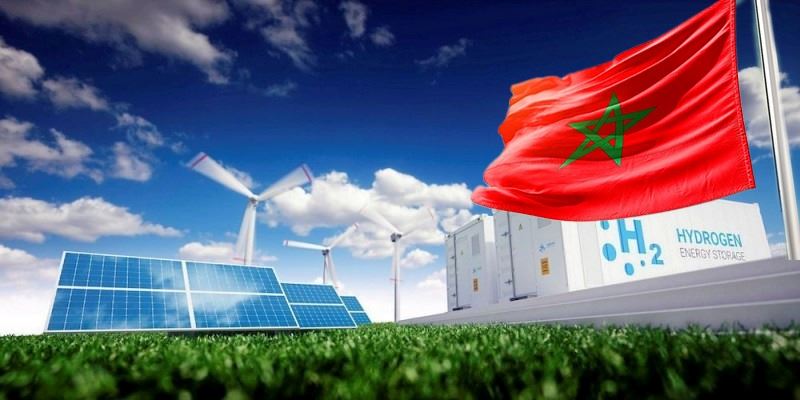
    Morocco has pledged to award one million hectares of land to facilitate the construction of its green hydrogen projects. Furthermore, the government plans to allocate this vast land to develop real estate projects as part of its “Morocco Offer” initiative.

    Prime Minister Aziz Akhannouch highlighted that this enormous land allocation will support integrated green hydrogen projects, enhancing Morocco’s competitiveness in the global market. In addition to the land allocation, the government is implementing measures to streamline the real estate sector. This includes simplifying administrative procedures, reducing required documents, and establishing regional urban planning agencies.

    The goal is to create jobs, attract investment, and improve access to public services. These initiatives demonstrate Morocco’s commitment to sustainable development. It also highlights the country’s ambition to become a global leader in green hydrogen production while fostering a thriving real estate market.

    The State of Affairs Regarding Morocco’s Green Hydrogen Projects

    With the allocation of the vast land in check, the implementation of Morocco’s green hydrogen projects is all but assured. The authorities will allocate 300,000 hectares to be divided into lots of 10,000 to 30,000 hectares, depending on the size of the planned projects.

    The government said it will assign the land to private investors and track the project development. It has reportedly received several expressions of interest from around 100 national and international investors. It said the first preliminary contracts could be signed by the third quarter of 2024.

    Laila Benali, the minister of energy transition, noted the importance of private investments for the country, which needs to triple its annual investments in renewable energy and multiply its investments by five. Benali said that Office Chérifien des Phosphates (OCP) recently launched an investment plan worth $14.2 billion.

    The plan seeks to promote the manufacture and development of various projects. These include the manufacture of green fertilizer, the launch of renewable energy production, and the development of seawater desalination projects.

    SOURCE

    CONSTRUCTION REVIEW