Blog

  • 18th Islamic Development Bank (IsDB) Global Forum to Explore Innovation, Entrepreneurship, and Leadership in Islamic Finance

    18th Islamic Development Bank (IsDB) Global Forum to Explore Innovation, Entrepreneurship, and Leadership in Islamic Finance

    JEDDAH, Saudi Arabia, April 21, 2024/ — The Islamic Development Bank (IsDB) Institute (https://IsDBInstitute.org/) is pleased to announce the 18th edition of the IsDB Global Forum on Islamic Finance to be held in Riyadh, Kingdom of Saudi Arabia, on 28 April 2024, in conjunction with the IsDB Group Annual Meetings and Golden Jubilee Celebration.

    Organized annually as a flagship side event of the Annual Meetings, this year’s Forum will bring together thought leaders, policymakers, financial experts, and other stakeholders in the Islamic finance industry to deliberate on innovative tools to foster sustainable development.

    Under the theme “Innovation, Entrepreneurship, and Leadership in Islamic Finance”, the forum will have keynote speeches by H.E. Dr. Muhammad Al Jasser, Chairman of the IsDB Group; H.E. Dr. Stephen Groff, Governor of the Saudi National Development Fund; and Engineer Mutlaq H. Al-Morished, CEO, Tasnee Corporation.

    The forum will witness the award presentation to the winner of the 2024 IsDB Prize for Impactful Achievement in Islamic Economics. Professor Mehmet Asutay, a professor of Middle Eastern and Islamic Political Economy & Finance at Durham University, won the prize in recognition of his significant and influential contributions to the field of Islamic economics and finance.

    Subsequently, the Forum will have two sessions. The first is a panel that aims to explore the pivotal role of entrepreneurship in advancing sustainable development, particularly within the Islamic finance paradigm.

    Panelists for the session are Mr. Mohammad Abdulhameed Al-Mubarak, CEO of Madinah Knowledge Economic City; Dr. Zeger Degraeve, Executive Dean of Prince Mohammed Bin Salman College (MBSC); Mr. Morrad Irsane, CEO and Founder of TAKADAO; and Dr. Sami Al-Suwailem, Acting Director General of the IsDB Institute.

    The second session will showcase the Smart Stabilization System, a patent-pending algorithm to enhance stability in financial markets, being developed by the IsDB Institute and implemented by the blockchain company SettleMint. The discussants will be Mr. Matthew Van Niekerk, Founder & CEO of SettleMint, and Dr. Hilal Houssain, Associate Manager of Knowledge Solutions Team, IsDBI.

    The Forum will also feature the launching of a new IsDBI report titled “Catalyzing Social Entrepreneurship through Islamic Finance”, which explores the potential of Islamic finance to support social entrepreneurship and impact investing.

    The IsDB Global Forum on Islamic Finance is an annual high-level forum initiated in 2006 as a platform for strategic policy dialogue on knowledge and innovation in Islamic finance and development.

    Distributed by APO Group on behalf of Islamic Development Bank Institute (IsDBI).

    Media contact:
    Habeeb Idris Pindiga
    Associate Manager, Knowledge Horizons
    hpindiga@isdb.org

    For more information, visit the 2024 IsDB Group Annual Meetings website (https://IsDM-AM.org/) or IsDBI media platforms:

  • More than 900+ Visionary and Influential Speakers to Grace 2024 AIM Congress in Abu Dhabi

    More than 900+ Visionary and Influential Speakers to Grace 2024 AIM Congress in Abu Dhabi

    Abu Dhabi, UAE, 22 April, 2024: The Annual Investment Meeting (AIM) Congress 2024 is gearing up to host some of the most influential voices and visionaries from around the globe.

    Scheduled to take place from May 7 to 9 at the Abu Dhabi National Exhibition Centre (ADNEC), AIM Congress promises an unparalleled gathering of high-level speakers who will share their insights and expertise on navigating the evolving investment landscape.

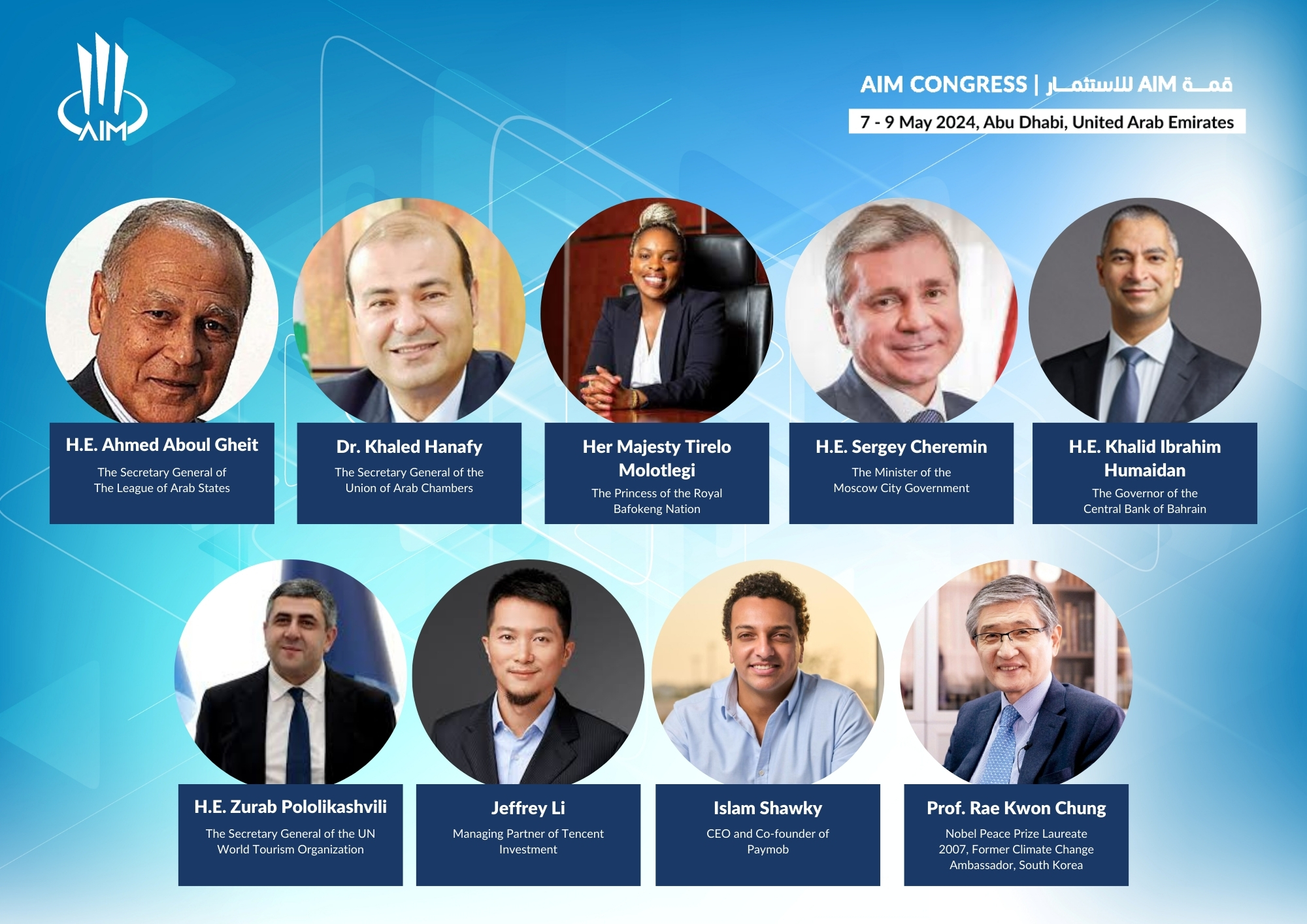
    Among those poised to share their insights and knowledge are esteemed figures H.E. Ahmed Aboul Gheit, the Secretary General of the League of Arab States, whose diplomatic prowess and strategic vision have contributed to regional cooperation and stability.

    Dr. Khaled Hanafy, the Secretary General of the Union of Arab Chambers, will bring valuable perspectives on economic integration and collaboration across Arab nations, while Her Majesty Tirelo Molotlegi, the Princess of the Royal Bafokeng Nation, will offer insights into sustainable development and community empowerment.

    The event will also feature distinguished government leaders such as H.E. Oh Se-Hoon, Mayor of Seoul City, H.E. Sergey Cheremin, the Minister of the Moscow City Government, who oversees external economic relations, and H.E. Khalid Ibrahim Humaidan, the Governor of the Central Bank of Bahrain, a key figure in shaping monetary policy and financial stability in the region.

    Moreover, AIM Congress attendees will have the opportunity to engage with prominent figures from the private sector, including H.E. Jorge Arbache, Vice President for the Private Sector at the Development Bank for Latin America and the Caribbean (CAF), Kiho Park, CEO/President of LB Investment, Jeffrey Li, Managing Partner of Tencent Investment, and Islam Shawky, CEO and Co-founder of Paymob, recognized among Forbes’ Top 30 Fintech Companies.

    Their expertise in technology and investment will provide valuable insights into the future of finance and innovation.

    Additionally, the event will feature thought leaders such as Prof. Rae Kwon Chung, Chairman of the Global Energy Prize International Award Committee and Nobel Prize Winner, who will offer perspectives on sustainable energy solutions, and H.E. Zurab Pololikashvili, the Secretary General of the UN World Tourism Organization, who will share insights into the future of global tourism and its economic impact.

    Joining them will be Her Excellency Armida Salsiah Alisiahbana, Under Secretary General of the United Nations and Executive Secretary of United Nations ESCAP, H.E. Wamkele Mene, Secretary General of the AfCFTA Secretariat, and H.E. Francesco La Camera, Director General of International Renewable Energy Agency.

    These esteemed speakers represent a diverse array of industries and regions, reflecting the global reach and impact of AIM Congress as a premier investment platform. From technology and finance to energy and tourism, their expertise will provide invaluable insights into the opportunities and challenges facing the global economy.

    AIM Congress 2024, an initiative of the AIM Global Foundation, is expected to draw over 12,000 delegates representing 175 countries worldwide.

    To register for the 2024 AIM Congress, please visit:https://aimcongress.com/packages/PR22APR

  • Real Estate Investment Opportunities in Africa: A Systematic Data-driven Series-Part-2. (By Daniel Kontie)

    Real Estate Investment Opportunities in Africa: A Systematic Data-driven Series-Part-2. (By Daniel Kontie)

    Last week we published part one (1) of this series and we are indeed thrilled with the positive feedback that came from our readers across the globe. It will interest you to know that over one hundred (100) people read the article within the first week of its publication according to our reading tracker.

    This is good news and an encouragement for us to work harder in disseminating the information on the prospects of real estate investment in Africa to all prospective investors across the world; brought to you by the Africa Continental Engineering & Construction Network, a Ghana based Pan African Sustainable Built Environment Consultancy Firm (www.acecnltd.com).

    In this second edition, we shall be examining the last three (3) indices which again like the first edition, is a comparative data-driven analysis that points to the fact that Ghana remains the most lucrative real estate investment destination in Africa.

    But before we go into the intricacies of the data, we would like to have a recap of the first edition for the benefit of readers who may not have the opportunity to read the first edition. In the previous edition, we examined five (5) fundamental indices, and the data available for all five points to the fact that Ghana stood tall among its peers as the most lucrative real estate investment destination in Africa.

    We looked at the current housing deficit which stood at 1.8 million and is projected to hit 4.2 million by 2030 if there are no conscious actions to bridge the gap as against the projected population growth of 39 million by the same year, that is one side and the other is the low supply side where it was observed that, the combined effect of the works of the state, individuals as well as the private institutional developers, was not significant enough to bridge the gap.

    We also examined the Ghanaian political environment, known to be one of the most democratic and peaceful across the globe with the Global Peace Index (2022) ranking as the 2nd most peaceful country in sub-Saharan Africa among 46 countries, top six (6) most peaceful countries in Africa and 40th most peaceful country in the world.

    This presents a positive signal while guaranteeing the security of investments at all levels in Ghana including real estate. Urbanization was another index we examined, and it was found that among the thirty-three (33) African states purposively selected for our analysis, Ghana tops the urbanization rate with a staggering rate of 58.62%.

    This we presume could be a significant contributory factor to the persistently high demand for housing and general infrastructure around the urban centers across the country thereby, increasing the real estate investment prospects.

    The growing middle class which was found to be rising speedily hitting a height of about 46% as was reported by the African Development Bank in 2013, has also impacted the real estate investment prospects of Ghana significantly, despite the gains that have been eroded by the Covid-19 pandemic in recent past and finally, we also examined the rapid population growth which is said to have stood at 35 million currently and is projected to reach 39 million by 2030. In a nutshell, all the aforementioned indices explored are real estate demand-driven factors, and interestingly, all point to the fact that Ghana remains the most preferred destination for real estate investment in Africa.

    Today, we shall be looking at the last three (3) indices and this will draw the curtains on the subject under discussion. Now, stay tuned, get a glass of fruit juice, and grab your reading lenses as we run you down yet another data-driven analysis of the real estate investment prospects in Africa using the final three (3) indices, crime rate, foreign direct investment and government policy.

    1.Crime Ratings

    To begin with, economic theory suggests that, crime rate has an inverse relationship with investment, particularly foreign direct investment, and what this means essentially is that, a higher crime rate threatens both human and property security.

    This security threat leads to low foreign direct investment, holding other variables constant. On the other hand, low crime rates boost investor confidence, and the higher the level of investment, the bigger the expansionary growth of the economy.

    The ripple effect most often under such circumstances, is higher demand for housing as it is the case in Ghana currently. During our analysis of global crime ranking, Ghana ranked 84 with a crime index of 43.9 among 146 countries according to Numbeo (2024), and 17 in Africa among 52 states (Africa Organized Crime Index, 2024).

    The crime index of 43.9 is classified as moderate according to the Numbeo scale of measurement which grades crime levels between 41 to 60 as moderate. This gives confidence to the general investor community that, Ghana is comparatively one of the most conducive destinations to invest, of which real estate investment is not an exception.

    2.FDI Record

    Also, sight is not lost on the fact that foreign direct investment (FDI) is another driver of investment globally. Just like all other sectors of the economy, foreign direct investment has a direct relationship with demand for real estate.

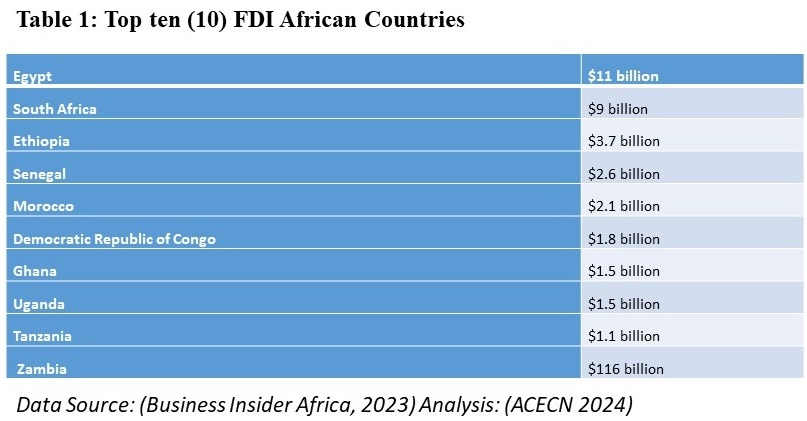
    Interestingly, our exploration found that Ghana is among the top ten (10) countries in Africa with high levels of foreign direct investment with a total FDI value of US$1.5 billion according to Business Insider Africa (2023). Below is a diagram that depicts the top ten (10) African countries with the highest foreign direct investment.

    Naturally, one would have expected that Zambia, Egypt, South Africa etc would have been projected as the most promising real estate investment destinations in this analysis, taking into consideration their volumes of FDI compared to others such as Ghana.

    However, the broader scope of analysis taking into cognizance the eight indices examined so far, Ghana still appears to have a competitive advantage even though Zambia, Egypt South Africa have higher FDIs. This has had a direct impact on the Ghanaian economy and we presume it is one of the contributory factors that kept the demand for housing skyrocketing persistently till now.
    3.Government Policy/Incentives

    Finally, government policy and incentives are crucial to the real estate sector, unlike in the past when there were little or no incentives for the sector, today there are many more than we ever need to bridge the housing deficit of the continent.

    Our exploration found that most African states use a combination of taxation, legal and regulatory regimes as incentives to boost private investment in the housing sector, for instance in Nigeria real estate investment companies approved by the Securities Exchange Commission are tax-exempted from rental and dividend income depending on some conditions (PwC 2024). Zero corporate income tax is declared for companies including real estate developers planning to relocate to Rwanda (Rwanda Development Board, 2024), whilst Kenya on the other hand offers a corporate tax exemption of 25% per annum for developers (Business Daily, 2024).

    Tax Exemption Act of Ghana

    Similarly, the tax exemptions Act, 2022 (Act, 1088) of the Republic of Ghana has several tax benefits and exemptions for developers, particularly, those within the affordable housing brackets. The purpose is to attract both local and foreign direct investments into the real estate and housing sector aimed at bridging the housing gap. Taxation shall be treated as a whole topic compared to other African states in subsequent series. Time will fail us to give the tax incentive accounts for all African countries, however, one observation that made Ghana different beyond the tax incentives is that, Ghana has consciously made available funds for developers interested in investing in the housing sector.

    Funds for Developers-AfDB Loan Facility

    Key among these is the US$75 million commercial loan facility secured from the African Development Bank for the Ghana Infrastructure Investment Fund (GIIF) to improve the financing and development of green and affordable housing units (African Development Bank, Oct. 27, 2022).

    There are currently opportunities for private investors to leverage these public resources for housing delivery through the ongoing public-private partnership approach instituted by the government of Ghana.

    DBG-Long Term Facility

    Besides, the Development Bank of Ghana (DBG), established in June 2022, provides long-term financing at competitive rates for private sector developments, including the housing sector. Moreover, the Central Bank has committed an initial US$200 million to capitalize DBG for this purpose.

    Gov’t/Develop’t Partners/DBG Support for Investors

    The government has also leveraged another US$550 million from Development Partners to support the DBG to attract private sector investors and other international financiers. The housing sector stands to benefit from these measures as it takes advantage of guaranteed loans that will be provided by DBG.

    Public Policy/Invectives-Funds

    Last but not least on the public policy and incentives, is the Ghana National Home Ownership Fund, the Home Ownership Fund in partnership with the banking sector was also created in 2022.

    This includes the Rent-to-Own Scheme of the Affordable Real Estate Investment Trust, as well as the affordable housing supported by Ghana Commercial Bank (GCB Capital). The funds mobilised will function as a mortgage refinancing mechanism for Private Financial Institutions (PFIs) to draw from in the form of mortgages to consumers or mortgage-backed securities for investors.

    This in effect will improve the mortgage market and make it more fluid, hence reducing interest rates on mortgage facilities for prospective homeowners while improving housing delivery in Ghana. In conclusion, we call on all investors across the globe who are interested in investing in the African real estate sector to do so in Ghana. Subscribe to the Eco-environews magazine for subsequent series.

    Author: Daniel Kontie

    Email: d.kontie@acecnltd.com,

    Contact: +233209032280)

    Real Estate and Sustainable Construction Consultant, Ghana

    CEO, Africa Continental Engineering & Construction Network Ltd (ACECN LTD)

    National President, World Sustainable Built Environment and Generative Artificial Intelligence Forum (WSBE-GenAIF)

    National president, Ghana Institution of Sustainable and Generative Artificial Intelligence (GhISBE-GenAIF)

    Cover Photo

    Credit Devtraco Ltd(Overview of Real Estate in Ghana)
     

  • Reestablishing Nutritional Balance after Ramadan: Tips and Practices for a Balanced Diet and Smooth Transition(Dr. CISSOKO,Nutritionist at Nestlé)

    Reestablishing Nutritional Balance after Ramadan: Tips and Practices for a Balanced Diet and Smooth Transition(Dr. CISSOKO,Nutritionist at Nestlé)

    From sunrise to sunset, no water or food for long hours. Then, breaking the fast at sunset, followed by one to two more meals before dawn. Meals during Ramadan are often more abundant and richer than usual, consumed at unusual hours of the night.

    As the sacred month of Ramadan comes to an end with Eid al-Fitr, the celebration marking the end of the fasting period, many people wonder how to smoothly return to their daily eating habits. How can one make this transition without any hiccups and adopt behaviors that promote a healthy diet while avoiding post-Ramadan nutritional pitfalls?

    To guide you in this process, Dr. CISSOKO, Nutritionist at Nestlé, provides some insights for a harmonious transition to a balanced diet after Ramadan.

    Readjusting Your Digestive System without Rushing:

    To avoid potential stomach discomfort, bloating, constipation, or diarrhea, it is recommended to opt for easily digestible foods. Fish is preferable to meat as it is lighter and easier to digest. Cooked vegetables with low fat content are also gentler on the digestive system compared to raw vegetables. Whole or semi-whole grains are rich in fiber and promote a healthy intestinal transit. Fully ripe fruits are also easier to digest than unripe ones.

    Water, on the other hand, is your best ally for a smooth transition before returning to a normal diet. In addition to maintaining the body’s water balance, it plays an essential role in digestion by facilitating the process and helping eliminate toxins. Water remains the best beverage.

    Lastly, prioritize small portions and take the time to chew your food well, which allows for better digestion and optimal nutrient absorption.

    Opt for Gradual Changes, the Key to Dietary Rebalancing:

    For a smooth transition after Ramadan, it is recommended to adopt a measured and thoughtful approach, whether in introducing different food groups or in the frequency and intensity of physical activities.

    Take the time to gradually introduce foods in a balanced manner, ensuring to include all necessary food groups for a healthy diet. It is important to note that physical exercise is of paramount importance in the context of a balanced diet.

    Light activities such as walking are particularly recommended at the beginning. They stimulate the body without subjecting it to excessive efforts. Over time, you can gradually increase the intensity of these physical activities according to your abilities. This gradual approach is the key to regaining dietary balance after Ramadan.

    Avoiding Post-Ramadan Nutritional Pitfalls:

    It is important to remain aware of potential nutritional pitfalls that could hinder a balanced diet.

    1. Excessive Sugar Intake: After a period of fasting, it can be tempting to indulge in excessive sweets and desserts. It is essential to limit the consumption of added sugar and prioritize natural sources of sugar, such as fruits.
    2. Excessive Portions: After fasting, it is common to want to compensate by eating larger portions. However, this can lead to overeating and calorie imbalance. It is important to maintain moderate portions and eat slowly to better feel satiety.
    3. Ensuring a Good Variety of Foods: After Ramadan, it is essential to maintain a balanced diet by ensuring the inclusion of a variety of foods to guarantee an adequate intake of essential nutrients. Make sure to include a wide range of fruits, vegetables, lean proteins, whole grains, and sources of healthy fats in your meals.
    4. Maintaining Proper Hydration: After a period of fasting, it is important to ensure adequate hydration. Make sure to drink enough water throughout the day to maintain good hydration. It is recommended to consume at least 2 liters of water per day.
    5. Being Mindful of Snacking: Prioritizing structured meals over snacking helps maintain a healthy weight and avoid unnecessary calorie intake.
    6. Listening to Your Body: Relearning to listen to hunger and satiety signals is a valuable skill to adjust your diet to your true needs.
    7. Planning to Avoid Slip-Ups: Anticipating and preparing meals is an effective strategy to stick to a balanced diet and avoid impulsive food choices.

    The period following Ramadan is an opportune time to establish or reinforce healthy and sustainable eating habits. By taking conscious steps, each individual can make the most of this transition to nourish their body and mind. At Nestlé, we encourage and support this journey by offering a variety of products and tips to accompany you in your quest for a balanced diet.

    Distributed by APO Group on behalf of Nestlé.

    SOURCE
    Nestlé

  • Real  Estate Investment  Opportunities in Africa:A Systematic Series on the Ghanaian Sector-PART-1(By Daniel Kontie)

    Real Estate Investment Opportunities in Africa:A Systematic Series on the Ghanaian Sector-PART-1(By Daniel Kontie)


    Real estate investment in Ghana has become an increasingly attractive option for investors looking to diversify their portfolios and tap into the country’s promising real estate industry, the country with a stable political environment, a young and rapidly urbanizing population, and rising incomes, Ghana’s real estate sector presents exciting opportunities in all categories of real estate, the residential, commercial, and industrial properties. This is a series brought to you by the Africa Continental Engineering & Construction Network Ltd (www.acecnltd.com)  that seeks to provide asystematic exposition on the real estate investment opportunities in Africa. Today’s article is part one (1) and we shall be examining five (5) fundamental factors (indices) that positions Ghana strategically, as the most preferred destination for real estate investment in Africa. The Ghanaian political environment, rate of urbanization, middle class growth, Ghana as the African hub for tertiary education and most importantly, Ghana’s housing deficit.
    Purpose

    The purpose is to help potential investors make informed decisions in the event they so wish to venture into the African real estate market, for that matter the Ghanaian market. Now, take a seat, grab a glass of chilled drinks and come along with us as we run you down a data driven analysis on the prospects of real estate investment in Ghana.

    1.Ghana’s Political Environment

    First and foremost is the Ghanaian political environment, since the adoption of the 1992 constitution, Ghana have enjoyed political stability and have become a global center of attraction and a case study for many African nations and beyond. It is therefore not by chance that the Global Peace Index (2022) ranked Ghana as the 2nd most peaceful country in Sub-Saharan Africa among 46 others, top six (6) most peaceful countries in Africa and the 40th most peaceful country in the world out of 163. This guarantees security at all levels and gives confidence to the investor community that every dollar worth of investment within the shores of Ghana is secured regardless of which political party is in government. The supremacy of the constitution and the rule of law ensured the checks and balances among the arms of government. The Police Service, the Army, the National Security and all other state institutions mandated to keep democratic balance and political stability have always worked in synchrony, thereby placing Ghana ahead of its peers in Africa to emerge as the most preferred African state for both local and foreign direct investment, of which real estate investment is not an exception.

    2.Ghana’s Housing Deficit

    In addition to the stable political environment, the Ghana Housing Deficit presents a profound real estate investment opportunity. According to the Ghana Statistical Service (2022), Ghana’s housing deficit stood at a staggering rate of 1.8 million. This has made the provision of more affordable housing options for urban dwellers a big challenge for the Ghanaian government.

    State Intervention

    The state has over the years undertaken a few housing projects and policy interventions in attempt to bridge the gap, however, this was quite unsuccessful as the deficit continue to grow with time.  Efforts have been made by private individuals which contributes but little to closing the gap, leaving the few private institutional developers a huge housing supply gap to meet.

    Private Developer’s Input

    GREDA (Ghana Real Estate Developers Association) appears to be the only beacon of hope if the housing supply will ever meet the demand. But for potential investors to appreciate where the investment jackpot lies within the property supply landscape in Ghana, we would like to run you through a brief but empirical analysis.

    Property Development Mix

    There are currently about one hundred and forty (140) private real estate developers in good standing in Ghana according to GREDA real estate journal (2023). The 140 have various specialties within the sector, that is to say it is not all of them that are into residential property development.

    Analysis

    However, for the purpose of this analysis, we shall assume that all of them develop residential properties.

     What this implies essentially is that, each developer will have to develop approximately thirteen thousand (13,000) housing units, though not feasible, within the year to be able to bridge the 1.8million gap. This shows how huge the real estate investment opportunity is, in Ghana that cannot be compared to any other destination in Africa.

    3.Increasing Urbanization Rate

    Moreover, another index worth mentioning is Ghana’s increasing rate of urbanization, according to Urban Land Institute, London (2018), urbanization leads to high demand for housing in urban centers thereby putting pressure on residential properties and consequentially leading to high rates of rent in the urban centers across the world.

    It was against this backdrop that we decided to explore the rate of urbanization in Ghana and its impact on real estate investment opportunities. Ghana’s increasing rate of urbanization is another index that gives prospects to real estate investment particularly in Ghana’s urban centers across the country

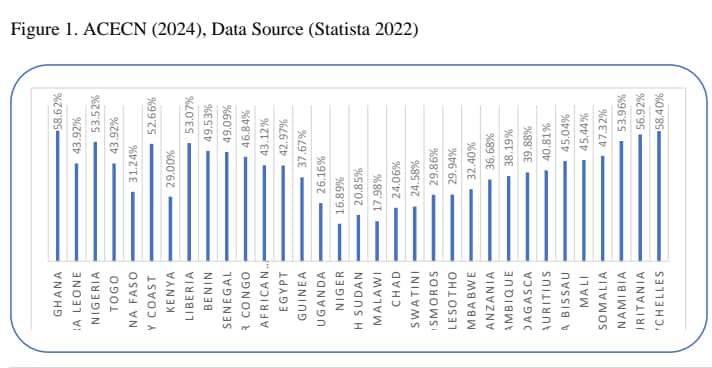
    A recent observation made by our outfit, the Africa Continental Engineering & Construction Network (ACECN) on some selected African countries points to the fact that Ghana has the highest rate of urbanization, (ACECN, 2024).

    This again positions Ghana as the most preferred destination for real estate investment in Africa. The figure below is the graphical representation of the rates of urbanization with Ghana topping the list with 58.62% in 2022.

    4.Growing Middle Class

    Also, the ever-growing middle class is another crucial index worth considering, Africa is developing faster than it was in the 20th century, it is therefore not a surprise to see many economic indicators assuming positive resilience across the African continent.

    Ghana have had its share of this rapid development over the years. In 2013, the African Development Bank (AfDB) published that about 46% of Ghanaians are now classified as middle class compared to a continent-wide average of 34.3%.

    Eleven years down the line, this may have grown above 50% except the gains eroded by the two-year COVID-19 pandemic. It is also interesting to know that majority of these middle class live and work in the cities particularly the national capital, Accra.

    This has put a lot of pressure on residential facilities in Accra leading to the prohibitive rental prices recorded consistently over the period. This again demonstrates how huge and promising the prospects of real estate investment are, in Ghana using the capital city in particular as a destination

    Besides, Ghana’s sudden transformation into Africa’s Hub for Tertiary Education also contributes significantly to the sector investment opportunities. According to the National Council for Tertiary Education (2016) Ghana has positioned itself as one of the major providers of quality higher education in Sub-Saharan Africa.

    For the past decade, Ghana has enacted policies, which have indicated to the global community, the strong intention to enhance the competitiveness of our tertiary education system. For this reason, the quota-based admission policy for foreign students was lifted in both private and public institutions.

    This opened the floodgate to students and faculty of countries within Sub-Saharan Africa including Nigeria, Cameroon, Guinea, Gabon, Liberia, Sierra Leone, Congo Brazzaville, Equatorial Guinea, Togo, Ivory Coast, Cameroon, Zambia, Gambia, Rwanda and some East and southern African Countries.

    This trend has skyrocketed the housing demand in the cities making property investment in Ghana exceptionally profitable. The trend gave birth to AirBnB which has gained its popularity in recent times, a term given to short term rentals for private residential facilities often targeted at consultants, business men, students, diplomats’ expatriates et cetera. AirBnB within the city of Accra is one of the rewarding property investment portfolios currently.

    5.Rapid Population Growth

    Last but not least, Ghana’s rapid population growth is another index that drives housing demand significantly.

    The current population in 2024 stood at 35million approximately and is projected to reach 39million by 2030 as against a projected housing deficit of 4.2million by same year. Mention is not made yet of the black race around the world who are tracing their root back home and many settlings in and naturalizing in Ghana because of the political stability the country has enjoyed since independence.

    This exodus of the black race to Ghana as their home was motivated by a conscious state policy dubbed, “the year of return” in 2019. Ever since, many interventions such as “beyond the return” and some other state programs aimed at supporting these diasporas assimilate into the Ghanaian system seamlessly.

    That notwithstanding, several measures have also been put in place as an incentive to enable more returnees including citizens of fellow African countries migrating to Ghana to naturalize. Taking Nigeria for instance, about 77,000 Nigerians live and work in Ghana as reported by Statista (2021) and all these needs descent accommodation around the cities making property investment in Ghana more profitable than ever.

    In conclusion, all indices points to the fact that Ghana tops the list and remains the most profitable destination for real estate investment in Africa. Subscribe and follow the Global African Times Magazine for part two (2) and subsequent articles in the series.

    Author: Daniel Kontie (Email: d.kontie@acecnltd.com, Contact: +233209032280)

    • Real Estate and Construction Consultant, Ghana
    • CEO, Africa Continental Engineering & Construction Network Ltd (ACECN LTD)
    • National President, World Sustainable Built Environment and Generative Artificial Intelligence Forum (WSBE-GenAIF)
    • National president, Ghana Institution of Sustainable and Generative Artificial Intelligence (GhISBE-GenAI)
  • Copeland Announces Its Verdant Energy Management Solutions Expanding into Europe

    Copeland Announces Its Verdant Energy Management Solutions Expanding into Europe

    LONDON,UK.10th April 2024/–Copeland, a global provider of sustainable climate solutions, announced today that its Verdant energy management solutions are now available in the European market.

    This expansion,the announcement said,is kicking off with an official partnership with the Energy & Environment Alliance (EEA), a coalition of hospitality investors, developers, asset managers and operators working to transition the industry to Net Zero Emissions. With an installed base of more than 7,000 hospitality and multi-family properties across North America, Copeland’s Verdant offering is a proven solution for substantial energy savings.

    “I was impressed by the Verdant product offering, energy savings and fast ROI that Copeland is already providing to hotels across North America,” said Ufi Ibrahim, chief executive officer, EEA. “I believe they bring a unique solution that can immediately help our coalition with its sustainability goals.”

    Copeland has recently installed Verdant in several retrofit applications in hotels across Spain, Portugal and the U.K. that are now delivering substantial savings data. The company also recently attended the EEA Sustainability Symposium, participating in panel discussions and sharing product demos with some of the top hotel groups across Europe.

    “Our plug-and-play solution has helped customers deliver up to a 40% reduction in HVAC runtime1, and we are excited to now bring this solution to Europe,” said Michael Serour, VP and GM, Verdant energy management solutions for Copeland. “Our integrations beyond just HVAC—with building management systems, lighting and more—make Verdant solutions a great choice for building managers to implement a more environmentally friendly approach in senior living facilities, student housing and hotels.”

    The average hotel guestroom is vacant more than 50% of the time, making energy usage the second largest operating cost for hotels. Verdant products and services combine advanced occupancy and thermal-sensing technologies with real-time analytics to ensure optimal energy settings, helping building operators to reduce consumption and maximize cost savings without compromising guest comfort.

    The EEA’s Net Zero Carbon mission complements Copeland‘s sustainability commitment to steward the energy transition across multiple fronts – from accelerating global trends in decarbonization and electrification to advancing energy management systems that drive efficiency gains to reducing demand on the grid. For more information on Verdant commercial energy management solutions, visit www.verdant.co.

  • Africa Climate Roundtable to unify African voices on climate resilience and adaptation.

    Africa Climate Roundtable to unify African voices on climate resilience and adaptation.

    The African Risk Capacity (ARC) will be convening leading partners in Africa’s climate and food security space.in Johannesburg, South Africa, from 7-8 May 2024,according to a recent  official statement issued in Johannesburg on the 9th  April.

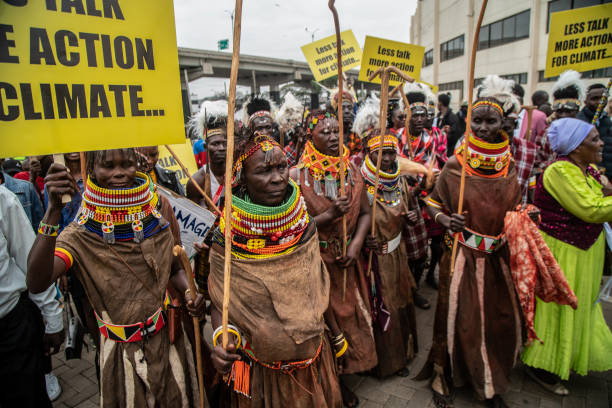
    Ahead of COP29, which will take place this year in Baku, Azerbaijan, the statement said, the Africa Climate Roundtable will bring together leaders from across the continent, “It is an opportunity to forge a common and decisive African voice on matters of climate resilience and adaptation”, it noted.

    Africa, the statement noted, has a clear role to play in terms of providing solutions to mitigate the impact of climate change, promote adaptation, and increase resilience, especially of vulnerable communities. In the last twelve months, it further noted, there’ve been important developments from the Conference of Parties (COP) discussions as well as the Africa Climate Summit.

    “The ground-breaking decision to establish the Loss and Damage Fund during COP 27 was a breakthrough for developing nations that are disproportionately impacted by climate change” it recounted.

    The roundtable will build on this momentum by elaborating on the Fund’s proposed framework over two days to facilitate the agreement of coordinated and cohesive climate action, promote essential conversation, and discuss innovative solutions.”

    Specifically, the roundtable will be an opportunity for stakeholders to, articulate the demand on the ground versus supply, elaborate on available opportunities, identify the challenges that stand in the way of implementation, use lessons learnt from our collective experiences, develop innovative solutions, identify potential areas of collaboration; and, mobilize additional resources.

    Expected Roundtable Participants:

    African leadership: AU organs, regional bodies (SADC, EAC, ECOWAS) and representatives from member statesman organizations, UNDRR, UNHCR, WFP, UN-Habitat, Donor partners in the climate space, Technical partners, the private sector, Youth and Civil Society Organizations.

    The African Climate Roundtable’s convening partners include: Afreximbank, African Adaptation Initiative, African Capacity Building Foundation, African Risk Capacity, African Union Development Agency (AUDA-NEPAD),Arab Bank for Economic Development in Africa; Global Green Growth Institute,UN Habitat and the United Nations World Food Programme(WFP).

    Distributed by IC Publications on behalf of African Risk Capacity

    Source:

    African Risk Capacity 


  • West Africa’s franc: is time up for the colonial currency?

    West Africa’s franc: is time up for the colonial currency?

    By: Kai Koddenbrock, Bard College Berlin

    First Published,April 8,Africa Edition/The Conversation

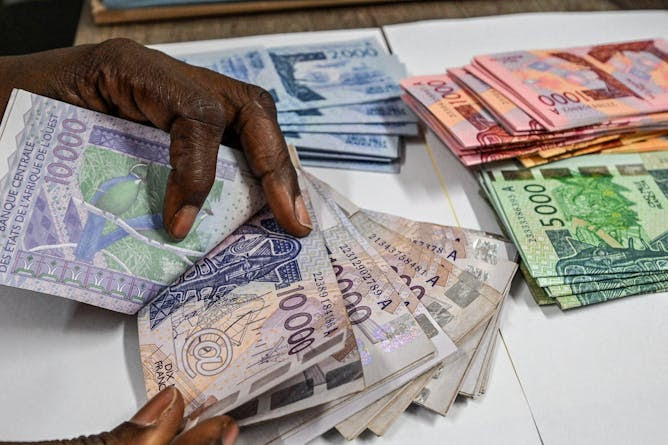
    At no point in history has the CFA franc – the name of a colonial currency used in west and central African countries belonging to the franc zone – been closer to its demise.

    Senegal has overwhelmingly voted for leftwing Pastef candidate Bassirou Diomaye Faye (and his former party leader Ousmane Sonko) while the coup governments in Mali, Burkina Faso and Niger have been talking about leaving the CFA franc for some time.

    Senegal under outgoing president Macky Sall was a pillar of the longstanding French attempt to remain influential among its former colonies, often named “Francafrique”. Now newly elected Faye, under the moniker of “Left Panafricanism”, has vowed to make his country more sovereign in food, energy and finance.

    Never before have four west African governments, including one of the regional leaders, Senegal, been simultaneously eager and ready to get out of the neo-colonial stranglehold of the CFA franc.

    The CFA franc zone was founded by then colonial power France after the second world war. Its aim was to ensure a continuously cheap influx of resources into France.

    The zone is divided into two. The west African CFA franc zone has eight members: Mali, Niger, Burkina Faso, Senegal, Côte d’Ivoire, Benin, Togo and Guinea-Bissau. The central African zone has six: Cameroon, Gabon, Republic of Congo, Central African Republic, Chad and Equatorial Guinea.

    Popular mobilisation against the currency has been intense in recent years in west Africa.

    This led to cosmetic changes to the currency arrangements. For example in 2019, French president Emmanuel Macron and the sitting president of Côte d’Ivoire, Alassane Ouattara, announced the withdrawal of French staff from some of the regional central bank’s decision-making bodies. They also waived the requirement – much maligned on the continent – to store 50% of all reserves in Paris as a guarantee to the former colonial power that they wouldn’t be wasted on irresponsible fiscal expansion.

    Overall, however, the CFA franc has remained more or less the same and France has not been willing to leave the arrangement of its own accord. The old colonial attachment and supposed developmental benevolence has carried the day.

    But the conditions for major change are in place. The Alliance of Sahel States between the junta-led governments of Mali, Burkina Faso and Niger has stated its intention to introduce the “Sahel” as a new regional currency. Whether this initiative – and the Senegalese plan for a national currency – will amount to a full break-up of the CFA franc zone and its terminal decline will depend on how well they plan and execute the transition to several new currencies or a new one without any French involvement.

    A hard road ahead

    Historically, as shown by Fanny Pigeaud and Ndongo Sylla in their book Africa’s Last Colonial Currency: The CFA Franc Story, serious attempts at leaving the CFA franc since its inception in 1948 have been sabotaged by France.

    For example, Guinea was flooded by counterfeit banknotes when it left the CFA franc in the 1960s.

    Mali was put under pressure to rejoin the CFA franc after its departure in 1967. It returned into the fold in 1984. In 2011, Ivorian president Laurent Gbagbo, who had been considering pulling out of the CFA franc, was made to step down after controversial elections with the help of a military intervention force. He was then sent to the International Criminal Court before being acquitted 10 years later.

    France went further in 2011 – a case countries wanting to make the next attempt at leaving the CFA franc should be cognisant of. It used its seat on the Central Bank of West African States decision-making bodies to block Côte d’Ivoire from being refinanced by the bank.

    It also induced the subsidiaries of BNP Paribas and Societe Generale to temporarily close their branches.

    Leaving the CFA franc has thus historically come with a high risk of French sabotage.

    But the constellation of forces has shifted and west African governments can better prepare this time. If they join forces – and Côte d’Ivoire votes for a less France-dependent president in the presidential elections in 2025 – the end of the west African CFA franc may indeed be near.

    The trust factor

    The stability and legitimacy of a currency depend primarily on trust. The users of a currency (people and corporations) need to trust that its price is more or less stable. This includes a reasonably low rate of inflation, and engagement in growth-inducing economic activity. Periods of high inflation and hyper inflation have always been the result of a serious economic crisis in which trust was absent.

    Monetary stability thus depends on social and macroeconomic stability. This, in turn, is the result of how well governmental policies and domestic and world market processes align. A government that is seen to have a plan and is able to adapt to and steer economic pressure goes a long way in creating trust. And, by implication, it makes a new currency less prone to speculative attack or massive devaluation.

    In Senegal, Pastef’s election programme had a roadmap towards leaving the CFA franc and setting up a national currency. Among the key steps are:

    • creating a national central bank
    • refinancing of state expenditure at 0%
    • demonetising gold and preventing its import and export to build up a gold reserve
    • repatriating gold reserves still stored in Paris and all over the world
    • reprofiling public debt and cancelling private debt through monetary fiat
    • installing a deposit insurance scheme for small savers
    • building a national stock exchange.

    Finally, the new currency will be floating and non-convertible or semi-convertible to shield it from speculative attacks.

    This menu is similar to some of the strategies China has employed over the last decades to maintain government control over the economy and shield the Chinese economic growth path from foreign – in other words speculative – interference.

    The success of such a strategy depends to a large degree on mobilising domestic financial and real domestic resources. And, in the absence of China’s massive domestic market, building regional economic complementarities.

    The strategic challenge for Diomaye will thus be to enlist a sufficiently large group of small business people, landowners and power-brokers around Mouride and Tidjaniyya Muslim brotherhoods and the capitalist class in Senegal to his economically transformative project.

    This will be a sizeable challenge in the face of upcoming export revenues from gas and oil – contracts Pastef has vowed to renegotiate – and an overall economic structure that is not yet domestic market oriented.

    A national currency could support this shift in focus towards the well-being of the Senegalese people. This is because its logic would be to reorient the government towards the domestic economy and its people. Imports and easy repatriation of earnings by foreign corporations, which are some of the main effects of the often overvalued CFA franc, would become more difficult.

    Make or break factors

    The reaction to Faye’s agenda by the International Monetary Fund, the World Bank and other donors and creditors will be crucial to watch. To what extent the new Senegalese government is prepared to dispense with their sizeable sums in aid and credits remains to be seen. Niger recently did dispense with them and reduced its budget by 40% as aid was frozen.

    Overall, Senegal and the Sahel governments are in a stronger position globally than ever before. The African continent is seen as essential to ensure the energy transition in Europe as well as its diversification of oil and gas supply. And western military, diplomatic and trade hegemony on the continent is being challenged by China and Russia as well as the United Arab Emirates, Qatar and Turkey.

    If Senegal and the Sahel governments position the end of the CFA franc well in their overall negotiations with their international partners as well as their domestic capitalist class and opposing political forces, its end may indeed by near.

    That will not be the end of the long road towards food, energy and overall economic sovereignty to the benefit of the people. But it will be an important symbolic and material victory against postcolonial interference and meddling.

    The colonial CFA franc has outlived its usefulness for today’s “Left Panafricanism”.

    Organising its end is a sizeable challenge, but for the first time in decades is one that can be confronted head on.

  • Ghanaian and Senegalese entrepreneurs to benefit from African Development Bank Youth Entrepreneurship and Innovation Multi-Donor Trust Fund (YEI MDTF) grant for green jobs in natural resources

    Ghanaian and Senegalese entrepreneurs to benefit from African Development Bank Youth Entrepreneurship and Innovation Multi-Donor Trust Fund (YEI MDTF) grant for green jobs in natural resources

    ABIDJAN, Ivory Coast, April 8, 2024/ — The African Development Bank (www.AfDB.org), through its Youth Entrepreneurship and Innovation Multi-Donor Trust Fund (YEI MDTF) (https://apo-opa.co/3J81Cnx), has approved a $999,000 grant to support an initiative to foster green jobs for women, youth and people with disabilities.

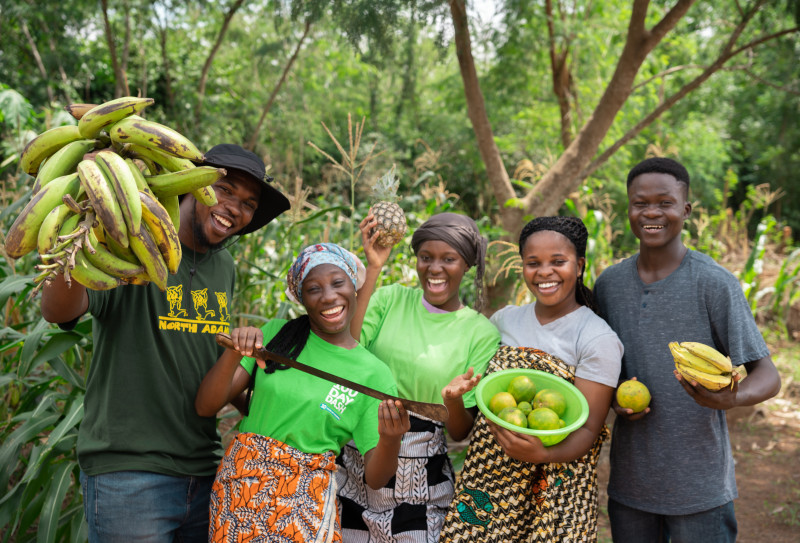
    The Strengthening Women, Youth and People with Disabilities’ Micro-Entrepreneurship for Green Jobs (https://apo-opa.co/3U9MFqb) in Natural Resources (MicroGREEN) project aims to foster inclusive economic growth by providing up to 500 green job opportunities and business development services to marginalized groups in Ghana and Senegal.

    The target reach group includes women, youth and people with disabilities/special needs, engaged in managing natural resource sectors such as agroforestry, fisheries and biodiversity.

    The MicroGreen project, to be implemented over two years, will empower  with entrepreneurship capacities and business skills at least 1,000 youth aged 15-35 years with female youth-led (60%) , people with disabilities/special needs ( 10%) and other youth (30%) in both countries.

    By focusing on capacity building and utilizing value chain-based SME development models, the project endeavors to enhance employment creation, ensure the sustainability of micro-enterprises, and integrate beneficiaries into the economic systems.

    Implemented by Invest in Africa (www.InvestinAfrica.com), a non-profit organization dedicated to fostering African SME growth and creating prosperous economies across the continent, the MicroGREEN project will leverage its expertise in market access, skills development, and access to finance to drive sustainable business growth and job creation in Ghana and Senegal.

    The African Development Bank founded the Youth Entrepreneurship and Innovation Multi-Donor Trust Fund in 2017 to promote innovation and entrepreneurship as well as to create durable and sustainable jobs for youth on the continent. The trust fund provides grants to support the Bank’s Jobs for Youth in Africa Strategy (https://apo-opa.co/43RFw2b) programs and initiatives. The Jobs for Youth in Africa Strategy aims to create 25 million jobs and equip 50 million youth with employable and entrepreneurial skills by 2025.

    Distributed by APO Group on behalf of African Development Bank Group (AfDB).

    Media contact:
    Amba Mpoke-Bigg
    Communication and External Relations Department
    Email: media@afdb.org

    Technical Contact:
    Salimata SOUMARE
    Senior Natural Resources Governance Officer
    African Natural Resources Management and Investment Centre
    Email: s.soumare@afdb.org

  • Affirmative Finance Action for Women in Africa (AFAWA) Finance Series Togo: African Development Bank and African Guarantee Fund unite to strengthen female entrepreneurs’ access to finance

    Affirmative Finance Action for Women in Africa (AFAWA) Finance Series Togo: African Development Bank and African Guarantee Fund unite to strengthen female entrepreneurs’ access to finance

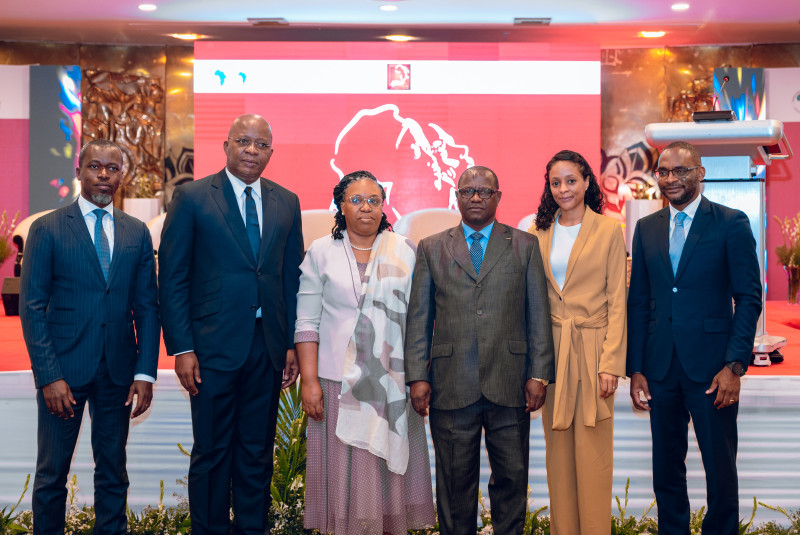
    LOMÉ, Togo, April 8, 2024/ — The African Development Bank (www.AfDB.org) and the African Guarantee Fund (AGF) (https://apo-opa.co/4apZNya) have brought the curtain down on the AFAWA Finance Series Togo conference, a key note event aimed at  promoting a better understanding of the financing needs of Togolese women entrepreneurs and debunking the myth that women-run companies are risky ventures.

    The three-day event, which ended on Thursday 28 March 2024, brought together some 180 leading figures responsible for policy and regulation in favour of women’s financial inclusion, and representatives of financial institutions, small and medium-sized enterprises and business incubators run or owned by women.

    Specific training was provided to about 30 Togolese financial institutions. The courses helped to enhance understanding of the Affirmative Finance Action for Women in Africa (AFAWA) (https://apo-opa.co/4cPI8Sg) initiative and its ‘guarantee’ mechanism, and demonstrated the commercial benefits of doing a better job of targeting women entrepreneurs by developing gender-sensitive ranges of products and services.

    The objective was to better understand the needs of women entrepreneurs and collectively address the challenges they face in terms of access to funding, while exploring the opportunities offered by the Guarantee for Growth programme, designed by the African Development Bank Group through the AFAWA, and implemented by the AGF.

    This innovative programme aims to make up to $3 billion available for women-led small and medium-sized enterprises, via guarantees to financial institutions to mitigate lending risks.

    Wilfried Abiola, the Bank’s Country Manager for Togo, explained the initiative challenged economic and social stereotypes.

    “The AFAWA initiative is not just a financial instrument; it aims to change the narrative and general perceptions, to transform the notion that small and medium-sized enterprises run by women are risky businesses. AFAWA is working to turn these businesses into substantial investment opportunities for institutions, in particular through the Guarantee for Growth programme, which was designed by the Bank,” he declared.

    According to Jules Ngankam, CEO of the AGF, “AFAWA also aims to bring together financial and public sector actors to boost human and financial capital so that women can attain their full potential and participate completely in the growth of our continent. We are extremely optimistic that the impact will be significant in the long term and will stimulate economic growth in Togo.”

    The financing gap for women-led small and medium-sized enterprises in Togo is close to $45 million. Closing this gap represents a priority for the Togolese authorities, who intend to strengthen women’s economic empowerment, boost the private sector and thereby support inclusive economic growth.

    “Through the government’s action, 25 percent of public contracts are now awarded to women and young people, and on the economic front, the government aims to resolve the problem of access to credit for women and girls with the establishment of the National Fund for Inclusive Finance, which has helped more than 1.2 million women,” said Koffi Gani, Principal Private Secretary for the Togolese Minister for Social Action, the Advancement of Women and Literacy.

    The AFAWA Finance Series Togo conference is part of a series of events organised right across Africa to promote access to finance for businesses run or owned by women. It represents a considerable step towards accomplishing the ambitious goal of funding women-led businesses to the tune of $5 billion by 2026.

    The African Development Bank, through the AFAWA initiative, has approved approximately $1.7 billion in cumulative investments and $54.5 million in technical assistance, and has partnered with 96 financial institutions in 32 regional member countries. Over 7,000 women-led small and medium-sized enterprises have now reaped the benefits of its support in Africa.

    AFAWA is supported by the Women Enterpreneurs Finance Initiative (We-Fi), the G7 countries of France, Italy, Canada and Germany, as well as the Netherlands and Sweden.

    Distributed by APO Group on behalf of African Development Bank Group (AfDB).

    Media contact:
    Désirée Bataba
    Communication and External Relations Department
    media@afdb.org