Blog

  • ECOWAS Commission Reacts

    ECOWAS Commission Reacts

    Story: Mohammed A. Abu  

    Following an earlier announcement by Burkina Faso, Mali and Niger of their decision to withdraw from the Economic Community of West Africa States (ECOWAS), in a joint communique issued in Burkina Faso, Mali and Niger on Sunday, the Regional body formally responded same day.

    In a communique issued in  Nigeria, the ECOWAS Commission noted that even though its attention has been drawn to statement broadcast on the National Televisions of Mali and Niger announcing the decision of Burkina Faso, Mali and Niger to withdraw from ECOWAS, it is yet to receive any direct formal notification from the trio about their intention to withdraw from ECOWAS.

    “The ECOWAS Commission as directed by the Heads of States and Governments”, the communique said, has been working assiduously with the three countries for the restoration of constitutional order.

    “The three countries remain important members of the community and the Authority remains committed to finding a negotiated solution to the political impasse.

    “The ECOWAS Commission remains seized with the development and shall make further pronouncements as the situation evolves “the communique added.

    The Beef of Burkina Faso, Mali and Niger

    In their joint communique issued in Burkina Faso, Mali and Niger earlier in the day, the three countries recounting the genesis, purpose and mission of ECOWAS,noted that, their Excellences, former Heads of State of Upper Volta (today Burkina Faso), Mali and Niger, “eager to achieve integration between the states in the sub-region and driven by the ideals of brotherhood, solidarity, mutual aid, peace and development, created with twelve (12) of their peers on May 28,1975 in Lagos, the Economic Community of West African States(ECOWAS)”

    “After 49 years of existence, the valiant people of Burkina Faso, Mali and Niger, the communique said note with regret, bitterness and great disappointment that their organization has moved away from the ideals of its founding fathers and Pan Africanism.

    “Further, ECOWAS under the influence of foreign powers, betraying its founding principles, has become a threat to its member states and its populations whose happiness it is supposed to ensure.

    “Indeed, the organization has not provided assistance to our existential fight against terrorism and insecurity, worse when these states decided to take their destiny into their hands, it adopted an irrational and unacceptable posture by imposing illegal, illegitimate, and irresponsible sanctions in violation of its own text all things which has further weakened populations already bruised by years of violence imposed by institutionalized remote-controlled terrorists’ hordes.

    “Faced with this situation, their Excellences, Captain Ibrahim Traore, Colonel Assimi Golta and Brigadier General Abdourahamane Tiani, respectively, Head of State of Burkina Faso, the Republic of Mali and the Republic of Niger taking all their responsibilities in history and responding to the expectations, concerns and aspirations of their populations, decide in complete sovereignty on the immediate withdrawal of Burkina Faso, Mali and Niger from Economic Community of West African States’ concluded the communique..

  • COP28: The Good, The Bad And The Ugly Of The Global Stock-Take Text

    COP28: The Good, The Bad And The Ugly Of The Global Stock-Take Text

    Okereke is the Director of the Centre for Climate Change and Development at Alex Ekwueme Federal University Ndufu-Alike, a Professor of Global Governance and Public Policy at the University of Bristol and a Visiting Professor at the London School of Economics, UK

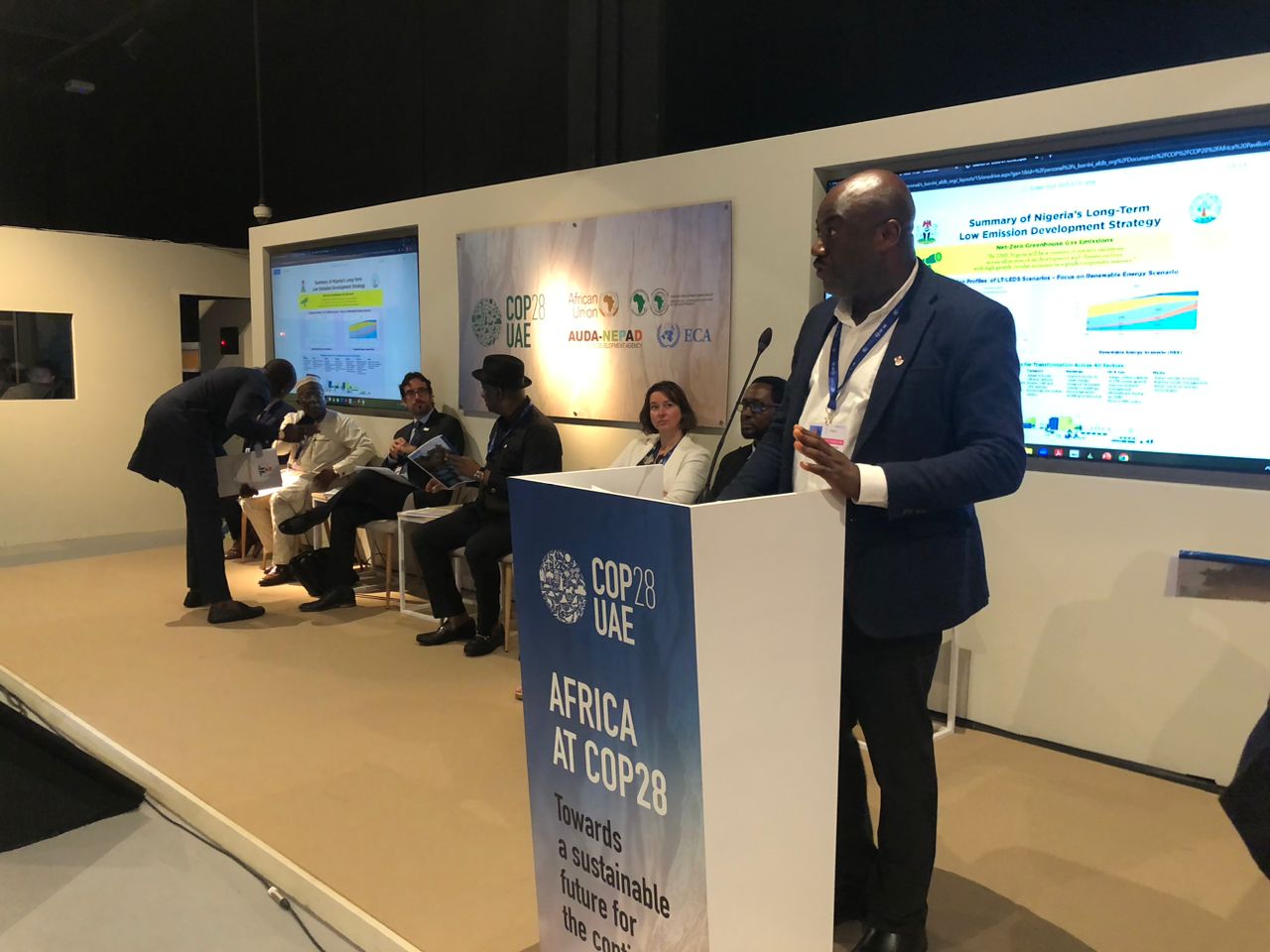
    The 28th Session of the Conference of the Parties (COP28) to the UN Framework Convention on Climate Change (UNFCCC) took a significant step by unveiling a bold Global Stocktake (GST) draft that underscored the imperative for nations worldwide to steer away from the use of fossil fuels; marking a fundamental departure from the status quo, along with a call to massively scale up renewables and energy efficiency this decade.

    COP28’s outcomes reflect the good, the bad, and the ugly of the COP process in particular, and multilateralism more broadly. Let us explore how, beginning with the good outcomes.

    Top on the list of “the good” is that despite the blooper by President Sultan Al-Jaber over his claim that there is “no science” behind calls for a phase out of fossil fuels, he was able to secure a landmark agreement for the world to transition away from fossil fuels. This was, in a way, an enormous feat for a COP that was brimming with over 2,000 oil and gas lobbyists, and a welcome win for climate defenders.

    Although the language is not as strong as the “phaseout” many wanted, the GST text succinctly called for “transitioning away from fossil fuels in energy systems, in a just, orderly and equitable manner, accelerating action in this critical decade, so as to achieve net zero by 2050 in keeping with the science.”

    The United Arab Emirates’ (UAE) establishment of the groundbreaking ALTÉRRA investment fund for transformative climate partnerships to finance the much required energy transition, in emerging markets and developing economies (EMDEs) in the Global South was a good announcement in the right direction. The ALTÉRRA fund, with a $30 billion commitment from the UAE, positions itself as the world’s leading private entity for climate change action.

    The fund, possessing inaugural launch partners such as finance juggernauts BlackRock, Brookfield and TPG, aims to mobilize $250 billion by 2030 to help Least Developed Countries (LDCs) and Small Island Developing States (SIDS) finance climate solutions.

    It is also good that the GST text emphasized the link between climate action and development and explicitly reaffirms that climate action should be undertaken in the context of sustainable development and poverty eradication. It also reasserted important concepts like international equity, the rights to clean air, and the concept of common but differentiated responsibility. The text, in many places, underscored the importance of global cooperation and solidarity to effectively tackle climate change.

    The commitment to triple renewable energy capacity globally and doubling energy efficiency by 2030 presents “a good” outcome and indeed one of the biggest wins from Dubai.

    Outlining the immediate need for a rapid transition, more than 125 countries committed to the tripling of renewable energy, working together to boost clean energy capacity to at least 11,000 GW by 2030, and an average annual rate of energy efficiency of 4.1%. In a way, for Africa, I see this commitment as more important than the headline statements on phase down on fossil fuel because the immediate need of the majority of the people is access to energy.

    Last year, the International Energy Agency’s (IEA) Net Zero Roadmap released a report showing scaling up renewable energy as an important way to attain global climate goals.

    The IEA report projected that a speedy rollout of significant clean energy technologies will lead to a decline in the demand for coal, oil and natural gas this decade, even without any new climate policies. Hence the best route to phasing out fossil fuel is to supply people with clean energy.

    However, this is where it gets tricky. Developing countries and emerging markets face myriad problems such as high initial costs of finance for the acquisition and installation of renewable energy technologies. Therefore, they require extensive international support, which is essential for amplifying investments in renewable energy, a key solution to addressing the challenges faced by developing nations in the Global South.

    There is a need to scale up renewable energy financing especially for Africa, which in 2022 only received 2% of global investments in clean energy. Sub-Saharan Africa, where 600 million people live without access to electricity, has more than 1,000 times as much renewable potential as energy demand, according to the International Renewable Energy Agency (IRENA).

    Hence the fact that the COP text included a general mention on tripling renewable energy generation without making specific commitments on the increase in allocation to African and other developing countries is a major source of concern. This oversight by the parties at COP28 in the GST must be swiftly addressed at COP29, laying the groundwork for renewable energy sources development to be easily accessible by developing countries who are most severely affected by accelerating climate change.

    In addition, 123 countries signed the Global Renewable Energy and Energy Efficiency Pledge at COP28 to triple global renewable capacity and double global energy efficiency improvements by 2030 and expand financial support for scaling renewable energy and efficiency programmes in emerging markets and developing economies.

    An essential highlight of the pledge’s text is that it acknowledges the role of “transitional fuels” in preserving energy security temporarily.

    Although gas as a transitional fuel is climate-friendly and not ideal, in developing countries, it remains a healthier and less polluting alternative for home cooking and heating compared to burning wood or other biomass.

    This is particularly impactful for developing countries like Nigeria whose Energy Transition Plan (ETP) aims to utilise gas as transition fuel. Regardless, it is important to establish a timeline for the phased transition away from transitional fuels.

    Unfortunately, China and India, two of the world’s leading countries in the uptake of renewable energy, refused to sign the pledge. The contention for both countries centred around the initiative’s calls for phasing down of coal and “ending the continued investment in unabated new coal-fired power plants.”

    It is well-known that while China has embarked on a significant expansion in renewables in the past few years and is projected to account for more than 80% of the global solar manufacturing capacity through to 2026, but it continues to burn more coal every year than the rest of the world combined.

    Similarly, while India is the world’s third-largest producer of renewable energy, with 40% of its installed energy capacity coming from non-fossil fuel sources, coal is an important part of India’s energy needs, and the country depends on coal for 73% of its energy needs. In fact, India is working to add 17 gigawatts of coal-based power generation capacity to meet a record increase in power demand.

    The problem is that while big countries with technology and domestic finance are able to fend off international pressure to limit their expansion of fossil fuel generation, poor countries in Africa who have much stronger moral, energy-security and climate-related arguments for using transition fuel in the medium term are made to suffer from a carbon–embargo imposed by foreign countries and investors.

    The COP text and outcomes show the gap between proclamations and action when it comes to tackling climate change and putting money where their mouths are. We have known for a long time now that the pledges made by countries will not get us to where we want to be by 2030. Most countries are not on course to fulfilling their pledges. Yet, over and over again, countries gather annually for climate conferences, make commitments only to fail to act on them to assist poor countries at the frontline of the climate crisis to build climate resilience.

    Developed and high-income countries most responsible for global warming had committed to raising $100 billion every year by 2020 to fund climate action in developing countries. However, climate finance provided by developed countries for climate action to developing countries only reached $89.6 billion in 2021, according to the Organisation for Economic Co-operation and Development’s (OECD) sixth assessment of progress and $100 billion goal.

    Although the final text emphasised that finance alongside capacity building and technology transfer are critical enablers of climate action and urged developed country parties to fully deliver on the $100 billion per year goal through 2025, there was no specifics on whether or how to make up the shortfall. There is an undeniable need to go beyond words and act urgently on climate change and to do so in the context of sustainable development.

    It’s been revealed that adapting to the climate crisis could cost developing countries anywhere from $160-$340 billion annually by 2030. That number could increase to as much as $565 billion by 2050 if climate change accelerates, according to a UN Environment Programme’s (UNEP) 2022 Adaptation Gap Report.

    It is equally distressing that climate finance, especially for adaptation, has been decreasing instead of growing at a time of worsening climate crisis. And while the operationalisation of the Loss and Damage Fund is a welcome development, failure to scale climate finance for mitigation and adaptation in poor countries represents a big letdown for the climate equity and justice to which countries pay lip service.

    Currently, the UN Environment Programme (UNEP) approximates that the adaptation finance requirements for developing countries are up to 18 times greater than the present influx of public finance from developed countries.

    This brings us to the ugly in the outcomes of COP28 – the hypocrisy of the West who are either expanding or at least not reducing their fossil fuel exploitation in their jurisdictions but seem to have no qualms in asking developing countries with severe energy poverty to commit to phase out fossil fuels. In the United States, President Joe Biden’s administration has continued to approve more permits for oil and gas exploration and extraction in its first two years – over 6,900 permits – a number higher than Trump’s in the same period.

    China has been developing nine new oil and gas fields, including the significant discovery of a major oil field in the Bohai Sea last year. Notably, twenty of the world’s largest fossil fuel companies including BP, Chevron, Saudi Aramco, Shell, and TotalEnergies – are projected to collectively invest over $930 billion by 2030 in expanding oil and gas production.

    COP28 ended with some noteworthy strides in the right direction. Since the agreement and pledges are not legally binding, all eyes, as always, will be on how far all parties take their pledges for an intentional, actionable, sustainable and impactful approach to climate change.

    Parties must align national climate plans, with ambitious timelines for emissions reductions and backing them with tangible implementation strategies before the next Nationally Determined Contributions (NDCs) submission ahead of COP30 in Brazil, with a timeframe for implementation till 2035.

    They must translate the UAE Consensus, a collective response to the GST into their updated NDCs and developmental domestic legislation and policies, including increasing renewables, fossil-free transport systems and decreasing production and consumption of fossil fuels. Azerbaijan’s COP29 needs to provide breakthroughs on prickly and fundamental questions about finance for a just transition.

    Developed countries should refrain from self-deception and perform genuine efforts for a globally inclusive and systematic energy transition. It is crucial to address the equity gap by boosting financial and technological assistance to developing countries, allowing them to partake in the clean energy revolution. This requires innovative financing methods, technology transfer initiatives, and capacity-building programmes to empower all nations toward a shared and sustainable future.

    SOURCE 

    Centre for Climate Change & Development,Nigeria

  • From COP28 to a circular world: Investments need to focus on the circular economy alongside renewables

    From COP28 to a circular world: Investments need to focus on the circular economy alongside renewables

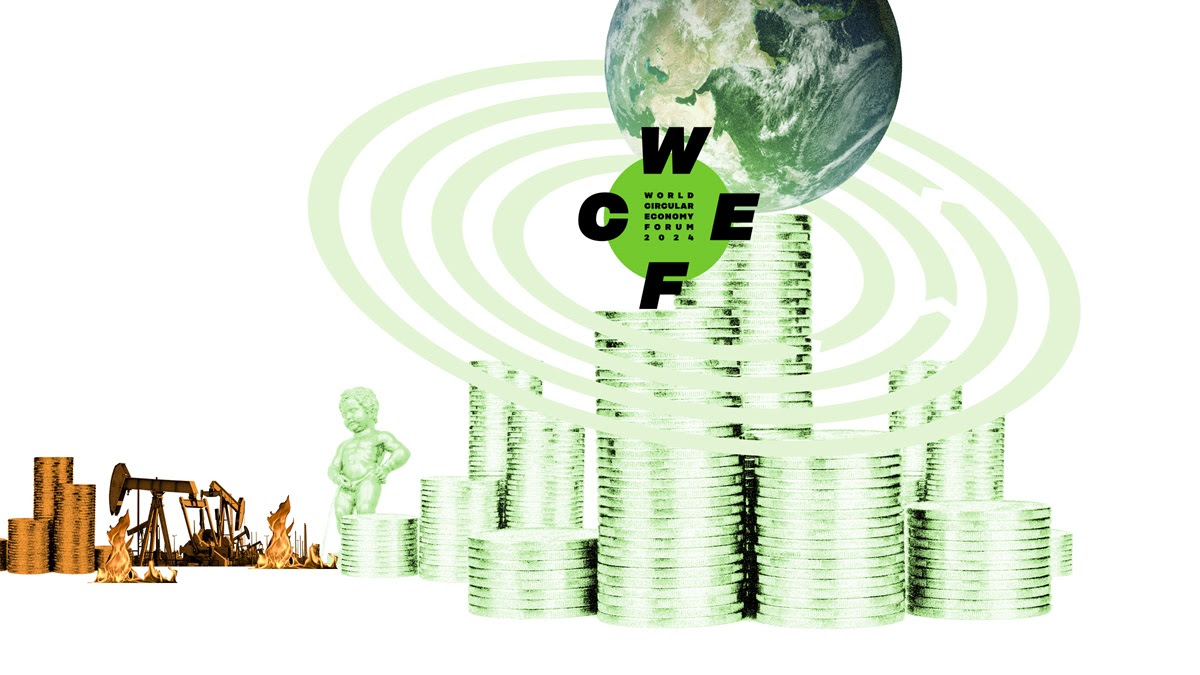
    In the wake of COP28, which called upon parties to transition away from fossil fuels, the World Circular Economy Forum 2024 (WCEF2024) emerges as a landmark event that highlights the circular economy as the premier post-fossil fuel investment frontier. WCEF2024 will take place in Brussels, Belgium from 15-18 April, and convenes thousands of experts to explore the vast opportunities that the circular economy presents.

    HELSINKI, 24 January 2024 – The transition from fossil fuels to renewables is imperative, yet alongside this, a strong focus on circularity is also needed. This means we must commit to manage all materials more sustainably, reducing dependence on fragile supply chains and alleviating pressure on nature.

    The opportunities in the circular economy are enormous. According to Circle Economy Foundation’s global “Circularity Gap Report 2024” which was published today, the global economy is currently only 7.2% circular, emphasising the untapped economic potential in this transformational shift.

    “We are convinced that the next big play in the investment arena we’ll see is around circular solutions,” states Atte Jääskeläinen, president of the Finnish Innovation Fund Sitra, the initiator of WCEF. “Regulations are essential for steering investment flows towards circularity, which is crucial for the sustainable development of societies. This shift is necessary to tackle overconsumption of natural resources.”

    This year, the landmark event of the circular economy underlines the world’s extraordinary opportunities after the decisions made in the UN’s Climate Change Conference COP28 in Dubai last December. The final outcomes of COP28 noted circular economy approaches as a tool in the transition to sustainable patterns of consumption and production.

    The co-chair of the UN’s International Resource Panel (IRP) Janez Potočnik notes that it is possible to mitigate growth in resource use while growing the economy, reducing inequality, improving well-being, and significantly reducing environmental impacts. “Our economic system is wasteful and unjust. Material (over)use is a main element of global sustainability and equality challenges deserving proper policy attention.”

    Initial findings of the IRP’s upcoming flagship report, the “Global Resources Outlook 2024”, show the undeniable need for a circular economy: The use of new (virgin) materials has continued to grow on average over 2.3 per cent per year. Without urgent and concerted action to change the way resources are used, material resource extraction could increase by almost 60 per cent from current levels by 2060, from 100 to 160 billion tonnes.

    “After decisions made in the COP28, there is plenty of room for wiser, circular solutions among global systems – for example in agrifood, mobility and consumables”, says Ivonne Bojoh, CEO of Circle Economy Foundation. “We must reform our finance and labour policies to put in place lasting and impactful changes that address the root cause of climate change and social inequity.”

    The World Circular Economy Forum WCEF is a global initiative of Finland and Sitra. This year marks the 8th iteration of WCEF. As a collaboration platform for circular economy thinkers and doers from all over the world, the forum strengthens its science-based approach through new partnerships with the International Resource Panel (as a science partner) and Circle Economy Foundation (as a programme partner). WCEF2024 is organised also in collaboration with several other international partners.

    In addition to showcasing solutions from around the world, WCEF2024 offers plenaries, parallel sessions and hands-on workshops. The forum also collaborates with two major players in Brussels: the European Circular Economy Stakeholder Platform who delivers a European track to the main event, and the Belgian Presidency of the Council of the European Union who curates a full day of accelerator sessions on 17 April, including site visits to circular economy companies in Belgium.
    If you are interested in learning more about the event and taking action to build a sustainable, circular future, please visit the WCEF2024 website.

    Further information on the event

    Mika Sulkinoja, Project Director of WCEF, Finnish Innovation Fund Sitra, mika.sulkinoja@sitra.fi, tel. +358 50 357 1723

    Rebecca Nohl, Sherpa to Janez Potočnik (co-chair of IRP), Systemiq, rebecca.nohl@systemiq.earth

    Ilektra Kouloumpi, Senior Innovation and Global Alliances Lead, Circle Economy Foundation, ilektra@circle-economy.com

    Media contacts

    Samuli Laita, Media liaison of the WCEF, Sitra, the Finnish Innovation Fund, samuli.laita@sitra.fi, tel. +358 40 5368650

    Amy Kummetha, Communications Manager, Circle Economy Foundation, amy@circle-economy.com

    Media accreditation, the media kit and online briefing

    Accreditation for media participants is open. Please find the registration form as well as the media kit at www.wcef2024.com/media.

    An online media briefing will be held for journalists on 8 April from 14:00 (CEST). To register, please follow the WCEF2024’s media website and subscribe to the newsletter!

  • India to lead worldwide consumer growth with 31% of new consumers; digital economy to surpass US$1 trillion in Latin America (LatAm) and Africa

    India to lead worldwide consumer growth with 31% of new consumers; digital economy to surpass US$1 trillion in Latin America (LatAm) and Africa

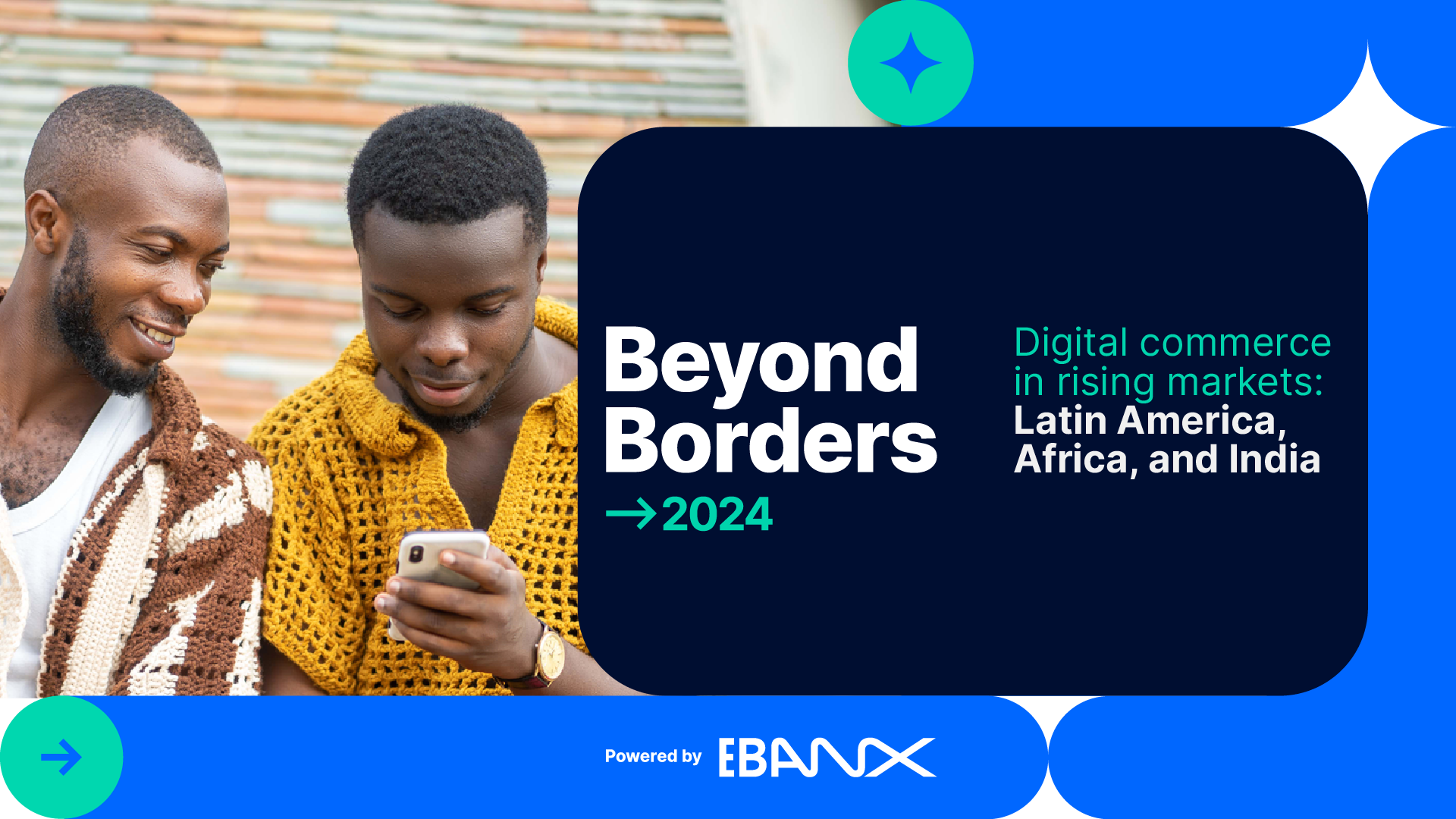
    CURITIBA, Brazil, January 25, 2024/ — Clients in major rising economies like Brazil, India, Kenya, and Nigeria are pulling the global digital market up by paying online purchases with instant payments, transfers, and other alternative payment methods – including for B2B transactions; Cards are still strong in digital, with high penetration of domestic brands and debit bringing new consumers to the online sales world, points out the new EBANX’s (www.EBANX.com)

    Beyond Borders study; Digital payments in Africa have jumped from a 23% to a 46% penetration rate in less than eight years and continue to drive growth in digital commerce.

    Rising markets in Latin America, Africa, and Asia are guiding the global surge in new consumers, with India leading the way, by adding 34 million people to the consumer class this year, almost one third of the 109 million worldwide. After Asia, Africa and Latin America are, respectively, the second and third regions to add more people, per the World Data Lab.

    This general consumer increase led by these three dynamic regions unfolds into the digital commerce realm as well: combined, LatAm’s and Africa’s digital commerce markets are expected to surpass US$1 trillion in total value by 2026, while India’s will be over US$275 billion, per Payments and Commerce Market Intelligence (PCMI) data in the new annual Beyond Borders (https://apo-opa.co/3OiQ1F4), EBANX’s comprehensive study about the digital market and payments in rising economies, which was launched today.

    While digital commerce is growing by 13% or 12% per year in more consolidated markets around the world, like the U.S. or Europe, online sales are expanding at a much faster pace in rising economies, of 20%, according to Statista’s data, in the study. Over half of the population in these regions already embraces digital payments, positioning them as central to economic growth and consumer access.

    There is a solid demographic reason for this: rising economies have a young and growing population, contrasting developed regions. In addition to the demographic and economic push, rising economies largely benefit from digitization,” states Paula Bellizia, President of Global Payments at EBANX. “The digital revolution has been disrupting industries and unlocking opportunities for both local and global players, from verticals spanning from SaaS, digital ads, and B2B online trade, to gaming, streaming, social media, and e-commerce. And payments have been the backbone of this growth,” she added.

    Latin America’s digital market will nearly double in size by 2026, reaching US$944 billion after growing at a 23% CAGR, per PCMI data for Beyond Borders, showcasing robust opportunities. Brazil, LatAm’s digital commerce powerhouse, boasted a US$275 billion market last year, and stands out as a prominent force, ranking fourth globally in the number of digital buyers, according to Insider Intelligence.

    Also emerging as strong contenders are Mexico, Colombia, and Peru, which display annual growth rates of around 30% for digital commerce. Central America & Caribbean countries like Costa Rica, El Salvador, Panama, Guatemala, and the Dominican Republic will not slow down either, accelerating at an annual pace of around 20% by 2026, proving that a block approach to this Latin region can add up to the global expansion strategy of any global digital player.

    India is another perfect example of the digital potential in rising economies: the Asian country is the world’s second-largest online shopping market, only behind China, with around 350 million people boosting a digital commerce market that surpassed US$184 billion last year.

    And yet, online sales penetration rate is still at 33%, as pointed out by Insider Intelligence’s data in Beyond Borders, showing the substantial untapped opportunity that still exists in the country – particularly if efforts are directed towards improving payment access for India’s diverse population.

    Financial inclusion was at the center of two strong cases inspiring the world: UPI in India and Pix in Brazil. With great user experience, zero-cost services to consumers and minimal to no charges for merchants, the two systems are revolutionizing both offline and online purchases: Pix is part of the daily lives of 4 in every 5 adults in Brazil, according to the country’s Central Bank.

    Over the last three years, nearly 8 out of 10 customers making their initial online purchase with an EBANX merchant opted to use Pix for payment, per EBANX internal data. In India, UPI has a 41% share of the total digital commerce, according to PCMI, being the utmost chosen payment method by Indian online consumers.

    As an early adopter of digital payments, and soon to be home to an adult population of 1 billion by 2030, Africa is also an important region for the outstanding digital growth of commerce and payments.

    After heavily embracing digital payments, which jumped from a 23% to a 46% penetration rate considering many of its countries in less than eight years, Africa is now on the verge of its next big leap: digital commerce, fueled by cell phone  penetration rates and constant adaptability of local, alternative payment methods to the online world, like mobile money, which reached almost universal penetration in countries like Kenya.

    It is interesting to observe how the innovation brought by alternative payments is improving the whole ecosystem, and impacting cards as well – including debit ones – which remain steady and keep playing an important role in the digital economy as account ownership surges in rising markets. “Cards and alternatives are learning from one another, absorbing features from one another, paying attention to the needs of merchants and consumers,” Bellizia noted.

    Combined, credit and debit cards represent 51% of digital commerce value in Brazil, 66% in Mexico, and 75% in Chile, according to PCMI data in Beyond Borders. In India, cards account for 43% of the value of online transactions; and the high penetration goes to African nations as well: in Morocco, 42%; in Nigeria, 36%.

    A payments strategy for rising markets needs to consider a balance between cards and alternative payments, adapted to specific countries, verticals, and business models, centered in offering the best payment experience to customers, enabling them to pay with their method of choice. This fosters true access,” she added.

    The new Beyond Borders report is also revealing the next frontier for innovation and growth in the payments industry: B2B payments – companies purchasing from other companies.

    Currently 42% of Kenyan businesses and 63% of Indian ones make online purchases. In LatAm, 64% of businesses in Brazil and an impressive 85% in Colombia, way higher than the global average of 50%, according to OECD and UNCTAD data.

    By 2027, rising markets in LatAm, Africa and Apac will make up for 40% of the total value of B2B payments made online worldwide, and yet an estimated 70% of B2B transactions are still pretty much manual, according to Capgemini, lacking more seamless flows. “This opens a massive opportunity in which alternative payments can be a game-changer: EBANX’s internal data show that local payments improve approval rates for B2B transactions, with internal rates that surpass 80%,” Paula Bellizia concluded.

    Access the complete Beyond Borders 2024 study at https://apo-opa.co/3OiQ1F4.

    Distributed by APO Group on behalf of EBANX.

    For more information:
    Website: www.EBANX.com
    LinkedIn: https://apo-opa.co/4bcrVW6

  • African Energy Chamber (AEC) Endorses Africa Energy Technology Conference 2024 in Ghana

    African Energy Chamber (AEC) Endorses Africa Energy Technology Conference 2024 in Ghana

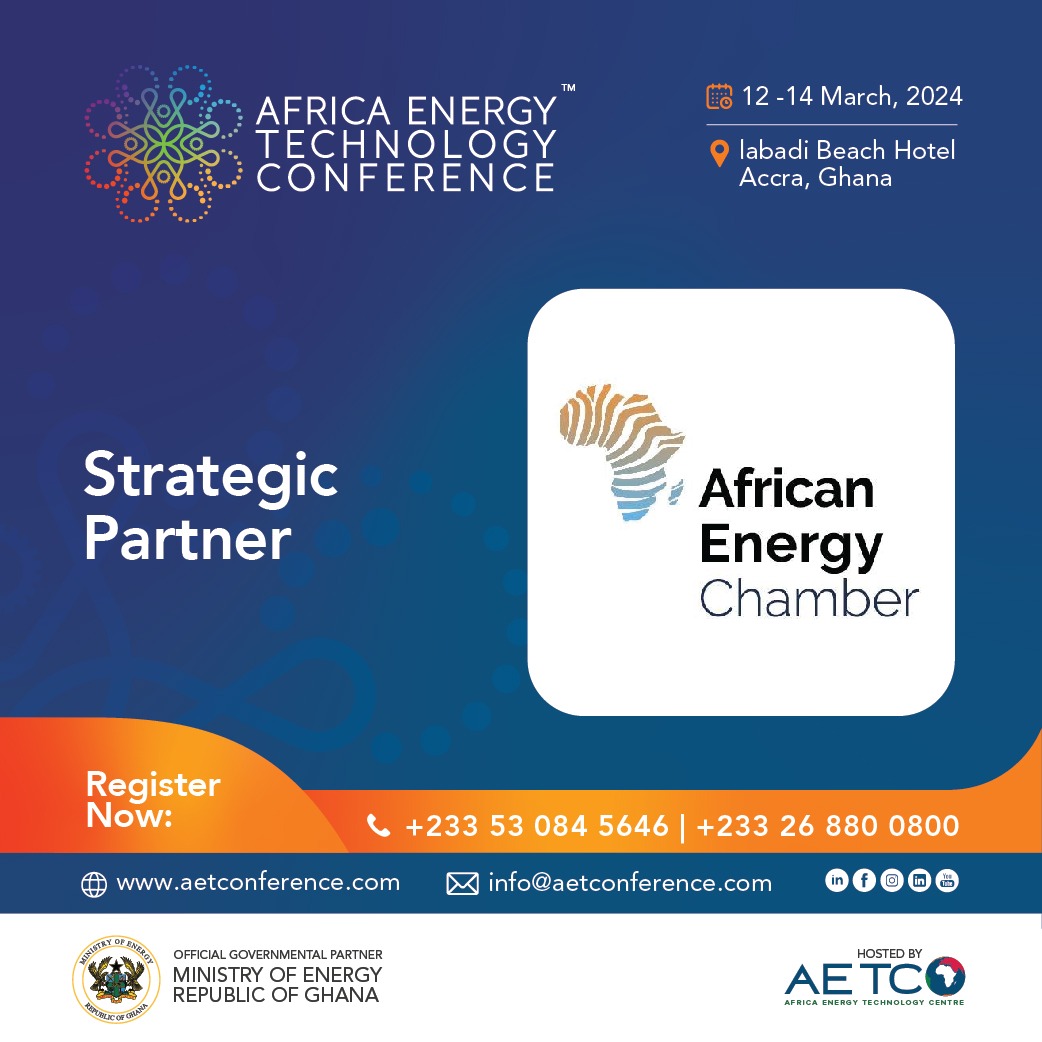
    JOHANNESBURG, South Africa, January 25, 2024/ — The African Energy Chamber (AEC) (www.EnergyChamber.org) – the voice of Africa’s energy sector – is pleased to officially endorse and act as a strategic partner to the Africa Energy Technology Conference, taking place in Accra this March and hosted by the Africa Energy Technology Center (AETC), in partnership with Ghana’s Ministry of Energy.
    The partnership signifies a united effort to propel innovation, advocate for sustainable energy solutions and foster strategic discussions within the African energy ecosystem, under the event’s theme Africa at the Forefront of Energy Technology and Policy Integration in a Just Energy Transition.

    For Ghana, a country rich with opportunities, the Africa Energy Technology Conference will be instrumental in connecting capital to projects. With a vibrant petroleum sector, a young and capable workforce, and a growing economy, the country offers lucrative opportunities for foreign capital and technology providers.

    In the oil and gas industry, over five billion barrels of proven oil reserves and six trillion cubic feet of natural gas has already attracted a strong slate of players to the market. Companies such as Tullow Oil, Vitol, Kosmos Energy, and many more are actively driving exploration and production in close collaboration with the Ghana National Petroleum Corporation.
    Major projects include the Pecan Conventional Oilfield; the Jubilee Southeast Field; and the Ntomme Far West Development.

    Under the guidance of the Ministry of Energy – led by Minister Matthew Opoku Prempeh -, the country’s upstream industry has a highly promising outlook. Through the Africa Energy Technology Conference, Minister Prempeh is inviting financiers and technology companies to join the exciting market. Guaranteeing high returns and long-term prospects, investing in Ghana’s oil and gas industry is highly rewarding.

    In addition to upstream, Minister Prempeh is inviting companies to invest in the midstream sector, with the sector’s outlook showing equal promise. Projects such as the Tema Floating Liquefied Natural Gas plant; the Tema VI Liquids Storage terminal; the Dixcove Oil Storage Facility; and many more showcase the potential for million-dollar investments. Unlocking technological advancements into this industry is key, and the Africa Energy Technology Conference serves as an avenue for strengthening the sector.

    As part of its efforts to make energy poverty in Africa history by 2030, the AEC is dedicated to advocating for policies that facilitate investment, innovation and sustainable development. With a commitment to promoting responsible business practices, the Chamber plays a crucial role in shaping the future of the continent’s energy landscape and promoting technological advancements and policy integration in the energy sector.

    Bringing together key stakeholders, policymakers, and industry players to explore investment and sponsorship opportunities, the AETC hosts the annual Africa Energy Technology Conference under its mission to make Africa the ultimate destination for global energy-centred discussions.

    This year’s collaboration between the AEC and AETC signifies a shared vision for advancing the energy sector in Africa. By joining forces, the two organizations aim to leverage their expertise, networks and resources to accelerate the continent’s transition towards a sustainable and inclusive energy future.

    “We are honored to endorse the upcoming Africa Energy Technology Conference, which positions Africa at the forefront of critical conversations between policymakers and industry stakeholders on technology, innovation, green energy, Environmental Social Governance standards, energy security and the energy transition.

    We are also looking forward to the conference’s dedicated sessions to women and youth in energy, who will play a critical role in shaping these discussions and Africa’s broader energy future,” states NJ Ayuk, Executive Chairman of the AEC.

    The strategic partnership between the AEC and AETC marks a significant milestone in the pursuit of a sustainable and innovative energy future for Africa. By combining strengths, expertise and dedication to advancing the energy sector, these organizations aim to drive positive change, foster collaborations, and position Africa as a global leader in energy technology.

    Distributed by APO Group on behalf of African Energy Chamber.

    SOURCE
    African Energy Chamber

  • #BlackExcellence in Architecture: Driving Cultural Representation

    #BlackExcellence in Architecture: Driving Cultural Representation

    DUBAI, United Arab Emirates, January 25, 2024/ — Shaping our physical environment, creating a sense of identity and place, and supporting economic development are but a few of the functional purposes of architecture. Architects play a critical role in providing places for people to live and work, improving the quality of human life and supporting the aesthetics within a designed environment.
    This year’s Global Black Impact Summit (GBIS) { https://GlobalBlackImpact.com/}  – taking place in Dubai on February 27, 2024 – will explore the achievements of Black architects and designers, whose work serves as a symbol of culture, society, and development.

    Architects shape the world we live in, casting an emotional impact on people and changing our perception of space. Serving as the first Black architect to become a member of the American Institute of Architects (AIA) in 1923, the work of Paul R. Williams resulted in his bestowment of the institution’s prestigious Merit Award for his design of the MCA building in Beverly Hills, California. Williams’ impressive oeuvre encompasses the design of the homes of Frank Sinatra, Lucille Ball, and Lon Cheney, to name a few.

    Centered around the theme, ‘Black Excellence: Unleashing the Unexplored Potential for Global Unity’, this year’s summit underscores the value of innovation, inspiration, and authenticity.

    Known for her lavish use of form, straddling the line between openness and utility, Norma Merrick Sklarek’s notable works include the U.S. Embassy in Tokyo and the Terminal One station at the Los Angeles International Airport.
    In addition to becoming the first woman licensed as an architect in New York and California, Sklarek became the first African American woman member of the AIA and the first to co-own an architectural firm.

    As a medium, architecture provides designers an opportunity to express their artistry on a larger scale than other traditional artists. The accessibility and visibility of their work offers a greater influence on a wider population and for much longer a term.

    As such, the transcontinental scope of architect and designer, Pascale Sablan, includes notable buildings such as the Museum of the Built Environment in Saudi Arabia and the Bronx Point project in New York.
    Her work on commercial, cultural, and residential buildings has resulted in Sablan becoming the recipient of numerous awards including the 2018 Pratt Alumni Achievement Award, Emerging New York Architect Merit Award, and the NOMA Price for Excellence in Design.

    Renowned for his innovative and sustainable architectural style, Burkinabe-German architect, Diébédo Francis Kéré became the first African to receive the prestigious Pritzker Architecture Prize. Kéré’s portfolio, which includes civic infrastructure and temporary installations, is notable for its innovative use of local resources and participatory design methods.

    His work includes the Gando Primary School in Burkina Faso, the National Park of Mali, and the Serpentine Pavilion in the UK. Kéré’s focus on social initiatives has been celebrated for embodying the values of the communities where he works, driven by a commitment to environmental understanding and service to humanity.

    Architectural excellence and the influence of Black designers in the field will be a focus-point during this year’s GBIS event, which will highlight the contributions, achievements, and influence of Black architects from all over the world.

    The Summit will unite participants under the common goal of celebrating and supporting innovation and inclusivity in the realm of architecture, promoting equal opportunities and inspiration to Black creatives and trailblazers.

    Global Black Impact Summit 2024

    The Global Black Impact Summit is an annual event – organized by Energy Capital & Power – that seeks to celebrate the achievements of the Black community, promote excellence, and explore untapped potential across various fields. This year’s summit is set to be a transformative experience, featuring influential speakers, engaging panel discussions, and networking opportunities that encourage attendees to reach new heights.

    To secure your spot at this prestigious gathering, register promptly at www.GlobalBlackImpact.com.

    Distributed by APO Group on behalf of Energy Capital & Power.

    SOURCE
    Energy Capital & Power

  • From Africa to Europe: Securing investment for gas export infrastructure

    From Africa to Europe: Securing investment for gas export infrastructure

    PARIS, France, January 24, 2024/ — Africa’s abundant natural gas reserves represent an attractive opportunity for monetization and export, aligning with Europe’s growing demand for cleaner and more energy. This synergy has set the stage for heightened Africa-Europe trade and partnership, with a focus on gas-directed investments.
    The upcoming Invest in African Energy (IAE) forum in Paris on May 14–15 will serve as a focal point of this topic, bringing together African nations with European investors who are eager to tap into Africa’s gas resources and unlock new sources of power.

    Assessing the current infrastructure for gas transportation from Africa and Europe reveals a need for foreign direct investment in several strategic areas. These include the expansion and upgrade of existing pipelines, the establishment of advanced liquefied natural gas (LNG) terminals, and the development of efficient compression and decompression facilities. Additionally, investment in digital infrastructure for real-time monitoring and optimization is imperative to ensure the reliability and safety of an extended gas transportation network.

    Given the expense of gas projects and the need for maintenance and expansion, diverse funding sources are necessary. Large-scale projects typically require investments in the range of millions to billions for successful development.

    In Central Africa, Equatorial Guinea – holding 1.5 trillion cubic feet of natural gas reserves – is positioning itself as a regional Gas Mega Hub (GMH) and global exporter. The country’s Alba Liquefied Petroleum Gas and Punta Europa facilities serve as processing platforms for both domestic and regional gas reserves.

    Leveraging its strategic location on Africa’s west coast and utilizing the African Continental Free Trade Agreement, Equatorial Guinea’s expanding LNG export networks and potential connection to Europe-bound pipelines align with Europe’s search for alternative gas supplies. The country also presents opportunities to tap into new export routes, such as the Trans-Saharan gas pipeline, through new gas transport infrastructure linking Africa and Europe.

    Much like the Trans-Saharan gas pipeline, the Nigeria-Morocco Gas Pipeline, scheduled to begin construction in 2024 at an estimated cost of $25 billion, represents one of the world’s most extensive energy projects. Spanning 5,600 km, it aims to benefit 13 African countries, providing energy access to around 400 million people along the West African coast.

    The pipeline, financially supported by organizations such as OPEC, demonstrates the importance of international collaboration when it comes to infrastructure development. Not only is it set to facilitate intra-African gas trade, but also deliver gas from Nigeria to Europe, serving as a key link in the global gas supply chain.

    Meanwhile, the $4.6-billion Greater Tortue Ahmeyim (GTA) LNG project, encompassing the Tortue and Ahmeyim gas fields, holds approximately 15 trillion cubic feet of recoverable gas reserves. Upon completion, GTA LNG will produce up to 10 million tons of LNG annually. Positioned along the maritime border between Senegal and Mauritania, the project requires  substantial investment to support critical infrastructure, including liquefaction, transportation and associated facilities.

    In Southern Africa, South Africa’s Virginia Phase 2 project is set to produce commercial quantities of LNG and liquid helium for global export, while the Port of Ngqura floating LNG project will involve the installation of a floating storage and regasification unit, gas-to-power infrastructure, cryogenic pipelines, and a terminal for the processing, storing, on-site exploitation, and distribution of gas acquired from the country’s on– and offshore fields.

    Similarly, the Kudu Conventional Gas Development in Namibia’s Orange Basin – set to commence commercial production in 2026 – involves collaboration among the Namibian Government, TotalEnergies, Shell and BW Energy. Representing an $880-million investment, the project is currently in the Front-End Engineering and Design phase, with a Final Investment Decision expected in 2024.

    European stakeholders can support this venture by investing in essential infrastructure for successful gas extraction, meeting regional energy needs while enabling exports to Europe.

    In short, Africa’s leading gas export projects require substantial investments to support the development of critical infrastructure, including extraction facilities, pipelines and associated support systems, highlighting a strategic opportunity for engagement with European financiers, investors and project developers.

    ​​Organized by Energy Capital & Power, the Invest in African Energy (IAE) 2024 summit is an exclusive forum designed to foster collaboration between European investors and African energy markets.

    Taking place May 14-15, 2024 in Paris, the event offers delegates two days of intensive engagement with industry experts, project developers, investors and policymakers. For more information, please visit www.Invest-Africa-Energy.com.
    Distributed by APO Group on behalf of Energy Capital & Power.

    SOURCE
    Energy Capital & Power

  • The Catalytic Role of Big Data Analytics in Shaping Islamic Finance Underscored

    The Catalytic Role of Big Data Analytics in Shaping Islamic Finance Underscored

    Story: Mohammed A. Abu

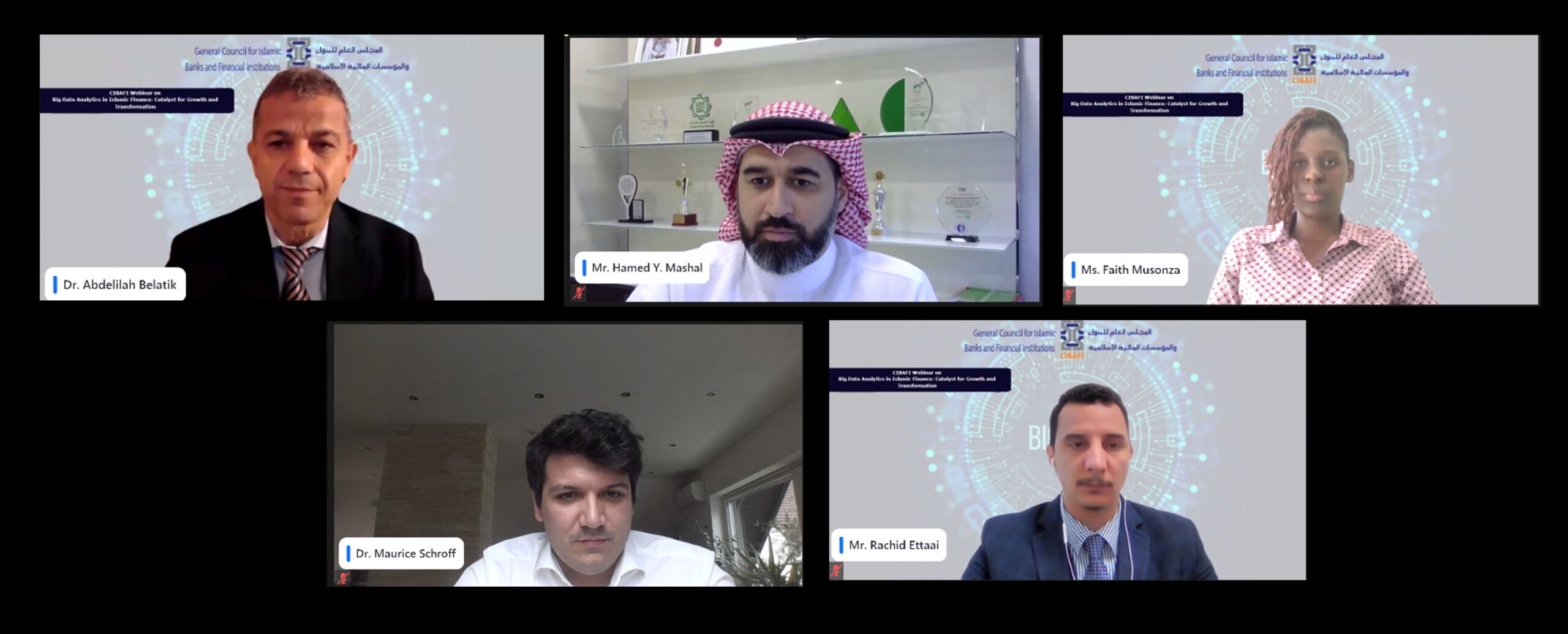
    A webinar held by the General Council for Islamic Banks & Financial Institutions(CIBAFI) concluded with a forward-looking perspective on the future of big data and its transformative potential in the Islamic financial industry, underscoring its role as a catalyst for growth and transformation, an official statement said in Manama, Bahrain, Tuesday.

    CIBAFI’s Secretary General, Dr. Abdelilah Belatik, in his inaugural address, it said, underscored the critical significance of big data in Islamic finance emphasizing that, it goes beyond mere technological advancement and it is a strategic imperative as well.

    Dr. Belatik highlighted its transformative impact, empowering financial institutions with actionable insights, facilitating problem-solving, fostering innovation, and supporting informed decision-making aligned with Islamic principles.

    Held under the theme, “Big Data Analytics in Islamic Finance: Catalyst for Growth and Transformation”. the webinar gathered industry experts to explore the dynamic intersection of big data and the financial sector with a focus on Islamic finance

    A panel session moderated by Mr. Rachid Ettaai, Business Development Manager, CIBAFI.featured industry experts who discussed key aspects of big data analytics, including its influence on financial products, emerging trends, and strategies for data-driven innovations.

    They tackled challenges related to privacy, skills, and infrastructure, emphasizing ethical considerations in data processing. The speakers’ insights enriched the discussion, providing a comprehensive view of big data’s transformative potential in Islamic finance.

    The panelists included Mr. Hamed Y. Mashal, Executive Manager – Head of Retail Banking, Kuwait Finance House – Bahrain and the Chairman of CIBAFI Information and Technology Working Group (ITWG); Ms. Faith Musonza, Strategy and Digital Financial Inclusion Expert, Acuma, United Emirates; and Dr. Maurice Schroff, Principal at Strategy&, Germany.

    SOURCE

    CIBAFI


  • Ghana wants to make importing food like rice and tomatoes more costly: expert explains why it’s a bad idea

    Published: January 22, 2024 4.19pm SAST

    Associate Professor, Agri-Food Trade and Policy, University of Guelph

    Ghana, like many other developing nations, relies heavily on imports of food and consumer goods to feed its population. For instance, Ghana imports 55% of the rice that is consumed locally. The country’s import dependence is primarily a consequence of the production of low-value primary products without substantial value addition.

    To forestall over-dependence on foreign goods, the government has proposed a trade restrictive policy via a legislative instrument on 22 major items. It has justified the policy on the grounds that it wants to reduce Ghana’s dependence on foreign goods by making locally produced goods more attractive from a price perspective. In turn, the idea is that this will drive up domestic production.

    The list of items includes essential food products such as rice, offal, poultry, cooking oil, fruit juices, noodles and pasta, fish, sugar and canned tomatoes. All are commonly consumed in most Ghanaian households.

    But imposing constraints on these food items has the potential to escalate food prices, as set out in my recent paper, prompting concerns about potential threats to food security. Restricting imports without ensuring high-quality and competitive domestic products will not lead to consumer preference for locally made goods. What Ghana’s industries need are fewer production constraints and more incentives to compete domestically.

    Opposition to the instrument

    Opposition to the proposal emerged from various quarters, including civil society organisationstrade associations and the minority in parliament.

    Opponents of the proposed policy contended that its restrictive nature would lead to severe economic and food security repercussions for Ghana. They argued that domestic producers might struggle to meet local demand for the specific items the government aims to restrict. For example, 90% of Ghana’s total poultry consumption relies on imports.

    The government consequently suspended the proposed mechanism in December 2023 for broader consultation.

    The reasons

    The ministry wanted the restriction for two main reasons.

    First, to curb the depreciation of the Ghanaian cedi. A surge in imports of the products in question increased the demand for US dollars, putting pressure on the local currency. In 2022, Ghana imported food products and related goods worth an estimated US$2.6 billion.

    Second, the aim was to foster industrialisation in Ghana. According to the ministry, import restriction was a strategy to reduce competition for local producers, fostering increased local production and making Ghana less reliant on foreign countries to meet domestic demand.

    But there are a number of concerns about the potential impacts of the proposed restrictions. Among them are food security, government revenue, trade distortions, and the cost of doing business.

    The likely impact

    Food insecurity: Data from the Food and Agriculture Organization shows that there were 21 million severely food-insecure individuals in 2021. Constraints on imports of commonly consumed foods, leading to scarcity and thus an increase in food prices, would reduce food security further.

    Producers might benefit from selling at higher prices but consumers would not.

    Revenue loss: There is the potential for revenue loss, particularly from customs and import duties. Many developing countries, including Ghana, depend heavily on import duties for government revenue. Recent statistics from the World Bank’s World Development Indicators for 2020 indicate that customs and import duties accounted for 12.4% of Ghana’s tax revenue.

    Trade rules: Ghana is a member of the World Trade Organization (WTO), which expects countries to align their trade policies with the relevant globally agreed provisions and rules.

    The WTO allows a member country to set conditions for importing certain products. This is known as import licensing. But the WTO stipulates that import licensing should not distort and impede trade.

    Ghana may face retaliation from other countries if the restrictions harm their interests.

    Take import licensing. This is an administrative procedure requiring the submission of an application or other documentation (other than those required for customs purposes) to the relevant administrative body as a prior condition for importation of goods. This is permissible under WTO rules. But challenges arise in its implementation, particularly the allocation of quotas. Successful implementation requires thorough consultation with importers and importing countries.

    The initial opposition within Ghana suggests a lack of serious consultation by the government.

    Import licensing can introduce rent-seeking activities in a country like Ghana. Establishing a committee to grant licences to importers opens avenues for bribery and corruption. Transparency International and the World Bank rank Ghana higher in the corruption index than other developing countries.

    For instance, the World Bank Enterprise Survey indicates a high percentage of firms in Ghana are expected to pay bribes to obtain licences, government contracts and business permits. When businesses resort to bribery, it leads to inefficiency and a higher cost of conducting business.

    The answers

    Restraining imports without alternative domestic production and supply mechanisms is economically unsound. Policies that drive industrialisation and position Ghana as a net exporter are needed.

    That’s not happening. The recently presented 2024 budget revealed a negative 2.2% growth rate for the industrial sector.

    To drive industrialisation, the government should focus on reducing production constraints such as inadequate power supply, lack of capital, and high cost of farm inputs, and providing incentives that give Ghanaian producers a competitive advantage in the domestic market. Closing borders to international trade or restricting imports contradicts the objective of promoting industrialisation. It is not a sustainable approach.

    SOURCE

    The Conversation


  • Africa-Caribbean Trade and Business to get a booster

    Africa-Caribbean Trade and Business to get a booster

    London, Great Britain, January 20, 2024, WMG has announced the organization of a virtual AFRICA – CARIBBEAN ACHIEVERS’ SUMMIT from 04 to 05 March, 2024 between 01 PM to 06 PM BST, on theme: Corporate Africa, the 6th Region, AfCFTA and Beyond to promote trade and Business between Africa and the Caribbean.

    The Summit will be an unprecedented 2-day event that will parade some of Africa and Caribbean’s most powerhouse entrepreneurs, start-ups and business owners. They will share and discuss some of the key strategies, processes, innovative ideas, skill sets and funding opportunities they employ to make them successful at what they do. The summit seeks to attract over 1,000 participants across Africa and the Caribbean, to foster growth and development within both viable regions.

    The event will converge Africa and Caribbean elite business powerhouse, entrepreneurs, start-ups, corporate CEOs, executives of Pan-African trade industries, commercial organizations and financial institutions to discuss trade, industrialisation, partnerships and prospects that can be leveraged to upscale economic dividends.

    Commenting on the event, Benjamin Acheampong, WMG President says “this is a flagship summit and a new dawn for Africans not only to discuss trade related issues among themselves but also for both Africa and Caribbean Private sector Actors, Business Leaders and like-minded players to pursue innovations, calve business strategies, methodologies, skill set and transformative will-power needed to drive success in the knowledge economy”.

    “The summit will showcase investment opportunities, promotes trade, and facilitate business matchmaking, which will result in new economic partnerships, trade agreements, and increased investments between Africa and the Caribbean. It will also highlight the rich cultural heritage of Africa and the Caribbean, foster appreciation and understanding between the two regions. Using a variety of tools such as: cultural performances, exhibitions, and interactive sessions that promote cross-cultural dialogue”. He has added.

    The summit envisions the following:

    1. Keynote from successful African and Caribbean business leaders and Heads of States
    2. Daily summit remarks by key partners and sponsors
    3. Master Classes on business creation, growing and financing, and wealth management
    4. Workshops on ACAS focus areas towards generating projects that can be taken forward
    5. Provide a platform for professionals, entrepreneurs, and business leaders from both regions to exchange ideas, explore business opportunities, and promote cultural understanding.

    The summit welcomes companies and organisations as partners or sponsors. Our platform has the profile to guarantee your company/organisation the exposure and spectrum you dream of. WMG appreciates all levels of sponsorship on a first come first served basis: such as discounts packages and others.

    For more information kindly email us at info@wealthmastersgroup.com or call us + + 44 1622 809462 or visit our website at www.wealthmastersgroup.com. Socials Media Facebook, LinkedIn and Instagram to discuss summit aspects including sponsorship packages tailored to your business objectives.

    About

    The Wealth Masters Group is a leading provider of business solutions and capacity development company headquartered in London, United Kingdom. Our primary focus is to provide tailored guidance and support to help organizations, businesses and leaders, both in the private and public sectors, in enhancing their capabilities, overcome challenges, achieve growth, and improve overall performance for profitability.

    WMG specialize in strategic management and planning, financial management, operational efficiency, market research and entry, business development, sales, human resource and talent management, technology adoption, risk management and compliance, succession planning and equipping these businesses to outperform their competitors and become agile in changing market dynamics.

    At Wealth Masters Group, we offer a collaborative business environment where small and medium enterprises can expand their knowledge and skills through interaction with market leaders and experts. Our dedication lies in enabling our clients to achieve remarkable success over a long term and helping them grow sustainably.