|
DUBAI, United Arab Emirates, January 19, 2024/ — Black-owned businesses have emerged as integral players in the global economy, able to foster economic empowerment and contribute to enhanced diversity and inclusion in the workplace.
In the United States, the number of Black-owned businesses increased by nearly 14% pre-pandemic and accounted for a larger share of increases in revenues, employees and payrolls than other racial groups. Marked by rising Black entrepreneurship rates and growing demand for minority-owned businesses, there is a unique opportunity for Black-owned brands to play an even more prominent role in the global marketplace.
The upcoming Global Black Impact Summit (GBIS) – taking place next month in Dubai – will feature panel discussions, workshops and networking sessions on strategies for Black-owned businesses and brands to succeed across markets and customer segments. Identifying Strategies for Success Boasting some of the world’s most recognized and fastest-growing brands, the Black business community has positioned itself at the forefront of innovation. From entertainment and fashion to technology and manufacturing, these companies have bridged gaps in their respective industries through pioneering market research, innovative marketing techniques, dynamic partnerships and a strong digital presence, among other key strategies. Businesses and brands like World Wide Technology, Jay Z’s Roc Nation, BET Networks, Shea Moisture, FUBU, Dangote Group and the African Energy Chamber have successfully thrived in international markets due to their high degree of cultural competence, awareness and adaptability. BET Networks, for instance – since its formation in 1980 by Robert L. Johnson, the first African American billionaire – has evolved into a prominent global television network and earned recognition due to the authenticity of its programming and resonance with its target audience.
As the global economy continues to evolve – shaped by growing demand for innovative and next-generation services – a comprehensive knowledge of customer segmentation and niche and mass markets are crucial to the success of Black-owned businesses across geographies. In this context, companies like Shea Moisture stand out. With a history spanning over three decades, the beauty and personal care brand has garnered global acclaim for its diverse product range that targets a customer segment (women of color) previously ignored by mainstream beauty brands.
Beyond generating revenues, Black-owned businesses play a pivotal role in empowering local communities and alleviating poverty. A notable example is the Dangote Group, established by Nigerian businessman Aliko Dangote and serving as one of the largest conglomerates in Africa, spanning industries like construction, consumer goods, logistics, textiles and agriculture. Currently employing over 18,000 individuals across various African markets, the Dangote Group not only stimulates job creation, but also contributes to broad and diversified economic growth in the countries in which it operates.
Black-owned firms also serve as key advocates for enhanced diversity and inclusivity within their respective business environments. An exemplary case is the African Energy Chamber – founded by NJ Ayuk, a Cameroonian attorney, author and businessman – which spearheads initiatives like African Energy Week, championing local and female participation in the energy sector and bringing diverse perspectives and innovative ideas to the forefront of Africa’s energy poverty crisis.
As Black-owned businesses continue to expand, they also contribute to a more competitive and innovative business ecosystem. The success of these companies provides a model for aspiring entrepreneurs and business owners, fostering entrepreneurship and cultivating diverse talent across industries. Moreover, the success of Black-owned businesses can help address economic disparities and systemic inequalities by providing new avenues for economic participation and wealth accumulation within Black communities.
Celebrating the success of Black-owned businesses on a global scale, GBIS 2024 will host high-level discussions sharing insights and strategies for companies to thrive in international markets, drawing on existing examples of success and innovation. To secure your spot at this prestigious gathering, register promptly at www.GlobalBlackImpact.com.
SOURCE Distributed by APO Group on behalf of Energy Capital & Power.
|
Blog
-

Global Black Impact Summit (GBIS) 2024: Enabling Black-Owned Businesses to Go Global
-
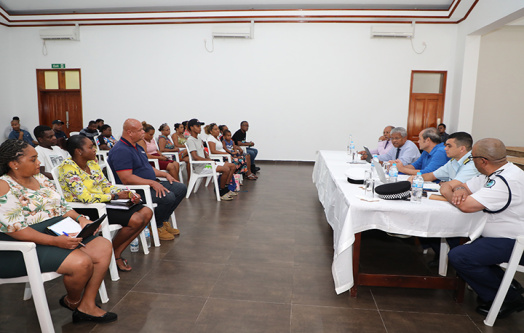
President Ramkalawan meets with relatives of the three fishermen lost at sea
President Wavel Ramkalawan, accompanied by the Vice-President, Mr Ahmed Afif, this afternoon met with family members of the three fishermen from the Takamaka district who have been declared lost at sea since 16th November 2023.
This included relatives of Mr. David Suzette, Mr, Hansley Denis and Mr Steve Burka. Also present for the meeting was the Member for National Assembly for Takamaka, Hon. Terrence Mondon, Major Hans Radegonde from the Seychelles Coast Guard, the Assistant Commissioner of Police, ACP Antoine Denousse, the District Administrator, Ms Cynthia Hariba, Mr Dominique Savy from the Seychelles Civil Aviation Authority and member of the Takamaka Community, as well as other key officials directly involved with the case.
Held at the Takamaka Community Centre, the meeting was an opportunity for the President and his delegation to share a comprehensive overview of the search and rescue operation for the 3 fishermen, which spanned over a period of 11 days. The families were also briefed on the current status of the ongoing investigation to date.
The family members present were also able to engage in direct discussions with the President as well as obtain answers to queries or issues they required assistance with.
Following the meeting, on behalf of all the families present, Mr. Bernard Denis, brother of Hansley Denis, expressed their appreciation to the President and officials present for making the time to meet with them, for all efforts during the search and for their ongoing support being provided during this difficult time.
SOURCE
State House News Alert
-
Burundi: African Development Bank helps train managers on programme-budget implementation in public administration
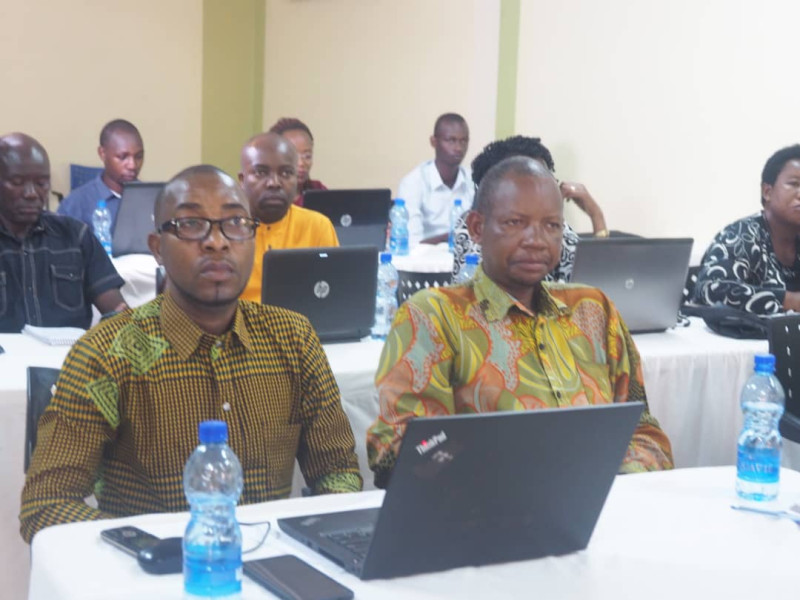
ABIDJAN, Ivory Coast, January 18, 2024/ — The African Development Bank (www.AfDB.org) has supported the capacity building of about 50 managers from Burundi’s public administration to consolidate implementation of the programme budget currently under deployment.The training sessions, which ran from 22 November to 23 December 2023, covered the preparation of work plans and the annual budget, quarterly progress reports, and annual performance reports in addition to developing a results-oriented public investment programme. Training also covered the identification of public-private partnership projects, pre-assessments and contract negotiations.
Course participants welcomed the great opportunities for exchange and knowledge-sharing with the trainers, which will help them to improve public management governance and effectiveness, put public financial management on the path to international norms and standards, operationalize the programme approach and strengthen the planning, programming, budgeting and monitoring, and evaluation chain.
Dieudonné Sakubu, Controller of Expenditure Commitments at the Vice-Presidency of the Republic of Burundi at the Prime Minister’s Office and at the Independent National Electoral Commission, hailed the training. “This new knowledge will allow me to better serve the administrations whose expenditures and commitments I control,” he said. He thanked the ministry of finance and economic planning, which had organized this training with the support of the African Development Bank through its Project to Support the Improvement of Resource Mobilization and the Business Climate.
Several attendees expressed satisfaction with the utility of the training. “Many of the challenges we used to face will be resolved thanks to this training,” said Rose Kelly Nahishakiye, a support officer at the Burundi Development Agency.
Gérard Manariyo, an officer at the Agency for the Support of Public-Private Partnership Contracts, said that he had learned how to prepare tender documents and better develop public-private partnership contract award documents.
“This training has been very beneficial to the staff of the Agency for the Support of Implementation of Public-Private Partnership Contracts,” said its director, Jeanne d’Arc Igirimbabazi. “The content of the modules gives us hope. Applying this knowledge will allow us to evolve and better deal with the private consultancy firms hired by partners”.
Distributed by APO Group on behalf of African Development Bank Group (AfDB).SOURCE
African Development Bank Group (AfDB) -
The African Development Bank plans to invest USD 10.5 million in the capital of Seedstars Africa Ventures to boost investment in innovative businesses
ABIDJAN, Ivory Coast, January 18, 2024/ — The Board of Directors of the African Development Bank (AfDB) (www.AfDB.org) agreed on Wednesday that the Bank should take a stake of USD 10.50 million in the capital of Seedstars Africa Ventures S.L.P. venture capital fund to enable it to invest in innovative African businesses with strong growth potential.
The Bank agreed to invest USD 7 million from its ordinary resources and USD 3.5 million from the European Union Boost Africa programme. The investment will allow Seedstars Africa Ventures (SAV) to raise funds, expand its presence in Africa and attract other investors.
Seedstars Africa Ventures is an early-stage venture capital fund investing in high-growth companies active across Sub-Saharan Africa.
The fund focuses on businesses that have strong potential, are generating income and tackling key challenges in the market. It mainly targets sub-Saharan Africa, especially markets less well covered by traditional investors, and enjoys a particular focus on French-speaking countries such as Senegal, Côte d’Ivoire, Benin and Cameroon. However, it also has investments in Ghana, Uganda and Tanzania.
As a venture capital fund of USD 75 million, Seedstars Africa Ventures targets the start-up and launch phases of businesses tackling key constraints in the market. Initial investments are around the EUR 250,000 mark, followed by additional capital injections of €5 million to support their growth.
SAV focuses on financial inclusion and the technologies that equip businesses (fintech and insurtech); retail sales and logistics platforms that target the online and mobile consumers market; health-related technologies; pre-paid, off-grid energy; and more generally, the adoption of technology in businesses, particularly in the food-processing industry and value chains.
It is estimated that the fund will help create 9,000 full-time jobs, 50% of them for women, and have a significant economic impact.
The fund’s objectives are in line with those of Boost Africa, which aims to invest in innovative start-ups that are growing strongly and having a positive social impact.
Its investment strategy will strengthen that of the African Development Bank, which links entrepreneurship, investment and economic growth to poverty reduction and sustainable development.
It will also contribute to the Bank’s operational priorities – the High 5 – by supporting start-ups operating in key sectors, such as agriculture, health, industrialization and off-grid energy. Finally, the investments will contribute to strengthening regional integration and improving the lives of people in Africa.
Distributed by APO Group on behalf of African Development Bank Group (AfDB).Media contact:
Romaric Ollo Hien
Communication and External Relations Department
African Development Bank
media@afdb.org -
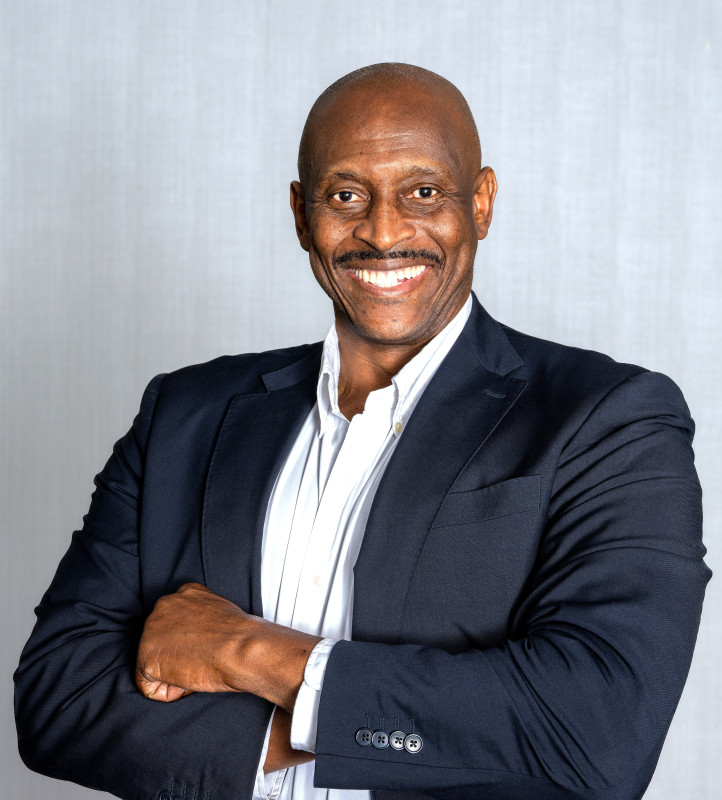
New Year Address from Rugby Africa President, Herbert Mensah
CAPE TOWN, South Africa, January 11, 2024/ — Herbert Mensah, President of Rugby Africa (www.RugbyAfrique.com), the continental governing body of rugby across Africa, issues end of year message reflecting on 2023:
Amidst our joyful farewell to 2023, I am thrilled to share my reflections as the President of Rugby Africa, the continental governing body of rugby in Africa. Together, our collective accomplishments have not only defined this year but have also laid a foundation for the promising future of Rugby Africa.
Milestones and Achievements
As we reflect on the remarkable journey of the past nine months, it is with immense pride that I share the highlights of our accomplishments. From the success of the Rugby Africa Women’s tournament in Madagascar to the significant Rugby Africa Men’s Olympic qualification tournament in Zimbabwe, the thrilling Rugby Sevens tournament in Mauritius, and the vibrant scene in Tunisia’s Monastir, our efforts have truly shone on the rugby stage. Notably, a significant portion of our achievements this year has been dedicated to francophone countries.
We celebrate the re-admittance of Nasser Bougja as Vice President, the return of the Moroccan Rugby Federation to Rugby Africa, an established pathway solution for Cameroon, Ghana and management of other upcoming elective Annual General Assemblies and the momentous milestone of signing the long-awaited agreement with the French Development Agency (AFD) to foster the development of women’s rugby in Africa.
We have addressed administrative challenges by rectifying loose agreements within Rugby Africa that were either uncontracted or unpaid. Internally, administrative efficiency has been enhanced with the establishment of committees, each equipped with clear terms of reference and KPIs for committee members.
Looking ahead, we are committed to annual reassessments, ensuring that our committees maintain the highest standards of performance. It’s important to note that accountability remains a cornerstone, and those unable to meet expectations will be subject to be reassigned from their roles.
Commitment to Progress
As President of Rugby Africa, I continue to call for a mindset change recognizing that sport is big business. This plea heralds a new era, challenging the status quo with a comprehensive constitutional review—a ground breaking initiative unprecedented in our history.
This review, initiated by Rugby Africa through the Executive Committee, involves input from various committees, our judicial council, external legal experts and a final presentation to member unions for ratification. This transformative process signifies our commitment to transparency and progress, setting a new standard for Rugby Africa.
Strategic Planning
We have successfully developed and received approval for our strategic plan, a blueprint aimed at providing financial support to all 39 member unions of Rugby Africa. Considering the limited funding from World Rugby, which primarily supports 21 out of the 39 Rugby Africa member unions, this strategic plan is a significant milestone for Rugby Africa.
The plan, meticulously reviewed and presented across our committees, places a strong emphasis on securing financial backing to ensure that all Rugby Africa member unions have the necessary support to play competitively and thrive in the world of rugby.
Financial Initiatives
In a strategic effort to maximize our resources, Rugby Africa has introduced a series of financial initiatives. For the first time ever, hosts are now entrusted with covering all hosting grants- a move anticipated to result in cost savings.
Guided by our Competition Manager, Johnbosco, calculations are underway to access the potential impact of these changes. Furthermore, Rugby Africa is in discussions for multiple sponsorship opportunities, with an official announcement expected mid 2024.
These initiatives underscore Rugby Africa’s commitment to foster more opportunities for rugby across the continent, reshape competitions and elevating the overall rugby experience. Among our own initiatives, we remain hopeful to receive greater levels of financial support from World Rugby, to further support our development and advance the growth of rugby in Africa.
Unity Among Unions
We approach the future with a sense of optimism and gratitude. My sincere appreciation goes to all the unions that have embraced the challenges. In Southern Africa, Lesotho, Eswatini, Mozambique and Botswana, have successfully organized a spirited competition, reflecting the true spirit of rugby.
Burkina Faso actively engaged in a Seven’s competition, demonstrating their dedication to the sport. Guinea participated in an international match with Sierra Leone, fostering unity in our rugby community.
Over the past two months, Ghana has actively engaged in matches with Benin and Togo. Beyond borders, collaborative efforts between Rwanda, Burundi and Tanzania are gaining momentum as they work towards organizing their own competitions.
I was particularly enthused by the huge efforts of Uganda’s test matches in Tunisia and Algeria’s proposed test match against Senegal. Furthermore, the 2023 Indian Ocean Island Games hosted by Madagascar, with countries such as Mauritius participating, provided an additional opportunity for increased game time. I am deeply grateful for the collective enthusiasm displayed by the unions across the continent. Together, as a federation, we are charting a path of enthusiasm and progress in the world of rugby.
Acknowledgement and Gratitude
I extend my heartfelt gratitude to APO Group, South Africa Rugby Union, French Rugby Federation (FFR), French Development Agency (AFD), and World Flair for their invaluable support. Their commitment and collaboration have provided us with a powerful platform to champion our firm belief that the development of rugby in Africa is not just a sport but an investment in the future of the continent.
Together, with the support our partners, we are building a foundation for the growth of rugby, fostering community engagement, and contributing to the overall development and well-being of Africa. Thank you for your unwavering dedication to this shared vision. This year, Rugby Africa has asserted itself on the global stage, making it abundantly clear that Africa is key player in the world of rugby.
During the Bloomberg Gateway Conference in Morocco, our message reached an audience of over 3.5 million people, emphasizing the vast business opportunities inherent in investing in rugby across Africa, showcasing our continent at the forefront in the global marketplace.
At the Africa Investment Forum in Marrakesh, I had the privilege of engaging in discussions with the President of the African Development Bank, highlighting rugby’s potential to drive economic growth through investment opportunities emerging from the continent itself. These events are instrumental in shaping Rugby Africa’s global positioning, paving the way to a future where rugby across Africa can ascend to new heights.
We continue to ask ALL to accept a mindset shift to give the opportunity of sports (Rugby) a chance. Sport is NOT a charity it is BIG business!
Reflections and Greetings
A substantial amount of work has been accomplished by members of the executive committee, along with dedicated efforts of staff members and myself. As President of Rugby Africa, I believe it becomes evident that 2023 has been dedicated to laying the foundational groundwork.
We anticipate that the fruits of our labour will begin to manifest from the second half of 2024 onwards. In extending my sincere gratitude, I wish season’s greetings to everyone, embracing the diversity of religious traditions that enrich our continent. This is a time for unity, for coming together, breaking bread, and celebrating the strides we made collectively.
God be with all of us!
Herbert Mensah
President of Rugby AfricaDownload official letter here: https://apo-opa.co/
3SdGAsV Distributed by APO Group on behalf of Rugby Africa.Media contact:
Nicole Vervelde
Communications Advisor to the President of Rugby Africa
rugby@apo-opa.com -
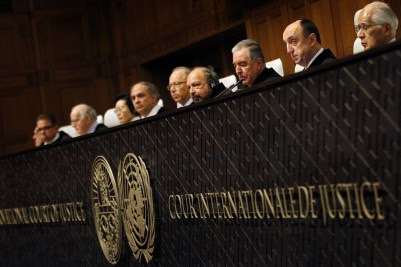
Can South Africa Win Its Case Against Israel?
South Africa’s application to the International Court of Justice (ICJ) seeking to have the court declare Israel’s military assault on Gaza a genocide will be heard starting on Thursday in The Hague.
Israel has called the allegations “baseless” and accused South Africa of “cooperating with a terrorist organization.”
States including Turkey and Jordan have backed the case. Malaysia publicly offered South Africa its support. Malaysia’s Foreign Ministry described the proceedings as a “timely and tangible step towards legal accountability for Israel’s atrocities.”
Israel finds it is having to defend itself against arguments based on a convention that was drawn up in part to prevent a repetition of the Holocaust, which killed 6 million Jews.
The application asked the ICJ to take interim measures to immediately suspend Israel’s military operations in Gaza and “take all reasonable measures” to prevent genocide. In its 84-page brief, South Africa cites alleged incitement by top Israeli officials, including the defense minister, Yoav Gallant, who referred to Palestinians in Gaza as “human animals,” as well as Prime Minister Benjamin Netanyahu’s comparison of Palestinians to the biblical story of the Amalek nation, which God ordered the Israelites to destroy.
Pretoria argues Israel’s military assault violates its obligations under the 1948 Genocide Convention, which defines genocide as “acts committed with intent to destroy, in whole or in part, a national, ethnical, racial, or religious group.”
The application condemns Hamas’s killing of 1,200 Israelis and foreign citizens and hostage-taking of around 247 people on Oct. 7 but argues that no attack can justify the killing of more than 22,000 Palestinians, including over 7,000 children—the number of dead at the time it was written.
Unlike previous cases at the International Criminal Court, which Israel has boycotted because it does not recognize that court’s authority, Israel has no choice but to appear in front of the ICJ as it is a signatory to the Genocide Convention and subject to the jurisdiction of the ICJ, the United Nations’ top legal body. Both sides are sending some of their best lawyers to The Hague. Pretoria is sending South African international law expert John Dugard, a former U.N. special rapporteur on human rights in the occupied Palestinian territories. Meanwhile, Israel will be represented at the ICJ by the British lawyer Malcolm Shaw, an expert on territorial disputes.
Israel is also sending Aharon Barak, a retired Israeli Supreme Court president who is a Holocaust survivor and a fierce critic of the Netanyahu government’s judicial reform plan—which adds to his credibility in the eyes of Netanyahu’s critics.
The application also raises possible reputational damage for the United States. As the International Crisis Group’s Brian Finucane argues “U.S. officials risk complicity if Israel uses U.S. support to commit war crimes.” The United States is increasingly isolated as one of the few countries that has stood resolutely behind Israel since the Oct. 7 Hamas attack and subsequent Israeli offensive in the Gaza Strip amid growing international criticism over the dire humanitarian crisis in Gaza.
“We find this submission meritless, counterproductive, and completely without any basis in fact whatsoever,” White House National Security Council spokesperson John Kirby said last Wednesday.
Israel and South Africa’s animosity has deep roots. After Israel was founded, the country’s leaders cultivated close ties with newly independent African states while often condemning apartheid in South Africa. However, relations with most African nations soured after the 1973 Arab-Israeli War, while Israel’s ties with South Africa grew stronger as it began to sell large quantities of arms to the apartheid regime. Israel became a key ally and defense partner for the white supremacist government during the 1970s and 1980s, even as other countries began to impose sanctions on Pretoria. In November, South Africa’s Parliament voted to suspend diplomatic ties with the country until a cease-fire agreement in Gaza is reached.
The South African government, faced with domestic issues at home, has tried to assert itself as a moral beacon in the world, calling out the hypocrisy of the West over the war in Ukraine and campaigning for a multipolar global order where poorer nations have a voice.
While it is easy for some analysts to dismiss South Africa’s case, any ruling could set legal precedents since Pretoria is basing its petition in part on Gambia’s proceedings against Myanmar in 2020, in which Gambia successfully argued as party to the Genocide Convention that it has an obligation to act to prevent genocide against the ethnic Rohingya population in Rakhine State and therefore had standing. Myanmar had tried to argue that Gambia was not an “injured” party and therefore could not bring a case.
Since the war began, Israel has restricted the entry of medicine, water, and fuel to Gaza’s population of 2.3 million people, except for limited aid through Egypt that U.N. workers say falls far short of what’s needed with famine and disease around the corner.
By not seeking a definitive ruling—but only provisional measures under Article 74 of the ICJ rules—the threshold of what South Africa has to prove is lowered. The court could decide it does have jurisdiction to proceed with the case as in The Gambia v. Myanmar. It could also choose to impose some of the interim measures requested by South Africa without making a decision that Israel’s conduct in Gaza amounts to genocide.
Although ICJ orders are binding, they’ve not been enforceable. Russia has defied the court’s judgment to suspend military operations in Ukraine. Regardless of the ICJ’s eventual decision, Israel is becoming more isolated on the world stage.
SOURCEForeign Policy’s Africa Brief -
Economic uncertainty is impacting Africa’s real estate market attractiveness
Tilda Mwai (first Published 3 weeks ago)
The real estate sector in Africa, often touted for its potential and growth opportunities, has been grappling with a myriad of challenges, notably macroeconomic and political uncertainty, along with the repercussions of global tensions. These factors have converged to create a landscape where the attractiveness of real estate markets is increasingly influenced by core macroeconomic…
The real estate sector in Africa, often touted for its potential and growth opportunities, has been grappling with a myriad of challenges, notably macroeconomic and political uncertainty, along with the repercussions of global tensions.
These factors have converged to create a landscape where the attractiveness of real estate markets is increasingly influenced by core macroeconomic indicators, leading to a noticeable decline in market activity across the continent.
In this article, we highlight the top real estate markets based on macroeconomic performance as well as key market nuances to watch out for.
- Botswana and Morocco rank at the top of the real estate market attractiveness index
The real estate market attractiveness index seeks to rank countries based on their relative stability. The index has incorporated six different core indicators that include currency changes, a country’s debt to GDP ratio, credit rating, inflation, construction costs and GDP growth rate.
These indicators were then assessed across 17 of the major economies in Africa with a spread across East, West, North and South.
Notably, Botswana and Morocco ranked at the top of the real estate market attractiveness ranking. This has been underpinned by the relative currency stability, low inflation rates and lower construction costs.
For example, Botswana and Morocco recorded inflation rates at 3.1% and 4.3% respectively which is significantly low compared to Egypt’s 35.8% and Ghana’s 35.2%. In addition, Morocco’s construction costs per sqm are estimated at an average of US$ 600 compared to the all country average of US$ 1,366.
On the other hand, Ghana and Angola ranked as the least real estate attractive countries for 2023. Ghana’s performance has been impacted by its heightened inflation estimated at 35.2% effectively ranking as the second highest after Egypt, lower GDP growth rate and above average construction costs.
Angola’s performance has been impacted by high currency depreciation rate with currency changes in the year to December 2023 estimated at 67% as well as a higher debt to GDP ratio estimated at 111%.
Interestingly, Nigeria also ranked as the third last market due to heightened currency changes (83.66% YTD), high inflation rate (27.33%) and high construction costs estimated at USD 1,700 per sqm.
- Currency changes remain the single most important impacting factor on performance
There is no doubt that currency performance is most often a great indicator of a country’s economic stability.However, investors currently have a reason to be jittery. With inflation already on the rise, increasing debt levels and potential default,countries are already seeing a cut back in investment preference.
So far, Nigeria’s Naira has recorded the highest rate of depreciation in the year to December 2023 with a 83% decline on the official rate.This has been followed by Angola’s Kwanza recording a 67% decline during the same period. Interestingly, historically stable markets such as Tanzania have also recorded a 7.5% decline during the period under review pointing to the continued stress in the macroeconomic environment across board.
However, Morocco has emerged as an outlier, ranking as the only country whose currency has appreciated against the dollar by up to 3%. This has been underpinned by a stronger macro economic environment pointing towards an overall recovery in different sectors including real estate driven by increased foreign investments and trade.
Generally, this currency performance is set to impact on commercial real estate leasing activity especially for retail and office sectors as well as green field investments financing especially for social infrastructure such as Affordable housing.
Already, financing allocation, often influenced by Development Finance Institutions, is primarily dollar based. Continued local currency depreciation means that such debt will be expensive to undertake. With a limited domestic capital raising landscape, we are likely to see limited development pipeline in the majority of the markets with the only developments undertaken being previously negotiated ones.
A bright spot to this has been the development of alternative financing methods. Although still in their nascent stages, countries such as Kenya and Nigeria are actively championing the development of alternative domestic financing for real estate. Notably, this has led to increased momentum in Kenya’s REITs market. So far, three out of the four authorised REITs entities in the market have been listed over the past two years since 2013 when the first REIT was listed.
While in Nigeria, this alternative financing landscape has been reflected through an income fund shift. Institutional investors such as Actis have sought to raise capital through its inaugural West Africa income funds
- The subdued macro environment is impacting on the logistics sector growth.
Logistics warehousing ‘hype’ has cooled off across the continent with new development announcements at record lows during 2023. This has been attributed to the ensuing macroeconomic challenges that have seen drivers such as e-commerce and manufacturing slowdown.
This has led to market exits by key manufacturers such as GSK in markets such as Lagos and Nairobi with a refocus on their business model while occupiers such as Twiga Foods in Kenya have had to consolidate their operations by shutting down over ten distribution centres earlier on in the year.
As a result, the markets are seeing limited new take up with the majority of the activity being driven by lease renewals. As such, the majority of the logistics developers are expected to continue offering market incentives in a bid to attract potential occupiers even as existing occupiers reassess their portfolios.
Interestingly, while there is a slowdown in demand, grade A warehouse rents have remained stable in markets such as Kenya at approximately US$ 6 psm. Still, currency depreciations are seeing developers record losses especially in the absence of dollar based leases. Additionally, occupiers are opting for shorter and flexible lease terms as a mitigating strategy to the subdued macro economic conditions
- Hospitality market remains the most active real estate sector
Interestingly, the hospitality market has remained the most active sector in terms of transaction volumes and development pipeline across the continent. In Kenya for example approximately USD 44.4 million has been expended in the sector between 2021 and 2023 through existing acquisitions such as three City Lodge hotels acquired by Actis in 2021, and Crowne Plaza Hotel by Kasada in 2022 and pipeline transactions such as Safari Club Hotel set to be acquired by Swiss-Belhotel International in Q1:2024.
Market activity has also been underpinned by a vibrant development pipeline. According to W Hospitality Group, approximately 482 hotels are set to be developed across the continent in 2023 compared to 447 in 2022. Egypt, Nigeria and Morocco rank as the leading countries in terms of development activity accounting for 103, 42 and 46 hotels respectively.
Despite their relatively subdued macro economic environment, Egypt and Nigeria have continued to record considerable hotel investment interest.
This trend is expected to continue as developers seek to formalise the hospitality market as well as meet existing demand from international and domestic markets.
SOURCE
Estate Intel News
-
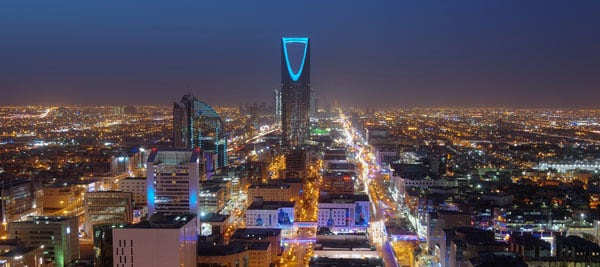
Leveraging Islamic Finance for the benefit of UK businesses in Saudi Arabia
Story: Mohammed A. Abu
The UK Export Finance(UKEF) has guaranteed the country’s largest ever Murabaha facility for USD700.00 in a maiden landmark Middle Eastern deal signed by Qadiyya Investment Company supported by the Public Investment Fund of the Kingdom of Saudi Arabia, to finance the construction of the Six Flags City Theme Park in the country.
The project, the financing of which is based on procuring goods and services from UK exporters, is being undertaken by a joint venture led by Bouygues Bâtiment International and Almabani General Contractors in a move that helps UK exporters gain wider access to the opportunities being created by PIF’s investment in large-scale infrastructure development.
UKEF’s involvement has secured opportunities for UK exporters delivering key equipment and services to the project.
Reinsurance Collaborating Parties
UKEF was supported by reinsurance from the Dutch ECA Atradius Dutch State Business N.V., the Italian ECA SACE S.p.A., and the German ECA Euler-Hermes Aktiengesellschaft.
Collaborating Banking Institutions
Crédit Agricole CIB acted as exclusive ECA Coordinating Bank, Structuring and Documentation Bank and Investment Agent, and, together with a syndicate of banks comprising HSBC and BNP Paribas, as Mandated Lead Arranger (MLA).
These were contained in a Press Release issued by UKEF in London, Wednesday.
The release quotes the UK Export Finance Chief Executive, Tim Reid to have said: “Saudi Arabia’s ‘Vision 2030’ is hugely ambitious, and UKEF is determined to ensure that British businesses can benefit from the enormous exporting opportunities it offers”.
“This new landmark deal not only creates exciting business for UK suppliers, but demonstrates UKEF’s ability to unlock new sources of commercial finance to make transformative projects possible around the globe.”
Oliver Christian, His Majesty’s Trade Commissioner for the Middle East and Pakistan, on his part said, “UK-Saudi Arabia bilateral trade stood at over £17bn last year, and our trading relationship goes from strength to strength. This is clearly demonstrated by today’s announcement that UK Export Finance has secured another strategic win by supporting this record-breaking Islamic financing deal – its largest ever Murabaha. This transaction will help UK exporters access even more of the valuable trading opportunities being created by Saudi investment in infrastructure and socio-economic transformation”
Murâbaḥah which has since become the most common form of Islamic compliance trade financing facility is derived from the Arabic word, ribh, meaning profit, is originally a term of Islamic jurisprudence for a sales contract where the buyer and seller agree on the markup (profit) or “cost-plus” price for the item(s) being sold with deferred payment allowed for the goods.
Murabaha financing is similar to a rent-to-own arrangement in the non-Muslim world, with the intermediary (e.g., the lending bank) retaining ownership of the item being sold until the loan is paid in full.
.
-
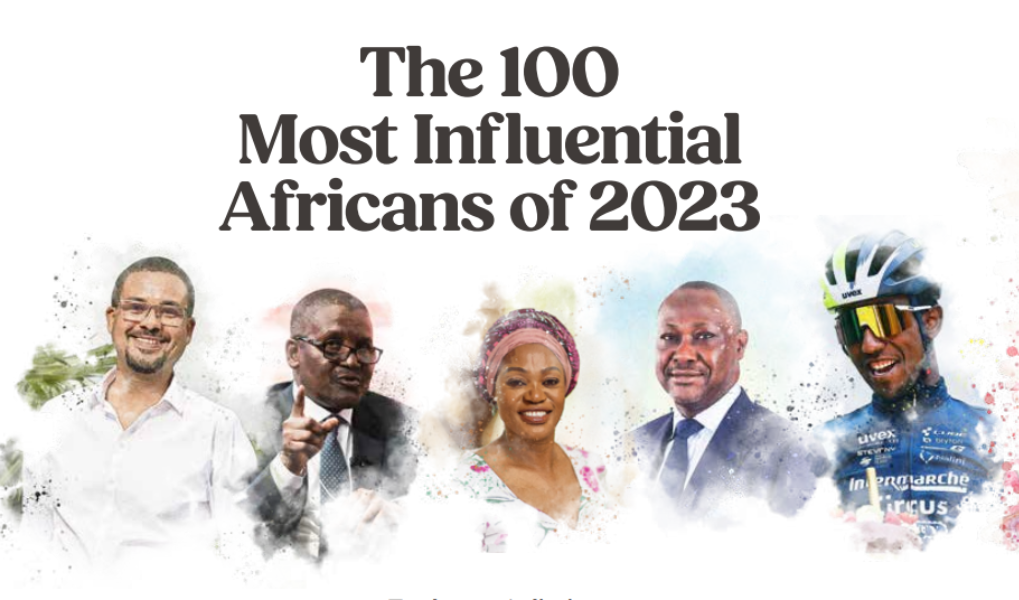
New African Magazine reveals the 100 Most Influential Africans of 2023
- The list features a diverse and inspiring group of men and women from various fields and sectors, who have made a positive impact on the continent and the world
- Creatives dominate the ranking with 31 representatives, followed by Business with 25 entries
- Nigeria is the country most represented on the list
- The list reflects the shifting trends and priorities in Africa, as the continent faces new challenges and opportunities
02 January 2023 – New African magazine released today its annual listing of the 100 Most Influential Africans of 2023. The list celebrates the achievements and contributions of Africans from various fields and sectors, who have made a positive impact on the continent and the world.
The list features a diverse and inspiring group of men and women, who have demonstrated excellence, innovation, leadership, resilience, and vision in their respective domains. They include politicians, entrepreneurs, industrialists, environmentalists, creatives, scientists, educators, sports personalities, and more.
The list also reflects the shifting trends and priorities in Africa, as the continent faces new challenges and opportunities in the post-pandemic era. Creatives dominate the ranking with 31 representatives, including singer Abel Tesfaye, aka The Weekend, filmmaker Alice Diop and writer Nana Darkoa Sekyiamah.
The second category with the highest number of entries was the Business section, with 25 entries. The section included two behemoths from DFIs, supporting a private sector approach to investing: Samaila Zubairu from Africa Finance Corporation and the President of Afreximbank, Benedict Oramah, undoubtedly Africa’s juggernaut from the last few years leading Africa’s transformation. Also on the list is the former CEO of Eskom and whistleblower who nearly paid with his life André de Ruyter.
Nigeria was the country most represented on the list, highlighting the country’s dominance in the creative sector and business. William Ruto, the President of Kenya, and Bola Tinubu, President of Nigeria, were the only heads of state to make it, along with the Guinean military leader Mamady Doumbouya. Doumbouya created quite a stir at this year’s UN General Assembly and appears to have found a solution around the Simandou mining saga.
With Climate Change at the top of the agenda, the list features several players in the environmental space, such as James Mwangi, formerly from Dalberg Group who has set up his own venture fund investing in climate related businesses, and Elizabeth Maruma Mrema, the Executive Secretary of the UN Convention on Biological Diversity.
In the media, we have two media leaders from Côte d’Ivoire, Fabrice Sawegnon, founder of communications agency Voodoo, and Daniel Ahaoussa, serial entrepreneur and founder of a number of websites in West and Central Africa. Also included are the journalist Alan Kasujja, the BBC journalist, and Branko Brkic, founder of Daily Maverick, arguably the most powerful media in South Africa today.
And in sports, record breakers Faith Kipyegon and Kelvin Kiptum make it, as well as the Springboks team, under the leadership of their captain Siya Kolisi. Patrice Motsepe, the President of CAF, a close friend of FIFA president Gianni Infantino and an increasingly influential voice in sports, is also included.
The 100 Most Influential Africans of 2023 is a special edition of New African magazine, which offers a comprehensive and insightful overview of the lives and achievements of the selected individuals. The magazine also provides a platform for the readers to learn from their stories, and to be inspired by their examples.
Download the 100 Most Influential Africans of 2023 special edition of New African or see below the list in full.
Politics and Public Service
- William Ruto
- Ibrahima Cheikh Diong
- Sidi Ould Tah
- Akinwumi Adesina
- Ngozi Okonjo-Iweala
- Bola Tinubu
- Mamady Doumbouya
- Ousmane Sonko
- Nadia Fettah Alaoui
- Tsitsi Masiyiwa
- Tidjane Thiam
Business
- Mohamed Kande
- Sim Tshabalala
- Karim Beguir
- Didier Acouetey
- Olugbenga Agboola
- Samaila Zubairu
- Prof. Benedict Okey Oramah
- Ralph Mupita
- Ibrahim Sagna
- Simon Tiemtoré
- Jules Ngankam
- Riham ElGizy
- André de Ruyter
- Aliko Dangote
- Ham Serunjogi
- Serge Ekué
- Bahija Jallal
- Coura Sène
- Bernard Koné Dossongui
- Hassanein Hiridjee
- Shola Akinlade
- James Mwangi
- Pascal Agboyibor
Science and Academia
- Anna Adeola Makanju
- Chao Tayiana Maina
- Nemat Talaat Shafik
- Ismahane Elouafi
- Moungi Bawendi
- Timnit Gebru
Environmental
- James Irungu Mwangi
- Ephraim Mwepya Shitima
- Wanjira Mathai
- Rashid Sumaila
- Elizabeth Maruma Mrema
- Dr Musonda Mumba
Creative
- Kaouther Ben Hania
- Danai Gurira
- Ncuti Gatwa
- Black Coffee
- Tyla Laura Seethal
- Temilade “Tems” Openiyi
- Lesley Lokko
- Mulenga Kapwepwe
- Alice Diop
- Wanuri Kahiu
- Bassem Youssef
- Malenga Mulendema
- Jadesola Osiberu
- Editi Effiong
- Ali Said Alamin Mandhry
- Abel “The Weekend” Tesfaye
- Pretty Yende
- Julie Mehretu
- Pierre Thiam
- Teju Cole
- Thebe Magugu
- David Diop
- Burna Boy
- Serge Attukwei Clottey
- Nana Darkoa Sekyiamah
- Aïda Muluneh
- Omoyemi Akerele
- Mariam Issoufou Kamara
- Victor Ekpuk
- DJ Snake
- Gandhi “Maitre Gims” Djuna
Media
- Claude Grunitzky
- Chioma Nnadi
- Edward Enninful
- Alan Kasujja
- Wode Maya
- Anton Harber
- Khabane “Khaby” Lame
- Charity Ekezie
- Moses “Uncle Mo” Kiboneka
- Branko Brkic
- Tomiwa Aladekomo
- Marie Mbullu
- Nicolas Pompigne-Mognard
- Daniel Ahaoussa
- Fabrice Sawegnon
Sports
- Francis Ngannou
- Faith Kipyegon
- The Springboks, led by captain Siya Kolisi
- Patrice Motsepe
- Kelvin Kiptum
- Victor Osmihen
- Biniam Girmay
- Yassine Bounou
-

Africa’s Natural Gas Sector is Building Momentum in 2024
By NJ Ayuk, Executive Chairman, African Energy Chamber
The recently signed liquefied natural gas (LNG) development project in South Africa’s Mpumalanga province is a promising step on the long road to Africa’s just energy transition.
The project, being jointly developed by Kinetic Energy of Australia and the Industrial Corporation of South Africa (IDC), a national development finance institution, will capitalize on Kinetic Energy’s recent 3.1 billion cubic feet natural gas discovery in Amersfoort, Mpumalanga. The project is expected to produce 50 megawatts (MW) of equivalent energy and eventually expand to 500 MW.
The project, which Kinetic Energy describes as South Africa’s largest onshore LNG project, exemplifies natural gas’ potential to grow the country’s economy and meet domestic energy needs.
This all comes about as South Africa works to expand its oil and gas operations in order to curb its reliance on coal and help pave the way to eventual decarbonization.
South Africa is not alone, either. As the African Energy Chamber (AEC) covers in our recently released “The State of African Energy 2024 Outlook Report,” natural gas production is on the rise both globally and in Africa. Even more promising, our report notes that “upstream operators are now revising their strategies and aligning their future investments more in line with energy transition, and natural gas is being looked at as transition fuel.”
The African Energy Chamber will support the Invest in African Energy Conference in Paris this year organise by Energy Capital and Power. African Energy Week will definitely be the home of Natural Gas investment in Africa.
Gas: A Logical Transition Fuel
I find it heartening that, despite calls by environmental organizations and wealthy countries to cease investment in African oil and gas projects, many of the companies actually operating in Africa appear to recognize natural gas’ value as a transition fuel. Too long has the solution to the climate crisis been oversimplified: Decarbonization is not a goal that can be reached overnight nor without first building up the infrastructure required to support development of renewables.
Such a task is relatively simple for Western countries, which have spent centuries building their economies and infrastructure off the backs of fossil fuels. The same cannot be said for African states, which have long lacked these same development opportunities and must now play catch-up at an accelerated pace.
Even worse, we are told to play this game of catch-up with our hands tied: to leave our natural resources in the ground while the developed nations of the world continue to exploit their natural non-renewable wealth. We are expected to jump straight to building wind farms, solar farms, and hydroelectric dams while hundreds of millions of Africans are still living without access to electricity.
Where will the capital for such a miraculous development come from?
Who will build the foundational infrastructure needed to support it?
Developed nations are quick to promise, “We will!” but reticent to follow through on their promises. What’s more, their foreign “aid” has frequently focused more on alleviating the symptoms of Africa’s economic and energy poverty rather than resolving the source.
With all this in mind, it is clear to me who must provide the lion’s share of capital and build the infrastructure: Africans ourselves. And we cannot do that without tapping our own natural resources, natural gas being the most vital among them. Its properties that burn cleaner than oil and coal, its abundance, its ease of storage and transport, and its applications in manufacturing and synthesis make natural gas the best option for Africans to establish energy security and achieve decarbonization.
Companies Leading the Way
So, again, it is encouraging to see that the AEC is not alone in our stance that natural gas production makes sense for Africa — and for energy companies. More and more energy companies describe policies that call for pursuing energy transition measures for tomorrow while providing the natural gas to power the world today.
Look at French major TotalEnergies, which is responsible for much of the upstream activity in our continent. Following the discovery of two huge gas fields in South Africa in 2019 and 2020, TotalEnergies is continuing its exploration and production efforts there, despite environmentalists’ efforts to block further activity. TotalEnergies also is driving the Mozambique LNG project, considered one of Africa’s most important hydrocarbon developments.
Then there’s German independent, Wintershall Dea, which is increasing its participation in the Reggane Nord natural gas project in Algeria by 4.5%. The company is acquiring interest from Italian utility company Edison in the project. Wintershall Dea, which has a strong presence in North Africa, also announced first gas with its partners (Cheiron Energy, INA, and the Egyptian Gas Holding Company) at the East Damanhur block in the onshore Nile Delta earlier this fall.
I love what Wintershall Dea’s CEO and Chief Operating Officer Dawn Summers wrote about natural gas in a November opinion piece, released just before the 2023 United Nations Climate Change Conference (COP28).
“At first glance, it would seem that the gas and oil industry is merely part of the climate problem — but it will also be part of the solution,” Summers wrote. “If gas were used instead of coal, CO2 emissions would immediately go down — by almost half. Already today, we are decreasing the environmental impact of our activities worldwide by drastically reducing our methane emissions. In addition, with technologies such as CO2 storage and H2 production, we are helping other sectors to decarbonise, and we aim to harness our expertise to ensure that the future energy system is more sustainable. In short, the oil and gas industry can, must and will be part of the solution to the climate problem.”
Well said! Africa’s gas industry is part of the solution as well. And, as our report notes, the forecast for continued natural gas projects in our continent is looking good.
Africa’s Tremendous Natural Gas Potential
Our report finds that Africa continues to hold immense natural gas potential and is positioned to not only increase its outputs but also capitalize on the underserved LNG market and meet Europe’s ongoing demand. Our estimates show an increase from Africa’s 2023 natural gas output of about 265 billion cubic meters (bcm) to over 280 bcm by 2025.
North Africa currently drives the majority of the continent’s output, although its production is expected to remain flat throughout the rest of the 2020s. Production ramp-up is expected through the second half of this decade as Mozambique increases its LNG output. As new-gas start-ups across the rest of the continent come online, this trend in increased output will become further pronounced.
Nigeria and Algeria, meanwhile, are expected to drive an increased focus on LNG exports, with additional flows coming from Egypt, Equatorial Guinea, Mozambique, and waters off Senegal- Mauritania.
Africa’s natural gas sector stands poised to prepare the entire continent for eventual decarbonization, as do many of the companies operating here.
The goal of a continent fueled by renewable power cannot be achieved, however, unless the developed world also recognizes this and allows African states to transition on their own schedule, not one imposed on it by others.
Download the AEC’s 2024 outlook report here.