Blog

  • Masdar, Africa50 align efforts to hasten clean energy transition across Africa

    Masdar, Africa50 align efforts to hasten clean energy transition across Africa

    Africa50 and Masdar will also explore opportunities to collaborate on the implementation of the Alliance for Green Infrastructure in Africa

    Abu Dhabi-based Masdar has announced a partnership with Africa50, the pan-African infrastructure investment platform.

    The clean energy giant will identify, drive and scale clean energy projects across the continent.

    The UAE’s clean energy leader and Africa50 have signed a memorandum of understanding (MoU), which will work to bridge the infrastructure funding gap and mobilise public and private finance.

    The agreement will see both parties work collaboratively to catalyse sustainable development of the clean energy sector in Africa.

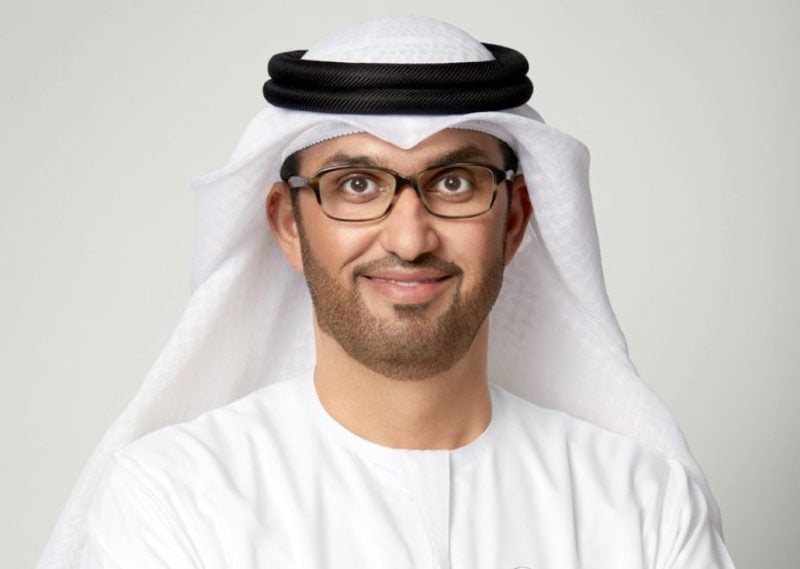
    Masdar has committed $2bn of equity as part of the UAE finance initiative, which was announced during Africa Climate Summit by Dr Sultan Al Jaber, Chairman of Masdar and COP28 President-Designate.

    The Africa Climate Summit is the first of four global climate summits ahead of COP28,

    SOURCE

    GULF TIMES


  • African Leaders Advocate Global Carbon Taxes to Finance Climate Change Mitigation

    African Leaders Advocate Global Carbon Taxes to Finance Climate Change Mitigation

    African leaders have proposed new global taxes and reforms to international financial institutions to fund climate change action in a declaration following the Africa Climate Summit in Kenya.

    The Nairobi Declaration focuses on mobilizing financing to adapt to extreme weather, conserve natural resources, and develop renewable energy in Africa, which currently receives only 12% of the financing it needs to cope with climate change.

    The declaration calls for major polluters and global financial institutions to commit more resources to help poorer nations and suggests a global carbon taxation regime, including a carbon tax on fossil fuel trade, maritime transport, and aviation.

    It also advocates for reforms to the multilateral financial system and the development of a new Global Climate Finance Charter by 2025. African countries plan to take these proposals to the U.N. climate conference and COP28 summit for further discussion.

    Source:( Reuters )

  • UAE announces $4.5bn initiative to support deployment of clean energy in Africa

    UAE announces $4.5bn initiative to support deployment of clean energy in Africa

    COP28 President-Designate Dr Sultan Al Jaber has announced a UAE finance initiative that will provide $4.5bn to help tap Africa’s clean energy potential.

    The announcement was made during his keynote address at the inaugural African Climate Summit in Nairobi, Kenya.

    The landmark initiative brings together vital public, private, and development capital from UAE institutions, ranging from Abu Dhabi Fund for Development (ADFD) and Etihad Credit Insurance (ECI) to Masdar and AMEA Power.

    Africa50, which is an investment platform established by African governments and the Africa Development Bank, has also joined the UAE finance initiative.

    Africa50 was founded to help solve the continent’s critical infrastructure challenges and will help identify initial projects and connect to local implementing entities.

    Call to climate action

    The COP28 President Designate has repeatedly called for the global tripling of renewable energy by 2030 and has pushed to make finance more available, accessible and affordable.

    The announcement came with a clear call to action for African leaders to improve policy and regulatory frameworks to attract the long-term investments necessary to accelerate the deployment of clean and renewable energy.

    In order to reduce barriers to investment, the President-Designate highlighted multiple action points that require the coordinated efforts of African leaders and the international community.

    These include restoring the financial sustainability of local utilities and modernising basic energy infrastructures, clarifying development processes and eliminating the red-tape delaying market lead-time, in addition to eliminating restrictions to capital flows and accessing adequate and affordable risk mitigation measures.

    During his address, the COP President Designate said: “This initiative builds on the UAE’s track record of commercially driven, innovative blended finance solutions that can be deployed to promote the adoption of clean energy in emerging and developing nations. This multi-stakeholder partnership approach is designed to accelerate sustainable economic progress, address the challenge of climate change and stimulate low carbon growth.”

    He added: “The initiative will prioritise investments in countries across Africa with clear transition strategies, enhanced regulatory frameworks and a master plan for developing grid infrastructure that integrates supply and demand. In short, this initiative is designed to work with Africa, for Africa. It aims to clearly demonstrate the commercial case for clean investment across this continent. And it will act as a scalable model that can be replicated to help put Africa on a superhighway to low carbon growth.”

    Action agenda

    Fast-tracking the energy transition, fixing climate finance, focusing on people, lives and livelihoods, and underscoring these efforts with full inclusivity are the key pillars of the COP28 Presidency’s ‘Action Agenda’.

    In sub-Saharan Africa alone, 600 million people live without access to electricity. Delivering greater access to clean energy will drive social and economic development but currently investment in African renewables represents only 2 per cent of the global total, and less than a quarter of the $60bn a year the continent needs by 2030.

    The initiative aims to right this imbalance by bringing together key stakeholders to fast track the development and delivery of infrastructure, generation and distribution solutions.

    UAE finance initiative to be part of Etihad 7

    The initiative will be part of Etihad 7, a development platform launched by the UAE at Abu Dhabi Sustainability Week in 2022, and championed by the Ministry of Foreign Affairs (MoFA).

    Etihad 7 aims to provide 100 million people across the African continent with clean electricity by 2035.

    ADFD is supporting with $1bn of financial assistance to address basic infrastructure needs, offer finance solutions and increase mobilisation of private investments. The ECI is providing $500m of credit insurance to de-risk and unlock private capital.

    Masdar, active in 22 countries in Africa, is committing an additional $2bn of equity as part of the new initiative. Masdar will mobilise an additional $8bn in project finance and through its Infinity Power platform.

    Masdar will target the delivery of 10 gigawatts (GW) of clean energy capacity in Africa by 2030.

    AMEA Power is targeting 5GW of renewable energy capacity in the continent by 2030, mobilising $5bn, of which $1bn will come from equity commitment, and $4bn from project finance.

    Additionally, the initiative seeks to create pathways for other multilateral development banks, governments, and philanthropies to enable additional private sector investment. The COP28 Presidency has also called on international financial institutions and foundations to join the effort.

    The announcement comes days before the United Nations Framework Convention on Climate Change (UNFCCC) is due to release the technical data around the first ‘Global Stocktake’ of climate progress since the 2015 Paris Agreement.

    Credit(Gulf Times)

  • BRICS: CONSIDERATIONS AND IMPLICATIONS OF A SINGLE BRICS CURRENCY

    BRICS: CONSIDERATIONS AND IMPLICATIONS OF A SINGLE BRICS CURRENCY

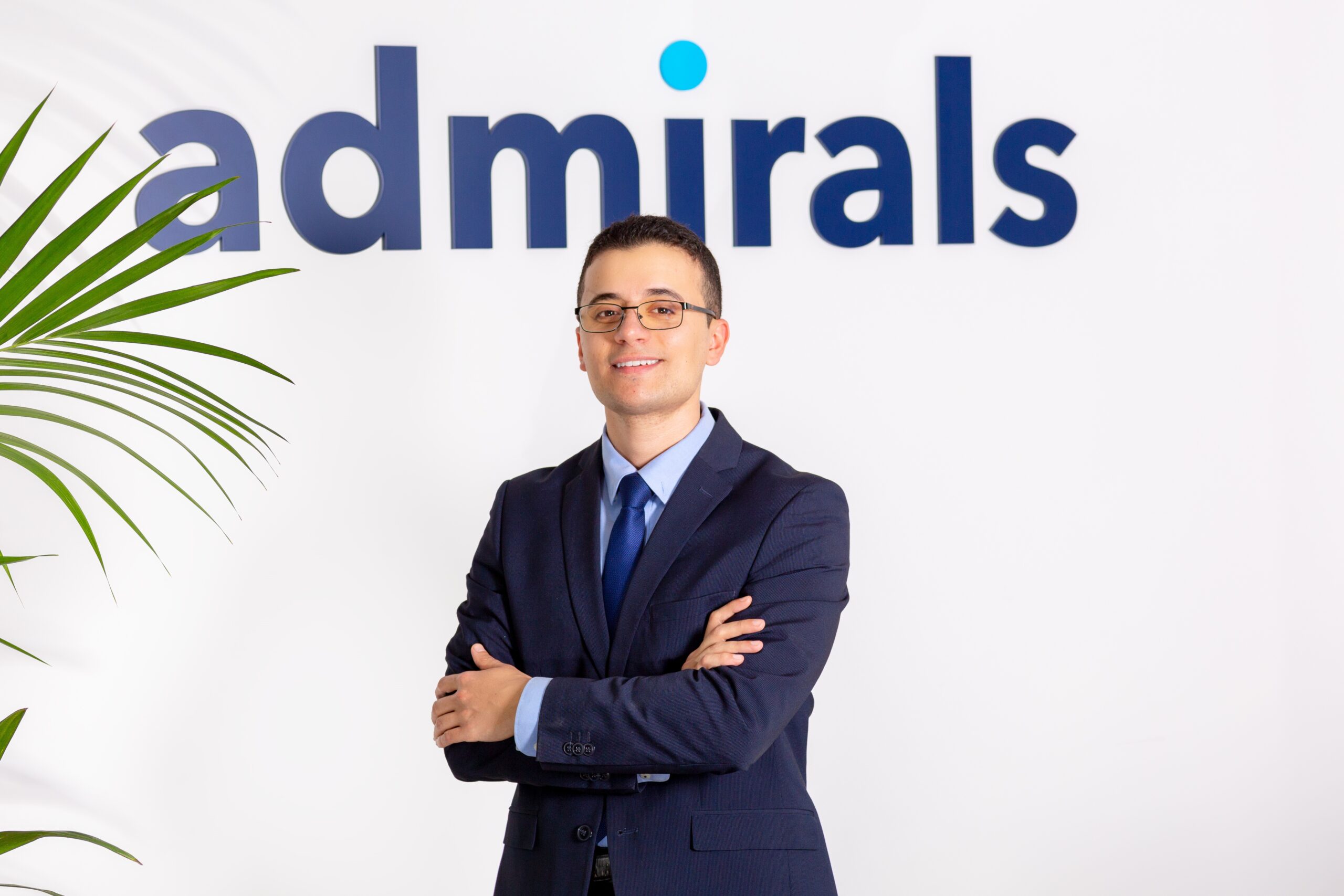
    By Franco Macchiavelli

    Market Analyst at Admirals and Certified European Financial Advisor (EFA) (Nr 35591)

    5 September 2023

    The 15th BRICS Summit, hosted by South Africa in Johannesburg from 22 to 24 August, culminated in the widely anticipated announcement of a soon-to-be expanded BRICS bloc, with the admission of six new member countries to this economic grouping as from January 2024.

    In the build-up to this year’s BRICS Summit there has also been some speculation that the grouping might discuss the issuance of a joint currency to compete with the dollar as the reserve currency with world hegemony.

    However, this issue was not addressed during the event. South Africa’s representative stated that such an approach was never considered, and India’s foreign minister also dismissed the possibility.

    Data from the IMF’s 2023 World Economic Outlook shows that together, these five economies – Brazil, Russia, India, China, and South Africa – account for roughly 40 per cent of the world’s population and 20 per cent of global trade flows. Despite the logic behind the idea to introduce a new currency in place of the dollar, the truth is that this would be rather complicated to implement – at least in the short to medium term.

    If the idea were to come to fruition, there would be two main approaches:

    1. Create a new central bank that would issue a single currency to replace the national currencies of each of the five countries (Brazil’s real, Russia’s rouble, India’s rupee, China’s yuan and South Africa’s rand). However, this would require these countries to give up their monetary sovereignty, which would limit their ability to manage the value of their own currency according to their economic needs. To understand this better, if Brazil wanted to depreciate its currency to improve its exports, but the other countries did not agree, Brazil would not be able to make this decision unilaterally. Therefore, we are talking about an important risk in the management of each country and the different factors that affect its growth and economic and monetary management.
    2. 2. A different scenario would be to adopt the currency of one of the member countries as the BRICS’ own currency, such as China’s yuan. However, this would also present major challenges, as the remaining countries would again lose their monetary sovereignty, this time to China, which could limit their ability to make independent economic decisions. If for example China wanted to implement a rate cut to boost domestic economic growth, the remaining BRICS nations would be affected collaterally without having been able to influence China’s decision, also affecting the other economies that might not be experiencing the same characteristics and conditions as China.

    In short, both paths are complicated to pursue and present significant obstacles for member countries.

    What is certain, however, is that these countries aim to reduce their dependence on the dollar in the future. Currently, when the BRICS sell their products to the rest of the world, they receive payments in dollars and accumulate these dollar-denominated reserves. However, fluctuations in the value of the dollar over the years have posed a significant depreciation risk for these countries.

    Most of the BRICS have been accumulating dollar reserves for years, and with the effect of inflation, these have been affected because they have mostly not imported goods, but accumulated reserves.

    What would happen if instead of accumulating dollar reserves, they accumulated reserves in another currency through trade among the members themselves?

    This brings to mind the recent case of trade between Russia and India:

    India has been buying oil from Russia at a significant discount to the price in the West. However, these purchases have been paid for in rupees. So, if we talk in terms of trade, Russia sells oil to India and receives payment in rupees, but collaterally faces a significant currency risk, i.e., that rupees depreciate over time even more than the dollar.

    Moreover, rupees are only accepted in India and do not have the global hegemony to buy any asset across the world, which complicates the management of its international reserves, unlike the dollar, which is accepted globally in the purchase and sale of any good, asset or service.

    Ultimately, despite the search for alternatives to the dollar, replacing it with a new currency poses considerable challenges for the BRICS, and makes it unlikely to manifest itself in the near future due to the complexity of its implementation.

    Naturally the addition of six additional nations – Argentina, Egypt, Ethiopia, Iran, Saudi Arabia, and the United Arab Emirates will multiply the complexities significantly.

    It will be interesting to see what impact the BRICS expansion will have on the global economy and geo-politics but for now the dollar will continue to be the dominant trading currency.

    Disclaimer: The views expressed in this article reflect those of the writer and does not represent the official view of the Eco-Enviro News Africa,magazine.


  • African Sustainable Mining Piques Interest of Global Players

    African Sustainable Mining Piques Interest of Global Players

    CAPE TOWN, South Africa, September 5, 2023/ — In the wake of the global energy transition, mining companies have come under pressure to adopt sustainable business practices and employ low-carbon technologies in order to mitigate adverse environmental impacts.

    Private- and public-sector led mining activities across Africa have begun to prioritize sustainable techniques to promote environmental sustainability, social responsibility, and good business practices. In turn, the sustainable mining industry has become an increasingly attractive investment opportunity for global players seeking to enhance their returns on investment while spearheading climate protection and resilience.

    The Critical Minerals Africa (CMA) summit (https://CriticalMineralsAfrica.com/) – which is organized by Energy Capital & Power and is scheduled for October 17-19 in Cape Town – will connect capital and technology providers to African mineral producers, fostering synergies between the mining and tech industries. Taking place concurrently with Africa’s largest energy event, the African Energy Week conference (https://AECWeek.com/), CMA 2023 facilitates new investment and technology into both the African energy and mining sectors under efforts to forge a sustainable future for all.

    The emergence of advanced technologies such as machine learning, artificial intelligence, cloud computing, and robotics is poised to advance process automation within Africa’s mining industry. Automation can enable real-time monitoring of minerals and metals through mines and processing plants and allow mining companies to use simulations during the mining design stage to test multiple solutions before implementation. Automation also enables mines to reduce costs and improve competitiveness during operation, with more efficient sources of energy and improved water quality management set to drive profitability, safety and efficiency. Investing in automation will unlock a fresh wave of productive mineral operations in Africa.

    On the mining technique front, new alternatives to traditional mining strategies such as in-situ leching are enabling African mining projects to reduce their environmental impact. Investments in modern mining and rehabilitation techniques including afforestation will allow miners to reduce soil erosion and vegetation disturbance while the re-use of mining waste present opportunities for mines to ensure effective land and waste management. Sustainable mining techniques will also enable mining operators to more effectively re-process tailings for use as mine back-fill material. As Africa’s mineral sector grows due to rising global interest in critical minerals, the deployment of innovative mining techniques will enhance both productivity and sustainability.

    Meanwhile, Africa’s sustainable mineral investment opportunities transcend mining operations. Extraction and transportation in the mining industry requires immense amounts of energy. As such, alternative forms of energy such as solar, wind, and hydroelectric power are poised to reduce mines’ carbon footprint while improving the overall sustainability of the industry.

    While clean-energy mines are still in their infancy in Africa, mining companies including Anglo American, Sibanye-Stillwater, Gold Fields, Harmony Gold, and Impala Platinum have begun to tap into the continent’s renewable energy potential and expand sustainable energy development for their large-scale projects in South Africa. The integration of renewables with mining operations presents a lucrative investment opportunity and will become increasingly more important as the world transitions to a low-carbon future.

    Foreign investment within Africa’s mining industry is poised to increase productivity while ensuring the sector remains up to date with the latest innovations and environmental standards. The implementation of sustainable mining technologies offers the benefit of maximizing exploration and production while creating research and education opportunities for the continent’s local workforce. As such, CMA 2023 will catalyze the development of Africa’s sustainable mining industry, bringing financiers and technology providers to the market.

    Are you a tech-expert looking at modernizing Africa’s mining operations? Or are you a financier looking at expanding your portfolio of sustainable investments? CMA 2023 offers both a unique and highly strategic platform to do both. Join the summit now and connect with Africa’s mining industry.

    Critical Minerals Africa takes place on 17-19 October at the CTICC in Cape Town, South Africa.

    Tickets are now available at www.CriticalMineralsAfrica.com

    Contact us if you are interested in speaking: speak@energycapitalpower.com

    Contact us if you wish to promote your organization as a sponsor: sales@energycapitalpower.com

    Contact conference director James Chester by email at james@energycapitalpower.com if you wish to discuss your strategic objectives at the conference.

    Distributed by APO Group on behalf of Energy Capital & Power.

    SOURCE
    Energy Capital & Power

  • Tamale Court Drug Trial Related Youth-Police Violence Blues

    Tamale Court Drug Trial Related Youth-Police Violence Blues

    Rising trade in narcotic drugs and it’s abuse in the Tamale metropolis in Gnana’s Northern region has since been a matter of grievous concern to the traditional authorities (chiefs) and all well-meaning people of the region.

    Amidst complaints of lack of satisfactory action on the part of the Narcotic Control  authorities and Northern Regional Police command to stem the tide, a local volunteers Drug Task Force has since been formed to carry out affirmative action against  the worrisome drug abuse menace.

    The Tamale drug abuse menace has since attracted local and international  media headlines albeit,for the wrong reason.  DW TV is on record to have done a documentary on the Tamale substance abuse situation and this has further increased public concerns about the need to combat the problem.

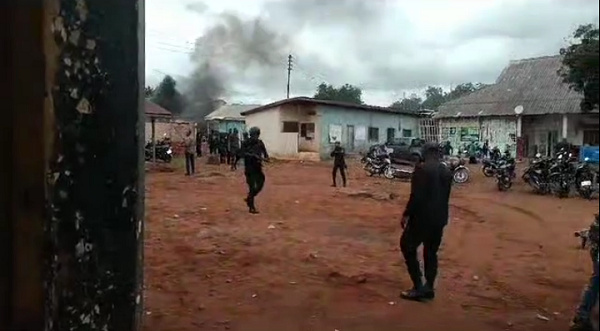
    On-going trial  by the Tamale Circuit Court of a suspected  drug dealer against who  a local Task Force against drugs  in Tamale had taken legal action, tends to be another  major move on their part in the crusade against substance abuse. The alleged open boasting by the suspect that he was going to use monetary influence to thwart any police or court action against him,hasn’t been taken lightly at all.

    Against this background,some youth in Tamale who had cause to believe that,from the look of things during the recent  Court sitting,the suspect was most likely to be granted bail,were said to have started getting  agitated  .This is said to have  lead to a call for  Police reinforcement  resulting sadly,into  three reported injuries.

    For more details, read below the full Press Release of  Dagbon Patriots for Development(DPFD)

    Ladies and Gentlemen of the media
    The Leadership of Dagbon Patriots Calls on The President, Inspector General of Police, and
    Regional Minister to Ensure Citizens’ Safety during Protests

    The Leadership of Dagbon Patriots for Development is deeply concerned about the recent
    events surrounding the protests against the bail of an alleged drug lord in our community. We
    urge the President, the Inspector General of Police, and the Regional Minister to take
    immediate action to ensure the safety and well-being of citizens exercising their democratic
    right to peaceful protest.

    It is our firm belief that peaceful protest is a fundamental pillar of any thriving democracy.
    Citizens have the right to voice their concerns and demand justice without fear of violence or
    harm.

    The recent firing of shots into the crowd that led to several of our people been injured
    during the protests in Tamale has heightened tensions and threatens to undermine the trust
    between citizens and security forces.

    We, call upon the President, the Inspector General of Police, Nanima, Regional Minister who
    is the Chairman of REGSEC and all duty bearers to come on board to:

    Order Restraint: We implore the security services to exercise maximum restraint when
    dealing with protests and demonstrations. The use of live ammunition against peaceful
    protesters is not only unjust but also escalates tensions and poses a significant risk to human
    lives.

    Open Dialogue: We urge the authorities to open a constructive dialogue with the citizens to
    address their concerns and grievances. Engaging in meaningful conversations can help
    prevent further escalation and pave the way for a peaceful resolution.

    Accountability: Those responsible for firing shots into the crowd must be held accountable
    for their actions. This will send a clear message that such behaviour will not be tolerated and
    will help restore faith in the justice system.

    Community-Police Relations: Strengthen community-police relations through transparency,
    accountability, and community engagement. Building trust between citizens and law
    enforcement is essential for maintaining peace and harmony.

    Public Safety: Ensure the safety and security of all citizens participating in protests. The
    primary responsibility of the security forces is to protect the people, and this should be done
    without resorting to violence.

    Stolen motor bikes: We also demand that the officers of the police service who stole the
    three motorcycles should be exposed and prosecuted according to the laws of the country.

    Transfer: As a matter of urgency and for us to succeed in the fight of this drug menace, we
    are demanding that, the Regional Commander, the Judge and the Crime Officer to be
    transferred out of Tamale for their bias nature of handling the drug issues in the Tamale
    Metropolis.

    We are calling upon the youth of Tamale to remain calm as we seek to fight and defend
    Tamale against all manners of injustices.

    As the future of our nation, we, the Leadership of Dagbon Patriots for Development in the
    Tamale Metropolis, believe in the power of unity and peaceful coexistence.

    We stand together to call for a peaceful resolution to the current situation and for the protection of the
    democratic rights of all citizens.

    For media inquiries, please contact:
    MUDASIR AHMED HAFIZ
    (0541640200)
    (On behalf of Dagbon Patriots for Development)
    Cc:
    Over Lord of Dagbon
    Chief of Gukpegu,
    Chief of Dakpema
    Chief of Lamashegu
    Chief of Choggu
    Members of Parliament (Tamale South, North and Central)
    All constituency chairpersons of Tamale Metropolis
    All Media houses

    PHOTO(Credit Ghanaweb)

  • Afreximbank signs MOU with UAE Trade Center to promote TRADAR Club

    Afreximbank signs MOU with UAE Trade Center to promote TRADAR Club

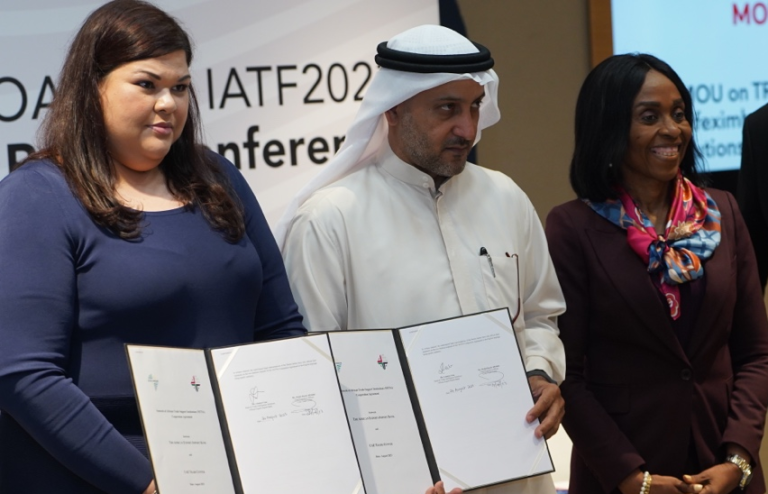
    Cairo, 1 Sep. 2023: – The African Export-Import Bank (Afreximbank) signed an MOU with the United Arab Emirates (UAE) Trade Center, to promote the TRADAR Club solution in the market.

    The Cooperation Agreement, signed between Afreximbank and the UAE Trade Center on the sidelines of the Intra-African Trade Fair (IATF2023) Press Conference and B2B Meetings in Dubai United Arab Emirates (UAE), provides for the two institutions to commence harmonisation of their efforts in various areas of collaboration to support the TRADAR Club objectives.

    The agreement was signed by Ms. Lizanne Case, Head of Trade Intelligence Solutions on behalf of Afreximbank, while Mr. Walid Hareb AlFalahi, Chief Executive of the UAE Trade Center signed for his organisation.

    The Afreximbank TRADAR Club, launched recently as a prestigious member-driven network, empowers international businesses and executives to transform trade and investments in Africa through trusted trade intelligence and advisory services. It delivers innovative digital tools and networking opportunities, helping its members to discover new markets; grow their businesses; save time; access dedicated expert support; post and respond to new business opportunities; network; meet business/trading partners; and more.

    To propagate the solution in the market, Afreximbank is establishing strong relationships with a wide variety of partners. Under the terms of the cooperation agreement with the UAE Trade Center, the two institutions will collaborate in such areas as inter-institutional cooperation; provision of business-oriented information to facilitate trade and investment; business matchmaking; grants; technical assistance; and capacity building, among others.

    The agreement is expected to facilitate greater interaction by allowing for the sharing of ideas and discussion of common problems for the purpose of improving relationships and cooperation among members.

    TRADAR Club will serve as an information pool assisting the exchange of reliable trade information, trade policies, customer databases, research reports, expert analysis, directories of African investment information, rules and regulations, general updates on statistics, business data and investment incentives, among others. TRADAR Club members will also be invited to trade and investment missions and exhibitions.

    SOURCE

    AFREXIMBANK  WEBSITE

  • Afreximbank and China Development Bank sign US$400-million loan to support Africa SMEs

    Afreximbank and China Development Bank sign US$400-million loan to support Africa SMEs

    Cairo, 28 Aug. 2023: – The China Development Bank (CDB) today in Cairo signed a development-focused agreement to provide the African Export-Import Bank (Afreximbank) with a US$400-million term loan facility to support the financing of small and medium-sized enterprises (SMEs) across Africa.

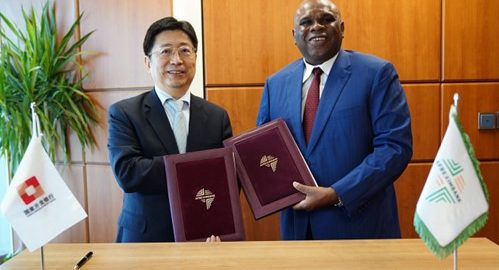
    The agreement, signed by Mr. Tan Jiong, President of CDB, and Prof. Benedict Oramah, President and Chairman of the Board of Directors of Afreximbank, at the Afreximbank Headquarters in Cairo, provides for Afreximbank to deploy the facility to support African SMEs involved in extra- and intra-African trade and those engaged in the productive sectors in Afreximbank Member States. According to the agreement, the facility, which has a seven-year tenor, will be deployed either directly to eligible African SMEs that meet Afreximbank’s requirements or indirectly through local financial intermediaries.

    Speaking after the signing, Prof. Oramah pointed out that African SMEs continue to struggle to access adequate and affordable financing for growing their businesses and said that the CDB facility would help increase the level of financing available to them.

    He added that since Afreximbank was receiving the facility as medium to long-term funding at relatively affordable pricing, the Bank would transfer the financial advantage in pricing and tenor to the end beneficiaries.

    “This facility further strengthens the strategic partnership we have developed with the China Development Bank over the last six years, which has seen CDB make three previous interventions in support of our work at Afreximbank,” continued President Oramah. “It will also enable our two institutions achieve our respective mandates and developmental outcomes, which include job creation, increased economic activity and increased extra-African trade with China.”

    – ENDS –

    SOURCE

    Afreximbank Website

    :

  • Hunger Projections in Mauritania, Sahel Region Alarming!!!

    Hunger Projections in Mauritania, Sahel Region Alarming!!!

    DREF Operation Final Report Reveals

    ,,,,,,,As Climate Change Impact Cited

    Story: Mohammed A. Abu

    The International Federation of Red Cross Societies(IRFC) in its sixteen-page Disaster Response Emergency Fund(DREF) Operation-Final Report on Mauritania Food Insecurity, has noted that, the food crisis and hunger projections in the Sahel have become increasingly alarming over the past decade in all Sahelian countries, including Mauritania.

    According to the projected situation for the next lean season (June-July-August 2023): five (5) wilayas(regions) are projected to be classified in the “Pressure” phase (IPC 2), namely Nouakchott, Nouadhibou, Adrar, Assaba and Inchiri the report hinted.

    The six-month Operation which started on July 5, 2022 and ended on December 31, assisted 5,740 people among which were 2,927 males and 2,813 females out of a total 440,765 affected people.

    The Host National Society, the Mauritania Red Crescent Society (MRCS) was supported by Red Cross Red Crescent Movement partners currently actively involved in the operation: Mauritanian Red Crescent, British Red Cross, French Red Cross, ICRC, IFRC, Kuwaiti Red Crescent, and Livelihoods Resource Centre

    Other partner organizations actively involved in the operation: Government of the Islamic Republic of Mauritania through the CSA (Almaouna Programme) and WFP.

    The report also notes the contribution of the Canadian Government to replenish the DREF for this operation. “On behalf of Mauritania Red Crescent Society (MRCS), the IFRC would like to extend gratitude to all for their generous contributions””.

    Like other countries in the region, the report notes, food and nutrition insecurity is persistent in Mauritania despite the good spatial and temporal distribution and excess rainfall in most parts of the country during the 2022 rainy season.

    In the latest period of 2022, it continues, (October-November-December 2022), one (1) wilaya (region) (Dakhlet Nouadhibou) was classified in the “Minimum” food security phase (IPC 1); two (2) wilayas (Gorgol and Guidimakha) were classified in the “Crisis” phase (IPC 3), and the country’s ten (10) other wilayas were classified in the “Pressure” phase (IPC 2).

    “The size of the food insecure population was estimated to be 440,765 people, or 10% of the total population of Mauritania. Of this, 12% are in the “Emergency” phase (IPC 4) and 88% are in the “Crisis” phase (IPC 3).

    “The food insecurity situation is taking a bigger scale with joint factors include economic challenges faced by households and overall market, climate changes, agricultural challenges, scarcity of rainy seasons, the migration challenges in the sub-regions etc. In addition, the rainfall of 2022 during the food security intervention of Mauritania Red Crescent has caused massive flooding that has affected crops and will impact agricultural production in these areas, which are mainly arid, with a higher level of drought compared to other countries in the Sahel.

    “According to the projected situation for the next lean season (June-July-August 2023): five (5) wilayas are projected to be classified in the “Pressure” phase (IPC 2), namely Nouakchott, Nouadhibou, Adrar, Assaba and Inchiri.

    “The eight (8) other wilayas are projected to be classified in “Crisis” phase (IPC 3). During the next lean season, the food insecure population is estimated to be 694,612 people, or 16% of the total population of Mauritania. Of this population, 17% are projected to be in the “Emergency” phase (IPC 4) and 83% are projected to be in the “Crisis” phase (IPC 3).” the report added.

    The major donors and partners of the Disaster Response Emergency Fund (DREF) include the Red Cross Societies and governments of Belgium, Britain, Canada, Denmark, Germany, Ireland, Italy, Japan, Luxembourg, New Zealand, Norway, Republic of Korea, Spain, Sweden and Switzerland, as well as DG ECHO and Blizzard Entertainment, Mondelez International Foundation, Fortive Corporation and other corporate and private donors.

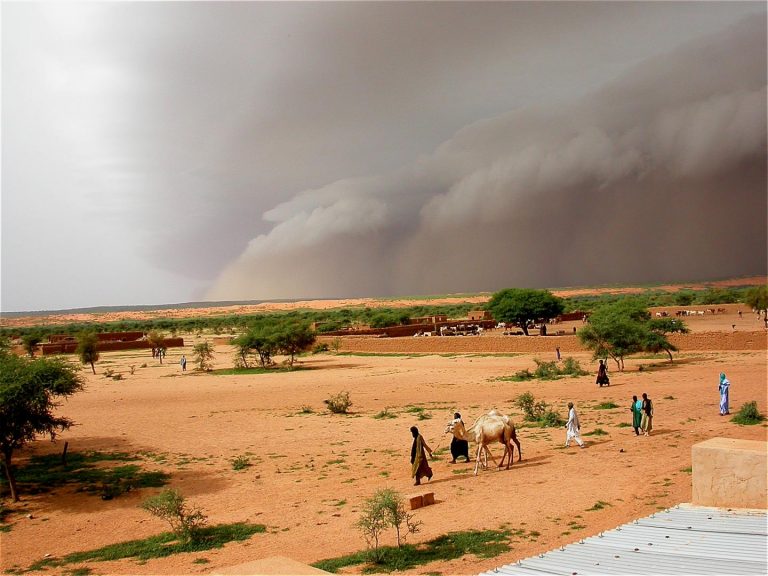
    Photo: Credit: Françoise GUICHARD/Laurent KERGOAT/CNRS Photo Library

  • About Military Action as Last Resort in Niger

    About Military Action as Last Resort in Niger

    Expert Cautions Ecowas Leadership on Implications  

    ……. As Webinar On Niger ends with a Unanimous,” No War on Niger”.

    Report: Mohammed A. Abu

    Panelists in a discussion session during an international webinar on the Niger crisis held over the weekend under the auspices of the Diasporan Alliance for Peace, Unity and Progress(DAPUPA), unanimously vied for a diplomatic solution rather than military action arguing that, any such act wasn’t going to be in the collective best interest of the people of the West African sub region and for that matter,Africa as whole.

    Held under the theme, “No War on Niger”, the three-hour long event was well subscribed to and drew about seventy (70) participants from within Africa and various parts of the world.

    Lined up on the panel were Dr. Antumi Toasije, Global History Professor at New York University, in Madrid Spain, who also doubles as the President of the Council for the Elimination of Racial and Ethnic Discrimination, Akyaaba Addai Sebo, Pan African Analyst and Founder of Black History Month in Britain, Chief Solomon Salifu Tampuri,Sub Chief, Bole Traditional Area, Savannah Region,Ghana,Kofi Mawuli Klu,Independent Scholar Activist,Researcher,Community Advocate and Educationist specializing in Pan African Community,London,UK,Emmanuel Kwabla Kpeglah,Journalist and Security Expert, PHD student in International Development Studies, University of Jyvaskila,Finland currently doing his field work.

    Various other high profile personalities also added their voices to the “No war on Niger” call. This included two diasporan Nigeriens Abdoul Mossi and Professor Sahid Bilan whose beef was the trend of keeping mute over the root causes of military takeovers in the Sahel region and rather placing too much emphasis on the coup itself.

    The root causes of the military takeover in the Sahel, they contended, included, autocratic governance rather than true democratic governance, economic impoverishment of the people due to Frances’s modern day colonialism and economic enslavement of her colonial masters.  

    One of the panelists, Emmanuel Kwabla Kpeglah, called on Ecowas leadership to listen to the voice of the people as any military intervention in Niger on the back of already imposed sanctions would have a number of far reaching implications for the Sahel sub region

    Making particular reference to the already existing threat of insecurity due to numerous attacks by religious militant groups in the Sahel region, Mr. Kpeglah cautioned that any Ecowas military intervention in Niger would escalate the already existing security volatility across the Sahel region.

    He disclosed that about 11,000 schools in the Sahel region have so far been affected in the region due to the attacks.

    Terrorism in the Sahel UN figures has it attacks for 2023 is 1,814, and 4,593 deaths, nearly 30 million in food needs which is expected to go up to 42 million by the end of August, while displaced people are 63 million.

    According to a UN Press Release, dated 25th August,2023, Vladimir Voronkov, Under-Secretary-General of the Office of Counter-Terrorism, presenting the Secretary-General’s seventeenth report on the threat posed by Da’esh to international peace and security, warned that the Da’esh affiliate in the Sahel is becoming increasingly autonomous and intensifying attacks in Mali, Burkina Faso and the Niger.  

    “Beyond Africa, the situation in Afghanistan is growing progressively complex, with fears of weapons and ammunition falling into the hands of terrorists now materializing”, the release added.