Blog
-
Centre for the Fourth Industrial Revolution Malaysia to Accelerate Green Transition, Digital Transformation
The World Economic Forum and the Government of Malaysia have established the first Centre for the Fourth Industrial Revolution (C4IR Malaysia) in the Asia-Pacific region - C4IR Malaysia will focus on the digital economy, the energy transition and digital transformation
- The Prime Minister of Malaysia and the President of the World Economic Forum open the launch event today
- For more information on C4IR Malaysia and the Forum’s C4IR Network, click here
Kuala Lumpur, Malaysia, 15 May 2023 – The Centre for the Fourth Industrial Revolution Malaysia (C4IR Malaysia) was officially launched today by the Prime Minister of Malaysia, Anwar Ibrahim, and the President of the World Economic Forum, Børge Brende.
C4IR Malaysia will play a crucial role in driving the advancement of the digital economy in Malaysia, with a focus on supporting the country’s energy transition and digital transformation. The centre will serve as a public-private platform, bringing together leaders from government, business, civil society, academia and other sectors to advance new partnerships and initiatives that can unlock the value of technology for Malaysia’s economy and society. The centre is hosted by MyDIGITAL, a national initiative aimed at transforming Malaysia into a digitally driven, high-income nation and a regional leader.
This initiative marks a significant milestone in Malaysia’s journey to becoming a global leader in technology governance and innovation. C4IR Malaysia is the first centre in the Asia-Pacific region as part of the World Economic Forum’s global C4IR Network. With this launch, Malaysia has now joined a community of 18 centres, where new and innovative approaches to technology governance, adoption and scaling are being developed and implemented at the national, regional and international levels.
Anwar Ibrahim, Prime Minister of Malaysia, said: “Malaysia is honored to be part of the global network of Centres for the Fourth Industrial Revolution with the first Centre for 4IR in Southeast Asia. This is a testament to the critical value of Malaysia’s efforts to become an advanced, digitally-driven, high-income nation and a regional digital economy leader fostering innovation, entrepreneurship and collaborations between stakeholders.
The Malaysia Centre for 4IR will further strengthen Malaysia’s human-centered policy towards the Fourth Industrial Revolution and contribute towards our target of entering the Top 20 in the Global Innovation Index. We are confident that a resilience-oriented approach will also improve the nation’s People’s Wellbeing Index score and enhance productivity to create inclusive, balanced, responsible and sustainable economic growth.”
Addressing the leaders at the launch, Børge Brende, President, World Economic Forum said: “Malaysia’s leadership in the region and commitment to driving the Fourth Industrial Revolution is commendable. Through the Centre for the Fourth Industrial Revolution Malaysia, we are excited to work together with the government, business and civil society leaders to unlock the value of technology for the benefit of all Malaysians. This partnership will not only drive transformation but also help build a more sustainable, inclusive and resilient future for Malaysia and the region.”
Following the official launch, C4IR Malaysia hosted two roundtable discussions to address its thematic priorities, inviting leaders from business, government and other sectors to share key priorities and opportunities for the energy transition and digital transformation. These insights will serve as the foundation for C4IR Malaysia’s core initiatives, informing its strategic planning and programme development.
Fabian Bigar, CEO of MyDIGITAL and Head of Centre for the Fourth Industrial Revolution Malaysia said, “MyDIGITAL team is proud to be entrusted with the responsibility of making Centre for 4IR Malaysia a success in achieving its goals. The establishment of the Centre for 4IR Malaysia aligns with and further fortifies our initiatives to catalyse homegrown technology development by enhancing collaborative opportunities among stakeholders to unlock value in 4IR technologies, with a focus on supporting the country’s energy transition and digital transformation.”
From adoption to transformation to regional leadership, C4IR Malaysia is a critical establishment that will help drive the country’s transition to an advanced digital economy. By joining the global ecosystem of technology governance innovators and leaders, C4IR Malaysia is poised to contribute significantly to Malaysia’s economic and social development in the years to come.
The World Economic Forum’s global C4IR Network is a platform for multistakeholder collaboration, bringing together the public and private sectors to maximize technological benefits to society while minimizing the risks associated with 4IR technologies.
Source: (WEF)
-
New Funding Mechanism Initiated for Indigenous and Local Community Women in Central Africa to Achieve 30×30 Goals
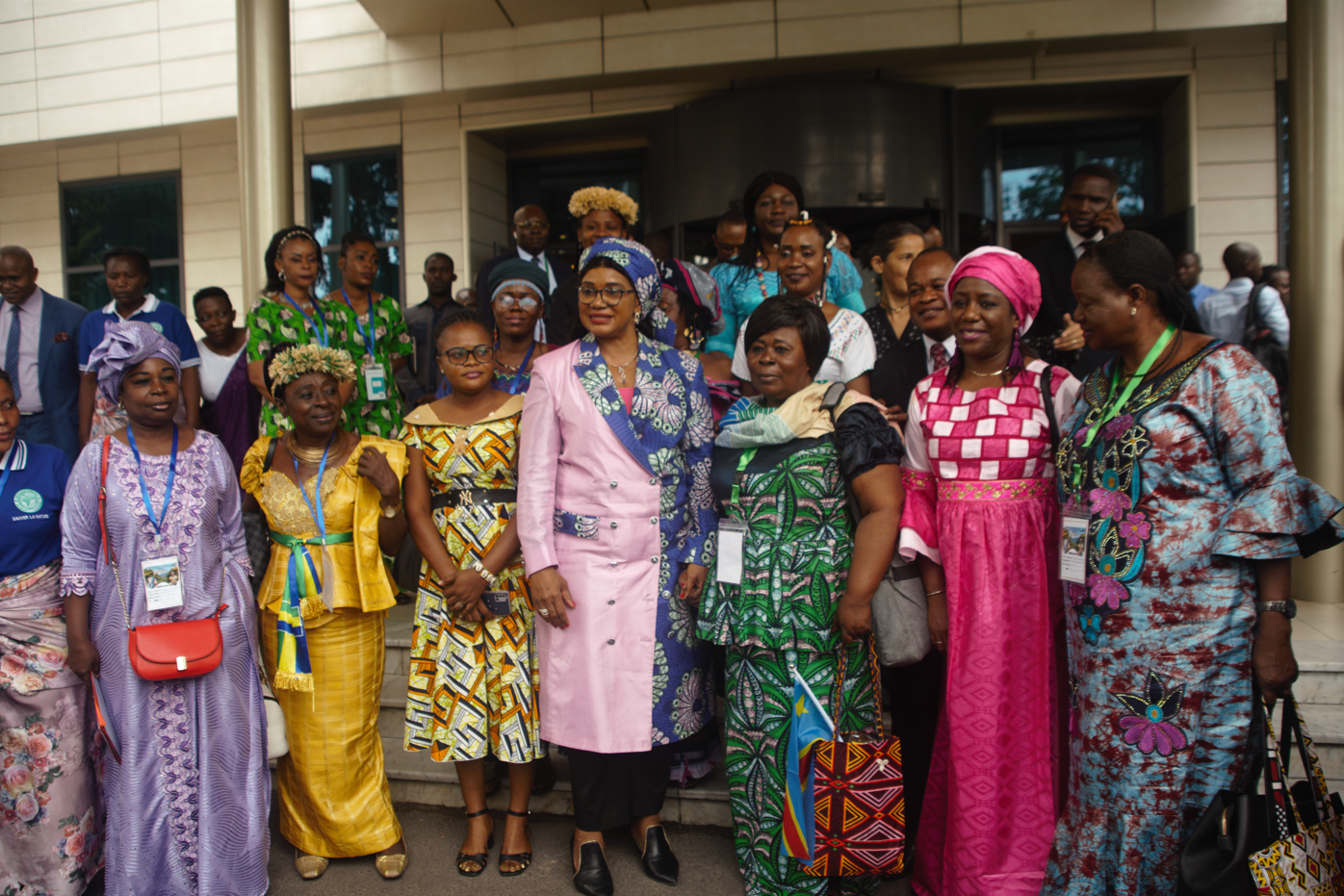
BRAZZAVILLE, Congo (Republic of the), May 15, 2023/ — More than 200 participants from 20 countries gathered in Brazzaville, Republic of Congo (RoC) last week for the First Forum of Indigenous and Local Community Women in Central Africa and the Congo Basin.
The forum was organized by the Network of Indigenous Peoples and Local Communities for the Sustainable Management of Central African Forest Ecosystems (REPALEAC) with support from the Rights and Resources Initiative (RRI) and the Central African Forest Commission (COMIFAC) under the patronage of RoC’s Minister of Justice, Human Rights and the Promotion of Indigenous Peoples.
Strengthening women-led conservation and climate resilience initiatives in Central Africa
Rosalie Matondo, the Minister of Forest Economy of RoC, chaired the event and welcomed donors, ministers, representatives from non-governmental organizations, and Indigenous and local community women to share experiences and learn how to scale up direct funding for women-led initiatives in Central Africa.
“We hope this is just the beginning of a very long partnership,” said Rosalie Matondo at the opening ceremony.
The Congo Basin’s ecosystem in Central Africa is the world’s second lung after the Amazon rainforest, home to extraordinary biodiversity of crucial importance to global climate goals.
Aissatou Aissatou Oumarou, Mbororo leader from Chad, vice-coordinator of REPALEAC at the sub-regional level, and president of the forum, said, “We, as Indigenous Peoples, always live in harmony with nature: animals, plants, and people. Now, we are coming together as women and Guardians of Mother Earth to build our own road.”
Dr. Solange Bandiaky-Badji, Coordinator of RRI’s global coalition of Indigenous Peoples, Afro-descendant Peoples, and local communities said in her opening remarks, “We are here today because for too long, the incredible contributions of Indigenous and local community women for the protection and management of natural ecosystems in Central Africa and the Congo Basin have not received the attention they deserve. REPALEAC and RRI are committed to ensuring that this forum leads to concrete actions with an implementable roadmap.”
Cécile Ndjebet, President of the African Women’s Network for Community Management (REFACOF) said, “We don’t need to prove Indigenous and community women’s role in restoring and protecting nature; the evidence is already there. What we need now is to ensure that these women have direct access to conservation funds.”
New Indigenous-led support mechanism for women and girls
The women of Central Africa and the Congo Basin worked together to build their own roadmap and Declaration that clearly expressed what they want and need to be able to continue protecting Earth’s most biodiverse landscapes.
They also agreed to develop a new Indigenous-led funding mechanism to help donors channel this support directly to the region’s women and girls.
They identified four priority areas through consensus decision-making:
- Strengthen the technical and institutional capacities of grassroots organizations, associations, and networks of Indigenous and local community women;
- Facilitate access to direct funding for organizations led by Indigenous and local community women;
- Support women and girls’ economic activities in the context of climate resilience and “do no harm” philosophy to protect the forests and landscapes of Central Africa and the Congo Basin; and
- Monitor and evaluate progress toward the implementation of the roadmap, and share lessons learned.
Participants appointed Casey Box, Director of Global Strategy at the Christensen Fund, and Solange Bandiaky-Badji, Coordinator of the Rights and Resources Initiative, as mediators to mobilize funds and monitor the progress of donor commitments to support REPALEAC’s implementation of the forum’s roadmap in Central Africa.
“Communities can expect that donors will hear their voices, take the outcomes of their roadmap and declaration, and send them worldwide,” said Casey Box. “We are committed to being open liaisons to support their mission and help bring more attention to their issues and needs.”
This Indigenous-led mechanism, which will be overseen by REPALEAC in alignment with its 2018–2025 strategic plan, will empower Indigenous and local community women in Central Africa to make their own decisions about where and to whom funds go.
“There is incredible capacity in the room today. It is time donors also build capacity and start putting people, especially women and girls, first,” said Casey Box during the closing ceremony.
International solidarity and knowledge exchange strengthens movement
In the spirit of global solidarity and knowledge exchange, members of the Women in Global South Alliance for Tenure and Climate (WiGSA) (https://apo-opa.info/42TmaI7)
, a new advocacy network of Indigenous, Afro-descendant, and local community women launched at CoP27 last year, and the Global Alliance of Territorial Communities (GATC) (https://GlobalAlliance.me/) were invited to share lived experiences and lessons learned from around the world. “We are here to learn from each other, for each other, and for our Mother Earth. We are not divided, but united,” said Jenifer
Lasimbang, an Indigenous delegate from Malaysia who previously served as State Assistant Minister of Education and Innovation. Sara Omi, Embera leader from Panama, President of the Mesoamerican Territorial Women Leader Coordination, and member of GATC said, “This forum has been essential to connect with Indigenous and local women across the world, to understand their needs, and to learn about their processes of resistance and struggle.”
On the last day of the forum, dialogue between international donors and participants led to several commitments to help further just and equitable development for women and girls in the region.
The second Forum of Indigenous and Local Community Women of Central Africa and the Congo Basin will be held in 2024 to take stock of funds committed and progress made on implementing the roadmap to continue strengthening women’s engagement in biodiversity conservation and climate resilience.
Distributed by APO Group on behalf of Rights and Resources Initiative (RRI).About Network of Indigenous and Local Peoples for the Sustainable Management of Forest Ecosystems in Central Africa (REPALEAC):
The Network of Indigenous and Local Peoples for the Sustainable Management of Forest Ecosystems in Central Africa (REPALEAC) is a sub-regional civil society organization and a specialized network of the Central African Dense and Humid Ecosystems Conference (CEFDHAC), a platform of civil society organizations working for the good governance and sustainable management of the forests of Central Africa with the Central African Forest Commission Forests of Central Africa (COMIFAC).Since its creation in 2003 in Kigali, Rwanda, REPALEAC and its active national networks in Burundi, Cameroon, Gabon, Equatorial Guinea, the Central African Republic, Republic of Congo, the Democratic Republic of Congo, the Republic of Chad, and Rwanda are actions to defend the rights of Indigenous Peoples and local communities as well as the sustainability of the ecosystems to which they are intimately linked and on which their survival depends. For more information, please visit https:// REPALEAC.org/About Rights and Resources Initiative (RRI):
The Rights and Resources Initiative (RRI) is a global Coalition of 21 Partners and more than 150 rightsholders organizations and their allies dedicated to advancing the forestland and resource rights of Indigenous Peoples, Afro-descendant Peoples, local communities, and the women within these groups.RRI’s members capitalize on each other’s strengths, expertise, and geographic reach to achieve solutions more effectively and efficiently. It leverages the power of its global coalition to amplify the voices of local peoples and proactively engage governments, multilateral institutions, and private sector actors to adopt institutional and market reforms that support the realization of their rights and self-determined development.RRI is coordinated by the Rights and Resources Group, a non-profit organization based in Washington, D.C. For more information, please visit www.RightsAndResources.org.
SOURCE
Rights and Resources Initiative (RRI) -
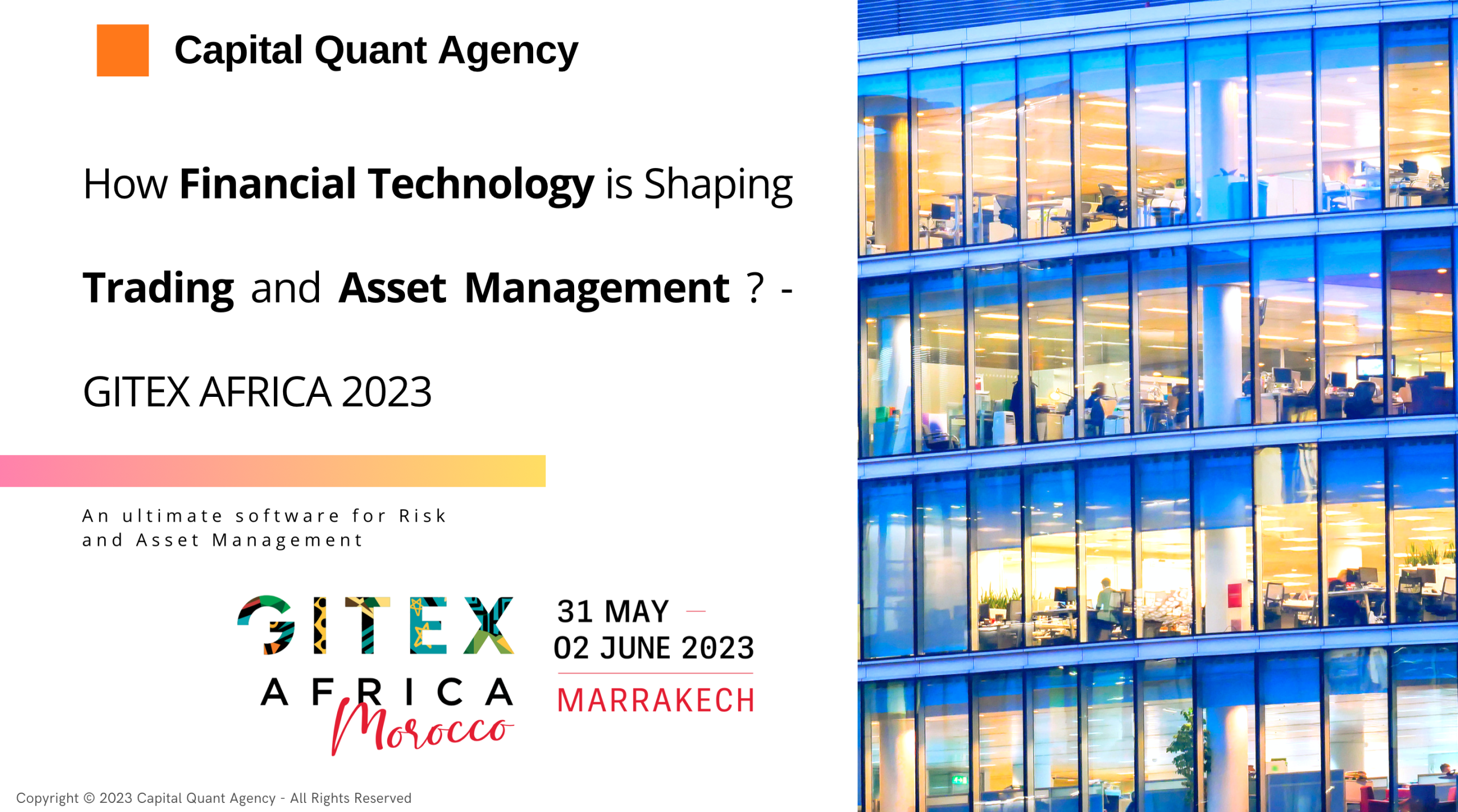
How Financial Technology is Shaping Trading and Asset Management ? – GITEX AFRICA 2023
Fintech has revolutionized the way financial institutions manage financial assets, helping them tackle major challenges that arise on a daily basisLONDON, United Kingdom, May 15, 2023/ — Under the High Patronage of His Majesty King Mohammed VI, GITEX AFRICA 2023 (https://GITEXAfrica.com/), from May 31 to June 2, 2023 in Marrakech, the largest Tech & Startup event on the African continent, amplifies Africa’s digital aspirations and achievements.Capital Quant Agency (https://www.CapitalQAgency.com/), as an innovative Fintech startup, is thrilled to be part of this collaborative global event that showcases an untapped market of limitless opportunities, provides global reach for local African technology and enhances skills to inspire the world to create and to innovate. As the world becomes increasingly interconnected, capital and financial markets have become more complex and volatile than ever before, the case of the city of London. The rise of digital technologies and globalization has brought unprecedented opportunities and challenges for investors and financial institutions alike. Technology has enormous potential in Finance, and more specifically in capital and financial markets.
When it comes to market finance and financial asset management, there has been a huge rise in the use of technology over recent years. This is due to some major challenges faced by financial institutions, trading rooms – asset managers and institutional investors on a daily basis.The expression “Fintech” combines the terms “Finance” and “Technology”: it refers to an innovative start-up that use technology to rethink and solve some specific financial services challenges.The rise of Financial Technology (Fintech) has transformed the landscape of market finance, and it’s essential for trading rooms and institutional investors to stay informed on this trend. Fintech has revolutionized the way financial institutions manage financial assets, helping them tackle major challenges that arise on a daily basis.
Through the use of advanced data analysis, Artificial Intelligence (AI), and Machine Learning (ML) algorithms. Some fintech startups like Capital Quant Agency are developing an innovative decision-making software as a service (SaaS) that can help financial institutions optimize their portfolios, assess investment opportunities, and migrate financial risks.This is where Capital Quant Agency comes in. As a leading fintech startup, based at Casablanca (Morocco), it can help its clients make more informed decisions, increase efficiency as well as revenue through maximizing transparency, automation, and connectivity. Quantitative analytics require robust, interactive and easy-to-use interface. By leveraging advanced analytics and quantitative resources capable of producing better results for both institutional investors, investment – asset managers, financial institutions and hedge funds.
The software will help them assess the best investment opportunities, optimize their portfolios and migrate financial risk. Moreover, it is committed to using ethical and responsible practices in all its operations.By adhering to high standards of data privacy, cybersecurity, and ethical conduct, Capital Quant Agency helps its clients build trust and confidence in their decision-making process. This is particularly important in an age where unethical practices are becoming increasingly common in the financial industry.Fintech is revolutionizing market finance, and it’s crucial for trading rooms and institutional investors to stay informed. Understanding the power of fintech can help financial institutions optimize their operations, streamline their processes, and maximize profitability. However, navigating this new digital landscape requires careful attention to the latest trends and developments in fintech. By staying informed, financial institutions can unlock the full potential of fintech and stay ahead of the game in the ever-changing world of market finance.
Distributed by APO Group on behalf of Capital Quant Agency.SOURCE
Capital Quant Agency -
Benin, Côte d’Ivoire to premier African Development Bank’s African Green Bank facilities
The African Green Bank initiative was conceived as part of measures to facilitate access to global finance from the current 3% to 10% annually by 2030ABIDJAN, Ivory Coast, May 15, 2023/ — The African Development Bank (www.AfDB.org) is set to roll out the first green finance facilities in two public financial institutions in Benin and Côte d’Ivoire as part of its ground-breaking African Green Bank initiative. The host institutions are La Caisse des Dépôts et Consignations du Bénin (CDC Benin) and the Ivorian National Investment Bank (BNI).As Africa’s premier development finance institution, the African Development Bank does not only provide fiscal resources to its regional member countries; it also galvanizes global support in promoting resilient, green, and sustainable growth.
It launched the African Green Bank Initiative in November last year to support the implementation of African countries’ Nationally Determined Contributions (NDCs).
African countries still face significant challenges in financing their climate transition. While investment needs resulting from NDCs are estimated at $2.8 trillion by 2030, funds invested on the continent still represent a limited share of global green finance flows, and the share covered by the private sector remains limited.
The African Green Bank initiative was conceived as part of measures to facilitate access to global finance from the current 3% to 10% annually by 2030.
The Initiative followed an assessment by the African Development Bank and the Climate Investment Funds in six African countries; Benin, Ghana, Mozambique, Tunisia, Uganda, and Zambia.
The assessment revealed that green banks have significant potential for attracting new sources of catalytic funds when supporting low-carbon, climate-resilient development through blending capital and mobilizing local private investment for green investments in Africa.
Bank vice president for Energy, Power, Climate and Green Growth, Kevin Kariuki, noted: “The African Green Bank Initiative is a powerful tool for reducing financing costs and mobilizing private sector investments in climate action in Africa.”
The Initiative would bolster the capacity of local financial institutions to build a robust pipeline of bankable green projects while de-risking investments and entrenching long-term investor confidence toward climate-resilient and low-carbon projects in Africa.
According to African Development Bank Vice President for Private Sector, Infrastructure and Industrialization, Solomon Quaynor, “this technical assistance will enhance local financial institutions’ climate governance, green projects’ origination and monitoring which is therefore key to attract private capital by entrenching long-term investor confidence.”
Audrey-Cynthia Yamadjako, the Initiative’s coordinator, said some $1.6 million had already been secured to create the first two facilities. She said green finance facilities, newly created or hosted in existing financial institutions, are “the solution to bring private finance at scale in climate action.”
Climate Investment Funds, a major global climate finance mechanism, Canada Climate Action Africa, the Green Bank Network, and the European asset management firm, Amundi support the initiative.
Amundi backs the Initiative through technical assistance activities, including training green facilities’ management and investment teams. Amundi will also mobilize its investment vehicles dedicated to sustainable development in emerging markets and developing economies to support green facilities’ capitalization and thus participate in developing green investments across the continent.
Distributed by APO Group on behalf of African Development Bank Group (AfDB).SOURCE
African Development Bank Group (AfDB) -

Appointment of the Principal Secretary for The Blue Economy
15 May 2023 | Blue Economy
The Office of the President has today announced the appointment of Mrs Phillianne Ernesta as the new Principal Secretary for The Blue Economy, effective from the 1st May, 2023. This follows the recent appointment of Mr Kenneth Racombo as Ambassador.
Mrs Ernesta holds a Bachelor Degree of Arts in anthropology from the Nelson Mandela Metropolitan University and a Diploma in General Management of the Guy Morel Institute.
Mrs Ernesta has 18 years of working experience in the public service.
Mrs Ernesta joined The Blue Economy Department in October 2016 as the Director for Maritime Boundary Delimitation. In February 2019, she took charge of the Blue Economy’s Policy and Programme Management Division as Acting Director General and in January 2020 she was confirmed in the post of Director General of the same Division, a position she has held until her new appointment as Principal Secretary.
Source: (State House News Alert)
-
Using Science to Cope with Climate Change Impact Challenges
WATEX system set to fish out Africa’s hidden Groundwater Goodies
…. As RTI Exploration Drives the “Water for Peace” Paradigm
Story: Mohammed Abu
In March this year, the Representative of Public Affairs and Congress of the US Millennium Challenge Corporation(MCC) publicly announced that the French company RTI Exploration, after two years of research, had identified, from an innovative technology, about 50 billion m3 of available groundwater, with an annual recharge estimated at 2 billion m3.
This, historic discovery represents a volume of water almost ten times greater than that of Lake Chad, the country’s largest source of surface water after the Niger River. This revolutionary discovery makes Niger the most groundwater-rich country in the Sahel region.
This abundant groundwater resource discovered in Niger will increase its irrigation capacity on an area of more than 2 million hectares of arable land covering these aquifer systems, nearly a third of the size of Lake Michigan (57,750 km2).
This means that smallholder farmers will be better able to feed their families and sell their surplus crops. This allows them to improve their living conditions and livelihoods and build resilience to climate change.
“This study to map underground aquifers is the first of its kind in Niger. We are amazed by the results of the study, as the available groundwater makes Niger the most groundwater-rich country in the Sahel,” said Diafarou Moumouni Ali, the Supervisor of this activity for MCA-Niger.
Adamou Hassane, a hydrologist who participated in the study, added that “these results motivate us for the next steps which will be to decide on the use of these aquifers to increase crop yields for the benefit of all Nigeriens-
Backround
The initiative is within the context of the MCC’s $442.6 million Niger compact program aimed at addressing two major constraints to economic growth and investment in Niger: lack of access to water for productive uses and physical access and institutional barriers to trade.
Niger is said to be highly vulnerable to the changing climate and regularly experiences extremes: floods give way to extended droughts, with a backdrop of low and unpredictable rainfalls. This results in unproductive agricultural lands and is causing widespread food insecurity across the country.
According to the World Food Programme, more than 4.4 million Nigeriens– almost 20 percent of the population– are food insecure and nearly half of children under age 5 suffer from acute malnutrition
The Context
In partnership with the Government of Niger, the MCC compact is increasing rural incomes by improving the sustainable productive use of natural resources for agricultural production and improving trade and market access for agricultural products. The compact has the potential to benefit approximately 3.9 million people.
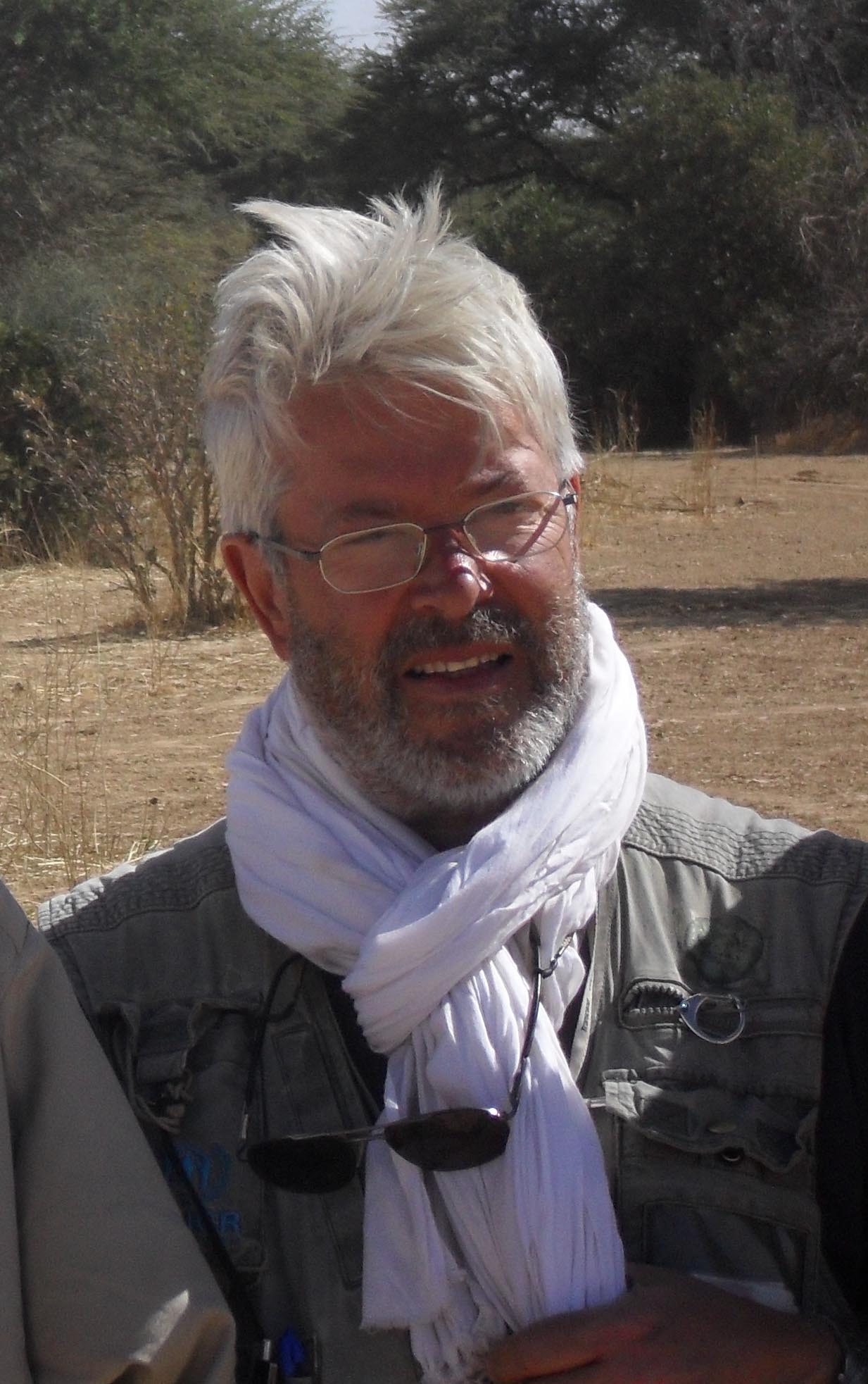
For more insights, your favorite, Eco-Enviro News Africa, magazine got the man behind the scientific research driven innovative technological solutions to unearthing the hidden ground water aquifer goodies of countries worldwide with the most recent, being in Niger desert making her the most groundwater rich country in the Sahel region, Dr. Alain Gachet, Founder/ CEO, RTI Explorations.
The WATEX® System, an algorithm combining spatial, geophysical, geological and climatic data, was invented, tested worldwide and implemented by the team of Dr. Alain Gachet, who is also a former explorer of Elf Aquitaine and founder in 1999 of RTI Exploration.
Now read on for the details of our exclusive Interview with Dr. Gachet
1.EENA: Courtesy RTI’s three years painstaking research and hard work in the Niger desert, the country is today crowned as the most groundwater rich country in the Sahel region of Africa. What was the motivating factor behind the project and could you share this most exciting moment with our readers?
AG The motivating factor is to prove that there are solutions to alleviate the consequences of Climate change and create prosperity in a country badly struck by drought and threatened by food insecurity.
Our WATEX system invented by RTI Exploration allowed us reveal the invisible and quantify new groundwater resources by billions of cubic meters from shallow depths (ranging from 5 to 60 meters) to deeper depths (from 60 m to 500 meters) with almost 2 million hectares of arable soils not cultivated today: people could not imagine that such huge groundwater quantities were lying under their homes, ready for use and to change their lives.
Beside the surprise and excitement of such discoveries, is to experiment the power of science combined to brain, thanks to the financial support of the US Government. That is the way to save millions of persons and change the destiny of a whole country and more than that, restore hope to the new generation of farmers and herders.
If little water brings war and conflicts around wells, a lot of water can bring peace through prosperity. That is the ultimate goal of my company expressed through my next book: WATER AND PEACE
2.EENA: Is Niger the first African country to ever benefit from the exploits of RTI, or other countries preceded her and what were the statistics?
No, Niger is a part of our exploration field spreading from Afghanistan to South America with a drilling success rate reaching 98% based on 2700+ wells since the Darfour crisis in Chad and Sudan in 2004.
3.EENA: After Niger which other African country or countries are on RTI’s list to benefit from its game changer technology?
AGI am not allowed yet to answer to such a strategic question
4.EENA: What was the motivating factor behind your switchover from mineral exploration to water exploration as a globally reputed mineral exploration geologist ?
AG I learnt a lot of geosciences and I made lots of discoveries during my 20 years of oil exploration, and a lot more in diamonds and gold exploration worldwide. But I understood since the Darfur crisis in early 2004, that we were driving to hell with the Climate Change which would spread like a fireball far beyond Sudan and Chad very soon, because ultimately, you don’t eat gold and diamonds and you don’t drink oil. My straight answer was to find this invisible water using my former exploration tools combined with a new generation of satellites to bring quick and efficient responses to what appeared aa a new challenge for humanity.
5.EENA: Could you compare and contrast the socio-ecological cost associated with the two exploration divides vis-à-vis the on-going discourse on sustainable development?
AG We are aware of the impact of mining activities on the environment with human and social associated costs.
Nevertheless, any civilization needs and minerals and I remain an Engineer using science to cope with any challenge. We can produce commodities in a cleaner way: bringing water to the mining sites will offer new sustainable benefits for the environment such as reforestations, soils remediation using bacteria and fungi (mycorrhization).
People call me Dr. Gachet but I am not the doctor of humans, but doctor of the Earth, finding the invisible water to heal and clean the wounds inflicted by humanity to the Earth: ESG commitment remains of our ultimate goal.
EENA: Thank you very much for your time
-
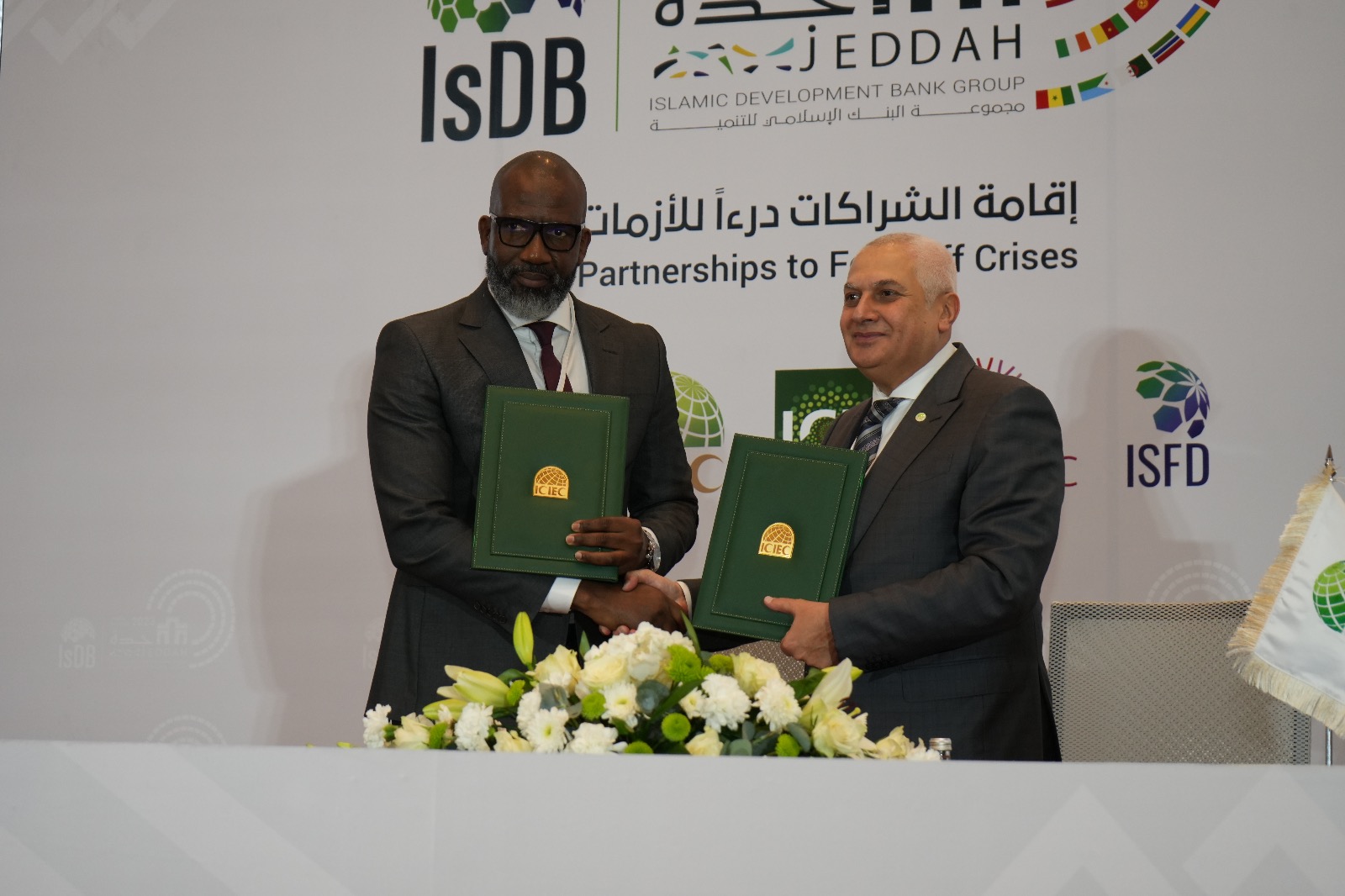
Islamic Corporation for the Insurance of Investment and Export Credit (ICIEC), Signs Landmark Bank Guarantee Cooperation MoU with Fonds Africain de Garantie et de Coopération Economique (FAGACE)
This MoU aims to facilitate the cooperation between ICIEC and FAGACE, with a view to increasing the foreign and domestic direct investments towards member countries common to both institutions JEDDAH, Kingdom of Saudi Arabia, May 13, 2023/ — The Islamic Corporation for the Insurance of Investment and Export Credit (ICIEC) (www.ICIEC.IsDB.org), the Shariah-compliant multilateral insurer and member of the Islamic Development Bank (IsDB) Group, signed a landmark MoU with Fonds Africain de Garantie et de Coopération Economique (FAGACE) – the African Guarantee and Economic Cooperation Fund. The MoU was signed by Mr. Oussama Kaissi, CEO of ICIEC, and Mr. Mouhamadou Al Amine DIA, Director of Risk Management, FAGACE on the sidelines of the 2023 IsDB Annual Meetings on 10-13 May 2023 at the Ritz-Carlton Hotel in Jeddah, Saudi Arabia.
This MoU aims to facilitate the cooperation between ICIEC and FAGACE, with a view to increasing the foreign and domestic direct investments towards member countries common to both institutions. This will be attained through the establishment of mechanisms guaranteeing risks related to investment, financing of banking institutions and regional and sub-regional SMEs. It is also expected to facilitate international trade transactions involving banks of member countries.
FAGACE is a pioneer in the field of bank guarantees. It is a pan-African institution established on 10 February 1977 and based in Benin. It has 14 member states, almost all of which are also member countries of the IsDB and ICIEC. Since inception, according to Director General Ngueto Yambaye, FAGACE has issued bank guarantees totalling CFA3,000 billion (US$4.9 billion) in support of trade and investment flows for transactions and projects in member states.
Distributed by APO Group on behalf of Islamic Corporation for the Insurance of Investment and Export Credit (ICIEC).
-
Annual Investment Meeting Signs MoU with Gold Standard to promote dialogue for sustainable development
Abu Dhabi, United Arab Emirates, 11 May 2023: The Annual Investment Meeting (AIM), one of the world’s largest investment platforms, and Gold Standard, a climate and development organization, have signed a Memorandum of Understanding to promote dialogue for sustainable development at the 12th edition of the conference, which ended its three-day run yesterday, May 10, in Abu Dhabi.
The partnership with Gold Standard will further AIM’s commitment to sustainable development by having Gold Standard retire carbon credits to offset the emissions generated by the event’s venue, with a maximum limit of $30,000.
“At Gold Standard we are proud to help this year’s Annual Investment Meeting and to take responsibility for the unavoidable emissions associated with the event by retiring carbon credits on its behalf. At Gold Standard we are taking the lessons we’ve learned from our 20 years in the carbon market, and building financial tools to accelerate investment in sustainable development and carbon emission reduction projects. Events like the AIM Congress are important moments for investors from around the world to get together and look for new opportunities to make an impact,“ said Margaret Kim, Chief Executive Officer of Gold Standard.
“We are pleased to announce this partnership with Gold Standard, as we believe that closer cooperation and collaboration will further the achievement of our mutual interests and objectives. This MoU will facilitate the promotion of sustainable development and help us create innovative new programs and tools that can be integrated to deliver impacts at a greater scale,” said Walid A. Farghal, Director General of Annual Investment Meeting.
Gold Standard was established in 2003 by WWF and other international NGOs to ensure projects that reduced carbon emissions featured the highest levels of environmental integrity and also contributed to sustainable development.
With the adoption of the Paris Climate Agreement and the Sustainable Development Goals, the NGO has launched a best practice standard for climate and sustainable development interventions, Gold Standard for the Global Goals, to maximise impact, creating value for people around the world and the planet we share.
As part of the agreement, Gold Standard will retire credits froma project that supports the provision of safe water to hundreds of households within the Central Province of Zambia. By providing safe water, the project will ensure that households consume less firewood during the process of water
purification and as a result there shall be a reduction of carbon dioxide emissions from the combustion process.
-
Annual Investment Meeting Highlights Digital Transformation, Financial Inclusion and Sustainable Finance in the Arab World
Experts provided insights on the opportunities and challenges of digital transformation in the financial sector within the Arab world
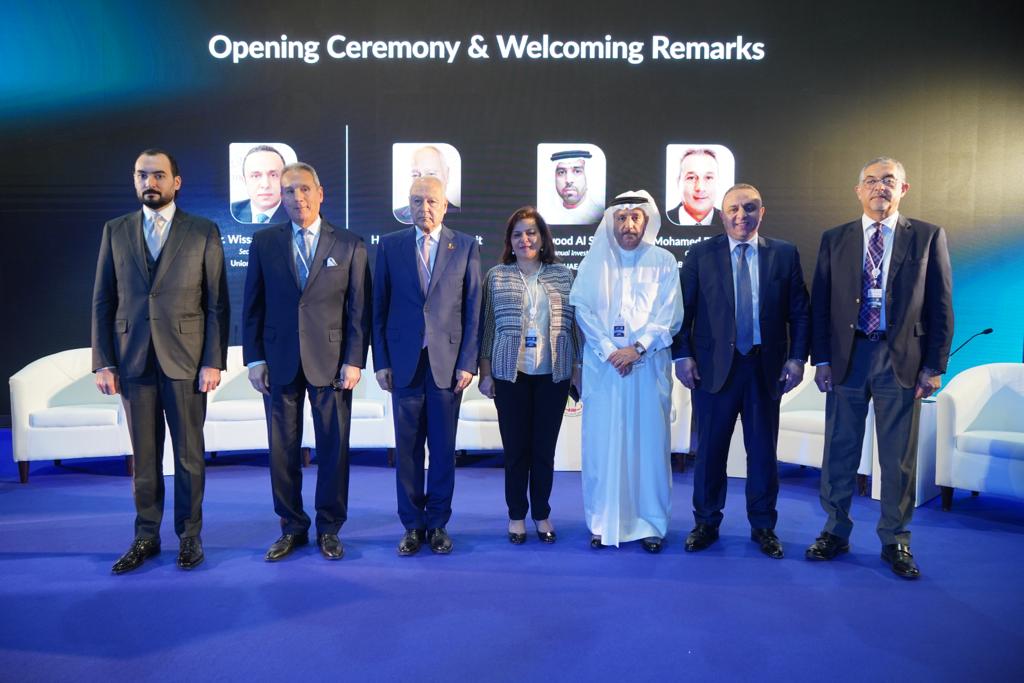
Abu Dhabi, UAE, May 2023: The 12th edition of The Annual Investment Meeting (AIM) hosted interactive and insightful discussions on digital transformation, financial inclusion and sustainable finance in the Arab world at the “Future Finance Forum,” which took place at the Sustainability Room of the Abu Dhabi National Exhibitions Centre.
The opening ceremony featured welcome remarks from high-level dignitaries such as Rajaa Kammouny, Director & Advisor at the Secretary General Office – Union of Arab Banks; Dr. Wissam H. Fattouh, Secretary General – Union of Arab Banks; Mohamed Mahmoud Ahmed El-Etreby, President, Banque Misr; and H.E. Ahmed Aboul Gheit, Secretary General – League of Arab States.
Kammouny, the host and Director/Advisor at the Secretary General Office of the Union of Arab Banks, discussed the challenges that they are currently facing and will face in the future. She emphasized the need to be prepared for all these challenges. Dr. Fattouh mentioned that their focus will be on investment opportunities and the sustainability of those investments. He highlighted that steps are being taken to ensure that the challenges they face are being solved.
El-Etreby, for his part, discussed in this forum the various ways to enhance business and the challenges that businesses are facing, especially due to the pandemic. He acknowledged that the pandemic has changed the economic world and that digital advancements have helped them become more advanced. H.E. Aboul Gheit expressed his gratitude to the Government of the UAE for their efforts in making the forum possible. He mentioned that they are already in the process of achieving digitalization and need to reassess the obstacles they are currently facing.
This was followed by a panel discussion on ‘Digital Transformation of Financial Sectors in the Arab World and the Role of Financial Technology in Economic Diversification’. Experts in this session provided insights on the opportunities and challenges of digital transformation in the financial sector within the Arab world.
This session was led by Anwer Kotob- Moderator, Chief Digital/ Technology Officer, People Leader, United Arab Emirates; Hossam Heiba, General Authority for Investment and Free Zones; Malachi Halliday, CEO & Founder – Halliday Growth; and Rodrigo Garca De La Cruz, Founder & CEO – Finnovating.
Kotob discussed the role of Fintech in the Arab world and how it plays a crucial role in the development of financial countries. Heiba from GAFI discussed the digital transformation of sectors and the efficiency of Fintech in comparison to traditional methods. He also talked about how digitalization helps government services prosper during the pandemic and promotes investment opportunities using digital platforms.
Halliday emphasized the significance of startups in economic diversification, stating that access to working capital is crucial for their success. He explained how his company helps solve this challenge by granting easier access to working capital. De La Cruz, the Founder and CEO of Finnovating, emphasized the importance of collaboration and innovation in accelerating growth for companies. He also discussed the top three techs being used in Fintech, including AI and blockchain, and how Finnovating can help Fintechs find the right partners to work within the UAE.
In addition, there was a presentation by H.E. Su Xing, the Secretary-General of the Organizing Committee of the Boao Summit Forum on World Financial Firm Technology from the People’s Republic of China, who highlighted how financial technology has become an important support for the development of countries around the world and how they are using digital technology, data resources, and intelligent technology to promote digitalization. He described the ‘Shenquan Forecasting System,’ which has an accuracy rate of up to 85% and helps guide financial institutions and individual users to increase their accounts up to 4 folds in 13 trading days.
He also mentioned how China’s financial technology companies are launching various innovative products and services, such as real-time global market forecasting technology, digital currency, artificial intelligence, blockchain, cloud computing, and big data, and have brought these financial technologies into the UAE.
The digital transformation of the financial sector in the Arab world has been accelerating in recent years. With the rise of financial technology (fintech), traditional financial institutions are increasingly adopting digital solutions to enhance their services and reach new customers. Fintech is also playing a significant role in economic diversification in the region, helping to create new business opportunities and stimulate innovation.
Experts in this session highlighted that by leveraging advanced technologies such as blockchain, artificial intelligence, and machine learning, fintech startups and established players are transforming the way financial services are delivered in the Arab world, making them more accessible, efficient, and secure. This, in turn, is fuelling economic growth and creating a more diversified and resilient economy in the region.
-ENDS-