Blog

  • Annual Investment Meeting Highlights: ‘One Day of the World’ Masterpiece and Impactful Sessions from Innovation and Investment Track

    Annual Investment Meeting Highlights: ‘One Day of the World’ Masterpiece and Impactful Sessions from Innovation and Investment Track

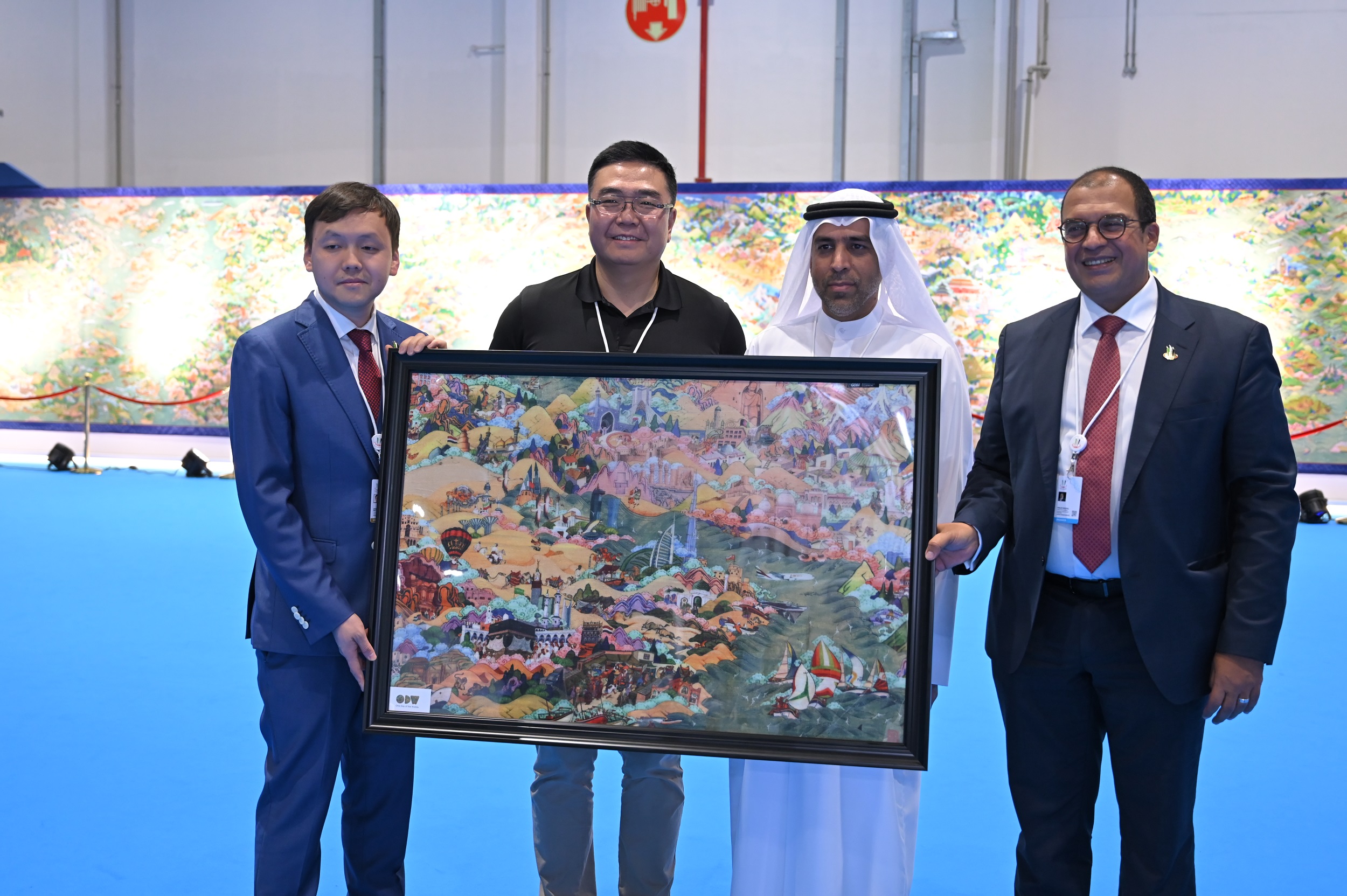
    Abu Dhabi, UAE, 10 May 2023:  The 12th edition of the Annual Investment Meeting (AIM) featured a one-of-a-kind masterpiece created by the renowned artist Nadmid Sergelen, capturing the Cultures and Accomplishments of Mankind while illustrating the Synergy and Diversity of Life on Earth called ‘One Day of the World,’

    The painting is unique for its Historical Significance and Value. The fragility of the natural flora and fauna, as well as the Global Cultural and Ethnic Diversity, are symbolized through this masterpiece. It is the longest painting ever done in “Mongol Zurag,” 21meters by 2.5 meters with a total area of 52.5 sqm and the artwork features a world map with all 193 countries represented, painted in exquisite watercolor and acrylic on white canvas.

    The painting took 21 years to complete, from 1998 to 2019 and currently is under protection in a special vault at the National Art Gallery of Mongolia. The artwork was the first auction of digital versions of five countries, which were sold for a total of USD 125,000.

    In addition, the Annual Investment Meeting hosted impactful sessions under the Investment and Innovation Tracks at the Abu Dhabi National Exhibition Centre.

    Day 2 and 3– Investment Track

    Day 2 commenced with a session on ‘Investment Monitor’s FDI Report 2023: A focus on the Middle East & Africa’ which provided a deep understanding of the investment landscape in the Middle East and Africa.  In addition, there was a report launch, by Glenn Barklie from Global Data who discussed the focus on green field operations, which involves expanding companies and creating a larger global presence. The forum also witnessed a session titled ‘Bridging the Gap: Establishing Strong International Relationships and Building Trust’. Next in line was a session on ‘Digital Transformation: Integrating Innovative Technologies in FDI to Increase Value’.

    Another impactful session was ‘Towards Investment Facilitation for Development: How a New Agreement Can Help Grow FDI Flows and Prosperity’. Next was a session on ‘Quality FDI: Attracting Meaningful Investments for Economic Growth’. Another important session was ‘Boosting Capital Markets to Develop Market Efficiency Through FPI’. Foreign Portfolio Investments are important to any economy. FPIs help to strengthen and improve domestic capital markets. This session looked at how FPI are used to tackle the world’s biggest social and environmental changes.

    Next in line was a session on ‘Geopolitical Tensions: Mitigating Global Risk in your Portfolio’. This session was moderated by Adam Ward, Director, Geopolitico Insight and Counsel and included speaker as Radoslaw Domagalski, CEO, Rafako. The last session focused on ‘Leveraging Super Trends in Investment to Create Resilient Portfolios’.

    Day 3 commenced with a panel discussion on ‘Sustainable Investment Opportunities in FDI’ and also featured a discussion on ‘Moving to Net Zero and Decarbonizing your Portfolio. Additionally, there was a session on a session on ‘The Technology Track: The Effect of the 4IR and the IIoT on Boosting Industrialization Investment plans’ and an impactful session on ‘The Investment Track: Opportunities, Challenges and; Risks of Investing in Industrial Sector’.

    Day 3 Innovation Track

    The session on ‘SMEs: Sustainable Climate Finance Initiative: A new approach to finance sustainable infrastructure and agriculture projects in emerging economies’, in partnership with R20, Pegasus & Gold Standard was a highlight at the event.

    In this session, The Annual Investment Meeting (AIM) and Gold Standard, a climate and development organization, signed a Memorandum of Understanding (MoU) to promote dialogue for sustainable development. Another session on ‘Digital Economies: Implementing Industry 4.0 – Developing the Right Tools and Platforms’ focused on how digital economies are revolutionizing the way businesses operate, with Industry 4.0 leading the charge.

    In addition, there was the launch of MatchGPT: The world’s first AI- Powered Matchmaker for Global Tech Companies. Finnovating has unveiled MatchGPT®, the world’s first Match Generative Pre-Trained Transformer focused on connecting tech companies to accelerate B2B business and collaborations for technology and innovation. It has been developed using OpenAI and AI-owned algorithms and fuelled by exclusive data from the Finnovating Platform, an AI-Deal Matching Platform for Tech Companies. The highly anticipated launch took place today on May 9th, captivating thousands of investors and tech leaders at the AIM Congress in Abu Dhabi, with the support of the Abu Dhabi Ministry of Industry & Advanced Technology

    The session, ‘SMEs: Navigating Investments in the International Landscape, and the Adaptation to Evolving Needs and Expectations: SMEs Investment Challenges and Opportunities’ focused on how

    investments in international landscape have become more complex as the world responds to recent events.


  • Annual Investment Meeting, Emirates Angel Investors Association partner to strengthen efforts towards promoting startup activities

    Annual Investment Meeting, Emirates Angel Investors Association partner to strengthen efforts towards promoting startup activities

    The collaboration between AIM and EAIA is a significant step towards creating a vibrant ecosystem for innovation, entrepreneurship, and investment in the UAE

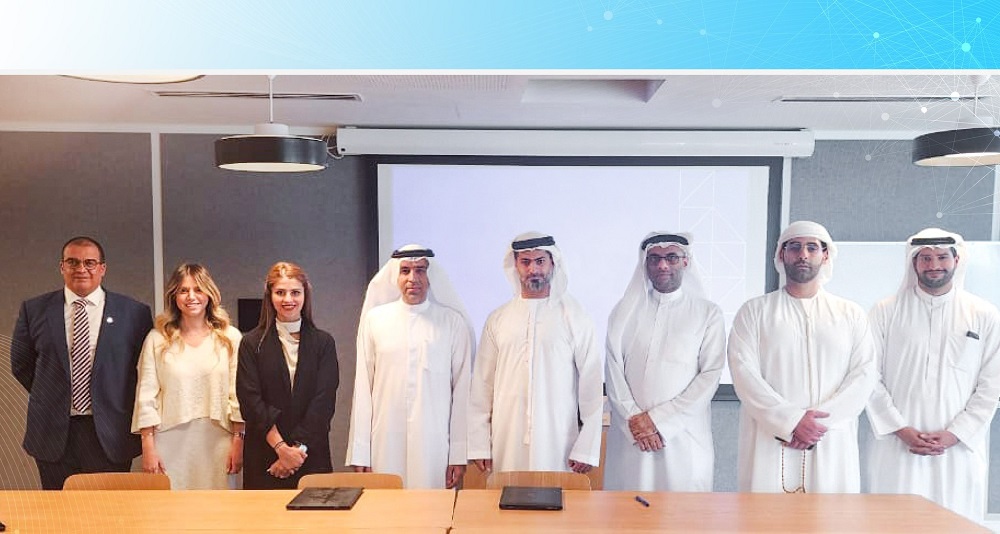
    Abu Dhabi, United Arab Emirates, May 10, 2023: The Annual Investment Meeting (AIM) and Emirates Angel Investors Association (EAIA) have come together to strengthen their efforts towards promoting startup activities through signing a partnership agreement.

    The collaboration between AIM and EAIA is expected to create a positive impact on the UAE’s startup ecosystem, which has been rapidly growing over the past few years. The partnership will provide startups with access to a wide network of investors, as well as the necessary resources and mentorship to help them grow and succeed.

    Commenting on the partnership, Mr. Walid A. Farghal, Director General of AIM, said, “The purpose of the partnership is to enhance investment opportunities in the UAE. By partnering with the Emirates Angel Investors Association, we hope to facilitate this growth and help create an environment where innovation, entrepreneurship, and investment can flourish. We are confident that this partnership will provide new opportunities for investors to get involved and create a more dynamic ecosystem, that will enable individuals and organizations to be inspired to invest in the region.”

    AIM has been at the forefront of promoting investment in emerging markets, and with this partnership, it aims to foster an environment of innovation and entrepreneurship in the UAE. The EAIA, on the other hand, has been promoting angel investment and mentorship in the UAE since 2010. Together, the two organizations aim to create a synergy that will provide startups and entrepreneurs with the necessary support to take their ideas to the next level.

    As part of the partnership, AIM and EAIA will also be organizing events, workshops, and training programs to help startups and entrepreneurs gain a deeper understanding of the investment landscape in the UAE. The events will bring together prominent investors and entrepreneurs from around the world to share their insights and experiences, creating a vibrant ecosystem for innovation and investment.

    The collaboration between AIM and EAIA is a significant step towards creating a vibrant ecosystem for innovation, entrepreneurship, and investment in the UAE. It is expected to attract a large number of investors and entrepreneurs to the region, creating new opportunities for growth and development.

  • Humanity International Investments: DRC and UAE to Collaborate on Economic Cooperation, Investment, and Infrastructure as discussed at Annual Investment Meeting

    Humanity International Investments: DRC and UAE to Collaborate on Economic Cooperation, Investment, and Infrastructure as discussed at Annual Investment Meeting

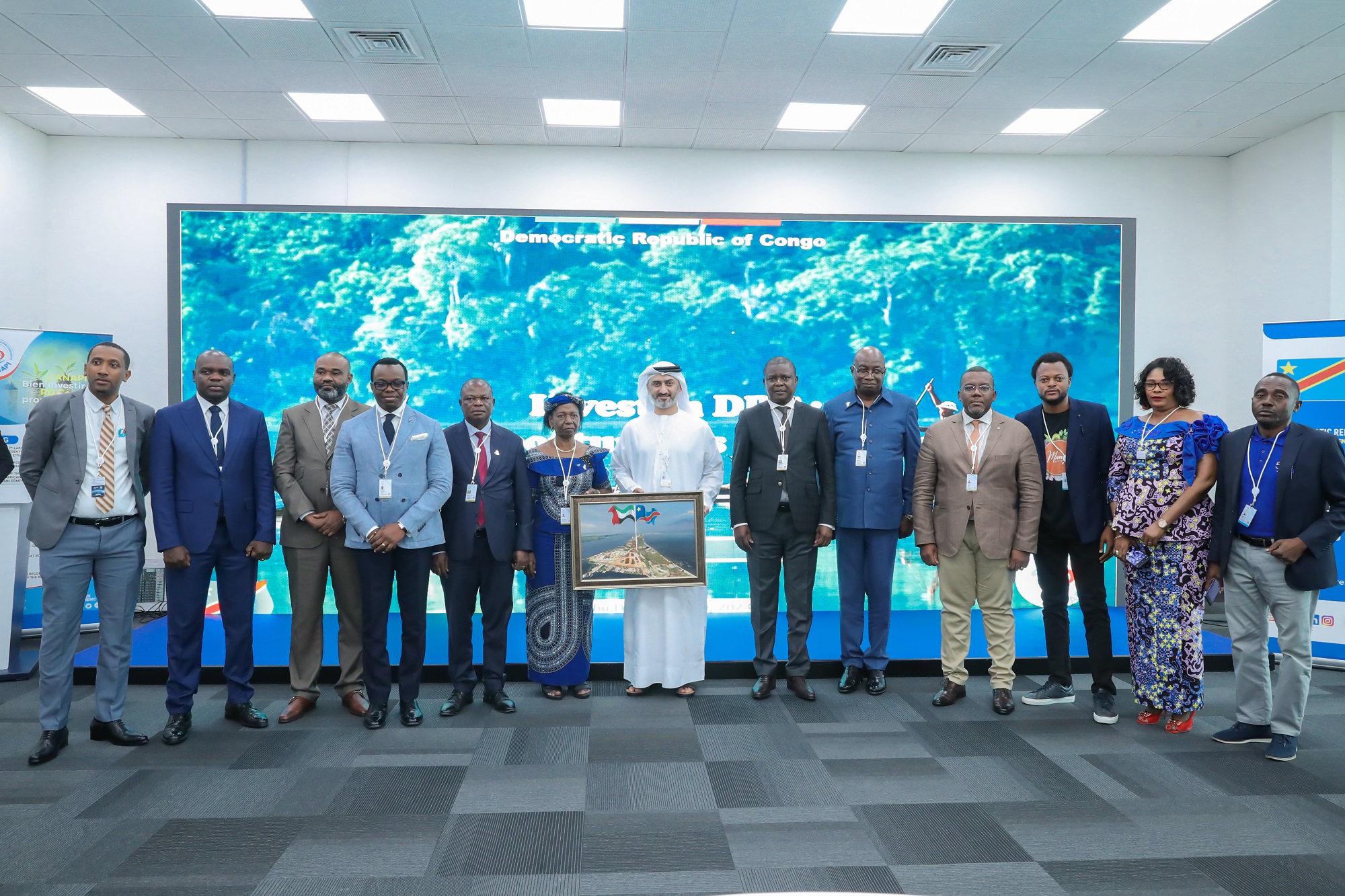
    Abu Dhabi, United Arab Emirates, May 10, 2023: The 12th edition of the Annual Investment Meeting (AIM) announced today that the Democratic Republic of the Congo (DRC) and the United Arab Emirates will collaborate on various projects focused on economic cooperation, investment, and infrastructure in addition to promoting humanitarian assistance efforts.

    This forum was led by Aly Ramji, the General Partner at Humanity International Investments, and included several high-profile speakers as H.E. Mrs. Marie Ndjeka Opombo, the Ambassador of the Democratic Republic of the Congo to the United Arab Emirates, Rashid Al Taneji, Director of Trade, Marcel Kanda, Chief of Staff of the Planning Ministry of Congo, John Kabeya Shikayi, Governor of Central Kasai, Malo Mobutu, Governor of North Ubangi, Governor Jean Claude Mabenze of South Ubangi, Dr. Guy BANDU Governor of Central Congo and Governor Jean Robert Nzanza Bombiti of Bas Uele province .

    This session highlighted various reconstruction projects and collaborations with stakeholders as well as focused on a partnership between Congo and the UAE that is aimed at investing in gold. The session highlighted the formation of a joint venture with the Minister of Finance and Treasury with 55% for the UAE and 45% for Congo, which would focus on gold.

    The session also discussed the significant 45% bilateral growth rate in trade between the UAE and the DRC. The UAE is seeking potential partners to invest in the DRC and has signed agreements with India, Israel, Turkey, and Indonesia, and is now looking forward to enhancing relations with African countries as well, including the DRC.

    Marcel Kanda, Chief of Staff of the Planning Ministry of Congo, expressed his ambition for agricultural transformation in the country by developing a value chain in agriculture by 2040, aiming to position Congo as an emerging country. The government of Congo is committed to implementing structural reforms that focus on improving infrastructure and creating a conducive business environment to attract investors.

    In addition, the forum also highlighted the agricultural and mining potential of the Central Kasai province, citing that the region has 8,000 acres of fertile land and favorable natural conditions that allow for the possibility of producing crops up to three times a year. It also emphasized the agricultural and mining potential of the North Ubangi province and highlighted the natural resources of gold and diamonds in the region, as well as its involvement in various projects related to agriculture and infrastructure.

    Lastly, the session also provided the importance of developing the agriculture in Bas Uele for its vast forests and favourable climate conditions, which can support the cultivation of various crops. The governor’s vision is to make the DRC one of the greatest countries in terms of agriculture and attract expertise and business investment in the sector.

    In conclusion, this partnership will open doors to investment and trade opportunities that will benefit both countries while promoting stability and development in the region.


  • The Metals Company Loses Second Major Investor as Maersk Divests


    (Ottawa/Victoria, May 8, 2023) Bad news mounts for the floundering would-be miner The Metals Company (TMC) with The Wall Street Journal reporting the divestment of Danish shipping company Maersk. This follows the divestment last December by Norway’s largest private asset manager, Storebrand.

    Formerly TMC’s second biggest shareholder, Maersk informed the newspaper that it now holds an interest of less than 2.3% in TMC and is in the process of selling all its shares.

    Andy Whitmore, Deep Sea Mining Campaign’s (DSMC) Finance Advocacy Officer stated,

    “TMC frequently cited its relationship with Maersk, presumably to boost its flagging credibility.[1]

    “It makes sense for Maersk to divest to avoid reputational damage by association with TMC – a company heavily criticised on environmental and scientific grounds and with diminished financial prospects, and to also distance itself from the controversial emerging industry of deep sea mining.

    “Unfortunately for Maersk, it has suffered a financial loss as TMC’s shares have been hovering around $0.80 down from $12 at the launch of the company in 2021.”

    This April saw TMC breaching Nasdaq rules for the second time in less than six months and receiving its second de-listing notice for trading below $1 for more than 30 days. Its first notice issued in December 2022 was removed after a temporary share rally.

    TMC also continues to be embroiled in legal proceedings, both suing investors who failed to provide funding during the merger that formed the company, and itself being subject to a class action for non-disclosure and “making false and/or misleading statements” during that merger.

    In addition, the latest TMC quarterly report reveals it is under investigation by the Securities and Exchange Commission over aspects of the merger and its purchase of Tongan mining licences.

    The cash flow projected for TMC and its failure to raise revenue augers poorly for its viability. TMC’s latest figures show only $46.8 million in the bank as of 31 December 2022. Despite an unsecured loan from partner Allseas and claims the company can cut expenses, it seems unlikely it can continue for more than a year.[2]

    Faced with this financial crunch the company confidently asserts they will get a mining licence from July 2024. It has – with its sponsoring State Nauru – pushed hard for this to happen via the International Seabed Authority. TMC talks down the difficulties it faces, but they are growing all the time with an increasing number of countries stating opposition to it getting a licence and even Nauru saying will not let TMC apply for a licence in July if standards are not in place.

    Catherine Coumans, MiningWatch Canada notes,

    “As a small Canadian start-up with serious cash-flow problems, TMC must keep talking up the chances of starting deep sea mining as soon as possible. Yet this same talk is making several countries more vocal in rejecting a rush into an entirely new extractive industry.

    “The divestment of Maersk – following on from Storebrand’s divestment in TMC and Lockheed Martin’s recent divestment from UK Seabed Resources – shows a move away from risk associated with seabed mining among the bigger corporate players.”

    Credit(Mining Watch,Canada)

    [

  • Admirals Expands Global Presence with Opening of New Office in Nigeria

    Admirals Expands Global Presence with Opening of New Office in Nigeria

    Global fintech player expands its presence in the African market

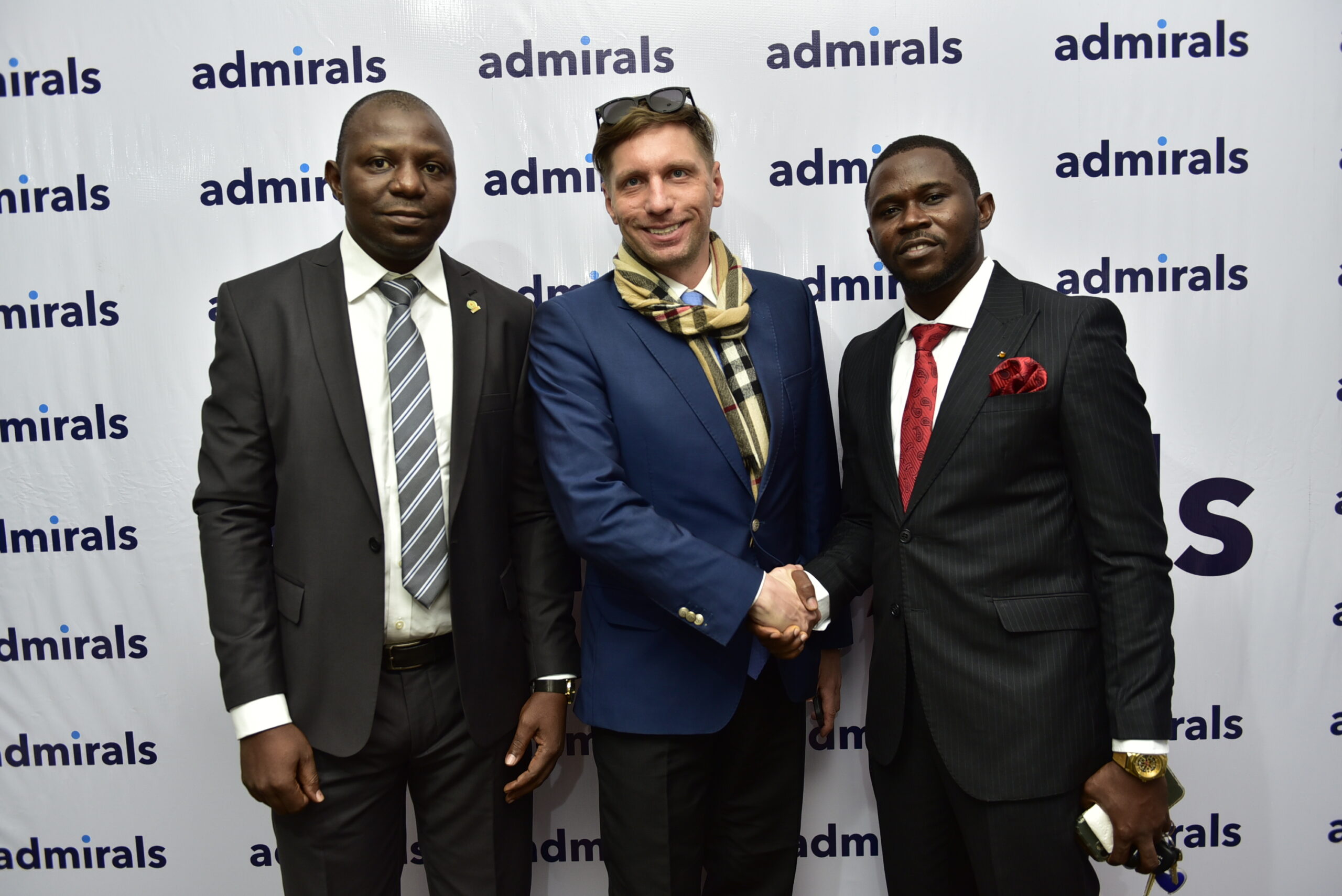
    8 May 2023, Lagos Admirals, a global fintech leader with 22 years of experience and expertise, has announced the establishment of its the physical presence in Nigeria, aiming to further position itself as a major financial services provider on the African continent.

    Admirals offers a wide range of financial products and services to the Nigerian traders, such as trading with stocks, forex and CFDs on indices, metals, energies, stocks, bonds, and digital currencies. It is also set to boost financial literacy in the region with the help of its educational materials such as courses, webinars, seminars, e-books to name a few.

    The inaugural event was held in Lagos at the end of April, featuring prominent financial services industry experts, Boriss Gubaidulin, Admirals Africa Director, Davies Babalola, Admirals Global Sales Team Lead, and Nelson Daramola, stockbroker and authorised dealer on the Nigerian Exchange Limited (NGX), confirming their commitment to educating and empowering traders with the knowledge and tools needed to succeed in the financial markets.

    Expressing his excitement at the launch event Boriss Gubaidulin, Admirals’ Africa Director, and a veteran in the financial industry said, “We are extremely thrilled to have opened another hub on the African continent.”

    “With Admirals being a well-regulated and renowned global fintech company, we plan to expand our conventional trading by granting access to international financial markets and educational resources in Nigeria,” he continues.

    “Our end goal remains the same, and that is to enhance financial accessibility and literacy for traders in the local region by providing them with strong financial services and support. Admirals is looking forward to helping the growth of our traders, investors, partners, and anyone who is interested in expanding their financial knowledge,” Gubaidulin said.

    Admirals’ Nigeria Manager and Sales Team Lead, Davies Babalola, commented on the launch by stating, “We have received significant traction from traders in Nigeria, which prompted us to establish a local presence to better support our community of local traders in Nigeria.”

    “With this launch we are reiterating our goal to allow traders to safely engage in online forex trading in developing countries, and to diversify their investment portfolio with Admirals’ tailor-made solutions,” Babalola said.

    The Admirals launch event presented attendees with an engaging opportunity to learn about the Admirals brand and the world of trading and investing. Attendees were also informed about the Admirals special trading features such as the Welcome bonus and the No Deposit Bonus, for new and advanced traders to sign up and start trading.

  • Côte d’Ivoire: Gninlnagnon Koné dreams of supplanting the leading players in food supplements in Côte d’Ivoire with his Chérubins baby formula

    Côte d’Ivoire: Gninlnagnon Koné dreams of supplanting the leading players in food supplements in Côte d’Ivoire with his Chérubins baby formula

    Cherubins formula is made from brown or black rice, which is high in fibre and also an excellent antioxidant
    ABIDJAN, Ivory Coast, May 10, 2023/ — Even as a child, Gninlnagnon Koné , a young man from Katiola in north central Côte d’Ivoire, liked to follow his parents, who grew tubers and maize, to their farm.

    Today, an engineer in agricultural business management, he says, “When I became an engineer, I realised that our agricultural producers still face the same difficulties with processing their products. People work hard but ultimately their products are undervalued and sell poorly. It made me want to change things. I decided to process these products to create added value and give farmers the chance to live a better life from the fruits of their labour,” he explains.

    He too tried hard to set up an agricultural business without success. That is, until he encountered the Enable Youth Côte d’Ivoire project.

    “My sole idea in coming to the Higher School of Agronomy (ESA) in Yamoussoukro, the country’s political capital, was to get access to tools that would enable me to become a real agricultural entrepreneur as I’ve always dreamed,” he says, standing in front of a machine that roasts tiger nuts and maize.

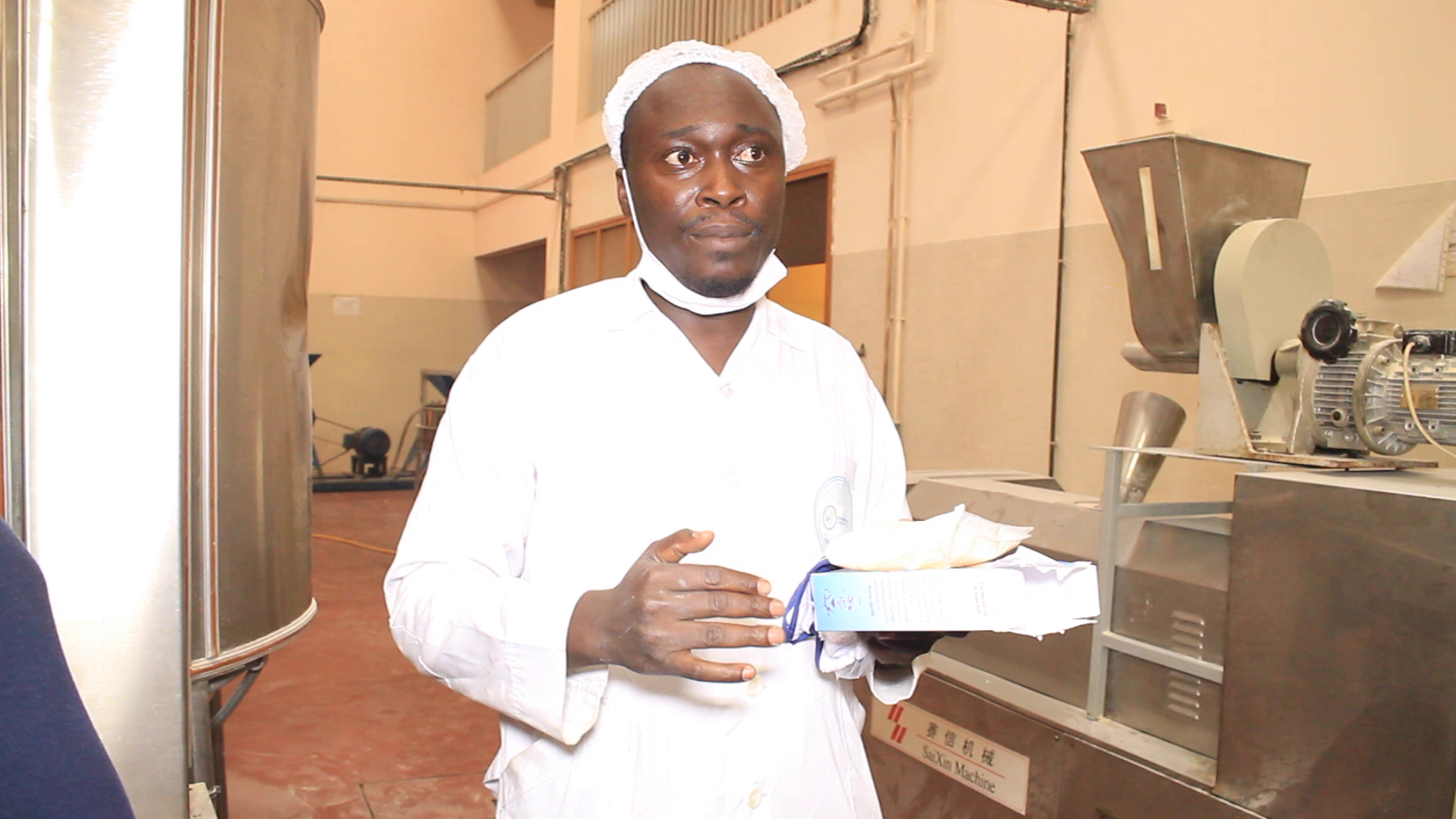
    Koné’s food supplement for babies—named Cherubins— is a formula based on rice and tiger nuts. It also contains agricultural ingredients that set it apart from other food supplements available in Côte d’Ivoire, a market dominated by major brands, as Koné – good salesman that he is – hastens to add.

    “The product is a fortified infant formula, made with 100% highly nutritious local agricultural products. It complies with all World Health Organization (WHO) standards in terms of infant nutrition. And it’s identical to all the imported infant formulas that flood our markets,” he explains.

    “It’s an alternative we’re offering to mums to ensure that children transition safely from breastmilk to solid food,” adds Koné.

    Packed in 200g bags and then into attractive little blue boxes decorated with tiger nuts and grains of rice, Cherubins formula is made from brown or black rice, which is high in fibre and also an excellent antioxidant.

    The rice is combined with other locally produced cereals, such as tiger nuts and soya. This adds lipids, proteins and carbohydrates, he explains.

    “We also add mineral and vitamin supplements derived from other local products, such as roselle, moringa, carrot, mango and sometimes ginger to give the formula – which tastes amazing – a special flavour,” Koné adds.

    “We researched the market for infant formulas and developed a strategy to enable us to penetrate the market by meeting consumer expectations. We’re now ready to tackle it, with a well-honed strategy, solid market research and a number of test products. It all points to our being able to compete with the products already on the market,” he explains.

    Set up by the government of Côte d’Ivoire with funding from the African Development Bank, the Enable Youth project is a national programme that seeks to attract young people into the agricultural sector. Its primary aim is to support young graduates to create businesses all along the agricultural value chain.

    As well as offering a six-month training course, the project will provide partial funding for 20 young entrepreneurs to set up their businesses.

    Subsistence agriculture plays an important role in the economy of Côte d’Ivoire, the world’s leading cocoa producer. The authorities now want to see agricultural products processed locally to create added value for the country’s economy which, with over 7% annual growth since 2013 – excluding the Covid-19 years – remains one of the world’s most dynamic economies.

    Distributed by APO Group on behalf of African Development Bank Group (AfDB).

    SOURCE
    African Development Bank Group (AfDB)

  • Green Entrepreneurship: A Key Driver for Competitiveness and Sustainability Highlighted at the Annual Investment Meeting’s Entrepreneurs Investment Summit

    Green Entrepreneurship: A Key Driver for Competitiveness and Sustainability Highlighted at the Annual Investment Meeting’s Entrepreneurs Investment Summit

    The Summit discussed new strategies and opportunities in green investment for entrepreneurs

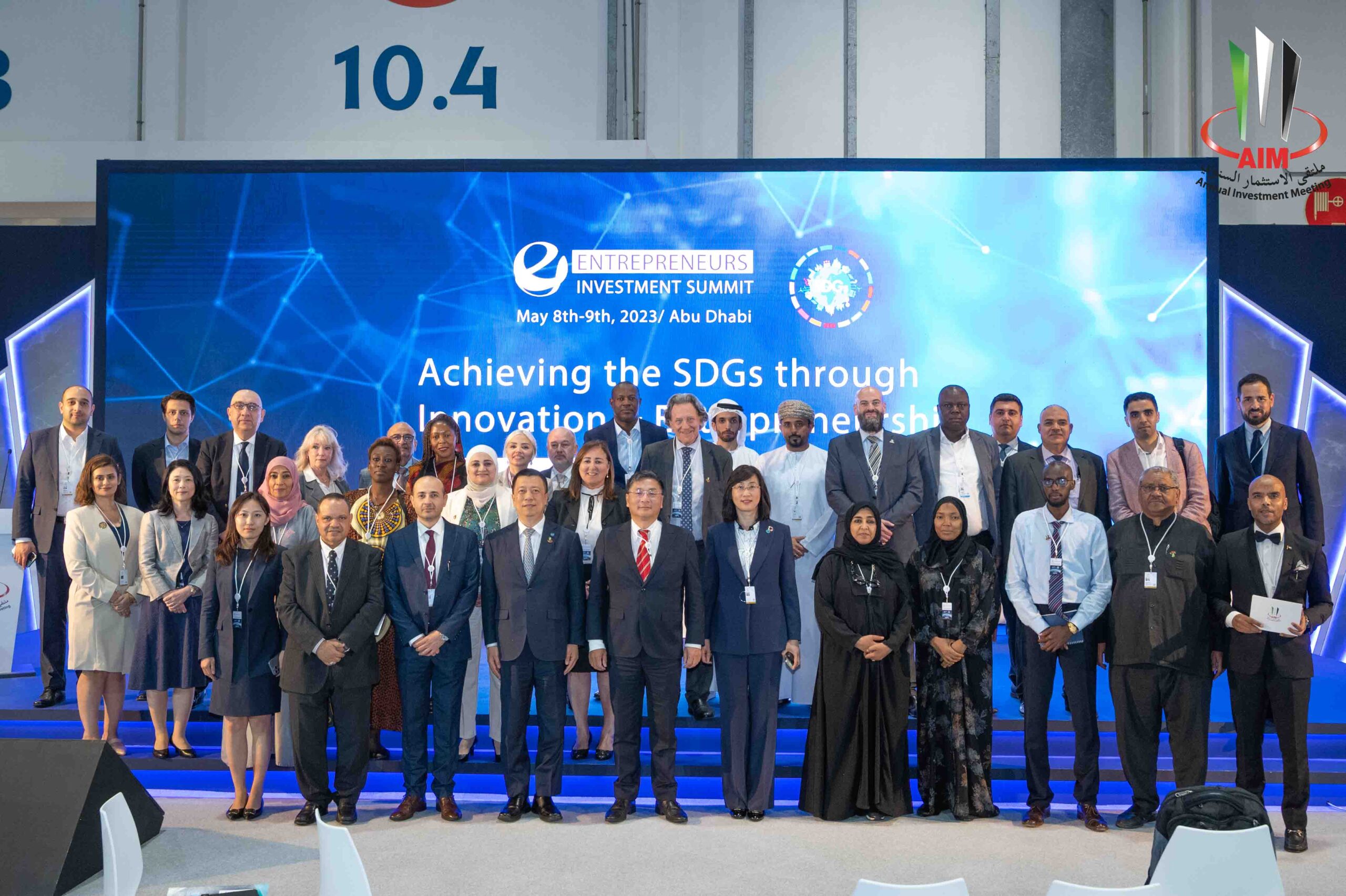
     Abu Dhabi, UAE, 9 May 2023 The Entrepreneurs Investment Summit opened its doors to industry leaders and experts from around the world to discuss new strategies and opportunities for investment. Held at the 12th edition of the The Annual Investment Meeting (AIM), which took place at the Entrepreneurs Room located at the Abu Dhabi National Exhibition Centre, The Summit witnessed a range of distinguished speakers who shared their thoughts and insights on the subject.

    The forum commenced with opening remarks from Dr. Hashim Hussien – Executive Director World Entrepreneurs Investment Forum. He said, “This summit marks a new beginning for the Interpreters Forum Secretariat, with more focused events that aim to create an optimal platform for entrepreneurs to connect with major investors, experts, and unicorns. We are focusing on Arab and African entrepreneurs, but we have also invited entrepreneurs from all over the world to share their experiences and build more resilient enterprises.

    Over the next three days, we will hear from 55 speakers from 23 countries, representing Europe, Asia, Africa, Latin America, and of course, the Arab region. We will be discussing issues that challenge entrepreneurs and economic development worldwide, as well as the ecosystems regionally and internationally. Thank you for coming together to invest, network, and share experiences, and I hope you have a successful and enjoyable summit.

    In addition, H.E. Dr. Khaled Hanafy – Secretary General – Union of Arab Chambers said, “This event, the Entrepreneur Investment Summit, is a crucial platform for addressing the challenges and opportunities that exist in the Arab world. However, before we delve into these issues, let me shed light on some of the Givens or facts that characterize the Arab world.

    To begin with, the 22 Arab countries are not homogeneous. Each country has its unique mix of factors of production, including labor force, which makes it challenging to generalize about the region. Secondly, around 88% of the Arab world’s population has access to the Internet, and 94% own mobile devices. Thirdly, poverty is a prevalent issue in the region, with around 40% of the population living below the poverty line. Of this percentage, 50% are youth aged between 18 and 30. When it comes to entrepreneurship, while there is a significant number of small and medium enterprises (SMEs) in the Arab world, only 1.3% of them are startups, which is a considerably low rate. Given these Givens, it is imperative that we consider how to address these challenges.

    As the Union of Arab Chambers, we are organizing this summit to represent the private sector in the Arab countries. The private sector accounts for almost 70-75% of the GDP and employment in the region and is a leader in growth and development. Thus, we aim to emphasize that the private sector cares deeply about entrepreneurship and investment in SMEs. We understand that there are bugs and problems in some Arab economies, but we also believe that there is potential in every Arab country.”

    H.E. Dr Ali Saeed Bin Harmal Al Dhaheri – First Vice Chairman- Abu Dhabi Chamber of Commerce & Industry said, “As part of the annual investment meeting 2023, we are excited to welcome you to the Arab African Entrepreneurs Summit. Over two days, this summit will showcase bankable investment opportunities led by intrapreneurs, SMEs, and micro-investments from African and Arab regions. It will provide a platform for sharing best practices to stimulate joint investment opportunities between Africa and the region, contributing to African economic integration.

    “The Abu Dhabi Chamber’s new strategy spanning 2023-2025 aims to drive economic cooperation and create business opportunities for the private sector, locally, regionally, and internationally. Our participation in this event aligns with our commitment to support policies, adaptive innovation, and digital transformation to build a knowledge-based economy”

    Continental African trade is estimated to be $80 billion US dollars in 2041, according to the African African bank. Plans are underway to strengthen trade exchange between Africa and the Arab region, with initiatives such as the Arab Africa guarantee fund and Cairo’s plan to increase exports to Africa to $10 billion US dollars by 2025. The UAE has emerged as one of the largest investors in Africa among the GCC states, with the Abu Dhabi Fund for Development financing more than 66 projects and 28 African countries valued at $16.6 billion US dollars between January 2016 and July 2021. The African entrepreneurs summit will build on these initiatives by creating solid partnerships between SMEs and entrepreneurs in Africa and our region.”

    Following the opening remarks, ‘The Entrepreneurs Investment Summit’ commenced. This was marked by the presence of several distinguished guests, including HE Dr. Ahmed Abu El Gheit, Secretary General of the League of Arab States, HE Dr. Haidara Fatou, Deputy Director General and Managing Director of the Directorate of Global Partnerships and External Relations, and Director General’s Special Representative for Africa, H.E. Sameer Abdulla Nass, President of the Union of Arab Chambers.

    H.E. Dr. Ahmed Abu El Gheit – Secretary General League of Arab States said, “We are working collaboratively towards a historic milestone for entrepreneurs, with a strong focus on community development and creating opportunities to support SMEs that can drive economic growth and increase investment opportunities. The introduction of digital techniques has made it easier for investors to take an interest in these opportunities. The Arab world recognizes the importance of transitioning towards shared opportunities between the private and public sectors, and empowering local industries to prepare for economic growth, employment, and the best interests of the region.”

    H.E. Dr. Haidara Fatou – Deputy General and Managing Director, Directorate of Global Partnerships and external relations, and Director General’s Special Representative for Africa, said “The need to achieve Sustainable Development Goals (SDGs) has become more urgent, and investment opportunities have arisen at a critical time for the community.

    “It is essential to address global challenges, create jobs, and drive economic growth. Several nations are experiencing a decline in the number of start-up businesses, and many young people are unable to find employment after leaving school. This makes it crucial to invest in youth to ensure future generations can thrive.”

    H.E. Sameer Abdulla Nass – President at – Union of Arab Chambers said, “I would like to highlight the Arab Chamber’s efforts to increase trade and investment among Arab countries. Unfortunately, the current level of trade, which is only 50% among 22 countries, falls short of our expectations. Therefore, we need to focus on creating recommendations and bylaws to enhance trade relations among union countries. Entrepreneurship has always been a crucial concept in our region, and we need to emphasize its importance.

    “We must support the digital economy and entrepreneurship to secure a better future for upcoming generations and build a strong trading network between Africa and the Arab region. It is imperative to establish better links between SMEs in Africa and Arab regions to overcome any challenges and create new opportunities. Through this summit, we hope to provide a platform that facilitates trade and generates recommendations to strengthen these links.”

    The summit also hosted several panels, with experts sharing their insights on topics such as ‘Supporting Green Entrepreneurship: Greening SMEs for more Competitiveness and Sustainability – Opportunities for SMEs in a greener value chain’. Speakers for this panel included Rasmus Wiinstedt Tscherning, Managing director, Creative Business Network, Denmark:, Douja Ben Mahmoud Gharbi, CEO RedStart Tunisia Accelerator and President DAMYA Angels, Dr. Ahmed Nasser, Green Hub, Osama Rais, Head of the Entrepreneurship Unit and Digital Transformation Expert, Arab Organization for Agricultural Development and Hatem Mohammad AbouOllo, Founder of Saber Incubators & Accelerators.

    Rasmus Wiinstedt Tscherning – welcomed the participants and the panellists for this session. The pane started with key remarks by Douja Ben Mahmoud Gharbi who said, “It is important to provide support to women entrepreneurs because they have a significant role to play in identifying successful business opportunities. Climate change, pollution, and waste management are real-world problems that require innovative solutions. As we face these challenges, we need entrepreneurs who can introduce new business models, technology, and innovations that can be connected with large corporations that are responsible for impacting our environment and social well-being. Therefore, it is crucial to work on promoting the green economy as it will have a transversal impact on all the other sectors of the business ecosystem.”

    Dr. Ahmed Nasser said, “Our expertise lies in digital and western transformation, which emphasizes scalability and autonomy. To achieve digital transformation, it’s crucial to understand that it can apply to communities, villages, and different business sectors. The key is to use suitable technologies to transform businesses, and proper training and education are essential for a successful transformation. We have developed solutions such as virtual reality and augmented reality for training and self-learning.

    Digital transformation can have a significant impact on businesses, including cost savings and more efficient supply chains. Our company is also working on a new platform to support startups with an easy-to-use and cost-effective solution. We believe that digital transformation will play a crucial role in promoting a green economy, but we also need professional criteria for growth and secure platforms to manage businesses. We aim to support more startups in the future.”

     Osama Rais said, “Our focus is on bringing innovative solutions to drive the shift towards agricultural waste reduction and clean energy in greenhouses. We aim to do this while maintaining our commitment to the planet’s decarbonization and overall health. To achieve this goal, we believe in the importance of changing the mindset of the youth to direct their organizational efforts towards personal development and purposeful work.

    Digital transformation is key to all our efforts, from planning and analyzing data to achieving a global picture of food security and developing effective logistics policies. We believe that by bringing together innovative solutions and cutting-edge technology, we can drive progress towards a greener, more sustainable future.”

    Hatem Mohammad AbouOllo said,We specialize in city branding and revitalization and have a website, but there are also startups that invest in businesses oriented towards quality of life. Our focus is on high-tech, fast-growing businesses, and we’ve studied the 15 best practices worldwide to create our framework for city branding and revitalization. As part of this framework, we emphasize smart city solutions, not just in terms of infrastructure and facilities, but also in terms of activation and programming.

    To encourage visitors, residents, and local economy players to contribute to the environment, we launched a crowdsourcing platform where people can plant trees. Companies that we work with also use this platform to offset their carbon footprint. When it comes to consumers, our objective is different.

    Instead of traditional gifts like flowers or chocolates, we promote the idea of sharing gifts that are healthy and sustainable, like a tree planted on a special occasion or milestone in someone’s life. For example, a new parent might receive a tree to plant when they have a baby, or a company might give a biogas plant to an employee as a gift. We aim to align consumer psychology with smart technology through our crowdsourcing platform.”

    In addition, a special session on ‘Fostering International Partnerships Energy and Environment – Call for High Impact Cleantech’, by UNIDO ITPO Italy was conducted. Key panellists as Phillip Sellwe, Managing Director Bayon Holdings, Botswana, Samuel Okioro, Co-founder Drop Access, Kenya and Roger Mori Pizzino, CEO Ciclo, Peru discussed their expert insights. The session aimed to promote international collaboration and partnerships for the development and implementation of clean and smart energy technologies.

    Phillip Sellwe, pointed out that international partnerships face common obstacles such as cultural differences, intellectual property protection issues, time zones, legal and regulatory framework. He emphasized the need for clear and mutual goals transparency as well as respect for cultural differences to overcome or manage these obstacles. He cited successful collaborations in clean tech products between Tesla and Panasonic, and General Electric and Perceiver as examples, and encourages working together to achieve clean tech goals.

    Samuel Okioro – said that his company aimed to provide real-time access to cell-based and other grains, reduce post-harvest loss of fresh food both on the farm and the household by manufacturing coal preaches that utilize solar energy solar power. Roger Mori Pizzino highlighted the importance of the structure of buildings as they are responsible for 39% of the planet’s greenhouse gases.

    He explained that his startup aims to increase the sustainability indicators for construction companies by making eco-materials from recycling construction and demolition waste. Their solution is based on two value propositions: construction companies pay them for their waste, and they turn it into equal materials that they finally sell back to the same construction market.

    Next in line wsa a Special Initiative by UNIDO Global on ‘Clean and Smart Energy for Inclusive and Sustainable Industrial Development, spearheaded by Mr. Wu Yabin, Head UNIDO ITPO Beijing was conducted. He said, “Global Call Containment, is an event that identifies and promotes innovative energy solutions for sustainable development. This year’s theme is clean, smart energy, with three main tracks: green hydrogen, energy efficiency, and clean energy innovation. The event is open to all, including multinationals, SMEs, and startups, and participants receive benefits like matchmaking with financial institutions, coaching, and technical support. The Global Call is a successful institutional partnership among ITPO offices and external partners, and follow-up actions will help award winners penetrate industry sectors.”

    Another highlight was a panel discussion on ‘Improving SMEs Access to Finance: Finding Innovative Solutions to Unlock Sources of Capital in MENA Region and the African Continent’. This panel discussed the barriers to finance in 2022/2023, and the tools for improving access to finance and unlocking sources of capital for SMEs.

    It featured speakers as Reem Badran, Founder MENA Business Women Network Panelists, Dr. Wissam Fattouh, Secretary General Union of Arab Banks (TBC), Pauline Koelbl, Founder/Managing Partner – ShEquity’s, Baybars Altuntas, Chairman, World Business Angels Investment Forum, Michel Fossaert, Board Member – World Union of SMEs, Mohamed Hreimou, Executive Manager – Emirati Entrepreneurs Association, and Ali Muqaibal, Chief Executive Officer, Sharakah – Oman.

    Reem Badran said, “SMEs in our region represent a significant potential for economic growth and job creation, but two major obstacles are preventing them from reaching their potential: operating in the informal sector and lack of access to finance. The finance gap for MSMEs in our region is significant, with many SMEs not obtaining sufficient bank lending.

    The traditional lending method is proving insufficient, so FinTech platforms can be leveraged to reduce barriers to SMEs’ access to finance. Banks must change their way of thinking regarding SMEs, or FinTech start-ups will take a significant share of the market. In the West, big banks are already acquiring and absorbing FinTech start-ups to facilitate lending for segments that cannot be served using traditional lending mechanisms.”

    Pauline Koelbl said, “Investing in African women is not just charity, but a proven way to achieve sustainable development goals. McKinsey reports show it can add to African GDP by 2025. Rather than just microfinance, an ecosystem approach combining cash investment and VC investment can stimulate growth and impact sectors. Women’s innovative solutions can address challenges faced by people on the continent. To build a sustainable world, we must invest in women and put money on the table.

    Baybars Altunas explained that access to finance is a common concern for capital and equity markets, but it’s important to differentiate between startups and SMEs. SME owners typically focus on growing their business with no exit strategy, while startups have an exit strategy in mind and aim to turn their business into a success story within five to seven years. Access to finance sources for entrepreneurs today include ICO, IPO, crowdfunding, angel investors, and more.

    However, small businesses need more than finance to compete globally, and angel investors can offer mentorship and networking opportunities. The COVID pandemic accelerated the growth of the startup economy, with traditional business owners now investing in startups to stay competitive in the digital age.

    On the other hand, Michel Fossaert highlighted that 50% of SMEs lack access to finance, and with economic challenges in some countries, it will become more difficult for them to obtain loans from banks. He suggests innovation is needed in cooperation with banks, and proposes a mix of donor guarantees and private investment as a solution for SMEs to access loans and equity. He focuses on the agricultural sector in Africa as an opportunity for growth and job creation.

    Mohamed Hreimou leads the Emirati Emerging Entrepreneurs Association, which connects MSMEs with government bodies to improve local content and increase in-country value. They focus on building capabilities through training and expanding opportunities for entrepreneurs to access finance. One issue they’ve identified is the lack of a unified database for categorizing companies, which they are working on to help financing institutions better understand which companies are eligible for funding.

    Ali Muqaibal explained that their organization supports various pillars of the ecosystem, with access to finance being a key focus for entrepreneurs and SMEs due to collateral requirements and poor credit reporting. They offer different types of financing, including venture capital, and work with regulators to increase additionality in the ecosystem.

    One initiative they have undertaken is creating credit goals with a central bank to provide ratings for SMEs and establish a credit guarantee agency to incentivize more companies to access funds. They are also investing in crowdfunding and advising local platforms on the business model and regulatory procedures. Overall, their goal is to help more companies gain access to finance and elevate the ecosystem.

    Reem concluded the session by asking the panel’s thoughts on how to bridge the gap and who would be best for funding i.e Government, donors, NGO, etc. Dr. Wissam shared his thoughts initially by stating that the government should present and finance SMEs to bridge the gap at least partially.

    According to experts, SMEs represent 90% of the businesses and more than 50% of employment worldwide and contribute to up to 40% of national income GDP in emerging economies, making it very important to think about new sources of capital for SMEs. However, many SMEs in the MENA region and African continent face significant barriers in accessing formal credit and financing. This panel explored innovative solutions and tools that can be used to improve SMEs’ access to finance and unlocked sources of capital, enabling them to grow, create jobs, and drive economic development.


  • Annual Investment Meeting brings to focus the opportunities and challenges of investing in distressed assets and non-performing loans (NPLs)

    Annual Investment Meeting brings to focus the opportunities and challenges of investing in distressed assets and non-performing loans (NPLs)

     The session highlighted how real estate, like any other sector carries risks and uncertainties, which can lead to distressed assets

     Abu Dhabi, UAE, May 2023:  Investment experts from around the world discussed the opportunities and challenges of investing in distressed assets and non-performing loans (NPLs) at the 12th edition of the The Annual Investment Meeting (AIM), which took place at the Future Room located at the Abu Dhabi National Exhibition Centre.

    The conference was held in two panels. The first panel ‘The Role of Distressed Real Estate in a Diversified Portfolio’ examined the current economic environment and how rising interest rates are creating opportunities for distressed debt investors. The speakers discussed the challenges that could limit the growth of this market, including the absence of covenants in credit documents, the amount of dry powder in the market, and the maturity wall not ramping up until 2025.

    This session was led by Viktoria Soltesz, CEO, PSP Angels. Featuring experts as Mihai Pop, Investment Director APS Investments, Hans-Jörg Baumann, Chairman of StepStone Private Debt, CH, Federico Gaito, Managing Director, Taurus Asset Management, ES, Christophe Beauvilain, Managing Partner, Pygmalion Capital Advisers, UK, the session highlighted how real estate investments can be an attractive option for investors seeking diversification and long-term returns. They also highlighted how, like any investment, real estate carries risks and uncertainties, which can lead to distressed assets. A distressed asset is a property that is under financial or operational distress, often due to foreclosure or bankruptcy.

    Christophe Beauvilain said, “The majority of the reason in financial difficulty is because it’s easy to fall in love with the project. It’s a warning, don’t do that. In hotel assets, the bank will seize your assets if things get bad, but even then, that’s not very likely to happen. When things get bad, we sell. Our role is to go and negotiate with sellers and help the buyers buy assets. Before Covid, we were at peak, and then we saw a sudden crash. The loan and salary inflation are bad, so there aren’t many investors. The next massive issue is the financing rate. We are focusing on Italian hotels and are looking forward to it as they provide quality. The Italian market is keener with their buyers.”

    Mihai Pop said, “No simple way of escaping inflation because it has caused harm to high earners as well as low earners in the market. In Europe, there is no rounding price market. There is a difference when it comes to foreign businesses, it’s better if you are local and invest locally. We will see better fair in the local market. Keep in mind the location and regional funds.”

    Federico Gaito said, “”Working with local experts from a data and theoretical point of view can avoid and price it very differently. Lack of transparency brings an opportunity to people with a lack of experience in data. In hotel with distress angels, we can get 18-20%. Distressed is never advertised. In Europe, bankruptcy is very efficient and gets dragged to 5-8 years. The value is high. We always focus on consensual deals. With a discount of 50% on average, it gives us confidence to achieve three-quarters of our goals. We very often negotiate with existing loans or lenders. We don’t buy your loan and become a creditor, it’s risky.”

    Hans-Jörg Baumann said, “Performance is the sum out of potential. When it comes to assets, we need to deny the disturbances that are many. It’s tangible. If financing doesn’t work, then it’s a tremendous problem for real estate. Do you need to generate income? How much flow is real estate going to generate? It could be refinancing costs, there is market stress. Do you have the legislative power to stay in this business? Acquiring a legal system is a must when it comes to endorsing your rights. The Anglo-Saxon world has an advantage over the foreign market. The only choice is obtaining luxury information about the legal system and assets. Entering a transaction is easy, exiting is hard. If low on income, offense with capital. Don’t go for bulk risk.

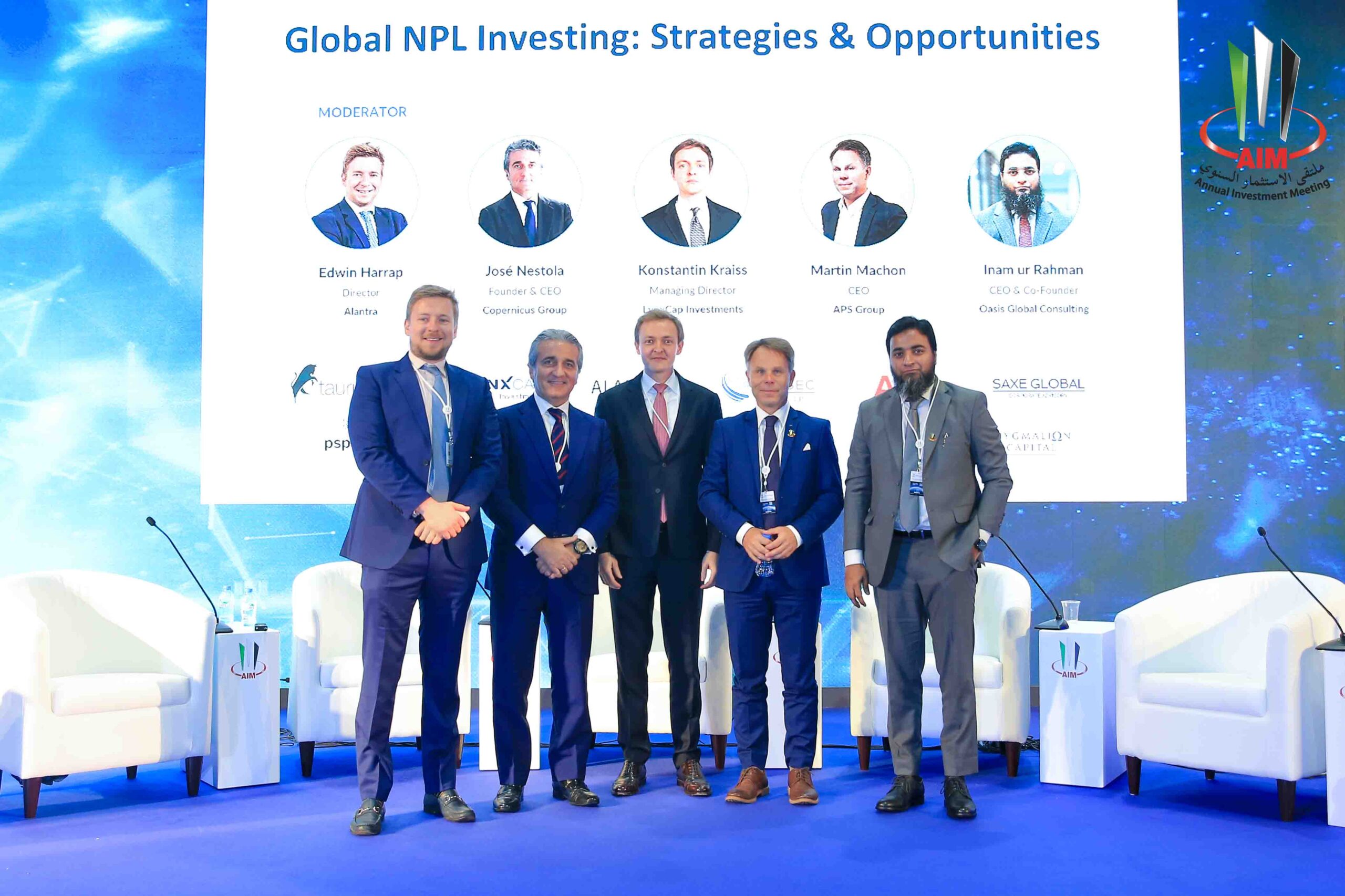
    The second panel, ‘Global NPL Investing: Strategies & Opportunities’ explored the world of global distressed and NPL investing, with insights into the strategies and opportunities available in this space. The speakers discussed the different asset classes in this sector of the market, including real estate, corporate, and consumer debt, the secondary market, and the directions the market is heading in due to macroeconomic forces.

    The session was led by Edwin Harrap, Director, Alantra, UK, and included panellists as José Nestola, Founder & CEO, Copernicus Group, ES, Konstantin Kraiss, Managing Director, LynxCap Investments, CH, Martin Machon, CEO, APS Group, CZ and Inam ur Rahman CEO & Co-Founder, Oasis Global Consulting, USA.

    According to experts in this session, non-performing loan (NPL) investing has become an increasingly popular strategy for investors seeking high returns. Panellists shared their experiences and analysis of investing in distressed and NPL assets across different geographies, including emerging markets and developed economies. They also discussed the challenges and opportunities of investing in these markets, taking into account macroeconomic conditions, industry-specific trends and the unique regulatory and legal frameworks that govern these transactions.

    José Nestola said, “We are spread over six countries, and the real challenge is the quality of data. Not everything is clear when it is given to us by people. In two to three years, we shall be talking about millions moving into the bank. But how? Such information is difficult to get your hands into. Especially in the corporate world. We focus on second opportunities. Lack of information will stop you from pricing better. Real estate, legal, and financial knowledge is a must. When done right, equity returns (13-15%). Here your return will be achieved. When we price everything at the end of the day, we try to see what the potential buyers want and who they are. The banks are for selling to the right investors and managing the reputation of themselves. Who is going to check the services in the market, and what treatment will they have? It’s a tough scheme. Buying a portfolio of loans is difficult for banks and debtors.”

    Konstantin Kraiss said, “Entering new markets is all about learning and gaining experience. It took us 6 years before making the first investment because it’s not easy. Financial distress is the most occurred. If there is opportunity, then there is a debt sitting around, but there are legal services to get ourselves out of it. Having partners is a must because if someone goes on strike in the middle of your forecast, then it’s troublesome. Key role is to follow the market and the supply and stay open to find the best opportunity. There are plenty of opportunities out there and we must be wise to choose, and it’s a bit exciting.”

    Martin Machon said, “Entering the industry is not easy, it takes time and effort, especially in new markets and first transactions. With the current inflation and work crisis, the risks are higher. We must be careful and aware of the legal framework and have a good partner. When starting out, it’s better to go for smaller assets. The banking system has evolved, but we still face challenges in dealing with limited tools from them. We need to investigate the services beforehand and strengthen them through knowledge sharing.”

    Inam ur Rahman said “I believe that NPL markets were thriving before Covid, but it is difficult to predict how it will be impacted in the future. The legal framework for NPL varies across countries, and some countries have developed strict NPL laws, which could be beneficial for investors. Technology has also had a positive impact on the industry, and I am optimistic about the future.

    However, investing in NPL is challenging, and it requires a proper team to navigate the legal landscape. Lack of clarity and understanding could lead to losses. Technology, such as blockchain, can help minimize the risk of fraud. To succeed in this industry, it is crucial to have a team of experts who can evaluate and assess the situation.”

    Experts emphasised that investors need to have a solid understanding of the different NPL investment strategies available in order to make informed investment decisions. For example, some investors may prefer to focus on purchasing individual NPLs, while others may prefer to invest in portfolios of NPLs. Additionally, investors need to be aware of the unique risks associated with investing in distressed assets, such as potential legal and regulatory hurdles, liquidity risks, and market volatility.

    Overall, global NPL investing presents a promising opportunity for investors looking to diversify their portfolios and capitalize on distressed assets in the market.

  • Annual Investment Meeting launch Arab China Unicorn Investment Conclave

    Annual Investment Meeting launch Arab China Unicorn Investment Conclave

    The conclave served as a platform to discuss global economic outlook, sustainable development, and social value creation in a city context, among other topics

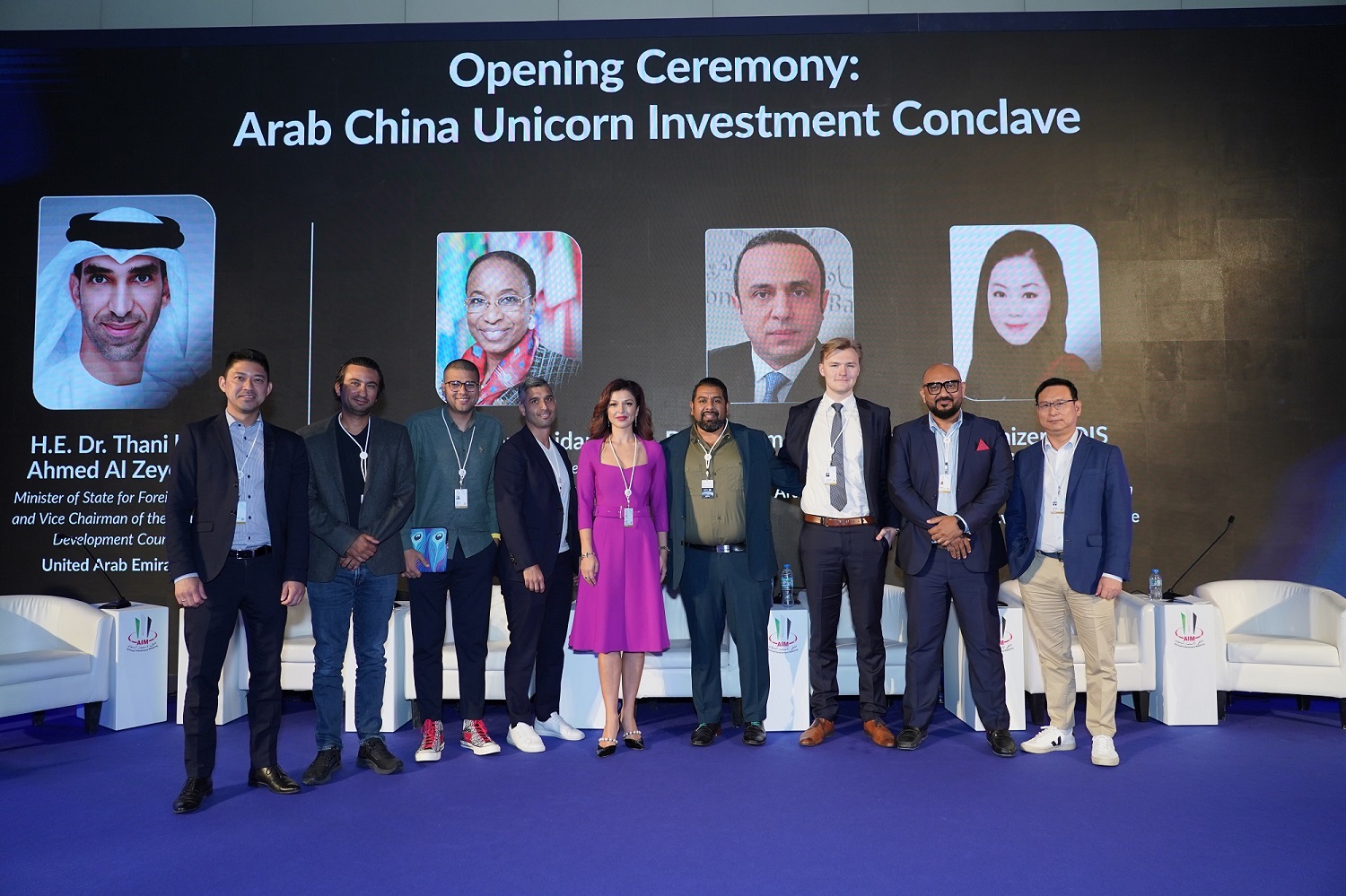
    Abu Dhabi, UAE, 9 May 2023:  The 12th edition of The Annual Investment Meeting (AIM) hosted the China Top 50 Unicorns. The event took place at the Innovation and Technology Track located at the Abu Dhabi National Exhibition Centre, and brought together investors, startups, and innovators from the UAE and China.

    The forum marked an opening ceremony for ‘Arab China Unicorn Investment Conclave’ by HE Dr. Thani bin Ahmed Al Zeyoudi, the UAE Minister of State for Foreign Trade and saw the esteemed presence of Dr. Wissam Fattouh, Secretary General Union of Arab Banks and Mariam Gao, General Secretary of Arab China Unicorn Investment Conclave.

    HE Dr. Thani bin Ahmed Al Zeyoudi said, “I am delighted to welcome you to the opening ceremony of the Arab-China Unicorn Investment Conclave. Held under the theme ‘Transforming the Future of Investment’, today’s conclave gathers startups and unicorn companies that represent the future of the global economy.

    In the UAE, we are proud of our status as a hub for innovation and entrepreneurship and we are committed to support the growth of emerging businesses that will shape the world around us. China is an increasingly important partner in these efforts and today’s event underlines the synergies between both our approach and our ambition.”

    HE Dr. Thani bin Ahmed Al Zeyoudi further stated, “The Arab world and China are bound by historic relations. Over the last 40 years, we have enjoyed remarkable progress – particularly in trade and economic cooperation. And this cooperation has yielded a substantial increase in bilateral trade and investment: As of 2021, the UAE was China’s top trade partner in both the Arab and GCC regions – and China the UAE’s largest trading partner globally. In the last year, non-oil bilateral trade grew 18 percent to surpass 72 billion dollars.

    Two-way investment is also strong and covers critical industries such as real estate, logistics, storage, financial services, insurance, manufacturing, and technology. In total, these investments amounted to approximately 12 billion dollars in 2021.Today, China is the third-largest foreign investor in the UAE, with investments worth 9.3 billion dollars in 2021. This is a remarkable 514.5 percent increase from the sum invested in the UAE just ten years ago. And I am confident our best days are still ahead of us.”

    HE Dr. Thani bin Ahmed Al Zeyoudi also emphasised how this conclave is an opportunity to forge new connections, open up new investment opportunities and spark new ideas that will benefit all of us.

    Dr. Wissam Fattouh said, “It’s fantastic news to learn about the flourishing startup and unicorn growth in the Arab region, with the added benefit of evolving government policies to support their expansion. The adoption of AI and blockchain technologies is a promising development, which can enhance the potential of these startups to scale and flourish. The proposed Arab-China union can offer further prospects for collaborative growth. The forthcoming years will be thrilling to observe the Arab startup ecosystem’s persistent advancement and achievements.”

    Mariam Gao, General Secretary of Arab China Unicorn Investment Conclave said, “We have assembled here to explore the remarkable opportunities and potential for success. Our objective is to design effective strategies to achieve this goal. We are grateful for the support extended by both private and government organizations from Arab and Chinese institutions, and we hope to establish a collaborative synergy between the two.

    In recent years, collaboration between the Arab and China regions has increased significantly. While the Arab world has devised successful strategies, China has emerged as a global economic power. By fostering a partnership, we can attain unprecedented growth and progress. The primary aim of this event is to bring together the two nations and create a platform for mutual collaboration.

    We acknowledge that there will be modern-day challenges, but we are confident of finding solutions to overcome them. We believe that this partnership has the potential to generate impressive returns and contribute positively to the world. Our dedication is towards supporting the unicorn ecosystem in this region, promoting economic growth, and improving the lives of the people.

    The forum also featured a session titled, ‘Unicorns: Urban Connectivity in Turbulent Times’. This was moderated by Kim Zietlow- Director, FDI Center who said,The impact of economic turbulence can be far-reaching and affect both individuals and the economy as a whole.

    Unemployment, reduced consumer confidence, decreased investment, inflation, and government intervention are some of the factors that come into play during such times. It is crucial for governments and businesses to respond proactively and implement strategies to mitigate the negative effects. Unicorns can play a significant role in promoting urban connectivity and creating job opportunities, encouraging economic growth and stability.”

    It featured speakers as Walid Mansour, CEO – Middle East Venture Partners (MEVP), Mohamed Salah, Country Manager – Startup Grind, Kareem Elsirafy, Managing Partner – Modus, Mansoor Madhavji, Partner at Blockchain Founders Fund and LP at Loyal VC & Draper Goren HolmAntek, Antek Kałuża, Creative Director – Econverse & Vice President of Warsaw Startup Club, Marianna Bulbucr, CEO & MP of Bizzmosis Group, Sean He, Founder – Silicon Harbour Capital.

    Walid Mansour, noted that the investment focus has shifted towards biotech and new tech-based businesses, with a focus on creating returns to run economic cycles and considering various types of environments, including economic and health environments, while planning investment strategies. The importance of branding was also emphasized.

    Mohamed Salah, highlighted the benefits of working from home, including increased flexibility and work-life balance, reduced commute time and costs, and improved productivity and job satisfaction. However, he also mentioned the challenges associated with remote work, such as social isolation and difficulty with collaboration and communication.

    Kareem Elsirafy, discussed the increasing significance of climate change on investments, including the demand for sustainable and environmentally friendly investments and the potential impact of extreme weather events on certain industries. He also noted that companies are under pressure to become more environmentally responsible, which can impact their profitability and valuation.

    Mansoor Madhavji, expressed his interest in the potential applications of blockchain and crypto, as well as the integration of blockchain and AI.

    Antek Kałuża, emphasized the importance of encouraging and supporting young people with innovative ideas through education and skill development, which can drive progress in various fields.

    Marianna Bulbucr, highlighted the importance of knowledge and education, as well as practical regulations for startups to thrive, and discussed the UAE’s commitment to delivering value to businesses and sustainability.

    Sean He, discussed the UAE’s favorable environment for startups and the importance of collaboration and policy changes for innovation and investment. The panelists also mentioned the impact of the Golden Visa program in retaining more developers and moving towards production rather than just consumption, as well as the importance of data ownership in the AI industry and the continued appetite for new technologies in China’s market.

    The highlight of this forum was a Unicorns Pitch Presentation – Unicorns from China will showcase their Top Innovation Projects and pitch their growth plans and potential for investors, which featured a video presentation Micheal LI- managing partner, Breton Company. She said, “Breton, founded in 2017, is the first company to successfully mass produce pure electric construction machinery and mining trucks.

    Their major innovative machinery includes the Pure Electric Loader (3, 5, 6 ton) and the Pure Electric Mining Truck (100 ton). By using electric machinery, the Chinese market can save over 10 billion dollars in social expenditure every year. This technology provides the benefits of low cost, renewable energy, and abundant transport capacity, contributing to a more prosperous global economy. Moreover, it has social benefits such as improving the working environment and protecting the rights and interests of workers.”

    Another presentation was presented by Lawrence Xiong – CEO of Armclouding, where he discusses how Armclouding plans to reshape the gaming industry. With hundreds of millions of users and over 100,000 developers, the Chinese gaming market is massive. WeChat and QQ have already launched instant-play platforms with a total revenue of 5 billion dollars in 2022 and a growth rate of 30%.

    China’s self-developed mobile games have also reached USD 39 billion in overseas markets, with an estimated market share of 45% in the global mobile market. Armclouding offers solutions to the gaming industry, such as instant-play games that don’t require downloads or registration, as well as interactive game streaming that allows users to interact while playing. The company aims to build a new global game community with an expected scale of more than 100 billion US Dollars.

    Next in line was a presentation by Mr. Martin Qu is the co-founder of Xiaoudida Smart Car Wash, which is recognized as the largest car wash company in China. With China having the largest automotive market and a significant potential for growth, the company has experienced a surge in automobile ownership from 120 million in 2012 to 319 million in 2022.

    The company operates on a complete ecological chain, from acquiring consumers to profiting, and utilizes cloud computing for their online business. They provide auto services, 24/7 car washes, and have established over 3700 smart stations in 22 provinces throughout China.

    Shenzhen Sharp Light Technology Co., Ltd., under the leadership of Mr. Longdong Chen, also presented. It serves as a leading designer of automotive camera products using single photon avalanche diode technology. They are committed to developing highly efficient, cost-effective, and mass-produced unmanned driving perception products that provide unparalleled unmanned driving performance. As a result, they are the world’s leading supplier of automotive perception solutions.


  • Global Leaders Debate at Annual Investment Meeting focuses on future of investment world to foster sustainable economic growth

    Abu Dhabi, United Arab Emirates, 9 May 2023: Global leaders gathered in Abu Dhabi to participate in the Global Leaders Debate, which took place on the sidelines of the 12th edition of the Annual Investment Meeting. The discussion brought together top decision-makers, thought leaders, and experts from various sectors to discuss the future of the investment world and foster sustainable economic growth, diversity, and prosperity.

    The panel discussion titled “Global Leaders Debate: The Future Paradigm Shift: Future Investment Opportunities to Foster Sustainable Economic Growth, Diversity, and Prosperity,” took place in two sessions. Spearheaded by May Ben Khadra, Business Anchor at CNBC Arabia, the first session included panelists such as Fatou Haidara, Deputy Director General, United Nations Industrial Development Organization; Antonio Pedro, Acting Executive Secretary, United Nations Economic Commission for Africa; Rashed Alblooshi, Undersecretary, Abu Dhabi Department of Economic Development; and Jung Sook Park, Secretary General, WeGO.

    Experts emphasised how the future paradigm shift towards sustainable economic growth presents numerous investment opportunities. These opportunities include investments in renewable energy, sustainable agriculture, clean technology, and green infrastructure. Additionally, investments in education and innovation can also drive economic growth and foster diversity, while promoting sustainable development. The key is to prioritize investments that have the potential to create long-term value while also addressing critical environmental and social challenges.

    Ms. Haidara said: “Equal opportunity should be provided to all stakeholders, including the private sector, as job creation cannot be achieved without their involvement. Rather than viewing the private sector as a hindrance, it is essential to develop appropriate policies and create a favorable environment for their participation. Collaborating with institutions and supporting entrepreneurs in making technological decisions are crucial steps in promoting investment and private sector technology.

    “Industrial development is a complex process that requires the contribution of the private sector. Women empowerment, government partnership, financial institutions, and inclusivity towards youth are also crucial in this process. The private sector plays a significant role in ensuring competitiveness within the value chains. To move towards renewable energy and away from fossil fuels, partnerships with organizations such as the African Union are necessary as one organization alone cannot achieve this goal.”

    Commenting on smart solutions in the UAE that drive economic growth, H.E. Alblooshi said, “The aftermath of the COVID-19 pandemic has resulted in changes in the way services are provided to stakeholders. Nowadays, smart applications are used to provide various services, making life easier and more convenient for investors.

    Looking at the industries, the economy has grown by 10% in 2022, and the non-oil sector has grown by 10.3%, indicating significant development in the economy. For both foreign and local investors, the UAE is a safe place to invest, thanks to its various incentive programs and clear strategy for diversifying the economy away from oil. The goal is to achieve sustainable economic growth that is built on innovation and knowledge-based sectors.”

    Highlighting the public sector’s role in driving growth, Ms. Park said: “Centralization refers to the decision-making power being shifted from national affairs to sub-national affairs, resulting in better accountability and delivery of services to citizens. Promoting political participation is essential for driving democracy, which is crucial for increasing productivity and economic growth.

    Decentralization is a key element in this transition. In Abu Dhabi, we see how cities like Masdar City, Sustainable City, and Expo City are built to prioritize conservation and job creation for the local economy. To support and focus on the public sector, urgent investments are required in the healthcare and education sectors due to the pandemic. The private sector is facing decline due to uncertainty. However, this is the best time for the public sector to invest in making cities better, as the pandemic and climate change have made inequality more evident through the digital demand and natural disasters.”

    In addition to the UAE, another country in focus that the panel discussed was Africa. Mr. Pedro said: “Africa is positioned to be a global leader in the future, but it must address issues such as carbon emissions and the growth of the transportation sector.

    By partnering with other nations, Africa aims to create job opportunities and increase exports by 2025. The COVID-19 pandemic has resulted in financial difficulties and increased debt, which highlights the need for a well-designed strategy and structure. Addressing fundamental issues is crucial, and the African government union commission is already taking steps towards this goal.”

    He further stated, “Although the economy is still dependent on oil by 50%, the non-oil sector is equally important. Among the six sectors that have a high impact on the economy, including ICT, financial services, tourism, bio and healthcare, and industry, the government has invested AED 10 billion in the industrial sector over the next five years.

    The aim is to double the GDP to AED 172 billion by 2031 and increase non-oil trade by AED 178.8 billion, creating 13,600 new jobs through various programs, including utility incentives. Abu Dhabi is known for its safety and security, making it an attractive destination for investors and their families.”

    The second part of the session was led by Ismail Ersahin, WAIPA CEO & Executive Director. It included speakers such as H.E. Wamkele Keabetswe Mene, Secretary General, African Continental Free Trade Area; Jun Ge, Group CEO, ToJoy; Georges Rebelo Pinto Chikoti, Secretary General, Africa Caribbean Pacific (OACPS); and H.E. Rustam Minnikhanov, Head, Republic of Tatarstan.

    H.E. Mene discussed about the opportunities that can be provided for intra-African trade and development. He said: “The current rate of intra-African trade is only 4%, which is relatively low due to existing barriers. Therefore, there is a need to establish protocols that provide investors with greater legal protection to instil confidence in their investments. The main objective is to promote African trade, create employment opportunities, foster innovation, drive industrialization, and address the current technology deficit faced by the continent.”

    In addition, Mr. Ge said, “China is seen as a promising destination and a driving force behind the world’s economic growth. It has offered higher returns on foreign investments compared to other developed countries in the last five years. If China’s GDP grows at a steady rate of 5% for the next five years, it will contribute to growth equivalent to the combined economies of Japan, India, and Indonesia.

    China’s technology sector is looked upon by many as a model to emulate, with a substantial share of global unicorns, indicating its potential in the industry. In healthcare, the market is expected to reach approximately USD2.5 trillion by 2030, and the pandemic has opened up opportunities for investors.

    Moreover, China is taking proactive measures towards a sustainable, low-carbon economy and has committed to investing USD20 trillion in this direction. Given these developments, China’s status as a key player in the global economy, with a focus on innovation and diversity, cannot be overlooked, despite the ongoing geopolitical tensions.”

    Mr. Chikoti said: “We are looking forward for investment in transformation of products so it can be transported and circulated across the continent and transform our economy of 1.2 billion people. Legislation facilities will focus on getting stronger to facilitate opportunity for what major investors has to offer our country which has been severely affected in the pandemic. Proud to be a part of this platform that will help our country with grants and eventually help our economy grow.”

    The panellists covered the most pressing issues affecting the global economy, such as disruptive technologies, climate change, geopolitical tensions, inflation, and debt levels. The panel discussion also examined investment opportunities that can transform the global investment landscape and investment world.