Blog

  • Canon Student Development Programme 2023- Unlocking Potential & Empowering Young Photographers

    Canon Student Development Programme 2023- Unlocking Potential & Empowering Young Photographers

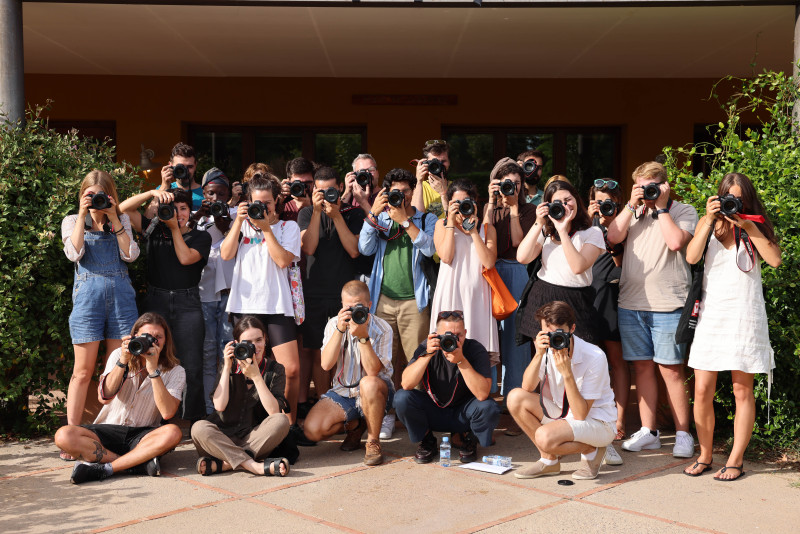
    The prestigious programme will allow 100 selected participants to attend key industry events and receive one-to-one mentorship from experts
    DUBAI, United Arab Emirates, April 11, 2023/ — The Canon Student Development Programme 2023 (Canon-CNA.com) aims to provide aspiring photographers with the necessary resources and opportunities to take their careers to the next level and become professional photographers.

    This programme includes a range of valuable offerings, such as mentorships, industry visits, grants, portfolio reviews and networking. Supporting events such as Instagram live sessions (IG live sessions) will be held on Canon’s official Instagram page (https://apo-opa.info/3ZU4wC5), featuring Canon ambassadors and CSDP 2022 Alumni.
    Applications are open until April 16th, 2023. To apply to be a part of the 2023 Canon Student Development Programme or view the entry criteria, please visit: https://apo-opa.info/3JSvaXc

    Summary

    The esteemed Canon Student Development Programme (CSDP) is a platform for young, aspiring photographers to fast-forward their creative journey with the help of rewarding opportunities such as mentorships, grants, industry visits, portfolio reviews and networking. For its seventh edition of CSDP, the prestigious programme will allow 100 selected participants to attend key industry events and receive one-to-one mentorship from experts representing established news agencies and publications, and Canon Ambassadors, along with excellent networking opportunities with influential photographers from across the globe.

    Fueling Aspirations: Inspirational Sessions for Young Minds

    In a bid to spread light about this initiative that seeks to empower young photographers, Canon will host an array of live sessions on Instagram. These sessions will provide key insights on what students can expect from the programme, how they can support their careers through CSDP, and testimonials from previous winners. Canon’s most recent IG live session was held on April 6th with Canon Ambassador, Muhammed Muheisen, and Canon Student Development Programme 2022 Alumni, Samuel Alabi, who shared their experiences about the programme: “Working in the creative industry differs from working in the corporate industries, it is highly significant for creative industry aspirants to network and get involved in opportunities that may provide them with exposure of how the industry works. A programme like CSDP can be highly beneficial for young photographers as it provides myriad opportunities that can help them hone their skills and gain valuable knowledge needed to transition from an ‘amateur’ to a ‘professional’ in the industry,” said Muhammed Muheisen. Samuel Alabi added, “This opportunity changed my life for good. It got me out of the country and gave me a new family, and new opportunities. My work was also exhibited at a photo fair in Paris.”

    The next IG live session will take place on April 13th with Canon Student Development Programme 2022 Alumni, Muhammed Mahdy, along with Egyptian fine art photographer and Canon Ambassador, Menna Hossam, on Canon Central and North Africa’s official Instagram page (https://apo-opa.info/3ZU4wC5): “The Canon Student Development Programme is a ladder for aspiring photographers to jump forward in their careers as it presents invaluable opportunities such as mentorships from well-established professionals in the industry, access to esteemed photojournalists, and networking opportunities. I encourage all young students to become part of CSDP and attend the IG live sessions. This is a great opportunity that can open a lot of doors to accelerate career growth,” said Menna Hossam. When asked about CSDP’s contribution towards career acceleration, Muhammed Mahdy, CSDP 2022 Alumni, said, “A fundamental core towards success is to have resources of knowledge and networks that could help you along your career, and Canon provided that at every stage of the Canon Student Development Programme.”

    Don’t miss out: Apply now!

    Of the 100 selected students to receive mentorship from industry experts as part of the Canon Student Development Programme, 30 students will be invited to participate in a five-day workshop in Girona, Spain including a visit to Visa pour l’Image international photo-journalism festival in Perpignan, France. The final five mentees will receive a €2,000 grant along with an exclusive experience at the third edition of the Hamburg Portfolio Review, and top-of-the-line Canon equipment worth up to €9000 to support their creative journey ahead.

    Interested applicants and students above 18 years of age, or those who completed their course in the 2022-23 academic year, can submit their entries until April 16th, 2023, by clicking on this link- https://apo-opa.info/3JSvaXc

    Distributed by APO Group on behalf of Canon Central and North Africa (CCNA).

    Media enquiries, please contact
    Canon Central and North Africa
    Mai Youssef
    E-mail: Mai.youssef@canon-me.com

    APO Group – PR Agency
    Rania ElRafie
    E-mail: Rania.ElRafie@apo-opa.com

    About Canon Central and North Africa:
    Canon Central and North Africa (CCNA) (Canon-CNA.com) is a division within Canon Middle East FZ LLC (CME), a subsidiary of Canon Europe. The formation of CCNA in 2015 was a strategic step that aimed to enhance Canon’s business within the Africa region – by strengthening Canon’s in-country presence and focus. CCNA also demonstrates Canon’s commitment to operating closer to its customers and meeting their demands in the rapidly evolving African market.

    Canon has been represented in the African continent for more than 15 years through distributors and partners that have successfully built a solid customer base in the region. CCNA ensures the provision of high quality, technologically advanced products that meet the requirements of Africa’s rapidly evolving marketplace. With over 100 employees, CCNA manages sales and marketing activities across 44 countries in Africa.

    Canon’s corporate philosophy is Kyosei (https://apo-opa.info/3xeczh6) – ‘living and working together for the common good’. CCNA pursues sustainable business growth, focusing on reducing its own environmental impact and supporting customers to reduce theirs using Canon’s products, solutions and services. At Canon, we are pioneers, constantly redefining the world of imaging for the greater good. Through our technology and our spirit of innovation, we push the bounds of what is possible – helping us to see our world in ways we never have before. We help bring creativity to life, one image at a time. Because when we can see our world, we can transform it for the better.

    For more information: Canon-CNA.com

    SOURCE
    Canon Central and North Africa (CCNA)


  • AIM Signs Memorandum of Understanding with UNWTO  to Boost Tourism-Based Investments

    AIM Signs Memorandum of Understanding with UNWTO to Boost Tourism-Based Investments

     Abu Dhabi, United Arab Emirates, 5 April 2023 – The World Tourism Organization (UNWTO), the specialized agency of the United Nations for tourism development, and the Annual Investment Meeting (AIM), an esteemed investment platform in the Middle East, have strengthened their cooperation around common interests in tourism-related investments. The two parties will work together to harness the power of tourism to drive global development and to accelerate the implementation of the agenda 2030 and the Sustainable Development Goals (SDGS), particularly now that economies are now starting to recover from the pandemic.

    UNWTO and AIM, through this new Memorandum of Understanding, have formally committed to jointly support the following goals: the effective implementation of the agenda 2030 and the 17 SDGs through tourism investments, and the promotion of innovation and technology. UNWTO and AIM’s collaborative works related to investment facilitation and promotion will see them share and disseminate knowledge regarding investment policies among their stakeholders and networks and maximize foreign direct investments’ positive economic impact on the sector.

    UNWTO is the leading international organization in the field of tourism. It promotes tourism as a driver of economic growth, inclusive development, environmental sustainability and aims to drive the digitalization of tourism and to create an innovation and entrepreneurship ecosystem. The Organization offers leadership and support to the sector in advancing knowledge and tourism policies worldwide.

    AIM provides an invaluable and unparalleled opportunity for public and private entities to come together to achieve their shared vision of growth and sustainability. Anchored around the theme of “The Investment Paradigm Shift: Future Investment Opportunities To Foster Sustainable Economic Growth, Diversity and Prosperity,” this year’s AIM edition will focus on 10 key sectors that include Tourism & Hospitality, among others.

    In line with the two organizations’ commitment to cooperate in the implementation of projects as stipulated in the MoU, UNWTO will spearhead the “Tourism Investment Forum” to be held on the framework of the upcoming AIM Global 2023 in Abu Dhabi, United Arab Emirates on May 8-10, 2023.

    UNWTO Secretary-General Zurab Pololikashvili commented: “UNWTO has recognized investments as our key priorities for tourism right now and into the future. Investments are essential for the tourism sector to grow. And in turn, a thriving tourism sector can also attract investors. UNWTO is proud to collaborate with AIM around our shared goal of boosting investments into tourism and into the projects that will deliver greater sustainability and resilience for the sector.”

    AIM President Dawood Al Shezawi said: “It has been AIM’s mission to provide an interactive platform where investment opportunities can be formed, thereby not only strengthening economic relations among nations but also addressing issues that have profound effects on a global scale.”

    He added, “AIM takes pride in its belief that keeping abreast of the latest changes and issues while at the same time making available the best venue where the brightest minds, from all sectors, can converge to find solutions and scale up development ideas is of utmost importance. We welcome this great chance to cooperate with the UNWTO and we are certain that this collaboration will be fruitful.”

    AIM Global 2023 has engaged in several technologically driven initiatives as part of its commitment to build the global economy roadmap and bolster the five key pillars, which include Foreign Direct Investment, Small and Medium Enterprises, Future Cities, Startups, and Foreign Portfolio Investments. Besides Tourism & Hospitality, the other key focus sectors are Agriculture, Energy, Technology, Infrastructure, Manufacturing, Transportation & Logistics, Finance, Healthcare, and Education.


  • Annual Investment Meeting tackles global market challenges,  future investment opportunities in partnership with the Abu Dhabi Department of Economic Development

    Annual Investment Meeting tackles global market challenges, future investment opportunities in partnership with the Abu Dhabi Department of Economic Development

    Abu Dhabi, United Arab Emirates, 2 April 2023: The 12th Annual Investment Meeting (AIM Global 2023), which is supported by the Ministry of Industry and Advanced Technology in partnership with the Abu Dhabi Department of Economic Development, will feature a number of local and international events, forums, and conferences from May 8 to 10 at the Abu Dhabi National Exhibition Centre and discuss the latest investment trends, challenges, and opportunities to further boost the sustainable growth of the global economy.

    Its lineup of activities comprises a series of dialogue sessions, keynote speeches, and interactive workshops that facilitate the exchange of ideas and best practices, foster dialogue and cooperation, and encourage collective efforts towards achieving a more sustainable and equitable financial future for all.

    It will focus on two main tracks, Investment and Innovation & Technology, which will highlight several topics that cover 10 key different sectors – Agriculture, Energy, Technology, Infrastructure, Manufacturing, Tourism & Hospitality, Transportation & Logistics, Finance, Healthcare, and Education.

    Least Developed Countries Forum

    Organized in cooperation with the World Association of Investment Promotion Agencies (WAIPA), the Least Developed Countries Forum aims to shed light on the key challenges confronting investment promotion agencies globally, such as market analysis mechanisms, investment trends, and sustainable approaches to addressing them, with a particular emphasis on investment promotion agencies in the least developed countries.

    İsmail Erşahin, WAIPA Executive Director and CEO, lauded the long-term partnership between the association and the Annual Investment Meeting, the world’s leading platform that offers an excellent opportunity for investment experts, private sector representatives and international organizations to network and exchange ideas.

    “This year we are pleased to be partnering on a conference for Least Developed Countries, where we will dedicate an entire day to discussing the crucial issues facing investment promotion agencies representing LDCs globally and to presenting them with the tools and knowledge needed to address their challenges in a productive and sustainable manner. We are also looking forward to hosting a workshop on attracting institutional capital, an increasingly urgent task for IPAs which WAIPA is supporting through our training programs,” Erşahin said.

    Future Finance Forum

    The Future Finance Forum, in partnership with the Union of Arab Banks under the theme “Leveraging Innovative Technologies for Financial Inclusion and Sustainability,” will bring together experts and practitioners to explore the role of cutting-edge technologies, such as blockchain, artificial intelligence, Web3, and digital currencies, in promoting financial access, stability, and sustainability. The Forum’s attendees will also gain a comprehensive understanding of the challenges and opportunities in implementing these technologies in the finance sector so they can collaborate on concrete solutions for a more inclusive and sustainable financial future in the Arab world.

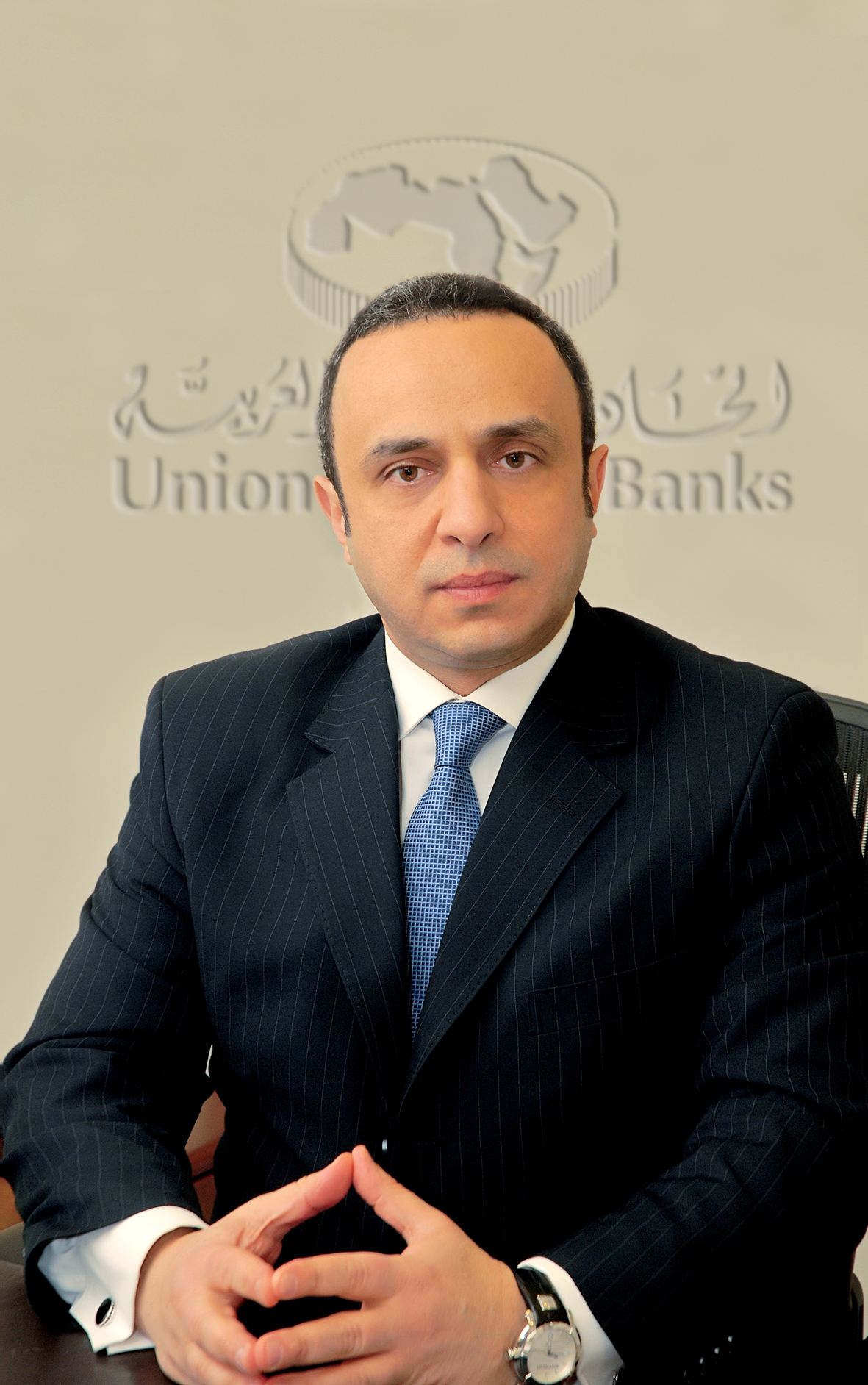
    Commenting on the collaboration, Secretary General of Union of Arab Banks Dr. Wissam Fattouh said: “In light of the global economic and climate risks, the Arab region is witnessing deep economic and financial transformations, which will shape its landscape for the upcoming decades. The Union of Arab Banks, in partnership with AIM, aims to shed light on the emerging challenges facing our region, and how to transform them into opportunities, in order to achieve a green, sustainable, and digital Arab economy.”

    The local and global side events at the AIM Global 2023 also include “Make it in the Emirates”; “Invest in Abu Dhabi”; “Road to the World Investment Forum” in collaboration with the United Nations Conference on Trade and Development; “Entrepreneurs Investment Summit” with the United Nations Industrial Development Organization (UNIDO); “Bloomberg New Energy Finance Forum”; “Future Finance Forum” with the Union of Arab Banks; “World Local Production Forum” with the World Health Organization; “Tourism Investment Forum” with the United Nations World Tourism Organization (UNWTO); “Least Developed Countries Forum” in partnership with the World Association of Investment Promotion Agencies; “Finoverse Forum”; “Distressed and Alternative Investment Forum” with the DDC Financial Group; and “Advanced Manufacturing Investment Forum” to be hosted by UNIDO.

    AIM Global 2023 will revolve around the theme “The Investment Paradigm Shift: Future Investment Opportunities To Foster Sustainable Economic Growth, Diversity and Prosperity.” Throughout its previous editions, the conference has established itself as the world’s largest investment platform, attracting extensive international participation from decision-makers, senior officials, businesspeople, experts, and academics. It has excelled at providing a premier venue for knowledge dissemination and exchange, staying updated on the latest developments in foreign direct investment and related matters, sharing experiences, exploring business prospects, and forging cooperation and partnership agreements.


  • PRESS RELEASE
    From Africa to the World: Landmark Event Presents Circular Economy Solutions for Green Growth, Climate and Biodiversity
    The WCEF2022 will challenge many shortcomings and destructive consequences of the predominant wasteful linear economy and introduce the concepts and opportunities of the circular economy

    KIGALI, Rwanda, November 29, 2022/ — The 6th World Circular Economy Forum WCEF2022 (www.WCEF2022.com) will take place 6–8 December in Kigali, Rwanda. This year’s forum will focus on how the circular economy can reduce greenhouse gas emissions, support climate change adaptation, safeguard biodiversity and bring benefits to our societies.

    One of the world’s leading circular economy events, originating in Finland, WCEF2022 will bring together business leaders, policymakers and experts from Africa and around the world to present circular economy solutions and examine how businesses can seize new opportunities. An online briefing for the media will take place on the eve of the Forum, 5 December 2022.

    For the first time on African soil, the World Circular Economy Forum will be a platform for Africa and the world to share lessons to shape more resilient and greener economies.

    The WCEF2022 will challenge many shortcomings and destructive consequences of the predominant wasteful linear economy and introduce the concepts and opportunities of the circular economy. Politicians, policymakers, business-leaders, journalists, researchers and the public will learn about the many benefits of circularity.

    “As a founding member of the African Circular Economy Alliance we are very pleased to host the World Circular Economy Forum in Rwanda. This is the first time the event is taking place in Africa,” says Rwanda’s Minister of Environment, Dr Jeanne d’Arc Mujawamariya. “The circular economy represents the single greatest opportunity to supercharge green growth and job creation in Africa, and we look forward to sharing Rwanda’s experience and learning from others.”

    The WCEF2022 will address a wide range of challenges in the transition from a linear to a more resilient and resource-efficient circular economy including trade, value chains, policy and technology. Circular economy actors and start-ups from the continent will present their business models and share their stories, particularly looking at opportunities for collaboration, growth, job creation and development.

    “Transitioning to a circular economy is a way to make our economies wiser, resilient and future-proof”, says Jyrki Katainen, President of Sitra, the Finnish Innovation Fund. “These past years’ tragedies have shown that we are not resilient. The impacts of the pandemic, shifts in the global security environment, energy and food security are exacerbated by a fossil fuel dependent, wasteful and unfair linear economy. Now, we need to challenge the old model and build a new one, fit for today and for the centuries to come – the circular economy. Many solutions are already right in front of us, and we look forward to learning more about circular solutions from Africa in Kigali.”

    The circular economy is an alternative to the traditional linear economy (make, use, dispose) in which resources are kept in use for as long as possible, maximum value is extracted from them whilst in use, then materials are recovered and products are reused at the end of their life.

    Diverse and home-grown African circular solutions: from agriculture and waste management to the built environment

    Under the theme From Africa to the World, the WCEF2022 will present a wide range of circular solutions from Africa and globally for different industries and sectors, with a particular emphasis on harnessing the opportunities to improve livelihoods and end poverty, reduce greenhouse gas emissions, adapt to climate change and safeguard biodiversity. Some examples include:

    • Regenerative agriculture and nature-based solutions that help to mitigate and adapt to the consequences of climate change.
    • A scalable, affordable and sustainable built environment that is based on repurposing, renovation and the use of secondary raw materials.
    • Different circular policies and practices in water management, transport, infrastructure and food security in Africa’s rapidly growing megacities.

    In the transition from a linear to a circular economy waste management and recycling are key components and need to be improved and scaled rapidly. Africa already imports vast amounts of electronic and other waste, and with a rapidly growing population, will produce more waste. Circular economy approaches provide solutions for reducing waste by investing into modular product design, reduced packaging, life cycle extensions and product-as-a-service business models where using a product does not require ownership.

    Overcoming the challenges of circularity: policies and finance

    Africa’s vast natural resources and its young and entrepreneurial population can help it play a lead role in driving the circular economy transition and its contribution to achieving the UN Sustainable Development Goals (SDGs). Yet, two main challenges will need to be overcome: legislation and finance.

    First, many existing laws and regulations need to change to allow for more circularity. That is why WCEF2022 will facilitate policy dialogues and knowledge sharing as a circular economy transition requires lawmakers, governments and others to inspire and learn from each other.

    Secondly, new financing models for circular businesses are urgently needed. The current capital flows into sustainable businesses and circular ventures are far too low. Circular economy companies need to develop bankable businesses that attract venture capitalists willing to take a risk. Development banks and other institutions can de-risk such investments with grant financing and technical assistance.

    These reforms require debate and innovation, which WCEF2022 will help provide.

    ACEN is delighted to be co-hosting WCEF2022 as we showcase to the world how circular principles are being applied across Africa. We are looking forward to engaging with delegates to accelerate the transition to a just and inclusive circular economy across the continent,” says Peter Desmond, Co-Founder of the African Circular Economy Network ACEN.

    WCEF2022 everywhere: online participation and local live studios in Cameroon, Nigeria, South Africa, Zambia and Rwanda

    While the main event will take place in Kigali, Rwanda, stakeholders across Africa will be able to participate in parallel local events. At the WCEF2022 African Studios in Yaoundé, Lagos, Cape Town and Lusaka, participants will tackle specific national and regional challenges related to the shift from a linear to a circular economy. A fifth Studio in Rwanda will reinforce the main Forum in Kigali. In addition, Global Studios will be held in select locations around the globe.

    The WCEF2022 Studios will live-stream the main forum’s content, discuss its relevance at a national level and give local experts the opportunity to meet and discuss face-to-face. The WCEF2022 African Studios are organised by ACEN, one of the Forum’s co-hosts.

    To ensure easy participation from anywhere around the world, WCEF2022 will livestream all seven sessions of the main forum on 6–7 December free of charge to all registered participants. In addition, WCEF partners will organise more than 25 Accelerator Sessions on 8 December – outcome-oriented events that link WCEF with real action – in Kigali and Africa or online.

    The Forum’s agenda is live at www.WCEF2022.com and anyone can register to follow all live-streamed sessions free of charge. Please note that the partner-led Accelerator Sessions require a separate registration.

    Online briefing on 5 December

    Want to learn more? Representatives of the co-hosts will share their thoughts and answer questions in an online press briefing on the eve of the forum, on 5 December at 15:00 (CAT/EET) / 12:00 (GMT). The briefing will take place on Microsoft Teams.

    The speakers of the briefing include:

    • Ntobeko Boyana, Executive and South African Chapter Lead, ACEN
    • Kari Herlevi, Head of Global collaboration unit for sustainability solutions, The Finnish Innovation Fund Sitra
    • Representative from the Ministry of Environment, Rwanda

    Attendees are required to register for the briefing by 2 December 16:00 (CAT/EET) / 14:00 (GMT) via www.WCEF2022.com. Registered attendees will be provided with the link to join the Microsoft Teams meeting.

    To follow the main forum, interested parties should apply for accreditation at www.WCEF2022.com

    Distributed by APO Group on behalf of World Circular Economy Forum.

    Media kit, logo and press photos:
    A Media kit incuding facts & figures, FAQs and other components is available at http://bit.ly/3Ud22Mg
    The WCEF2022 logo and press photos are available at Sitra’s material bank (http://bit.ly/3upriER).

    Media Contacts:
    The Finnish Innovation Fund Sitra
    Samuli Laita
    email: samuli.laita@sitra.fi
    phone: +358 294 618 277

    Ministry of Environment of Rwanda
    Basile Uwimana
    email: buwimana@environment.gov.rw

    African Circular Economy Network (ACEN)
    Tashma Kritzinger
    email: tashma.kritzinger@acen.africa

    About The World Circular Economy Forum 2022:
    The World Circular Economy Forum 2022
     is jointly organised by the Government of Rwanda, the African Circular Economy Alliance (ACEA) (http://bit.ly/3gBwja5), the African Circular Economy Network (ACEN) (http://bit.ly/3XH1l0T), and The Finnish Innovation Fund Sitra (http://bit.ly/3VfUjhP), together with other international partners. The World Circular Economy Forum (WCEF) is Sitra’s global initiative that examines how businesses can gain a competitive advantage through a circular economy and how the circular economy contributes to achieving the UN Sustainable Development Goals.

    About The Finnish Innovation Fund Sitra:
    The Finnish Innovation Fund
     Sitra is a future fund that collaborates with partners from different sectors to research, trial and implement bold new ideas that shape the future. Sitra is a nationally and internationally influential think-and-do-and-connect tank, a promoter of experimentation and new operating models, and a facilitator of co-operation. Its aim is a Finland that succeeds as a pioneer in sustainable well-being. Sitra was named the number one public-sector circular economy accelerator in the world when Sitra won the public-sector category of the Circulars Awards 2018 for its pioneering work to accelerate the world’s transition to a circular economy.

    About The African Circular Economy Alliance ACEA:
    The African Circular Economy Alliance ACEA
     is a government-led coalition of African nations with a mission to spur Africa’s transformation to a circular economy that delivers economic growth, jobs and positive environmental outcomes. It was conceived in 2016 during the World Economic Forum on Africa with the mindset of developing Africa’s circular economy ecosystem while capitalising on its development opportunities. The Alliance serves as a platform that supports the transition to a circular economy at the national, regional and continental levels through policy development, leadership and advocacy, and support in scaling circular businesses and projects.

    About The Government of Rwanda:
    The government of Rwanda
     is a founding member of the African Circular Economy Alliance (ACEA), together with Nigeria and South Africa. The country has an ambitious vision to be a climate resilient and carbon neutral nation by 2050 and is investing in the circular economy to bring this vision to life.

    About The African Circular Economy Network ACEN:
    The African Circular Economy Network ACEN
     is a registered non-profit company with a vision to build a restorative African economy that generates well-being and prosperity inclusive of all its people through new forms of economic production and consumption which maintain and regenerate its environmental resources. ACEN is a network made up of 100 Country Representatives in 30 Chapters, and 27 international partners. ACEN aims to support this acceleration by connecting people, sharing knowledge and disseminating opportunities throughout its network and beyond.
    SOURCE
    World Circular Economy Forum

  • Cake developing semi-autonomous electric ATV for sustainable farming

    By Paul Ridden

    December 14, 2022

    Swedish electric moto maker Cake is aiming to help clean up large-scale farming operations by replacing polluting machinery with the Kibb, an electric four-wheeler that can ride like an all-terrain vehicle or serve as an autonomous cargo hauler.

    “Sustainable and responsible farming is vital for healthy ecosystems and we are aiming to make Kibb the number one tool for all future farmers,” said company CEO, Stefan Ytterborn.

    The Kibb concept is inspired by a Masters thesis from transportation designer Fanny Jonsson, who interned with Cake earlier this year and has since been brought onboard to help take the project into production.

    It’s name comes from the word for an ox in Gutniska – an ancient language from the island of Gotland in Sweden – “representing the strength combined with gentleness and positive impact for biodiversity.” When a worker needs to zip quietly and cleanly around the farm, a short seat is strapped onto the sturdy top bar and adjusted to fit in a similar fashion to the company’s Ösa utility e-moto, and a motorcycle-like handlebar is mounted up front. The rider’s feet rest on capable-looking plates on each side of the chassis.

    It’s too early for actual specs to be released, but it looks like the rear-wheel-drive Kibb can accommodate up to three removable battery packs, there’s integrated lighting for around-the-clock operation potential, plus coil suspension front and back to smooth out the terrain, stopping power comes from disc braking on each wheel, and the chassis includes small pull-out drawers on each side to the front.

    Cake hasn’t yet detailed onboard sensors, but does say that an autonomous mode will be available to assist workers in the field, haul gear and cargo from A to B or tow equipment such as a planter powered by the Kibb’s battery bank.

    Aimed at supporting organic, permaculture and regenerative agriculture operations, Cake is planning to get the Kibb semi-autonomous electric ATV into production by 2025.

    Source: Cake


  • OIC Secretary-General Meets with Foreign Minister of Chad

    OIC Secretary-General Meets with Foreign Minister of Chad


    Jeddah, 24 January 2023
    The Secretary-General of the Organization of Islamic Cooperation (OIC), H.E. Mr. Hissein Brahim Taha, met today, January 24, 2023, at the OIC Headquarters in Jeddah, with H.E. Ambassador Mahamat Saleh Annadif, Minister of Foreign Affairs, Chadians Abroad and International Cooperation of the Republic of Chad.
    During this meeting, the Chadian Foreign Minister reiterated the importance that his country attaches to the role of the OIC, and its support for the efforts deployed by the Secretary-General to achieve the OIC goals.
    For his part, the Secretary-General reaffirmed the OIC’s support for the efforts invested by the Republic of Chad to strengthen its stability and promote its development.
  • 1st Part of the 28th Annual Session of the International Seabed Authority (ISA)-31st March,Kingston,Jamaica

    1st Part of the 28th Annual Session of the International Seabed Authority (ISA)-31st March,Kingston,Jamaica

    Highlights of the day included:

    • discussion on the report of the Chair of the Legal and Technical Commission (LTC);
    • adoption of a decision relating to the establishment of the position of an interim director general of the Enterprise; and
    • adoption of a decision on the two-year rule; and
    • the Dominican Republic joined the calls for a precautionary pause on deep sea mining.

    On the LTC Chair’s report, many delegates welcomed the implementation of training programmes by the contractors, particularly for nationals of developing countries. On regional environmental management plans, Brazil stressed that they should be in place before a plan of work is approved, while Argentina and China emphasized their non-binding legal nature.

    On environmental thresholds, the Netherlands, Germany, Spain, and others noted that additional thresholds should be considered, including for habitat loss due to the removal of nodules. Many delegates underscored that intersessional work on thresholds, to be carried out by a group and sub-groups of experts under the guidance of the LTC, should be open-ended rather than limiting the number of experts to 10 for each sub-group

    On the incident during test mining by The Metals Company (TMC) – Nauru Resources Inc. (NORI) regarding the discharge of wastewater containing debris, sediment, and fragments of nodules from the seabed into the sea at surface level, Belgium, the Netherlands, and Costa Rica expressed concerns. They queried whether the contractor promptly reported to the Secretariat on the incident or only after it was revealed by civil society. Greenpeace International, on behalf of environmental organizations, validated the concerns.
    On the decision relating to the establishment of the position of an interim director general of the Enterprise, Germany and Singapore proposed adding that the Secretary-General shall explore all options to deliver the establishment of the proposed positions within the existing budget and, if not possible, provide detailed justifications before asking for a supplementary budget. Following restructuring suggestions by Ghana, on behalf of the African Group, and the Russian Federation, the Council adopted the draft decision.On the decision on the two-year rule, delegates agreed, among others, to continue the intersessional dialogue, which will be facilitated by Belgium and Singapore. The Co-facilitators will prepare a new briefing note for the Council to consider, and during the July 2023 Council meeting at least two half-day sessions will be devoted to discussing the outcome of the intersessional dialogue.

    Many delegates emphasized that difficult compromises were necessary to bridge divergent positions and reach consensus. They further emphasized that no commercial deep sea mining activities may commence before a robust framework is in place to ensure, among others, the protection and preservation of the marine environment, in line with relevant obligations under the UN Convention on the Law of the Sea (UNCLOS).

    Some lamented that “the legal loophole was not closed,” noting there is no provision for the Council to provide relevant guidance to the LTC, as its subsidiary body, regarding the consideration of potential applications for plans of work for exploitation before the complete set of regulations, rules, and procedures, including standards and guidelines, are in place. Others noted the need to respect the LTC’s independence and its role in reviewing applications for plans of work.

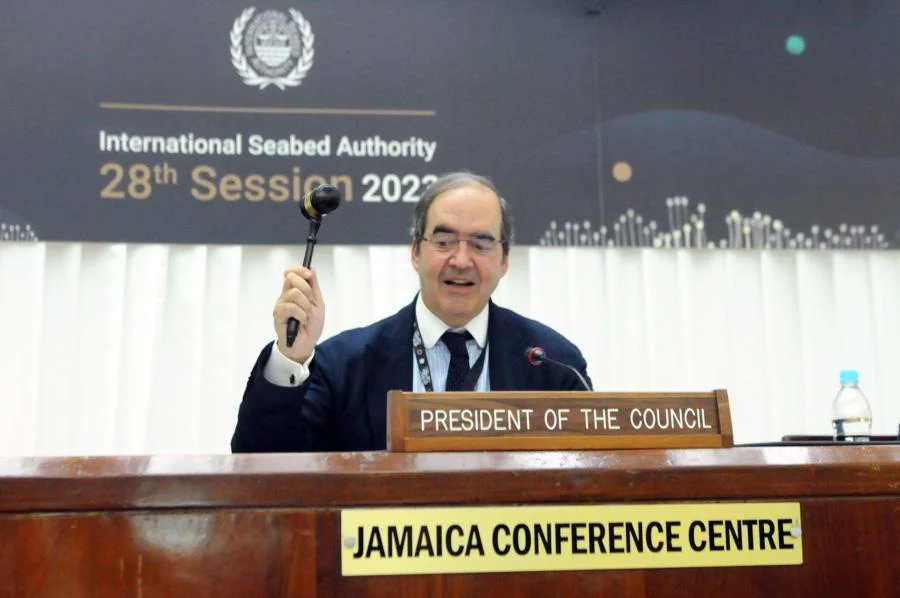
    President Mijares thanked all delegates, observers, Secretariat staff, and interpreters for their commitment and hard work. He underscored important intersessional work and gaveled the meeting to a close at 5:02 pm.

    The Earth Negotiations Bulletin summary and analysis of the first part of the ISA Council for the 28th session will be available on Tuesday, 4 April 2023.

    SOURCE
    IISD Earth Negotiations Bulletin
    Text: Credit:Asterios Tsioumanis, Ph.D., María Ovalle, and Pam Chasek, Ph.D.

     Photo: Credit : IISD/ENB | Diego Noguera

  • The Essence of Ramadan and Its Heath Benefits

    The Essence of Ramadan and Its Heath Benefits

    By: Sadik Mohammed

    Ramadan is the holy month of fasting for Muslims, during which they abstain from food, drink and all others that were hitherto permitted them by Allah from sunrise to sunset as divine obligation.

    The month long fast serves as the Special Purpose Vehicle(SPV) for seeking forgiveness and nearness to Allah, their Lord who loves piety and righteousness.

    Spiritual and Moral Importance

    It is indeed an annual opportunity for Muslim to do stock taking, pursue moral and spiritual rejuvenation and seek for re-alignment with their Grand Creator.

    This is underpinned by learning to cultivate self-restraint, good manners and behavior, loving kindness through stepping up of charitable activities and doing additional supererogatory worship and prayers in addition to the five daily salat.

    These are all important towards drawing Muslims closer to their Lord, Allah and beefing up their spirituality for that matter.

    Socio-economic

    The Ramadan fast also has a socio-economic dimension. In the society we have the poor and the rich. In the houses of the rich they are not in want and have plenty to eat and could chose to eat as many times as they chose to.

    Conversely, in the house of the poor, even one square meal is sometimes a problem. How then does the rich also get to taste hunger and feel the pangs of it? Ramadan fasting is the answer.

    The Ramadan fast seeks to also inculcate sympathy in the rich for the poor which is good for the maintenance of social equilibrium.

    A society where the rich live in extravagance and affluence and are least sensitive to the plight of the poor, risk the generation of bad blood between the rich and the poor the resultant effects of which could be social tensions and undesirable conflict.

    Health Benefits of Ramadan Fast

    In addition to the foregoing religious and socio-economic significance, Ramadan is also associated with several health benefits. Here are five health benefits of Ramadan:

    Weight loss: Fasting during Ramadan can lead to weight loss, as the body uses stored fat for energy when it is not receiving food. However, it is important to maintain a healthy and balanced diet during non-fasting hours to avoid overeating and unhealthy weight loss.

    Improved insulin sensitivity: Fasting has been shown to improve insulin sensitivity, which can reduce the risk of developing type 2 diabetes. During Ramadan, the body’s cells become more responsive to insulin, which helps to regulate blood sugar levels.

    Reduced inflammation: Fasting has been shown to reduce inflammation in the body, which is linked to many chronic diseases such as heart disease, cancer, and Alzheimer’s disease.

    Improved mental health: Ramadan is also associated with improved mental health. Fasting has been shown to reduce stress, anxiety, and depression, and can improve overall mood and emotional wellbeing.

    Many people find that fasting during Ramadan increases their sense of spirituality and connection to their faith. This can provide a sense of purpose and meaning, which can have positive effects on mental health and overall wellbeing.

  • The Seeds We Throw Away Series

    The Seeds We Throw Away Series

    Avocado in Focus-Part 1

    By: Mohammed Abu

    Generally, mankind takes seeds of the diverse fruits eaten for granted and are thrown away as thrush after enjoying fruit pulps.

    Rather than treating seeds of fruits as components of waste and the pile up of which sometimes become environmental burdens, the philosophy of the emerging circular economy is that, all waste must rather be treated as raw materials.

    Rather than being regarded as a nuisance, they could be turned into a blessing for the creation of additional industries in other to generate employment and wealth. Resource use efficiency is the major objective of the circular economy concept or otherwise put as circularity.

    Seeds of some fruits could either be turned into teas, soup thickeners, food supplements, cooking oils and could be as well be used for the production of medicines for various ailments, beauty care products among others.

    Avocado is one of the common fruits, the seeds of which plus the outer covers are generally wasted when they could be processed into additional foods and other goodies for human consumption.

     Avocado Seed Benefits: What Researchers Say

    Indeed, a lot of write-ups are available on the internet on avocado seed value but what is more authoritative and conclusive is a research article, titled,” A Review on Avocado Seed: Functionality, Composition, Antioxidant and Antimicrobial Properties” published in the Chemical Science International Journal- July 2019 DOI: 10.9734/CSJI/2019/v27i230112

    The article is co-authored by, Tassew Belete Bahru1*, Zinabwa Hailu Tadele1 and Eyasu Gebrie Ajebe1 1 Department of Chemistry, College of Natural and Computational Science, Wolkite University, Ethiopia.

    This work was carried out in collaboration among all authors. Author TBB designed the study, performed the statistical analysis, wrote the protocol and wrote the first draft of the manuscript. Author ZHT managed the analyses and edited sessions of the study. All authors read and approved the final manuscript.

    See discussions, stats, and author profiles for this publication at: https://www.researchgate.net/publication/334653995

    Abstract

    The seed of avocado is considered as one of the non-edible part of the fruit, which are usually discarded as residues and can cause ecological problems. Exploring the possible dietary and therapeutic potentials of especially such underutilized wastes will in addition reduce the possible environmental waste burden.

    The objectives of this review article is to alert the functionality, chemical composition, antioxidant and antimicrobial properties of avocado seed for its use as food and justification for its medicinal use.

    The composition like proximate (protein, fat, ash, moisture, fiber and carbohydreate), minerals (Ca, Zn, K, Na, P, Fe, Cu, Pb and Co), phytochemicals (Flavinoid, Tanine, Saponine, Total phenolics, Antioxidnt capacity, Oxalates, Phytates, Alkaloids) and Vitamins (A, B1, B2, B3, C and E) were reported to be present in the avocado seed in different proportions.

    Some poisonous phytochemicals are present in fresh seeds of avocado and not in the dry seeds, hence recommended to dry the seeds before processing for consumption. Its biological activities such as antioxidant, antihypertensive, fungicidal, larvicidal, hypolipidemic, amoebicidal and giardicidal activities had been reported.

    Therefore, it can be concluded that, the avocado seed is nutritionally valuable as the other parts of the plant based on the phytochemical and nutrients it constitutes. The consumption of avocado seed is recommendable since it has high nutritional contents that make it enough for possible dietary and ethno-medicinal use.

    Conclusion 

    “There were different studies to investigate the benefits of avocado seed as sources of food supplements or medicinal products. As reviewed from different literatures, the avocado seed is not only important for nutritional value, but also applicable for different medicinal purposes. Researchers investigates the nutritional composition: proximate, minerals and antioxidant and antimicrobial properties of the avocado seed.

    “Most of them reported that, it possesses nutritional qualities that may be further investigated for application in food industry rather than constituting waste or nuisance to the environment. Its biological activities such as antioxidant, antihypertensive, fungicidal, larvicidal, hypolipidemic, and recently amoebicidal and giardicidal activities had reported.

    “Therefore, it can be concluded that, the avocado seed is nutritionally valuable as the other parts of the plant based on the phytochemical and nutrients it constitutes. The consumption of avocado seed is recommendable since it has high nutritional contents that make it enough for possible dietary and ethno-medicinal”

    Our scientific researchers have spoken and it is indeed a wake-up call. On this note, your favourite, the Ecoenvironews Africa magazine, under “The Seeds We Throw Away” series would be featuring how avocado seed and various other seeds can be turned into tea, edible oils, paste for use as food supplements, ethnobotanical medicines for hypertension, diabetes and many others. Do make it a point to visit us regularly so you don’t miss out on anything.


  • EEA and King’s Business School develop new ESG programme with and for senior hospitality industry leaders  

    EEA and King’s Business School develop new ESG programme with and for senior hospitality industry leaders  

    28th March 2023

    King’s Business School and the Energy and Environment Alliance (EEA) are to offer an executive education programme designed with and for senior hospitality industry leaders to help them embed Environmental, Social and Governance (ESG) measures in their businesses.

    It is estimated that hotels are responsible for 1% of global carbon emissions and with ESG moving from a voluntary marketing and investor relations tool to become a regulated, mandatory, accounting-based requirement, businesses across the industry will gain competitive advantage by fully understanding and embracing the opportunities ESG presents.

    The programme, co-created in partnership with global industry experts, will give leaders the knowledge and insight they need to integrate ESG into their businesses.

    Starting in September 2023, the course will combine in-person and online learning in small groups. It will give a thorough grounding in the scientific case for greater environmental sustainability, core concepts such as inclusive innovation, as well as in the regulatory framework and relevant reporting options. Through teaching, guest speakers, case studies and discussion, leaders on the programme will develop a personalised action plan that will enable them to lead and inspire complex, comprehensive change across many areas of their business.

    The partnership will develop further through the creation of a complementary ESG course for general managers and hotel operating teams.

    Dr Marc Lepere, King’s Business School Executive Education Lead on ESG & Sustainability said: “All businesses in the sector need to know how to report on their ESG measures and the best and most successful will understand how to use that type of data to drive sustainable transformation. Done well, ESG drives innovation, value and engagement across the whole business as well as mitigating risk. We are delighted to be partnering with the Energy and Environment Alliance to help asset owners, the leadership teams of brands, franchises and independent operators to understand the new demands on them and also the fantastic opportunity they have to lead the way to a sustainable future for us all.”

    Ufi Ibrahim, CEO, EEA, concluded: “The EEA’s main ambitions is to forge a network of engaged and proactive industry leaders with the knowledge, skills and ambition to drive sustainable business practices forward across the sector. I’m absolutely delighted to announce that the EEA has signed a formal partnership with King’s College London and the King’s Business School to develop ESG Executive Education specifically for our industry’s leaders.”

    For more information please contact: Catherine Sirikanda at King’s Business School at Catherine.sirikanda@kcl.ac.uk / 07957 340 795 / comms@kcl.ac.uk

    About King’s Business School

    King’s Business School, the ninth and newest faculty at King’s College London, opened in 2017.  It is accredited by AACSB and EQUIS and was rated one of the top 10 business schools for research in the UK based on the Research Excellence Framework 2021. It is rated fifth in the UK for Business Studies by the Times and Sunday Times Good University Guide.

    Based in the heart of London, we are part of an internationally renowned research-intensive university with a track-record of pioneering thinking and the limitless energies of the city’s businesses, policy-makers, entrepreneurs and change-makers to draw on. We put our commitment to drive positive change at the heart of our research and education.

    About the Energy & Environment Alliance (EEA)

    The Energy & Environment Alliance (EEA) is a not-for-profit coalition of hospitality sector leaders, which is on a mission is to:

    1. Pioneer the first universal, scientifically robust standards and metrics for sustainable design, construction and management of hotels and other hospitality assets
    2. Initiate access to green finance, sustainability backed loans and improve asset values
    3. Obtain energy at low cost and carbon free
    4. Negate climate related risks and lead on environmental, social and governance (ESG) practices
    5. ESG-proof legal agreements, corporate disclosure, and governance statements
    6. Engage local authorities, government, and international institutions to ensure effective and fair legislation
    7. Radiate innovation, know-how and best practice

    For more information, please visit www.EEA.International or call Anja Spice on +34 6 7716 4441 or email her on anja@tarsh.com