Tag: infrastructure

  • Humanity International Investments: DRC and UAE to Collaborate on Economic Cooperation, Investment, and Infrastructure as discussed at Annual Investment Meeting

    Humanity International Investments: DRC and UAE to Collaborate on Economic Cooperation, Investment, and Infrastructure as discussed at Annual Investment Meeting

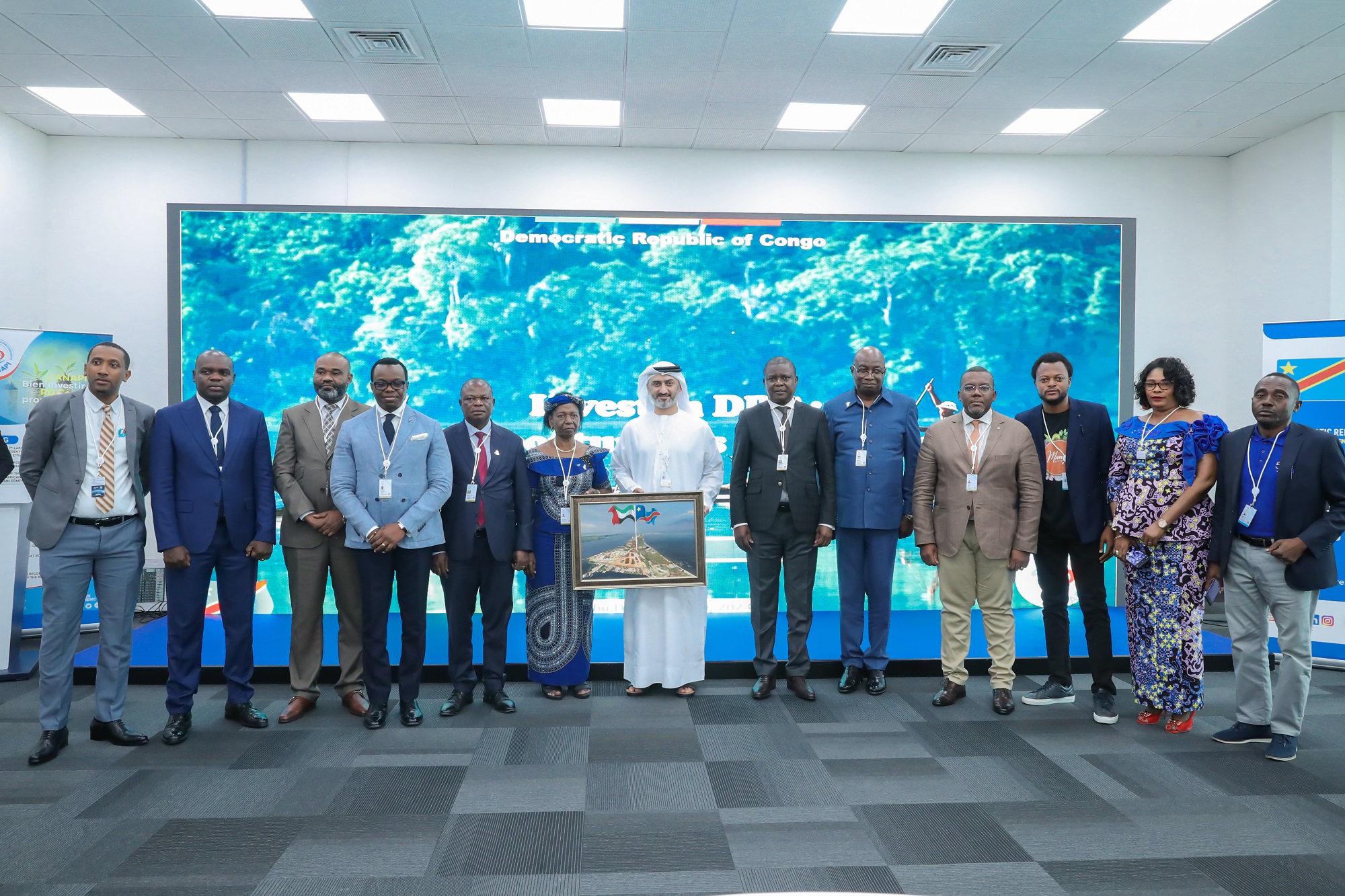
    Abu Dhabi, United Arab Emirates, May 10, 2023: The 12th edition of the Annual Investment Meeting (AIM) announced today that the Democratic Republic of the Congo (DRC) and the United Arab Emirates will collaborate on various projects focused on economic cooperation, investment, and infrastructure in addition to promoting humanitarian assistance efforts.

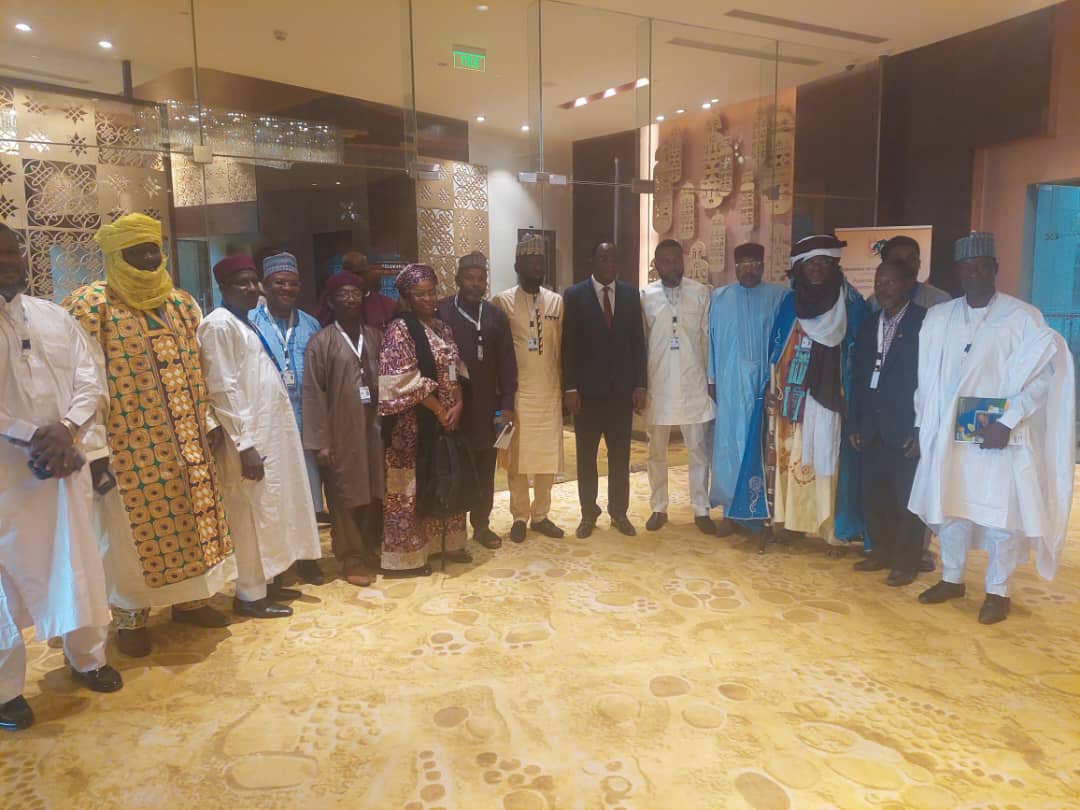
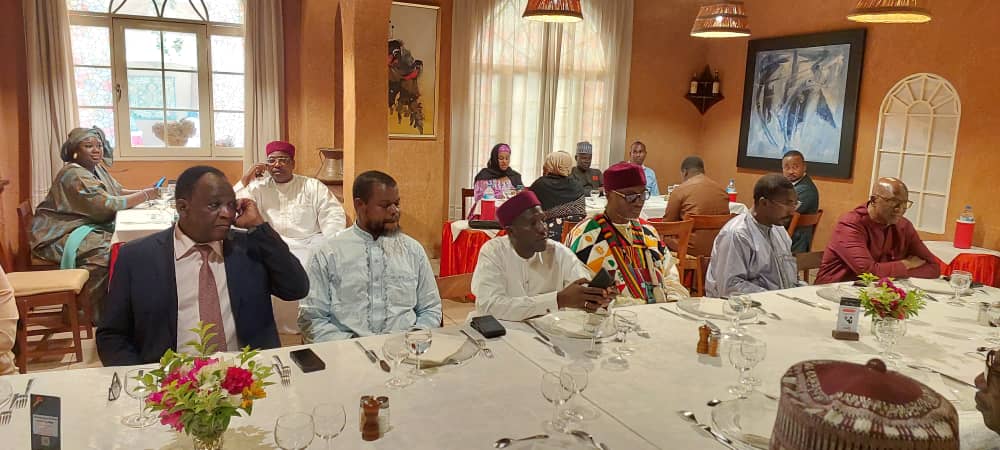
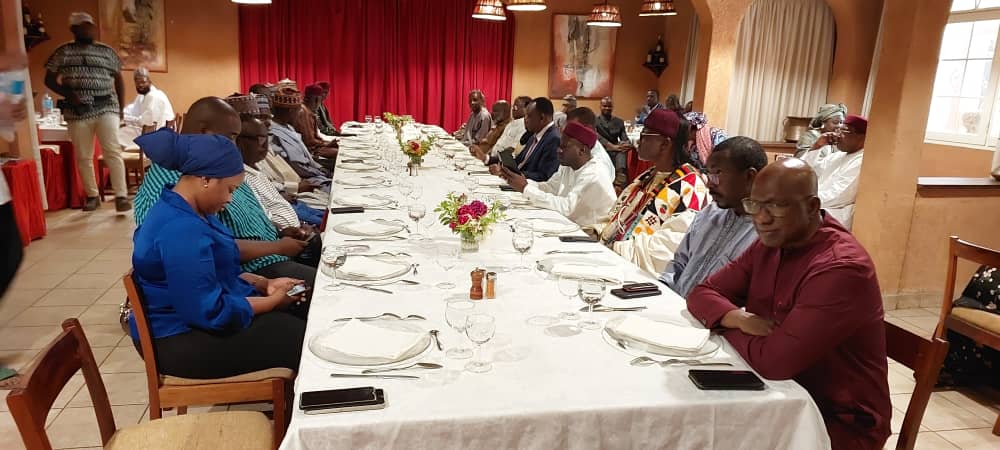
    This forum was led by Aly Ramji, the General Partner at Humanity International Investments, and included several high-profile speakers as H.E. Mrs. Marie Ndjeka Opombo, the Ambassador of the Democratic Republic of the Congo to the United Arab Emirates, Rashid Al Taneji, Director of Trade, Marcel Kanda, Chief of Staff of the Planning Ministry of Congo, John Kabeya Shikayi, Governor of Central Kasai, Malo Mobutu, Governor of North Ubangi, Governor Jean Claude Mabenze of South Ubangi, Dr. Guy BANDU Governor of Central Congo and Governor Jean Robert Nzanza Bombiti of Bas Uele province .

    This session highlighted various reconstruction projects and collaborations with stakeholders as well as focused on a partnership between Congo and the UAE that is aimed at investing in gold. The session highlighted the formation of a joint venture with the Minister of Finance and Treasury with 55% for the UAE and 45% for Congo, which would focus on gold.

    The session also discussed the significant 45% bilateral growth rate in trade between the UAE and the DRC. The UAE is seeking potential partners to invest in the DRC and has signed agreements with India, Israel, Turkey, and Indonesia, and is now looking forward to enhancing relations with African countries as well, including the DRC.

    Marcel Kanda, Chief of Staff of the Planning Ministry of Congo, expressed his ambition for agricultural transformation in the country by developing a value chain in agriculture by 2040, aiming to position Congo as an emerging country. The government of Congo is committed to implementing structural reforms that focus on improving infrastructure and creating a conducive business environment to attract investors.

    In addition, the forum also highlighted the agricultural and mining potential of the Central Kasai province, citing that the region has 8,000 acres of fertile land and favorable natural conditions that allow for the possibility of producing crops up to three times a year. It also emphasized the agricultural and mining potential of the North Ubangi province and highlighted the natural resources of gold and diamonds in the region, as well as its involvement in various projects related to agriculture and infrastructure.

    Lastly, the session also provided the importance of developing the agriculture in Bas Uele for its vast forests and favourable climate conditions, which can support the cultivation of various crops. The governor’s vision is to make the DRC one of the greatest countries in terms of agriculture and attract expertise and business investment in the sector.

    In conclusion, this partnership will open doors to investment and trade opportunities that will benefit both countries while promoting stability and development in the region.


  • Annual Investment Meeting tackles global market challenges,  future investment opportunities in partnership with the Abu Dhabi Department of Economic Development

    Annual Investment Meeting tackles global market challenges, future investment opportunities in partnership with the Abu Dhabi Department of Economic Development

    Abu Dhabi, United Arab Emirates, 2 April 2023: The 12th Annual Investment Meeting (AIM Global 2023), which is supported by the Ministry of Industry and Advanced Technology in partnership with the Abu Dhabi Department of Economic Development, will feature a number of local and international events, forums, and conferences from May 8 to 10 at the Abu Dhabi National Exhibition Centre and discuss the latest investment trends, challenges, and opportunities to further boost the sustainable growth of the global economy.

    Its lineup of activities comprises a series of dialogue sessions, keynote speeches, and interactive workshops that facilitate the exchange of ideas and best practices, foster dialogue and cooperation, and encourage collective efforts towards achieving a more sustainable and equitable financial future for all.

    It will focus on two main tracks, Investment and Innovation & Technology, which will highlight several topics that cover 10 key different sectors – Agriculture, Energy, Technology, Infrastructure, Manufacturing, Tourism & Hospitality, Transportation & Logistics, Finance, Healthcare, and Education.

    Least Developed Countries Forum

    Organized in cooperation with the World Association of Investment Promotion Agencies (WAIPA), the Least Developed Countries Forum aims to shed light on the key challenges confronting investment promotion agencies globally, such as market analysis mechanisms, investment trends, and sustainable approaches to addressing them, with a particular emphasis on investment promotion agencies in the least developed countries.

    İsmail Erşahin, WAIPA Executive Director and CEO, lauded the long-term partnership between the association and the Annual Investment Meeting, the world’s leading platform that offers an excellent opportunity for investment experts, private sector representatives and international organizations to network and exchange ideas.

    “This year we are pleased to be partnering on a conference for Least Developed Countries, where we will dedicate an entire day to discussing the crucial issues facing investment promotion agencies representing LDCs globally and to presenting them with the tools and knowledge needed to address their challenges in a productive and sustainable manner. We are also looking forward to hosting a workshop on attracting institutional capital, an increasingly urgent task for IPAs which WAIPA is supporting through our training programs,” Erşahin said.

    Future Finance Forum

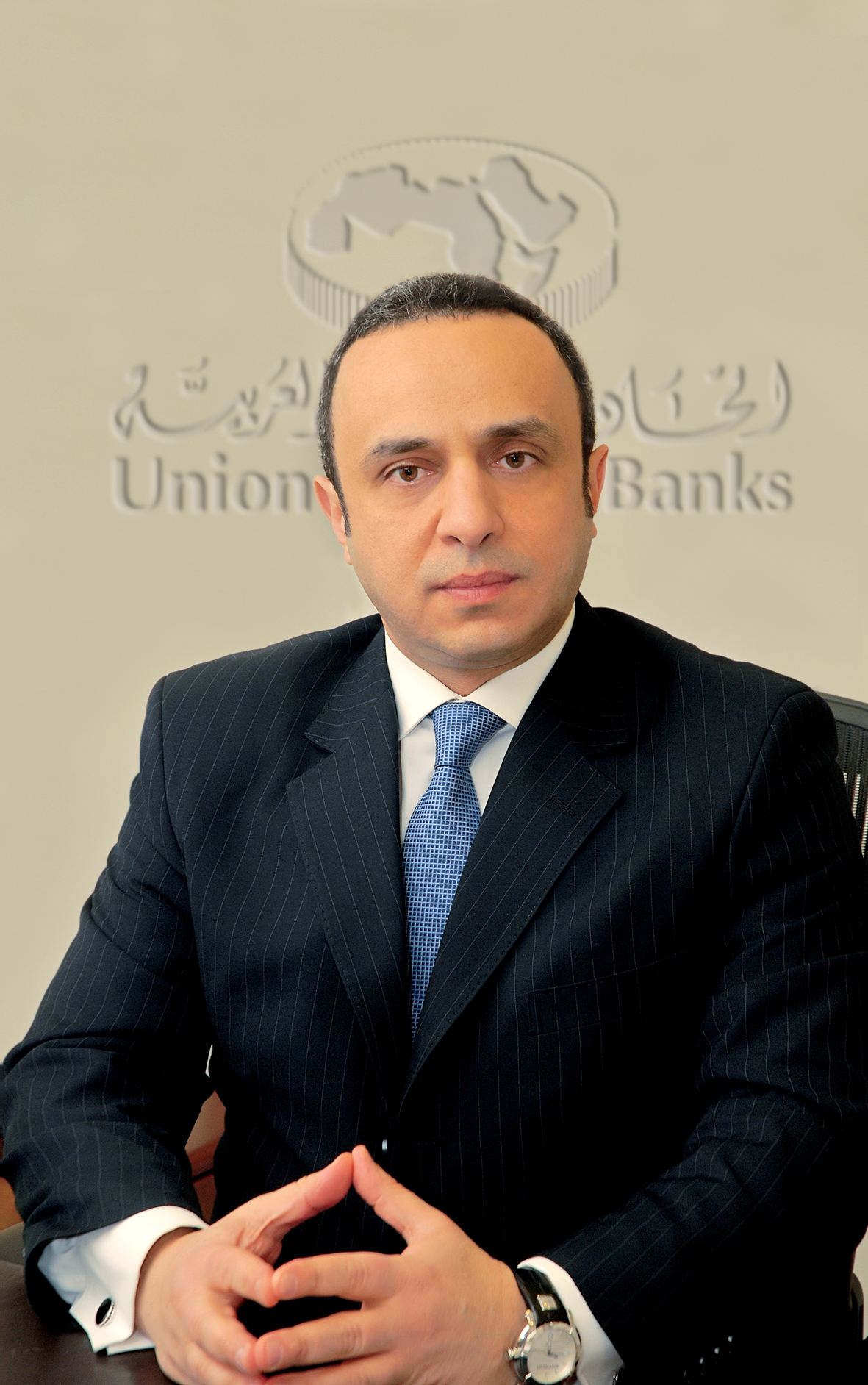
    The Future Finance Forum, in partnership with the Union of Arab Banks under the theme “Leveraging Innovative Technologies for Financial Inclusion and Sustainability,” will bring together experts and practitioners to explore the role of cutting-edge technologies, such as blockchain, artificial intelligence, Web3, and digital currencies, in promoting financial access, stability, and sustainability. The Forum’s attendees will also gain a comprehensive understanding of the challenges and opportunities in implementing these technologies in the finance sector so they can collaborate on concrete solutions for a more inclusive and sustainable financial future in the Arab world.

    Commenting on the collaboration, Secretary General of Union of Arab Banks Dr. Wissam Fattouh said: “In light of the global economic and climate risks, the Arab region is witnessing deep economic and financial transformations, which will shape its landscape for the upcoming decades. The Union of Arab Banks, in partnership with AIM, aims to shed light on the emerging challenges facing our region, and how to transform them into opportunities, in order to achieve a green, sustainable, and digital Arab economy.”

    The local and global side events at the AIM Global 2023 also include “Make it in the Emirates”; “Invest in Abu Dhabi”; “Road to the World Investment Forum” in collaboration with the United Nations Conference on Trade and Development; “Entrepreneurs Investment Summit” with the United Nations Industrial Development Organization (UNIDO); “Bloomberg New Energy Finance Forum”; “Future Finance Forum” with the Union of Arab Banks; “World Local Production Forum” with the World Health Organization; “Tourism Investment Forum” with the United Nations World Tourism Organization (UNWTO); “Least Developed Countries Forum” in partnership with the World Association of Investment Promotion Agencies; “Finoverse Forum”; “Distressed and Alternative Investment Forum” with the DDC Financial Group; and “Advanced Manufacturing Investment Forum” to be hosted by UNIDO.

    AIM Global 2023 will revolve around the theme “The Investment Paradigm Shift: Future Investment Opportunities To Foster Sustainable Economic Growth, Diversity and Prosperity.” Throughout its previous editions, the conference has established itself as the world’s largest investment platform, attracting extensive international participation from decision-makers, senior officials, businesspeople, experts, and academics. It has excelled at providing a premier venue for knowledge dissemination and exchange, staying updated on the latest developments in foreign direct investment and related matters, sharing experiences, exploring business prospects, and forging cooperation and partnership agreements.


  • Africa’s free trade area offers promise for cities – but only if there’s investment

    Africa’s free trade area offers promise for cities – but only if there’s investment

    Published: July 25, 2022 3.57pm SAST

    The African Continental Free Trade Area came into operation on 1 January 2021. This is a considerable achievement. The free trade area is now the world’s single largest market for goods and services, when measured by number of countries, after the World Trade Organisation. It is also the largest in terms of geographic area and population size.

    If implemented as foreseen by the agreement, the free trade area will unlock significant growth for the African continent. The World Bank has estimated that by 2035, trade between African countries could expand by 81%, boosting output by US$450 billion, raising wages by 10%, particularly benefiting women, and lifting 30 million people out of extreme poverty.

    These expectations, based on research into the links between trade and economic growth, have generated excitement and political impetus around getting the free trade area working.

    Less well understood, however, is the fact that for the agreement to fulfil its promises, the continent’s cities are key. They are hubs for production and consumption, and will become significantly more so. But their current set-up, lacking the necessary infrastructure and services, means most of Africa’s cities are not yet ready to benefit from and support the free trade area. This will require substantially greater investments in the continent’s cities.

    This link between urbanisation and trade is analysed in the United Nations Economic Commission for Africa’s recently launched publication, Cities: Gateways for Africa‘s Regional Economic Integration.

    What cities bring to the party

    The importance of cities in unlocking the benefits of the free trade area is premised on three well established advantages of the economic density that cities can provide.

    Firstly, firms, which are the primary vehicles for producing goods for export, prefer to be in cities. There, they are closer to a larger pool of labour and to each other. This proximity enables them to specialise but still have access to inputs for their production processes from other firms. They can also learn from each other, which spurs innovation.

    Secondly, cities are the physical locations from which most trade takes place. Cities provide the main transport links, including road junctions, ports and airports.

    Think of the Port of Mombasa, which serves not only Kenya, but also Burundi, the Democratic Republic of Congo, Ethiopia, Rwanda, Somalia, South Sudan, Tanzania and Uganda. It is also difficult to think of a major city that is not served by an airport.

    Cities also provide their own internal markets. Rapid urbanisation, with an estimated 900 million people set to enter African cities in the next 30 years, creates a large upcoming consumer pool. This is the third advantage of density.

    Particularly in the African context, it is not only the number of consumers that will make the difference. As evidence shows, when people move to cities, their diets change as well. For example, there is a greater demand for goods with higher value addition, such as refined grains and processed foods. This is an opportunity for Africa’s farmers to gain, too, as this value addition will fetch a higher price.

    Not yet fit for purpose

    Substantial investments in infrastructure are needed for cities to be able to unlock the benefits of the free trade area.

    Most notable is the paucity of paved roads. Currently only an estimated 800,000km out of 2.8 million km of the continent’s roads are paved. This statistic is critical because an estimated 80%-90% of African trade takes place by road. This raises the costs of African trade. For example, while it costs about US$2,000 to ship a container from China to the port in Beira, Mozambique, it costs more than double that amount, namely US$5000, to move it 500km further inland to Malawi.

    This lack of infrastructure is a hindrance in cities too. In particular, according to the UN Economic Commission for Africa report, the cities that should drive the largest portion of trade and reap relatively larger benefits from the free trade agreement’s provisions are small to medium size ones, especially those located close to borders.

    These are also the cities that have had comparatively less investment to date. Without basic infrastructure, they will not attract firms – the drivers of production, value addition and export.

    Whatever happens in implementing the free trade area, rapid urbanisation will continue across Africa. Consumption preferences of the continent’s population will shift. If African firms can’t meet these demands, imports from other regions of the world will do so.

    Under this scenario, other countries will disproportionately gain from Africa’s new urban consumer population.

    Investing in cities

    The current political support for the free trade agreement is significant, with all but one African country having signed the deal and 43 countries already having ratified it. Harnessing the combined effect of trade and urbanisation could positively transform the African continent’s economy.

    This will require not only the signing of policies but their implementation.

    To date, only Egypt, Ghana and South Africa have readjusted their national regimes to implement the customs rules under the agreement. Well-managed urbanisation is still not a primary policy focus in many countries. The result is that populations are settling in cities quicker than planning and investments are happening. Rather than benefiting from well-managed density, major African cities are characterised by the proliferation of slums and congestion. On top of this, substandard infrastructure is deterring large firms.

    Each of these challenges has its own host of policy reforms, programmes and actions that need to be taken. But to unleash the combined benefits of trade and urbanisation, it will be important to build on the political momentum that the free trade agreement has set in motion. This will ensure that national legislation is centred on the agreement’s impacts on cities, and on the needs of cities.

    Similarly, in planning for urbanisation, particularly intermediary and border towns, investments should focus on unleashing their comparative advantages in relation to the free trade agreement.

    Credit(“The Conversation”)