|
African Energy Week 2023 will proudly take place under the theme, ‘The African Energy Renaissance: Prioritizing Energy Poverty, People, the Planet, Industrialization and Free Markets’
|
|
JOHANNESBURG, South Africa, May 8, 2023/ — Africa’s estimated 125.3 billion barrels of crude oil and 620 trillion cubic feet of proven gas reserves present an opportunity for the continent to accelerate the diversification of the energy mix and address energy poverty while driving industrialization, employment creation, gross domestic product growth and environmental sustainability. In this regard, the 2023 edition of the African Energy Week (AEW) conference and exhibition – Africa’s premier event for the energy sector which takes place in Cape Town from October 16-20 – is proud to take place under the theme, ‘The African Energy Renaissance: Prioritizing Energy Poverty, People, the Planet, Industrialization and Free Markets.’
With over 600 million people across the continent living in energy poverty, 900 million without access to clean cooking solutions and African economies grappling with chronic shortages and high energy prices, the AEW 2023 theme reflects the urgent need for Africa to prioritize the needs of its people while correspondingly promoting sustainable development and industrialization, creating opportunities for free and open markets. “Africa has the potential to become a global leader in energy, but we must first address the urgent need to provide reliable, affordable and sustainable energy to our people,” said Verner Ayukegba, Senior Vice President of the African Energy Chamber, adding that, “This year’s theme underscores the importance of addressing energy poverty, driving large-scale project developments across the oil, gas, renewable and broader power sectors. At the same time, it reflects that it is imperative that we create the right conditions for investment to flow and the private sector to flourish.” Alleviating energy poverty will all come down to the continent’s strong pipeline of oil and gas projects. On the oil front, upstream projects to the likes of Eni’s Baleine project in Ivory Coast; Namibia’s three-fold discoveries in the Orange Basin; Zimbabwe’s onshore exploration campaign in the Muzarabani Basin, among others, continue to showcase the potential for upstream investment. Downstream, Angola’s three-refinery developments (Soyo, Cabinda and Lobito); the East African Crude Oil Pipeline; and other infrastructure developments offer new opportunities for petroleum distribution in Africa. All of these projects will be key for addressing energy poverty while accelerating industrialization. Meanwhile, climate action remains a top priority for Africa, as it represents the continent most impacted by climate change. As such, a series of sizeable low-carbon natural gas projects have and continue to be launched including Eni’s Coral South Project in Mozambique; TotalEnergies’ Mozambique Liquefied Natural Gas (LNG) development; bp’s Greater Tortue Ahmeyim project in Mauritania/Senegal; Perenco’s $1 billion LNG development in Gabon, among others. These developments open new prospects for power generation and distribution, job creation and capacity building, as well as revenue generation for countries continent-wide. As such, AEW 2023’s theme reflects the urgency behind these projects, focusing dialogue and deals on energy poverty, people and the planet. On the renewables front, Africa has emerged as a global green hydrogen investment hub with large-scale projects underway in Mauritania, Namibia, Egypt and South Africa. These projects aim to capitalize on the continent’s immense solar and wind potential, accelerating energy access and reducing carbon emissions. The continent’s focus on sustainable energy is underscored by AEW’s focus on the planet. While global energy transition related policies and restrictive local regulations and fiscal terms have disrupted the flow of foreign direct investments into African energy, this year’s AEW theme depicts the need for both established and emerging African energy producers to revitalize energy laws and prioritize the creation of enabling environments in which the private sector will thrive. In order for the continent to meet its energy and economic developments goals, prioritization must be placed on free markets, and AEW 2023 represents the platform where discussions on this topic will be held. Featuring investment-dedicated discussions and summits, AEW 2023 enables industry stakeholders to discuss best practices for the continent to maximize private sector participation while addressing investment and infrastructure gaps.
“AEW 2023 will be a critical opportunity to advance the energy agenda in Africa and promote sustainable development across the continent. We have said it time and time again, Africa needs free market, increased private sector participation and business-enabling fiscal terms to grow. The AEW theme reflects this clearly and we look forward to welcoming delegates from across the globe to Cape Town for what promises to be a dynamic and productive event,” Ayukegba continued. Under this market-focused theme, a suite of high-level speakers will discuss growth opportunities across Africa’s entire energy value chain with the aim of accelerating energy security, climate change mitigation and value addition for local economies and people. In addition to dialogue, AEW 2023 will feature exclusive networking sessions and deal-signings, uniting African energy policymakers and companies with global investors. Additionally, technical workshops and presentations will showcase the latest innovations in technology and services while youth-led side events provide a platform for young entrepreneurs and industry players to engage with market leaders. For more information about AEW 2023, please visit the event website at www.AECWeek.com and secure your spot at the biggest gathering of energy stakeholders on the continent. Join the African Energy Chamber’s AEW 2023 and be part of the African energy renaissance. Distributed by APO Group on behalf of African Energy Chamber.
SOURCE |
Tag: oil and gas
-

Join the Movement: African Energy Week (AEW) Fosters an African Energy Renaissance with 2023 Theme
-
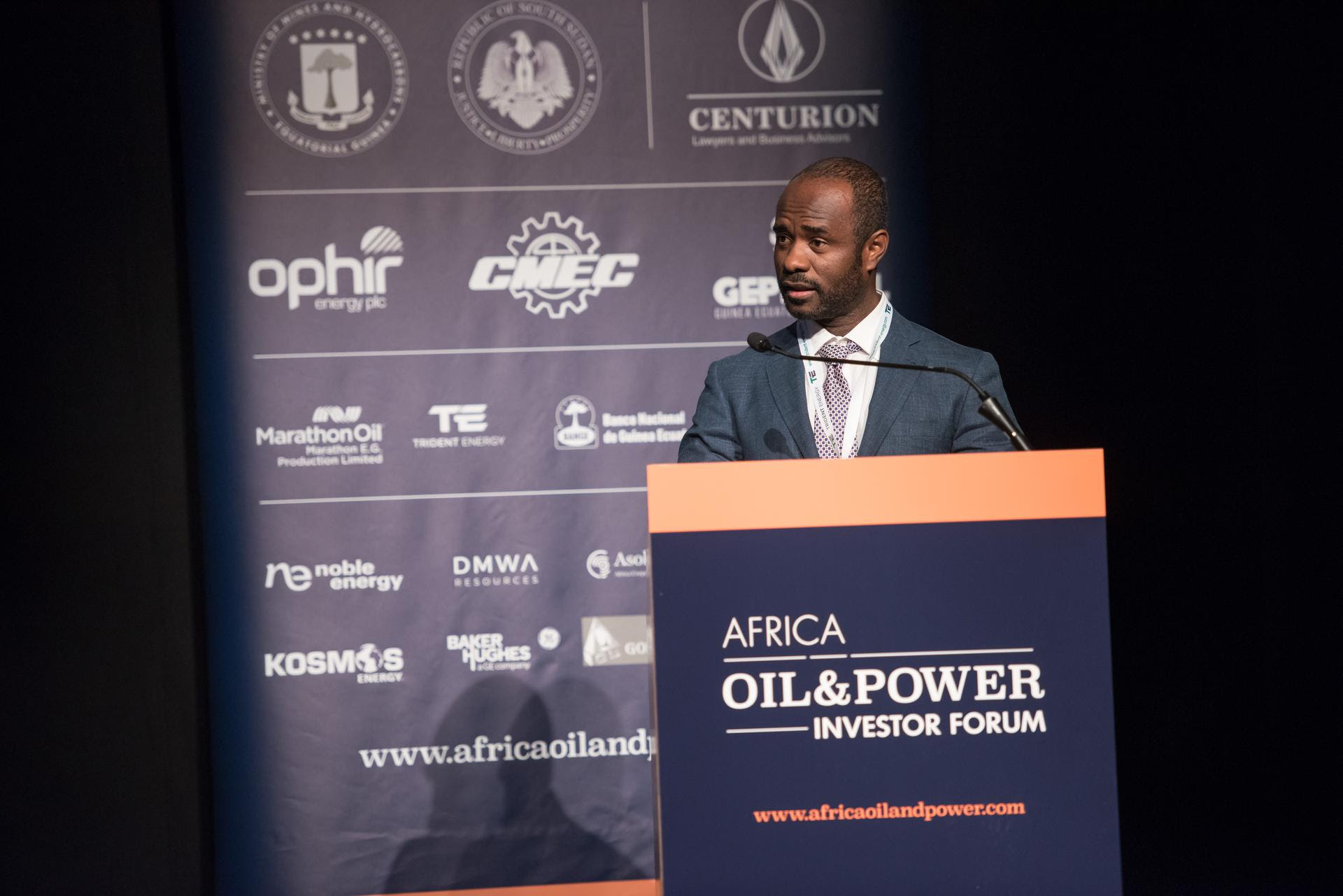
Equatorial Guinea’s New Minister of Mines & Hydrocarbons Is a Competent Leader Taking the Reins in a Challenging Era — Here’s What Needs to Happen Next
Antonio Oburu Ondo, former Managing Director of national oil company, GEPetrol, has been named Minister of Mines and Hydrocarbons. He is succeeding well-respected leader Gabriel Mbaga Obiang Lima, who assumed the role of Ministry of Economy and Planning.
By NJ Ayuk, Executive Chairman, African Energy Chamber
Equatorial Guinea’s cabinet has seen a changing of the guard.
Antonio Oburu Ondo, former Managing Director of national oil company, GEPetrol, has been named Minister of Mines and Hydrocarbons. He is succeeding well-respected leader Gabriel Mbaga Obiang Lima, who assumed the role of Ministry of Economy and Planning.
We at the African Energy Chamber are confident that Minister Ondo will do an excellent job. He brings years of industry experience to the table and has worked extremely hard to strengthen Equatorial Guinea’s national oil company. We do not doubt that Minister Ondo will be successful in fostering growth in the energy sector and the national economy as a whole provided that energy industry stakeholders — from international oil companies (IOCs) to the government to other African energy ministers — join us in supporting him.
We Need a Strategic Response to Natural Decline of Maturing Oil Fields
It’s no secret that Equatorial Guinea’s energy industry faces some challenges. For one, production in existing oil and gas fields has been in decline. It is not because of the action, or the inaction of anybody: This is a natural decline and to be expected in any production site.
What is needed right now is reinvestment in energy growth. And to achieve that, Equatorial Guinea will need to create an enabling environment for new oil and natural gas exploration projects. Equatorial Guinea must remember that it is competing for capital and investment with Gabon, Guyana, and other countries that offer attractive fiscal terms to entice IOCs. If Equatorial Guinea can’t match that alluring environment, it will be difficult to sustain oil and gas production.
Consider this: There have been no major discoveries in Equatorial Guinea since the introduction of the 2006 hydrocarbon law. In late 2021, Obiang Lima said Equatorial Guinea was revising that law. He recognized that fact that the country needed to give greater consideration to the needs of, and current challenges, facing energy companies if it was going to convince them to make significant investments there.
“Our hope is that it will enable us to attract more regional and international energy participants and incentivize investment across the entire value chain,” Obiang Lima said at the time. “That will allow us to realize the potential of our offshore natural gas industry and become increasingly competitive in the gas sector.”
The decision to revise the law was the right choice. I encourage Equatorial Guinea to complete those efforts promptly. Meanwhile, the Ministry of Hydrocarbons and Mines should be taking practical steps to demonstrate that Equatorial Guinea is investor friendly. Oil majors will notice, for example, how the ministry handles the upcoming departure of ExxonMobil, which has announced plans to leave the country, and West Africa, after its license expires in 2026.
While it may be hard to watch the departure of this excellent partner for the country, it is equally important that Minister Ondo recognize the value of a clean break and an orderly transition to their successor. A diplomatic response will enhance Equatorial Guinea’s reputation as a good country for energy companies.
What’s more, while there’s no question of sunsetting wells, let’s not overlook the successful producers in the country who are working to ensure the longevity of aging fields and investigating new finds. Trident Energy and Kosmos Energy, for instance, continue to have successful output in the Ceiba conventional oil field: Although production peaked in 2002 at 51.7 thousand barrels per day (bpd) of crude oil and condensate, the field continues to account for some 4% of the country’s daily output. Meanwhile, U.S.-based VAALCO Energy and Atlas Petroleum are successfully proceeding with the development of the Venus discovery in Block P and there is no longer an exclusive operation. All signs point to a promising yield: The results of its initial discovery well and reservoir modeling anticipate 15,000 bpd from the two development wells and injector well.
Minister Ondo must continue to establish and promote fiscal incentives for investors like these to drive up further production in Block P and other promising hydrocarbon-rich zones. Creating and maintaining ongoing positive relations with these and other companies can go a long way toward developing a reputation as a country serious about its hydrocarbon industry.
Gas Is the Way Forward
I believe Equatorial Guinea’s 1.5 trillion cubic feet of natural gas will become the driving force in the country’s energy industry. To enable natural gas production and monetization to lead to economic development and industrialization, Minister Ondo needs to embrace a pragmatic approach to welcoming credible investors, eliminating red tape, and making good deals.
With this in mind, Minister Ondo will likely find that closing the deal with Chevron regarding a joint development of the YoYo and Yolonda natural gas fields in Equatorial Guinea and Cameroon is going to be critical. Developing this cross-border gas mega-hub could truly transform the economy of both the nation and the region. The LNG market continues to be important and Equatorial Guinea is well positioned to be an active player.
Let’s also consider Golar LNG and the Fortuna floating liquefied natural gas (FLNG) vessel owned by New Fortress Energy. The partners are negotiating about EG-27 (formerly Block R) to develop an easier, fast-tracked system for moving LNG into the market. This a difficult project and requires really highly skilled companies and deep financial pockets to make this work. The discussions center around bringing LNG from Nigeria or Cameroon to be processed in Equatorial Guinea. Such developments are critical now more than ever, and the ministry would be wise to do everything in its power to make them happen.
Keep it Local… But Balanced
Another challenge Minister Ondo faces is to prioritize keeping markets stable, taking a very market-driven approach both at home and abroad. It’s a delicate balancing act: creating an atmosphere where companies will want to invest in Equatorial Guinea while, at the same time, advocating for the needs of local people and businesses.
This is not the time to leave local content behind. Minister Ondo will want to make certain that his country establishes a platform that develops its homegrown businesses and businesspeople. This is more than just enabling the local residents and businesses to take commissions from service companies – it is about ensuring that they become an integral part of the industry. Indeed, local content should be seen more as enterprise building and management.
At the same time, Minister Ondo will be wise to follow in his predecessor’s footsteps in denouncing the currency control rules that the Bank of Central African States (BEAC) adopted in June 2019. While the BEAC’s intention was to promote financial transparency and ensure that oil revenues stay within local economies and local banks, these stringent restrictions create a very unwelcoming environment for foreign investors by causing transaction delays and preventing the repatriation of proceeds. These are job killing regulations and it is bad for jobs, bad for local companies and bad for investments.
“The FX regulations adopted in June 2019 make it very difficult for our companies to compete and create employment, and render our business environment very unattractive for foreign investors,” Obiang Lima said shortly after their enactment, while calling on the industry to take immediate action to encourage a reversal of the regulations.
Perhaps a collaboration of the Ministry of Mines and Hydrocarbons and the Ministry of Economy and Planning is in order – a collaboration of outgoing and incoming ministers who can use their expertise and political savvy to overcome these kinds of job-killing and industry-damaging regulations.
I am confident that Minister Ondo has what it takes to make it work. Companies can rest assured: He may be new to the office, but he’s not new to the game. We have all grown accustomed to his predecessor, and now we all need to welcome new ideas from the new minister. Let’s offer him our full support as he works to help Equatorial Guinea’s energy industry get its groove back.